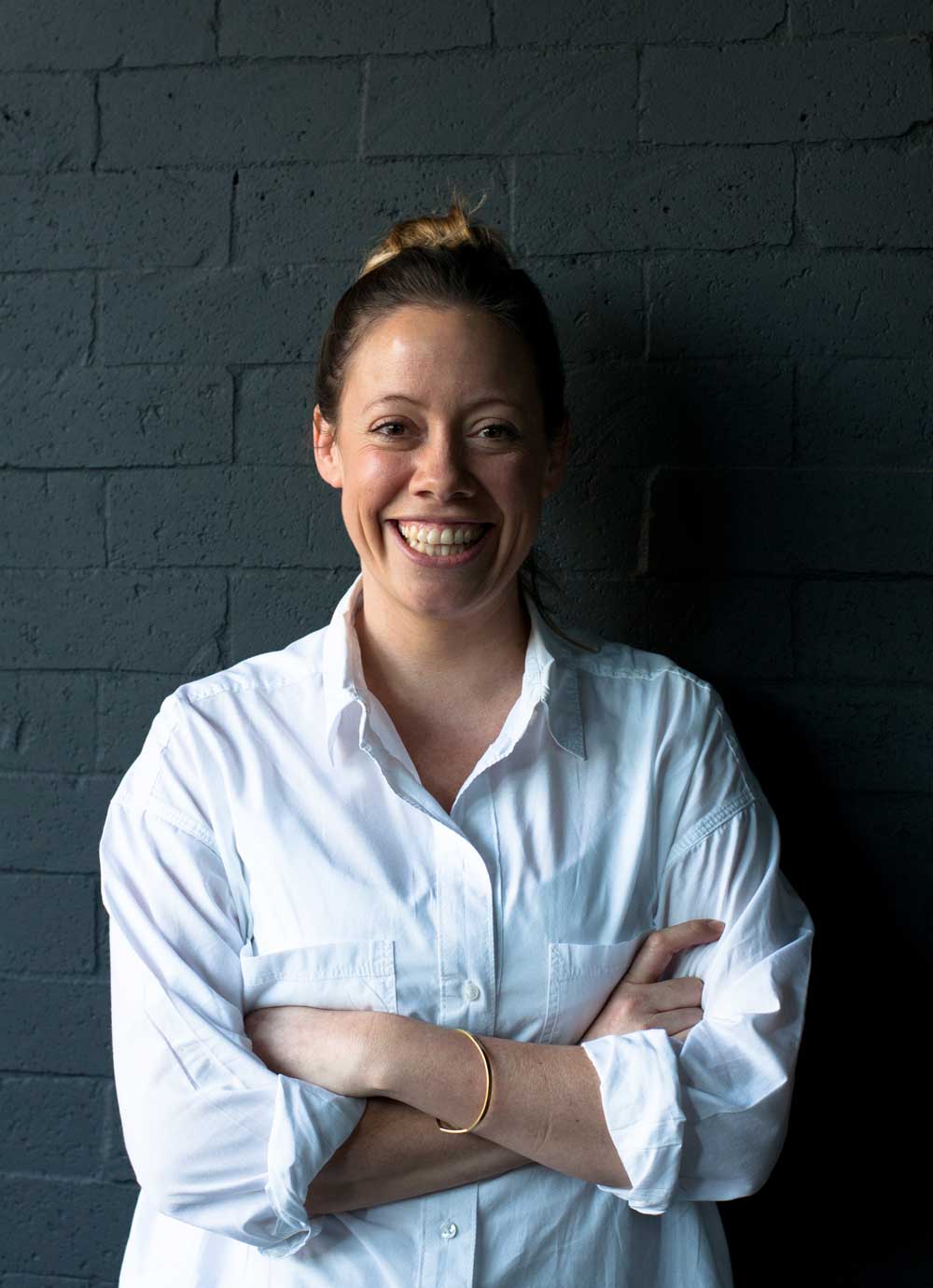
Fieldbar Founders on Human Talent & Authentic Design

“Why not?” For founders Lee Hartman and Corban Warrington, consistently asking that question has led to the evergreen success of luxury cooler box brand, Fieldbar.

Through relentless pursuit and borderless creativity, they have built a lifetime accessory with timeless style, and everything is handcrafted – from the coveted products to the striking artwork used in its social marketing. Since the launch of its flagship product, the Drinks Box, the brand has expanded its catalogue and its audience, as it now ships chic cooler boxes and fine outdoor goods to safarigoers, beach baskers and travellers across the globe. We chat with Hartman, Warrington and the Fieldbar team about innovative design, trusting human talent in the machine age and leaning on authenticity to stand out.

Fieldbar team, Lee, Corban and Taimi.The Fieldbar team, featuring Corban Warrington, Lee Hartman and Taimi Paulino (from left to right).

What was the inspiration behind Fieldbar?

Corban: To create a desirable product in an undesirable category.

People put a lot of time, money and effort into what they wear, what they do and where they go, but we saw a gap when analysing this in an outdoor setting. Cooler boxes are functional products, but we asked, why can’t they make you look good, feel good and be functional?

What drove the design approach?

Corban: Timelessness. We didn’t want to bring another product into the world just for the sake of it. The design needed to survive the test of time (and trends), so not only would it physically last a lifetime but it would also never go out of fashion.

How is sustainability incorporated into the production?

Corban: The very structure of a Fieldbar cooler box makes it sustainable. A product that is modular and made out of multiple parts that can all be repaired, recycled and replaced. This ensures that if something does need repairing, you are only replacing those affected parts rather than discarding the entire product.

Fieldbar factory

The brand has grown globally in recent years. What’s been the highlight of this journey?

Corban: The validation of knowing that our product and brand can compete on an international level. We want to show the world that South Africa can be a contender in the big leagues. We still have a ways to go, but the response we’ve had from international markets has been really positive and it keeps the entire team driven to keep pushing a world-class standard.

The Fieldbar social marketing team always creates striking visuals that almost look AI-generated. What’s the secret?

Corban: Raw human talent!

Kristen: We consider ourselves a ‘high effort’ creative business. This means we are less concerned with efficiency and more focused on originality. AI tools are wonderful as a sounding board, but we try to avoid using them to generate any of our creative – we feel something intangible gets lost in the process – and the results can be generic. So what you are referring to as ‘AI’ on our socials was actually produced by a highly talented multimedia designer (and it took weeks!).


View this post on Instagram


A post shared by FIELDBAR (@fieldbar.co)

What business strategies have helped Fieldbar stand out?

Corban: The ‘Why not?’ strategy. If a supplier says it can’t be done, we challenge them to try it anyway – same when it comes to how we innovate. Why not try to do it differently from how other companies are doing it? We stay true to our core principles that are intuitive in our team and we encourage them to keep pushing the boundaries. It’s not even a ‘strategy’. We are doing what comes naturally and we’re having fun while doing it.

A field day isn’t complete without a Fieldbar. Where do you take yours and what’s stashed in your Drinks Box?

Corban: Sunset picnic on a boulder by the sea (it’s a secret spot) – Rosé for the wife, beer shandy for me and some mini ciabatta rolls, a ball of burrata, basil pesto and salami for the ultimate sandwich.

Fieldbar Safari White Drinks Box at the beach, lifestyle shot.

Everyone wants a Fieldbar. How does the team keep up with the demand while maintaining quality?

Corban: Slow is smooth, smooth is fast. Because they are all handmade, you can only go as fast as those hands allow. It has been our biggest challenge trying to scale a handcrafted production line to meet the demands, but we are continuously working on more effective systems and tools to streamline production. We are choosing to grow at a set pace rather than explode our production to maintain the quality.

Invenfin backed your vision. What advice do you have for entrepreneurs seeking investors?

Lee: Before going to any investor, you need to prove that there is a real demand for your product and show, in detail, your scaling plan. I always like to think of capital raising along the lines of ‘ideas need money, and money needs ideas’.

Corban: Find investors that allow you to keep ‘doing you’. You want someone to back your idea, not take over your idea. Invenfin has been incredible with providing insight and aiding where needed, while still trusting us to keep doing what we are doing.

What’s next for Fieldbar?

Corban: We’ve got a few ‘mini’ ideas in the pipeline.

Fieldbar product range, lifestyle

For more about Fieldbar, visit the website and follow them on socials. 

fieldbar.co.za | Instagram | Facebook

Art Focus – Agnes Essonti Luque Talks Mother Tongues & Food Culture

For Cameroonian-Spanish artist and curator Agnes Essonti Luque, food is not just a means to sustain. Every plate tells a story of the past and present, political and cultural shifts and the dualities of individuality and collectivism. She aims to explore its cultural impacts, creating a deeper understanding of ancestral roots to ‘plant seeds for future change’.

While Essonti Luque’s art often references her ancestry and lived truths, the intersections she explores relate to pan-African identities, as depicted in previous exhibitions such as ‘When I Was Little, They Gave Me Nostalgia By the Spoonful’ and ‘Foodscapes’. For the twelfth edition of Investec Cape Town Art Fair, we talk with Essonti Luque about her latest installation titled ‘Mother Tongue’ and creating dialogue through food.

‘Mother Tongue’ is the name of your current installation. Can you tell us about the inspiration behind it?

The main inspiration for the installation I am showing at ICTAF is ‘the tongue’ – an organ we use to taste and eat, but also to articulate our discourses. I’ve always been interested in language, especially Pidgin within the context of [Cameroonian culture] and food. So basically, this project has allowed me to bring together two major lines of my practice.

Your work often explores the intersection of food, memory and identity. Has that provided insights into your identity?

Definitely! Growing up in a place that didn’t feel like home made me explore a lot of my multiple identities and how they are constructed. Food and other cultural manifestations have played a massive role in exploring my ancestral heritage and grounding me in realities that are sometimes rough.

The Over Untitled 3 | Images courtesy of Agnes Essonti Luque

How do you hope others engage with your work?

I see everything that I create as a seed I’m planting for future change. Sometimes it’s about bringing the possibility of that change, [and] seeing things a little bit different. The impact can be big or small, personal or collective, but I always hope people [reflect] and somehow challenge dominant stories.

What’s your favourite childhood food memory?

Lately, I’ve been thinking a lot about beignets and haricots. It’s what most people would identify as Cameroon’s national breakfast. When I was a child, I used to have it for dinner on Saturdays, as my auntie would make it for the family. The fritters were big, round, fluffy and really sweet. The beans were perfectly cooked, spicy and so nourishing.

Does thinking about the future of food excite or scare you?

As [with] everything, I think it depends on [your standpoint]. I advocate a lot for reclaiming ancestrality as a better way to navigate our present and future. So, if we think of a future, it needs to be deeply connected with ancestral ideas and ways.

Over Generacion 2024, Exposiciones Doumentacion Maru Serrano | Images courtesy of Agnes Essonti Luque

Connection is at the heart of food. Do you hope younger generations continue to honour the importance of community?

[Yes!] Especially in the context of the global crisis that we are experiencing.

I think it is vital to build strong connections within the communities we live in, be it people or nature. We’ve witnessed through history the power of working together towards our needs and political claims.

This is your first time showing at the Investec Cape Town Art Fair. How does it feel to be part of Africa’s largest art exhibition?

It feels great! I’m honoured to take part in the Tomorrows/Today curated section and I’m sure that this opportunity will bring further exhibitions and projects. I’m also excited about being in South Africa for the first time in my life; I’m loving the vibes in Cape Town.

Pictured: Agnes Essonti Luque portrait (top left); The Over Untitled (top right); Over Generacion 2024, Exposiciones Doumentacion Maru Serrano (bottom) | Images courtesy of Agnes Essonti Luque

The ‘Power of PLAY’ is the theme for this year’s fair. How do you embrace playfulness in your life and your work?

As my work draws from nostalgia and childhood memories, it’s always been a priority to embrace playfulness. From the foods I cook to the physical works I create or the gatherings I host, play allows me to approach different themes from an open and joyful perspective.

Are there any themes or mediums you hope to explore?

I’m always open to exploring new mediums, especially sound, painting and ceramics. I’m sure my practice will always keep an auto-referential approach, but right now, I’m researching a lot about the restitution of looted artefacts and different pan-Africanist figures.

The Over Taym we taym bi bin taym | *Art images courtesy of Agnes Essonti Luque.
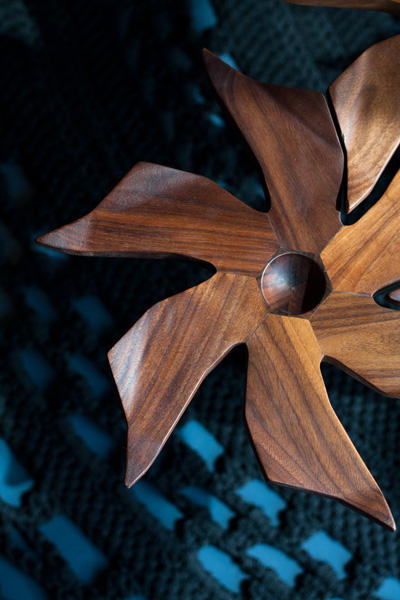
To experience ‘Mother Tongue’, visit the Tomorrows/Today booth at the Investec Cape Town Art Fair, showcasing at the CTICC from 21-23 February 2025. Buy Tickets here.

Visit the website below to view more of Agnes Essonti Luque’s work. 

essonti.com | Instagram

Chatting to Designer John Vogel of Vogel Design

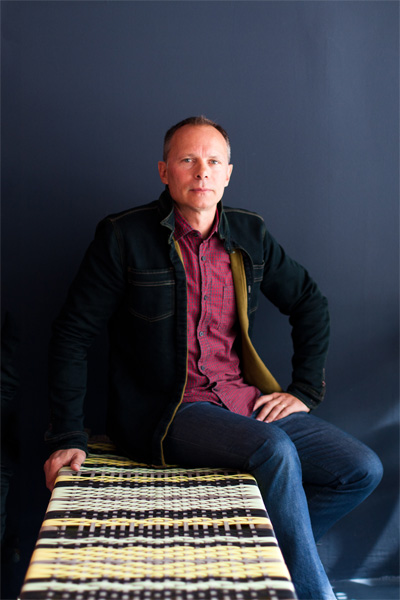
Based in the creative hub of Woodstock, Cape Town, Vogel Design is an ethically minded business that creates timeless, original furniture pieces. Owner, John Vogel, is an architect-turned-furniture-designer, with a strong belief in sustainable, organic design that is both imaginative and functional. We chat to John about his business and design aesthetic.

Q&A John Vogel, Vogel Design

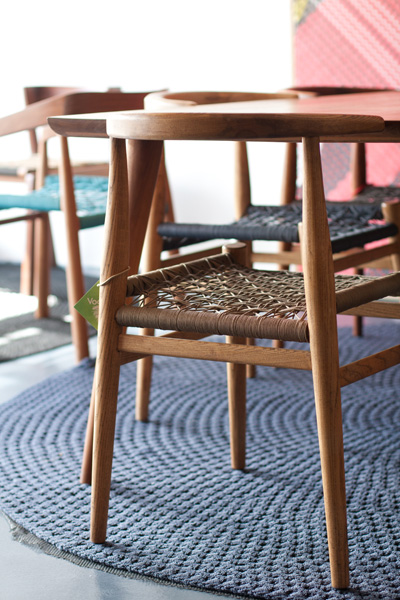
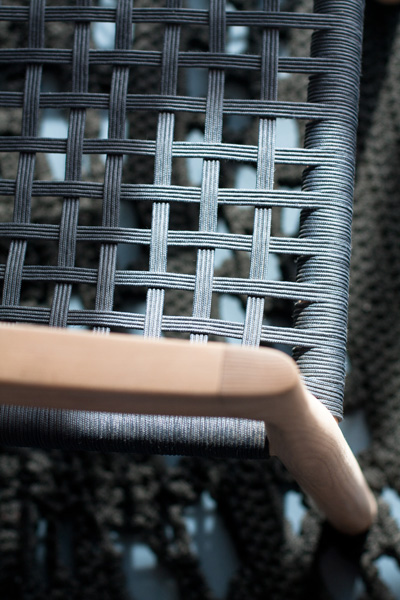
Vogel design
Vogel design

Organic inspiration is clearly a major influence in your work, tell us about this…

Organic is nature inspired, intersections blend, there is a balance between hard structure and flowing form.

Some of your pieces connect together in almost a puzzle-like way, is this representative of a connection to nature?

It’s about exploring the ideas of interconnectedness, and interaction of parts that make up the whole. It is also about the playful interaction by the user with the piece.

john vogel Vogel design

Does owning a bespoke design company in a country like South Africa have unique challenges?

Sure, our local market is small, there are no big design houses to promote designers work and to pay royalties, skills are in short supply, labour laws and red tape are plentiful, we are far from Europe and US markets, which means we have a transport cost disadvantage to those markets, the list goes on…

What is the most important decision you made to get you to where you are today?

My best friend at Archi school asked me if I wanted to work over the holidays and start a furniture factory… I said yes.

If you could design a piece of furniture to save the world, what would it be and why?

For now, I think that it would have to be a brightly coloured woven armchair that dissolves religious dogma from within the user, whilst enhancing a strong sense of universal connection, inner peace and brotherly love. It would also instantly transmute any desire to behead anything or anyone.

What would your 5-year old self say to you about what you do now?

Well, at first he may be disappointed, he wanted to be a bird vet. But then, I think he would be stoked about all the power tools, especially the chainsaw. He may be a bit bummed by the responsibilities.

john vogel Vogel design

At Crush we love everything about food, so invariably things return to this subject. So, if you had to design a meal that represented your brand, what would it be? 

Organic local ingredients, good taste, made by hand on an open fire, elegantly served, with lingering flavour. It would involve home-baked bread, Karoo lamb, a hand-woven picnic mat, a tree, good wine, peaches panned over a fire in sherry, with Swiss ice cream.

We see you pledge trees through Greenpop, can you tell us about this…

We consume trees, so planting them is about giving back, being mindful, creating balance.

Final question… can design save the world?

Design can be about applying creativity to a problem in order to produce an elegant and tangible solution, so yes. And… we are all designers.

john vogel Vogel design
Vogel design john vogel

Quickfire Questions

Music on your playlist when you are designing… Sigur Ross
Drink to unwind at the end of the day… If I did, maybe a Remy Martin.
Favourite Cape Town go-to spot… Tokai, mountain biking trails. The ones that face down.
Pet peeve… M3 traffic.
Person, dead or alive, to be stranded on an island with… After my wife, Spider Murphy. He shapes outstanding surfboards, which would come in handy on the island breaks.

vogeldesign.co.za| Instagram

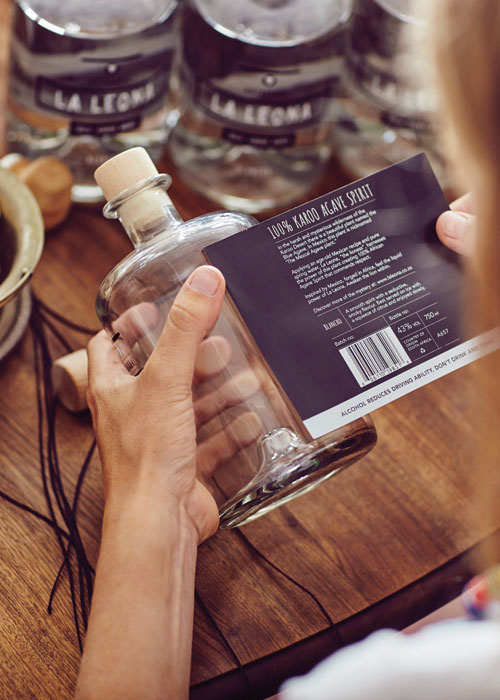
Meet Sarah Kennan, the Woman Behind Leonista 100% Agave Spirit

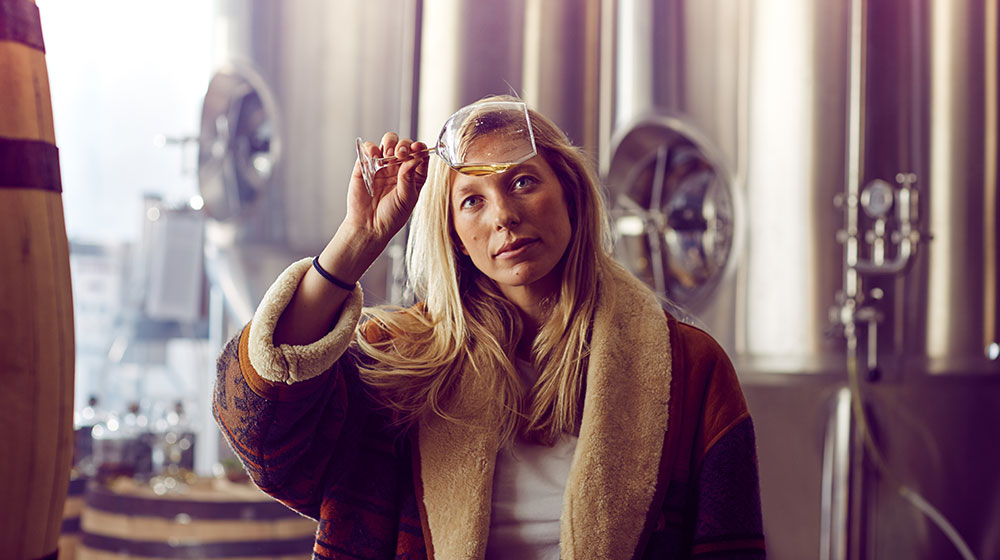
Meet Sarah Kennan, a lady whose love and passion for high-quality spirits has led her on a trip from Cape Town to Mexico and all around the Karoo. She’s learnt from the masters and is now distilling spirits from locally grown agave, creating the brand Leonista. We chat to Sarah to find out a bit more about what drives this unique passion of hers…

Sarah Kennan

Sarah Kennan Chats to Us about her Baby: Leonista

Crush: Can you tell us a little about yourself?

Sarah Kennan: I was born and raised in Zimbabwe; I then attended University in Australia but have always loved South Africa and Mexico. I am simply creating a product that brings those two loves together.

I am fascinated and passionate about anything 100% agave – Tequila, Mescal (Mezcal), agave spirit, food, and surfboards! I am also a lover of everything sourced from the Karoo.

Crush: How did you get into making local agave spirit?

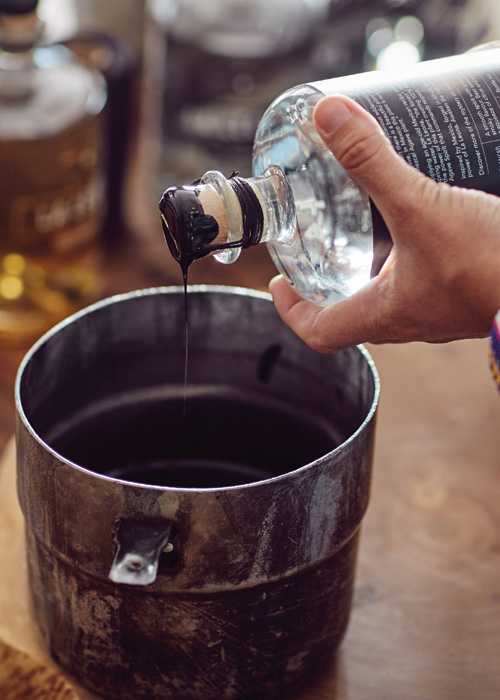
Sarah Kennan: Originally I experimented with making my own version of Tequila from agave syrup just for fun. It got great reviews from my friends but I always knew there was something not quite right with the taste. I knew that I had to discover how to make it exactly how the Mexicans make it. So, I travelled to Tequila Town in Mexico on a “Tequila Tour”; I stayed there and learnt from the master distillers. In my travels around Mexico, I also discovered Mescal, which is very similar to Tequila but made in a different region of Mexico. It is made in a more old-fashioned way, where the agave is baked with wood and the smoke gives the spirit a smoky flavour.

I was super inspired by my Mexican adventure and looked into importing but discovered that it would be too expensive. At the same time, I discovered that agave grew well in the Karoo and so I thought, “Why not make it from the agave that grows right here?” It would be a unique local product, using a local plant and it would create an industry using Karoo agave much the same as they use agave in Mexico. So, I went on an agave farm tour through South Africa and got in touch with the right farmers. I then found a distiller with the right equipment and now, in partnership, we are making 100% Karoo Agave Spirit, exactly how the Mexicans make Mescal and Tequila in Mexico.

Sarah Kennan

Crush: What is the difference between agave spirit, Mescal and Tequila?

Sarah Kennan: All Tequilas and Mescals are agave spirits but like Champagne or Port there is a protection of the Appellation of Origin in order to call it “Tequila” and “Mescal”. If an agave spirit is not made in a specific region in Mexico, even if it is made in exactly the same way, it cannot be called Tequila or Mescal (even though both are 100% Agave Spirits). Mescal is made in a different region of Mexico to Tequila and is made in a more old-fashioned manner where during the baking process the smoke from the wood fires affects the agave and gives the spirit a smoky taste.

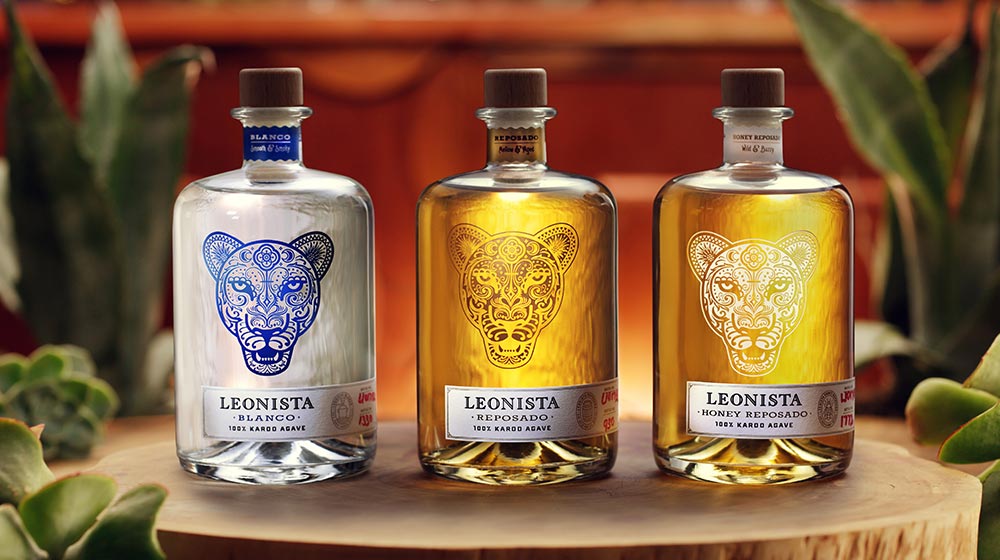
Crush: How do the Leonista reposado, the honey reposado and the blanco varieties differ?

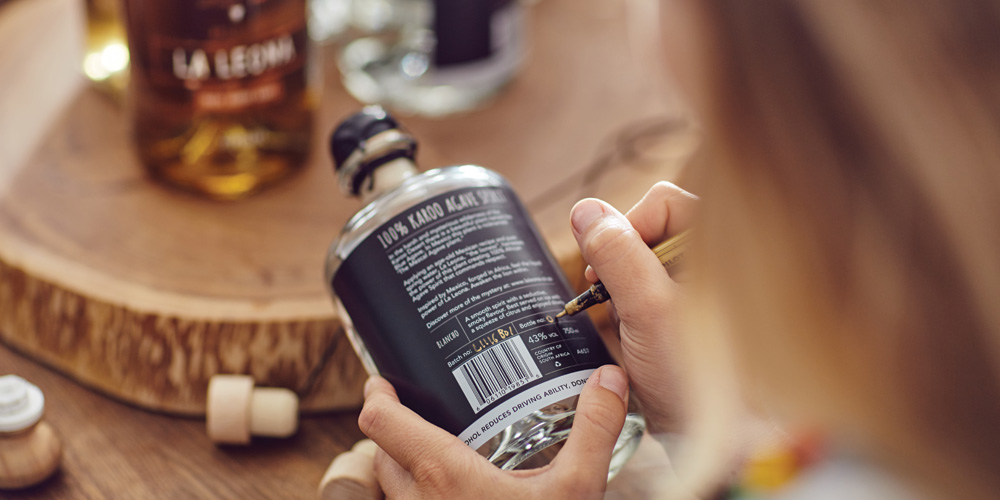
Sarah Kennan: Blanco means “white” in Spanish. This is what all Tequilas/Mescals/agave spirits come out of the still looking like as the liquid has not been aged. Leonista Blancho is the smokiest (most similar to Mezcal) tasting of the three variants.

Reposado means “aged” in Spanish. Reposado is achieved by adding blancho spirit to oak barrels and allowing it to age for a 3-6 month period. The colour and flavour of the wood affect the spirit. This will be appreciated by the whiskey drinker. A slightly sweet beginning from the oak, with a smoky aftertaste.

Honey Reposado is infused with raw honey sourced from around Cape Town. This is great for someone who enjoys something a little sweeter.

Sarah Kennan
Sarah Kennan

Crush: What is it about spirits that gets you so excited?

Sarah Kennan: All alcohols are depressants but 100% agave spirits are the most energy giving of all alcohols and are really pure. I am a big promoter of drinking pure, high quality spirits; if treated with respect, they can give you an amazing night out, without the horrible hangover in the morning.

100% agave spirits can have the same smooth flavor and complexity of a fine whiskey.

Crush: Can you explain the process of going from plant to product; how you source the agave and how Leonista is actually made?

Sarah Kennan: It’s a process of waiting 8-12 years for the plant to mature, knowing when it’s the right time to harvest, harvesting, baking, crushing, fermenting, distilling and ageing. Come to my launch at Cabrito on the 19th of Jan and you can find out more for yourself!

Crush: What has been the most rewarding part of starting Leonista?

Sarah Kennan: Discovering how many people love to drink high quality 100% agave Tequila as their drink of choice. Learning that there is no better teacher or lesson than experience. Learning to solve problems on your own and trusting your own judgment. Learning that no matter how crazy your idea, if you believe in it enough and put enough time and passion into it, that little by little it can slowly become a reality.

Crush: Can you tell us the inspiration behind the name Leonista?

Sarah Kennan: The inspiration came from the name La Leona, which means “Lioness” in Spanish. The name is a show of respect to the Mexican origins of the spirits but still having strong African roots. I have always loved lions and wanted to use that in the name.

Crush: What has been the most challenging part of the Leonista?

Sarah Kennan: Educating consumers that, firstly, Tequila should not be a horrible experience thrown back from a shot glass at two in the morning in a nightclub. Many of the Tequilas that we have been sold for the last few years is a cheap mix of Tequila and cane spirit known as a “Mixto”, which is what causes horrible hangovers. 100% agave Tequila/Spirit is the good stuff.

Secondly, 100% agave Tequila should be savoured and treated like a fine whiskey.

Thirdly, “100% Agave Spirit” is very similar, if not the same as Tequila and Mezcal.

Sarah Kennan

Crush: What is your favourite way to enjoy each of the Leonista variations?

Sarah Kennan: Leonista Blanco – if you’re familiar with the taste of Mescal this would probably be your favourite of the three, because of the strong smoky flavour. It is best to drink it neat. It is also great in cocktails.

Leonista Reposado – over ice, drink it plain, or with a squeeze of lime. If you prefer a tall drink, try with lime and soda.

Leonista Honey Reposado – serve over ice, plain or with a splash of soda.

Where can people find Leonista?

Cape Town

Bars
IYO Burger
Orphanage, Bree Street
El Burro, Greenpoint
Hoghouse
St Francis Brewery, St Francis

Bottle Stores in Cape Town
Roeland Liquors
Woodstock Bottle Store
Observatory Liquors
Barkeeper, Strand Street

Johannesburg

Bottle store/Bar

Proof Liquors

Facebook | Instagram

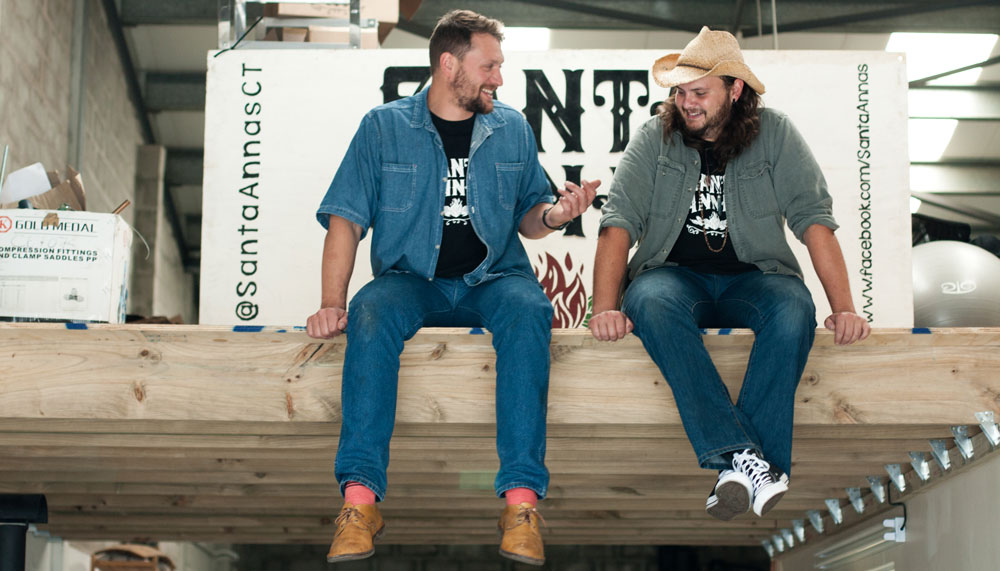
Talking Tortillas With Piet and Frik from Santa Annas

What do you do if you love Mexican tortillas but can’t find an authentic one anywhere in South Africa? You could settle for a corn flour wrap but for Piet and Frik of Santa Annas, that wasn’t good enough. They wanted a real deal, 100% ground corn tortilla with no added flour or funny stuff. So they did what any self-respecting obsessed foodie would do, they imported equipment from Mexico and made their own.

Part barbecue catering company, part tortilla and corn chip company, Santa Annas is one of South Africa’s most exciting ventures.

As Piet says, “It’s all about the gees,” and in Santa Annas case, that means epic smoked meats and authentic Mexican products. They also build custom smokers that range from large to hooks-onto-the-back of-your-bakkie-large.

santa Annas

How are Santa Anna Tortillas made?

What makes the tortillas so awesome is that they are as pure as you can get. The boys use organic dent corn that they cook in limewater to break down the cell structure. The corn becomes soft and malleable and from there it goes into the volcanic stone grinder. The result is a soft corn dough that is seasoned and then fed into the tortilla machine.

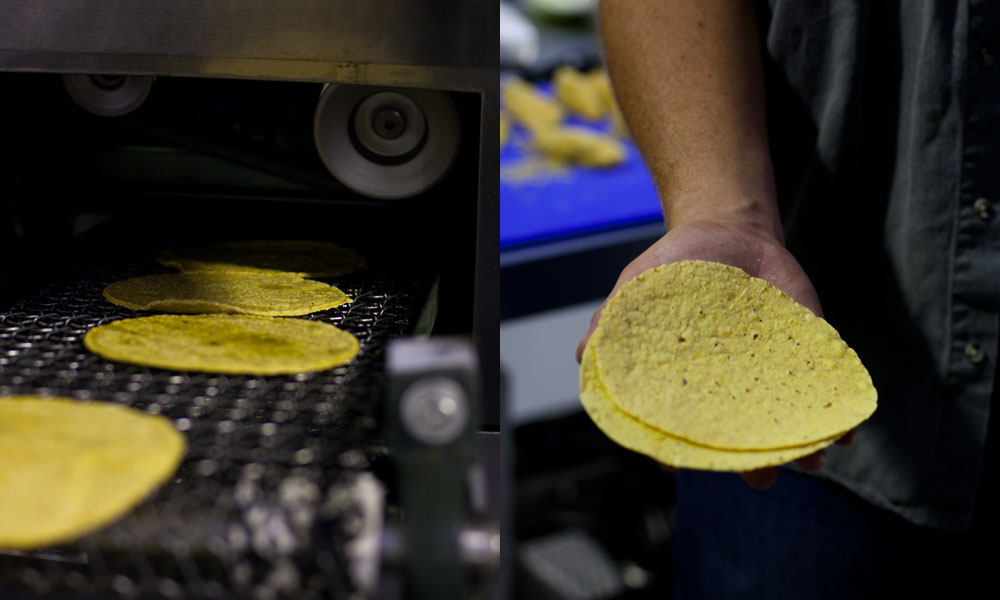
This clever machine rolls the dough flat then cuts it into rounds. The newborn tortilla goes down the conveyor and into the fire chamber to be toasted then comes out the other side. This all happens in a matter of minutes and the machine can do a thousand per hour.

santa-annas

Cooking with Santa Annas

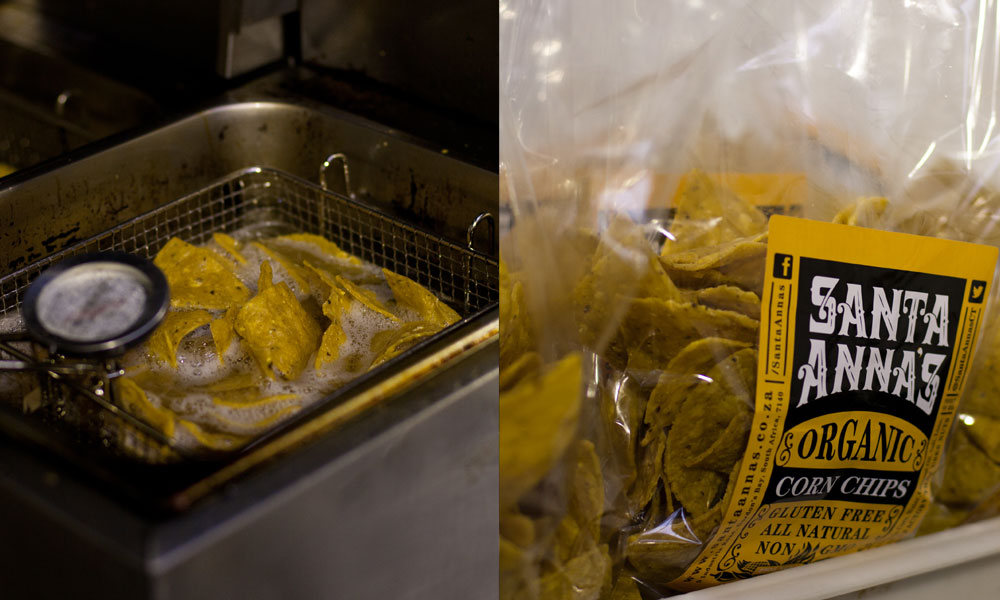
Once the tortillas are cooled they are packed into bags or they are sent off to the fryer to make corn chips. The chips are cut by hand and fried in coconut oil and are without a doubt the best I’ve ever had. If you buy a pack I suggest you get the big one and go for two bags at least. After watching tortilla TV for a while, Piet offered to make us some tacos. He lead us to the in-house smoker and opened it to reveal the most beautiful barbecued brisket I’ve ever seen. I actually had to take a step back to avoid drooling on the meat.

Santa annas

Santa Annas Taco Recipes

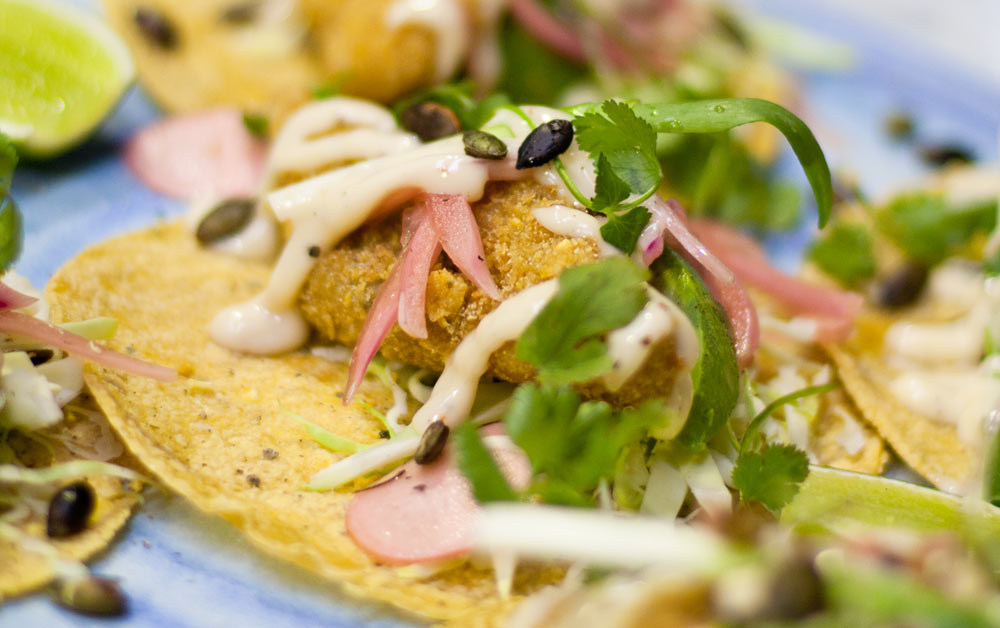
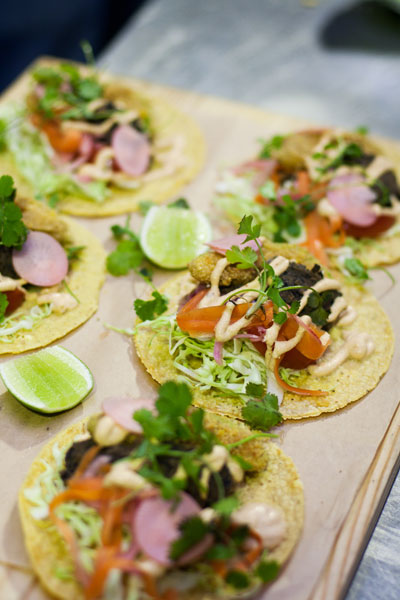
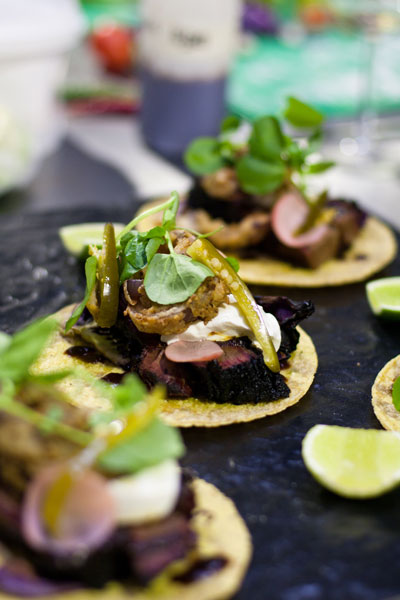
Piet, a chef by trade, whipped us up three epic tacos. First up was the smoked brisket with grilled cabbage, fried onions, pickles and Jack Daniels sauce. Next was the vegan option of nacho crusted fried avo with refried beans and cashew nut cream. And, lastly we had a nacho crusted fried fish taco with pickles and Jack Daniels sauce. All three tacos were delicious, different and each had bursts of fresh flavours ranging from zesty and spicy to sweet and creamy. Piet says the taco is the perfect vehicle for any food and, after scoffing all three tacos, I couldn’t agree more.

Piet and Frik are just two guys that love Mexican and South American cuisine. They found a way to make what they couldn’t get and we food lovers are better off because of their success. Gracias and adiós!

Piet and Frik showed us how to make amazing tacos at home. Click for the recipes for Nacho Crusted Fish Tacos, Midnight Blue Beef Tacos, Vegetarian Refried Bean Tacos.

Santa Annas - Nacho-Crusted-Fish-Taco

Santa Annas - refried bean taco
santa annas - midnight blue

santaannas.co.za | Facebook | Twitter | Instagram

Talking To Andrea Mullineux of Mullineux Wines

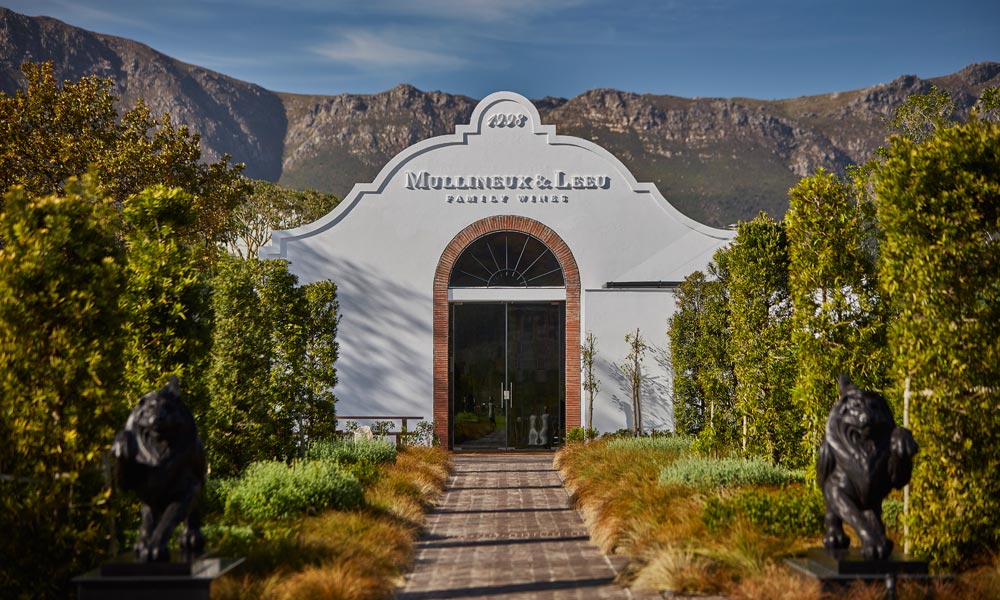
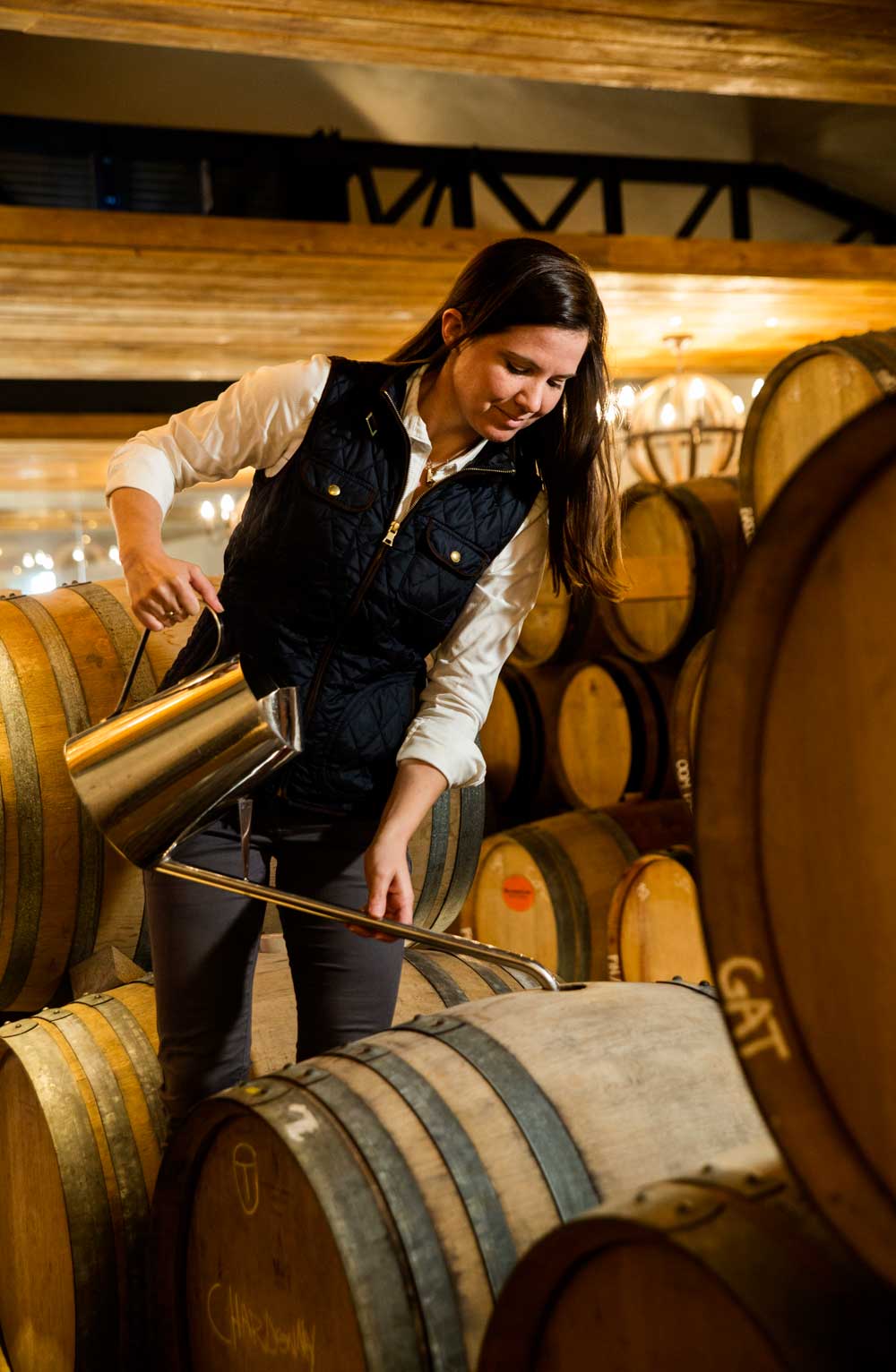
Andrea Mullineux, while one of South Africa’s greatest treasures, is not actually South African. Shocker, we know. Having grown up in San Francisco, and studying winemaking in California, she came to South Africa and spent 3 months at Waterford. In 2007, she started Mullineux wines with her husband, Chris, and then evolved the company into Mullineux & Leeu Family Wines. Mullineux is the family based label and they are working on a new brand, based at the Leeu Estates in Franschhoek, expected to be released next year. Mullineux produces some of the country’s most exciting wine, so regardless of where Andrea comes from, we’re happy she’s here to stay. We sat down with her for a few minutes to chat about her winemaking story, as well as what life is like for female winemakers.

Where did winemaking start for you?

Andrea Mullineux: I was 17 when I realised that I wanted to be a winemaker. I thought it was the perfect combination of art and science, so I went to study Viticulture and Enology at UC Davis in California. I quickly started working in various capacities in the wine business and by the time I finished my degree, I felt quite well rounded.

What is it like being a female winemaker? Is it quite a male-dominated industry or are there more women in it than we would think?

Andrea Mullineux:  The wine industry is indeed quite male dominated, but I was always a bit of a tomboy when it came to ‘keeping up with the guys’ in sports and science and now, in the winery. I spent years trying to prove that I could be just as strong when it came to lifting barrels or shovelling out wine tanks. The most important thing for a winemaker is to have is a good palate, but a little bit of brawn is very useful. I love being a female winemaker and express my femininity outside of the cellar.

If you weren’t a winemaker, what would you like to be?

Andrea Mullineux:  I think I would always utilise my creative capabilities and would be involved is some type of design work or hand crafting something.

What is the most challenging aspect of making wine?

Andrea Mullineux:  The most challenging aspect of making wine is sticking to your gut instinct and not being swayed by other people or wines. The best wines are the most honest wines. To maintain character in your wine, it must be from your own heart, head and gut.

When is your best time of year in the cellar?

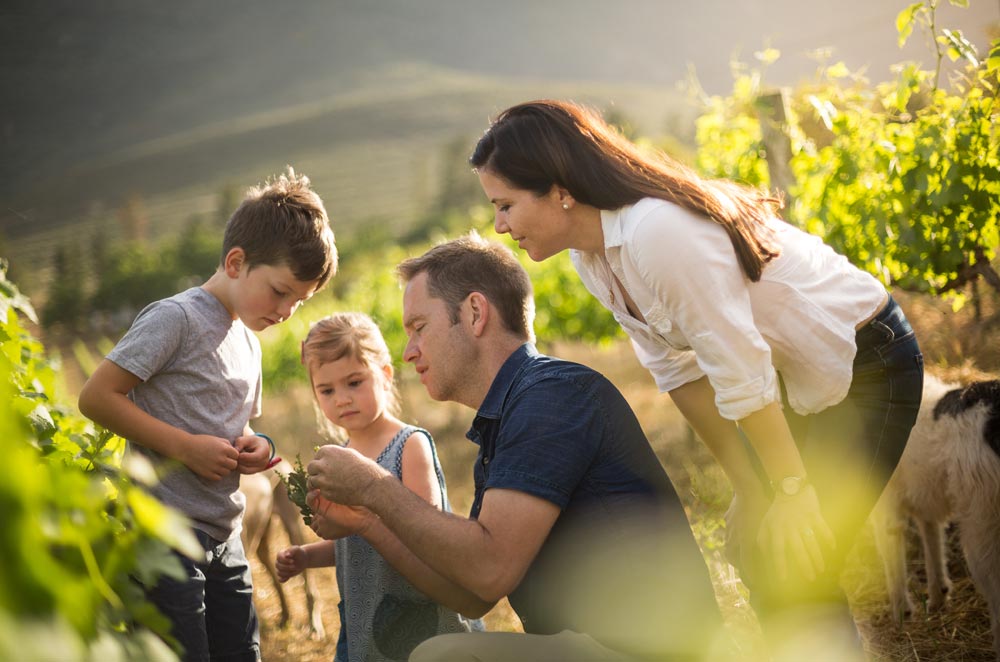
Andrea Mullineux:  I LOVE harvest. The energy is amazing. We work hard but have amazing meals and wines together over the weekend. The days are too short with my children during those months, but we try to include them when we can.

If you could make wine anywhere in the world, where would it be and why?

Andrea Mullineux:  I love making wine in South Africa because it presented me with opportunities that I don’t think are as easily available anywhere else. Together with my husband, we were able to find superior vineyards that were not already being utilised and we were able to obtain the capital needed to start a business from scratch in South Africa.

Best advice you have received as a winemaker?

Andrea Mullineux:  My husband is always telling me not to stress so much and that everything is going to be okay. If I’ve paid enough attention to something leading up to that moment, it usually is!

Which is your favourite grape variety to work with and why?

Andrea Mullineux:  I love working with Syrah. It is so approachable, yet serious and goes SO well with many dishes.

Which grape variety has given you the most grey hairs and why?

Andrea Mullineux:  I don’t work with those (laughs).

What excites you most about the wine industry in South Africa today?

Andrea Mullineux:  The most exciting thing about the wine industry today is the fact that wine quality is on an exponential curve up and the world is noticing! When I do marketing trips, people are SO excited to taste South African wine – now more than ever.

When you are not enjoying your own wine, what wine would you choose to drink?

Andrea Mullineux:  I love drinking textured, flinty Chardonnays like Paul Cluver or fragrant, but structured reds, like AA Badenhorst.

What would your perfect food and wine pairing be?

Andrea Mullineux:  Lamb and Syrah are a match made in heaven (don’t forget the rosemary and garlic on the meat)!

What advice would you give to young female winemakers starting out?

Andrea Mullineux:  Winemaking offers a career that allows you to nurture something from the moment it is born until it is mature and ready to drink. There are a lot of similarities with raising a family and I feel that women naturally have that instinct. So I say to women winemakers starting out, pay attention to detail, but use your gut instinct to raise the wine into the best possible.

mlfwines.com | Facebook | Twitter

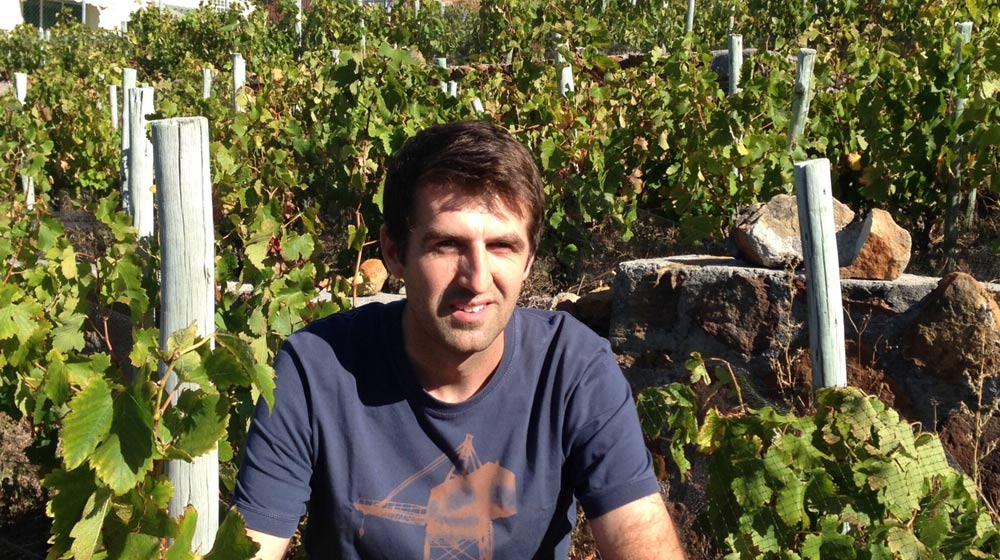
Meet the Winemaker: Gavin Brand of Cape Rock Wines

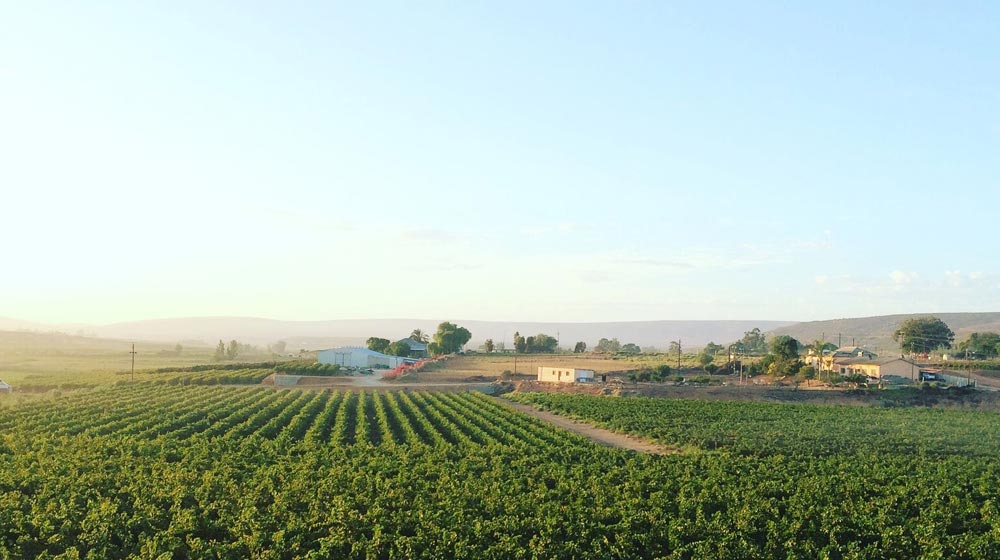
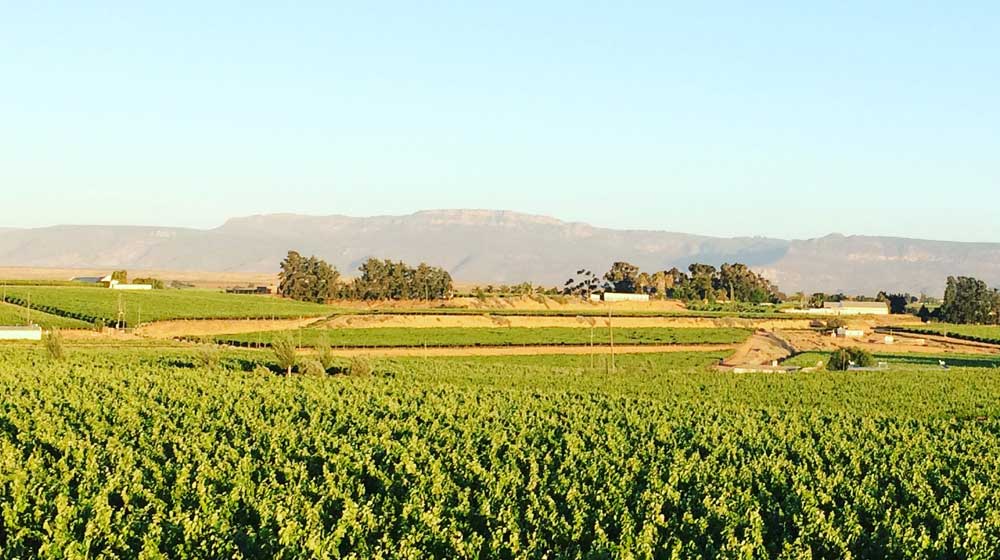
A mere 300 km outside of Cape Town, nestled between the two small towns of Klawer and Vredendal, you’ll find Cape Rock Wines. They make unique red and white wines with a variety of interesting grapes and they’ve become well known for their clean-tasting, minimal intervention range. We sit down with Gavin Brand, winemaker at Cape Rock Wines, to find out a little more about this quirky wine brand.

Can you tell us a little about yourself? How did you get into winemaking?

Gavin Brand: I grew up on a wine grape farm; my father was a first generation farmer growing grapes, which he mostly sold to the local co-op.  When I left home after school, my father and a winemaker friend started to make bulk red wine in a converted garage cellar on our farm.  After a few years, my father’s friend moved away and he continued to make the wine by himself.

In 2004, I had to leave Cape Town to move to Pretoria for my final two years of studying to become a Landscape Architect. I grew up in a house where talk around vineyards and wine was quite the norm – being so far away from home really made me miss everything that I had grown up with. I got very interested in learning about wine and winemaking and even started a wine club. In 2005, my father allowed me to make two barrels of wine in our bulk wine cellar. Every year after that we made a few more barrels and now we make more than 60 barrels a year.

Where does the name Cape Rock Wines come from?

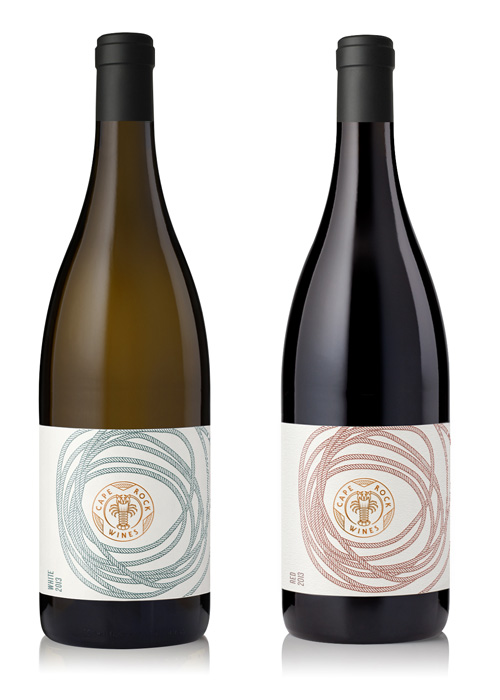
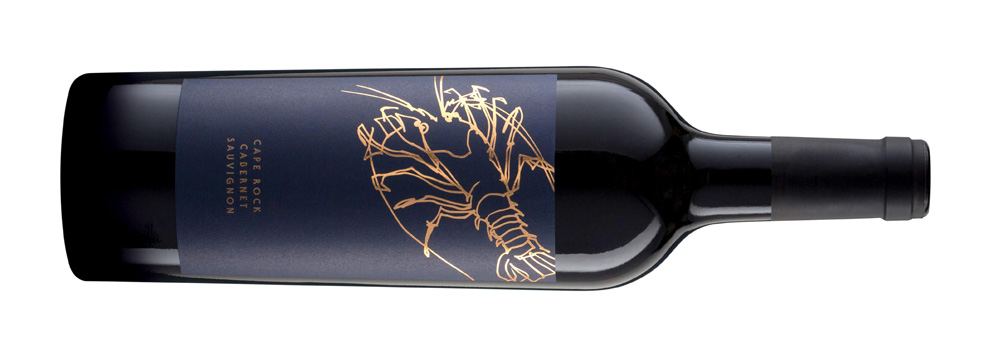
Gavin Brand: Our farm is located just over 20 km from the Atlantic Ocean (Doring Bay) and we are very aware of the maritime influence cooling the land and making the summer heat bearable. My father registered the name Cape Rock Wines and the West Coast Rock Lobster, which is abundant in our area, as an emblem (my mother drew the crayfish logo).

How would you describe your winemaking philosophy?

Gavin Brand: I have a very hands-off approach to winemaking, while at the same time being very aware of what is happening to the wine. My overall philosophy is one of restraint – I do not necessarily want to smell or taste any oak derived flavours in our wines, but I love what happens to wine when it ages slowly in oak or concrete tanks. In general, I like to pick the grapes quite early in order to avoid the worst of the summer heat and to chase lower alcohol levels and high natural acidity. We try not to add too much during the winemaking process – all our wines ferment naturally and we bottle with minimal sulphur addition and filtration.

What is an average workday like for you?

Gavin Brand: I have a day job running my own Landscape Architecture firm, so I try to split my time between the two professions. Whenever I have time available in one job, I catch up on the ‘to-do’ pile for the other. It becomes quite tricky to juggle both during harvest, bottling and labelling time.

What do you love about the West Coast/ Vredendal region; what makes it unique from other winemaking regions?

Gavin Brand: I love the rugged beauty of the area. I think you have to be from the area to appreciate and love the landscape. To the untrained eye, the natural vegetation seems brown and almost dead for most of the year and then everything starts to bloom for a few weeks in late winter to early spring.  I love the fact that we are so far from the traditional winegrowing areas – when I speak to people from Cape Town or up north, they always seem surprised that we make the wines we do considering where we are situated.

What have been your favourite wines to make so far?

Gavin Brand: I would have to say our flagship Cape Rock Red (a co-fermented blend of Syrah, Mourvèdre and Viognier).  We have been making it from the start in 2005 and I love noticing the subtle differences in the wine from year to year especially as it ages.

What wines (or varietals) would you like to see consumers embrace more?

Gavin Brand: I think most adventurous consumers already try any ‘new’ or old varieties making a comeback, but I think the most exciting is yet to come. We will see many single cultivar wines or blends made from grape varieties originating in warm Mediterranean climates, much better suited to our climate in the next few years.  Varieties such as Vermentino, Macabeo, Marsanne, Albariño, Bourboulenc, Counoise, Mencia, to name but a few will become available to consumers soon.  It takes a long time to get clean new vine or better clonal material available for planting and then you still have to wait a few years before it will produce any decent wine.

What excites you the most about the South African wine industry?

Gavin Brand: The fact that we are not as heavily weighed down by tradition and law to grow only certain varieties in certain areas like in the old world and that we can still explore the best soil site/grape variety combinations.

What has been the most challenging aspect of winemaking?

Gavin Brand: Working in a very small and very basically equipped cellar.  Also the distance (300 km) I have to travel between where I stay in Cape Town and the cellar in Vredendal.

What is the most rewarding part of being a winemaker?

Gavin Brand: Travelling, meeting people who support us and enjoy our wines is always very rewarding.

What advice do you have for young winemakers starting out?

Gavin Brand: I think most of them are doing it, but I would say travel as much as possible in the old and new world, work in a ‘corporate’ cellar setup and if your employer allows it, find special grapes with a story to tell and make a barrel or two of your own wine on the side if possible.

What is your view on keeping wines for years? 

Gavin Brand: I absolutely see the reward in ageing some special wines for a long time, but it can be risky if you do not have near perfect cellar conditions. I generally enjoy lighter, fresher wines that can be enjoyed in their youth and have potential to improve between 3-7 years.

Quickfire Questions

If you weren’t a winemaker, what would you be? If it wasn’t for the tough working hours, probably a chef.

Your favourite wine to drink that isn’t your own? It has to be French, any wine from the Northern Rhône normally does the trick, especially when from a producer like Domaine JL Chave.

Secret guilty food pleasure? I don’t think is a secret, but any French, Italian or Spanish cheeses and charcuterie will do just fine.

Cape Rock Wines, R363, Vredendal Tel: +27 (0)27 2132567

caperockwines.co.za | Facebook | Twitter

Hungry for more? Subscribe to our newsletter.

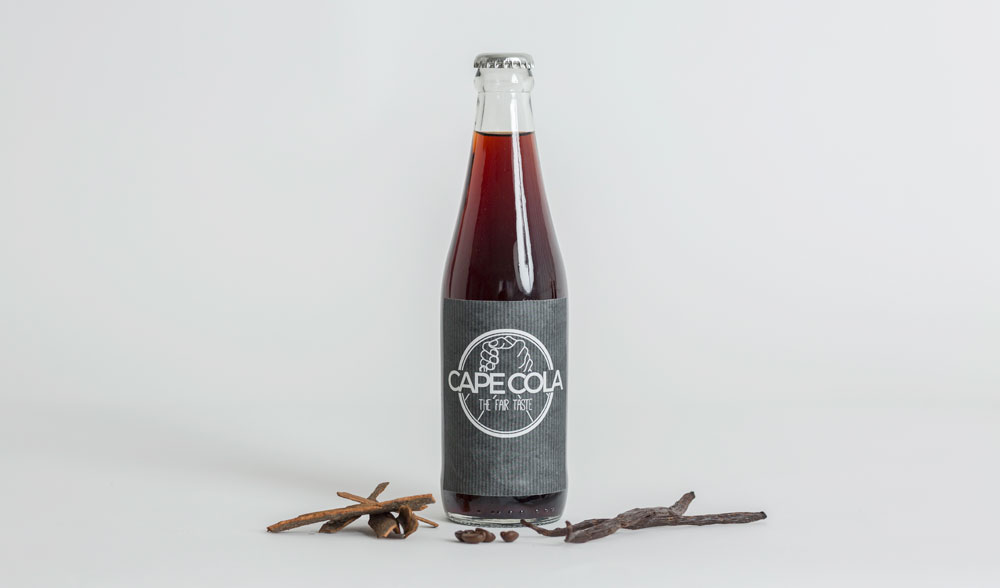
Cape Cola: A Conscious Cola Brewed in the Cape


There’s a lot of buzz about consuming more mindfully, eating more ethically and living more sustainably, but the how, what and where of these ideas can be tough to stay on top of. That’s why we love it when others do the hard yards for us and make it simple for us to make positive changes to the way we live. One such start-up is the team behind Cape Cola, a brand spanking new drink that’s hitting the market as we speak.

So you love your cola, but you don’t love all the extras that come with it? You’re not alone and you’re also in luck. Cape Cola delivers flavour that you’ll love, with none of the nasties, plus a pretty cool story about creating something you really believe in.

We chatted to the guy behind Cape Cola, Lasse Presting, about why he chose to craft a local, natural version of probably one of the most well-known and widely consumed products in the universe.

Who are the faces behind Cape Cola?

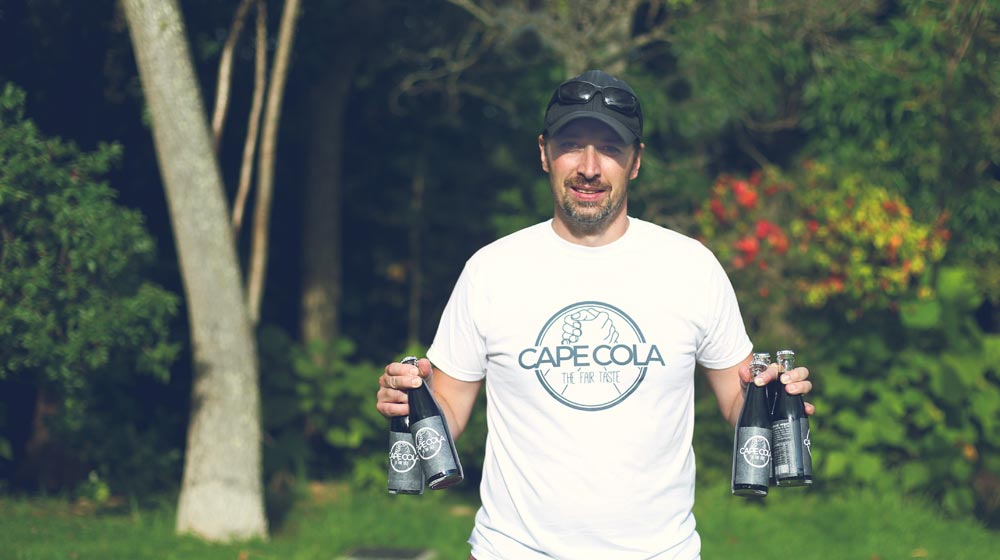
Myself, Lasse, I am the founder of Cape Cola. I’m from Germany originally but moved to Cape Town about 5 years ago. My wife, Michelle, is from South Africa and she’s the reason I made the move. Today, we have two gorgeous kids, aged 2 and 4 years.

The other faces behind-the-scenes are Julian, Michael, Janosch and Palle. They are all from Germany as well but in contrast to me they are all still living there. They’ve all been to Cape Town at least once and they’ve supported me, and the vision for Cape Cola, for almost a year now. It’s due to them that we are now at the point that we are – with a product that is ready for the market.

How did you get into the drinks business?

I studied a National Diploma in Hotel Business Management and have always been interested in a beverages job-related. In Germany, the craft soda market is already pretty huge. Here in Cape Town, I noticed that there weren’t many real, natural alternatives to commercial drinks, this is how I arrived at the idea of creating a local cola. The more I thought about the idea, the more I realised that this could be a real opportunity to initiate more than just another cola but rather a conscious cola.

How do you go about making a conscious version of cola?

We’ve chosen our ingredients consciously and our cola consists of nearly 100% natural ingredients. Beyond that, we leave out particular substances, such as phosphoric acid, anti-foaming agents, preservatives and sugar. In our opinion, these substances are not beneficial and shouldn’t be part of our daily diet, nor part of any consumables in fact. We don’t want to make a cola for the sake of making one; rather we want to encourage people to rethink what they’re consuming and also to engage with where these products are coming from. We want people to consider “What am I actually putting into my body?”

Can you tell us about the ‘fair taste’ aspect of the business?

Our approach is to initiate our company as one that places importance on a sustainable and fair value chain. All companies with whom we work are local. In future, it is our aim to donate a certain amount of each bottle sold to a social project located in Cape Town or the surrounding region.

Why was this an important factor for you?

Being a family guy, it is important to me that my kids live in a world where people make the effort to live consciously. Being able to contribute to that is important to me. That’s my motivation.

How do you go about creating a ‘cola’ flavour, since the ingredients have been a closely guarded secret for many years?

Fortunately, it was never our aim to copy anyone. From our perspective, this recipe can maintain a guarded secret forever.

Without telling us your secrets, can you tell us a little about what goes into making a natural cola?

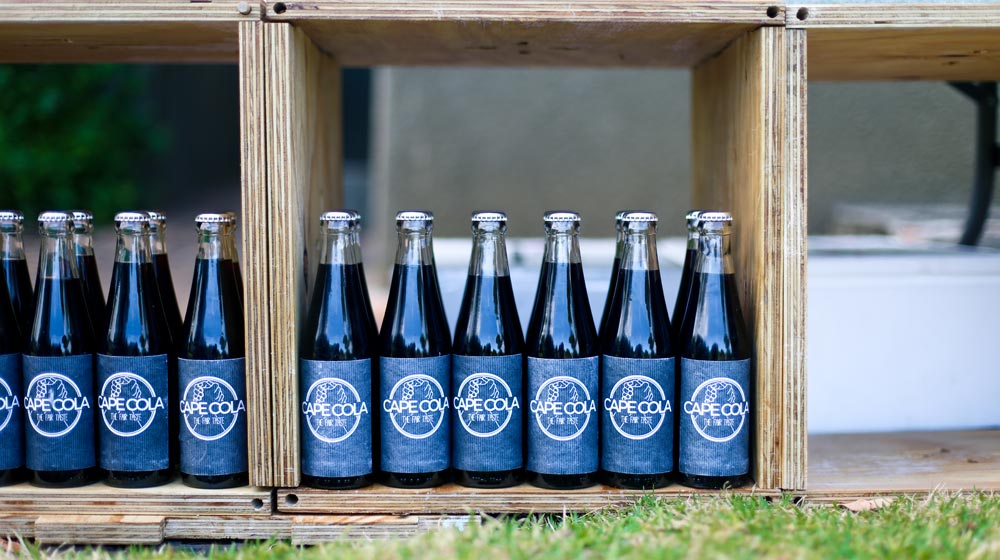
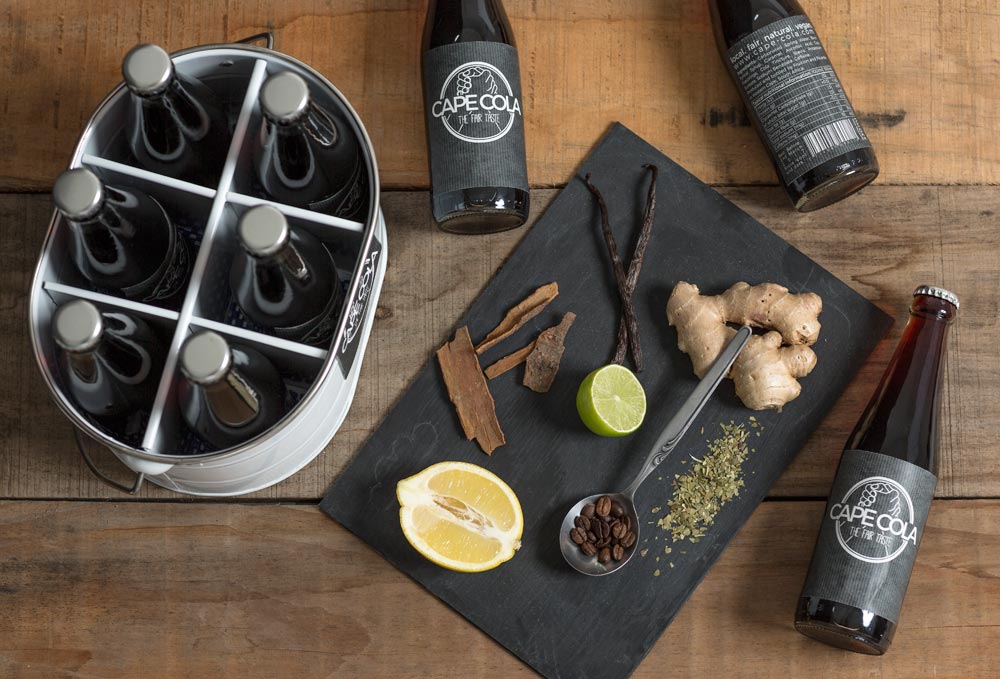
Real kola nut, ginger, lime, yerba mate and, for a special South African touch, honeybush. For sweetness, we use birch xylitol and stevia. That is why our cola has much less ‘sugar’ than other commercial colas: only 1,5 g per 100 g of cola.

Did you crowdfund to get this project up and running?

I actually did initially crowdfund on Indiegogo and failed terribly at it. At the very beginning, I was looking for funding from within my circle of family and friends and had nothing but my vision to show. A family member suggested that I start a crowdfunding campaign. At that stage, I knew nothing about it and had never heard about it before. I did a bit of research and set up the FB page, Twitter account and the campaign itself. Unfortunately, it did not work out at all. There is so much that actually goes into it and needs to be considered. It was a classic setback, but 8 months down the line we started producing with funding from family and friends.

We are not, however, giving up on the opportunity to do a campaign again, now that we know how it is done – a new campaign is definitely in the pipeline. And now we have the experience to do it right.

How do you think the crowdfunding model has changed entrepreneurship and the growth of the small business?

Nowadays there are a lot of small businesses that deserve a chance to enter the market but don’t have a big investor to back them or don’t want to be economically dependent on someone right off the bat. Crowdfunding provides a realistic chance for those companies to get started and grow. Moreover, for us, it is a way to market ourselves and our vision, to get feedback from our potential consumers, become known and to build up a fan base. For us, as a very small business, it is a very good opportunity to stand on our own right from the start.

We are really looking forward to our next crowdfunding campaign. We’ll keep you up to date!

What’s next for you guys?

We want to establish our brand slowly and so we’re tackling the streets first. We want to get in touch with Cape Town’s gastronomy scene and give people the opportunity to taste Cape Cola. As mentioned our next crowdfunding campaign is in the making and we want to find a CSR partner that can benefit from the sale of each bottle.

Where will people be able to find Cape Cola?

Currently, we’ll be promoting Cape Cola at the Galileo outdoor cinema events on Saturday 4 February and Friday 17 February, so if you’re heading to one of those events, please look out for us.

Visit our website or our social media channels to get in touch – we’d love to hear from you. If you would like to try Cape Cola, we’ll do our best to make that happen.

We love the idea of being able to purchase a drink that not only tastes good but is also crafted with thought. Cheers to being able to down an ice-cold Cape Cola on a scorching summers day, or as a mixer with your favourite tipple. Consuming consciously just got easier.


Be a part of this amazing initiative!

Cape Cola is in the process of raising funds for the next stage of their development; if you’d like to be a part of this campaign then head on over to their ThundaFund page to support them.


cape-cola.com | Facebook | Twitter | Instagram

We Talk to Kevin Swart of Black Elephant Vintners

Black Elephant Vintners have never been known for doing things conventionally. But that’s ok, because conventional is not always the best way to do things anyway.

As a boutique producer their focus is on quality over quantity – they’re in the business of creating considered wines that have been well thought out and made with passionate determination. These guys live in pursuit of the good life, with a little fun thrown in for good measure. You almost get a glimpse of that as you learn about how the wine label came about in the first place – two big city guys who packed it in to live in the country. That’s the very truncated version of the story, of course, but it does allude to the fact that these guys are about living their lives the way they want to, versus the way they “should” do and they produce wine in the same way. Kevin Swart, one third of Black Elephant Vintners, tells us a little bit more about the brand and their wines…

Kevin, we know you and your business partner Raymond were in the corporate world before getting into the wine business; how do big city guys get into the wine business in a small town in the Cape?

Kevin Swart: By complete accident. We sold our stockbroking business and I decided to change the context of my life and moved my family to Franschhoek thinking, “Lets live where we would like to be on holiday and see what happens”. Raymond saw this as too much fun and moved his family to Franschhoek 6 months later. I bought a small wine farm but didn’t see myself making wine – some fortuitous circumstances lead me to making wine from the grapes on our farm and it just went from there.

Can you tell us about the name Black Elephant Vintners and its origin?

Kevin Swart: Ndlovu, Raymond’s surname, means ‘elephant’ in Zulu, Swart means ‘black’ in Afrikaans and Vintners brings in Jacques, our winemaker partner in the business.

You have a very unique approach to wine Black Elephant Vintners which is quite refreshing, can you expand on that?

Kevin Swart: Yes, we don’t know what we are doing so anything is a possibility! Seriously, we are not traditional wine people so do not have a framework to fashion our thinking.

Black Elephant Vintners

Your wines have great names can you tell us about the process of developing these?

Kevin Swart: Each name has a different meaning and was created before we formed the company. For example, Nicholas and Timothy are my 2 sons’ names, Amistad is the Spanish word for friendship and Amazing Grace is a tribute to my father and his favourite song.

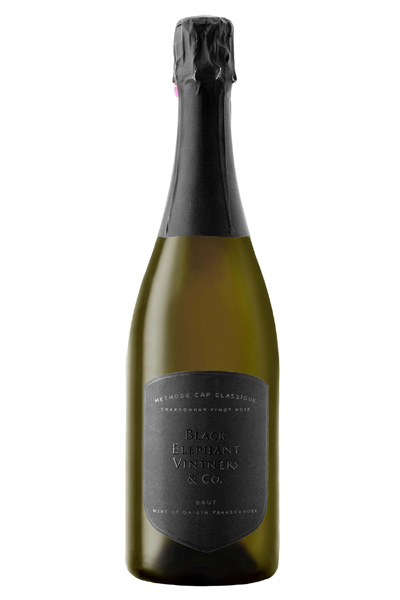
MCC Black Elephant Vintners
Black Elephant Vintners - Two Dogs, a peacock and a Horse

Can you tell us a bit about the style of the wines BEV produces?

Kevin Swart: Always elegant and smooth I think – not bold and rustic in style. We see ourselves more as the flyhalf than the front row of wines, to use a rugby analogy. We try to deliver the wine that the grapes intended, not what we think is commercially correct.

They say that ‘wine is made in the vineyard’; as a wine producer that buys in grapes from various sources, does this make producing great wine more challenging, as you are not in control in the vineyard?

Kevin Swart: Yes and no. Obviously, we have the risk of sourcing grapes that other producers may also want, but it also gives us the flexibility to pick and choose the varietals that we want to produce. It also allows us to do a ‘valley blend’, as we are not confined to a particular vineyard.

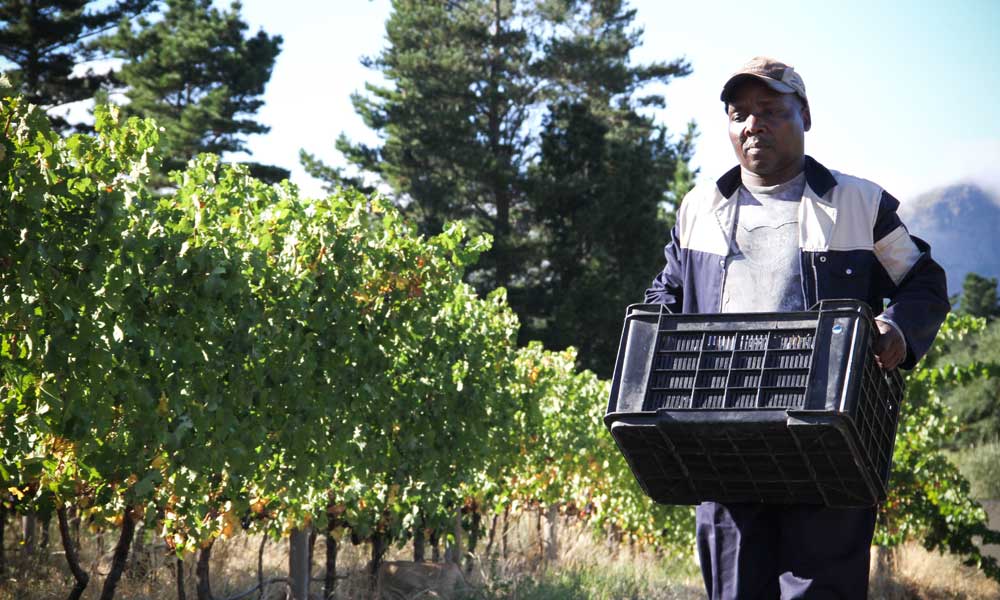
Harvest at Black Elephant Vintners
Grape at Black Elephant Vintners

There are many different pairing offerings available, but Black Elephant Vintners offers a unique experience of wine paired with music; can you tell us more about this concept and how it came about?

Kevin Swart: We are musicians at heart but unfortunately have no talent! We are not a beverage company and as such are not solely focussed on what is in the glass. We see ourselves more as an experience/relationship business that has wine as a product. The music is an attempt to create an experience between you and the wine which will linger long after your glass of wine is finished.

Winemaking is a longstanding and quite conservative industry. How does Black Elephant Vintners, which is quite young and contemporary, fit into the scene?

Kevin Swart: We hope we don’t! Our excitement and passion is in trying to change the stereotype and to create a new experience. Others do the traditional, conservative experience very well and we see no upside in competing with that.

What has surprised you most about wine culture since getting into the industry?

Kevin Swart: How it hasn’t changed in years and the acceptance of doing the same thing year after year but expecting a different outcome.

Wine drinking and tasting can be intimidating for some as there is an expectation that you recognise certain aromas and flavours; what would your advice be for those new to wine drinking?

Kevin Swart: You are the greatest wine taster in the world for yourself and don’t let anybody convince you otherwise. As we believe wine is an experience and not a beverage, how you relate to it is entirely dependent on your life and experience. Have the courage to appreciate and accept that.

First Miracle is an organisation that is aiming to provide safe water sources and sanitation to people across Africa through wine sales, effectively ‘turning wine into water’. Considering our current drought situation, this type of work could not be more important. Can you tell us about your involvement with this project?

Kevin Swart: My brother, Gary, has a long history of working with NGOs all around the world, so we are using his expertise and our wine, to try to make a difference in that field. Ironically, it is not as easy you would expect and whilst everyone is aware of the drought, I don’t think we really appreciate how scarce a commodity water is.

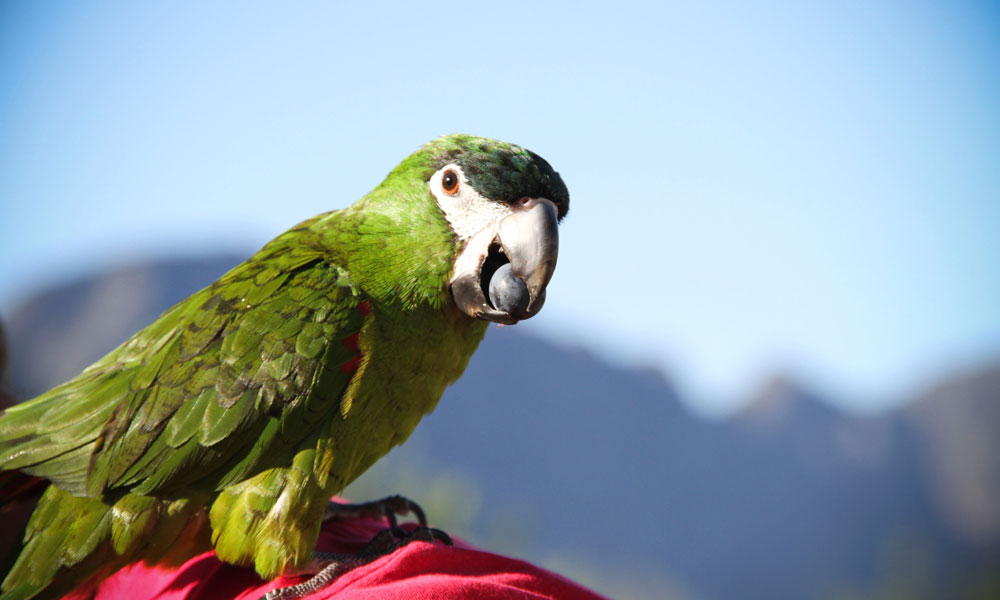
A parrot at Black Elephant Vintners

bevintners.co.za | Facebook

Hungry for more? Subscribe to our newsletter

5 Minutes with Chef John van Zyl of Thali Restaurant

You’ve heard about the delicious food at Thali, now get to know the man behind it. Chef John van Zyl, Liam Tomlin’s man on the ground at Thali, heads up the formidable kitchen. We sit down with him to find out just what makes him tick.

Can you give us a quick introduction?

Chef John Van Zyl: I spent most of my childhood in Somerset West. My interest and love for food started as a toddler. I remember spending most of my time in the kitchen with my mom, licking the bowls after she had made cookies or a cake. At about age seven, I finally got my hands dirty with my Ouma teaching me how to make pancakes, cakes and brownies. Cooking omelettes for my family at the weekends was also great fun.

After school, I completed a chef diploma at the Institute of Culinary Arts (ICA) in Stellenbosch. After finishing culinary school, I had an eye-opening experience at Round House restaurant, where I learned what being a chef is really about. After working there for 6 months, I found myself at the doors of Chef’s Warehouse – where my real food journey started.

Did you always know this was something you wanted to do?

I didn’t really think that I would end up being a chef, but I always knew that I would end up doing something in the hospitality trade.

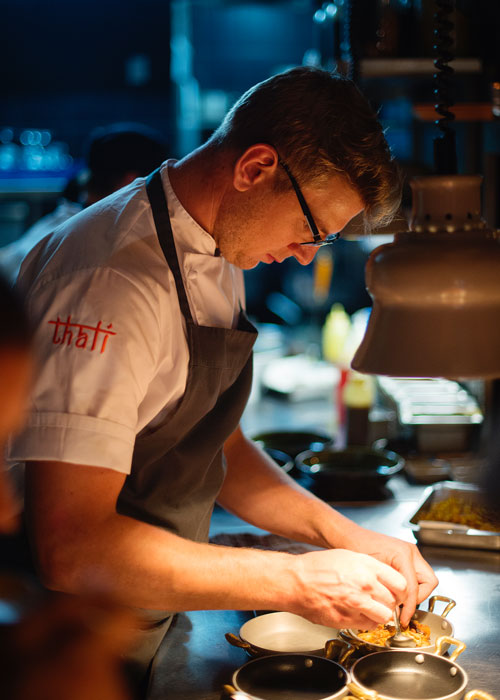
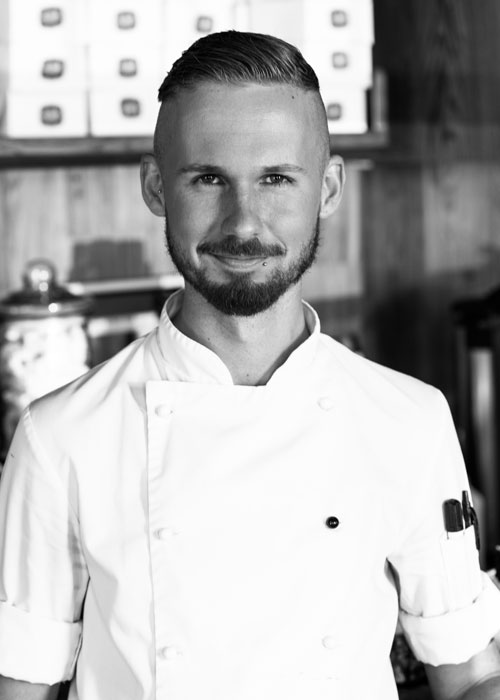
Chef John van Zyl of Thali Restaurant
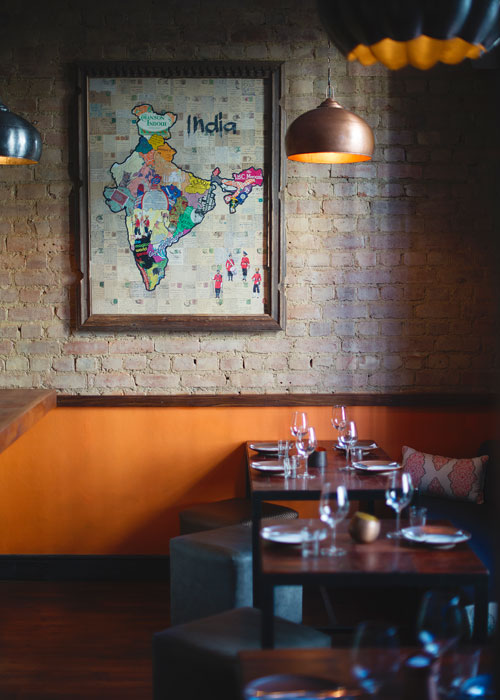
Thali Restaurant in cape town

What has it been like heading up a restaurant like Thali?

Chef John Van Zyl: Opening Thali has been the most exciting project I’ve taken on to date. Running it day-to-day has been fairly streamlined for me as I have a great team to back me and my vision.

With Indian food being such a specific cuisine, how did you come to know so much about it?

When Liam offered me the job I honestly didn’t know a thing about Indian cuisine besides the fact that I liked eating it. I had two months to get prepared before the opening of Thali, which was pretty daunting but I took on the challenge. I spent days and days doing research on the country and it’s different food regions. I am hopefully going to India in October to get more insight into the cuisine.

How do you keep things fresh and yourself inspired?

I think having time off and time to yourself is essential in this industry – to enable yourself to breathe and to allow your mind to rest. I usually do something active on my off days like surfing or hiking. When I get back into the kitchen with a fresh mind, the ideas start flowing.

Do you have a favourite dish on the current menu at Thali?

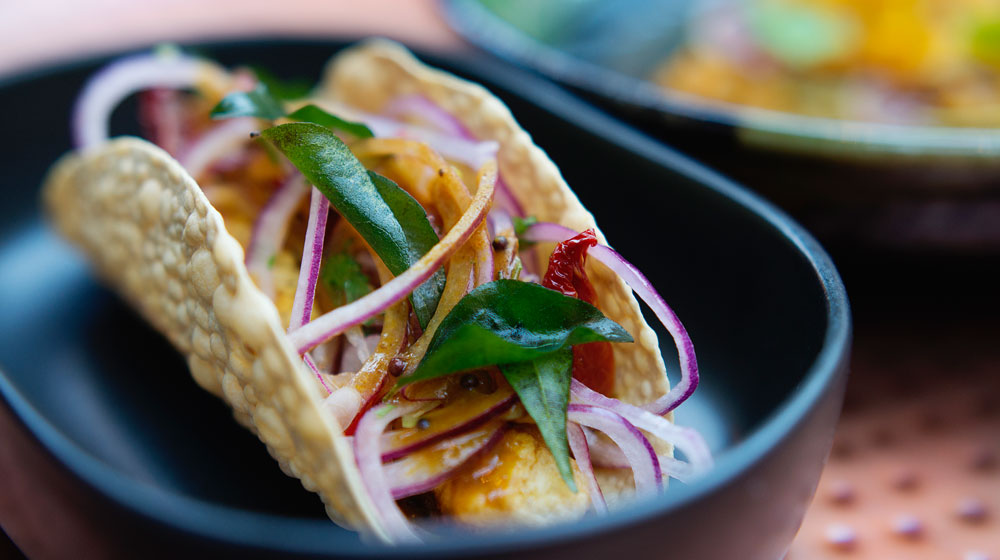
The fish taco.

Fish Taco by Chef John van Zyl of Thali Restaurant

What is it like working with Liam Tomlin?

When I started working with Liam in a one-on-one environment I realised that the only way to attain his knowledge was to start a completely new canvas. If I think back now, I realise that he has taught me everything I know except for a handful of things I picked up here and there. He is truly an amazing chef with great attention to detail and perfectionism. He taught me the true meaning of what it is to be a professional. I am truly blessed to have Liam Tomlin as my mentor and can only hope to be the chef he is one day.

Quickfire Questions

Favourite drink after a long day? Devils Peak IPA
Dog or cat person? Dog
Your perfect comfort food dish? Pizza
Bucket list travel destination? Mexico

We visit Thali HERE.

Hungry for more? Subscribe to our newsletter

Blue Crane Coffee Company in Stellenbosch – Not Just Another Coffee Shop

Coffee is seriously having its moment in the sun and we’re not complaining. The coffee industry in Cape Town has never been more exciting and it seems like new independent roasteries are opening up every day. We sit down with Michael Jones, the owner of the newest kid on the coffee block, Blue Crane Coffee Company in Stellenbosch. These guys are definitely one to watch.

Established in Stellenbosch in 2016, Blue Crane Coffee Company – better known by locals and curious coffee lovers as BCCC – has made its name as the bustling, historic town’s ‘newest bird in town’, producing the ‘genuine roast’.

This is the real stuff, made from 100% Arabica coffee, sourced from El Salvador, it gives just the right balance and kick, offering a subtle, rich mouth-feel and flavourful taste.

The new roastery, slash experimental coffee laboratory, has certainly made a lasting impression with a versatile coffee that gives hints of nuttiness and citrus fruit undertones. Situated in a historic Cape Dutch building on Dorp Street, the oldest street in town, BCCC’s headquarters adds a modern twist to the town’s traditional architecture and heritage.

With founder and owner, Michael Jones, also owner and chef at popular neighbouring fine foods café, Blue Crane and the Butterfly  taking the reigns at BCCC, and co-owners Henniel Smit and Wilhelm Fismer (co-owners of international strategic brand agency, LIMBIK  plus experienced roasting and lab lead, Charles-Napier Joubert forming BCCCs backbone, there is little doubt the roastery is backed by a talented, innovative bunch who are simply passionate about crafting exquisite coffee.

How did you come up with the name?

We would have been crazy to ignore the fact that Blue Crane Coffee has a significant tie to what we originally produced at The Blue Crane & The Butterfly. In Stellenbosch and the surrounds we became known for Blue Crane Coffee (sister coffee shop across the road in Stellenbosch), so it was a very natural progression to take that and run with it. The Blue Crane & The Butterfly’s name originated from a bedtime story I wrote for our son just before moving to South Africa, there is a moral to this story, but you have to read it for yourselves. Or have a sneak peak HERE.

How did you get into the coffee business?

I always loved a good cup of coffee. However, my love for coffee reached a new level after we started to roast our own beans. This came along with the knowledge about and appreciation for what really goes into making good coffee. Looking back, I started loving coffee, much like anyone else, when I got the good stuff from the age of 21. I began working with my sister who runs a little bakery and deli in Glasgow, Scotland. When we started roasting our own brew at about the year 2007, I was amazed that there is so much more to coffee than its aroma, bitterness and how ‘hot’ it is. By roasting, we learnt more about the subtlety of flavours, how to punctuate flavour, developing the ideal mouth-feel, and generally, create a wonderful coffee ‘tasting’ experience.

What do you love about the coffee industry?

Passion. People involved in this industry have a true passion for what they do. They turn into complete coffee ‘geeks’, and there is nothing wrong with that! I think passion brings out the best in people.This can be noted in the development of the coffee industry, which is becoming more ethically operated. Many industries act in the complete opposite way. There is real importance attached to sustainability, not only of the crops, but the human beings at the root of production. I love that! In terms of my own interest, I don’t think I have a bigger smile on my face when I have my first sip of our coffee. Okay, maybe also when I get a glimpse of a customer doing the same thing. The satisfaction of creating something that brings that expression to somebody else’s face is wonderful.

With so many options for coffee out there, how do you set yourself apart?

I don’t think of coffee as a beverage. In my mind, it should be savoured as a dish or culinary event. It’s far too often that you can have a fantastic meal ruined by a terrible coffee afterwards. Food and coffee have to complement each other. We believe in that mantra, and that is why we invite people to come to BCCC and experience it for themselves at our lab. We are not pretentious about it. We’re simply there to help our customers recreate a great cup of coffee (buy purchasing a take-away filter or bean bag) at home that can become part of their daily routine. I think that is pretty special.

What have been some of the challenges you’ve faced establishing the business?

The usual issues, time frames, cost, etc. However, we are fortunate in the fact that  “The Blue Crane & The Butterfly” was already a relatively established name in Stellenbosch. We were fortunate enough to open the doors of the roastery and people came. I guess that is a blessing but also difficult, in a way. The restaurant and bakery will always be the initial starting points of our coffee brand. However, it is separate, and the roastery will develop to a unique and individual identity.

What has been the best thing about starting your own roastery?

Growth, not from a business point of view, but from a personal one. I feel that my creative side has developed a great deal since we started the roastery. Being able to be involved in all creative aspects with my partners and brainstorm together, as well as in the roastery and laboratory have been amazing.

Can you tell us a little about the beans you use? Where do you source them from? Do you stick to a single origin or do you like to mix it up with a blend?

Our brand is born from our Original House roast, 100% high altitude growth beans from El Salvador. A wonderfully smooth coffee that has just the right notes of acidity and bitterness. A delightful coffee with or without food. The beauty of the roastery now is that, for four years, we were pretty set on roasting one type of coffee only due to capacity. However, now we have a variety of beans we can offer the public, and which will be available end-July.

What advice do you have for someone wanting to start their own roastery?

You have to love it. If you don’t, it will come across in the bean.

How do you advise people to drink their coffee?

That is an impossible question to give a simple answer to. At BCCC, we talk our customers through the experience until they find what they like. My personal favourite is a Cortado. A short, punchy coffee with a lovely smoothness. It is quite a strong coffee and maybe not for everyone, so it’s necessary to give your customers a bit of a preview before they settle on something.

What is the one thing you wish the average coffee drinker would understand about coffee in general?

I believe people’s understanding of coffee is getting better as the industry grows. If you had asked me that question five years ago, I would have answered: “iIt should not be piping hot.” However, I think people are starting to find that flavour is so much better than it was five years ago and that burning your mouth and a bitter taste can spoil your coffee. If you asked me what I think today, I would say that “it doesn’t have to be complicated”. I still think people are nervous about investing in a little stove top pot and a burr grinder to make fresh coffee but will soon add this to their morning routine.

Quickfire Questions

When you’re not drinking coffee, what are you drinking? Some fantastic beers are being produced in the Western Cape. CBC Amber Weiss has to be my go-to drink. In front of a warm fire on these cold winter nights, I have to raid my Whisky collection.

Favourite treat to enjoy with a cup of coffee? A nice nutty piece of nougat dipped in rich dark chocolate

Ultimate comfort food dish? French toast with bacon and maple syrup (honestly anything with bacon).

Best place to travel to for coffee? Dorp Street in Stellenbosch, if you can’t make it there then I would head to London. Fantastic spots such as Kaffeine, Climpson & Sons… the list is endless. Closer to home, Truth in Cape Town is an experience and certainly worth a visit.

bluecranecoffee.co  | 141 Dorp Str, Stellenbosch

Hungry for more? Subscribe to our newsletter

We chat to Ludwig Peters van Tonder, Pastry Chef at La Belle Bistro & Bakery at the Alphen Hotel

La Belle Bistro and Bakery has always been a favoured southern suburbs spot for a cup of tea and a great baked treat. The lush gardens of the Alphen Hotel the stylish but homely feel of the bakery interior add to the overall experience. Recently, chef Ludwig van Tonder joined the team, leading the way with his beautiful confections.

Looking back on his early baking days he reminisces about his first solo dessert (as a child that is) – a personalised creation of pink, purple, blue and green scones served with cream and strawberry jam. But, he’s come a long way since those days and is now creating beautiful pastries that not only look dreamy but taste heavenly too. We chat to chef Ludwig van Tonder, to find out a bit more about what makes him tick.

Tell us a little bit about yourself…

I grew up in Paarl, with a family where food was (and still is) a very important part of being together. I did my chef’s course in 2008 and from there started my culinary career. I’ve been living in Cape Town (in the city) for a few years with my husband, Justin, and our cat (daughter), Saffron. Food is definitely a big part of our daily lives and a lot of time is spent on not only eating, but talking about the food we eat, the food we had the day before and especially the food we want to eat tomorrow! Family and food (and of course wine), those are definitely some of the most important things in life.

Aside from the obvious (getting to eat cake all the time), why did you decide to become a pastry chef?

I’ve always enjoyed baking, so when I decided to become a chef, I knew that I would only ever want to be a pastry chef. I think there’s a lot of room for creativity and playfulness with pastry, and I think cake makes people happy. If my pastries can bring a little moment of joy to someone, then I’ve done my job well.

Did you always know that this is what you wanted to do?

Although I’ve always enjoyed being in the kitchen, I actually started studying BA Language & Cultures. When I was younger I loved to write and read obsessively, so it seemed like a natural choice. Halfway through, however, I decided that it was not for me. I stopped, got a job in retail and the following year I studied to be a chef.

I’ve often thought that I might have chosen a different career if I could choose over but all in all, I love what I do. It makes me (mostly) happy, so, on the whole, I feel content with where I am right now.

We probably all have this theory that working with sweet things all day must be wonderful but do you ever get tired of tasting sweet things and crave savouries?

EVERY. SINGLE. DAY. As great as it is to eat sweets and cakes when you feel like it, it takes its toll. And at the end of the day, all you want are some Niknaks or a piece of crispy bacon to wash the sweet away.

What is the question most people often ask you when you reveal that you’re a pastry chef?

What exactly does a pastry chef do? Do you, like, make cookies?

What sort of things in your daily life inspire your creations?

Social media and the information age that we live in are great tools for any creative. I think it’s naive to think that any idea is completely unique or your own. We live in an age where information and ideas and creativity are so easy to come by and both consciously and subconsciously we are influenced all the time.

I find a good mixture of browsing, coupled with nostalgia and of course some creativity (more often than not shared between people) gets me on the right track.

Can you tell us a bit about some of your favourite items on the La Belle Bistro and Bakery menu?

The Salted Caramel Tart has to be one of my favourites: Buttery dark chocolate pastry filled with a just-set baked bitter chocolate tart, topped with rich salted caramel. This then gets topped with homemade white chocolate aero and salted hazelnuts rolled in gold dust (because every tart deserves a bit of jewellery). It’s a dark, rich and sultry tart that would satisfy any chocoholic.

My other choice would have to be our Gluten Free Passionfruit cheesecake – it’s zesty, creamy, fresh, and of course gluten-free, which makes it kind of guilt free!

Have you had a  kitchen disaster?

Probably my biggest disaster was when I had just been at a new job for a week when I let a big, table-top mixer drop off the counter, onto the freezer in front of it (denting the lid as it went), until it finally landed on the floor with a loud crack. Suffice to say that it was broken and I had to nervously go to my new Head Chef and explain what had happened!

Quickfire Questions
Favourite ingredient currently… almonds
Last book you read… The Magicians
Confection you’d like to grow on a tree… doughnuts
Most expensive recent purchase: always throw pillows and plants – it’s about the little things.
Pet peeve: impoliteness
Piece of kitchen equipment you’d take to Mars: Kitchenaid

Check out our escape to the Alphen Hotel.

Hungry for more? Subscribe to our newsletter.

We chat to Glen Foxcroft Williams, Chef Proprietor at Foxcroft Restaurant

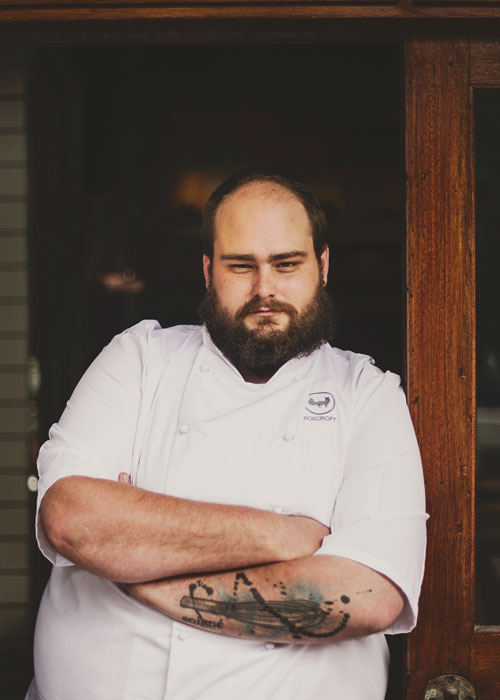
Glen Foxcroft Williams is a born and bred southern suburbs Capetonian. After he matriculated he went right on to studying part-time at the Institute for Hospitality Education in South Africa, while working full time at the Opal Lounge. He then moved on to La Colombe, where he was to remain for 6 years. Things looked bright for Glen when he was promoted to pastry chef at La Colombe at the tender age of 21, and this move set him on a course that has brought him to where he is today.

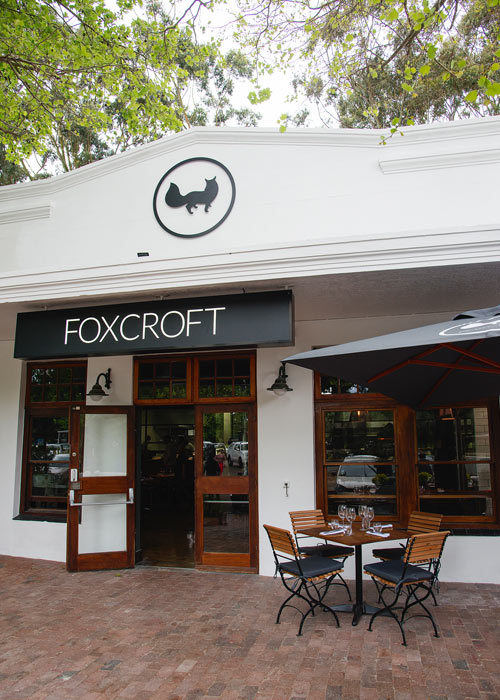
Besides a short stint at  2 Michelin-starred The Hand and Flowers in Marlow, Buckinghamshire in 2015, he has remained in the Mother City honing his skills. In October 2016, Glen and business partner Scot Kirton, opened Foxcroft Restaurant in Constantia and this has been the fulfilment of a dream. As with the opening of any new business, it has its challenges, we chat to Glen Foxcroft Williams about his journey…

Why food?

I grew up with a father who was passionate about food and cooking, exposing me to a wide range of food. I started cooking at a young age and it was always on the list of possible future careers.

Glen Foxcroft Williams

What drew you to pastry?

I landed in pastry quite accidentally but ended up loving it. I think it was the exacting nature and the creative possibilities that drew me to it. Everything in pastry was new to me, as I’d never really done much of it at home growing up.

When you tell people you’ve met for the first time that you’re a pastry chef, is there an inevitable response?

Given that I’m quite a large guy and always have been, the most common response is probably along the lines of “well I can see you have a sweet tooth” or “you must make good pastries cause you eat them all”. I’ve actually never had much of a sweet tooth at all.

Working with sweet things every day sounds like a sweet deal but it must get tiring. Do you ever end the day feeling ‘sweet-ed’ out?

Yes. Having to taste sweet things all day tires out your palate very quickly. Coffee became a crutch, more out of the need for something bitter/savoury and I drink around 4 litres of water when at work.

Glen Foxcroft Williams

Do you remember what the first thing was that you baked? Or perhaps if you don’t remember what it was, then something that was really memorable?

I remember making little orange souffles at age 7, they came out nicely but I was so disappointed – that was the moment that I realised how overrated souffles are. My father ate them all.

Do you have a global pastry bucket list; places you want to visit to try their baked goods?

I visited some amazing patisseries in Paris last year. I’d also love to see the patisseries in Hong Kong and Tokyo, they’ve got some amazing pastry happening there.

We’ve seen some interesting trends this year with regards to baking – like multicoloured unicorn everything. What’s on the horizon that’s exciting for you?

At Foxcroft, we are focusing on refined but traditional pastries. We’re not really about trends, we are just trying to do the basics as best we can, with the best ingredients we can get our hands on.

Glen Foxcroft Williams

The French pretty much reign when it comes to baking; are there other places that you draw inspiration from when creating dishes?

The French have most of the techniques to their name but one can draw inspiration in terms of flavours from anywhere.

Can you tell us a bit about how Foxcroft came about?

The idea started a few years ago, I decided I wanted my own business by the time I was 26 and thought a bakery would be the logical step. Scot wanted to support me in this and so, over the next year or two, the idea snowballed into what we have now – a full restaurant and bakery.

The toughest part about being a business owner in the restaurant industry?

For me, the toughest part has been the transition, as I didn’t go through the usual ranks of sous, head chef etc, before opening my own place. Lots of deep end learning has taken place, from business management, stock control, managing staff and dealing with consumer expectations and needs.

Glen Foxcroft Williams

Quickfire Questions

If I wasn’t a chef I’d be… either in the music industry or a pyrotechnician.
Series I’m currently watching… Brooklyn Nine-Nine.
Dream holiday destination… Taiwan or Lisbon.
Late night petrol station indulgence… Steak and kidney pie.
Most treasured piece of kitchen equipment… my antique Rocher spoons.

Glen Foxcroft Williams

See Glen in our Chefs and their Tattoos article

foxcroft.co.za

Crush Chats With James Gaag, Head Chef at La Colombe

Head Chef James-Gaag of La ColombeJames Gaag is a mere 28-years old and has achieved great things early on in his career. The German-born and now South Africa-based chef has been at La Colombe for almost 7 years, starting originally as a 3rd year Silwood student. He was made Sous Chef at just 24 and is now the Head Chef of La Colombe, one of the top restaurants in the country. He is also part-owner of an exciting new sister restaurant, La Petite Colombe in Franschhoek. Crush chats with James Gaag to find out a bit more about him and what motivates him to keep innovating…

How did you land up in SA?

 I was born in Germany and lived there until I was 10 years old. I had the most fantastic childhood, one any kid could have wished for in the countryside in Bavaria on a smallholding. My mom is originally from Zimbabwe/Cape Town, so she wanted to come back home after my father passed away. That’s how I landed up here, and I’m so glad I did. Cape Town is most definitely now my home and I don’t think I’d want to be anywhere else at the moment.

james gaag La Colombe

Cooking has obviously been a part of your life from a young age, did you ever consider doing something else for a living or was this always it?

I’ve been surrounded by food and cooking my entire life. My mom is also a trained chef and now teaches sugar craft, confectionary and icing at Silwood Kitchen in Rondebosch. That’s where I used to play as a young boy and watch Alicia Wilkinson demonstrate to the students back then, but funnily, cooking wasn’t my first choice after school. I’m quite an outdoor kind of guy and love working with my hands. I actually wanted to be an engineer or a marine biologist, but I hate maths, so that was a no go. So where cooking started as a gap year, it’s now the only thing I see myself ever wanting to do.

Who is your food mentor?

My food mentors I would say are Raymond Blanc and Gary Jones of Le Manoir aux Quat’Saisons and Scot Kirton, who I am lucky enough to stand next to every day at La Colombe. There are also countless others, locally and internationally that I look up to and would always aspire to be like. One day maybe.

How would you summarise your cooking style?

Modern French with a touch of anywhere really. For me it’s not really about where the inspiration comes from, because it can literally be anywhere. First and foremost it’s about flavour. Taste is key, everything else follows.

What excites you about food and cooking?

What I enjoy the most about food, is the challenge of creating something new, something exciting and something thought provoking. You want your guest to be asking how has he done that? What makes it like that? Where is that flavour coming from or even, what is that flavour? That’s where we get to play as chefs, to trick the guest, to give them an experience. But at the end of the day, they still come to have an amazingly tasty meal! The biggest reward is seeing the look of pleasure on every customer’s face as they leave our restaurant satisfied.

What’s the most challenging part of being a chef?

The most challenging thing about being a chef, competing at a high level, is the pressure to constantly evolve, innovate and create something no one else is doing, but that is probably also the most rewarding thing for me, so it’s a bit of a double-edged knife.

Are you able to give us insight into La Colombe’s new sister restaurant ahead of its opening later this year?

I won’t say too much yet, you’ll have to come try it, but customers can look forward to the same high standards they have become used to at La Colombe, in an equally stunning setting.

Franschhoek is a haven for foodies; does this add pressure to opening a new restaurant there?

Of course, it adds pressure but more so it gives us the opportunity to create something truly special and memorable in an awesome space.

Head Chef James-Gaag of La Colombe

Have you had a funny moment in the kitchen that has stuck with you?

I’ve had a few funny moments in my time, but I think the one that’s stuck with me the longest is dropping a frozen lobe of Foie Gras on Luke Dale-Roberts’ broken toe when I was a student in his kitchen in Constantia.

If you could have a conversation with your 9-year old self now, what would you say?

I guess I’d tell myself to enjoy every day, laugh and see as much as I can and I guess I’d say, forget the engineering ideas, get in the kitchen sooner!

Head Chef James-Gaag of La Colombe

Quickfire Questions

Best thing to do to unwind… Fishing, spearfishing, walking my two dogs.
Drink at the end of service…  1l water.
Favourite ingredient right now… Always, Jerusalem artichoke, but chestnuts and quince are in full swing.
A culinary trend that you wish would die… All those garnishes that look stunning but taste of nothing! Papers, glasses, shards etc.
Secret food guilty pleasure… 1l double cream Greek yoghurt with honey and a bit of dark chocolate over the top. I will eat an entire tub if Tracy doesn’t stop me.
Last book you read… A cookbook, it’s always a cookbook…

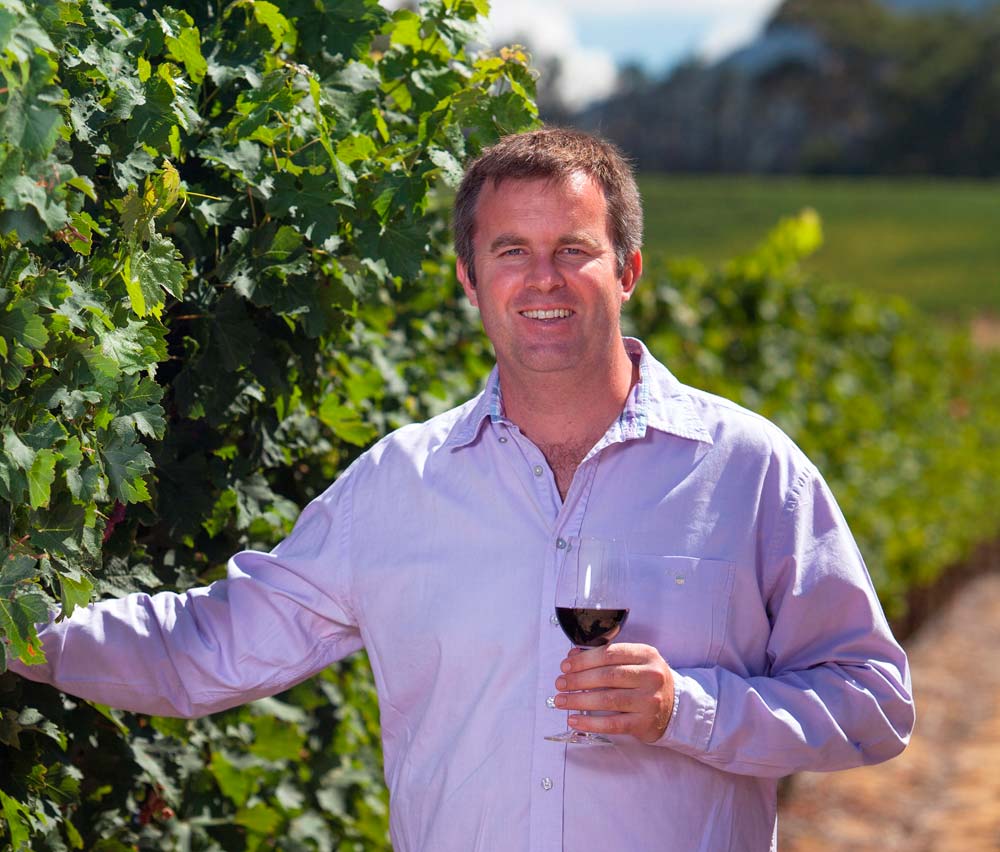
Chatting to Luke O’Cuinneagain, Winemaker at Glenelly, Stellenbosch

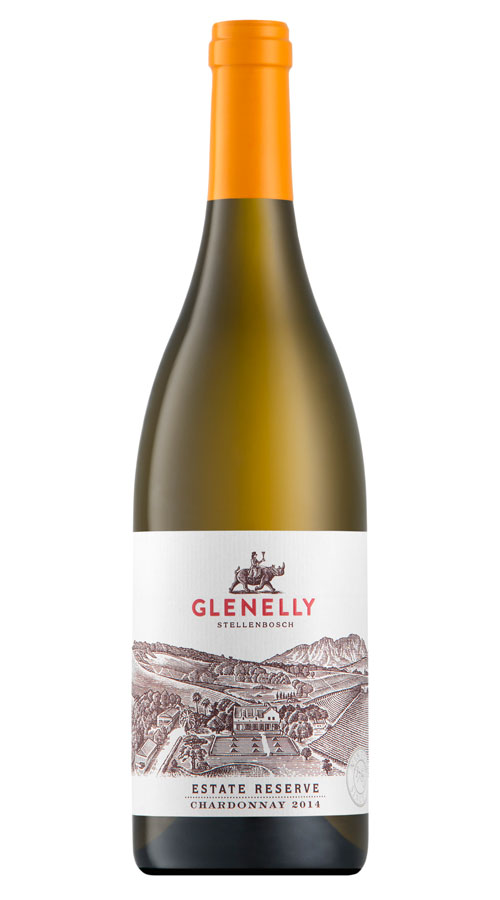
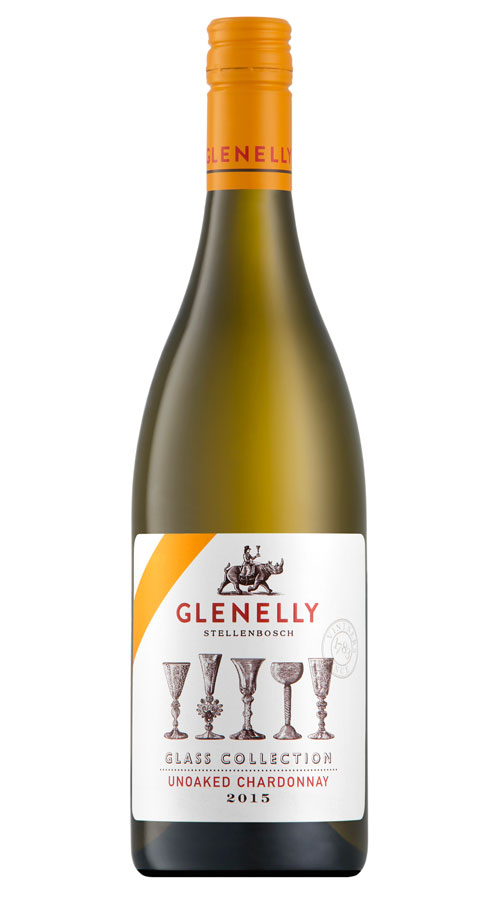
Glenelly has recently undergone extensive renovations and now the Stellenbosch estate has re-opened as a world-class Winelands destination. The new offering includes a hospitable bistro, a tasting room with spectacular views. Launching a series of new vintages across the range, the team took the opportunity to refresh the brand, creating a clearer, more distinctive identity that better conveys the three key elements that define these award-winning wines: power, elegance and balance. Crush chats to winemaker, Luke O’Cuinneagain, to find out a bit more about his winemaking style as well as ask him a few questions about the estate’s Chardonnay offering…

Can you tell us a bit about yourself?

I grew up in the Constantia Valley surrounded by vineyards. After my studies I travelled Europe, working first at Château Fieuzal in Bordeaux, before moving on to Alsace. In 2006 I spent time in the Napa Valley in the USA and then moved on to Château Angelus under the tutelage of Hubert de Bouard. Upon returning home I spent five years at Rustenberg Wines before joining Glenelly.

Where did winemaking start for Luke O’Cuinneagain?

My winemaking journey started when I came to Stellenbosch to study Veterinary Science. While studying, I worked in various cellars, which peaked my interest in wine and started this adventure.

What is your winemaking style?

Minimalistic influence; let the fruit express itself.

During your time at Glenelly; has there been a memorable/favourite wine that you have produced?

A favourite wine of mine has always been the 2008 Lady May; it was our first vintage of this wine and it was a difficult vintage with weather conditions at the time. We managed to produce a great wine that has been confused for left bank Bordeaux in blind tastings by Masters of Wine.

Do you ever get a ‘sixth sense’ or a hunch that tells you “this is going to be a great vintage”?

Looking at the weather conditions gives you pointers as to the potential, but you can never be sure until the wine is in the bottle.

We’re talking specifically about Chardonnay this month; can you tell us a bit about growing Chardonnay in South Africa?

Chardonnay is a fantastic variety and is so versatile. You can make Champagne, oaked wines, crisp unoaked wines, all of which are fantastic in their own right. It is also very expressive of where it is planted, from clay soils to more sandy soils. Then you have the temperature that plays a role as well, with warmer climate versus cooler climate. All of these factors play a role in producing wines that have their own unique ‘fingerprint’ which is a snap shot of that period.

We’ve heard that producing a great, balanced Chardonnay is a bit of a rite of passage for a winemaker; do you think this is true?

I think this is true, but, balance must apply to all wines, not just Chardonnay.

What is the most rewarding part of being a wine maker?

Seeing people purchasing and enjoying your product.

What excites you most about the wine industry in South Africa today?

The diversity that we have; there are new areas and varieties which are be discovered and used. At the moment I think South Africa is a dynamic place to be making wine and the world is starting to discover this more and more.

If you are not enjoying your own wine, do you have another one that is a favourite?

I truly don’t have a favourite, it all depends on my mood and whether I am having food or not.

What is your perfect food pairing with Glenelly Chardonnay?

Our Estate Reserve Chardonnay is fantastic with roast pork belly or short rib pot pies with heavily buttered puff pastry. Our Glass Collection Chardonnay is fantastic with a light tuna tartar.

Interested in getting to know Chardonnay better? Let us be your guide.

Hungry for more? Subscribe to our newsletter.

Crush Chats to Diana & Jason of Las Paletas

Husband and wife duo, Jason Sandell and Diana Chavarro, have combined their passion for food, with Diana’s Latin American heritage and the very best South African ingredients, to create their Las Paletas range of artisan lollies. Founded in 2012, the pair started in their home kitchen but have grown in popularity with each new and exciting flavour created. Their colourful lolly cart and mouthwatering range of real lollies are regulars at many local events and festivals.

So, what makes Las Paletas lollies different? Well, you won’t find anything artificial in these lollies, they’re made with real ingredients and are focused on yummy, natural flavours.

Innovation is the name of the game and the pair have spent many hours conceptualising and bringing to life their unique lollies. There are so many delicious flavours, too many to list, but think Gooseberry Cheesecake, White Chocolate and Berries, Coconut Lemonade and Key Lime Pie just to name a few.

Prior to creating Las Paletas, Diana worked as a graphic designer and Jason in marketing but both felt a strong pull to start their own business. Their combined love for food made going this route a natural choice for them. We asked the pair to tell us a little bit about their journey and working as a team…

Some say you shouldn’t mix business with pleasure, how is it working out for you both?

We challenge each other constantly and we’ve realised over the past four years that we challenge each other for the greater good. We both have different strengths and we complement each other.

We are increasingly seeing a rise in food orientated entrepreneurs. What advice would you give to someone who wants to start their own foodie business but has no idea where to start?

Stick with your guts. Do not deviate from your beliefs no matter what anyone tells you and learn from your mistakes.

We are currently seeing a trend of sweet or savoury ingredients being used interchangeably; we’re thinking bacon flavoured ice cream. Is this something you’ve experimented with? Also, what ice cream flavour combo should you never attempt?

We’re currently making salted caramel, pineapple and chilli. We think you should attempt everything!

 We’ve always wondered… what do ice cream folk do in the winter?

We recover from a hectic summer! We get some sleep and recharge our batteries. We also use this time to focus on how to make the business better.

We know that Las Paletas is a wedding dessert favourite; do you have any tips on the best way to eat a lolly without spilling on a nice outfit?

Our lollies are not aerated, so they take way longer to melt. They are also served at -22 and not -10 like other soft ice creams, so need to worry about messing!

Are there any expansion plans for Las Paletas?

We currently have a franchise in South America and are planning something similar for South Africa and Europe. We’re still small and pay the same amount of attention to the manufacturing of our products that we did from day one. So, one day, when we expand further, all our products will be the same quality as what they are today. Nothing artificial.

Quickfire Questions

Jason on Diana…
When Diana’s not licking a lolly is she eating? Mexican food or she’s cooking at home.
If Diana could create any lolly in the world, what would it be? It’s Colombian, very hard to explain. We’ll need 5 minutes.
Her pet peeve? Inefficiency
Her most redeeming quality? She’s stubborn and very strong willed.
Actress that would play her in a movie? Salma Hayek.

Diana on Jason…
When Jason’s not licking a lolly is he eating? Chocolate
If Jason could create any lolly in the world, what would it be? Grande Chocolate and he did!
His pet peeve? Things not going according to plan.
His most redeeming quality? 24/7 energy!
Actor that would play him in a movie? Tom cruise

You can find delicious Las Paletas lollies, at great delis around Western Cape, as well as selected Pick ‘n Pays, Spars and Wellness Warehouse stores.

laspaletas.co.za | Facebook | Twitter

We talk to Executive Chef at Pierneef à La Motte Michelle Theron

Michelle Theron is the lady at the helm of the kitchen at Pierneef à La Motte in Franschhoek. The dynamic chef studied at Boland College, Stellenbosch, where she completed her Hospitality and Catering Diploma course. From there she joined the team at Volkskombuis and de Oewer, also in Stellenbosch. From there gaining further experience at Laborie, in Paarl, as well as the Cape Grace Hotel at the V&A Waterfront. She has also spent time overseas working in restaurants in Europe, as well as a few Michelin star restaurants in Holland, before coming home to South African soil to start at La Motte in 2010. We chat to Michelle to find out a bit more about her, as well as what she has up her sleeve for this festive season.

Executive Chef Michelle Theron

Where did your love for cooking and food come from?
I’ve always wanted to cook, from a very young age. I’ve just never wanted to do anything else.

What excites you about being at Pierneef à La Motte?
Being able to cook South African heritage cuisine – food that we know but preparing it in a contemporary new and exciting way. I love the connection between food and art that we get to experience daily.

Executive Chef Michelle Theron

What principles guide you in your day-to-day culinary journey; what is important to you as a chef?
Passion, consistency and fun. You need to enjoy it to do it properly.

We’re coming up to the season of entertaining – what are some of your top tips for cooking for a crowd?
I like to keep it rustic, and do a lot of roasting whole pieces of meat. I also like a harvest table, with lots of food for sharing.

Can you share a special holiday meal moment that has stuck with you?
My moms’ roast lamb and dessert trifle has always been a winner.

What/where is on your foodie bucket list?
I would love to visit the top 10 restaurants in the world, be able to have a meal there and to pick the chef’s brain.

Your foodie idol is coming to eat at Pierneef a La Motte, what South African produce would you want to showcase and what would you cook?
My chef idol is Margot Janse, for whom I have the utmost of respect. I have cooked for her many times before and tried to stay true to our motto of doing what we know and what we are comfortable with.

Quickfire
Recent purchase that was just for you…
a wide range of very colourful gym tights!
Pet peeve… when people take my cloth or my personal knives and tools, it drives me up a wall!
Funniest kitchen mistake you’ve made… don’t know if it was funny, but when I was working at the Cape Grace I broke, Peter John Vadas, my Sous Chef at the time’s diamond steel.
Late night favourite indulgence… peanut butter.

Be inspired by festive recipes by Michelle Theron and the team at Pierneef à La Motte

All Spice Festive Bread Wreath

lamotte.co.za | Facebook | Twitter

5 Minutes with Chef Colette Robert

Colette Robert is a true gem in Cape Town’s food crown. Despite living in London for a while, the call of home lured her back to the mother city. We couldn’t be happier, because her café The General Store serves up some of the best breakfasts, salads and cakes we’ve ever seen.

You are cooking some of the best food in Cape Town at the moment. What has been your journey to get to this point in your career?

Colette: I was lucky enough to always know that I wanted to be a chef, which was a good start. I studied at Silwood, before working under Giorgio Nava at 95 Keerom for 2 years. Feeling I needed a change, I headed off to London, where I joined the team at Finn’s of Chelsea, a luxury deli and caterer. It was here that I realised ‘I can do this’, and that the dream of running my own place could come true. Having been away for a number of years, we decided to return to Cape Town and The General Store was born.
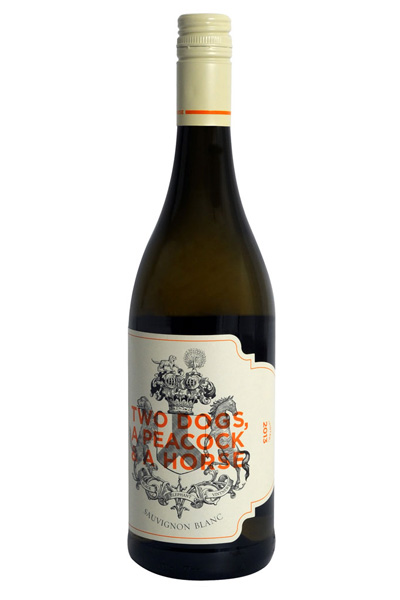
Was there a defining moment in your career that made you realise that this is exactly what you are meant to be doing?

Colette: Not specifically. I grew up on a farm, and as you’d expect there was always something being cooked up in our kitchen. I guess I just enjoyed getting involved and developed an interest in food. When I realised that people were enjoying what I was making something clicked. Now, when I open the doors of The General Store, I feel that every day.

How would you define your culinary style?

Colette: Casual, unfussy cooking, the simpler the better. Made with love.
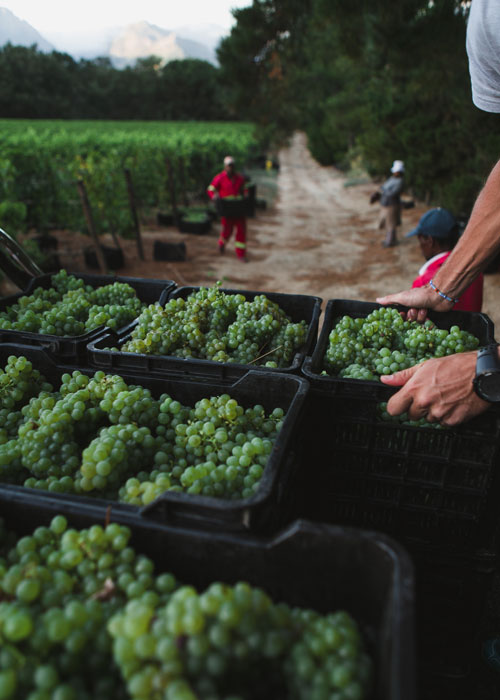
What is your earliest food memory that you think inspired you towards this career?

Colette: I don’t think it inspired my career, but one of my earliest food memories is of my brother making us avo on toast to share. At about 6 years old I was very unsure of this mushy green stuff he wanted me to eat with him.  I’ll never forget my surprise at the lemony, buttery, goodness on warm toast.  As the saying goes, you can never judge a book by its cover, and that’s true for so many things when it comes to food.
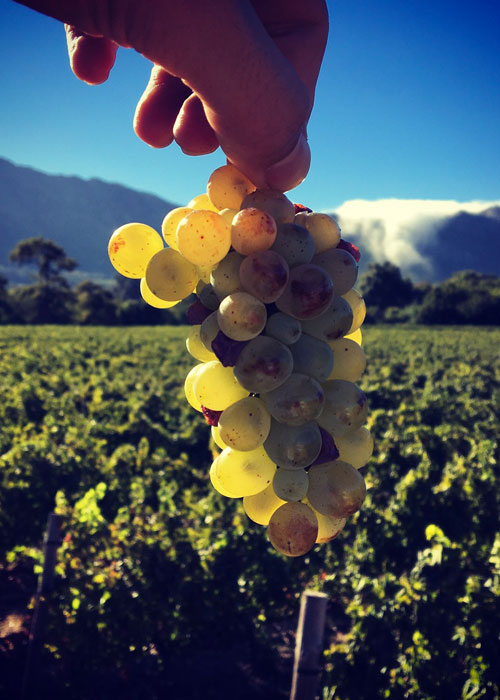
What is the best career advice you have ever been given? Who gave it to you?

Colette: A chef I once worked with while I was still studying, told me to always steal with the eyes – everyone has a different style or method of doing things, and so there is always something to learn from someone else.  One of the things I love about this job is that you’re constantly learning new things, it’s ever-changing.

If you had all the time and money in the world, what would be your ultimate food day? What would you eat for breakfast, lunch, and dinner?

Colette: This is hard. Ok. Pain au chocolate and coffee at E5 Bakery in Hackney, London to start the day. Lunch at The Table in Stellenbosch in the sunshine. Crayfish braai and cold beers for dinner overlooking the ocean. All of this shared with close friends and family – the best part of any meal.

Most memorable meal?  Dinner at the Fat Duck.

Top of your restaurant bucket list?  Noma.

Favourite way to end a busy day? Hot bath and a gin and tonic.Colette
the-generalstore.co.za | Facebook

Want to read about more badass women in the kitchen? Read HERE.

Read more about The General Store HERE.