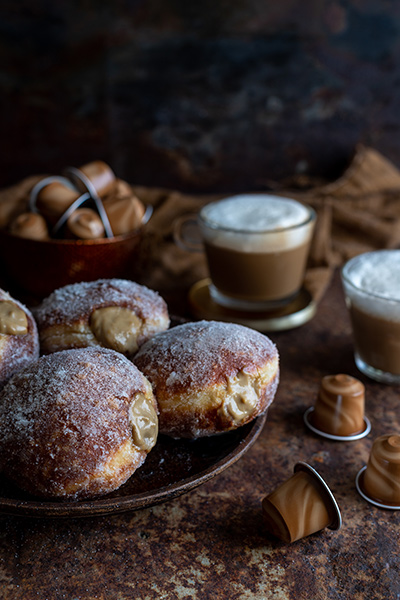
Curb Your Ethical Overwhelm

In a world where we’re constantly bombarded with overloads of information – health trends, environmental and social concerns, it’s easy to become overwhelmed. Wanting to do all the right things all the time, especially in the food space, can be daunting and exhausting. joon + co coined the phrase ‘ethical overwhelm’ and it seems to be on the rise.

ethical overwhelm

What is Ethical Overwhelm?

In a sustainably sourced nutshell, ethical overwhelm is when you feel overwhelmed that your contributions aren’t enough to make a sustainable impact.

Let’s unpack this, shall we? Going to the grocery store because you ran out of milk should be a simple errand, right? Suddenly buying almond milk ends up in an existential crisis; you’re buying a milk alternative because you’re concerned about the impact of the dairy industry, but what about the impact of almond milk on the bees? We must save the bees! So you think to yourself, ‘maybe a milk alternative like quinoa would be better.’

Just when you thought you’ve solved your first-world problem, you remember that third-world communities in Bolivia and Peru are impacted by the demand for quinoa and thus can’t even afford to consume their own produce. At which point you realise that the ethical overwhelm is not worth the milk and leave the store empty-handed. Sobering isn’t it?
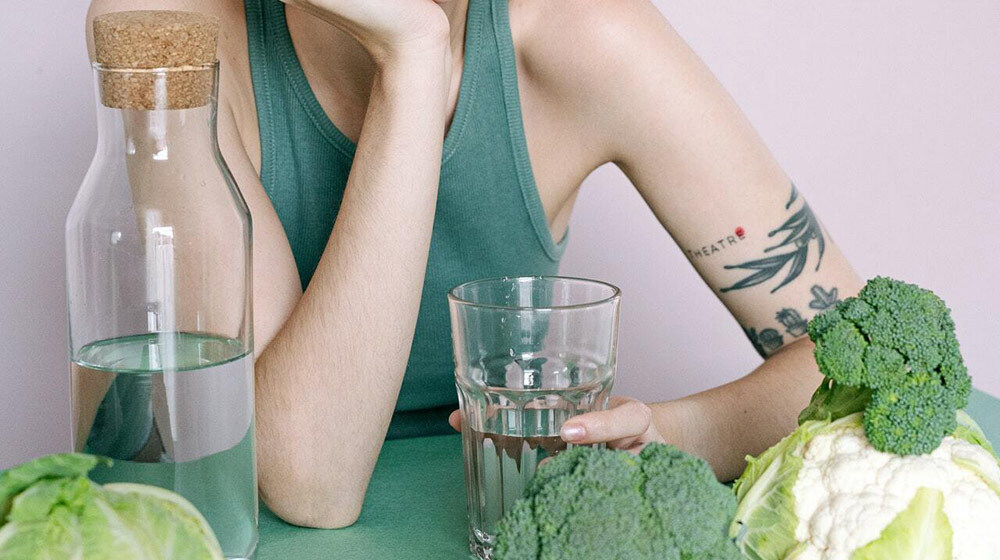
food consciousness overload

Can You Avoid Feeling Bamboozled?

It’s easy to get caught in the Seaspiracy net of statistics that tell you that by the end of 2048, the ocean will be a creatureless, vast landfill. And even if you wanted to cut down on your fish consumption, it’s still not enough. You could also get frazzled knowing about the modern-day slavery endured by labourers or the war on Chilean farmers driven by the demand for avos.

We’re here to tell you that you’re not alone. Ethical overwhelm is a thing. Instead of panicking, let’s see how we can encourage fruitful approaches, while still challenging our perspectives and being cognisant. At the end of the day, we can’t be greenhouse gatekeepers, but we do need better housekeeping in order to sustain our ‘home.’

THE RISE OF THE CONSCIOUS CONSUMER

In the past, we were content to leave investigation to the likes of consumer crusader, Isobel Jones, and investigative journalists, Derek Watts, Devi Sankaree Govender and the rest of the Carte Blanche team. We waited on them to do the deep-dives, to question and uncover what no-good corporates were up to. These days, however, with a wealth of information at our fingertips, we all have a responsibility to ask those questions. It’s no longer ‘okay’ to consume blithely and pretend your choices don’t have consequences – thus the birth of the conscious consumer.
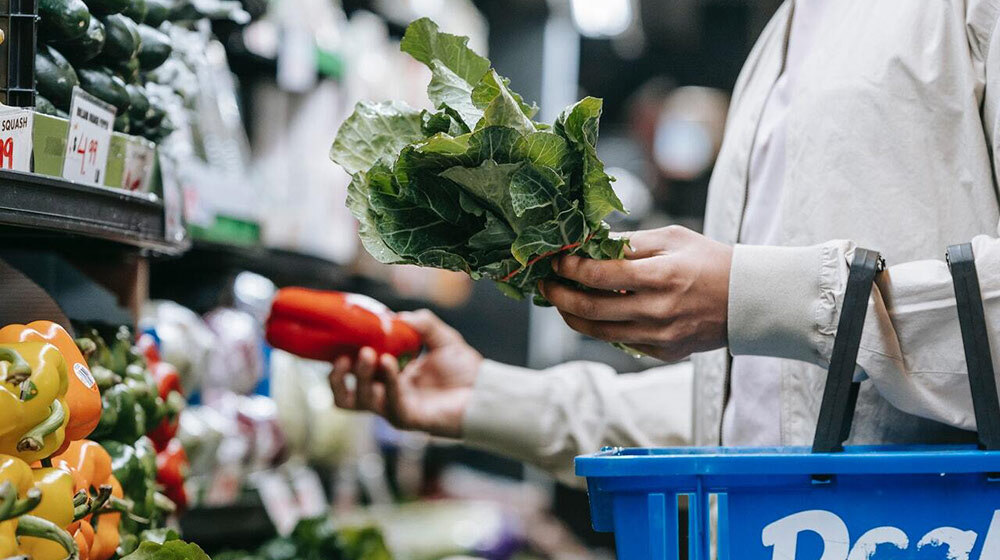
food consciousness overload

If you’ve never heard the term ‘conscious consumer,’ it basically means being conscious or aware of the products we as consumers buy. Conscious consumers make purchasing decisions based on the environmental, social and moral impact that brands carry. This practice takes brand loyalty to the next level, ensuring that your environmental and moral beliefs as a consumer are aligned with the brands you support. But, being a conscious consumer could result in increased ethical overwhelm…

DEALING WITH ETHICAL OVERWHELM

No one expects you to be Leonardo Di Caprio or Gretha Thunberg, but it’s wise to follow in their carbon footprints. At the very least, we need to consider how we can achieve realistic goals in order to keep the feeling of ethical overwhelm at bay.

food consciousness overload

PICK A CAUSE

When you put it all into perspective, we’re all just humans floating on a giant rotating ball – assuming you’re not a flat-Earther. While we might not have the power to put an end to global warming and exist in a climate-neutral world in our lifetime, we do have to consider Gen Z and Generation Alpha.

Doing something is always better than doing nothing.

Realistically speaking, we don’t have the mental capacity to champion every cause. Being selective about what you want to advocate for could alleviate the chaos of ethical overwhelm. It doesn’t mean that you don’t care – subscribing to specific causes that really matter to you might help put matters into perspective.

Let’s look at some scenarios, shall we?

Don’t want to give up meat entirely? That’s why Meatless Mondays were invented. Research shows that skipping meat once a week could be the carbon footprint equivalent of not driving your car for a whole month!

Worried about the honeybees? Take a chance on oat milk or one of these milk alternatives. Also, resolve yourself to the fact that every action has an outcome – pick a cause that most resonates with you.

Not sure if the honey you’re purchasing is real or a cheap import? Support a small local honey producer at your weekend market.

Concerned about the amount of trash you are generating? Try doing some of your shopping at a packaging-free store. Also, don’t forget to take your own reusable bags with you when you go shopping. Some local grocery stores (Woolworths, Spar) even have a take one, leave one bag policy. How cool?


GOOD TO KNOW

But how do we ensure that we’re doing our part without trying to do it all?

ethical overwhelm

STAY INFORMED

The great thing about living in the modern age of technology is that we have informative documentaries and shows that challenge our food consumption habits. But, having access to all that information can also be a little overwhelming. And in spite of your best efforts, the unfortunate truth is that certain brands dupe us into believing that we’re being conscious with our product choices.

If you are sceptical about sustainability claims, do your research. Turn to a well-informed acquaintance, social media platforms or everyone’s trusty friend, Google. Don’t assume that the first article you read is the gospel truth; be prepared to do your homework.

BE AWARE OF GREENWASHING

Brands are aware of the rise in conscious consumerism and that people are now ‘woke.’ As a result, they tend to make false claims or exaggerate their environmental and sustainable efforts as a marketing strategy known as ‘greenwashing.’ To seem more attractive, they’ll slap an eco-friendly logo on the label and call it a day.

While we don’t want to add to your ethical overwhelm, this is a reality. Demand traceability; don’t just trust what the box says.

REMEMBER THAT YOU HAVE POWER

Being a conscious consumer is a luxury not everyone can afford. If you have the means, then choose better. Remember that just as much as we rely on brands and companies for daily sustenance, they depend on us for profits. Understanding the power you have as a consumer is salient. The terms and conditions don’t only apply to you.

ethical overwhelm

BABY STEPS…

Still feel guilty about the fact that you’re not doing enough? Try to look for alternative solutions. Set yourself goals; you don’t need to become a vegan overnight but you could make the change from just one meat-free meal a week to two. Or perhaps you decide to eat less meat but pay for better quality from a brand that is more transparent.

Maybe your busy career means you can’t build eco-bricks every week, but you can get informed of a project that does make them and make an effort to deliver your recycling to them. Love your Nespresso machine but don’t have time to empty and recycle plastic pods? Support a local business like 4WKS, whose pods and bags are completely compostable!

It’s not easy keeping the ethical overwhelm at bay, but remember: the goal is to be informed, not overwhelmed. Make the better choice where you can, it’s ok if it’s not every time. Again, doing something is always better than doing nothing.

Learn all about the health trends impacting global markets.

What You Should Be Recycling in South Africa

At Crush, we’re all about green living, so we’ll be taking a dumpster dive and looking at how we could reduce our carbon footprint and recycle more efficiently. Because each country has a different recycling system, we’ll tell you what you should be recycling in South Africa. While recycling seems fairly simple, there are nuances to the trash game. Just like products contain multiple ingredients, packaging is composed of different materials – some of them not being recyclable, which is often overlooked.

recycling in SA

For example, you might not be aware that having a tiny bit of peanut butter at the bottom of your recyclable jar makes it non-recyclable. If you’re starting to feel guilty about not doing your part, we’re not here to scare you into ethical overwhelm, but rather to fill you in on what and why you should recycle.

Why is Recycling Important?

The harsh reality is that we don’t have an endless supply of resources on earth. Many of the resources that we do have are non-renewable, meaning we should make better efforts to use sustainable energy resources. It also helps minimise landfill waste, which is important for wildlife conservation, as well as creating a circular economy.

recycling in SA

Let’s dispose of the mentality that it’s the waste-collectors job to take care of the trash and our only responsibility is to make sure we place our bins outside our properties. In order to sustain our earth, we need to encourage and action better sustainable practices.


What Can I Recycle in South Africa?

Here’s what you can recycle in South Africa…

Metal

Recycling metal is quite simple. The only thing that you need to be wary of is rusted metals, as very few depots are able to recycle them.

metal recycling in SA

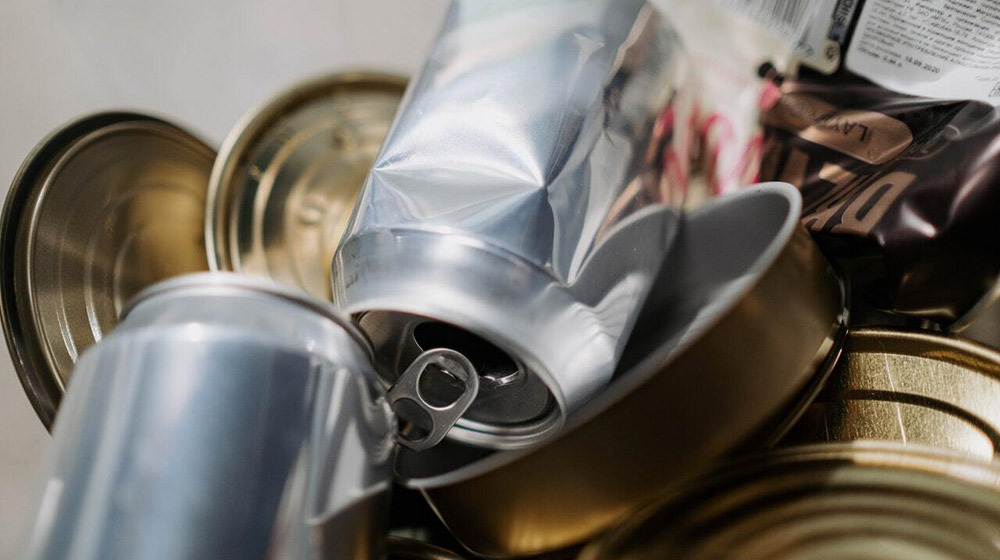
  • Aluminium cooldrink cans and tinned food cans (tuna, baked beans, beer, etc.) are good to go. Try to remove the label before recycling it.
  • Instead of chucking that tin foil in the trash, clean it, smooth it out and recycle it.
  • Aerosol cans can be recycled in SA, so set aside those paint, deodorant, spray-and-bake cans. It’s important the label is still intact as some of the products contain hazardous substances, which the handlers need to make sure of.
  • Difficult to recycle non-ferrous metals: copper, aluminium, stainless steel, rusted metals.
  • Please note that certain materials are difficult to recycle, as they require special machinery that many recycling companies don’t have. Please check with your recycler whether they are able to recycle non-ferrous metals.

Glass

When it comes to recycling in SA, we get to look at the glass both half-empty and half-full. According to Consol, we consume over 3.1 tonnes of glass and that’s just in one year, it goes without saying that this is a glass-half-empty dilemma.

If we look at the glass half-full, two-thirds of what we consume is actually recyclable; this should encourage everyone to recycle, especially glass.

recycling glass in SA

Recycling glass isn’t just a matter of tossing it in the trash, you need to ensure that the contents of the bottle have been emptied and the insides of the bottles are dry.

  • For all our wine-lovers, save those wine bottles and rinse them before recycling.
  • The same goes for food jars, scrape out and rinse them. The lids are recyclable too.
  • Non-recyclable in SA: drinking glasses; lightbulbs, mirrors and Pyrex, as they’re made from a different type of glass material and they have different melting points. Although not ideal, you would need to separate it before disposing of it in your general waste.

Paper

Being an online publication, we’d highly recommend the shift to digital if you run a business. Besides being used as a communication medium, paper plays a vital role in our lives, from protecting food to displaying key information on products. When it comes to recycling paper, it’s important that the fibres remain intact, as moisture degrades the quality.

recycling

  • Most paper types are recyclable in SA, so long as they are not laminated. You can recycle white office paper; non-laminated magazines/books; newspaper and cardboard boxes.
  • Liquid Board Packaging (Tetra Pak, Nampak, etc.) used to contain fruit juice and milk, is recyclable. Currently, there are only two local mills (both in Gauteng) able to do so.
  • Non-recyclable in SA: used paper plates, serviettes and tissues, as the moisture degrades the paper fibres; wax-coated, laminated or foil-lined boxes; laminated paper, sticky notes.

Image source: Fibre Circle


Plastic

Most plastics are made from PVC (polyvinyl chloride) and are recyclable up to eight times, according to Plastics SA, but it’s rather difficult for smaller recycling companies to recycle, as the process requires special equipment. Another reason to lead a plastic-free lifestyle is the fact that plastic is made using oil, which is a non-renewable source.

plastic recycling

  • Recyclable plastics: hard plastic containers like ice cream tubs; milk/juice/water bottles; plastic bags and cleaning product containers made of plastic (bleach/dishwashing liquid). Note: empty the contents, rinse and dry your plastic bottles before recycling them.
  • The only plastic that’s really non-recyclable is clingwrap. Most plastics are made using PVC, which is recyclable. Clingwrap is, however, composed of complex chemicals to make it malleable. Rather opt for foil as an alternative to clingwrap.
  • Not sure whether a certain plastic type (PVC/LPDE/PET) is recyclable? Check the label.

If you’d like to minimise your plastic waste when it comes to cleaning and hygiene products, you can refill your cleaning products at The Green Tap, which is an eco-friendly refill store.


Electronics & Batteries

Not sure what to do with your faulty laptop or busted batteries? Don’t worry, e-waste is totally recyclable.

Batteries are an entirely different story – because they are toxic and contain chemicals, it’s important to remove them from electronic devices and place them separately from the rest of your trash. We would highly recommend purchasing the rechargeable kind. Not only are they more eco-friendly, they have a longer lifespan too.

battery-recycling

TIP: Different battery types should not be grouped together, as they could short-circuit. Lithium batteries are highly reactive compared to other battery types, and should be discarded separately. If etched to the hardware, you would need a private recycler to detach and dispose of it…

But what about old batteries and compact fluorescent lightbulbs? Certain local retails have designated drop-off sites where you can discard them responsibly. Visit a Pick n Pay or Woolworths battery recycling site near you.


Other Materials

Some materials not listed above which are not recyclable in SA include: ceramics and pyrex.

recycling in SA

Want to reduce your carbon footprint? Try these recycling companies in CPT & JHB

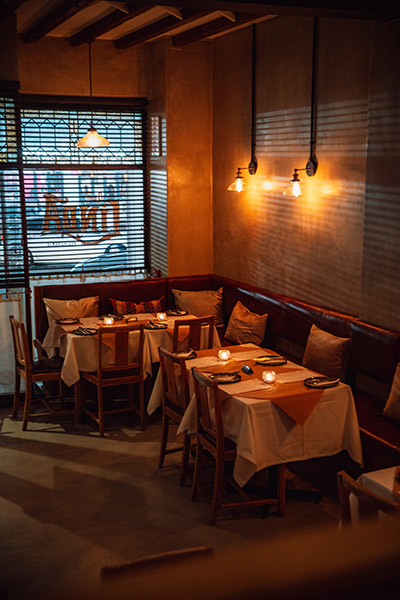
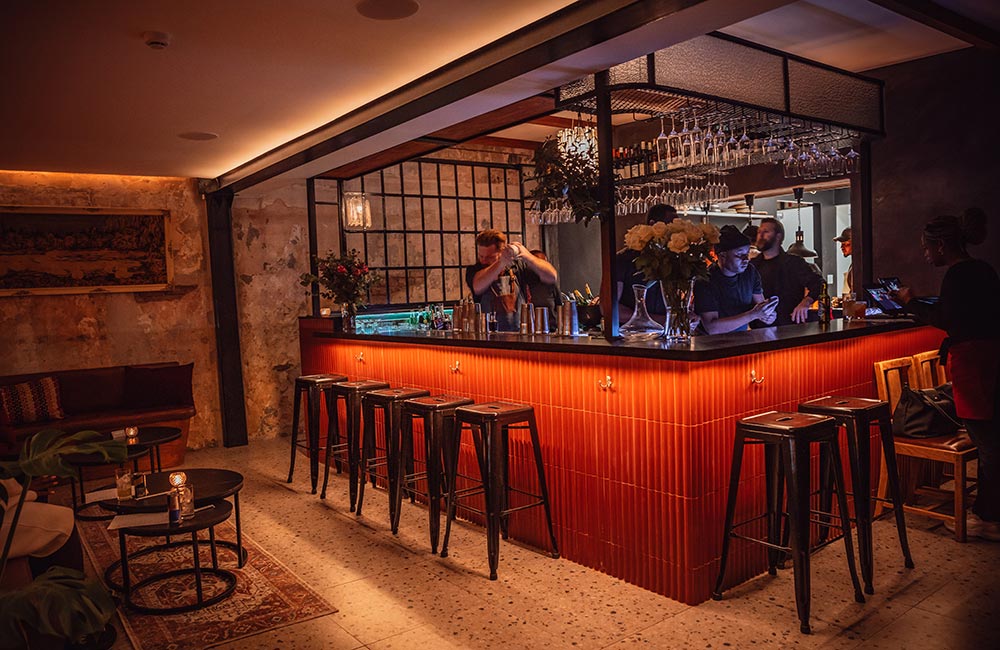
Qué Linda! Quaint Spanish Restaurant in Sea Point

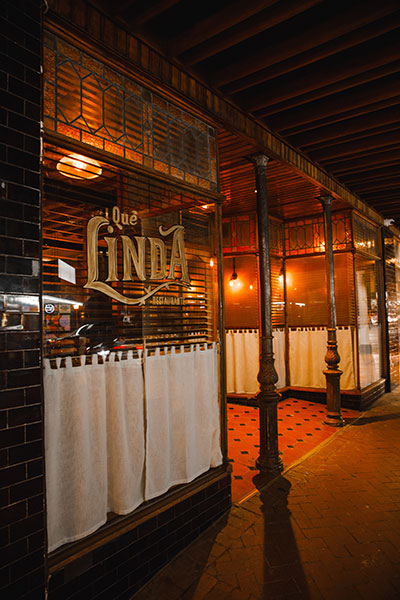
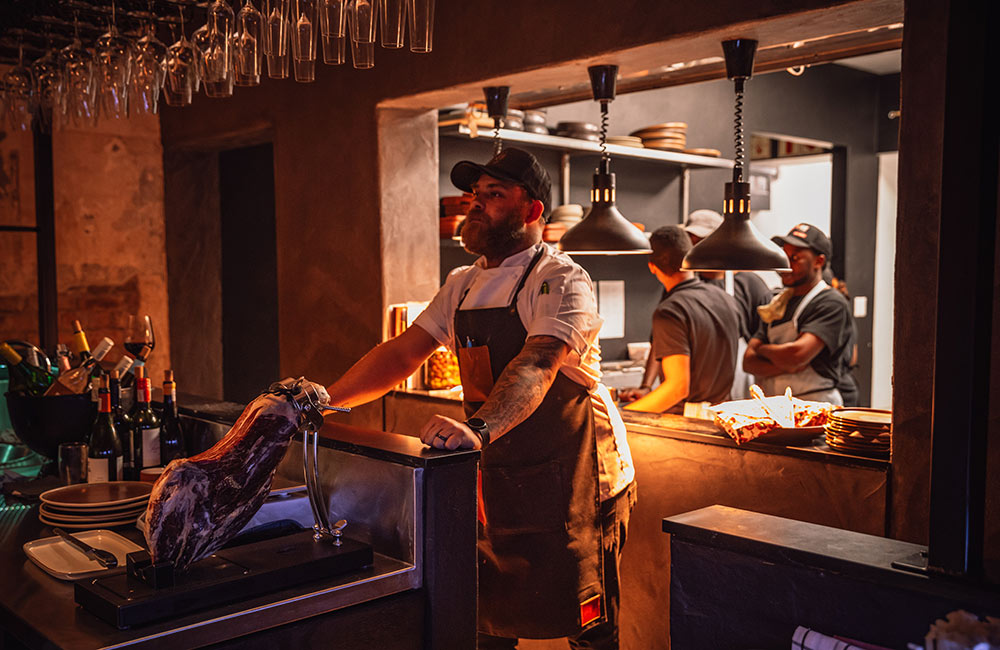
Global influences pulse through the heart of Cape Town; you don’t need to travel to Valencia to enjoy paella with the perfect socarrat or visit San Sebastián for pintxos – Regent Street has it all. Owned by brothers Sean and Gavin Binder, Qué Linda Restaurante is inspired by traditional Spanish cuisine and is the latest locale to join Sea Point’s vibrant culinary scene.

Qué Linda Restaurante

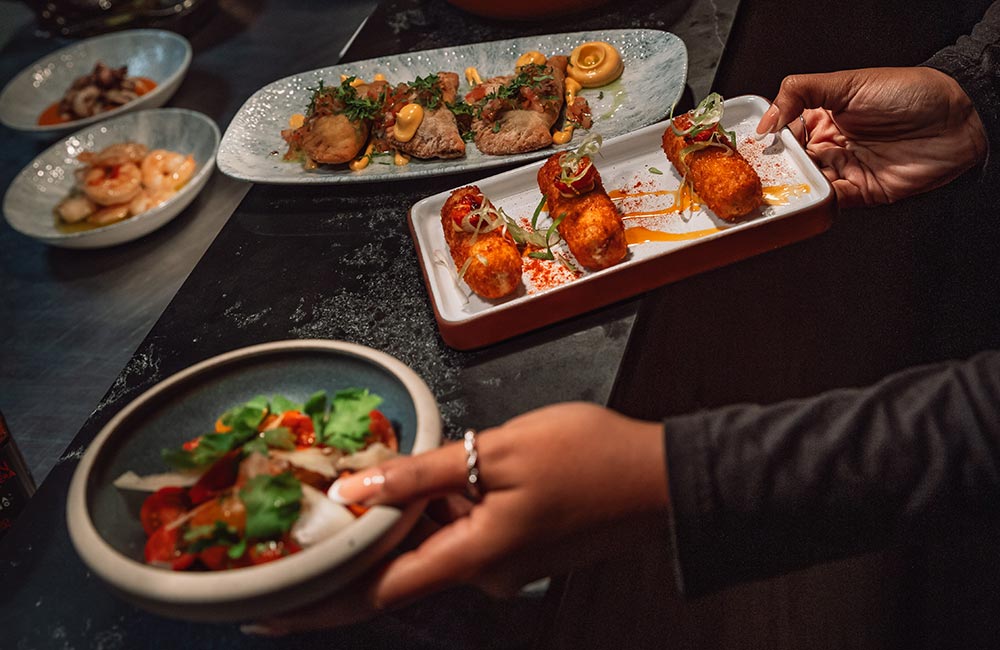
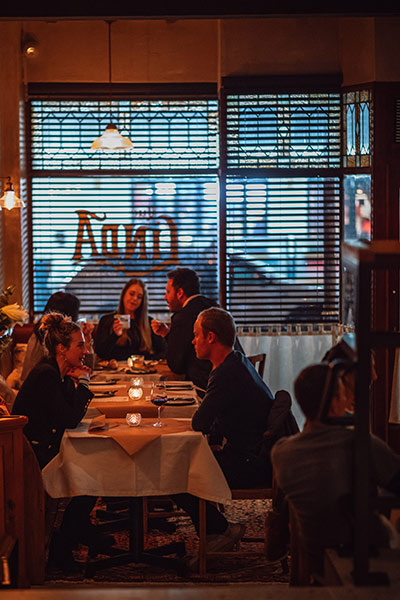
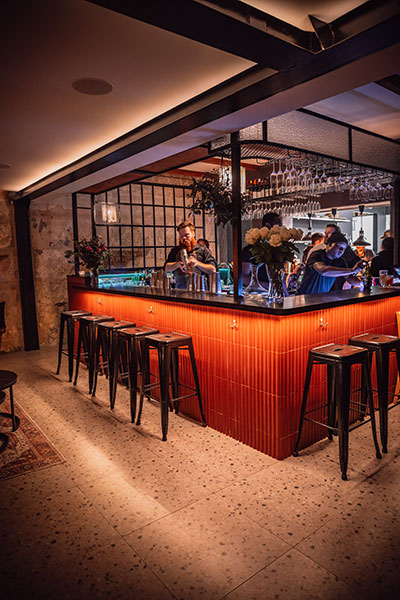
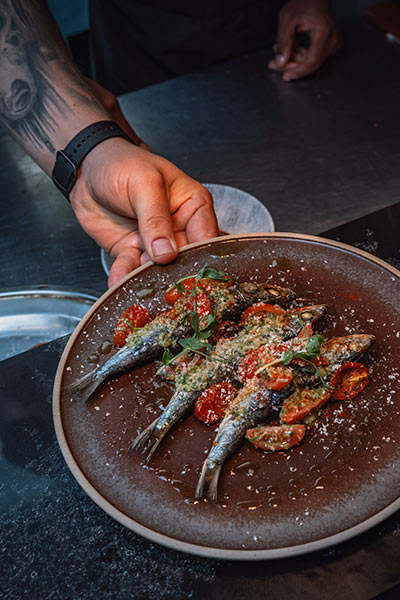
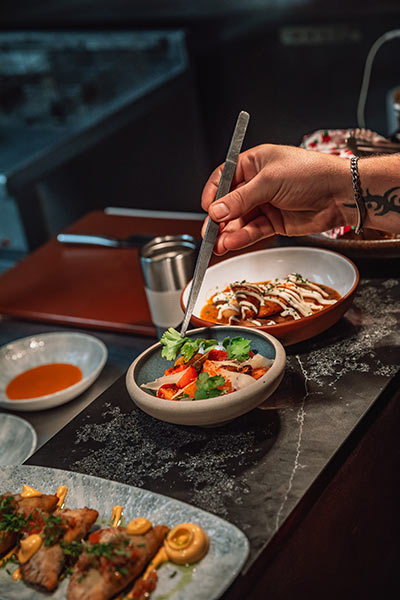
When the Binder brothers met head chef Dian Botes – who previously worked under renowned chef Liam Tomlin at Chefs Warehouse Pinchos – and discovered their shared appreciation for Latino culture and cuisine, the vision for Qué Linda unfolded. From Galician-style octopus to Catalan-inspired escalivada, the menu takes patrons on a tour of Spain’s treasured flavours. Like the cuisine, the interiors are refined yet relaxed, elevated without being pretentious, creating a space for people to socialise and dine intimately.

Since the restaurant opened its doors three months ago, we spoke with co-owner Gavin Binder and head chef Dian Botes about the inspiration for Qué Linda, balancing authenticity and innovation, and sampling copious amounts of Albariño to curate the ideal wine list.

Pictured bottom: Qué Linda head chef, Dian Botes.
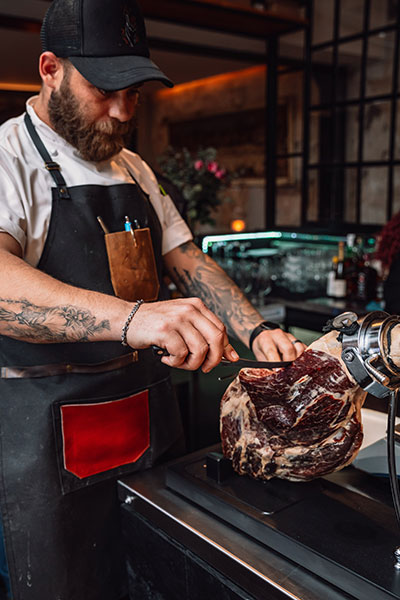
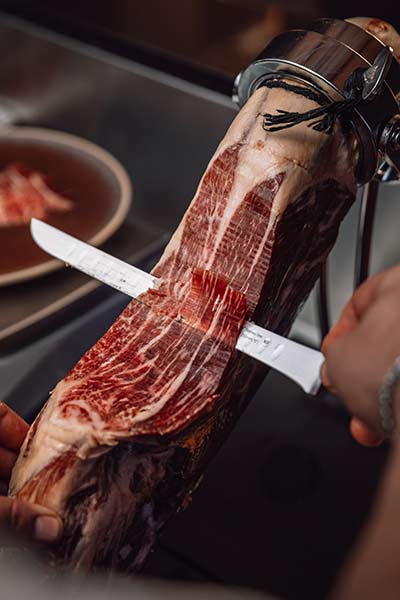
What was the inspiration behind the restaurant?

GB:  The inspiration for Qué Linda came about through different factors. One of them was the many years that I spent travelling through Latino and Spanish-speaking countries. When I came back to South Africa, I noticed that there were gaps in the local market. The beauty and the vibrance of the Spanish cuisine fit in with where this area [Sea Point] is going; there are lots of new, exciting, restaurants and food-related businesses around. In our opinion, there was also a big gap in the market in terms of traditional tapas, where not many people were doing it and our head chef, Dian, has a lot of experience in that.

Qué Linda also came about as a continuation of our other restaurant, Una Más, which is a Mexican restaurant. A lot of the Latino cuisines connect and all stem from a similar source, which is ultimately Spain. When Dian joined us, his passion for Spanish cuisine was evident, so when we saw that this beautiful space was available, we envisaged this Spanish restaurant and what it could become, and everything fell into place.

Why ‘Qué Linda’?

GB: Qué Linda roughly relates to ‘How beautiful,’ and it’s mostly a term of endearment. But if you see something that you love, you may say ‘Oh, that’s cute,’ or ‘That’s beautiful!’ The other reason is that our (my and my brother/business partner, Sean) mother’s name is Linda, which coincidentally means ‘beautiful’ in Spanish.

Qué Linda recently opened its doors; what has the public reception been like thus far?

GB: The feedback has been extremely positive. There are always areas to improve – which we embrace – not only the menu but the space itself needs to grow into its ultimate self. It’s still a baby at this stage, but we are very happy with the development at this point, and we are excited to see where we will be in the next few months with summer on our doorstep.

DB: We constantly want to be better and to create new and exciting dishes and experiences. As Gavin said, constructive criticism is always welcome. We are not Spanish; this is our interpretation, so if a Spanish person walks in here and says we need to do this or asks where’s this at, we change it up, play it by ear, and see what the crowd wants. That’s the fun of it – always being innovative. I hate being stagnant.

Pictured left: Qué Linda head chef, Dian Botes.

The menu features contemporary Spanish cuisine; how do honour authentic flavours and traditional dishes?

DB: There’s a lot of research that has to be done, and trial and error. I’ve gained knowledge from my time at Chefs Warehouse Pinchos and my travels to Spain, where I explored Barcelona and all the Basque countries. Spanish is such a big explosion of flavours and it’s a vast cuisine, but if you make sure that you are following the guidelines of what Spanish food is all about, then I think you can nail it every time.

What are the most popular dishes at Qué Linda?

DB: I think the most popular dish is the paella. We actually had to buy more paella pans to cater to the demand. We do a paella for four and a paella for two; you can also finish a paella for two on your own. People love the patatas bravas as a sharing side. We also have the pintxos of the day and the pan con tomate. (The amount of tomatoes that we’ve sold out of this kitchen is astronomical!) And then, let’s not forget about the cheesecake, because we heard it’s really good as well.

You’ve curated a special wine list. Can you tell us more about it?

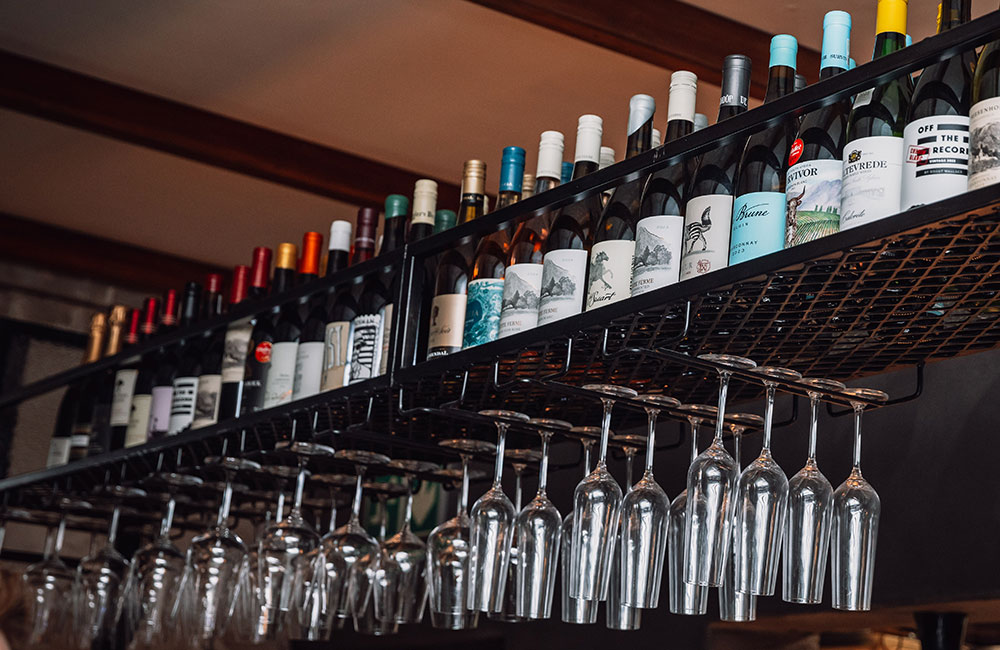
GB: The wine list took a while to compile; myself and my girlfriend, Deborah, who has a fantastic palette, tasted a lot of wine over the last year. I’m not complaining – the majority of it was exceptional, particularly the Spanish grape varietals. They are incredibly delicious; many are understated in South Africa, despite being grown and produced here, which beautifully encompasses the ideals of what we’re trying to do with the cuisine at Qué Linda. The concept is similar – Spanish food made in South Africa by South Africans. The more we tasted the wine, the more we realised how dynamic the South African wine industry is at the moment, and we didn’t want too many recognisable wines. The wine list is mostly South African at this stage. The intention is to have a wider variety of Spanish wines and sherries. We’ve kept it more South African at this stage because of the abundance of delicious local wines, but we have your Grenaches and Albariños. There are unbelievable amounts of delicious Spanish varietals, and we’re just touching the surface of it.

DB: It’s a rabbit hole and if you climb down it, it’s almost impossible to get out of it. There are some good local wine farms that produce some of the best wines in Grabouw and Swartland; we try to get those small farms and the unknown ones onto the map. It’s what we’re trying to do with the food – bring the farmers into play, where we work with the heirloom tomatoes and the Padrón peppers and introduce different ingredients. We don’t want to do things the orthodox way; we want to go against the grain. If people come in here and ask for Sauvignon Blanc, it’s up to us to introduce them to the Albariños from Spain, and ask ‘Have you tried this?’

You own another restaurant, Una Más. Besides the food offering, how is it different compared to Qué Linda?

DB: Una Más is a hip, fast-paced restaurant. It’s about a 40-seater; the amount of food that we send out is astronomical – we do about 250 tacos on a good night! It’s like walking into your abuela’s house; you can sit wherever you want, as long as you have a booking. It’s basically a ‘mi casa es su casa’ vibe; everyone comes together and enjoys street food.

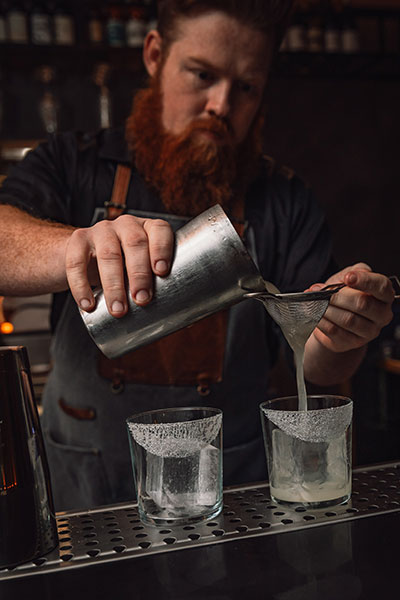
What we wanted to accomplish at Qué Linda was to take similar elements that we love about Spanish cuisine, and feature vibrant dishes like tapas and pintxos, but create a refined dining experience, with the wine adding an element of relaxation. We offer good cocktails as well, that’s based on Una Más’ menu, but we wanted to have two distinct establishments. Una Más is for those who want that hustle and bustle atmosphere, where they can go in for a quick tapas or a taco, whereas Qué Linda caters to patrons who want an extended dining experience and to taste the different parts of Spain, from the Valencian-style Paella to the Galician-style Pulpo octopus. We wanted to make this more elevated, while infusing elements of liveliness, with the salsa dancing in our courtyard and the lounge and bar area.

The Cape Town food scene is always evolving; how do you keep patrons enticed?

GB: From my point of view, the Cape Town restaurant industry is evolving socially – especially post-COVID, where we see people reconnecting with their love for food. Dining has always been a social practice, but over the last couple of years, it’s combined that social, fun element with gastronomy. Cocktails are a perfect example; why not have excellent cocktails at a restaurant? Why go to a wine bar to have excellent wine? Obviously, at Qué Linda, there’s more of an association with wine, but it all relates to the same thing – keeping customers enticed. We try to combine the social element with a great space and a great atmosphere, and that really pulls everything together.

DB: We also try to be open-minded and stay current with trends. We don’t bandwagon each trend, but the restaurant industry is constantly evolving – whether it’s new equipment or techniques – so research and development is essential, as well as listening to what the crowd is saying. We’ve got the pintxos of the day that we are playing around with, so we bring out new flavours every day and figure out what people like and dislike. While we focus on Spanish cuisine, we are never limited; we explore regional specialities and add our unique interpretation to certain dishes. Recipes are standardised, so it’s up to you to put love into what you make. That’s how we keep people coming back – by being innovative, being flexible and giving them what they want.

They say you shouldn’t do business with family; how do the Binder brothers make it work?

GB: I’m fortunate to have a very good relationship with not only my brother but my family. Sean and I have worked together in past businesses quite successfully and we have different strengths; he handles the marketing, while I handle the day-to-day operations. We don’t want to rest on our laurels that we know exactly where the business will go – we want to be flexible. One of the most important factors is trust. At the end of the day, I would rather have someone that I trust than anyone else, and that’s what I have with my brother.

What do you hope customers will experience at Qué Linda?

GB: The hope and the intention behind Qué Linda was something similar to an all-encompassing experience – the welcoming atmosphere, the comfortability, the delicious food, the friendly service and the amazing wine list. All those things combined will hopefully create an experience and a moment that people want to revisit. The fundamentals will always remain, but every night is somewhat different – the music changes, the people change, and so do the pintxos. We hope they feel the excitement!

To make a reservation at Qué Linda, book via Dineplan, send an email or call +27 78 184 3354. Location: 39 Regent Road, Sea Point, Cape Town | Open from Tues to Sun 12h00–late 

quelinda.co.za | Facebook | Instagram

The Hungry Table by Fatima Saib – A Moreish Memoir

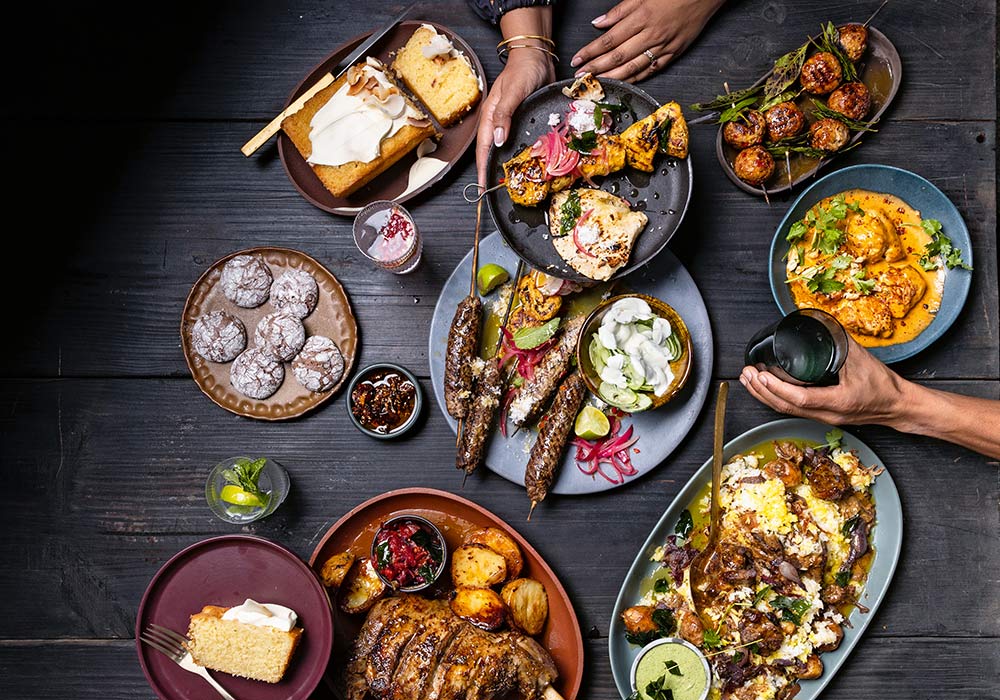
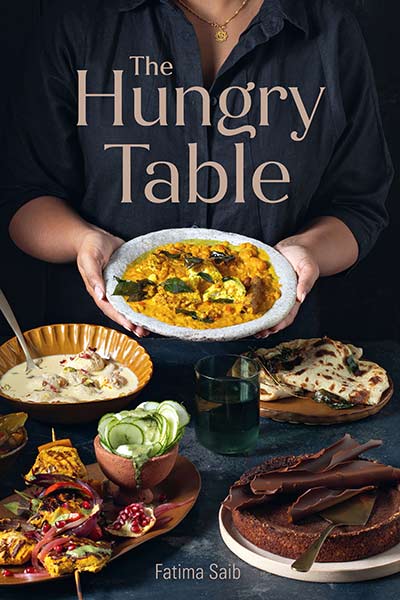
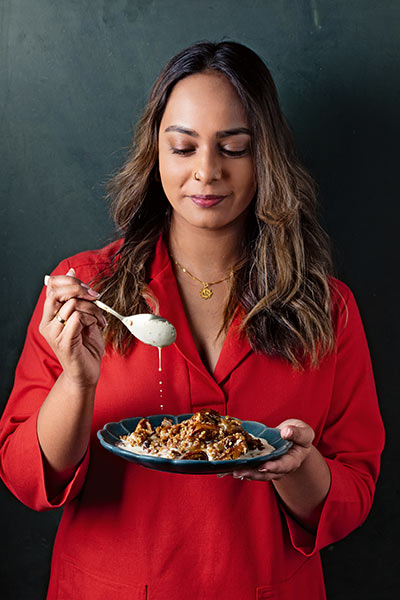
We turn to food when we celebrate, grieve or seek comfort; it feeds memories and preserves nostalgia. Fatima Saib beautifully captures that and more in her debut cookbook, The Hungry Table, as she gives home cooks a glimpse into her fondest memories and the food featured throughout. As much as it’s an homage to her Indian heritage, it’s also a memoir of her late father, her life and her love for food.

The Hungry Table

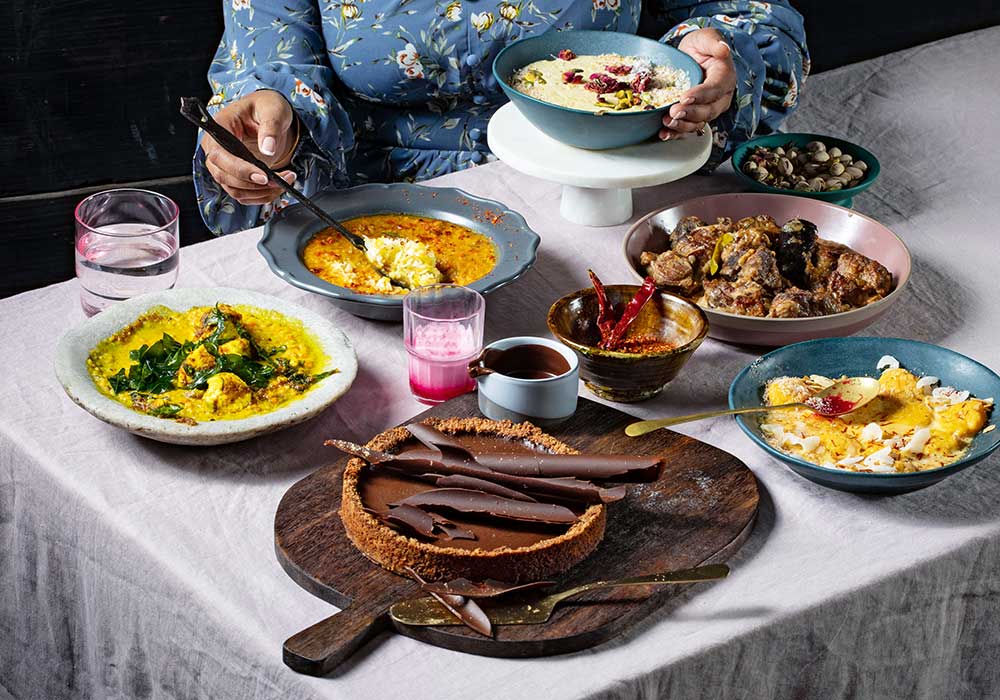
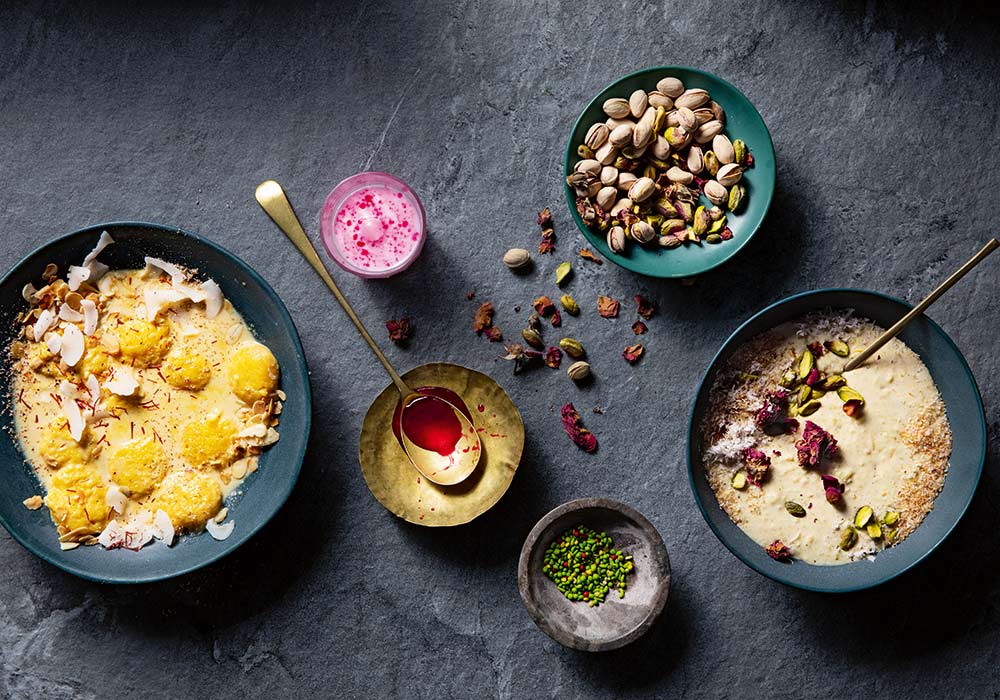
From Saffron Almond Curry to Chicken Koftas to Rasmalai, Fatima shares recipes she plates on weeknights, weekends and festive occasions like Eid. You can’t box them into one category; it’s a collection of ‘Saib specials’ and everything in between.

With each anecdote and fragrant recipe, she invites home cooks to take a seat at ‘The Hungry Table’ and savour special moments. Her guide to pantry basics and chapters titled ‘Fast’ and ‘Relaxed’ make it easy to find food to match your mood, with comfort and togetherness at the heart of it all. We chat with Fatima about the inspiration behind The Hungry Table, the importance of documenting recipes for future generations, and her favourite recipes from her cookbook. Join the conversation.

The Hungry Table is both a cookbook and a memoir; why did you want to make that distinction?

Writing a cookbook has been a dream of mine for a very long time, but even so, I was adamant that when I would finally write my book, it wouldn’t just be recipes – it would encompass stories about my childhood, my father and food memories that were important to me. When I read a recipe, I always want to understand how the cook came up with it and know the story behind it, which is why so many of my recipes have stories connected to them. I firmly believe that food is one of the most powerful things to connect us, and that is done through food stories and the memories and flavours associated with certain dishes.

There’s a common thread in the book, your father. Did you know that this would be the heart of the book?

Yes – I don’t think I would have written a book if I couldn’t have him in the forefront. My memories with him, specifically around food, are so few and yet they are some of the most precious memories of my life. Even though he wasn’t a cook, the way he responded to food and the immense respect he had for food should be a lesson to us all.

Why ‘The Hungry Table’?

The title of the book was my husband’s idea, which came about one night as we were brainstorming names for my podcast. The name is so perfect as it has now turned into the perfect platform for everyone to come hungry and leave fulfilled and nourished, whether that be via the podcast, my social media [feed] or the book.

You recite anecdotes which happened years ago as if they happened yesterday. What helped keep those memories alive?

Thank you! It was very important for me to try and keep those memories alive as much as possible – most of them have been living on scraps of paper stashed between pages of my journals or other cookbooks. However, one thing that has helped enormously in recounting those memories was tasting or smelling the foods that are associated with them. Smell and memory are inextricably linked, so that became a natural part of the writing process.

Some of your favourite family recipes were not documented. Does this book hold any significance for you in that regard?

It is my hope that this book will become something that is passed from generation to generation, and I do think that missing those recipes from my father’s side of the family plays a big role in that. I am so anxious to try and document everything in fear of losing those dishes. However, I recently got some recipes from his family for some of the things we ate when visiting them during the summertime in Durban, and it has made me so emotional to recreate them at home and taste the memories of my childhood.

How do you tread between keeping recipes authentic and putting your own spin on them to make them a ‘Saib special’? 

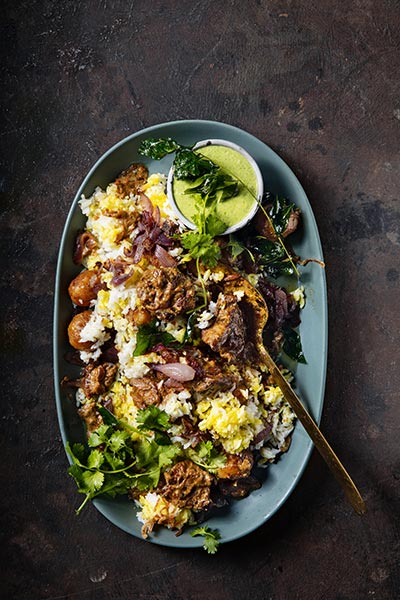
I love that phrase, a ‘Saib special’! I tried to keep them as authentic as I could, but there had to be some changes to suit both my and my family’s lifestyle. For instance, with the Saffron Almond Curry, I use red pepper instead of tomato due to a [shared] tomato sensitivity and I use nuts to thicken the sauce [instead of cream], which is a great substitute when someone is lactose intolerant. The biryani can also be made with a hack that I love to share, which is to simply buy your fried onions at your closest Indian grocery or halaal butchery.

I wanted to take the stress out of making these dishes, as they get a bad reputation for being high-effort. Yes – they can take some time to cook, but as long as your prep work is out of the way, the rest is easy!

What was the most challenging part of finishing this book?

To be quite honest, writing and publishing this book was the easiest thing I have ever done. I had so much fun putting it together and seeing all of the stories come to life, and I believe it’s because this is something I’ve wanted for so long. The hardest part was actually seeing it go out to the public. It was surreal that a part of me would be out into the world, but thus far, the feedback has been nothing short of amazing, which I am very thankful for.

The book features Indian staples, but also recipes like Hot Honey Chicken Burgers. How did you decide what would make the cut?

The book is a combination of Indian and modern cooking, and I felt it was important to not put the book into a box too much. I wanted it to be a reflection of the things that I actually eat and enjoy making, while still sharing the kinds of food that I grew up eating like trotters and sago food (which isn’t authentically Indian).

Favourite recipe from the cookbook, and why?

The Hot Honey Fried Chicken is a firm favourite, and everyone who goes through the book always stops on that page and goes ‘Ooooh!’ It’s also the most made recipe from my book to date, which is a testament to how good it is. The first time I made it, my husband and I ate it for three days straight – it is such a winning recipe!

What’s been the highlight of this journey?

Every step of the process has been a highlight, from the first meeting with Penguin [Books] to signing the contract and submitting the book to finally seeing a physical copy. It’s so hard to choose a single moment, but I must admit that I thoroughly enjoy hearing all the feedback and seeing the kinds of recipes people cook first.

Drinking tea is part of your cooking ritual; it’s one of the first recipes you share. Do you have any other rituals?

The tea is the main part, but recently – and I do admit that this is quite funny – my cats have become very interested in cooking and both of them sit on a chair in the kitchen the moment they hear the stove go on. They watch every step of the process, and it now feels strange to cook without them watching. It’s quite funny watching their eyes water when I chop onions, but they refuse to leave until the meal is completed.

You love gardening; what’s growing in your backyard?

So many things and my garden is super tiny! Everything is in pots and bags.

Currently, I have Apache potatoes, blueberries, lettuce, spinach, a finger lime tree, a lemon tree, an olive tree, spring onion, red onion, sorrel, celeriac, spearmint, mint, a granadilla vine, lemongrass (perfect for tea); and a few other plants like black violas, two pots of Ranunculus and a few cacti.

Current food obsession?

I love a good burger – it’s always been my obsession! My husband also started making homemade pasta, which has been such a treat.

Non-negotiables in your spice rack?

Gosh! Are you sure you want this answer?

There are so many and, yes, they are all non-negotiable: cinnamon, cumin (ground and seeds), coriander (ground and seeds), green cardamom pods, cloves, saffron, mustard seeds, curry leaves (I think this counts), my homemade garam masala mix and Maldon sea salt.

Your hardest working pantry staple?

Coconut cream – I use it for everything! From curries and marinades to rice, and even in a cup of rooibos tea; coconut cream is such a wonderful, multitasking item.

Where can fellow foodies find your book?

The Hungry Table is available in all bookstores and online on Takealot.


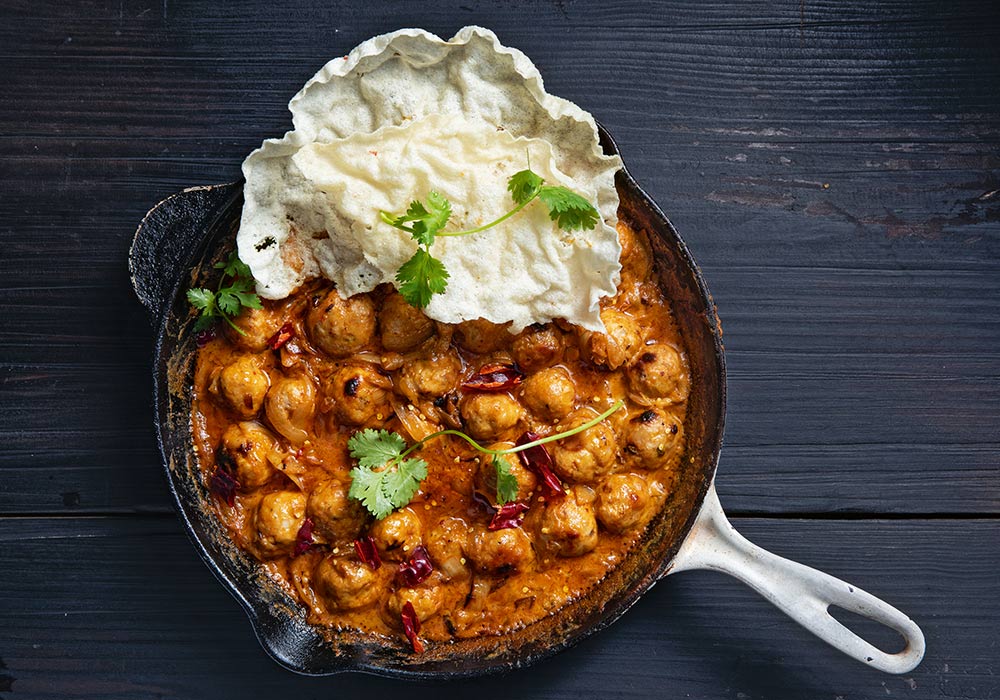
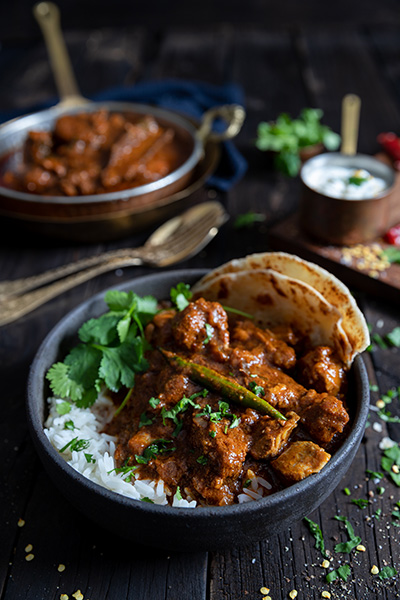
Chicken Kofta Curry

“When I was younger, I would spend a lot of time at my cousin Fawzia’s house, and one of my favourite times of the day was lunch… One Saturday, about 11 years ago… she brought out a pot, wafting with the most delicious smells. Immediately, my mouth began to water and with an elegance that matched the dish, she presented this chicken kofta. I remember going home and telling my family I had the best chicken koftas at Fawzia’s house and, to be honest, it is still one of the best food memories I have from my childhood.”  

Serves: 6 | Total time: 50 minutes

For the chicken koftas

500g chicken mince
1 tsp dried chilli flakes
1 tsp ground coriander
1 tsp ground cumin
2 tsp butter, melted
1 tsp garlic and ginger paste
1 cup breadcrumbs
1 egg
2 Tbsp chopped fresh coriander
½ red onion, finely chopped

For the butter sauce

2 Tbsp ghee
3 medium onions, sliced
2 tsp minced garlic
2 tsp minced ginger
1 tsp ground turmeric
2 tsp salt
2 Tbsp brown sugar
1 Tbsp ground cumin
1 Tbsp ground coriander
1 tsp cayenne pepper
1¾ cups plain yoghurt
2 Tbsp tomato paste
½ cup fresh cream
Fresh coriander, to serve
Dried red chillies, to serve (optional)

To Make the Chicken Koftas & Butter Sauce

To make the chicken koftas, add all the ingredients to a bowl and mix well to combine. Shape into balls just smaller than a golf ball and refrigerate, covered, while you make the sauce. You should get about 30 balls from the mixture.

In the meantime, make the butter sauce. Place a pot or pan with a lid over medium heat and add the ghee and onions. Braise the onions until golden brown, about 10–15 minutes. Add the remaining ingredients, except the cream and coriander, and cook until the sauce has slightly thickened, about 10 minutes.

Add the chicken koftas, cover the pot with the lid and cook for 10–15 minutes. Pour over the cream and gently stir to mix into the sauce, being careful not to break the koftas. Cook for a further 5 minutes. Top with fresh coriander and dried red chillies, if you like, and serve with roti or poppadums.


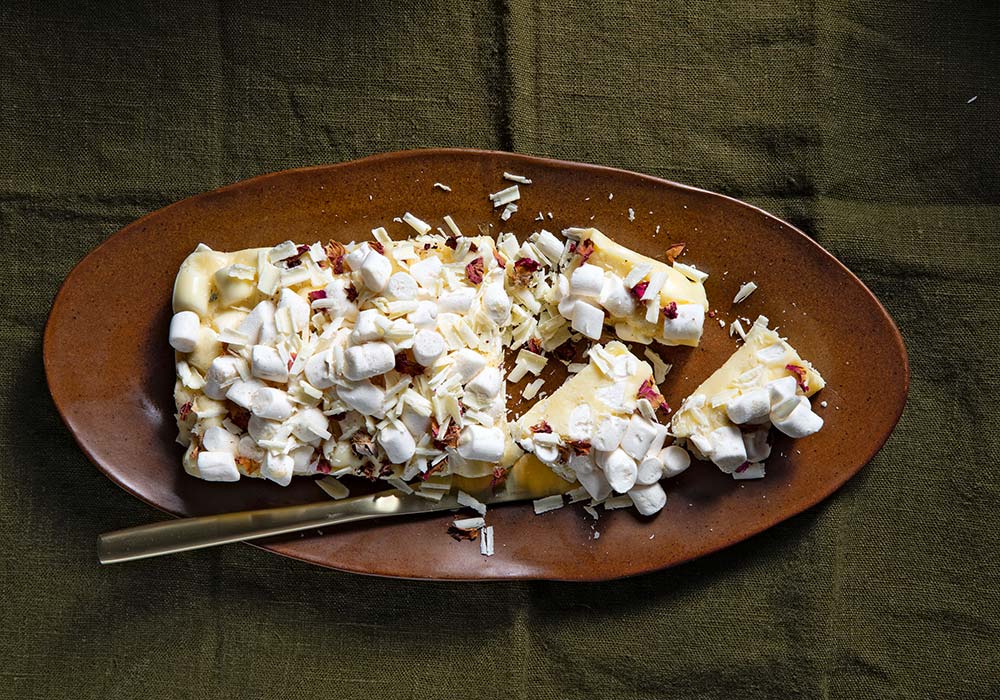
Burfee Fudge

“Fudge was one of my bestsellers when I still had my home-based baking business, Saib’s Kitchen. I’ve since experimented with lots of different flavour combinations and this one in particular was a firm favourite with many – especially around Eid time!” 

Makes: 20 pieces  | Total time: 20 minutes, plus refrigeration
Ingredients

240g white chocolate
1 Tbsp butter
½ tin (192g) condensed milk
½ tsp ground cardamom, plus extra to decorate
1 tsp rosewater
¼ cup mini marshmallows, plus extra to decorate (optional)
Food-grade rose petals, crushed (optional)
Grated white chocolate, to decorate (optional)

To Make the Burfee Fudge

Melt the white chocolate and butter together over a double boiler, stirring every few minutes, making sure the water does not touch the base of the bowl. Once melted, add the condensed milk, ground cardamom and rosewater, and give it a good stir until it starts to come together and look very glossy. Remove from the heat.

At this point, you can add any extra ingredients you like. I added a handful of mini marshmallows (be quick, as they melt, and you want them to retain their shape for some texture and colour), and crushed rose petals before quickly pouring the mixture into a 20cm square tin lined with baking paper. Sprinkle with ground cardamom and crushed rose petals, and gently press in some more marshmallows (if you like) before transferring to the fridge for 2 hours to chill. Top with some grated white chocolate, then slice as desired and serve.

Follow Fatima on Instagram. For more recipes from The Hungry Table, order your copy.

Sweet to Savoury: Wine-paired Recipes For Every Occasion

Classic dishes are easy to pair with wine, but what about sosaties and vetkoek? We share our favourite wine-paired recipes, from Asian to Cape Malay and Moroccan-inspired dishes, so there’s something for all tastes. Whether hosting a braai with family, a casual shindig with friends or a romantic date night, we have recipes for every occasion. Pour a glass or two of red, white or sparkling and tuck in!

Savoury Recipes with Wine

From starters to meaty mains, these dishes are perfect for date nights and dinner parties.

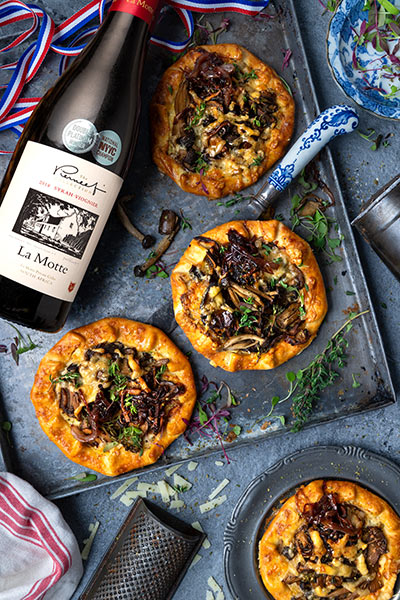
Mushroom Galettes

These French-inspired Mushroom Galettes are a delightful start to any meal, and offer savoury, earthy flavours that pair wonderfully with Pierneef Syrah Viognier.

Pairing suggestion: Pierneef Syrah Viognier;  the Syrah provides structure and spice, while the Viognier adds floral notes and a touch of elegance.

Recipe for Mushroom Galettes

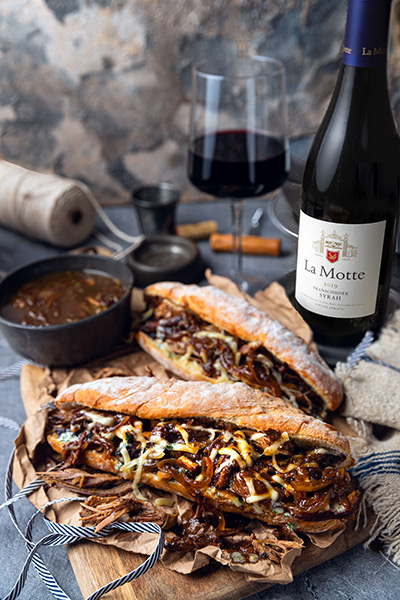
Roast Beef French Dip Sandwich

Indulge in comfort food with a sophisticated twist. Drenched in jus and filled with roast beef, this gourmet delight pairs exceptionally well with a full-bodied La Motte Syrah.

Pairing suggestion: La Motte Syrah; the hearty flavours of this French dip sandwich harmonise beautifully with the subtle spice and red berry notes of this Syrah.

Recipe for Roast Beef French Dip Sandwich

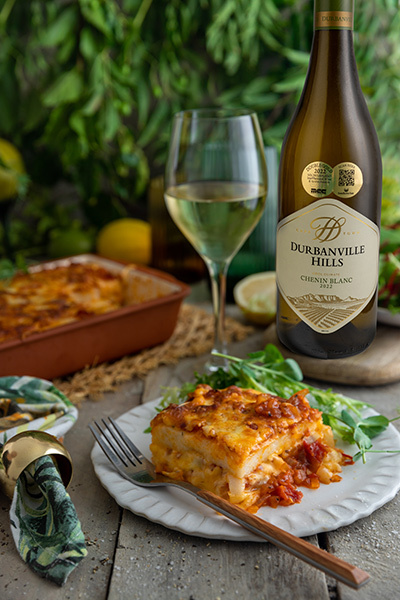
3 Cheese Pap Tart

Layers of relish, buttery pap and a delicious trifecta of mozzarella, cheddar and Parmesan come together in this moreish tart that’s perfect for your weekend braai.

Pairing suggestion: Durbanville Hills Chenin Blanc is the ideal pairing for this flavourful, tomato-forward dish.

Recipe for 3 Cheese Pap Tart

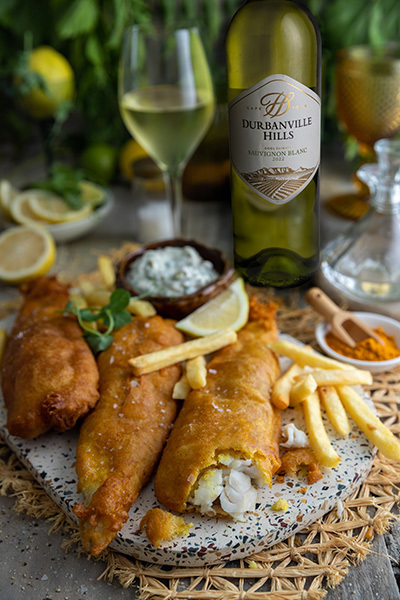
Curried Fish & Chips with Raita-style Tartar Sauce

We’ve given this local favourite a twist by seasoning the hake fillet batter with aromatic Malay curry spices, infusing even more flavour into this beloved dish. Perfect for casual family night dinners.

Pairing suggestion: The tantalising flavours of Durbanville Hills Sauvignon Blanc works great with seafood dishes like this.

Recipe for Curried Fish & Chips with Raita-style Tartar Sauce

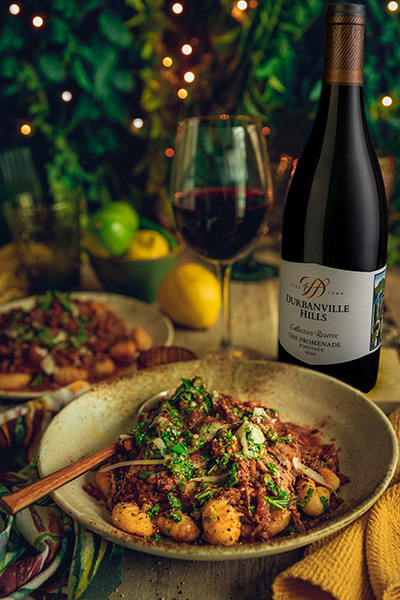
Slow Cooked Lamb Ragù with Gnocchi & Salsa Verde

Succulent lamb with a herby bouquet of fresh rosemary and bay leaves – the key to making this delectable dish is allowing the flavours to develop with time and, of course, a dash of red wine. Perfect for colder weather and long weekend lunches with friends and family.

Pairing suggestion: You’ll love the prominent notes of ripe red berries and cinnamon spice of Durbanville Hills Collectors Reserve Pinotage.

Recipe for Slow Cooked Lamb Ragù with Gnocchi & Salsa Verde

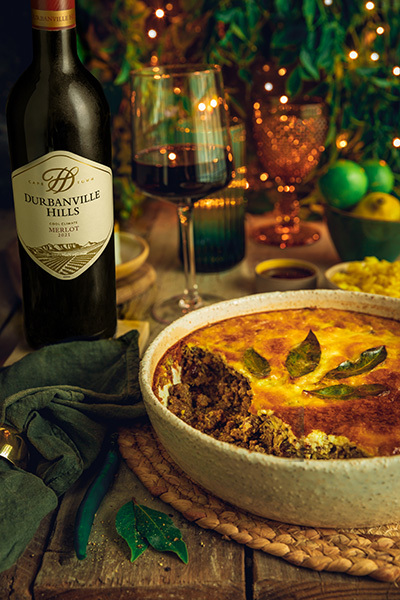
Boerewors Bobotie

We’ve combined two of our favourite local dishes – boerewors and bobotie. Serve this comforting dish with a side of yellow rice at Sunday family lunch.

Pairing suggestion: Sweet spice aromas of Durbanville Hills Merlot complements this dish.

Recipe for Boerewors Bobotie

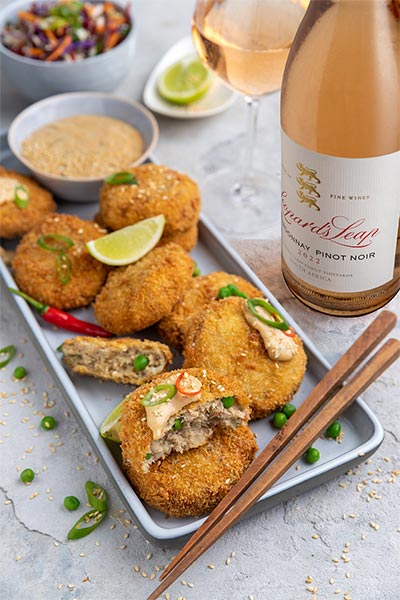
Asian Tuna Fish Cakes with Miso Mayo

This is not your average fish cake – the Chinese five-spice, Szechuan pepper and fennel seasoning takes it to the next level. Savour it with a glass of Chardonnay/Pinot Noir for a satisfying weekend lunch.

Pairing suggestion: The citrusy aromas of Leopard’s Leap 2022 Chardonnay Pinot Noir pair well with these fishcakes.

Recipe for Asian Tuna Fish Cakes with Miso Mayo

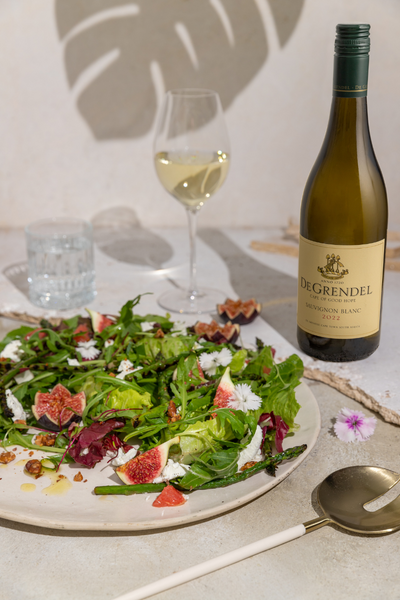
Grilled Asparagus, Fig & Goat Cheese Salad with Vinaigrette

Summertime is perfect for refreshing salads and outdoor dining. The citrus vinaigrette, peppery rocket, fresh fig and goat cheese in this salad tastes divine with a Sauvignon Blanc.

Pairing suggestion: The complexity of De Grendel Sauvignon Blanc 2022 pairs beautifully with the delicate flavours in this summery salad.

Recipe for Grilled Asparagus, Fig & Goat Cheese Salad with Vinaigrette

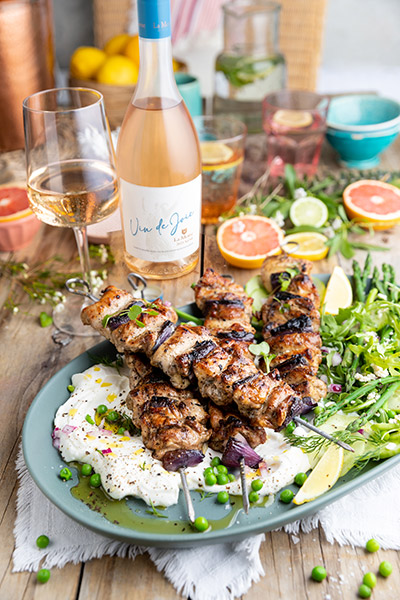
Braaied Chicken Kebabs with Labneh & Green Salad

Elevate your braai with the ultimate kebabs. Add another layer of flavour and plate it up with some labneh, a vibrant salad and your favourite white wine for a tasty weekend feast.

Pairing suggestion: Complete braai mains with a pairing of 2021 La Motte Rosé Vin de Joie.

Recipe for Braaied Chicken Kebabs with Labneh & Green Salad

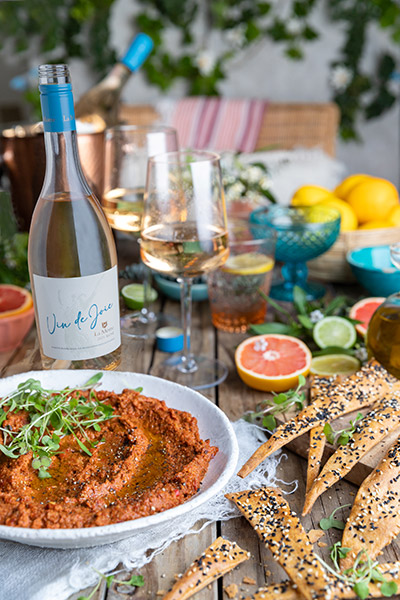
Muhammara Dip with Sesame Lavash Crackers

This Middle Eastern dip is ideal for your mezze spread. The blend of roasted red peppers, walnuts and spices is a pure delight. Place it in the centre of the table and watch your guests scoop up all the deliciousness. Serve it with Rosé for a burst of flavour.

Pairing suggestion: Balanced and delicate, 2021 La Motte Rosé Vin de Joie is the perfect choice for social lunches and more.

Recipe for Muhammara Dip with Sesame Levash Crackers

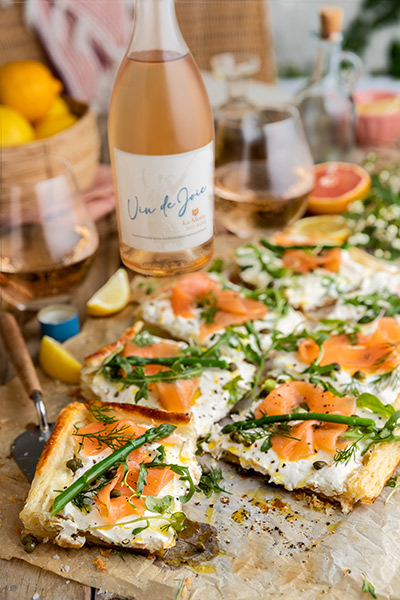
Puff Pastry Salmon Tart with Miso Dressing

Entertaining a crowd? This Puff pastry Salmon Tart is the easiest and most delicious way to impress guests. Serve a refreshing wine, and you’ve got yourself a stunning pairing.

Pairing suggestion: Delicate salmon pairs perfectly with 2021 La Motte Rosé Vin de Joie.

Recipe for Puff Pastry Salmon Tart with Grilled Asparagus

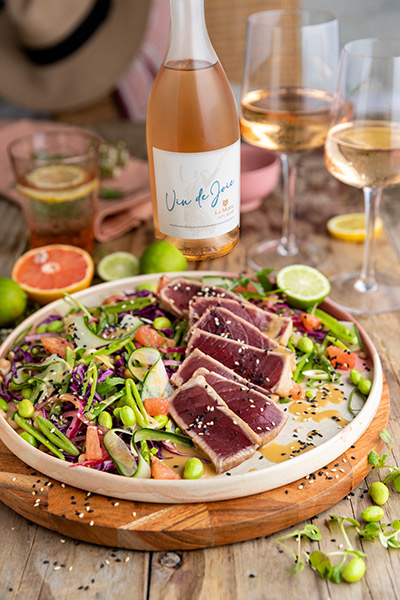
Seared Tuna Salad with Miso Dressing

There’s nothing better than seared tuna, a bit of miso and fresh greens with a squeeze of lime to wake up your palate. Ideal for light lunch or a date night dinner.

Pairing suggestion: Umami flavours in this dish pair best with La Motte Rosé Vin de Joie.

Recipe for Seared Tuna Salad with Miso Dressing

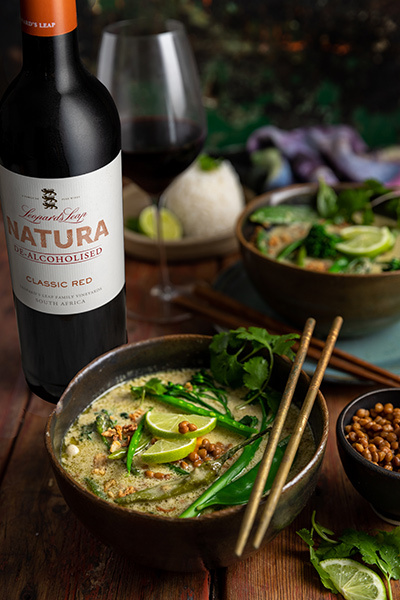
Thai Green Vegetable Curry with Lentils

Meet your new favourite weeknight dish. It’s fragrant, filling, creamy and packed with flavour. Serve with the red wine of your choice and savour the sauce.

Pairing suggestion: Temper the heat from the red chilli in this Thai Green Curry with Leopard’s Leap Natura De-alcoholised Classic Red. Even teetotallers will enjoy this pairing.

Recipe for Thai Green Vegetable Curry with Lentils

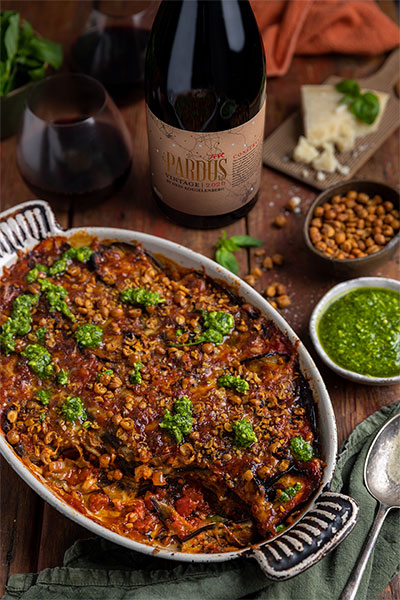
Parmigiana di Melanzane

A classic Italian dish with a legume twist! Topped with dollops of basil pesto and crunchy chickpeas, you’re bound to keep coming back for more! Perfect for family night dinners.

Pairing suggestion: We love the delicious blend of oak-underpinned spices of Leopard’s Leap Pardus (Vintage) for this crowd-pleasing dish.

Recipe for Parmigiana di Melanzane

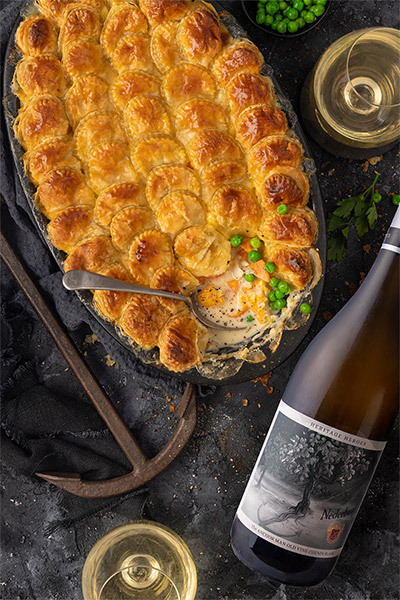
Smoked Fish Pie

Melt-in-mouth snoek in a creamy and velvety sauce, all topped off with rounds of golden brown puff pastry. Enjoy with a Chenin Blanc – the subtle sweetness pairs beautifully with the saltiness of the smoky snoek.

Pairing suggestion: The smoky snoek and creamy flavours in this dish are lifted by the spiced notes of The Anchorman Old Vine Chenin Blanc 2020 (Nederburg).

Recipe for Smoked Fish Pie

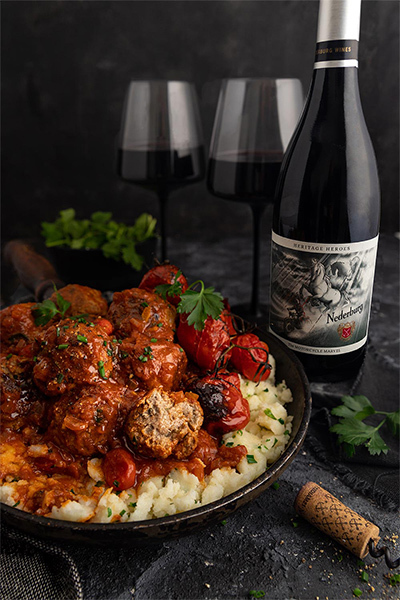
Beef Meatball Tomato Bredie

Craving something comforting? Beef meatballs on a bed of herby pap and tomato bredie should do the trick. Top with Parmesan and pair this hearty dish with a Rhône-style blend.

Pairing suggestion: Hearty dishes like this one pairs brilliantly with The Motorcycle Marvel Rhone Blend 2018 (Nederburg). This complex wine contains a blend of Carignan, Cinsault, Grenache, Shiraz and Mourvèdre. It’s underpinned by sweet spice and berry flavours.

Recipe for Beef Meatball Tomato Bredie

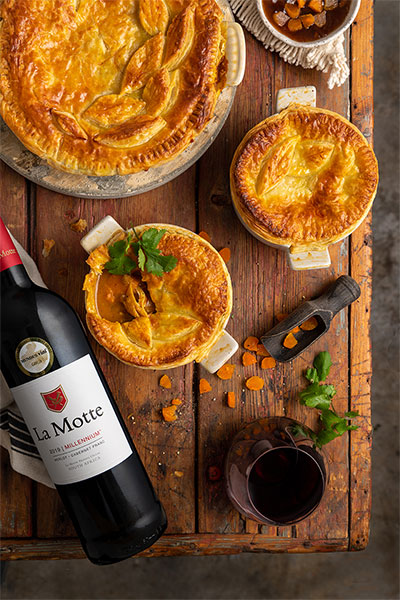
Creamy Malay Chicken Curry Pie

Flavours of cumin, turmeric and garam masala and coconut cream come together in this deliciously creamy Malay-inspired Chicken Curry Pie. The slivers of dried apricot are a pleasant surprise.

Pairing suggestion: Most would pair white wine with a chicken dish, but a blend of Merlot and Cabernet Franc tastes just as delicious, if not better. Enjoy this comforting dish with La Motte Millennium 2019.

Recipe for Creamy Malay Chicken Curry Pie

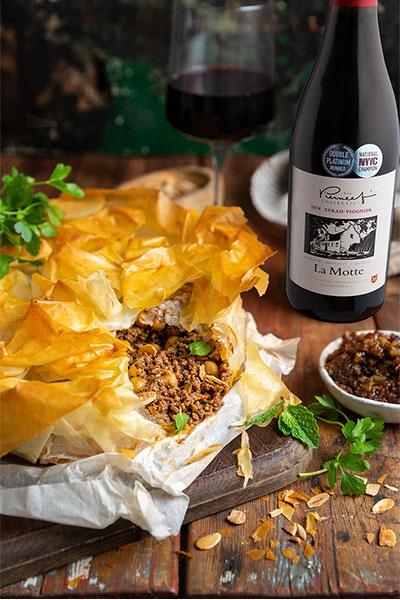
Moroccan-spiced Lamb Mince Phyllo Pie with Dried Compote Fruit

Nothing goes together better than lamb and pie. We’ve given this one a Moroccan twist with aromatic spices, sultanas and a crispy phyllo pastry to make it a textural delight. Serve with toasted almonds for a nutty crunch and a glass or two of Syrah Viognier.

Pairing suggestion: Nuanced flavours deserve a versatile wine; we like the 2018 Pierneef Syrah Viognier. The spiced Syrah enhances the Moroccan flavours in this dish, while the Viognier balances the dried fruit compote element in this dish.

Recipe for Moroccan-spiced Lamb Mince Phyllo Pie with Dried Compote Fruit


Dessert Recipes with Wine

A little bit of wine can only make dessert that much sweeter!

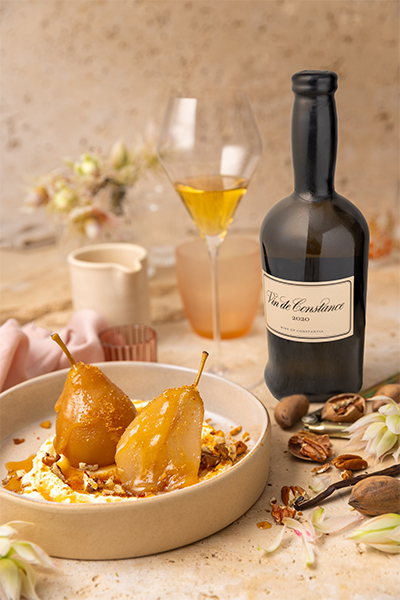
Poached Pears with Butterscotch Sauce & Nut Praline

A classic dessert infused with local flavour. Treat guests to these divine pears poached in rooibos tea, vanilla and Klein Constantia Vin de Constance.

Pairing suggestion: Vin de Constance; oak spice and ginger notes complement the poached pears, while the citrus blossom and orange zest notes contrast the butterscotch sauce.

Recipe for Vin de Constance Poached Pears with Butterscotch Sauce & Nut Praline

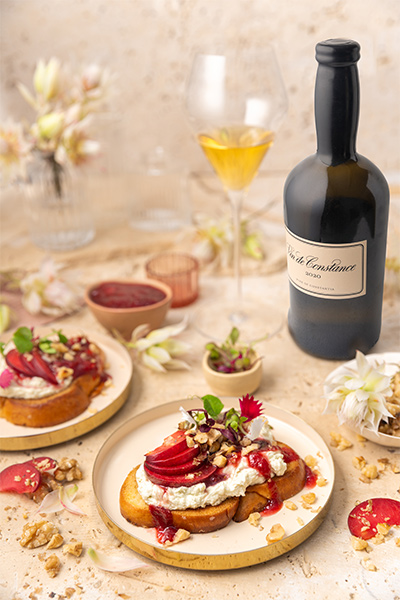
Brioche Tartines with Whipped Cheese & Plum Jam

Everything you love about a cheeseboard on brioche toast. The delectable sweet and tart notes balance the complex flavours of Vin de Constance.

Pairing suggestion: Vin de Constance; delicately perfumed aromas of lemon curd and white peach notes make for a scintillating pairing.

Recipe for Brioche Tartines with Whipped Cheese & Plum Jam

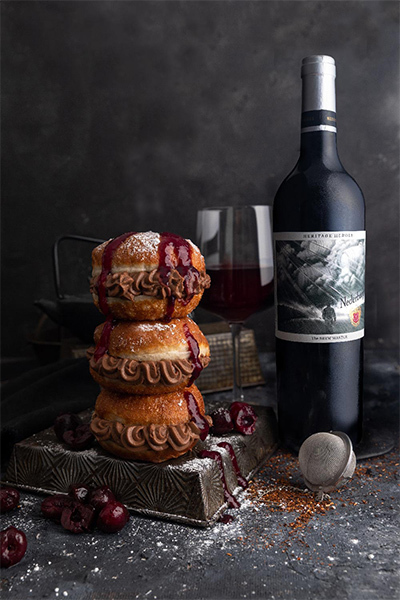
Amagwinya with Chocolate Crème Pâtissière & Cherries

A quintessential South African dessert with a Parisian twist. Fill your ‘gwinyas (vetkoek) with chocolaty goodness and a drizzle of cherry sauce for the ultimate indulgence.

Pairing suggestion: Black Forest flavours and hints of vanilla in a Bordeaux-style blend of Cabernet Sauvignon, Merlot, Petit Verdot and Cabernet Franc are ideal for this decadent dessert. We recommend Nederburg’s The Brew Master.

Recipe for Amagwinya with Chocolate Crème Pâtissière & Cherries

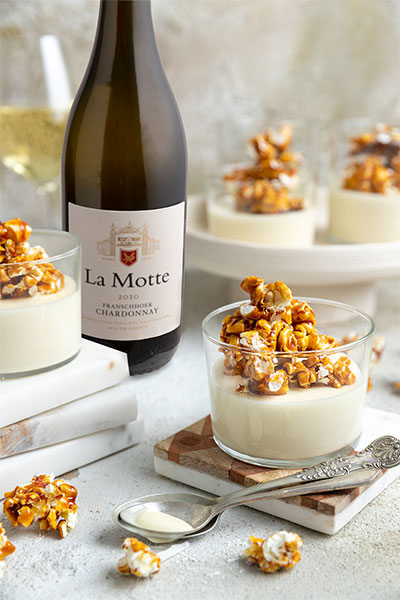
White Chocolate Mousse with Salted Caramel Popcorn

A treat for the senses – the satisfying contrast of white chocolate mousse and crunchy salted caramel is sensational. Chardonnay is the perfect complement to this inviting dessert.

Pairing suggestion: La Motte’s 2020 Chardonnay offsets the sweeter notes in this delightfully rich mousse.

Recipe for White Chocolate Mousse with Salted Caramel Popcorn

Frosé Raspberry Granita with Strawberries & Vanilla Ice Cream

You can have your Rosé and eat it too! Serve your guests the ultimate summer dessert, filled with refreshing granita, strawberries and vanilla ice cream.

Pairing suggestion: Watermelon, raspberry coulis and pomegranate notes of De Grendel Rosé 2022 complement the flavours in this refreshing Frosé.

Recipe for Frosé Raspberry Granita with Strawberries & Vanilla Ice Cream

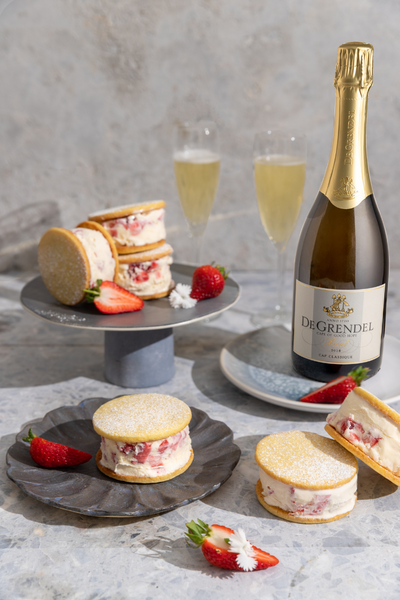
Strawberry Shortcake Ice Cream Sandwiches

These whimsical Strawberry Shortcake Ice Cream Sandwiches are every kids’ dream, but because we’re all adults, you get to enjoy it with a glass of Brut Cap Classique.

Pairing suggestion: Fresh citrus notes of De Grendel Cap Classique Brut 2019 pair gorgeously with these Ice Cream Sandwiches.

Recipe for Strawberry Shortcake Ice Cream Sandwiches

Getting to Know Merlot

I’ve always recommended Merlot as the ideal wine to acclimatise new consumers of red wine. Whether it’s a friend broadening their horizons from white wine, or my dad, leaving the beer and whisky world behind and getting into the wine arena, a Merlot is normally a good place to start. To celebrate International Merlot Day, 7 November, we get to know Merlot and the classic Merlot grape that originates from the Bordeaux region of France.

Most appreciate Merlot for its general characteristics like the red fruits, easy tannins and a soft finish, but there’s more to Merlot…

Owing to its soft and fruity character and easy-drinking status, the grape has been crowned a favourite by many enthusiasts,  ensuring a large following. Most appreciate Merlot for its general characteristics like the red fruits, easy tannins and a soft finish, but there’s more to Merlot than being smooth.

When thinking of Merlot tasting notes, ‘Christmas cake’ comes to mind – yum! A range of fresh flavours such as plums, cherries, blueberries and blackberries mixed with cocoa and black pepper tones often dominate this type of red wine.

Owing to its soft and fruity character and easy-drinking status, the grape has been crowned a favourite by many enthusiasts…

Merlot is popular as a companion to the very rowdy Cabernet Sauvignon or Cabernet Franc. In a Bordeaux-style red blend where the Cabernets – which give the backbone – are slightly softened or mellowed a little, the Merlot rounds-off the wine, allowing more definition.

Cool climate Merlot is more structured, with a higher presence of tannins and earthy flavours like tobacco and eucalyptus. Warm climate Merlot wine is more fruit-forward and the tannins are less prevalent. In using a sporting analogy, I would usually refer to a Merlot as a ‘cricket player’ – a wine full of finesse, culture, etiquette, almost gentlemanly – compared to some of the more robust characters that are apparent in other red grapes.


3 Interesting Facts About Merlot

  • In South Africa, Merlot is one of the most popular and largest selling red wine varietals.
  • Merlot in Bordeaux is most famous on the right bank of the Gironde, where it is a major component of many of the famous wines of Pomerol and Saint E’million. The most famous of these wines is the rare, famous and expensive Chateau Petrus.
  • In the USA, Merlot was (for a period) the most fashionable red wine, hailed for its soft, well-rounded and approachable tannin structure.

Want to expand your wine palate? Get to know Red & White Blends, Shiraz, Chardonnay, Chenin Blanc, Cabernet Sauvignon, and these lesser-known varietals.

Getting to know Chenin Blanc

For a long time, Chenin Blanc has had a reputation for being ‘that other white wine’. It has never quite reached the widespread recognition of Sauvignon Blanc, nor had the cool factor of Chardonnay. But all of that is changing and this is largely thanks to the growth of this unique white grape right here in South Africa.

Everything you need to know about chenin blanc

You may be surprised to learn that South Africa is the largest producer of Chenin Blanc globally. This may, in part, be attributed to its popularity as a base for brandy, but the varietal has truly come into its own as a wine of sophistication and elegance.

The fact is that in a lineup of white wines, most wine drinkers favour what they know, often being the aforementioned Sauvignon Blanc, Chardonnay or perhaps a blend. Chenin is lesser-known and often this lack of understanding leads to consumers simply sticking with what they know. But for South Africans, that really shouldn’t be the case. We’re not only the largest producer of Chenin globally, but we’re producing some of the best in the world. It’s right on our doorstep and we need to own that.

Recently, leading U.S. wine critic Matt Kramer, named Stellenbosch-based wine estate DeMorgenzon’s The Divas Chenin Blanc, as “one of the three most exciting wines of the 21st century”. High praise indeed, and just one example of the level of Chenin being produced locally.

So, let’s learn a little bit more about this wine. It is recorded to have been grown in the Loire Valley in France as early as 845, and is thought to have arrived in South Africa as one of the cuttings brought over during the time of Jan van Riebeeck (circa 1655). It’s known by many names… Pineau, Pineau de la Loire, Pineau d’Anjou, Gros Pineau, Stein and Steen, to name just a few. Steen, being a local moniker, is thought to be a derivative of a Dutch word. The fact that it forms part of the word ‘baksteen’, or ‘brick’ in Afrikaans, seems to coincidentally go hand-in-hand with its heritage of being a foundation grape of our local wine industry.

Chenin is an extremely versatile grape, it is easy to grow, naturally high yielding and can be coaxed into an easy drinking, crisp white wine, right through to a sweet wine with great ageing ability.

It is difficult to put any wine varietal into one box saying that ‘this is the style’ and ‘this is what it suits’. The fact is that winemaking is experimental and influences such as terroir, environmental conditions and style of the winemaker all affect the end product. Introducing different processes can entirely change a wine and split a varietal into completely unique wines that appeal to totally different audiences (think oaked and unoaked Chardonnays, for example).

South African Chenins are typically fresh, fruit forward and zesty wines that have tropical and stone fruits notes (think pineapple, mango, passion fruit and tangerine). Depending on terroir they also display hints of minerality and flint.

There is a movement towards producing more intense wines that are thoughtfully oaked, producing a creamier mouthfeel and a nuttier, biscuity palate.

Because of its propensity towards sweetness, it has always been a favourite for creating stellar botrytised wines. Botrytised wines are affected by the fungus Botrytis cinerea, which causes noble rot. While noble rot may sound like an oxymoron, it is in fact, a positive effect. The fungus reduces the water content of the grapes and increases the sugar content, producing grapes that are perfect for creating award-winning and ageable sweet wines.

Chenin is a great wine to pair with food; the acidity of a light Chenin can marry well with fresh fare such as sushi and salads. A heavier style Chenin works well with spicy, sweet and sour flavours of Asian cuisine.

What you need to know about Chenin Blanc

  • It is the most widely grown grape in South Africa
  • It’s an incredibly versatile grape.
  • Wines generally err on the side of fresh and fruity.
  • Used as a base for brandy.

Now that you know more about Chenin Blanc, why not increase your wine knowledge and get to know Chardonnay | Red and White Blends | Shiraz | Cabernet Sauvignon | Merlot Pinotage | Rosé | Unusual Wine Varietals

Orange Wine: What You Should Know About This Trending Bev

Orange wine might sound like a quirky new trend, but it’s actually an ancient style of wine that’s making a well-deserved comeback. If you’ve heard about this amber-hued wine and are wondering what all the fuss is about, we uncork everything you need to know about orange wine, from its deep-rooted history to its unique flavours and the best pairings.

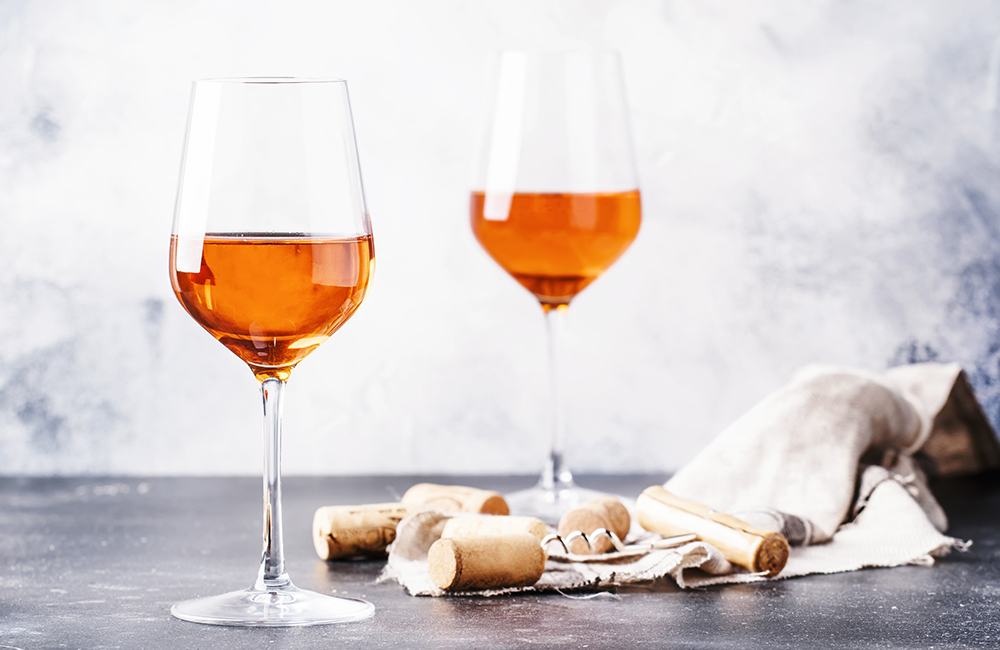
Orange wine is a type of white wine made by leaving the grape skins and seeds in contact with the juice…

What Is Orange Wine?

If you thought orange wine was made from actual oranges, sorry to disappoint. This unique wine’s name refers to the colour and not the citrus fruit.

Orange wine is a type of white wine made by leaving the grape skins and seeds in contact with the juice, a process known as skin maceration. This gives the wine its distinct colour, which can range from golden yellow to deep amber hues, depending on the grape and winemaking process. Common grape varieties used in making orange wine include Pinot Grigio, Sauvignon Blanc and Riesling, though it can be made from nearly any white grape.

Tasting notes can range from ripe stone fruits like apricots and peaches to more savoury notes like nuts, honey, and hints of spice.

Orange wine and Rosé are often compared because of their unique colours, but the two are worlds apart considering flavour profiles and how they’re made. While Rosé is pink due to the limited contact with red grape skins, orange wine’s colour comes from the prolonged contact between white grape skins and juice, extracting colour, tannins and flavours from the skins during the winemaking process.


Why the Sudden Popularity?

Orange wine’s origins can be traced back thousands of years to what is now modern-day Georgia — the country, not the U.S. state. Here, winemakers traditionally fermented white grapes in large earthenware vessels called ‘qvevris,’ burying them underground for months to develop complex flavours. This ancient method spread across the Mediterranean and eventually found its way into regions like northeastern Italy and Slovenia, where it continued to be crafted over the centuries, and later, the rest of the wine world…

Winemakers traditionally fermented white grapes in large earthenware vessels called ‘qvevris,’ burying them underground for months to develop complex flavours.

This vibrant wine’s resurgence can mostly be attributed to the natural wine movement – which favours traditional, low-intervention methods of winemaking –  but also to curious connoisseurs looking for something other than the usual wine rack suspects.

This unique wine is often made with minimal additives, including little to no added sulfites. This natural approach results in a wine that reflects the terroir and the grape’s natural characteristics. Many winemakers also choose to forgo filtering, which can leave the wine slightly cloudy, but richer in texture and flavour.


What Does It Taste Like?

Bold, honeyed, acidic, stone fruity – in a nutshell… the flavour profile of orange wine can vary greatly depending on where it’s made, but you might encounter some common tasting notes. These wines tend to have more body and structure than your typical white wine, thanks to the tannins that come from the extended skin contact – a characteristic commonly associated with red wines. Tasting notes can range from ripe stone fruits like apricots and peaches to more savoury notes like nuts, honey, and hints of spice. You might also pick up on a slightly oxidative quality, giving the wine a bit of a sherry-like edge.

Orange wine often sits somewhere between a white and a red in terms of taste and style. While it has the freshness and acidity of a white wine, the tannins give it depth and complexity, similar to certain red wines. This makes orange wine a versatile option that appeals to both white and red wine drinkers looking for something new and different.


Orange Wine Pairings

When it comes to food pairings, orange wine is incredibly versatile. Thanks to its bold flavours and structured body, it can stand up to a variety of dishes.

Try it with rich, hearty foods like roast chicken, or even spicy, fragrant dishes like Indian curries and Asian-style dishes. The wine’s tannins and acidity also complement strong cheeses, charcuterie, and umami-rich foods like mushrooms and soy-based dishes.

Curious about orange wine? Make a meal of the experience and pair it with these dishes:

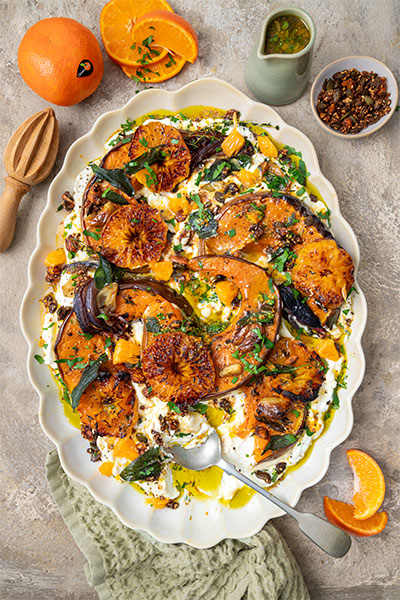
Roasted Pumpkin & ClemenGold Salad with Labneh & Dukkah

Creamy labneh pairs perfectly with the vibrant acidity of most orange wines.

Recipe for Roasted Pumpkin & ClemenGold Salad with Labneh & Dukkah

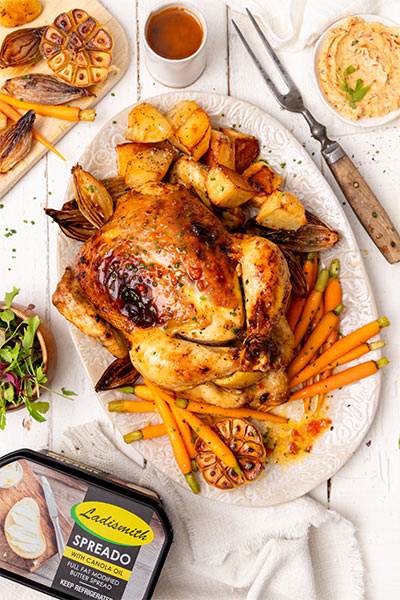
Roast Chicken with Garlic & Roasted Red Pepper Spreado

Smoky, buttery flavours in this roast chicken are great with bolder wines.

Recipe for Roast Chicken with Garlic & Roasted Red Pepper Spreado

Pork Neck Vindaloo

Orange wine can stand up to the heat from curries, making this vindaloo a great match.

Recipe for Pork Neck Vindaloo

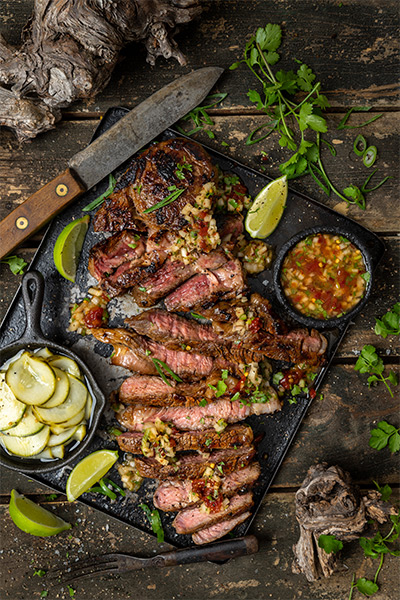
Crying Tiger Steak with Nahm Jim Jaew Sauce & Pickled Cucumber

Savour the spice of this Thai-inspired dish with the flavours of orange wine.

Recipe for Crying Tiger Steak with Nahm Jim Jaew Sauce & Pickled Cucumber

Have you tried these lesser-known wine varietals?

Cape Town Named Best Food City in the World by Condé Nast Traveller

Being based in Cape Town, we know how spoilt we are by having some of the best food experiences the world has to offer – and it’s now official! Condé Nast Traveller has named our city the Best City in the World for Food. This accolade celebrates not only Cape Town’s talented chefs and top restaurants but also the unique flavours and diverse culinary influences that make our city a true food lover’s paradise.

The Best Food City in the World

Local favourites like The Pot Luck Club, Salon, La Colombe, Waterside, Pier, to name just a few, are known globally for their inventive dishes, blending local ingredients with international flair.

FYN, with its unique fusion of Japanese and South African cuisine, has also contributed to Cape Town’s well-deserved title, earning international praise for both its innovation and stunning presentation.

There are so many incredible restaurants that have contributed to this accolade, not only in the fine dining space but also a plethora of coffee shops, artisanal bakeries, cutting-edge street food-style spaces, markets, those championing local ingredients and more. Everyone involved the food in this city is part of this achievement.

A Well Deserved Accolade

Cape Town’s food scene goes beyond the plate. Its commitment to sustainable sourcing and unique wine pairings has turned dining into an art form, attracting the most passionate foodies and discerning critics worldwide. This accolade by Condé Nast Traveller celebrates not only the chefs and restaurants that make Cape Town a culinary haven but also the community that fosters an environment of creativity and quality.

Cape-Vue-from-vineyards

For Capetonians, this recognition is no surprise. It affirms what we already know: Cape Town is a culinary capital, home to food that tells a story of place, history, and innovation. So, whether you’re a local or a visitor, now’s the time to explore our city’s rich food culture and discover the tastes that have earned Cape Town the crown!

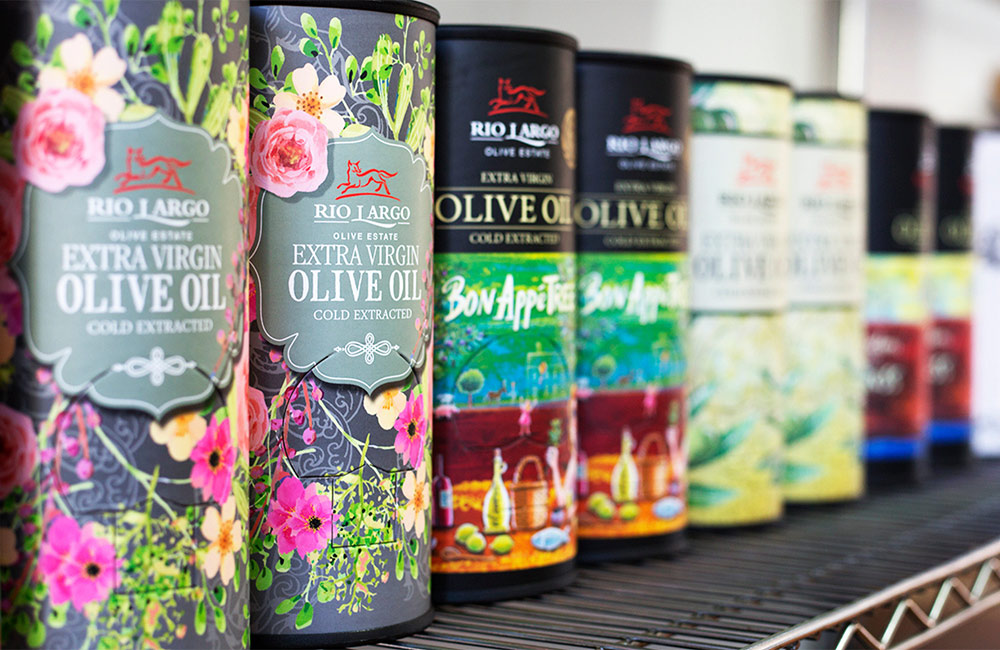
RIO LARGO’s Golden Success – From Breede River to the Whole Wide World

With Mediterranean climates and resilient groves, South Africa not only provides the perfect terroir for some of the world’s finest wines produced but also olive oil – RIO LARGO forms part of that list – even the Italians agree!

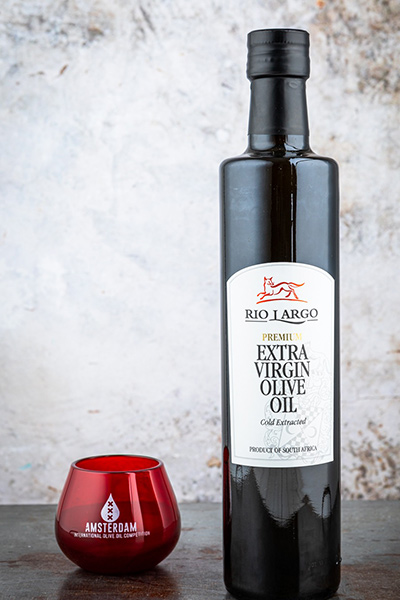
Winning ‘Best Medium Fruity Blend’ from a guide based in Italy… was a tremendous honour for the RIO LARGO team.

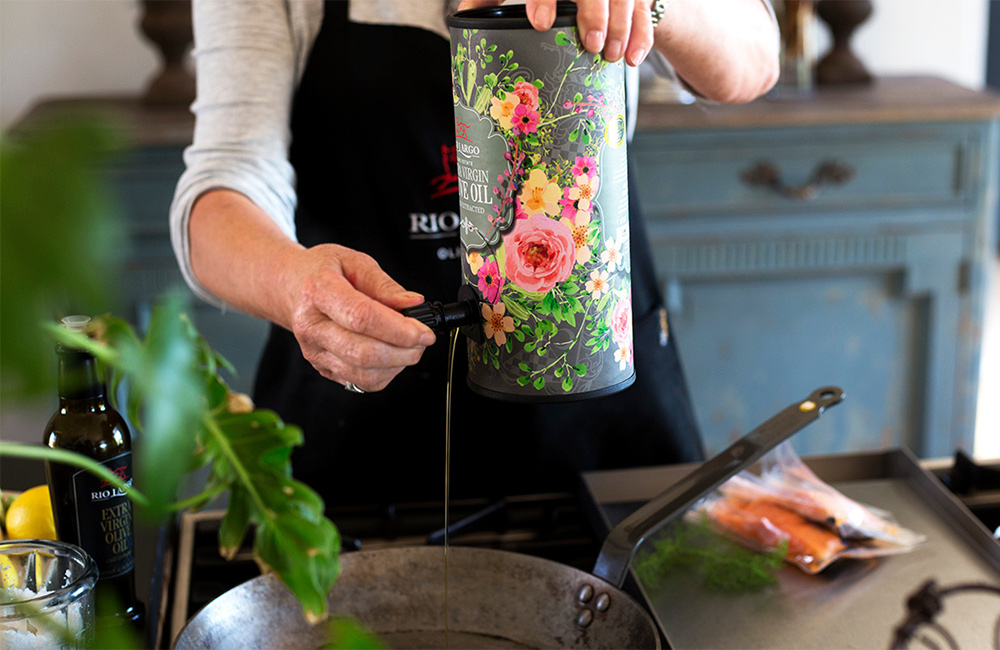
Nestled in Scherpenheuwel Valley on the banks of the Breede River lies RIO LARGO, a vast estate that is home to approximately 18,000 olive trees, a state-of-the-art processing plant and a dedicated staff, all run by owners Nick & Brenda Wilkinson. If you learned how the famed estate came to be, you might call it serendipitous.

Nick and Brenda Wilkinson ventured into the world of olive oil after twenty years of living in Central Africa. The catalyst for their journey was a visit to Nick’s doctor for his flying medical, where he was advised to incorporate more extra virgin olive oil into his diet to lower his cholesterol and blood pressure. This led them to consider the olive oil business, and in 2010, they purchased RIO LARGO Olive Estate, transforming the property from a fruit, wine and stud farm into a thriving, award-winning olive estate.

Despite the challenges of requiring expertise in farming, accounting and production, Nick embraced the opportunity, driven by a passion for quality and sustainability. His competitive nature fueled his desire to produce some of the best extra virgin olive oil South Africa could offer. After achieving his first double gold award in 2010, Nick sought the expertise of Giorgio Mori from Mori TEM in Italy to design a state-of-the-art processing plant. Since then, he has dedicated every harvest to producing world-class extra virgin olive oil, while highlighting the health benefits of olive oil. Brenda took on the marketing of this amazing oil, taking it across the globe with her trademark slogan, “Try it – you’ll love it!” And love it, they did! Now, RIO LARGO is exported to over a dozen countries.

Although RIO LARGO has consistently won international awards since 2010, they believe that the true value of their oil lies in the tasting experience it brings to each meal…

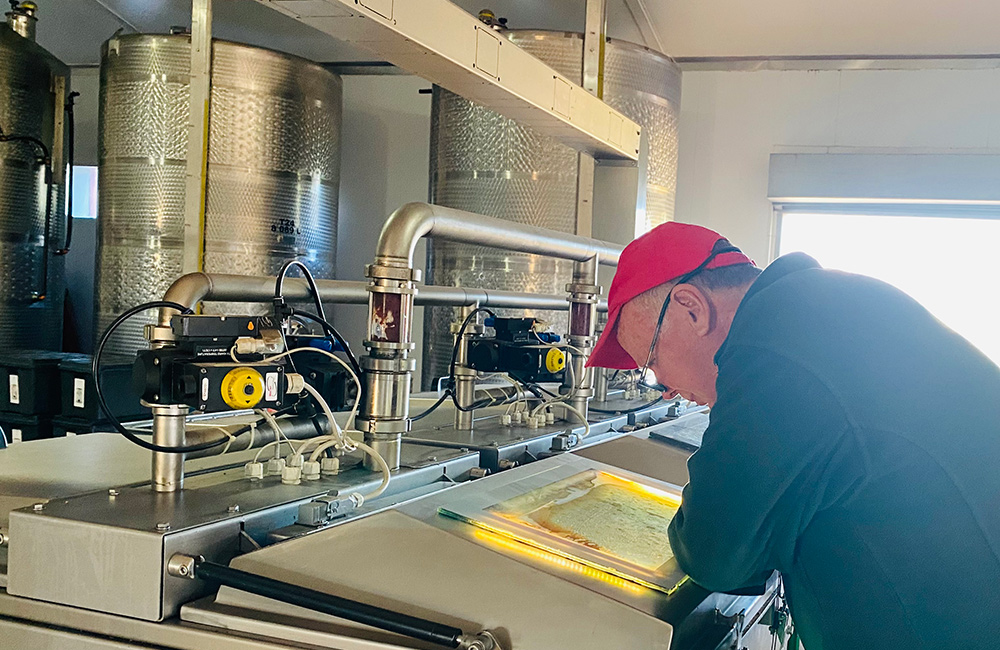
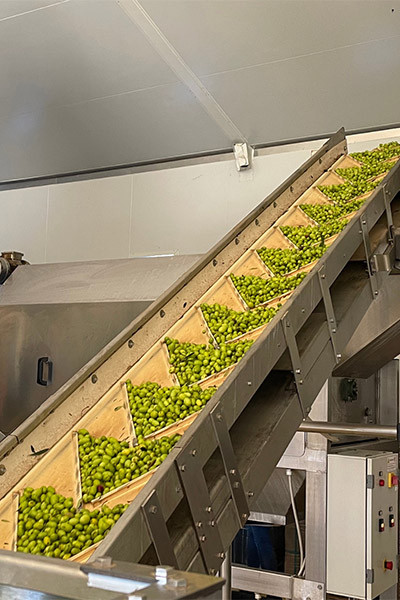
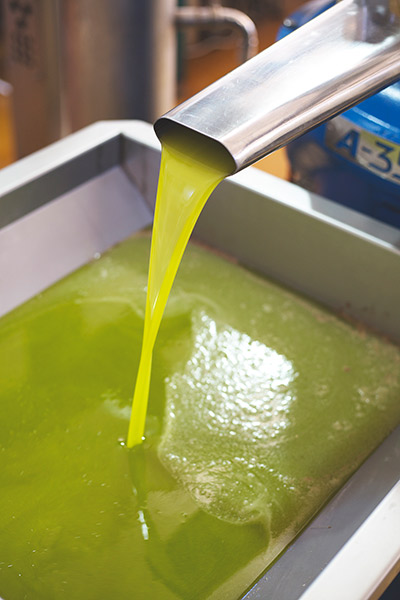
Favoured by home cooks and professional chefs alike, RIO LARGO Olive Oil is made from a blend of multiple cultivars, including Frantoio, FS-17 and Coratina olives. “Creating the perfect blend requires an understanding of olive varieties and their flavour profiles,” says Nick. As a Master Miller, he selects olives at peak ripeness to produce oil with a harmonious balance of taste, aroma and mouthfeel. He blends cultivars grown at RIO LARGO to capture the essence of the estate’s terroir, resulting in an oil of exceptional quality. All olives are grown, processed and packed to order on the estate, then stored in stainless steel tanks under liquid nitrogen to maintain freshness.


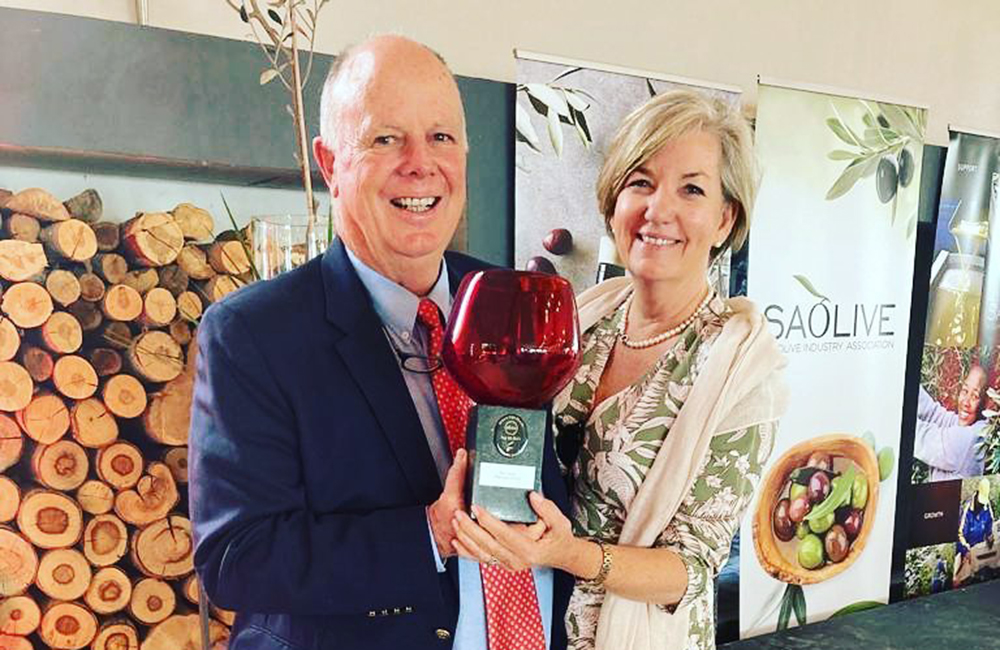
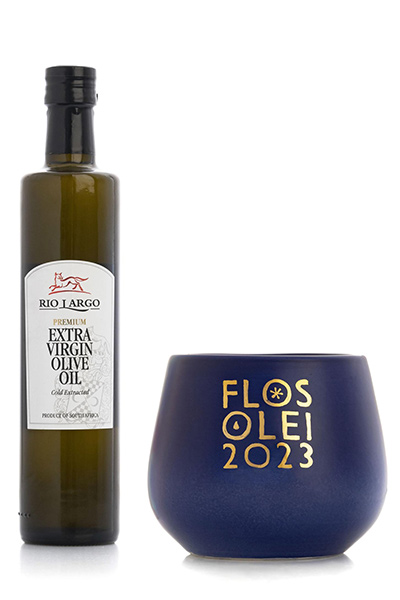
Pictured top: Nick Wilkinson (left) and Brenda Wilkinson (right) at the 2021 ABSA Top 10 Olive Oil Awards | Pictured middle (left): RIO Largo wins 98/100 in the ‘Best Medium Fruity Blend’ category at the 2023 Flos Olei awards; Pictured middle (right): RIO LARGO wins ‘Gold’ at the 2023 Amsterdam International Olive Oil Competition | Pictured bottom: RIO LARGO Master miller, Nick Wilkinson.

Traditional farmers would tell you that producing olive oil requires years of experience and craftsmanship – somehow, Chartered Accountant turned master miller Nick Wilkinson received a consistent score of 98 out of 100 at the 2023 Flos Olei awards – a near-perfect score only makes sense with ex-teacher and co-founder Brenda Wilkinson by his side. Winning ‘Best Medium Fruity Blend’ from a guide based in Italy – the home of extra virgin olive oils – was a tremendous honour for the RIO LARGO team. This achievement validated their dedication to quality and reinforced their commitment to excellence in olive oil production. The recognition, among others, not only boosted team morale but also enhanced RIO LARGO’s global reputation, attracting new customers and cementing its leadership in the industry.

Although RIO LARGO has consistently won international awards since 2010, they believe that the true value of their oil lies in the tasting experience it brings to each meal – something that wouldn’t be possible without a dedicated team ensuring the business runs smoothly. The secret to making it all work? “Effective teamwork, clear communication and a shared vision among the dedicated team,” says Nick.

“Each member has distinct roles that align with their strengths. I concentrate on production and quality control – if you can’t measure it you cannot control it! – while Brenda oversees marketing and operations. She’s a firm believer in the power of networking to promote the brand; she actively participates in various functions to ensure RIO LARGO is seen and heard, fostering connections that help elevate the estate’s profile in the industry. Our loyal staff also plays a crucial role in the estate’s success, embodying the values of hard work and commitment to quality. Additionally, we prioritise building strong relationships with local suppliers and the community, creating a supportive network that fosters the estate’s growth,” he adds.

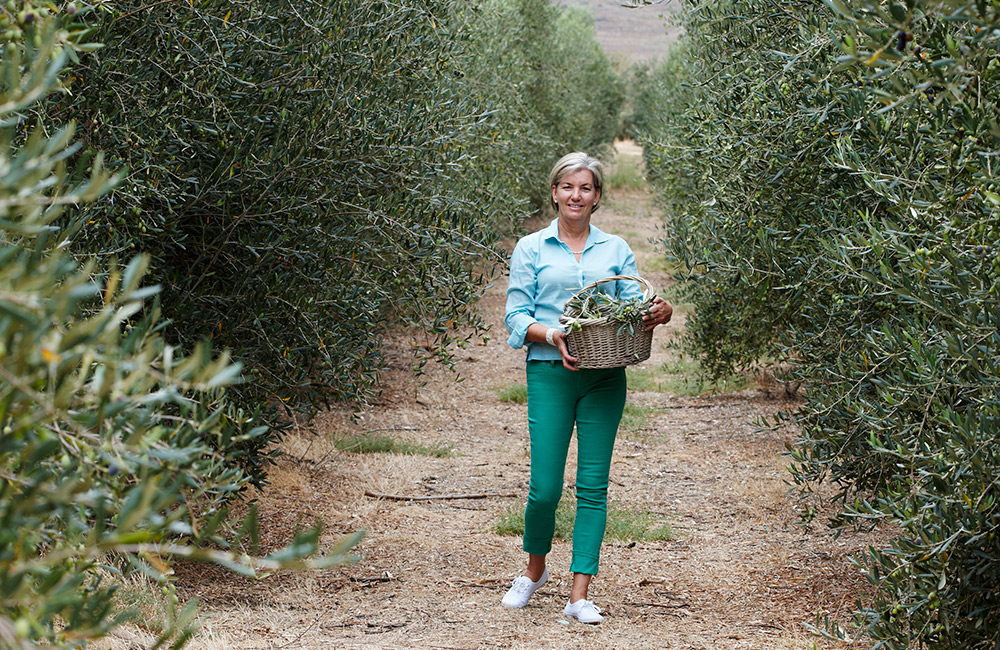
Pictured top: Brenda Wilkinson at RIO LARGO Olive Estate

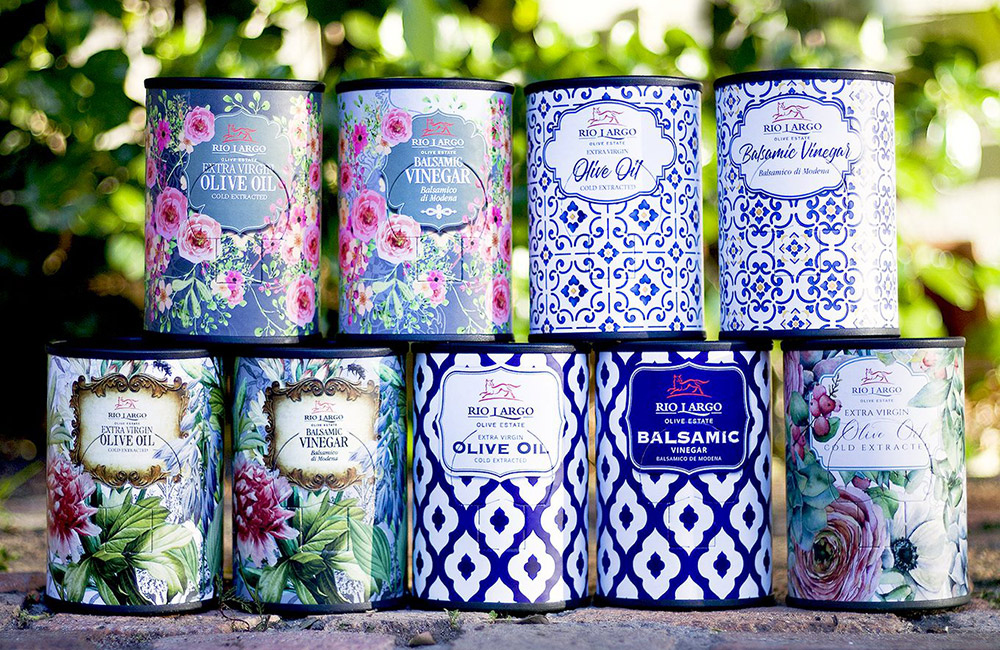
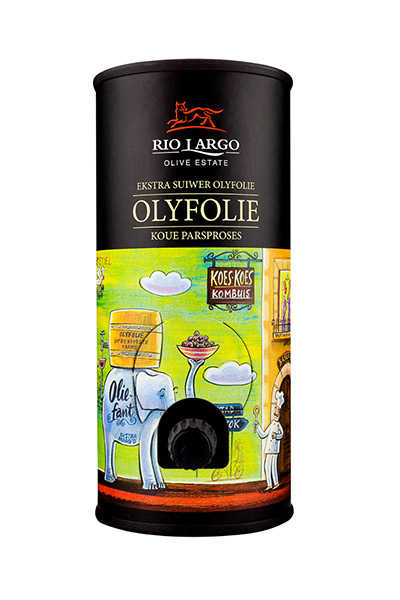
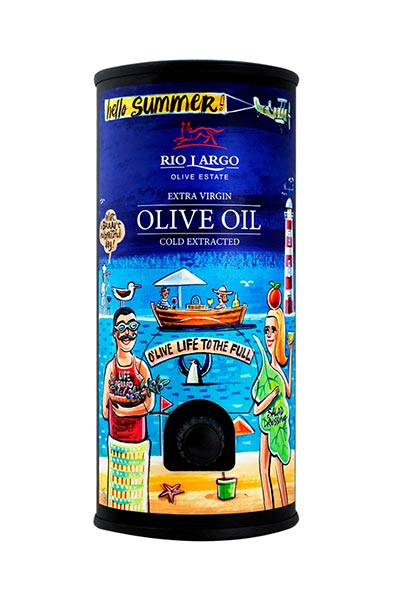
And what’s on the outside is equally treasured as the liquid gold within. With over 40 unique designs and gorgeous illustrations adorned on labels, RIO LARGO has positioned itself as one of the most recognisable local olive oils. Beyond that, it reflects the team’s commitment to sustainability and Brenda’s creative vision.

They are working on expanding their product range, including the introduction of innovative packaging designed for long-term reuse…

“In 2011, during a conversation in the processing shed with Nick and Giorgio Mori, the idea for bag-in-box packaging emerged. I had designed a label with artist Frans Groenewald that played on the concept of ‘Freedom of the Press,’ and this label became the first of many eye-catching designs,” says Brenda. “Over time, we added new designs, inspired by different experiences – like a floral design after a lovely birthday lunch, and even a dog-themed label for a sponsored dog trial – followed by requests from cat lovers! These stories keep the designs fresh and fun, allowing customers to choose what speaks to them, including the personalised labels we offer for special orders. By offering variety, we try to create a memorable experience, while emphasising eco-friendly practices,” she adds.

Olive oil remains a kitchen staple for many home cooks, but there has been a marked decrease in stocks available on grocery store shelves, and with it, an increase in retail prices.

… RIO LARGO makes products accessible to customers by offering options online and through select retailers…

Master miller Nick Wilkinson says, “Climate change has posed challenges for local olive oil production, including shifts in weather patterns that can impact yields and quality. The reduction in available commercial olive oil and rising prices stem from lower global production due to adverse weather conditions in Europe, combined with increasing demand for high-quality olive oil. This demand has grown as more consumers understand the health benefits and culinary versatility of olive oil, especially after the COVID-19 pandemic. At RIO LARGO, we balance quality with accessibility, ensuring our products remain available to local consumers despite market fluctuations.”

To improve the environmental impacts, they implement regenerative agricultural practices, such as composting pomace and wood chips to enhance soil health. They also focus on water conservation strategies and explore resilient olive varieties, adapting their methods to mitigate climate impacts on production. Maintaining high standards is crucial to their mission; this is achieved through meticulous processes, from hand-harvesting to stringent quality control under Nick’s guidance.

Despite dwindling stock and inflated costs due to environmental and economic impacts, RIO LARGO makes products accessible to customers by offering options online and through select retailers, keeping prices competitive. Brenda also engages in community projects, providing education on the benefits of cooking with extra virgin olive oil, particularly through initiatives like ‘Showcook’ and ‘Reaching for Young Stars,’ which target the hospitality industry.

Even though the brand has solidified its presence within the olive oil industry, Brenda and the team have planned several exciting developments. They are working on expanding their product range, including the introduction of innovative packaging designed for long-term reuse, reflecting their commitment to sustainability. Additionally, they are exploring new partnerships and collaborations that will enhance their reach and promote the benefits of high-quality olive oil in the health sector.

Keep up with RIO LARGO on social media and purchase their products at their online shop.
Try it – you’ll love it!

riolargo.co.za | Facebook | Instagram

The Art of Elegance – The Umi Dinnerware Collection by Maxwell & Williams

At the heart of every memorable meal is the setting that frames it, and the Umi collection by Maxwell & Williams brings a sophisticated touch to your table, turning everyday dining into an elegant affair. With a focus on design, craftsmanship and quality, the Umi collection is a masterpiece of porcelain dinnerware that embodies the perfect balance between artisanal beauty and modern luxury.

With pieces that are as practical as they are visually stunning, this collection is perfect for those who appreciate the finer things in life.

Trendy Yet Timeless

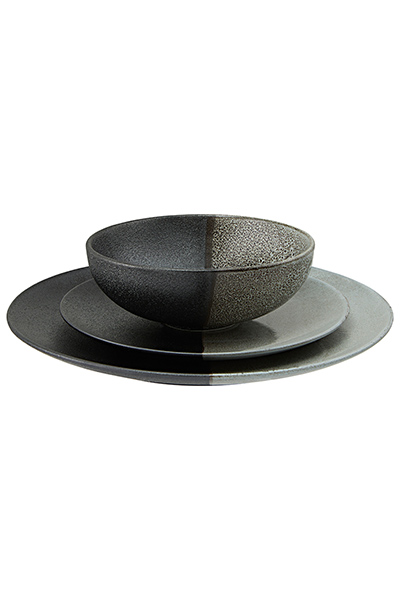
The Umi 12-piece dinner set features a stunning reactive two-tone glaze that enhances the visual depth of each piece. This process gives every item in the collection a unique, hand-finished look, blending natural tones in a way that feels both contemporary and timeless. Whether hosting a formal dinner or simply enjoying a meal with loved ones, this collection adds an effortless sense of occasion to your dining experience.

… the Umi 12-piece dinner set makes an ideal gift for festive holidays, housewarmings, weddings or anniversaries.

Crafted from high-quality porcelain, the Umi set is as durable as it is beautiful. Each piece is designed to withstand the rigours of daily use, while retaining its luxurious appeal. The 12-piece set includes four dinner plates, four side plates and four coupe bowls, making it perfect for intimate gatherings and everyday dining. The versatile neutral palette allows for easy styling, effortlessly complementing any table setting and providing a seamless base for layering with complementary dinnerware and accessories.


A Splash of Sophistication

Umi is more than just dinnerware – it’s a reflection of style and an invitation to create moments of connection. The artisanal, handcrafted feel of each piece offers a tactile experience that enhances the pleasure of dining, making every meal feel like a special occasion. With pieces that are as practical as they are visually stunning, this collection is perfect for those who appreciate the finer things in life.

Umi is designed with functionality in mind. The robust porcelain construction ensures each item is chip-resistant and microwave- and dishwasher-safe, making it a convenient choice for modern households.

Priced at R1,900.00, the Umi 12-piece dinner set makes an ideal gift for festive holidays, housewarmings, weddings or anniversaries.

Discover the art of elegant dining with the Umi collection by Maxwell & Williams, where every meal becomes a celebration and every table setting is a reflection of refined taste.
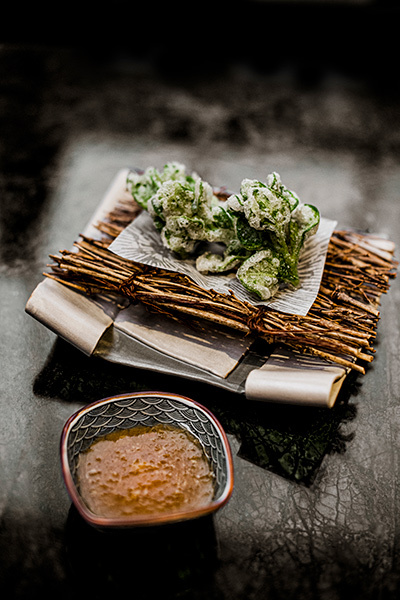
Shop the entire Umi collection online. Explore more masterpieces by Maxwell & Williams at the links below. 

maxwellandwilliams.co.za | Facebook | Instagram

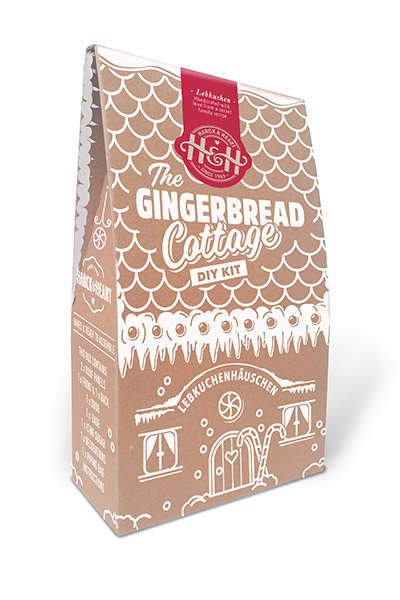
Gisela’s Gingerbread – The Heart of Harck & Heart

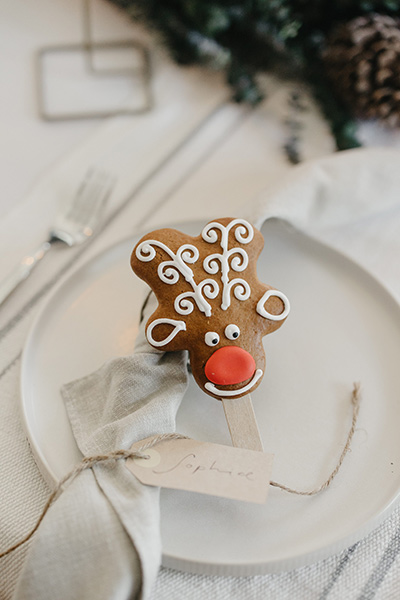
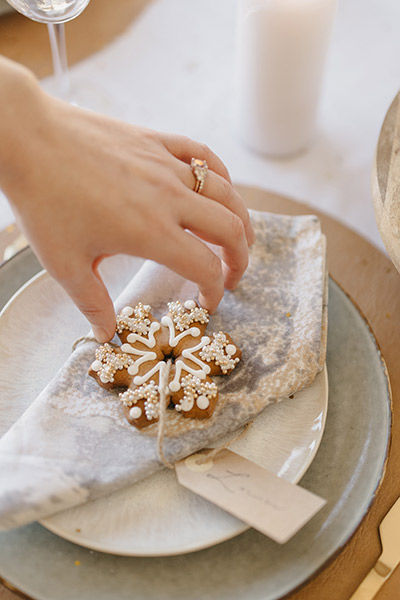
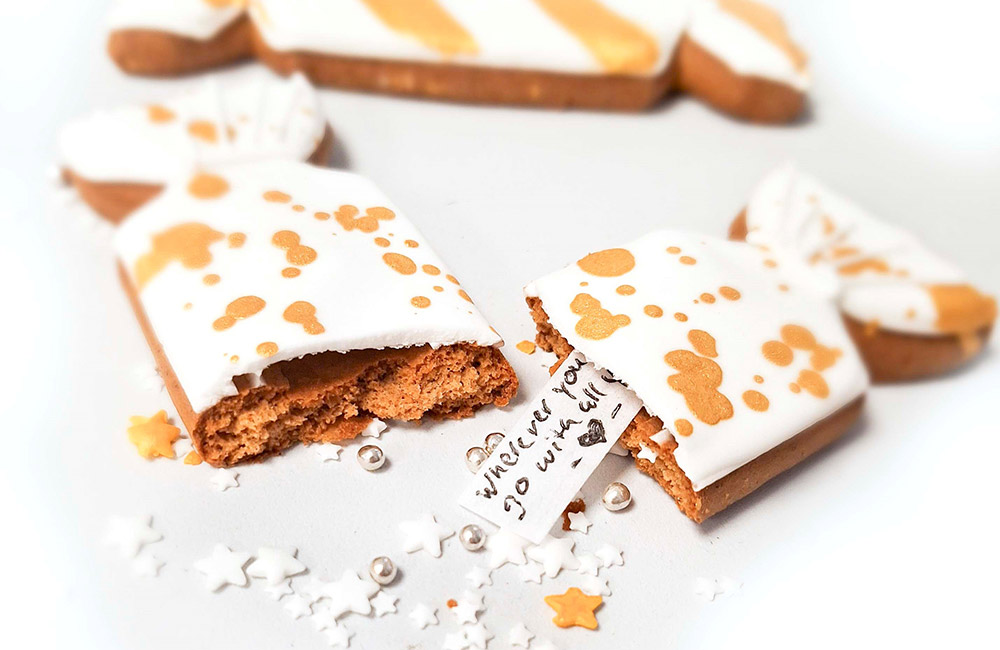
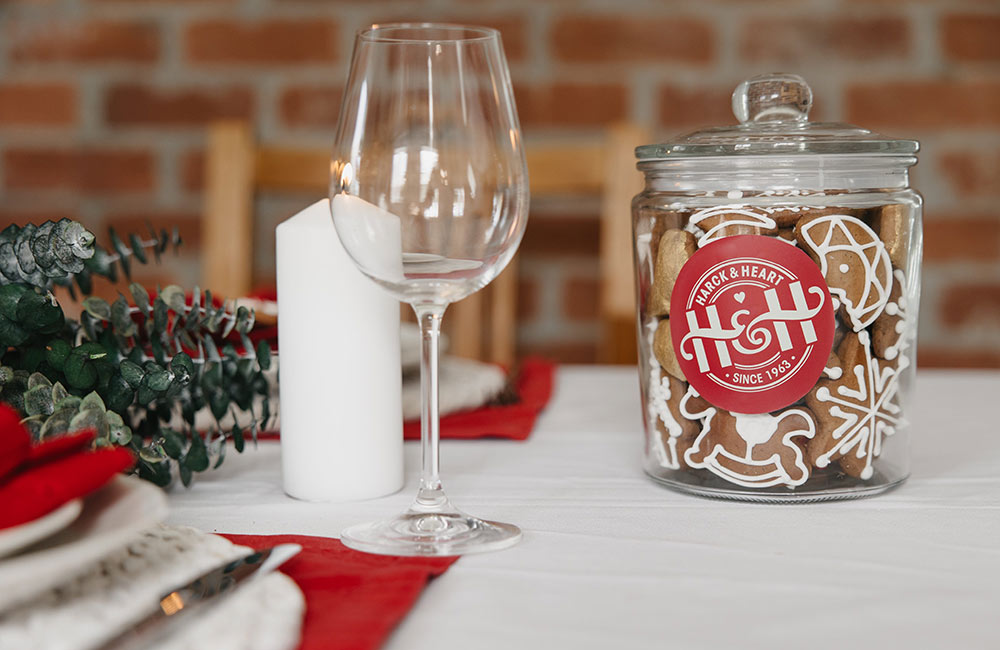
If you’re obsessed with gingerbread, you’ll know that there’s the spiced and not-so-nice kind, and then there’s Harck & Heart – the stuff that tastes like Christmas and looks like festive spirit personified. Passed down from grandmother to mother to daughter, the family recipe was not simply an heirloom to Gisela Harck, but a recipe for success.

Baking Happiness Since 1963

Despite a decade-long career in graphic designing, Gisela always knew that gingerbread houses would build the foundation for her dream – owning a confectionery business. Launched in 2014, Harck & Heart was founded with the intention of honouring her heritage and spreading joy through the flavours that defined her childhood. Now, 41 years in the making and two decades since Harck & Heart was founded, the business has a loyal customer base and continues to spread cheer all year round. We chat with Gisela Harck about baking dreams into existence, family traditions and her best holiday baking tips.
Pictured left: Gisela Harck, founder of Harck & Heart.

What is the inspiration behind Harck & Heart?
I wanted to replicate for others the joy I felt as a child savouring the marvellous sweet creations my mother would make for us.

What made you switch careers, and how has your design background helped grow your business?

The dream of owning my own business – baking gingerbread creations – was born when I was around 18 years old. I decided to bake and sell gingerbread houses and gingerbread men at a market during the festive season. I enjoyed the process of creating something beautiful and tasty. I also loved seeing the nostalgia on older people’s faces passing by and witnessing the delight in children’s eyes – I knew then that I wanted to do this full-time.
My design background was instrumental to my success. It has served me, and still serves me, well today. I saved a lot of money by designing and creating the company’s logo and corporate identity, as well as designing the packaging and everything that goes along with it. I still use my skills in product development. I am a creative at heart.

What has been the highlight of this journey?

Learning more about myself and others through the struggles that I have faced. Meeting the most incredible people along the way that have helped me continue on this path.

The secret to making the most delicious gingerbread?

First and foremost, the secret lies in our secret family recipe that has been passed down through the generations. It’s flavourful, not too spicy, well-balanced and really moreish! The other ingredient is the care and attention to detail that goes into each cookie, crafted by hand every step of the way.

Harck & Heart is inspired by your mother & grandmother. How have they impacted your approach to business?

Back in the day, my grandmother was the ‘tuismoeder’ (house mother/chaperone) for the German International School Cape Town hostel. She first started baking this recipe for her school children in 1963, during the festive season to bring a little cheer to the kids – especially to those who couldn’t go home over weekends. They each got a bag of these cookies to indulge in. It was a tradition that my mom continued. When my siblings and I were born, she continued baking this recipe for us as a family.

I think the same sentiment that inspired my grandmother and my mother to bake these cookies, is the same sentiment that we strive for at Harck &Heart – to bring a little joy to people’s lives – whether this is through tasting our deliciously moreish product or using one of our DIY Kits to build a gingerbread house with the family.

Building a brand is not for the faint of heart. Any advice for entrepreneurs wanting to pursue their business full-time?

I would say ‘just start’ – that is the most daunting [part]. You don’t need to have all the answers, you will figure everything out along the way. Whatever you do, just show up consistently for yourself and for your dream, especially during the hard times. Make an effort to find a network of people who can support you; it can be a lonely journey.

What’s your fondest childhood food memory?

My mom always went out of her way to make any festive occasion during the year special for us; whether it was our Birthday, Easter or Christmas, it was always a feast for the eyes and the stomach. The highlight of our birthdays was always the themed birthday cakes she would bake for us.

Favourite food obsession at the moment?

​​Anything Thai-inspired is a big favourite. The balance of sweet, salty, spicy and sour [flavours] really hits the spot!

Most underrated ingredient?

Fresh lemon or lime juice.

Three things you can’t live without?

Fresh ginger tea in the morning, a good night’s sleep, and a piping hot shower to start and end the day.

The best baking advice you can give?

Follow the recipe! The right ratios are extremely important if you want to ensure a successful bake.

Christmas is around the corner. What are some of your favourite family festive traditions?

Baking is big for Germans around Christmas. We have a tradition of baking a multitude of Christmas cookies during this time of year. We arrange the cookies on a plate called ‘Bunter Teller’ or directly translated, ‘colourful plate,’ which we then share or gift to family and friends. Often there will be an exchange of ‘Bunter Teller,’ which is wonderful, as everyone has a different selection of baked goodies on their plates.

What’s new to the range?

This year, we have launched a new, gold-inspired range, which we are absolutely thrilled about! The response has been resounding. This range adds another dimension to our more traditional red and white Christmas range. It’s perfect for the classic minimalist and is simply beautiful!

Where can people buy Harck & Heart products?

We supply retailers nationwide with our products. You can find them [at selected] Spar stores, delis and gift shops. Reach out to us to find a retailer closest to you.

A selection of our Christmas products is available at Yuppiechef, both in-store and online. Our products are also available through the Harck & Heart online shop; we also have a factory store outlet at our bakery in Firgrove, which is also a collection point if you want to order online and collect directly.

Follow Harck & Heart on social media and order goodies online or find your favourite treats at these local stockists, nationwide

harckandheart.co.za | Facebook | Instagram

The Private Sanctuary of La Clé in the Heart of Franschhoek

Imagine waking up to the gentle sounds of birds in a lush garden, and the scent of freshly brewed coffee and pastries awaiting you. A leisurely morning unfolds, not at a crowded hotel or resort, but in the privacy of your own luxurious villa, attended to by a discreet and attentive team. This is the essence of a stay at La Clé Villas – a bespoke experience where privacy, relaxation and luxury are elegantly combined.

La-Cle-pool-view

A Private Haven for the Discerning Traveller

La Clé Villas offers something truly unique in the world of luxury travel, it is a place where every detail is carefully curated – guests are offered the highest level of personalised service in an atmosphere that still feels homey and comfortable.

The property is made up of a separate guest lodge and four exclusive-use villas, each with its own distinct personality. This isn’t your typical hotel stay, but rather an invitation to a private sanctuary where you can fully unwind in the lap of luxury.

La-Cle-Galeria

This isn’t your typical hotel stay, but rather an invitation to a private sanctuary where you can fully unwind in the lap of luxury.

A Curated Stay in Galerie

We stayed in Galerie, an eclectic space that beautifully melds bold colours and textures. The two en-suite bedrooms were generously sized, offering all the modern comforts – a king-size bed, plush linens, a power shower plus bath, and super soft robes.

The decor throughout the villa is an artful blend of vibrant colour and playful patterns. A plush purple velvet couch sat opposite two leopard-print wingback chairs, with the room illuminated by a striking blue glass chandelier. Textured curtains in bold jewel colours of burnt orange, deep purple and rich blue bring softness and personality to the space. The eclectic style, featuring many unique pieces of art, gives the villa a distinctive allure, making it feel like a private gallery, curated just for you.

The eclectic style, featuring many unique pieces of art, gives the villa a distinctive allure, making it feel like a private gallery, curated just for you.

Seamless Service, Tailored to Your Needs

Perhaps one of the most remarkable aspects of our stay at La Clé was the team that looked after us. The service was exceptionally professional yet unobtrusive. Whether it was keeping the fireplace crackling, or setting up pool loungers, the team was always on hand when we needed them and were completely invisible when we didn’t.

Unforgettable Culinary Experiences

Food is undoubtedly one of the highlights of a stay at La Clé, and in an epicurean town like Franschhoek, that is no mean feat. Whether it’s a family-style dinner or a lavish breakfast spread, every meal is crafted with care. The experience of having meals set up in the villa added to the sense of intimacy and exclusivity.

On one afternoon John, who was taking care of us, put together a braai, and although this is something we as locals know well, I can see how this quintessential South African experience would be an absolute highlight for foreign guests.

The sumptuous spread featured smoked ribs, boerewors, chicken skewers, lamb chops, and a salad made with couscous, pickled onions, avocado, and an amasi dressing. It was hearty comfort food, but elevated, which is the ethos of the food experience at La Clé.

The brand also offers a range of exclusive, own-label wines for guests to enjoy, with a beautiful Pinot Noir Rosé as the latest addition. A chilled glass pairs perfectly with a spread fresh off the braai.

At another meal, the chef onsite prepared a stunning pork belly, which was the star of dinner – melt-in-the-mouth tender, with perfectly crispy skin, served alongside creamy, Parmesan-laden risotto, smashed baby potatoes on a bed of garlicky yoghurt, and deeply caramelised baby carrots on a swirl of whipped goat’s cheese. Everything was moreish.

Food is undoubtedly one of the highlights of a stay at La Clé and in an epicurean town like Franschhoek, that is no mean feat…

For dessert, a mini deep-dish milk tart was the perfect sweet ending – this nostalgic nod to traditional South African flavours was reminiscent of one that my mom makes, and I just loved it.

La-Cle-Village-Braai-meat-

Breakfast was no less indulgent. A continental feast of freshly cut fruit, warm pastries, locally sourced charcuterie, and cheeses was brought directly to our villa. The local cured trout, served with cream cheese and capers, was a particular favourite – a lavish and tasty start to the day. A hot breakfast service is also available, but having gorged on all the curated local cold offerings, we simply didn’t have space!

In the Heart of Franschhoek

La Clé’s location offers the perfect balance between seclusion and accessibility. Set just five minutes away from the bustling centre of charming Franschhoek, the villas offer an ideal base for exploring local wine estates, gourmet restaurants, and boutique shops. But despite being so close to the action, La Clé feels worlds away.

La-Cle-Pool-

The lush, private garden, shimmering pool, and inviting outdoor spaces make it easy to forget that you are in the heart of one of the country’s busiest tourist destinations. We spent some time curled up on the loungers reading and also partook in a competitive game of swing ball, which was conveniently set up in the garden. It made for a fun afternoon – and a rather tender (admittedly underused) tennis arm the next day!

An Unparalleled Experience

La Clé Villas isn’t just a place to stay – it’s a destination. Whether you’re seeking a quiet retreat, a luxurious base to explore the Franschhoek valley, or simply a place to be pampered, La Clé offers it all. With a team dedicated to making your stay as comfortable and enjoyable as possible, every moment spent at La Clé feels like a special occasion. It’s a place to experience the very best of South African hospitality, which I maintain is some of the most thoughtful in the world.

For those who crave privacy, luxury, and a true sense of being pampered, La Clé Villas is the ultimate escape.

13 Daniel Hugo St, Franschhoek, South Africa | Email | Tel: +27 21 876 4833

lacle.co.za | Facebook | Instagram

Creepy and Fun Food Superstitions

With Halloween just around the corner, it’s time to watch your step and stay out of trouble – the ghouls are on the loose this week. But if, like us, you’ll be spending the bewitched weekend in the kitchen, and you think you’re safe from any ghostly activities, think again. Some of the spookiest food superstitions involve the kitchen, and we’re here to make sure you stay safe this Halloween.

1. Spilling Salt

Probably the most well-known superstition, because we all know not to risk inviting bad luck into our lives. Even creepier though, is the idea of tossing salt over your left shoulder. Legend goes that the devil is always standing behind you, and tossing salt over your shoulder into his eye will distract him from stealing your soul. We wouldn’t want that now, would we?


Learn all about the different types of salt.


2. Cracking Egg Shells

Watch out – the next time you crack a couple of eggs, be sure to smash up the empty shells before discarding them. Why? Well, if you don’t, a witch will gather up the shells, fashion herself a boat, set sail and unleash terrible storms at sea. Good to know.

Learn about different types of eggs.


3. Always Mark Your Bread!

Ever had trouble with bread that just won’t rise? Well, one explanation could be the devil sitting on it and ruining it. Apparently, if you don’t mark a cross at the top of your loaf before baking, the devil will make himself right at home on your bread and prevent it from rising. Similarly, if you cut open your bread to find a large hole or bubble, someone will apparently die because the shape represents a coffin – creepy!


Try these tasty bread recipes


4. Knives Break Bonds

Be careful who you gift knives to, as they are believed to sever relationships. The best way to keep everything intact is to make sure that the person receiving the knife gives you a coin to ‘pay’ for it, thus making the exchange a transaction, not a gift.

Find out which knives aspiring cook should own


5. Shout ‘Bread and Butter’

If you’re walking with someone that’s very important to you and an obstacle comes between you that forces you to separate and walk on either side, simply shout ‘bread and butter’. This will prevent any rifts between you, and you will remain as close as butter smeared on bread.


6. Stir Clockwise, Or Else…

Despite what your elocution teacher may have said, if you pour milk into your tea before adding your sugar, you may never get married. However, undissolved sugar at the bottom of the cup may mean that someone is in love with you. But, be careful when stirring – move anticlockwise and you conjure up the devil, and if the tag falls off, then you’re in for some bad luck. You really do risk it all when brewing up a cuppa!

different types of teaLearn all about the different types of tea.


7. Coffee Bubbles Will Dissolve Your Money Troubles

A little strapped for cash? Your coffee may solve your money troubles, apparently. If you’re drinking a cup of coffee with bubbles on the surface, you should spoon them up and eat them, this will bring some money into your future.

Learn everything you need to know about coffee, plus cook with coffee!


8. Don’t Pass the Jalapeños!

Next time you order Mexican food and your friend asks you to ‘pass the jalapeños’, don’t pass it directly to them, rather put it on the table so they can pick it up. Rumour has it that it will cause things to be a little ‘fiery’ between you two and bring discord into the friendship.

Food Superstitions Jalapeño Love chilli poppers? Try these Bacon Wrapped Jalapeños.


9. Long Noodles, Long Life

In Chinese culture, noodles represent long life, so never cut or bite them into pieces, otherwise, you’ll be cutting life short. Slurp your noodles instead and stay well-fed and alive.

Check out our tasty recipe for Udon Noodle Broth.


10. Unlucky Onions

Watch out when working with onions – there’s a belief that dropping them on the floor is akin to throwing your luck away!

add umamiGet the recipe for this Miso Butter Charred Onion Potjie.


11. Garlic Breath Keeps ‘Bad Spirits’ Away

Garlic might bring bad breath, but it will keep vampires away – most likely because of bad breath. For centuries, garlic has been known to ward off vampires and evil spirits. This vampire folklore has been linked to rabies, a disease in which the olfactory system becomes sensitive to strong-smelling foods – garlic being one of them. If you want to stay safe this Halloween, we  recommend leaving a clove of garlic on your kitchen counter or hanging a bunch on your stoep.

kokumi sensationDon’t let all that garlic go to waste, make this garlicky Smoked Paprika Spatchcock Chicken.


12. The Zest Of Life

If you’re fresh out of candy this Halloween, you might be tempted to give trick-or-treaters some fruit instead, but whatever you do, don’t give them oranges – unless you’re looking for love. Apparently, gifting another person an orange will make them fall in love with you.

We’re not sure how true this one is, but you’ll definitely fall in love with this ClemenGold Fudgy Dark Chocolate Skillet Brownie.
Discover some of The World’s Tastiest Accidental Food Inventions.

Deliciously Dark and Sophisticated Halloween Party Food

Halloween is not just for kiddies. We round up a selection of recipes that make for seriously sophisticated adult Halloween party food. You’ll probably have your work cut out for you with these dishes, but the result will be well worth it.

sophisticated halloween party food

Sophisticated Halloween Party Food

Your guests will love these spooky and sophisticated Halloween party food ideas.

sophisticated halloween party food Recipe Squid Ink Gnocchi
sophisticated halloween party food Recipe Mushroom Truffles with roasted garlic aioli

Squid Ink Gnocchi with a Slow Cooked Egg Yolk and Parmesan

A deceptively simple dish that will take a bit of care to produce, but makes for a beautiful main. The egg yolk coats the gnocchi as a silky sauce, sage butter adds richness and the Parmesan brings a nutty depth of flavour.

Recipe for Squid Ink Gnocchi

Mushroom Truffles with Roasted Garlic Aioli

These heavenly (or perhaps devilishly) bite-sized truffles are packed with earthy mushroom flavour. Roasting the garlic takes away the pungency and adds a wonderful toasted flavour. One of our favourites for sophisticated Halloween party food.

Recipe for Mushroom Truffles

sophisticated halloween party food Recipe Salmon Mi Cut
sophisticated halloween party food Octopus with Squid in beurre noir

Salmon Mi-cuit with Beluga Lentils

Roughly translated from French, mi-cuit means ‘half cooked.’ This method of brining and slow cooking gives the salmon a succulent, tender texture.

Recipe for Salmon Mi-cuit

Octopus with a Squid Ink Beurre Noir

A twist on a traditional beurre blanc; squid ink makes the sauce deliciously dark. There’s something delightfully sinister about a severed octopus tentacle as Halloween food!

Did you know? An old wives tale suggests that cooking octopus with a cork helps tenderise it. Urban myth suggests that the cork from the wine bottle fell into the pot when cooking and that started the tradition. Since tough octopus is not appealing, it may well be worth a try whatever the legend! Read more fun food superstitions.

Recipe for Octopus With Squid Ink Beurre Noir

sophisticated halloween party food Recipe Spicy Salmon Squares with Shaved Radish
sophisticated halloween party food Pork Belly Skewers With Baby Roasted Apples

Spicy Salmon Squares

Ready in under 30 minutes, serve either hot or cold; these bites are an entertainer’s delight!

Recipe for Spicy Salmon Squares

Pork Belly Skewers

Give your guest a mouthful of roast pork perfection with apple, a winning combo!

Recipe for Pork Belly Skewers

sophisticated halloween party food Recipe Balsamic Toffee Beets with Spicy Pumpkin Seed Praline
sophisticated halloween party food Vanilla Glazed Mini Cronuts

Balsamic Toffee Beets

An adult take on the iconic toffee apple, paired with pumpkin seed brittle.

Recipe for Balsamic Toffee Beets

Vanilla Glazed Mini Cronuts

Your dinner party will need to end on a sweet note… these are a little cumbersome to make, but can be done well in advance. Plus, they are radically tasty!

Recipe for Vanilla Glazed Mini Cronuts

Learn about the history of Halloween

The History of Halloween Plus Frightfully Good Halloween Food

Ah, Halloween, the cheesiest and most sweet-filled holiday of them all. Funnily enough, though, the origins of Halloween aren’t as tacky as you would think. We check out the history of Halloween, plus devour some frightfully good Halloween food.

Frightfully Good Halloween Food

The History of Halloween

The story dates back ±2000 years, when the Celts occupied what is now the United Kingdom and France. The Celts would celebrate their new year, called ‘Samhain’ on November 1st, marking the official end of summer and the beginning of a long, cold winter.

It was believed that the night before the new year, on October 31st, that ghosts of the dead would rise and walk the earth; to keep them at bay, villagers would put food and wine on their doorsteps.

People would also dress up as ghosts when leaving the house, so as to be mistaken for one of the spirits roaming the earth for the night.

How Samhain became Halloween

In 1000 A.D., the Roman Catholic church changed ‘Samhain’ to ‘All Soul’s Day,’ where the souls of the dead are commemorated. This was then changed to ‘All Hallows’ Day,’ and October 31st became known as ‘All Hallows’ Eve’ and eventually, ‘Halloween.’

The tradition, which started in Europe, was brought to America by Irish immigrants and has become an institution in their culture. As early as the 1950s, the focus changed to be less creepy and macabre to more family-orientated. As an ode to the All Hallows’ Eve bygone, we’ve put together a couple of dishes that are a little spookier and a lot less tacky.

Fun Halloween Food for your Party

Halloween Food - bloodied hallowine cocktail
Halloween Food - spicy batwings

Bloodied Hallowine Cocktail

Firstly, what is a party without a little welcome cocktail? And on the creepiest night of the year, you can’t just serve any old drink, so we’ve come up with the ideal ghostly refreshment. Based on a sangria, this Bloodied Hallowine Cocktail is a tasty mix of a light red wine and zesty citrus and is dotted with blackberries. Seeing as the weather is warming up nicely, this drink will keep everyone’s (blood) thirst at bay.

Spicy Sticky Bat Wings

As soon as your guests are a little loosened up, start sending trays of these Spicy Sticky Bat Wings around. Okay, okay, they’re only chicken wings, and pretty tasty ones at that, but they’ll definitely set the tone for a haunted evening. They’re cooked in a simple, yet sticky sauce that you could probably put on anything, even real bats.

Halloween Food - spooky toadstool pasta
halloween food - bleeding heart cherry tarts

Spooky Toadstool Spaghetti

Move on to a ghoulish main course by serving heaped platters of this Spooky Toadstool Spaghetti with a Peppery Café au Lait Sauce. With dark squid ink pasta and toasted little mushrooms, this dish is as creepy as it is tasty.

Bleeding Heart Tarts

When it’s time to move onto dessert, channel your inner evil Queen of Hearts and hand out these Bleeding Heart Tarts. Cherries are cooked down with sugar and a bit of cornflour to leave a gooey, sticky mess beneath shortcrust pastry.


Halloween Food for Trick-or-Treaters

Halloween Food - cranberry nougat
Halloween Food crime scene cookies

If your meal is interrupted by trick-or-treaters, have these Pistachio, Cranberry Honey Nougat on standby. Lastly, whip out these Crime Scene Cookies, to serve with coffee as black as your soul. Then, pat yourself on the back for hosting a completely civilised Halloween dinner party.

Check out these fun and somewhat creepy food superstitions.

Why You Need To Burp Kimchi

A jar of kimchi is surprisingly similar to a newborn baby – both need regular burping, or you’ll likely end up with a bit of a mess. Hear us out – while it might sound unappetising, releasing gas is crucial to fermentation. Better out than in, we always say! If you’re new to the world of fermentation, here’s how to burp kimchi and store it properly.

To burp your kimchi simply open the jar or lift the lid… and allow the carbon dioxide produced by the (good) bacteria to escape.

Kimchi is more than just a spicy Korean side dish – this Napa cabbage or daikon radish staple is a living, breathing ferment filled with gut-healing probiotics, and has a life of its own. If you always keep a jar in the fridge, you’ll know there’s one step you can’t skip: burp kimchi.

Burping is the easiest part of maintaining a ferment, but it’s also one of the most important steps – kombucha brewers who’ve dealt with ‘booch bombs’ will agree! The objective is to release gas to avoid leakage or prevent the jar from cracking. To burp your kimchi simply open the jar or lift the lid, depending on the container, and allow the carbon dioxide produced by the (good) bacteria to escape. There are a few other things to consider, but that’s pretty much the gist.


What Happens If You Don’t Burp Kimchi?

Kimchi is an ‘active ferment,’ meaning it’s alive with beneficial bacteria – specifically lactobacilli. These bacteria thrive in an oxygen-free environment and convert the natural sugars in the vegetables into lactic acid, giving kimchi its signature tang and delicious, ferment-y flavour.

When fermenting kimchi, the process generates gases, like carbon dioxide, which need a way out. If you don’t burp the jar or container, you risk a potential explosion of kimchi brine/juice (quite the mess!) due to the pressure buildup. It might not sound like it, but this gas release is a sign of a healthy fermentation process; it’s what makes kimchi such a powerful probiotic food. Those beneficial bacteria are great for your gut health, aiding digestion and boosting your immune system. The health benefits are fantastic, but when it comes to storage, you should avoid major leaks caused by overfilling the jar, placing it in high temperatures and storing it in flimsy containers.

As the fermentation process accelerates, the excess gas forces liquid out through the seal – the only way out is up!

If making kimchi, don’t overfill the jar, unless you want to clean up a big mess. When kimchi is packed too tightly or filled to the top, there’s not much room within the jar for the gases to expand. As the fermentation process accelerates, the excess gas forces liquid out through the seal – the only way out is up! Also, as a result of warmer temperatures, fermentation speeds up, causing more gas production in a shorter time.

If kimchi is stored in a warm environment, the pressure increases rapidly, leading to leaks. Similarly, when the lid or seal isn’t tight enough to withstand the pressure, or the container itself isn’t designed to handle the gas buildup, it begins to seep, leaving a gross odour in your fridge – the last thing you want to deal with. Thankfully, when you burp kimchi, it helps prevent this by releasing the trapped gas, reducing pressure inside the jar.


How to Store Kimchi Properly

Whether homemade or store-bought, how you store kimchi plays a major role in its shelf life and flavour development…

  • Room Temperature Storage: If left at room temperature, kimchi will continue to ferment rapidly. This will make it tangier and more sour over time. However, room-temperature kimchi should only be kept out for up to one week before it becomes over-fermented and potentially unsafe to eat. Ensure the jar is sealed tightly and remember to burp it daily
  • Refrigeration: Kimchi is happiest in the fridge, as the cold slows down fermentation and preserves its crisp texture and balanced flavour. Once opened, kimchi can be kept for about three to six months in the fridge. In some cases, it only lasts a month. During this time, the flavour will continue to evolve, becoming more complex and tangier. Store your kimchi in a glass jar or a BPA-free container with a tightly sealed lid. Don’t forget to leave a little space at the top of the jar for gas expansion.

Want more? Learn all you need to about cabbage & sulphur-rich foods

Make your own batch of white kimchi with this recipe or try our favourite kimchi recipes
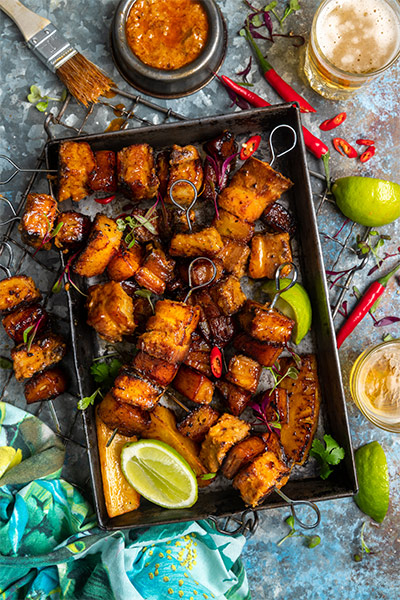
24 Best Horror Movies & Themed Treats for Halloween

Halloween wouldn’t be complete without a spine-tingling movie marathon, so we’ve hand-picked 24 horror films and paired each with a movie snack to make your night terrifyingly good. Whether you’re looking for chilling cinematography, cult classics, comedy horrors or something light-hearted for the whole family, we’ve got something for everyone.

A Quiet Place (2018)

best horror movies
Image credit (left): Amazon

John Krasinski’s directorial debut, A Quiet Place, introduces a world where silence is the key to survival. Krasinski’s skilful direction and the film’s tension-filled atmosphere make for a uniquely terrifying experience. While the film’s premise may seem simple, it is executed with precision, offering audiences a suspenseful and heart-pounding exploration of familial bonds and survival in a soundless world.

Movie treat: Peanut Butter Bourbon Hot Chocolate – the marshmallows melt in your mouth, but make sure to not sip loudly, or else…


Beetlejuice (1988)

Image credit (left): IMDb

Beetlejuice is a wickedly whimsical and irreverent ghost story. Michael Keaton’s exuberant and zany portrayal of a bio-exorcist is a standout, adding a manic energy to the afterlife. The film’s otherworldly visuals and quirky humour make it a darkly comedic joyride through the realm of the deceased – a testament to Tim Burton’s stunning storytelling.

Movie treat: Beetlejuice comes in threes, and so do these Amagwinya with Chocolate Crème & Cherries.


Bird Box (2018)

Image credit (left): TV Guide

Bird Box is a modern apocalyptic classic. A blindfolded Sandra Bullock tries to survive unseen terrors. The film’s use of sensory deprivation and a mother’s determination to protect her children against hidden horrors sets it apart.

Movie treat: These Strawberry Fold-over Pies are perfect for this epic watch.


Casper (1995)

Image credit (left): Movies Anywhere

Casper takes a gentler approach to the world of ghosts and ghouls, offering a heartwarming and family-friendly ghost story. Christina Ricci’s performance as Kat, a young girl who befriends the friendly ghost Casper, adds depth to the film’s emotional core. This iconic movie skilfully combines humour, adventure and supernatural elements, creating a film that reminds us that even the dearly departed can teach us about love and acceptance.

Movie treat: The Ultimate S’mores – a nostalgic snack for this classic family film.


Death Becomes Her (1992)

Image credit (left): Amazon

Meryl Streep and Goldie Hawn deliver captivating performances as rivals who discover a mysterious elixir granting them immortality. The comedically dark exploration of vanity and the price of eternal beauty is nothing short of amazing. A great watch for a Halloween movie night with the gals.

Movie treat: Sultry Liquid Chocolate & Whisky Sugar Cones – we think Meryl and Goldie would approve of this punchy potion.


Edward Scissorhands (1990)

best horror movies
Image credit (left): IMDb

Edward Scissorhands is a modern fairy tale that blends fantasy and horror in a visually captivating narrative. Johnny Depp’s portrayal of Edward, a young man with scissors for hands, is a poignant and empathetic performance. Tim Burton’s signature gothic and whimsical style is on full display as he explores themes of isolation, conformity and the beauty that can be found in the unconventional. Edward Scissorhands is a darkly romantic and bittersweet fable that transcends the boundaries of genre.

Movie treat: Take a stab at these Pork & Pineapple Snack Skewers.


Hereditary (2018)

Image credit (left): Rotten Tomatoes

Hereditary is a modern classic that delves deep into the heart of familial horror. Director, Ari Aster, blurs the lines between psychological horror and supernatural terror in this deeply unsettling tale. Toni Collette’s haunting performance as Annie, a mother grappling with her family’s dark legacy, is a standout – dark but brilliant. The disturbing scenes and layered story unravel in a way that stays with the audience long after the credits roll.

Movie treat: If you don’t have a nut allergy, we recommend trying these Nutty Chocolate & Tonka Bean Brownies.


Lemony Snicket’s A Series of Unfortunate Events (2004)

Image credit (left): Microsoft

Based on the popular book series, Lemony Snicket’s A Series of Unfortunate Events takes viewers on a darkly whimsical journey. When the Baudelaire children lose their parents, they try to find a trusted guardian – the only person standing in their way is Count Olaf. Jim Carrey puts on a delightfully villainous performance as the Count. Narrated by Jude Law, and featuring Meryl Streep, Jennifer Coolidge and Catherine O’ Hara, the quirky characters and unexpected twists make this an enjoyable watch for all family members.

Movie treat: These Lemonade Frosties, they’re almost as cold as Count Olaf’s soul – almost.


Midsommar (2019)

Image credit (left): The Grand Illusion Cinema

Midsommar offers a stark departure from traditional horror settings. Set against the backdrop of a sun-soaked Swedish commune, the film takes a unique approach to psychological horror. Florence Pugh delivers a captivating performance as Dani, who grapples with personal grief amidst the increasingly bizarre rituals of the community. Ari Aster’s meticulous cinematography and the film’s slow-burn build an eerie sense of dread under the unrelenting summer sun. Midsommar is a disturbing exploration of cult mentality and the fragility of the human psyche. Yet another masterpiece produced by A24.

Movie treat: Messy but pleasantly so, Eton Mess is just the treat for this striking movie.


Psycho (1960)

Image credit (left): Showcase Cinemas

Psycho is a masterclass in suspense and psychological horror. Anthony Perkins’ portrayal of the disturbed innkeeper, Norman Bates, is a standout in the realm of cinematic villains. Alfred Hitchcock’s meticulous direction, including the iconic shower scene, revolutionised the horror genre. This timeless classic lures viewers into a twisted labyrinth of deception and obsession.

Movie treat: Crime Scene Sugar Cookies – the snack of psychos and Norman Bates.


Rosemary’s Baby (1968)

Image credit (left): Amazon

Rosemary’s Baby is a genre-defining classic that explores the slow, psychological descent into madness. Mia Farrow delivers a haunting performance as Rosemary, a pregnant woman caught in a web of sinister conspiracy and dark forces. Directed by Roman Polanski, the film is a timeless masterpiece for horror movie fanatics.

Movie treat: Unlike Rosemary’s experience, this Whisky & Espresso Mousse Verrine won’t leave a bad taste in your mouth.


Scary Movie (2000)

Image credit (left): IMDb

A parody of horror classics, Scary Movie offers both laughs and jolts. The star-studded cast, featuring Anna Faris, Regina Hall and the Wayans brothers, brilliantly lampoon popular scary movie scenarios. This comedy-horror hybrid is a playful deconstruction of the genre, offering a humorous take on the tropes and clichés that have defined horror cinema.

Movie treat: Smoky Chilli Bacon Caramelised Nuts – a nutty snack to match this kooky cast.


Seven (1995)

best horror movies
Image credit (left): Amazon

Seven is a relentless exploration of the seven deadly sins, pushing the boundaries of horror by plunging into the depths of human darkness. In the film, Brad Pitt and Morgan Freeman play detectives assigned to a series of gruesome murders. David Fincher’s meticulous direction and the grimy cinematography create a nightmarish atmosphere that’s as disturbing as it is unforgettable. A gripping and gritty crime thriller.

Movie treat: If we could, we’d give Brad Pitt a box of these Red Velvet Petit Fours instead.


Sweeney Todd: The Demon Barber of Fleet Street (2007)

Image credit (left): IMDb

Sweeney Todd is a chilling exploration of the consequences of obsession and the blurred line between justice and madness. Johnny Depp takes a dark turn in his performance as the vengeful Sweeney Todd, while Helena Bonham Carter (his accomplice) brings a macabre tale of revenge to life. Burton’s trademark gothic visuals and a hauntingly melodic score make this film a symphony of horror and tragedy.

Movie treat: No spoilers – we’ll just leave the recipe for these Classic Pork Pies right here.


The Addams Family (1991)

Image credit (left): IMDb

The Addams Family offers a weirdly wonderful journey into the lives of the eccentric Addams clan. Raul Julia and Anjelica Huston’s charismatic performances as Gomez and Morticia Addams are the heart of the film – possibly one of the greatest love stories in spooky history. The Addams Family is a delightful exploration of what it means to be different in a world of conformity – a great watch for kids and parents alike.

Movie treat: Green Eggs & Ham: Devilled Eggs – an unlikely yet unexpectedly good snack, much like this classic movie.
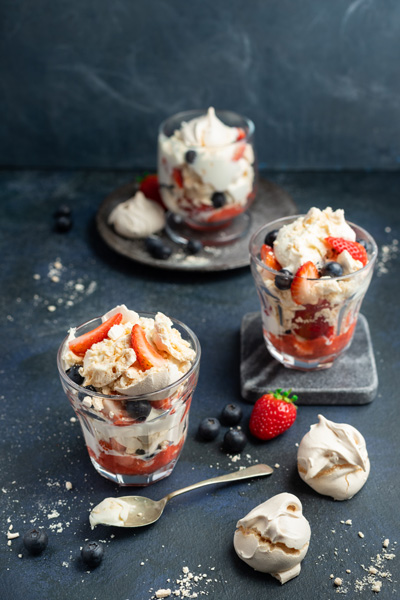

The Craft (1996)

Image credit (left): Walmart

Four high school witches seek ultimate power, but the consequences are far from magical. Young Robin Tunney’s complex portrayal adds depth to this supernatural drama. The Craft explores the dangerous allure of power and the darkness that can consume even the most seemingly innocent intentions. Tunney’s character, Sarah, becomes a focal point in this tale of friendship, witchcraft, and the consequences of tampering with the supernatural. A classic for horror movie enthusiasts.


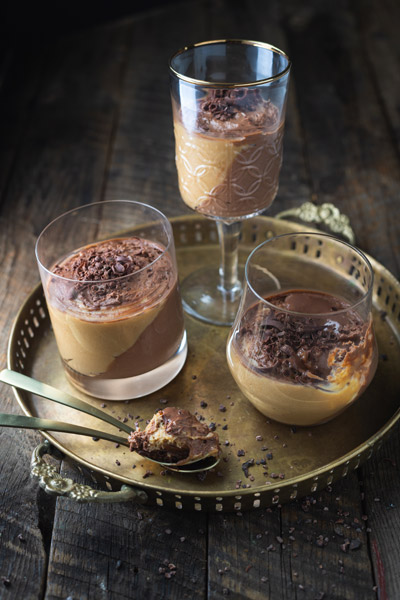
Movie treat: Salted Caramel Popcorn – a decidedly good snack for this teen horror movie.


The Phantom of the Opera (2004)

Image credit (left): Movies Anywhere

The Phantom of the Opera is a great blend of melodrama and Gothic horror. Joel Schumacher’s adaptation of Andrew Lloyd Webber’s iconic musical brings this tragic love story to life on the big screen. Gerard Butler’s portrayal of the disfigured and tormented Phantom is a highlight, and Emmy Rossum shines as the young opera singer, Christine. The operatic grandeur enhances the story’s romantic and eerie qualities.

Movie treat: Bleeding Heart Tarts because this film will definitely tug at your strings.


The Ring (2002)

Image credit (left): Amazon

This tale involves a cursed videotape, which releases a vengeful spirit into the lives of those who dare watch it. With a haunting scene that has etched itself into the annals of horror history and Naomi Watts’ brilliant portrayal, The Ring sets a chilling benchmark for supernatural horror.

Movie treat: These tasty rings of Vanilla Glazed Mini Cronuts.


The Shining (1980)

best horror movies
Image credit (left): Viaplay

Stanley Kubrick’s The Shining is a cult classic. Jack Nicholson’s unforgettable portrayal of the increasingly unhinged Jack Torrance, a writer who becomes the winter caretaker of the isolated Overlook Hotel, is a tour de force in terror. Kubrick’s meticulous attention to detail, eerie cinematography and use of suspense create an atmosphere of dread that has left an indelible mark on the genre.

Movie treat:Bloodied Hallowine Cocktail for this chilling classic horror.


The Silence of the Lambs (1991)

Image credit (left): Ozgur CAPCI via Behance

The Silence of the Lambs is an intense psychological thriller that delves into the complex relationship between an investigator and a ‘monster.’ Anthony Hopkins delivers a career-defining performance as Dr. Hannibal Lecter, a psychiatrist and cannibal. Jodie Foster’s portrayal of Clarice Starling, a determined FBI trainee, is equally exceptional. The film’s tension-filled atmosphere makes for a haunting exploration of the pursuit of a serial killer.

Movie treat: A Light Lunch Platter with liver pâté and cold meats, because you’ll want to watch this one during the daytime with the blinds open.


The Witch (2015)

Image credit (left): Andrew-Swainson

The Witch (stylized as The VVitch) is a haunting period piece set in 1630s New England. Anya Taylor-Joy’s performance as the young Puritan girl, Thomasin, is captivating as her family grapples with supernatural forces in the wilderness. Robert Eggers’ attention to historical detail and the masterful use of natural lighting create an atmosphere of unease that perfectly complements the film’s slow-burning horror. The Witch is a harrowing journey into superstition and paranoia, with a conclusion that leaves a lasting, unsettling impression.

Movie treat: Homemade Pork & Leek Pies – a classic English snack for this folk horror film.


Us (2019)

best horror movies
Image credit (left): IMDb

In Jordan Peele’s Us, doppelgangers take centre stage, delving into themes of identity and privilege. Lupita Nyong’o is mesmerising as usual; she plays both the tormented Adelaide and her sinister counterpart, Red. The film is a thought-provoking exploration of the shadows within ourselves, skilfully blended with elements of home invasion horror. Peele’s signature social commentary and masterful storytelling make Us a chilling addition to modern horror.

Movie treat: Balsamic Toffee Beets – a bloody good take on candied apples.


Velvet Buzzsaw (2019)

best horror movies
Image credit (left): Newsline

The satirical horror film, Velvet Buzzsaw, dives into the dark underbelly of the art world. Jake Gyllenhaal’s performance and the film’s surreal visuals deliver a unique kind of fright. The film explores the intersection of art and commerce, while infusing elements of the supernatural. Gyllenhaal’s portrayal of the eccentric art critic Morf Vandewalt adds a layer of complexity to the film’s commentary on the shallowness of the art industry.

Movie treat: Sip on this Devilishly Good Red Velvet Hot Chocolate with Cream Cheese Topping as you watch this film.


Zombieland: Double Tap (2019)

best horror movies
Image credit (left): Sony Pictures United Kingdom

In Zombieland: Double Tap, the undead apocalypse gets a humorous makeover. The ensemble cast, including Jesse Eisenberg and Woody Harrelson, returns with even more quirky characters and hilarious zombie encounters. The film’s dark comedy and over-the-top action scenes are a delightful addition to the zombie genre. Zombieland: Double Tap offers a blood-soaked, post-apocalyptic adventure that manages to keep the laughs coming.

Movie treat: They’re not Twinkies, but we think Tallahassee (Woody Harrelson’s character) would go to great lengths to have these Doughnuts with Coffee Crème Pâtissèrie.

Want more? Try these movie snacks. For more food news and tips, follow us on Instagram.