Springbokkies to Witblits – 7 Unique South African Drinks

When it comes to enjoying a good drink, South Africans know how to do it right. From classic combos like Brandy & Coke and Springbokkies to traditional spirits like Mampoer and Witblits, we explore unique South African drinks.

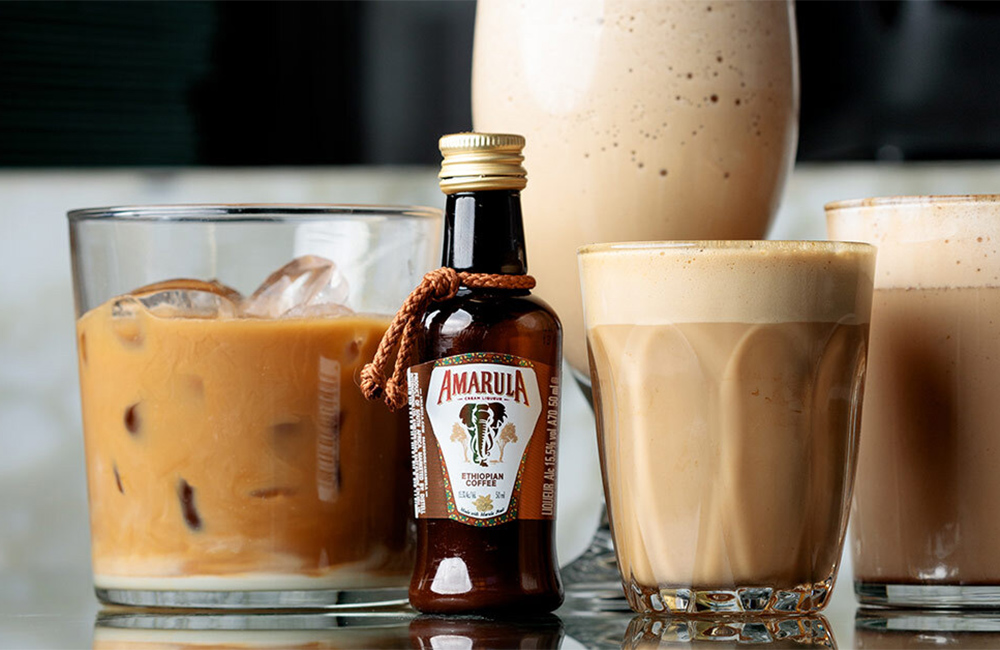
Amarula

Image credit: Brand supplied

No exploration of South African liquor would be complete without a nod to Amarula.

We recommend having it with a bit of vanilla ice cream.

This creamy liqueur is made from the exotic marula fruit and has earned a global reputation for its rich, velvety taste. With hints of caramel, vanilla, and the essence of the marula fruit, Amarula is a true taste of South Africa. It’s delightful on the rocks, or served in coffee, but if you really want to be indulgent, we recommend having it with a bit of vanilla ice cream.


Brandy & Coke

Ah, Brandy & Coke. This beloved combination of smooth, amber-coloured brandy and fizzy Cola has been a go-to drink for South Africans for decades. It’s a simple yet perfect marriage of flavours, often enjoyed at braais and bars across the nation. Having a number of brandy-producing regions and a nation of Coca-Cola drinkers, it makes sense.

In the early 20th century, KWV played a major role in shaping the South African brandy industry.

Brandy production in South Africa began around the late 17th century, with the establishment of vineyards and distilleries by European settlers. The Cape Winelands region, known for its fertile soil and Mediterranean climate, became the heart of South African brandy production. In the early 20th century, the Koöperatieve Wijnbouwers Vereniging van Zuid-Afrika (KWV), played a major role in shaping the South African brandy industry. KWV implemented quality control measures that helped elevate the standard of local brandy. They also established the basis for the use of the term ‘pot still brandy.’

Read all about the history of KWV.


Mampoer

Mampoer has a high alcohol content, sometimes reaching up to 80 percent! The term ‘mampoer’ is believed to be derived from the word ‘maagpyn’, meaning ‘stomach pain’ – a testament to its potency. ​​What sets Mampoer apart is its production process; it’s made in small batches and is known for its raw and unrefined character. The use of pot stills, which are less efficient than modern continuous stills, is a key feature of Mampoer production.

The term ‘mampoer’ is believed to be derived from the word ‘maagpyn’, meaning ‘stomach pain’ – a testament to its potency. ​​

This fiery liquid is traditionally made by fermenting and distilling various fruits – peaches being a popular choice; other fruits like apricots, plums and figs can also be used. Many locals view Mampoer as a symbol of their cultural heritage. In recent years, the South African government has implemented regulations to control the production and sale of Mampoer, primarily for safety and quality control reasons. This includes setting limits on its alcohol content to ensure it is not excessively potent.


Springbokkies

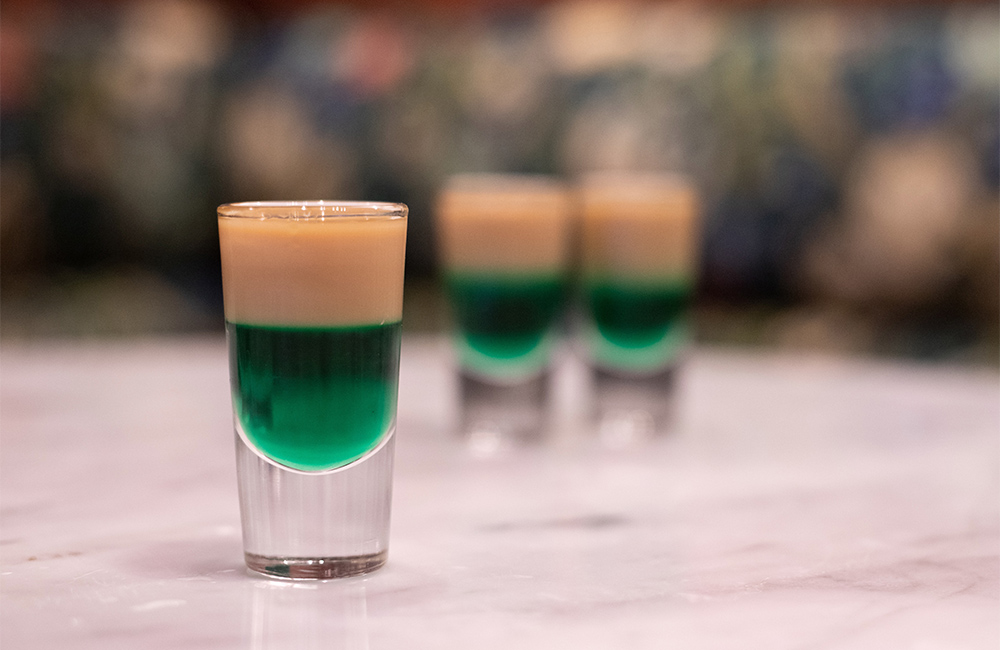
When South Africans are feeling patriotic, they turn to Springbokkies. This layered drink consists of equal parts crème de menthe or peppermint liqueur and Amarula cream liqueur. Downed in a single gulp, it’s sure to put some spring in your step.

The shot’s green layer represents the Springboks’ jersey, while the creamy layer symbolises unity…

It’s believed that Springbokkies were invented during the 1995 Rugby World Cup, which South Africa hosted and won. The shot’s green layer represents the Springboks’ jersey, while the creamy layer symbolises unity, as Amarula is made from the marula fruit, also known as the ‘marriage fruit’. Needless to say, this spirited shot is a favourite amongst rugby fans. Here’s to downing loads more. Go Bokke!


Tant’ Sannie se Melktert

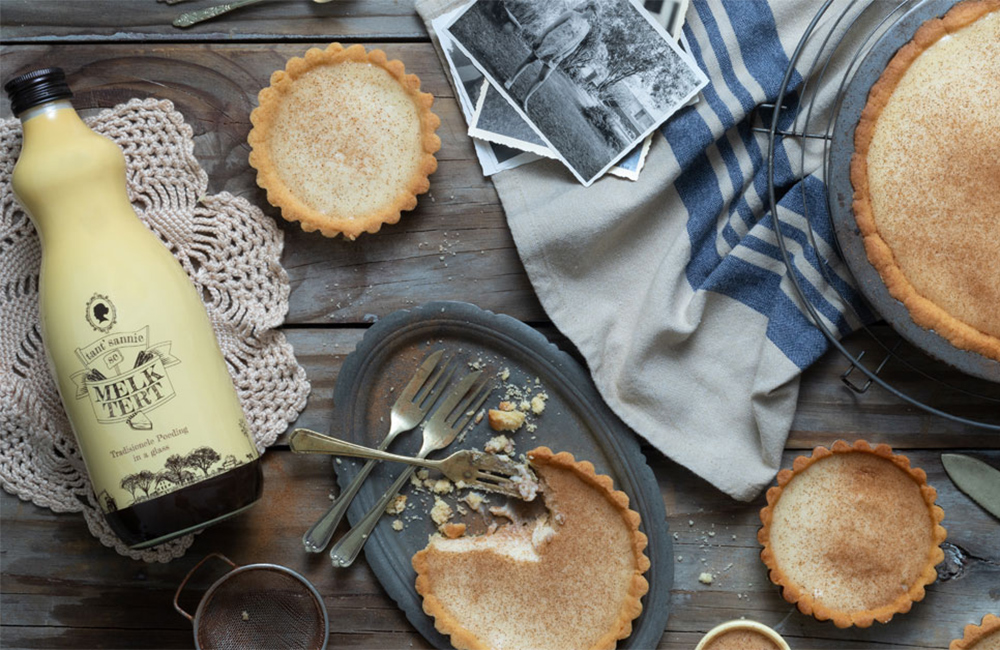
Milk Tart or ‘Melktert’ is arguably the quintessential South African dessert. The comforting flavours of warm cinnamon spice and the creamy, velvety texture is undeniably delicious – so much so, that Tant’ Sannie has bottled it for all to taste.

This drink has been distilled to perfection and filled with everything you love about Milk Tart.

Tant’ Sannie se Melktert is a cream liqueur infused with the flavours of Milk Tart – meaning you have your dessert and drink it too! This drink has been distilled to perfection and filled with everything you love about Milk Tart. A classic blend of nostalgic flavours, it’s ideal for sharing with friends and family on any occasion, or infused into beverages and desserts.


Umqombothi

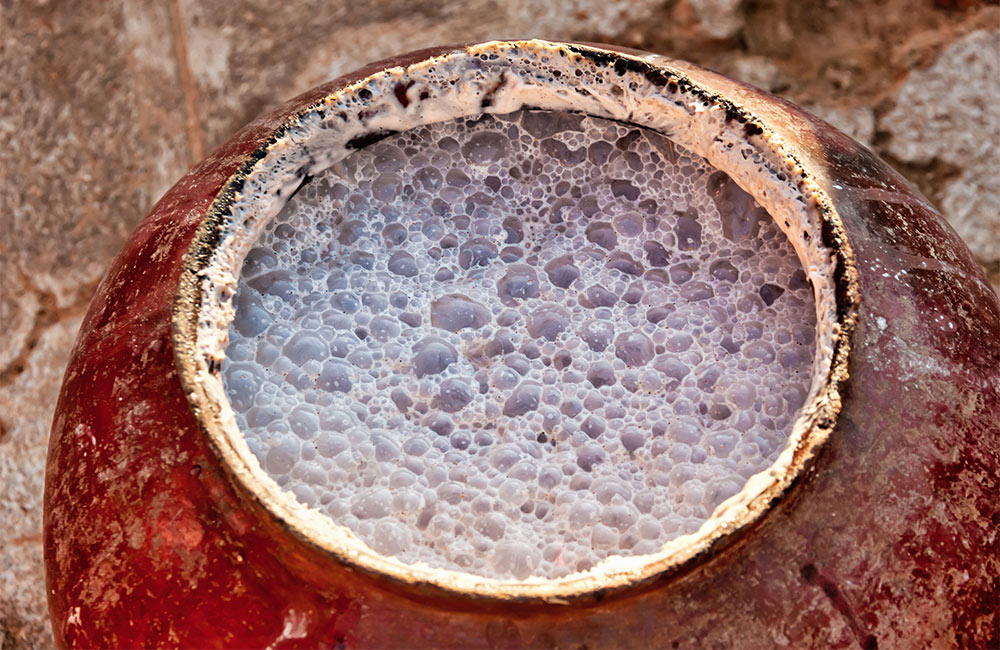
Umqombothi holds a special place in the hearts and homes of locals, especially among the Zulu and Xhosa communities. It is primarily made from indigenous African grains like maize, sorghum or millet; the grains are soaked in water, allowing the starches to convert into sugars. They are then dried and ground into a coarse powder, forming the basis of the beer. The ground grains are mixed with water and left to ferment naturally.

Umqombothi is commonly consumed during milestone events such as weddings, funerals and coming-of-age ceremonies (umgidis).

This traditional drink is often enjoyed communally and served in a shared container or calabash. Umqombothi is commonly consumed during milestone events such as weddings, funerals and coming-of-age ceremonies (umgidis). Many South Africans view umqombothi as a cultural symbol and a connection to their ancestors who first fermented it centuries ago.


Witblits

Witblits, or ‘white lightning’ is a colourless liquor known for its formidable strength. It’s also sometimes called ‘firewater’ due to its high alcohol content, which typically exceeds 60% alcohol by volume. Witblits embodies the rugged spirit of the Karoo; it was often used for medicinal purposes, as well as for celebrating special occasions and social gatherings.

Traditionally, witblits was produced in small, homemade stills, contributing to its reputation for being a ‘backyard’ spirit.

This local drink is typically made from grapes, similar to brandy – but unlike brandy, which is aged in wooden barrels, witblits is distilled to be as pure and unadulterated as possible, resulting in a high-proof spirit. Traditionally, witblits was produced in small, homemade stills, contributing to its reputation for being a ‘backyard’ spirit. This artisanal approach allowed for variations in flavour and strength, making each batch somewhat unique.

Want more? Get to know these alcohol spirits

Chef Vicky Gurovich Elevates Afternoon Tea At Mount Nelson, A Belmond Hotel

Afternoon Tea has always been a celebrated occasion at Mount Nelson, A Belmond Hotel, ever since it was introduced as a dining experience at The Nellie in November 1989. But with the welcome return of executive sous chef, Vicky Gurovich, it has reached a new level of indulgence. Back at the helm of the hotel’s pastry department after an eight-year hiatus, Vicky is on a mission to elevate The Nellie’s legendary afternoon tea to new heights.

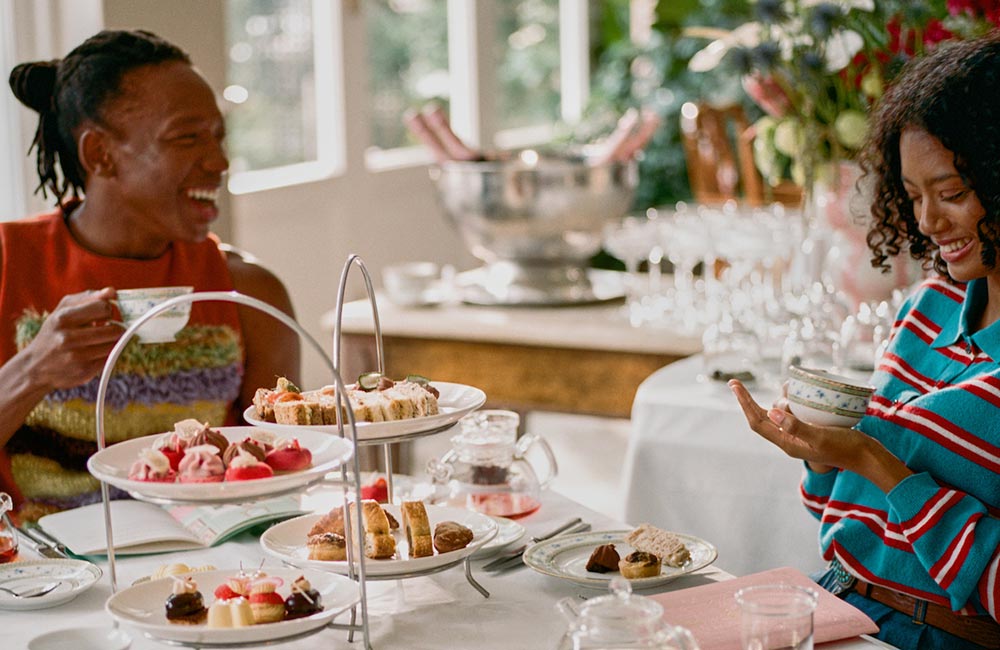
Guests will be drawn to Vicky’s afternoon tea spread in the lounge including seasonal cakes, fluffy scones and surprises.

A Sweet Experience

Vicky was the pastry chef at Mount Nelson from 2009 until 2014. She left the hotel to be part of the opening team at The Westcliff Four Seasons in Johannesburg, a period she describes as “extremely exciting and a huge learning curve.” Later, she completed a stint at the acclaimed Pierneef at La Motte restaurant in Franschhoek before moving to New Zealand for seven years.

Chef Vicky decided to return to the beautiful Cape and the iconic Mount Nelson in late 2022, just in time to prepare a light and vibrant afternoon tea menu for the summer.

Since her remarkable return, chef Vicky has collaborated with South Africa’s first expert-trained tea sommelier, Craig Cupido, to punch up the flavour quotient in the sweet offerings of the hotel’s Afternoon Tea. Courtesy of these culinarians, the time-honoured tradition of Afternoon Tea at The Nellie presents a curated menu with delicacies from the tea service and a perfectly matched global tea pairing.


Afternoon Tea Treats

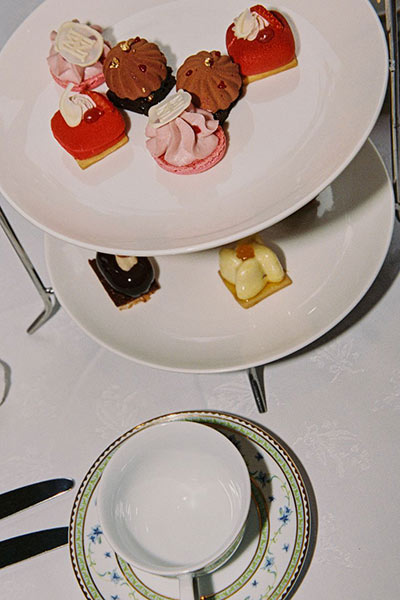
Layers of flavours make artfully crafted pastries into temptation itself. Arrayed on elegant, tiered stands, the melt-in-mouth sweet surprises include naartjie and chocolate tart, coffee mascarpone, pecan nut delice, and roasted strawberry mousseline choux.

Connoisseurs can choose from over 60 premium loose-leaf and flowering teas, as well as local infusions…

Guests will be drawn to Vicky’s afternoon tea spread in the lounge including seasonal cakes, fluffy scones and surprises. Those with a savoury tooth will still find comforting classics like Farmer Angus free-range egg mayonnaise on whole wheat bread, along with newcomers such as Karoo rare roasted beef, pickled mustard seeds, aioli, Meuse farm cucumber, rocket, puff pastry, and prawn cocktail with mango and coriander on brioche.

As for the tea itself, connoisseurs can choose from over 60 premium loose-leaf and flowering teas, as well as local infusions such as buchu, rooibos, and honeybush. Can’t decide? Opt for the signature Mount Nelson Tea. This sublime blend of Darjeeling, Kenya, Assam, Keemun, Yunnan, and Ceylon, has a unique added ingredient: pink rose petals, which give the tea a blush colour that complements the hotel’s iconic pink walls.

Coffee lovers are also superbly catered for. The barista, coupled with a fancy San Remo Racer coffee machine, guarantees an impeccable brew from the finest single-origin beans that have been sustainably sourced from Ethiopia and Rwanda. Fancy something stronger? Don’t forget to ask about the menu offering premium whiskies, cognacs, and liqueurs.

For more information, visit the website and follow Belmond and Mount Nelson on socials.

belmond.com | Instagram

South African Heritage Dessert Origins

Desserts are a big part of South African culture – we are definitely the nation of sweet tooths and rich food. I mean, what else would we be eating after a lovely Sunday lunch with the family? There are dishes that trigger happy childhood memories, and for us, South Africans, it could be any one of these traditional and classic desserts unique to our beautiful country. But have you wondered how these puddings came about? Grab a spoon and get to know the origins of some of our favourite South African desserts.

MALVA PUDDING

South African Desserts

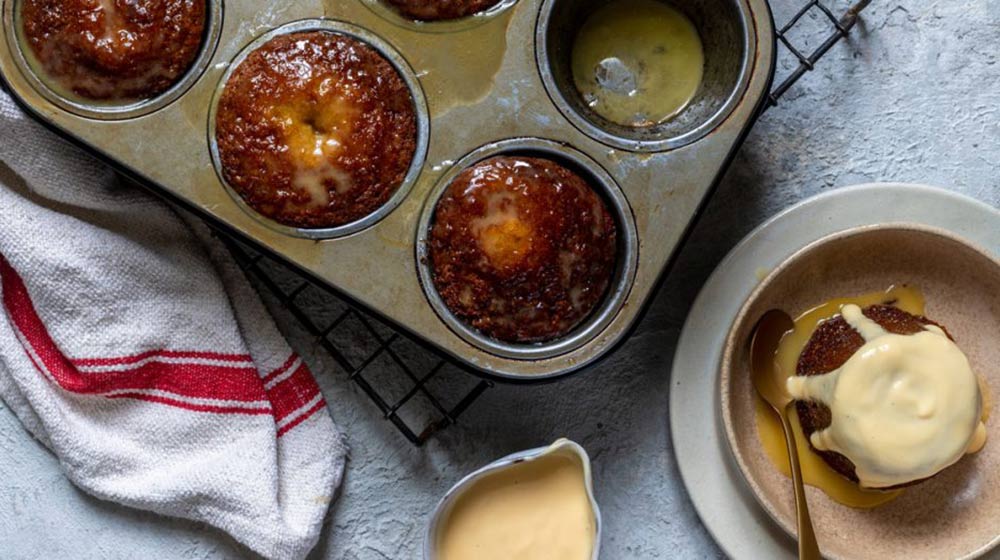
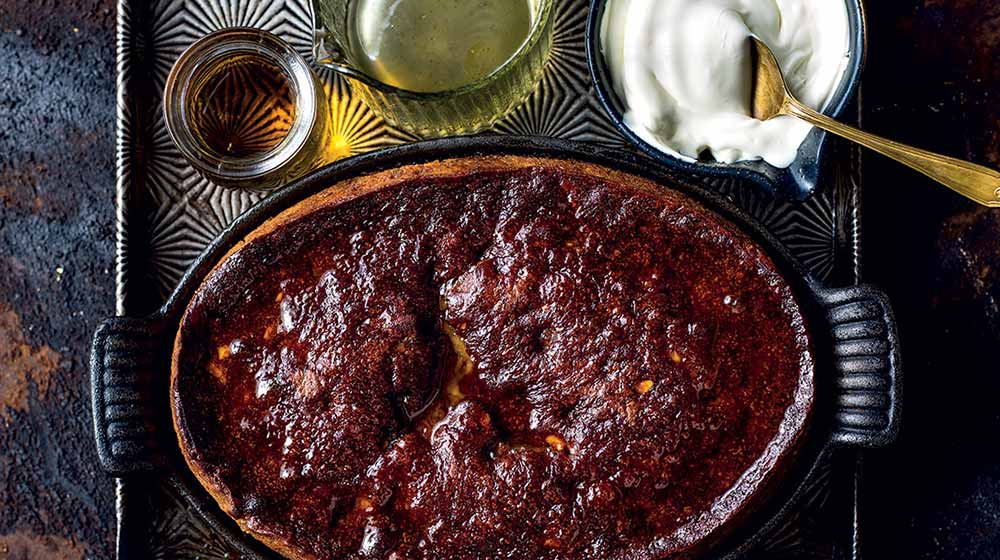
Malva Pudding — it’s rich, fluffy, warm, indulgent and just delicious! This spongy pudding is sweetened with apricot preserve and leavened with baking soda and vinegar. But, what makes this dessert that more delicious is the custard it’s drenched in just before serving.

This dessert has deep roots, with families having passed down their traditional recipes through the generations. That said, malva isn’t as old as you might think… there was a similar kind of pudding with the same name around 1924. The only difference is that it was boiled and not baked. It also lacked the addition of apricot jam that’s found in malva.

The earliest record of this version of malva pudding can be traced to 1978. Food writer and ex-PR Manager at Boschendal Wine Estate, Michael Olivier, once asked his friend, Maggie Pepler, to step in for the head chef. Pepler prepared her malva pudding, and it was such a hit with patrons that the dessert adorned their menu for 34 years! Today, the sticky treat remains popular and can be found at grocery stores, as well as local (and even some American) restaurants.

Recipe for Mini Malva Puddings


AMAGWINYA (VETKOEK)

amagwinya recipe

Whether you call it ‘amagwinya’ or ‘vetkoek,’ this leavened and deep-fried dough is downright delicious! The isiXhosa and Afrikaans nomenclature both translate to ‘fat cake.’ Amagwinya is believed to have Dutch roots and is similar to the Dutch Oliebollen, which was eventually brought to South Africa through slaves and traders.

You can normally buy it from vendors, it’s also great as padkos, but you will likely find that the best vetkoek is the homemade kind. The key to great vetkoek is a golden-brown crisp exterior, with a fluffy and deliciously warm inside. It should also be light yet firm enough to hold filling, and when pressed it should spring back to its original shape.

This treat is traditionally filled with savoury ingredients such as curried mince, polony, cheese, and just about anything, depending on what you like. Amagwinya also doubles up as a sweet treat, and is normally filled with peanut butter, syrup, strawberry or apricot jam.

Try our dessert take: Amagwinya with Chocolate Crème Pâtissière & Cherries.


MILK TART

South African desserts

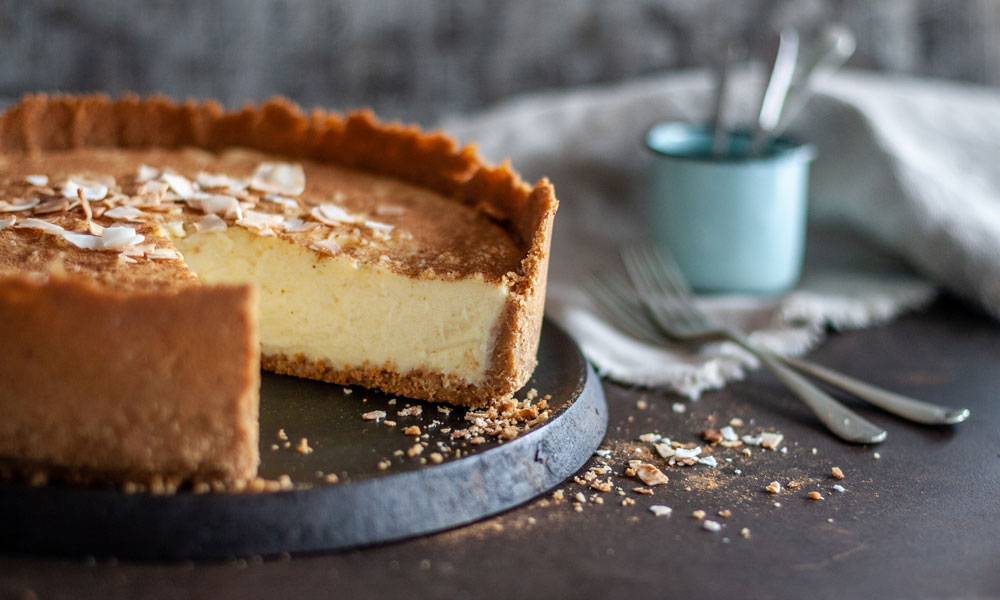
When you think ‘local desserts,’ none seem quintessentially more South African than the humble Milk Tart. The flavour has become so synonymous with South African culture, and you’ll struggle to find a South African who doesn’t love it!

Melktert (Milk Tart) is said to have originated from the Dutch-settlers who arrived in Cape Town in the 1600s. The milky filling is a giveaway, as these settlers were dairy farmers, and to those pioneers, we are forever grateful!

There are lots of variations of Milk Tart, but our top honours go to the fridge version – a smooth, creamy milk custard set in a crumbly biscuit base. It has just the right amount of ‘jiggle’ and a whisper of cinnamon on top. It’s perfection and that’s all there is to it. Try our Deep Dish Condensed Milk Tart for double the deliciousness!

Curious about this dessert? Read more about the Origins of Milk Tart.


PEPPERMINT CRISP TART

South African desserts

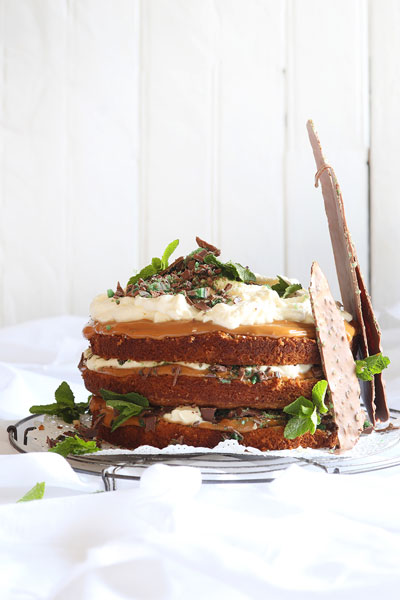
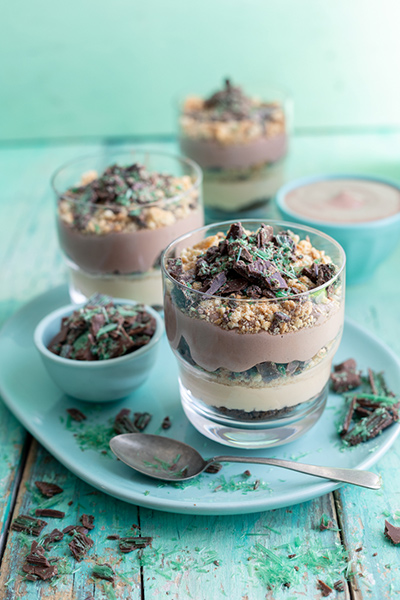
To understand the origins of this local fave, we first need to look at where the famous Peppermint Crisp chocolate bar (used in this this dessert) was created. What makes this truly South African is that the iconic chocolate was invented here! Wilson Rowntree originally created it in the 1960s, however, it is now produced by Nestlé.

What is even more amazing is how people got creative with it and made the most mouth-watering ‘local is lekker’ dessert. The classic Peppermint Crisp tart is a dessert just about every South African would have had. The recipe is basic and all you need to make it is Tennis Biscuits, tinned caramel, heavy cream and, of course, Peppermint Crisp chocolate. If it sounds heart-stoppingly sweet, that’s because it is. But, this dessert remains a popular minty choice, nonetheless. Here’s hoping the Peppermint Crisp chocolate never meets its ending, like the discontinued Chocolate Log — it would cause a national outcry!

Don’t quite like tart? Try our Peppermint Crisp Cake or Peppermint Crisp Cups.


KOEKSISTERS & KOE’SISTERS

South African desserts

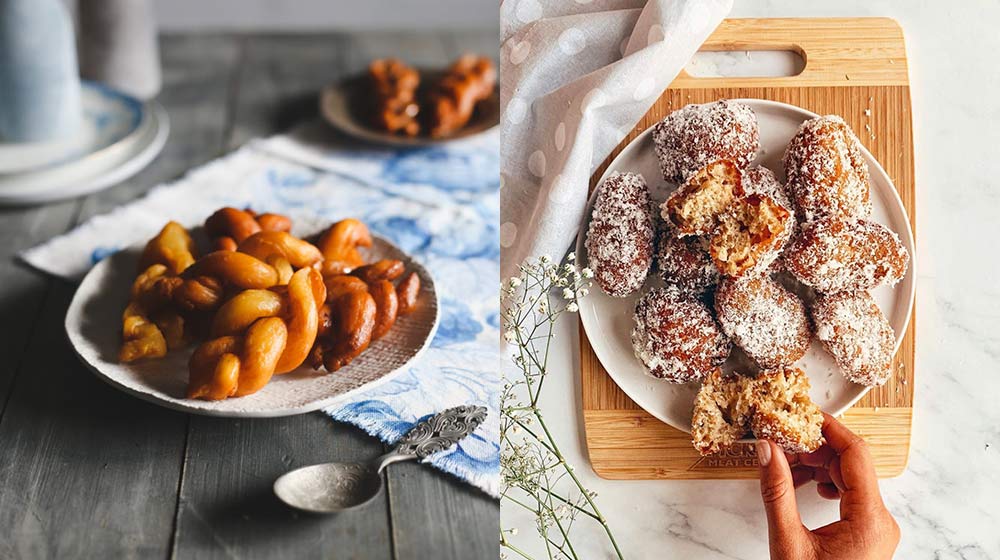
Afrikaans koeksisters (pictured left) | *Cape Malay koe’sisters (pictured right) *Image source: heytheredelicious.com

South Africa has two types of this dessert – the Afrikaans version (koeksister) and the Cape Malay version (koe’sister) – both are equally delicious.

Every South African knows what a koeksister is and the best way to have it — with a cup of coffee, on a beautiful Sunday morning. It’s the ultimate heavenly treat! From the syrup to the crisp exterior to the comfortingly doughy interior, this braided treat really does make the perfect bite. The Afrikaans koeksister has quite an interesting past. Interestingly, two recipes were brought to the Cape by Dutch settlers. One was for a fried doughnut-like treat and the other was for a thin bowtie-like dessert made out of pasta dough. Some genius thought to combine the two recipes and began braiding the dough instead of leaving it in a little ball. The process is quite tricky and takes a lot of practice to get the perfect koeksister. Luckily, those less-than-perfect ones taste great too. Try our Traditional Koeksisters.

As for the Cape Malay version, it is exceptionally popular and a long-standing tradition to share koe’sisters among family, for breakfast. Koe’sisters originate from communities in areas like Bo-Kaap and District Six (long before Apartheid), but even today, the tradition lives on.

Koe’sisters are prepared from balls of yeast-leavened dough and spiced with cinnamon, aniseed, ginger, cardamom and dried orange or naartjie zest. The dough balls are deep-fried in oil, allowed to cool then dipped in homemade syrup and rolled in desiccated coconut. These flavours are reminiscent of Indonesian roots, likely from slaves brought to the Cape.

For many South Africans, koe’sisters are a deeply rooted part of food culture. They are not just a breakfast treat, but are a staple at most events. You will find these delectable doughnuts at funerals, religious ceremonies and even parties. It is an ideal treat that brings everyone together. World Koe’sister Day, which was first celebrated Sunday, 1 September 2019, is now commemorated annually on the first Sunday of September. Chef Naseer Abdullah, once said this about koe’sisters — “Whether you make them for others or enjoy them for yourself, it is a dish that will carry on for generations,” and we couldn’t agree more!


HERTZOGGIES

Another classic South African dessert is the hertzoggie. It’s always a favourite, from bake sale tables to church bazaars. To prepare one of these indulgences, start with an open top pastry base and fill with apricot jam. It should then be topped with desiccated or grated coconut meringue topping and baked.

Another fascinating tidbit: the Hertzoggie came about after Prime Minister, J.B.M Hertzog, promised to give women voting power and the coloured community equal rights. So, Cape Malay women created this treat in his honour. After a couple of years, the Women’s Enfranchisement Act of 1930 made it clear that only the first of these promises would be fulfilled. The women once again took to their ovens and created a new version of the tartlet. But, this version had brown and pink icing and decided they would call it ‘tweegevrietjie’ or ‘two-faced cake.’ Moral of the story: never double cross South African women!


BOEBER

Making boeber is a Cape Malay tradition usually reserved for the 15th night of Ramadaan, which indicates the middle of the fast. Boeber is a rich, creamy and milky drink. This delicious dessert contains vermicelli, sago, cardamom, cinnamon and has Indonesian ties. But, wherever it came from, Cape Town has clearly adopted it as their own. Boeber is eaten all over the world and there are various versions. However you like it, make it your own! Try adding some rose water, almonds or pistachios.

What is also great about this delicacy is that it is uniquely made from family to family. If you don’t have a family recipe, but want to give it a try, there are boeber mixes available in certain supermarkets and spice shops all over South Africa. Either way, boeber should definitely be on your list of South African desserts to enjoy!

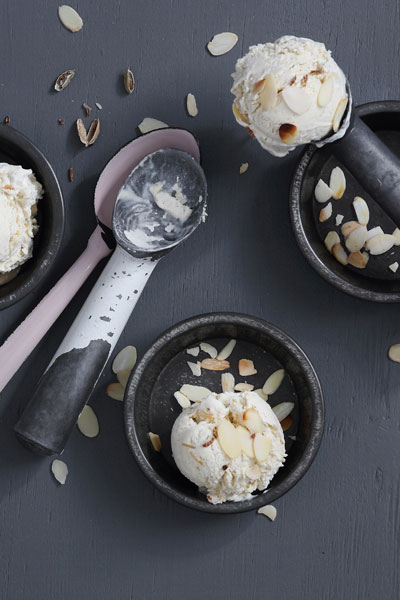
Love frozen desserts? Try this Toasted Almond Boeber Ice Cream.


CAPE BRANDY PUDDING (TIPSY TART)

It might be a traditional dish for Christmas time, but who can resist a serving of Cape Brandy Pudding any time of the year? To not enjoy this rich, heartwarming dessert simply because it’s not Christmas, would be a crime! Cape Brandy Pudding is also known as ‘Tipsy Tart’ or ‘dadelpoeding’ (date pudding). Whatever you call it, it’s sticky, sweet and delish.

The heritage of this desert is intrinsically linked to brandy production in the Cape, which is big business. So much so, that for many years, most of the Chenin Blanc grapes planted were reserved for brandy production. The dessert is sort of similar to malva; the major difference being the addition of dates, nuts and, of course, brandy. It’s so simple to make and you can enjoy it with whipped cream, ice cream or custard. Contrary to what the name suggests, the tart won’t make you tipsy. You’ll need an extra shot, or even two, on the side for that!

For a taste of Christmas, try our Traditional Christmas Pudding with Drunk Cherries & Brandy Butter Sauce.


CREMORA TART

In the 1980s, there was a classic TV ad featuring Cremora – a powered, non-dairy coffee creamer.  After the advert was released, this successful dairy substitute was transformed into a household brand, and before long, a new fridge tart was born. It might not seem like the best dessert ingredient, but many will surrender to the simple pleasures of Cremora Tart upon their first bite.

The classic version is quick, easy and will satisfy your sweet tooth; if fridge tart and cheesecake had a love child, it’d be Cremora tart. All you need is a biscuit base, Cremora, water, condensed milk and lemon juice. Many have made Cremora Tart their own and have taken it to the next level, and you wouldn’t even know that Cremora was used. You’ll want to give this one a try, you won’t regret it!


MELKKOS

‘Melkkos,’ which translates to ‘milk food,’ is a South African dessert that you may remember from childhood spent in your grandma’s kitchen. The main ingredient is milk and you just need to add some flour and butter. To make it even better, sprinkle with a bit of cinnamon sugar on top! It can be enjoyed all year round, but it is best enjoyed during winter, as it warms you right up.

Check out our list of South African food pantry classics.

The Quintessential South African Food Pantry

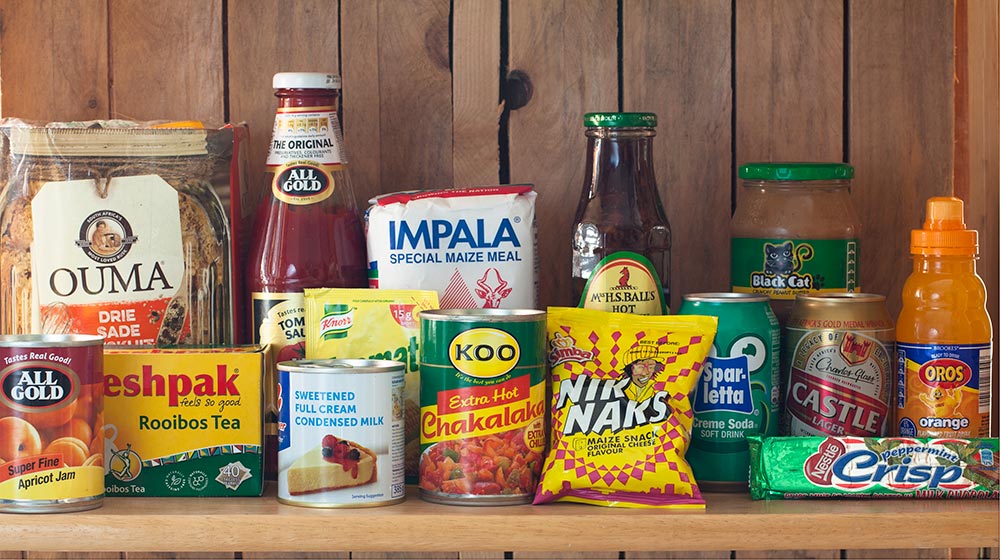
With Heritage Day around the corner, what better time to celebrate all things South African? As a diverse nation, we all have unique tastes, but the one thing that we can agree on is what our quintessential South African food pantry items are. We look at some of the most iconic South African food brands and items that should be in your kitchen cupboard.

South african food Pantry

South African Food We Love

Some food items we can’t do without…

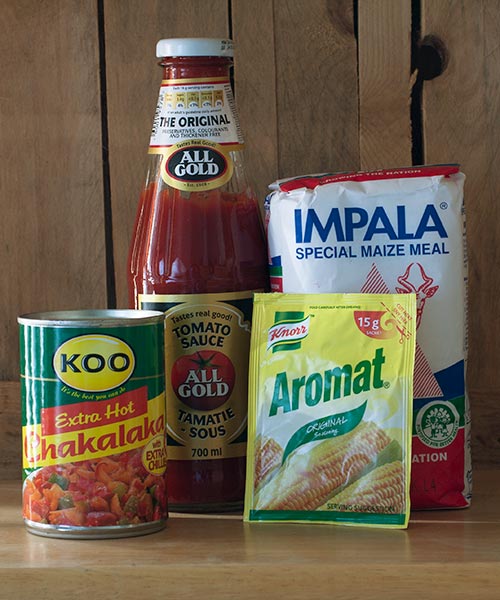
All Gold Tomato Sauce

Made with 36 tomatoes and an unlimited amount of love, All Gold will always have a spot on our shelf.

Mrs Balls Chutney

Whether you like it spicy, peachy or classic, there’s nothing that reminds us of the taste of home like old Mrs B’s blatjang.

Mielie Pap

The finely ground maize meal works hard as both a sweet and savoury dish. What would breakfast or braai be without it?

Chakalaka

While we’re on the subject of pap, you simply can’t have it without chakalaka. The fiery relish is a necessity on top of pap.

Peri Peri Sauce

Some people make theirs, some buy it ready-made. No matter how you get your fix, peri-peri sauce is right up there with tomato sauce in the pantry-staple department.

Aromat

Good for you? Debatable. Delicious? Absolutely! We’ve upgraded from simply sprinkling the ‘general purpose’ seasoning over eggs to using it as popcorn flavouring. Don’t tell mom.

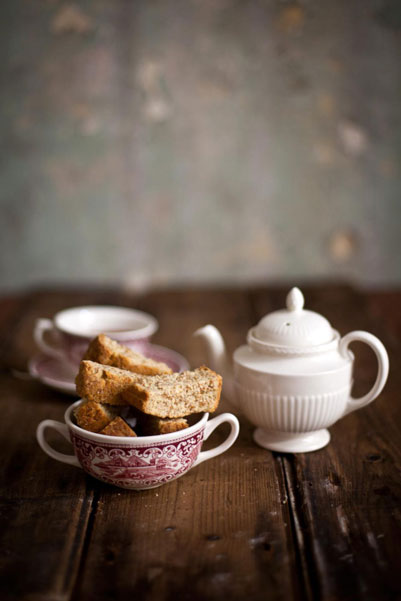
Ouma Rusks

If you had a cup of coffee and didn’t ‘dip ‘n Ouma,’ did that coffee even happen?

South African food pantry - Rusks
South African food Pantry Buttermilk & Bran Rusks Recipe

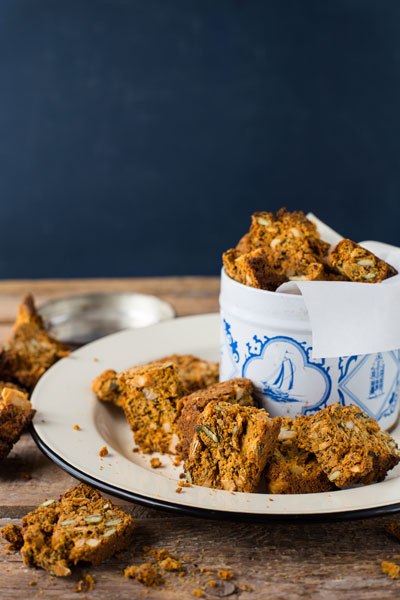
Try our LCHF Pumpkin Seed & Nut Rusks recipe or this Buttermilk and Bran Rusk recipe.

Fig Konfyt

We’re quite serious about our cheese, and serious cheese calls for serious accoutrements, where only fig konfyt will do.

Brandy

No introduction needed. We’re all partial to a Brandy & Coke, even if we’ll never admit it.

Ultra Mel Custard

It’s like they boxed up the flavour of childhood happiness.

Koo Apricot Jam

This tastes so good, even grannies all over the country passed this off as their own.

Biltong

Probably the quintessential South African food, if ever there was one. A household staple — we’ve even known the odd vegetarian to gnaw on a snapstick.

Condensed Milk

What else would South Africans use to over-sweeten their coffee?


It’s also the perfect addition to these Moerkoffie Cookies.

Rooibos Tea

If ever there was a national treasure, this would be it! While it is, of course, a drink, our list of South African pantry staples would not be complete without it. Not only is it delicious, it has remarkable health benefits too.

Maltabella

The hearty, creamy porridge-like mixture is what powered most school children through until lunchtime.

South African food Pantry

Black Cat Peanut Butter

What else would you put on your witbrood sarmie?

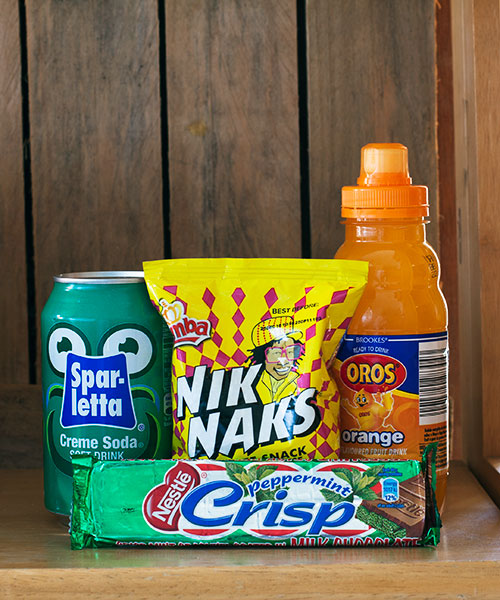
Peppermint Crisp

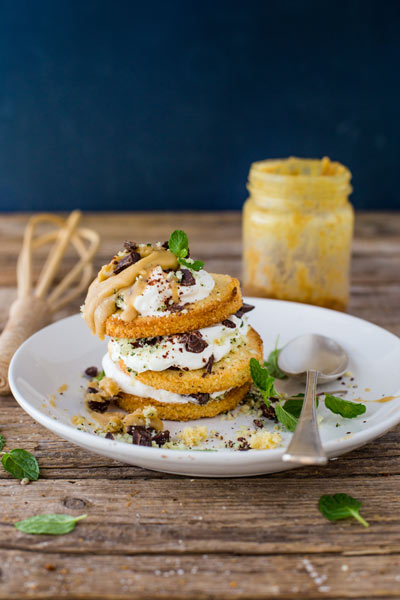
Potentially the single most important chocolate for South Africans, and forms part of an iconic dessert – the classic Peppermint Crisp tart.

South African food Pantry Peppermint Crisp Cake
South African food Pantry Peppermint Crisp Stack

Try our cake version of the tart, or this Banting-friendly version.

Jimmy’s Braai Sauce

Almost a non-negotiable when throwing a chop on the braai.

Castle Lager

It’s refreshing, crisp and a stock standard at nearly every organised sports game.

Nik Naks

They’re cheesy, they’re crispy and they coat your fingers with weird orange dust. What’s not to love?

Creme Soda

As a kid, it was a weekend treat. As an adult, it’s a weekend hangover cure also known as a ‘green ambulance.’

Samp

The chunky, comforting, anytime dish always has a place in our pantry. A South African food staple, for sure.

Oros

The taste of childhood and reminiscent of sports day when it was served in large plastic dispensers.

*See how some of these South African foods fare when Americans try out our ‘weirdest’ and most wonderful foods.

Feast on Flavour with these Heritage Day Recipes

If variety is the spice of life, then South Africa is a melting pot of flavours! To celebrate Heritage Day and the many tastes of the nation, we’ve cooked up a feast of flavour in collaboration with SA Pork and Cape Herb & Spice. From weekend special Kotas to hearty samp and beans and shisanyama, we’re bringing bold flavours and the best bites!

Flavours of the Nation

Whether marinating meat or seasoning salads, the Cape Herb & Spice range is filled with delicious rubs and seasonings. Inspired by the Cape’s rich heritage and iconic flavours from across the globe, their impressive range includes the Smokehouse BBQ Rub, Fiery Mozambican Piri Piri Chilli, Smoky Braai seasoning, and more.

To showcase their sensational spices, we’ve doubled down on flavour, reimagining your favourite local dishes using pork. Not only is it one of the most economical protein choices, it’s incredibly versatile. From Umngqusho with Smoky Pork to braaied pork chops on a loaded platter, these  Heritage Day dishes were made for feasting with friends and family.

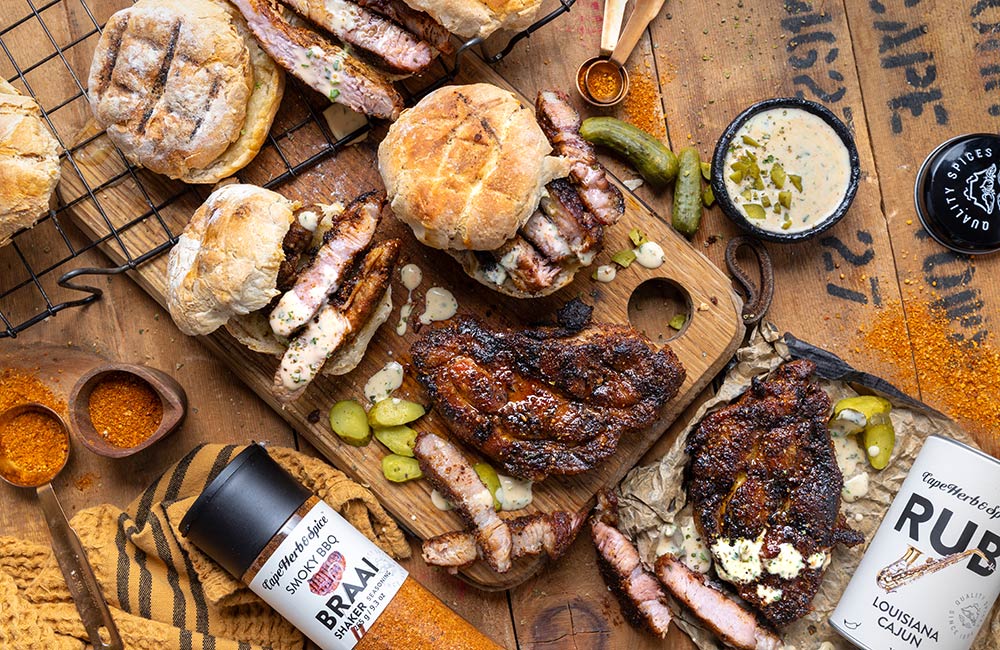
Blackened Pork Steak Roosterkoek with Pickle Juice Dressing

A local take on the Louisiana classic, these Blackened Pork Steaks combine the best of American barbecue and South African braai flavours.

Generously sprinkle the steaks with Smoky Braai seasoning…

The secret to getting that charred exterior? Dunking the meat in melted butter and dousing it with spice — the flames will do the rest. Seasoned with Cape Herb & Spice Louisiana Cajun Rub, the blend of paprika, mustard, chillies, onion, cumin, garlic and herbs give this Southern-style spice a delicious ‘bite.’ Sprinkle the steaks with Smoky Braai seasoning for extra flavour. Pork neck is the ultimate cut for this dish; the marbled fat ensures it remains juicy even when exposed to intense heat. Loaded on fresh-off-the-coals roosterkoek and drizzled with pickle juice mayo dressing, these sliders are perfect for braai celebrations.

Recipe for Blackened Pork Steak Roosterkoek with Pickle Juice Dressing


Pork Rib Kota

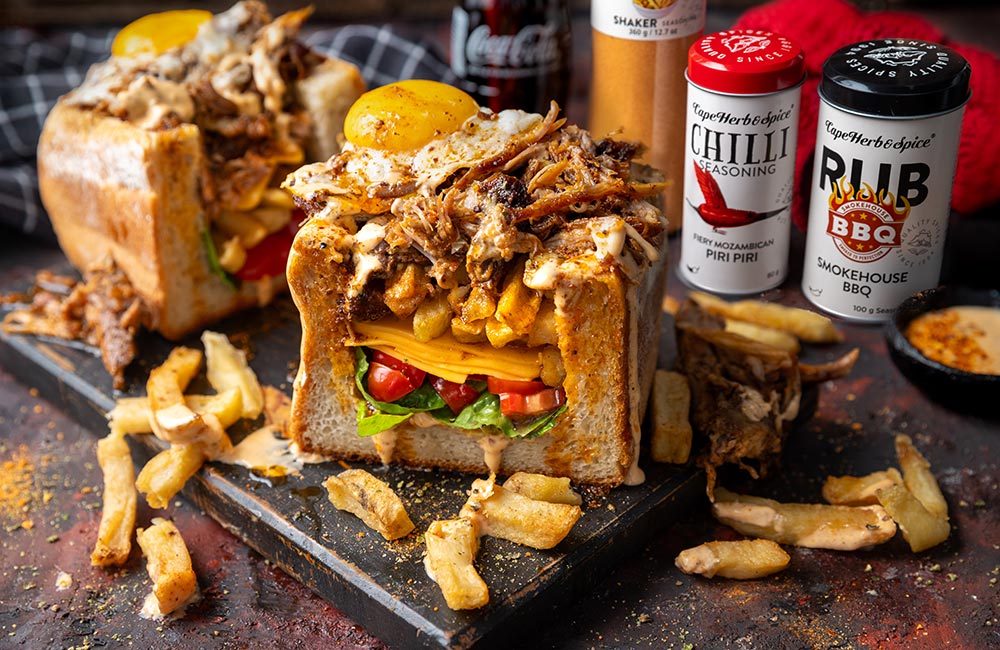
Stuffed with pulled pork, cheddar, slap chips and a jammy fried egg, this Kota didn’t just go to private school, it’s in a class of its own!

The pork ribs are seasoned with Cape Herb & Spice Smokehouse BBQ Rub, and cooked in the oven until pull-apart tender.

This Mzansi street food favourite is taken to gourmet heights with all the fixings. It’s downright delicious and worth every bite! The pork ribs are seasoned with Cape Herb & Spice Smokehouse BBQ Rub, and cooked in the oven until pull-apart tender. Infused with natural smoke extract, chilli, paprika and cumin, this spice blend adds a smoky flavour while the hint of sugar ensures caramelisation. Quartered loaves are loaded with lettuce, tomato, cheddar slices, slap chips, pulled pork rib and a sunny-side-up egg. Drizzle with chillinaise, made with Fiery Mozambican Piri Piri Chilli Seasoning, for a spicy sensation.

Recipe for Pork Rib Kota


Umngqusho with Smoky Pork

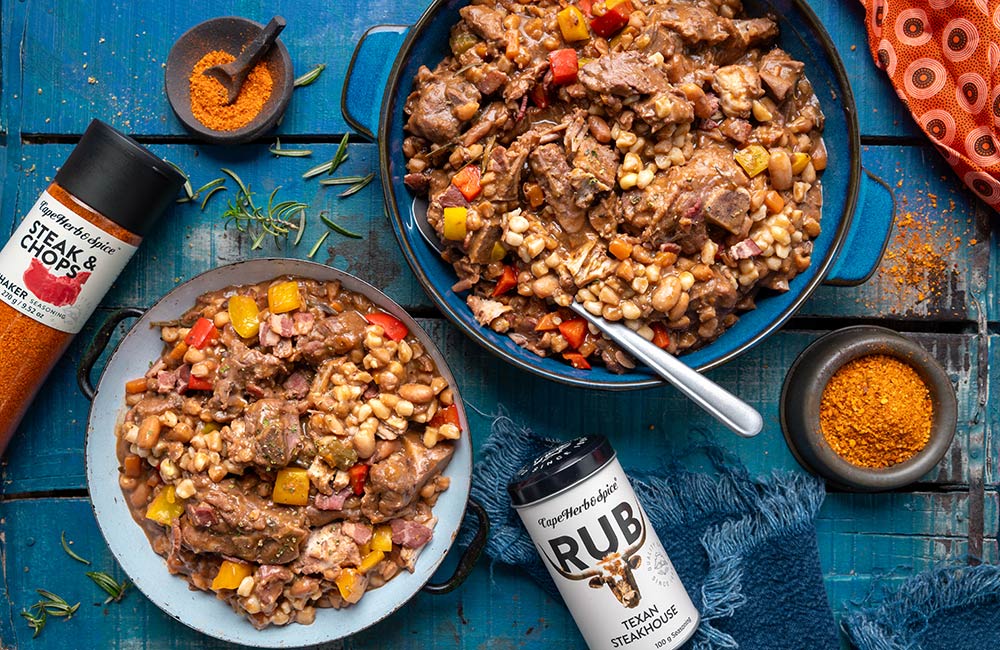
Umngqusho isn’t just a classic dish, it’s a taste of home. Hearty and steeped with gravy, it doesn’t get more comforting than this dish right here!

This is the ultimate feast of flavour for family gatherings.

Cooked low and slow over the stove, Umngqusho might be a labour of love, but it’s always worth the effort. For a smoky twist, we’ve seasoned the stewing pork with Cape Herb & Spice Smokehouse BBQ Rub; this cut is ideal for cooking soups and stews. Add Steak & Chops seasoning to the mix to elevate the natural flavours of the pork, samp and beans. Sautéed onion, chicken stock, red wine, diced bacon and peppers add incredible flavour to this iconic dish. This is the ultimate feast of flavour for family gatherings.

Recipe for Umngqusho with Smoky Pork


Greek-style Pork Chop Platter

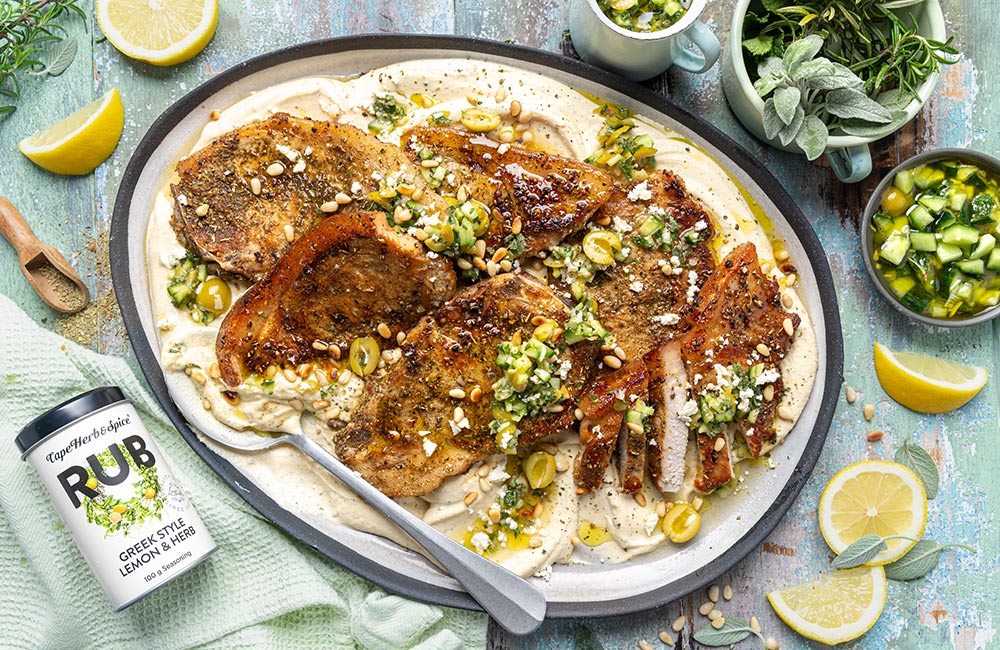
Braaied to perfection, this Greek-style Pork Chop platter is ideal for feeding a hungry crowd. Enjoy with whipped hummus and punchy salsa for a fabulous feast.

This vibrant dish serves flavour on a platter!

If there’s one thing Greeks and South Africans are known for, it’s family feasting, and this vibrant dish serves flavour on a platter! Marinated with Cape & Herb Spice Greek Style Lemon & Herb Rub and olive oil, the juicy pork loin chops are infused with fragrant flavours of lemon zest, roasted garlic, rosemary, oregano and spearmint. Creamy and luscious whipped hummus serves as the base for this dish, and a zippy Chunky Green Olive Salsa ties everything together. Garnish with toasted pine nuts and crumbled feta, and tuck in!

Recipe for Greek-style Pork Chop Platter

For more tasty inspiration, try these pork recipes and these fragrant delights

sapork.co.za | capeherb.co.za

What’s the Difference Between Banana & Plantain?

At first glance, banana and plantain might look like twins, but once you taste them, you’ll realise they’re more like distant cousins. If you’ve ever wondered what the difference between banana and plantain is, here’s what you need to know about these tropical treats.

While banana is often enjoyed as a sweet fruit, plantain is a bit more complex and has more range in terms of flavour.

Same, Same or Different?

These fruits trace their roots back to Southeast Asia, where they’ve been cultivated for thousands of years. However, plantains have a slightly different journey, making their way through Africa and later into the Caribbean and Latin America, where they became an essential ingredient in local diets.

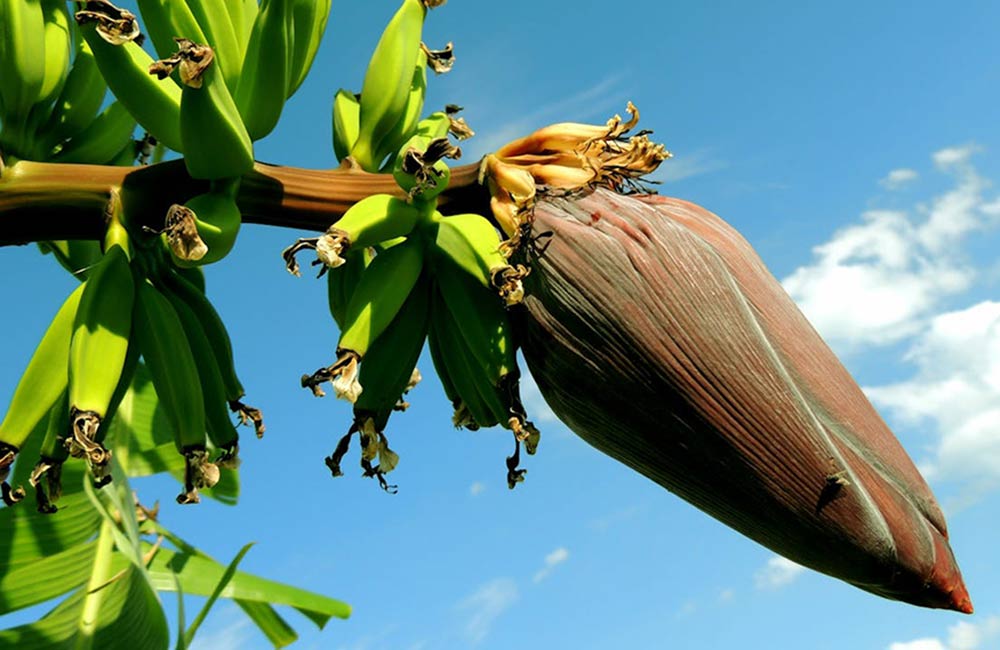
Both belong to the Musa genus, which produces about 83 different flowering plants, including bananas and plantains. While banana is often enjoyed as a sweet fruit, plantain is a bit more complex and has more range in terms of flavour.


Banana vs. Plantain

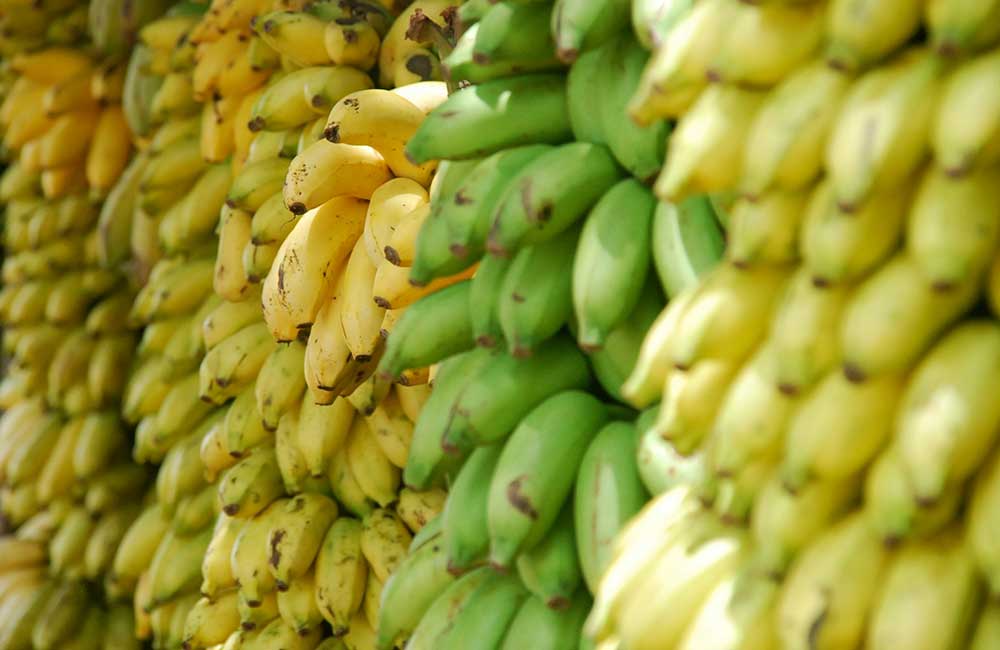
Bananas are naturally sweet, high-energy and require zero prep. You usually don’t have to wait for bananas to hit a certain stage of ripeness before enjoying them, though, some prefer bright yellow bananas and others prefer them when they’ve turned spotty, brown and slightly sweeter — hello, banana bread!

Plantains, on the other hand, are entirely different. They’re less of a grab-and-go fruit and more of a wait until they ripen, and while it might sound inconvenient, this is one of the benefits of this starchy fruit — they’re incredibly versatile.

Each stage offers a completely different flavour profile…

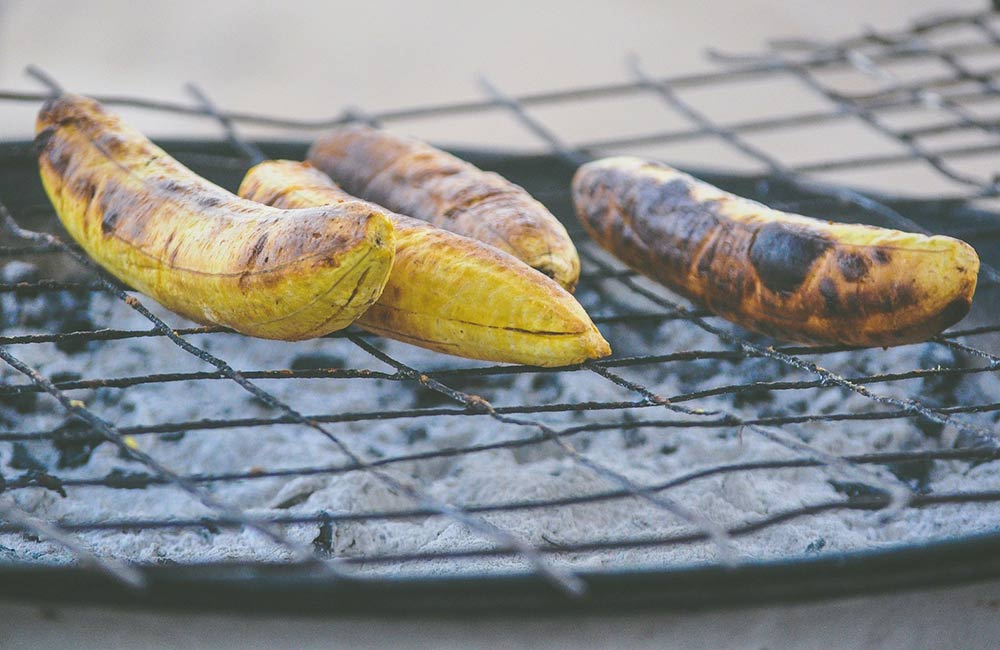
When plantains are green, they’re firm and starchy — think of them as a tropical potato. They’re perfect for making crispy tostones (fried plantain slices) or adding substance to a stew. As plantains ripen and turn yellow, they start to sweeten slightly. At this stage, they’re ideal for dishes like ‘maduros,’ where they’re fried until caramelised and soft. When they’re fully ripe, turning almost black, they’re at their sweetest and work wonders in desserts or sweet-savoury side dishes. Each stage offers a completely different flavour profile, making plantain one of the most versatile ingredients.


Pass the Plantain!

While banana is usually eaten raw, plantain is rarely consumed uncooked due to its dense, starchy nature. Plantain is a key ingredient in many African, Caribbean and Latin American cuisines, with each region incorporating them into different dishes. In countries where people are less familiar with this versatile fruit, they are sometimes referred to as ‘cooking banana’ or ‘plantain banana.’

In West Africa, you’ll find them grilled, boiled or fried. Here, plantain is often served with rich, spicy stews or meat dishes. Kelewele, for example, is a popular Ghanaian street food where plantain is cubed, seasoned with spices like ginger and cayenne, and then fried.

Plantain chips are a popular way of enjoying this ingredient.

In the Caribbean, plantain takes centre stage in sweet and savoury dishes. Mofongo is a Puerto Rican dish where mashed, fried green plantains are mixed with garlic, pork cracklings, and sometimes seafood, creating a dish packed with flavour. Meanwhile, in countries like the Dominican Republic and Cuba, plátanos fritos (fried sweet plantains) are a beloved side dish that pairs well with almost anything.

In Latin America, plantains are equally beloved. Mexican cuisine features molotes, where mashed plantains are stuffed with cheese or meat, then fried for a crispy exterior and a soft, flavourful centre. In Venezuela, tajadas (fried plantain slices) are a must-have with meals, bringing a touch of sweetness to savoury dishes.

While plantain isn’t widely sold in South Africa, specialised food markets are available in certain provinces where Ghanaian, Ethiopian and Nigerian cuisine is popular. Plantain chips are one of the popular ways of enjoying this ingredient. The snack can be purchased at Food From Home (they also sell raw plantain), NaijaMarket, Vitalife Health, and more stores.

Here’s why everyone is going crazy over cucumbers.

Slurp Noodles at these 7 Ramen Hotspots in Cape Town

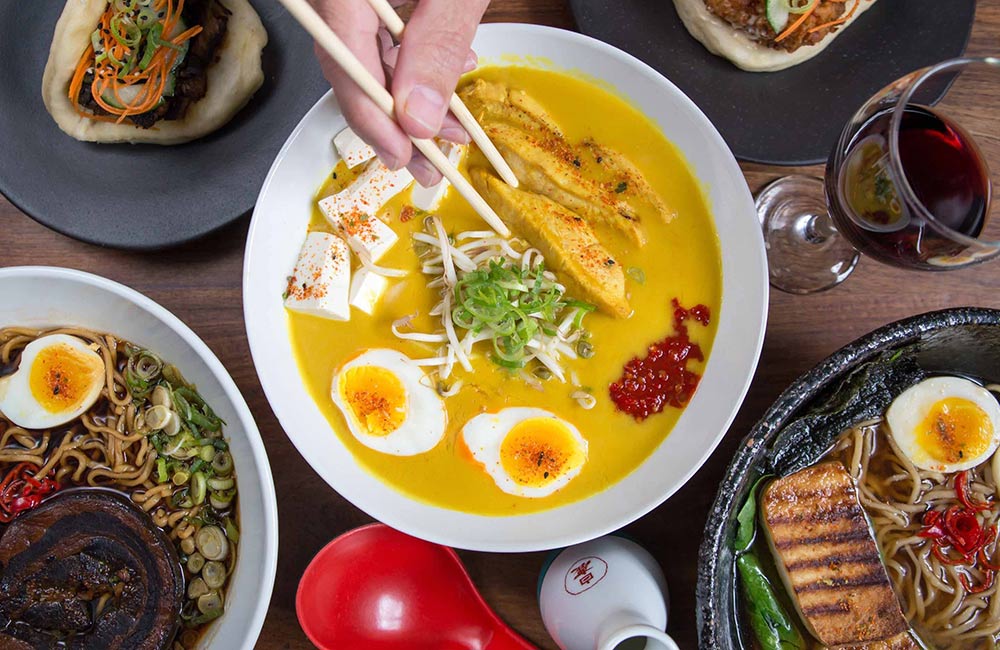
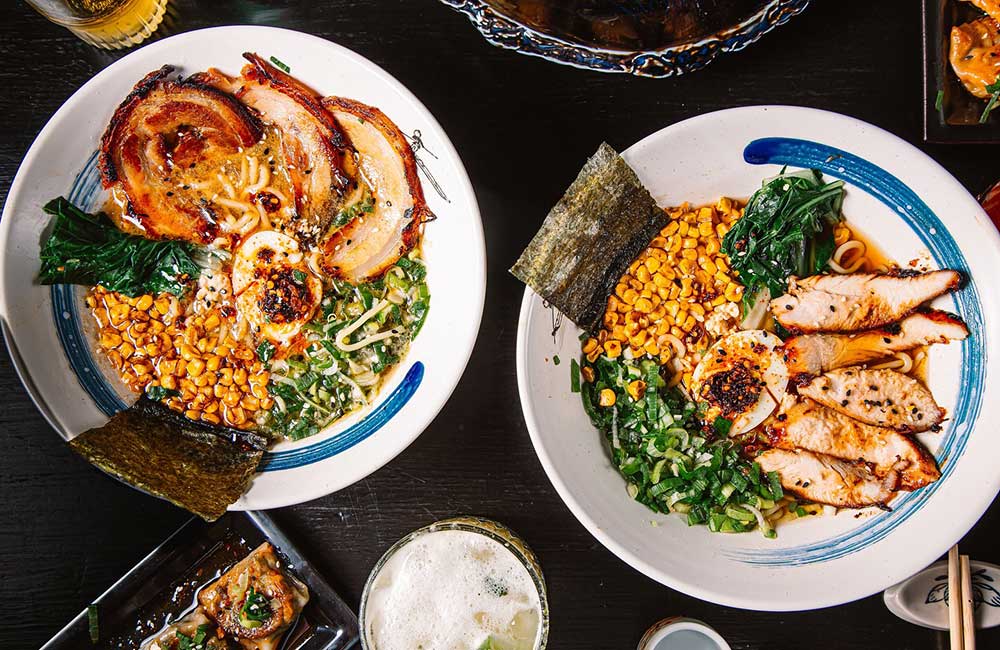
Tonkotsu, shoyu, miso — if we could eat ramen every day, we would. From the rich broth to the slurpable noodles, it’s nothing but love in a bowl, and you don’t have to look far to find it. Get your fix at these top ramen restaurants in Cape Town.

Ramenhead

Owned by chef Peter Tempelhoff of FYN, Ramenhead offers the same exceptional cuisine with a casual dining approach. With Ashley Moss and Julia du Toit at the helm, patrons are guaranteed an unforgettable and authentic ramen experience. The Tonkotsu, Tori Paitan, and Sesame Miso are some of our favourites. The housemade noodles are slurpworthy and the broth is consistently delicious. Visit for Happy Hour cocktails and their lunch specials.

Location: Speaker’s Corner, 37 Parliament St, Cape Town City Centre | Time Out Market, The Old Power Station, Dock Rd, V&A Waterfront
Hours: Wed-Sat: 12h00—14h30 (Lunch) | Tues-Thurs: 18h00—21h00 & Fri-Sat: 18h00—22h00 (Dinner) | Time Out Market: Sun-Wed: 11h00—22h00; Thurs-Sat: 11h00—23h00
Contact: 067 312 8061 (WhatsApp) | Bookings

ramenhead.co.za


Bodega Ramen

Photo credit: WIDE WING SHOOTS (Ashleigh Frans)

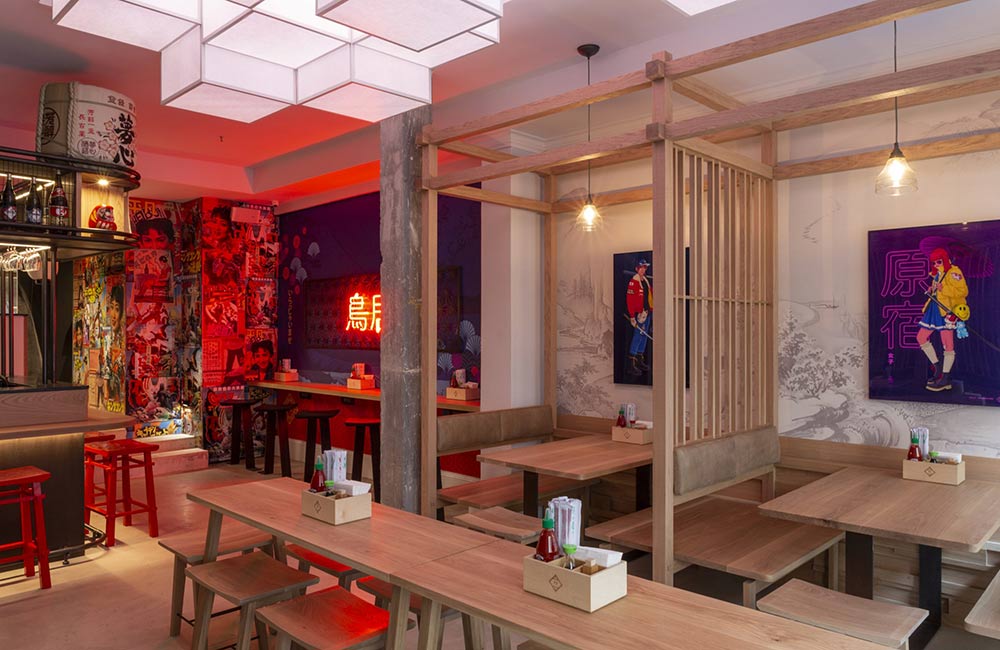
Bodega Ramen serves some of the best ramen in Cape Town, and that’s no exaggeration. Situated above The Gin Bar and Honest Chocolate, this trendy restaurant is the ideal spot for a casual dinner with friends. While the menu is ever-changing, you can expect an exceptional dining experience with each visit — familiar favourites are pinned on the menu. The food is experimental in terms of flavours, ranging from Sichuan to Korean and Malaysian to Japanese cuisine. The vegetarian small plates promise a flavourful feast as well.

Location: 64A Wale St, Cape Town City Centre
Hours: Thurs & Fri: 12h00—15h00 (Lunch) | Tues-Sat: 18h00—21h30 (Dinner)
Contact: 078 241 3285 | Bookings

Instagram


Tjing Tjing Torii

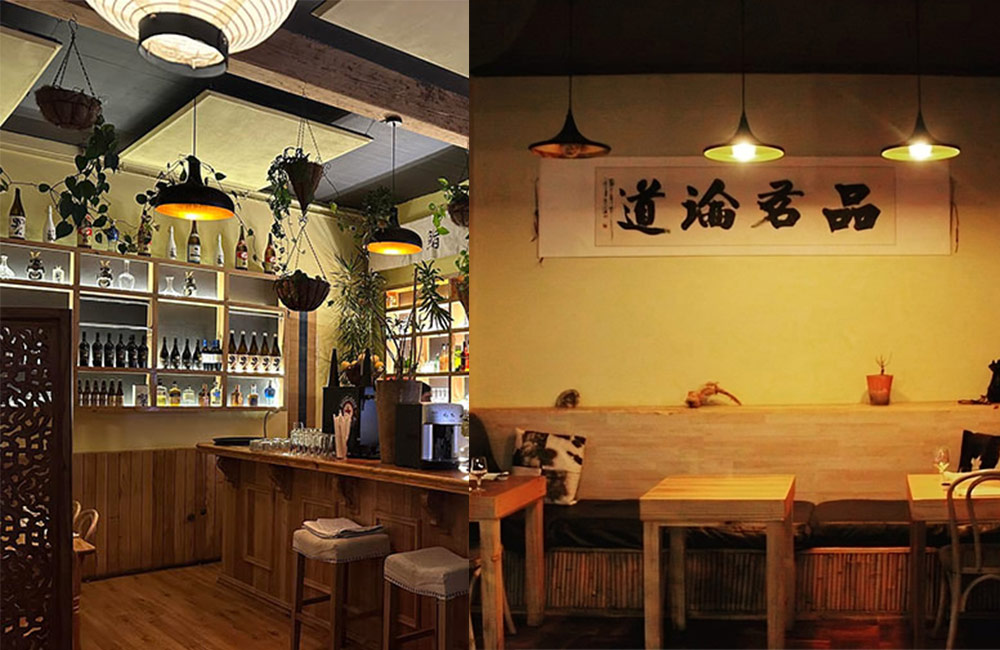
With an incredible location, Tjing Tjing has delighted cocktail and Japanese cuisine lovers for ages. The exceptional service and delicious food at Torii Restaurant promise a delightful dining experience. Indulge in their Smokey Beef or Chicken Paitan for a taste of excellence.

Location: Tjing Tjing House, 165 Longmarket St, Cape Town City Centre
Hours: Tues-Sat: from 12h00
Contact: 021 422 4374 | 021 422 4920

tjingtjing.co.za


Three Wise Monkeys

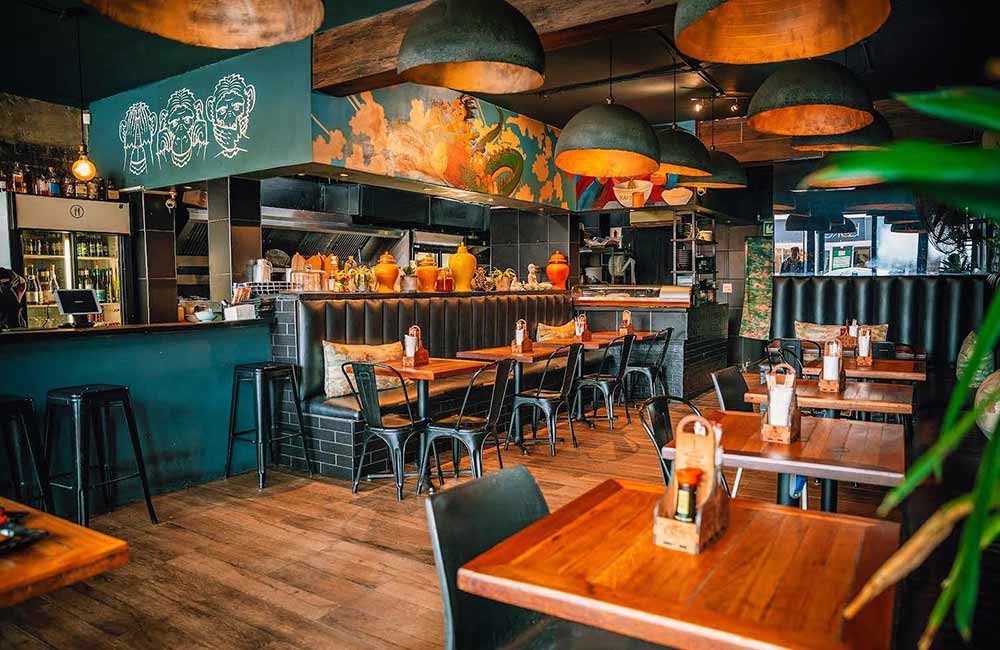
Located in Sea Point, Three Wise Monkeys has been a favourite for locals since the noodle bar opened in 2016. Specialising in izakaya snacks, sushi and ramen, the dishes are inspired by Asian fusion cuisine. The Beef Brisket and Duck Ramen are standouts, in our opinion; try the Tempura Panko Prawns and Edamame Beans while you wait for mains.

Location: La Rhone Building, 77 Regent Rd, Sea Point
Hours: Mon-Sun: 12h00—23h00
Contact: 021 433 1837 | Email

threewisemonkeys.co.za


Downtown Ramen


Image source: Uber Eats

A trip downtown will lead you to one of Cape Town’s ramen hotspots. With its laidback interiors and old-school arcade machines, this unsuspecting locale delivers on the food front. Handmade noodles are made fresh, daily, and the broth is equally delicious. Menu favourites include Pork Shoyu Ramen and Katsu Chicken Ramen. The gyozas are not far behind; first-timers can expect to be pleasantly surprised by Downtown Ramen’s offering.

Location: 103 Harrington St, District Six, Cape Town
Hours: Mon-Sat: 12h00—22h00
Contact: 068 150 3420

Instagram


Kanji Ramen

Partners, Gavin Hagger and Seelan Sundoo — the owner of South Indian street food and tapas restaurant, Sundoo — offer customers a unique dining experience at Kanji Ramen. From the small plates to the ramen, the menu delivers heaps of flavour. The Mushroom Ramen is a definite winner. For something meatier, try the Double Beef or Prawn Ramen. As for dessert, the Japanese cheesecake with miso caramel is a delight. Considering the portions, the ramen is slightly pricier compared to other noodle bars. Nonetheless, it’s worth the visit.

Location: 12, 16 Kloof Nek Rd, Tamboerskloof, Cape Town
Hours: Mon-Sat: 16h00—00h00 | Closed Sundays
Contact: 021 745 6625 | No reservations; strictly walk-ins

kanjiramen.co.za


TOMO Japanese Restaurant

TOMO offers authentic Japanese cuisine and a relaxed vibe. You’ll likely visit for sushi, but the ramen is just as tasty. While the menu only has a few ramen options, your taste buds will be in for a treat with resident chef David in the kitchen. Enjoy a whisky or beer with the delicious ramen at this well-liked restaurant.

Location: 160 Longmarket St, Cape Town City Centre
Hours: Mon-Sat: 12h00—22h00 & Sun: 12h00—21h00
Contact: 078 735 6537

Facebook

Craving curry? Try these Indian Restaurants in Cape Town.

16 Decadent & Delightful Doughnut Recipes

Fun food is everything! Candy floss, whoopie pies and, naturally, that cop movie favourite… doughnuts! Sprinkled, dusted, dipped in chocolate, custard-filled and homemade, we round up our fave doughnut recipes that are sure to put a smile on your dial.

Delicious Doughnut Recipes

From amagwinya to churros, we’ve got them all.

Amagwinya with Chocolate Crème Pâtissière & Cherries

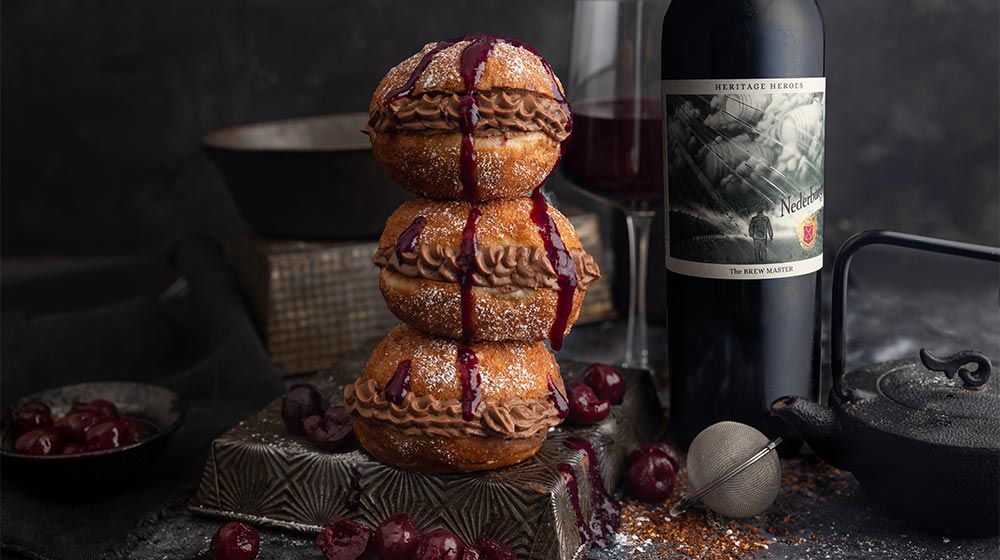
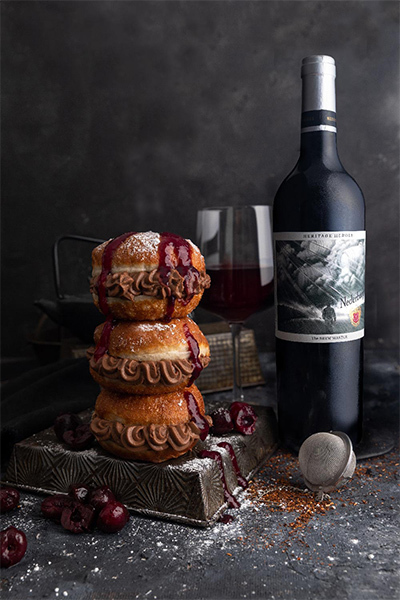
A South African classic with a Parisian twist. This light, fluffy doughnut is filled with chocolate crème pât and a cherry sauce that is irresistible.

Recipe for Amagwinya with Chocolate Crème Pâtissière & Cherries

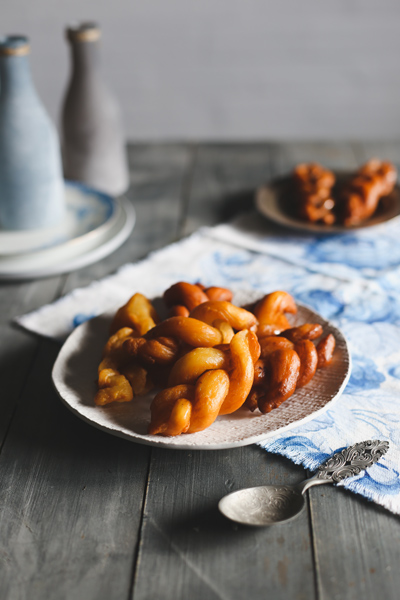
Traditional Koeksisters

Although not a traditional doughnut in terms of shape, these twisted syrupy treats are absolutely divine.

Recipe for Traditional Koeksisters

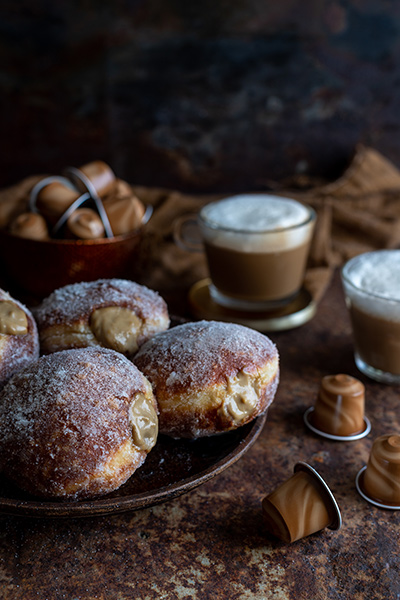
Doughnuts filled with Coffee Crème Pâtissière

Why drink your morning coffee when you can eat it?

Recipe for Doughnuts filled with Coffee Crème Pâtissière

LemonGold Curd Crème Filled Donuts

Fluffy doughnuts filled with lemon curd – the perfect balance of  tart and sweet.

Recipe for LemonGold Curd Crème Filled Donuts

doughnut recipes trifle doughnuts
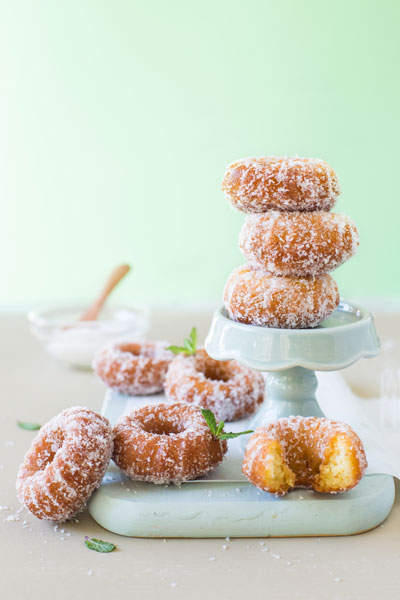
doughnut recipes mini coconut almond doughnuts

Trifle Doughnuts

All the festive season flavours bundled up in balls of deliciousness. These doughnuts are stuffed with a custard and berry compote, and deserve to be eaten all year round.

Recipe for Trifle Doughnuts

Mini Coconut & Almond Doughnuts

These doughnuts are ideal for those who are wheat intolerant, following a Banting lifestyle, or anyone who appreciates delicious bakes.

Recipe for Mini Coconut & Almond Doughnuts

doughnut recipes
doughnut recipes

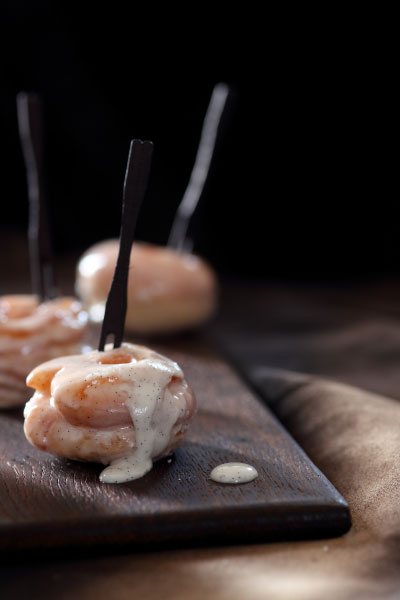
Vanilla Glazed Mini Cronuts

No doughnut list would be complete without the cronut — these are bite-sized bits of perfection.

Recipe for Vanilla Glazed Mini Cronuts

Cheat’s Cronuts with Orange-infused Custard & Lemon Glaze

All of the flavour with minimal effort. These cronuts are filled with an orange-infused custard and glazed with a lemon icing.

Recipe for Cheat’s Cronuts with Orange-infused Custard & Lemon Glaze

doughnut recipes
doughnut recipes

Quick & Easy Doughnuts

These doughnuts are super easy and quick to make. Plus, you can have all the fun dipping and stuffing them.

Recipe for Quick & Easy Doughnuts

Chocolate Glazed Doughnuts

The proper way to do doughnuts – a bit more effort and time to prep, but well worth it.

Recipe for Chocolate Glazed Doughnuts

doughnut recipes
doughnut recipes

Honey Glazed Vanilla Crullers

Crullers are made from a light, cake-like dough. These are deep-fried and finished with a honey glaze.

Recipe for Honey Glazed Vanilla Crullers

Baked Carrot Cake Doughnut

This beauty emerges when cakes and doughnuts collide! Quick and easy cake bites made from puréed carrots, garnished with traditional carrot cake toppings.

Recipe for Baked Carrot Cake Doughnut

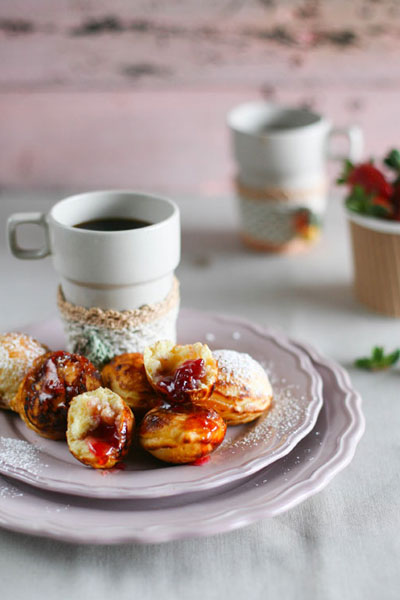
Ebelskivers

A Scandinavian classic! Although not technically a doughnut, we can’t resist these puffed, jam-filled Danish pancakes.

Recipe for Ebelskivers

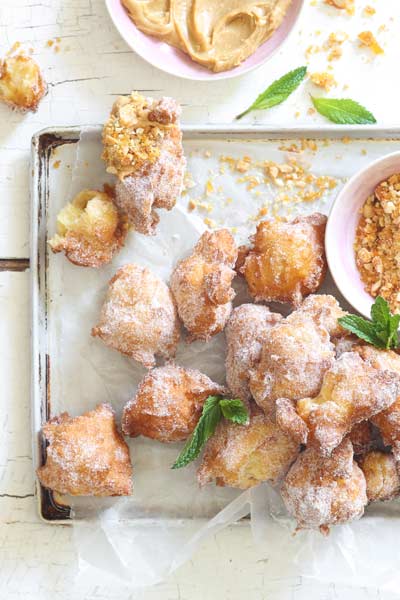
Mini Doughnuts with Salted Peanut Brittle Dust

These salted peanut mini doughnuts are incredibly moreish; it’s hard to stop at just one.

Recipe for Mini Doughnuts with Salted Peanut Brittle Dust

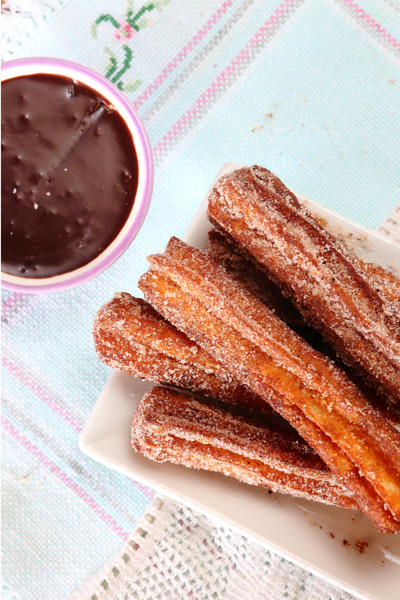
Churros

The Spanish doughnut! These sugar ‘n spice covered, deep-fried delicacies are adored everywhere around the world. Pair them with decadent, dark hot choccie and you’ll be praying to the Spanish dessert Gods.

Recipe for Churros

El Burro Churros with Dark Chocolate Sauce

Churros are so nice, we think they deserve to be mentioned twice. These fluffy bits of heaven will change your taste buds for life!

Recipe for El Burro Churros with Dark Chocolate Sauce

Think you know doughnuts? Check out our list of doughnuts from around the world.

Celebrate Heritage Month with Amori & Monché

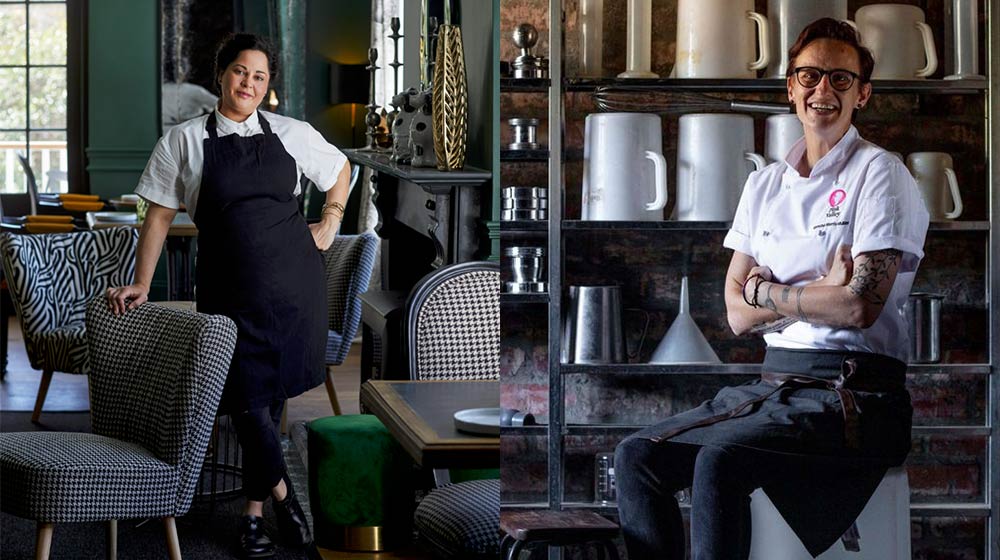
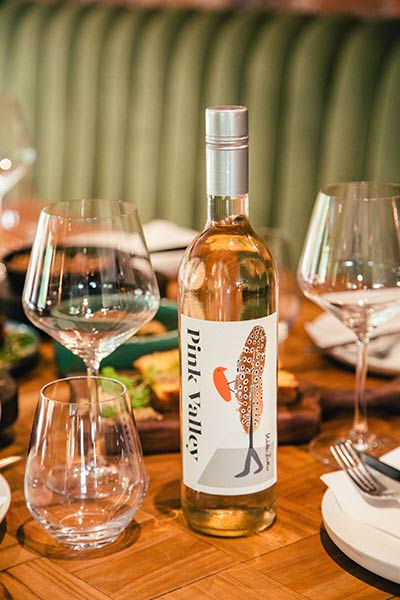
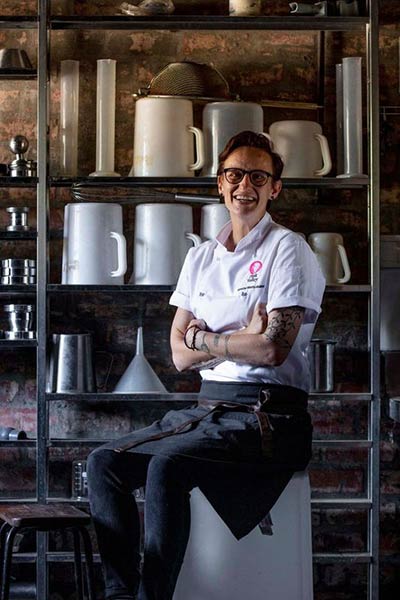
Chef Amori Burger from Upper Union and chef Monché Muller from Pink Valley Wines join forces to host two heritage-inspired, wine-paired dining experiences.

Pictured: chef Amori Burger (left) and chef Monché Muller (right).

Food. Wine. Flavour.

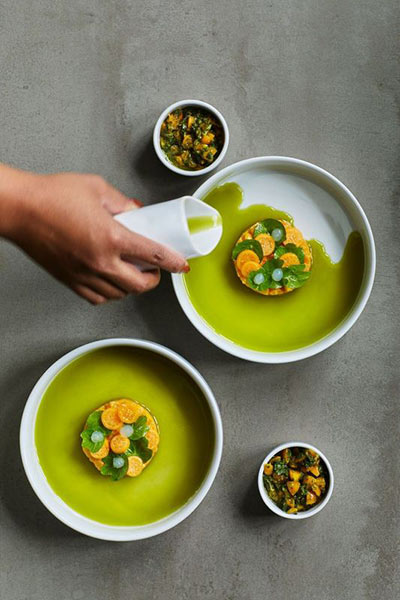
This September, in celebration of Heritage Month, it’s time to diarise a limited-edition collaboration series. For two dinners only, chef Amori Burger from Upper Union and chef Monché Muller from Pink Valley Wines present: Amori & Monché | Food. Wine. Flavour.

The dinners — one hosted at Upper Union on Thursday, 12 September, and one at Pink Valley Restaurant on Thursday, 26 September — will feature a five-course meal paired with exceptional wines from Taaibosch and Pink Valley.

The dinners promise to be an unforgettable celebration of heritage, showcasing the creativity and expertise of both chefs, complemented by a curated wine selection.

Priced at R950 per person, bookings are essential. Limited seats are available, so be sure to reserve your spot early.

Click here to book at Upper Union on Thursday, 12 September.

Click here to book at Pink Valley on Thursday, 26 September.


About Pink Valley Wines

Nestled in the stunning Helderberg region, Pink Valley Wines is South Africa’s only winery dedicated exclusively to producing Rosé. Led by Schalk-Willem Joubert, the winery takes its name from the breathtaking sunsets that paint the entire valley pink.

The estate also features the Pink Valley Restaurant and Tasting Room, where chef Monché and her team serve a three-course Potluck Fest, along with a selection of contemporary tapas. Between vine and wine, Pink Valley offers a beautiful and relaxed environment.

About Upper Union

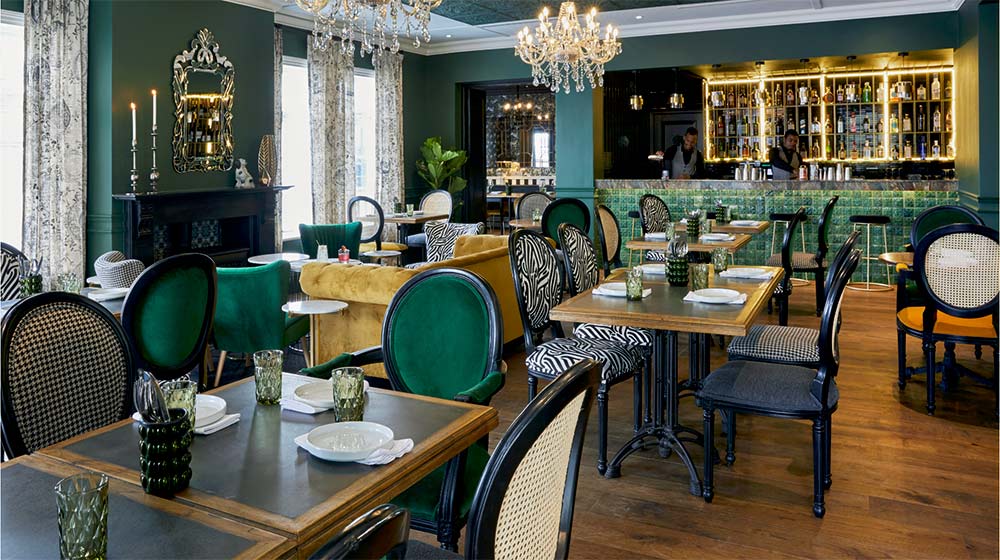
Located within a heritage building in the bustling and eclectic Kloof Street Neighbourhood, Upper Union is a stylish eatery serving up a unique and vibrant dining concept.

Chef Amori Burger serves up a creative and elevated take on communal dining. The style of dining encourages the enjoyment of a shared moment. When people come together around a table, the food has arrived, the drinks have been poured, and the conversation is flowing, in that union it seems that time stands still.

upperunion.co.za | pinkvalleywines.com

The World’s Tastiest Accidental Food Inventions

Mistakes are unavoidable, thankfully, not all are bad. In fact, some of the world’s greatest inventions were happy accidents. Take penicillin, for example, which started out as a dodgy science experiment and would go on to revolutionise the medical world, and life, as we know it. Whether you’re cooking, baking or are a klutz like me, you’re bound to make some mistakes along the way. Fortunately, these inventors have made some of the world’s tastiest accidental food inventions, and boy am I glad they did!

accidental food inventions


Kellogg’s Cornflakes

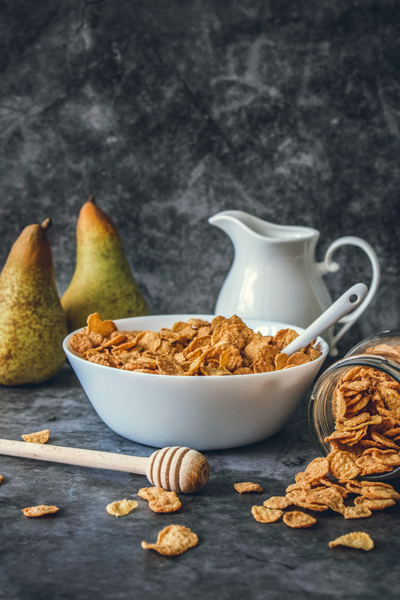
Cornflakes have been a breakfast staple for families across the nation, but ‘starting your day the Kellogg’s way’ wouldn’t have been possible if not for the Kellogg’s brothers’ accidental invention. In 1898, brothers W.K and Dr. John H. Kellogg initially had the idea to invent another breakfast fave, granola, but unexpectedly created a flaky texture from wheat berries, a whole wheat kernel.

Starting your day the Kellogg’s way wouldn’t have been possible if not for the Kellogg’s brothers’ accidental invention.

While Dr. John Kellogg wanted to create a healthier and more easily digestible cereal, his brother thought to introduce sucrose and created the sugarcoated Kellogg’s Corn Flakes we know and love. Dr. John decided to take his sibling rivalry to the next level and ended up suing his brother, Will. They then entered a ten-year legal feud about who would own rights to the Kellogg’s name, with Will winning the court battle. If there’s one thing the brothers agreed upon, it’s that breakfast is the most important meal of the day!


Coca-Cola

Most know about the association between cocaine and the popular carbonated drink, Coke, and for good reason. In 1886, pharmacist, John S. Pemberton, was trying to invent a syrup for the common headache. Pemberton, who was an American Civil War veteran, had a morphine addiction and thus sought to make the elixir without the use of opium. He then thought to make a mixture of coca leaves (plant used to make cocaine) and cola nuts (also where the drink gets its source of caffeine)… hence ‘Coca-Cola’.

Pharmacist, John S. Pemberton, was trying to invent a syrup for the common headache.

Whilst preparing the concoction, his lab assistant accidentally spilt carbonated water on top of it, which led to the accidental invention of the globally popular drink. Coca-Cola was first sold at Pemberton’s pharmacy for only five cents a pop. People initially thought that carbonated water was ‘good for you,’ so soda fountains were commonly found at pharmacies. Interestingly, Pemberton believed that the drink not only cured headaches, morphine addiction and indigestion, but impotence too!

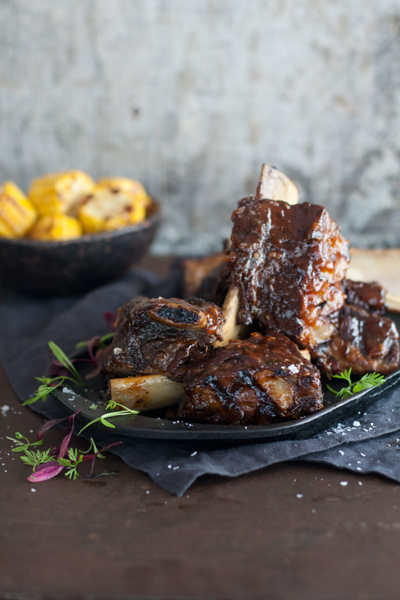
Try our recipe for Old School Coke Beef Short Ribs.


Nashville Hot Chicken

Spicy Nashville hot chicken has been around since the 1930s, and possibly inspired the creation of Zinger Wings. What’s more interesting is that this accidental food invention has a wayward male lover to thank. One Sunday morning, Thornton Prince, an apparently notorious womaniser, came home late to find his partner waiting at home for him. Angered by his tardiness, his partner decided to cook up some fried chicken. Only this time, she switched up her usual recipe and doused the chicken with hot pepper spice.

Probably the only time anything good came from cheating.

Unfortunately, her plan backfired. Prince enjoyed the chicken so much that he shared it with his workmates. Word of the spicy bird got out fast, so he opened up his own chicken house, Prince’s Hot Chicken Shack. The restaurant is still popular to this day and is now run by his family – probably the only time anything good came from cheating.


Earl Grey Tea

The origins of Earl Grey tea are somewhat questionable. Although popularised by the Brits, flavoured teas first appeared in Chinese tea culture. As a means to dazzle tea merchants and emperors, the Chinese infused their tea leaves with various aromatics like jasmine and rose.

The origins of this drink are somewhat questionable.

According to one story, aristocrat and British Prime Minister (1830-1834), Charles Grey — otherwise known as ‘The Second Earl Grey’ — saved a Lord’s life. As a token of appreciation, the spared Lord gifted Earl Grey with a recipe for black tea infused with bergamot essence. Another tale tells of bergamot oil being mixed with tea leaves during a shipment from China en route to England. Talk about spilling the tea!

Try this delicious Earl Grey Pots de Crème recipe.


Tarte Tatin

This happy accident was created by sisters, Caroline and Stéphanie Tatin, who owned and ran the hotel, Lamotte-Beuvron, in France. One day during service, Stéphanie, who did most of the cooking at the hotel, was overworked. She intended to make a traditional apple pie, but left the apples cooking in the butter and sugar for too long. In an attempt to salvage the dessert, she plonked a pastry base on top of the caramelised apples and popped it back in the oven for a blind-bake. Once ready, she turned the tart upside down, just in time for service. Patrons loved the dessert so much that the sisters decided to keep it on the menu.

Created by sisters, Caroline and Stéphanie Tatin.

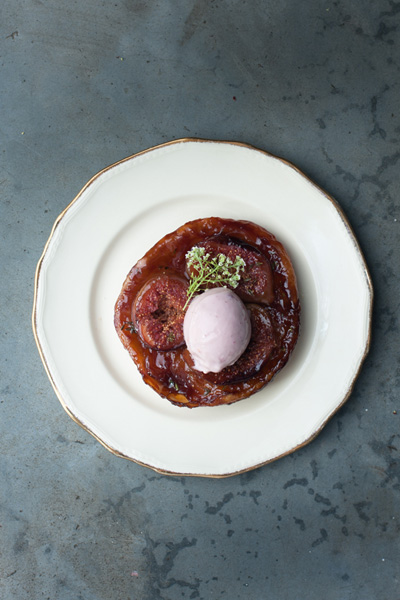
The inspiration for this dessert has been long rumoured, with some historians saying it wasn’t an original concept by the Tatin sisters, as similar upside-down apple pastries were invented before. In fact, the dessert was only coined ‘tarte Tatin’ when food author and epicure, Louis Vaudable, spread the word. One desperate attempt to get the recipe saw Vaudable taking up a gardener’s job at the hotel, but was fired three days later for his poor planting skills. Sadly, he never got his hands on the Tatins’ recipe – but you can have ours…

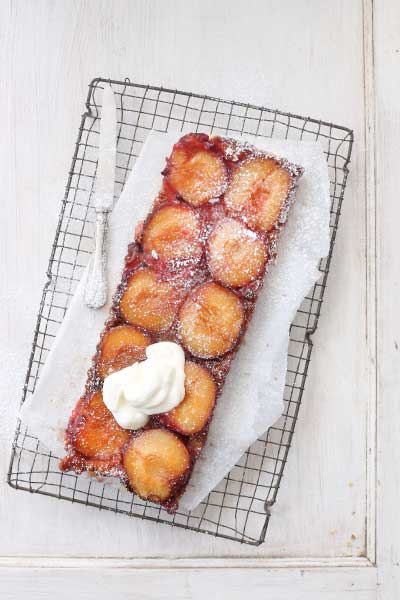
Try this recipe for Honey & Fig Thyme Tarte Tatin or this Plum & Vanilla Tarte Tatin.


Chocolate Chip Cookies

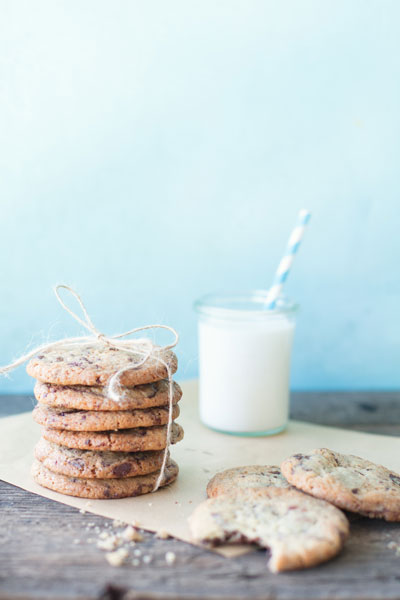
All great cooks know that improvisation is key, and for Ruth Graves Wakefield, her improv skills created this milk-dunked fave. In 1930, Ruth and her husband ran a hotel in Massachusetts. Whilst preparing a treat (Chocolate Butter Drop Do Cookies) for the guests, Ruth realised that she didn’t have enough chocolate – a baker’s worst nightmare.

… that’s the way the cookie crumbles!

She decided to roll with the punches and chopped up a bar of Nestlé chocolate and sprinkled the chocolate chips in the batter. However, the chocolate didn’t melt into the batter as she had hoped – it remained solid, but melted to the touch. Luckily, the cookies were a massive hit, and that’s the way the cookie crumbles!

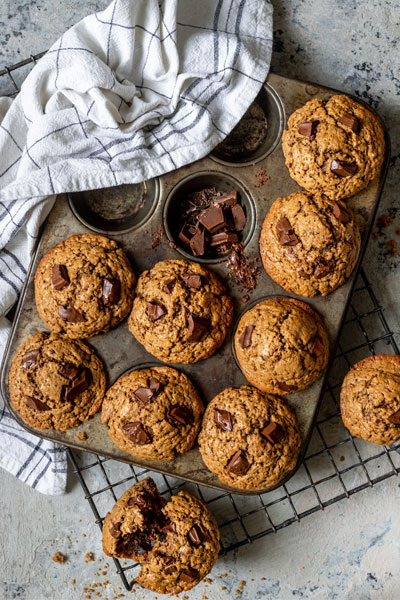
Try this Choc Chip Cookie recipe or these inspired Cappuccino Chocolate Chunk Muffins.


Crêpes Suzette

Many accidental food inventions were created during service time at restaurants. For 14-year-old Henri Charpentier, his accidental food mistake went out in a literal blaze of glory. In 1895, at Monte Carlo’s Cafe de Paris, Henri apparently prepared a dessert for the Prince of Wales (the future King Edward VII). The Prince was accompanied by a group of friends, including a woman named ‘Suzette.’

Despite originating in England, the dish became a French favourite.

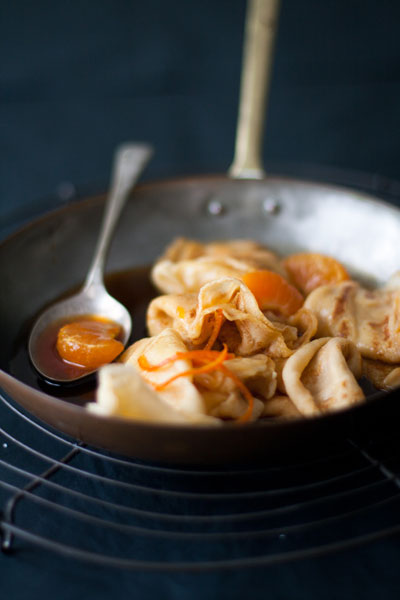
Whilst preparing the Prince’s order of pancakes, which was served with orange sauce and cordials, Henri accidentally set the pancakes alight. Not wanting to leave the Prince waiting, he served him and watched in anticipation. Much to Henri’s surprise, the Prince loved it and asked for the name of the dish. Henri originally coined it ‘Crêpes Princess,’ but with a lady in their presence, the Prince insisted that they call it ‘Crêpes Suzette.’ Despite originating in England, the dish became a French favourite.

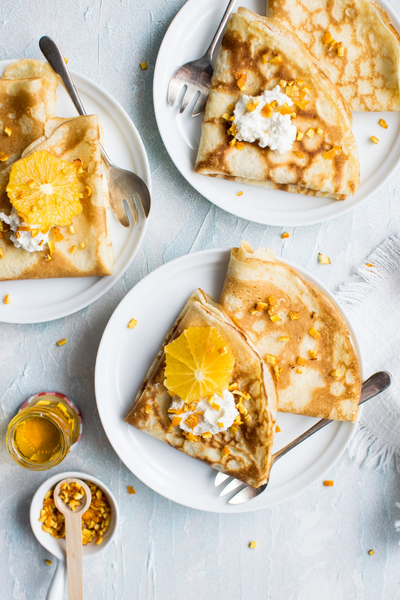
Try our recipe for ClemenGold Crêpes Suzette.


Eton Mess

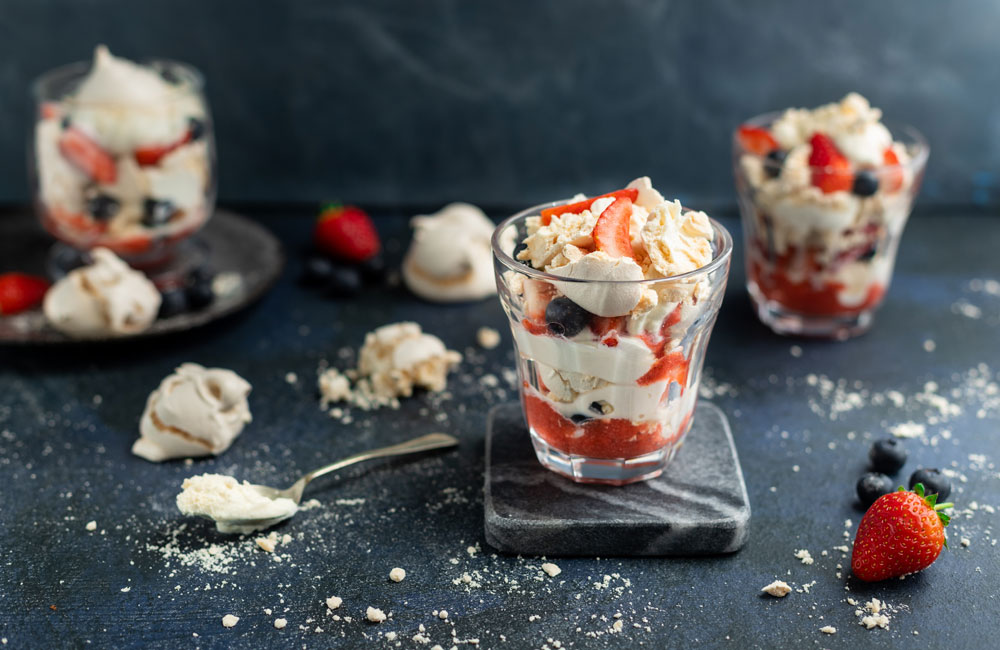
Truth be told, the origins of Eton Mess is as messy as this hodgepodge dessert. This sweet treat is a melange of meringue, strawberry compote and Chantilly cream, and was originally known as a ‘strawberry mess.’

Who knew that the five-second rule would be responsible for the invention of one of the UK’s most beloved desserts?

According to one story, a Labrador sat on a helping of this dessert and whoever it belonged to, lapped it up – dog hair and all. The more believable version is the one from the Eton Public School cricket game (circa 1920), where someone dropped their strawberry mess on the floor, scooped it up and continued eating it. Who knew that the five-second rule would be responsible for the invention of one of the UK’s most beloved desserts?

eton mess

Try our recipe for Eton Mess.

Discover the History of Traditional Treats From Around the World.

56 Street Food Recipes – Tastes From Around the Globe

Many associate street food with floating markets in Bangkok or small bánh mì stands in Ho Chi Minh City, but street food is all over the globe and some of the most delicious options are right on your door step. We round up some of our favourite street food recipes to tantalise your tastebuds and maybe get you planning your next foodie adventure.

South African Street Food Recipes

Some of our favourite local bites.

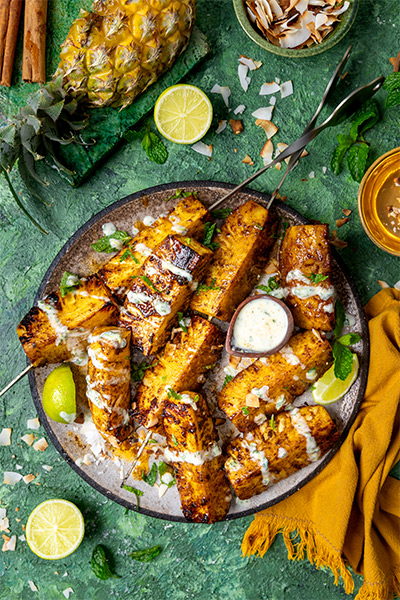
Braaied Durbs Pineapple Skewers with Yoghurt & Lime Drizzle

Inspired by the iconic Durban beachfront sweet treat, these pineapple wedges are filled with zingy, zesty and spicy flavours.

Braaied Durbs Pineapple Skewers with Yoghurt & Lime Drizzle recipe

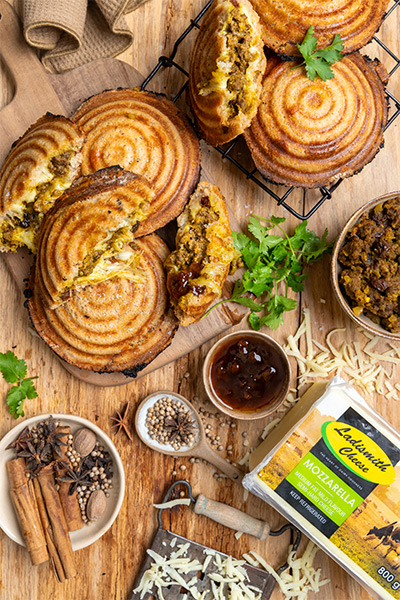
Cheesy Bobotie Jaffles

Jaffles are a weekend bazaar favourite. This revamped version combines classic Bobotie mince flavours with mozzarella. Dunk into the chutney for a sweet-savoury delight.

Cheesy Bobotie Jaffles recipe

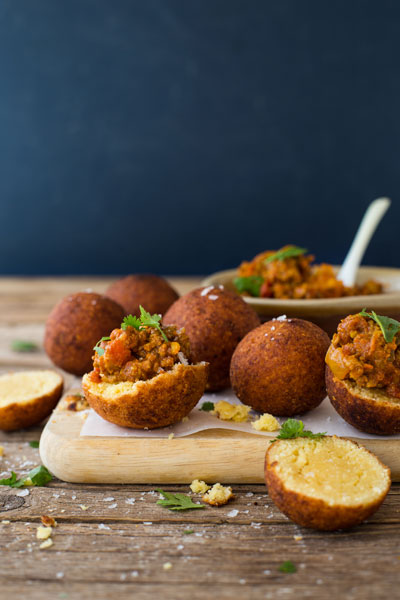
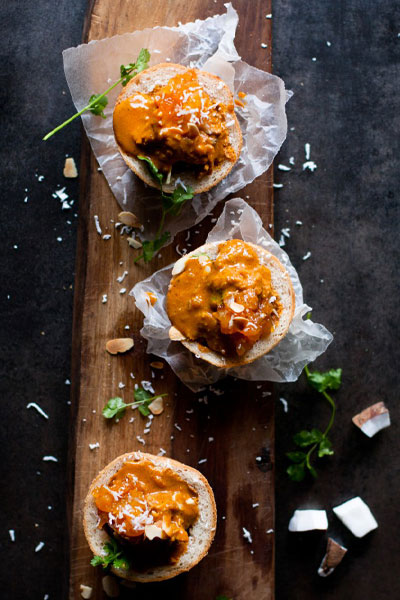
Mini Vetkoek & Curried Mince

A local staple, whether enjoyed in the comfort of your home or on the road as padkos.

Mini Vetkoek & Curried Mince recipe

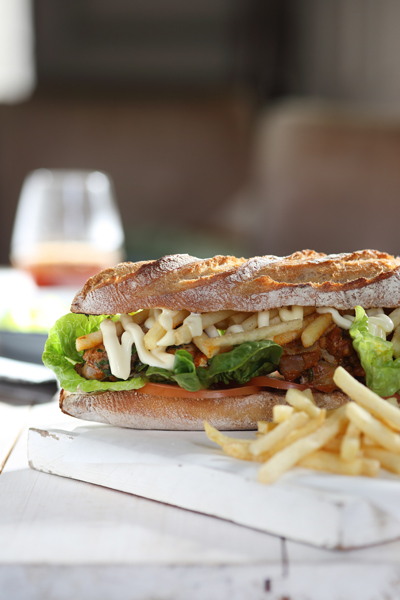
Chicken Liver Peri Peri Gatsby

Gatsby will forever be the most iconic sub; we’ve taken a slightly different approach and filled it with peri peri chicken livers. Yum!

Chicken Liver Peri Peri Gatsby recipe

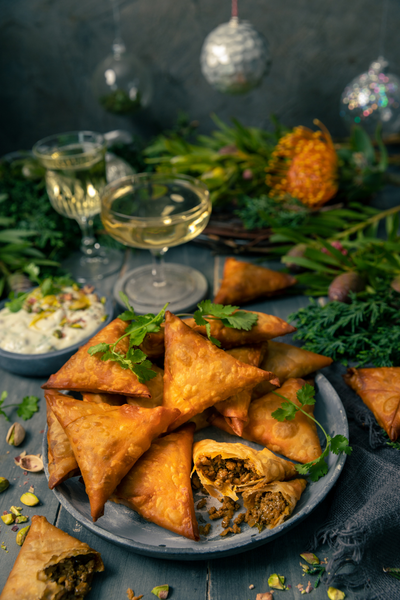
Wagyu Mince Samoosas

The quintessential street food snack and appetiser at family occasions. These crispy pockets of flavour are filled with Wagyu mince and served with a pistachio and yoghurt dip.

Wagyu Mince Samoosas recipe

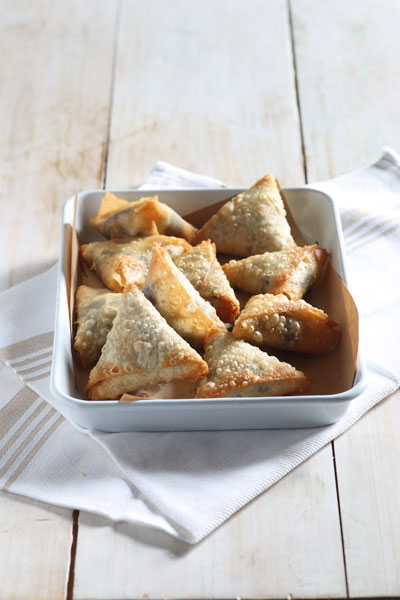
Sticky Brandy Nut Pudding Samoosas

Turn your favourite savoury snack into a sweet treat, with these deliciously sticky Brandy Nut Pudding-inspired samoosas.

Sticky Brandy Nut Pudding Samoosas recipe

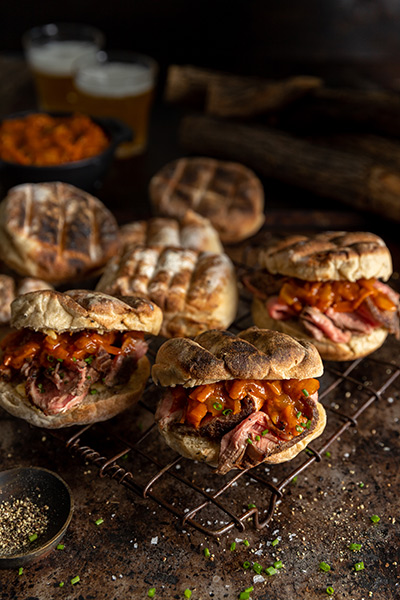
Rump Steak Roosterkoek with Chakalaka

We doubt there’s anything more delicious than a roosterkoek that’s hot-off-the-coals. These rump steak and chakalaka roosterkoek are lekker!

Rump Steak Roosterkoek with Chakalaka recipe

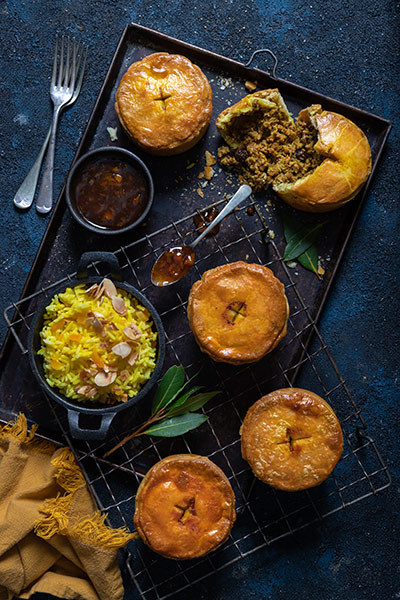
Bobotie Pork Pot Pies

Whether you’re enjoying it at a garage or farm stall, flaky pies are a street food staple. This take incorporates another South African fave, bobotie.

Boboties Pork Pot Pies recipe

Chicken Korma Curry Bunny Chows

These Chicken Korma Bunny Chows are utterly delicious!

Chicken Korma Curry Bunny Chows recipe

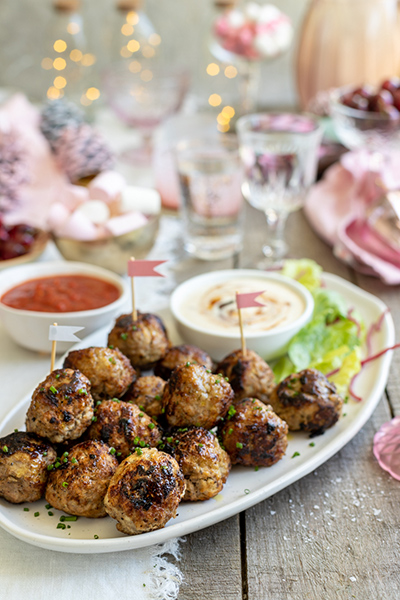
Frikadelles with Sweet & Spicy Dipping Sauces

Who doesn’t love a good, juicy frikadelle?

Frikadelles with Sweet & Spicy Dipping Sauces recipe

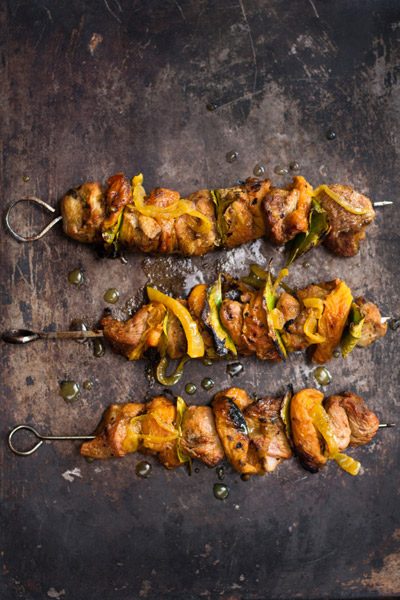
Curried Lamb & Onion Sosaties

Fresh off the grill and dripping with deliciousness.

Curried Lamb & Onion Sosaties recipe

Cape Malay Sosaties

The only thing better than a sosatie is a sosatie with a hint of Cape Malay spice.

Cape Malay Sosaties recipe

Boerie-Rolls-3-ways_400x600
vegan hotdogs street food

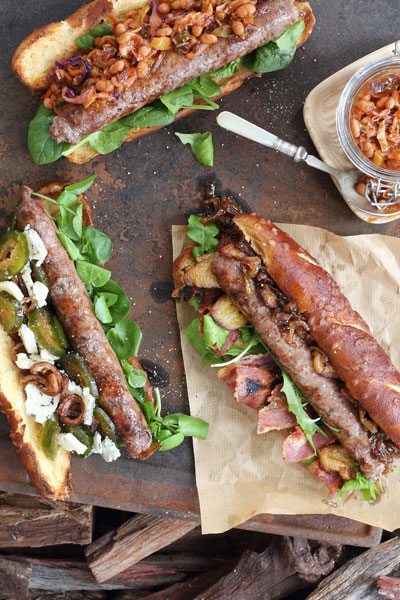
Boerie Rolls 3-Ways

These Boerie Rolls are customised to satisfy your taste buds.

Boerie Rolls 3-Ways recipe

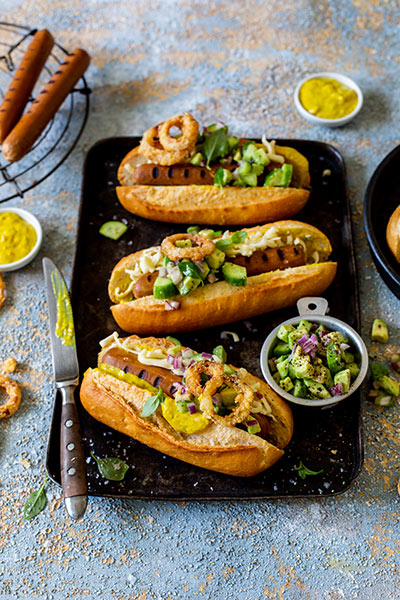
Loaded Hot Dogs with Curried Mustard and Onion Rings

Prepare to get a little messy with these salsa-topped hot dogs. The curried mustard and crispy fried onion rings make them super delish!

Loaded Hot Dogs with Curried Mustard and Onion Rings recipe


Indian-inspired Street Food

Whether it’s from the streets of Mumbai or South Africa, Indian street food is a staple.

easy chicken biryani

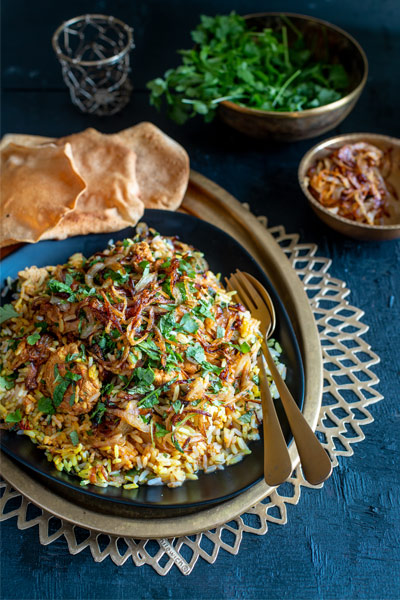
Easy Chicken Biryani

Biryani is one of life’s greatest pleasures, from the fragrant rice to the crispy bits of onion — absolutely divine.

Easy Chicken Biryani recipe

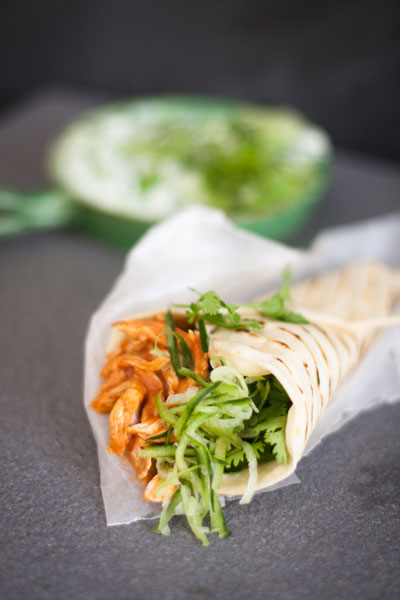
Simple Chicken Curry Homemade Wraps

We love a good chicken curry wrap – it’s simple yet oh-so-tasty!

Simple Chicken Curry Homemade Wraps recipe

butternut samoosas

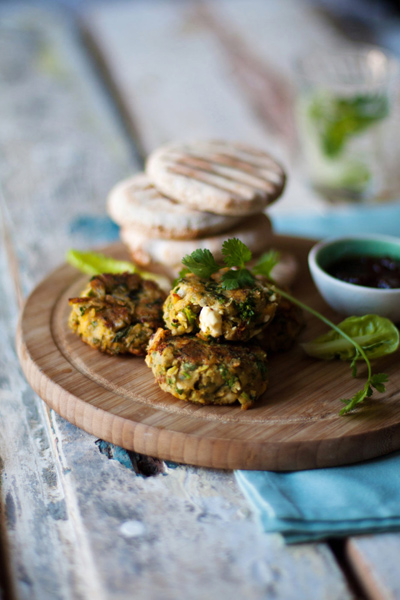
Indian-spiced Chickpea & Courgette Burgers

These vegetarian Indian-spiced burgers are filled with nutrients and heaps of flavour.

Indian-spiced Chickpea & Courgette Burgers recipe

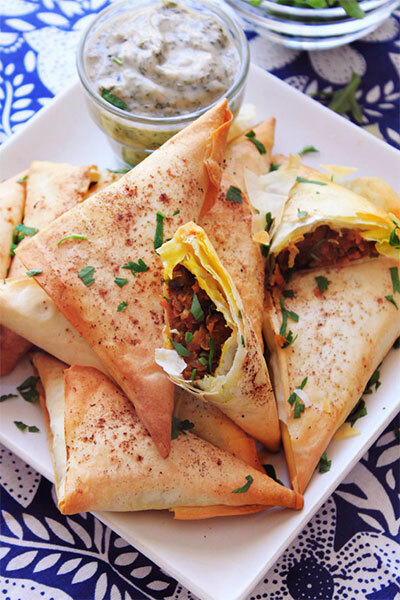
Spicy Butternut ‘Samoosas’ with Mint Yoghurt

These are not your regular samoosas; the spicy butternut is a delicious surprise.

Spicy Butternut ‘Samoosas’ with Mint Yoghurt recipe

bhajis street food
cabbage-pakora-with-mint-chutney_400x600

Broccoli and Chickpea Bhajis

Bhajis hail from the south of India. Our take on this traditional snack uses broccoli and chickpeas instead of onion, and is topped with creamy avo to cool the warming spices.

Broccoli and Chickpea Bhajis recipe

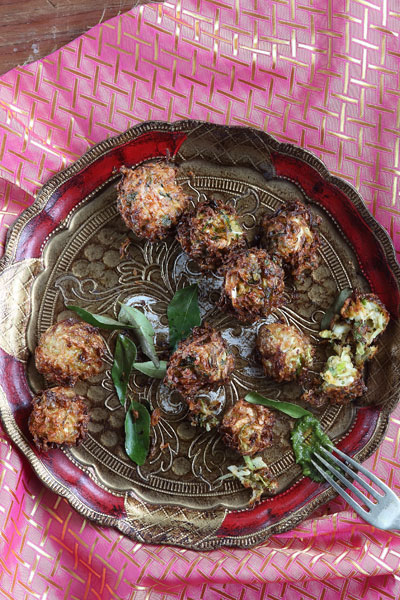
Cabbage Pakora with Mint Chutney

You’ll love these fried bits of cabbage dipped in a mint chutney.

Cabbage Pakora with Mint Chutney recipe


Asian-inspired Street Food

Asian cuisine is probably one of the most iconic street food varieties.

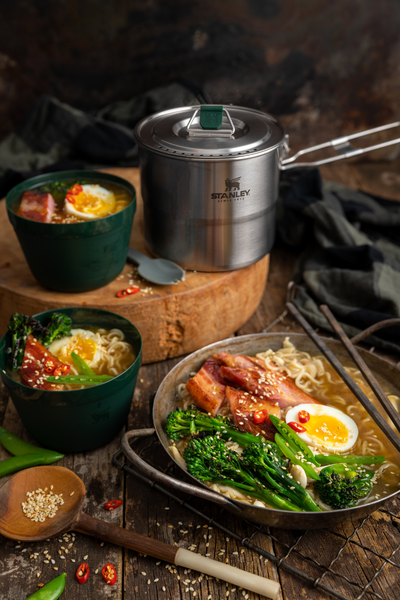
Camping Ramen Bowl

Brothy and smoky, this street food dish is umami-rich. Slurp it while it’s hot!

Camping Ramen Bowl recipe

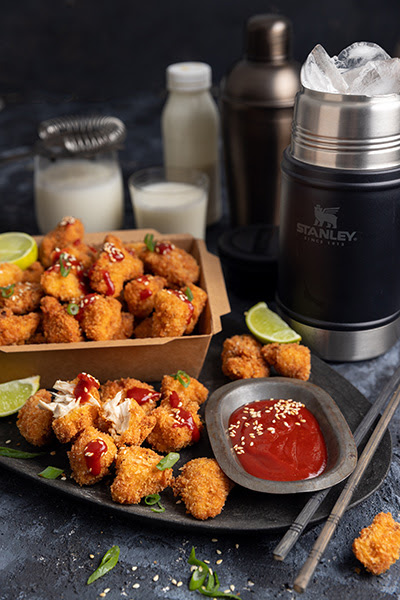
Popcorn Chicken with Korean Dipping Sauce

These golden brown chicken bites are taken to tasty heights with the spicy gochujang dipping sauce. Wash it down with another Korean-inspired fave, Soju Yoghurt Cocktail.

Popcorn Chicken with Korean Dipping Sauce recipe

wonton soup

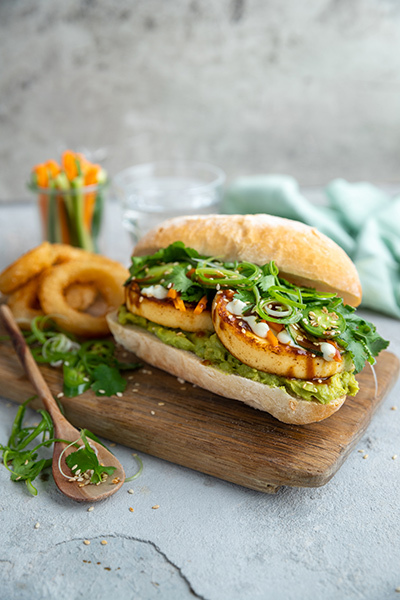
Báhn Mì Inspired Halloumi Sandwich

This Vietnamese street food sando is an absolute winner. This revamped version swaps out the usual meat filling for halloumi patties, and is topped with fresh herbs and pickled veg.

Báhn Mì Inspired Halloumi Sandwich recipe

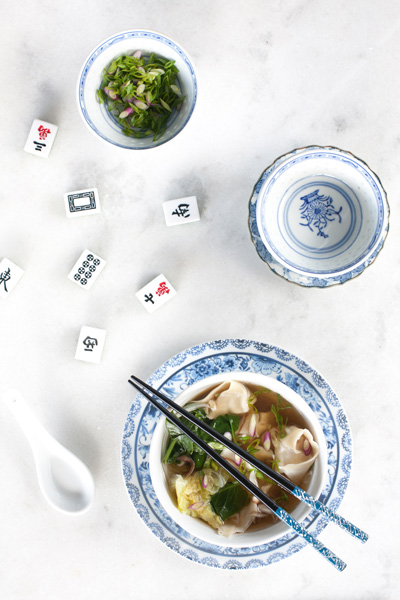
Chicken Wonton Soup

A classic and comforting street food dish.

Chicken Wonton Soup recipe

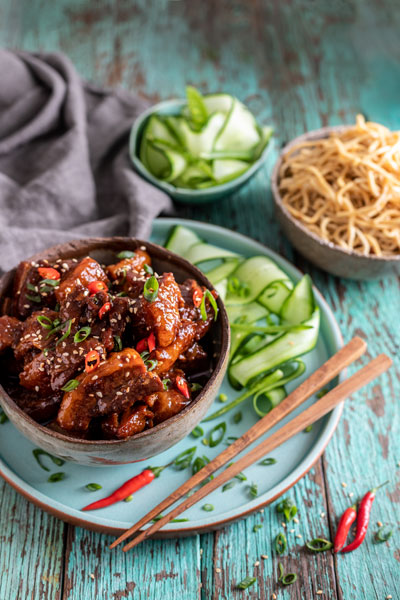
Sticky Asian Pork with Egg Noodles

Curb-side noodles is the ultimate street food, and this bowl of Sticky Asian Pork with Egg Noodles reigns supreme.

Sticky Asian Pork with Egg Noodles recipe

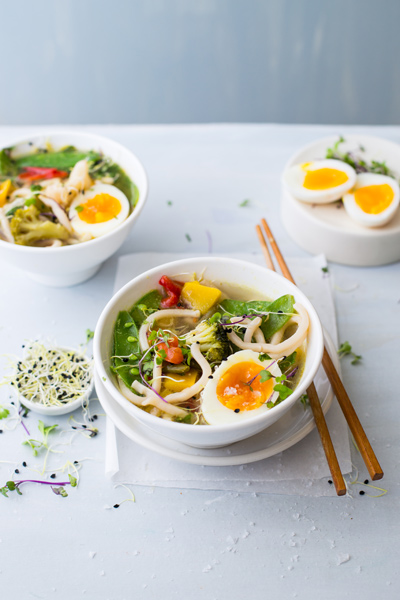
Udon Noodle & Vegetable Broth

The best part of this noodle dish is slurping the flavourful broth.

Udon Noodle & Vegetable Broth recipe

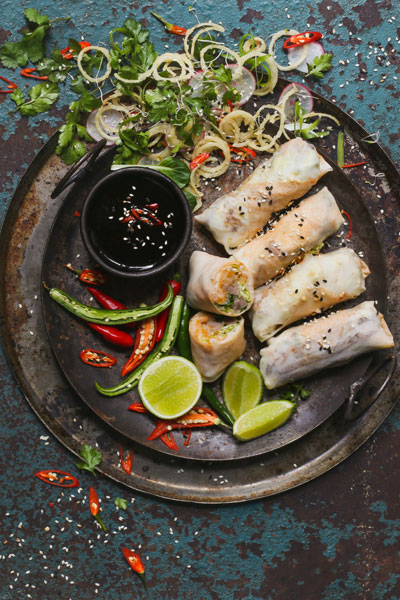
Duck Popiah

These spring rolls are wholesome and one of the most refreshing bites you could have.

Duck Popiah recipe

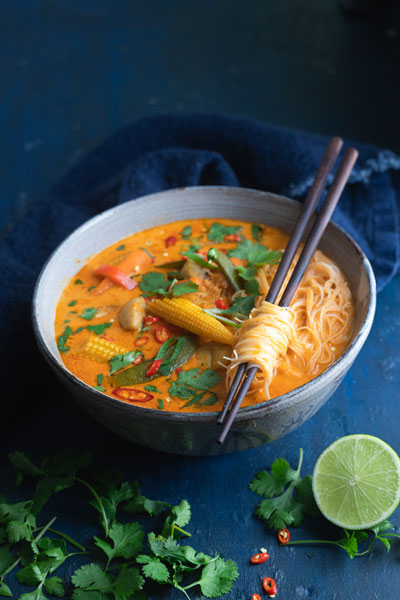
Thai Chicken & Carrot Noodle Soup

This Thai noodle soup is steeped with flavour, like you’ve never tasted before.

Thai Chicken & Carrot Noodle Soup  recipe

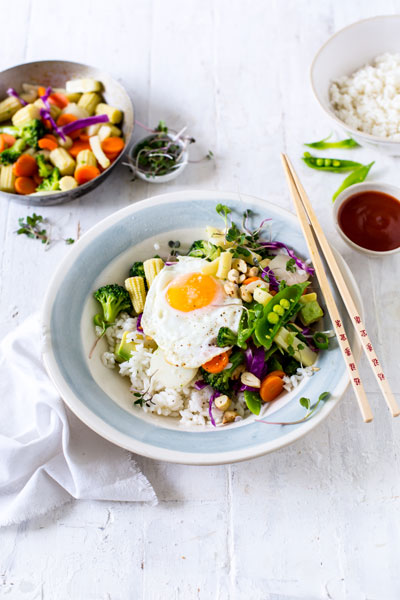
Sticky Asian Rice Bowl

Sticky rice is a top-tier street food, and cutting through the runny yolk is so satisfying.

Sticky Asian Rice Bowl recipe

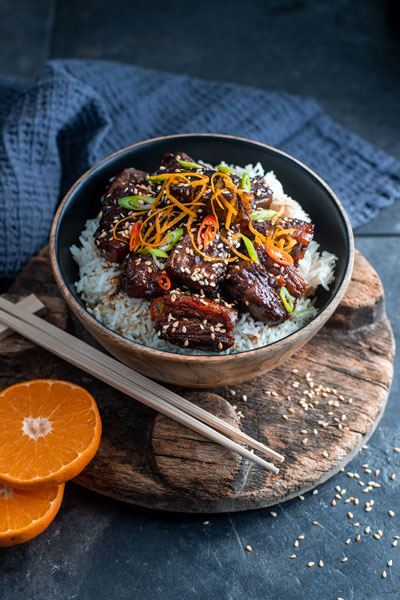
Asian Sticky Pork Belly with ClemenGold Glaze

This pork belly with sticky citrus glaze is royally delicious.

Asian Sticky Pork Belly with ClemenGold Glaze recipe

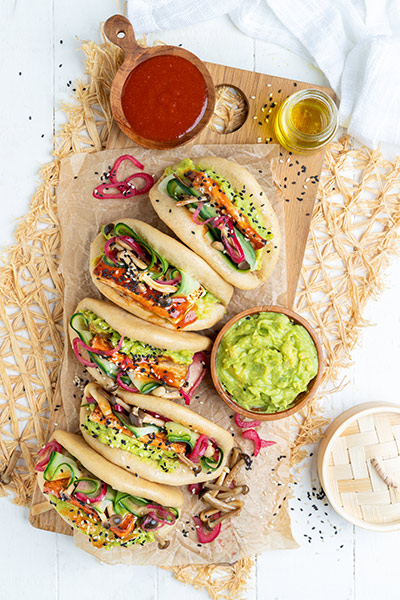
Vegan BBQ Tofu Bao with Guacamole, Mushrooms & Pickled Onion

Bao down – this street food has been a long-time fave for a number of delicious reasons, from the pillowy bao to the delicious filling.

Vegan BBQ Tofu Bao with Guacamole, Mushrooms & Pickled Onion recipe

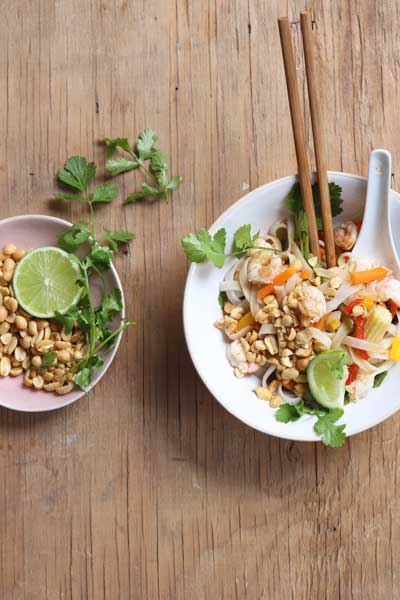
Prawn Pad Thai

Pad Thai has some serious street food cred. We love that this dish hits every note – spicy, zesty and, best of all, umami!

Prawn Pad Thai recipe

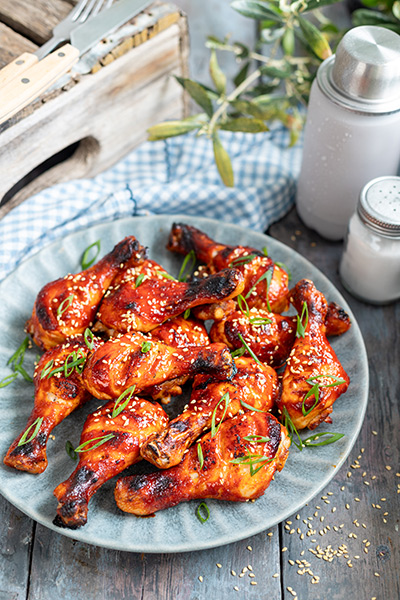
Spicy Korean Drumsticks

We guarantee you that these are some of the tastiest drumsticks you’ll ever have in your life. Just be sure to keep a glass of water close.

Spicy Korean Drumsticks recipe

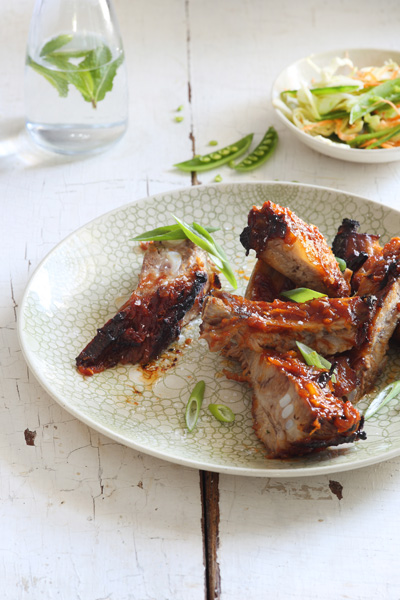
Korean Barbeque Spare Ribs

There’s barbeque, then there’s Korean barbeque!

Korean Barbeque Spare Ribs recipe

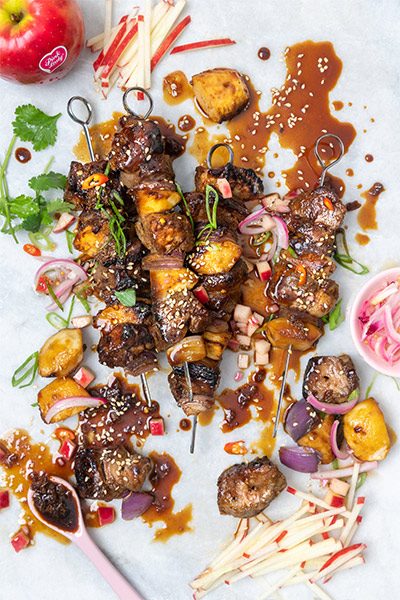
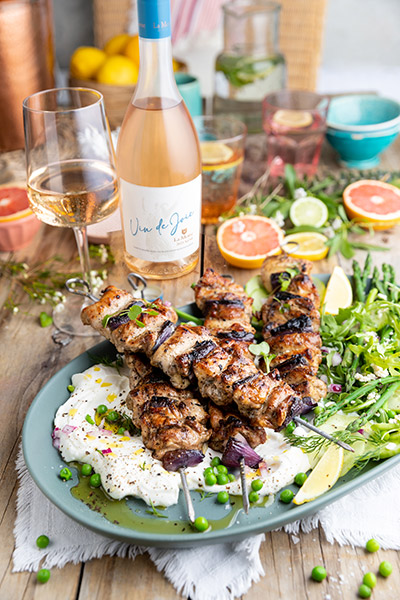
Korean BBQ Pork Skewers with Pink Lady Apples

We’ve said it before and we’ll say it again – Korean BBQ is in a flavour league of its own, and so are these crowd-pleasing skewers. They’re the perfect addition to your next braai.

Korean BBQ Pork Skewers with Pink Lady Apples recipe

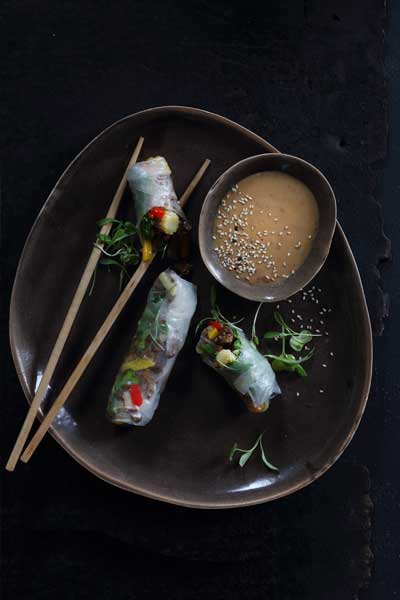
Rice Paper Parcels with a Braised Short Rib, Feta and Stir-fried Veg

Zhuzh up rice paper rolls by pan-frying them and making them more than just a starter.

Pan-fried Rice Paper Parcels with a Braised Short Rib, Feta and Stir-fried Veg recipe

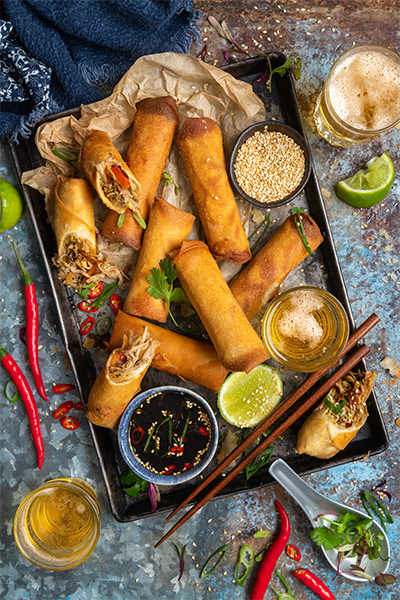
Harumaki

These Japanese-inspired spring rolls are filled with tender pork, veg and bean sprouts. Dip into the gingery honey-Soy sauce for the ultimate bite.

Harumaki recipe

Rice Paper Rolls with Spicy Peanut Sauce

Keep it traditional with these Vietnamese-inspired rice paper rolls, served with a spicy peanut satay sauce that you’ll want to eat with a spoon!

Rice Paper Rolls with Spicy Peanut Sauce recipe


Mexican-inspired Street Food

A fiesta for your taste buds!

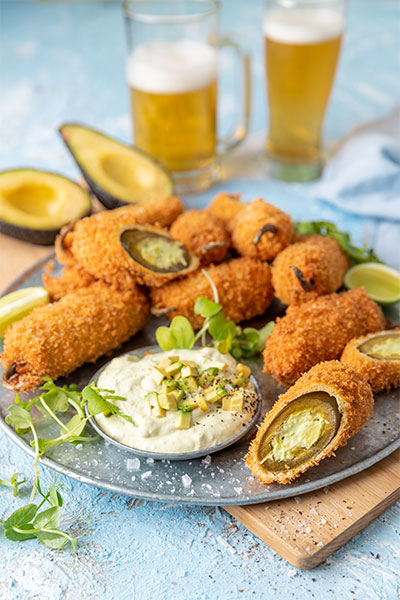
Avocado & Cream Cheese Chilli Poppers

Whether grilled or breaded and stuffed, jalapeños are unmatched in flavour.

Avocado & Cream Cheese Chilli Poppers recipe

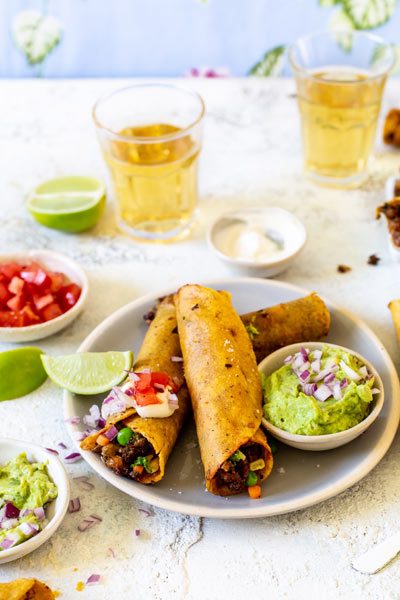
Beef & Vegetable Taquitos

These taquitos are a textural delight and worth every bite!

Beef & Vegetable Taquitos recipe

tuna ceviche

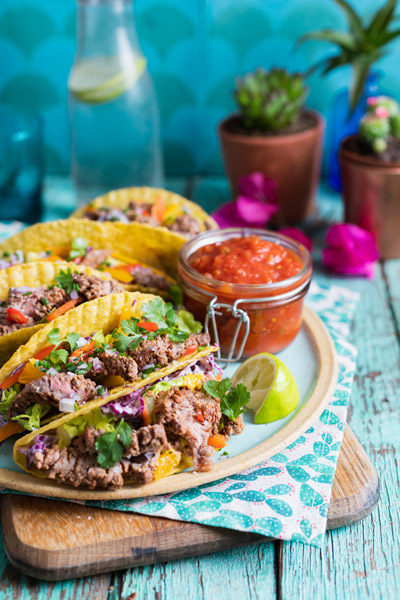
Skirt Steak Crunchy Mexican Tacos

Tacos are street food central, and these skirt steak tacos are exceptionally good!

Skirt steak Crunchy Mexican Tacos recipe

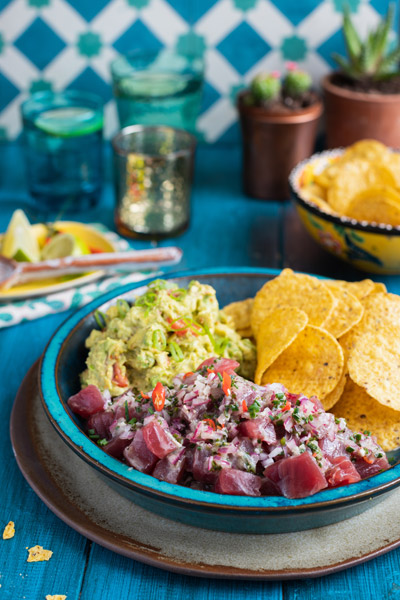
Mexican Tuna Ceviche with Guacamole, Salsa & Nachos

Mexican cuisine meets Peruvian cuisine in this refreshing take on nachos and ceviche.

Mexican Tuna Ceviche with Guacamole, Salsa & Nachos recipe

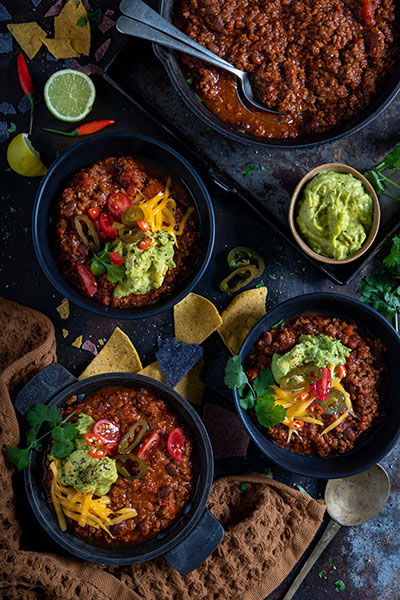
Chipotle Chilli Con Carne with Guacamole

Holy guacamole, is this dish a banger of note! The chipotle chilli con carne is to die for!

Chipotle Chilli Con Carne with Guacamole recipe

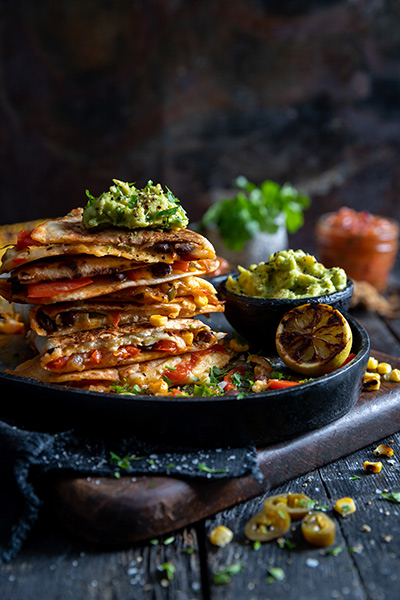
Cheesy Quesadillas with Roasted Tomato Salsa & Guacamole

Guac, cheese and salsa – yes please!

Cheesy Quesadillas with Roasted Tomato Salsa & Guacamole recipe

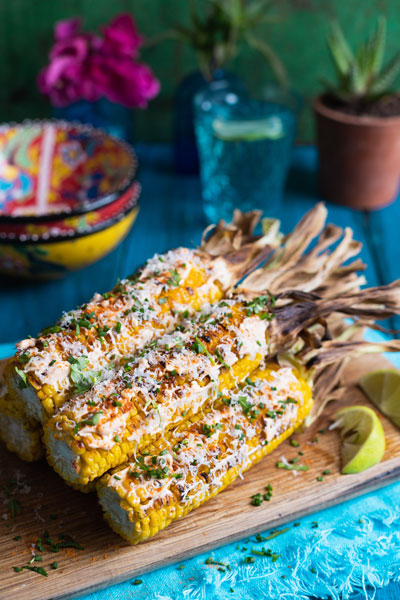
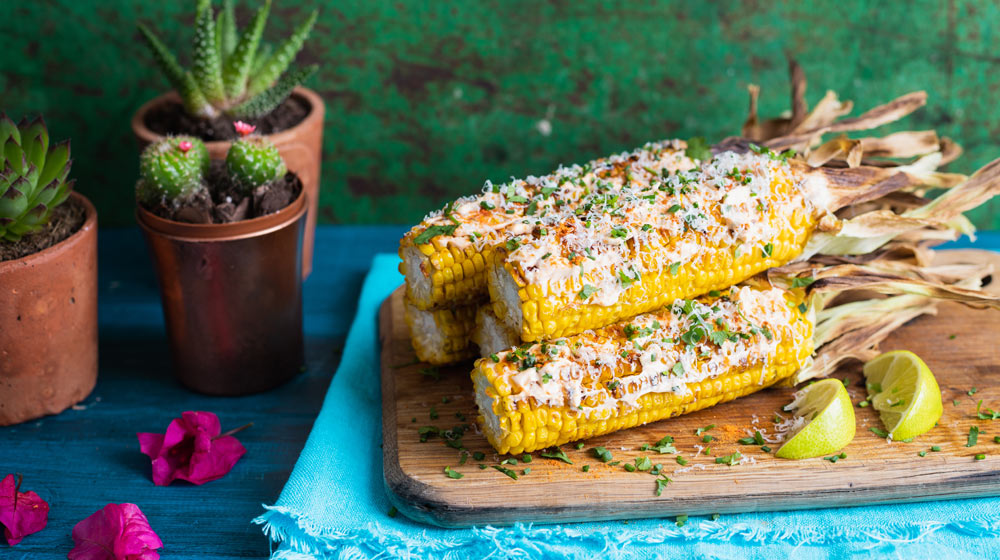
Elotes – Mexican-style Grilled Corn

This Mexican street food will become your new favourite way to eat corn on the cob.

Elotes Mexican-style Grilled Corn recipe

Deep-fried Cauliflower Soft Tortilla Wraps

These golden crunchy nuggets will change your perspective on cauliflower. Pop them into warm tortillas with lots of fresh salad and tuck in!

Deep-fried Cauliflower Soft Tortilla Wraps recipe

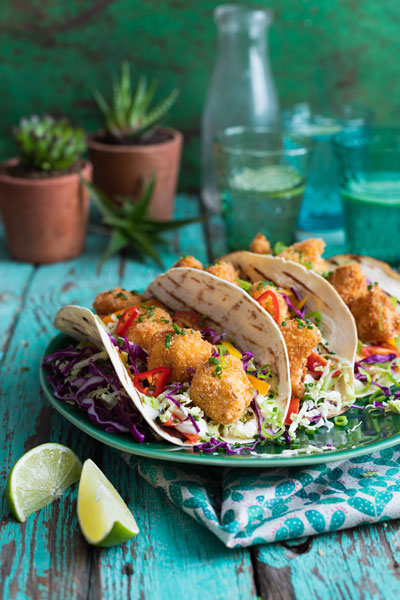
Yellowtail Fish Tacos with Green Apple Slaw

Great for serving at social gatherings, these tasty fish tacos combine the best of South African seafood and Mexican cuisine.

Yellowtail Fish Tacos with Green Apple Slaw recipe

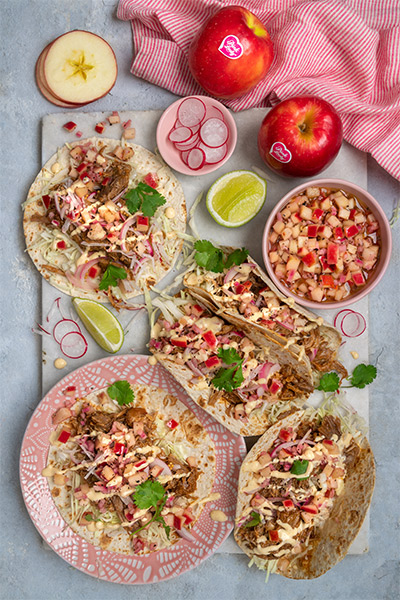
Mexican Pulled Pork Tacos with Chilli Apple Salsa

We’ve revamped this Mexican street food staple with a refreshing chilli apple salsa for a flavour explosion.

Mexican Pulled Pork Tacos with Chilli Apple Salsa recipe


Sweet Street Food

Eat these sweet treats on the go.

ClemenGold Crêpes Suzettes

Crêpes will always have a special place in our hearts and bellies.

ClemenGold Crêpes Suzettes recipe

Traditional Koeksisters

From the sticky fingers to the syrupy bite, these koeksisters are worth the sugar rush.

Traditional Koeksisters recipe

El Burro Churros with Dark Chocolate Sauce

Deep-fried dough dipped in dark chocolate sauce – is there a more delicious street food?

El Burro Churros with Dark Chocolate Sauce recipe

Mini Doughnuts with Salted Peanut Brittle Dust

These pockets of fried dough are so tasty that it’s hard to stop at just one.

Mini Doughnuts with Salted Peanut Brittle Dust recipe


Bonus Recipes

These global goodies are absolutely delish.

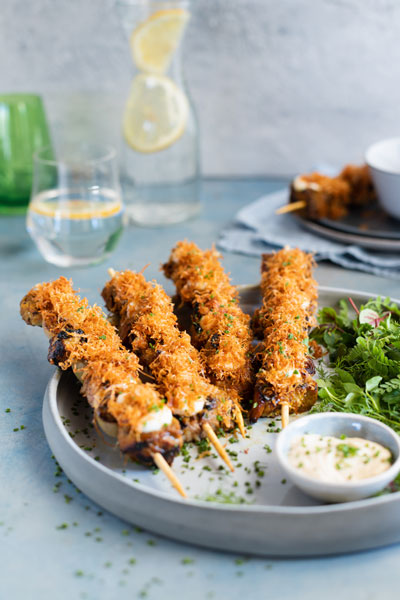
Braaied Chicken Kebabs with Lemon Labneh & Green Salad

This Middle Eastern dish is a favourite across the world; this version is served with a zesty labneh and greens to make a meal of it.

Braaied Chicken Kebabs with Lemon Labneh & Green Salad recipe

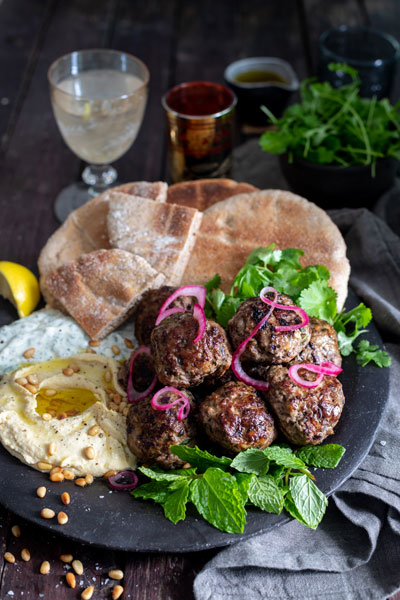
Lamb Meatballs with Mint & Coriander Yoghurt, Hummus & Pita

A street food staple and the ideal midweek meal. Tuck into the hummus and herby yoghurt with toasted pita.

Lamb Meatballs with Mint & Coriander Yoghurt, Hummus & Toasted Pita recipe

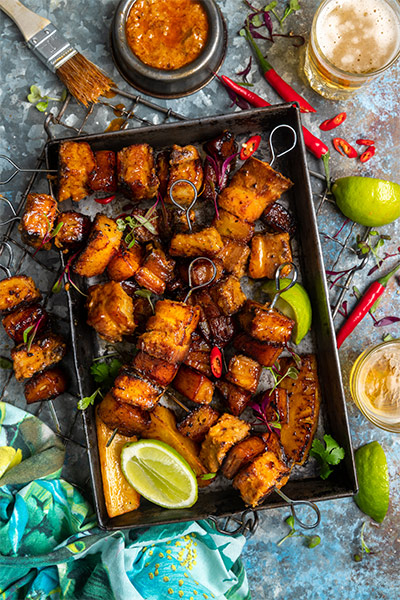
Pork & Pineapple Snack Skewers with Coconut Curry Sauce

These meaty skewers will be a definite hit at your next braai.

Pork & Pineapple Snack Skewers with Coconut Curry Sauce recipe

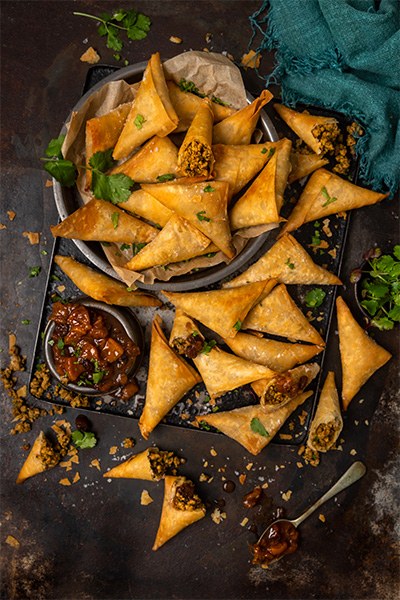
Pork Samoosas with Homemade Peach Chutney

Everything you could want from a samoosa and more!

Pork Samoosas with Homemade Peach Chutney recipe

Learn all about the history of street food.

The History of Street Food

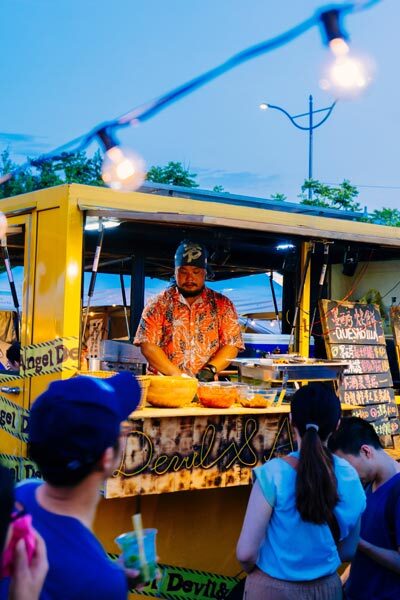
Street food culture has been around for millennia. It’s been sustaining the masses in major cities since urbanisation drove many people to find work in city centres. To this day, it still serves that purpose, with densely populated cities like Bangkok, Tokyo and Singapore being the street food capitals of the world. Versions of this street food exist all over the globe, and they’re constantly changing and adapting to suit the needs of the people they serve. We explore the multicultural and diverse history of street food and how this trend takes shape in South Africa today.

What is Street Food? 

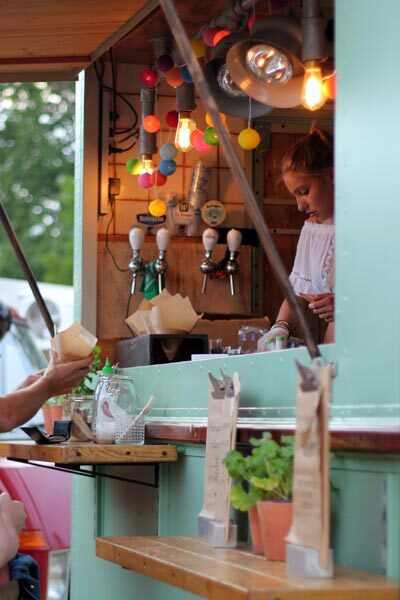
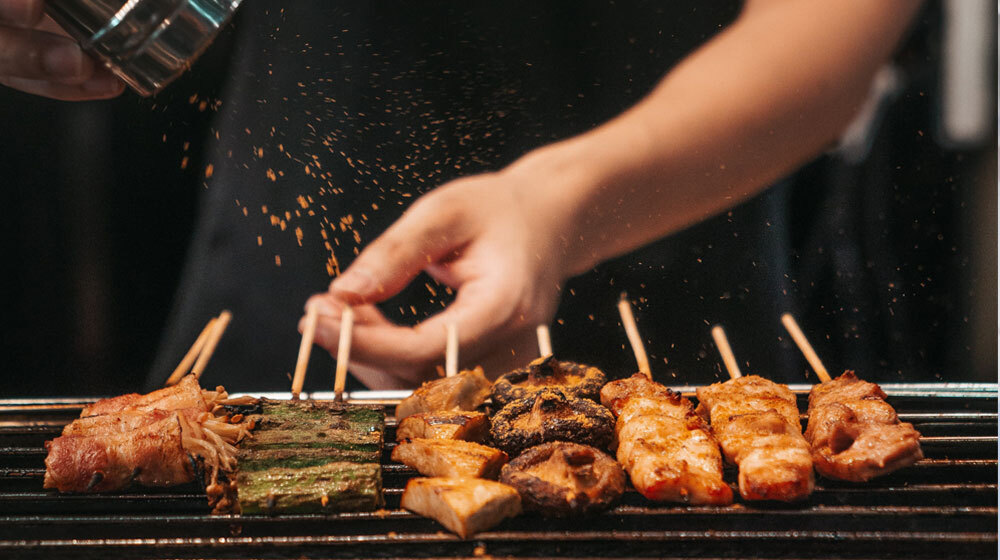
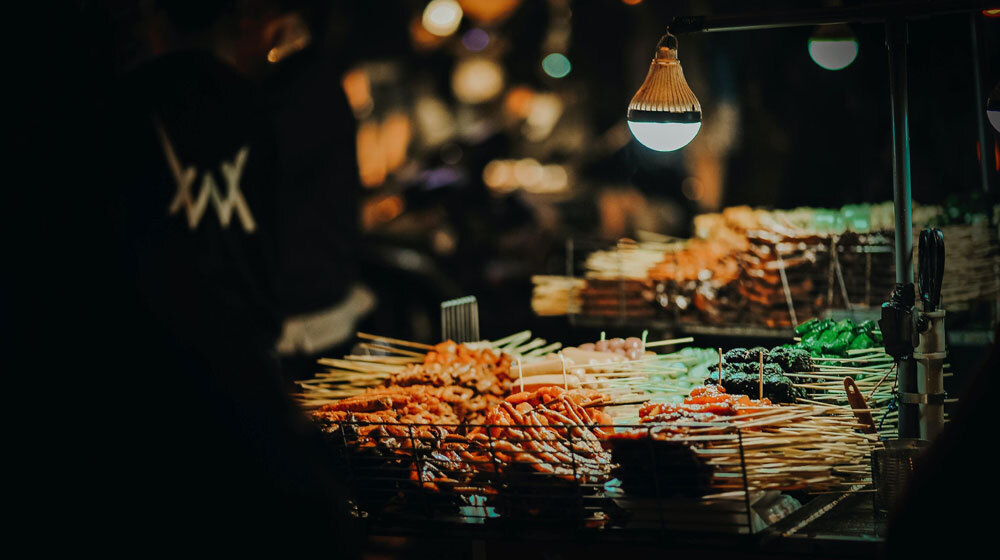
Street food is, well, food served on the street. It’s typically served from food trucks, carts, hatches, or even tables in major city centres where foot traffic is high and constant. It serves people who are on the go and need a quick lunch or dinner, but it also serves those who don’t have fully equipped home kitchens. In densely populated cities, where residential living space is dwindling, working class families often live in very small apartments that don’t have space for a kitchen. Street food is sometimes cheaper and more accessible compared to buying groceries, and has become common practice for people to rely on vendors for daily sustenance. 

Street food is the people’s food, originating from a need to feed the working class who couldn’t afford expensive cuisine or ingredients.

In Singapore, street food is mostly served in ‘hawker centres,’ which are large complexes occupied by tables and dozens of street food vendor hatches. Hawker centres are known to have some of Singapore’s tastiest and cheapest food, and many people and families eat there everyday. Hawker culture is such an important part of the Singaporean way of life, that on the 16th of December 2020, it was inscribed on the UNESCO Representative List of the Intangible Cultural Heritage of Humanity.

Street food is sometimes cheaper and more accessible compared to buying groceries, and has become common practice for people to rely on vendors for daily sustenance.

These days, pretty much any type of meal can be served as street food. It’s no longer just meats and salads wrapped in bread, like shawarma or food served on sticks. Some of the most popular street food dishes include aloo chaat from Northern India, bánh mì from Northern Vietnam, crêpes from France, tacos from Mexico and pad Thai from Bangkok, to name the bare minimum. Street food has become so popular – there are several Netflix shows dedicated to documenting the history of street food, and many more YouTube series highlighting everyday cooks who feed the hungry masses. These dishes have become so ingrained in global food culture, that we often aren’t even aware that the dish we are eating originated on the street in vendors’ carts.

The Peoples’ Food

Street food is the peoples’ food, originating from a need to feed the working class who couldn’t afford expensive cuisine or ingredients. Nowadays, street food serves to preserve indigenous food cultures around the world, and vendors can often serve as welcome reminders of ‘home’ for those living in foreign cities. In countries like South Africa, where there are many cultural groups living in diaspora, some of the most popular street food vendors are those making dishes that draw inspiration from their cultural heritage and upbringing in South Africa.

During the Apartheid era, when people of colour weren’t allowed to sit at restaurants, Bunny Chows were also a popular way of serving a takeaway option.

The Bunny Chow, one of South Africa’s most popular street food dishes, originated in Durban during the 1940s. Many people were brought over from India as indentured labourers and they had to find a way of transporting their curries to and from work every day. White bread was the cheapest and most accessible bread, and so, in order to transport their food efficiently, it was hollowed out and used as a type of ‘bowl.’ During the Apartheid era, when people of colour weren’t allowed to sit at restaurants, Bunny Chow were also a popular way of serving a takeaway option (usually out of the back door of the kitchen).

history of street food

A Window to the Past

Exploring street food culture is an amazing way to learn more about the history of a country and the people who have and are inhabiting it. Food is one of the few constants that have travelled with us over time. We can often gain insight into the way people lived, and why, by understanding what cuisines and ingredients were available to them.

Want more? Try our favourite street-food-inspired recipes here.

A Sweet Spring Treat — Taste This Zesty LemonGold Trifle

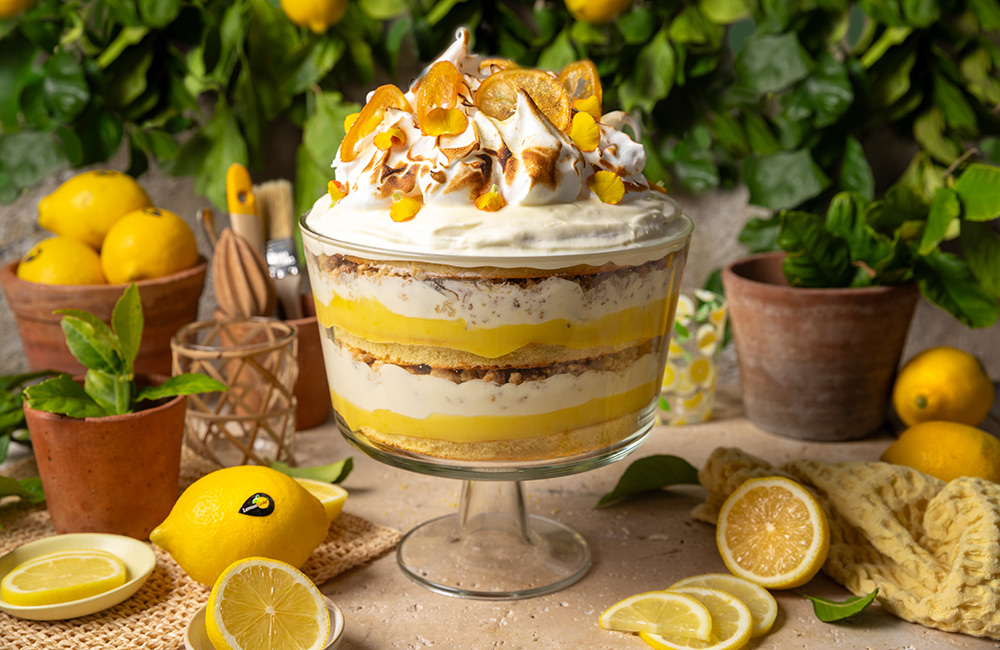
With spring here, we can’t wait to experience the sweet weather and bright, bold flavours it brings — much like freshly squeezed LemonGold® seedless lemons. Filled with the goodness of LemonGold® and topped with Swiss meringue, this showstopping Zesty LemonGold Trifle tastes like a cloud of sunshine and is the ideal treat for the season.

As Good As LemonGold!

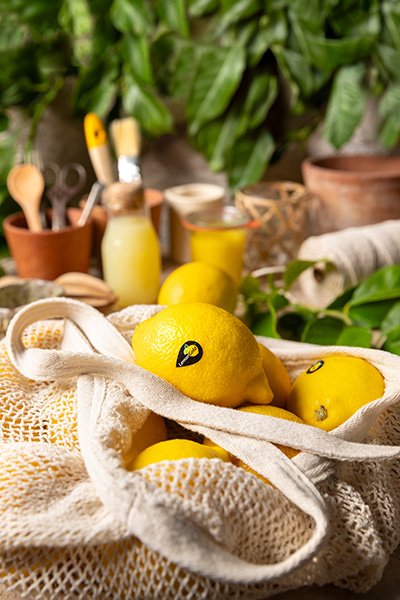
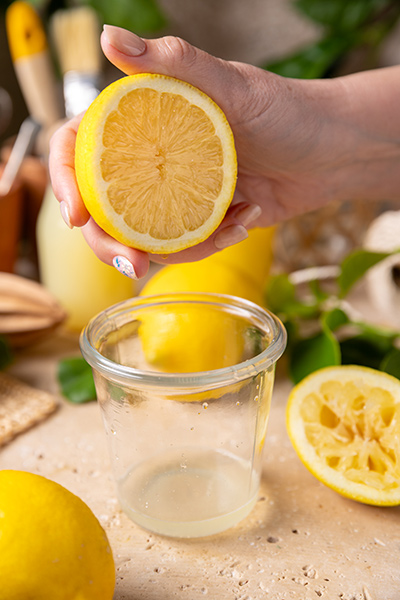
LemonGold® lemons are conveniently seedless, making them a baker’s best friend. Hand-picked for premium quality and packaged with care, these lovely lemons are sublime! Instead of scooping the seeds out of freshly pressed juice, simply squeeze LemonGold® seedless lemons directly over fresh salads, fragrant dishes, and more, to make the flavours shine. Infuse zesty goodness into winter puddings, tasty treats, ice cream and summer cocktails —LemonGold® lemons are truly “the fruit for all seasons and reasons!”

Make the most of LemonGold® seedless lemons with this decadent dessert. Brimming with fresh, citrus flavour, this Zesty LemonGold Trifle is a taste of sunshine!

LemonGold® lemons are conveniently seedless, making them a baker’s best friend.

Inspired by lemon meringue and limoncello tiramisu, this flamboyant dessert combines our favourite lemony treats in one over-the-top trifle that’s worth every spoonful. Luscious layers come together, creating the ultimate dessert for entertaining friends and family. From the limoncello-soaked vanilla sponge cake to the tart lemon curd and creamy mousse to the white chocolate cookie crumble, it’s one tasty, textural delight.

For extra decadence, top the dessert with peaks of Swiss meringue, and if you truly want to impress guests, brûlée the meringue and decorate it with candied LemonGold® slices. Elevate this centrepiece treat with edible flowers and gold glitter for a touch of sophistication and scoop your way to LemonGold® heaven. This zingy and zesty dessert is everything and more!


Recipe: Zesty LemonGold Trifle

A fun take on a classic, this decadent trifle is layered with lemony goodness and is the ideal dessert for serving on special occasions. Enjoy!

Servings: 8-10 | Prep Time: 2 hours (plus cooling time) | Cook Time: 15-20 minutes (for sponge and crumble) | Difficulty: moderate

Ingredients

Candied LemonGold Slices

1 LemonGold® lemon, sliced
75 g castor sugar
½ C (125 ml) water
¼ tsp (1,25 ml) vanilla extract

Vanilla Sponge Cake

1 C (250 ml) cake flour
1 tsp (5 ml) baking powder
¼ tsp (1,25 ml) salt
3 large eggs, room temperature
¾ C (180 ml) granulated sugar
¼ C (60 ml) milk, lukewarm
1 tsp (5 ml) vanilla extract
60 g salted butter, melted and cooled slightly

Lemon Curd

4 large whole eggs
2 large egg yolks
½ C (125 ml) granulated sugar
zest of 4 large LemonGold® lemons
½ C (125 ml) LemonGold® juice
150 g cold salted butter, cubed

Lemon Mousse

2 C (500 ml) fresh cream
2 Tbsp (30 ml) icing sugar, sifted
pinch of salt
1 C (250 ml) lemon curd

White Chocolate Crumble

140 g cold butter, cubed
120 g brown sugar
170 g plain flour
60 g oats
80 g white chocolate, chopped into small pieces

Swiss Meringue

4 large egg whites
1 C (250 ml) granulated white sugar
¼  tsp (1,25) cream of tartar
1 tsp (5 ml) vanilla extract

To Assemble (all optional)

½ C (125 ml) limoncello
edible flowers
edible gold glitter

*You’ll need a footed trifle bowl or a straight-sided glass bowl measuring 120 mm diameter x 130 mm depth.

Method

Candied LemonGold Slices

Slice lemons into thin rounds. Heat the sugar and water in a saucepan until the sugar has dissolved, then add the lemon slices. Simmer the slices for 20 minutes until translucent. Remove from the heat and stir in vanilla extract. Remove the slices from the sugar syrup and cool slightly on a wire rack. Place in an air fryer on the dehydrate function or in the oven at 80 ºC for 60-90 minutes or until fully dried. Set aside until ready to use.

Vanilla Sponge Cake

Preheat the oven to 180 °C.

Line three round baking tins with baking paper and lightly grease.

Sift together the flour, baking powder, and salt, then set aside. In a large mixing bowl, beat the eggs and sugar until thick and pale. Gently mix in the lukewarm milk and vanilla extract. Fold in the sifted dry ingredients, then drizzle in the melted butter, folding gently to combine.

Divide the batter evenly between the three tins (tip: weigh the tins to get an even measurement of batter) and bake for 10-12 minutes, until lightly golden. Allow the sponge to cool completely, then trim into rounds to fit your trifle bowl, bearing in mind that the sizes may differ if the bowl is not straight-sided. Try to cut the cake layers as closely as possible to the size of the trifle bowl, so that they fit snugly.

Lemon Curd

Whisk the eggs, egg yolks, and sugar in a heatproof bowl. Gradually whisk in the zest and lemon juice. Place the bowl over a simmering water bath, stirring constantly until the mixture thickens and reaches about 75 °C. Remove from the heat and stir in the cubed butter until smooth. Cover with cling wrap, allowing it to touch the surface of the curd to prevent a skin from forming, and then set aside to cool.

Lemon Mousse

Whip the fresh cream, icing sugar, and a pinch of salt until medium peaks form. Gently fold in a cup of the cooled lemon curd. Refrigerate the mousse until needed.

White Chocolate Crumble

Beat the butter and brown sugar together until smooth. Add the flour, oats and white chocolate pieces, mixing until combined. Rub the mixture between your hands to form clumps, then spread the clumps on a baking sheet. Bake at 180 °C for 15-20 minutes until golden brown, then set aside to cool completely.

Swiss Meringue

Using a stainless steel stand mixer bowl, heat the egg whites, sugar, and cream of tartar over a simmering water bath until the sugar dissolves and the mixture reaches 70 °C. Transfer the bowl to the mixer and whip until stiff, glossy peaks form. Fold in the vanilla extract.

To Assemble

Start with a layer of vanilla sponge at the bottom of the trifle bowl, drizzle with approximately 40 ml of limoncello, if using. Add a layer of lemon curd, spreading it evenly over the sponge. Follow this with an even layer of lemon mousse. Add a layer of cookie crumble, ensuring that some of it is close to the edge of the bowl, so that you can see the different layers through the bowl. Repeat all four layers until you reach the top of the trifle dish, finishing with a layer of mousse. Refrigerate the assembled trifle for at least 1 hour to allow the flavours to meld and the layers to set.

Just before serving, top with dollops of Swiss meringue and shape artfully with a spatula to give the dish height. Use a kitchen blowtorch to brûlée the meringue. Add candied lemon slices as garnish and decorate the trifle with edible flowers and a dusting of edible gold glitter, if using.


LemonGold® seedless lemons are exclusively available at Woolworths stores, nationwide. For more zesty deliciousness, try these LemonGold® recipes. 

clemengold.com | Facebook | Instagram

Nongcebo Langa – From Delheim Estate to the World

Nongcebo Langa didn’t always dream about vineyards and cellars, but ‘curiosity and the promise of travel’ were enough to get her hooked. Winemaking wasn’t even on her radar until a scholarship from the Department of Agriculture opened the door to a world she hadn’t imagined. Now, as Delheim Estate’s winemaker, Nongcebo is making waves in the industry, as she leads wine production at one of Stellenbosch’s historic wine route estates. Since taking the reins over from cellar master, Roelof Lotriet, in 2022, Nongcebo has won numerous accolades, including the 2023 Diners Club Young Winemaker of the Year award. We chat with the talented Nongcebo Langa about her wine journey, from growing up in an ‘alcohol-free household’ in KwaZulu Natal to sampling the finest wines across the globe.

Did you always know you wanted to be a winemaker?

I didn’t, but curiosity and the promise of travel were enough to get me hooked on this career journey. When I was in grade six or seven, I wanted to become a pilot. That dream evolved and I ended up in winemaking. Considering the fact that I grew up in an alcohol-free household — if I hadn’t had the bursary from the Department of Agriculture and been exposed to various careers in agriculture, I would not have known about winemaking.

Travel is one of the perks of the job. Which countries have you experienced, and which has been your favourite to date?

Travelling to Stellenbosch is like experiencing another country, because of how different the cultures are compared to home, KwaZulu Natal. For me, that is the crux of travel, learning from different people and their cultures.

In California, USA, I learnt the value of believing in your own strengths and loyalty to locally produced products. In Germany, I got to experience the country through the lens of Christoph Hammel, from the food to the small villages and festivals that bring communities together. The last country I visited was Ireland; there, I found the most similarities to South Africa in its people and how friendly and kind they were. Later this year, I will be experiencing the UK, and I’m sure I will leave with great lessons. I have enjoyed all these experiences. Each has had a positive impact on my personal growth.

From left to right: Roelof Lotriet, Christoph Hammel, Nongcebo Langa.

You’ve sampled some of the world’s most esteemed wines. How do global wines compare to our local wines, in your opinion?

South African wines are of astounding quality and are produced at really high standards. Looking at these parameters, we are already sharing the same table with the great wines of the world. So, the comparison only comes in when wine styles and the influence of terroir are put at the forefront. And on that front, the consumer determines what their preference is for South African wines versus global wines.

Sustainability has become a greater focus in the wine industry. How do you and your team at Delheim promote that?

My journey with wine sustainability began at university; the thesis I worked on was about smoke taint, which is a direct result of climate change. From there, I realised how important it is for each and every one of us to play a role in ensuring that such issues are minimised. I then came to work at Delheim, where sustainability is one of the estate’s core values. Sustainability is lived, from the vineyards to the cellar to the people living on the farm. I have also seen the great efforts that the wine industry puts into its sustainability efforts.

We have organisations like the Integrated Production of Wine (IPW), which ensure that farms comply with laws and regulations surrounding grape and wine production. I have seen people show interest in changing bottle weights, and bottle manufacturers who have started innovating such products. The only thing to make the wine industry more sustainable than it is, would be to keep up with new developments in technology to do things even better.

Current wine trends that excite you?

Fruit purity — it has allowed me to enjoy wines a lot more now and that keeps me excited about the industry. The metamorphosis of Pinotage has also been something amazing to witness with the new thinking allowing for fruitier and lighter expressions of the varietal.

Wines you want to experiment with?

I am a traditionalist when it comes to many wines, but the idea of doing fun things with Pinotage is enticing. We have seen Pinotage being expressed as the product of its vinification vessels, but rarely have we seen Pinotage as [an expression of] its viticultural methods like sandy soils versus clay soils, and vinification methods like whole bunch versus punch down.

What’s been the highlight of your career journey?

Winning the Diners Club Young Winemaker of the Year award last year — it was a great confirmation that I am on the correct path on this winemaking journey. I always have to give props to my team because they are a big part of this journey. The next thing to beat the Diners Club award would be to win ‘Winemaker of the Year.’

You recently hosted the Meet the Makers dinner with Grub & Vine Norval. Any other exciting dinners and events lined up?

How much time do we have for this one? Just kidding! The Stellenbosch University Homecoming Wine Show is coming up. I will also be in the UK and Ireland in October doing wine dinners and shows.

Favourite comfort food? What wine would you pair with it?

Pap, chakalaka and shisanyama — this is my all-time favourite. When I go home [KwaZulu Natal] to visit my family, it becomes part of the menu. I usually pair it with a Syrah, Cabernet Sauvignon or Pinotage, all of which work perfectly with the flavour elements of this dish.

What advice would you give to aspiring winemakers?

There are so many nuggets of wisdom that I have learnt over the years, and to advise someone would require an understanding of their situation. But, I would tell aspiring winemakers that winemaking is not an overnight success; it takes time and investing in yourself and the craft, so patience is a virtue one should possess. Also, have the drive and curiosity to want to make your mark and find people to help you get there.

For upcoming wine events and to purchase Delheim wines, visit the website link below. 

delheim.com | Facebook | Instagram

A Guide to Cape Malay Cooking Terms – Koe’sisters to Mavrou

Cape Malay cuisine is more than just food — it tells a story. A vibrant fusion of flavours from Indonesia, India and beyond, each dish is filled with fragrant spices and bold tastes, reflecting the rich history and heritage of its people. Explore this iconic cuisine with our comprehensive guide to Cape Malay cooking terms.
comfort food recipes

Akhnie

A popular mixed rice dish, with origins in eastern Bangladesh. Akhnie is a favourite among Bengali Muslim communities in Chittagong and Sylhet, where the dish is enjoyed during Ramadaan or ‘Ramadan’ — a ritual also carried out by Cape Malay Muslims when breaking fast at Iftar. The dish, which is similar to biryani and pulao, incorporates a mixture of rice, ghee, garam masala, meat (chicken, beef, lamb, goat are popular protein choices), and vegetables (peas, potatoes, onions). The Cape Malay version also uses aromatics like crushed garlic and ginger, as well as ground spices like jeera (cumin), borrie (turmeric), koljander (coriander), barishap (fennel) and whole clove, cardamom and cinnamon.

Allspice

Allspice, also known as ‘pimento,’ is a popular spice used in Cape Malay curries, bredies and breyani or ‘biryani.’ Though the name suggests a blend of different spices, allspice refers to a single spice. The name is given due to the different earthy spices it is reminiscent of, including cinnamon, nutmeg and clove — the term ‘allspice’ was coined by the English in 1621. The round, black seeds resemble peppercorns.

Aniseed

A fragrant spice with a liquorice-like flavour. Aniseed is used in South African sweet treats like koe’sisters and mosbolletjies, and savoury dishes.

Atchar/Atjar

A condiment consisting of pickled vegetables. Almost any vegetable can be used to make atchar. Popular local variations include mango, cauliflower, green beans and carrots. The sweet-sour pickle is believed to derive from the Indonesian version called ‘acar.’ Cape Malay food is influenced by Indonesian cuisine, and as a result of Dutch colonial influences, the names of certain local dishes are stylised as such. The Dutch term for ‘acar’ is ‘atjar.’ Though, locals mostly refer to the popular condiment as ‘atchar.’

Try this recipe for Curried Green Beans

Barakat

Barakat, meaning ‘blessings’ from the Arabic word ‘barakah’ or ‘baraka,’ is a Cape Malay term used to describe the food parcels or ‘takeaways’ given to guests at the end of a dinner party and special occasions like Iftar or Eid. Barakat can include an assortment of savoury and sweet treats, depending on what is leftover on the table spread. Hertzoggies, milk tart, biscuits, koesisters, savoury pies, ‘half moons,’ and samoosas are some popular barakat snacks.

Barishap

The Cape Malay term for ‘fennel spice.’ These elongated, green seeds closely resemble cumin seeds, which are slightly bigger. Barishap can be used whole or ground and added to curries and biryani, lending earthy, slightly sweet, liquorice-like aromas — similar to aniseed.

Blatjang

The Afrikaans word for ‘chutney.’ Blatjang, a condiment enjoyed throughout South Africa, is often made using fruits like peach, apricot, and sultanas. The addition of brown vinegar, sugar and water and spices gives this beloved condiment a sweet, spicy and tangy taste. Mrs H.S. Balls is a popular chutney brand consumed by most locals.

Bobotie

A casserole dish featuring spiced beef or lamb mince with raisins/sultanas, topped with a savoury egg custard and baked in the oven. Bobotie is believed to originate from traditional Javanese cuisine; it’s usually served with yellow rice, with almonds and raisins.
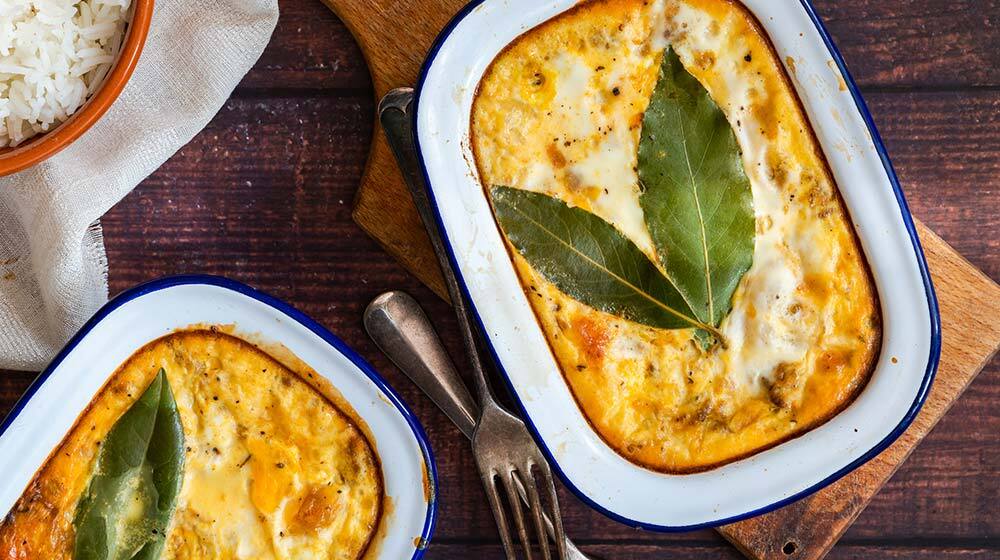
the history of bobotie

Try this recipe for The Ultimate South African Bobotie

Boeber

A popular Cape Malay dessert and spiced milk drink featuring vermicelli, cardamom pods, cinnamon sticks, vanilla essence, rose water, sago, dessert cream and milk. Boeber is usually enjoyed during the holy month of Ramadaan, and is topped with crushed pistachio nuts.

Try this recipe for Toasted Almond Boeber Ice Cream 

Bollas

A Cape Malay sweet treat. These small doughnuts are made from leavened dough and deep-fried to golden, brown perfection. Once cooked, the dough balls are briefly soaked in sugar syrup, forming a sticky exterior and sweet taste. Served simply, bollas are similar to gulab jamun, a popular Indian sweet treat. Bollas are often coated with desiccated coconut.

Borrie

Borrie is another name for ‘turmeric.’ In Cape Malay cuisine, borrie is often added to dishes in ground form, but can also be grated from whole-root turmeric.

Bredie

A vegetable and meat stew. Bredie is a traditional South African and Cape Malay dish; many variations have been made throughout the years. Bredies are kept simple, with basic seasonings like salt, pepper, whole cloves and allspice; sometimes sugar is added if needed in tomato or ‘tamatie bredie’ to balance the acidity of the dish. In this stew, onions, meat (beef or lamb) are braised; potatoes are also added and everything is cooked slowly, forming a delicious gravy. Bredie is often enjoyed with plain white rice. Locally, waterblommetjie (an aquatic plant; meaning ‘water flower’) bredie is also enjoyed among locals.

Try this recipe for Braaied Lamb Tamatie Bredie

Breyani (Biryani)

A popular rice dish in Indian and Cape Malay cuisine. Biryani is believed to have originated from ancient Persian cuisine. Biryani has many variations; styles differ regionally, depending on fresh produce and meat available. Similar to Kolkata-style biryani, the meat in Cape Malay breyani is usually marinated in cultured yoghurt or buttermilk and aromatic spices such as ginger, garlic, cardamom, breyani masala, turmeric (borrie), whole cloves, and pimentos (allspice), saffron, and grated tomato are added before it is cooked and layered with the parboiled basmati rice, brown lentils and crispy onions and boiled eggs. The addition of turmeric and saffron gives it a vibrant yellow colour. This staple dish is often served alongside tomato and onion sambal (salad) or cucumber raita.
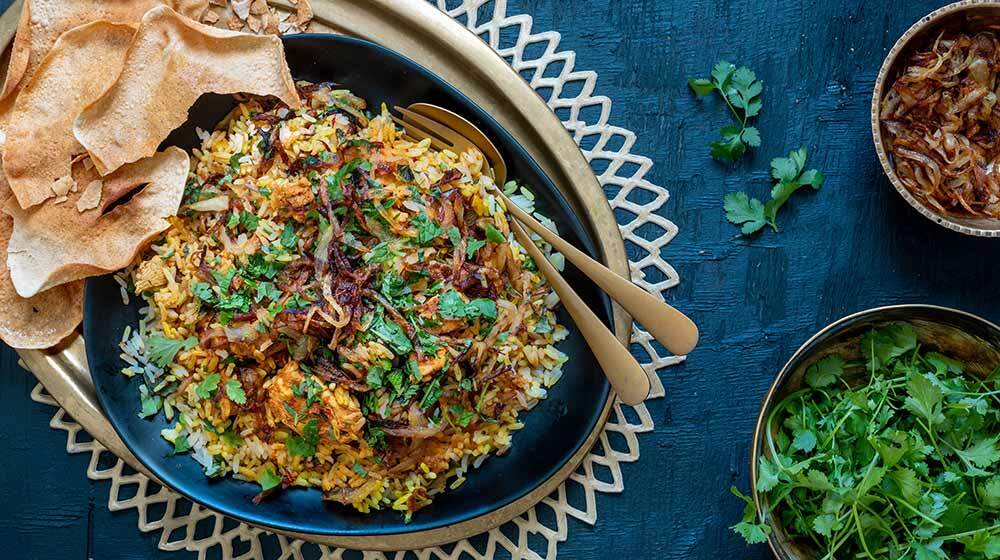
Try this recipe for Easy Chicken Biryani

Brinjal

The Cape Malay term for ‘eggplant’ or ‘aubergine.’

Denningvleis

A popular meat dish consisting of lamb. Denningvleis has a slightly sour and spicy undertone; traditionally, tamarind is used, but brown vinegar and sugar can be used as a substitute. Bay leaves, allspice, chilli, black pepper, garlic and onions are also added to the dish. This Cape Malay favourite is served with yellow rice, sometimes containing raisins and shaved almonds.

Dhaltjies

A savoury snack, often served at special occasions and religious gatherings. Dhaltjies are also called ‘chilli bites’ for their spicy flavour. They consist of a savoury batter incorporating chana  flour or ‘gram flour,’ made from finely ground chickpeas. Dhaltjies also include finely chopped onion, coriander leaves, spinach leaves (and sometimes grated apple), and are spiced with crushed chillies, cumin, ground coriander and turmeric. When deep-fried, they puff up and become golden, giving way to a crispy exterior and fluffy, flavourful interior.

Dhania

Among Cape Malay and Indian communities, coriander or ‘cilantro’ leaves are referred to as ‘dhania’ or ‘dhunia.’ The earthy, fragrant herb is used to garnish and add flavour to curries and sausage. Dhania is also incorporated in condiments like blatjang (chutney) and sambal.
taste of coriander

Falooda

A fragrant, sweet drink/milkshake in Cape Malay cuisine made of milk, vanilla ice cream, rose water, jelly cubes, sweet basil seeds (sabja), and rose syrup, giving the dessert a pink appearance. Falooda is thought to originate from the Persian dessert ‘faloodeh.’ It is also popular in Indian cuisine, though, this version often includes vermicelli.

Frikkadel

Frikkadelle, or ‘Frikkadels’ are meatballs. This South African delicacy consists of lean beef mince. The Cape Malay version incorporates grated onion, garlic, chopped coriander, jeera powder, fennel seeds, ground cinnamon and green chilli.

Hertzoggies

A coconut and apricot jam-filled sweet treat often enjoyed at church bazaars, weddings, religious occasions and family gatherings.

Half Moons

A savoury snack enjoyed at social gatherings; they are often filled with beef. The exterior consists of cooked dough coated in breadcrumbs. These snacks are deep-fried until golden and served on a snack platter, often with a sweet chilli dip, crudité and other savoury treats.

Iftar

The term given to the period during which one breaks one’s fast during Ramadaan, at sunset.

Jeera

An earthy spice; jeera is more commonly known as ‘cumin.’ Whole jeera seeds are often incorporated in curries, dhal and snacks like batata vada/aloo vada or ‘patata wara.’

Karamonk

A fragrant spice, commonly used in curries and desserts. ‘Karamonk’ is the Cape Malay term for cardamom. There are two types of cardamom, green and black cardamom.
Koesister (Koe’sister)

A Cape Malay spiced doughnut dipped in sugar syrup and rolled in desiccated coconut. Koesisters or ‘koe’sisters’ – not to be confused with Afrikaans version, twisted doughnuts called ‘koeksisters’ – consist of deep-fried leavened dough spiced with aniseed, cardamom, ginger powder, cinnamon, and orange zest. Koe’sisters are usually enjoyed on Sunday mornings with a cup of tea or coffee.

Koljander/Koljana

The Afrikaans term for ‘coriander,’ this usually refers to the whole seeds, whereas ‘dhania’ or ‘dhunia’ refers to leaves/herbs.

Konfyt

An Afrikaans colloquial term for ‘jam’ or ‘fruit preserve.’ The word is thought to have been derived from the Dutch word ‘konfijt,’ likely stemming from the French word ‘confiture.’

Kool Kos

A winter dish consisting of braised cabbage, onions, meat (beef or lamb) and soft-cooked potatoes. In Afrikaans, ‘kool’ refers to cabbage and ‘kos’ means ‘food.’ This dish is also called ‘cabbage bredie’ or ‘cabbage stew.’

Kweper

The Afrikaans/Cape Malay term for quince. Though an ancient fruit consumed in many countries — including Turkey, China, Morocco, Portugal and South Africa — quince is a less popular fruit around the world. In Cape Malay and South African cuisine, quince is used to make ‘kweper konfyt’ or quince jam.

*Marmalade is often used to describe orange ‘jam,’ any fruit can be used. In fact, the Portuguese word ‘marmelada’ meaning marmalade is a term used to describe quince (‘marmelo’ in Portuguese) conserve.

Mavrou

Beef steak, which is spiced and cooked with onions and spices (cumin, coriander, fennel, allspice, cardamom, saffron, ginger, garlic) and served with savoury rice. In Afrikaans, mavrou means ‘madam’ or ‘ma’am.’

Ou Mens Onder Die Kombers (Ouma Onder Die Kombers)

A dish consisting of beef meatballs wrapped in cabbage leaves; also refered to as ‘Ouma Onder Die Kombers.’ The cabbage rolls are cooked in mutton gravy and served with a sprinkle of nutmeg. In German cuisine, these cabbage rolls, which are cooked in a tomato-based gravy, are called Kohlrouladen.

Ox Trotter

A delicacy in Cape Malay cuisine. Other animal meat is used throughout South Africa, but the Cape Malay version only uses ox or sheep trotters, as pork is not considered ‘halaal’ as per Islamic customs. Ox trotters are thoroughly washed before being cooked in salted water until soft. This takes some time to prepare and is enjoyed with braised onions, garlic, pepper and salt; sometimes, peas are incorporated into the dish.

Patatas

The Cape Malay term for ‘potatoes’ or a dish which incorporates potatoes, such as patata waras or ‘aloo vada’ — a popular snack in Indian and Cape Malay cuisine.

Pickled Fish (Ingelegde Vis)

A favourite for South Africans, especially over the Easter holidays. Pickled fish is made by coating fish in seasoned flour and frying it in oil. The cooked fish is layered with spiced pickled onion, made of sliced onions cooked in a mixture of vinegar, sugar, water, turmeric, pimentos, bay leaves, peppercorn, salt, and chilli. Pickled fish is also known as ‘ingelegde vis.’ This delicacy is enjoyed with fresh bread or Hot Cross Buns.
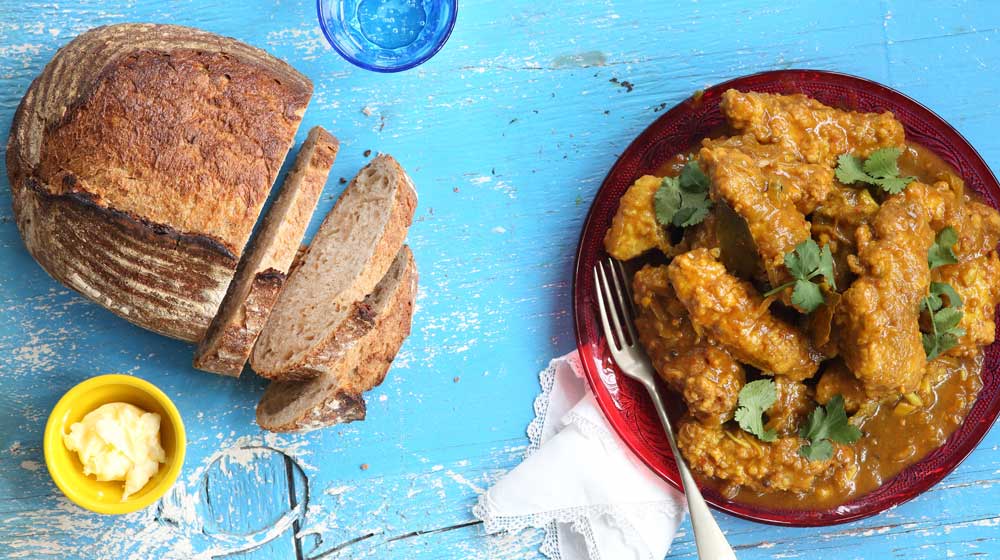
How-To-Make-Pickled-Fish-1x5

Learn how to cook Pickled Fish, Cape Malay-style.

Pimento

Also known as ‘allspice,’ pimentos are used in Cape Malay dishes like bredie, breyani and curries. The seeds are derived from the Pimenta dioica tree. Pimentos are popular in Cape Malay, Jamaican, Middle Eastern and Portuguese cuisine. *Not to be confused with the pimento peppers, which are commonly found in the centre of pitted green olives.

Sago

Tapioca starch balls; they usually appear white and become translucent once cooked. In Cape Malay cuisine, sago is used in a popular dessert called ‘sago pudding,’ in which the sago is mixed with an egg custard, sugar, nutmeg and cinnamon. The top is sprinkled with sugar and the dessert is baked in the oven. Sago is also used in boeber, a milk drink enjoyed by the Cape Malay community during Ramadaan. Some savoury pies are also filled with sago.

Salomi

A roti filled with curry. Mutton salomies, a favourite among locals, are filled with lamb or beef mince curry, sometimes incorporating peas and potatoes. These are often sold at markets, bazaars, roadhouses, gatsby shops, and fast food establishments.

Sambal

A simple salad incorporating grated or chopped fruit, diced onion, fresh chilli, salt, lemon juice or vinegar, and sugar to balance the acidity. Garlic and dhania (coriander) are also added. The Javanese word translates to ‘condiment,’ as sambal is often served with different types of curry and other savoury dishes. Common types include tomato and onion sambal, and cucumber sambal, but there are no limits as to what fruit can be incorporated — other types include carrot or ‘wortel,’ pineapple, and avocado pear sambal. The strength of the sambal depends on how much fresh chilli is added or how potent the chilli is.

Samoosa

Deep-fried savoury pastries, folded in the form of triangles — different from spanakopitas. These pockets of flavour are usually filled with curried potatoes or ground beef mince curry. More modern versions are filled with cheese and corn, and are often baked in the air fryer as a healthier alternative.
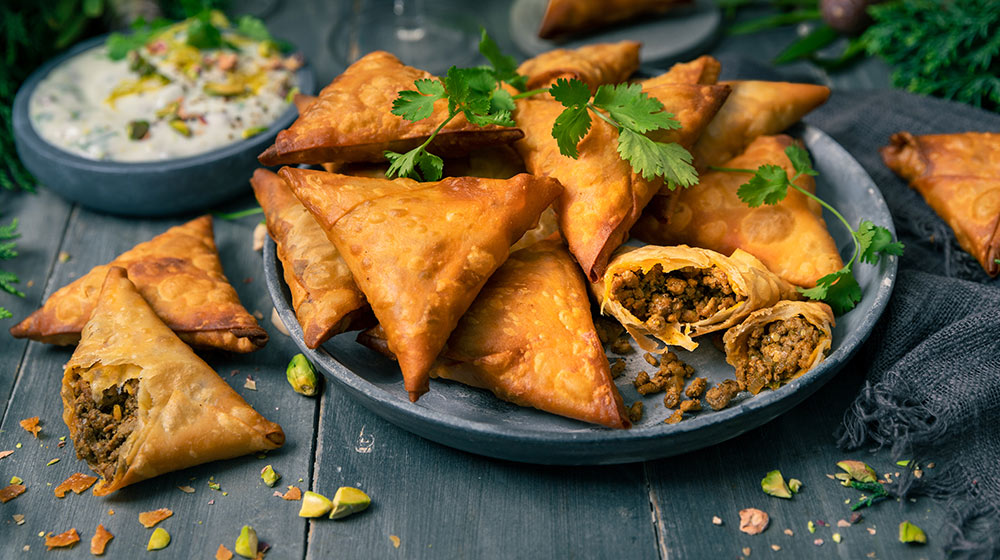
Try this recipe for Wagyu Mince Samoosas

Slangetjies

A savoury snack served at birthday parties and social gatherings. Slangetjies, named aptly after the shape of the snack, resemble ‘little snakes.’ The popular treat is made of chana (chickpea) flour which is fried until golden brown and seasoned with masala and turmeric. They are often combined with cornflakes, peanuts and raisins. Slangetijies, also called ‘chevra’ or ‘sev,’ are incorporated into chaat, a popular Indian street food snack.

Smoor

A relish, usually made of tomato and onion cooked slowly. Smoor can incorporate other ingredients like Pilchards (sardines), red viennas or hard-boiled eggs. In isiXhosa cuisine, the dish is called ‘iBhisto.’

Try this recipe for Smoorsnoek

Snoek

A popular type of fish eaten in South Africa, especially along the west and southwest coast. In some parts of the world, snoek is similar to ‘barracouta.’ Snoek has a distinct taste, often saltier and containing more fat compared to other popular local fish like hake and yellowtail.

Snowballs

A teatime treat made of vanilla sponge cakes, which are dipped in jam or pink syrup and then rolled in desiccated coconut. They are often filled with fresh cream as well.

Sosatie

The Cape Malay term for ‘kebab’ or skewered meat/vegetables. The skewers are often braaied over hot coals and enjoyed at social gatherings among friends and family.

Try this recipe for Cape Malay Sosaties

Tamatie

The Cape Malay food term for ‘tomato.’ Tamatie bredie and tamatie smoor are some examples in which this word is used.

Try this recipe for Braaied Lamb Tamatie Bredie

Tong/Tongue

‘Tong’ is the Afrikaans/Cape Malay term for ‘tongue,’ which usually refers to cooked ox or sheep tongue. Another delicacy in Cape Malay and South African cuisine. Tongue is commonly enjoyed on religious holidays. Local grocery stores sell tongue, which is vacuum sealed along with whole spices like peppercorns and bay leaves. The cold meat/deli section at grocery stores often sell sliced tongue, to be enjoyed as a simple sandwich stuffed between slices of bread.

Triem

The Cape Malay term or version of a Madeira loaf. These types of cakes are usually served on Eid Labarang, the first day after Ramadaan, or as ‘Barakat.’

Trifle

A layered dessert enjoyed at festive holidays like Eid-ul-Fitr and Christmas in South Africa. Vanilla sponge cake is soaked in syrup (often from canned fruit) and then layered with canned fruit (pear, sliced peaches, or mixed fruits), custard, flavoured jelly and fresh cream, which is often sprinkled with almond slivers or chocolate shavings. Many variations exist, according to preference. Christmas trifles sometimes include brandy or sherry-soaked sponge cake, but the Cape Malay version is enjoyed without it as alcohol is not permissible according to Islamic customs.

Tripe

Organ meat derived from the ‘first’ or ‘second’ stomach of cows, sheep or any other ruminant animal. Tripe is often prepared along with trotters; in Cape Malay cuisine, ox tripe is usually enjoyed, as pork is considered ‘haram,’ non-permissible according to Islamic laws.

Vermicelli

Different from Italian vermicelli, which is usually thicker. The South African version sold at grocery stores is usually made of rice. Vermicelli is a crucial ingredient in boeber and a dessert called ‘geskroeide vermicelli,’ where the noodles are cooked in butter, cinnamon, cardamom, sugar and water, and then served with vanilla ice cream or fresh cream.

Vetkoek

A deep-fried bread roll made of leavened dough. Vetkoek are not particular to Cape Malay cuisine; they are enjoyed by most South Africans. In isiXhosa cuisine, vetkoek are referred to as ‘amaGwinya.’ Vetkoek are often enjoyed with mince, potato and green pea curry, or can be eaten with apricot jam or syrup.
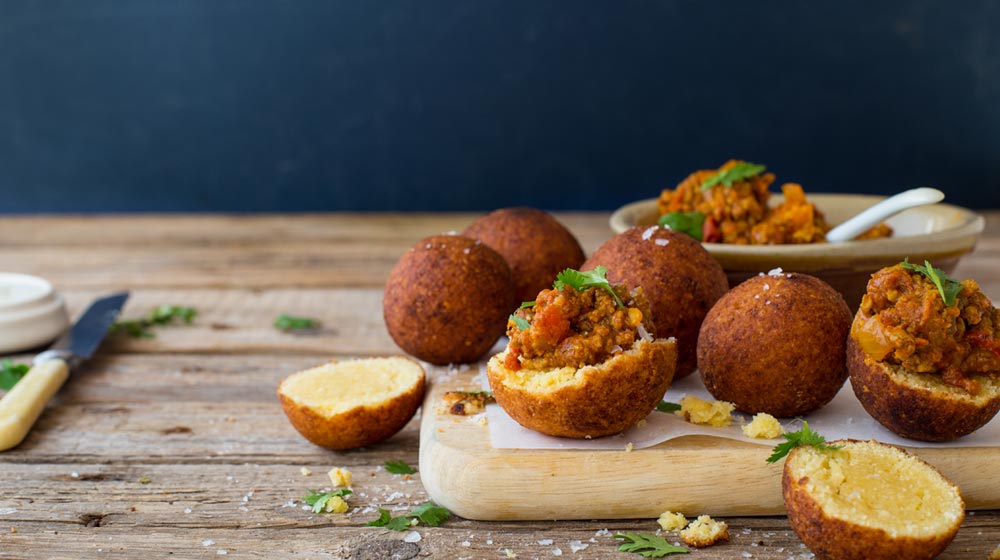
Curried-mince-vetkoek-

Try this recipe for Vetkoek with Curried Mince
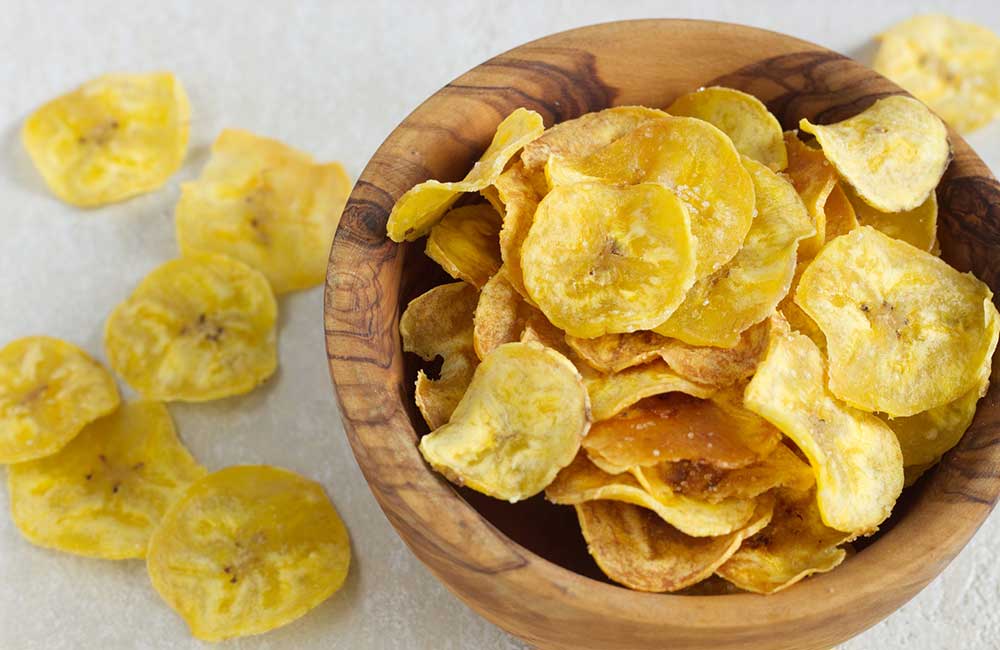
Watermelon Konfyt

Watermelon jam or preserve; the outer peel/exterior of the watermelon is removed, the white fleshy portion (under the hard peel) is used to make the konfyt, which is cut into pieces and pricked and then soaked in a lime solution overnight to soften before being preserved in sugar, lemon juice and spices like ginger and cinnamon.
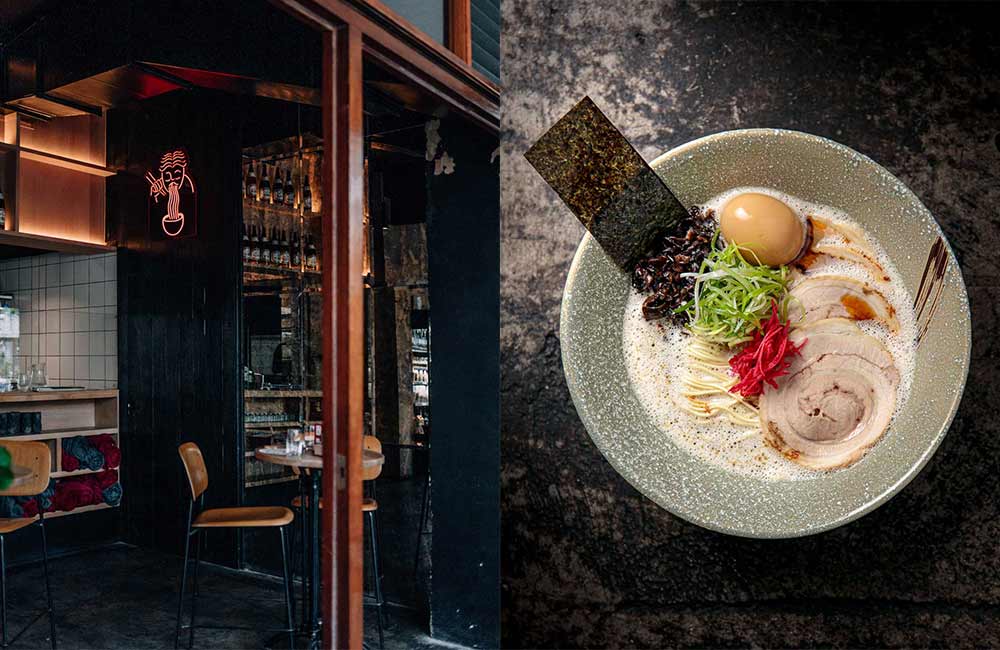
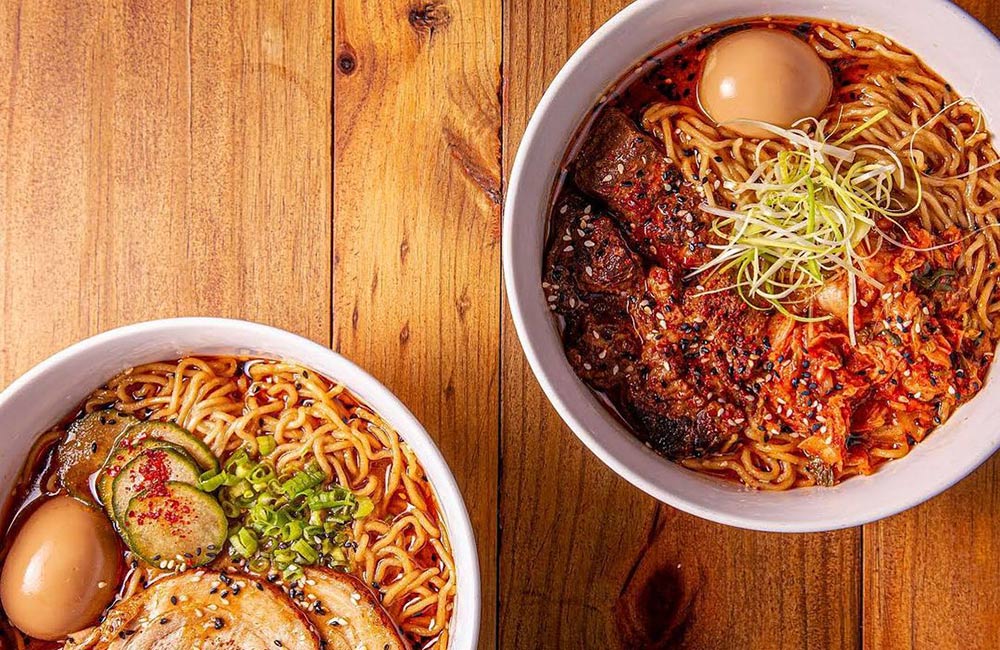
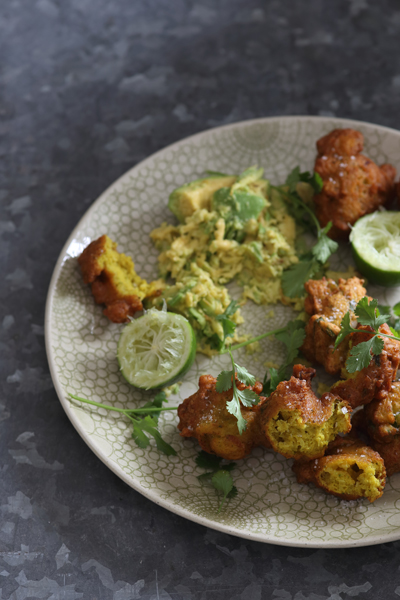
Now that you know your Cape Malay cooking terms, try these Cape Malay-inspired recipes. Want more? Learn all about the history of bobotie
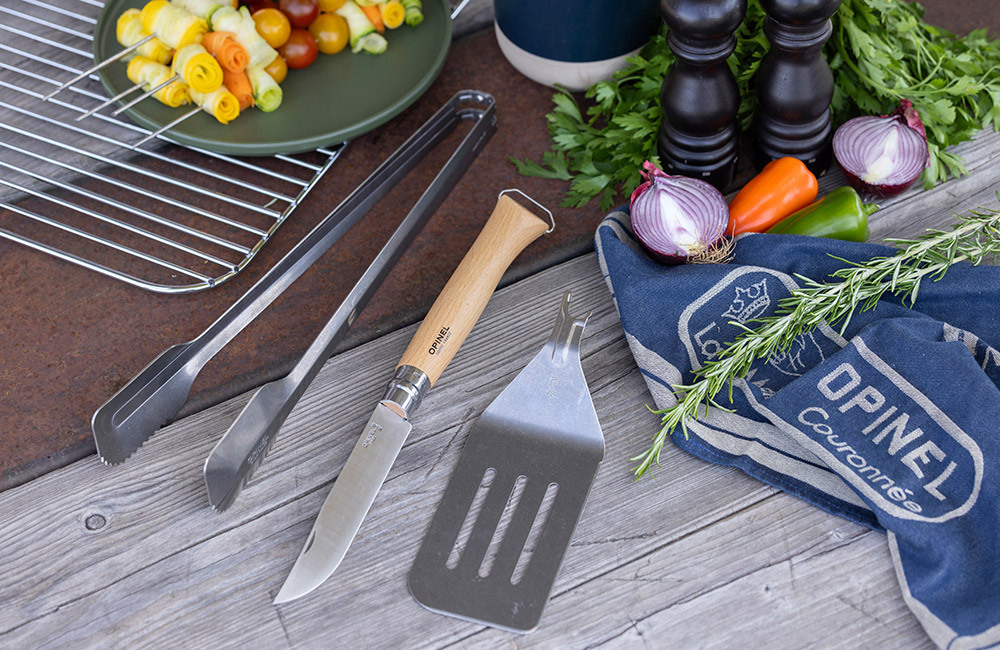
14 Classic Cape Malay Recipes with a Twist

Whether enjoying Sunday morning koe’sisters or biryani at family gatherings, Cape Malay food is a love language of its own. To celebrate this iconic cuisine, we share some of our favourite Cape Malay-inspired recipes for Heritage Month and beyond. Enjoy!

Bredie to Bobotie – Cape Malay Recipes

Try these savoury Cape Malay classics, from starters to mains.

Wagyu Mince Samoosas

Affectionately known as ‘driehoek kerriekoek’ by locals, these tasty pockets of pastry are the quintessential Cape Malay snack, and no celebration is complete without them. This bougie version is filled with Wagyu mince and served with a garlicky yoghurt dip.

Recipe for Wagyu Mince Samoosas

Cape Malay Sosaties

What’s a braai without sosaties? Seasoned with Cape Malay curry spices and marinated in tamarind sauce, these sweet ‘n sour lamb kebabs are sensational!

Recipe for Cape Malay Sosaties

Cheesy Bobotie Jaffles

Jaffles will always be a bazaar favourite. This version of the nostalgic, savoury treat combines the best of cheese toasties and bobotie.

Recipe for Cheesy Bobotie Jaffles

Beef Meatball Tomato Bredie

Tamatie bredie and meatballs — name a better pairing!

Recipe for Beef Meatball Tomato Bredie

Curried Green Beans

Pickled veg and atchar are staples in Cape Malay cuisine. Satisfyingly spicy and tangy, these Curried Green Beans make for the ultimate condiment.

Recipe for Curried Green Beans

Curried Pickled Fish

Possibly one of the most iconic Cape Malay recipes. Though traditionally served at Easter, Pickled Fish is so delicious it should be enjoyed all year round!

Recipe for Curried Pickled Fish

Boerewors Bobotie

Another classic Cape Malay recipe! To bolster the flavour, we’ve used boerewors mince as the base for this dish. Enjoy with yellow rice and relish those sweet and savoury flaves!

Recipe for Boerewors Bobotie

Creamy Malay Chicken Curry Pie

Inspired by Cape Malay chicken curry; we’ve added a flaky pastry topping, turning this classic dish into the perfect pot pie. The whole family will love this dish.

Recipe for Creamy Malay Chicken Curry Pie

Braaied Lamb Tomato Bredie

A hearty and flavourful dish. For a super local take, we’ve made a braaied version. Lap up the sauce and tender lamb with flaky rotis for peak enjoyment.

Recipe for Braaied Lamb Tomato Bredie

Instant Pot Chicken Coconut Curry

Meet your new favourite midweek dish. This Chicken Coconut Curry is incredibly tasty, plus the Instant Pot does most of the work.

Recipe for Instant Pot Chicken Coconut Curry

Kamini’s Cauliflower Rice Lamb Biryani

Kamini Pather’s take on biryani means you don’t have to feel guilty about second helpings. Truly a savoury delight!

Recipe for Kamini’s Cauliflower Rice Lamb Biryani

Easy Chicken Biryani

One of our all-time favourite Cape Malay recipes. Biryani usually takes a bit of time to make, but this recipe will have you seated at the table and ready to nosh in no time.

Recipe for Easy Chicken Biryani


Our Favourite Cape Malay Desserts

You’ll want to make room for these desserts…

Toasted Almond Boeber Ice Cream

A beloved Cape Malay treat, traditionally served during Ramadaan. We’ve taken everything you love about Boeber and churned it into a delish ice cream with toasted almonds.

Recipe for Toasted Almond Boeber Ice Cream

Deep Dish Condensed Milk Tart

Milk tart is a firm South African and Cape Malay fave, which is why we’ve doubled the filling in this Deep Dish Condensed Milk Tart. A decidedly delicious teatime tart.

Recipe for Deep Dish Condensed Milk Tart

Want more? Learn about the history of bobotie.

Our Favourite Curry Recipes From Around the World

Is there anything better than tender meat and tasty veggies enveloped in fragrant spices and creamy sauce? ‘Nope’ is the right answer to that question. Winter calls for comforting dishes to warm us from the inside out. We round up our favourite curry recipes ranging from Cape Malay to Thai to Indian-style for a range of tasty and colourful curries.

Cape Malay Curry

South Africa is truly a melting pot of cultures, and it shows in our influenced and diverse cuisine. Here are some of our favourite Cape Malay curries.

bredie_400x600

Braaied Lamb Tomato Bredie

A bredie is very similar to a stew, but with the addition of spices. This is a classic Malay dish and is perfect for serving a hungry crowd. Browning the meat on the braai adds extra deliciousness to this hearty dish.

Recipe for Braaied Lamb Tomato Bredie

Spicy Cape Beef Curry

As saucy as they come – this beef curry is simple to make, yet steeped with so much flavour.

Recipe for Spicy Cape Beef Curry

Fruity Lamb Curry with Yellow Rice

South Africans are notorious sweet tooths, so trust us to add a little fruitiness to our curry. The lamb knuckle marrow is the best part of this curry. Serve with yellow rice for the quintessential Cape Malay curry.

Recipe for Fruity Lamb Curry with Yellow Rice

Sophia’s Malay Chicken Curry

Chicken curry will always be a fave – the ginger, garlic and bay leaves make this an epic dish.

Recipe for Sophia’s Malay Chicken Curry


Tasty Thai Curry Recipes

Whether you like it red or green, Thai curry is always a winner!

Thai Green Chicken Curry

The OG Thai curry dish! This classic curry is made with fresh Thai green curry paste and a light base of coconut milk.

Recipe for Thai Green Chicken Curry

Thai Green Vegetable Curry with Lentils

A warming bowl brimming with Thai flavour and lentils in a fragrant coconut sauce.

Recipe for Thai Green Vegetable Curry with Lentils

Pork & Pink Lady Apple Meatballs in Thai Red Curry

Fragrant, spicy, sweet, savoury – this revamped Asian classic hits all the right tasting notes. Guests will slurp and savour this meaty marvel.

Recipe for Pork & Pink Lady Apple Meatballs in Thai Red Curry

Aubergine Thai Curry with Coconut Milk

This is a winning meat-free dish of baby eggplants cooked in a delish coconut sauce.

Recipe for Aubergine Thai Curry with Coconut Milk


Indian Curry Recipes

You can’t go wrong with these Indian curry recipes.

Pork Neck Vindaloo Curry

This Pork Neck Vindaloo is sure to become your new favourite curry.

Recipe for Pork Neck Vindaloo Curry

Cariema Isaacs’ Goan Beef Vindaloo

We’re ever indebted to Cariema and her father for this gem of a dish. The cardamom, chilli powder and tamarind paste make this an unforgettable curry!

Recipe for Cariema Isaacs’ Goan Beef Vindaloo

rogan josh tomato soup

Instant Pot Coconut Chicken Curry

A gorgeously fragrant coconut chicken curry – serve with basmati rice and sambal.

Recipe Instant Pot Coconut Chicken Curry

Rogan Josh Tomato Soup with Yoghurt Flatbreads

Talk about comfort in a bowl! Simple yet so delicious – you’ll want seconds.

Recipe for Rogan Josh Tomato Soup with Yoghurt Flatbreads

Indian Curry Recipes red goan fish curry
Indian Curry Recipes Lamb Shank vindaloo curry

Red Goan Fish Curry

A West Indian seafood curry full of punchy flavours, thanks to the fenugreek and red chilli.

Recipe for Red Goan Fish Curry

Lamb Shank Vindaloo

This dish is not for the faint-hearted, only those who can withstand intense heat.

Recipe for Lamb Shank Vindaloo

Indian Curry Recipes Rogan Josh Lamb Shanks
Indian Curry Recipes Korma Bunny Chows

Rogan Josh Lamb Shanks

Slow cooked, fall-off-the-bone lamb in a creamy sauce. Serve with basmati rice or naan to really send your taste buds over the edge.

Recipe for Rogan Josh Lamb Shanks

Chicken Korma Bunny Chows

A contemporary spin on the Durban classic. Hollowed out bread stuffed with Korma curry – what more could one ask for?

Recipe for Chicken Korma Bunny Chows

Indian Curry Recipes aloo gobi
Indian Curry Recipes tomato and coriander dhal

Aloo Gobi With Naan

A staple dish all over India and Pakistan. Enjoy as a starter or as a healthy veggie main meal.

Recipe for Aloo Gobi With Naan

Tomato & Coriander Dhal

We love the ease and simplicity of this Indian split lentil dish.

Tomato & Coriander Dhal

curry recipes
Indian Curry Recipes North Indian Lamb Curry

Soft Shell Crab Curry

It’s always a good idea to cook shellfish in the shell, so that the whole dish is enriched with the seafood flavours. This soft shell crab curry will cost a bit to make, but it’s so worth it!

Recipe for Soft Shell Crab Curry

North Indian Lamb Curry

North Indian curries are a lot richer than the rest other regions, which is probably why we love them. This Indian lamb curry is a winner.

Recipe for North Indian Lamb Curry

Indian Curry Recipes Chicken Tikka masala
Indian Curry Recipes Butter Chicken

Chicken Tikka Masala

What could be more enjoyable than sitting down to a bowl of chicken tikka masala?

Recipe for ChickenTikka Masala

Butter Chicken

A quintessential Indian curry recipe, butter chicken (murgh makhani) has wormed its way into the homes of kitchens around the globe.

Recipe for Butter Chicken


Extra’s for your Indian Feast

Every curry needs some sides, these are some we can’t do without…

Indian Curry Recipes Broccoli chickpea bhajis
curry recipes

Broccoli & Chickpea Bhajis

Get your guests excited for your curried feast, starting with these moreish bhajis.

Recipe for Broccoli & Chickpea Bhajis

Simply Naan

Now that you have the perfect curry, lap it all up with our simple naan.

Recipe for Simple Naan Bread

Curious about the different types of curry? Check out our guide to Indian curry and try these inspired recipes.

Opinel Nomad Cooking – Feed the Adventurer In You

Cook wherever you are, this is the promise made by Opinel with the Nomad Cooking collection — a range built to feed the adventurer in you. From knives to barbecue sets, the Nomad Cooking collection is dedicated to foraging and outdoor cooking. Whether picnicking or hiking in nature, these indispensable tools will go the distance while you blaze trails.

Adventuring and outdoor cooking has never been easier with the Nomad Cooking collection by Opinel!

The Barbecue Set

Nifty and compact, this convenient set is ideal for braai adventures. Manufactured in Savoie, France, The Barbecue Set by Opinel is made of eco-friendly materials and comprises three high-quality utensils…

The Spatula + is made of stainless steel and has a stonewash finish, making it stylish and functional. With the safety collar, cooks can latch and lock it onto the handle of the N°12B knife. Its large surface (8.5 cm x 20 cm) makes it easy to flip burger patties and fry eggs quickly. It has a narrow angle and a bevelled edge on both sides for separating or scraping.

The N°12B Folding Knife has a 16cm stainless steel blade and a sturdy handle made of French beech wood. It is fitted with a safety collar that locks the blade, allowing you to safely open and close it with ease and precision. The opener at the end of the handle is ideal for opening beers and bottles; it also allows you to hang the knife for easy access.

The XL Tongs in stonewashed finish stainless steel, are 40cm long and make handling food a breeze. The asymmetrical heads allow you to grip large steaks with the notched wide angle and grasp grilled veggies with the narrow angle. They also have a grid-lifting slot at the heel.


The Complete Picnic + Set

Crafted in collaboration with designer, Franck Fontana, The Complete Picnic + Set is a collection of clever and sustainable accessories for comfortable meals on the go.

This practical set comes with a No. 08 knife, two inserts, a fork and a spoon — that attach to the Opinel Traditional No. 08 knife — and a microfibre towel case, which is great for storage and cleaning. The inserts are made of stainless steel, making outdoor eating a pleasant experience. If you already own a No. 08 knife, you can buy the inserts separately.


The Nomad Cooking Kit

This is the essential accessory for cooking with high-quality utensils away from home.

Included in the kit, is a N°12 serrated knife for cutting all kinds of food, from salami to bread; a N°10 corkscrew bottle opener knife for opening wine and beer bottles, a N°06 pocket peeler for peeling fruits and vegetables or slicing cheese; a small chopping board; and a microfibre cloth, which can be used as a placemat and for storage and cleaning.

Adventuring and outdoor cooking has never been easier with the Nomad Cooking collection by Opinel! Explore the full collection at the website link below. 

awesometools.co.za | Facebook | Instagram