A Vibrant Dinner at The Pot Luck Club JHB

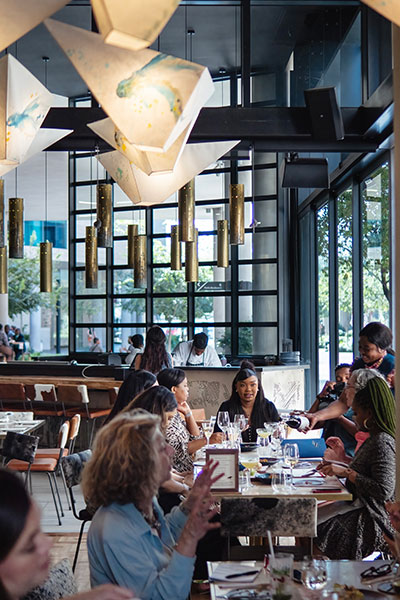
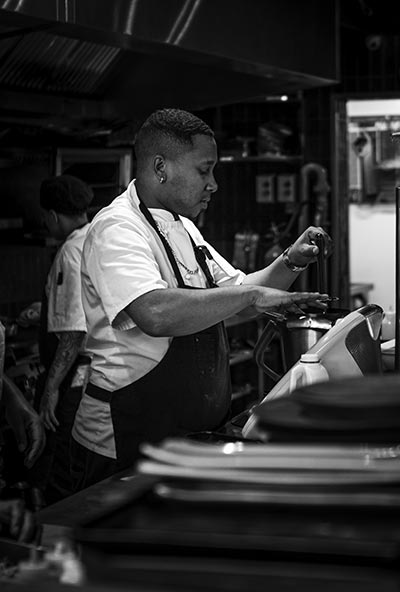
Nestled in the bustling heart of Rosebank, just across from The Shortmarket Club, The Pot Luck Club JHB is a gem that promises an unforgettable dining experience. With its funky and vibrant atmosphere, this small space is a testament to the creativity and innovation of its young team, led by the talented head chef, Ebie du Toit. The buzzing energy felt from the minute we stepped through the doors set the stage for an exciting evening.

A Global Palette with Local Flair

The Pot Luck Club menu is a blend of global flavours and local ingredients, and we were keen to delve into dishes that showcased the kitchen’s flair for creativity and presentation. If you’ve visited PLC in JHB or CPT, you’ll know the vibe is more laid back; you peruse the menu, write down what you want, and the team takes care of you from there.

A Bold Start at The Pot Luck Club JHB

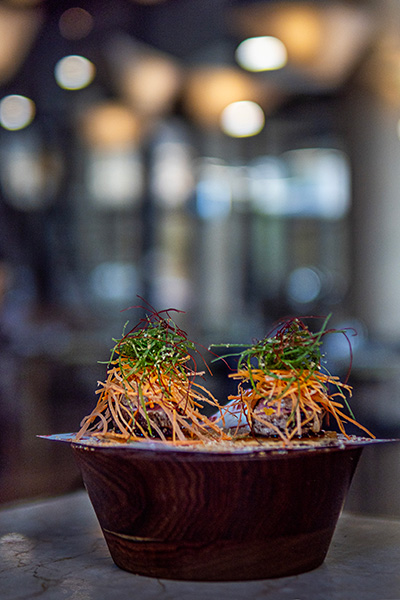
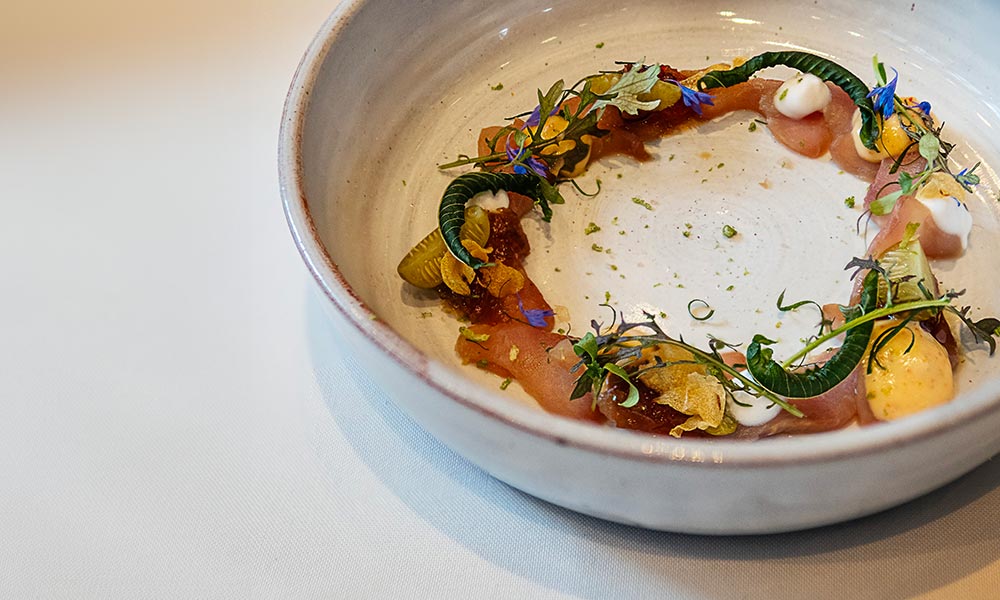
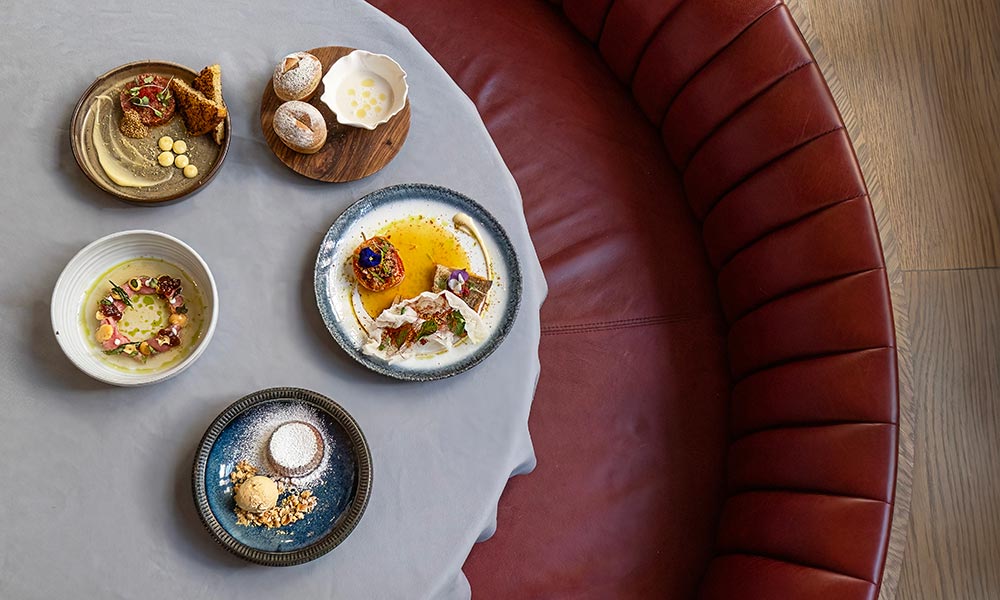
We started with the Line Fish Sashimi, dressed with a mandarin-coconut nam pla and meebos relish that perfectly complemented the fish’s delicate flavours. This bold dish exemplified the team’s ability to balance taste and artistry on a plate – beautiful to look at and packed with banging flavour. We asked for a spoon so we could scoop up every last mouthful of the amazing dressing.

Linefish-Sashimi-

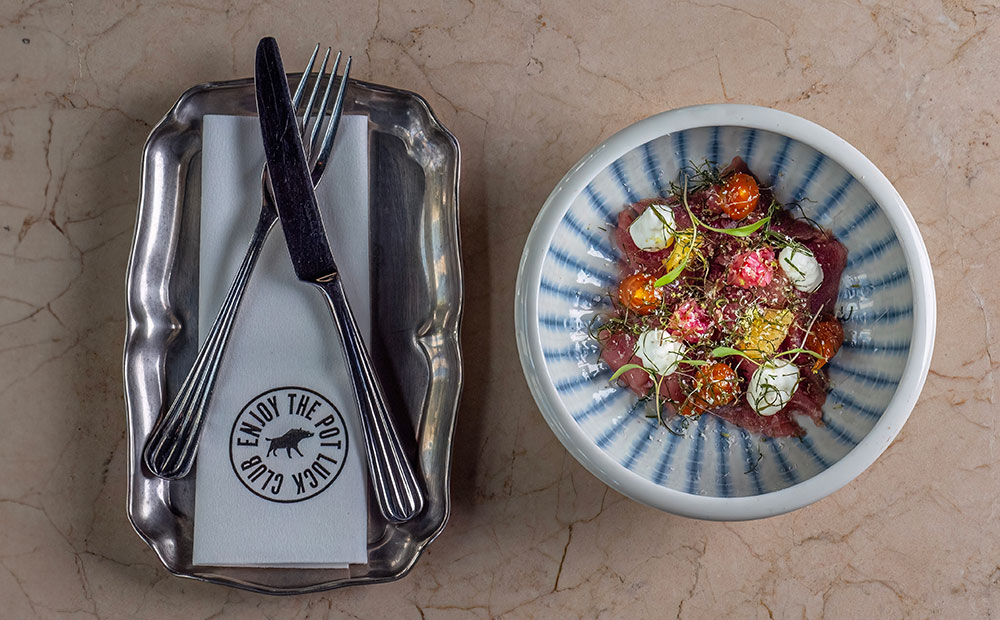
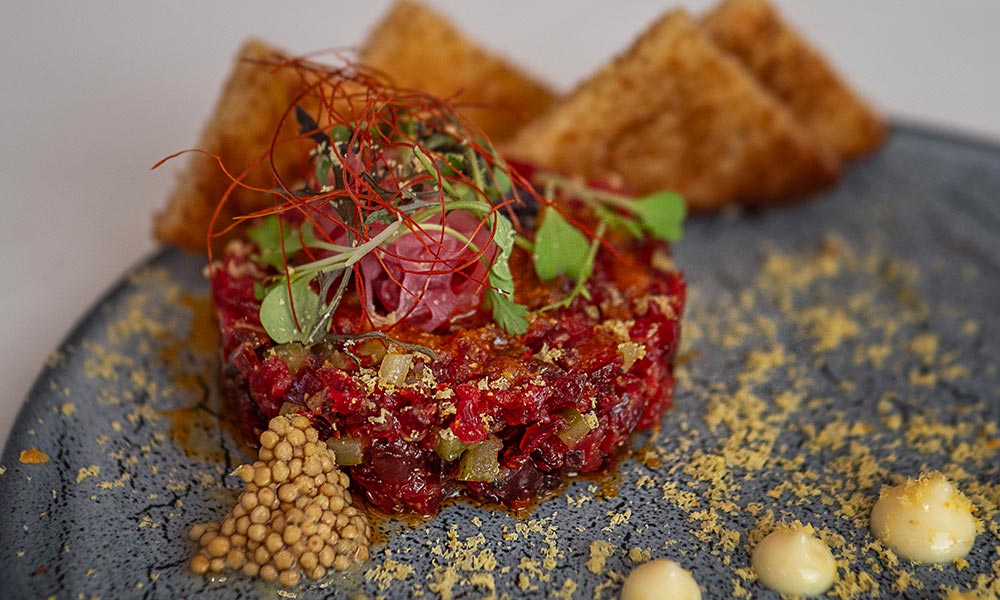
The Beef Sirloin Tartare was another stunning dish, elevated by a rich black garlic emulsion and yuzu dressing. It was stacked with a finely sliced vegetable salad and shards of sesame wafer for crunch.

Decadent Highlights

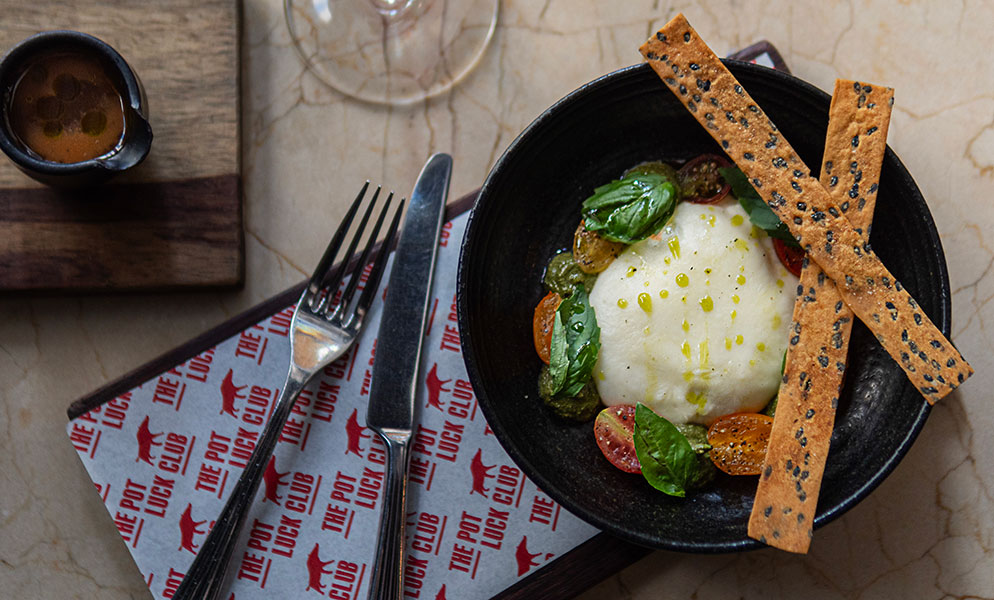
Another standout was a special on the menu for the evening – a whole Burrata with soy pearls, baby heirloom tomatoes, pesto, and sesame crisps. Utterly decadent and definitely one of our favourites of the evening. My dining partner and I were certain we’d find a dish that might divide our opinions; it’s rare to go course after course without finding something to critique. But by this stage in the meal, we were quietly in awe.pot luck club jhb

Rich and Bold Flavours

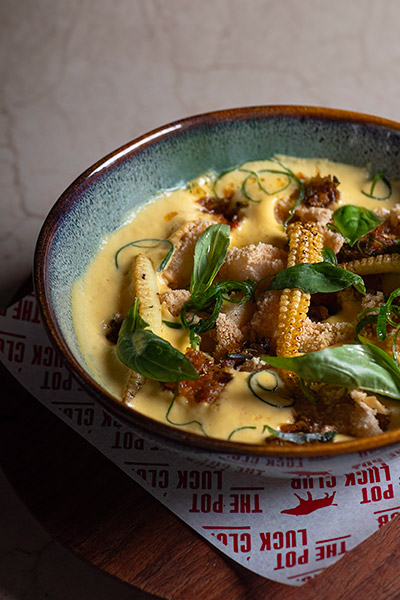
The Crispy Squid dish, served with sweet corn velouté, OG XO sauce and roasted baby corn, was another favourite. The squid was lightly dusted and expertly cooked, with a delightful crunch that paired wonderfully with the velvety sweetcorn sauce.

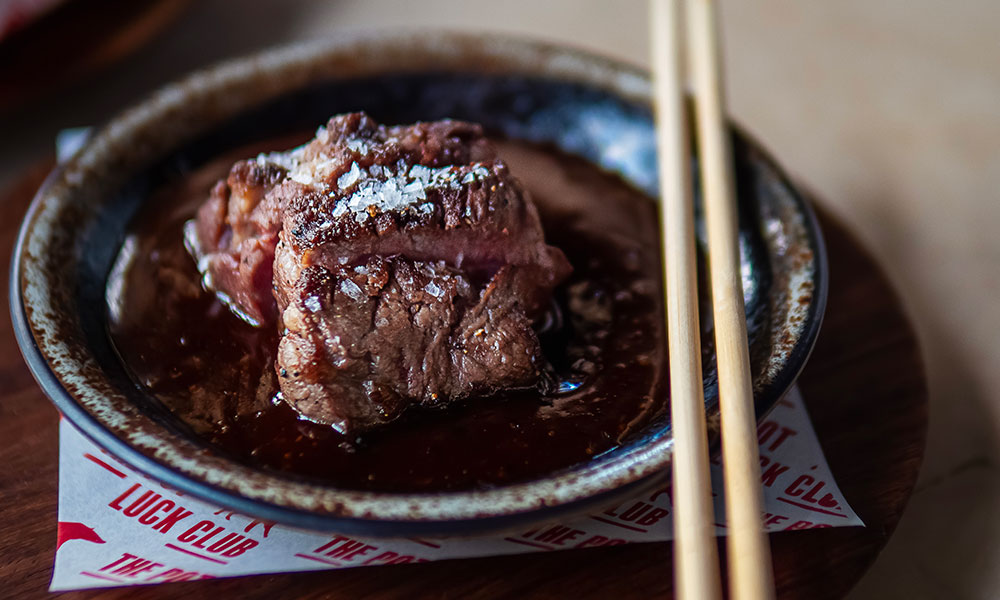
There were so many highlights, including the deeply rich, sticky Deonjang Glazed Short Rib with shiitake mushrooms, the fresh oysters (PLC oysters are always the best in my books), and the fresh tuna tacos. With each course, we were certain it couldn’t top the previous, yet somehow they continued to build.

A Sweet Finale

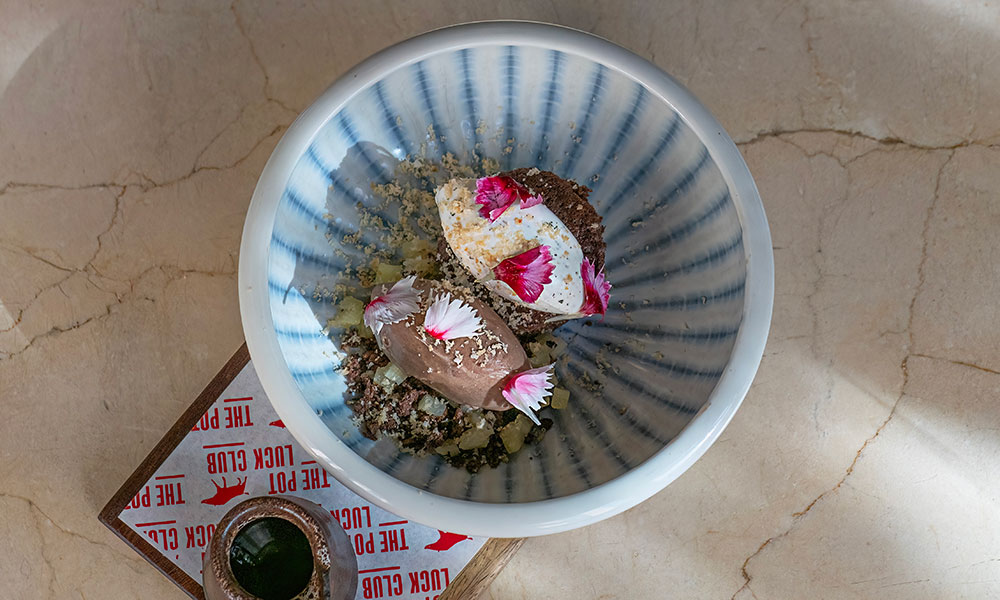
To conclude our meal, we indulged in two sensational desserts. The ‘Apple Tart’, a vanilla panna cotta with apple jelly and a sour Jack Daniels apple liqueur ice cream, was a delightful balance of sweet and tangy flavours. The Chocolate Chilli Dessert, rich and decadent, was literally the last mouthful we could manage after such an exceptional meal of standouts, with the chilli building to a satisfying last bite burn.

The Pot Luck Club: A Must-Visit

The Pot Luck Club effortlessly combines a dynamic atmosphere with innovative dishes, making it a must-visit spot in Johannesburg. The service is attentive yet relaxed, reflecting the youthful spirit of the restaurant. Whether you’re a local or just passing through like us, a meal here is bound to be a highlight. This young, dynamic team is one to watch.

Open Tuesday to Saturday

Lunch – 12h30 to 14h00 (last orders 14h30)
Dinner – 18h00 to 21h00 (last orders 21h30)

Prix Fixe Lunch Menu At Pot Luck Club JHB

For those wanting to explore Pot Luck Club JHB, the seasonal Winter Prix Fixe Menu offers crowd favourites from the small plates-style menu. (6 courses at R450 per person) available for lunch until 31 October 2024.

The prix fixe lunch menu at PLC JHB includes:

Ciabatta, Smoked Butter, Marinated Olives.
Fish Sliders dressed with Mojo Dressing and Miso Mayo.
Peri Peri Chicken, Ajo Blanco, Kale & Pepper Salad, Braai Vinaigrette
Smoked Beef Fillet with Black Pepper & Truffle Café au Lait.
Chickpea and Goats Cheese & Parmesan Fries served with Truffle Aioli & Smoked Ketchup.
PLC Sweets Board with Nougat, Salted Chocolate Caramel, Macaroon and Mochi.

thepotluckclubjhb.co.za | Instagram

Table For One, Please! 10 Tips for Dining Alone in Public

Attending boarding school, followed by living in university housing, made me realise that I had been accustomed to eating questionable mess hall dinners for most of my adolescent years. Moreover, I came to the realisation that the last time I ate in solitude was probably when I was in my mother’s womb, but even that was a pretty co-dependent situation. So, when I graduated and moved to the middle of nowhere in Thailand, where only a handful of people in my district spoke English, I was pretty much forced to dine alone at restaurants.

tips for dining alone in public

While we live in a world that praises the practice of ‘Self-care Sundays’ and #MeTime, there is still a silent stigma for people that choose to eating alone at restaurants. Sure, you might get the odd stare or two, but there’s absolutely nothing wrong with dining solo – besides being forced to pick up the bill that is. Whether you relocated to a new city, are recently single or are simply in a healthy relationship with yourself, here are a couple of tips for dining alone in public and making the most of it.


1. Enjoy Your Own Company

Eating alone in public might feel like you’re an animal in a petting zoo, but it can be therapeutic and beneficial to bask in your own company.

The key to dining alone in public is actually enjoying your own company and minding your own business. If anyone asks whether they can borrow the empty chair at your table, tell them ‘someone’s already sitting in it’ – just kidding, don’t do that. But in all seriousness, it’s healthy to take time out of your busy schedule and have some downtime to yourself, whether that means watching a movie at the cinema or dining alone at a restaurant.

solo dining


2. Whatever You Do, Don’t Get Sloshed!

Enjoy a glass of wine or two with your dinner, it might help take the edge off if you are new to solo dining. If you can handle your own and aren’t driving home – great, but know your limits. I wouldn’t recommend getting drunk, ever. Hurling, slurring words or trash-talking your waiter isn’t a great look in any environment, but especially when dining alone. Drunk humans make poor decisions.


3. Take a Book

Dining out with friends usually means that you have others to chat with. Not sure what to do with your hands while waiting for your food? Instead of twiddling your thumbs or people watching, take a journal along or read that book you’ve been meaning to finish.

dining alone


4. Stop Judging Yourself

Slightly insecure and worried about people staring at you and thinking, ‘OMG, what a loser’? Chances are that they’re likely a problematic Aries with abandonment issues or looking at the portrait behind you. Muggles tend to overthink certain situations, but trust me, no one is even mildly judging you for eating alone – unless you’re a loud chewer.


5. Back Away From the Phone!

Dining alone can be a little daunting at first. You might feel inclined to reach for your phone every other second and watch Instagram stories of people partying on an island or at a music festival and get major FOMO. But, comparison is the thief of joy.

Also, word to the wise, don’t ‘accidentally’ butt-dial your ex. Back away from the phone and try to enjoy your own company for a bit.

dining alone


6. Video Call a Friend

If you’re feeling a bit fragile and actually need some company but still want to dine alone, video call a friend. Virtually share dinner with them – that way you get to finally have that coffee or lunch date that you’ve planned and postponed for months.


7. Visit an Oldie But a Goodie

If you are feeling a little anxious, try picking a restaurant that you normally frequent. You should feel more comfortable, plus you know the food will be great.


8. Try a New Spot

Once you’re more comfortable with the idea of dining alone and have become a seasoned solo diner, you can advance to the next stage and hit up a new restaurant. Preferably one you’ve been meaning to try but haven’t had the time. Perhaps your friends aren’t into the cuisine served at said restaurant, but life is too short to not try new things and new food. If you are dining at a new spot, check out their online menu. This especially helps if everything on the menu sounds really good or if you’re indecisive, like me.


9. Dress Up

If you’re feeling slightly demotivated, for whatever reason, dress up and put on a cute pair of shoes or that garment you love but don’t get the chance to wear nearly enough.

You don’t have to throw on your Sunday best or the most expensive item you own, but wearing clothes that you feel good and, more importantly, comfortable in, is a great way to feel empowered.

tips for dining alone in public


10. Make a Reservation

You might feel inclined to ‘chicken out’ at the last minute. The best way to combat reservations is to make one. Plan your lunch or dinner, just as you would when going out with your besties and make a reservation ahead of time.

If the date goes well, take things back to your place and make yourself this delicious Gin Hot Chocolate with Homemade Marshmallows as a nightcap.

*Prefer dining in? That’s ok, here are 12 Ways to Be a Better Cook.

Coriander Cancel – Why Some People Hate Coriander

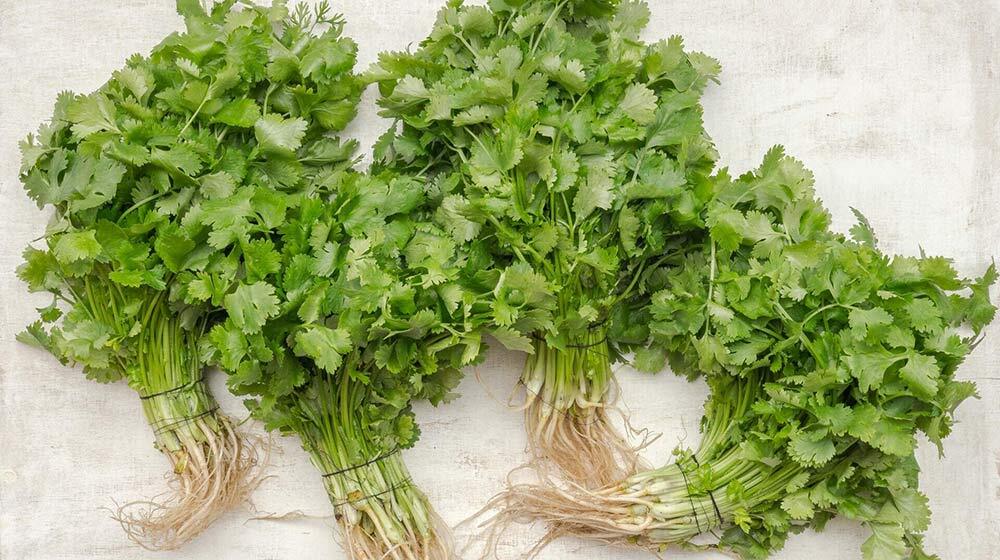
Whether you call it cilantro, coriander or dhania, certain folk reckon this herb is the bane of existence. For some, it tastes like sweaty armpit, soap or other atrocious comparisons. While coriander remains accepted by the majority of the global population and used in many restaurants, it is said that one in five people find the taste of coriander inedible. Let’s unearth some reasons as to why some hate the taste of coriander.

taste of coriander

Why the Coriander Hate?

Love it or hate it, coriander has been around for some time, but some people continue to cancel it. Some communities detest it so much that they’ve dedicated an entire day to it, aptly dubbed ‘I Hate Coriander Day,’ where they protest the inclusion of coriander in burritos and other foods garnished with ‘the devil’s herb’ – talk about first-world problems. One theory is that Lucifer himself loved coriander so much, he put it on everything he ate. But why does coriander get such a bad rap?

Coriander leaf oil is complex and has eleven carbon atoms (un​​decanal). This aldehyde structure is responsible for the bitter/soapy taste and citrus smell associated with coriander.

Some claim that coriander tastes ‘soapy’ or ‘metallic’ and can’t even bring themselves to try it, based on the smell alone. Coriander is related to parsley and is also known as ‘Chinese parsley.’ It’s commonly used in Mexican cuisine and goes by the name of ‘cilantro’. In India and South Africa it’s called ‘dhania,’ which refers to the fresh leaves, distinguishing it from coriander seeds frequently used in curries and other Indian dishes.

taste of coriander

Personally, I can’t get enough of it; I’ll take every chance I get to use this ostracised herb. Perhaps it’s because I grew up with it, as most Cape Malay dishes aren’t complete without the addition of coriander. Up until recently, I thought this deep-rooted hatred for coriander was nothing but snobbery, but it turns out there’s actually a scientific explanation for it.

Chemical Composition of Coriander

Coriander contains aldehydes that are reactive organic alcohol compounds. Although aldehydes are organic, they are also commonly synthesised in perfumed products and laundry detergents. If you wanted to, you could probably swap out your Sunlight soap for coriander – just kidding, don’t do that.

Additionally, the gene linked to a specific olfactory receptor (OR6A2) is associated with aldehyde compounds and due to genetic variations, some people are more sensitive to foods containing strong aldehydes compared to others.

If we look at the chemical structure, coriander leaf oil is complex and has eleven carbon atoms (un​​decanal). This aldehyde structure is responsible for the bitter/soapy taste and citrus smell associated with coriander. Apart from the chemistry of coriander, genes also play a role in the perceived taste of coriander. Because we each have different DNA sequences, our taste buds have different receptor genes.

Ever notice those small tiny dots on your tongue? Well, they’re called ‘papilla’ and some people have more and others, less. The more papilla you have, the more sensitive you are to certain tastes. Additionally, the gene linked to a specific olfactory receptor (OR6A2) is associated with aldehyde compounds and due to genetic variations, some people are more sensitive to foods containing strong aldehydes compared to others. Funnily, the OR6A2 protein which detects aldehydes are also found in stink bugs, which is why some people compare the taste of coriander to the foul-smelling insect.

Benefits of Coriander

Say what you will about it, this divisive herb actually has loads of health benefits. Coriander is high in antioxidants and it also has anti-fungal properties. Coriander seeds are even said to be more effective against Salmonella than antibiotics, due to their antibacterial properties. It’s also particularly great for supporting bone health and helps ease indigestion, being high in calcium and fibre.

Coriander Recipes

If you can’t stomach the taste of coriander, I’m sorry for your loss. But, if you tried coriander once and vowed to never try it ever again, perhaps it’s worth giving this controversial herb another chance. Humans tend to create associations with certain foods, especially in our formative years, so chances are that you could change your perception and ‘trick your tastebuds’ into liking it, with reintroduction or repeated exposure to coriander.

Crushing coriander leaves speeds up the rate at which enzymes are able to break down the aldehyde compounds found in coriander, possibly resulting in a less pungent taste. Sounds like the perfect excuse to make coriander pesto or test some coriander recipes

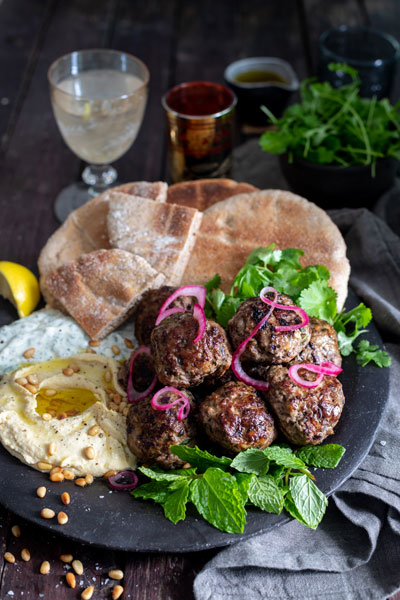
Lamb Meatballs with Mint Coriander Yoghurt, Hummus

Fragrant coriander pairs perfectly with lamb and all kinds of proteins.

GET THE RECIPE

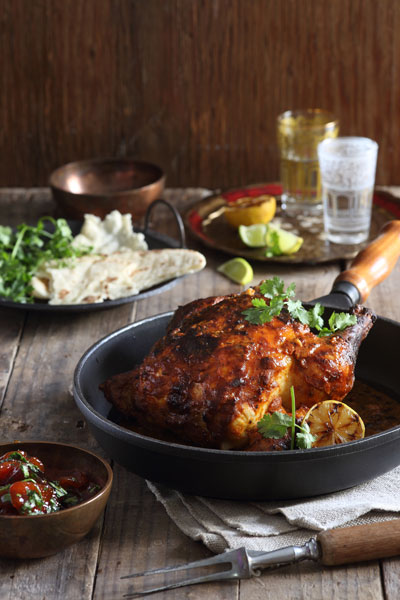
Roasted Tandoori Chicken with Apricot Coriander Chutney

Add a refreshing pop with the addition of coriander to your spicy tandoori chicken.

GET THE RECIPE

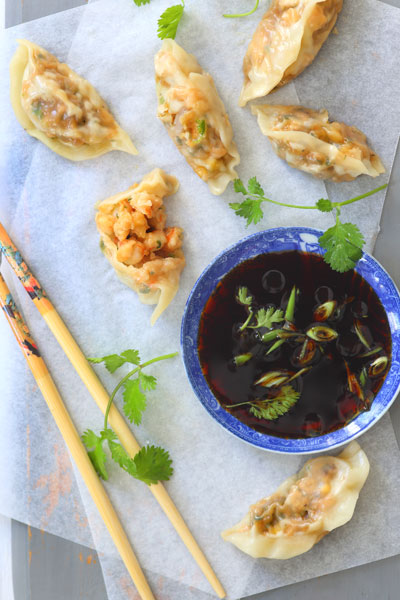
Prawn Coriander Dim Sum

When it comes to flavour combinations, the limits are endless for coriander. This earthy herb complements the slight sweetness of the prawn.

GET THE RECIPE

Tomato & Coriander Curried Dahl with Basmati Rice

If ever there was a herb made for curry, its coriander. This tomato and coriander curried dhal is no exception.

GET THE RECIPE

Learn all about the different types of herbs with this guide

Chic Dining at The Shortmarket Club, Johannesburg

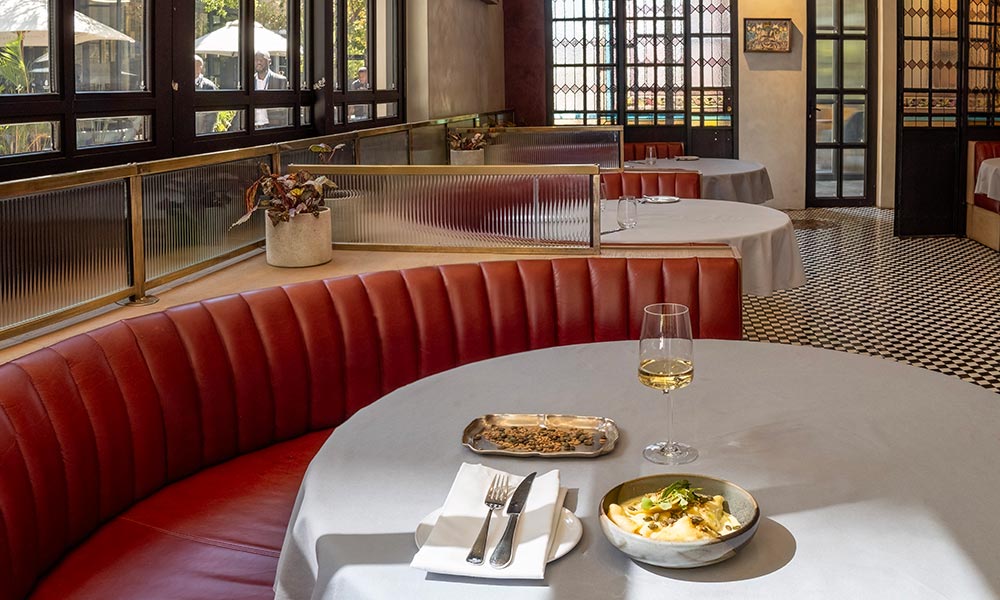
The Shortmarket Club, Joburg is a contemporary space defined by its chic interiors, complete with plush leather booths, elegant stained glass feature wall and black and white chequered floor, all of which create a refined atmosphere. The design strikes a balance between modern sophistication and comfortable elegance, making it ideal for a special dining experience.

Shortmarket-Club joburg

A New Tasting Menu for the Season

The menu from Head Chef Tyron Gentry and his team showcases inventive, flavour-packed dishes from an à la carte menu or tasting menu, the latter being a great way to experience the kitchen’s culinary skills. The latest iteration of the tasting menu has just launched, which includes a wine or cocktail-paired option.

The Shortmarket Club JHB Cocktails – A Must-Try

A visit to The Shortmarket Club JHB wouldn’t be complete without trying one of their cocktails. The Classic Old-Fashioned was a standout, served with an intriguing smoke infusion that added depth and complexity to the classic drink. The smoky aroma lingered, making the drink both visually striking and utterly delicious.

The Classic Old-Fashioned was a standout, served with an intriguing smoke infusion that added depth and complexity to the classic drink.

The Shortmarket Club JHB Tasting Menu

We opted for the Tasting Menu, and began with the Thai Sashimi, beautifully plated with pad Thai dressing, coconut yoghurt, nuoc cham dressing and creamy togarashi mayo – a vibrant and pretty dish that set a high standard for the meal. We loved the bright flavours and perfectly balanced dressing.

The precision-cut Beef Tartare served with a rocket and chive dressing and artfully plated on a swirl of soy-infused mayo emulsion, was another standout. With a Parmesan puff pastry to scoop it up this dish showcased the kitchen’s skill in marrying bold flavours with sophisticated presentation.

Beef-Tartare-Shortmarket-club

The precision-cut Beef Tartare served with a rocket and chive dressing and artfully plated on a swirl of soy-infused mayo emulsion…

We opted for the lobster dish with tortellini, for mains – cooked to perfection, the lobster’s natural sweetness was enhanced by a light, yet umami-packed shellfish bisque. Both the lobster and the prawn tortellini were tender and succulent.

We also loved the kitchen gifts – a decadent duck l’orange on toasted brioche and ceviche, as well as a tart tequila sorbet palate cleanser with compressed apple to refresh us midway through the meal.

The vibe at The Shortmarket Club is unmistakably upmarket, yet not pretentious. The service is polished but warm, ensuring that guests feel well taken care of. Whether you’re seated at one of the intimate booths or a sleek table, the space feels like the perfect backdrop for indulging in world-class cuisine.

Experience the Prix Fixe Menu Until the end of October

For those wanting to explore this culinary gem, the seasonal Winter Prix Fixe Menu offers dishes that showcase Shortmarket Club’s classic European elegance with Asian influence (5 courses at R450 per person), available for lunch until 31 October 2024.

Shortmarket Club -Prix-Fixe 2024

The prix fixe lunch menu includes:

Ciabatta served with smoked butter and wild garlic oil.
Thai Sashimi with Pad Thai Dressing, Nuoc Chom, Coconut Yoghurt and Togarashi Mayo.
Beef Tartare with Gochujang Dressing, Truffle Mayo and Brioche.
Assiette of Pork comprising of Roasted Pork Loin, Smoked Onion purée, Bourbon Jus.
Dulce Molten Lava with Chocolate Fondant, Peanut Butter Ice Cream and peanut Brittle.

1 Oxford Parks, 199 Oxford Rd, Rosebank

Read about our visit to The Pot Luck Club Jhb.

theshortmarketclub.co.za | Facebook | Instagram

12 Ways To Be a Better Cook

There are few descriptors as popular as ‘foodie,’ but as we know, not all foodies are cooks and not all cooks are foodies. The great news is that there are many ways to improve your skills, and it all begins in the kitchen. Here are 12 tips for becoming a better cook.

1. Make time to cook

cooking hacks

First things first, being a better cook actually means getting in the kitchen and making time to cook. We all lead busy lives and mustering the energy to make food from scratch can seem like a huge effort, especially after you’ve had a long day. But, there are some great cooking hacks you can try to spend less time in the kitchen.

Investing in useful kitchen appliances like blenders and air fryers can help cut down cook time considerably. Another way to get the most out of your cook is by doubling down on ingredients, so you have enough for the next day.


2. Improvise

They say “hunger is the best cook,” but so is improvisation. In fact, some of the world’s most popular dishes and food inventions were happy accidents.

Improvising is one of the best ways to inspire creativity in the kitchen.

When it comes to cooking, there are no rules and substitutions can be made. Improvising is also a great way to make use of what’s left in your fridge before it goes bad. Try introducing new ingredients to a familiar dish. It could be simple, like incorporating pomegranate into pico de gallo to make your guacamole even more refreshing.

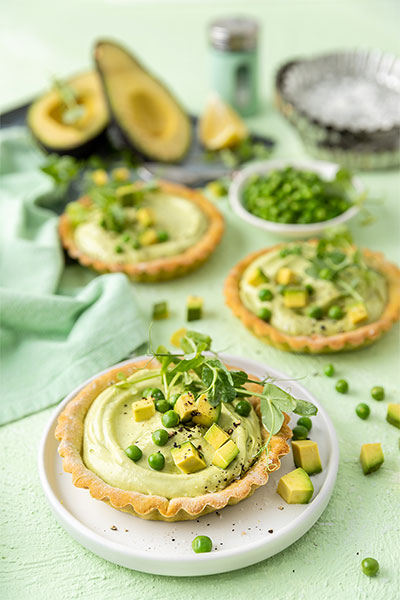
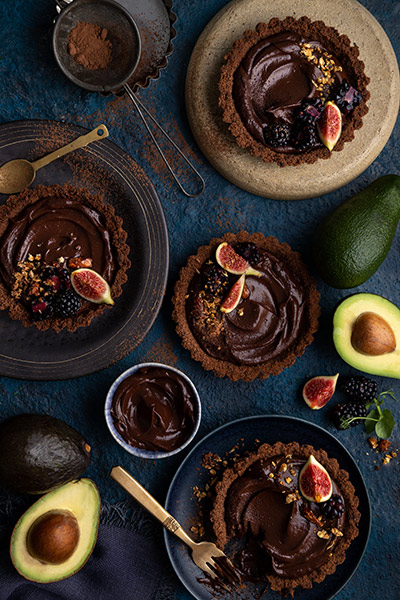
Of course, baking is a little more complex and specific, but certain recipes could be improvised too. Ran out of ingredients for tart? No problem, use avocado as a butter substitute for you tart base or use it for a chocolate mousse filling. Improvising is one of the best ways to inspire creativity in the kitchen.

Get the recipe for these Avocado Pastry Tartlets or Chocolate Avocado Mousse Tartlets.


3. Make a list & check it twice

ethical overwhelm

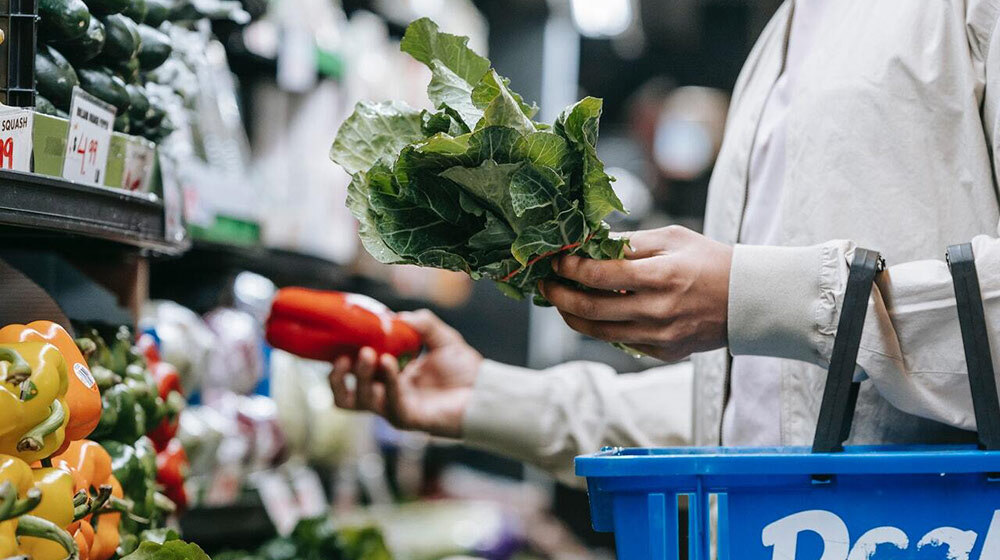
Nothing hurts more than having to make a second trip to the grocery store. If you’re trying a new recipe, check your pantry before going to the store instead of playing a guessing game. Make a list and check it twice. A dish is only as good as what you put into it.

Check the quality of the produce and expiry dates for freshness.

Forgetful shoppers will love the app, Any List, which allows you to check things off your digital list and share it with friends or housemates.


4. Read the recipe

how to be a better cook

Reading goes a long way. If you are following a recipe, read it in its entirety before getting started on a dish. This helps have an understanding of the steps involved and the complexity of the dish. It also tells you what can be prepared beforehand, instead of frantically trying to get it all done and missing a crucial step in the process.

If you’re following an online recipe, always check the publisher’s notes and readers’ comments before getting started.

They often include good tips to ensure best results. Another helpful thing to read is the comments; other home cooks often share what should be adjusted, so you can avoid what they’ve mucked up.


5. Flavour combinations

Surprise your taste buds with flavours you wouldn’t normally try. Pairing two unexpected ingredients could result in a pleasant surprise. Think of ordering ice cream – it’s always best to go with one classic flavour and one contrasting flavour. You don’t want the flavours to compete with one another, but rather complement one another.

Flavour also changes with technique. Instead of making regular butternut, consider taking the caramelisation one step further. This adds a lovely depth of flavour to an already delicious taste – try our Burnt Butternut Mash and see for yourself.

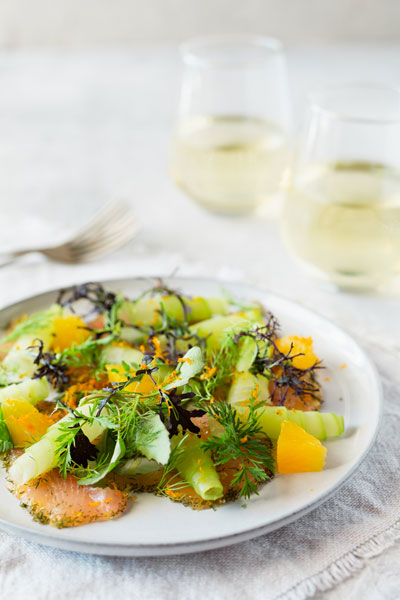
Unique methods like curing or pickling could lead to great flavours. Sometimes simplicity is the best way to exact flavour from a dish, like this Citrus & Fennel Cured Trout.


6. Texture

Texture has the power to completely transform a dish. There are certain foods we dislike and sometimes it’s not so much the taste, but rather the mouthfeel that’s off-putting. If you think about it, the crunch factor is what often most attracts us to foods branded as ‘less healthy.’ When conceptualising a dish, consider the different textural elements you could incorporate for better mouthfeel — think croutons and soup.

Versatile ingredients are great for adding texture to dishes.

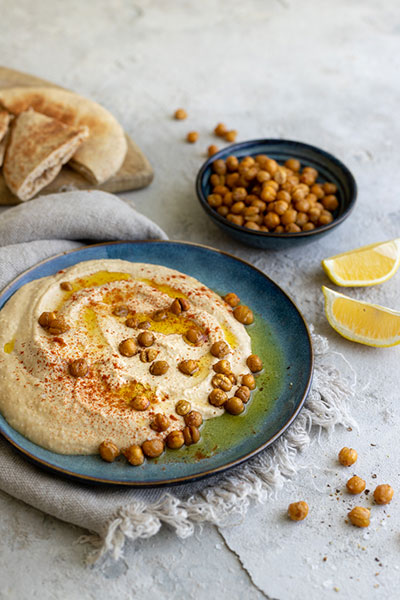
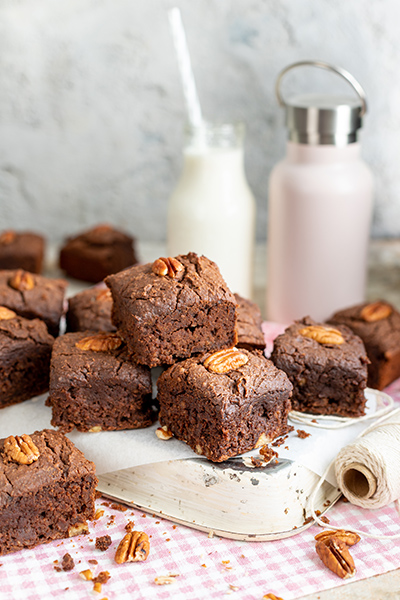
Take chickpeas for example, when toasted in a pan with some oil, the outer skin becomes crispy. For an extra crunchy texture, they could be finished in the air fryer. The mealy texture means that they incorporate well in veggie burgers and even sweet treats like chocolate brownies. Looking for a smoother texture? Hello, hummus!

Get the recipe for our Healthy Homemade Hummus or Chickpea Pecan Brownies.


7. Expand your food knowledge

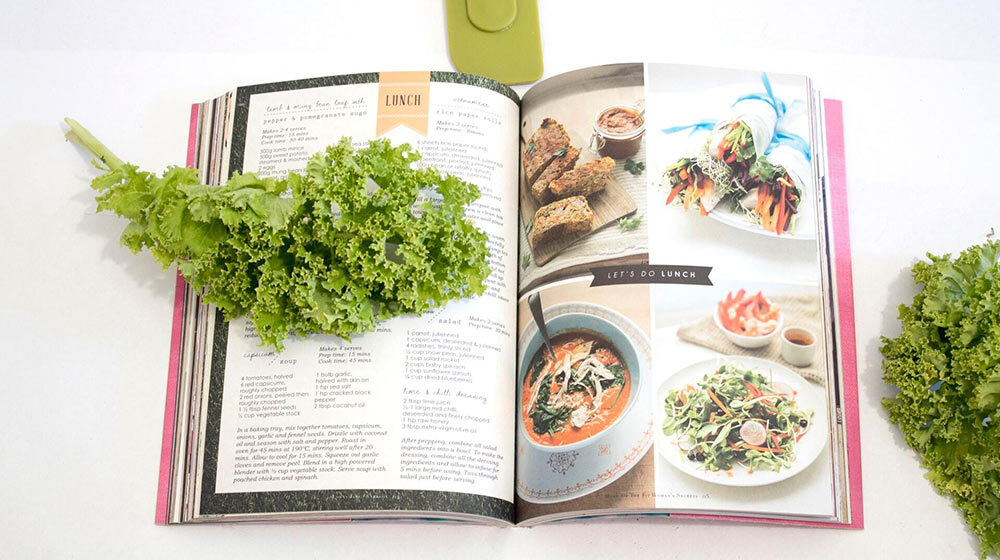
Getting better at anything requires up-skilling. The great thing about food is that there are amazing cookbooks to pore over and shows to binge-watch, as well as YouTube tutorials and social media food trends to try. There’s a world of cuisine to explore and it’s all at your fingertips. It’s also a fun way to improve your cooking skills.


8. Seasoning

how to be a better cook

One way to discredit your efforts is by under or over-seasoning your food. When it comes to simple flavours, you want the ingredients and fresh produce to shine, but skimping on the salt could make the entire dish dull.

Uplift the natural flavours of your dish by adding just enough salt/pepper or even a bit of acidity.

Similarly, overcompensating by adding too much seasoning is an overkill. Seasoned cooks will know what to expect when it comes to the strength of spices, but they also vary across brands, with some having a high sodium content (especially meat rubs). Taste your spices before adding them to your dish to gauge the potency.

Take your cooking from bland to bold with these umami pastes.


9. Taste as you go

how to be a better cook

Don’t sabotage your hard work and preparation by forgetting to taste your dish as you cook. As a rule of thumb, you should taste your stew, sauce or dish after every addition.

This is something we often forget to practise when we are familiar with a certain dish and cook routinely with set weekly dishes. Remember, cooking is like an onion – each dish has layers/depth to it and each ingredient adds a different flavour profile. If it still tastes like something is missing, try adding a squeeze of lemon juice or lime to balance the flavours instead of salt.


10. Clean as you cook

how to be a better cook

Have you watched an episode of MasterChef where one of the contestants has a messy station and the camera zooms in on it? Don’t be that person. Clean as you cook!

Everyone has their own rhythm in the kitchen and a system that works for them, but a messy kitchen means a bigger cleanup.

Creating a little bit of order by tidying your chopping block and making sure you prep beforehand helps control the chaos.


11. Cook with a partner

how to be a better cook

Cooking feels like less of a chore and more of a hobby when you have a partner. Even if the other person isn’t the best cook, it’s a great way to spend time with your kids, friends or significant other; some of the best memories are made in the kitchen.


12. Cook for yourself

co

One of the joys of cooking is bringing comfort to friends and family. But sometimes, cooking can also feel like a chore, making it less enjoyable. That and, we usually cook according to other people’s preferences, which is especially true if you live with fussy eaters, AKA kids. Cooking for yourself allows you to indulge your taste buds and explore more flavours.

Remind yourself why you love cooking and take advantage of those rare, quiet moments. Make something simple that you enjoy.

There are many ways to become a better cook, but it starts with having fun in the kitchen. Don’t be overly critical of your efforts and remember to trust your palate and instincts.

Want more cooking tips? Follow us on Instagram

Why You Shouldn’t Be Stingy With Olive Oil

‘A generous drizzle of olive oil.’ I instinctively cringe when this appears in a recipe, as I was taught to be stingy with olive oil. Like collectable wines and saffron, olive oil was treated like literal liquid gold at home and was meant to be used sparingly according to my father. Years later, I discovered that despite the pretty packaging and steep cost, olive oil is not a kitchen counter display and unlike certain wines, it doesn’t improve with age – it’s best used within a certain time frame and drizzled generously over pasta or anything your heart desires. Find out how long olive oil lasts and why you shouldn’t be stingy with it…

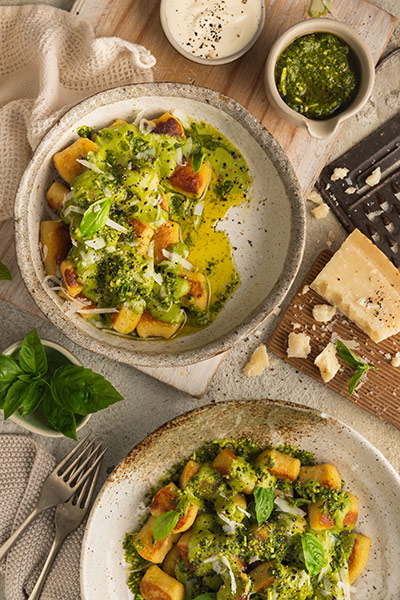
Gnocchi in a Creamy Basil Pesto Sauce

While a good-quality extra virgin olive oil could cost a small fortune (it’s called ‘liquid gold’ after all), the greater expense would be to use it sparingly and have it go bad.

According to experts, extra virgin olive oil can remain shelf-stable for about 12-18 months. If you really want to push it, it can last between 18-24 months. As a rule of thumb, olive oil is best consumed within a year after the olives are harvested, but if not optimally stored, this can impact the olive oil’s longevity. As for how long olive oil lasts once the bottle is opened, some say 3-4 months, but in some cases, you should use it within a month or two of opening.


How Long Olive Oil Really Lasts

It’s not as straightforward as using the sell-by date as a guide. Factors such as the size of the container, where the olive oil is stored, exposure to light, temperature and oxidation are all worth considering if you don’t plan to use the olive oil within the first two to four months of opening it.

Once opened, the olive oil is exposed to air, resulting in oxidation. Unlike wines that need to ‘breathe’ to enhance the tasting notes and aromas, the healthy fats and antioxidants which make olive oil beneficial begin to break down once exposed to air. This causes the olive oil to taste rancid and smell unpleasant; many qualities that make it sought-after begin to diminish. Similarly, it’s ill-advised to decant olive oil, unless a small amount is transferred and it is used shortly after. So, unless you go through a ton of olive oil a month, buying a 5-litre can might not seem as cost-effective as you think.

Unlike wines that need to ‘breathe’ to enhance the tasting notes and aromas, the healthy fats and antioxidants which make olive oil beneficial begin to break down once exposed to air.

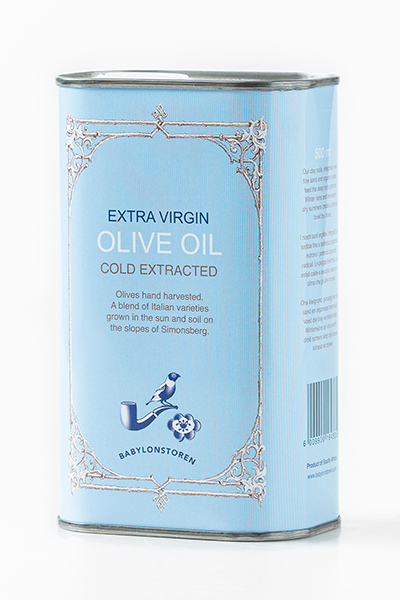
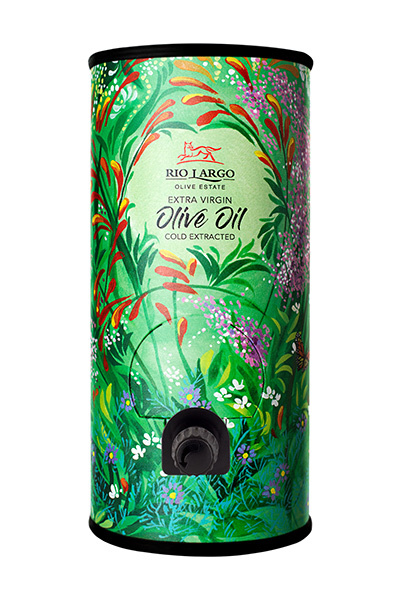
Another factor to consider when buying olive oil: practicality beats pretty packaging. Tin cans with stunning illustrations might fit the aesthetic of your kitchen, but you should keep in mind that metal and stainless steel are good conductors of heat and can cause the olive oil to be exposed to higher internal temperatures. Should you have a tin can, keep it away from direct sunlight and heat sources.

Opaque bottles are ideal for storing olive oil; commercially sold olive oils are often sold in dark and opaque bottles to protect them against the light; this also preserves the freshness of the oil.

Decanting olive oil into spout-fitted bottles, like the ones seen in restaurants, might look great on your kitchen counter but this is will diminish the quality of the olive oil as it will constantly be exposed to air.

Avoid placing olive oil in direct sunlight or warm places; to make olive oil last longer, it should optimally be stored in a dark, cool place like the pantry. Placing olive oil beside the stove, which seems practical, is a big mistake unless you want the olive oil to denature.

If you’ve taken precautions and are still worried your olive oil might be bad for whatever reason, a sniff test is the best confirmation – don’t rely entirely on the sell-by date. What does ‘bad’ olive oil taste like, you ask? Rancid olive oil might have a pronounced bitter, stale, waxy, crayon-like taste, as well as a banana-like aroma. A simple sniff and taste test could save you the misfortune of drizzling it all over your food. While many olive oils have a pleasantly bitter taste, you want to avoid anything that has an overwhelming bitterness, making it inedible. The good news is that if you consume rancid olive oil, you won’t get sick.


How to Repurpose ‘Bad’ Olive Oil

While a good-quality extra virgin olive oil could cost a small fortune (it’s called ‘liquid gold’ after all), the greater expense would be to use it sparingly and have it go bad.

Thankfully, you don’t have to let it go to waste and glug it down the drain. Repurpose your olive oil and make lip balm; mix it with beeswax, or cocoa butter for a vegan-friendly version, and store it in a small container. The fruity, waxy taste and moisturising qualities make for a great lip balm. Use it to restore wooden furniture, polish leather shoes with it, and more. You could even drizzle it over vanilla ice cream topped with seasonal berries for a fresh and fruity summer treat. Moral of the story: don’t be stingy with olive oil!


Drizzles of Deliciousness

Whether drizzled, dunked or poured, these Mediterranean-inspired recipes are worth every golden drop. Have at them.

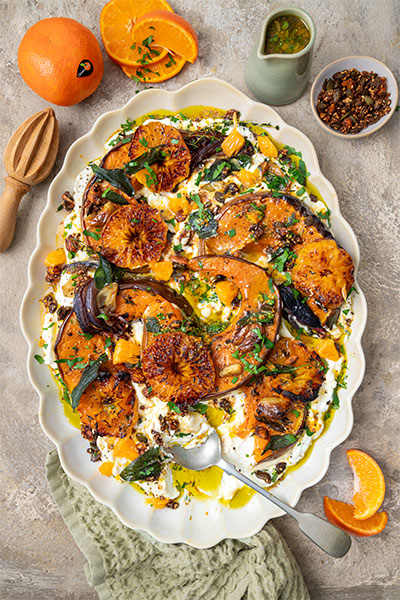
Roasted Pumpkin & ClemenGold Salad with Labneh & Dukkah Crumble
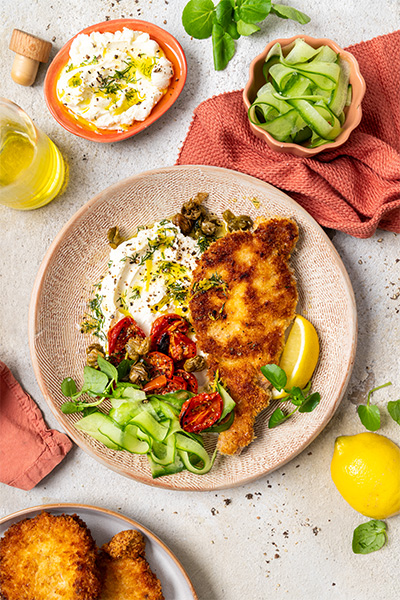
Crispy Pork Schnitzel with Tomato Salad & Labneh

Gnocchi in a Creamy Basil Pesto Sauce
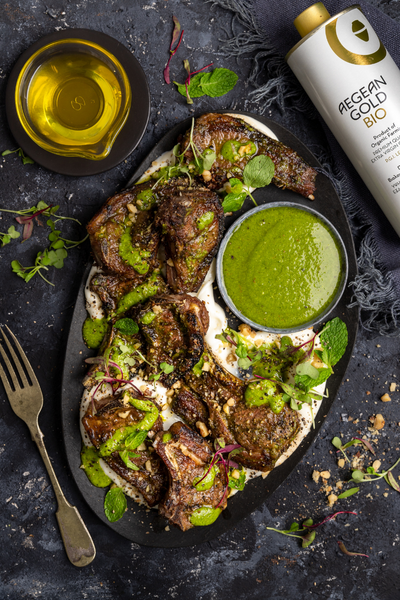
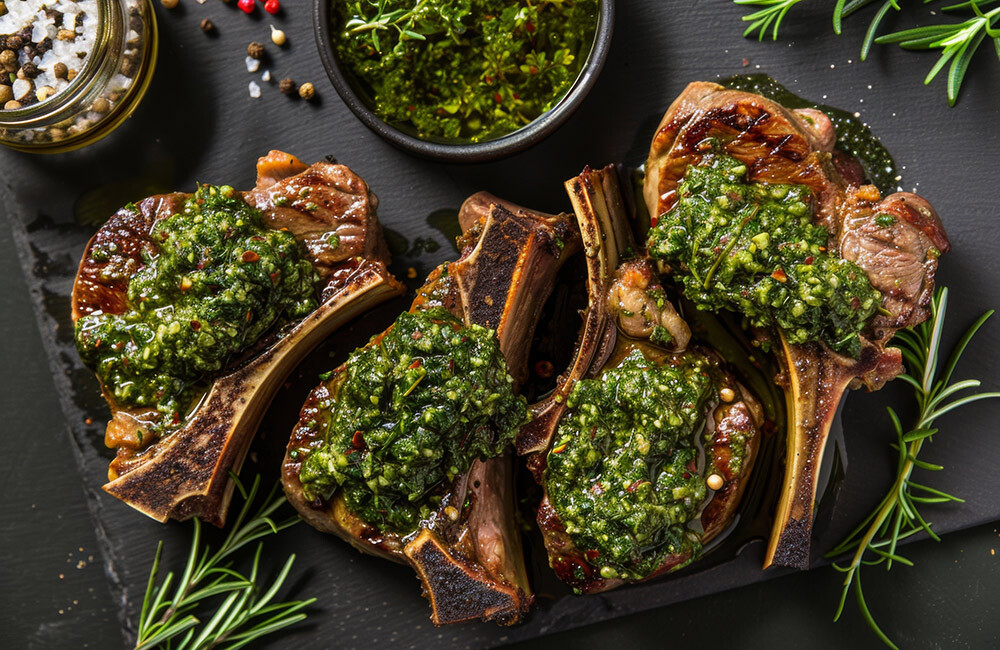
Chilli Rocket Pesto Lamb Chops with Yoghurt

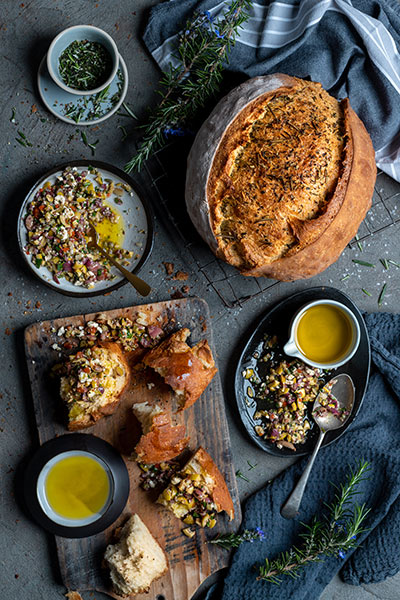
Olive Oil & Herb-crusted Loaf with Chunky Olive & Feta Dip
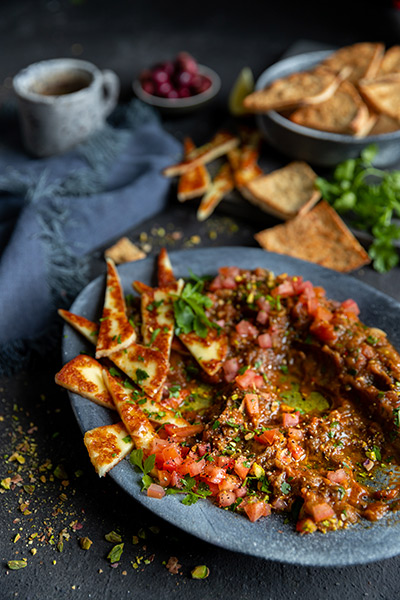
Zaalouk with Fried Halloumi & Toasted Pita

Want more? Learn all about the different olive oil intensities

How to Make the Most of Miso

Salty, tangy, intense, umami, ferment-y – I’ll never forget the first time I tried miso. All the flavours converged to create the ultimate flavour bomb. Never mind a spoonful, you only need a hint of the stuff to wake the taste buds. This fermented soybean paste packs a massive flavour punch and if you don’t know how to use miso, it could be an assault on your taste buds. Make the most of it with these creative recipes.

how to use miso

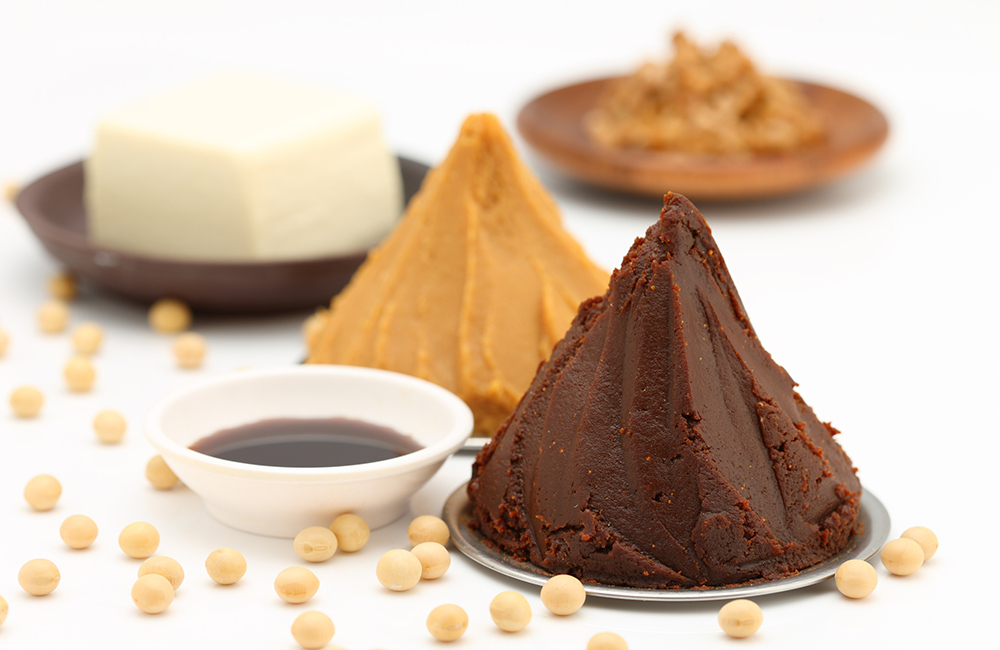
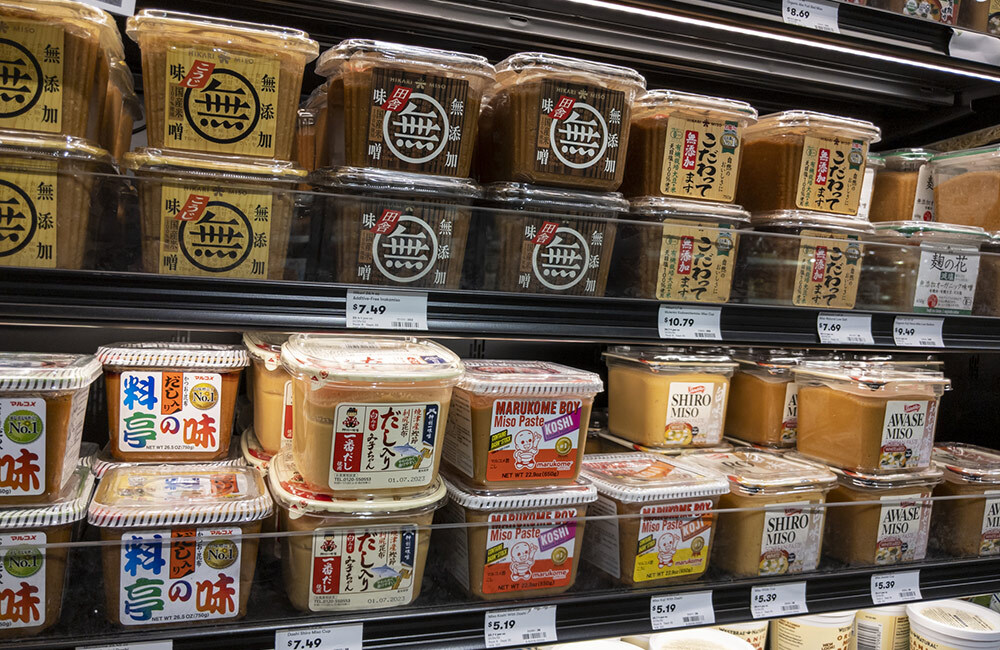
There are many types of miso out there and they all differ in colour, taste and texture; some are super salty, whereas others are sweeter or have a funky, earthy or pronounced nutty, soybean flavour. A little bit goes a long way. If you’ve never cooked with miso, less is more.

The best way to understand any novel ingredient and find the right balance when cooking is to taste it and get a feel for what you’re working with – treat it like a wine or an olive oil tasting. Is it salty, slightly sour, sweeter than you imagined, or mild and umami; does it remind you of something you’ve tried before, or do you need another taste to really nail the flavour profile?

Experiment with different types of miso and discover which type your taste buds agree with. You’re bound to find your flavour hidden in the isle of a quaint grocery store or your favourite one-stop-condiment shop – all cooks have one.


How To Use Miso

If you are new to the world of miso, get creative with these recipe ideas.

Caramel Sauce

You’ll love this play on salted caramel. Miso adds a salty and umami kick, balancing the sweetness of caramel and adding a good complexity. Miso usually has a good amount of sodium, so ‘less is more’ might be the best approach depending on the type of miso used. For contrast, try hatcho miso – it has a rich, chocolaty flavour and is less sweet compared to other types. For a less intense flavour, try something milder like saikyo miso.

Suggestion: Topped over Sticky Toffee Pudding or cheesecake; drizzled on vanilla, chocolate ice cream or nutty stracciatella; enjoyed with French toast.

Salad Dressing

The salty, slightly acidic taste of miso works wonders in salad dressings. Combine it with an earthy ingredient like peanut butter for an Asian-style salad dressing; incorporate olive oil, vinegar, water and a small amount of miso – add more if needed. If you are sceptical, try a milder version like mugi miso or saikyo miso to balance the saltier flavours.

Suggestion: Create salad dressings or incorporate a small amount into a peanut dipping sauce for a well-rounded flavour. Mix miso with salad cream or mayo.

Compound Butter

Create umami-packed compound butter by incorporating a touch of miso into your creamy butter. The flavour transforms the simplest of dishes and allows fresh produce to shine. The miso adds a salty-sweet-fermented flavour to the butter, making it a great addition to sautéed vegetables, roasted potatoes, and more.

Suggestion: Caramelise onions with miso butter alongside pan-grilled steaks for a simple yet satisfying dish. This compound butter also complements hearty gourds like pumpkin and butternut squash sprinkled with cinnamon or nutmeg. Braise and baste cabbage steaks with the butter; the salty flavours from the miso brings out the sweetness of the cabbage. 

Stock, Soups & Stew

The most obvious and common way to use miso. Instead of using stock cubes, add a touch of miso to soups and stews for a pleasant umami flavour. The type of miso used will depend on the flavour profile of the stock or soup. Add it to a mix of sesame oil, water, ginger and chicken stock for a delicious base for ramen; or simply add it to your soup ingredients for a rich, balanced taste.

Suggestion: Add mugi miso to veg and meat soup for a rich barley flavour; instead of adding beef stock, add miso to Beef & Mushroom Stew to enhance the umami flavour. Add miso to ramen as a base for the flavour. 

Glazed Meat & Vegetables

Besides braised cabbage, this is one of my favourite ways to use miso paste. Create a simple basting sauce by combining rice vinegar, miso, sesame oil and mirin. Taste the mixture before basting the meat and adjust accordingly, depending on what’s needed.

Suggestion: Use it to glaze meat and hearty vegetables to amplify the natural flavours. 


Get a Taste

From desserts to dips, here’s how to make the most of this umami-packed ingredient.

how to use miso
how to use miso

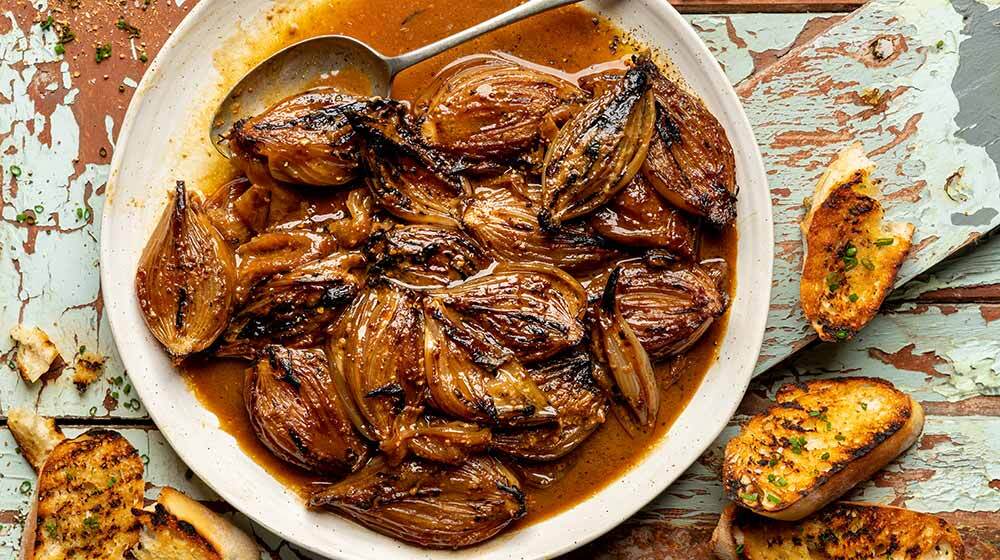
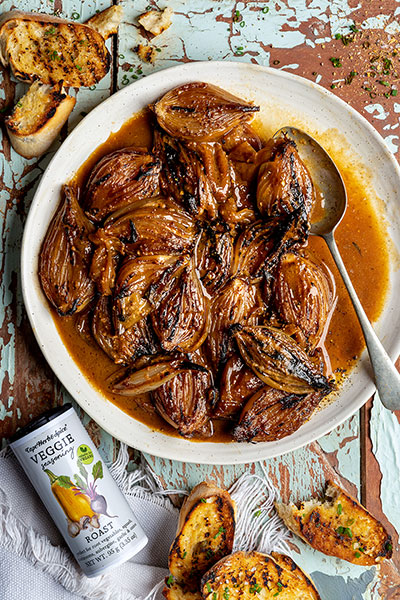
Miso Butter Charred Onion Potjie

These Ottolenghi-inspired onions are taken to another realm of deliciousness with the addition of compound butter; they are caramelised and charred to perfection.

GET THE RECIPE

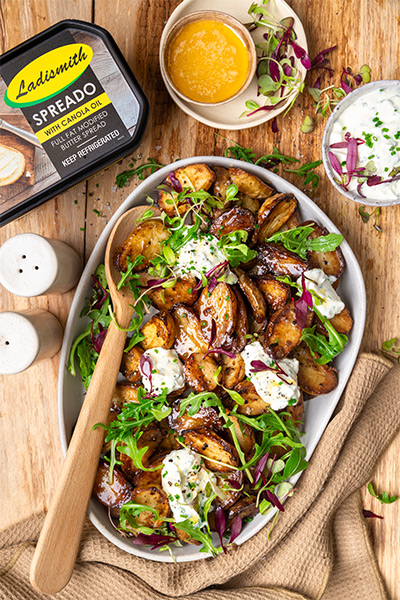
Roasted Baby Potatoes with Miso Brown Butter Drizzle

Browned butter adds a deliciously nutty and rich flavour to salty miso – the ultimate complement drizzled over roasted spuds and served with sour cream.

GET THE RECIPE

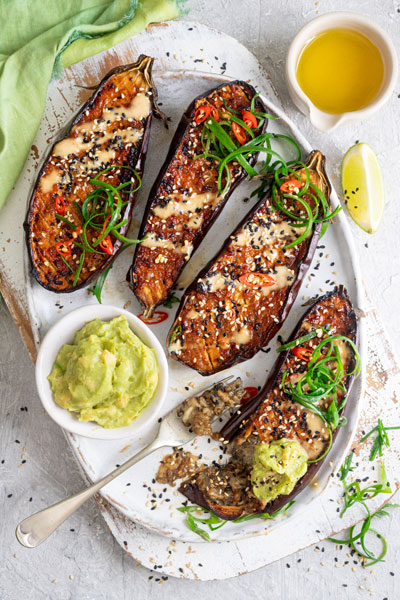
Glazed Aubergines with Vegan Miso Mayo

This dish doubles down on flavour with glazed aubergines and a delicious dip.

GET THE RECIPE

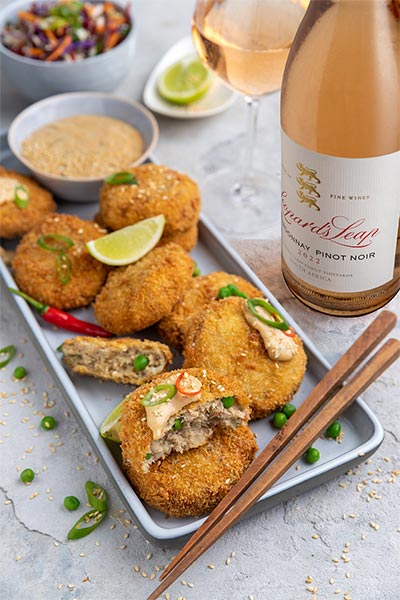
Asian Tuna Fishcakes with Miso Mayo

If you’ve never been a fan of fishcakes, these might convert you. Dunk these crispy bites into the sauce for the best mouthful.

GET THE RECIPE

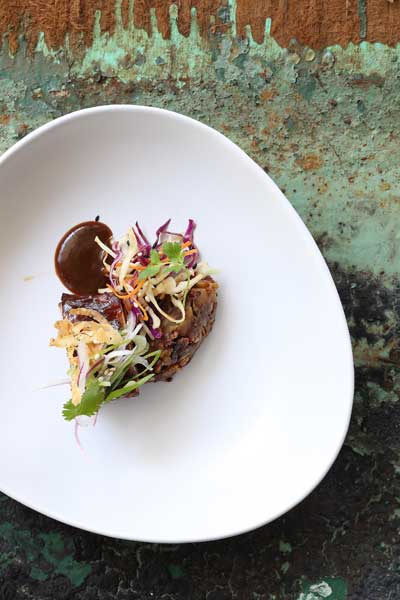
Roasted Pork Belly

Miso is combined with plum sauce, fish sauce, tamarind and pork stock to create a sweet-sour-salty glaze for pork belly, served alongside Asian-style slaw.

GET THE RECIPE

Chicken Miso and Noodle Soup

A comforting dish combining two classics for the ultimate bowl of umami deliciousness.

GET THE RECIPE

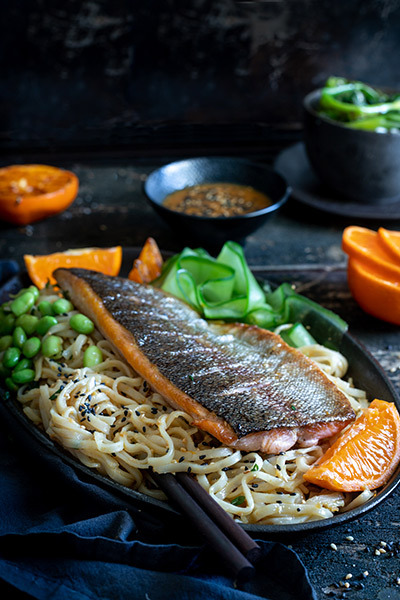
ClemenGold & Miso Glazed Trout

Create the perfect glaze for pan-grilled trout and rice noodles.

GET THE RECIPE

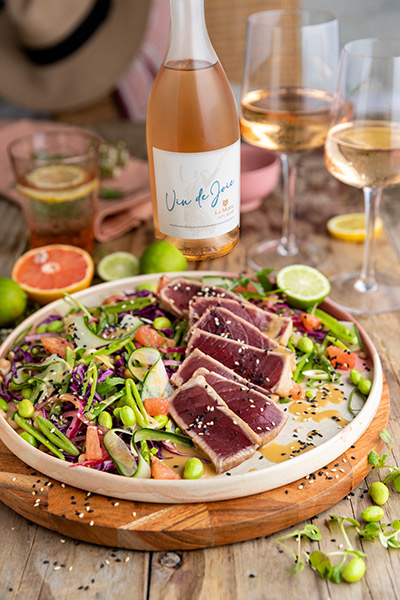
Seared Tuna Salad with Miso Dressing

Bold, punchy flavours shine in this vibrant salad with Japanese-inspired flavours.

GET THE RECIPE

Want more? Take your cooking from bland to bold with umami.
For more food tips, follow us on Instagram.

Getting to Know Pinotage

Pinotage is the real McCoy! This South African grape has had its trials and tribulations, but is well supported locally, thanks to a large increase in plantings over recent years. Being lucky enough to have sat on the Pinotage Blends (red blends with a minimum of 30% Pinotage) judging panel, I have a soft spot for this grape and a strong belief in its future!

Getting to know Pinotage

Pinotage tends to take on a rustic profile and often shows earth-driven notes, followed by dark fruit, red liquorice, rooibos, banana, dried leaves, sweet pipe tobacco, chocolate…

When Professor Abraham Perold from Stellenbosch University crossed a somewhat unusual pair, Pinot Noir with Cinsaut, in 1925, he literally created South Africa’s national grape. His aim was to combine the virtues of the two grapes. Pinot Noir is renowned for its aromas and flavours, but can be difficult to grow, whereas Cinsault yields an abundant crop and is cheerfully resistant to disease. It appears Cinsault dominated, as Pinotage is easy to grow and ripens readily. In fact, keeping yields down is a major challenge in making a quality wine from Pinotage.

A typical slow starter, it only appeared commercially in the early 1960s and attracted international interest in 1991, when the winemaker, Beyers Truter, entered a Pinotage in the International Wine and Spirit Competition. He was named ‘Winemaker of the Year’ – the first South African to ever be bestowed this honour.

Pinotage can be presented in a dramatic range of styles, from a fairly light-bodied, red berry-driven wine all the way to a full-bodied wine with balance, elegance, fully developed fruit flavours and an enduring finish. Generally, Pinotage tends to take on a rustic profile and often shows earth-driven notes, followed by dark fruit, red liquorice, rooibos, banana, dried leaves, sweet pipe tobacco, chocolate, or even smoky bacon-flavoured Kips. The best will age elegantly without losing their muscularity. In recent years, there has been a development in the heavier mocha, chocolate-style Pinotage, which has woven its magical spell and brought a range of new consumers into the wine drinking market.

Food pairings range quite significantly, from robust and rustic dishes like smoked duck, pulled pork, chilli con carne or potjie to light charcuterie, patés, and baked pasta dishes like lasagne or pizza – particularly one with a meaty topping. Its slight perceived sweetness also makes it a good match for hard cheeses, like cheddar or blue, but it shines brightest with classic South African braai dishes.

3 Facts you about Pinotage

  • The inaugural meeting of the Pinotage Association was held in Paarl on 23 November 1995. Their aim is to protect and grow the awareness of this unique grape cultivar.
  • This red grape has inspired winemakers to be daring and invent interesting wine spin-off styles. In particular, Mellasat Vineyards has created the world’s very first white Pinotage, while KWV’s Café Culture has added coffee Pinotage bubbly to their range.
  • Pinotage has its very own day to celebrate just how awesome it is: International Pinotage Day, which is observed on the second Saturday of October, annually. This year, International Pinotage Day falls on the 12th of October.

Great South African Pinotages

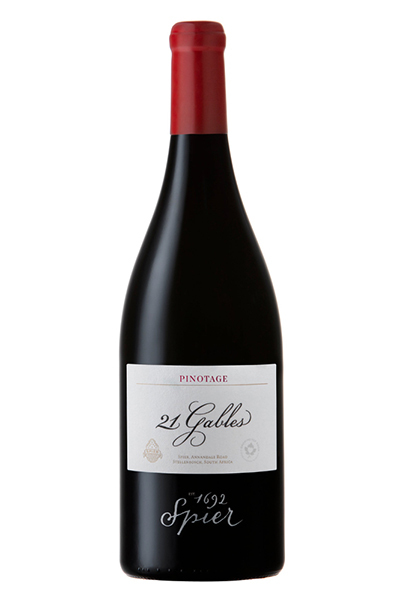
Spier 21 Gables Pinotage 2016

Spier 21 Gables is a range of single varietal wines that represent both the conditions of each vintage and the nuance of terroir. The name pays tribute to the farm’s 300-year winemaking heritage and unique architectural legacy: an unrivalled 21 Cape Dutch Gables. One of the cornerstones of this range is the Pinotage, which is barrel-fermented and matured, and central to South Africa’s vinous history.

WINEMAKER Johan Jordaan
WO Stellenbosch
TASTING NOTES Flavours of caramelised black cherries, hints of dark spice and dark chocolate. The full palate’s smooth entry is followed by rich fruit and velvety tannins.
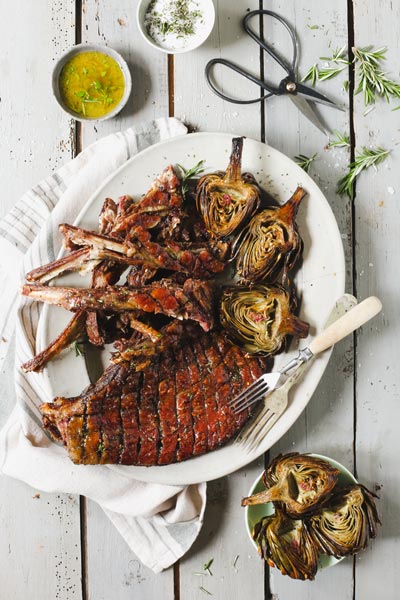
WE LOVE IT WITH Braaied Lamb Ribs with Artichokes & Citrus Vinaigrette
PRICE R900.00 (Magnum; 1.5L)

spier.co.za


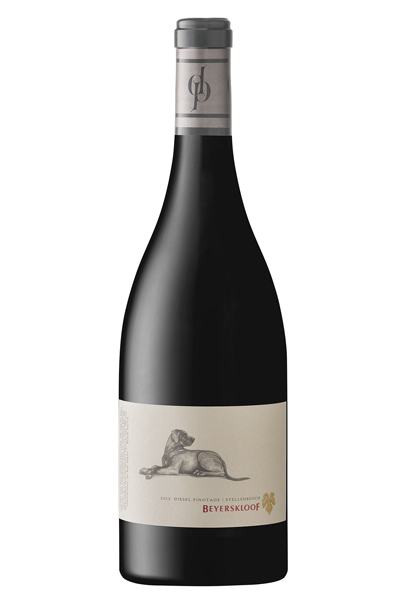
Beyerskloof Diesel Pinotage

In the heart of the Stellenbosch Winelands lies Beyerskloof. Offering an abundance of exquisite vines on the farm, Beyerskloof is renowned for its broad range of world-class wines. Backed by a wealth of experience, the farmers tend to the vineyards to harvest the best quality grapes with their richness in texture and colour.

WINEMAKER Anri Truter
WO Western Cape
TASTING NOTES

A big structured Pinotage with intense dark fruit flavours. A deep middle leads to a smooth finish with pleasant chocolate/cedar aromas from the French oak. Great balance between fruit and oak will allow superb ageing in the bottle for 10 years and more. The ideal match to spicy Indian dishes or a well-matured rump/sirloin steak.

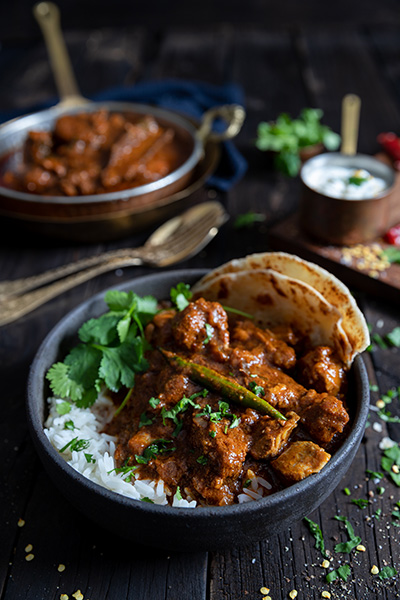
WE LOVE IT WITH Pork Neck Vindaloo Curry
PRICE  R1100.00 per bottle


pork neck curry

beyerskloof.co.za


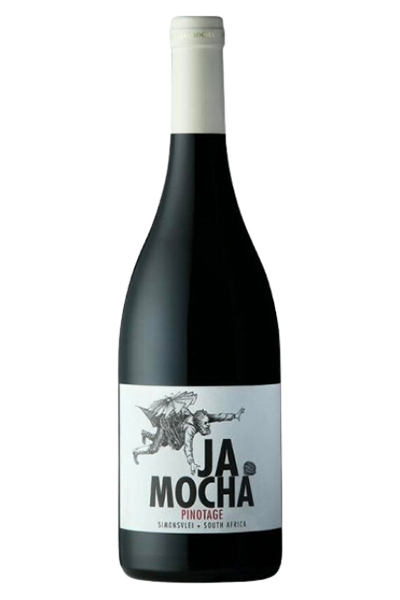
Simonsvlei Ja Mocha Pinotage 2021

Simonsvlei has a wealth of tradition and experienced viticulture. Named after the legendary Simon van der Stel, Simonsvlei, has ingrained its mark since the 17th Century. Upon such a foundation, Simonsvlei continues to innovate and propel the wine industry forward.

WO Western Cape
TASTING NOTES Ja Mocha expresses overtones of dark chocolate and roasted coffee beans. It is a well-balanced, full-bodied Pinotage that is not overly fruity.
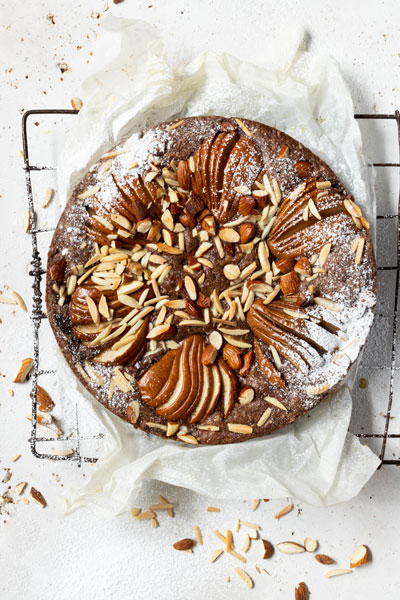
WE LOVE IT WITH Chocolate Olive Oil Torte with Cardamom, Pears & Almonds
PRICE  R105.00 per bottle

simonsvlei.com


The Winery of Good Hope Full Berry Fermentation Pinotage 2022

Introducing The Winery of Good Hope’s Full Berry Pinotage – this is not your usual tannic, over-ripe, over-the-top wine – this is smooth, juicy and delicious Pinotage, made divinely.

WINEMAKER A collaborative effort.
WO Stellenbosch
TASTING NOTES On the nose, dark fruits of blackberry and cherry. On the palate: rich and inviting with juicy dark fruits – black plum, blackberry, clove spice and a generous weight and silky, smooth finish.
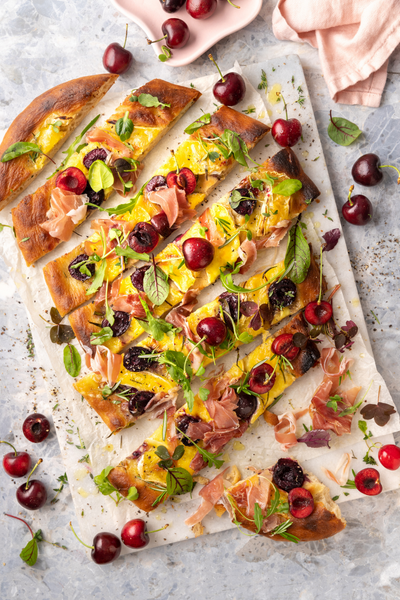
WE LOVE IT WITH Flatbread with Brie Cheese, Prosciutto, Rocket & Cherries
PRICE R159.00 per bottle

thewineryofgoodhope.com


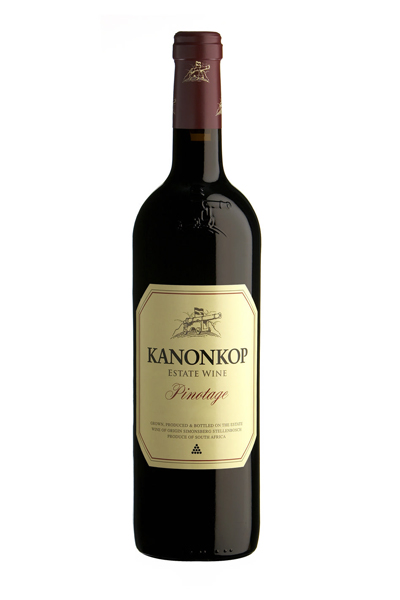
Kanonkop Pinotage 2014

Located on the slopes of Simonsberg, Kanonkop Estate is home to many of South Africa’s premium wines. The Estate’s unique name is derived from the word kopje, meaning ‘hillock’. In the 17th Century, a cannon was commonly fired from here to warn farmers of foreign sailing ships arriving in Cape Town.

WINEMAKER Abrie Beeslaar
WO Stellenbosch
TASTING NOTES Deep intense ruby red colour. A bold intensity of plum, cherries, black figs, dark chocolate and spicy oak. This balanced wine has creamy tannins with a satisfying acidity. It pairs well with red meat or Asian-style dishes when young; lamb or mutton dishes when matured.
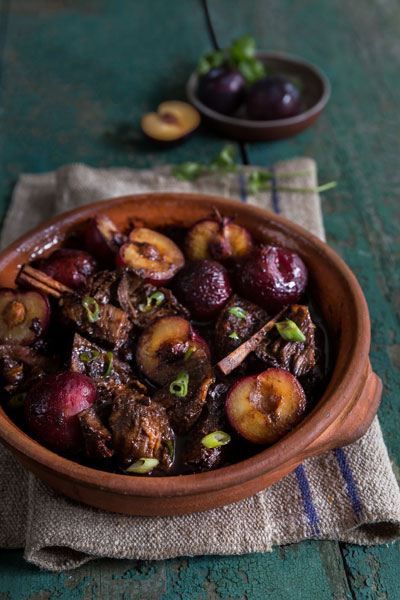
WE LOVE IT WITH Indonesian Short Ribs with Plums
PRICE  R850.00 per bottle
Indonesian-Short-Ribs-with-Plums_400x600

kanonkop.co.za


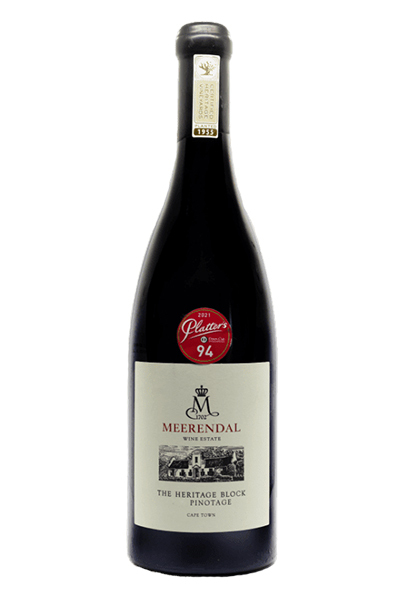
Meerendal Heritage Block Pinotage 2016

Meerendal Wine Estate has been around for over 300 years and was pioneered by the owner’s widow, Christina Stans, in 1714. Today, the estate is flourishing with wine tastings overlooking the Boland or held in the cellar. Meerendal Wine Estate is also home to the Bossa Winelands eatery, and visitors can dine out at their Italian-inspired restaurant, LaRomantica.

WINEMAKER Liza Goodwin
WO Durbanville
TASTING NOTES Deep purple in colour with a strong scent of bramble, the Meerendal Heritage Block Pinotage is a classic. It boasts combinations of plum, prune, oak and a distinct yet supple tannin undertone. This Pinotage pairs well with rich cheeses.
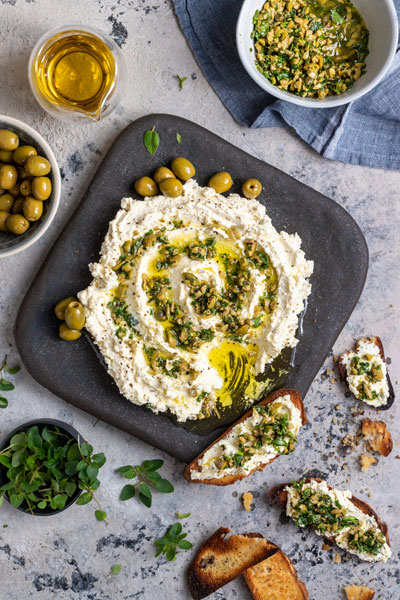
WE LOVE IT WITH Whipped Feta & Cream Cheese with Green Olive Salsa Verde
PRICE R3540.00 per case

meerendal.co.za


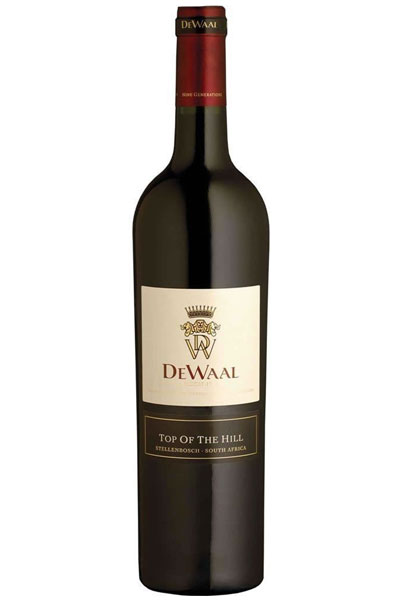
DeWaal Top of the Hill Pinotage 2018

DeWaal Wine Estate is home to the oldest Pinotage vines in the country and their quality in wine is only a testament to this. The grapes are juicy, rich in colour and delicious in taste, producing eloquent wines. DeWaal’s mature vineyards are nestled in the Stellenbosch Kloof valley and has been in the family since 1864.

WINEMAKER Daniel de Waal
WO Stellenbosch
TASTING NOTES Dark red wine with an even concentration and texture. Its lingering taste on the palate is reminiscent of intense black fruit. Venison, oxtail and Gruyère cheese pair exceptionally well with this wine.
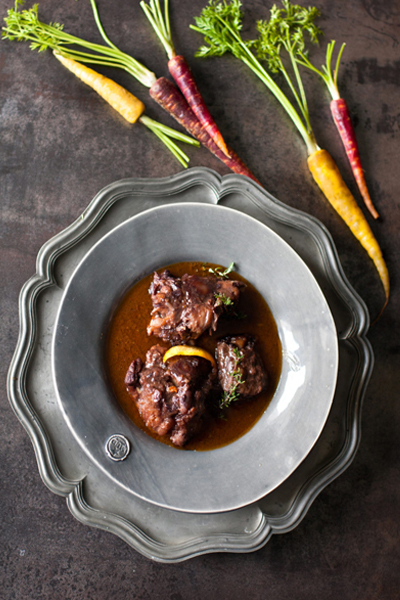
WE LOVE IT WITH Slow Braised Oxtail with Orange, Fennel & Thyme
PRICE R860.00 per bottle


beef recipes

dewaal.co.za


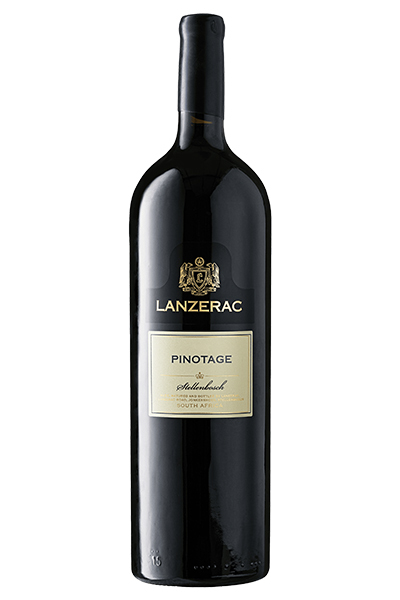
Lanzerac Pinotage 2020

Lanzerac Wine Estate is part of a bold legacy – it is home to the world’s first bottled Pinotage. The wine farm dates back to as far as 1692 and is one of the oldest in the Western Cape. Today, the estate’s 5-star hotel and luxurious spa attracts many visitors. Wine and food epicureans can indulge their tastebuds at one of their many restaurants: Lanzerac Deli, Manor Kitchen, Taphuis or Craven Lounge.

WINEMAKER Wynand Lategan
WO Stellenbosch
TASTING NOTES Three words – juicy, succulent and smooth. This Pinotage offers smoky, soft top notes mixed with berries and plums. The tannins contribute to a spicy, meaty characteristic that sets the Lanzerac Pinotage 2015 apart from the rest.
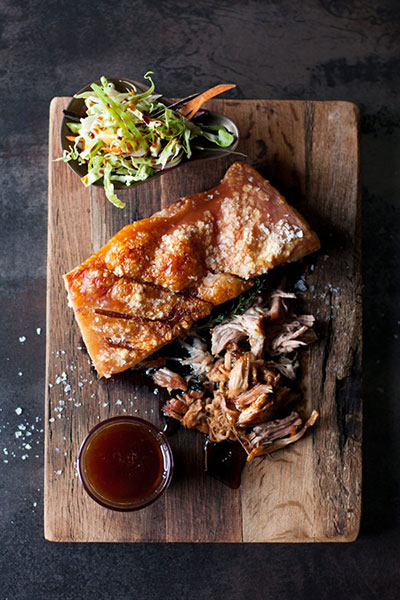
WE LOVE IT WITH Pulled Pork with Sticky Plum Sauce
PRICE R440.00 (per bottle; Magnum)

lanzerac.co.za

Curious about wine?  Get to know Red and White Blends | Shiraz | Chardonnay | Chenin Blanc | Cabernet Sauvignon | Merlot


Burnout Culture & the Importance of Doing Nothing

The Californian grizzly bear hibernates each year during autumn for 3-7 months. Unlike other bears, grizzlies don’t experience the typical deep sleep associated with hibernation periods. Instead, they enter a lighter state of torpor, while remaining vigilant and conserving energy. The average human, on the other hand, approximately works 260 out of 365 days and is overstimulated or overwhelmed for most of the year.

The thought of doing nothing feels wrong, mostly because many of us have attached our self-worth to our work.

Frankly, we could probably learn a thing or two from the Grizzly bear, especially since this time of year is when we’re likely to experience end-of-year fatigue and burnout. If you can relate, then you’re probably a workaholic – coping mechanisms may include ‘thriving on chaos’ and ‘working well under pressure.’ Anything to normalise our mind-numbing obsession with productivity, right?


Doing Nothing Is Everything

We’ve officially entered the land of delusion, where time is money and success is the highway to happiness. It’s all rather depressing and exhausting.

Before we can relax, we first need to do x, y and z; something more urgent always pops up on the agenda. We feel guilty for taking sick leave or any leave at all, even when we’re out of energy and running on ‘E’ (empty). But, there’s a reason why we are drunk on productivity.

Technology, social media and artificial intelligence have made our lives more convenient, but have they improved our quality of life?

Like any ‘addiction,’ productivity results in instant gratification, it feeds our confidence and makes us feel good. Every time we complete a task, we get a hit of dopamine, and with hundreds of project management apps, we’ve almost gamified the experience. When we clock out of work, we breathe a sigh of relief, only to preoccupy ourselves with meaningless tasks that distract us from doing the real work. It’s much easier to focus on external stimuli instead of making time for ourselves – AKA ‘doing nothing.’

During unconscious thought, our brains do some of the most important work. According to research: “…unconscious mental processes have been shown to facilitate goal-directed behavior, memory consolidation, creativity and insight and decision making.” The only problem is that we don’t value downtime enough.


Work & Self-worth – There’s a Difference

Humans weren’t built to sit in front of computer screens for the majority of the day. Technology, social media and artificial intelligence have undoubtedly made our lives more convenient, but have they improved our quality of life?

In those often rare and quiet moments, we still struggle to recognise downtime for what it is. Part of our inability to bask in idleness is how we define ‘doing nothing.’ Numerically, nothing has no value attached. It’s not measured by KPIs (Key Performance Indicators), nor is it the equivalent of twiddling your thumbs – that’s procrastination. But the thought of doing nothing feels wrong, mostly because many of us have attached our self-worth to our work.

For those who work overtime, have demanding jobs, or are passionate about what they do, setting boundaries and unplugging from work can be a harbinger of guilt. At the same time, the more we’re tapped into work and our devices, the harder it is to connect with ourselves and the people around us. It’s that same yearning for connection that’s created a trillion-dollar wellness market.


The Benefits of Sensory Deprivation

Sensory deprivation pods have become increasingly popular. Once considered an alternative medicine practice, Flotation-REST (Restricted Environmental Stimulation Technique) has entered the mainstream world of wellness, along with other restorative experiences.

The pods, which are filled with saline solution, are completely soundproof and lightproof, thus blocking out any external stimuli and creating a peaceful abyss. Sensory deprivation can reduce stress and anxiety, while increasing focus and creativity; participants also reportedly experience altered states of consciousness.

Locally, Sterrekopje, a ‘healing farm’ located in Franschhoek, provides an escape for city dwellers to reconnect with nature and explore the art of play. Visitors can participate in frequency and flow soundscape experiences, hypnotherapy, sacred sleep rituals, and more – all guided by a team of holistic practitioners.

Darkness retreats have also caught the attention of celebrities and those seeking respite from life’s distractions. Sky Cave Retreats, a wellness oasis based in South Oregon, invites people to immersive experiences, during which they are isolated in a 300-square-foot (~27m2) cabin and subjected to obsidian-black darkness for approximately three to four days. For many, the experience brings enlightenment and quite literally forces participants to sit with their innermost thoughts. Once reintroduced to the light, intense emotion and heightened sensitivity are often experienced, followed by a sense of connectedness.

But what if you can’t afford to sit in a tiny dark room for $250 a night?


How Doing Nothing Can Bring Mental Clarity

Carving out more time to do nothing can offer similar benefits. Doing nothing doesn’t mean avoiding life’s responsibilities; at its core, it means slowing down and allowing the mind to relax. There are simpler and inexpensive ways to explore the benefits of idleness:

  • Rest is the most obvious way to recharge. This is especially important if you struggle to sleep; 7-8 hours is crucial for maintaining homeostasis.
  • Less screen time: the blue light emitted from our screens makes it difficult for our brains to sleep and restart in the morning. Try avoiding screen time an hour before bedtime.
  • Simple acts like showering or washing the dishes are when we do some of our most valuable thinking. Focusing on one task at a time invites mental clarity.
  • Time spent in nature: besides offering exercise, walking or some form of activity in a nature setting allows people to reflect and might improve our relationship with others.
  • If you function better with to-do lists, allocate time in your planner to actively commit to doing nothing. It’s not easy, but it is worth it.
  • Independent or ambitious people often feel the need to do it all, but that’s not always feasible. Try to accept help where you can to make time for the things you need.

At its very best, idleness offers us a fresh perspective. Author A.A. Milne said it best, “doing nothing often leads to the very best of something.”

Discover how to honour your inner child and find a hobby as an adult

Elevate Summer Entertaining with African Gold

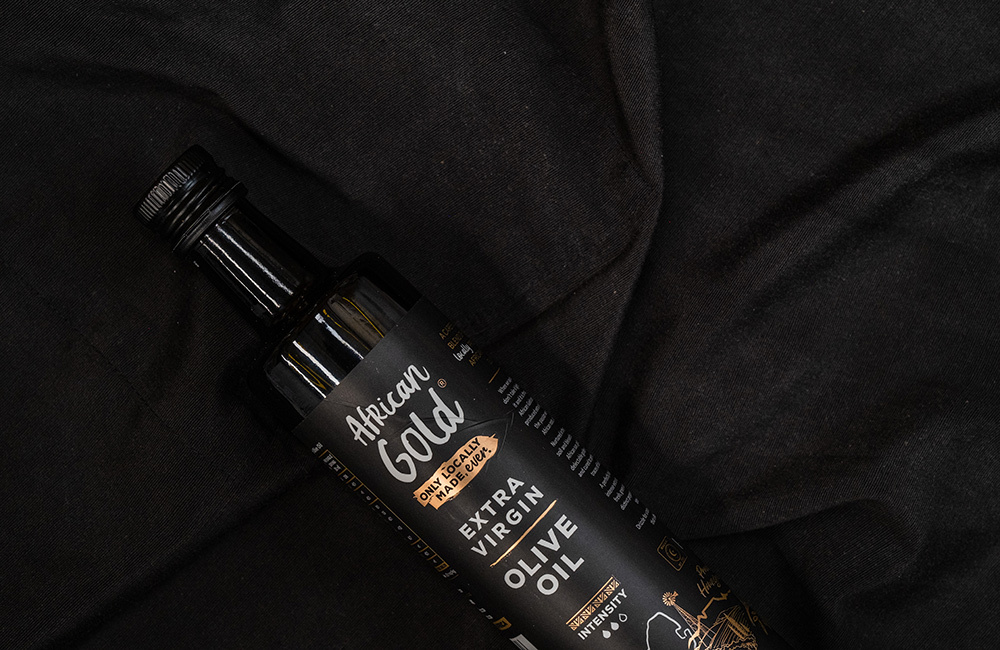
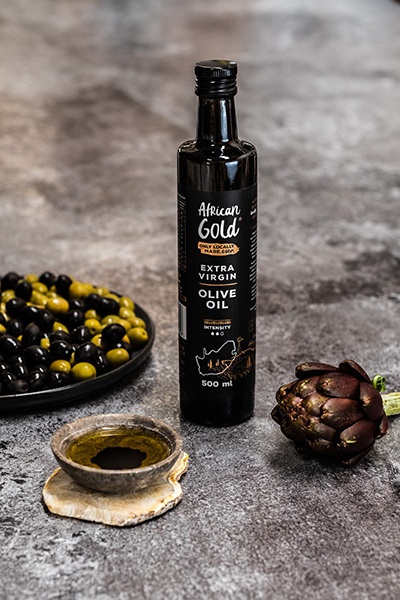
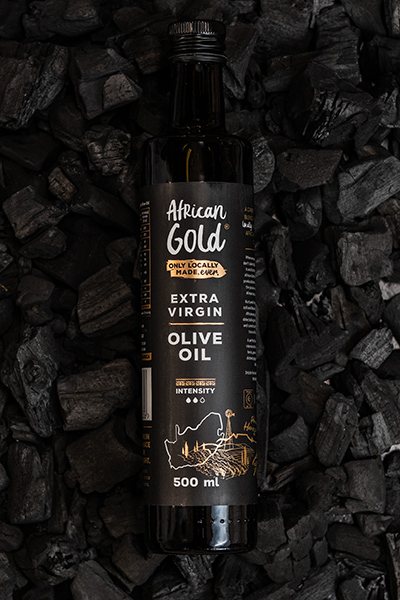
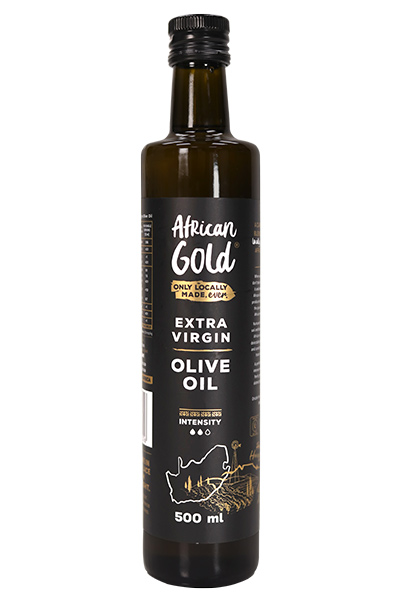
This summer, take your entertaining to new heights with African Gold Extra Virgin Olive Oil. Carefully crafted by local artisans and Southern Oil, every drop of African Gold is a celebration of South Africa’s rich terroir and a testament to the craftsmanship that goes into each bottle produced.

A Taste of African Gold

African Gold embodies the essence of South Africa’s land, bringing together the finest olives with the expertise of local artisans. Each drop of this premium extra virgin olive oil reflects Southern Oil’s dedication to quality and sustainability, giving you a product that not only enhances meals but also uplifts communities. With each use, you are supporting local farmers and artisans who pour their passion into creating a truly rich experience.

African Gold Extra Virgin Olive Oil is the perfect way to add a touch of sophistication to summer feasts.

What sets African Gold apart is its exceptional flavour. This extra virgin olive oil offers a perfectly balanced, medium-to-intense taste with fresh, green notes and aromatic fruitiness. The distinct pepperiness and pleasantly bitter notes make it the ideal oil to finish any dish with flair. Whether drizzling it over braaied meat, roasted vegetables, fresh pasta, or artisan bread, African Gold will elevate your summer entertaining. And if you’re preparing fresh, vibrant salads, African Gold’s smoothness makes for a delicate dressing.

Celebrating People & Palates

More than just an ingredient, African Gold represents the dreams and progress of local communities. Southern Oil’s commitment to excellence means that every bottle carries the promise of prosperity for South African farmers and artisans. When you serve African Gold, you’re not just adding flavour to your meals, you’re helping to build a sustainable future for those who bring this liquid gold to life.

Savour summer with a taste that’s as rich as the soil from which it originates. Whether hosting a braai, a sophisticated dinner party or an intimate gathering, African Gold Extra Virgin Olive Oil is the perfect way to add a touch of sophistication to summer feasts.


Salsa Verde

For a taste of deliciousness, impress guests with this punchy and zingy Salsa Verde.

Makes: 1 cup | Prep: 10 minutes | Difficulty: Easy

Ingredients

A handful of fresh parsley, finely chopped
1 Tbsp (15 ml) capers, drained and chopped
2 garlic cloves, minced
zest and juice of 1 lemon
½  tsp (5 ml) chilli flakes
salt and pepper, to taste
½ C (125 ml) African Gold Extra Virgin Olive Oil

Method

Place the chopped parsley in a bowl along with the chopped capers and minced garlic.

Add lemon zest and juice to the herb and garlic mixture.

Add the chilli flakes, and then season with salt and pepper.

Add the olive oil to the bowl and mix until well combined.

Taste and adjust the seasoning; if needed, add more salt, pepper, and/or chilli flakes. (Tip: for a thinner consistency, add more olive oil.)

Drizzle the salsa verde over braaied lamb chops and enjoy with pap and iBhisto (tomato and onion relish) for a delicious summer feast.

For more tasty inspiration, download the African Gold cookbook: Savouring South Africa

africangold.com | Facebook | Instagram

AtholPlace Hotel – A Leafy Oasis in the Heart of Sandton

Stepping through the doors of AtholPlace Hotel feels like entering a secluded oasis, far removed from the buzz and bustle of Johannesburg’s urban landscape. Nestled in leafy surroundings, this luxury boutique hotel is a soothing contrast to the hectic pace of city life. Whether you’re here for a quick stopover en route to the bush or for a business trip, it offers an elegant escape that feels miles away from the city, while still being just minutes away from vibrant Sandton.

AtholPlace provides a quiet atmosphere, which is a welcome contrast to the nearby business hubs of Sandton City and Nelson Mandela Square, both renowned for their world-class shopping and dining.

The hotel is part of the renowned Morukuru Family group, known for its collection of luxury properties. For those guests travelling further up to Morukuru properties within Madikwe Game Reserve, it’s the ideal place to stop for a few days and acclimatise. With its elegant surroundings and signature warm hospitality, it provides a seamless transition between city life and safari adventure.

Luxurious Rooms for Ultimate Comfort

Although our visit coincided with some of the coldest weather Johannesburg had experienced all year (due to heavy snow in the KZN midlands), AtholPlace provided the warmth and comfort we needed. The recently refurbished rooms are a stunning blend of contemporary design and luxury. The king-sized bed was heavenly, and the newly installed herringbone floors and tactile gold and mustard wallpaper added a touch of elegance.

Details like underfloor heating in the bathroom and the plush, soft robes were an absolute dream during the cold weather. The power shower was also one of the best I’ve experienced. Every detail has been meticulously curated, and a high level of craftsmanship is evident throughout the space. 

The recently refurbished rooms are a stunning blend of contemporary design and luxury.

While we didn’t get to enjoy the beautiful pool area due to the weather, it’s easy to imagine how it would be the perfect spot to unwind on a sunny day – with the brollies up, loungers out and a good book in hand.  AtholPlace-Hotel

Dining at AtholPlace Hotel

While AtholPlace Hotel doesn’t have a formal restaurant on-site, they offer an incredible continental breakfast spread that includes warm, flaky pastries, freshly cut fruit, cold meats, cheeses, and a variety of hot options. Freshly squeezed orange juice and cappuccinos started the morning off on the right foot.AtholPlace-Hotel

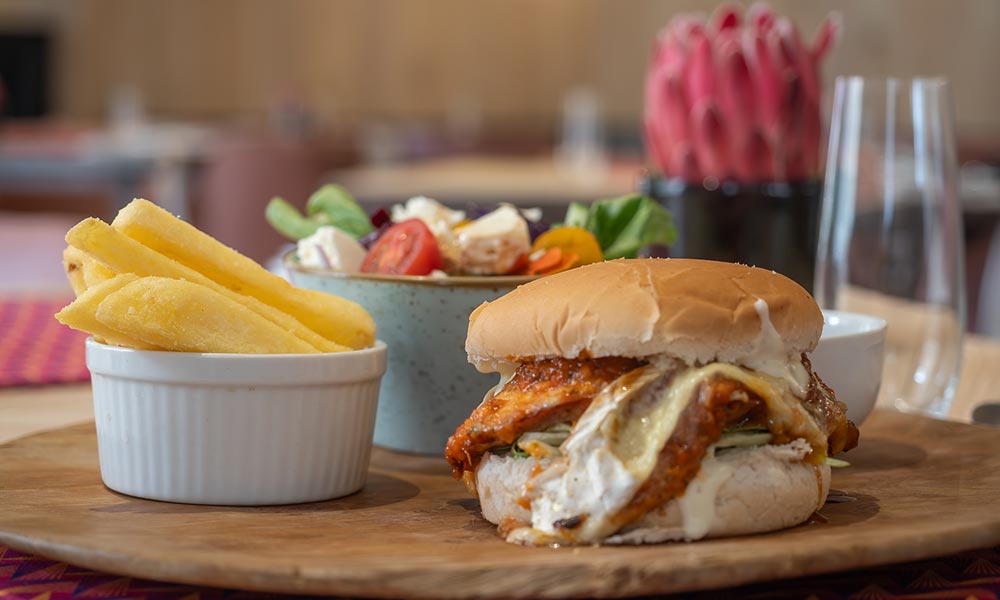
For those who prefer to dine in the comfort of their room or by the pool (weather permitting), AtholPlace has an excellent all-day dining menu. Although the chilly weather didn’t allow us to enjoy the outdoor dining experience by the pool, we ordered food to the room – the crispy chicken burger was a standout.

AtholPlace-Hote

The Perfect City Oasis

AtholPlace is ideally located for business travellers who need to commute to Sandton, as well as for leisure guests looking for a peaceful stopover before heading to the bush. The hotel’s close proximity to Sandton’s commercial hub makes it convenient for business meetings, while the tranquil setting and luxurious accommodations make it perfect for winding down after a long day. The beautiful bar area, complete with a fireplace, is ideal for enjoying a whiskey sour or a glass of prosecco.

AtholPlace Villa, right next door to the hotel, is available for those looking for a more exclusive experience and a place to call home. Ideal for families, it has four en-suite bedrooms, a pool and a dedicated team, with an option to book a full-time chef.

The beautiful bar area, complete with a fireplace, is ideal for enjoying a whiskey sour or a glass of prosecco…

Book your Stay

From the moment we arrived, we were made to feel at home by the staff, who are well-versed in unobtrusive yet attentive service. Everyone we encountered was friendly and helpful, taking great pride in providing a high level of service.

AtholPlace Hotel & Villa offers a unique blend of comfort, elegance, and personalised service that makes it a special place to stay.

morukuru.comFacebook | Instagram

Stay Hydrated All Day with Stanley’s New Drinkware

Whether infused water, chai latte or iced coffee is your cup of tea, staying hydrated has never been easier with the Stanley All Day drinkware range. Stay healthy, stay hydrated – that’s the defining mantra of this fresh drinkware range.

Fresh for the Season

The All Day category is the ideal companion to keep you hydrated throughout your day. With its optimised design and thermally efficient technology, you can hydrate all day, every day, whether you need a drink to warm up or cool down. And with warmer weather here, it will keep you fresh this season. The body uses double-wall stainless steel vacuum insulation, and helps keep beverages cold for 6 hours and iced for 11 hours.

Fuel up wherever and whenever you go with this trendy essential.

Crafted with respect for human well-being and our environment, this category is innovative and caters to your everyday needs. Run errands, take a drive, attend pilates, or hydrate while hiking — fuel up wherever and whenever you go with this trendy essential.


Stanley All Day, Every Day

Available in a variety of colours to match your mood, and unique styles and sizes to suit your needs, this product seamlessly blends functionality with style.

The Stanley All Day Slim Bottle is super sleek and is made from 90% recycled stainless steel. It has a two-piece opening — one for sipping and the other for ice and cleaning, making it easy to fill up and maintain. The neck of the bottle is made from single-wall stainless steel that has a plastic threaded collar and compressed seal. The Stanley logo is etched into the bottle, which perfectly contrasts the transitional finish from gloss to matte.

Staying hydrated has never been easier with the Stanley All Day drinkware range.

The Built For Life™ product promise is the foundation of their commitment to sustainability and corporate responsibility. Stanley aims to make at least 50% of their stainless steel products from recycled materials by 2025.

Quench your thirst and find the perfect colour and style for your seasonal needs. Explore the complete range of Stanley products available in South Africa. 

awesometools.co.za | FacebookInstagram

What’s the Snotty Bit in My Eggs & Is It Safe To Eat?

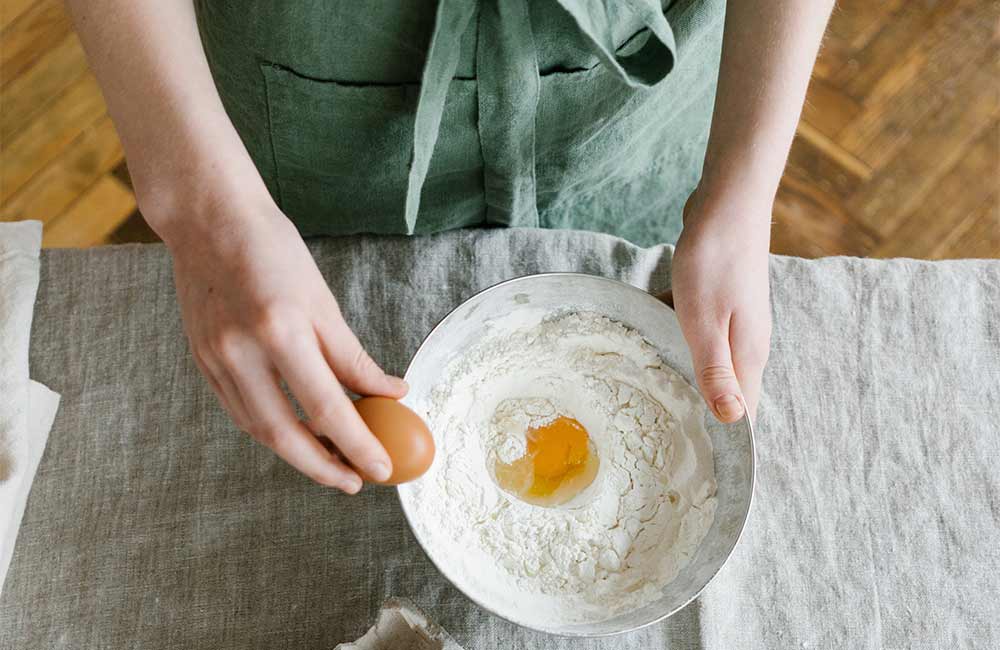
Have you ever prepared an omelette and upon cracking the eggs noticed a peculiar white, almost snotty substance in your eggs? Well, of course, you have – you can’t make an omelette without cracking a few eggs. But if you’ve ever wondered what the white strand suspended in the albumen of the egg is, the good news is that it’s not bacteria, it’s just the eye of the egg or ‘chalaza’ if you want to get technical.

chalaza

Yes, eggs have something called an eye – also known as ‘chalazae’ – and no, it’s not the yolk, but rather that extra-slimy bit that contains a slightly white substance. Most might find them gross, but they actually serve a purpose…

What’s the chalaza?

Chalaza or ‘chálaza’ is Greek for ‘hailstone’ or hard lump,’ as they feel like white hard lumps in your egg and apparently (not really) resemble pearls. If you’ve ever tried to remove them, they feel hard compared to the texture of the albumen and there’s even a bit of resistance when you extract them. The eye of the egg contains two white strands that are opaque and are usually visible against the translucent albumen (white part) of the egg.

In fact, the more visible they are, the healthier or fresher the egg.

The chalaza is attached to the yolk (yellow centre) of the egg and actually keeps the yolk intact. They keep the egg fresh and mainly consist of mucin fibres, a special type of protein. So, they’re actually a good thing and not a defect as you might have assumed. In fact, the more visible they are, the healthier or fresher the egg.

As for the red flecks you might notice in your egg, they are simply ruptured blood vessels that form. Their presence is also an indication that the egg is fresh. With time, the blood clots usually disintegrate; but if present, rest assured, they are completely safe to eat.

When it comes to the chalaza, they are also completely harmless and safe to eat, but some bakers might prefer to remove them, although it won’t actually affect the texture or taste of your food and bakes. While they are harmless, you should always remember to whisk your eggs well enough to break down the chalaza in the eggs. This will ensure that the eggs are incorporated well into your batter – if you don’t want an eggy-tasting cake that is…

Weird & Wonderful – The Addams Family Musical At the Homecoming Centre

Excitement and anticipation are building for the worldwide cult hit, The Addams Family Musical, which starts its first run in South Africa at the Homecoming Centre (formerly the ‘Fugard Theatre’) in Cape Town, from 14 December 2024. The spectacular show, which will be presented by Mother City Theatre Productions, is set to thrill fans with its talented cast and weird and wonderful plot.

The Addams Family Musical

A heart-warming story about acceptance, tradition and identity, this musical comedy explores a light-hearted journey of self-discovery against the backdrop of familial bonds and cultural norms.

The Addams Family Musical celebrates love, family and the relationships that define us, while highlighting a few universal truths about how the various characters yearn to be seen, heard and understood. The heart of the story lies in the authentic and vulnerable pursuit of self-discovery, acceptance and the enduring strength of family.

A heart-warming story about acceptance, tradition and identity, this musical comedy explores a light-hearted journey of self-discovery against the backdrop of familial bonds and cultural norms. Through the collision of the famously kooky Addams clan and the seemingly conventional Beineke families, the musical delves into questions about who we really are behind the facade of traditions and daily routines. It requires the characters to look at their true selves and discover who they are without their accepted cultural identities.

With its slightly gothic appearance and interesting history, the Homecoming Centre is the perfect venue for this stirring production.

This wonderful production illustrates how both families make sacrifices in the quest for a sense of belonging and acceptance. It’s fun, explosive and thoroughly entertaining with songs and music that will resonate with all audiences, as it brings the whole story together.

 Early bird offer

To make this experience even more accessible, we are offering an exclusive 15% discount on all seats for performances on December 14th, 17th, 18th, and 19th. Use the code “MORTICIA” when booking through Webtickets to take advantage of this limited-time offer.

Event Details

What: The Addams Family Musical
Where: Homecoming Centre, Cnr Caledon & Buitenkant Street, Zonnebloem, Cape Town
When: From December 14, 2024
Tickets: Available at Webtickets


About The Addams Family Musical

The Addams Family Musical by Andrew Lippa, Marshal Brickman and Rick Elice is based on the beloved characters created by Charles Addams. The Addams Family Musical centres around the eccentric, macabre and ghoulish Addams family, led by Gomez and Morticia Addams. With witty one-liners, crazy characters, spooky effects and all the weird wonderfulness fans of the most outrageous family ever have come to expect, the show will be a holiday hit for young and old alike.

A cult hit all round the world, The Addams Family Musical ran on Broadway for 722 performances, garnering numerous awards and spawning many international productions. The highly anticipated South African production will feature a world-class ensemble of performers. With its slightly gothic appearance and interesting history, the Homecoming Centre is the perfect venue for this stirring production.

Why Your Cake Tastes ‘Eggy’ & How to Beat It

Baking is a science, and perfecting the most elaborate or even the simplest cakes can prove challenging. It takes trial and error to get things right, and even if you follow the recipe to a T, you could still end up with a flop. Sometimes that flop could be the result of having a cake that tastes ‘eggy.’ Yes, it’s a thing and surprisingly one of the more common baking mishaps.

Never encountered this? Consider yourself lucky, but if you’re curious, imagine a cake that tastes how boiled eggs smell. Besides leaving a bad taste in your mouth, an eggy-tasting cake is the last thing you want to serve teatime guests. The good news is that your efforts haven’t completely gone to waste and it’s not too late to salvage your cake. Here’s why your cake tastes eggy and how to beat it.

How to Avoid Having an Eggy-Tasting Cake

There are a couple of reasons why your cake could taste eggy…

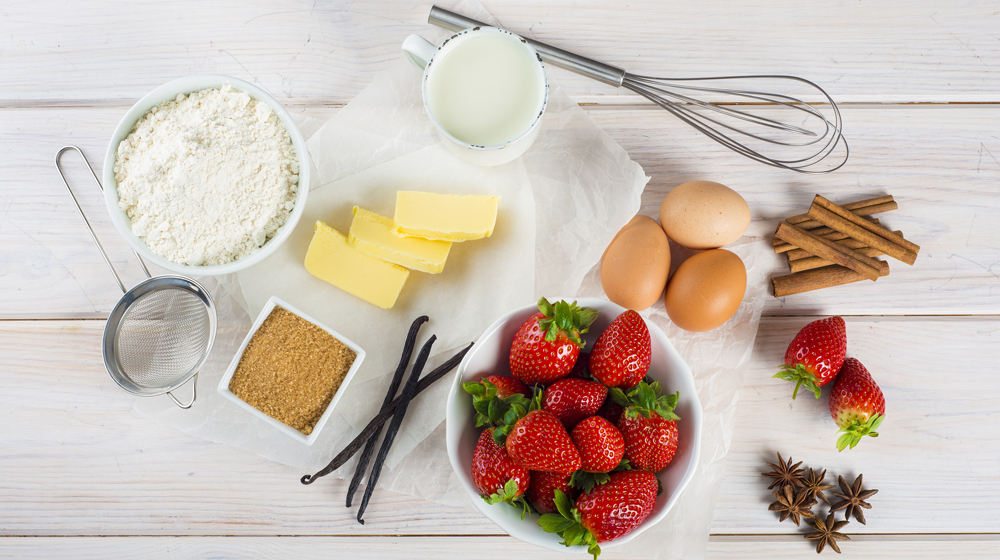
Not using room-temp eggs is one of the most common mistakes, as some people store their eggs in the fridge. For the tastiest results, bake with room-temperature eggs, as opposed to cold eggs. It not only makes it easier to incorporate into your batter, but you also end up with a smooth and more even texture.

Not whisking the eggs properly before combining your eggs with the rest of the ingredients could make your cake taste eggy. Whisk them in a separate bowl first; beat them just enough but don’t overwork them. This is a fine balance and important distinction in bakes that are predominantly egg-based like pavlova or meringue.

Not using enough flour could also lead to an eggy-tasting cake. You should have enough to bind the eggs in your cake mixture. If you’ve ever tried making flourless cakes that require more eggs than usual, you’ve likely encountered this problem. But even if you are using flour, make sure that you’ve incorporated enough for the egg to mix well into your batter.

Not using large eggs. Small eggs are rich in taste – to avoid imparting that strong flavour in your cake, swap them out for large eggs (although, most recipes will specify large eggs).

Not cooking your cake at the right temp or time; cooking your cake for a longer bake time than needed could make your cake taste eggy. When exposed to consistently high heat for extended periods, the sulphur from the egg whites causes a chemical reaction, resulting in an unpleasant taste. Not ideal!


Hacks to Mask the Eggy Taste in Your Cake

It’s trickier to mask the taste if your cake is already baked, but these hacks should help…

Sprinkle Icing Sugar or Fresh Berries

Icing sugar is one way to sugarcoat things – sprinkling your cake with powdered sugar is one of the simplest hacks. But if you’re worried that your cake is already too sweet, try masking the eggy taste with fresh fruit toppings – berries are always a great addition and also offer a contrasting tart flavour that might distract taste buds.

Sweet-Shweet-Swiet 1x5

Infuse with Spices & Vanilla Essence

Tasting your batter is also crucial before you pop it in the oven. If your batter tastes slightly off or a little eggy, then trust your instincts and tweak your recipe. Infuse your cake mix with a dash of coffee mixed with a little water (this will add a nutty flavour and balance the sweetness) or add an extra measure of vanilla essence or extract. Alternatively, you could use lemon/orange zest, or even spices like cinnamon and nutmeg to make a fragrant cake.

Tip: Don’t Add Too Much Baking Powder/Soda

Another reason people end up with an eggy-tasting cake or even ‘soapy-tasting’ could be due to adding too much baking powder or bicarbonate of soda. These rising agents create a chemical reaction which causes the cake to rise faster and fall flat, making them dense and eggy-tasting. The same could happen if you don’t add enough baking powder, as the cake might not rise enough, leading to that eggy taste. Baking really is a science.

If you’re testing a recipe for the first time or eyeballing ingredients, as a rule of thumb, you should add no more than 1 teaspoon of baking powder or ½ teaspoon of baking soda for ± every cup of flour. Pancakes require more leavening than cakes and generally require 1-2 teaspoons of baking powder or ½ a teaspoon of baking soda per cup of flour. But if you are using acidic ingredients like buttermilk or yoghurt, you could use less baking powder/soda, as the acidic ingredients react with the leavening agents, which help the mixture aerate and the cake to rise naturally.

It’s also worth noting that some people may be more sensitive to certain tastes – eggs being one of them. For others, the taste might not be as prominent, but if you want to avoid using eggs for whatever reason, try using aquafaba, flaxseed slurry or applesauce as a substitute.

Now that you’ve cracked it, check out these hacks in our baking troubleshooting guide.

New Wine Safari Offers Convenient & Educational Trips To Durbanville Farms

Get set to explore the Durbanville Wine Valley and its world-class wines with the launch of an all-new hop-on-hop-off service. The Durbanville Wine Safari offers an innovative, convenient and safe way to explore Cape Town’s northern vineyards.

Guests can choose their own adventure, hopping off at any participating wine farm to indulge in tastings and tours…

This new venture promises to transform how locals and tourists alike experience one of South Africa’s premier wine regions, known for its outstanding cool-climate wines and close proximity to the bustling city of Cape Town.


Durbanville Wine Safari

The Durbanville Wine Safari was launched after extensive consultation with key stakeholders, including local wine producers, tourism operators, and tourism authorities. “The aim was to develop a service that not only enhances the wine-tasting experience but also supports the region’s growing reputation as a must-visit destination,” says Joss Terry, who co-founded the Durbanville Wine Safari with fellow entrepreneur, Henri Nimb.

“The concept was born from our own experiences as regular visitors to the area,” says Henri. “We’ve always loved going but needed a reliable form of transport to get around for safe wine tasting. The Wine Safari does this in a fun way because you get to enjoy the trip with other wine lovers too.”

In welcoming the new Durbanville Wine Safari, Mayoral Committee Member for Economic Growth, Ald. James Vos, says: “The introduction of this exclusive Wine Safari tour is sure to massively increase the appeal of the stunning Durbanville Wine Valley and will add to Cape Town’s impeccable list of tourism offerings,” he says. “It is also encouraging to see an increasing number of small businesses add to the diversity of product offerings we have. I encourage Capetonians and visitors to check out this exciting new experience and enjoy some of the best wines in the world!”

According to Mayoral Committee Member for Corporate Services, Ald. Theresa Uys, the launch of the Durbanville Wine Safari not only celebrates the region’s rich viticultural heritage but also promises to draw visitors from around the world, showcasing the unparalleled beauty and unique experiences the Durbanville Wine Valley has to offer.

“By investing in tourism, we are fostering economic growth and ensuring that our local community thrives,” she says. “Let us embrace this wonderful opportunity to share our story and welcome the world to the heart of Durbanville.”

What sets the Durbanville Wine Safari apart from other wine tours is its unique hop-on-hop-off service, offering visitors unparalleled flexibility in their journey through the valley. Guests can choose their own adventure, hopping off at any participating wine farm to indulge in tastings and tours, or simply soak in the scenic beauty. This service allows wine enthusiasts to craft a personalised experience, visiting multiple estates at their own pace, all while enjoying the convenience of a dedicated transport system that ensures safe and reliable travel between destinations.

In addition to its hop-on-hop-off service, the Durbanville Wine Safari also caters to groups, making it an ideal choice for corporate team-building events, special celebrations, or group outings. The Wine Safari team works closely with organisers to create memorable experiences that meet the specific needs of each group.


Routes & Tickets

The Safari operates on two designated routes, serviced by two 22-seater safari-style vehicles that loop on a predetermined route through the area’s most celebrated wine farms. These vehicles have been designed for comfort and safety, ensuring that passengers enjoy a pleasant journey regardless of the weather. They are equipped with protective coverings and spacious seating, allowing guests to fully appreciate the stunning landscapes of the Durbanville Wine Valley.

The farms that visitors may visit on the Northern Line, are Groot Phesantekraal, Diemersdal, Canto, Meerendal, Bloemendal and D’Aria. The Southern Line visitors will stop at De Grendel, Durbanville Hills, Klein Roosboom, Nitida, Maastricht and Bloemendal.

One of the key features of the Durbanville Wine Safari is its thoughtful incorporation of facilities to handle the transportation of wines purchased by visitors. No longer do guests need to worry about carrying bottles or missing out on their favourite wines due to transportation concerns. The Safari ensures that all purchases are safely stored and transported, allowing visitors to focus on enjoying their day.

Tickets for the Durbanville Wine Safari are priced at R300 per person, offering exceptional value for a full day of exploration.

Safety and expertise are paramount in the Durbanville Wine Safari experience. The service employs trained drivers and knowledgeable tour guides. This ensures not only safe passage between destinations but also enriches the overall experience with insights and stories that bring the valley’s wine culture to life.

Durbanville Wine Route manager, Natasha de Villiers, says she’s equally thrilled to welcome the new service. “The Durbanville Wine Safari is a fantastic way to discover and explore our stunning vineyards. Its arrival ahead of our 200th-anniversary celebrations next year makes it not just a win for tourists but also for our wine producers, who will benefit from increased visibility and engagement. The safari truly enhances the experience of Cape Town’s northern vineyards, making them more accessible and enjoyable for everyone.”


Book a Wine Safari

Tickets for the Durbanville Wine Safari are priced at R300 per person, offering exceptional value for a full day of exploration. The service operates Tuesday to Sunday from 09h30 to 17h30, with tickets excluding any additional fees that some farms may charge for tastings or special activities. More detailed information, including route maps, participating wine estates and booking details, can be found on the official Durbanville Wine Safari website.

For more information, visit durbanvillewinesafari.co.za or send an email.
Follow Durbanville Wine Safari on Facebook and Instagram.

Crush’s Best Local Olive Oils 2024

WIN a hamper of extra virgin olive oilsSouth Africa might be on the southern tip of Africa, but its Mediterranean climate makes it the perfect place for cultivating some of the finest olives. Blessed with sun-soaked summers and cool winters, the country’s diverse landscapes give rise to a range of olive cultivars that are nothing short of world-class. From the rolling hills of the Western Cape to the rich landscape of the Karoo, local producers have mastered the art of crafting exceptional olive oil, rivalling even those from traditional regions. Whether drizzled over salads or enjoyed with fresh bread, these local olive oils offer a true taste of the South African terroir.
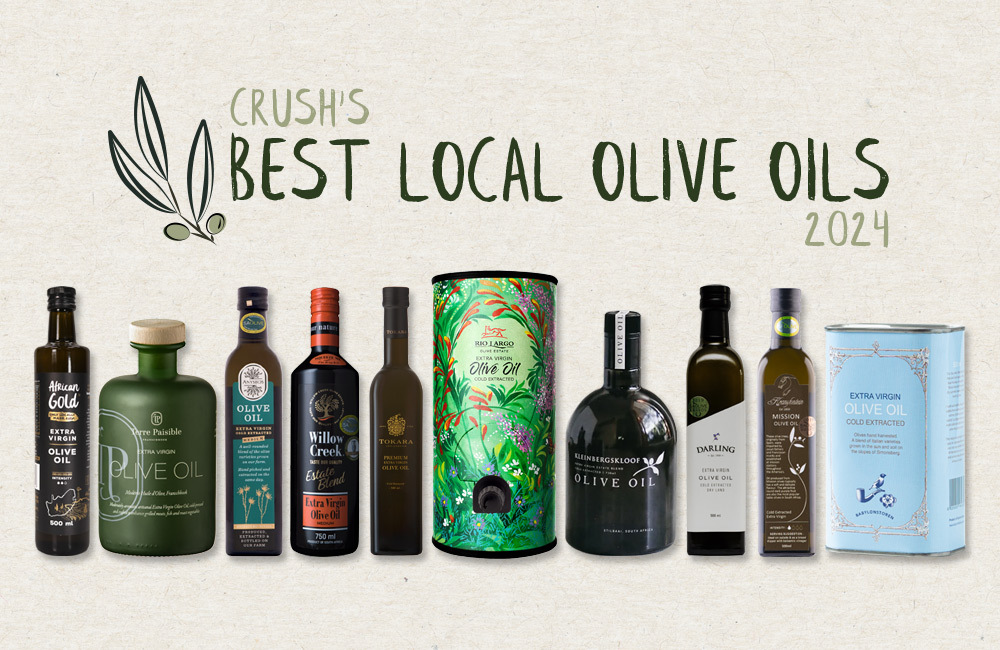
Babylonstoren Extra Virgin Olive Oil Blend

Babylonstoren is famed for its beautiful garden and orchards that celebrate the principle of growing and enjoying food with intent. Located on the slopes of Simonsberg, the farm’s olive groves produce fruit of exceptional quality, which are cold-extracted to create superb oils. With notes of fresh herbs and nuts, smoothly followed by bitter, peppery notes of medium intensity, the Babylonstoren Extra Virgin Olive Oil Blend is wonderfully versatile. This oil enhances the inherent flavours of any well-crafted dish or delicious ingredient, adding a touch of golden goodness. The blend pairs beautifully with steamed fish, artisanal cheese, crisp salad, roast veg, or whipped into the fluffiest scrambled eggs.

The olives are pressed, processed and packaged on the farm in the production plant. Daily tours provide an overview of Babylonstoren, the groves, olive oils and other olive-based products crafted on the farm.

Origin: On the slopes of the Simonsberg Mountain between the wine-growing areas of Franschhoek, Stellenbosch and Paarl, Cape Winelands.
Style: Medium
Cultivar: Multi-varietal; a blend of 5 Italian varieties, including Frantoio and Coratina olives.
Tasting Notes: Herby, nutty, fruity, and peppery with subtle florals (Blended).
Price: R199.00 (500 ml) | R800.00 (3L) | SHOP HERE | BOOK A TOUR
Recipe Inspiration: The nutty notes of this olive oil are ideal for dressing this Shaved Lemon Broccoli & Wild Rocket Salad with Jammy Eggs.

babylonstoren.com | Facebook | Instagram


RIO LARGO Extra Virgin Olive Oil – Estate Blend

Nestled in the picturesque Scherpenheuwel Valley near Worcester lies RIO LARGO OLIVE ESTATE, a shining example of local olive oil excellence. Owned by the dynamic duo, Nick and Brenda Wilkinson, the estate has been crafting premium extra virgin olive oils since 2010.
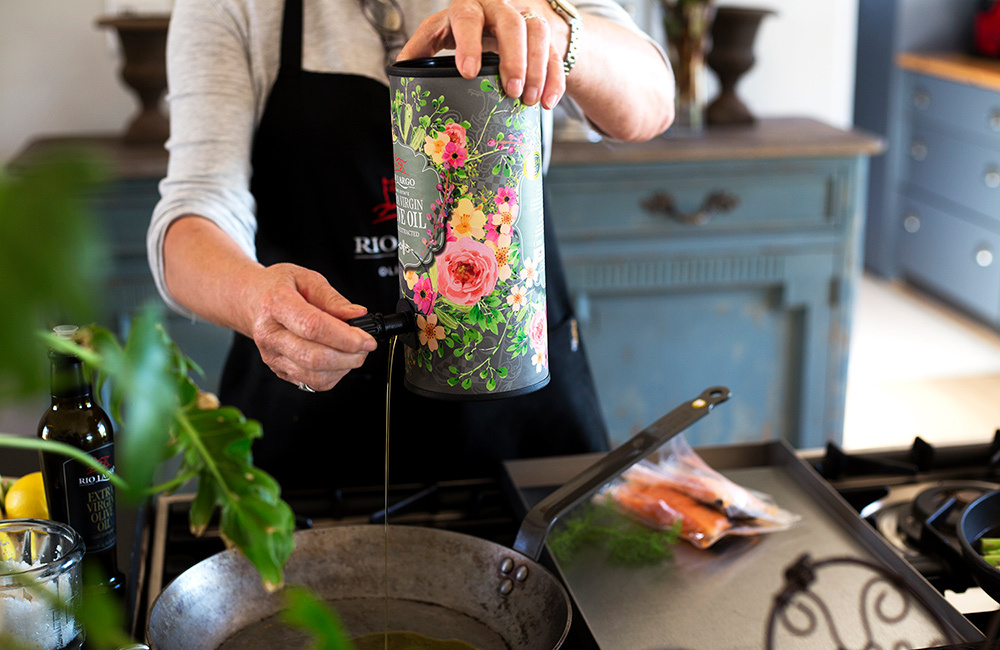
RIO LARGO’s commitment to quality has earned them international acclaim, with a collection of prestigious awards from New York, Japan, Amsterdam and South Africa. At the esteemed Flos Olei awards in Italy, RIO LARGO won ‘Best Medium Blend’ (2023), and received a consistent score of 98 out of 100 — a testimony to the oils produced by the master miller, Nick Wilkinson. Their dedication to creating liquid gold perfection is evident in the rich, robust flavours that have captivated the taste buds of connoisseurs worldwide. RIO LARGO’s Extra Virgin Olive Oil blend is a true gem grown, produced and bottled on their estate. They also have an award-winning lemon, and chilli-flavoured olive oil in their product range. Try it, you’ll love it!

Origin: Breede River, Western Cape
Style: Medium; ideal for cooking various dishes.
Cultivar: Multi-varietal; a blend of Frantoio, FS-17 and Coratina olives.
Tasting Notes: Fresh herbs, artichoke, green tomatoes; fresh with a balanced pungency and bitterness and a lingering nuttiness.
Price: *Refer to the website for prices | SHOP HERE
Recipe Inspiration: The crisp flavour and green notes of this extra virgin olive oil pair perfectly with this Crispy Pork Schnitzel with Tomato Salad & Labneh.

riolargo.co.za | Facebook | Instagram | YouTube


Tokara Premium Extra Virgin Olive Oil

The synergy between olive groves and vineyards is a celebrated tradition throughout the classical wine-producing regions of the world, and at Tokara Wine and Olive Estate in Stellenbosch, this relationship thrives. The Ferreira family embarked on their olive oil journey in 2000, driven by Anne-Marie Ferreira’s vision to create unique single-variety oils that would set them apart from the few South African producers at the time. Tokara’s Extra Virgin Olive Oils are renowned for vibrant green fruit aromas and a rich, creamy mouthfeel. The balance of dominant fruit flavours, tingling peppery notes, and pleasant bitterness makes these oils stand out.

The estate produces four exquisite cold-pressed extra virgin olive oils. Among them, the delicately flavoured Mission offers a subtle taste, while the full-flavoured Frantoio creates a spicier experience. Additionally, Tokara crafts two multi-variety blends that reflect the harmonious interplay of different olives. This commitment to quality showcases Tokara’s dedication to olive oil excellence and embodies the rich agricultural heritage linking vineyards and olive groves, enhancing the experience for both wine and olive oil enthusiasts.

Origin: Stellenbosch, Western Cape
Style: Intense
Cultivars: Multi-varietal; a blend of Coratina, Leccino, Frantoio and Mission olives.
Tasting Notes: Dark green flavour, subtle walnut notes and hints of rocket and baby spinach; a pleasantly bitter and well-balanced taste.
Price: R190.00 (500 ml) | SHOP HERE
Recipe Inspiration: The green flavours and nutty notes of this olive oil complement this Crudité Salad with Hummus & Cracked Chickpeas.

tokara.com | Facebook | Instagram


Willow Creek Estate Blend Extra Virgin Olive Oil

Willow Creek Olive Estate is nestled in the Nuy Valley, which lies at the foot of the majestic Langeberg Mountains. Located just outside of Worcester, the farm was initially used to cultivate a multitude of crops, including wine grapes, table grapes, wheat and vegetables, for over two centuries. However, this all changed in 1997, when a dramatic drop in wine prices led Willow Creek Olive Estate to diversify its farming operations. After discovering that the lime-rich soils and Mediterranean climate of the Nuy Valley offer the ideal terroir for olive cultivation, the estate set its sights on olive farming. The rest, as they say, is history.

Willow Creek Olive Estate offers a diversified range of good-quality trusted products. Their versatile range of premium olive-based products constantly evolves to accommodate the culinary and sensory demands of both olive oil connoisseurs and those who strive to create culinary magic in the comfort of their own kitchen. The Willow Creek Estate Blend Extra Virgin Olive Oil is a blend of mainly Frantoio and Mission cultivars harvested at a half-ripe stage and has a medium, fruity character. The slight bitterness and gentle pepper aroma are perfectly balanced and fade to leave a pleasant aftertaste.

Origin: Nuy Valley, Western Cape
Style: Medium
Cultivar: Multi-varietal; a blend of Frantoio and Mission olives.
Tasting Notes: Fruity and slightly bitter with a balanced taste.
Price: R130.00 (500 ml) | R220.00 (1L) | SHOP HERE
Recipe Inspiration: Ideal for finishing salads and roasted vegetables, like this Roasted Pumpkin & ClemenGold Salad with Labneh & Dukkah Crumble.

willowcreek.co.za | Facebook | Instagram


African Gold Extra Virgin Olive Oil

African Gold is a symphony of flavour, composed by nature and perfected by artisans. This high-quality blend of local extra virgin olive oil is perfect for infusing deliciousness into everyday cooking. An embodiment of the land’s riches, African Gold is a true expression of the South African terroir, all carefully curated by the people of Southern Oil.
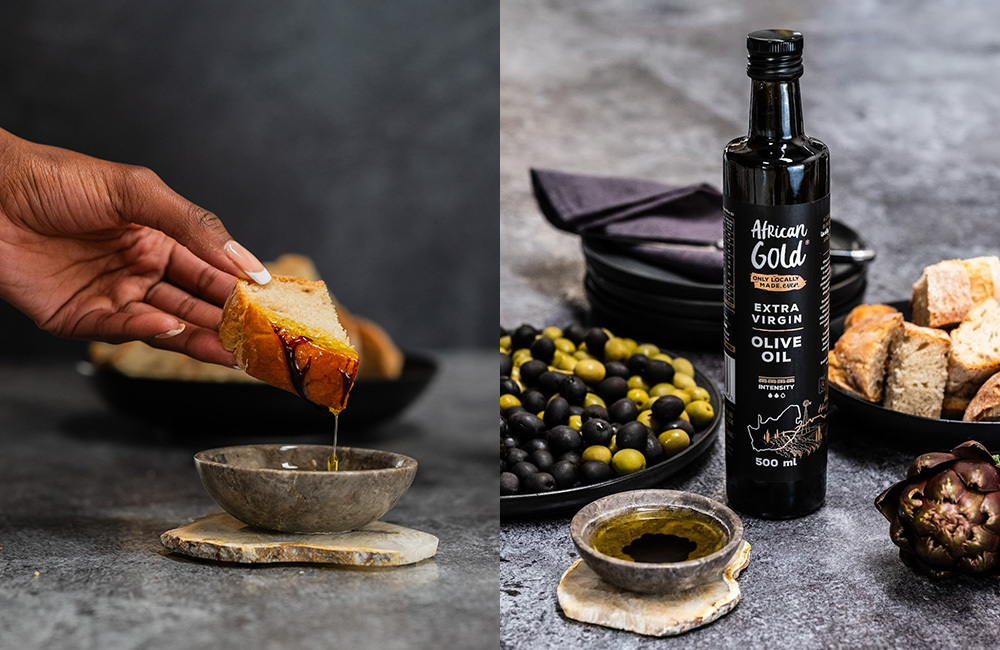
Koroneiki, Nocellera, Frantoio, Coratina, Mission, Favalosa and Leccino olive cultivars are used to create the olive oil, all of which are sourced solely from local farms across the region and blended together to create a consistently delicious product. This liquid masterpiece reflects a commitment to excellence, each bottle reflecting the diversity of our land. This perfectly balanced olive oil has a medium-to-intense style, with fresh, green aromatic fruitiness, distinct pepperiness and pleasantly bitter notes.

Origin: Overberg, Western Cape. *Sourced from olive farms in the Overberg and pressed in Swellendam.
Style: Medium-intense
Cultivar: Multi-varietal; a blend of Koroneiki, Nocellera, Frantoio, Coratina, Mission, Favalosa and Leccino olives.
Tasting Notes: fresh, green aromatic fruitiness; pepper and pleasantly bitter notes.
Price: ±R130.00 (500 ml) | *Available at retail stores, nationwide.
Recipe Inspiration: Use African Gold Extra Virgin Olive Oil to uplift the spices in this comforting bowl of Umngqusho with Smoky Pork.

africangoldoil.co.za | Facebook | Instagram


Kransfontein Extra Virgin Mission Olive Oil

Established in 1833, Kransfontein Estate is an amalgamation of four adjacent farms, three of which were owned by the celebrated author, Wilbur Smith, who wrote many of his first novels here. In 2000, Adv. Altus Joubert SC bought the farms, planted 10,000 olive trees, and with the help of Prof. Ben Farrell – doyen of SA landscape architecture – transformed the farms into a place of tranquillity and beauty. Conditions are perfect for growing olives. The soil is calcium-rich and the climate approximates the Mediterranean. Besides olive oil and table olives, the farm produces olive preserves, chutneys, olive spices and soap products made from award-winning olive oil.
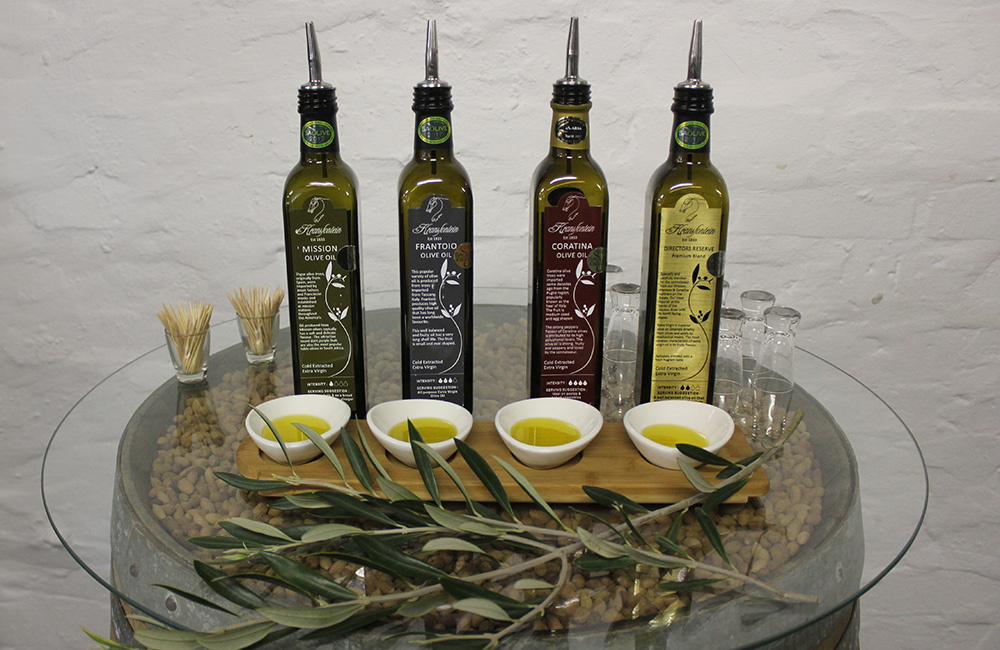
Kransfontein‘s Frantoio Olive Oil is well-balanced and flavourful. Their Coratina olives produce an intense oil, featuring strong, peppery flavours. On the more delicate side is Kransfontein Mission Olive Oil, which has a soft, fruity flavour. It’s ideal drizzled over salads, or combined with balsamic vinegar and used as a bread dipper.

Origin: Stillbaai, Garden Route, Western Cape
Style: Delicate
Cultivar: Mission
Tasting Notes: soft, fruity flavours.
Price: R110.00 (250 ml) | R 200.00 (500 ml) | SHOP HERE
Recipe Inspiration: The well-balanced, fruity flavours taste great incorporated into these Olive Oil Polenta Cakes with Pink Grapefruit Drizzle

kransfontein.com | Facebook | Instagram

Best local olive oils

Anysbos Extra Virgin Olive Oil

Anysbos is a boutique farm renowned for its artisanal approach to olive oil production. Aptly named after the Anysboegoe (Agathosma Cerefolium) that grows within the Botrivier Valley, Overberg region, the farm has been operational since 2008 and is home to exceptional olives. The estate olive oil is a blend of Frantoio, Favolosa, Coratina and Kalamata olives.

The Mediterranean-like climate and cool breezes from the nearby coast allow the olives to ripen slowly, resulting in a deeply nuanced medium-style oil. It has a lively palate with notes of artichoke, olive leaf, herbs and tomato; and aromas of green, ripe olives and green apples.

Origin: Overberg, Theewaterskloof, Western Cape
Style: Medium
Cultivars: Multi-varietal; a blend of Frantoio, Favolosa, Coratina and Kalamata olives.
Tasting Notes: Artichoke, olive leaf, herbs and tomato; lively with good complexity.
Price: R840.00 (6 x 500 ml bottles) | SHOP HERE
Recipe Inspiration: Drizzle this medium-style extra virgin olive oil over this Zaalouk with Fried Halloumi and Toasted Pita Bread.

anysbos.co.za | Facebook | Instagram


Darling Olives

Situated amidst the rolling hills of the Darling region, within the spectacular Cape Floral Region, Darling Olives has been a pioneer in South Africa’s olive industry for over two decades. The estate combines its olive groves with vineyards and balsamic vinegar production, showcasing its versatility. Its medium-intense extra virgin olive oil has garnered multiple awards, including a gold medal at the 2024 SA Olive Awards.

Made using Mission olives, this delicate olive oil has delicious buttery and peppery notes, with aromas of freshly cut grass, green olive and olive leaf, green vegetables, artichoke, tomato and hints of banana. It’s perfect for dressing salads and finishing rich tomato dishes.

Origin: Swartland, Western Cape
Style: Delicate
Cultivars: Mission
Tasting Notes: Buttery, peppery; well-balanced with a good complexity.
Price: R100.00 (250 ml) | R150.00 (500 ml) | R265.00 (1L) | R1,250.00 (5L) | SHOP HERE
Recipe Inspiration: This delicate olive oil is ideal for everyday cooking; use it to finish this classic Fresh Tomato Marinara Sauce Pasta.

darlingolives.co.za | Facebook | Instagram


Kleinbergskloof Estate Blend Extra Virgin Olive Oil

Nestled along the banks of the Goukou River in Stillbaai, Kleinbergskloof is celebrated for its incredible views and award-winning extra virgin olive oil. The region’s dry and warm climate results in an exceptional extra virgin olive oil, which is produced from a harmonious blend of Mission, Frantoio, Leccino and Coratina cultivars.

The farm has built its reputation on quality and sustainability; from the olive harvest to cold extraction, everything is done with care. Their estate blend of extra virgin olive oil is well-balanced with fresh, grassy notes. Its complexity and aroma have earned it numerous wins at the 2024 SA Olive Awards, including a gold medal within the medium-style category for both the Kleinbergskloof Directors Blend and the Family Reserve. Whether drizzled over salads or used as a dip for artisanal bread, it elevates simple dishes to gourmet status.

Origin: Stillbaai, Garden Route, Western Cape
Style: Medium
Cultivars: Multi-varietal; a blend of Mission, Frantoio, Leccino and Coratina olives.
Tasting Notes: Grassy and fresh, with a complex character and strong aroma.
Price: ±R195.00 (500 ml) | R260.00 (750 ml) | R290.00 (1L) | R860.00 (3L) | R1,300.00 (5L) | SHOP HERE
Recipe Inspiration: Enjoy this delicious olive oil with toasted baguette slices and Whipped Feta & Cream Cheese with Green Olive Salsa Verde.

kleinbergskloof.com | Facebook | Instagram


Terre Paisible Modérée Huile d’Olive

Franschhoek’s rich winemaking history often overshadows its olive oil production, but Terre Paisible proves that this region can produce both exceptional wines and exquisite olive oils. Their masterful range includes a trio of extra virgin olive oils — Délicate,  Modérée and Aromatique — with varying intensities. The olive oils are produced from five unique Italian olive cultivars: Favolosa, Frantoio, Leccino, Coratina and Delicata.

The Modérée Huile d’Olive is a moderately aromatic oil, ideally paired with grilled meat, seafood and roasted vegetables. This olive oil provides a balance of green olive, olive leaf, artichoke, almond and herb notes, with a slightly peppery finish. Known for its elegant yet bold character, it has been a top contender in olive oil competitions, including at this year’s SA Olive Awards where Terre Paisible Modérée Huile d’Olive earned a gold medal.

Origin: Franschhoek, Western Cape
Style: Medium
Cultivars: Multi-varietal; a blend of Favolosa, Frantoio, Leccino, Coratina and Delicata olives.
Tasting Notes: Green olive, artichoke, almond, mild pepper.
Price: R195.00 (500 ml) | SHOP HERE
Recipe Inspiration: This moderately aromatic olive oil pairs perfectly with the chunky green salsa verde and whipped hummus in this Greek-style Pork Chops Platter.

terrepaisible.com | Facebook | Instagram

We All Have a Type of Miso – What’s Yours?

If you’ve tried miso and thought it wasn’t for you, maybe you haven’t met the ‘right’ one. While this Japanese condiment has been around for yonks, it’s still widely misunderstood. Chances are that you think miso is aggressively salty, but it’s pretty complex… miso is like the perfect bite – it’s got a bit of everything. Whether used in hearty soups or caramel for desserts, this umami-packed ingredient is versatile. Experiment with these 10 types of miso.

Before you start experimenting, you should know that not all misos are alike. Different types vary in taste, aroma, colour and texture.

What is Miso?

Fermented soybean paste, in a nutshell – but this traditional Japanese condiment is also so much more than that and lends an incredible flavour to everyday dishes. Miso is made through a fermentation process involving soybeans, salt and koji – a mould typically cultivated on rice, barley or soybeans, which is inoculated with Aspergillus oryzae. Koji is used in many traditional Asian foods and beverages like sake and soy sauce, giving it gut-healthy properties.

Before you start experimenting, you should know that not all misos are alike. Different types vary in taste, aroma, colour and texture. The taste also depends on the fermentation time, the combination of grains used, the salt-to-koji ratio, and the region in which it’s made. The longer it’s fermented, the darker the colour – this is generally true, but not necessarily for commercial products, which often use more sodium than koji to ferment the soybeans. Homemade miso might be less sodium-heavy compared to commercial miso – if you are watching your sodium intake and can’t be bothered to make your own, it’s worth spending a bit more on high-quality miso.
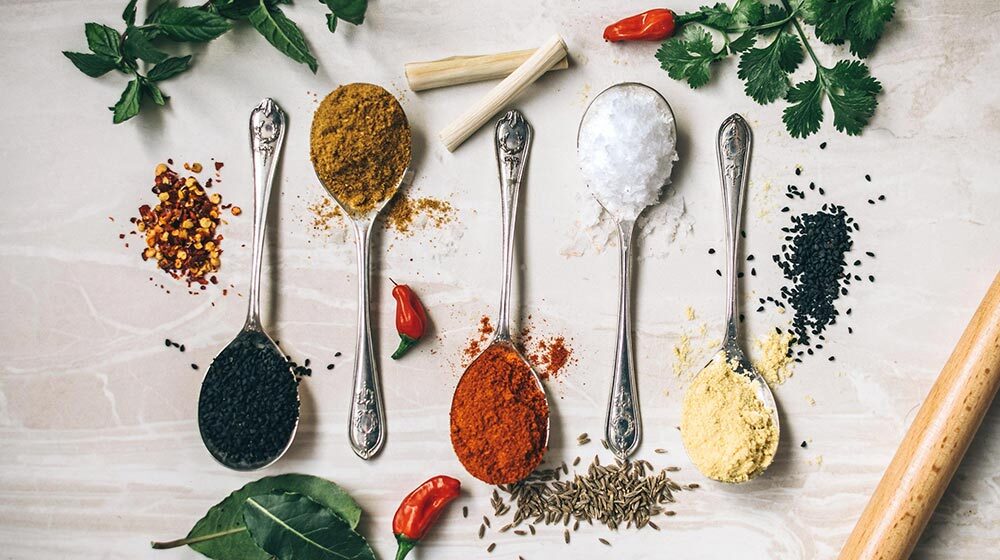

Different Types of Miso

Nutty, salty, funky or mild – the flavour profiles differ depending on the type of miso, making this ingredient incredibly versatile. Here are the different types of miso…

Shiro Miso (White Miso)

White miso is fermented for a couple of months. It has a delicate, creamy taste that works well in soups, dressings and marinades. Expect a mild, sweet and slightly salty flavour.

Red Miso (Akamiso)

Most cooks are familiar with red miso or ‘akamiso.’ The deep colour is due to the longer fermentation period, giving it a strong, salty flavour. Expect an earthy, umami and slightly pungent taste; red miso often contains more soybeans than white miso. It’s ideal for hearty soups and stews.

Shinshu Miso (Yellow Miso)

The best of both worlds, shinshu has a more balanced flavour compared to white and red miso, making it perfect for soups, marinades and sauces. It’s fermented for a medium period (6 months to a year) and is mildly sweet with a subtle saltiness.

Mugi Miso (Barley Miso)

Barley or ‘mugi’ miso is deliciously nutty, sweet and earthy. To make mugi miso, soybeans are fermented with barley koji, creating a textured miso. Fermentation can last from a few months to several years, depending on the variety. The distinct barley flavour makes it a tasty addition to soups and stews.

Kome Miso (Rice Miso)

One of the most common types of miso. Soybeans are fermented with rice koji, imparting a naturally sweet flavour. The fermentation process can vary in length, but is typically on the shorter side. A well-balanced taste; slightly sweet with a mild saltiness. Kome miso is really versatile and can be used in soups, marinades and dressings.

Awase Miso (Mixed Miso)

Awase miso is made by mixing different miso varieties to balance the flavours. Expect a balanced sweetness and saltiness with a mild umami flavour. This versatile, all-purpose miso is often used to add depth of flavour to soups and to glaze meat and vegetables.

Hatcho Miso

Hatcho miso uses only soybeans, salt and koji and is fermented for at least two years, creating a very dark and concentrated paste. It’s rich, salty and umami-forward with a strong, almost chocolaty flavour. Hatcho miso can be used in hearty stews to season meat; when diluted with water, it can be used as a substitute for stock due to its rich flavour.

Saikyo Miso (Sweet Miso)

Saikyo miso is on the sweeter side. It’s fermented for a shorter time and uses more koji and less salt, resulting in a sweeter taste. It’s definitely milder compared to other types, with little saltiness. It’s perfect for delicate dishes like light soups, fish glazes and even desserts.

Sendai/Shinshu Miso (Regional Misos)

Sendai and Shinshu miso are examples of regional misos. They vary depending on the fermentation time and base ingredients, but they also reflect local taste preferences. Sendai miso is saltier and darker, while Shinshu miso has a lighter yellow colour and is less salty.

Want more? Take your broths from bland to bold with these umami-rich ingredients.
For more cooking tips, follow us on Instagram.