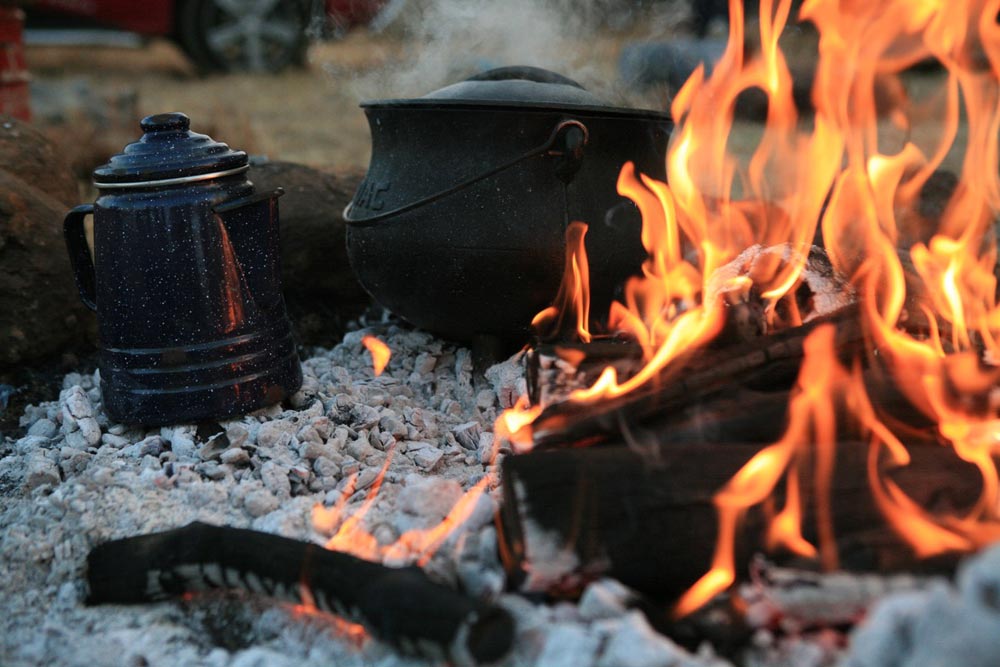
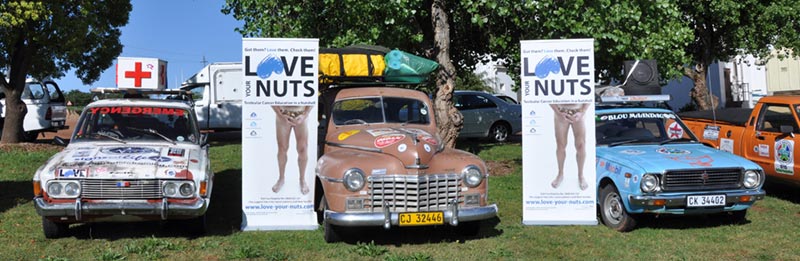
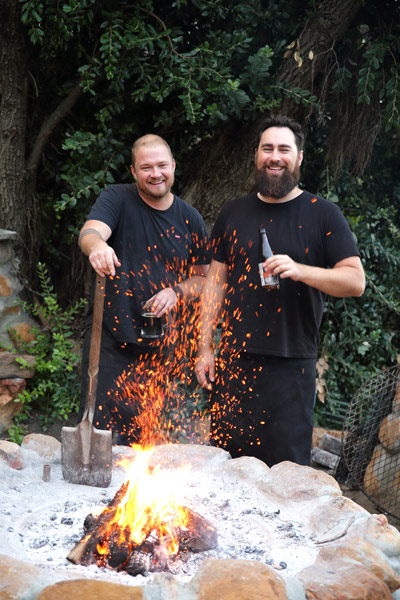
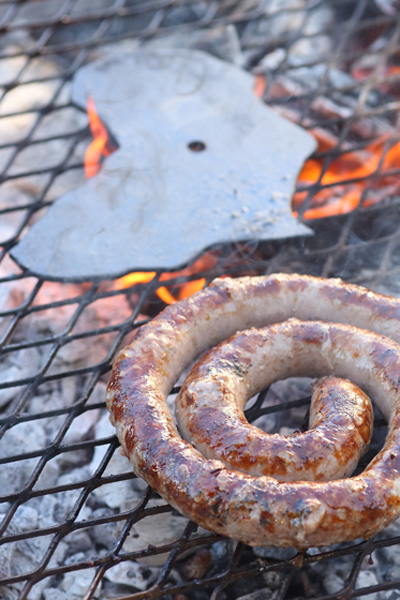
A Nuts & Bolts 2016 Adventure

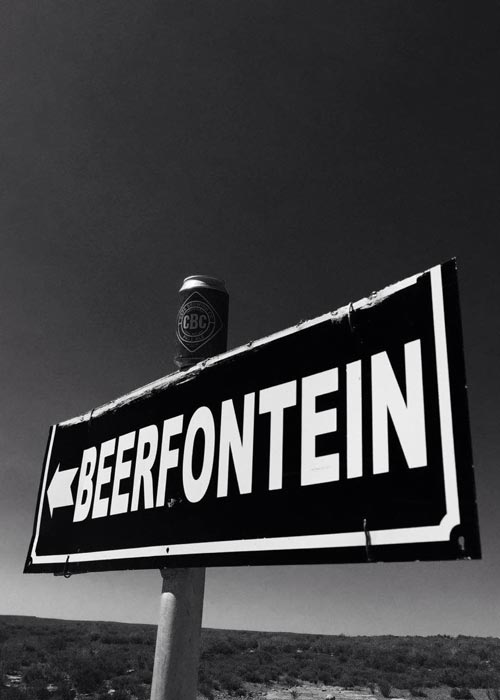
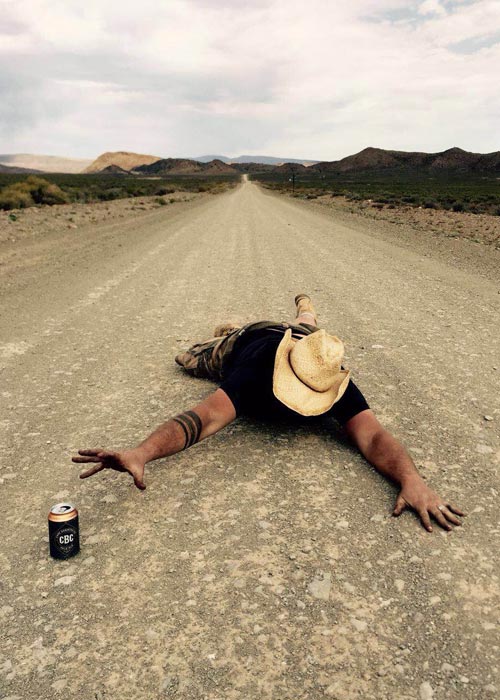
When I first saw the Nuts & Bolts logo with its strapline, “You gonna do what?” I didn’t really give it much thought. Now that Thirsty, Greg and I are back from the four-day rally I can safely say, I get it. We’ve done a lot of road trips with Thirsty during the filming of Beer Country but nothing, I repeat, nothing even comes close to the Nuts & Bolts rally. It was seriously rough, hectically tough and absolutely epic.

At its core, the rally is a fundraiser for the Love Your Nuts Foundation, but there’s more to the journey than just a road trip. The rally is designed to draw a parallel with the tough road of beating testicular cancer. As Pieter the Nuts & Bolts founder described, “It’s all about the ups, downs and challenges, and some days are easier than others”. When times got tough on the rally they were pretty brutal. The environment while being incredibly beautiful was relentlessly unfriendly.

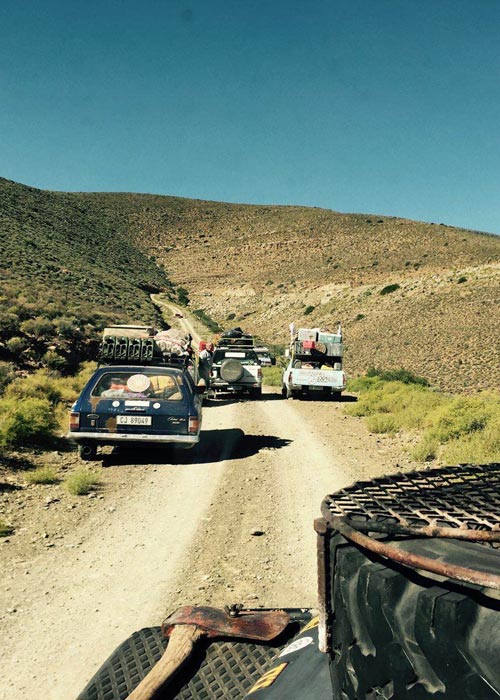
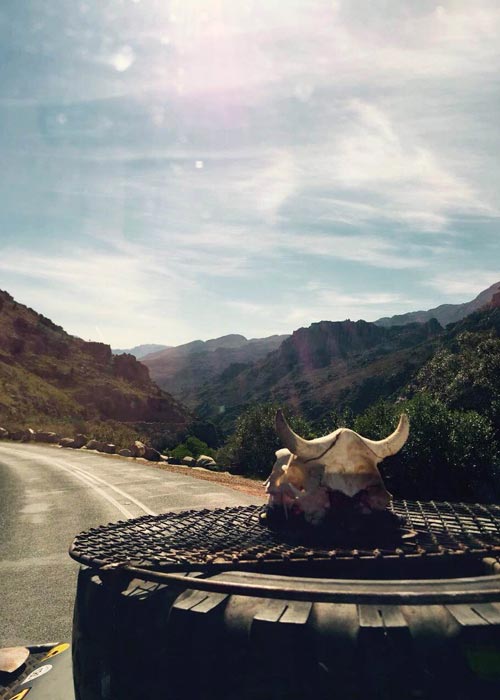
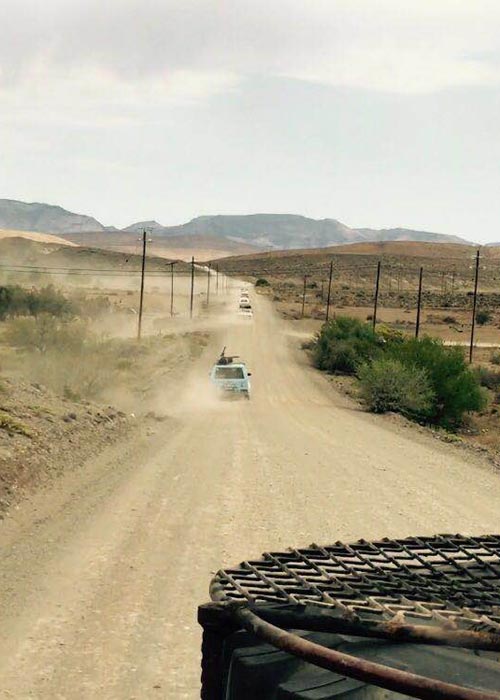
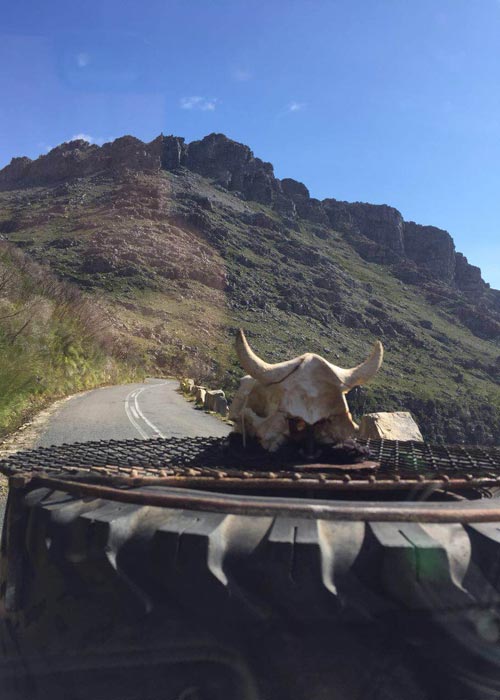
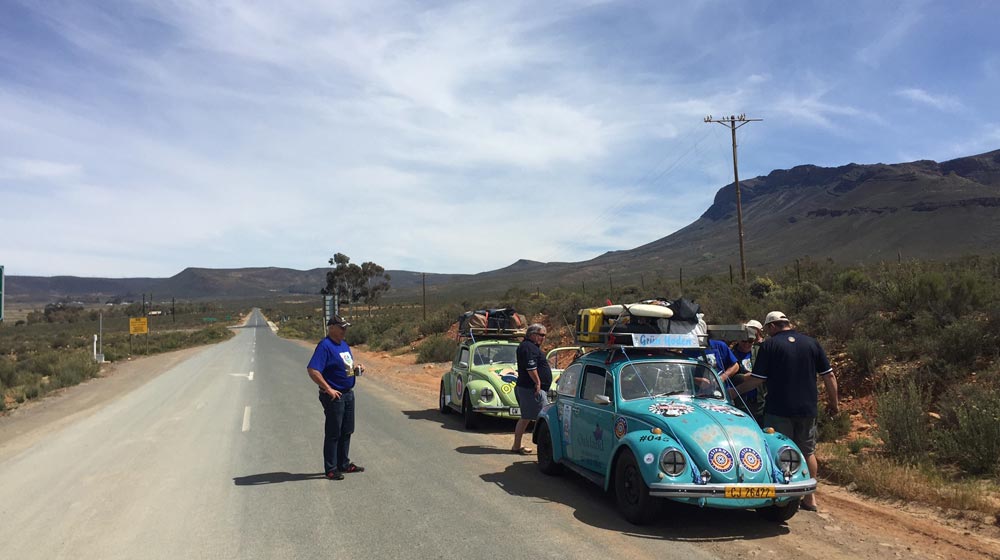
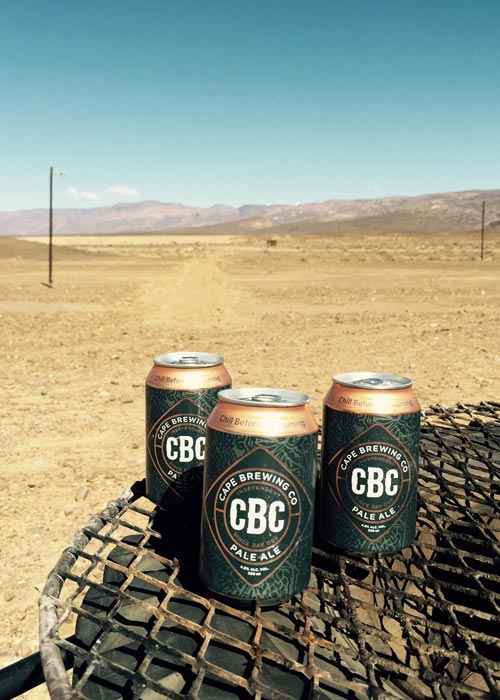
As we crossed the Tankwa National Park, the Karoo tested the cars and passengers to the limit. If you’ve ever driven on corrugated dirt road, you will know how horrible it is. It creates enough rattling to loosen teeth and we drove over it for almost an entire day. From there we hit the Ou Berg mountain pass which scoffed at the convoy as we tried to traverse its heights. At one point there were about six cars backed up with their hoods open trying to cool the radiators down – and this was on the first hill of the mountain pass.   

Cars had mechanical problems in their dozens but it was incredible to see the comradery of the men and woman on the trip. Cars were falling apart and still they kept on going with a little help and enough cable tying. One car’s engine eventually fell out onto the road and still the spirits were high. Another car’s petrol tank fell off in the middle of the Karoo and after a little bush mechanics they kept going. One of the car’s even finished the rally on the back of a trailer. This is what the rally is about. The journey, the struggle, and the fight to get to the end.

If you’re looking to challenge yourself in 2017, I’d highly recommend the Nuts & Bolts rally. It’s four days of dirt roads, wide open spaces, braais, gees and adventure. We’d like to thank Pieter of Nuts & Bolts, Torsten of Love Your Nuts, and Cape Brewing Company for sponsoring Thirsty on this epic journey. We’d also like to thank Roverland, other than a windscreen wiper issue, Thirsty was bulletproof. And lastly thanks to TJ’s Lekker Braai for all the wood and charcoal for the many, many braais. Until next year, cheers and #LovetheJourney. 


We’ve put together a little video of the adventure because pictures, 1000 words and all that. Check it out!

Need to know facts about testicular cancer

  • A man’s lifetime risk of developing testicular cancer is approximately 1 in 250
  • It usually affects young men (age 15 – 39) in their prime of youth
  • Testicular cancer has the highest cure rates among all cancers (>90%)
  • Most commonly there are two types of testicular cancers–seminomas, or slow growing cancer and non-seminomas, or fast growing cancer
  • Prominent symptoms include pain/swelling/lumps in testicles/groin areas
  • Prominent risk factors include undescended testis (cryptorchidism), family history, mumps and inguinal hernia
  • Surgical removal of a testicle will not affect fertility. Chemotherapy, on the other hand, can harm sperm count/quality. Sperm banking may then be considered.


love-your-nuts.com | capebrewing.co.za | roverland.co.za | tjslekkabraai.co.za

Life Changers Sparks A New Kind of Turf War

Reliance Compost
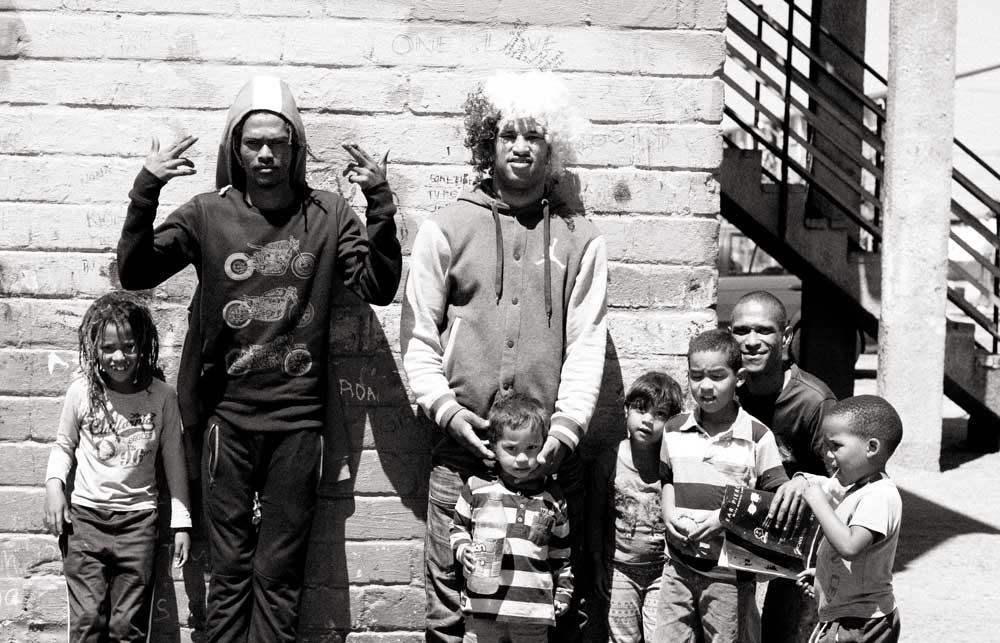
Gangster culture has been an open wound for South Africa for nearly as long as history can tell. A festering, open wound. The lifestyle, fueled by drugs, money, sex and violence has always been very present and is feared to be growing in popularity, with kids as young as 11 being roped into this desolate way of life. Reasons for joining the gangs vary but a lot of these youths come from unstable families, where support and guidance is minimal, with imprisoned fathers and uncles who are gang members themselves. Aside from the perceived status, joining a gang is the closest thing these kids get to some form of support, because they’re surrounded by people just like them. People who have gone through similar harrowing experiences at young ages. From there, their lives often head on a downward spiral, drug-filled and exceptionally violent, these boys often end up dead or worse, in prison.

There is seemingly no way out of this life. Drug addiction, prostitution, robbery, rape and murder all become standard daily activities. And, with many kids dropping out of school to become full time gang members, the chances of being able to find an alternative way to make a living become slimmer as time goes on. For Brandon Eckardt, this harsh lifestyle is all too familiar. Having grown up in the Cape Flats, Brandon followed a similar route to that of his uncles, who are prominent gang members. Despite growing up with a very sound and stable family who loved and supported him, the draw of gang life was too strong and he found himself embroiled in the glamourised harsh lifestyle. After a particularly traumatising experience, Brandon began to question the choices he had made in his life and decided not to let them affect his future.

“I looked at myself in the mirror and thought ‘how the hell did I get here?’”.

Inspired by his mother who is a social worker, he wanted to help others make the change and improve their lives. With the support and help of his parents, Brandon managed to get clean and quit the gang lifestyle, realising that without that emotional backing he would be nowhere.

 With the aim of offering support to others who seek to change their lives, Brandon runs an NGO called Life Changers Foundation. But the formalised program took a little time to get going. First, he started a small group, at the back of a well-known church, to allow young men and women a safe space. The turnout was remarkably good and within a year, they went from about 30 people to 150. That 150 has now grown well into the hundreds.
Life Changers offers a completely unique type of support for people wanting to change their lives. They give their members emotional help and counseling to deal with the trauma of what they’ve been through, but they are also enabling them to go out and make a clean start for themselves. They do this by offering a number of skills based courses such as computer literacy and bookkeeping, as well as helping to prepare rehabilitated individuals for the workplace. This includes assisting with CV writing, correct interview conduct and entrepreneurial workshops. Life Changers goes above and beyond to help these young men and women get their lives back on track and to make something of themselves. Brandon also acts as a gang mediator along with the Department of Justice and the police, using his past experiences to do good. The foundation also acts as a diversion program for the criminal justice system, to offer an alternative route to prison for a number of juvenile delinquents.
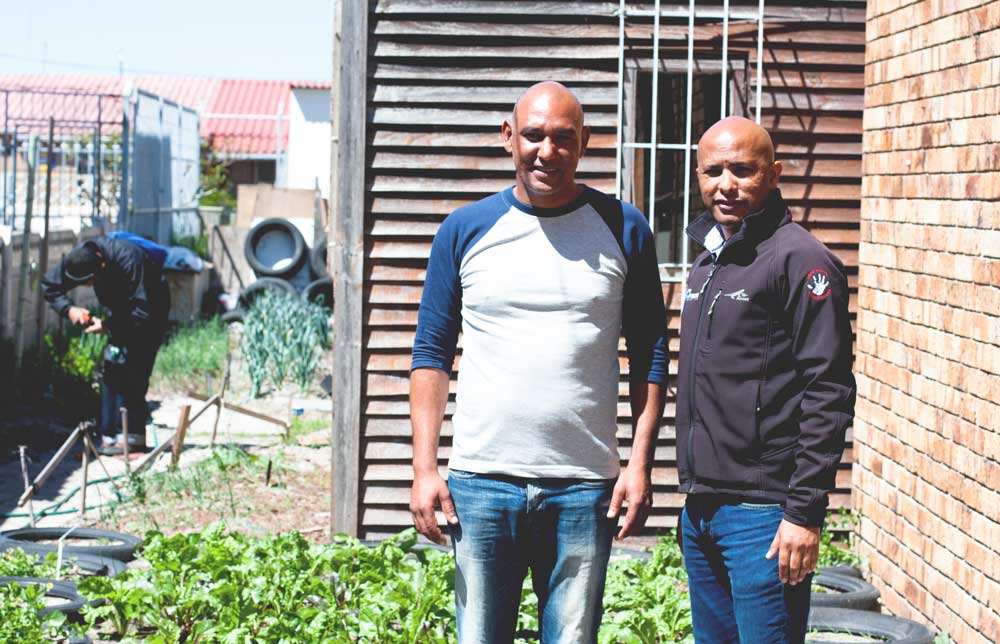
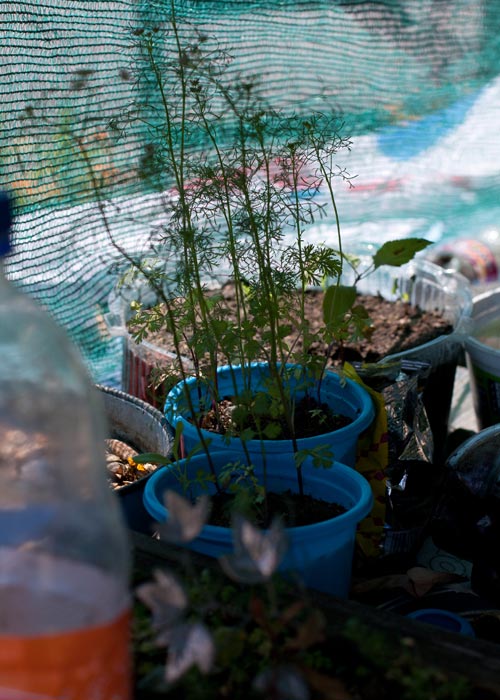
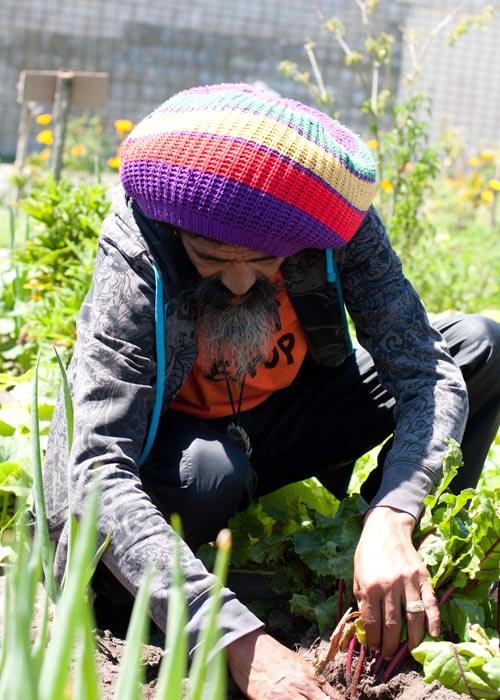
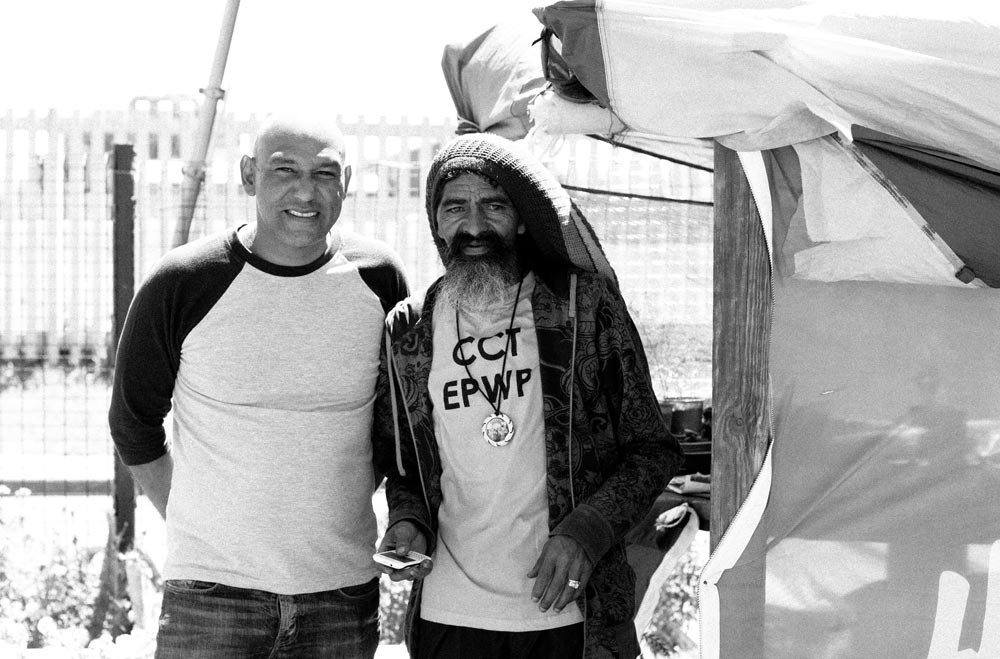
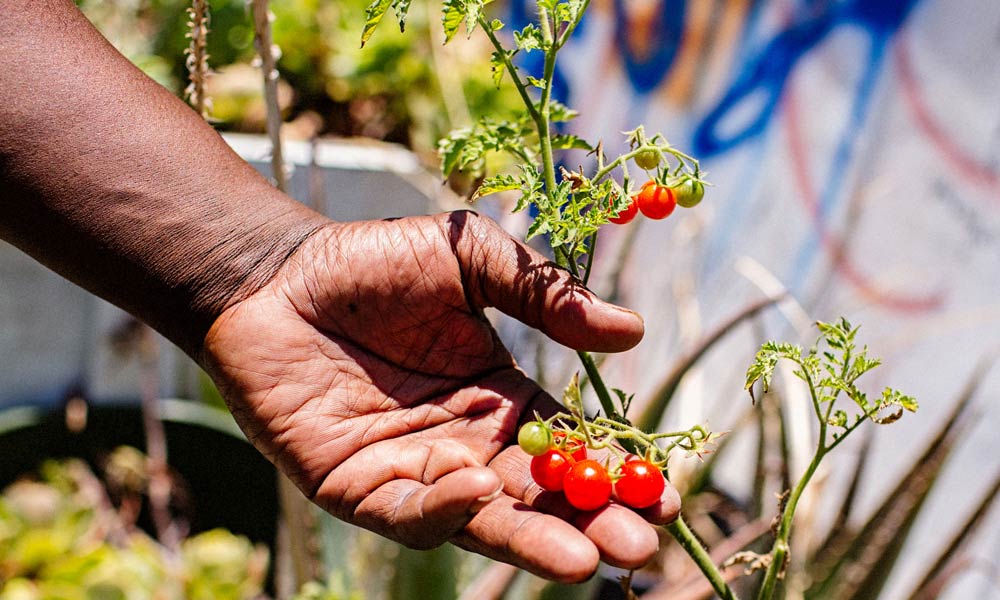
In over a decade, Life Changers has made an incredible improvement in the lives of reformed gangsters as well as their families. Now, they’re shaking up their rehabilitation methods. About 2 years ago Lindsey Isaacs, walked into the foundation, from a background much the same as the rest of the youths in Ottery and the Cape Flats. Violence and drugs was all he knew. Initially, he assumed Life Changers was just going to be another program, forced upon him by the state, and that once he was done with the compulsory three months, he would be back on the streets getting into the same trouble. This time, however, was different, Life Changers was different and he found himself opening up to the notion of following an alternative life path. Fueled by possibility, Lindsey came up with the idea of starting a vegetable garden at the back of the the church. Life Changers loved his initiative, gave him a little bit of money and told him to try grow whatever he could. So he started with a small planter and chilli seeds and as Lindsey began to tend to it and found the feeling of growing it immensely rewarding.

“Just that chilli plant showed me that I could grow things and it changed my passion,” Lindsey says.

Despite people in the area stealing the chillies, he felt ignited and he began to wonder what else they could grow. He loved the possibility of being able to feed people and their families. Supported by Life Changers, Lindsey was encouraged to explore this gardening concept and see what impact it could make on the community.

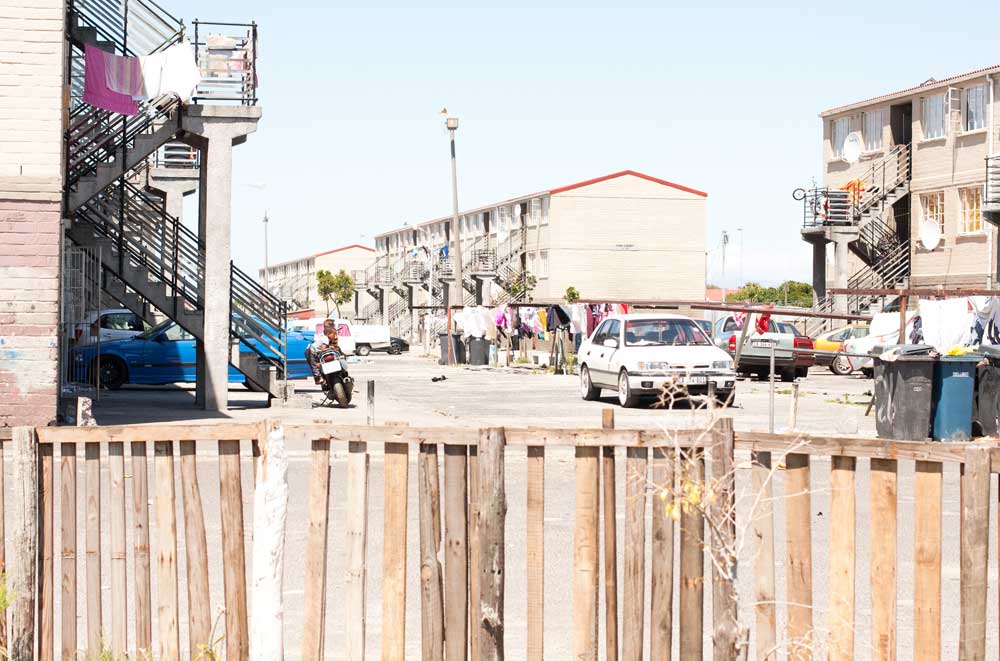
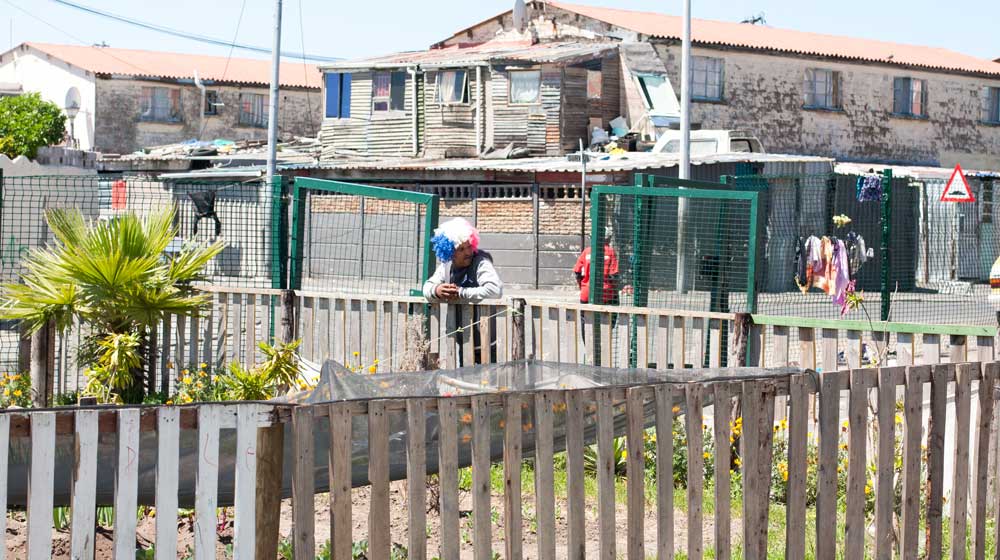
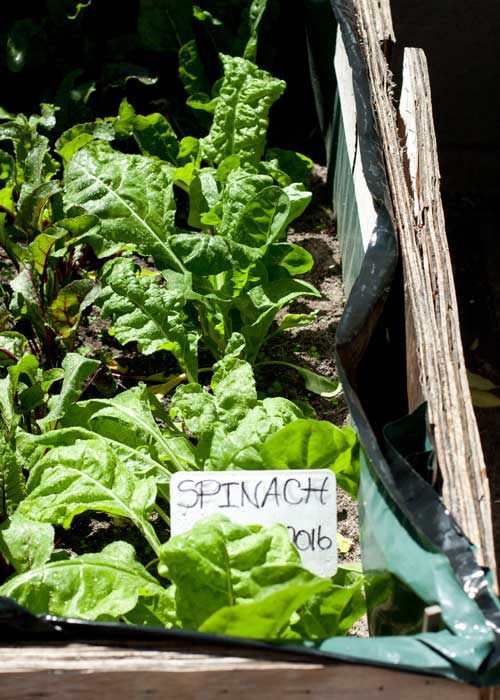
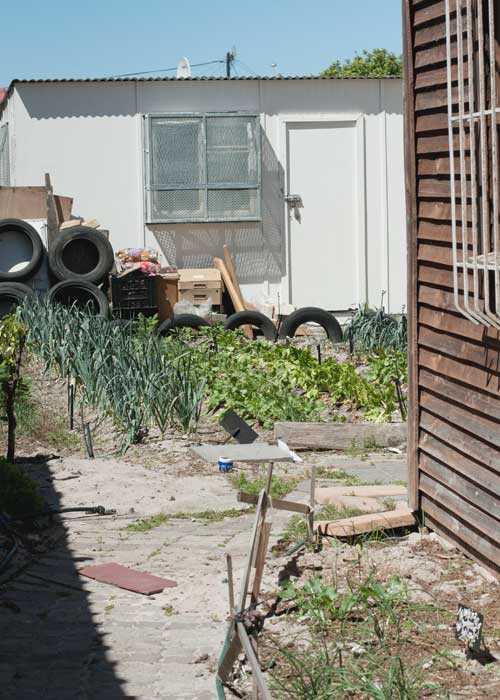
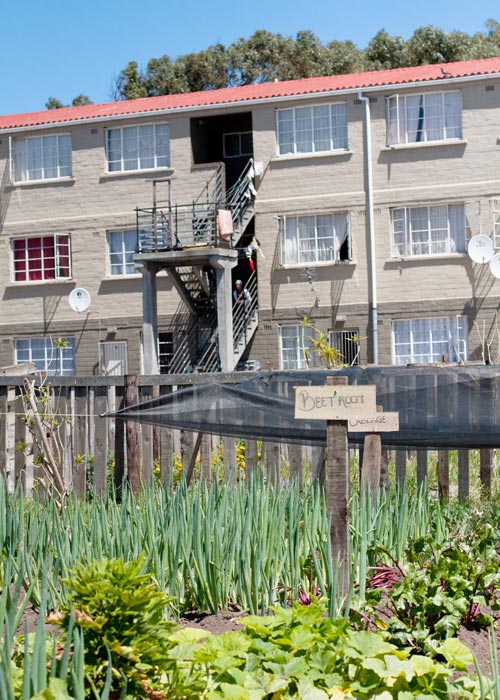
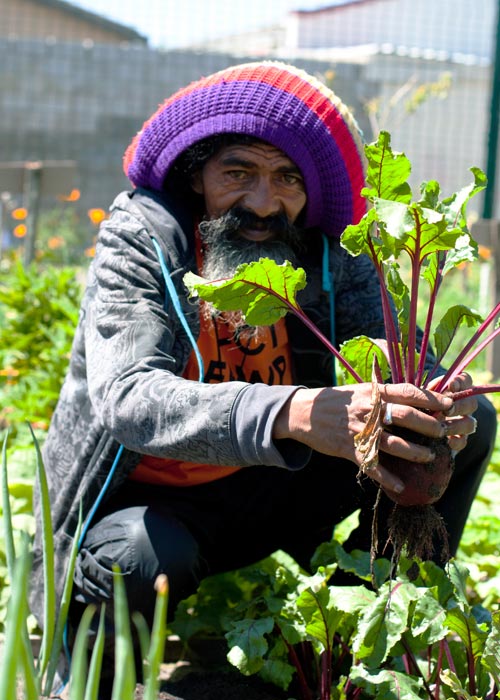
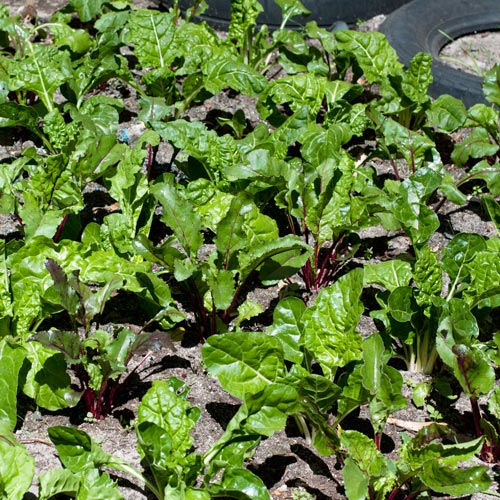
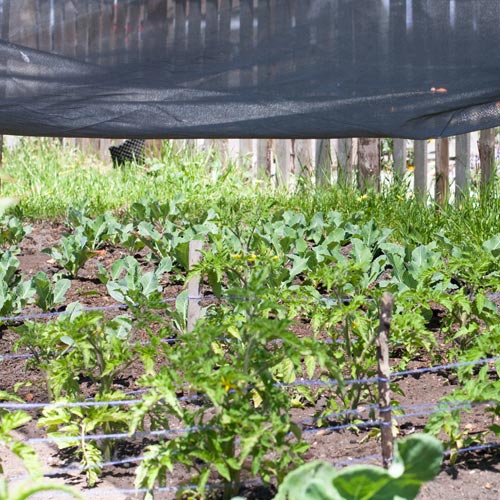
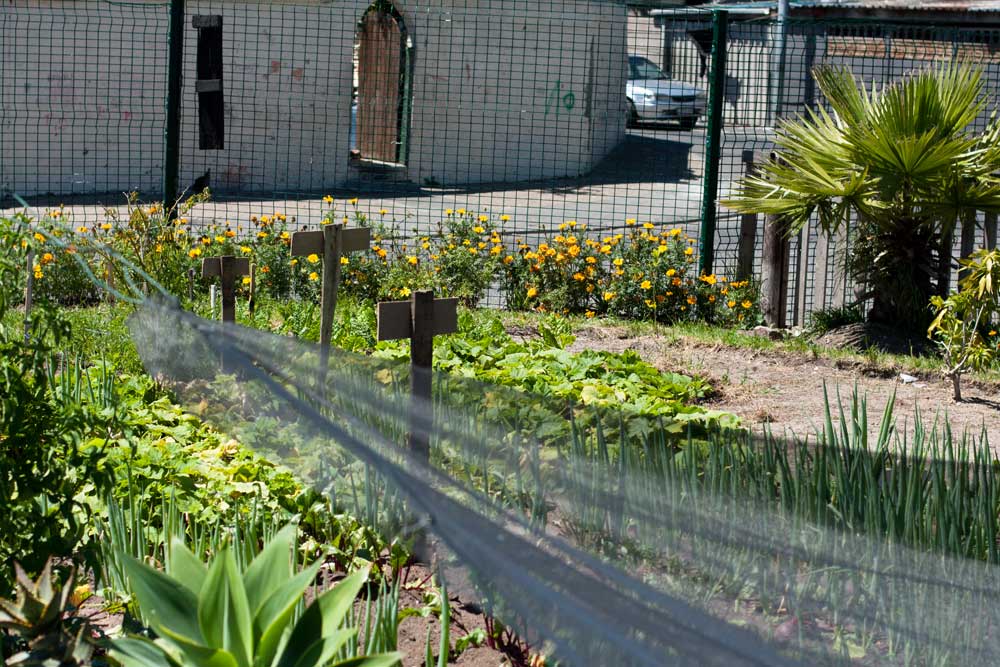
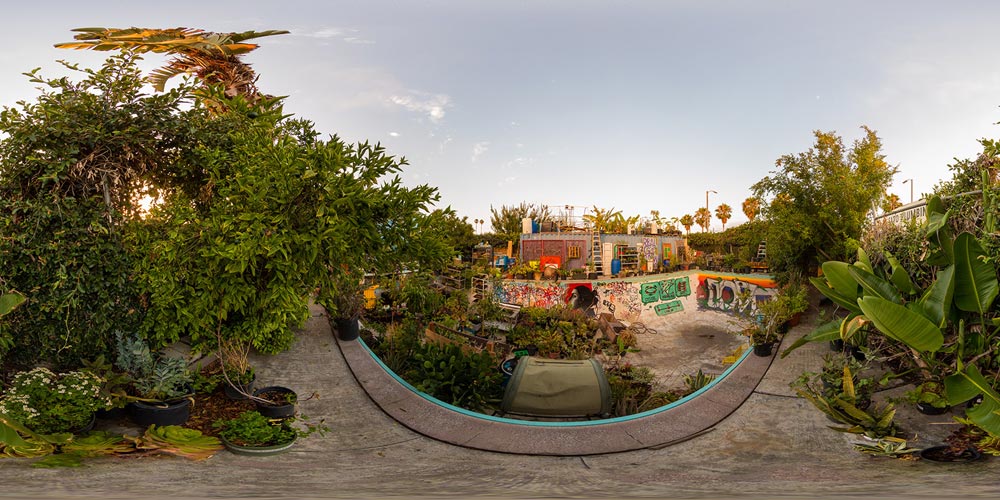
Spurred on by this backing, Lindsey began to research and learn all that he could about growing vegetables. He looked to international greening projects like The Ron Finley Project and received invaluable training from Cheryl Ozinsky of Oranjezicht City Farm fame. Not only did he find solace in the patience of planting, but he also felt better from eating real, healthy food. A year later, Lindsey is a true gangster gardener and is teaching the Life Changers members how to grow their own food, and along with that, their self-worth. Every Friday, members are being shown how to plant, cultivate, harvest seedlings and make their own compost, basically everything that you need to start and run your own food garden. Learners are trained in the church garden and then encouraged to start their own gardens at home and wherever else they can in the community. Seeing as the Cape Flats are built on gravel plots, these fledgling gardeners have to convert these lifeless pieces of land into gardens. There’s a new kind of turf war taking place, one that sees desolate gravel being turned into flourishing, life-giving, organic veggie gardens.
This is urban greening in its purest form, and it’s changing the way many people live their lives. With many little gardens popping up all over the Flats, Lindsey is hoping that these people will be able to begin to provide themselves with some form of income. For as long as is needed, Life Changers will provide whatever the gardeners need, while teaching them to become completely self-sustaining. Once their gardens are growing healthily and the families are sufficiently fed, the idea is that they will eventually begin to sell any surplus vegetables leftover at a monthly market.
In a way though, the gardening has provided much more than food, it has provided an outlet and focus for many of these young people. There are many links between gardening and depression alleviation and that can truly be seen here. The gardens have also taught these reformed gangsters another set of life skills. What you put in is what you get out, and that your garden, like your life, will only succeed if you show it love and care. The members of these gangs often show signs of high level of self-absorption and pride, and gardening has a way of humbling them. They don’t have to impress anyone and they have an opportunity to sit quietly in a moment of self-reflection, something that their former lives never gave them. Added to that, in going through the motions of growing a vegetable from start to finish, they are able to achieve something tangible for the first time in their lives. The biggest sign of success though is how much these men and women care about these plants. According to Lindsey, they excitedly show him their veggies and one young man in particular, an ex-heroin addict, has done a complete 180º. Not only has he taken ownership of the training garden, treating it as his own, but he is supplying it with orange, apple and pear trees too. For him, he explains that the garden gives him something else to focus on in place of drugs.
For Lindsey and Life Changers, this is just the beginning. Along with their plans for a market, they want to grow their own garden and have edible gardens all over the community. “It would be really nice to walk down the road and eat something healthy,” says Lindsey. They’re also hoping to move to a bigger premises soon, so that they can help more people but also so that they can grow more veggies.
In the hustle and bustle of daily life, it can be so easy to get caught up in ourselves, that we may disregard the struggles that so many young people go through. Life Changers reminds us that simple but positive ideas can make a huge impact on someone’s circumstances. It also so happens that they’re establishing some of the best organic urban veggies gardens in Cape Town. What Life Changers does is offer hope and teach people to love themselves. They give meaning to people’s lives and that is a very gift indeed.

lifechangersfdn.org.za | Facebook | Twitter

Delicious produce is grown in healthy, living soil. #Harvesttotable series brought to you by Reliance Compost.Reliance Compost

DIY Macramé Plant Hanger

Macramé, once banished to your granny’s stoep, is back and cooler than ever. Old school knotted plant hangers are popping up all over the place, probably because they’re pretty to look at and offer you a space saver on your counters and windowsills. We’ve deciphered the tricky-looking technique and simplified it for you to follow along. Master the art of macramé this weekend and never be stuck for a gift idea again.

What you’ll need:
15 m rope or string – ideally not too thick as you don’t want your knot at the bottom to be too chunky!
Pot plant

Method:
Start by cutting the 15 m string/rope into 8 equal lengths

Line all the pieces up and knot the bottom to create a tassel. For a less bulky knot, tie just one of the strands around all the rest.

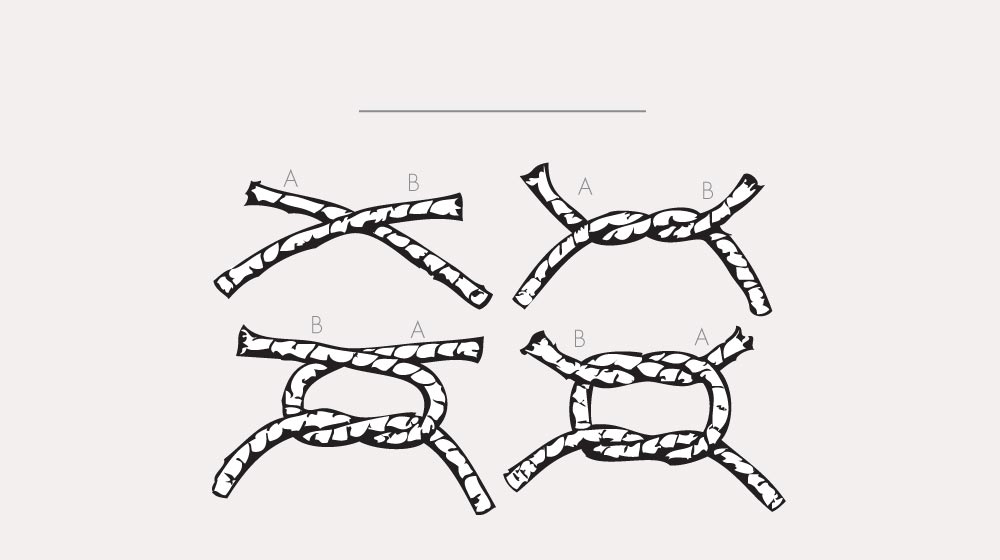
Lay the strands down on a large working surface (a clean floor, or a large table). Arrange the rope using a clock face as a guide and lay two strands at twelve ’o clock, three ’o clock, six ’o clock and nine ’o clock. For all of our knots, we opted to use a reef knot. See how to do this below.

macrame
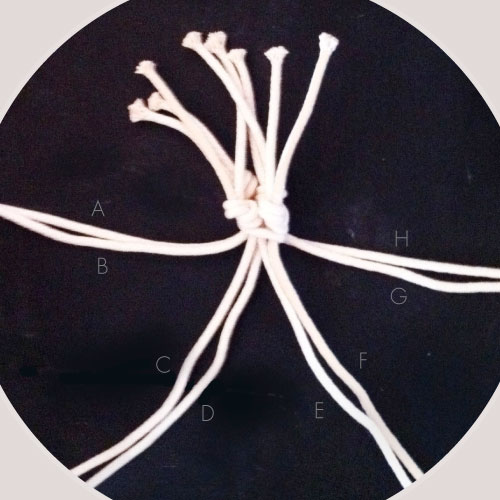
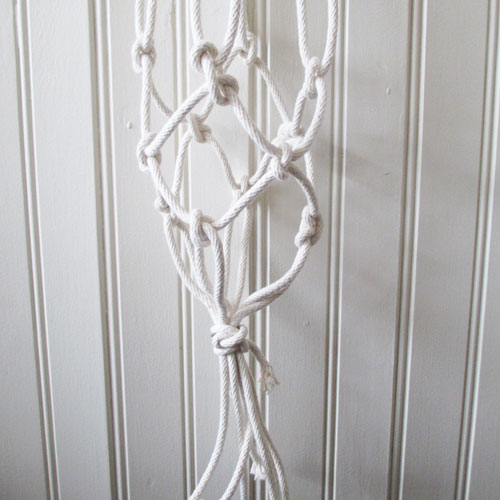
Measure to 100 mm on your selected piece of string. Tie strands together with a double knot in the following pattern, as shown in the first image, A+B, C+D, E+F and G+H.

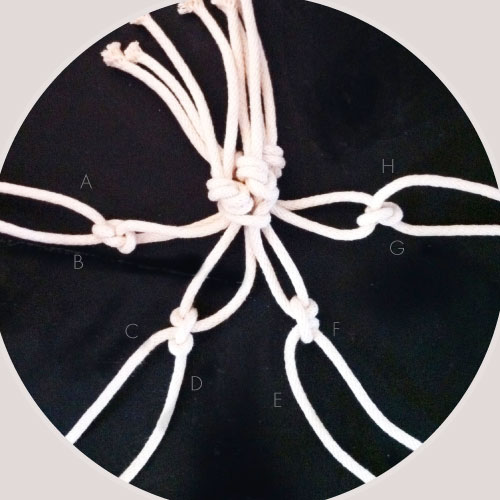
Next, tie A+H, B+C, D+E, and F+G together –see the second image. The second knot should be 80 mm apart from the first knot. the next knot is another 80 mm from the second one.

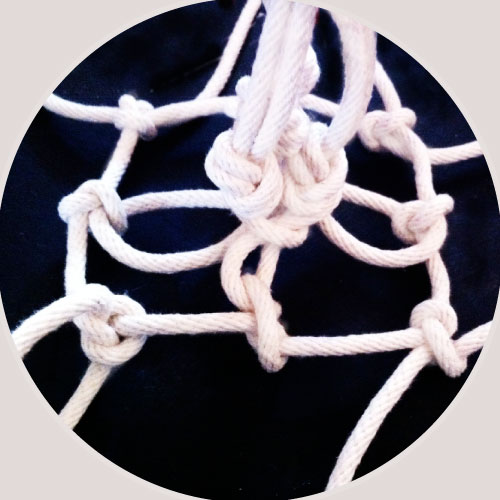
To finish off, tie one more knot at a mark measured 430 mm from the last knot.

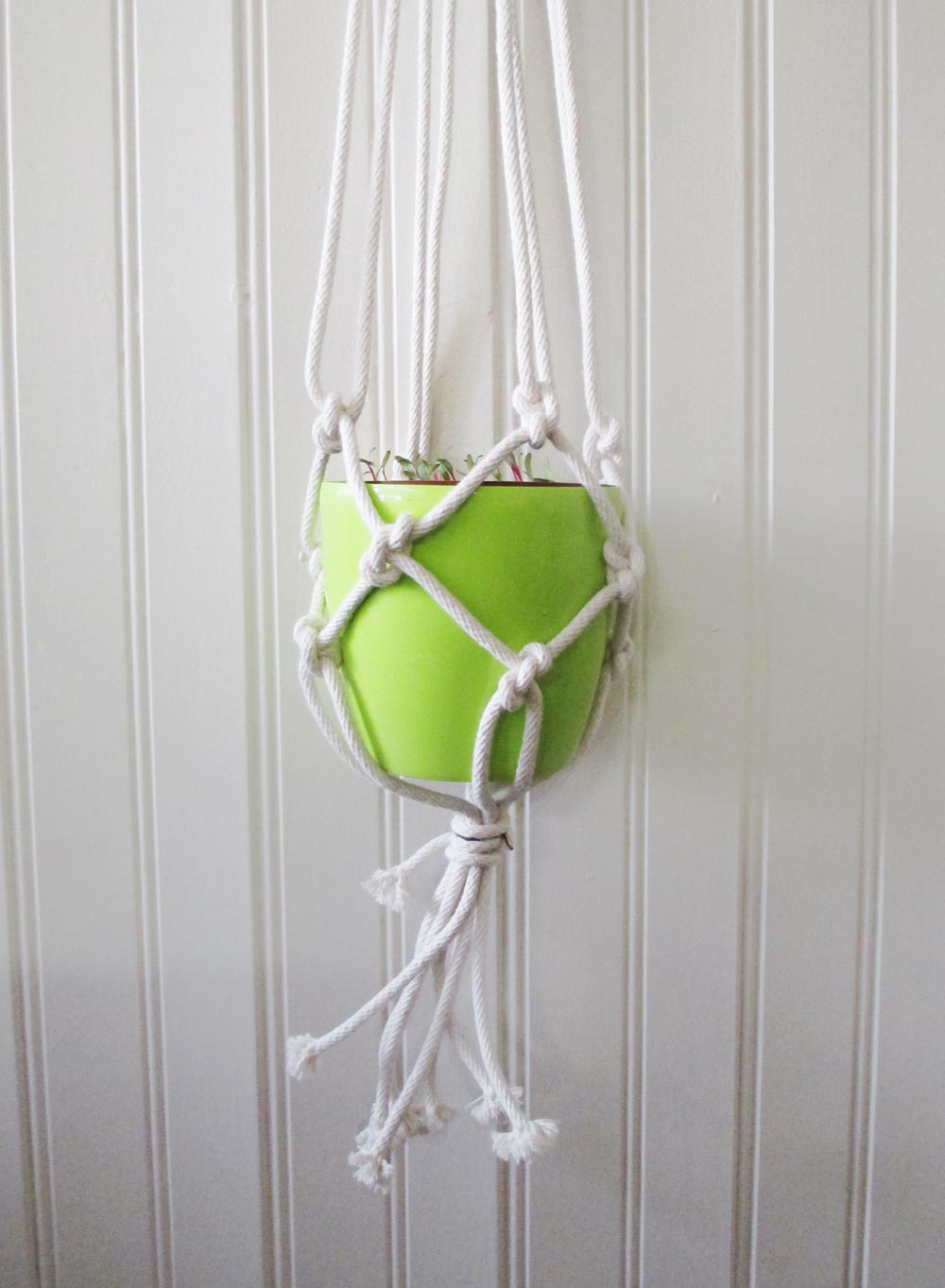
Place the planter in the centre of the macramé rope; once it is filled with soil it will weight it down.
macrame

See more of our weekend projects here!

Fresh Brew: Citizen’s Pacifist

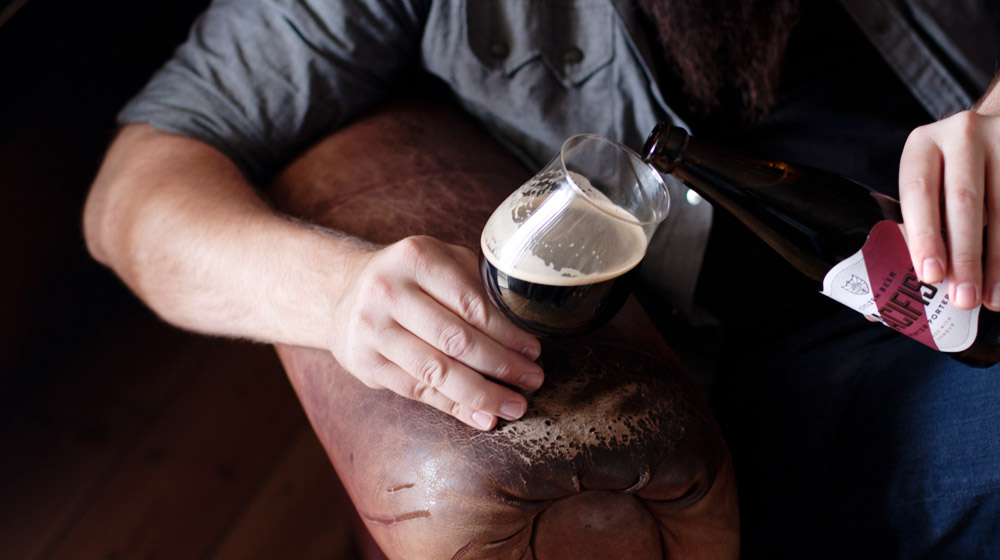
2016 has been the year of the seasonal brew and what a year it’s been. Winter gave us a huge selection of delicious dark beers and without a doubt, Citizen’s Pacifist is one of them. According to Citizen it’s the most interesting beer they’ve ever brewed and after a quick read of the label it’s easy to see why. Instead of taking the safe route of a traditional porter or stout, they chose to spice up the brew. The result is a luscious beer hug to the face that makes you wish winter would stick around just a little longer.

What makes the Pacifist so tasty, besides the fact that it’s a well made porter, is the addition of Ugandan vanilla and Spanish cocoa. It’s a flavour profile that makes complete sense when you marry it to a rich, dark roasty brew.

On the nose and palate the beer has notes of chocolate, coffee and a touch of vanilla. The addition of oats to the brew gives a silky mouthfeel and the complete package is kind of like a hot chocolate in beer form. It finishes with all the bittersweet sexiness you’d expect to find in a good quality dark chocolate without being overpowering.

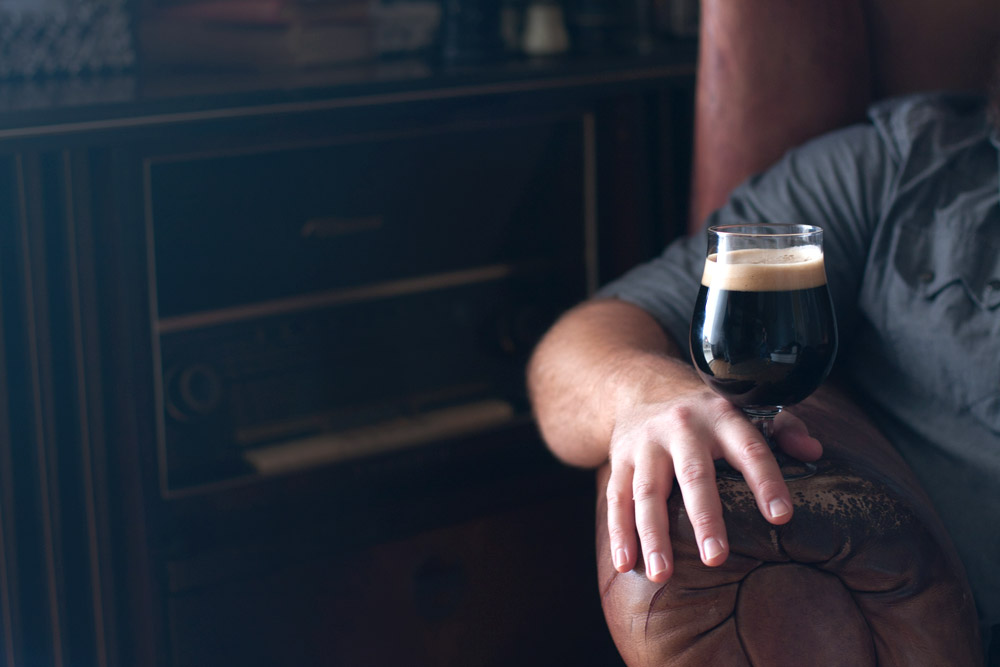
The Pacifist is a beer that deserves respect so to quaff this fine beverage I’ve chosen a Rastal Lüttich Balloon Goblet. It feels as fancy to hold as it does to say that name out loud. The short stem means your hand will slowly warm the beer and intensify its flavour. The balloon curve is perfect for channelling the Pacifist’s aromas and a refined lip provides a comfortable drinking experience. This is without a doubt one of my favourite beer glasses.

Did you know… Citizen was started in a cellar in Hout Bay?

When it comes to seasonal beers I’ve been know to moan about not being able to get them all year round. Yes I understand that they are special, and yes they give us something to look forward to, but I’m still going to moan. At the time of writing this, we’re just about to hit summer, which means that winter and the next batch of Pacifist is a long, long way away. If you manage to get your hands on a few bottles of this year’s batch, I suggest you buy them. All of them.

citizenbeer.co.za | Facebook | Twitter | Instagram

Lucky for us, Rastal glasses are available right here in SA from Vitria Glass, so purchase yours and enjoy your brew the right way. vitria.co.za | Facebook |  Instagramrastal.de 

Birba Brings Back Retro Chic

Miele leaderboard-banner
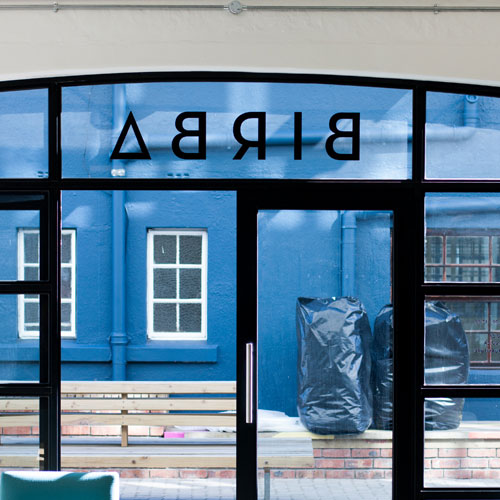
Creativity and drive are powerful tools. They can enable you to make even the wildest of your dreams come true, and as the great Walt Disney said, “If you can dream it, you can do it”. Words have never rang more true than for Cynthia Strydom, owner of Birba furniture in Cape Town, and her husband and business partner, Pierre. They had the ambition and dedication to create beautiful pieces with little to no, prior experience in designing furniture, and so they did.

Their story is something of a fairytale – Brazilian-born Cynthia met Pierre while they were working on cruise ships, travelling all over the world and seeing all the beautiful things it had to offer. Before long, it was time to get married and settle down and Cynthia, being from bustling and busy São Paulo found an oasis in Cape Town. With its serene ocean, magnificent mountains and vast open spaces, it was the ideal place to call home. Pierre, with a love of furniture and homeware and Cynthia, with an eye for design – thanks to her interior designer mother – were always going to surround themselves with beautiful things. Inspired by the creativity of Cape Town, and by the idea of following their dreams, they partnered up with a close friend to start their company, Birba.

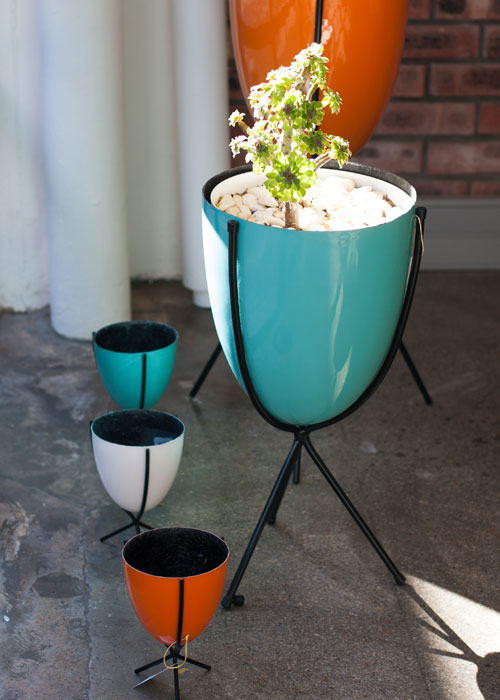
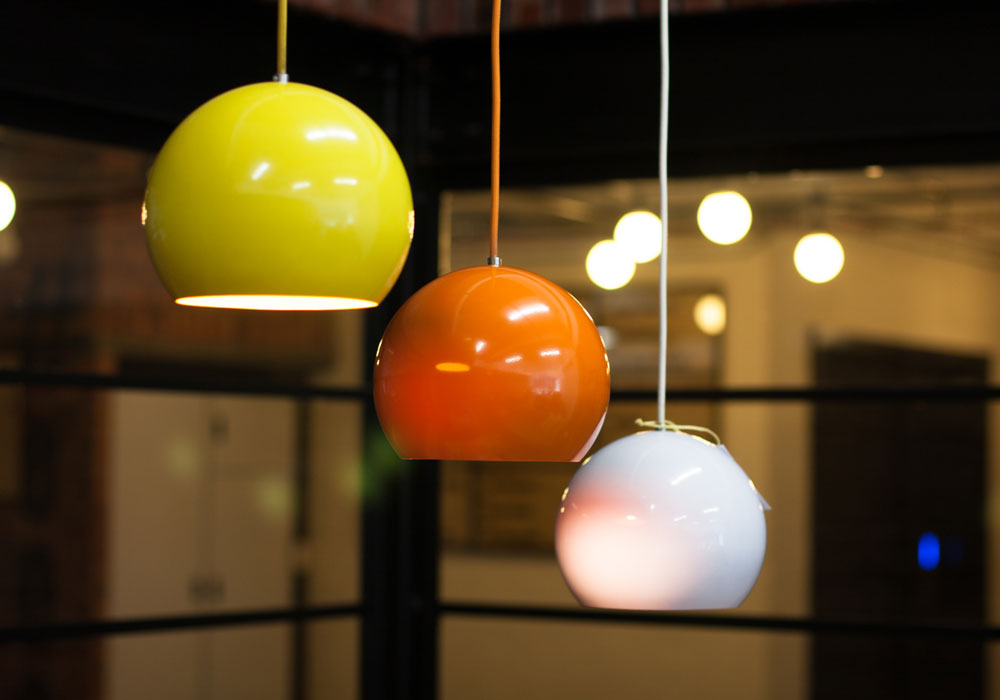
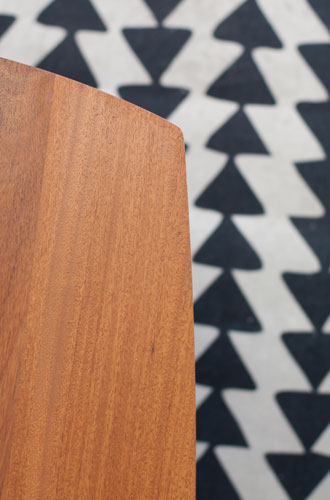
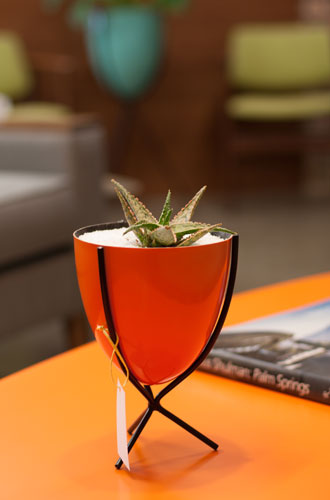
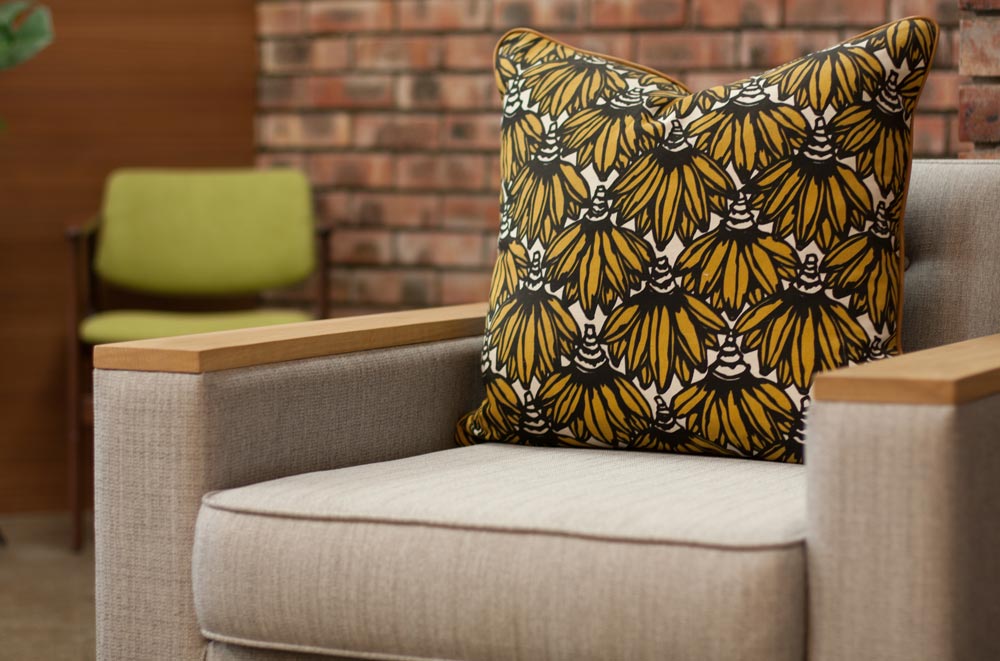
What makes Birba different is their overall style, being very mid-century, 1950s Palm Springs. It’s everything you love about retro, with pops of warm orange, cool blues and smoky greys. Richard Neutra, the iconic architect responsible for much of that West Coast cool look, is their personal god. The look is clean and minimalist, while still retaining major warmth and comfort. They also made a decision to make new products as an alternative to working with vintage furniture, which also sets them apart. Hardwood is a main design feature of these pieces and adds a unique character as no two pieces of wood are the same. Even with a poppy orange coffee table, you’ll find oak legs adding that touch of neutral luxe.birba

Another thing that Birba offers is the opportunity to make every piece your own. Not wild on the colour of a sofa? You’re encouraged to flip through their catalogue of upholstery (in partnership with Home Fabrics and even Missibaba) and choose something you love. And that goes for any piece in the collection – Cynthia loves it when customers put together their dream pieces.

After nearly two years in business, Cynthia and Pierre are the sole owners of Birba, with Cynthia at the helm. And while they’re gaining momentum and expanding their brand’s identity, they are changing and adapting every day. Cape Town, being the intimate city that it is, is the ideal hub for collaboration. And at Birba, they’re huge fans of a little partnership. That is why Cynthia and Pierre regularly work with other local artists to add one or two fresh pieces to their collection. The latest young designer to join them is Mike Upham, who is set to add a little modern contemporary flair to Birba.

And while the overall Cali-cool vibes are set to stay, Cynthia and Pierre are playing with materials like metals and fibreglass to see where that takes them. They’re even looking to add a little plexiglass and copper – there is no end to their creativity.

What makes Birba just so special is that both Pierre and Cynthia, with no formal training in the craft of putting furniture together, have simply figured things out as they go along. Through their drive to create pieces that they would want in their own home, they have collaborated and worked with tradespeople to put this beautiful brand together. And they have learned so much along the way. The name itself is even inspired by Palm Springs, Birba being a famous restaurant in the area and means ‘rascal’ in Italian. They are committed to making quirky, interesting furniture that is personal and special to each and every customer.

If you’re after something a little unusual, Birba is the brand for you. From the moment you set foot in the showroom you are welcomed by warmth – not just by the inviting colours of the furniture but by Cynthia and Pierre themselves. The best part of their jobs is being able to create things that people love and appreciate, so you’re in good hands when choosing something for your home. Even if you’re only dipping your toe into the Palm Springs-style pool, you are bound to find many, many things that you love at Birba.

birba.co.za | Facebook | Twitter
miele-logo-banner

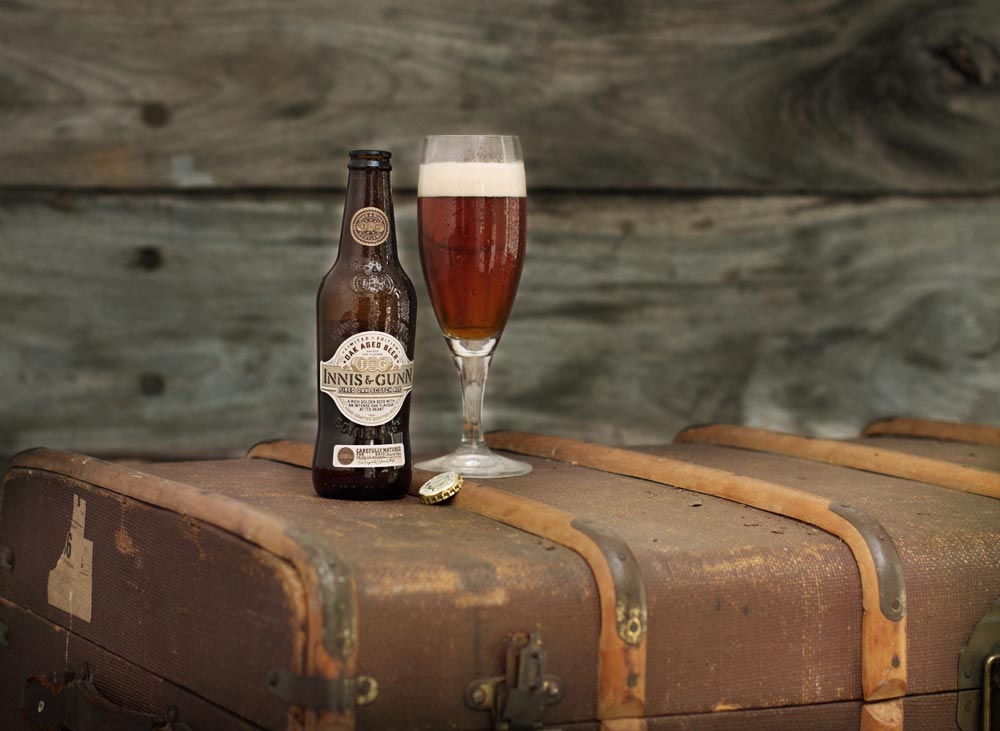
Fresh Brew: Innis & Gunn Fired Oak Scotch Ale

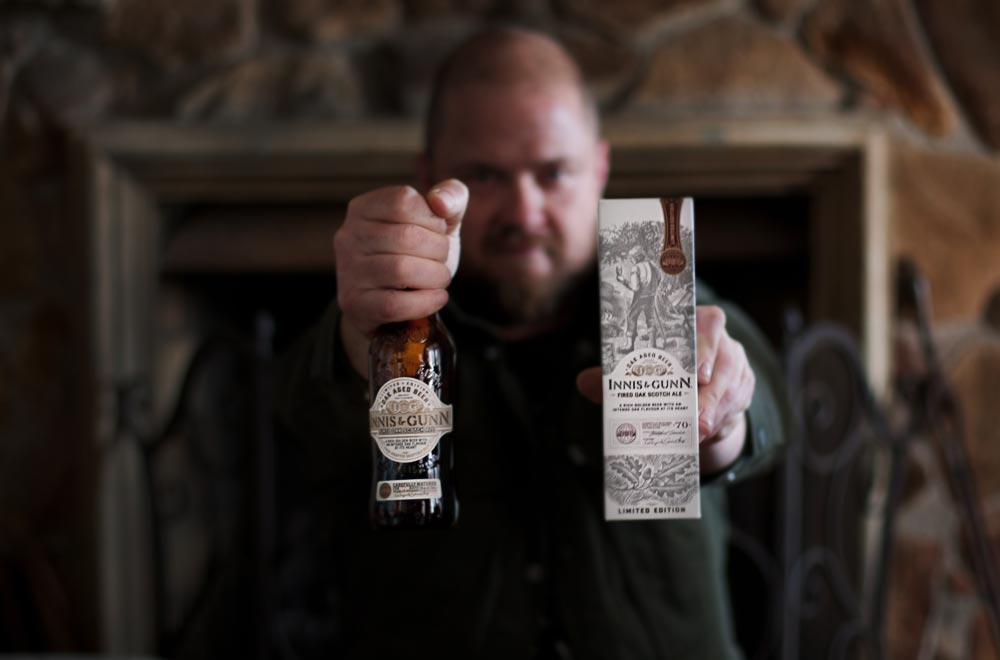
It’s been a cracker year for Innis & Gunn in South Africa. They’ve launched a well-received range of beers, including a few very tasty seasonal brews. The latest offering comes in a beautifully illustrated box that features a lumberjack standing in front of a fire, while staring lovingly at a pint. Like all their beers, it’s matured over oak but the unique thing about this one is that it’s a celebration of wood and fire. It’s the limited edition Innis & Gunn Fired Oak Scotch Ale.

If you’re new to Innis & Gunn beers then you may be wondering, what’s with the oak aging? The story goes that in 2002 a well-known Scottish whiskey maker approached the brewery to make a beer for them. The purpose of the beer was to season their whiskey barrels with a sweet, malty character. After the beer had done its job it was supposed to be thrown out, but instead the sneaky brewery employees began drinking the stuff and raving about the unique flavour. Brewmaster Dougal soon heard the stories and was blown away when he tasted the beer.

The barrel aging had given the beer a complex woody character and as they say, the rest is history.

What makes the Fired Oak ale so special is a combination of lightly toasted oak and heavily toasted American oak. The American oak is scorched to the point of catching fire and the intense charring imbues the beer with a deep, rich flavour profile. In order to complement the flavour, Innis & Gunn brewed what they call a light (7% ABV!) Scotch ale, which is matured for 70 days.

In order to properly appreciate all the subtle aromas and flavours of this brew, we’re using a Rastal Noblesse Goblet from Germany. Made from high-quality crystal glass the goblet is lightweight, yet ultra durable. The long stem provides plenty of space to cradle your beer comfortably, while the tall fluted design is perfect for channeling up the complex aromas. Speaking of complex aromas, the brew has a fragrant nose of vanilla, butterscotch and oak.

On the palate, the huge malt character rolls across the tongue with sweet caramel, butterscotch and honey, before finishing with a subtle bitterness and a hint of smoke. If you’re already a fan of Innis & Gunn’s unique flavours then you’re definitely going to love this one.

Did you know? Innis & Gunn are the second names of brewmaster Dougal and his brother.

 innisandgunn.com | Facebook | Twitter | Instagram

Lucky for us, Rastal glasses are available right here in SA from Vitria Glass, so purchase yours and enjoy your brew the right way. vitria.co.za | Facebook |  Instagramrastal.de 

beercountry.co.zaFacebook | Twitter | Instagram

Chatting to Triathlete Vicky van der Merwe

findus_inpost_banner

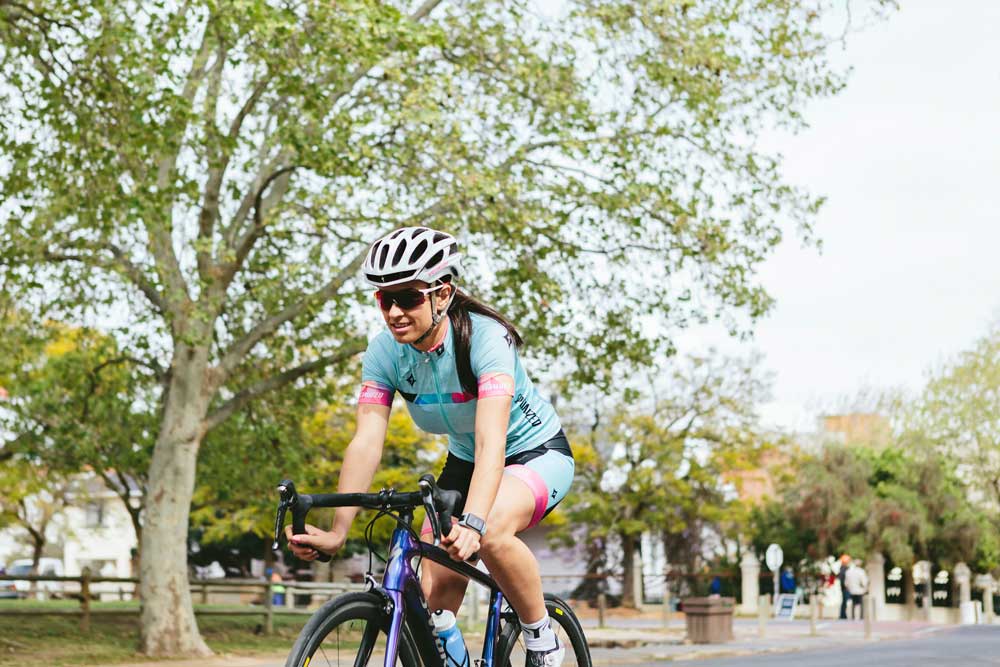
Vicky van der Merwe is rarely standing still. Between her triathlon successes and running her own business, she keeps herself seriously busy. We managed to catch up with her (barely!) and she told us all about what makes her tick.

Can you tell us a little bit about yourself and how did you come to be a triathlete?

I’ve loved sport since I was very young. I think I drove my mom crazy with all the sports I did – she had to drive me from one training session to the next all day long! I earned provincial colours in 9 different sports while I was at school. I swam from quite a young age (8) and competed in my first international swim meet (in Australia) at age 12. I discovered running when we were ‘forced’ to compete in an Inter-House athletics meet in High School and I was hooked immediately. However, I didn’t want to quit swimming so I decided to just add cycling and do Triathlon! I received junior Protea colours for Triathlon at 15 and competed in my first junior world champs in Japan that year. I haven’t looked back. I have competed in more than 40 different countries and have seen the world through my sport.

I went to Bloemhof Girls High school in Stellenbosch, where they were very supportive of my sport. After school, I studied and completed a LLB Law degree while basing myself in Australia – which was the best place for me to be to improve and to gain valuable international training and racing experience. I have a huge passion for Law, in particular Sports Law and this is something that I really want to go into. It is difficult at the moment as I spend most of my time training and I also have my own business, Stellenbosch Triathlon Squad, so my time is limited.
vicky-van-der-merwe
It seems obvious to think that an athlete has been naturally sporty all their lives, but the truth is that many people only discover a passion for it later on. Was that the case for you or have you always been naturally athletic?

I have always been super sporty. I have an older brother who was really good at rugby and I always hung out with him – a real tomboy! I think it’s just in me. I’ve loved all sport and training since I can remember. It just gives me such a rush and I’m definitely addicted to training – when I’m injured, I get super grumpy!

Being a triathlete means you that have to be really good at 3 disciplines instead of maybe just one; do you have a favourite and a more challenging segment of a triathlon?

Favorite – running! Love love love it… except I don’t like injuries. I have had hip surgery so I have to manage myself well and I can’t run as much as I would like to. More challenging I guess at this stage is swimming… I’ve been doing it for sooo many years and it’s a tough sport that takes a lot of discipline as it’s not very social – it’s just you and that black line for hours and hours. It’s also hard to wake up in the winter at 5 am to go and swim – the thought of water when it’s freezing outside isn’t great, but it has to be done! I also really enjoy cycling. We have great training groups and amazing cycling routes and trails here in Stellenbosch, which is awesome.Vicky van der Merwevicky-van-der-merwe
Do you spend equal amounts of time training for each discipline?

No, cycling definitely takes more time, especially long rides over weekends… then running … then swimming. An average training week is about 20 hours for me and the most I’ve done is 30 hours (in base phase).

You obviously burn lots of calories in your training, does this mean that you get to ‘pig out’ every now and again?

Of course I do. I try not to but I’m only human – and I love food!

While there are lots of other competitors around you when you are competing, everyone is very focused on their own race; do you ever feel lonely out there?

Yes, everyone does their own thing until the race is over. You feel lonely in the swim, but our racing is draft legal so you always have people around for the cycling and the running. But yeah, until the race is over you don’t really have friends out there!vicky-van-der-merwe
Because this is an individual sport you really have to be responsible for motivating yourself, how do you do this when you are out there on a tough day?

My mentor, Elana Meyer, once told me,“Just do what you’ve got to do, day in, day out… before you know it a week, 2 weeks, a month, a year is over and you’re where you need to be. So just do everything right, every day’’. I remember that. I also focus on my next goal or race when I’m having a tough day – it helps me to push through when I know it will be worth the reward.

Can you tell us a little about The Triathlon Squad?

Sure. I started it in December 2014 and absolutely love working with such a diverse group of people – they have become like family to me. Basically we cater for all levels – beginners to elites – and offer structured group swimming, cycling, running and core sessions. We also offer online coaching for those people who are more serious and need more specific data or for people who aren’t as lucky as we are to live in Stellenbosch. We have different 12-week blocks that run throughout the year which build up to certain races, such as Xterra, 70.3 East London and Durban, etc. I have a fantastic team of coaches and we love seeing the athletes improve and reach their goals!

What are the first steps someone should take if they want to get into this sport?

Set a realistic goal working towards a specific event. Preferably ask a friend to join you. Join a cool group that can motivate and inspire you –if your mind believes, your body will achieve!

Can you describe a really memorable moment you’ve had on a race?

Ah, there are so many… but I guess when I got my first podium in a European race. It was great when it all came together eventually after lots of hard work.

If you had to put together a 3-person celebrity tag-team for a triathlon event, who would your team be and why?

Swimming – Michael Phelps, Cycling – Peter Sagan, Running – Usain Bolt… they are all absolute legends of their sports and I think it would be sooo funny to see Sagan and Bolt with their outgoing personalities in a tag team!

Quickfire (Just for fun)

What you’d buy at a petrol station late at night… chocolate Steri Stumpie
Superhero power you’d most like to have… hmmm, to be able to fly to places – I hate traffic!
If you could grow anything on a tree (bar money!) what would it be? Curro shares or makeup.
A gift you’ve been given that you really treasure… a leather wallet that my best friend gave me just before she passed away last year.
Pet peeve… arrogant people.

triathlonsquad.co.za

vicky-van-der-merwe

findus_inpost_banner

Where To Picnic This Spring

findus_inpost_banner
To celebrate the arrival of spring and the imminent start of summer, we put together a few of our favourite spots to picnic in Cape Town and Johannesburg. What better way to spend a sunny day out than enjoying a basket of delicious goodies?
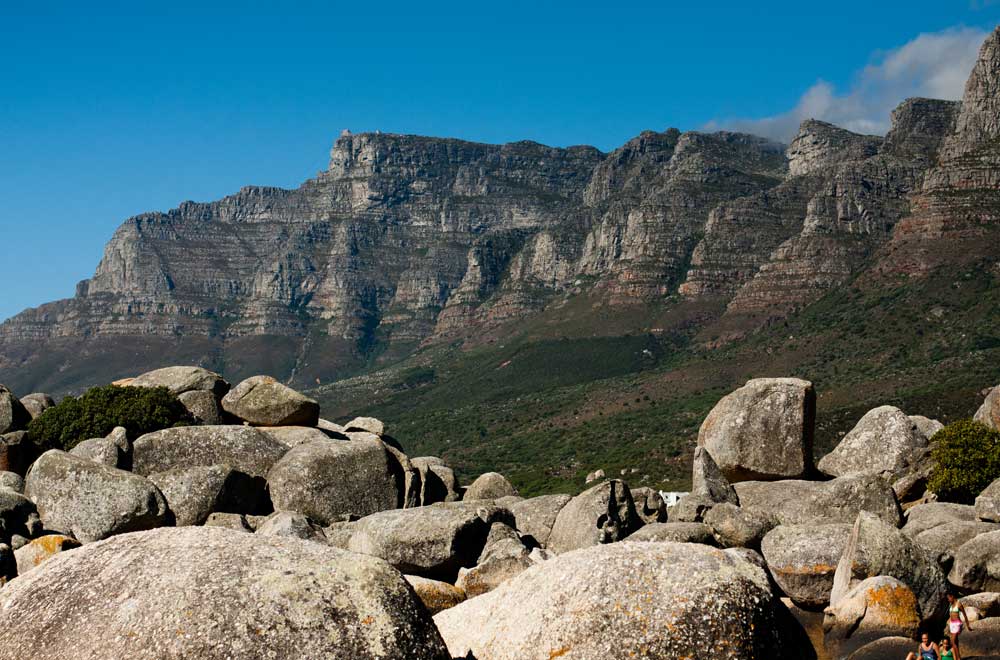
picnic-spots
Cape Town by Georgia Schumann

The Rumbullion Lawns at the Roundhouse
It is hard to think of a more idyllic setting for a picnic than the Rumbullion Lawns at The Roundhouse. Nestled in the foresty Glen between Lion’s Head and Table Mountain, this hidden gem is steeped in history and forms part of the Table Mountain National Park. Initially built in the 1700s as a guardhouse for the Dutch East India Company, the Roundhouse building looks out over thee tiers of picnic-ready lawn with expansive views of the ocean and the Twelve Apostles mountain range.

Picnicking here is somewhat unique: seated at wooden tables dotted across the lawns, guests are provided with a tick-box menu and a basket filled with tin plates and miniature condiments. The fare is simple and wholesome, ranging from burgers and thin-based pizzas to fresh salads and a variety of exquisite tapas.

The emphasis is on local, sustainably sourced produce – eggs are from Spier, fish are SASSI-certified and the bread is freshly baked each night. To quench your thirst, there is a stunning selection of local wines and three cocktails (including a Long Island Iced Tea served in an enamel tea pot). Peroni is on tap, and a wide range of local craft beers are available.

The word ‘Rumbullion’ hails from old English, meaning ‘a rollicking good time’. And that’s exactly what you’ll get here – from the idyllic natural beauty and hearty fare, through to the lively atmosphere and attentive service.

Call 021 438 4347 for more information on bookings and opening hours.

theroundhouserestaurant.com


Eagle’s Nest

Visiting Eagle’s Nest is like entering a fairy tale – lush, green gardens buzzing with birdsong and heavy with the scent of lavender, century old trees towering over wild beds of bright flowers and a crystal stream alive with dragonflies. There are butterflies everywhere and patches of dappled shade perfect for summer picnicking.

Eagle’s Nest itself is a cool climate wine estate owned by the brilliant and innovative Bill Mylrea. The family-run farm produces a small number of award-winning, boutique wines under the expertise of local winemaker Stuart Botha.

Picnics take place on the wine-tasting lawns, where guests can be seated at furniture made from wine barrels or bring their own blankets to laze on the grass. To maintain the sense of serenity and exclusivity, no more than ten guests are allowed to picnic here at one time. Picnic baskets include a selection of bread, cheeses, salads and cold meats coupled with wine. There are no other drinks on offer, so guests are encouraged to bring their own water and ice. Children and dogs are welcome, and picnickers are encouraged to partake in the wine tastings.

Call 021 794 4095 for more information on bookings and opening hours.

eaglesnestwines.com


Cape Point Vineyards
The Cape Point Vineyards is a hive of activity – from the working wine farm to the bustling Thursday market, the á la carte restaurant to the popular picnicking facilities. Even the skies and the views are alive: the crashing waves of Noordhoek’s Long Beach, the fish eagles soaring over the vineyards and mountains and the row boats gliding across the damn.  Surrounded by fynbos and Afro-Montane forest, this beautiful wine farm is the only one in the South Peninsula, and as a result is growing in popularity each year.

Picnics take place on the lawns with menus designed by Chef Clayton Bell, previously of Constantia Uitsig. Expect cured meats, caprese skewers, homemade pates and tapas, a scrumptious variety of local cheeses and freshly baked ciabatta. The bobotie wraps are a firm favourite, as are the double chocolate and almond brownies.

A full drinks menu is provided, as well as wines from the farm’s – from the entry level Splattered Toad selection through to their Isliedh 2012, which won Best White Blend at the international 2013 Decanter Awards. There are two play areas for children and a kid’s picnic basket, too. Blankets and cushions are provided, but make sure you call and book in advance as weekends can get busy.

Call 021 789 0900 for information on opening hours and bookings.

cpv.co.za


Greenpoint Urban Park
This landmark eco-park extends over 10.5 hectares and includes an outdoor gym, running and cycling tracks, a biodiversity garden and designated picnic areas with views of the lake. Open from 7am to 7pm. Entrance is free.

capetown.gov.za
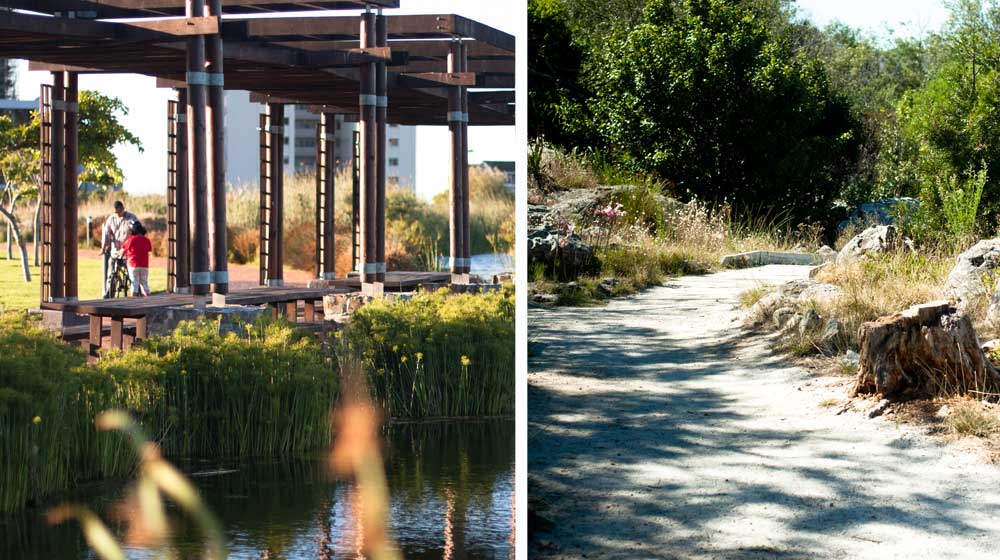
picnic-spots
Oudekraal Beach
A firm favourite amongst locals, Oudekraal Beach (between Bakoven and Llandudno) offers picnicking facilities on lawns overlooking a picture-perfect cove. The sea here is calm and the abundant marine life make it a popular spot for snorkelling. Open from 7am to 6pm in summer. R30 adults, R15 children (WILD cardholders enter free).

Call +27(0) 21 438 9555

Silvermine Nature Reserve
Part of the Table Mountain National Park, Silvermine Nature Reserve has extensive trails and a large water reservoir with allocated picnic areas which are easily accessible from the entrance on Ou Kaapse Weg. Open 7am to 6pm in summer. R40 adults, R20 children.  Tel: +27 (0)21 780 9002.

Deer Park
Convenient for city dwellers, Deer Park lies at the base of Table Mountain, with plenty of forest for shade and sweeping views of the city. There are beautiful walks and mountain biking trails close to the picnicking areas. Dogs are allowed and entrance is free.

Bali Beach
A well-kept secret amongst locals, this hidden cove between Camps Bay and Bakoven is the perfect spot for a secluded beach picnic, from the mountain and ocean views through to the crystal clear rock pool.
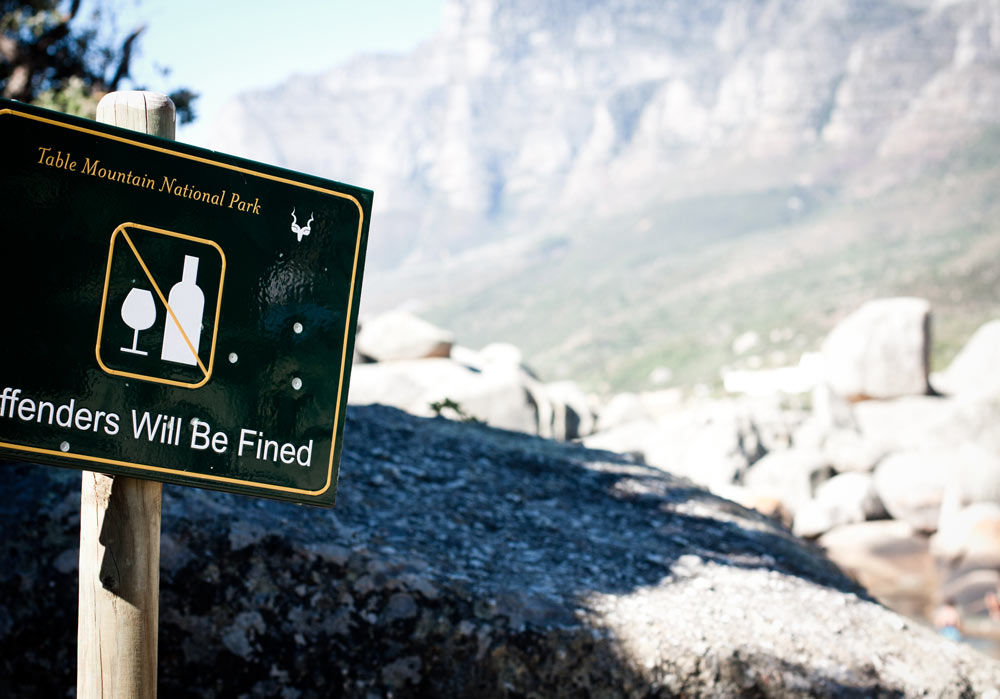
picnic-spots


Johannesburg  by Taryn Das Neves

The Modderfontein Reserve
Nestled just past Edenvale in the East lies the Modderfontein Reserve, a tranquil private space that is dedicated to conservation in the midst of the hustle and bustle of Johannesburg. Just a short drive from Sandton, one can indulge in the serene setting offered by the reserve and enjoy various outdoor activities for the whole family – from walks and hikes across the 275 hectares to scenic picnics under the trees at the side of the dam. A bird lovers’ delight, the area boasts an array of indigenous flora and fauna too, which makes it truly an escape into nature, without the long drive. With braai facilities and an offering of a restaurant or two, there is a wonderful variety of ways in which to enjoy this space in the warm summer weather.

Modderfontein Reserve, Arden Road, Modderfontein. Entry is R30 per adult and R15 per child.
moddderfonteinreserve.co.za

The Hennops Picnic Spot
Journey out towards Haartbeespoort for some adventuring along the Hennops River at one of the oldest picnic spots in the area, established in 1928. While mainly catering for adrenalin junkies with 4×4 trails, mountain biking and hikes, it’s a wonderful escape from the city. Pack your picnic basket and braai tongs and enjoy the amenities along the flowing river and under the lush trees, after a trek around the grasslands and river valley. Kids will love the famous suspension bridge over the Hennops, as well as the two swimming pools for when summer sets in. How better to relax and unwind from city stresses than with the sound of rushing water and a delicious picnic spread?

The Hennops Hiking Trail, R511, Pretoria, 0001. Entrance R60 per adult and R30 per child under 12.
hennopstrails.co.za

Northcliff Ridge Ecopark
If a picnic with a view is what you are after, look no further than Northcliff Ridge Ecopark in the centre of Johannesburg’s parklands. Take a walk up the ridge’s rocky escarpment and picnic with magnificent views over the whole of Johannesburg, stretching out towards the Magaliesburg mountains on a clear day. The gate opens at sunrise and closes just after sunset, offering a romantic picnic destination or the perfect place for sundowners on a warm spring evening, as you watch the lights of Johannesburg come on and twinkle all around you. If you don’t fancy a hike with your picnic blanket and basket of treats, use the alternative route of a casual drive to the iconic water tower at the top of the ridge, the second highest point in the city. The perfect city spot to settle in for a lazy Sunday afternoon of soaking up panoramic views.

Lucky Avenue, Northcliff.
northcliffecopark.org
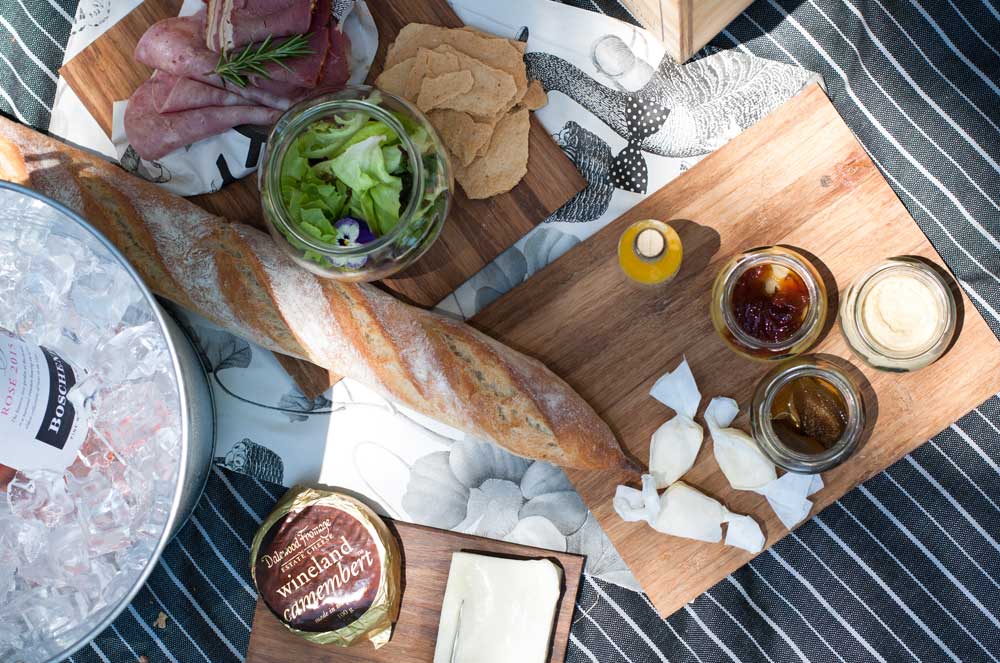
picnic-spots
findus_inpost_banner

Gangsta Gardening With Ron Finley

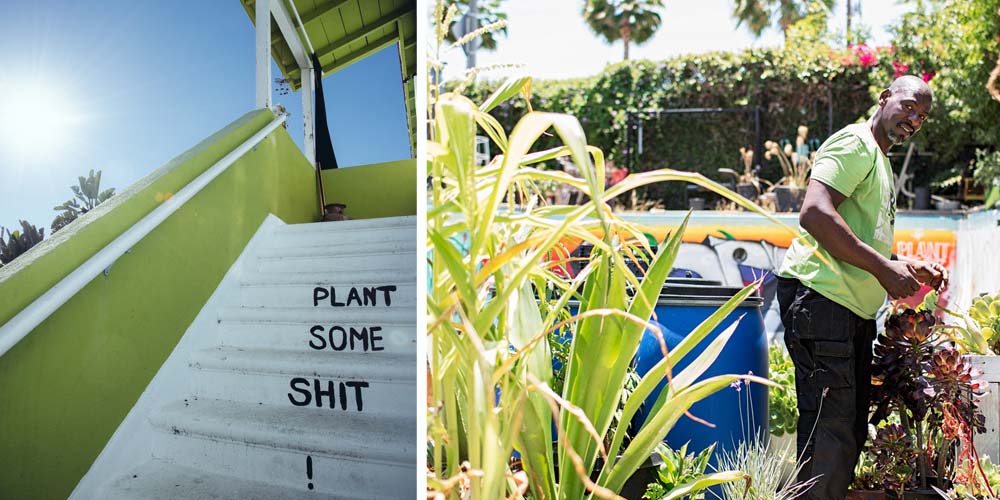
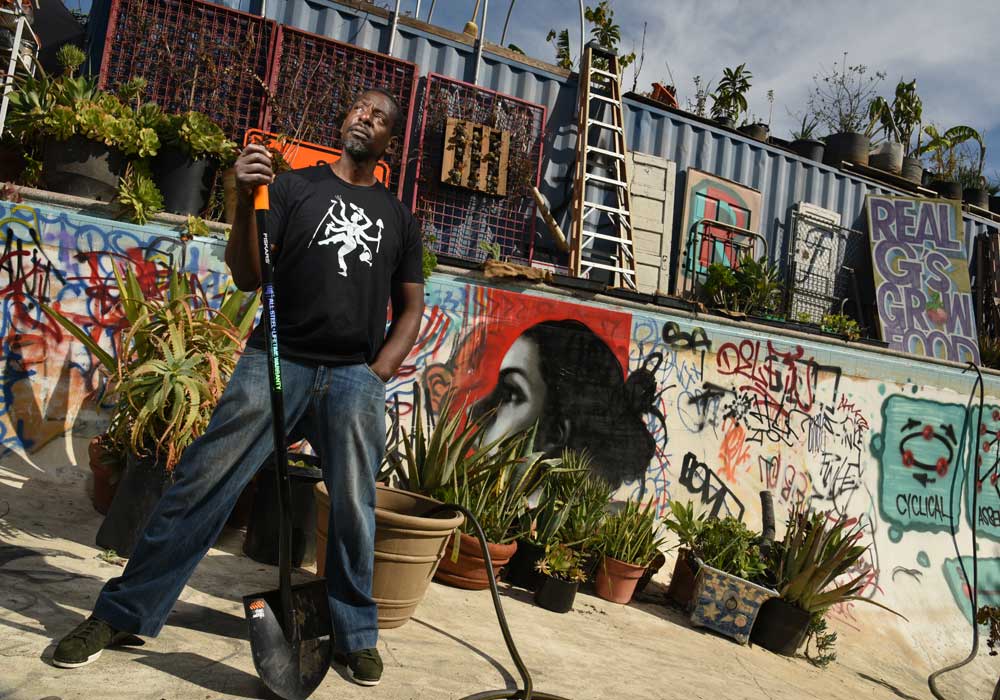
It’s quite a challenge to sum Ron Finley up, he’s a fitness trainer and a designer, but all with the purpose of supporting his passion – gardening. He calls what he does “gangsta gardening” and is slowly turning South Central in Los Angeles, a relatively low-income neighbourhood, into a food garden mecca.

It started when he looked at his neighbourhood and realised that there was a complete lack of fresh and healthy food. Fed up, he took to the kerb and developed a piece of land outside his house, a lot owned by the city, into a thriving vegetable garden. LA authorities were not happy about this and cited him for gardening without a permit, which subsequently turned into a warrant.
Not one to back down, he banded together with like-minded citizens and managed to overturn the citation. With a victory on his hands, he looked to what he could do with the rest of the vacant lots around Los Angeles. Notably, Los Angeles has roughly 26 miles (about 40 km) of unused parks, which equates to the same area as 20 Central Parks. 20 Central Parks all being completely unused. So Ron, along with his foundation, The Ron Finley Project, are staging a revolution. A horticultural revolution, to give the people of South Central Los Angeles their health back. And he’s doing it one tomato at a time.

Could you start by explaining what a gangsta gardener is? It’s possibly the best term we’ve ever heard.

Basically, a gangsta gardener it’s someone that is there to buck the system and to make it work for them, rather than making it work for other people in the sense that most things now force us to conform in some kind of way. I came up with the term also because of what people consider gangster… rappers, selling drugs, gangs and misogynistic behaviour. No! We have to stop glorifying those things. Let’s make gardening gangsta! The soil, the water, the earth and the heart, that’s gangsta! Mother nature is the most prolific gangsta there is!

What is your definition of a food desert? How does it relate to a big bustling city?

Well, I don’t like to call them food deserts. I call them food prisons because you can find and grow stuff in a desert, in a prison you can’t. The fact that you have no healthy, nutritious food in these areas is by design. You have to break out to get anything that’s decent. These are places where there is no healthy, nutritious, life-sustaining food. But it’s not just the food. It’s the environment. A lot of them are poisonous.
Ron Finley gansta gardening

How did you venture from fashion into urban gardening – what motivated you to make the shift?

To me, there is not that big a shift from fashion to gardening because it is all still art. You still are dealing with colours, textures, materials. It’s just another kind of material, so I treat gardening just like what it is – art. It is fashion.

One of the things that motivated me was the fact that there was no available healthy food where I was living. I would think about what I was going to eat. It would take hours to figure it out and then nine times out of ten, I would have to leave my area to find any kind of healthy food that was going to satisfy my palate.

It was also about beautifying my space and creating the beauty I wanted to see, as well as making my life more convenient. I wanted to share this vision with people in the neighbourhood, people who pass by. I want people to see what could happen in these spaces if we redesigned them. We could make them more healthy, more happy and we would get to look at something beautiful every day.

What was it like to turn your curbside dirt strip into a garden and then to see the effect that it had on the city’s authorities?

For me, it was a labour of love. It was my meditation and passion. My release. My solace. It was the first thing that I would do in the morning and the last thing I would do at night.

So for me it wasn’t a labour. It was my calling – what I was supposed to be doing. I got instant gratification.

The comments that I would get from the people who walked by were so encouraging and inspired me to continue to do what I was doing. I saw that it was affecting my community. Plus, I got to feed myself. Gardening is sexy and like I have always told my sons, if you plant flowers, you get flowers. So all kinds of flowers came to me. All shapes and sizes.

As far as the city goes, basically what happened was that they got embarrassed ­­– that is how I got the ordinance changed so that you can now plant food on the parkway. They saw what I was doing and totally agreed with it, so it wasn’t that much of a big deal. Not like David and Goliath. It was more to right an injustice – if you aren’t going to put any places where we can purchase healthy food in our ‘hood’, don’t stop us from growing our own healthy food! Eventually, we saw eye to eye.
Gangsta Gardening Ron Finley

How many gardens have you built since you built the one in front of your house?

Who knows?! We don’t keep track of that. We measure differently….

What was the reaction to gangsta gardening from members of the community?

The first reaction was “What the hell was I doing and why am I doing it?!” Once they saw what I was doing, others were inspired to do it. At first, they were so curious. It wasn’t the status quo and people are used to seeing things in a certain way and that is what they get comfortable with. I didn’t see what I was doing as that inventive and different – people do this everywhere in other parts of the city.

So, I didn’t see it as being so different or such a big deal. What makes it a big deal, is how removed we are from our food and where it comes from. That is what made what I did something that people took notice of. Now people come from all around the world to see my garden. So it has had an amazing impact on my neighbourhood and on the planet at large.
Gangsta Gardening Ron Finley

Is there a particular person’s story where you’ve seen a change in their health because of the increased healthy food they’ve been eating?

Yes, the lady down the street who moved from the southern states. She lost 100 lbs (about 45 kg) from planting and eating out of her garden.

You’ve been known to say that growing your own food is akin to printing your own money. Can you elaborate on that for us?

Well, growing your own food is growing currency because firstly you have something that you can trade. You can trade food.

Secondly, you have something that you can eat so you don’t have to spend your money at the stores.

Thirdly, you’re going to be healthier so you don’t have to spend your money on doctors and medication. It’s preventative healthcare. It also helps your mental state because being outside with the plants and their vibrations raises your overall wellness and state of wellbeing. Money does grow on trees, don’t believe the old adage.
Gangsta Gardening Ron Finley

Do you think this is a model that we could use in South Africa where poverty is so high and violence is rife? Where would we begin?

You begin where everything begins. In the soil. That is how you change culture, through the soil. You have to have people understand their worth because people don’t value themselves or their lives. We have the same problems in South Central as you do in South Africa. I call the situation ‘food apartheid’. We definitely don’t have a shining example of race relations in this country, but the garden brings people together. That is how you build communities, through the garden. That’s what it does. Once you show people that life and opportunity come from the soil, you can change their lives. This is how we will regain our culture.

Why do you think we’ve become so far removed from our food – that it costs less to buy a meal from a fast food chain than it does to buy organic fruit?

Because we have been duped and bamboozled and we are depending on other sources to give us our food instead of doing it ourselves. We don’t tend the land. Others do it for us and a lot of the food in our stores is sprayed with toxins and poisons. Food should heal you, not kill you. I think it’s a matter of convenience for most people because it’s quick and you just have to stand in line, but what they don’t realize is that it is conveniently killing you. This is slavery.

Gardening is about freedom, it is about breaking the chains and shackles that are placed upon our lives. Gardens represent independence from a system.

What projects are you working on now?

Life. The betterment of it and I’m looking for co-conspirators to help me to change culture.
Gangsta Gardening Ron Finley

What can we expect to see from The Ron Finley Project in the future?

You can expect more paradigm shifts, more culture changing, more beauty and showing people that they have the capacity to design and grow the life that they want to lead. I want everybody, especially children, to show the brilliance they have inside of them, and get gangsta with their shovel. We don’t need to go looking for life on other planets. There is life here that we need to work on. It’s not a matter of looking for the next best thing. Yes, things are messed up, but we can change it. That is part of our mission. To have people operate from happy – instead of from violence and ignorance

Ready for more inspiration? Watch Ron’s TED Talk here.

Turf Wars –Check out this local story of how Cape Flats gangsters have changed their lives through gardening.

ronfinley.com | Facebook | Twitter | Instagram

Thirsty Hits the Dirt for Charity

In 1996 Torsten Koehler was diagnosed with testicular cancer. At the time he was in his early 30s and teaching sex education to young teenagers. After his diagnosis, he was shocked to find out how rarely spoken about testicular cancer was. There seemed to be a stigma attached to it, which leads to it remaining undetected in males aged 15-38. Torsten was determined to break the cycle and so began an emotional journey of survival. It eventually led to him beating cancer and starting the Love Your Nuts foundation.

Since then the foundation has grown from strength to strength with Torsten relentlessly leading the charge through education, and charity drives like the Nuts & Bolts rally.

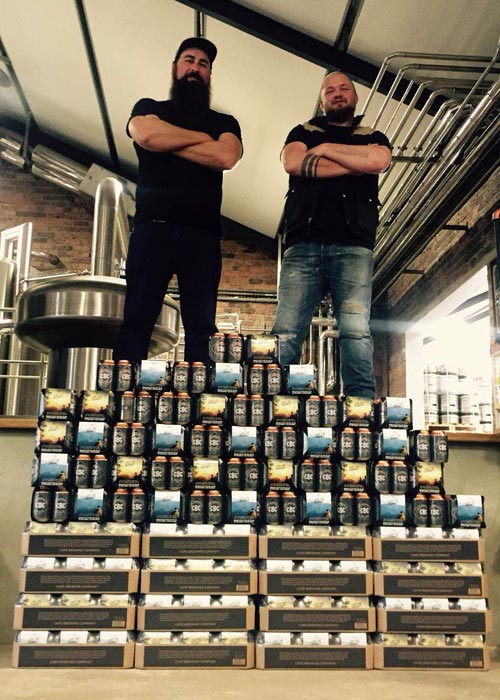
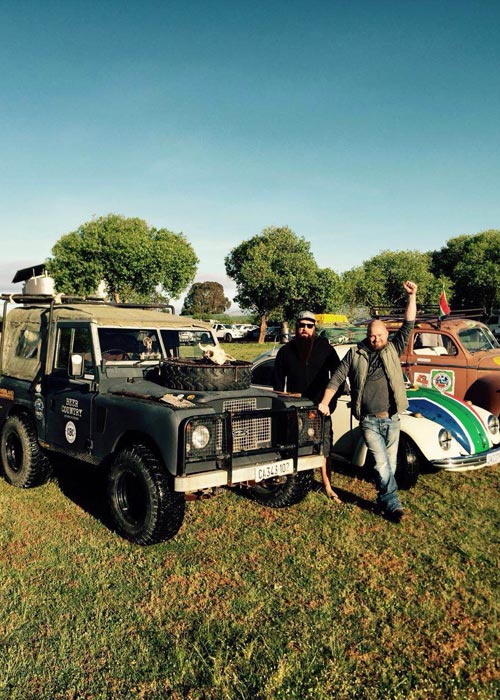
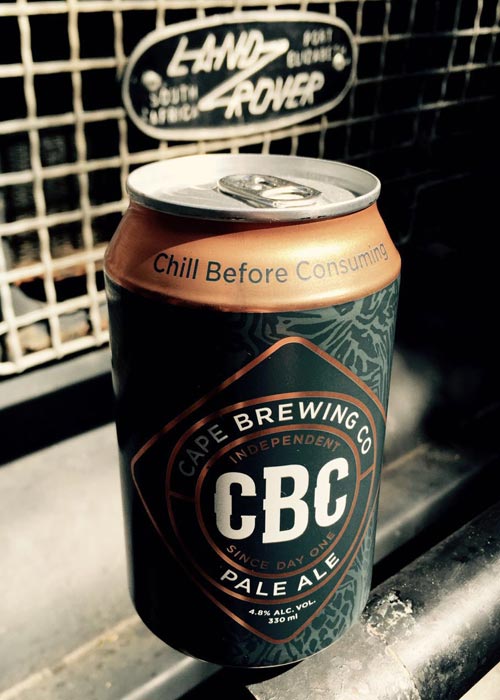
This year we’ll be hitting the dirt in our vintage Land Rover, Thirsty, to take on one thousand kilometres of hard roads over four days. We’re very proud to announce that Cape Brewing Company have generously sponsored Thirsty and made a donation to the foundation. We’d also like to thank  Roverland for getting Thirsty in shape, and TJ’s Lekker Braai for supplying wood and charcoal for the road. The rally sets out this Saturday with over fifty vintage cars in convoy.

 
We hope that you’ll follow our journey on Twitter, Instagram and the Cape Brewing Company #LovetheJourney app (download on Google or Apple) and follow the user: Braai Bliksem. You can also look forward to a full report of the experience when we get back! Once again thanks to Cape Brewing Company for taking this journey with us and making a difference in the fight against testicular cancer.

Need to know facts about testicular cancer

  • A man’s lifetime risk of developing testicular cancer is approximately 1 in 250
  • It usually affects young men (age 15 – 39) in their prime of youth
  • Testicular cancer has the highest cure rates among all cancers (>90%)
  • Most commonly there are two types of testicular cancers–seminomas, or slow growing cancer and non-seminomas, or fast growing cancer
  • Prominent symptoms include pain/swelling/lumps in testicles/groin areas
  • Prominent risk factors include undescended testis (cryptorchidism), family history, mumps and inguinal hernia
  • Surgical removal of a testicle will not affect fertility. Chemotherapy, on the other hand, can harm sperm count/quality. Sperm banking may then be considered.

Nuts and Bolts
love-your-nuts.com | capebrewing.co.za | roverland.co.za | tjslekkabraai.co.za

Braai Tips from Karl and Greg from Beer Country

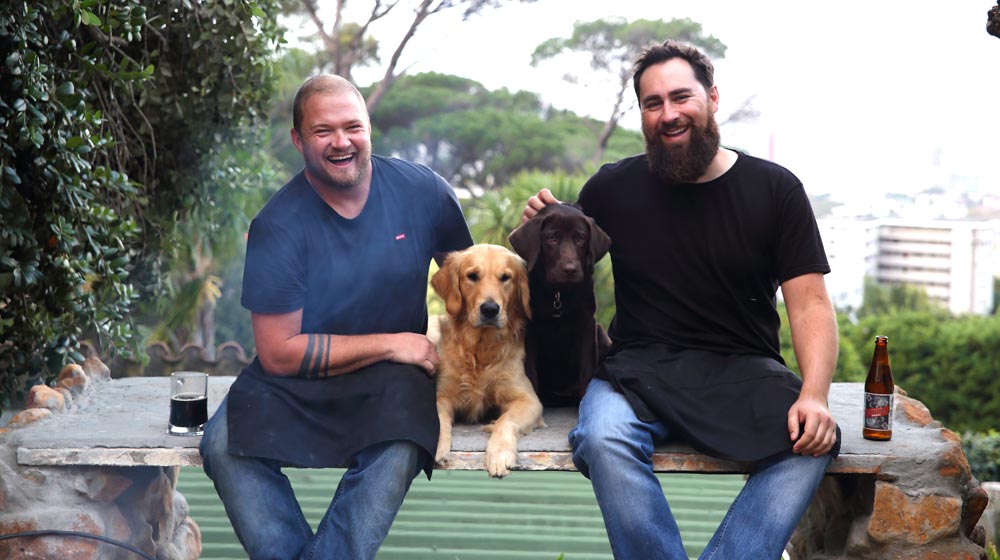
It’s Heritage month and that means we are celebrating all that is wonderful about South African culture. One of the best ways we know how to mark this occasion is by celebrating with fabulous South African food, and naturally, that means braai! Karl and Greg from Beer Country have been whipping up some amazing braai recipes and have given us some fun, handy braai tips for braaing this Heritage Day as well as sharing some of their favourite recipes. For these guys braai is a way of life, find out how they make every braai a memorable occasion.

Karl and Greg - Braai Tips 4x6
Braai Tips 4x6

Braai Tips

  • Always have enough beer to last the braai.
  • A properly built fire never goes out (charcoal on the bottom, wood on top).
  • Avoid buying wood if you see condensation in the plastic bag.
  • If you’re short on time use charcoal instead of wood.
  • No-one will judge you for par-cooking your chicken before you braai it (30 mins at 180 °C).
  • If you’re cooking fish in a flip grid, a few sliced rounds of onion between the fish and grid will prevent the skin from sticking and you get awesome braaied onions.
  • Always have great tunes at your braai (think Pearl Jam for steak, Jack Johnson for seafood, and Bob Marley for a long slow potjie).
  • A steak should only be killed once.
  • A great braai starts with great ingredients: buy the best quality meat you can afford, the freshest veggies and have respect for the ingredients you use.
  • Cooking in cast iron is good for the soul.
  • Braai on African time (it’s ready when it’s ready).
  • It is perfectly acceptable to braai three times a day, we believe anything you can eat… you can braai, and no matter what, come rain, hail, wind, snow… we braai!

Our Favourite Braai Recipes

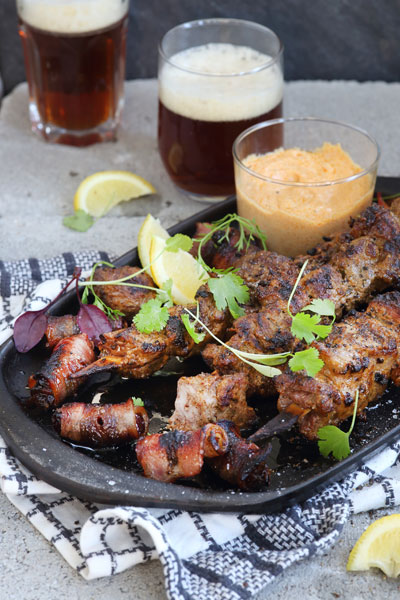
Moroccan Kebabs

The spicy kick of harissa, fuses with the creaminess of yoghurt, and the Moroccan rub adds that extra taste boost.

Get the recipe for these Moroccan Kebabs

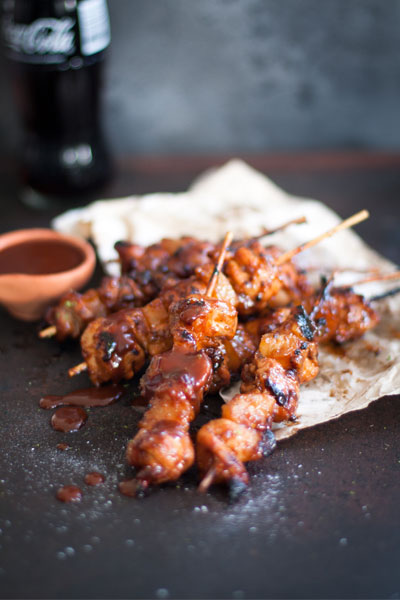
Chipotle, Honey Chicken & Pineapple Mini Kebabs

These killer mini kebabs are sweet, spicy and are make a perfect snack for a road trip or picnic.

Get the recipe for these Chipotle, Honey Chicken & Pineapple Mini Kebabs

Moroccan Kebabs - Braai Tips 4x6
Chipotle, Honey Chicken & Pineapple Mini Kebabs - Braai Tips 4x6

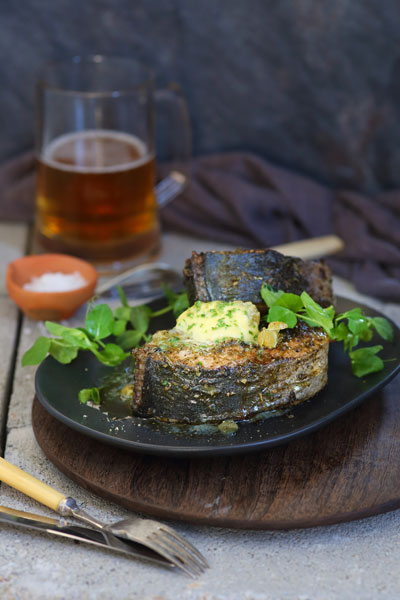
Yellowtail Darnes with a Herby Mascarpone Butter

Yellowtail on the braai is a South African favourite. It’s firm and meaty and holds up well on the grid.

Get the recipe for Yellowtail Darnes with a Herby Mascarpone Butter

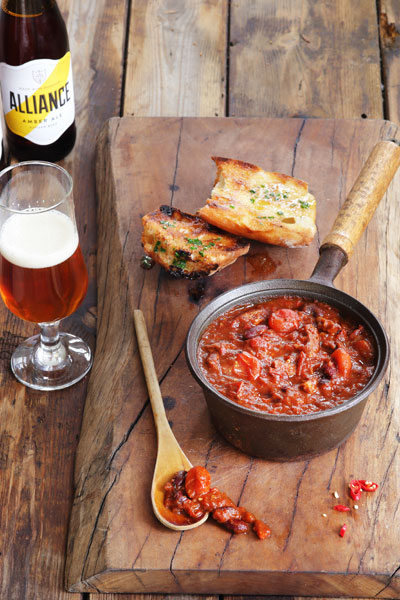
Chuck-Chilli Potjie

When they said that good things take time, they were probably talking about a chuck-chilli potjie. Use this often underrated, but very flavoursome cut, for big meaty results.

Get the recipe for Chuck-Chilli Potjie

Yellowtail Darnes - Braai Tips 4x6
Chuck Chilli Potjie - Braai Tips 4x6

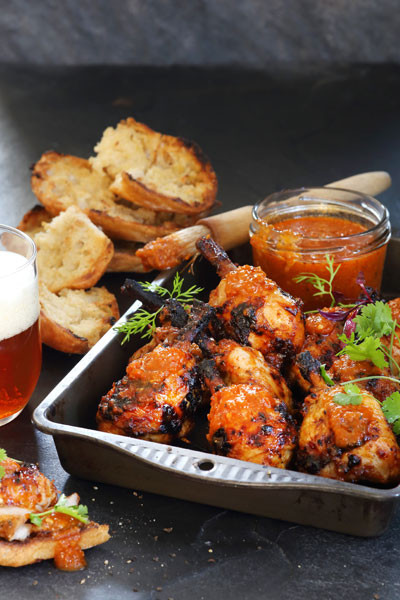
Peri Peri Chicken Lollipops

The only problem with good peri-peri chicken, is that you’ll find it hard to break the fiery addiction.

Get the recipe for these Peri-Peri Chicken Lollipops

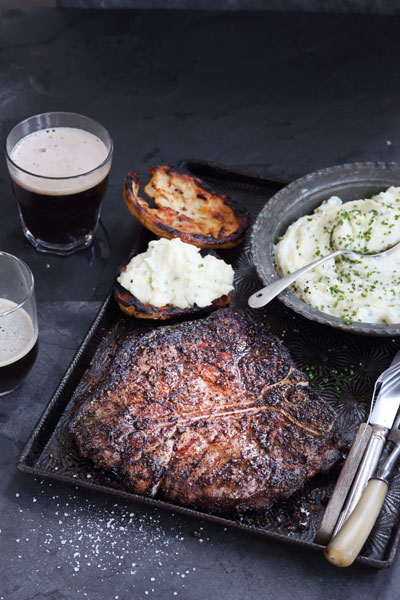
Coffee Rub T-Bone

The coffee rub gives the meat a lovely sweet crust and a dark, rich colour.

Get the recipe for the Coffee Rub T-Bone

Peri Peri Chicken Lollipops - Braai Tips 4x6
Coffee Rub T-Bone - Braai Tips 4x6

So there you have it, use their braai tips this Heritage Day and make sure you have the biggest, baddest braai ever.

Braai Tips 1x5

Need the perfect beer to go with your braai, check out Beer Country’s Moerkoffie Condensed Milk Stout.

Follow the Beer Country boys on their journey.

Naan Chicken & Veg Pizzas with a Peanut and Hoisin Sauce

Findus Vegetables

The quickest and easiest, no-nonsense pizzas to throw together. Such a treat!

Serves: 4
Difficulty: easy
Preparation time: 20 minutes
Cooking time: 10 minutes

Peanut and Hoisin Sauce
3 Tbsp (45 ml) crunchy peanut butter
3 Tbsp (45 ml) hoisin sauce
2 Tbsp (30 ml) sweet chilli sauce
2 Tbsp (30 ml) warm water
1 tbsp (15 ml) rice vinegar
1 Tbsp (15 ml) olive oil
salt and pepper

Pizza
2 tsp (10 ml) olive oil
500g (1 bag) Findus Wok Thai
1 tsp (5 ml) ginger, finely grated
1 tsp (5 ml) garlic, finely chopped
¼ cup (60 ml) cultured cream / crème fraîche
4 (400 g) small naan breads
250 g roasted chicken, shredded
salt and pepper
1 (400 g) tin chickpeas, drained
160 g ricotta, crumbled
1 (30 g) spring onions, thinly sliced
¼ C (60 ml / 12 g) basil leaves

Preheat the oven to 240 °C.

To Serve
Peanut and Hoisin Sauce

Whisk all the ingredients for the sauce together and season lightly.

Pizza
Heat the olive oil in a hot pan over medium heat. Add the Findus Wok Thai, ginger and garlic. Fry for 5 minutes until tender.
Spread cultured cream or crème fraîche over each naan bread. Scatter the vegetables and chicken on top and season with salt and pepper. Bake for 5-6 minutes until crisp. Top the pizzas with dollops of the sauce, the chickpeas, ricotta, spring onions and basil leaves.

TIP: Use leftover roasted chicken for the pizzas or simply buy a readymade rotisserie chicken from the supermarket.

To make beautiful spring onion curls, thinly slice a spring onion from top to bottom. Place in ice water for 20 minutes. Strain and use.


Noodle Salad with Lamb Chops and Coconut Dressing

Findus Vegetables

A beautiful salad that is filling, tasty and easy to prepare.

Serves: 4
Difficulty: easy
Preparation time: 25 minutes
Cooking time: 25 minutes

Peanut and Coconut Dressing
1 (100 g) medium tomato, chopped
½ cup (125 ml) coconut cream
⅓ cup (80 ml) water
2 Tbsp (30 ml) crunchy peanut butter
2 tbsp (30 ml) coriander leaves
1 Tbsp (15 ml) sweet chilli sauce
1 Tbsp (15 ml) red wine vinegar
1 Tbsp (15 ml) honey
½ tsp (2.5 ml) garlic, finely chopped
½ tsp (2.5 ml) ginger, finely grated
salt and pepper

Salad
260 g Chinese whole-wheat noodles
2 tsp (10 ml) olive oil
500 g (1 bag) Findus Wok Chinese
1 tsp (5 ml) garlic, finely chopped
salt and pepper
2 (60 g) spring onions, thinly sliced
¼ C (60 ml / 12 g) mint leaves
¼ C (60 ml / 12 g) coriander leaves

Chops
¼ C (60 ml) olive oil + extra for frying
2 tsp (10 ml) ground cumin
2 tsp (10 ml) paprika
2 tsp (10 ml) ginger, finely grated
2 tsp (10 ml) garlic, finely chopped
salt and pepper.
8 (800 g) lamb chops

To Serve
¼ C (60ml / 55g) salted peanuts
finely sliced green chilli

Peanut and Coconut Dressing
Place all the ingredients for the dressing into a food processor and blend until fine. Refrigerate until needed.

Salad
Bring a pot of salted water to the boil. Boil the noodles for 3-4 minutes until tender. Drain and toss some of the dressing through the noodles to keep them from sticking.

Heat the oil in a hot pan over medium heat. Add the Findus Wok Chinese and the garlic and sauté for 6-8 minutes until tender. Season lightly. Toss the vegetables, spring onions, mint and coriander leaves through the noodles.

Chops
Whisk the oil, cumin, paprika, ginger and garlic together. Season with a pinch of salt and pepper. Rub onto the chops.
Heat a splash of oil in a pan over high heat. Add the chops and fry for 4-5 minutes on each side for medium rare. Cook them for longer if you prefer your meat more well-done.

Serve the chops on a bed of salad. Top with the peanuts and sliced chillies and serve with the dressing on the side.

TIP: The meat is best served warm, while the salad can be served warm or at room temperature.

Findus Vegetables

Beer Country & The Santa Anna’s at The Village Idiot

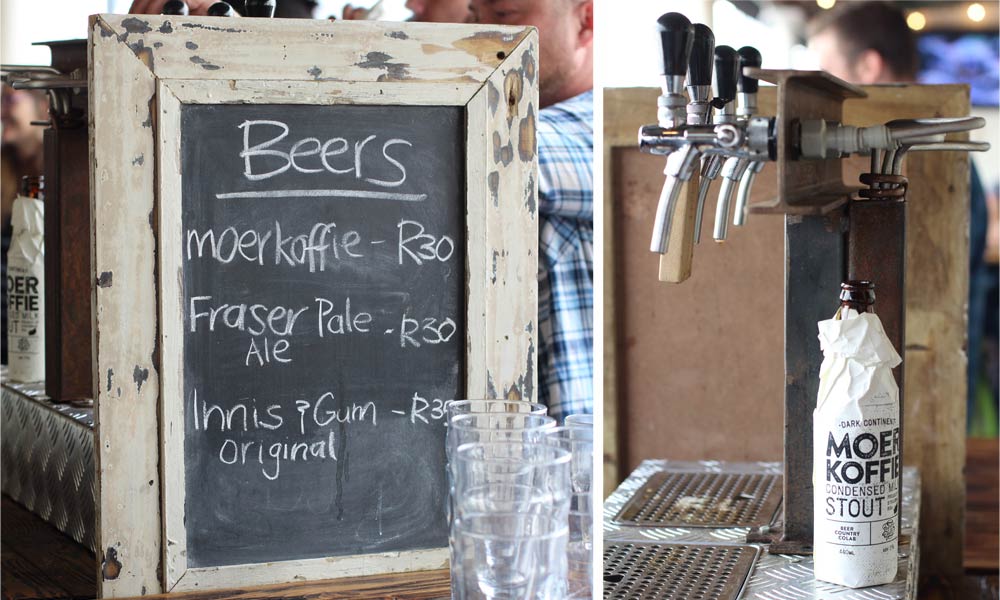
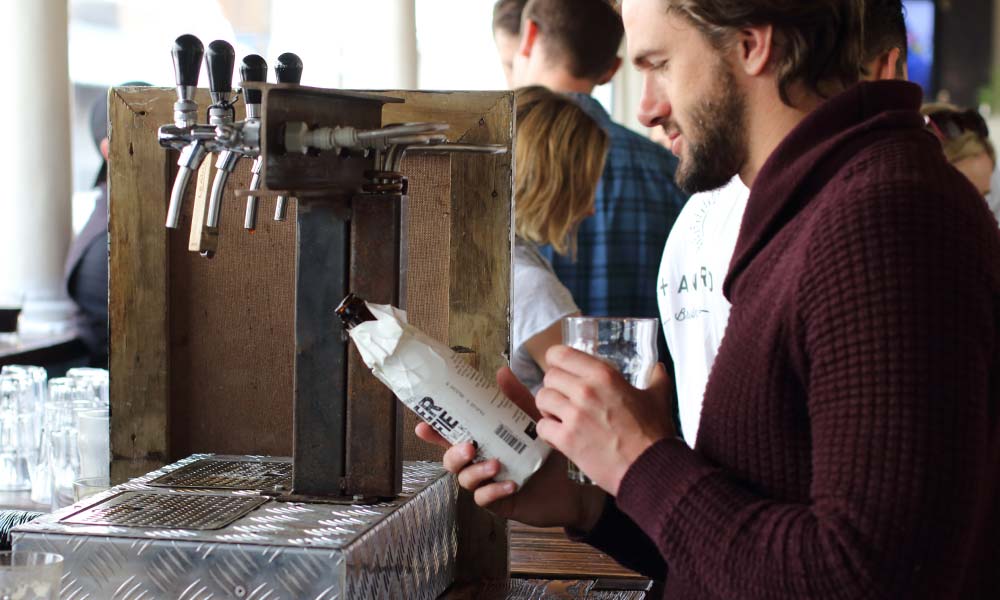
Another awesome Cape Sunday on Loop Street, and the stairs up to our local braai balcony were just that little bit steeper than usual. Now, that could have been due to a certain birthday party and a good few laughs around the fire-pit well past midnight, or perhaps it was the kegs full of delicious beer we were carrying. Either way, it was so worth it because today we were the bartenders and it was our turn to pour. We had English Pale Ale from Fraser’s Folly, Original Oak-Aged Ale from Innis & Gunn, and drum roll please, we were launching our very own collab brew with Fraser – Dark Continent Moerkoffie Condensed Milk Stout. We know it’s a mouthful, but so is the beer and a little moerkoffie was the perfect way to jumpstart the day.

moerkoffie-vi-1000x4
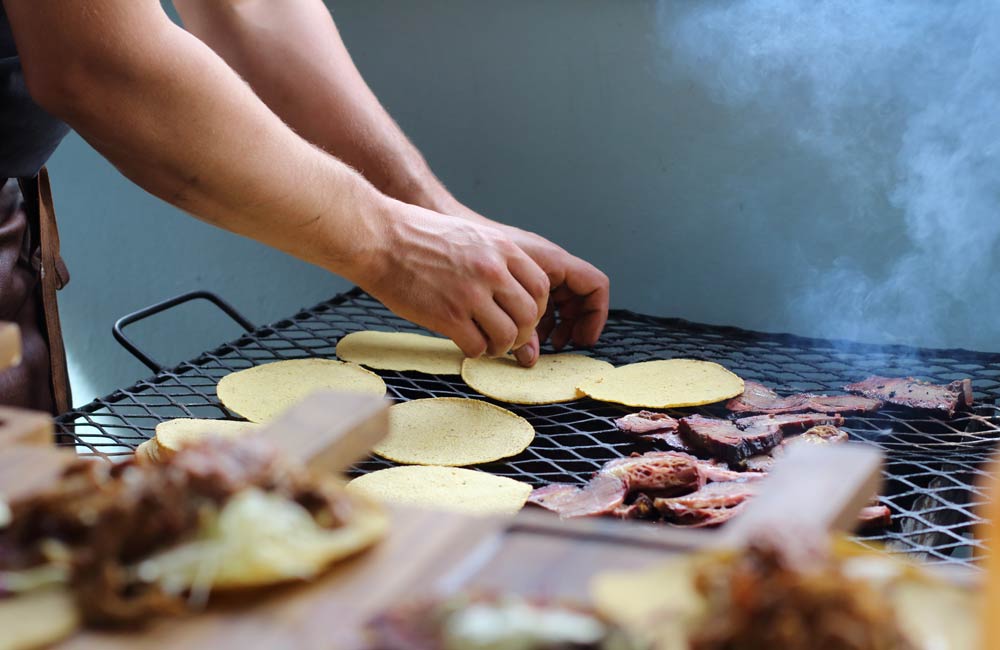
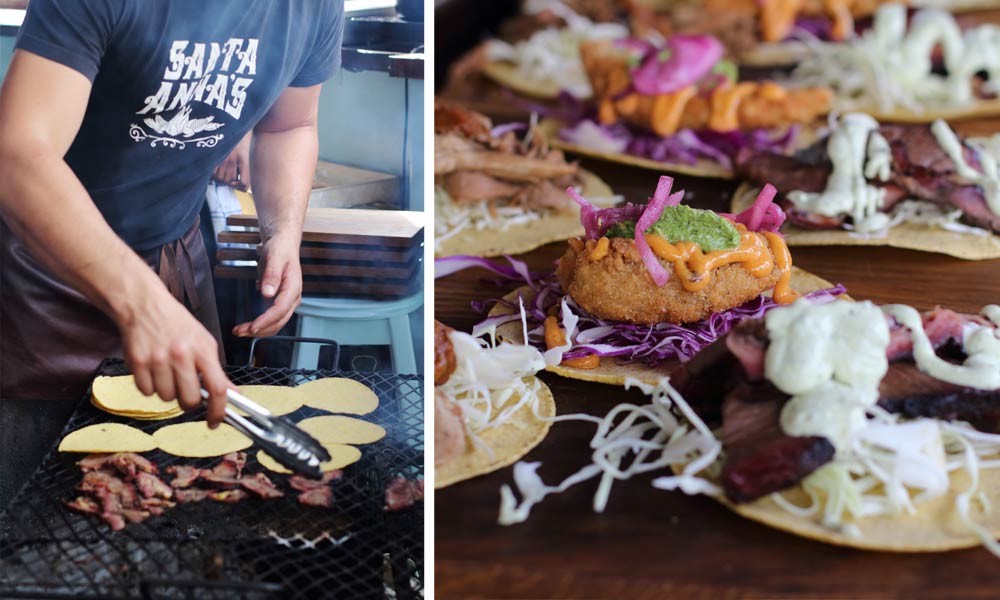
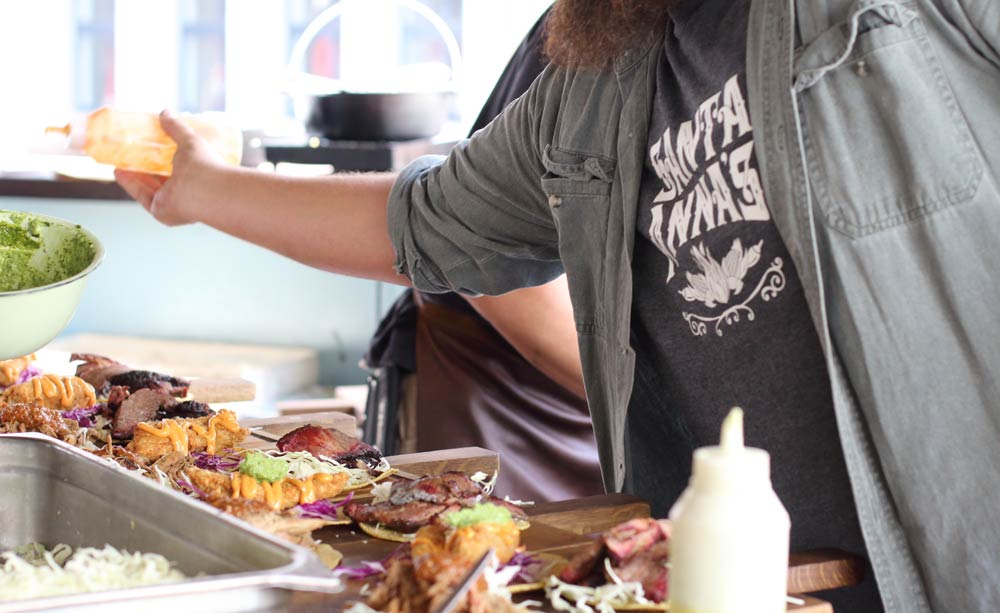
We have to say, setting up was tough when the air was full of smoke, fire, and sweet-sticky sauce dripping on the coals. Delicious chow was already in the works and our good mates, the Santa Annas, were manning the braai. Piet and Frik love fire more than most, and they were serving up a terrific and tasty trio of tacos (try saying that three times as fast).

They must have heard our belly-protests and hauled out a few bags of their 100% local and lekka corn nachos with a top selection of fresh and spicy dips and salsas.

Now we ain’t sure if beer and nachos constitute a healthy breakfast, but hey, this is The Village Idiot – no judgies.

The not-so-subtle chilli hit kicked our taste buds into high gear, greased the elbows and the beer started flowing. First up was Fraser’s English Pale Ale. This traditional ale is jam-packed with English malty goodness and is absolute proof that lighter beer does not mean lighter flavour. It’s definitely malt-forward with a spicy kick and slightly sweet marmalade snout. At 3,8% this is a beer you can drink for days. Judging by the reactions it is going to be a Struisbaai smash this summer and was the perfect pairing for our first taco – fresh crumbed hake with Sriracha mayo.
moerkoffie-vi-1000x2
The Santa Anna’s stick with the old idea of great ingredients, cooked to a turn, with a twist. Before you could yell “stywe lyne” the juicy hake with the crispy crumb was history and being washed down with a magic blend of barley, hops, water, and yeast – yip, that’s beer.

Next the Annas served up some pork carnitas and between you and me this was not for the faint-hearted with some solid spice and a serious bite. It needed a big beer to stand up to it and really compliment the caramelised fire-flavours. Luckily, we had just the answer.


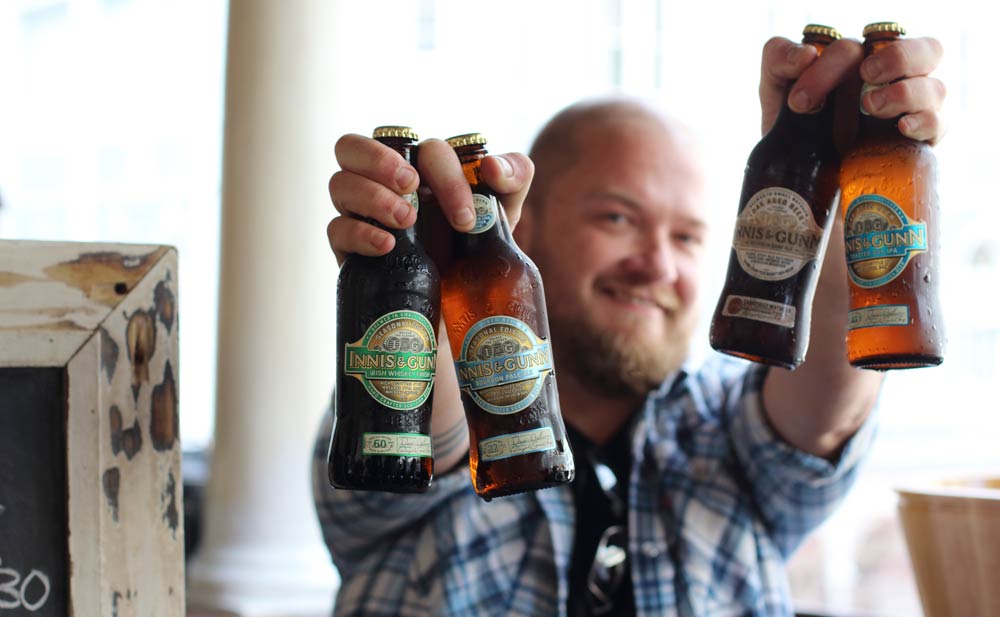
Innis & Gunn Oak-Aged Original Ale is a Scottish ale that has been aged for seventy-seven days in oak barrels and matured with Bourbon-infused heartwood. It is a phenomenal beer in a bottle, but today we were seriously lucky to have it on tap. If you ever get the chance, just tell the bartender to take your money and pour – it’s a real treat. There is nothing subtle about the vanilla and oak on the nose and the pronounced malt sweetness balances perfectly with a mellow hop bitterness. At 6.6% ABV, good balance is definitely what you are after, trust us on this one.

moerkoffie-vi-1000x3innis and gunn
This beer, no wait, the whole Innis & Gunn range, are perfect food beers especially when there is fire involved. The depth and crafted complexity that oak-ageing brings to the party is top notch. Amazing then that these brews are all the result of a very happy mistake. Ask us about it next time – we love telling the story.

It was then time to embrace the power of the dark side – it was time for our Moerkoffie Stout.

We had gone from drinking the beers, to pouring the beers, to having people drinking and commenting on our beer – and we had the hoppy-butterflies to match. The first pint was a little hazy, but seconds later what followed was a dark waterfall of coffee, stout and first-time parental pride. Our baby was all grown up. We had chosen our coffee carefully and it was bang on thanks to Beaver Creek. Big and roasty on the nose with a slight condensed milk sweetness. The taste was all coffee and smokey dark malt, with a little tannin and a dry, bitter finish that was part coffee, part beer. Spot on! The Anna’s had saved something special for this course – their signature smoked BBQ brisket. Oh yes.

moerkoffie-vi-1000x7
The sound of Loki Rothman and Albert Frost warming up for their acoustic set signalled that it was time to close shop – and that it was fifteen minutes till happy hour, perfect timing. We ain’t gonna lie, we had been more than happy the whole day pouring these great beers, smelling and tasting some epic chow and spending time with some of our favourite people at one of our favourite places. Another big win for the Village Idiot Braai Colab Series. Till next time…

The Village Idiot, 32 Loop Street  thevillageidiot.co.zaFacebook | Twitter | Instagram

Beer Country  beercountry.co.za | Facebook | Twitter

Santa Anna’s  santaannas.co.za | Facebook  | Twitter | Instagram

Frasers Folly  Twitter | Instagram

Innis & Gunn innisandgunn.com | Facebook  | Twitter | Instagram

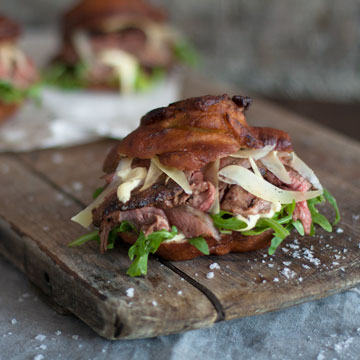
Vetkoek Steak Sliders with Horseradish Mayo

Miele leaderboard-banner
Vetkoek has got to be one of the most honest foods ever created. Just as the name implies, a vetkoek is the last thing you’d ever expect to find on any sort of diet plan. It’s basically fried bread dough and it’s delicious whether sweet or savoury. They’re traditionally served with curried mince but this Heritage Day we’ve decided to gourmet them up into some ridiculously tasty steak sliders.

Serves: 6-8
Difficulty: medium
Prep time:  20 minutes
Cooking time: 30 minutes

The mayo
2 egg yolks
1 Tbsp (15 ml) Dijon mustard
1 C (250 ml) canola oil
squeeze of lemon juice
1 Tbsp (15 ml) creamed horseradish
salt and pepper

The vetkoek
2 C (140 g) cake flour
2 Tbsp (30 ml) sugar
2 tsp (10 ml) baking powder
2 Tbsp (30 ml) dried thyme
1 tsp (5 ml) salt
2 large eggs
1 C (250 ml) boiling water
3 C (750 ml) canola oil for frying

The steak
1.5 kg picanha steak, or your favourite cut
salt and pepper or your favourite braai spice
canola oil

To serve
wild rocket
Parmesan, shaved

The mayo
Place egg yolks into a large bowl then whisk in the mustard. Slowly add the oil while whisking until the mayo starts to form. Keep adding oil and whisking until the mayo reaches a thick consistency. Squeeze in the lemon juice then whisk in the creamed horseradish. Season and place in the fridge until needed.

The vetkoek
Sieve the dry ingredients for the vetkoek into a large bowl. In another bowl, whisk the eggs and boiling water together. Add the wet ingredients to the dry and mix well to combine.

Heat the oil to 180 °C in a large saucepan.

Using a large ladle, spoon dollops of batter into the oil and cook until golden on one side then use a slotted spoon to flip the vetkoek over and continue frying. Once you have a golden vetkoek, remove from the oil and drain on kitchen towel.

The steak
Season the steak with salt and pepper then coat with oil. Cook the steak to your liking in a large frying pan over high heat or over a very hot braai,. Around 4 minutes per side for medium rare. Remove the steak from the heat and allow it to rest for at least 10 minutes before carving. Slice thinly.

To serve
To assemble your sliders – cut the vetkoek in half and give the bottom half a good slather of mayo. Pile on some rocket and top with a generous portion of sliced steak. Season with salt and pepper and garnish with Parmesan. 

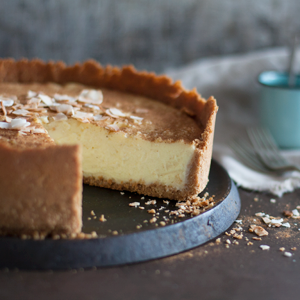
Check out our other Heritage classics here: Peri Peri Chicken Livers | Old School Coke Ribs |  Coconut Condensed Milk Tart 

miele.co.za | Facebook

Miele leaderboard-banner

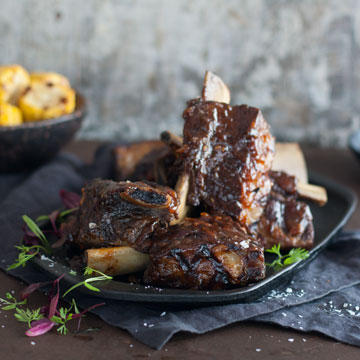
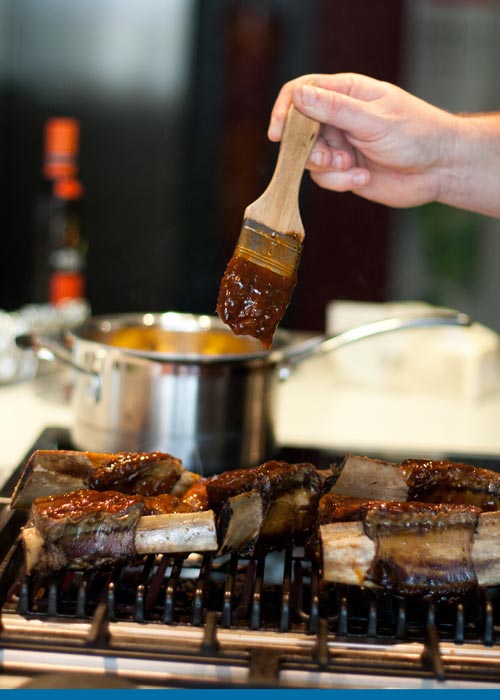
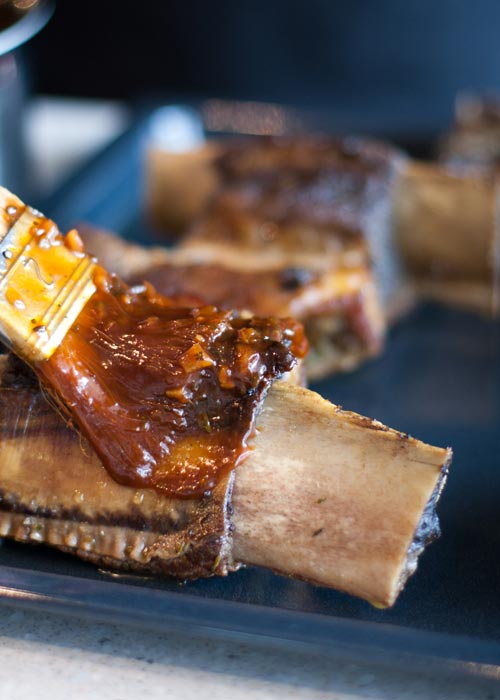
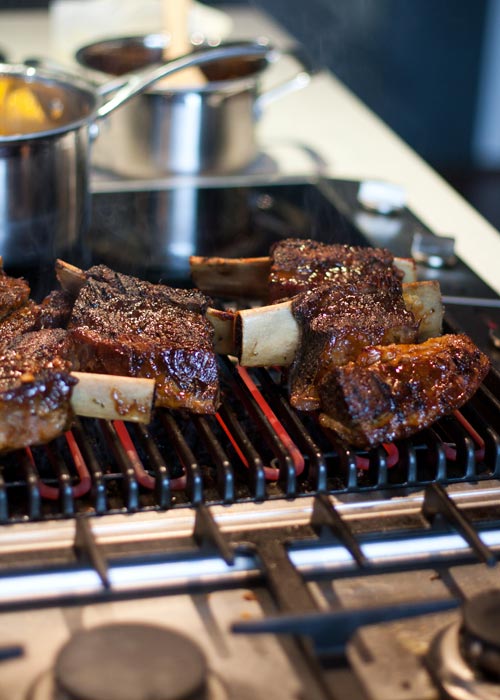
Old School Coke Beef Short Ribs

Miele leaderboard-banner
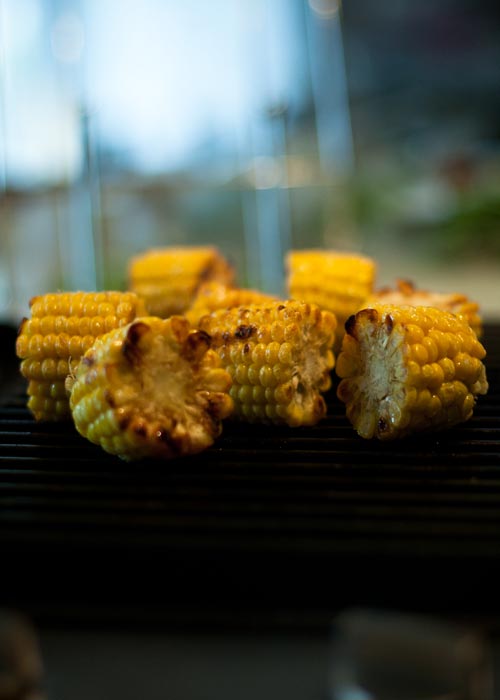
Back in the day before the advent of bottled marinades, just about everyone’s Dad had a go to marinade recipe. This one is based on Dad’s old recipe and it’s got that sweet, sticky flavour that reminds you of countless summertime braais around the pool. To celebrate this Heritage Day we’re slathering it on some chunky beef short ribs and serving it with some good old fashioned corn on the cob.

Serves: 6
Difficulty: medium
Prep time:  45 minutes
Cooking time: 2 hours and 45 minutes

The marinade
knob of butter
1 large onion, finely diced
2 garlic cloves, finely diced
knob of ginger, finely grated
1 tsp (5 ml) dried rosemary
1 tsp (5 ml) dried thyme
1 tsp (5 ml) dried parsley
2 C (500 ml) Coke
¾ C (190 ml) tomato sauce
¾ C (190 ml) chutney
2 Tbsp (30 ml) soya sauce
juice of 1 lime

The ribs
6 large beef short ribs
salt and pepper
canola oil, for frying
5 cloves garlic
5 sprigs of thyme
6 C (1 ½ litres) good quality beef stock

The mielies
3 mielies, cut into quarters
100 g butter, melted
small handful of chives

The marinade
In a medium size saucepan over a medium heat, fry the onions in the knob of butter until they soften and begin to colour. Add the garlic and ginger and fry for another minute. Add the rest of the ingredients and stir well to combine. Bring the saucepan to the boil then turn down the heat and simmer for 20 minutes until the marinade thickens.

The ribs
Preheat the oven to 180 °C.

Season the beef well with salt and pepper. Heat the oil in a large frying pan over a high heat. Sear the beef, two pieces at a time, until you have a seared crust on all sides. This step is crucial for flavour so don’t rush it! Take your time and sear the meat as you would a steak. The better the crust the better the flavour.

Place the garlic and thyme into a large roasting tray and arrange the ribs on top. Add the stock until the ribs are almost half covered. Seal tightly with heavy duty foil and braise in the oven for 2 hours. At the 2 hour mark, check the ribs and if they are not fork tender then braise for a further 30-45 mins. When the ribs are fork tender remove them from the oven and allow to cool.

The mielies
In a large saucepan over medium-high heat, boil the mielies in salted water for 10 minutes. Drain the water and add the butter and chives to the saucepan. Toss to coat the mielies and set aside.

To serve
Remove the ribs from cooking liquid and paint with the marinade. Finish over the braai or grill to caramelise the marinade. Remember to baste as you turn the ribs to build up a sticky caramelised crust. Finish the mieles over a hot braai or grill to give them some colour. Serve and enjoy!

Check out our other Heritage classics here: Vetkoek Steak Sliders |  Coconut Condensed Milk Tart |  Peri Peri Chicken Livers

miele.co.za | Facebook

Miele leaderboard-banner

Classic Peri Peri Chicken Livers

Miele leaderboard-banner
Peri peri and chicken livers have been best mates longer than anyone can remember. It’s the one thing that we’ll always order if it’s on a menu and for good reason. They’re rich and spicy and when you make your own peri peri sauce, it just takes things to a whole new level. This Heritage Day we’re whipping up a boat load of fiery livers and we’ll probably smash them all!

Serves: 4
Difficulty: easy
Prep time:  1 hour
Cooking time: 10 minutes

The peri peri sauce
½ C (125 ml) olive oil + an extra glug, if needed
½ red pepper, diced
1 medium red onion, diced
10-15 birds eye chillies, de-seeded and diced (depending on how hot you like it)
5 cloves garlic, diced
1 Tbsp (15 ml) smoked paprika
2 Tbsp (30 ml) white vinegar
1 Tbsp (15 ml) sugar
juice of 1 lemon
salt and pepper
oil, for frying
2 red onions, thinly sliced
3/5 C (150 ml) double cream

The chicken livers
½ C (70 g) flour, for dusting
salt and pepper
500 g chicken livers, cleaned
glug of oil for frying

To serve
slices of sourdough bread, toasted and buttered
slivers red onion

The peri peri sauce
Place all of the ingredients (except the cream and onion) into a large bowl and blitz with a hand blender. Add an additional glug of olive oil if the sauce seems too thick. Set aside until needed. Peri peri sauce gets better over time so you can make this sauce a few days in advance if you have time.

In a large frying pan over a medium heat fry the onions until they soften and begin to colour. Add the peri peri sauce and simmer for five minutes. Remove from the heat and stir in the cream.

The chicken livers
Place the flour for dusting into a large bowl and season with salt and pepper. Dredge the livers in the flour and set aside. Heat the oil in a large frying pan over a medium-high heat. Fry the livers until golden but still pink in the middle, about 2-3 minutes.

Add the cooked livers to the sauce and heat gently.

To serve
Garnish with slivers of raw red onion and serve immediately with toasted sourdough bread.

Check out our other Heritage classics here: Vetkoek Steak Sliders |  Coconut Condensed Milk Tart |  Old School Coke Ribs 

 miele.co.za | Facebook

Miele leaderboard-banner

Discovering Alternative Energy

Reliance Compost
With the high occurrence of load shedding that we’ve experienced in South Africa in the past, looking at alternative energy sources should be a priority. We all need to change the way we live if we want to try and save the planet from ourselves, and the rapid depletion of natural energy resources is one of the biggest concerns.

If you take some time to think about it, it’s easy to see why a decline in natural energy resources is cause for huge concern. Energy is life – it’s what powers our homes, our cars, our existence. The simple journey of one loaf of bread can paint quite an energy-dependent picture. It starts as a mere seed, the seed has to reach the farmer – how? Probably by truck delivery. What powered that truck? Fuel. Once the seed is planted it needs to be watered – how does the water reach the field? Probably pumped there. How is it pumped there? With electricity. Once the seed is grown, it is harvested, transported, milled, sent to a factory, mixed with other ingredients, baked, packaged, transported to a store, all of this done by machinery powered by electricity. As a consumer you drive to the store in your petrol-powered car,  you purchase it using a card machine powered by electricity, at home use the toaster to toast it and then eat it. This is a really basic illustration of the cycle of just one small daily occurrence, of which there are literally millions, but it shows how incredibly dependent we are on energy, in its many different forms, to ‘power’ our lives.

The most common method of energy generation in South Africa is through the burning of coal, with 77% of our energy needs provided by this method. This very old, and still widely used method [36% of worldwide energy production], releases harmful gases into the atmosphere and speeds up the effects of climate change. Climate change has been brought on by the increasing amount of greenhouse gases released into the earth’s atmosphere – largely due to the way that we live. It is a major cause for concern and is one of the other big driving force behind the development of alternative energy.

Almost every single step of our daily lives involves a dependency on energy in some shape or form and this energy has to come from somewhere. Whether its food security,  environmental or commercial security, we rely on being able to flick a switch and having immediate access to power. It’s no secret that coal and other resources are depleting at a rate faster than we can replace it, so what then? What are we doing about securing that future?

There are several companies globally that are spending considerable amounts of time and money to research alternatives. The sooner a cost effective solution is found the better. South African-born innovator, Elon Musk, is the co-founder of Tesla, a company that has developed a new way of using energy more efficiently with the creation of the Powerwall. This is just one of the options of the future that will hopefully one day become commonplace in every household .

The Powerwall, so what is it?

It is essentially a battery pack that generates electricity through solar panels or the grid and stores it for later usage. It uses a SolarEdge inverter which converts the direct current generated through solar panels into alternating current for household use. The storing capacity is up to 6.4 kWh, which is enough to power most homes in the evening. The Powerwall usually includes solar panels and an inverter to convert energy but can function without a solar panel by tapping into the grid. The Powerwall can also be used as a backup for when the electricity grid is unreliable.

The difference with the Powerwall compared to other forms of battery storage devices on the market is that it looks somewhat stylish. It also comes with a 10-year warranty and has a daily cycle. The design is uncluttered and relatively compact; it uses 7kWh lithium ion batteries with 92% efficiency, which translates to the 6.4 kWh storing capacity. Lithium ion batteries are proven technology in other Tesla products (cars). The system is easy to install and completely automated, it requires no maintenance or operation from the owner. More than one Powerwall can be combined to go off grid completely if you have a larger house.

tesla powerwall 1000x1
It’s all good and well to go green, but how much will it cost? At the moment the Tesla Powerwall is still destined for the ‘haves’ and will remain a dream for the ‘have nots’. The Powerwall and inverter can only be installed by a limited amount of trained technicians around the world, which can make the process of getting one quite tricky, given that we live on the tip of Africa. Dako Power, a South African distributor of SolarEdge and Tesla, will install the Powerwall, solar panels and inverter for around R225 000. That price is linked to the dollar exchange rate and will go down if and when the rand strengthens.

The good thing is that many of the different components for alternative energy are getting cheaper, year-on-year. Solar panels are becoming more and more mainstream and will continue to drop in price as the market grows. The Powerwall will become cheaper over time as its reliability gets proven and the market grows.

Some countries’ governments, like Australia, even offer rebates for people using solar energy to encourage them to lighten the load on the energy grid. This type of rebate would definitely go a long way towards encouraging locals to go green and to get off the grid in sunny South Africa.

Another form of renewable energy is wind power, one of the oldest renewable energy methods in existence. It has been used in the USA since the 1980s following the oil crisis of the 1970s. In South Africa, we’ve been slowly catching up with the rest of the world and now have 25 wind farms all across the country.

Wind power in South Africa is now up to 40% cheaper than coal power produced by the national utility and also safer. It’s likely that the use of wind power will increase dramatically over the next few years and it should, as it makes economic sense.

The price tag of these kinds of alternative energy sources is hefty and probably out of reach for most of us, however, there are still small changes that we can make to help reduce our energy consumption and our strain on the national grid.

What you can do

  • Switch off your geyser when going away for extended periods of time. Consider reducing the thermostat temperature to 60 ºC or invest in a solar geyser.
  • Replace old light bulbs with LED ones – they use 90% less electricity.
  • Don’t set the temperature too cold on your refrigerator and freezer. Between 2 and 5 degrees is enough for a fridge and between -20 and -22 degrees for a freezer.
  • If you have a pool, you only need to run the pump for 6 hours in summer and 4 hours in winter.
  • Shower instead of taking a bath, also install a low-flow shower head to reduce wastage. Shower with a partner!
  • Switch off non-essential appliances and get into the habit of switching off lights in rooms that are not in use.

These small actions might not seem like a lot, but they all add up and go towards saving energy and reduce the load on the national grid.

tesla.com | Facebook | Twitter

Delicious produce is grown in healthy, living soil. #Harvesttotable series brought to you by Reliance Compost.Reliance Compost