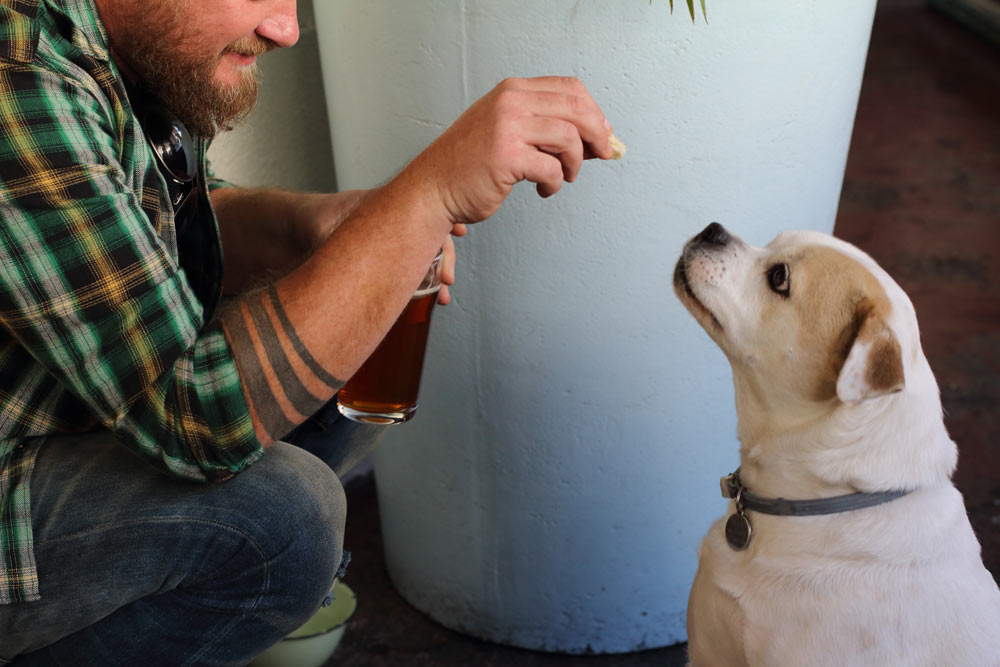
Fresh Brew: Dark Continent Moerkoffie Condensed Milk Stout

I’m just going to come out and say it… hell yeah! Our first colab beer is here and we couldn’t be happier. We’ve been working with Fraser on this little project for some time and after much testing, tasting, and tweaking, we’re finally happy. What started out as a ‘what if’ has been brewed into reality and as far as we know, it’s a South African first.

Moerkoffie Stout
Before we dive into the brew, some of you may be asking, what’s moerkoffie?

The term ‘moerkoffie’ comes from arguably one of the most expressive languages in the world, Afrikaans. Directly translated it means, ‘smack coffee’ and there are various theories behind the name. Some say it’s because back in the day the beans were moered by hand to grind them up. Others say it’s because moerkoffie is super strong, hence it moering you.

The funny thing about moerkoffie is that it’s quite an elusive beast, and a quick Google search will prove just that. There are many conflicting ideas of how it should be made, but we happen to know what true moerkoffie is. The proper way to make moerkoffie is in an old camp kettle on a fire. Then you add real ground coffee (no instant rubbish) directly into the pot and fill it with water. You bring it to a boil then remove it from the heat and drop a red hot coal from the fire into the pot. It sounds crazy but the the reaction of the coal hitting the coffee actually pushes all the coffee grounds to the bottom of the kettle, which allows you to pour a clean cup of strong coffee.

We don’t know exactly how it works but the easiest explanation is, it’s magic. Traditionally it’s sweetened with a hefty dollop of condensed milk and enjoyed around the fire.
Moerkoffie Stout
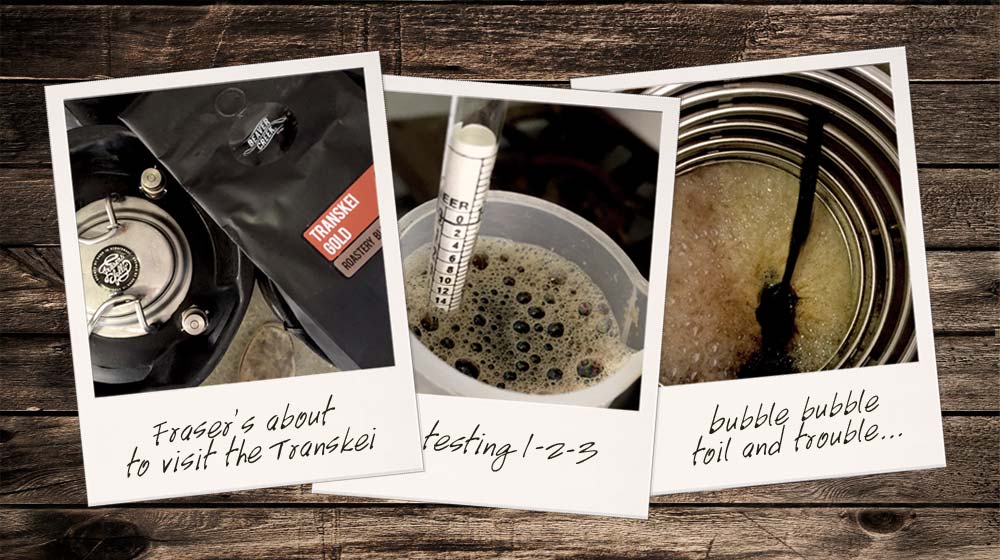
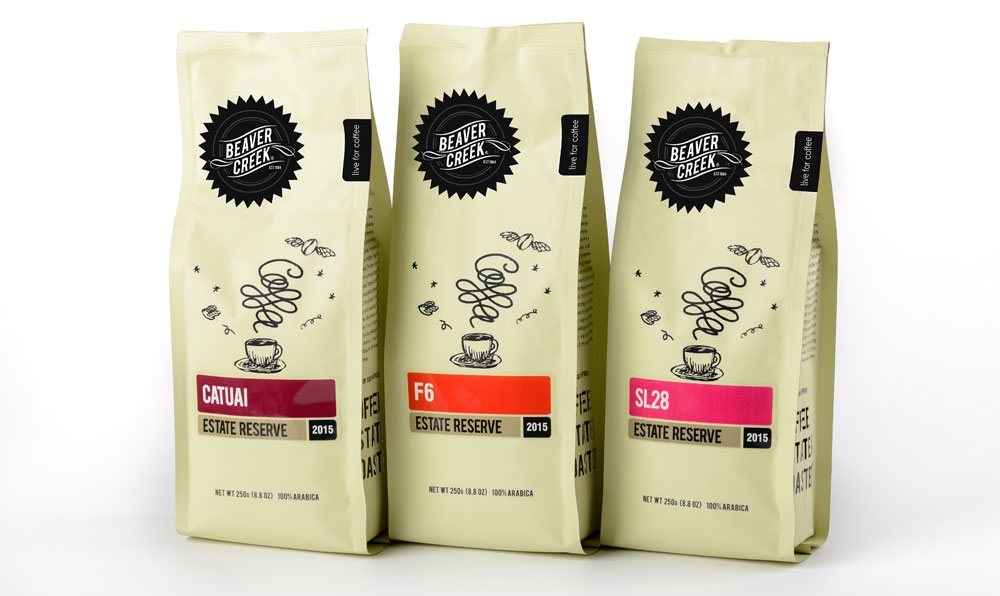
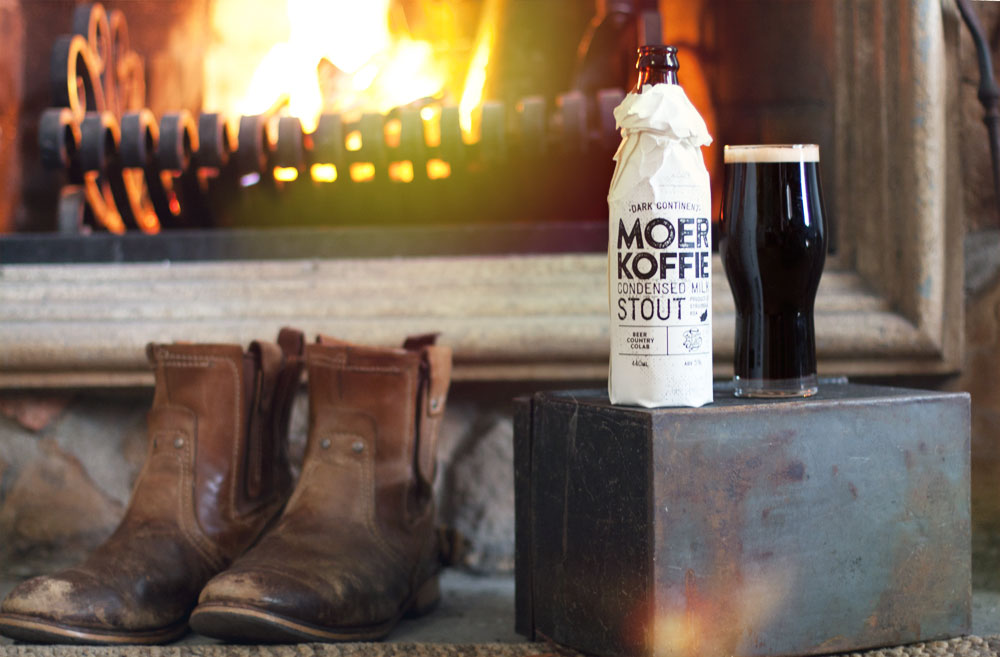
Now that you’ve had your moerkoffie 101 lesson, let’s get to the beer. To make this beer a reality we need a few things: beer, coffee and condensed milk. Fraser’s stout is the base of the beer with a few minor tweaks to make it a milk stout. Next up was the coffee and we searched far and wide to find the right blend. Some coffee can be quite acidic and this was not something we wanted in the flavour profile. We eventually decided on a blend from Beaver Creek Estate called Transkei Gold. It’s a blend of three African coffees as well as locally grown coffee from the estate. It has a rich body with caramel and toffee flavours to complement the roasted malt in the beer. Our last ingredient was condensed milk extract to give it the vanilla and caramel nose.

Now, you wouldn’t wear your brewing boots to your mate’s formal wedding, so you already know than an epic beer needs an awesome piece of crafty glassware.

We found exactly that in Rastal’s Craft Master Two. Imported from Germany by Vitria, this premium quality glass brings out the very best in the beer. With its stocky yet elegant base it has a solid feel in-hand, with a medium tulip midsection. This builds up an expansive head and really allows the aromas to collect before funnelling them out the gently flared, narrow top. This glass will have you savoring your beer like a pro in no time.

Moerkoffie Stout
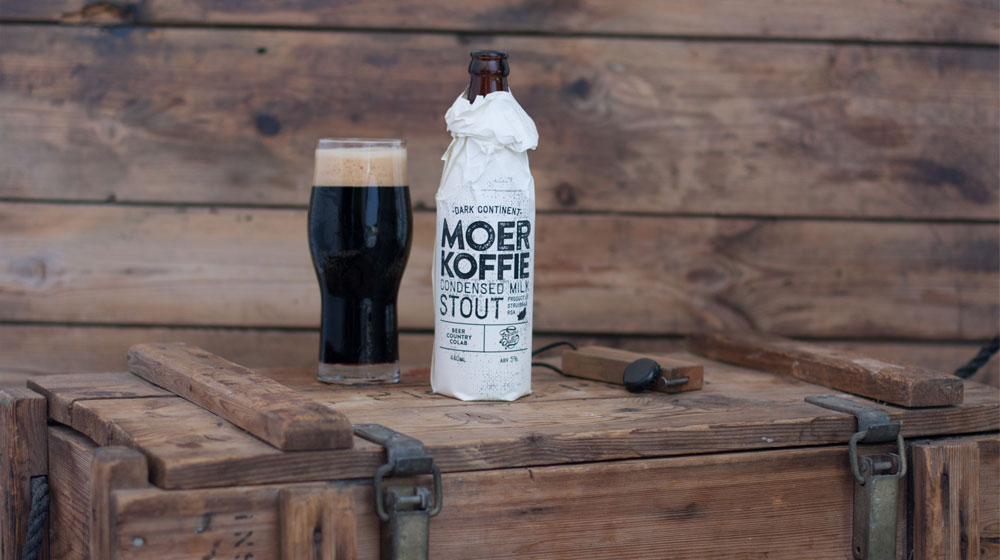
Speaking of beer, this brew is pitch black in appearance with an espresso crema head. On the nose are big whiffs of vanilla and caramel, complemented by roasted notes from the coffee. On the palate the brew has an initial hit of sweetness which is quickly followed by a moerse hit of coffee and roasted malt flavours. The beer finishes with a solid bitter sweet finish of hops and coffee. It sits at 5 % ABV and a solid 30 IBUs. We think it hits everything we set out to do and we hope you enjoy as much as we do.

Buy your crafty glassware at vitria.co.za | Facebook |  Instagramrastal.de 

beercountry.co.zaFacebook | Twitter | Instagram

Frasers Folly  Twitter | Instagram

beavercreek.co.za | Shop Online | Facebook | Twitter | YouTube

Become A Pasta Pro

Miele leaderboard-banner

There’s a saying that goes “If you’re tired of pasta, you’re tired of life”. Ok so that’s not the original quote but we think it should be, because pasta truly is the everyman’s dish. Somehow pasta manages to be everything from simple to satisfying to rib-sticking and hearty and everything in between. This month we tackled the much-feared fresh pasta, to show just how easy it is. We’ve put together four impressive and tasty recipes for you to try your hand at.

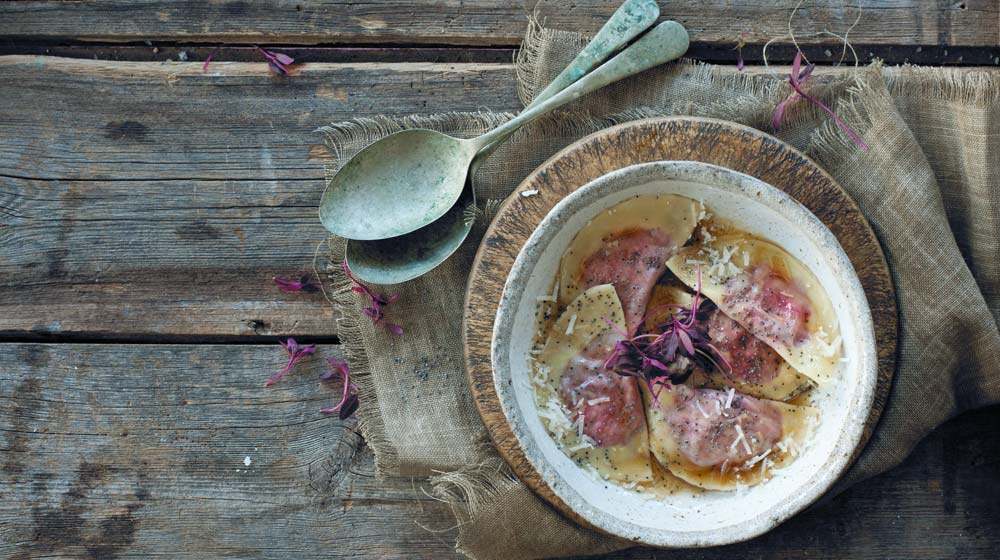
Beetroot Ravioli with Brown Butter and Poppy Seeds
Beetroot Ravioli 1000x560
There’s something special about this dish. The beetroot are roasted and pureéd, then mixed with creamy ricotta, which makes a rich filling that’s somehow still quite light. If there was ever a time to follow the recipe and roast your beetroot instead of boiling, this is it. It adds such depth of flavour. Despite all the creaminess coming from the filling, the brown butter is the perfect sauce to drizzle all over it. Don’t be scared when making your brown butter, you really want a deep nutty colour so don’t take it off the heat until it’s quite dark.
Pasta-Pro
GET THE RECIPE


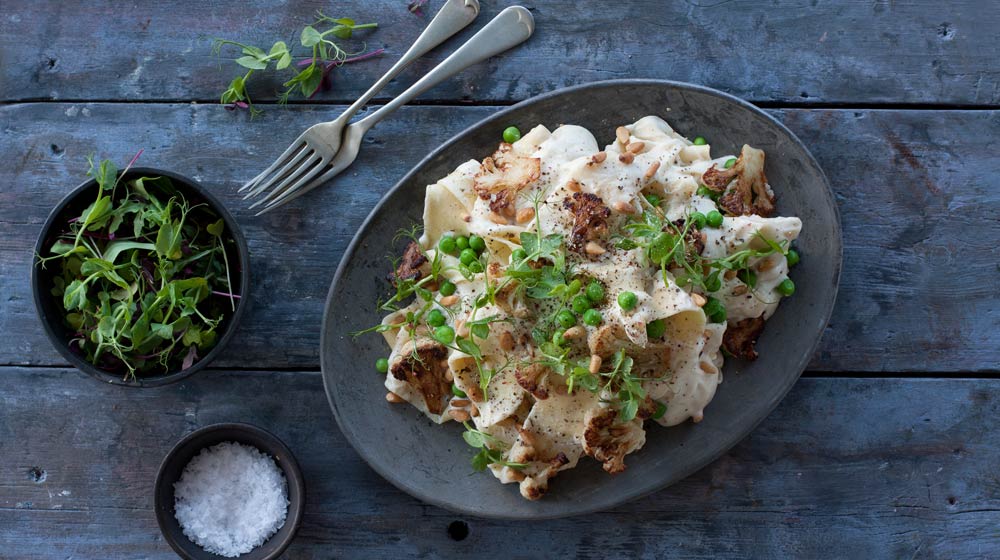
Pappardelle with Cauliflower Purée, Crispy Cauliflower and Peas
Cauliflower Pappardelle 1000x560
This dish is set to become apart of your pasta arsenal. A creamy cauliflower purée is pepped up with crispy florets and peas, all interlaced and entwined with fresh pappardelle. The thickness of the pasta really does pick up all of the little bits of flavour, but you could in theory use any pasta you like. The purée is the real showstopper here and you’ll physically have to hold yourself back from licking the plate clean.
Pasta-Pro
GET THE RECIPE


Roast Chicken Cappelletti served with Chicken Broth
Chicken-Cappelletti-1000x560
If you love chicken soup (and honestly, who doesn’t?), then this recipe will make you exceptionally happy. Chicken stock is cooked and reduced with Parmesan rinds and browned onion, garlic and herbs for an intense rich flavour. One thing that we will stress is good quality chicken stock. Either make it yourself, or buy from your local butchery – you really want the chicken flavour to shine through. The next time you’re at a loss for a way to use up a roast chicken, try this on for size. It’s decidedly better than old chicken mayo sarmies.
Pasta-Pro
GET THE RECIPE


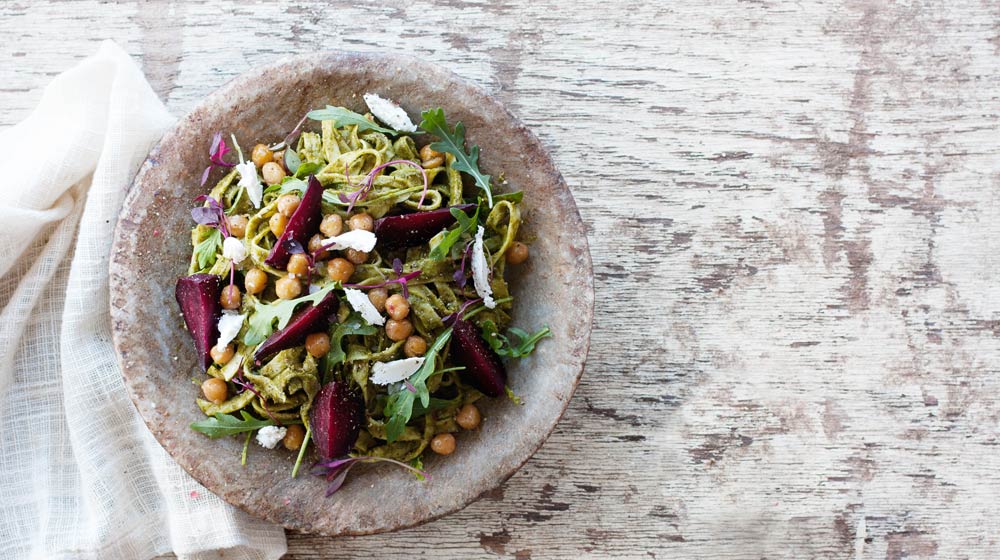
Linguine with Kale Pesto, Salt Baked Beetroot and Crispy Chickpeas
Kale Pesto 1000x560
Move over basil, there’s a new pesto in town. While we’ll always love the classics, putting kale and rocket together works wonderfully. This pesto is also quite forgiving in that it’s to throw together and is relatively inexpensive because there are no nuts included. Salt baking the beetroot may seem like a waste of time but you really can taste the difference. The beetroot is sweeter, due to the salt crust almost condensing its flavour. The best thing about this recipe is its versatility, it makes a great dinner but is still great even at room temperature as a sort of fancy pasta salad.
Pasta-Pro-
GET THE RECIPE

miele.co.za | Facebook

Miele leaderboard-banner

Beetroot Ravioli with Brown Butter and Poppy Seeds

Miele leaderboard-banner

Beetroot Ravioli with Brown Butter and Poppy Seeds
Ravioli truly are like little gifts – a delicious filling encased in silky pasta. Count us in. This recipe is actually quite light for a pasta dish, with an earthy beetroot and ricotta filling. It is however, made somewhat more decadent with the addition of a heavenly brown butter sauce. The poppy seeds add a pleasant crunch.

Serves: 4-6
Difficulty: a little effort
Prep time:  1 hour
Cooking time: 1 hour

Pasta dough
500 g flour
1 tsp (5 ml) salt
1 Tbsp (15 ml) olive oil
4 whole eggs
3 egg yolks

Beetroot filling
400 g raw beetroot (about 3 medium beetroot)
125 g ricotta (half a tub)
salt and pepper

Brown butter
¾ C (180 g) butter
juice of half a lemon
salt and pepper

Pasta dough
Tip the flour and salt out onto a clean work surface, make a well in the centre and add the eggs, egg yolks and olive oil. Slowly, using a fork, work the flour into the eggs to make a sticky dough. Dust your hands with flour and begin to knead the dough. You may think your dough is too dry or wet, but don’t doctor it until you’ve begun to knead, it will come together after a little bit of elbow grease. Keep kneading until the dough is completely smooth, then wrap in cling film and leave to rest out of the fridge for at least half an hour.

Beetroot filling
Preheat the oven to 180 ºC.

Wash the beetroot and place on a roasting tray. Cover the tray with foil and roast in the oven for about an hour, or until soft. When the beetroot are done, peel the skin off with a small sharp knife. Transfer the beetroot to a food processor and purée until smooth and then allow to cool slightly. Remove from the blender and combine with the ricotta. Season to taste. Alternatively, salt bake the beetroot using this recipe.

While the beetroot is roasting, make the pasta.

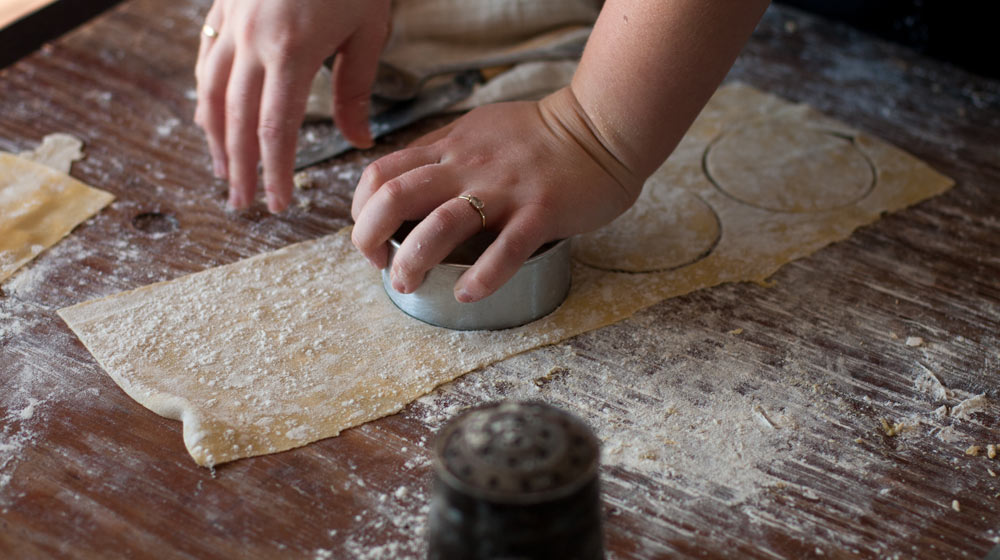
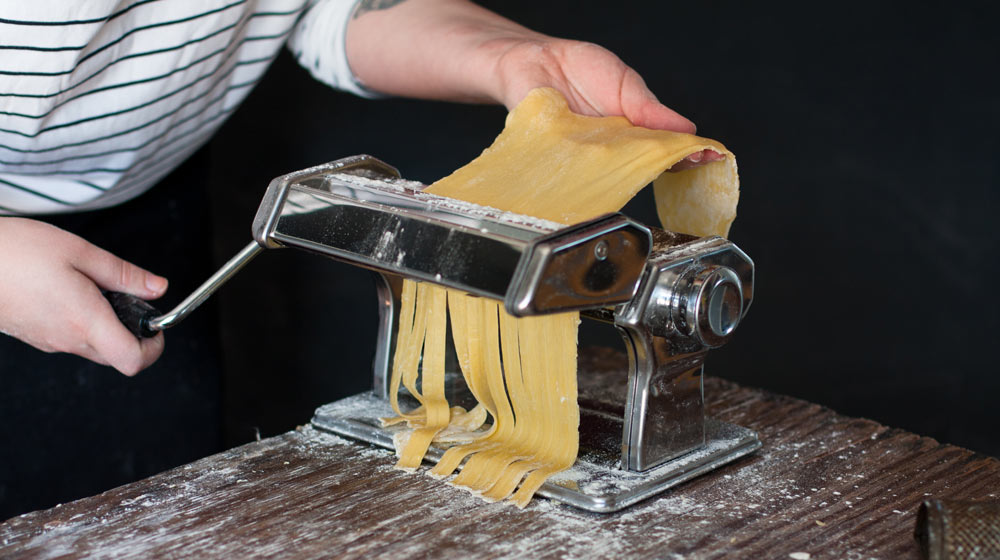
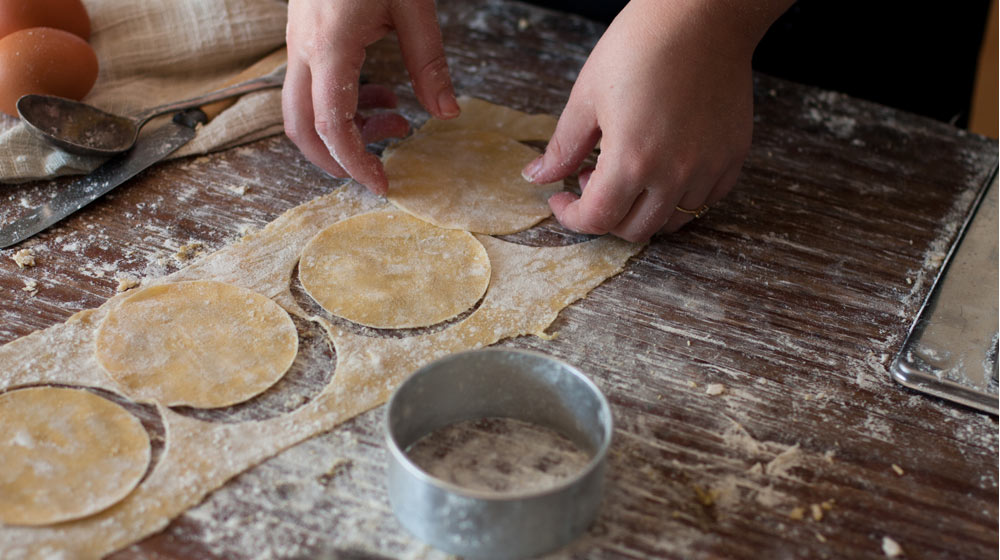
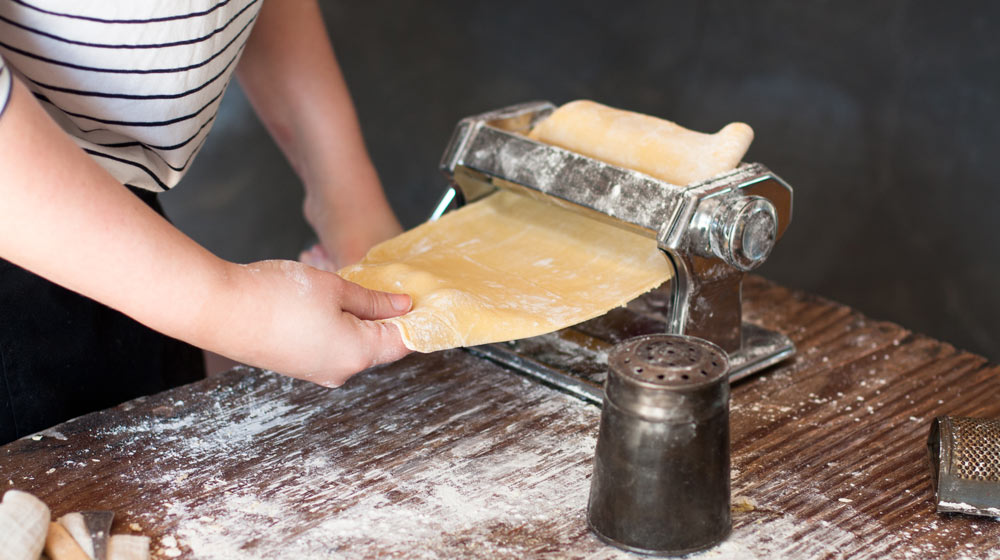
Once the pasta has rested, set up the pasta machine. Divide the dough into 4 pieces. Work with one piece at a time, keeping the remaining portions covered. Feed one piece through the machine, on the largest setting, and fold in half when it comes out the other end. Work your way down to the thinner settings, folding the pasta in half before each roll, to laminate and reinforce it. When the pasta has gone through the smallest setting, lay it flat on the work surface and cut out circles using an 8cm cutter and place on a floured tray. Repeat with the remaining pieces of dough.
Pasta-Pro
To make the ravioli
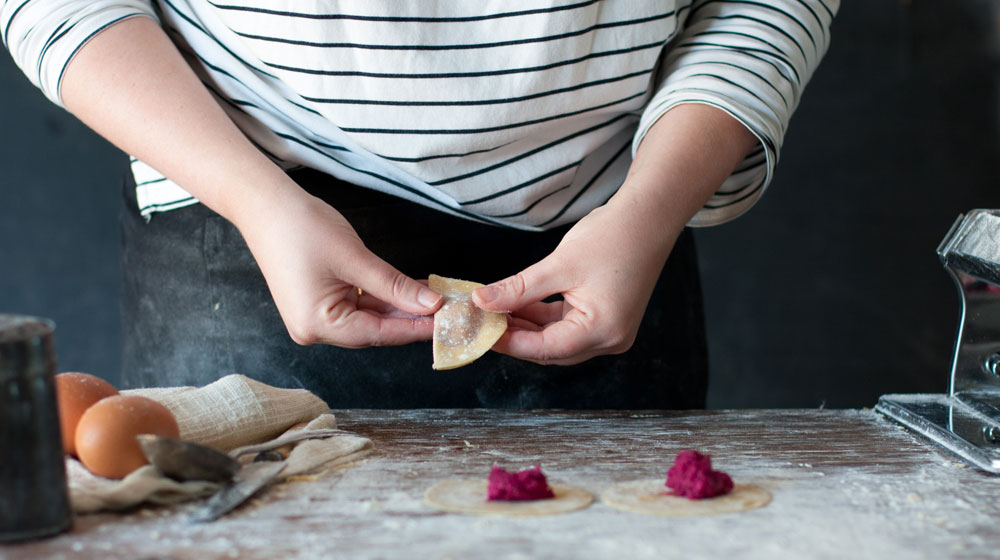
Place about a teaspoon of the beetroot filling on to the centre of a pasta disk. Dip your finger in water and moisten the edge of the disk. Fold in half to make a half moon shape. Press along the edge to seal. Repeat with the remaining filling and pasta disks.

Bring a large pot of well-salted water to the boil and cook the ravioli for about 2 minutes, until al dente. Drain in a colander.
Pasta-Pro
Brown Butter
Melt the butter in a frying pan and increase the heat, whisking as it melts. The butter will foam up, then subside and begin to caramelise and you’ll be able to smell a nutty aroma. Cook for a few more minutes to allow it to turn a deep nut brown, remove from the heat and add the lemon juice, salt and pepper. Watch out for spitting when you add the lemon juice.

To serve
Place ravioli in a bowl, drizzle with the brown butter and top with the poppy seeds, grated Parmesan and freshly cracked black pepper.

miele.co.za | Facebook

Beetroot Ravioli with Brown Butter and Poppy Seeds

Roast Chicken Cappelletti served with Chicken Broth

Miele leaderboard-banner

Roast Chicken Cappelletti served with Chicken Broth
Chicken soup is long-hailed for its ability to cure all ails (according to all Jewish grannies), and this is a classic serving suggestion for cappelletti. If the call for Parmesan rind sounds a little odd, and you don’t have quite enough saved, then just use the rind you do have plus a little wedge of the parmesan itself. Instead of making chicken mayo sarmies with leftover roast chicken, take some time to prepare this delicious meal instead. You won’t be sorry.

Serves: 4-6
Difficulty: a little effort
Prep time:  1 hour
Cooking time: 1 hour

Pasta dough
500 g flour
1 tsp (5 ml) salt
1 Tbsp (15 ml) olive oil
4 whole eggs
3 egg yolks

Broth
2 Tbsp (30 ml) olive oil
1 large onion, quartered
1 large head of garlic, sliced crosswise
250 g chicken bones (or leftover roast chicken carcass)
2 large Parmesan rinds
a few sprigs of thyme
a few sprigs of
1 bay leaf
1 tsp (5 ml) whole black peppercorns
2 litres chicken stock either good quality bought, or homemade

Filling
500 g boneless chicken thighs, roasted (or use any leftover roasted meat you have)

Pasta dough
Tip the flour and salt out onto a clean work surface, make a well in the centre and add the eggs, egg yolks and olive oil. Slowly, using a fork, work the flour into the eggs to make a sticky dough. Dust your hands with flour and begin to knead the dough. You may think your dough is too dry or wet, but don’t doctor it until you’ve begun to knead. Keep kneading until the dough is completely smooth, then wrap in cling film and leave to rest for at least half an hour.

Broth
While the pasta is resting get the broth on. Heat a little olive oil in a pan and brown the onion and the garlic. Place the onion and garlic into a large stock pot, along with the chicken bones, the Parmesan rinds, thyme, parsley, bay leaf and peppercorns. Bring up to the boil and then reduce to a gentle simmer. Leave to cook for about 2 hours. After that time, strain out the onion, garlic, and chicken bones. Line a colander or sieve with muslin and strain the broth to ensure that it’s extra clear. Taste and season accordingly.
Pasta-Pro
Pasta
Once the pasta has rested, set up the pasta machine to roll it out. Divide the dough into 4 pieces. Work with one piece at a time, keeping the remaining portions covered. Feed one piece through the machine, on the largest setting, and fold in half when it comes out the other end. Work your way down to the thinner settings, folding the pasta in half before each roll, to laminate and reinforce it. When the pasta has gone through the smallest setting, lay it flat on the work surface and cut out circles using a 5 – 6cm cutter. Repeat the process with the remaining pieces of dough.

To make the cappelletti
Shred the chicken meat and place about a teaspoon of filling into the centre of a pasta disk. Dip your finger in water and moisten the edge of the disk. Fold it in half to make a half moon shape. Press along the edge to seal. Keeping the rounded edge down, take the two top end corners and gently stretch them around the filling to meet each other. Flip up the bottom edge slightly to make a little lip. Repeat with the remaining pasta disks.
Pasta-Pro
To serve
Heat the broth.
Bring a large pot of well-salted water to the boil and cook the cappelletti’s for about 2 minutes, until al dente. Place a few cappelletti into each serving bowl, cover with broth, sprinkle with freshly grated Parmesan and a fine chiffonade of fresh parsley.

miele.co.za | Facebook

Miele leaderboard-banner

Pappardelle with Cauliflower Purée and Peas

Miele leaderboard-banner

Pappardelle with Cauliflower Purée, Crispy Cauliflower and Peas
This dish is possibly the ideal transitioning season meal. Wintery cauliflower is livened up with fresh peas and shoots, and it’s creamy yet somehow not overwhelmingly rich. The pappardelle works well with this because its wide strands catch all of the sauce perfectly.

Serves: 4-6
Difficulty: a little effort
Prep time:  1 hour
Cooking time: 1 hour

Pasta dough
500 g flour
1 tsp (5 ml) salt
1 Tbsp (15 ml) olive oil
4 whole eggs
3 egg yolks
extra flour, for dusting

Cauliflower Purée
2 Tbso (30 ml) extra virgin olive oil + plus extra for frying
1 onion, finely chopped
salt and black pepper
1 garlic clove, finely chopped
750 g cauliflower, trimmed and cut into small florets (reserve half of the florets for frying)
2 C (500 ml) cream
1 ½ C (roughly 250 g) green peas (fresh is best, but frozen will work nicely too)
pea shoots, washed and trimmed

Pasta dough
Tip the flour and salt out onto a clean work surface, make a well in the centre and add the eggs, egg yolks and olive oil. Slowly, using a fork, work the flour into the eggs to make a sticky dough. Dust your hands with flour and begin to knead the dough. You may think your dough is too dry or wet, but don’t doctor it until you’ve begun to knead, it will come together after a little bit of elbow grease. Keep kneading until the dough is completely smooth, then wrap in cling film and leave to rest out of the fridge for at least half an hour.

Once the pasta has rested, set up the pasta machine. Divide the dough into 4 pieces. Work with one piece at a time, keeping the remaining portions covered. Feed one piece through the machine, on the largest setting, and fold in half when it comes out the other end. Work your way down to the thinner settings, folding the pasta in half before each roll, to laminate and reinforce it. When it begins to get too long, trim the pieces to no longer than 30 cm. When the pasta has gone through the smallest setting, dust each sheet well with flour, fold over twice and cut into about 2.5 cm strips. Unravel the pappardelle and hang on a washing line (or even door handles all over your kitchen, if needs be) to dry for a bit while you get on with the rest of the dish.
Pasta-Pro
Cauliflower Purée
Heat the olive oil in a medium saucepan over a medium heat, add the onion and season. Cook until the onion softens slightly and then add the garlic. Cook for a further 10 minutes. Add the cauliflower stalks plus about half of the florets to the pan. Season with salt and pepper and stir to combine evenly with the onion and garlic. Leave to cook for another few minutes, stirring every so often. Add the cream and lower the heat to a simmer, allowing the cauliflower to cook gently. Once the cauliflower is completely soft, strain, reserving the cooking liquid. Transfer the cauliflower mix to a blender and blend to a smooth purée, adding a little of the reserved cooking liquid, as required. Taste and adjust seasoning, if necessary.

Fill a small saucepan with water and bring the boil. Have a bowl of ice water ready. Blanch the peas for about a minute. Refresh in the cold water and set aside. If using frozen peas, blanch for about 30 seconds.

In a frying pan, add enough olive oil to coat the bottom of the pan generously. Place over a medium-high heat, and shallow fry the remaining cauliflower florets in batches, to ensure that each piece is evenly crispy and golden. Drain on paper towel to remove excess oil and season with salt. Repeat with the rest of the florets.

To cook the pasta, bring a large pot of water to the boil. Salt the water generously and add a blob of olive oil. Once boiling, add the pasta and gently cook for 1-2 minutes, or until al dente (cooked with just a little bite). Once cooked, drain in a colander. If you’re not serving the pasta straight away, toss with a little olive oil.

In a small bowl, lightly dress the pea shoots in a little olive oil and season.

To serve
Toss the cooked pasta, peas and cauliflower purée together and divide between 4 bowls (or plate up in 1 large serving dish). Dot the fried cauliflower florets around the dish, sprinkle the pine nuts and the lemon zest over the dish. Grate over a generous amount of Parmesan and scatter the pea shoots over the top. Finish with 1 last generous grind of black pepper and a minuscule drizzle of truffle oil, if using.

miele.co.za | Facebook

Miele leaderboard-banner

Linguine with Kale Pesto, Beetroot and Chickpeas

Miele leaderboard-banner

Linguine with Kale Pesto, Salt Baked Beetroot and Crispy Chickpeas
The use of kale in this pesto makes for an altogether more earthy sauce, and the rocket adds a wonderful pepperiness. Don’t be shy with the lemon juice, it really does brighten the whole dish. If the step of salt baking seems tedious, I implore you to try it even once. Yes, you could certainly use roasted beetroot but the sweetness of a salt-baked one goes wonderfully with the savoury notes here.

Serves: 4-6
Difficulty: a little effort
Prep time:  1 hour
Cooking time: 1 hour

Beetroot
3 egg whites (roughly 110 g)
700 g regular table salt
10 baby beetroot

Pasta dough
500 g flour
1 tsp (5 ml) salt
1 Tbsp (15 ml) olive oil
4 whole eggs
3 egg yolks

Chickpeas
2 cans of chickpeas, drained well but not rinsed under water
½ C – ¾ C (125 ml – 180 ml) good quality olive oil
salt and pepper

Kale pesto
2 bunches (about 2 C) kale, stems removed and roughly chopped
2 handfuls (2 punnets) rocket
2 garlic cloves, finely chopped
1 tsp (5 ml) red pepper flakes
2 tsp (10 ml) Dijon mustard
zest and juice of one lemon
1 C (250 ml) Parmesan, freshly grated

Beetroot
Preheat the oven to 190 ºC.

Combine the egg whites and salt to form a paste. Place the beetroot in a roasting dish and cover each one with a 2 cm thick layer of the salt paste. Bake in the oven for about 50 minutes. When done, remove from the oven and allow to cool. Crack open the salt crust, peel and quarter the beetroot.

Pasta dough
Tip the flour and salt out onto a clean work surface, make a well in the centre and add the eggs, egg yolks and olive oil. Slowly, using a fork, work the flour into the eggs to make a sticky dough. Dust your hands with flour and begin to knead the dough. You may think your dough is too dry or wet, but don’t doctor it until you’ve begun to knead, it will come together after a little bit of elbow grease. Keep kneading until the dough is completely smooth, then wrap in cling film and leave to rest out of the fridge for at least half an hour.

Once the pasta has rested, set up the pasta machine. Divide the dough into 4 pieces. Work with one piece at a time, keeping the remaining portions covered. Feed one piece through the machine, on the largest setting, and fold in half when the dough comes out the other end. Work your way down to the thinner settings, folding the pasta in half before each roll, to laminate and reinforce it. When it begins to get too long, trim to no longer than 30 cm. When the pasta has gone through the smallest setting, attach the linguine cutter to the pasta machine and feed the sheet through so that you end up with smaller strips. Hang on a washing line (or even door handles all over your kitchen, if needs be) to dry for a bit while you get on with the rest of the dish.
Pasta-Pro
Chickpeas
Increase the oven temperature to 210 ºC.

Place the chickpeas on a baking sheet, drizzle with olive oil, and season with salt and pepper. Don’t crowd the chickpeas on the tray, you want to be able to shake them to ensure all over crispiness – use two trays if necessary. Roast until golden brown and crispy.

Kale pesto
Bring a large pot of salted water to the boil and blanch the kale leaves for about 5 minutes, until soft., Add the rocket for the last minute and blanch with the kale. Drain using a colander, and allow to stand for a few minutes. Shake to remove excess water.

Place the cooked kale and rocket into a food processor with the garlic cloves, red pepper flakes and mustard – pulse to combine. Add the lemon juice and Parmesan and pulse again. Pour in the oil, a little at a time, pulsing as you go, until you get a soft paste. Season to taste. Place the pesto in a container, cover with a small layer of oil and wrap with cling film. Keep in the fridge until ready to use. This will oxidise if you don’t keep it well-covered.

Pasta
To cook the pasta (see our list of pasta must haves), bring a large pot of water to the boil. Salt the water generously and add a blob of olive oil. Once boiling, add the pasta and gently cook for 1-2 minutes, or until al dente (cooked with just a little bite). Once cooked, drain in a colander. If you’re not serving the pasta straight away, toss with a little olive oil.

To serve
Toss the cooked linguine with the kale pesto and divide between four bowls. Dot with the beetroot quarters, sprinkle the crispy chickpeas over the top of the dish and finish with blobs of goat’s cheese. This dish can be served either hot or at room temperature.

miele.co.za | Facebook

Linguine with Kale Pesto, Beetroot and Chickpeas

Be Part of the Change with ECoffee Cup #StopTheBillion

Reliance Compost
After our inspiring chat with Lauren Singer from trashisfortossers, we were charged up about starting our journey to minimising waste in our day-to-day lives. We were thrilled when this fabulous bamboo mug landed on our desks – almost as if the universe was saying – “here you go, a little something to get you started”.

Did you know that it is estimated that as many as 100 billion coffee single-use cups are being thrown away each year? It’s completely staggering and should definitely be cause for thought, especially within our rapidly growing coffee culture. We’re excited that, Ecoffee Cup, a local brand is challenging South Africa’s contribution to the waste epidemic with a unique range of reusable and recyclable take away cups. They not only serve an incredible purpose, but they look pretty stylish too.
darkmatter-ecoffee
In the words of Joris van Grieken, Marketing Director at Ecoffee Cup, “It’s a big problem needing a big and beautiful solution; the cup stops here. Within less than two decades humans have become a “plastic” society – with something like 90% of all plastic created being used for single-use items.

Van Grieken says, “In 2015, when we read that half a trillion single use cups get manufactured each year (and that most of these end up as landfill) – we felt that what society was doing was creating more harm than good. So we set out to make some change; not revolutionary but somehow contributory to social good. We certainly never set out to be eco-warriors, but once you become aware of the unsustainability of single-use items, you realise that everyone needs to change. And therefore we created a product that is environmentally very strong and beautifully designed.”

Created with the world’s fastest growing, most sustainable crop –  naturally organic, bamboo fibre and non-GMO corn starch, Ecoffee Cup is BPA and phthalate free a tactile experience similar to thick, yet light cardboard. Fast growing, quickly renewable and highly sustainable, bamboo is a naturally organic crop that uses no pesticides in its farming.ecoffee cupBamboo is also naturally sterile, preventing flavour taint and, unlike plastic, it contains no petrochemicals and is biodegradable at the end of its lifecycle. The material is also super light – just 135g – and it has a fully-resealable ‘drip-proof’ lid making it perfect to take with you everywhere you go. The cup itself is dishwasher safe and should last for years – if you treat it nicely of course.

Explains founder and head designer, David McKlagan, “Our design philosophy is a simple one: Have Fun. Do Good. We think there should be an Ecoffee Cup for everyone, that’s why we have more and more designs from international designers.

Our influences come from the streets of Kyoto, or holy sites of Isfahan – to the coffee houses of Stockholm and hipster bars of Melbourne. He concludes, “I think we have definitely hit the zeitgeist, especially in places like Germany, France and Scandinavia where taxes on single-use items are imminent. Something like this even makes for a great socially conscious gift. Every time you use your Ecoffee Cup you’re helping make a tiny dent in the 100 billion single-use coffee cups that go to landfill each year!” If that isn’t motivation, we don’t know what is.

ecoffeecup

We suggest purchasing a few and keeping as stocking stuffers for the festive season – give a gift with conscience and know that you, and your buddies, are making a move towards living more mindfully. As our zero-waste friend, Lauren Singer (trashisfortossers) told us, it’s about making small, manageable changes in your day-to-day life. Purchasing an Ecoffee Cup is a step in the right direction. Now all we need is for our local coffee shops to get in board and help towards minimising this massive issue. Perhaps a rebate or discount to customers who bring their own cup? Let’s see who takes responsibility and takes the lead.

Ecoffee Cups are available in 14 designs and in 400 ml (R189) and 340 ml (R199) sizes. For more information, on local stockists and to purchase online.

ecoffeecup.co.za | Facebook | Twitter #stopthebillion

ecoffeecup
#Harvesttotable series brought to you by Reliance Compost.

Reliance Compost

Brewing Moerkoffie: A Beer Country Collab with Fraser’s Folly

Everything seems like a great idea when you’re a few stouts in and are sitting around a bonfire next to a shipwreck on the tip of the African continent. The true test is when you wake up the next day and it’s still a great idea, that’s when you know you’re onto something special. Introducing our Beer Country and Fraser’s Folly collaboration brew – Dark Continent Moerkoffie Condensed Milk Stout.

Fraser is one of our favorite people on the planet. This guy is an Englishman of the highest order. In 2010, he let love rule and left the UK behind as he followed his missus back home to South Africa – he even has a beer called Soutie. Good thing he brought his brewing skills and a few ale recipes with him.

We first started chatting about brewing together while tasting beers on the end of the Struisbaai harbour jetty. Since that fateful day we’ve been through many interesting recipe ideas such as a salty-oyster stout made with local oysters, to a full-English-breakfast stout, which would pair fantastically with baked beans on toast. One thing was certain – it was always going to be a stout.
Moerkoffie- Beer Preview

In Beer Country, we love a good English stout – it’s dry and chock-full of dark chocolate bitterness. We also love fire and we love a great cup of knock-your-socks-off moerkoffie. It just made sense to combine them all – so all that was left for us to do was find the right coffee.

Enter Beaver Creek, one of only a handful that actually grow and roast their own coffee in Mzanzi. We gave Dylan and Angy a shout and let’s just say this, what an epic result from two awesome people. After a few coffee tastings and plenty of expert advice – we settled on their Transkei Gold Blend. It’s an African-style medium-plus roast with hints of toffee – and let’s be honest, who doesn’t love a little Transkei Gold every now and then.

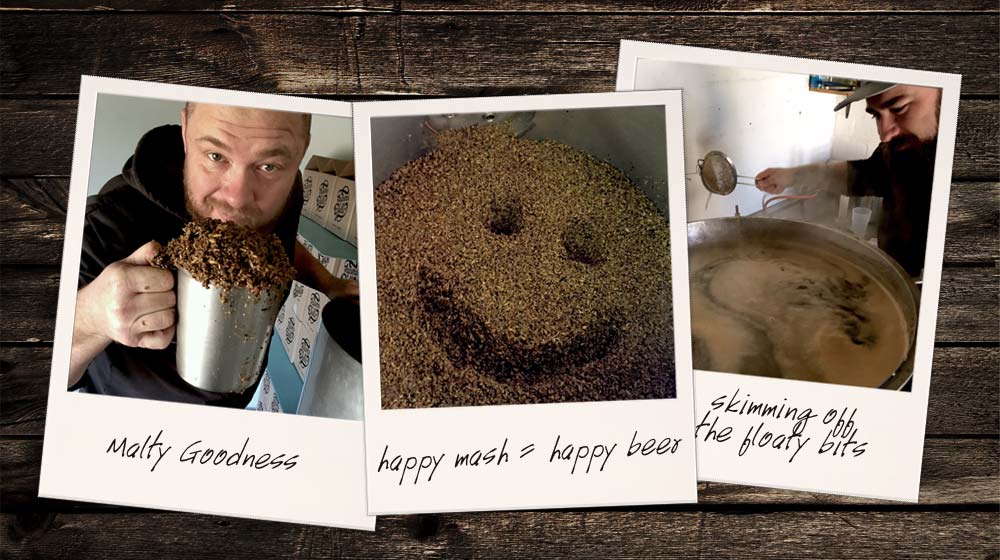
With coffee sorted we headed down south and got up before sunrise the next morning. Bleary-eyed but fired up, we got stuck into the dark depths of coffee stout brewing. There’s something so special about standing and watching nothing in particular – knowing that the chemistry you can’t see is going to produce something deep, dark and delicious.
Moerkoffie- Beer Preview

Between the malts, the hops, and the coffee we spent the day in a tasty-hazy mist, and left with the pride of a first-time parent. By the end of the month, our baby will be of drinking age – they grow up so fast.

Journeying through Beer Country, we have been very lucky to find the following out firsthand – that a great craft beer is a true reflection of the people that brewed it. We can promise you that after lots of research (read: beer) and lots of experimentation, no small amount of love has gone into this brew. So here’s to another adventure in Beer Country – cheers!

Lookout for it at our Village Idiot Braai Collab with the guys from Santa Annas on the 28th August 2016, and at various taps around Cape Town (for now).

 Twitter | Instagram

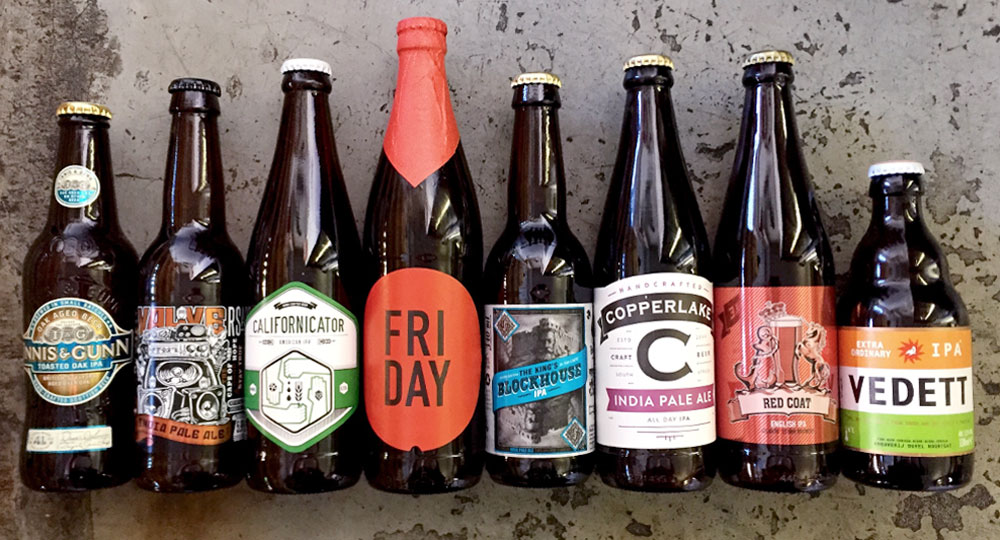
Seven Great IPAs for IPA Day

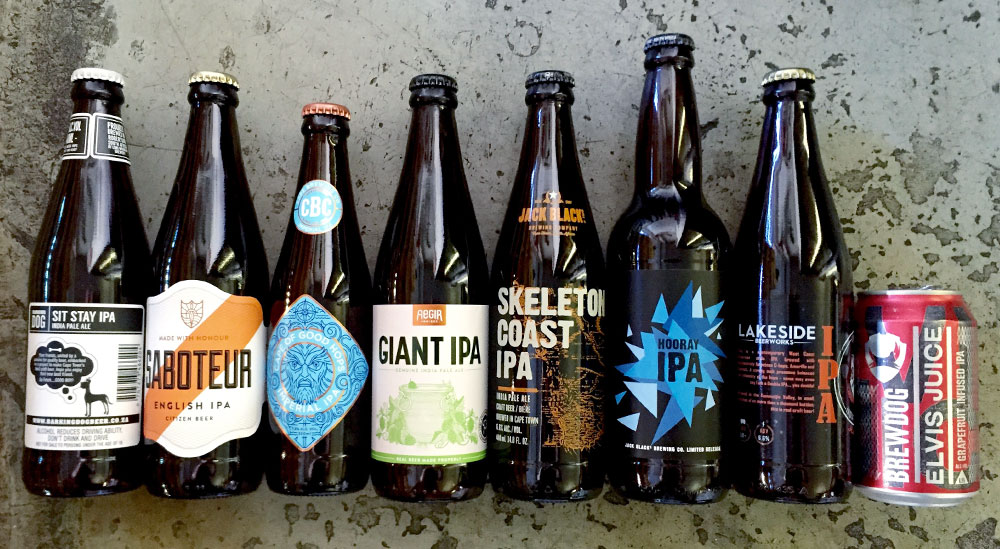
If craft beer had a holy day then IPA (India Pale Ale) Day is most definitely it. It was started a few years ago by well known craft beer evangelist, Ashley V Routson, aka The Beer Wench. Since that auspicious moment of genius, IPA Day has grown into arguably the most popular of all international days, including International Grilled Cheese Day *gasp*, yes I said it. So without much further ado, we present to you our pick of seven great IPAs to sip on this IPA Day.

Aegir Giant IPA

Giant IPA is brewmaster Rory’s ode to the lupulin (the yellow stuff in hops that gives aroma and bitterness). It’s a beer that he’s been working on for years and it shows in the complex character. It’s rammed full of hops that explode with citrus and pine flavours as they float along a substantial malt backbone. It’s an IPA for the ages and the choice of Norse gods throughout the realms.  

aegirprojectbrewery.com | Twitter | Instagram

Devil’s Peak Black South Easter IPA

Here’s the thing with this beer. It only launched a few days ago and we’ve haven’t had the pleasure of tasting it yet but here’s what we know. It’s black, it’s an IPA, and it’s Devil’s Peak. If it’s anything like their old black IPA, then we can safely say that it’s hoppy, intense and awesome. You should get to the Taproom ASAP and who knows, we might even see you at the bar.

devilspeakbrewing.co.za | Twitter | Instagram

Cape Brewing Company Imperial IPA

Ah Cape of Good Hops, how we love thee. It’s hard to write any IPA list without including this old favourite. If you’ve never had one then you seriously need to ask yourself, what exactly am I doing with my life? It has a huge hop profile that’s bursting with passionfruit, gooseberries, granadilla and grapefruit. Simply put, it’s ridiculously good. Get it. Get it now.

capebrewing.co.za | Twitter
IPA_craft_beers_1000
Brewdog Elvis Juice Grapefruit Infused IPA

Just like the King himself, Elvis Juice burst onto the scene and left a trail of adoring fans wherever it’s been available. Opening a can of the stuff is like a mini nuclear grapefruit bomb going off in your face. From there it karate chops its way onto the palate with a five hop combo, which is supported by a caramel malt backbone. It may be new but we think it’s already a classic.

Twitter | Instagram

Banana Jam Café / Afro Caribbean Brewing Co. Death Hawk Moth Caterpillar

If you’re looking for a religious experience this IPA Day then look no further than Banana Jam Café. This house of the IPA holy is celebrating with a great lineup of hoppy brews, but if you want to try something really special, then look for the Death Hawk Moth Caterpillar tap. It’s a double IPA and it’s got some bite. We’d tell you what it tastes like but our last experience is a little hazy. What we can say is that it’s hoppy to the hoppity, hop, hop.

bananajamcafe.co.za| Twitter | Instagram

Riot Valve IPA

Did you know that Riot’s IPA is conditioned in tanks that are lined with speakers blasting Jimi Hendrix 24 hours a day? They say the guitar solos help the hops release their notes which results in a whammy of tropical fruit fusion. It’s crisp, refreshing and even though it’s not widely available, it’s developed something of a cult following. Join the Riot cult today, their Kool-Aid is deadly… but in a good way.

Twitter | Instagram

Woodstock Brewery Californicator

The Red Hot Chilli Peppers may be dreaming of californication but we’re dreaming of Californicator. It’s big, fruity and has enough kick to satisfy any hophead this IPA Day. Make sure you get down to the brewery today ( 4 Aug) between 5 and 6 PM for a 330ml draught at the measly price of just R10 bucks.

woodstockbrewery.co.za | Twitter | Instagram

Bonus Round – Roeland Liquors

What do you mean you’ve never been to Roeland Liquors, the bottle store with the most epic craft beer selection in town? Much you have to learn my young IPA padawan. Go now and become the IPA Jedi you were born to be.  

roelandliquors.co.za

Local IPAS

Cool places in Jozi to Enjoy Craft Beer and Great Food

The craft beer scene in Johannesburg is growing every day. Here is a list of great spots to get your craft beer fix in the city of gold.

The Wolfpack

Grub
At Wolfpack they’re serving up burger creations such as The Big Bad Wolf, a beef burger topped with wasabi onion rings, jalapeños, pancetta and garlic aioli, served with sides such as sweet potato fries and hummus. Try the beer battered onion rings with wasabi aioli, or for something lighter, the tempura baby marrow sticks, or chilli-cheese fries with mayo.

Beer
The Wolfpack features an impressive selection of both local and international craft beers to wash your meal down with; beer connoisseurs should definitely try the restaurants’ own brew, The Big Bad APA (American Pale Ale).

thewolfpack.co.za | Facebook |  Twitter | Instagram


The Foundry Cafe

Grub
The Foundry has a relatively compact menu, which makes choosing something to eat very easy. You need to try the grass-fed sirloin, egg and chips – the meat is matured for 28 days to ensure ultimate flavour. The ostrich fillet and springbok shank are also great local options.

Beer
Wash down your steak with a Naked Mexican from Boston Breweries an easy drinking beer with minimal bitterness. Brauhaus Weizen is a wheat beer brewed in Spain using German methods.

Good to know

The Foundry focuses on sourcing craft creations for their food and drinks menu. They support and showcase creations from locals such as micro breweries, whiskey distilleries and wine farms to bring a truly refined dining experience.

7, Parktown Quarter, 3rd Ave, Johannesburg | Monday-Saturday: 11h00-23h00 | Sunday: 11h00-17h00

foundrycafe.co.za | Facebook | Twitter


Society Eatery & Craft Bar
At Society “It’s all about good vibes: sharing good food, good drinks and good music, with good people”.

Grub
The Peri-peri spatchcock is a good choice if you like spicy food. The pistachio-crusted salmon is very tasty and would satisfy any seafood lover. If you are looking for a lighter meal that’s also vegetarian you should try their famous zucchini fries.

Beer

Aces Lager is a light and easy drinking beer that will not disappoint even the earnest beer expert. The Copperlake English Ale is a somewhat fruity beer with hints of granadilla on the palate. The Skinny Elephant Lite Lager is crisp with minimal bitterness and is recommended for people who don’t necessarily like the bitterness of conventional beer.

Merrow Down Plaza, 71 troupant Avenue, Magaliessig, 2067, Lonehill, Fourways, Johannesburg | Monday-Thursday: 12h00-23h00 | Friday-Saturday: 12h00-Late | Sunday: 12h00-17h00

societyeatery.co.za | Facebook | Twitter


The Steamworks Gastropub
A cool place to hangout and enjoy some of JHB’s finest brews.

Grub
Lots of tasty things on the go – try the popcorn chicken sandwich with candied bacon and cider aioli. Or for a bigger bite, the chipotle chilli marinated lamb chump with with soft polenta and edamame.

Beer
Steamworks keeps 10 local and imported beers on tap. Try the Orlando Cinnamon & Coffee Stout with your dessert. Or before you get there, dive into a Mad Giant Punk Hop American Pale Ale or three…

Cnr Sunset Avenue and Forest Road, Lonehill, Gauteng | 011 467 9721

thesteamworks.co.za


Gilroy’s Brewpub
Gilroy’s is owned by Steve Gilroy, a very entertaining and charismatic Englishman. You can enjoy live music in the beer garden while slowly sipping on your beer. Friday night is open mic night. Steven Gilroy’s philosophy is to have fun and then others around you will also have fun. Gilroy’s has won the most leisurely tourist destination in the West Rand award four times.

Grub
Gilroy’s Brewpub has a limited selection of food but creates a truly intimate dining experience. Start off with Irish pub style potato skins to combat your initial hunger. If you want something bigger, try the gammon steak with mash and sauerkraut, it’s meaty and delish.

Beer
Gilroy’s has a selection of four craft brews to choose from, all of them are worth trying. Gilroy Serious is the strongest beer but relatively mild at 5.5% alcohol. It is a dark beer that’s easy to drink that will surprise you with its flavourful palate. The Gilroy Favourite is a pale ale with flavours of summer fruits and caramelised honey.

Shaken not stirred

In the James Bond novel ‘Carte Blanche’ by Jeffery Deaver, Bond walks into the Table Mountain Hotel and orders A Gilroy Dark Ale!

M34 Shady Lane, Muldersdrift, South Africa | Tuesday: 11h00-18h00 (only the pub is open) | Wednesday-Thursday: 11h00-22h00 | Friday-saturday: 11h00-23h00 | Sunday: 11h00-18h00

gilroybeers.co.za | Facebook | Twitter

Gallows Hill and Hoogeberg: A Village Idiot Sunday Collab

As we headed up the stairs to what’s fast becoming our regular Sunday afternoon hangout, we were welcomed by the delicious aroma of braai lingering in the air. The sun was shining, the beers were cold and we were ready for another Village Idiot Braai Collab – you’ve gotta love winter in Cape Town.

Resident chef, Wesley Robb, was the braai master for the day, and with the help of Village Idiot team, he was cooking up a German feast. Just watching him made us thirsty so yes, you guessed it – it was time for beer!
Village-Idiot-Collab
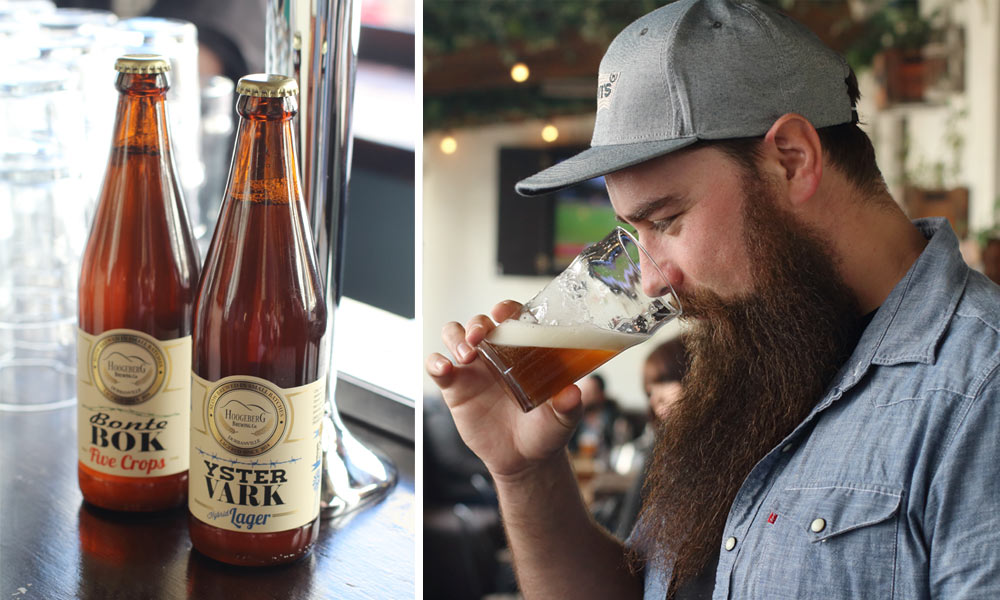
Our good mate, Martin The Beer Merchant, had roped in not one, but two breweries for the day. First up was Hoogeberg, which is run by a passionate team with a crafty attitude and a serious love for beer. They’ve bucked the trend with their first beer, Bontebok Five Crops, so named due to the inclusion of a few extra base ingredients like rice and maize. They reckon it definitely adds to the flavor profile, and the result is a clean, crisp, low-alcohol brew that you can drink for days. Next up was their Ystervark Hybrid Lager. It’s brewed with an ale yeast and fermented at cooler temperatures to produce a cleaner beer, yet still maintain a fruity ale kick. These guys are definitely not scared to try something new and their brews were a great start to the day.
Village-Idiot-Collab
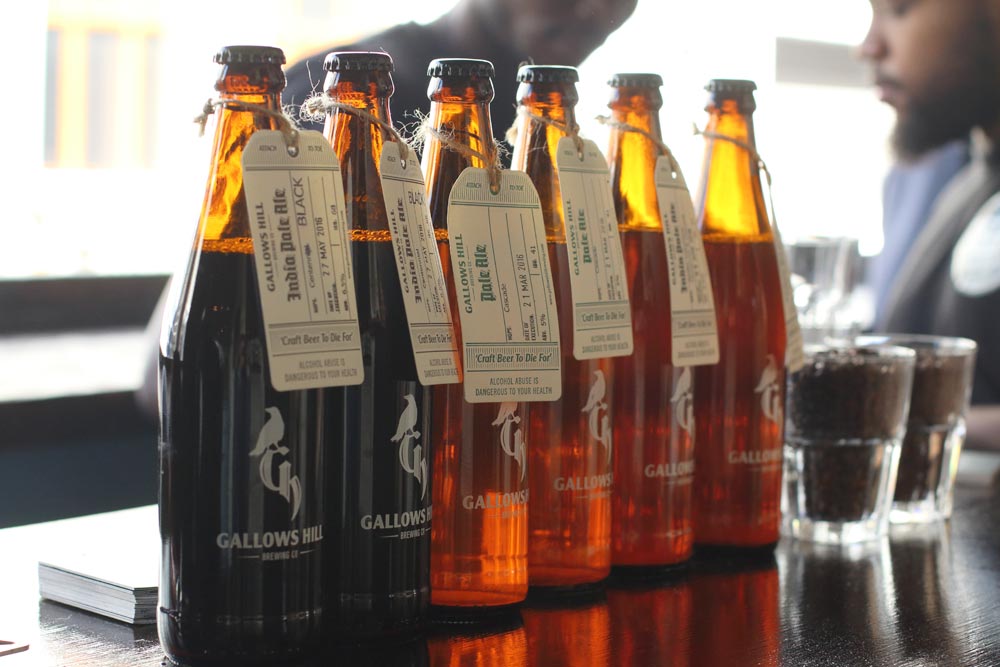
Standing right next to them, were the guys from Gallows Hill Brewing Co. Their beers look and feel like the tagline says – ‘craft beer to die for’.

With toe-tag swingers, a sickle-like logo and a crow for good measure, these guys get the dark side of things spot on with top class branding and packaging.

We’ve enjoyed their beers for years but we’ve never actually met the brewers, so a chat and an ale, or three, was definitely on the cards.
Village-Idiot-Collab
To kick things off we got stuck into their new Cascade Pale Ale. If crisp and dank ever belonged together in the same bottle, then this is it.

Next up was their IPA with a sticky, fruity kick upfront, followed by a malty backbone and a lingering bitterness that snuck up on us like Morticia Addams at midnight.

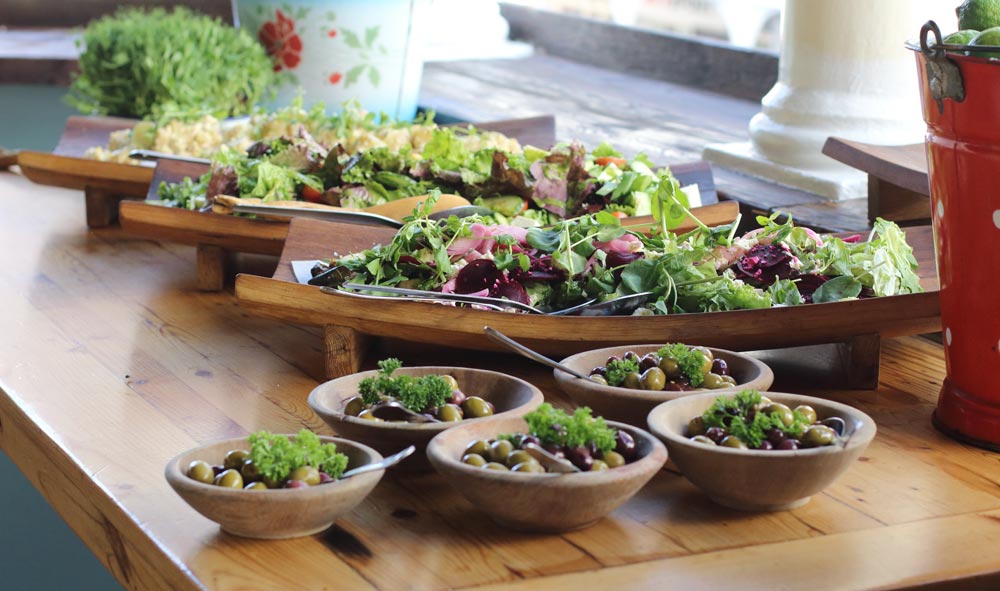
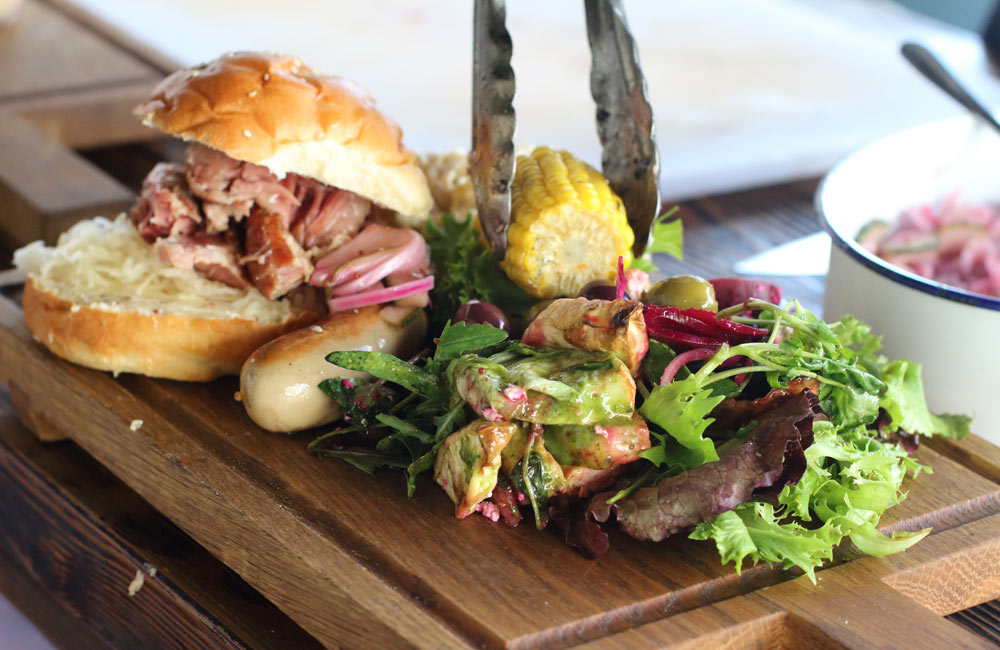
Speaking of sneaking up, it was around this time that our stomachs gave us a gentle ‘feed me’ kick from the inside.The star of the show was Eisbein pulled off the bone, finished on the braai, and then tossed on a roll with sauerkraut and mustard. It was served with a fire-grilled bratwurst on the side and a buffet mountain of the freshest potato and green salads – top class chow. Our sister, Julie, reckons that if you give Wes a wink and smile, he’ll throw on some extra crackling for you.
Village-Idiot-CollabVillage-Idiot-Collab

As we headed into the close of play, there was still one beer on the menu – Gallows Hill Black IPA, and there was no way we were missing out. This roasty Eskom-black, small batch brew delivered like a gravedigger – in spades.

All said and done, this little Sunday celebration of beer and braai just keeps us coming back for more. Chalk up another epic win for the Village Idiot. We’ll see you all again very soon.

The Village Idiot, 32 Loop Street | thevillageidiot.co.zaFacebook | Twitter | Instagram

Gallows Hill | gallowshillbrewing.com | Facebook  | Twitter

Hoogeberg | signalgun.com | Facebook |

Cool places in Durban to Enjoy Craft Beer and Great Food

Places to enjoy craft beer and food in Durbs are growing on a daily basis –  the best way to help this along is to demand them at your local. Here are some of our current favourites…

Republik
Republik’s motto is ‘for the people’ which means they encourage people to eat and act responsibly. Their aim is to act in a socially responsible and environmentally sustainable manner by using handcrafted, high quality, free-range produce.

Grub
Republik has a small food menu that packs a big punch. Their burger patties are free-range and  made with 100% grass-fed beef. The lunch time ‘Coke special’ is a real treat – featuring a 180 g beef burger patty smoked in Coca-Cola, served on a bun with cheese and onions (also caramelised in Coca-Cola). It’s a unique twist on an old favourite. The Hipster burger is also a good choice when you refuse to go mainstream (hipsterism not required). Instead of the bun, you’ll get your filling sandwiched between two portabello mushrooms, served with a side of zucchini fries. The deep-fried Bar One bites are a real treat for those with a serious sweet tooth.

Beer
Robson’s Hammer of Thor is a must if you’re an IPA drinker, it has quite a high alcohol content of 8.3% which means it’s a beer that’s meant to be savoured rather than chucked down your throat.

Shop 8 Shopping Centre Corner Broadway and Kensington, Swapo Road, Durban North | Tuesday-Saturday: 08h00-22h00 |Sunday: 08h00-17h00|Monday: 17h00-22h00

Republik-web

Tim Batch Photography

republik.co.za | Facebook | Twitter | Instagram


Unity Brasserie & Bar
Unity is all about good quality food and good value for money. Their philosophy is ‘quality, sustainability and taste’ and they make a point of sourcing their meat straight from the farm and in a sustainable manner.

Grub
This is Durban, which means you will probably encounter a good curry or two. The chicken and prawn curry at Unity Brasserie & Bar is very tasty, so give it a whirl. If you prefer a lighter meal you should opt for the spinach and feta samoosas accompanied by a minty yogurt dip.

Beer
The Citizen Saboteur is a nice and easy-drinking IPA to start off with. Brewdog Punk IPA is a Scottish beer that has a nice balance between the bitterness of the hops and a sweet, somewhat fruity aroma. If you like a good stout beer, then Durban local Standeaven Brewery’s #5 Press Club is a good option, with hints of coffee on the palate.

Challenge accepted?

If you’re a seasoned drinker you should try the Biggie Smalls challenge. You have to down a 180 ml, 250 ml, 500 ml and 1 litre beer, all in under 90 seconds to have your name added to the ‘Hall of Biggie Smalls’ wall and to receive a jug with your name inscribed on it.

117 Silverton Road, Durban | Monday-Thursday: 12h00-22h30 | Friday-Saturday: 12h00-00h00

unitybar.co.za | Facebook | Twitter


The Porcupine Quill Brewing Company
If you feel like taking a short drive from Durbs for a great view and local beer, head up to Botha’s Hill and pop in at The Porcupine Quill Brewing Company. With a positively breathtaking view over the Valley of 1000 Hills, you can sit back and enjoy a local brew and take it all in.

Grub
The brewery is located on the site of a cooking school, so there are always students around prepping something tasty.

Beer
There are three different beer labels being brewed here so you are spoiled for choice. Try any one of the 11 beers from the Dam Wolf Brewing Co., Quills or African Moon Brewing Co. 

It’s all in a name

Porcupine Quill was given its name when the owners found quills on the site where the brewery now stands.

damwolfbrewing.co.za


Station 43 Home to That Brewing Company 

S43 is the home to That Brewing Co. The industrial vibe and decor lends itself to creating a chilled spot that is great for hanging with mates. Tucking into good food and handcrafted beers.

Grub
Tasty tapas and street food from all corners of the globe. Try a tapas board with tasty bites like Salt and Pepper Squid and Mini Malay Lentil Bunnies. Or go the whole way with a yum sounding Umami Burger with gorgonzola, port reduction, grilled pears and the rather intriguing sounding ‘umami sprinkles’.

Beer
That Brewing Company brews a range of beers to suit all palates. Try a light and sessionable That Blonde Ale. Their That Good Weiss is a traditional, unfiltered German weiss. That Red Irish Cream Ale is malty, creamy and has an enjoyable, smooth mouthfeel.

43 Station Drive | 031 303 2747

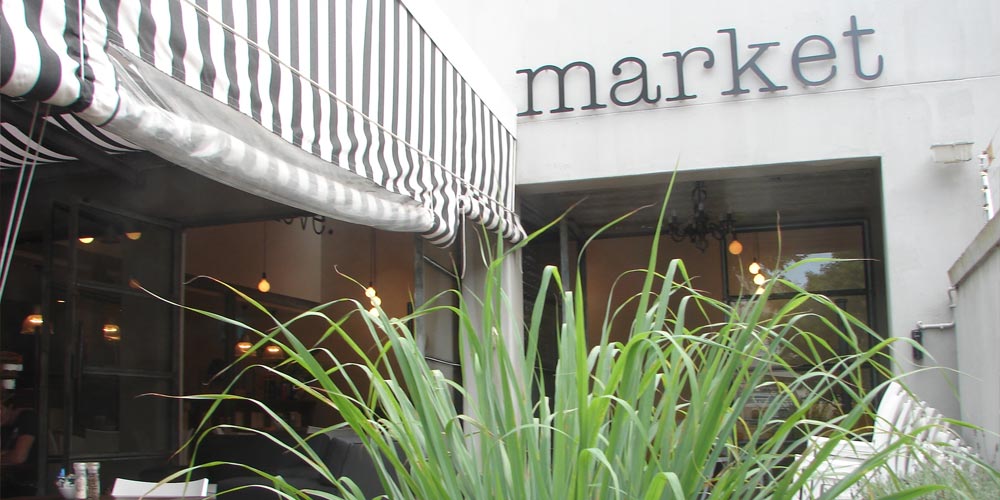
Market
Market is situated in the vibey Berea area and is located in a courtyard behind a beautiful 1930s colonial building. Market only uses locally and organically sourced ingredients to create quality food.

Grub
Market has an all-day breakfast, lunch and dinner menu. Swing by for lunch and get the tasty Lamb burger, it’s Moroccan spiced, crusted with mint and feta topped with tomato, red onion and coriander salsa and double thick yogurt. For a smaller meal, opt for the bone marrow, oven-baked with a Parmesan crust, red onion, caper and chive salsa and a crispy ciabatta.

Beer
Poison City is another local Durban brewery and their beer is on offer at Market – give their Bird Lager a try – a sessionable light lager that’s easy drinking and delicious. Dragon Fiery Ginger Beer is an alcoholic ginger beer for those looking for refreshment from the Durbs heat.

40 Gladys Mazibuko Road, Durban | Monday: 07h30-16h00 | Tuesday-Saturday: 07h30-21h30 | Sunday: 08h30-15h30

Market-Cafe-web
themarketrestaurant.co.za | Facebook 


Little Havana Bar and Grill
Well-known for their steaks and other grills, little Havana is a treasured Durbs gem.

Grub
Perfectly seared, wet-aged steaks, Mozambican chicken, seafood and more, Little Havana serves up pretty much anything your heart desires with consistent good quality.

Beer
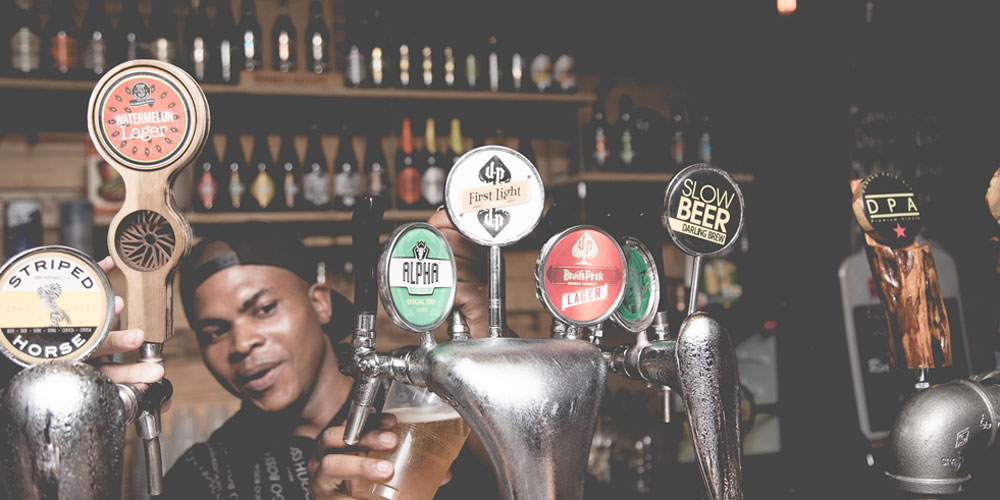
Try a trusted favourite that’s excellent refreshment on a hot summer’s day – Devil’s Peak First Light.

16 Chartwell Dr, Umhlanga Rocks, 4319 | Tel: 031 561 7589 | Open 7 days a week: Lunch Hours: 12h00 – 17h00 | Dinner: 18h00 to close.

littlehavana.co.za

Check out spots in Cape Town

Tuk Tuk Brewery hits Town

If you’ve ever ridden in a tuk tuk then you’ll know that they’re not fast. They kind of chug along at their own pace, much like the brewing process, so it seems fitting that Franschhoek’s newest craft brewery is named after one. We recently attended the brewery’s grand opening and what we found is our new go-to spot whenever we visit the Huguenot’s hood.

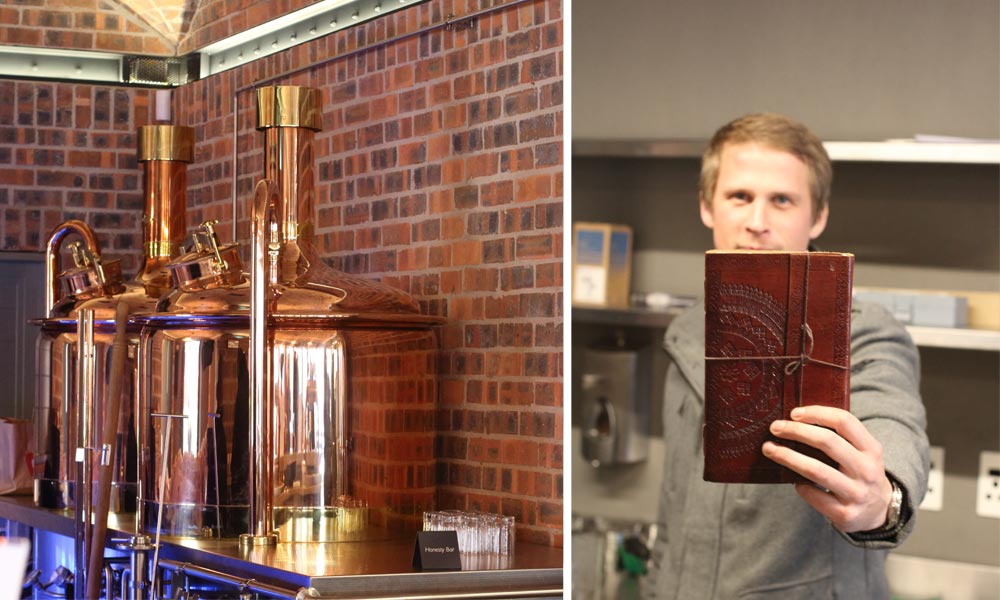
Tuk Tuk Microbrewery is the latest addition to the Franschhoek’s main road. It came about with the partnership of the Leeu Collection (a collection of fancy hotels, wine estates and restaurants) and Cape Brewing Company (CBC). The result is a 250 litre state-of-the-art Kaspar Schulz brewery, manned by arguably one of South Africa’s hottest young brewers, Dewald Goosen.

Tuk Tuk Micro Brewery

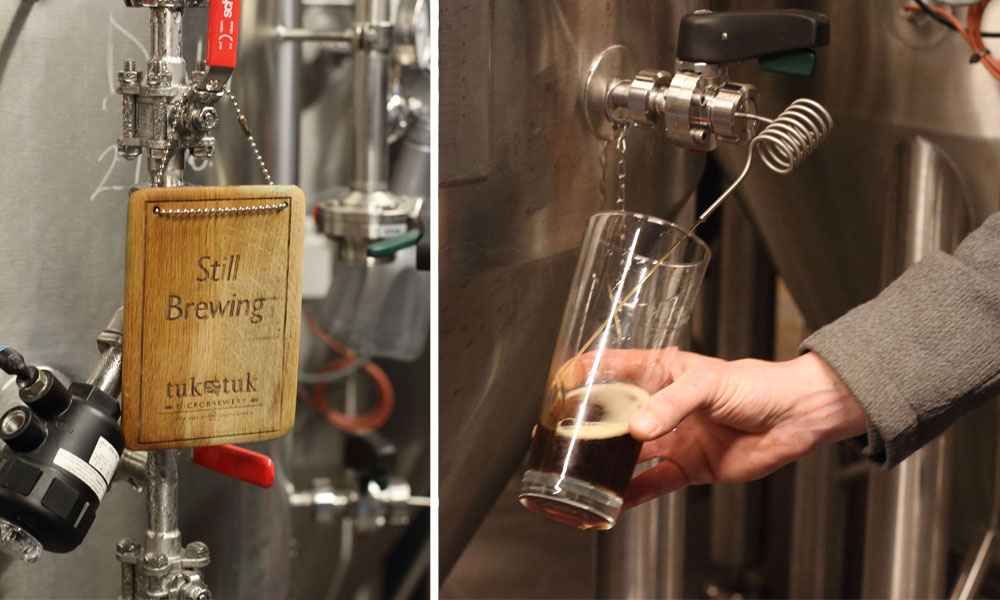
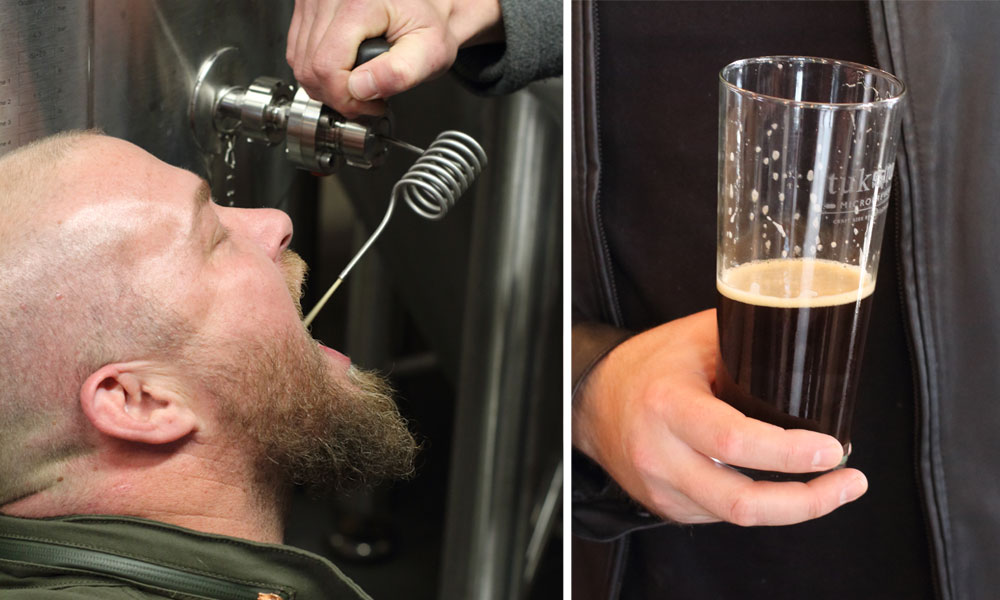
Greg gets a shot of Dunkel right out of the tank.

After a stint at CBC’s brewery, Dewald was handed the reins of Tuk Tuk and he couldn’t be happier. He says the brewery may be small in comparison but it runs like it’s on steroids.

Tuk Tuk Micro Brewery

Dewald’s recipe book is a closely guarded secret that holds the key to his tasty brews.

In keeping with CBC’s German traditions, Dewald has brewed a weiss and a dunkel but he’s put his own spin on both. His weiss actually contains a South African hop called Southern Passion, which adds a twist of passion fruit to the brew.

Tuk Tuk Micro Brewery
His dunkel is brewed with eight different malts and the result is a complex brew that’s full of roasted notes and caramel flavours. His last beer is an American style pale ale that’s bursting with citrus flavours and packs a decent hop bitterness. Chatting to Dewald about the brewery is like chatting to a kid in a candy store. He’s a happy man and why shouldn’t he be, he’s been given the keys to a German micro beast.

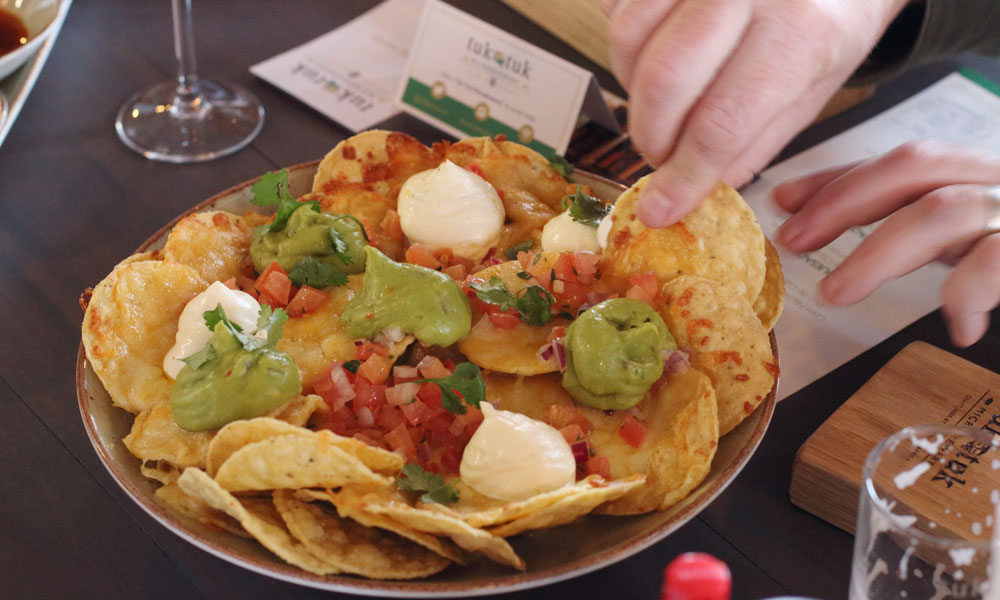
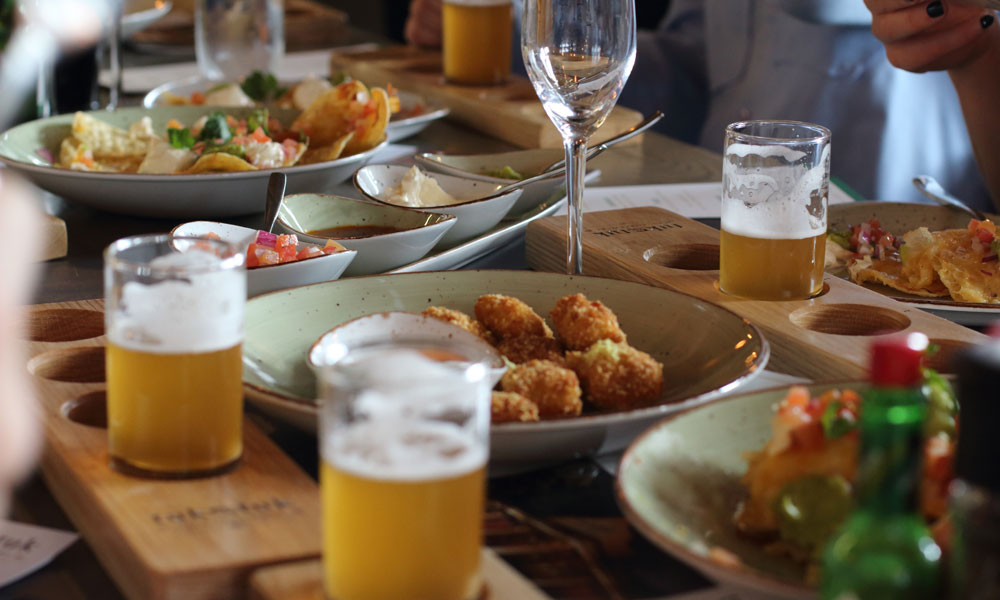
As well as serving excellent beer, Tuk Tuk has a great menu of Mexican food. We were treated to everything from nachos and tacos to quesadillas and chocolate churros.
Tuk Tuk Micro BreweryTuk Tuk Micro Brewery
We also learnt a great deal about the interior design of the place and the custom artwork which adorns the walls and pillars. The place is as slick as the beers and a great deal of effort went into making is that way. We predict great things for Tuk Tuk and the cool thing about their beers is that you can only get them at the brewery.
tuk-tuk-food
So the next time you find yourself in Franschhoek and you’re looking for something other than wine, bubbles and cheese, then definitely check out Tuk Tuk Microbrewery. It’s got an Asian inspired name with a German brew system and serves Mexican food in a town founded by French Huguenots.
Tuk Tuk Micro Brewery
tuktukbrew.com | Facebook | TwitterInstagram

Cool places in Cape Town to Enjoy Craft Beer and Great Food

If you’re into trying new craft beers then you’ve stumbled onto the right list. Not only do we recommend these places for their amazing craft beer, but also for their tasty food and vibey atmosphere.

Banana Jam Café
Banana Jam Café welcomes patrons with a warm island embrace. If you feel like taking a break to somewhere tropical but can’t afford the plane ticket, hit up this local fav.

Grub
The menu consists of tasty Caribbean-inspired dishes, which ties in very well with the overall laid-back Jamaican vibe. The Crazy Goat Curry is a good option if you are looking for a slightly left-field option. The Pineapple BBQ Ribs are an old favourite among regulars, with a nice sweet twist in the form of the sticky pineapple BBQ sauce. They cater for vegetarians with a tasty veggie burger or the Roast Veg Pasta Salad, you can also opt for gluten free pasta for R8 extra.

Beer
Banana Jam Café has 30 different craft beers on tap and 80 craft beers in the bottle to choose from. The range of beers is ever-changing, so there’s always something new to try out. The Aegir Project Red Rye is a rye beer with a twist. The Rogue Hazelnut Brown Nectar is an imported, multi-award winning beer (73 awards between 1996 and 2015) that won’t disappoint. If you’re looking for something a little sweeter, you can’t go wrong with locally-brewed Eversons Cider. It is the only genuine apple cider on tap in South Africa. Harviestoun Schiehallion Lager is a great sessionable beer.

Did you know? Banana Jam Café has their own ‘nano brewery’ called The Afro Caribbean Brewing Company. They claim to make the coolest craft ales this side of the Caribbean and we believe them.

157 2nd avenue Kenilworth, Cape Town | Monday-Saturday: 11h00-23h00 | Sunday: 17h00-22h00

bananajamcafe.co.za | Facebook | Twitter


The Taproom at Devil’s Peak Brewery
Devil’s Peak brewery is situated in the shadow of Devil’s Peak in Salt River, a mere 5 minute drive from the city centre. This brewery was established from a real love of beer and the need for exciting and alternative brews.

Grub
There’s a wide selection of food to be enjoyed but their unique cheeseburger is a must. If you want a somewhat lighter meal you should opt for the ultimate grilled cheese sandwich. Feel like a kid again by finishing off your meal with a nice old-fashioned ”Gelatine and ice Cream” (jelly and vanilla ice cream).

Beer
The Taproom’s drinks menu has three categories – craft beers, speciality beers and ciders. First Light is a must, as well as the Pale Ale. The Taproom has only two speciality beers; these are significantly more expensive than the traditional craft beer selections but are well worth the money. They are made in very limited numbers and are therefore very exclusive. Try the Vin de Saison – a beer and wine (20% Chenin Blanc) hybrid that has a very unique taste.

95 Durham Ave, Salt River, Cape Town | Mon-Sat: 12h00-22h00 (Kitchen); 11h00-23h00 (Bar) | Sun: 12h00-18h00 (Kitchen closes at 5)

Devils-Peak brewery
devilspeakbrewing.co.za | Facebook | Twitter


The Beerhouse

The Beerhouse, situated in Long Street, has one of the biggest selection of craft beers in the country. They have a wall of 99 beers just waiting to be tasted. They also have great food to choose from that will be a hit with any beer drinker.

Grub
There are so many great food options that will all be good washed down with an ice cold beer. Pick any of the choices on the Flammkuchen menu and you won’t be disappointed. These pizzas are made with a very thin beer-dough base accompanied by a hint of creme fraiche, they are crispy and delicious. If you want to try something different, the currywurst is a must. This German street food-style dish of pork bratwurst topped with curried tomato sauce, is a hunger buster of note.

Beer
The Beerhouse has 99 different beers to choose from, which includes a wide range of international beers, as well as many South African craft beer options. The Apollo Blonde is a relatively light beer at 4.5% alcohol but it is a great way to start off your beer drinking adventure. Woodstock Californicator and Red Sky Vampire are also must tries. If you prefer a sweeter tasting beer you can’t go wrong with the Liefmans Fruitesse from Belgium. The Beerhouse offers you the option to order beer in four different quantities – 120 ml, 250 ml, 500 ml and 1 litre.

Did you know?

By buying a CBC (Cape Brewing Company) beer at the Beerhouse you contribute to the #PintForAPurpose initiative that aims to provide food for people in shelters and soup kitchens in Longstreet (CPT) and Fourways (JHB).

223 Long Street, Cape Town City Centre | Monday-friday: 11h00-02h00 | Saturday-Sunday: 10h00-02h00

beerhouse.co.za | Facebook | Twitter


Hello Sailor Bistro
This small venue is situated in a very vibey part of Lower Main Road, Observatory and features many characterful original features like the old wooden shop windows at the entrance. Great food and beer with the added bonus of great music is what awaits those who venture into this unassuming little eatery.

Grub
Hello Sailor Bistro has a relatively small selection of pastas, salads, burgers and sandwiches. The rump steak prego topped with a soft fried egg on a toasted ciabatta is a great sandwich. The salad with roast butternut, feta and toasted seeds is a tasty vegetarian option.

Beer
They have a small craft beer selection but a good selection nonetheless. There are well-known favourites from Devil’s Peak Brewery and CBC (Cape Brewing Company) but if you are feeling adventurous the Loaded Canon beer, with 10% alcohol, is well worth a try. If you are looking for a more easy-drinking beer then you can’t go wrong with Jack Black’s Pale Ale.

86 Lower Main Road, Observatory, Cape Town | Operating Hours: Mon – Fri: 8:30 – 23:00 | Sat – Sun: 9:00 – 23:00

hellosailorbistro.co.za | Facebook 


The Slug & Lettuce
The Slug & Lettuce has eight venues throughout the greater Cape Town area; we really love the on situated at The River Club in Observatory. The venue is nestled along the Liesbeek river and offers a cool indoor-outdoor dining experience. You’re surrounded by lush greenery, which makes you feel like you’ve been temporarily transported to a place far away from the city bustle.

Grub
The Slug & Lettuce has an impressive and comprehensive selection of food to choose from, including seafood, grills, pizzas and more. The Mussel Pot is very tasty if you like seafood. For the meat lovers try the 500 g pork spare ribs, or their award-winning beef burger. The Salmon Salad is a great option if you prefer a slightly lighter meal.

Beer
The Slug & Lettuce has a very limited selection of craft beers but that doesn’t make them any less good. The Mountain Weiss is a beer that is brewed in a traditional Bavarian style with hints of banana in the palate. If you want something completely different you should opt for the Lakeside American Pale Ale.

Cnr Liesbeek Parkway and Station Road, Observatory, Cape Town | Monday-Saturday: 11h00-late (kitchen closes at 22h00) Sunday: 11h00-late (kitchen closes at 21h00)

slug-and-lettuce
slugandlettuce.co.za | Facebook

Check out spots in Durbs

Beaver Creek, Locally Grown and Brewed

Reliance Compost
There’s nothing quite as intoxicating as the smell of a cup of expertly brewed coffee, it’s right up there with newborn babies, freshly laundered linen and bread straight out of the oven. Most of us drink it every day, probably a couple of times a day – but do you ever give a thought to where it comes from? If you did, your thoughts would probably jump straight to Kenya or Uganda or the like, but did you know that we’re growing coffee right here in South Africa? In KZN to be exact.

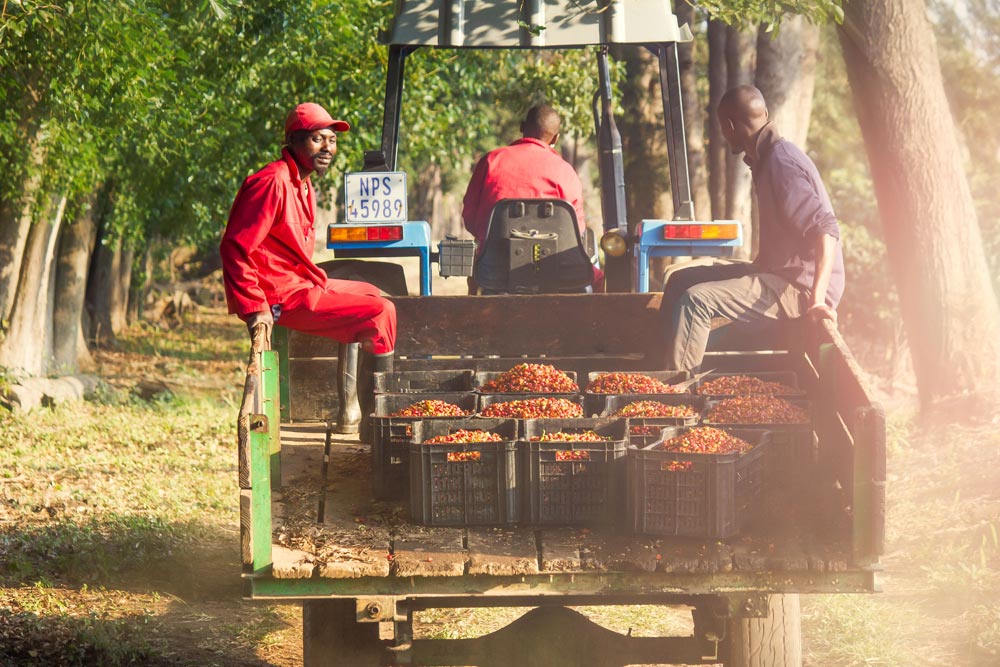
The Cumming family has been in the business of growing coffee since 1984. Beaver Creek Farm, originally a banana farm, was changed over to cultivating coffee around this time and has not looked back since. Together the team does everything from growing and harvesting, to roasting and packaging their coffee, ready for the shelves.

This truly is a local product that has been lovingly cultivated in the rich soils of KZN. It is roasted to perfection and then shipped country-wide (with minimal carbon footprint), to be enjoyed as a perfectly brewed cuppa. To find our more about cultivating coffee in SA, we spoke to Managing Director, Dylan Cumming…
Beaver-Creek-
Crush: Can you tell us a bit about the history of coffee cultivation in South Africa?

Dylan: Coffee was first introduced to Natal in 1854. Plants were sent originally from Bourbon (Reunion) and later from Ceylon (Sri Lanka). Plantations were established by 1864, and it was said that there were 4000 acres under cultivation by 1870. This sparked widespread interest in the crop amongst coastal farmers. Unfortunately though, disease, careless cultivation, lack of sufficient labour and the rapid rise of the tea and sugar industries, led to the demise of the coffee industry by the 1880s.

Coffee-Bean

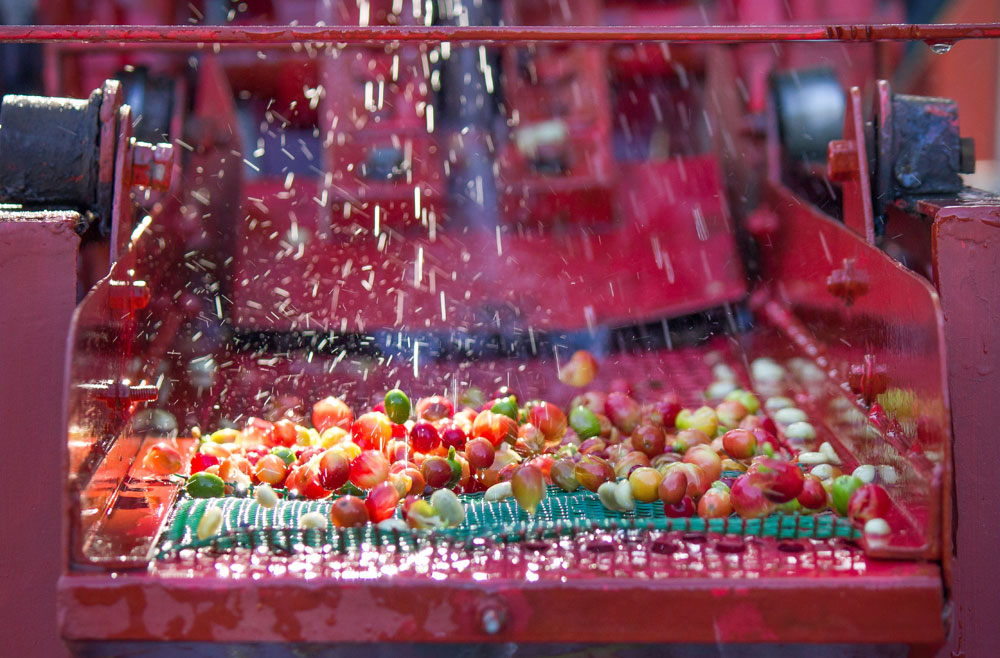
Freshly picked coffee cherries

Around the 1960s, cuts in sugar cane quotas in Natal led to the re-introduction of the idea of coffee as a potential crop. Following a favorable report from coffee researches from Tanganyika (Tanzania), the idea gathered momentum and coffee was reintroduced. Production was limited to the KwaZulu Natal coastal strip, at altitudes below 2000 feet (from Empangeni to Port St Johns) and areas to the north, (Limpopo and Mpumulanga) at altitudes above 3500 feet. All these areas were cultivated with coffee up until the early 90s, until the escalating cost of labour and attractive alternate crops, led to its demise once again.

Crush: So it seems then that that coffee has had a bit of a checkered past in SA, how did the Cumming family get into coffee production?

Dylan: My father had an interest in coffee from an early age, having done a school project on coffee farming in Brazil. When one of our banana plantations got diseased, he and my grandfather experimented with coffee. After the first harvest, processed by hand by us children and roasted in our mother’s oven, I think everyone was convinced that coffee was the future.

Crush: Can you tell us what the ideal conditions are for growing coffee?

Dylan: Though a lot of emphasis is placed on altitude as a key factor in growing coffee, this is largely a myth. Mild mean temperature is the most important factor in growing high quality Arabica beans. This is sometimes referred to as the ‘Goldilocks Zone’ – not too hot, not too cold, just right. The mean annual temperature needs to fall between 18 and 22 degrees ºC. Altitude, latitude, ocean currents and other microclimate factors are what influence temperature. Beaver Creek is situated at 31 degrees south, 200m above sea level, and is situated on the coastal belt next to the warm Mozambique Channel, so is ideal for producing the highest quality coffee in the world

Crush: Can you tell us a bit about the coffee you grow?

Dylan: We grow three different Arabica cultivars at Beaver Creek, each with their own unique flavour. We have over 50 days of harvest through the year from February to October, with most of the crop being picked from May to July. The cultivars are picked separately and each day’s harvest is tracked through all the processing, we call this Lot Tracking. We experiment with different styles of processing from wet and dry, as well as honey processing.

Crush: Are there unique challenges to growing coffee?

Dylan: Disease, drought and increasing cost of labour are the challenges Beaver Creek has faced over the years. With better farming practices, new technologies and systems we‘ve overcome these problems. Over the past ten years we’ve introduced a number of new practices to continue our sustainable coffee production. We have focused a lot of attention on soil fertility and temperature. We decreased the use of herbicides, increased the use of ground cover, introduced more shade practices such as planting indigenous trees and planting our coffee rows in an east-west direction. 
Beaver-Creek
Crush: So, on a more personal level, where did the name Beaver Creek originate from?

Dylan: Ed Cumming, my father, was given the nickname ‘Beaver’ as a kid, while boarding school at Dale Collage. He was referred to being ‘as busy as a beaver’ and the nickname stuck. When Ed purchased the farm (originally a banana farm) it happened to have a stream (creek) running through it, so he decided to name it Beaver Creek Farm.

Crush: This is a family business through and through, has it been important to keep it that way?

Dylan: It has indeed worked out for us, although not without it’s challenges of course! Family is very important to us and no matter what, family will always come first. What’s great about working with family is that we’re all working towards the same goals and are naturally more invested and passionate about the business and its success. Beaver Creek is a family business of three generations with the fourth already learning to make coffee at 3-years old! Hopefully the business will be passed down through many more generations still to come.

Crush: Is there a secret to making a great cup of coffee?

Dylan: There are many ways to make a great cup of coffee. The most important factor is your ratio of coffee to water, a simple fundamental that everyone can learn. With most filter-type methods, start with 1 to 15 and for espresso begin with 1 to 2. You then can experiment with grind size and brew time. Trust your taste and experiment.

BeaverCreek_coffee
Crush: What are the future plans for Beaver Creek?

Dylan: We continue to strive to make world-class coffee crop after crop. We continue to improve our farming practices and processing methods to achieve this. We believe there is a great opportunity to re-establish South Africa as a producer of high quality coffee, and we hope to lead and inspire other farmers to achieve this.

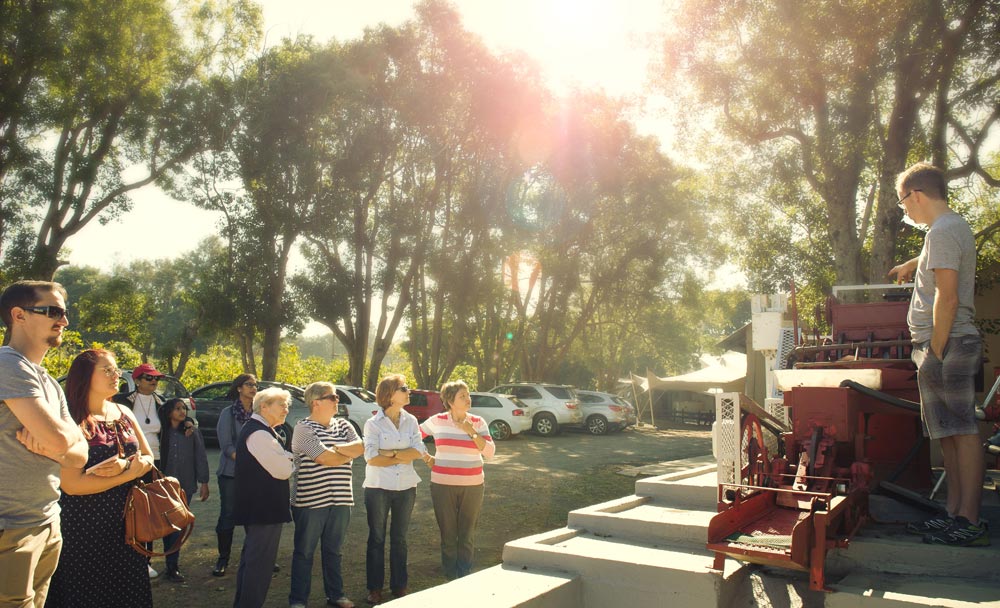
Want to know more? Visit Beaver Creek Farm and take a tour. Pop in at the café for a bite to eat (and of course cup of coffee). You can even participate in a barista course to help understand how to brew the perfect cup.
Beaver-Creek
beavercreek.co.za | Shop Online | Facebook | TwitterYouTube
Delicious produce is grown in healthy, living soil. #Harvesttotable series brought to you by Reliance Compost.Reliance Compost

Fresh Brew: Meeting Woodstock’s Mr Brownstone

If you’re looking to sample one of this year’s tastiest brews then you better start searching. That’s right Mr Brownstone is running out fast and by the time you read this, there will probably be none left at Woodstock Brewery. The last I heard they had exactly eleven bottles left and people were snatching them up with social media orders. Anyhow, it’s not all doom and gloom because word from the Stock is that they’re making more… next year.

Right so now that I’ve built it up and you can’t buy any, let’s get into how delicious this brew actually is. Mr Brownstone is Woodstock’s latest offering in their seasonal range.

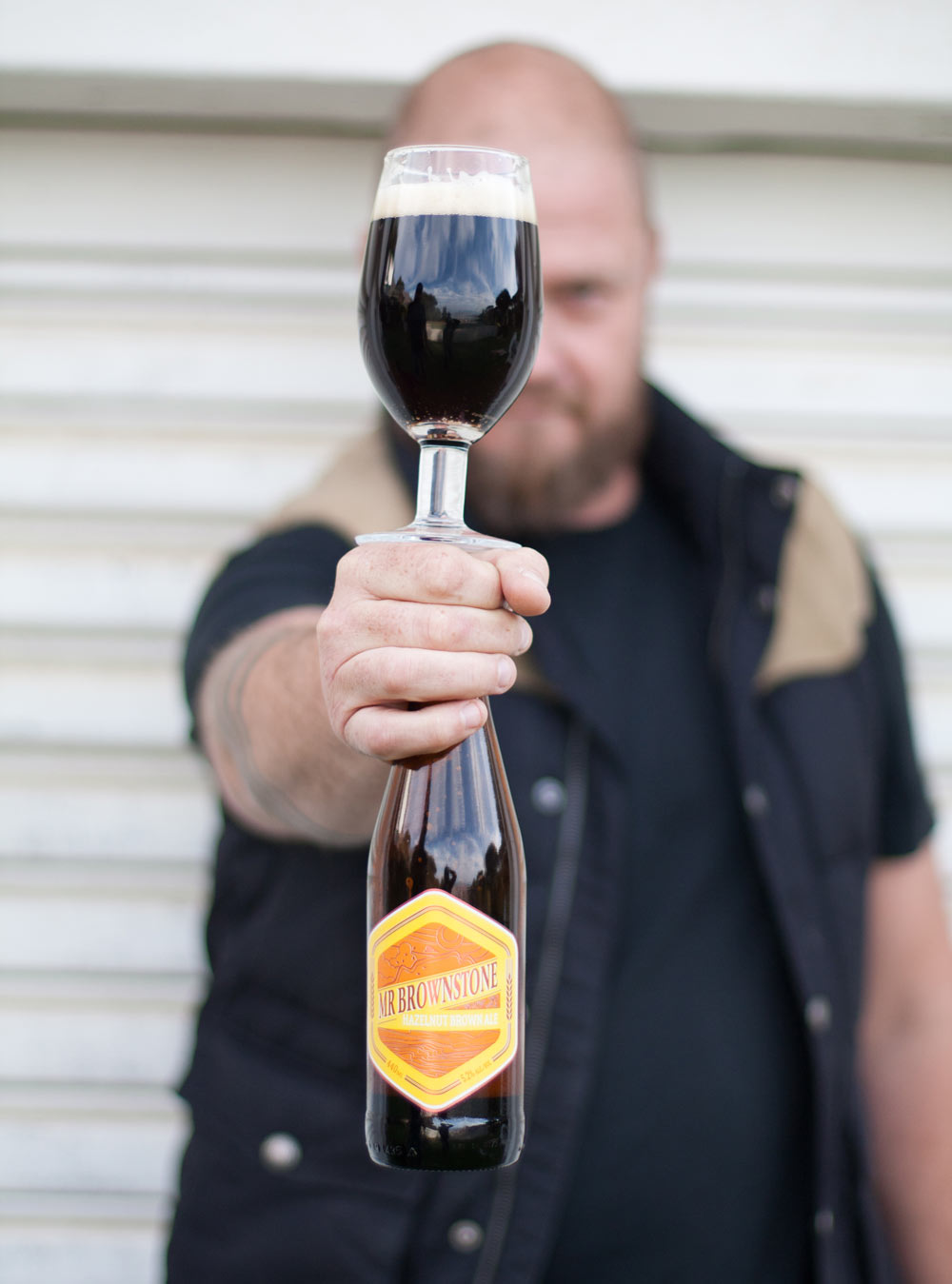
It’s a hazelnut-infused brown ale and if we’re not mistaken, it’s a first for South African craft beer.

Woodstock_brewery_Mr_brownstone

It’s been compared to America’s Rogue Hazelnut Brown Nectar and the feedback, which includes ours, is that it’s better. It has a sexy, rich brown colour with an off-white head and an unmistakable hazelnut aroma. On the palate it glides across the tastebuds with complex flavours of chocolate, roasted nuts and hints of coffee.

At first taste it may seem a touch sweet but it finishes with a decent bitterness to round it out. It’s like drinking a Nutella beer and we can’t get enough of it.

If we were in the business of awarding points, we’d give Mr Brownstone a near perfect score. It’s a cracking brew that has a seductive dessert quality to it but still manages to be sessionable. Our only complaint is that we have to wait until next year to get our hands on some more. If you agree then Tweet @Wdstckbrewery with # Mrbrownstonemustrise and let’s get it added to the regular line up.

Did you know?

I typed ‘hazelbut’ instead of ‘hazelnut’ at least ten times while writing this article.

woodstockbrewery.co.zaFacebook | Twitter | Instagram 

Woodstock_brewery_Mr_brownstone

Confit Parsnip Gratin

Reliance Compost
While parsnips may just look like white carrots, they really are so much more than that. Being related to the carrot (obviously) and parsley (yep, parsley viagra generika online!), the flavour of this root is infinitely sweeter than its carrot-y cousin, and has a delicate spiciness too. It’s also wonderfully in-season at this time of year, and really is versatile. Take a recipe using carrot, swap in parsnip and be amazed! In fact, you could even use parsnip anywhere you would use sweet potato – mash it, blend it into a soup, pureé it – there really are no limits. If you’re getting all green-thumbed and planting your own parsnips, cooler weather really makes for the best harvest time. When planting them, be sure to put them where there is lots of sunlight, they really do benefit hugely from it, but if you’re in a pinch they will tolerate partial sun too.

To celebrate winter and the humble parsnip itself, we’ve given it a real French makeover. Using the traditional method of confit, but using butter instead of duck fat, the parsnip slowly cooks until it’s soft throughout and rib-stickingly rich. It’s then topped with a fresh, crunchy breadcrumb mix and gratinated until crispy! This would sit happily next to any main course you’re serving this winter, but we’re loving it with roast lamb, where the meat can stand up to the richness of the parsnips.
Parsnip
Confit Parsnip Gratin

Serves: 4
Difficulty: 
easy
Prep time: 15 minutes
Cooking time:  30 minutes 

6 or 7 large parsnips, peeled, ends trimmed
salt and pepper
250 g butter, melted
3 cloves of garlic, 2 bruised and 1 left whole
100 g breadcrumbs
1 small handful of parsley, stalks removed
Cut the parsnips in half where the stalk begins to thin out. Then quarter the thick end to make baton shapes of roughly the same size.

Place the parsnips into a small saucepan, season lightly and pour over the melted butter. Add the garlic and thyme and place over a high heat. Bring the butter to the boil for a minute, then reduce the heat to barely a simmer. Leave to cook until the parsnips are almost soft the whole way through – between 20 and 30 minutes.

While the parsnips cook, make the breadcrumb mix. In a food processor, pulse the bread crumbs, the whole peeled garlic clove and the parsley to combine.

Once the parsnips are cooked, strain off some of the butter. Be careful as some of the parsnips may be very soft and you don’t want to crush them in the sieve. Don’t throw away the butter you’ve strained off, it will have a lot of flavour and you can reuse it to confit more vegetables or even as a base for a roux.

Place the strained parsnips in an ovenproof casserole and pour in a little bit of the butter, just enough to keep the parsnips moist. Arrange the parsnips in the butter so that they sit somewhat evenly and then top with the breadcrumbs, pressing down lightly.

When you’re ready to serve, preheat the oven 200 ºC with the grill setting on.

Place the parsnips in the oven for about 10 minutes to heat through, brown and crisp up the breadcrumbs.

See more of our favourite seasonal winter veg recipes here!

Delicious produce is grown in healthy, living soil. #Harvesttotable series brought to you by Reliance Compost.

Reliance Compost

Roasted Butternut with Salsa Verde-y Sauce

Reliance Compost
Along with avocado, feta cheese and biltong, butternut is an exceptionally loved ingredient in South Africa. And with reason, it really is a healthy, tasty, substantial and versatile ingredient. There is pretty much nothing butternut can’t do, it’s a wonderful soup, pureé, mash or even dessert when turned into a fritter. The only downside to butternut is the preparation of it, which can be a little hard work. Best way to tackle it is to slice the ends off, peel it, halve it and then chop it up into whatever shape you’re after. If growing your own butternut, be sure to offer it as much sunlight as you can, as well as good drainage – they love to wrap their little roots around everything they can reach!

The pre-cut stuff you buy is no comparison, so put in the little bit of elbow grease. Luckily, the rest of this recipe is ridiculously easy. You slice and roast the wedges, and drizzle them with the salsa verde-style sauce. A little note on the sauce: it really is a base for you to play around with depending on what herbs you have in the fridge and what the rest of your meal is looking like. For example, make it more minty if the butternut is accompanying lamb, or add more coriander if you’re eating something curried. There are no rules here!
Butternut
Roasted Butternut with Salsa Verde-y Sauce

Butternut
1 butternut peeled, seeds scooped out and cut into wedges.
olive oil
salt and pepper

Salsa Verde
1 bunch of mix of herbs such as parsley, mint, coriander, basil (you can use all of these or even just one or two)
¼ C (60 ml) extra virgin olive oil
1 clove of garlic, peeled
2-3 anchovy fillets
zest of ½ a lemon
salt and pepper

Preheat the oven to 180 ºC.

Place the butternut wedges on a roasting tray, drizzle with olive oil and season with salt and pepper. Roast in the oven for about 20 minutes. Once the butternut is cooked through, turn the oven up to 210 ºC and let the wedges colour, but keep an eye on them as you don’t want them to burn. This should take about 10 minutes.

Make the salsa verde-style sauce by blending the herbs together with the olive oil using a stick blender. Then adding the rest of the ingredients. Taste and adjust the seasoning and acidity.

See more of our favourite seasonal winter veg recipes here!

Delicious produce is grown in healthy, living soil. #Harvesttotable series brought to you by Reliance Compost.

Reliance Compost