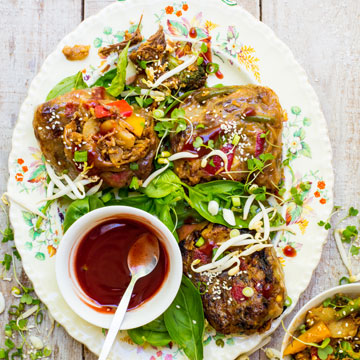
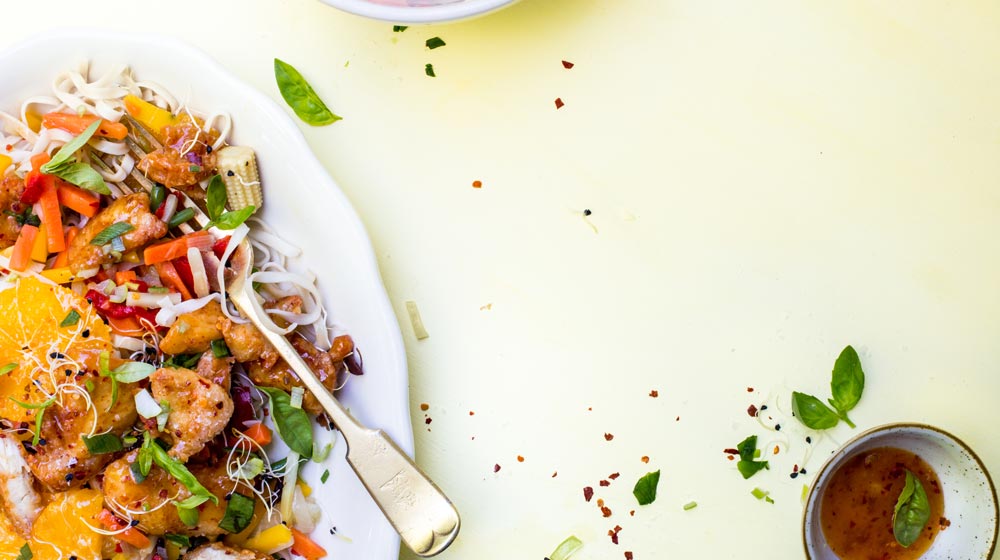
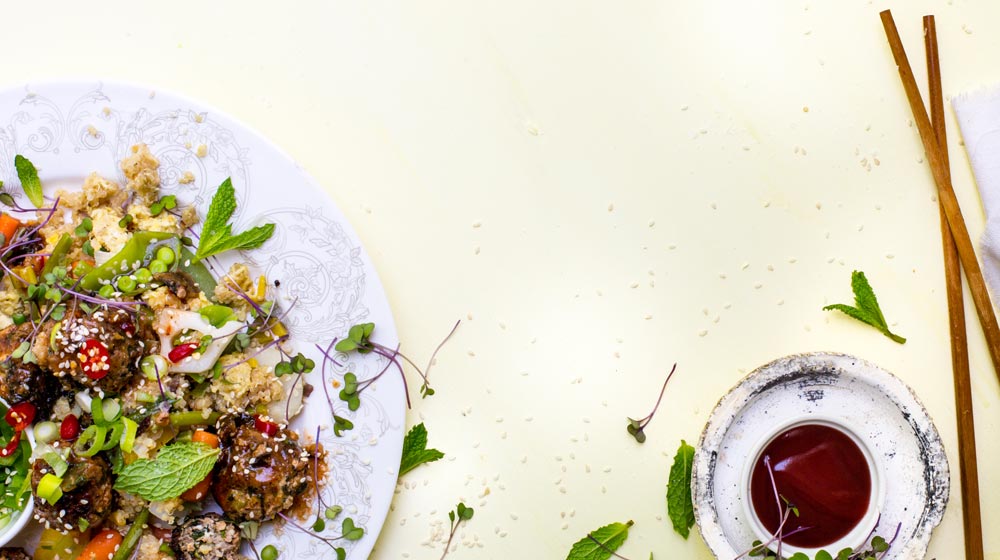
Cold Vietnamese Soba Noodle & Vegetable Salad with a Peanut & Lime Dressing

Findus Vegetables

Cold Vietnamese Soba Noodle and Vegetable Salad with Goats Cheese and a Peanut & Lime Dressing

Serves: 4
Difficulty: easy
Preparation time: 30 minutes
Cooking time: 50 minutes

Baked Chickpeas
1 (420g) tin chickpeas, drained
1 tsp (5 ml) olive oil
salt and pepper

Dressing
⅓ C (80 ml / 90 g) sweet chilli sauce
2 Tbsp (30 ml / 40 g) crunchy peanut butter
2 Tbsp (30 ml) lime juice
2 Tbsp (30 ml) warm water
1 Tbsp (15 ml) orange juice
1 Tbsp (15 ml) soy sauce
1 Tbsp (15 ml) Worcestershire sauce

Goat’s Cheese
300 g chevin cheese logs
3 Tbsp (45 ml) sesame seeds

Salad
1 tsp (5 ml) olive oil
500 g (1 bag) Findus Wok Classic
200 g udon noodles, cooked
6 (250 g) mini cucumbers, halved lengthwise
4 (35 g) red spring onions, sliced thinly
½ C (125 ml / 15g) mint leaves
½ C (125 ml / 15g) basil leaves
½ C (125 ml / 15g) coriander, chopped
½ C (125 ml / 70g) salted peanuts

To Serve
½ (125 g) pomegranate seeds, to serve

Baked Chickpeas
Pre-heat the oven to 220 °C.Dry the chickpeas with a clean kitchen towel. Combine with the oil and seasoning and spread out onto a lined baking tray. Bake for 40-50 minutes until crisp and golden. Shake the baking tray a few times during the cooking process.

Dry the chickpeas with a clean kitchen towel. Combine with the oil and seasoning and spread out onto a lined baking tray. Bake for 40-50 minutes until crisp and golden. Shake the baking tray a few times during the cooking process.

Dressing
Whisk all the ingredients together and store at room temperature until needed.

Goats Cheese
Cut the chevin into 12 portions. Use your hands to roll into balls and roll in the sesame seeds to coat. Refrigerate until needed.

Salad
Heat a wok over high heat. Add the oil and Findus Wok Classic vegetables and stir-fry for 6-8 minutes until tender. Allow to cool. Once the vegetables have cooled, toss with the rest of the salad ingredients.

To Serve
Toss a splash of the dressing through the noodle and vegetable mixture. Top with the goat’s cheese and chickpeas. Sprinkle the pomegranate seeds over the salad. Serve with the remaining dressing on the side.

TIP: Crumbled Danish feta or ricotta can be used instead of the goat’s cheese.

Try these other Findus recipes…

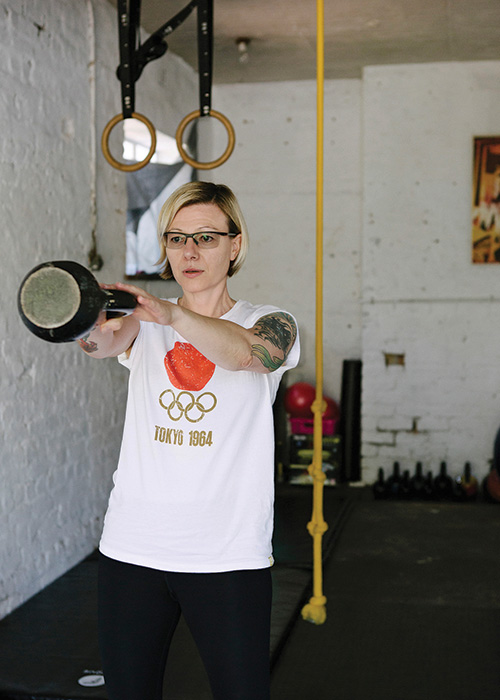
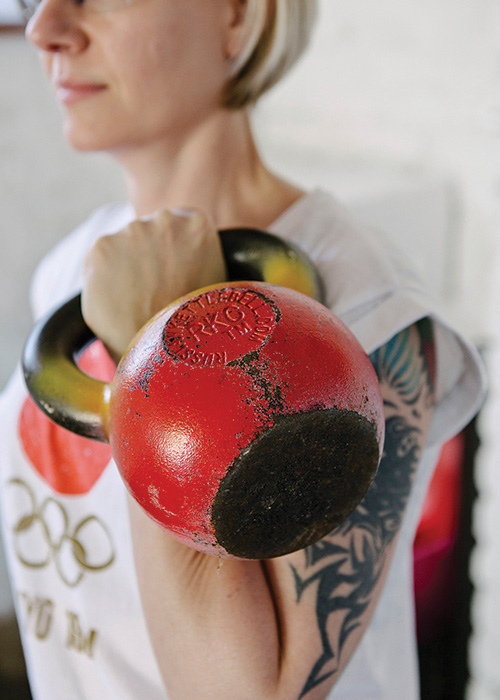
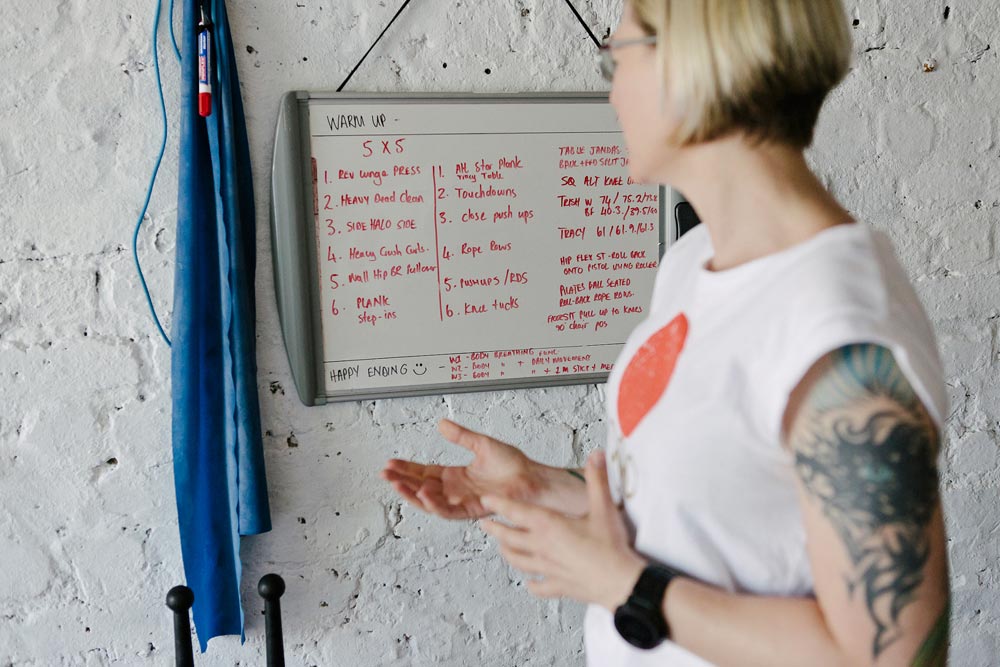
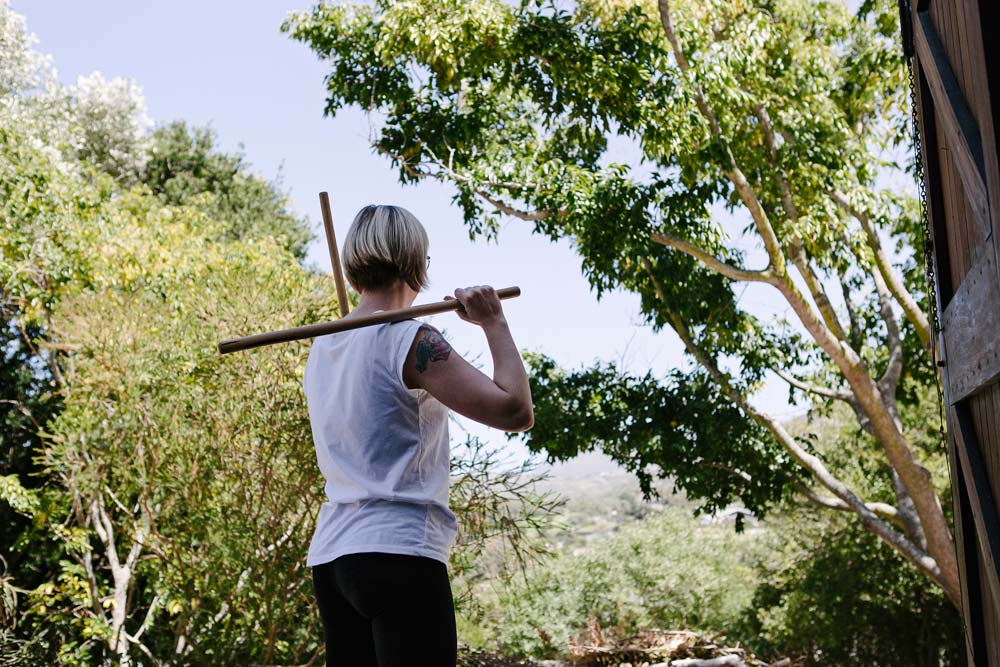
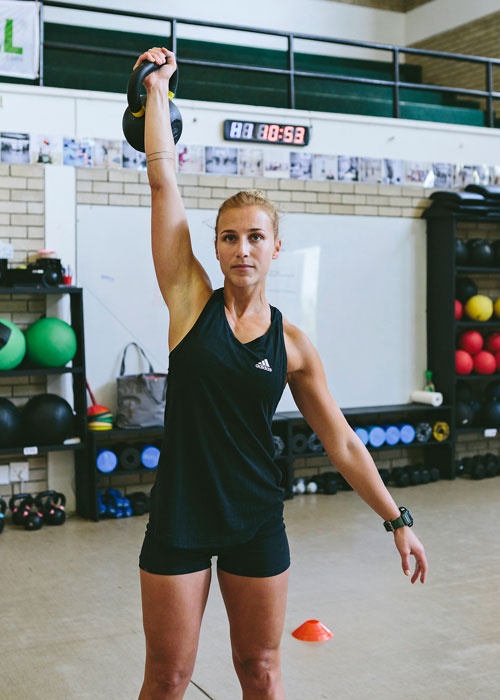
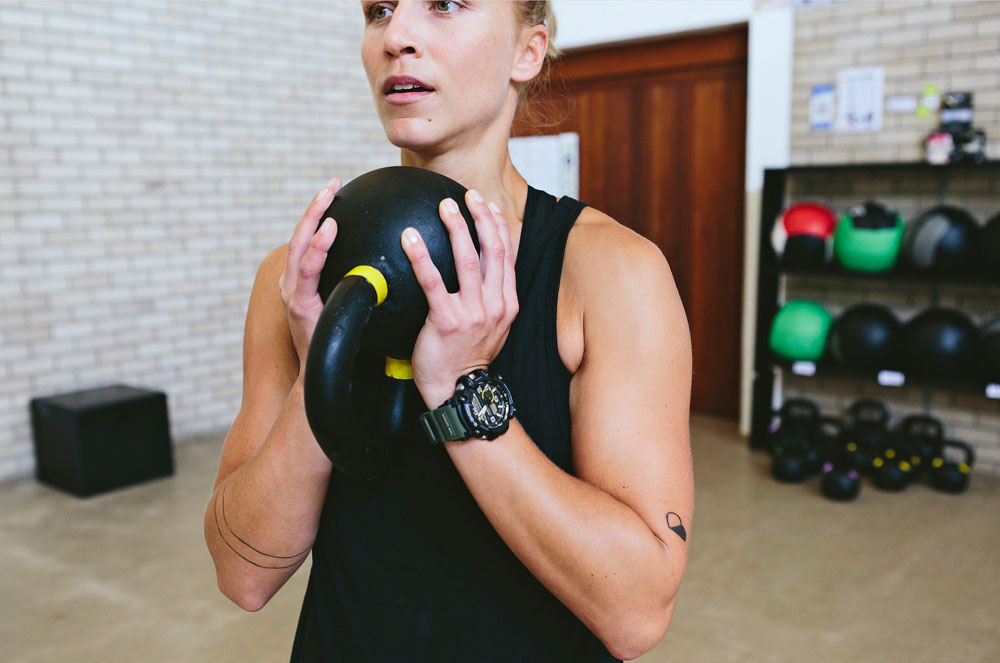
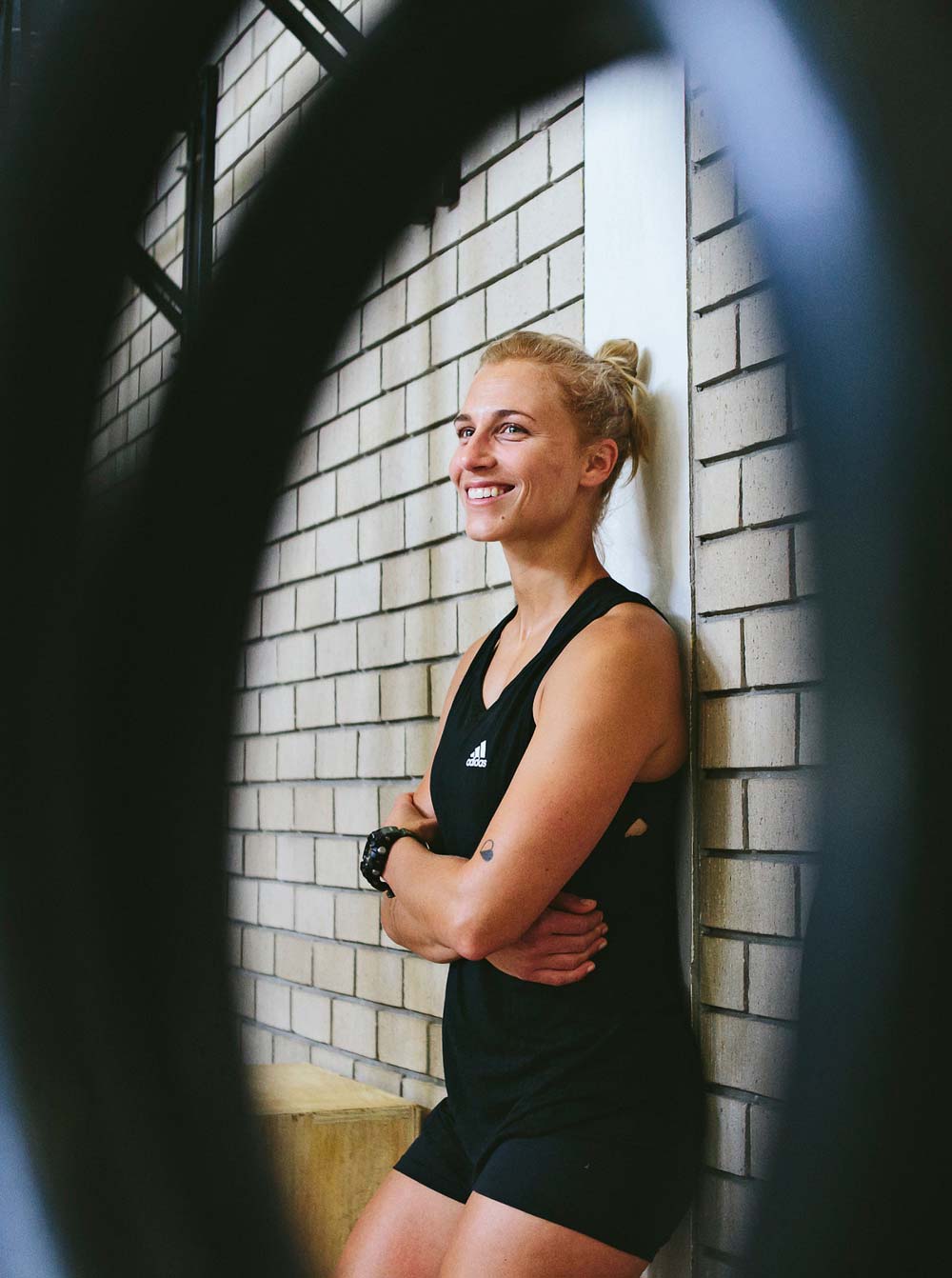
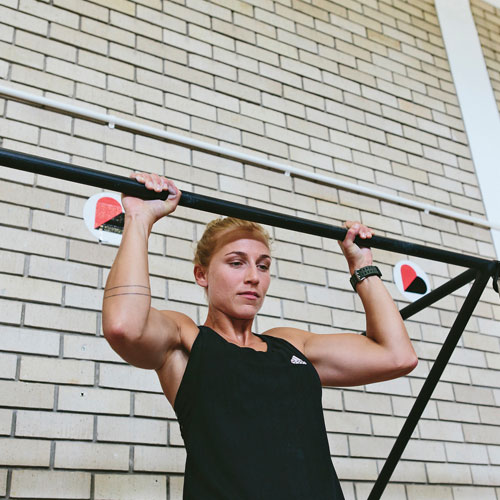
Tracy Shaw – Trail Runner. Kettlebell Pro. Cancer Survivor.

Findus Frozen Foods

We chat to Tracy Shaw – Kettlebell instructor, trail runner and breast cancer survivor. Her indomitable spirit and her approach to beating cancer are truly inspiring.

Tell us a little bit about yourself…

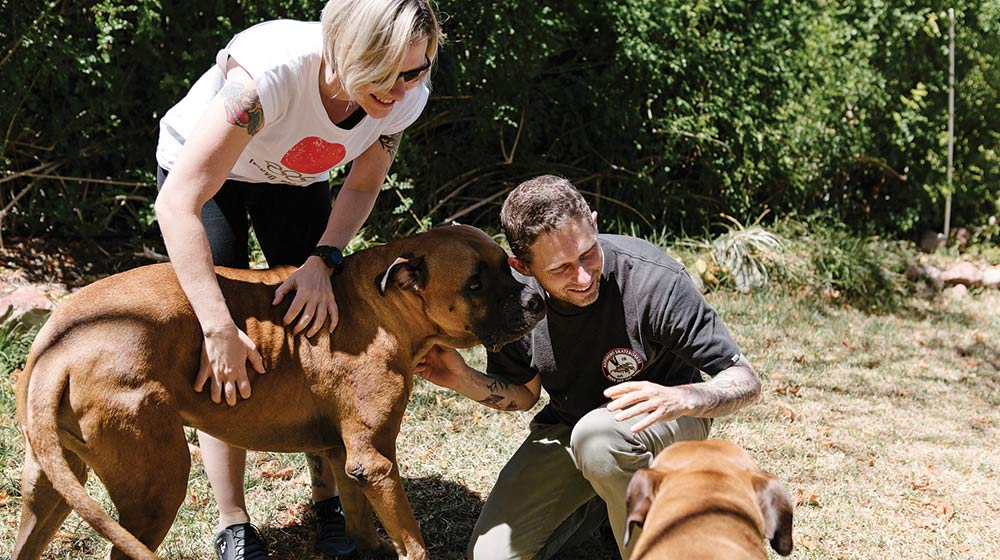
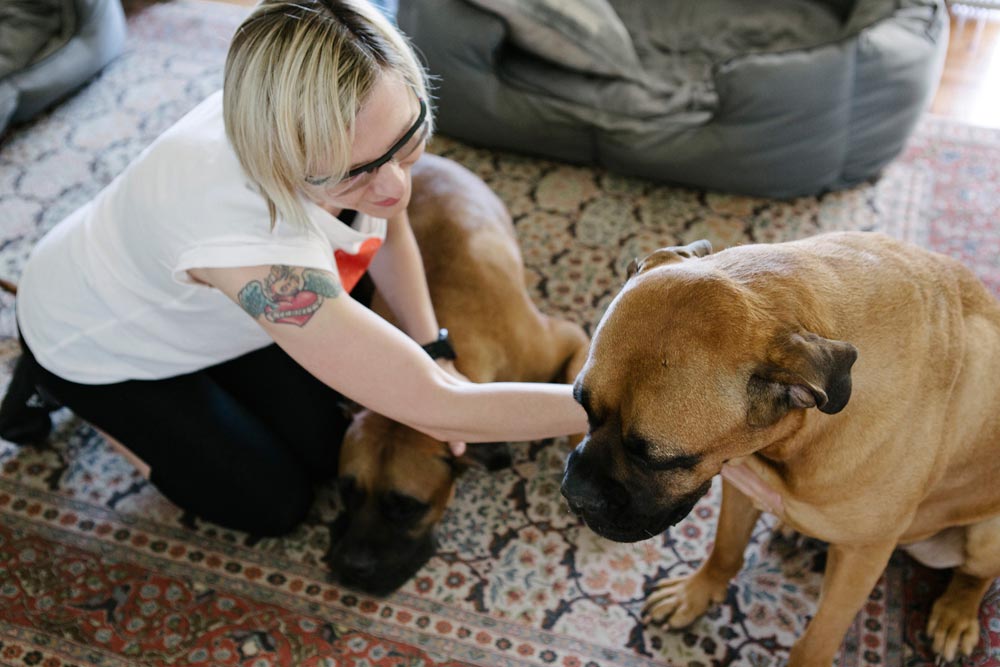
I need to burn both mental and physical energy and have basically figured out how to earn a living doing just that. I am self-employed and empowered. A personal trainer specialising in kettlebells from 06h00 – 08h00 and a strategic design consultant thereafter and I love doing both. I get to work from home with my amazingly talented husband and steal cuddles from my gorgeous pair of Bullmastiffs throughout the day.

How did you get into Kettlebell training?

I was introduced to Kettlebells through a friend who referred me to do a workshop with Kettlebells for Africa owned by Shaun and Marlize Cairns back in 2008, I was literally infatuated after that day.

Every aspect of kettlebell training resonated with me as a ‘less conventional’ personal trainer. Kettlebells are steeped in a timeless and colourful history and embodied in a ball of iron grit. Until that point as a personal trainer, I had never encountered a tool that when used properly could literally activate the entire body and challenge a person to their limits and beyond – all performed in one spot.

You hold a Russian Kettlebell Certification and went through some pretty intense training to attain this. Tell us about your training programme and how one becomes a Kettlebell instructor?

After completing a level 1 course through Kettlebells for Africa, I enrolled to get my Russian Kettlebell Certification in 2011. The course was held under the instruction of Pavel Tsatsoline, otherwise known as the father of modern day Kettlebells, also an ex-Russian special forces officer with a sense of humour as cold as a Russian winter.

After 6 months of training with my 16kg kettlebell, that included a series of strength, endurance and technique orientated exercises, I headed off to Chicago with my husband where I was put through a gruelling 3-day test. By the 1st day I realised we were in for a tough ride, everything we thought we knew got stripped back and we learnt every movement from scratch and more importantly learnt how to teach those movements in fine detail.

Thankfully my commitment paid off and I returned home a certified Russian Kettlebell Instructor with a few extra holes in my already callous hands.

So it all started with Kettlebells; how did you get into trail running?

I began teaching at Faught’s Gym in Durban, a professional MMA training facility owned by Darryl Faught. To date one of my favourite experiences as a teacher, it was a family of unpretentious hard working individuals.

One of my clients during this period Zsig (Who’s name took me about a month to pronounce) introduced me to trail running. I think it was basically his payback for the tough Kettlebell classes that I delivered to him and his gorgeous wife Tammy.

My first ever trail run was 10km through a combo of sticky KZN air, forests and some killer undulating sugarcane hills. I remember getting home and hoovering the contents of the fridge and then collapsed for a lengthy afternoon nap. It was the best, worst morning of my life.

Soon after I joined Riverside Trail group where I met some of my best friends. Made up of a passionate group of bush wakkers including Buzz Bolton who sometimes took us through terrain that quite frankly seemed more like an Indiana Jones jungle adventure than a trail run – loved every minute, spiders wrapped across your face, hornet stings and all.

Getting into nature and occasionally eating dirt from wiping out awakened the kid in me again. Trail runners are awesome, friendly people and have a passion for life. No matter how tough the course, there is always new friend to be made who will talk away the toughness and take you over the finish line.

Do you think the two forms of exercise work cohesively to build an overall fitness regime?

Without a doubt! Six years later and the combination of Kettlebells and trail running are my perfect pair when it comes to maintaining my overall strength and fitness. I have found that Kettlebells, when taught and executed with proper form, will complement pretty much every sport you can think of and is guaranteed to show results.

In September 2016, you were diagnosed with Stage 1 breast cancer. How did this affect your daily routine with regards to fitness, health and social responsibilities?

This was obviously not the best news but we were relieved that we caught it early – I take my health seriously and my annual check ups literally saved my life. I went into combat mode, and with my operation scheduled for the 21st October 2016, I had 1 month to plan my attack. My personal diagnosis led me to make the decision to perform a double mastectomy with reconstruction.

I put together a pre-op work out plan that focused on ‘hands-free mobility and strength’. My arms and chest area was going to be out of action so I worked on my core and legs. Hands-free Turkish get-ups being my primary exercise.

Secondly, I devised a post op plan based off some research I did online. This changed substantially once the op was done, but with some minor modifications, I at least had a structure in place.

I documented my weekly progress and the exercises that I used so that I could share it with other people in recovery.

I felt like a Tyrannosaurus Rex for the first week out of hospital. Simple things like putting a mug back into the cupboard was challenging, so I started off literally doing just that, packing one mug at a time with each hand back into the cupboard until I could reach to the top shelf. I spent 20 minutes each morning doing slow dynamic stretches focusing on breathing and posture, followed by full body movements using patterns that incorporated lower body strength and stretches – considering the body moves as a whole.

By the second week I was ready to head out for a walk and was amazed at how challenging this was – the rise and fall of my chest and the cold air was painful, but from a mental aspect this was a groundbreaking moment in my recovery.

My body was having to deal with some radical adjustments – I had severe back pain caused from the placeholder implants now under my pectoral muscles, which lead me to reconnect with the physiotherapist who deals specifically with breast cancer patients. As it turns out a lot of people don’t bother with the rehab and then further down the line come back with more severe muscular and postural issues.

One of my projects this year is to work with my therapist on a more advanced rehab movement program for breast cancer patients. This regimen will be given to patients as a week to week program with recommended follow-up visit to their therapists, who can then monitor their progress and make personalised adjustments accordingly.

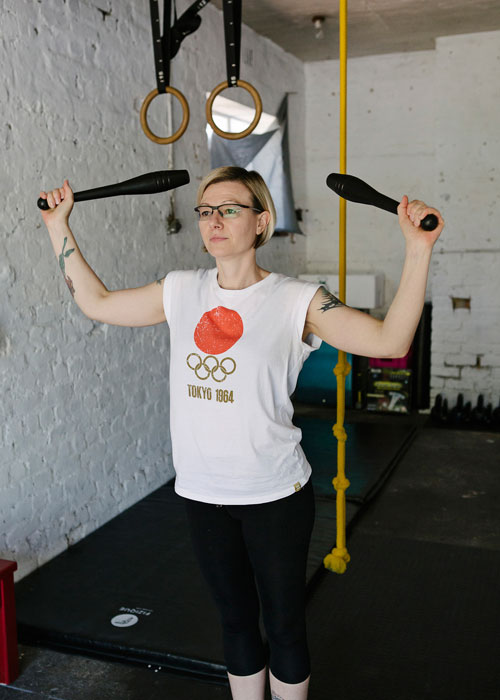
I got back into teaching Kettlebells as soon as possible, this also helped me to stay motivated on days when I was having duvet and motivation warfare. I have included Indian Club bells in my rehab to slowly rebuild my strength and mobility during this process. I did an Indian Club Bell workshop with Shaun from Kettlebells for Africa before my operation and it turned out to be incredibly valuable.

What are some of the lessons you have learnt through your journey of overcoming this terrible disease?

Firstly I learnt that your support system is really important. I was literally blown away and will always be thankful for the overwhelming support my husband and I got from friends, family and clients. Both my surgeons were also incredible; they spent time delivering the facts about my diagnosis and my options. I felt secure in my decision and knew I was in good hands.

My biggest personal hurdle was to prepare for the downtime and not being able to train with my Kettlebells or run. However, every day has shown improvement and it never ceases to amaze me what the body is capable of if you put in the effort.

It is important to believe in your ability for recovery – our bodies are a brilliant miracle of nature.

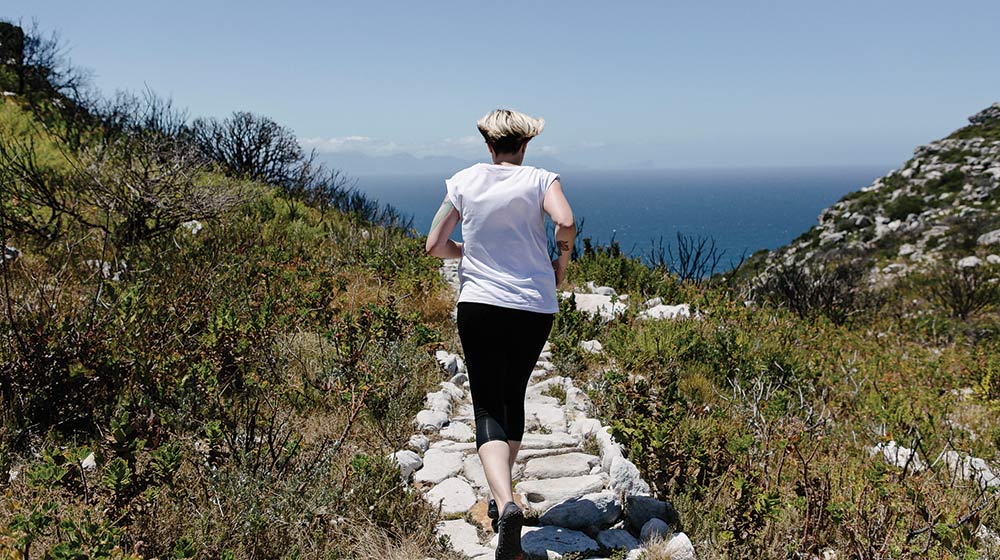
10 weeks down the line and I am back to pressing my 8 kg KB and I completed a 7.5 km trail race after doing some short practice trails in the mountain paths outside my home in Clovelly. 

Do you have advice for someone who is experiencing the same kind of journey currently about how they can look after themselves physically, mentally and emotionally?

Everyone will experience a different journey, but the advancements in medical science mean that you have a good chance of success at beating breast cancer.

You need to re-asses your life and health. What you do, or in most cases, stop doing will not only help you in this healing process but also help you regain some “me time”. You deserve at least an hour a day for yourself, it will benefit everyone in the long run because you will be able to approach all of life’s situations with calm clarity. I suggest doing something of a physical nature at the same time every day, so that it becomes like brushing your teeth. Let nothing or no one get the way of this time. Do something that will hold your interest indefinitely and get a buddy or personal trainer if you need some encouragement. Walk, run, dance, learn to play drums, do yoga, go diving, surfing, whatever, find it and do it. No harm in trying everything either, you still have a lifetime ahead of you so go for it.

If you feel pain, go and see a specialist therapist, your body is adapting and may need to have muscle pain alleviated during this transition. I work with both my physiotherapist and reflexologist. If you are feeling down in the dumps, get in touch with the CANSA counselling and support groups they offer a remarkable service to patients and family members alike.

Get motivated and spread the word, sign up for events in support of the Pink Drive.

I cannot reiterate the importance of doing check-ups, this is something that is literally in your hands.

Do your monthly checks at home and if anything looks or feels strange go check it out. If you have concerns that you may be predisposed to breast cancer because of genes, get yourself tested. 1 in 15 women are being diagnosed with breast cancer these days – that’s scary, but caught in the early stages can not only save your life but help you avoid painful radiation or chemotherapy should you have to go through any procedures.

You are due for your last operation soon; do you believe it is important to have a pre-op work out plan? Tell us a bit about how keeping your body strong can help with major operations.

I think having a pre-op plan is certainly beneficial if you have time to implement one before the procedure, especially now knowing what limitations I experienced. You are unable to rely on the strength of your arms for the first few weeks so by making sure that the rest of your body has the mobility and strength to compensate for this will make life a lot easier. Getting out of bed and moving as soon as possible is very important.

The bottom line is that your body goes under enormous stress during any operation, sometimes you can plan for it and sometimes not. Having a solid base of health and fitness is going to be the determining factor as to how fast your body will recover.

The time it takes to recover will in turn impact on your mental state, and the less chance you have of slipping into depression. It’s not pushing too hard either but rather listening to your body and perhaps working on some basic things we forget like breathing, posture and full range movement patterns.

How has diet played a role in your recovery?

I generally have a very healthy approach to my diet that includes a lot of raw veggies and fruit, healthy proteins and very few processed carbs. I do occasionally allow myself to relax over an unrestricted meal with friends and indulge with a glass of wine and some Lindt dark chocolate on the weekend. I have however been more conscious of what I eat during recovery and have boosted my supplements to assist my body with the healing process using glutamine, glucosamine, chondroitin, collagen and Elixanol Hemp Oil. Also, no wine or alcohol as your body will be trying to eliminate the anaesthetic and this takes at least a month.

Fighting cancer obviously has a major influence on how you view life; what has changed for you?

I never felt like my diagnosis was life threatening, but I did take a step back and assess my life to make sure I was happy and that my family was happy. I can honestly say that I am really content with every aspect of my life right now.

Quickfire

Your ultimate cheat meal? The picnic basket from Vergenoegd Wine Estate is a slam-dunk winner for me. Ryan Shell packs a 3-course meal of moreish surprises washed down with a bottle of wine, you literally have to take a walk around the farm to digest the meal before you can tuck into the dessert.
Food you dislike? KFC
What is your favourite kettlebell exercise? The Snatch
You favourite non-exercise related thing to do? Travelling overseas with my hubby and going to watch bands.
Your most recent splurge? A pair of Vivobarefoot Primus trail shoes.


Findus Vegetables

Andrew Dominic Brings Sleek Design to Cape Town

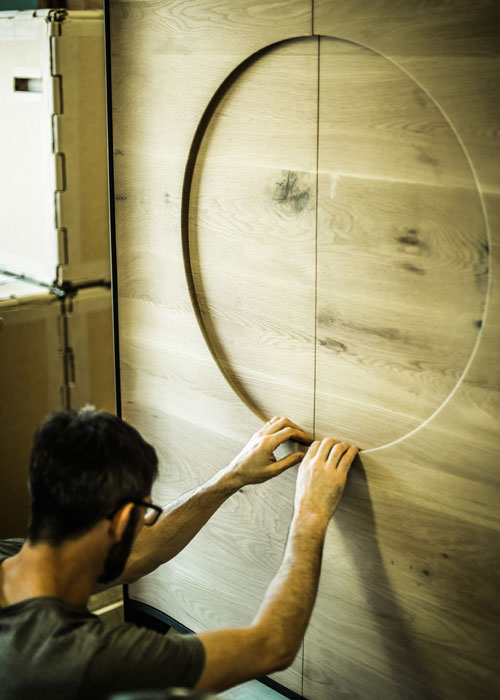
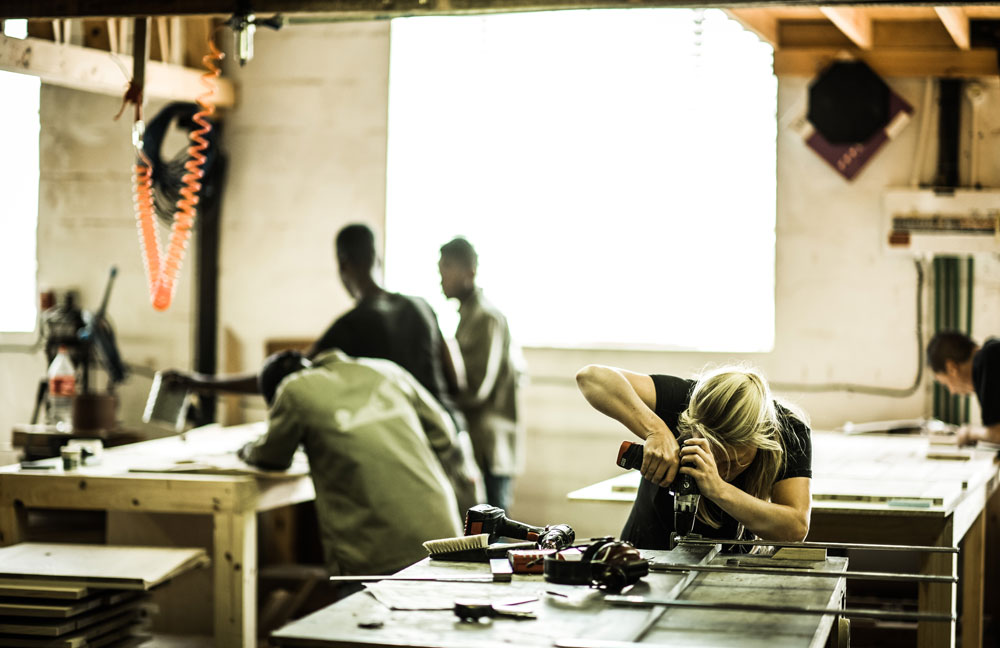
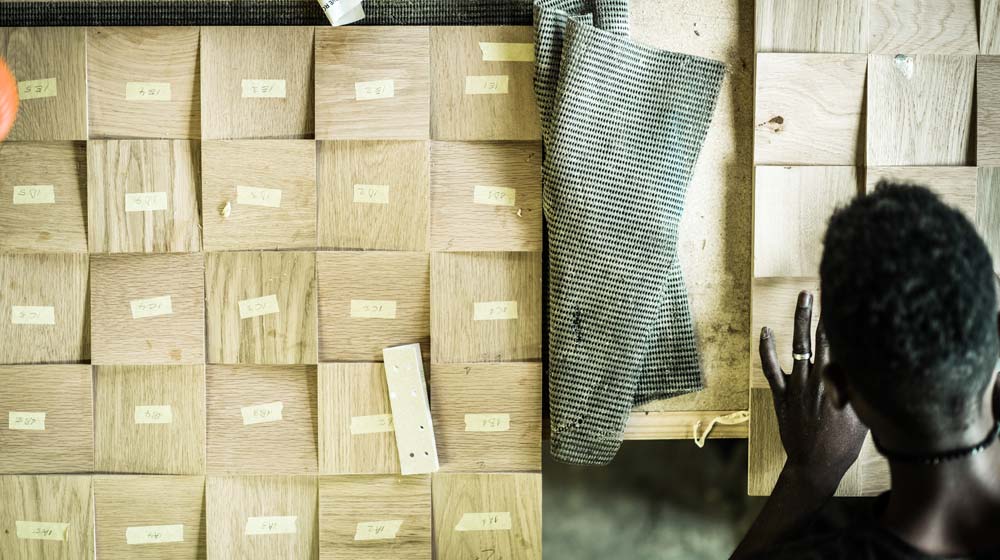
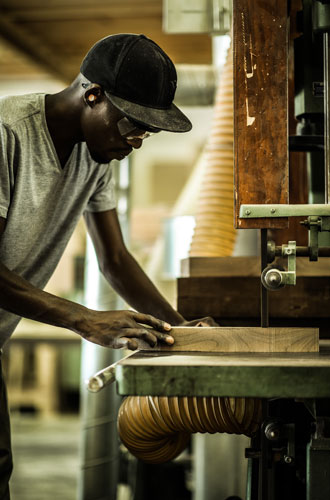
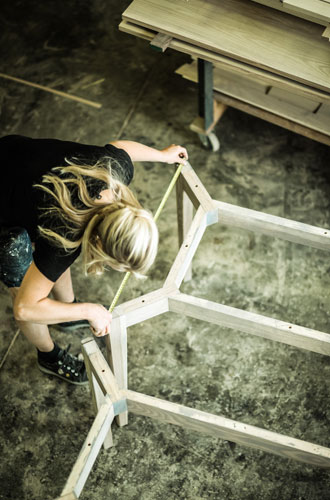
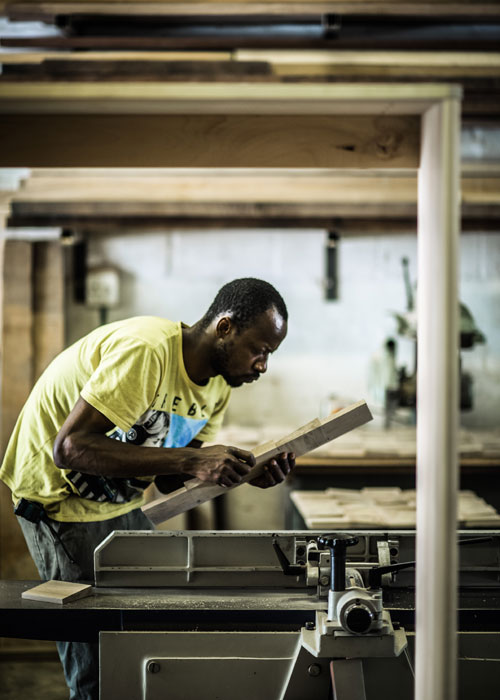
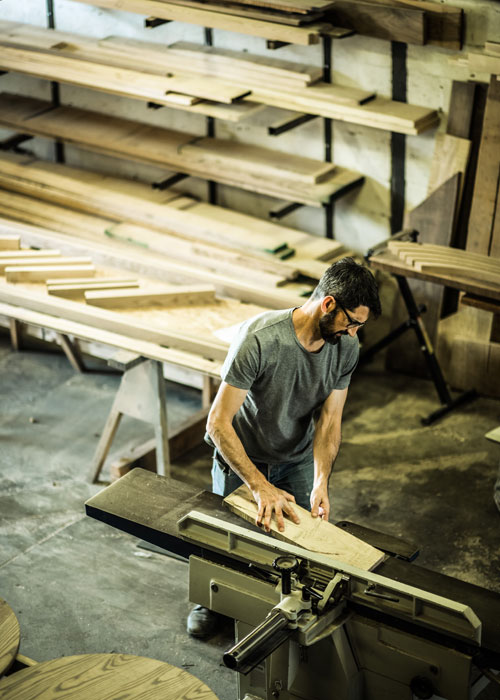
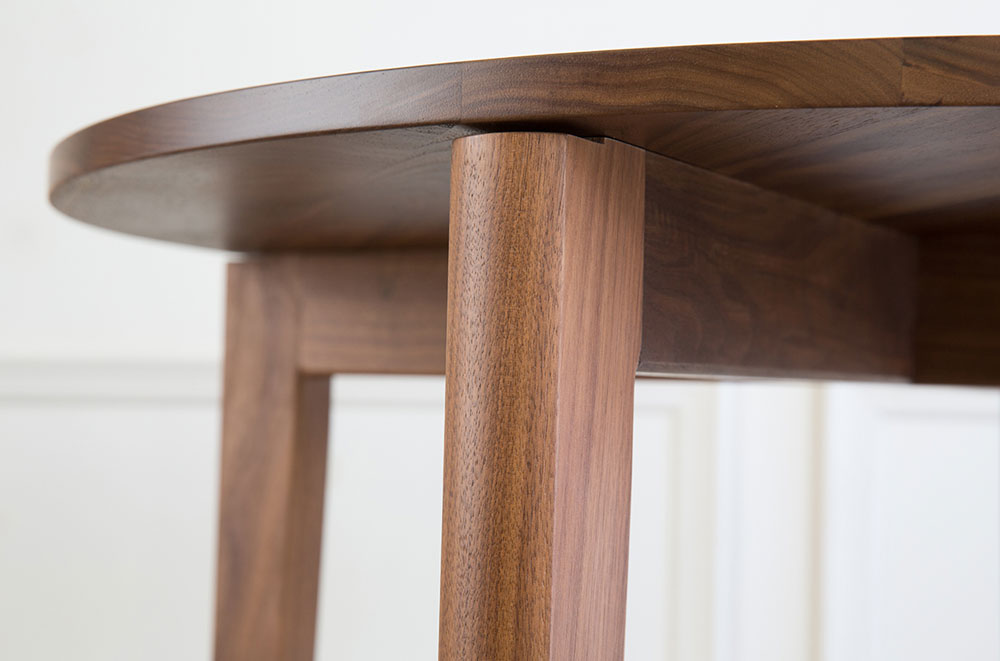
Someone once said that ‘where you find quality, you will find a craftsman, not a quality-control expert’. While it seems presumptuous to try and place Andrew Dominic in any kind of box, this description seems to fit him perfectly. A walk through his Observatory-based workshop, where he and his team create striking pieces of furniture, makes this abundantly clear. In amongst the quiet hum and buzz of the hand-operated machinery, Andrew can be found getting stuck into the activity of the day. If he’s not perfecting a finish, he’s ensuring precision on other pieces being put together. If ever you needed a definition of a craftsman, you would find it in Andrew.

The story of how Andrew’s furniture company came to be, tells a tale of a man compelled by design and woodwork. Having grown up in Devon in the UK, surrounded by yachts and a love of sailing, he soon found himself interested in the design of them. This was his first introduction to woodwork and before long he combined his love of boats and carpentry and took to the open seas. He worked on yachts, repairing them over the winter months, while sailing the idyllic Mediterranean and Caribbean seas for most of his 20s, before meeting and falling in love with his South African-born wife, Susie.

Swapping the open seas for something a little more land-based, Andrew went to hone his skills with renowned artist and designer David Savage.

It was here that Andrew was able to scale down from large yachts and to fine-tune his woodworking abilities. Before long, the call of the Cape was too loud to ignore and Andrew and Susie moved to the mother city in 2009 where he began to set up his business.

Fueled by the freedom to create beautiful pieces, coupled with his undying appreciation for natural beauty, it was always clear to Andrew that his business would focus on wood. He’s known to have ‘a thing’ for wood, and when asked why he explains that its workability and variation stand out for him. The fact that it’s been around for so long, a history that is told in its unique markings and gradation, means that there is real beauty to highlight. And in his furniture, he’s able to show off the fine techniques that go into crafting each piece. For Andrew, crafting his work starts at the point of heading to the yard to select the wood, which he does himself. He also decides which piece of wood will go where.

Just like Michelangelo, who saw David in the piece of marble before he even started, Andrew sees the detail in the wood and knows exactly where it belongs in the furniture.

He oversees every part of the manufacturing process, specifically the stages, where he helps all of the hard work come together.

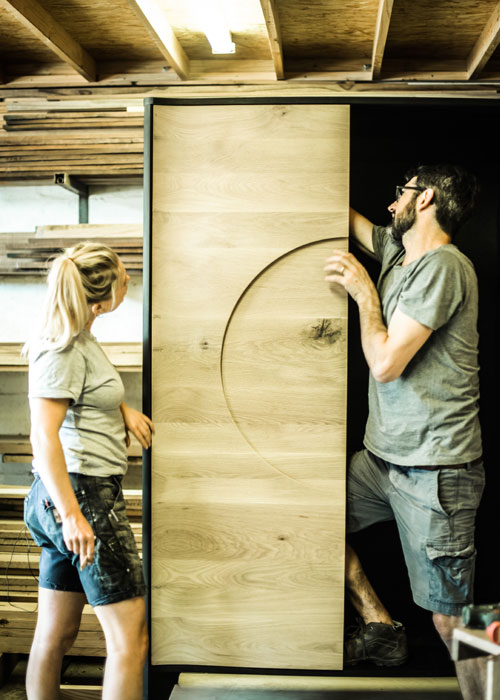
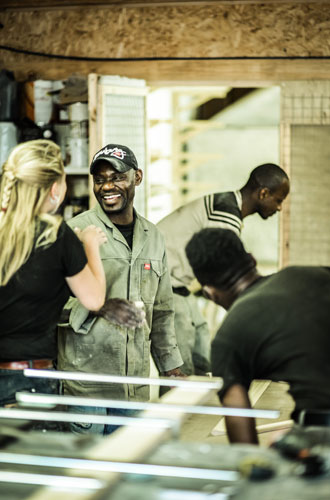
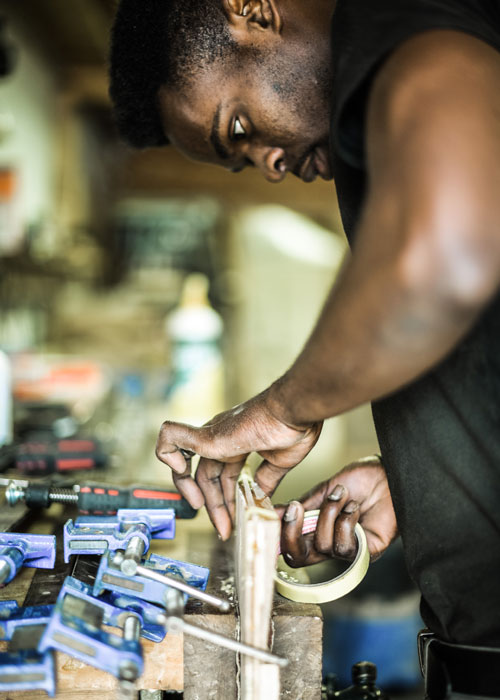
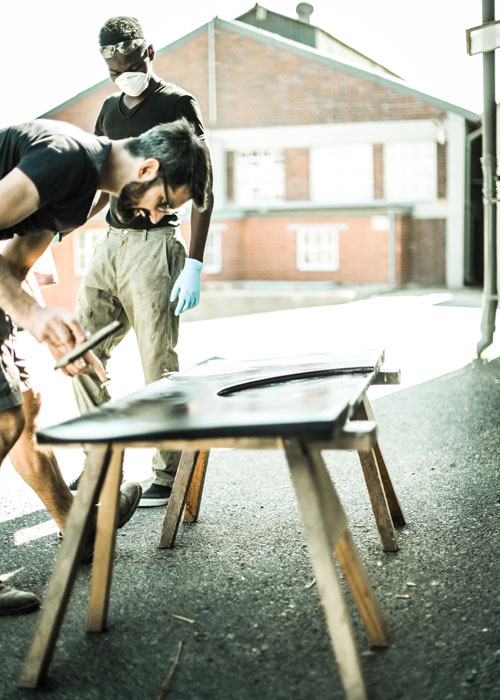
Every item is handmade, with manually-operated machinery – he believes that automated timber machines that do all the work for you can’t be described as a craft. He’s passed this passion for handiwork on to his small team of carpenters. He taught them almost everything they know and says that aside from their skill and attention to detail, he loves their enthusiasm. They love to create beautiful pieces as much as he does.

For him, hand making everything allows him to play each piece of wood like a musician plays a string. It has purpose and helps to tell the story.

And what a story it is – the Andrew Dominic collection is nothing less than stunning. Each piece, while quirky and unique, still manages to tie in with every other piece, without being shouty or overshadowing. There’s a slick minimalist edge to the range, most likely because Andrew believes in ‘enough’. To make everything strong enough, attractive enough, so that there is no excess, every piece features balance and restraint, while being solid and sturdy.

The first piece Andrew ever made was a commission for a friend’s father, a table, and soon after that he was requested to make bar stools. These bar stools, the Draper, have become iconic in the collection and with their sleek, retro legs and comfortable seats, it’s easy to see why. Their design represents perfectly what you can expect from his range of furniture and if you had to pick a favourite, you’d be hard pressed. While Andrew still accepts commissions, there almost seems to be no need for it. The range is neat, quirky and beautifully made, meant to last a lifetime. Regardless of your style, there will be a piece that speaks to you. To be a fan of Andrew’s work is to be a fan of true craftsmanship.

andrewdominicfurniture.com | Facebook | Twitter | Instagram

miele-logo-banner

See No Evil: Design in Craft Beer

They say you should never judge a beer by its cover, well close enough, but these days that is much easier said than done. The truth is that with an ever expanding line up of craft on the shelves, we drink with our eyes first, and most of us are drawn to what looks appealing. Great design makes a beer stand out, it raises the bar, and sets the standard for other brands to measure themselves against.

Creativity and design are fast becoming a focus of the more savvy breweries. They have embraced the fact that the visual bridge between brewery and beer drinker needs to be both considered and awesome.

Your beer could be delicious but if it looks like it was designed by your cousin’s cousin who’s killing it in first year design, complete with low-res hoppy clip art and a barley wreath, well… there’s a good chance that it’s going to be ignored.

Thankfully we live in a time that’s moved away from Times New Roman and ribbon banners. A time of educated beer drinkers who want a beer that delivers on all fronts.

They want the complete package, and if it says “Lucifer’s Ingrown Toenail Imperial IPA”, it better look like it was brewed in a cauldron, and make me think twice about taking a sip.

This is what separates strong brands from weak ones. Strong brands have strong identities and this is where good design is born. It’s not just design for the sake of design, it’s concept driven design, and ideas are powerful things. If a brewery can get all of these things right, they’ll have people reaching for their hard earned cash in a heartbeat. In this new series that we’ve dubbed ‘SEE NO EVIL’, we’ll be focusing on design in craft and what we like about it. To kick things off we’re starting with a few classics so let’s get to it!  

Our Expert-ish Panel:

Matthew Ibbotson: The owner of Crush Online. Graphic designer, foodie, stylist, photographer, and beer lover.

Greg Gilowey: The industrial designer half of Beer Country. Fire maker, meat griller, beer hooligan.

Karl Tessendorf: The copywriter half of Beer Country. Flame tamer, burger obsessive, professional drinker.

And Union Friday IPA

and Union Friday IPA

Greg: Simple, bold, premium and cooler than Samuel L. Jackson with his BMF wallet. And Union redefined beer packaging before South Africa even knew it was a thing. At that stage, these guys were kicking-off the craft revolution, and had people asking “is it a beer?”. You bet your custom Café Racer it is, and a damn tasty 500ml at that. I want it now.

Karl: And Union describe themselves as a ‘Modernist Bavarian Craft Brewer’ and this is about as modern as it comes. So simple, so elegant, and very clever. It’s got one strong colour, which echoes the colour of the beer, and it’s anchored by one word, Friday. Who doesn’t like Friday? I’ve seen people buy into this beer purely because it’s called Friday, and that is clever thinking right there. It has standout appeal and you can’t mistake it for anyone but And Union.   

Matt: It’s simple, it’s balanced, it’s crafted and it’s called Friday! This pack design, in its, simplicity perfectly portrays what the craft beer movement in South Africa should be all about. Cutting away all the crap and enjoying a simple, honest product with such underlying style. It’s a brave design and tells the potential beer drinker more with it’s well balanced choice of Sans Serif than a million, overused, mechanical photoshop filters could ever do.

Jack Black’s Lumberjack Amber Ale

Lumber Jack Amber Ale

Greg: Skull, beard, axe, checked shirt in a forest – take my money! I am a sucker for great design that doesn’t take itself too seriously and this one is a classic. It was the first beer that made me grab it before I even knew what was in the bottle, which as it turns out, was my second favorite Amber (second only to my daughter).

Karl: Jack Black’s have always had an American identity and what’s more American than a lumberjack? Why is it a skull? Who cares! It looks awesome and when you throw in a sweet beard, well, it just makes it even cooler. It paints a scene and it makes me feel like this is the beer I should be drinking after a hard day’s work. Jack Black’s was also one of the first to print straight onto the bottle which adds texture and solves the problem of labeling and labels coming off in an ice bucket.  

Matt: Open mountains and hard physical labour in a checked shirt- that certainly is the tale behind a lot of craft beers. The textured illustration, strong two colour palette and bold, stacked old school type faces make this an authentic craft beer design. It’s hard and rugged and if it came with a ten pound axe or chainsaw it might be perfect.

Devil’s Peak King’s Blockhouse IPA

Devils Peak Blockhouse

Greg: This was the first beer that spoke to me, literally, with a little message on the side of the bottle that says, “I am not a Beer as you know it, but a Beer as it should be”. Add to that the awesome illustration topped with a serious dose of local naming inspiration, and you’ve got me, I’m in. It’s a little harder to read these days on the 330 ml, but in those first 500 ml dumpy-days, it was big, bold and incredible – just like the beer.

Karl: I’m a sucker for illustration and the original line up of Devil’s Peak beers are still my favourite labels. They are like opening a story book that’s filled with intricate detail. The design carries right around the bottle and there are little surprises all over the place. For me this is a sign of well thought out design that stands out. King’s Blockhouse has been the complete package benchmark for many years and it’s easy to see why they won a Loerie Award for design.

Matt: This is what you call crafted design. From the fine illustrated elements to the detailed choice and weight of fonts.The classic black and white etching set against the contemporary blue gives it punch on a crowded shelf. This design gives me the feeling of time – when letters were set in printers trays and leading was created with real lead and not a click of button. Some things need to be crafted and this beer and its label certainly were.

Cape Town Festival of Beer, You Biscuit!

And that’s the  Cape Town Festival of Beer 2016, wrapped! Yes, I realise that I am a little late to the party here with a post fest round up, but it’s taken that long to get over the hangover. So how was the fest? In short, epic. The country’s finest craft brewers made their way to Hamilton’s Rugby Club in Cape Town for three days of beer, beer and more beer. There were over 200 brews from 50 different breweries, including our very own collab brew with Fraser’s Folly, Moerkoffie Condensed Milk Stout.

As it was our first time exhibiting, we figured we better build ourselves a simple bar to call home. After a quick trip to the local scrap yard, we put together a stand that we felt best represented Beer Country and Fraser’s Folly – a tin shanty complete with skulls and a stuffed seagull named Steven Seagull. With the stand built and the beers cold, the doors to the festival opened. What followed was a three day blur of great beer, awesome conversations and the Beer Country Chilli Challenge.

The selection of beers on offer at the fest was incredible. The brewers really stepped it up and it seemed like everyone had something new to try. A couple of breweries stood out in particular and we have to give a shout out to Devil’s Peak. They pretty much launched an entirely new range of beers and each one was interesting and unique. The eventually took Best Beer on Show and Best Hoppy Beer for their Grapefruit Express IPA.

Another shout out goes to Little Wolf Brewery, who was the pick of many a seasoned beer drinker for their hoppy American wheat beer. We would loved to have gotten to more stands to taste all the beers but unfortunately running a stand is a full time gig.

Back at tin shanty HQ we were slinging beers left, right and centre. The crowd was loving Fraser’s English style pilsner and pale ale, which is hoppy, delicious and super sessionable at 3.4% ABV. The thing I loved most about working the CTFOB was the amazed reaction on people’s faces every time we gave out a taster of Moerkoffie. The reaction was priceless and even when we got the, ‘I don’t like dark beer’ comment, the reaction was there. It’s taken us a long time to get Moerkoffie to when it is and we’re super stoked that it was so well received.

To add a little fire to the occasion, we decided to bring the Beer Country Chilli Challenge from our CTFOB brewers video to the fest. The premise was simple: eat a whole habanero, don’t die, and get a free half pint.

At best we figured we’d get one or two brave souls and a few laughs… oh how wrong we were. The Chilli Challenge took on a sadistic life of it’s own and we actually had to call it towards the end of each day to ensure we had enough chillies for the next day. What started out as a sack with over 60 habaneros was empty by the end of the third day. It’s amazing how far a little Dutch courage goes. Keep an eye out on our social media for the super-cut-habanero-fiery-pain-video which is coming soon!

And so we came to the end of another successful CTFOB. It really was a whirlwind of great beer, delicious food, awesome music, and a rugby game that we’ll not talk about. We had an incredible time and we even managed to scoop the award for Best Stand, which means we get free entry into next year’s fest. We’ll see you in 2017 for a Moerkoffie, a chat, and if you’re feeling brave why not try the Beer Country Chilli Challenge?   

capetownfestivalofbeer.co.za


Irène Scholz: Bold, Beautiful and Badass.

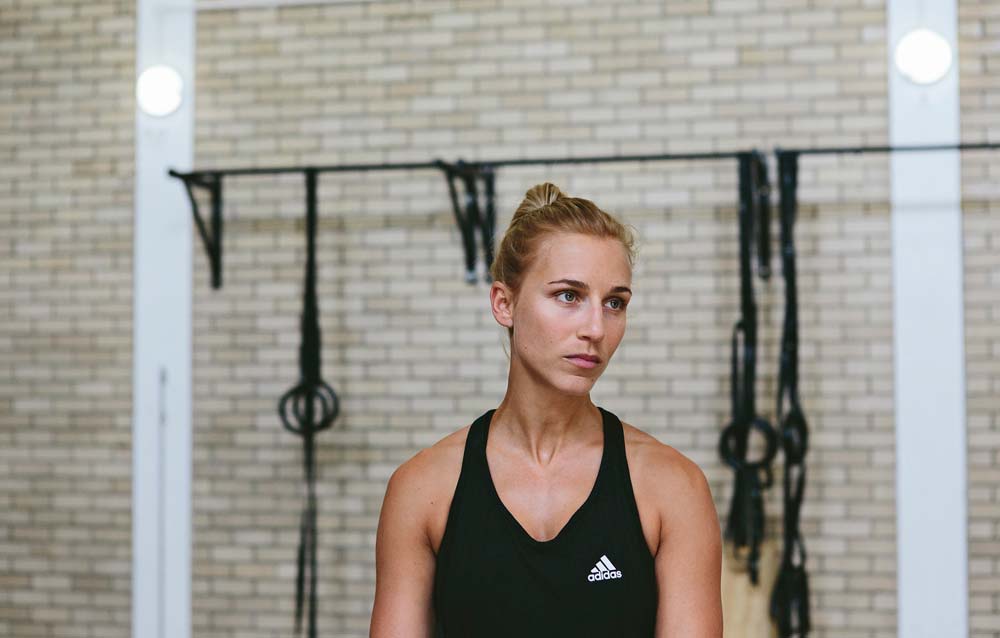
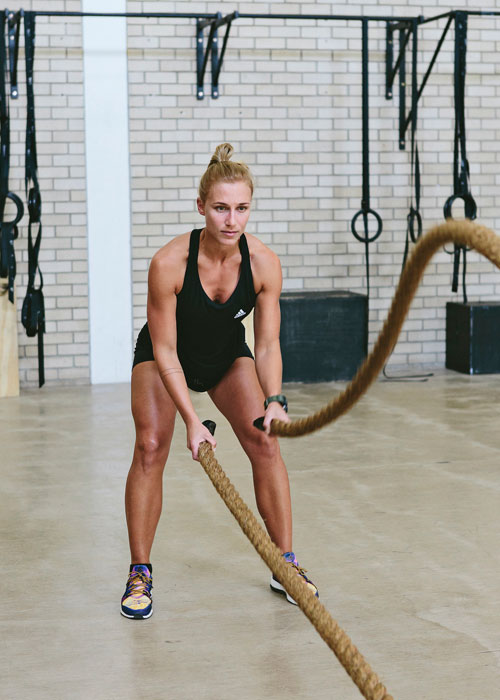
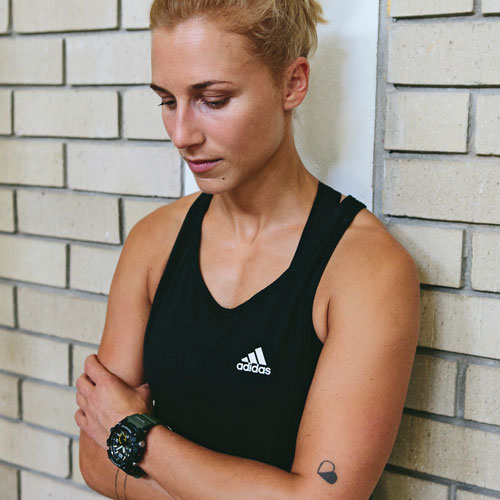
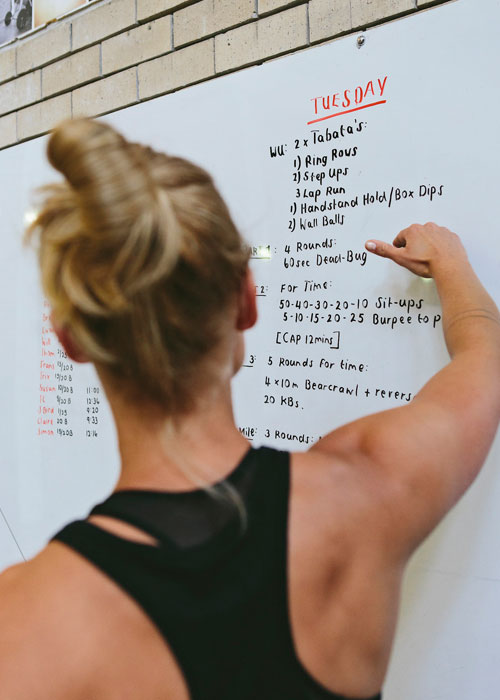
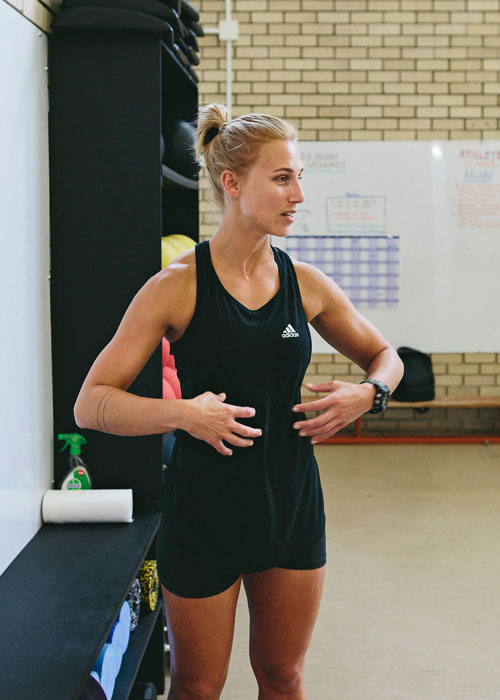
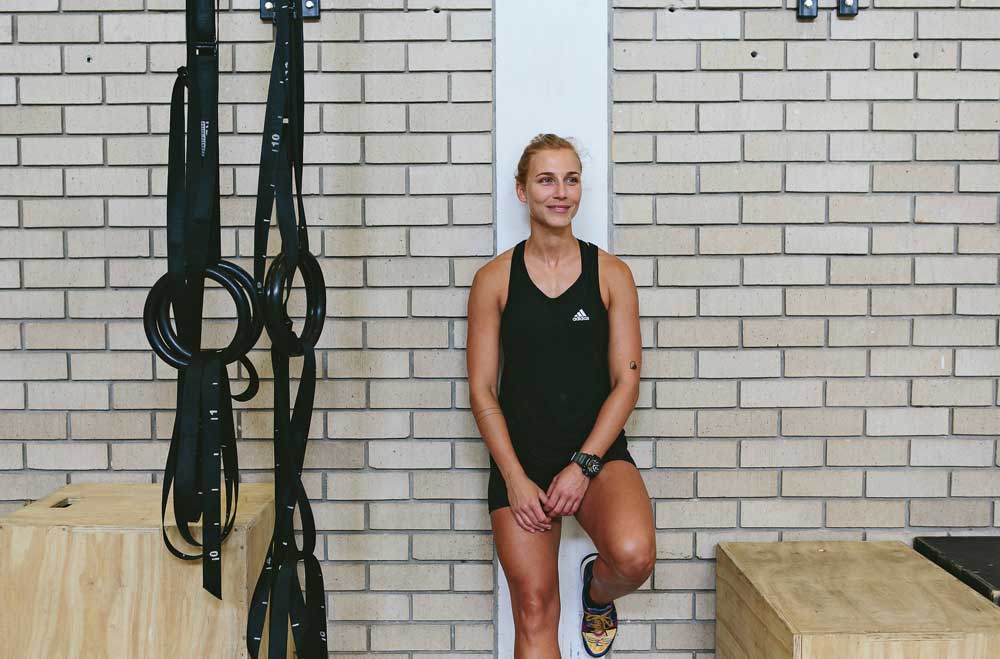
Irène Scholz can only be described as a firecracker. Quick moving, lithe and chatty, she’s the type of person that you would love have as your fitness trainer. Irène is the owner of Bold, a gym that can’t quite be defined in one sentence. Irène calls what they do functional training where classes incorporate a number of different techniques and styles. If you’re thinking CrossFit, don’t. Bold wipes the floor with CrossFit. There are ropes and bars and tyres and weights and each session will see you use everything differently.

Irène is a qualified personal trainer, has her CrossFit L2 and she is a SISSA health profile assessor, in case you need credentials. Her body is testament to the work she’s put in to making fitness her life – she is strong, toned and inspirational. Easily the best things about Irène are her cheeky sense of humour and her disarming smile which probably puts her students at ease. She just loves what she does and she wants other people to love it too. Her goal is to get people active – regardless of how they do it. We (barely) managed to make her sit still long enough to answer some questions, to find out just what makes her tick.

Crush: Can you tell us a little about yourself and how you found your passion for fitness and training?

I have often thought about this exact question and the answer is – I didn’t find that passion, I was lucky enough to always have it. Growing up in a sporty family, trying to fit it all in – tennis, athletics, ballet, volleyball. My best marks at school were always in sport and most of my friends were part of either my volleyball team or my ballet class. So, I’ve always had the passion sitting there, waiting to be unleashed. It took me 30 years to follow my passion and to make it my career. There are many reasons why I didn’t choose to do it earlier on in my life and in retrospect all of the reasons somehow benefited the path I have chosen – to open my own gym and to become a full time coach.

Irène Scholz: Bold, Beautiful and Badass.

What brought you to South Africa?

I studied Marketing and Business Administration in Germany and although it never quite felt like the right thing, I wanted to stick it out and in a way to do what one is supposed to do, finish your studies and get a real job. Besides studying, I always worked at gyms as well as playing various sports. I always knew I wanted to work abroad and in sports, so the goal was to improve my English skills with 6 months in South Africa and 6 months in Australia – well, I never quite made it to Australia. I was offered a project management contract with Adidas in SA and there was no way I could decline it. I stayed and I am still here.

What inspired you to open Bold and what sets Bold apart from other gyms?

Bold is a safe zone, not to be confused with a comfort zone. A space for people to enjoy exercising and to be challenged without feeling intimidated. While some people think that we are only about being a happy clappy community, I think we are happy, and sometimes clappy, but most of all we are committed. We encourage each other and we get results without needing to be seen while doing so. Every type of gym has its fans. The beauty is that there is room for various different gyms following their own principles. BOLD will always follow the principles of improving health and making you sustainably stronger for life, while having fun and being challenged. Other places focus more on stimulation with music and disco lights, while others are all about competition – there is something out there for everyone.

Irène Scholz: Bold, Beautiful and Badass.

Choosing a favourite form of exercise might be like choosing your favourite child, but is there one particular activity that gets you really excited?

Sjoe… that is a tough one, there are so many – everyone would expect me to choose burpees. I think I’d go with a combination of free weights, gymnastic work and sprints – oh, and maybe add a challenge like rope climbs. Whatever it is, move.

Irène Scholz: Bold, Beautiful and Badass.

How do you keep yourself motivated and inspired?

Like many other people, I find my inspiration while traveling – I totally love being coached by other coaches, exploring other methods and programming. Social media/digital media has made it a lot more accessible to follow a coach across the globe and to get ideas for new training programs.

Irène Scholz: Bold, Beautiful and Badass.

What does a typical week of training look like for you? Do you mix it up at all?

I mix it up as much as I can. I also have weeks where work takes over completely and I have to be creative about what I do. My favourite schedule would be to train 5 days a week – 1x strength, 2x runs (one interval and one longer), 2x high intensity. On day 6 and 7, I would try to add a hike, beach volleyball or some form of fun physical activity, and then there is 1 rest day where I force myself to sit on my ass!

What has been the most rewarding part of opening Bold?

The people. To see them grow, to see them believing and trusting in themselves and to see the way their attitude towards themselves changes. It’s pure beauty.

Irène Scholz: Bold, Beautiful and Badass.

We assume that you’ve experimented with most forms of exercise, but is there one you’ve recently tried out that you’re excited to explore further?

Does laser tag count as exercise? No probably not. I used to play touch rugby and I miss it a lot, that’s what I am going to do once I managed to free up one evening. Other than that, pole dancing, I still have an open date on that.

Irène Scholz: Bold, Beautiful and Badass.

What do you wish more people knew about exercising and keeping fit?

That it can be fun and if it isn’t they haven’t found the right form of exercise. Everyone always preaches that we should move more and exercise, they make it sound like another thing we “have to do” and I think that’s where it all goes wrong. It is a beautiful thing becoming body aware and realising what you are capable of, but to get there you’ll have to start somewhere.

Irène Scholz: Bold, Beautiful and Badass.

With being so active, you must keep a rather strict diet but do you ever let yourself pig out at all? What food makes you weak at the knees?

No I don’t have a strict diet, I am trying to eat balanced and I also experiment and tweak it here and there – the biggest impact on the way and what I eat came when I decided that food is fuel and not therapy. My dietician put me on a lower fat diet, apparently my body has been struggling a bit with processing fat – so my biggest weakness is CHEESE, goodness I love all forms and shapes of cheese.

What advice do you have for someone wanting to get fit?

Start. Now.

What is next for you?

My big adventure next year will be two-three months of traveling and I am also planning on opening BOLD in Germany, its a long way till then so for now – enjoy summer to the fullest.

Irène Scholz: Bold, Beautiful and Badass.

Quickfire Questions

Most recent splurge? A skateboard, some say its a midlife crisis, I say I should have bought one years ago, love it.

The world is ending, what would your last meal be? Cheese? No it would be spaghetti Bolognese with Parmesan obviously.

Food you dislike? Kale, I hate kale – but it’s so good for you, so I am trying to hide it in my juices somehow, haven’t quite found the best way to hide it yet.

Best career advice you’ve ever been given: I’ve got two and they are stuck with me forever – ‘if you want others to believe in you, you’ve got to believe in yourself first’ and ‘paddle your own boat, nobody will do it for you’.

Favourite drink after a long day? Ice cold sparkling water, I sound so lame – but that would be it.

Favourite emoji? This is the toughest question out of all of the above! I think it’s the poo, yes and I dig the monkeys and maybe the eyes rolling one, also… I am getting carried away.

Irène Scholz: Bold, Beautiful and Badass.

wearebold.co.za | Facebook | Instagram 

Fresh Brew: Aegir Crush IPA

Say Hello to your Summer Beer Fling
Spring has sprung, summer is here, and Aegir’s new seasonal IPA is about to crush your tastebuds with a citrus superplex off the top rope. Yes Crush IPA is here and this time brewer, Rory Lancellas, says he’s not messing around. She’s fruity, feisty and she’s got enough bitterness to make your tongue do a 180 flip with every sip.

Aegir is known for their big IPAs and this might just be the biggest one yet. It was inspired by the UK’s Magic Rock Brewing and their Highwire Grapefruit pale ale.

The zest from over 40 kilograms of grapefruit and naartjie was added to the brew before it was dry hopped to the hilt. The result is a citrus bomb that’s packed full of bitter grapefruit, tart naartjie, candied orange, and subtle lime flavours.

It sits around the 75 IBU mark and while it is intense on the palate, it’s not overwhelming. The disciples of our Holy Hophead Church are going to love this one.

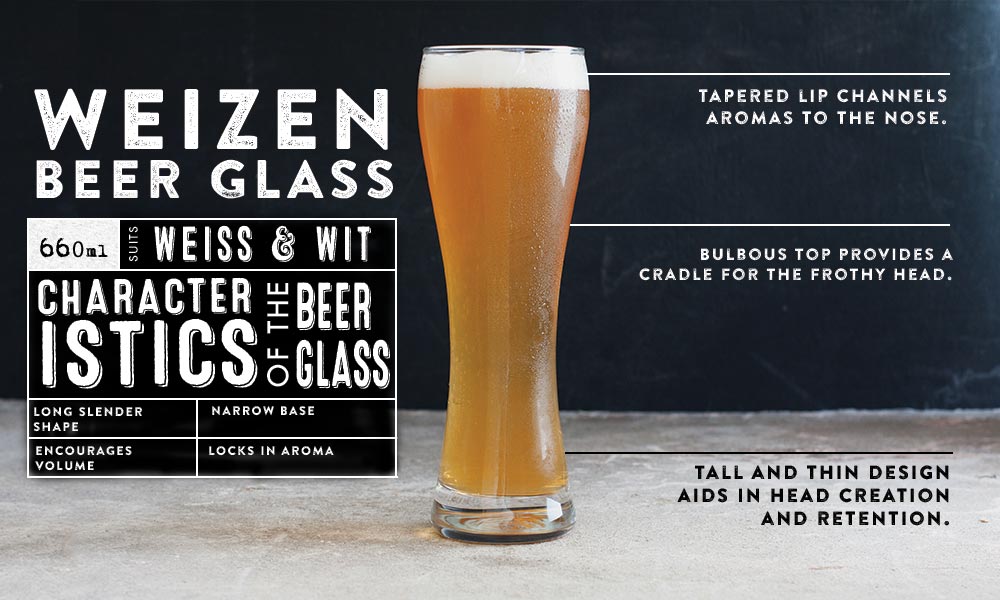
To properly appreciate the intensity of this beer, I’ve opted for a Rastal Craft Master One (available to purchase HERE). It’s been designed by some very clever German folks specifically for drinking beer. From stem to lip the glass is about providing the best experience possible. The stocky base is comfortable and easy to grip. The chimney design rockets aromas up the glass and provides ample surface area for you to admire the colour of your brew. The refined, flared lip ensures comfortable drinking and I think that even the Norse god, Aegir would approve of this vessel.   

The most exciting thing about Aegir Project and Rory is the constant evolution. It’s something he lives by and it’s the reason for the ‘Project’ in the name. The project has to evolve to stay alive and judging by the run that Aegir has had, the project is not only surviving, it’s thriving. It’s been a great year for seasonal beers in South Africa and three of them have come from the little brewery in Noordhoek, Cape Town.  

Did you know…? Aegir was the Norse god of the sea that brewed beer in a one mile deep and one mile wide pot that was given to him by Thor.

vitria.co.za | Facebook | Instagram 

aegirprojectbrewery.com | Facebook | Twitter | Instagram

A big thanks to The Village Idiot for hosting this edition of Fresh Brews.

Can A Garden Save a Life? StreetScapes Shows That It Can

Reliance Compost

As busy city dwellers, the sight of people living on the street is commonplace. Sadly, most of us are quite desensitised to the plight of homelessness – we’re able to step over someone sleeping under a cardboard box or keep walking past someone wrapped up under a dirty blanket on a street corner. We’ve become so numb to the sight of poverty that we can separate ourselves from it so totally that we barely register it. Sad but true.

StreetScapes Garden
StreetScapes Garden
StreetScapes Garden

I wonder though if any of us ever give any thought to how difficult it is to remedy that situation once you are in it? When perhaps you want to work to earn a living, but don’t have access to a shower, clean clothes or things that would make one presentable enough to actually try and find work. It is a natural cycle that once you become displaced you to turn to drugs and alcohol as coping mechanisms just to get by. From there it is a downward spiral of abuse and the way out becomes increasingly more out of reach.

So often we assume that those who are living on the street are doing it because they are lazy rule breakers who don’t want to conform or be told what to do. And no doubt there is a contingent of that sort, but what about those who genuinely do want to work to earn their living?

Those who want to become a contributing member of society, but have no access to a way forward out of their current predicament. Social exclusion is a seriously harsh reality and is the starting point of the breakdown of cognitive and emotional stability that leads to antisocial behaviour.

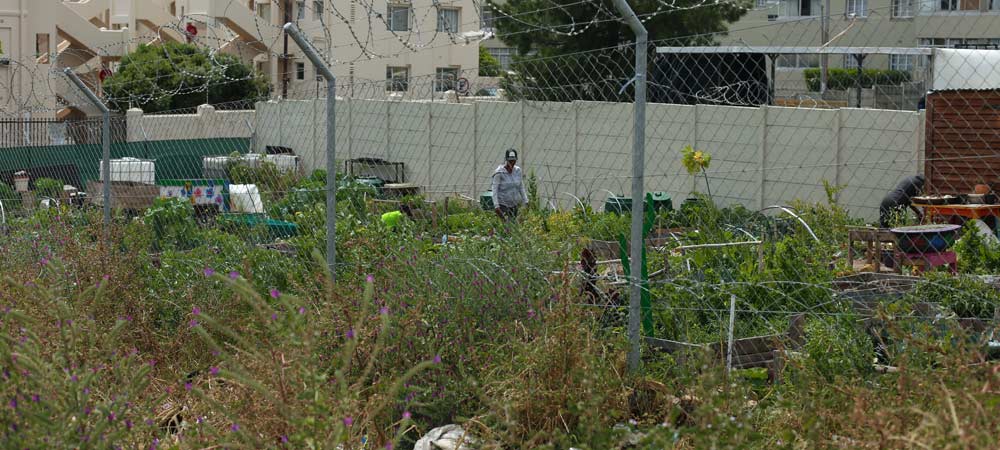
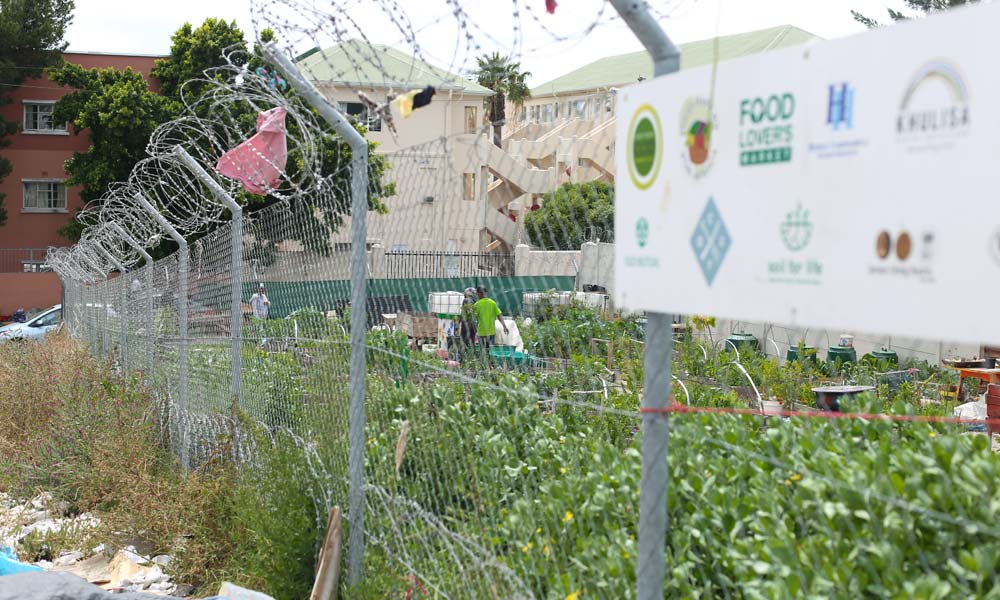
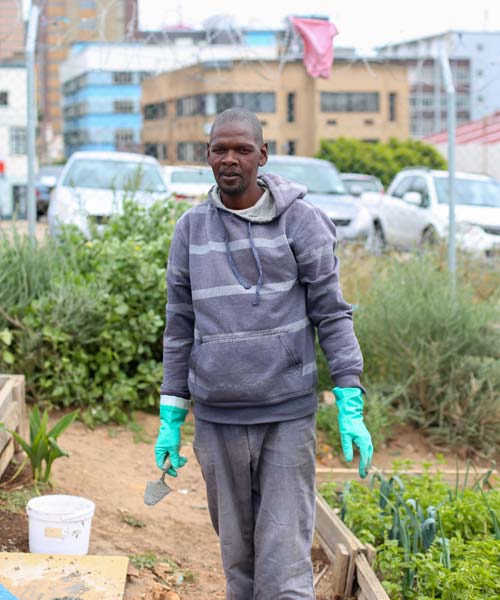
This is a situation that StreetScapes, an arm of Khulisa Social Solutions, is aiming to remedy through gardening projects around the city. Aside from getting people off the streets, the project aims to give street dwellers a sense of purpose and place, and to do this they offer work rather than handouts. There is a great sense of self worth that comes from contributing. Self worth equals feeling valued and this in turn encourages commitment, meaning the project has long term, if not lifelong, ripple effects.

StreetScapes Garden

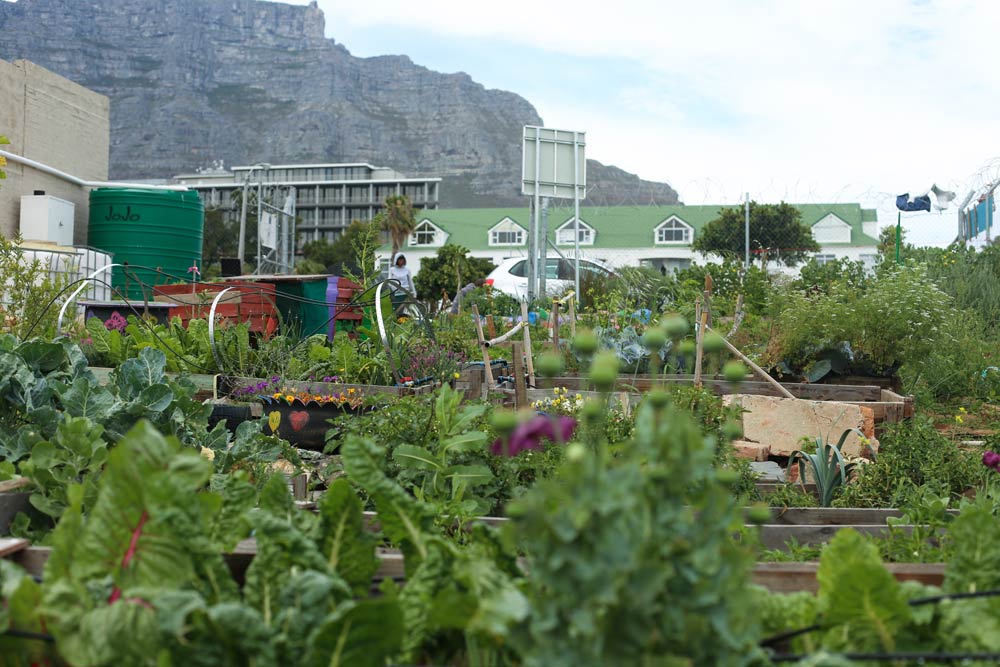
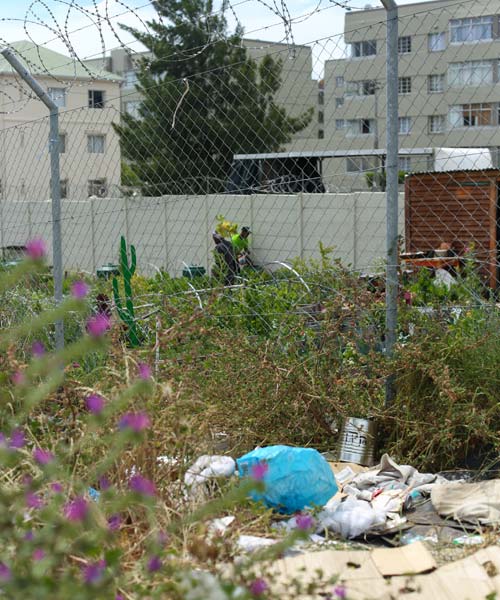
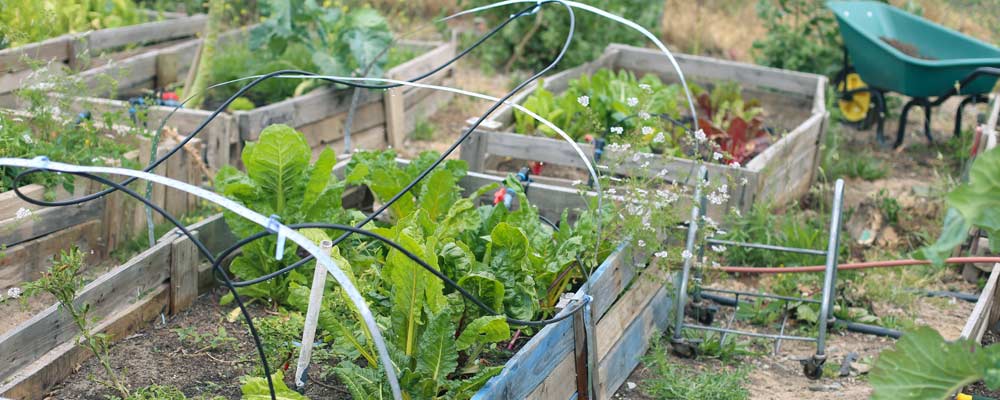
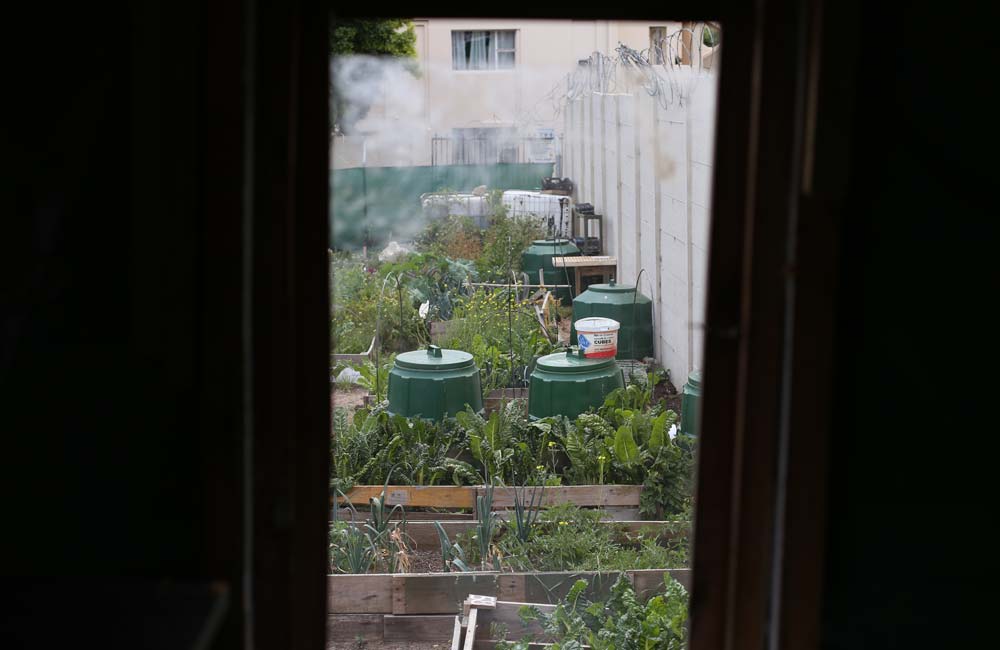
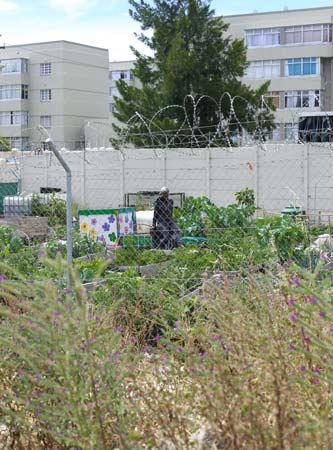
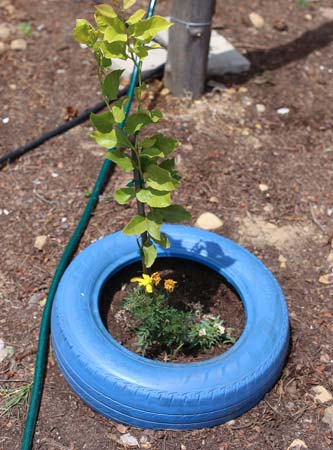
The pilot project saw 40 displaced members of the community, who were living on the street, take on the project of building the first garden, located alongside the Fruit and Veg City in Roeland Street, in Cape Town’s CBD. The city-owned piece of land had become a dumping ground and a breeding ground for criminal activity, and so it was cleared, graded and turned into a working veggie garden. Summing it up in one sentence should not detract from the 6 months of blood, sweat and tears it took from volunteers, interns and the team of engineers who gave of their time pro-bono, to make that happen. Over 260 bags of trash and 2 truckloads of rubble and boulders were removed. The ground was manually terraced and the sandy soil was heavily mulched before the first seedlings were planted.

StreetScapes Garden
StreetScapes Garden
StreetScapes Garden

The city offered a stipend to those who committed and came every day for the 6 month duration. At the end of the project 77% had stayed, proving what project director, Jesse Laitinen, told us, “that work works”.

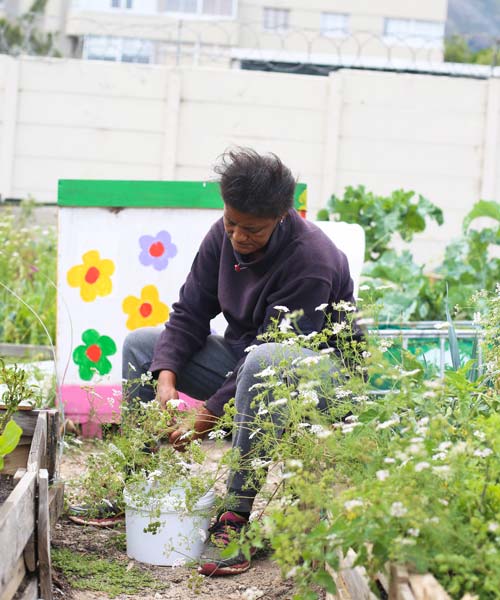
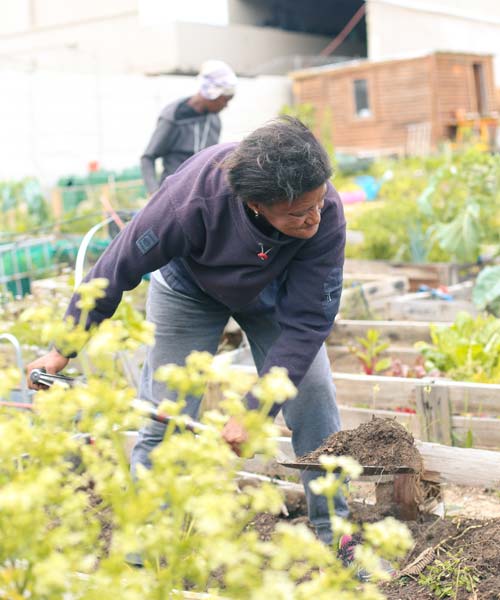
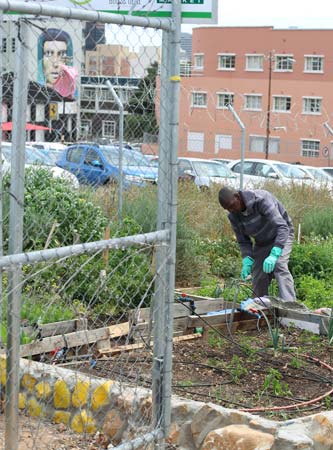
When we visited the garden we met Zamuxolo, who was busy cementing brightly painted rocks to form a border wall around one of the garden beds. Upon chatting to him he told us that after a break up with a previous girlfriend he found himself out on the streets and out of work. He was one of the pilot 40 who started with the project and his is one of the success stories. He has used his previous skill set of building and plastering to build garden beds and has managed to earn enough to find himself a home where he contributes to rent and food.

Lee, another person we met working in the garden, told us that the best part of the experience for him has been learning. From planting to composting to harvesting, he’s learnt a multitude of skills across the garden.

StreetScapes Garden
StreetScapes Garden
StreetScapes Garden

So, the question with all projects like this is the sustainability. It is all very well when the stipends are coming in and the projects are in their early stages. Enthusiasm is high and tangible change is a huge motivator. Now that the garden is built, what next?

Well, one of the best things about a garden is that it is the gift that keeps on giving. The hard work that has gone into the garden is now yielding results, in the form of fresh, just-picked organic veggies, available for Capetonians to purchase. Literally right out the garden. If you pop by and tell the team what you want, they’ll harvest it then and there for you. It simply doesn’t get any fresher than that. Prices will be hard to beat and if you’re conscious of unnecessary packaging and shopping in a more eco-conscious way, you couldn’t find a better way to do it.

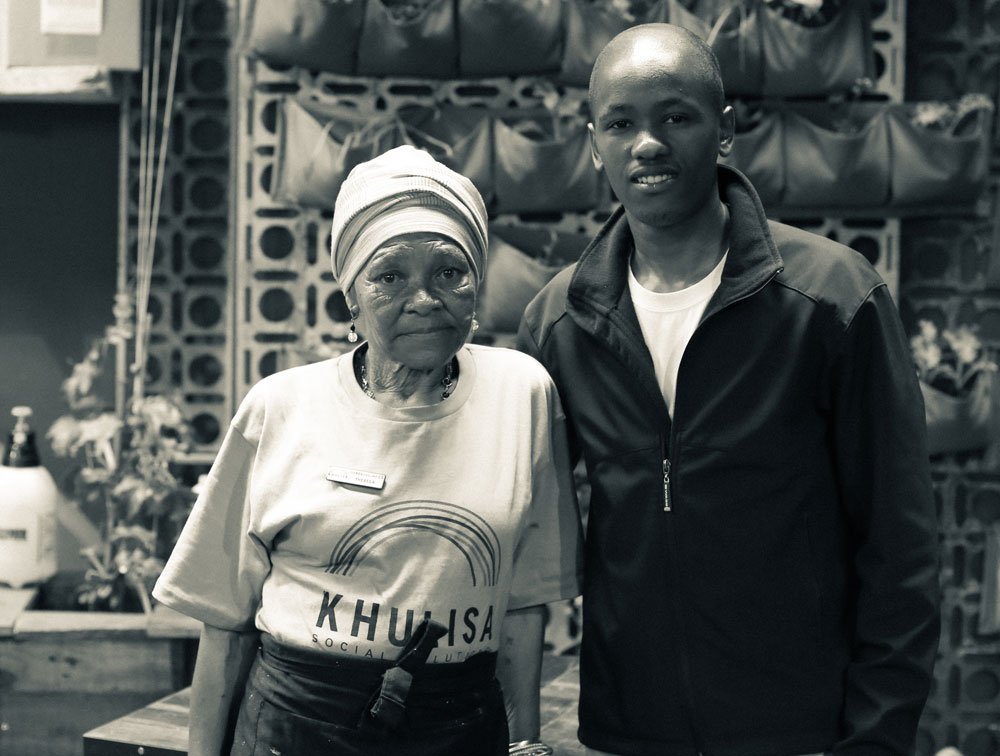
As with all projects of this nature, the team behind it are always looking for ways to improve and to offer more, and this led to another idea – ‘Dignity Sandwiches’. To this end, StreetScapes have teamed up with the folks at a new Bree Street hotspot, House of H. One of the StreetScape’s garden team members expressed an interest in baking and cooking, so the idea of using produce from the garden to create sarmies was born. Theresa Solomons may be a familiar face to residents of Oranjezicht/Tamboerskloof, as she has lived on the streets in this area for many years. Theresa has been trained to bake bread, and 4 days a week she does this at the House of H kitchen. Veggies are picked from the gardens and turned into pesto’s and fillings, which are snugly held together by Theresa’s freshly baked bread. Ten dignity sandwiches are made daily and sold to businesses in the CBD. This has not only taken Theresa off the streets, but has given her a tremendous sense of value as a contributing citizen of the city.

StreetScapes Garden
StreetScapes Garden
StreetScapes Garden
StreetScapes Garden
StreetScapes  Garden

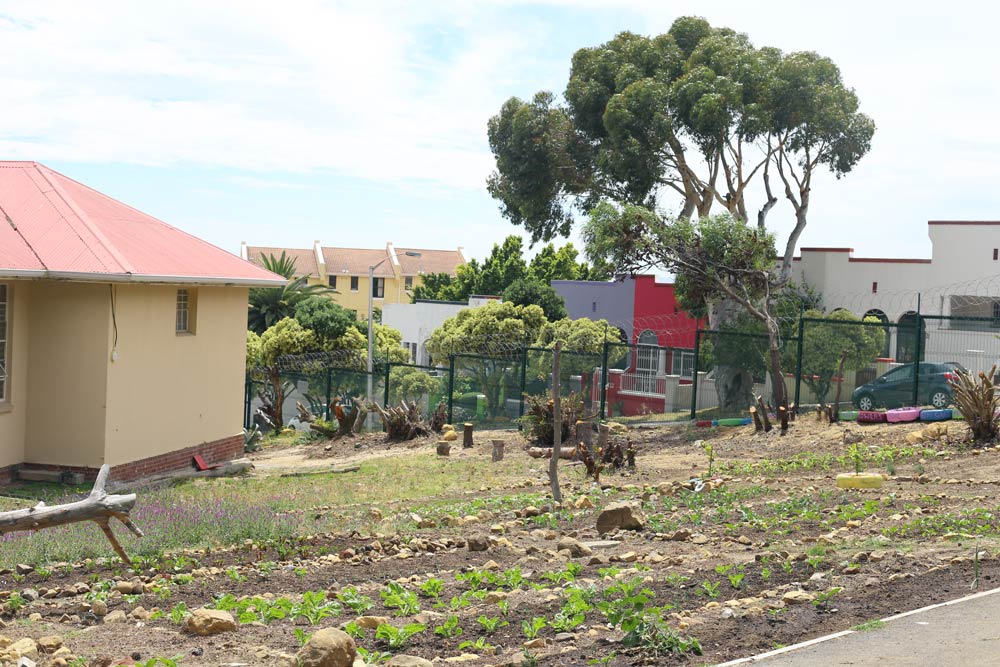
A second garden has also been planted at Trafalgar High School in Zonnebloem; it may be the oldest school in South Africa but it has an incredible team behind it with vision and a can-do attitude. Recently 100 volunteers from a local corporate spent a day converting what was unused school ground into a burgeoning veggie garden. Produce from the gardens will be sold to hotels, restaurants and businesses in the area, as well as being sold at a market at the school, which is set to become a regular calendar fixture.

StreetScapes Garden

Those who have been tasked with tending this garden have been through the community court for minor crimes and are working in the garden as a diversion programme. Jesse Laitinen tells us that ‘sitting in a classroom does not shift behaviour’ but that working on something tangible and learning useful skills does.

This is just the beginning of the StreetScapes story but it’s an exciting one. Currently Cape Town alone has roughly 8000 people living on the streets. While to us they may just be dirty faces that we cross the street to avoid, to projects like StreetScapes and people like Jesse, they are members of our community. People who need a helping hand to get back on their feet, to contribute, to earn, to be able to have the basic human right of dignity.

So when next you need fresh herbs or veggies, think about stopping in at the StreetScapes garden just off Roeland Street. You’ll not only be buying freshly picked organic veggies, you’ll be contributing towards making the project sustainable as a business, which will enable it to continue to grow. The more it grows, the more people can get involved and the more lives it can help turn around.

If you work in the CBD, pop down to the Earth Fair Market on a Thursday to pick up your Dignity Sandwich, or even better, place your order by email and have it delivered directly to your office. Freshly baked bread, just-picked veggies and herbs, and a contribution to someone’s livelihood that really needs it. That’s lunch with a purpose.


StreetScapes Dignity Sandwiches
Available for order 4 days a week. Email your office’s order or call Jesse on 083 700 6064.

Roast chicken – with garlic chive, frsh herbs and wholegrain mustard mayo R35
Slow roasted beef brisket – with salsa verde (parsley, basil, mint, capers, Dijon mustard, olive oil & vinegar) R35
Caprese – salad, tomato, basil, mozzarella, drizzled with herb infused oil R35


StreetScapes Garden

khulisa.org.zaFacebook  | Twitter

Delicious produce is grown in healthy, living soil. #Harvesttotable series brought to you by Reliance Compost.Reliance Compost

Fresh Brew: And Union BRRGRR

It’s safe to say that And Union have been on the pulse of craft since, well, the beginning of craft in South Africa. That’s partly because they’ve been around that long, but mostly because they are one of the original seeds. They’re known for their slick design, tasty beers and constant innovation. Their latest edition of liquid happiness comes in the form of an pale ale with a specific purpose. It’s been brewed to pair with arguably mankind’s second greatest invention after beer, the burger.


What makes BRRGRR different to most pale ales on the market is that it’s an English style brew. With all the American style pales ales out there, it’s great to see a few brands zigging while everyone else is zagging. It uses Hallertau, Fuggle and a touch of Cascade hops to give it rich character and robust flavours.

On the snout it’s packed with earthy aromas, woody notes, and pops of dried fruit and burnt sugar. On yer gob it’s all roasty nutty goodness with a sweet yet spicy profile that ends in a decent hop bitterness.

To imbibe this brew properly like the distinguished gentleman that I am, I’ve chosen a Rastal Craft Master Two. With its stocky yet elegant base it has a solid feel in hand. It has a medium-sized tulip midsection which really helps build up and retain head. This allows the aromas to collect before funnelling them up and out the gently flared top. It’s been designed specifically for beer drinking and it would make a fine gift for any enthusiast this festive season.

Fresh Brew: And Union BRRGRR
Some might say that making a beer that’s meant for burgers is just marketing, to which I’d say, you’re wrong. It’s not just marketing, it’s very clever marketing. The good news is that the beer really holds up it’s end of the deal. It has full toasted and roasted flavours that pair beautifully with chargrilled meat. It also has enough earthy nuttiness to complement a range of classic toppings like cheese or mushrooms. So is anyone else having a burger for dinner or is it just me?

Random useless fact… did you know that Rui from And Union’s favourite emoji is the eggplant?

And Union: andunion.com | Facebook | Twitter | Instagram

Vitria: vitria.co.za | Facebook | Instagram | rastal.com 

A big thanks to The Village Idiot for hosting this edition of Fresh Brews.

Heirloom Seed Saving at Gravel Garden

Reliance Compost
In 2016, with modern technology, fast paced lifestyles and our world changing more quickly than we can grasp, it’s quite rare to find someone taking a stand against that ideology to return to their roots. Shannon Draper has done just that – as an experienced seed saver who specialises in heirloom seeds, she celebrates all that is old-world.

Heirloom seeds are determined by their heritage – they’ve been handed down from generation to generation and can be as old as 50 years, at least. These seeds would have been favoured for a number of reasons – they either taste good, look particularly beautiful or are hardy growers in certain climates. Vegetables grown from heirloom seeds are not readily available in commercial supermarkets owing to the fact that they are naturally grown and end up looking like real produce, with lumps and bumps in all the right places. These veggies also don’t have a long shelf life. Which for the average consumer, is a no-go.

Shannon reminds us that old school is cool. After having been in the earth moving business for many years, she found herself in Somerset West with a large garden that needed some caring for. Using a packet of seeds she obtained from a magazine, she grew her first batch of vegetables. From there, she began to grow all manner of veggies and herbs. Eventually, she began to sell her produce from a small shed on her property, which was the birthplace of Gravel Garden. Before long she was selling seeds that she had saved.

Realising the importance of heirloom seeds, she branched out and made them her area of expertise.

She has since devoted her home garden to saving all the seeds she can. Her garden and shed are an edible dreamland of everything from red corn, cucamelons, sorrel, shiso and so, so much more.

Getting vegetables to you in the commercial chain of supply is a sad situation. Somehow, consumers seem to care more about a vegetable looking ‘normal’ than it being fresh, and the producers do some rather questionable things to ensure that. Bags of lettuce are gassed so that they stay ‘fresher’ for longer, although admittedly, they’re not very fresh. Tomatoes are picked green, then sprayed with ethylene so that they ripen while in refrigeration. And while ethylene is not necessarily dangerous, it does result in those mealy, watery tomatoes that really taste of nothing.

Shannon’s tomatoes, like the rest of her produce, are sun-ripened and full of flavour and her seed saving practices ensure that these traits will live on forever.

She also encourages everyone to try planting their own, explaining that she learned lots through researching online and still doesn’t consider herself an expert. According to Shannon, the flavour of eating vegetables you’ve grown yourself will motivate you even more. For her, it’s her tomatoes. Nothing gets her more excited than her real, sun-ripened tomatoes.

Having outgrown her veggie garden at home, which was mostly used for seeds, The Gravel Garden has moved to a newer, bigger piece of land about 5 km away from her house. This space, called Hathaway Farm, will allow Shannon and her cracking team to grow more vegetables and seeds to sell to local markets, such as the Oranjezicht City Farm Market. Shannon is also looking to provide special heirloom plants to chefs and kitchens around Cape Town. Through this, she’ll meet with them and grow those difficult to source herbs and veggies for them. Recently, she began to supply Bertus Basson with some exciting produce for the launch of his new wine bar, Spek en Bone.
If you’re feeling inspired to grow your own, let Shannon be your first port of call. Not only does her website have the most wonderful varieties of fruit, vegetables, herbs and flowers, but Shannon herself is a wealth of knowledge – even if she doesn’t think she is. You can easily order seeds from the site, or go visit Shannon and the Gravel Garden family. Her seeds are also available at the Oranjezicht City Farm Market. Let Shannon and her amazing team show you just how wonderful the world of heirloom vegetables is.

thegravelgarden.co.za | Facebook 

Delicious produce is grown in healthy, living soil. #Harvesttotable series brought to you by Reliance Compost.Reliance Compost

Great Beer Deserves Great Glassware

When it comes to enjoying a great beer there’s one rule that’s probably more important than most – pour it into a glass. I’ll be the first to admit that as a young man growing up on commercial beers, I blurted out the line, “it’s already in a glass” more than once. And yes, while it’s true that a bottle is glass, it’s actually nothing like drinking out of a well-designed beer glass. Now that I’m somewhat older and a little wiser, I’d like to chat about proper beer glassware, and why you, as a suave beer connoisseur, should own some.

Let’s start out with a quick comparison shall we? Do you drink good wine out of a bottle? No of course not. That would just be silly and a waste of good wine. Plus I’m sure you’d get more than a few dirty looks thrown your way in any type of restaurant.

So why do it with good quality beer? The reason you pour beer into a glass has to do with your senses and how you experience the beer. The moment the beer hits the glass your sensory journey begins.

Drink Beer out of a Glass

First you see the colour and head of the beer which gives a visual indication of what to expect. Next you smell the beer which is probably one of the most important factors when tasting anything, be it food or drink. Aroma is a massive factor in our sense of taste, which is why you struggle to taste anything when you have a blocked nose. As the beer pours the head forms and releases flavour compounds like hop oils and fermentation by-products. The carbonation then carries little pops of aroma up the glass and to your nose. A well-formed head also affects the mouthfeel of your beer. Mouthfeel can range from crisp and dry to full-bodied and creamy, depending on the style of beer. All of this adds to the beer drinking experience and who wouldn’t want the best experience every time?

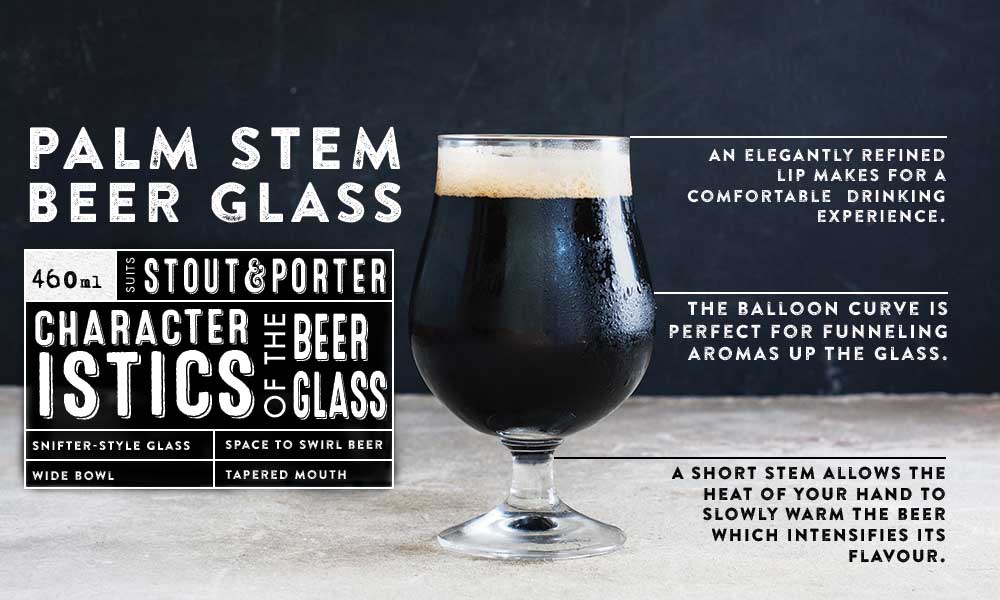
So now that we know why you need to pour beer into a glass let’s chat about glasses. As with many things in life there is a huge range of glasses on offer these days. They vary in shape and size but for the most part they all serve the same function of getting beer into your mouth. From there things get a little deeper as you move into style specific glasses. Tall thin glasses like the pilsner variety showcase clarity, carbonation and aid in head retention. The narrow curved stem and bulbous top of a weiss glass is perfect for channeling aromas up the glass and cradling the fluffy head. India Pale Ale glasses follow a similar design only they’re shorter and made to ramp big hop aromas up the curves and into your snout. One of my favourite glasses to drink out of is a Palm Stem or tulip because of its every beer versatility.

Glassware often ends up being about personal preference but the one universal rule is make sure that it’s clean. Not semi-clean. Clean like your mother would clean it. Or clean enough to confidently hand it over to a girl or guy on a first date without any fear of judgement.

The problem with a dirty glass, besides the fact that it’s dirty, is that it can compromise the beer drinking experience. Bubbles clinging to the side of your glass is surefire sign that your glass was not clean. Grime or oil residue also affects head retention which in turn will affect the mouthfeel of your beer. In short, don’t be lazy. Wash and rinse your glasses thoroughly.

That’s it for this introduction to beer glassware but be sure to look out for the next article as we dive deeper into style specific glasses. We’re going to be looking at Germany’s Rastal beer glass collection, available from Vitria Glass, and learn how this premium glass maker is using award-winning design to change the face of beer glassware.

vitria.co.za | Facebook | Instagramrastal.de

From Garden to Kitchen to Table at Leopard’s Leap

Reliance Compost
If you’ve ever had the pleasure of dining at Leopard’s Leap, you will be familiar with their generous serving style at their harvest table and irresistible rotisserie lunches. The Franschhoek-based wine estate is a real gem; graced with mountain views that stretch on for days and set amongst lush lawns and thriving vineyards.

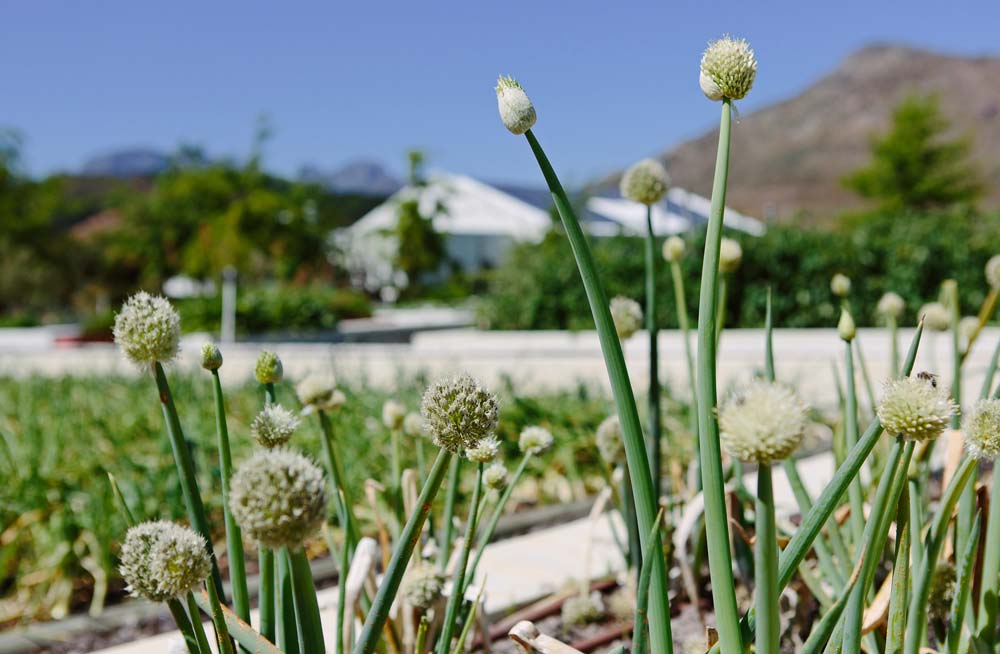
Apart from serving amazing food and creating wines that complement, Leopard’s Leap has utilised their vast space to create a flourishing veggie garden that is not only beautifully laid out, but is hardworking too.

Currently, it supplies the busy restaurant with roughly 60% of their produce. It features everything from sorrel to carrots, tomatoes and courgettes, onions, butternut, strawberries, a variety of herbs and even figs and pomegranates. Quite a feat for a garden that is roughly six years old.

Oom Dirk is in charge of the garden and works with head chef Pieter de Jager to ensure that the garden produces as much fresh, seasonal fruit and vegetables as possible to be used in the restaurant. The relationship between kitchen and garden is an organic one that sees Pieter and Dirk sitting down at the start of each season to discuss the restaurant’s needs and what veggies are to be planted. Along with planting desirable produce, Dirk also knows what plants work best on the vineyard’s soil. That is why things like carrots, beetroot, lettuces and onions will always be planted, because they grow so happily.

Oom Dirk is as essential to the success of the restaurant as chef Pieter is, having grown up learning about the art of gardening from his parents in Clanwilliam. At Leopard’s Leap, the garden may be six years old and flourishing, but Dirk admits that it wasn’t always smooth sailing and that even now, each season is different, and keeps him on his toes. Well, that and the guinea fowl and pheasant that peck at his fledgling plants!

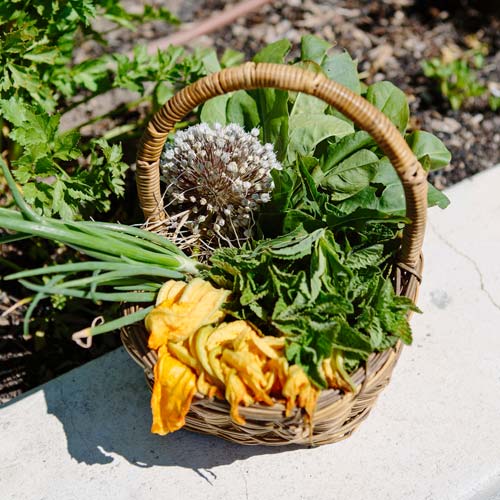
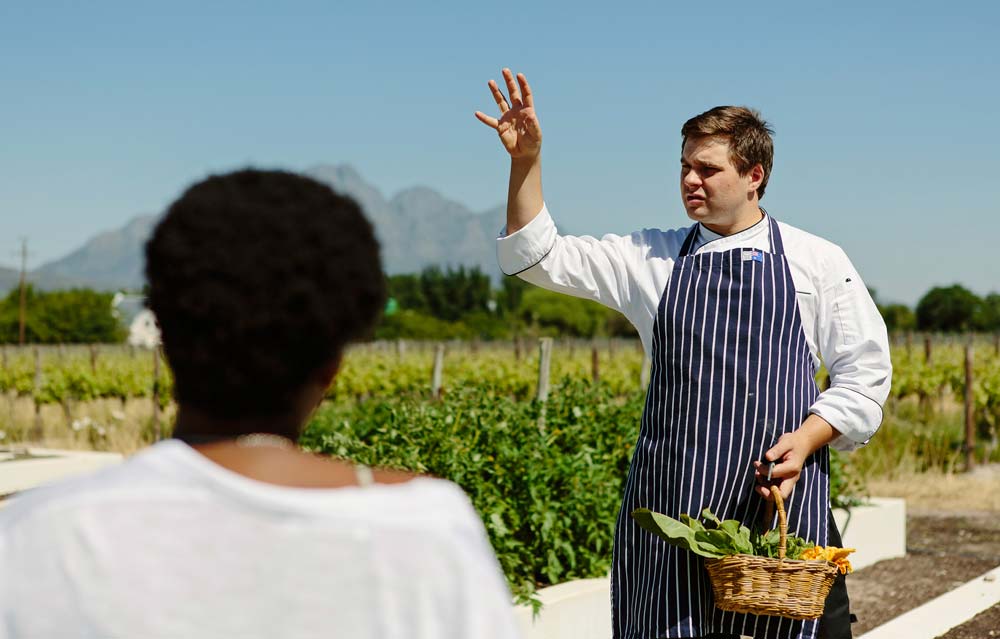
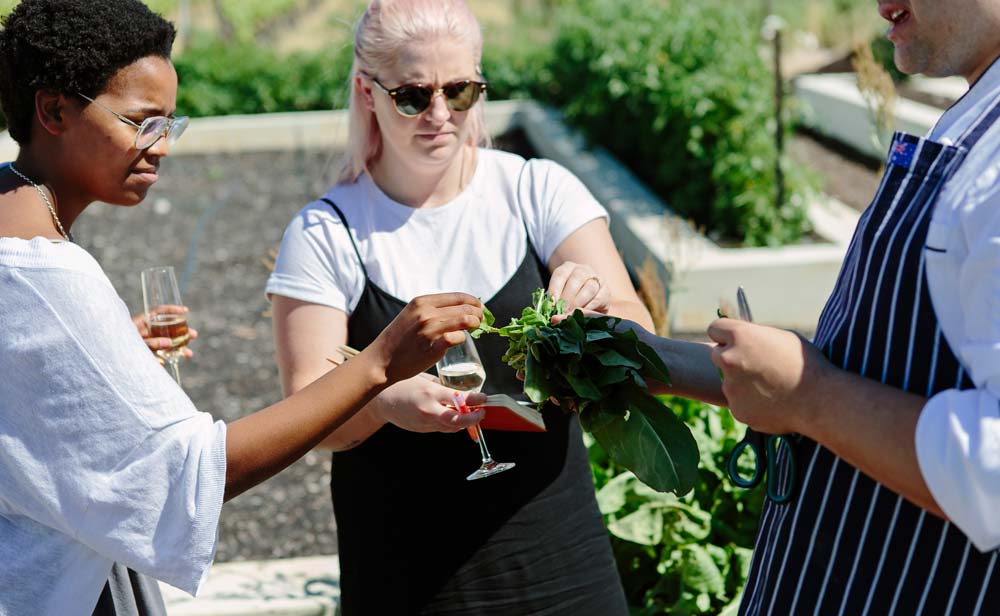
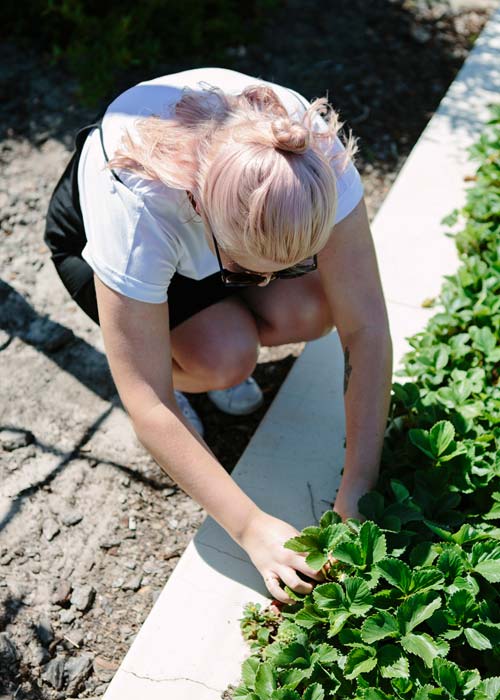
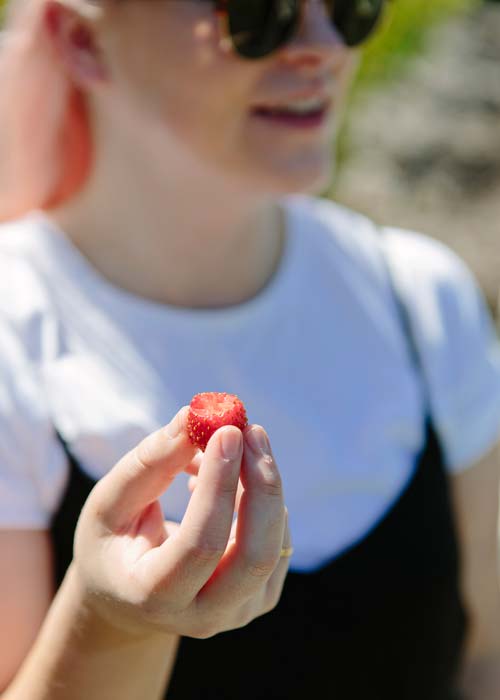
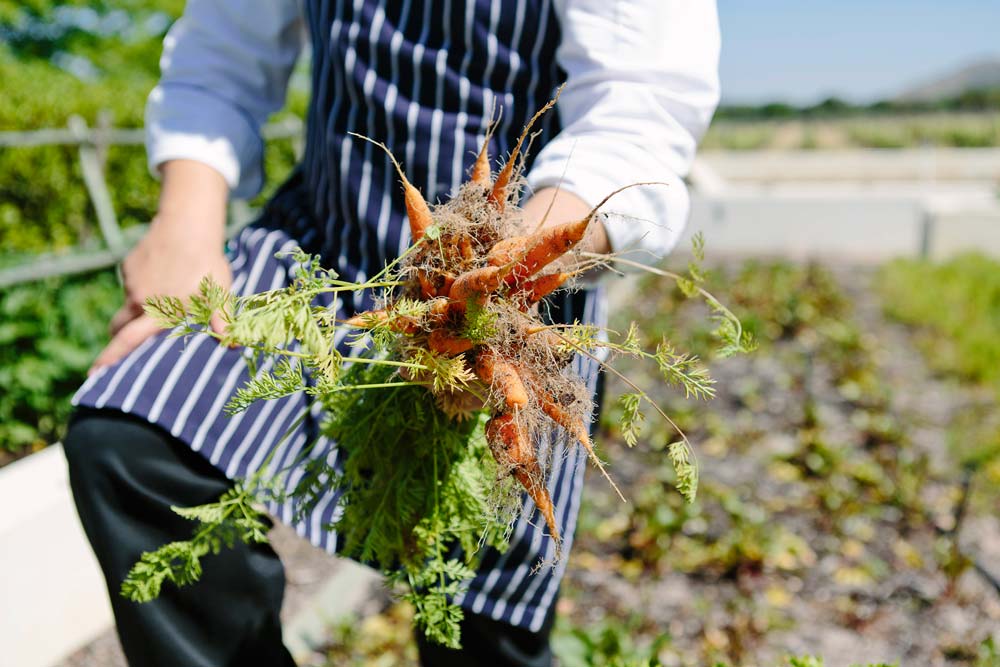
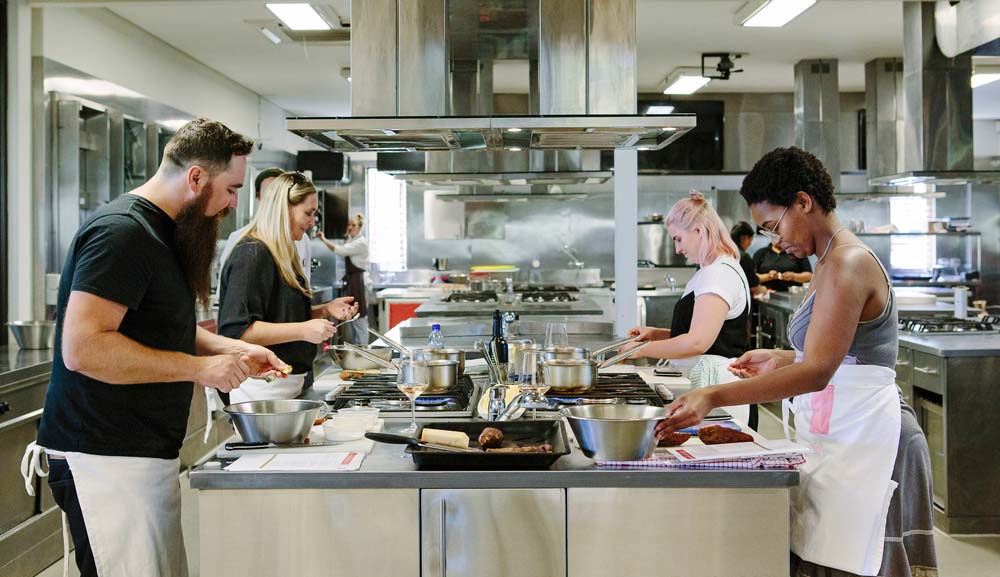
One of the most unique aspects to Leopard’s Leap is their cooking class offering led by chef Pieter and his team. The classes cover a variety of topics and give avid foodies a chance to experience a ‘masterclass’ with a professional and learn invaluable tips and tricks. The Crush team visited Leopard’s Leap on a sunny October morning to enjoy a real harvest to table experience. It doesn’t get any fresher than picking ingredients right out of the garden and that is exactly where we started. Chef Pieter gave us a tour of the impressive garden, imparting some real nuggets of information.

If gardening is meant to be therapeutic then picking fresh veg out of the ground and cooking with it must surely be meditative.

This is a real harvest to table way of life, showing that putting love and care into something will yield only the best results. The produce we picked was of a quality you simply can’t buy in a store, ready to be transformed into a veritable feast.

You would imagine that someone with as refined a training as Pieter’s would want to be as far away from amateur cooks as possible. However, this is not the case at all, he revels in being able to share his wealth of knowledge. He is calm and patient, with none of the stereotypical hot temper that chefs of his calibre are known for.

Pieter makes for the ideal teacher, guiding the demonstration part of the class with ease, ensuring involvement starts then with guests being invited to smell, taste and inspect ingredients being cooked.

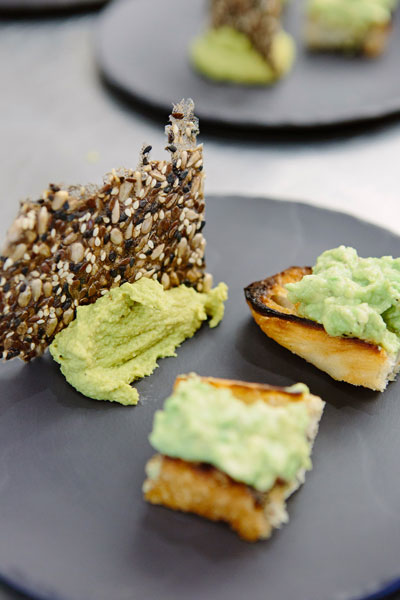
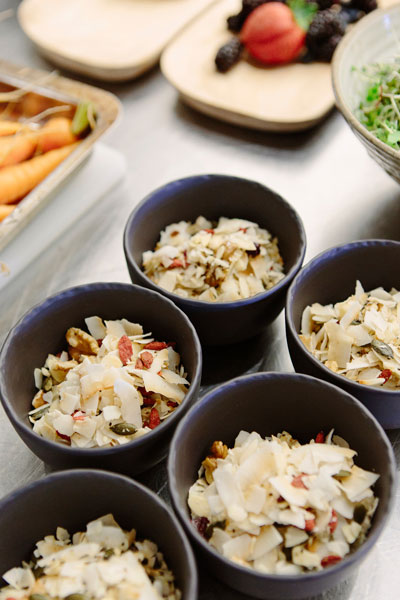
He got our appetites going immediately with a nutty and decadent granola, homemade and served with fresh berries, still warm from the sun. Following that with zesty avo on sourdough toast and pea hummus served with seed crackers. Moving on to the cookery part of the day, he’s never too far away to answer questions and swiftly remove pans from the heat that may be over reducing. Just in case he may be elsewhere engaged, his jacked up kitchen assistants are on hand to step in.

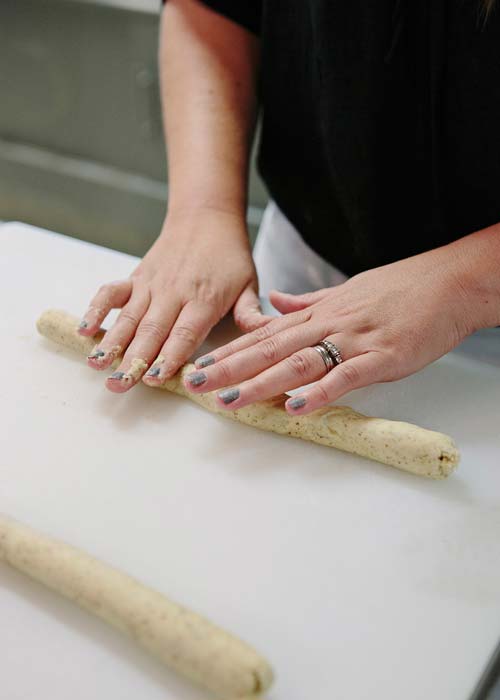
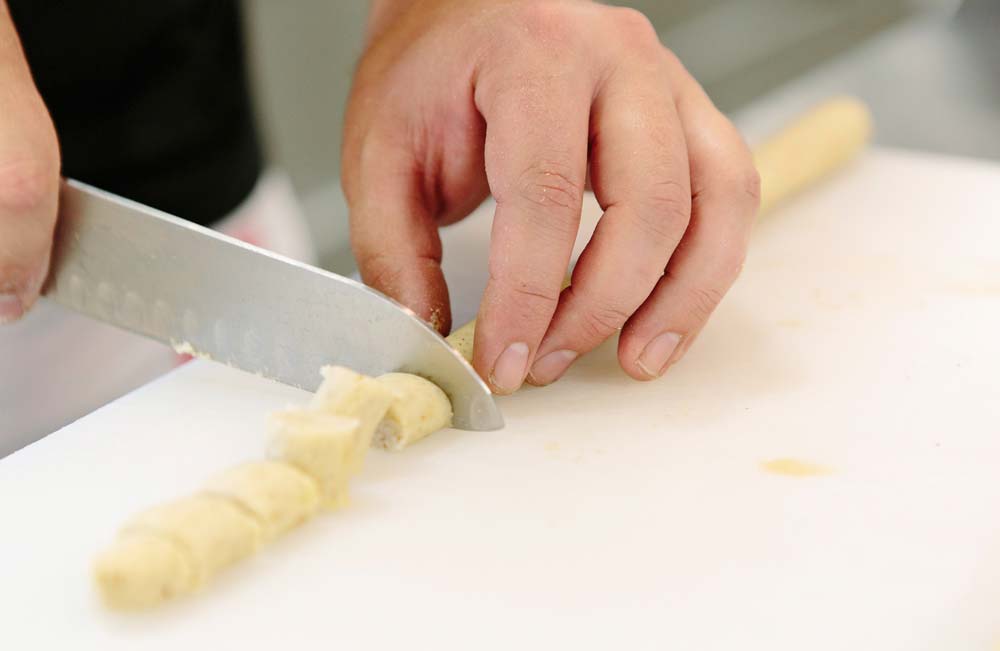
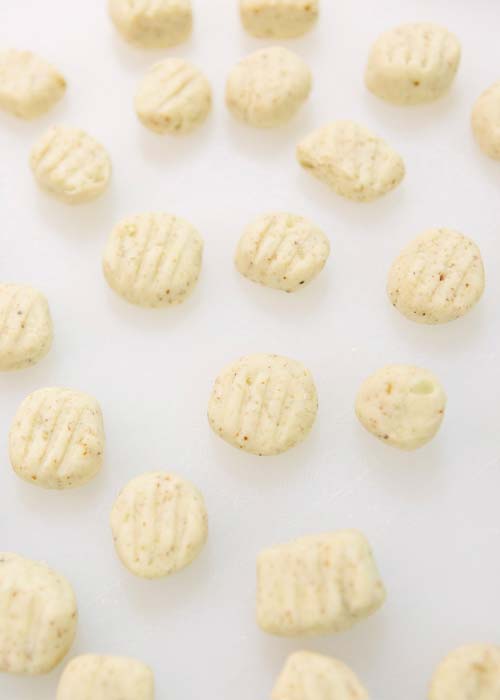
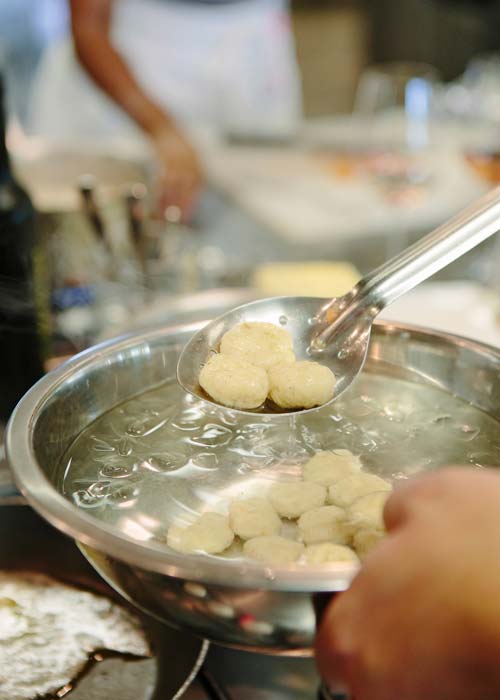
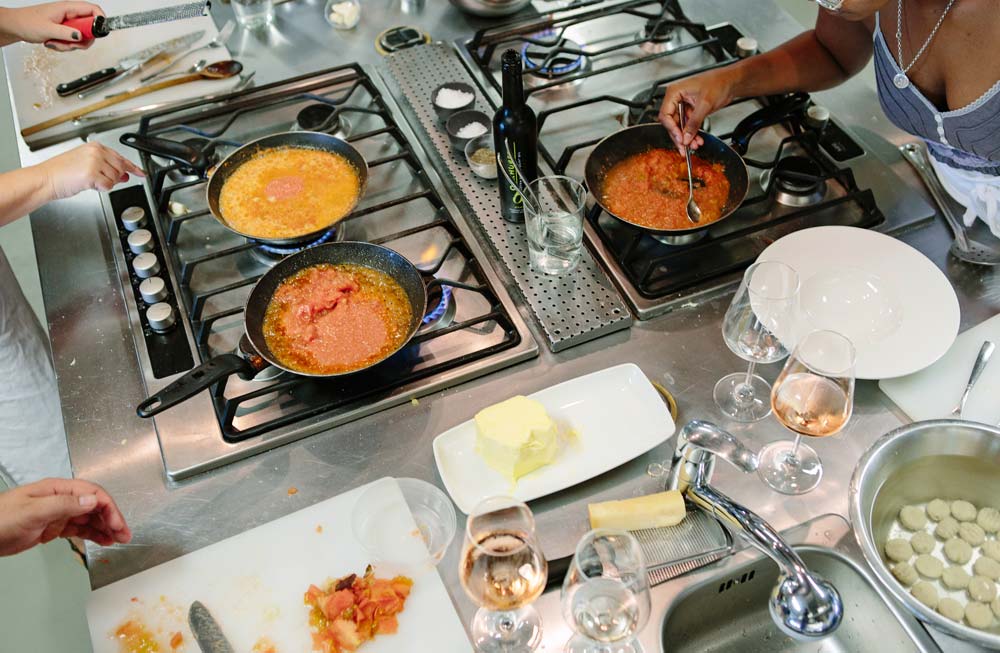
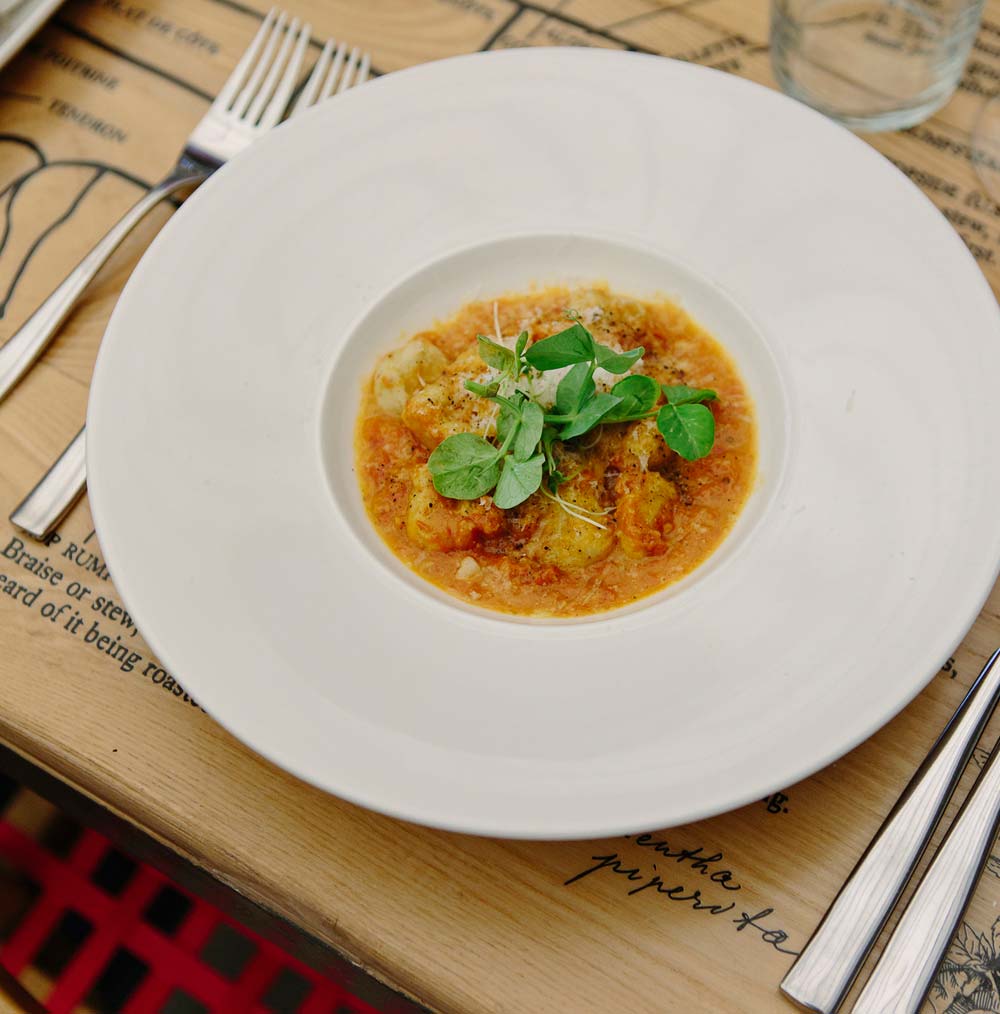
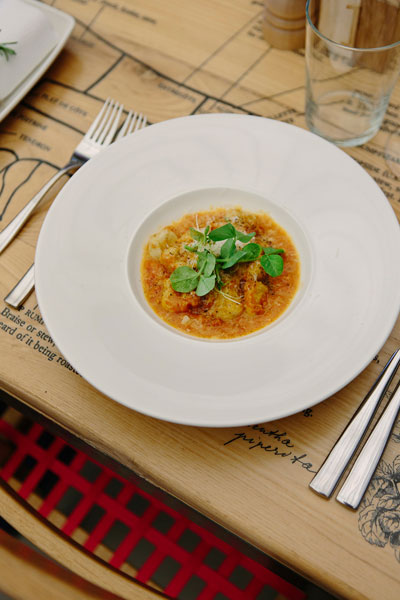
Vegetables as fresh as Leopard’s Leap’s really don’t need much done to them as they already taste tremendously good, but chef Pieter certainly blew us away with his cooking class. We put that delicious produce to good use in a number of exciting dishes, starting with making very quick and easy gluten-free sweet potato gnocchi.

Pieter’s technique was a cinch, putting to bed the notion that gnocchi is time consuming and finicky.

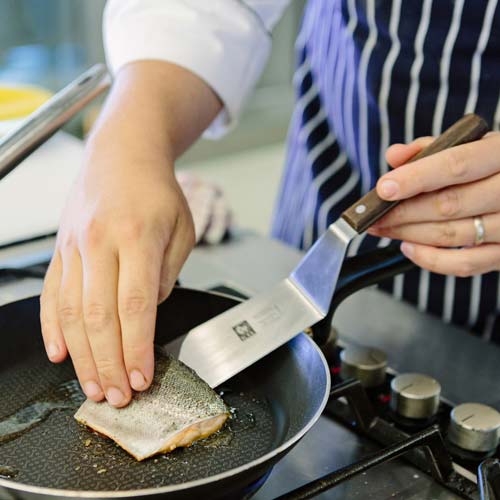
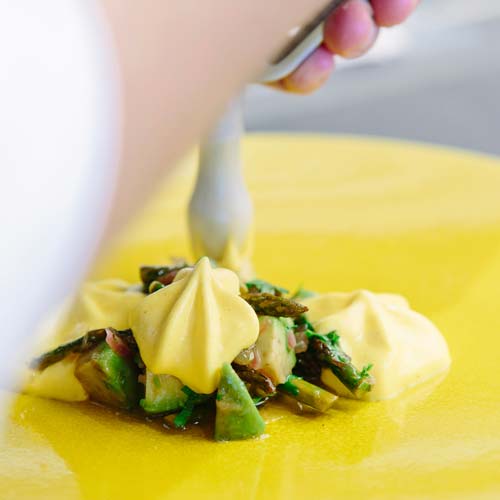
We simply combined roasted sweet potato with a few gluten-free flours and after a quick knead, they were ready to portion and gently poach. This ridiculously quick and easy gnocchi was topped  with a heavenly Napoli sauce. We’re not fans of being overly verbose, but this napolitana was perfection. The process was simple and the combination of a nutty butter base, combined with roasted tomatoes, freshly grated garlic and then more butter to finish resulted in a rich, deeply-flavoured tomato sauce. We were also shown how to pan fry our local trout, which was to be paired with a tasty melange of asparagus, finely chopped and avocado that was gently warmed through in the pan juices. The shining star of this dish, however, had to be the carrot veloute, which Pieter had prepared for us.

Despite his sound instructions on how to use the espuma gun, one of us still managed to pull the trigger a little too zealously and sprayed bright orange veloute all over the kitchen!

Being the well-oiled machine that Leopard’s Leap is though, any traces of the mess were swiftly wiped up.

The best thing about the classes were how simply Pieter laid everything out, carefully explaining how to prepare the trout, ensuring not to overcook it. He explained the best way to saute our hand-picked veggies, so that they married with the fish perfectly.
From Garden to Kitchen to Table at Leopard's Leap
And while the masterclass was informative, the definitive best part of the day was surely sitting down to enjoy the fruits of our labour. Pieter added to the feast with a few dishes too. He had put together a beautiful lightly pickled carrot salad that featured sweet and sticky salt-baked beetroot. This was completed with macadamia cream and sorrel pesto, served alongside a refreshing pineapple carpaccio, making a hearty plant-based lunch. Interestingly though that with all these exciting flavours going on, the quality and characteristics of each and every vegetable absolutely shone through. You could taste that the carrots had been in the ground a mere hour before, same too of the onions, tomatoes and herbs.
From Garden to Kitchen to Table at Leopard's Leap
If living within a short driving distance of the Winelands has made you complacent and you find yourself taking its bounty for granted then absolutely visit Leopard’s Leap. This incredible wine estate will remind just why we are so lucky to live in the abundant Cape. With a flourishing garden that is lovingly cared for, Leopard’s Leap proves that all life does begin with the soil.

Keen to see just how simple and delicious these recipes were? Try out some of Pieter’s stellar recipes here.

leopardsleap.co.za | Facebook | Twitter

Delicious produce is grown in healthy, living soil. #Harvesttotable series brought to you by Reliance Compost.Reliance Compost

Make Eating Your Greens Way More Inspiring

Reliance Compost

Zita Steyn is a holistic chef and graduate of the Natural Gourmet Institute in New York. Originally from South Africa, she now resides in the UK with her family where she runs her website FoodFights, as well hosting health-focused workshops and consulting for businesses and schools. She teaches individuals about nutrition and how to incorporate healthy food into everyday life. Her philosophy is to empower people to take responsibility for their health, the environment and the welfare of animals, and to bring  cooking and communal eating back to a daily routine.

Zita has released her second cookbook Good Better Green, which is now available in South Africa. The aim of the book is to encourage readers to incorporate more greens and other healthy ingredients into every day cooking.

Zita is a huge advocate of sustainable and ethical eating and in the book she encourages sourcing organic, minimally sprayed fruit and veggies that are locally and bio-dynamically grown.

If you think veggies are boring, think again! Forget bland, overcooked veggies, instead think vibrant colours, bags of flavour and plenty of nutritions vitamins and minerals. Good Better Green is full of smart tips and ideas to help make cooking greens and other veggies easier. The book starts off with detailed, but easy to understand information on green veggies, AKA ‘Green Champions’, as well as herbs and more. It includes recipes for literally all sorts of foods, from soups and salads, to savoury tarts and even desserts. Although the book is veggie-centric, and includes both vegetarian and vegan recipes, it is not strictly so, there are fabulous ideas using other proteins such as lamb, fish and mutton.  It’s a real gem of a book that you will go back and reference over and over again.

Chatting to Zita…

What is one of your favourite meals to make at home?

Ooh – this is such a hard one, because I change it up most of the time and am forever working on something new. But the two recipes from the book that I have made most often at home, are the Spinach and Sardine Dumplings on p.87 and the Lentil, Pak Choy and Mushroom Curry on p.103.  And I will almost always add an interesting salad with a delicious dressing to the daily menu.

What is your best advice for someone who wants to start introducing more greens into their meals?

I advise my clients to make fresh herb pestos regularly and have these handy in the fridge (and freezer!) to add to mashed potatoes, fish dishes, spread on toast, and makes dips and dressings with. I would also suggest getting into the habit of adding finely shredded or chopped cooked greens to dishes such as mashed root vegetables or tubers, stews, soups, cooked grains and curries.

Originally from South Africa, what is your most memorable meal from the country?

Both my and my husband’s families are huge fans of spending time together around a good meal, so we usually end up with several cooks in the kitchen and a few around the braai. But many years ago, my in-laws invited me out for lunch at Reuben’s in Franschhoek. I still dream of the pan-fried line fish with a fresh, herby salsa that I ordered.

What was your most important and/or biggest lesson that you learned while inventing the recipes for Good Better Green?

People often latch onto a specific “superfood” and assume that because it is healthy or nutritious, they can, or indeed should, eat loads of it. But creating the recipes for Good Better Green reminded me of the wealth of produce at our disposal and that it is a whole lot more fun trying to incorporate different vegetables regularly than having kale for breakfast, lunch and dinner.

Here are three fabulous recipes from Good Better Green, and scroll down to enter to win one of two copies we’re giving away!

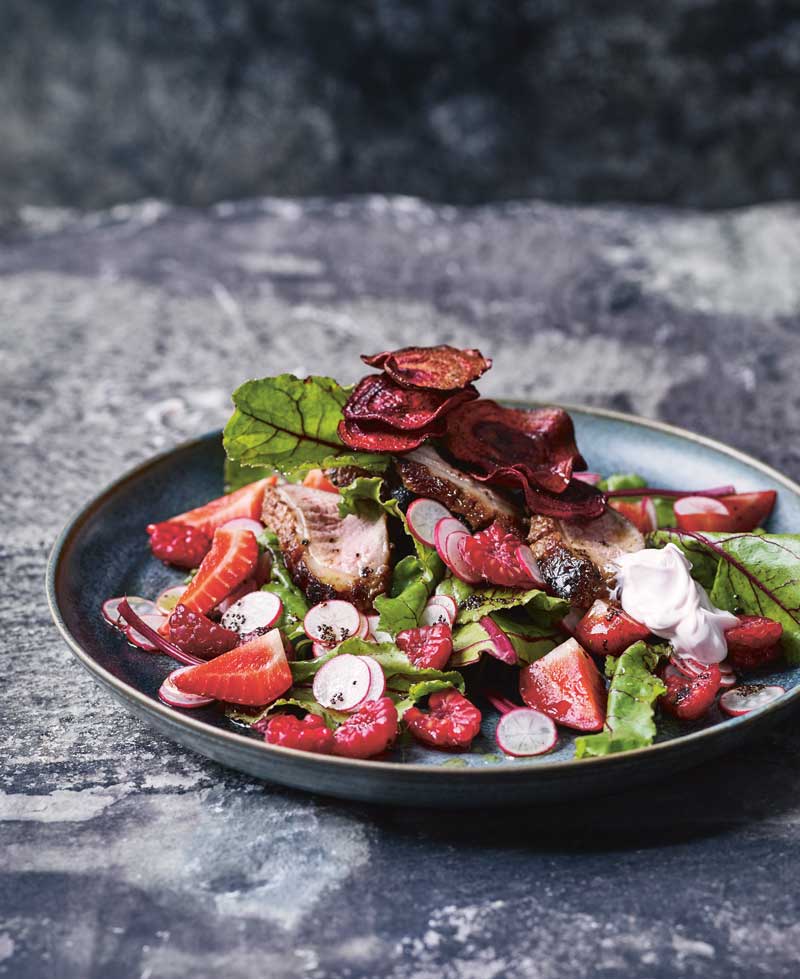
The Love Salad

So-called because it’s perfect for a romantic, celebratory dinner, this salad is a satisfying meal and quite beautiful to look at. You do need to start on it the night before, though, as both the cheese and duck need some time. Omit the duck if you prefer a vegetarian salad. SERVES 4

2 duck breasts, skin on
3 tablespoons balsamic vinegar
1 tablespoon honey
3 tablespoons extra virgin olive oil
Juice of ½ lemon
2 large garlic cloves, peeled and bashed with the flat side of a large knife
2 rosemary sprigs

FOR THE SALAD
200g full-cream thick goat’s milk yoghurt
500g raw beetroot, peeled
1½ tablespoons extra virgin olive oil
100g mixture of beetroot greens (finely shredded if not young and tender), radish greens and baby ruby chard
200g strawberries
100g raspberries
5 large red and/or purple radishes, very thinly sliced using a mandolin
Sea salt and freshly ground black pepper

FOR THE DRESSING
3 tablespoons extra virgin olive oil
1 tablespoon raspberry vinegar (or crush a few raspberries and mix with1 tablespoon apple cider vinegar)
1 teaspoon honey
1 teaspoon each of black and white poppy seeds (or black only, if white ishard to find)
¼ teaspoon cayenne pepper

Score the duck skin in a criss-cross pattern using a very sharp knife, being careful not to cut into the meat. Whisk the balsamic vinegar, honey, oil and lemon juice together in a bowl large enough to fit the duck snugly, then add the garlic and rosemary. Add the duck breasts to the marinade, coating them well, then marinate, skin side up, in the fridge for at least 12 hours.

For the salad, line a sieve with a few layers of muslin and scoop the yoghurt into the centre. Place the sieve in a bowl, cover with a clean tea towel and leave to strain in the fridge overnight.

The next day, preheat the oven to 160°C/320°F/Gas 3.

Cut the beetroot into thin slices, 2mm thick, using a mandolin, and reserve any off cuts in a small bowl. Toss the beetroot slices with the olive oil and a little salt, transfer to a baking tray and bake for 35–45 minutes, removing any slices that have browned sooner, as they will taste bitter if too dark. Set aside to cool and turn crisp.

While the beetroot is roasting, remove the duck breast from the marinade, reserving the marinade, pat them dry and place skin side down in a heavy, preferably cast-iron, frying pan. Cook over a low to medium heat for 10–12 minutes, until the skin is crisp and brown. Do not try to rush this step, as the low temperature will help render the fat in the skin. Turn the duck over and cook for a further 2 minutes, then remove from the pan.

Use kitchen paper to wipe the pan clean, turn the heat up to high, return the duck to the pan skin side up and pour in the reserved marinade. Simmer for less than a minute, to reduce the marinade, then remove the pan from the heat, cover and keep warm for at least 10 minutes. The residual heat will finish cooking the duck.

While the duck is resting, scoop the goat’s curd from the muslin-lined sieve and transfer to a bowl. Season with salt and pepper and stir in just enough of the beetroot juice that will have collected in the bowl of offcuts to colour the cheese a lovely pink.

For the dressing, put all the ingredients in a glass jar, screw the lid on tightly and shake until the honey has dissolved. Put the greens, berries and radishes in a dish. Slice the duck breasts and add, along with the dressing, then toss to coat. Pile the beetroot slices on top and dollop the fresh curd to the side.

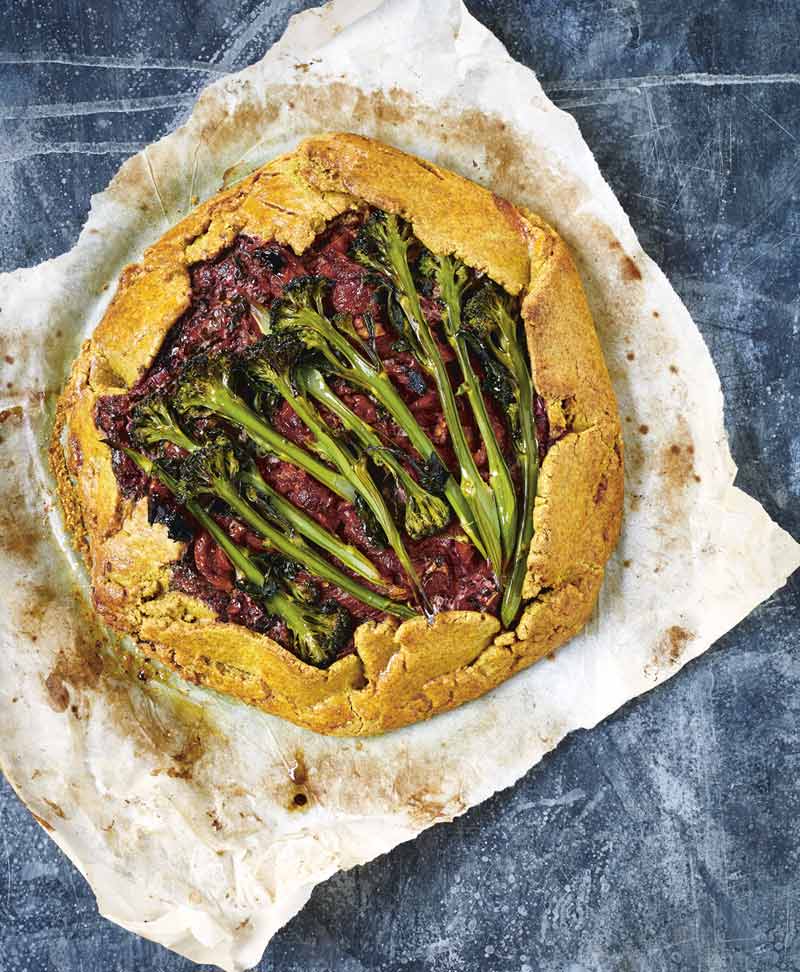
Broccoli and Beetroot Greens Pie

FOR THE PASTRY
225g wholemeal flour
Pinch of sea salt
Generous 1/2 teaspoon ground turmeric
100g cold, unsalted butter, diced
40–60ml ice-cold water

FOR THE FILLING
100g (a good handful) of fine green beans, trimmed
150g tenderstem broccoli (or regular broccoli, cut into smaller pieces)
200g tender beetroot greens, stalk finely chopped, leaves cut into bite-sized pieces
little butter, ghee or coconut oil
180ml sour cream
1ó teaspoons ras-el-hanout (see page 155 to make your own)
Extra virgin olive oil
Aged balsamic vinegar
200g Slow-roasted Cherry Tomatoes (page 154)
1 egg, lightly beaten, to glaze (optional)
Sea Salt

For the pastry, put the flour, salt, turmeric and butter in a food processor and pulse until the mixture resembles wet sand. Alternatively, you can do this by hand, by rubbing the butter into the dough with your fingertips. Pulse or stir in the cold water a little at a time until the dough comes together into a ball. Tip the dough onto a work surface and knead briefly until smooth; it shouldn’t be sticky or crumbly.

Shape the dough into a flat disc and roll it out to about 3mm between two sheets of baking parchment (the dough sheet can be either round or square-ish). Refrigerate until firm.

For the filling, steam the green beans and broccoli separately until just tender; be careful not to over-cook. Refresh under cold running water and set aside. Sauté the beetroot stalks in the butter, ghee or coconut oil with a pinch of salt until tender, 5–15 minutes, depending on thickness. Add a splash of water to speed along the process if you like. Add the leaves to the pan and cook until wilted, then tip the contents of the pan into a food processor and leave to cool completely. Remove the from dough from the fridge and allow to come to room temperature. Preheat the oven to 180°C/350°F/Gas 4.

Add the sour cream, ras-el-hanout and a little salt to the cooled greens and process together.

Place the pastry, still on the baking parchment, on a large baking tray. Put the green beans in a double layer over the centre of the pastry, leaving a 5–8cm empty border all round. Drizzle the beans with olive oil and balsamic vinegar, and sprinkle with a little salt.

Spread half the Slow-roasted Cherry Tomatoes on top of the beans, then spoon the beetroot greens on top evenly, and top with the rest of the tomatoes. Arrange the broccoli on top and garnish with a generous drizzle of oil and sprinkle of salt. Fold the edges of the pastry up and over the filling on all sides, pinching together in places to ensure the pastry doesn’t slide down; the filling should still be visible in the centre.

If you are using the egg wash, dip a brush in the beaten egg and lightly brush the pastry with it. Bake for 35 minutes or until the pastry is golden and crunchy. Allow to cool slightly before serving.

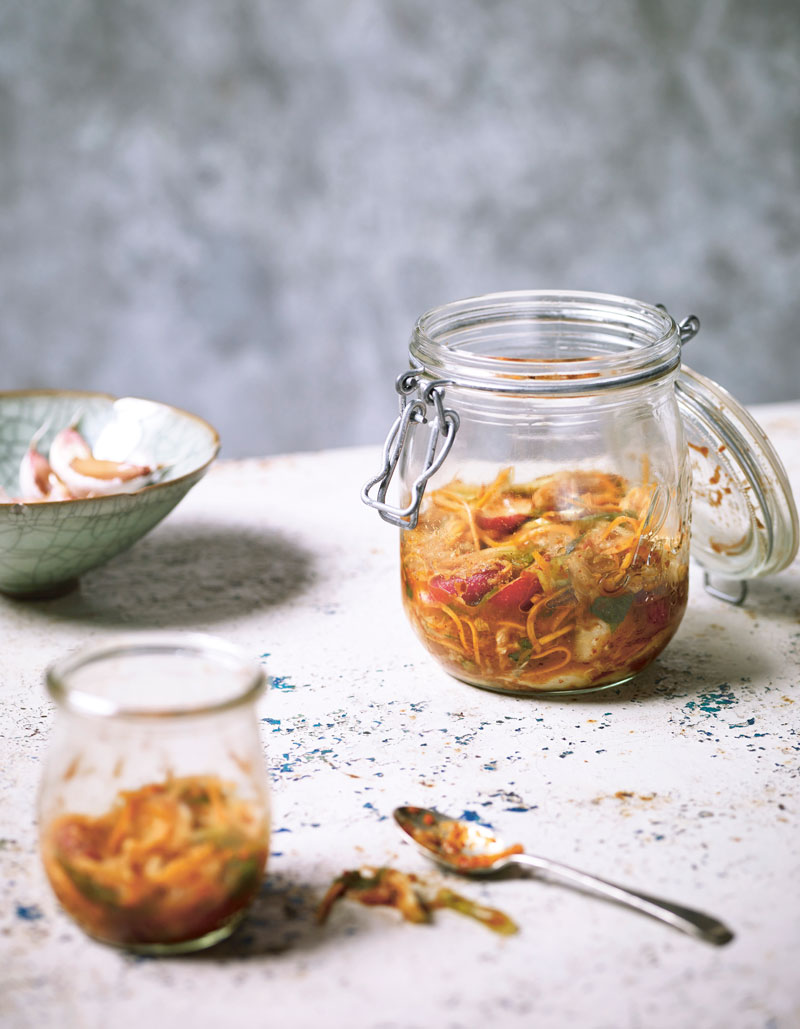
Chinese Cabbage Kimchi

Please trust me when I say that this is simpler than it looks. Kimchi is chock-full of healthy gut-supportive probiotics and really quite delicious, adding spice and pizzazz to almost anything, from roast chicken or fish, to pancakes and polenta. The method of blending the apple with the spices is something I learnt from food preservationist extraordinaire, Michaela Hayes of Crock & Jar. I have kept this version vegan, so replaced the traditional fish or shrimp sauce with kelp flakes. But do add some sauce if you like – it is more authentic that way.

MAKES 1 MEDIUM – LARGE JAR, BUT YOU WILL NEED A LARGE JAR FOR FERMENTATION

1 head (600–650g) of Chinese leaf (you could also use green, white or Savoy cabbage, although the end result will be slightly different)
65g unrefined coarse sea salt
6 garlic cloves
1cm piece of ginger, peeled and grated
2 shallots (about 90g), roughly chopped
1 apple, cored and roughly chopped
2 tablespoons tamari
Large pinch of kelp flakes (optional)
2 tablespoons water
1–5 tablespoons gochugaru (Korean red pepper flakes), or regular dried
chilli flakes
3 medium carrots (about 300g), peeled
and cut into matchsticks or thin rounds
5 spring onions, green and white parts, trimmed and cut into 5mm slices
150g radishes, trimmed and halved if large

Cut the cabbage lengthways into quarters and then across into 4–5cm strips. Put into a large bowl with the salt. Massage the salt into the cabbage until it starts to soften (I usually wear kitchen gloves to do this), then add enough cold water, ideally filtered, to cover the cabbage. Put a plate on top, weigh it down with a few cans and set aside to brine for 2–3 hours. Rinse the cabbage well under cold water to get rid of most of the saltiness and set aside to drain in a colander for 30 minutes.

Meanwhile, process the garlic, ginger, shallots, apple, tamari, kelp flakes, if using, and water in a small food processor or using a stick blender, until you have a smooth paste. Mix in the gochugaru, using 1 tablespoon for a mild version and up to 5 for a spicy end result (I usually use 2 ½ ).

Mix the paste into the carrots, spring onions and radishes. Gently squeeze any remaining water from the cabbage and return it to the bowl along with the vegetables and paste. Mix thoroughly with a large spoon or gloved hands.

Pack the kimchi into a large jar that has ample room at the top to avoid any over/ow, pressing down firmly on it until the juices rise to cover the vegetables. On the first day, the liquid might not be quite enough to cover all the vegetables, but it should be by day 2 at the latest. Seal the jar with the lid.

Let the jar stand at room temperature for 2–5 days, checking and tasting it daily, always pressing the vegetables down under the liquid with a clean spoon. Remember to do this at least once a day, as you don’t want the gases to build up and the jar to explode. As soon as you like the taste, transfer to the fridge.

I prefer my kimchi when it is not overly fermented or “ripe”, so usually eat it within a few weeks of transferring it to the fridge, but it keeps well for several months if covered in brine and refrigerated.

win-good-better-green

foodfights.co.uk | Instagram | Twitter

Reliance Compost

Orange & Chilli Glazed Chicken on Egg Noodles & Findus Wok Vegetables

Findus Vegetables

Serves: 4
Difficulty: Easy
Preparation time: 30 minutes
Cooking time: 30 minutes

Chilli And Orange Glaze
2 C (500 ml) orange juice
½ C (125 ml / 180 g) honey
2 tsp (10 ml) cornflour
2 tsp (10 ml) dried chilli flakes
pinch of salt
Chicken
600g (4) deboned, skinless chicken breasts
¼ C (60 ml / 32g) cake flour
¼ C (60 ml / 35g) corn flour
½ tsp (5 ml) salt
oil, for deep-frying

Vegetables
1 tsp (5 ml) sesame oil
500 g (1 bag) Findus Wok Thai
240 g egg noodles, cooked
2 Tbsp (30 ml) Soy sauce

To Serve
2 (400 g) oranges, peeled and sliced
1 (25 g) spring onion, sliced
½ C (125 ml / 15 g) onion sprouts
2 tsp (10 ml) sesame seeds
handful of basil leaves, to garnish

Chilli And Orange Glaze
Whisk all of the ingredients together. Pour into a saucepan and simmer over medium heat for 12-15 minutes until slightly thick and syrupy.

Chicken
Cut the breasts into bite-size chunks. Combine the cake flour, cornflour and salt in a mixing bowl. Heat the oil for deep-frying to 180 °C. Dip each chicken piece into the flour mixture, shake off the excess and fry in batches for 2-3 minutes each. Drain on kitchen paper. 

Vegetables
Heat the sesame oil in a wok over high heat. Add the Findus Wok Thai vegetables and stir-fry for 5-7 minutes. Stir in the egg noodles and soy sauce.

To Serve
Pour the warm orange sauce over the chicken when you are ready to serve.
Place the noodles and vegetables onto a serving dish. Scatter the orange slices and chicken over the top. Sprinkle with the spring onion, onion sprouts, sesame seeds and basil.

Tip: The chicken can be coated in breadcrumbs for a crunchier alternative. Simply coat the chicken pieces with flour, egg and breadcrumbs. Fry until golden and toss through the glaze.

Photography and styling by Illanique van Aswegen


Egg-fried Quinoa with Hoisin-glazed Lamb, Spinach and Ricotta Meatballs

Findus Vegetables

Meatballs
2 C (500 ml / 150 g) spinach, chopped
380 g lamb mince
½ C (125 ml / 100 g) ricotta, crumbled
1 tsp (5 ml) garlic, finely chopped
1 tsp (5 ml) ginger, finely grated
1 (25g) spring onion, finely chopped
2 Tbsp (30 ml) Chinese five spice
2 Tbsp (30 ml) mint, finely chopped
2 Tbsp (30 ml) coriander, finely chopped
½ tsp (2.5 ml) dried chilli flakes
½ tsp (2.5 ml) salt
olive oil, for frying
⅓ C (80 ml) sweet chilli sauce
⅓ C (80 ml) hoisin sauce
2 Tbsp (30 ml) oyster sauce
zest of 1 lemon
1 tsp (5 ml) lemon juice

Quinoa
3 C (750 ml) beef stock
1½ C (375 ml / 255 g) quinoa
pinch salt
olive oil, for frying
3 large eggs, whisked
500 g (1 bag) Findus Wok Chinese
salt and pepper
1 (25 g) spring onion, sliced
2 (4 g) red chillies, chopped

To Serve
1 Tbsp (15 ml) sesame seeds
handful micro herbs, to garnish
handful mint leaves, to garnish

Meatballs
Cook the spinach in boiling water for 1 minute. Drain and refresh under cold water. Squeeze all of the moisture out and chop finely. Combine the chopped spinach with the lamb mince, ricotta, garlic, ginger, spring onion, Chinese five spice, mint, coriander, chilli flakes and salt. Use your hands to press together and to form 24 mini meatballs.

Heat a large pan over medium heat. Add a splash of oil and fry the meatballs in two or three batches for 8-10 minutes each until cooked through. Return all the meatballs to the pan and stir in the sweet chilli sauce, hoisin sauce, oyster sauce, lemon zest and lemon juice. Simmer for 2 minutes until slightly thickened.

Quinoa
Bring the stock to a boil. Add the quinoa and salt and simmer for 15 minutes until all of the water has been absorbed. Allow to cool for 10 minutes. Heat a pan over high heat. Add a splash of oil and fry the quinoa for 1 minute. Add the whisked egg and stir the quinoa to scramble the eggs. Cook for 2 minutes.
Heat a wok over high heat. Add a splash of oil and then the Findus Wok Chinese . Stirfry for 6-8 minutes until tender and season to taste.

To Serve
Place the vegetables on top of the egg-fried quinoa on a serving plate. Top with the meatballs and sauce. Sprinkle with spring onion, chilli and sesame seeds. Garnish with micro herbs and mint.

Photography and styling by Illanique van Aswegen

Quinoa with Hoisin-glazed Lamb, Spinach & Ricotta Meatballs

Hoi P’loy – Shedding Light on Quality and Craftsmanship

Miele leaderboard-bannerLight is a little like love, it’s one of those enduring things that we just can’t live without. Figuratively, light is what gives us hope when all is dark, it’s the hero in the battle of good versus evil, and it represents all that is good and pure in the world. In a more literal world, these days, we flick on a switch and light floods a room – we probably never give it much more thought than that. But at Hoi P’loy that’s exactly what they do. They bring thought and creativity to light, or rather lighting, and their idea of craftsmanship and precision separates them from every other humdrum fixture out there.

There was a time where there were only a few, or maybe just even one version of a product available, and that product was made with integrity, care and quality. We live in a time of ultimate consumerism and that means our expectation of immediacy, our fixation on cost and to a certain degree greed, means that we often sacrifice on quality. We’re ok with sub-par products that break easily and look cheap. That is exactly the antithesis of the Hoi P’loy range, where it’s all about quality, careful craftsmanship and beautiful aesthetic.

The brand is the brainchild of Ploy Phiromnam and Guy van der Walt; the pair met while Guy was travelling and living in Bangkok. After getting to know the beauty of Thailand, with Ploy showing him the local version, he repaid the favour by showing Ploy the very best that Cape Town had to offer. On a visit over here, Ploy enrolled in jewelry making classes to exercise her creative side and has pretty much never left.

How they came to be in the lighting business was quite by default. They were looking for lighting that inspired a warm glow of a bygone era but in a contemporary way. Something that combined modern technology with hints of vintage inspiration and quality, and it was something that they simply couldn’t find. So their journey started, as many creative ones do, with the desire to fulfill that need.

Creating something with a nostalgic feel but using modern technology can be a challenge. As Guy told us, finding suppliers that possess knowledge of old school machining, the kind that produces quality parts, is very difficult. Many of these speciality trades have sadly been lost over time, in favour of cheaper and mass quantity ways of doing things. It was a non-negotiable factor to have these items produced locally and with the integrity of the way they would have been made many years ago, so the process was one of plenty of research and patience. The other consideration with these parts, aside from being beautiful to look at, was that their design had to be multifunctional.

When producing on a smallish scale, it simply doesn’t make sense to have to create unique parts for every type of fitting designed – parts and pieces need to be interchangeable from design to design. This means the designers have to somewhat ‘look into the future’ to try and create parts that will work in products that may not exist yet – no easy task. Tiny pieces, such as knurled brass thumb screws, have made all the difference to the look of the lights. These pieces are researched, designed and then rendered using a 3D printer. They are then individually machined using an old-school, manually-operated auto lathe, which uses gears and cogs, versus modern versions which are computerised. The result though is well worth it, as it is these finer details that make these lights so special.

Vintage is a real buzzword these days and drawing inspiration from yesteryear is evident across all design disciplines. Hoi P’loy’s design philosophy is not about taking shortcuts to recreate these looks –instead they look at traditional designs that have been abandoned, draw inspiration from those principals and bring contemporary, technology-driven thought to those ideas. The result is a range of beautiful and functional pieces that resonate with quality and refinement. The whole business is much the same. The workshop is pristinely clean and organised and there is an evident workflow from one area to another. The team are all involved in whatever needs to be done, jumping in to assemble boxes and to help where needed. The couple choose to work with people who share their vision and this extends from their internal team to the suppliers they work with and this pursuit of a shared vision shows.


Their passion for quality also extends to their packaging and service delivery. Their products are all available to be purchased online and will be delivered by courier within a couple of days of ordering. As the couple told us, because they can’t be there to actually greet and smile at a customer, their packaging has been designed to do just that. Boxes are packed and crafted in a way that gives customers the feeling of opening a special gift, and this is all part of the experience that the brand endeavours to deliver.

We were intrigued by the name Hoi P’loy and had to ask what was behind it, knowing that a play on Ploy’s name was definitely part of it. It is of course inspired by the Greek term ‘Hoi Polloi’ which oddly, in South Africa, seems to have taken on the meaning of something entirely incorrect. Here the term lends itself to the idea of something highfalutin, when in fact, the real term translates to ‘the many’ and actually refers to the masses. The couple loved this play on words and felt like it reflected the brand philosophy perfectly – that quality and craftsmanship should be accessible to everyone.

In an age where quality has become an afterthought, it is refreshing to sit down with people who are so passionate about resurrecting it. People who are incredibly dedicated to their vision and are committed to design that is not only functional, but exquisitely crafted and built to last. From their structured Molecule chandelier light to their more casual string lights, the range is elegant and refined. Each light is a piece of art that says a lot about the space it is hung in, as well as the people who choose to buy into the idea that quality really is key.

hoiploy.com | Facebook | Twitter | Instagram
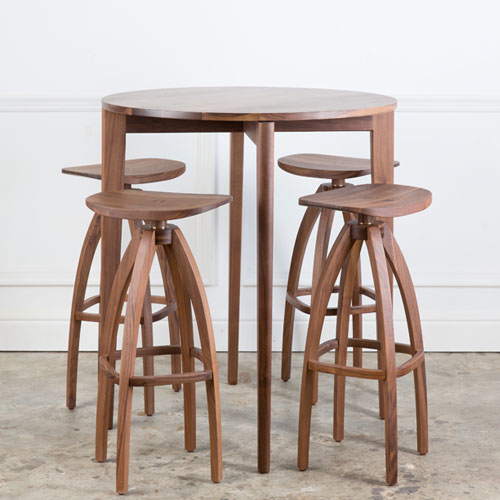
miele.co.za | Facebook

Miele leaderboard-banner

Cultivating An Urban Jungle With Darryl Cheng

Reliance Compost

Darryl Cheng is the green-thumbed whizz we all wish to be. Through his blog, the House Plant Journal, Darryl inspires thousands of avid followers with his clever and easy-to-understand plant guidance. Based in Toronto, his house is the definition of an urban jungle. By day, he is a business analyst and focuses on understanding client requirements, which he says is quite similar to understanding plants. We caught up with him to find out more about the happy plants he keeps, and he even spills a few well-guarded secrets.

Crush: How did you get to being such a wealth of knowledge about house plants? Was it a process of trial and error or have you always been particularly green-thumbed?

Darryl: I learned the basics of outdoor gardening with my mother.  When we moved to a bigger house, she asked me to research and care for a few house plants.  ‘A few’ turned into a jungle!  There was some trial and error in terms of which plants could survive for the long run and which plants were merely months-long foliage displays.  I’ve come to accept the kind of plant parent I am so now I simply acquire plants that I know I can care for.

Crush: What inspired you to start the blog?

Darryl: Before the blog, I used Tumblr to visually document my house plant hobby. I like their tagging system, which allows me to refer back to any particular topic or plant. I can see the growth progression of my monstera deliciosa or pull up all posts related to propagation.  The current blog is more about helping new plant parents get the basics right.

Crush: How many plants suffered before you figured out what you were doing?

Darryl: This question sort of assumes that all houseplants are meant to live and look perfect forever but this is simply not the case.  I think there should be the concept of annual and perennial house plants.  Annuals – some house plants remain “visually appealing” for only a few months, but then naturally grow leggy and lose foliage to the point where it is no longer aesthetically pleasing.  Perennials – house plants that look better as they mature and are easy to maintain for years.

Crush: Can you share some tips and tricks to healthy house plants? Example how much water is enough/too much. Sunlight? Fertilizer?

Darryl: It’s funny you ask for “tips and tricks” because I’m always trying to get people to stop thinking of house plant care as a collection of tips and tricks but rather, a body of knowledge. Let me say this:
To keep your plant happy for a week: give it daily light AND dark
To keep your plant happy for a month: maintain proper soil moisture and remove dead material
To keep your plant happy for several months: aerate the soil
To keep your plant happy for a year: fertilize and prune (if applicable)
To keep your plant happy for several years: repot it

Crush: What is the single most important thing that you wish more people knew about looking after house plants?

Darryl: When horticulturalists say “low light”, they mean at least 50 foot-candles.  They do NOT mean in some windowless corner of your house.  There are plenty of apps that can measure light – there’s no more excuse for starving plants!

Crush: What is your process for potting a new plant? What type of pot do you use? Soil? Stones?

Darryl: I use a plastic nursery pot lined with landscape fabric (easy to cut) so that soil doesn’t get washed out from the drainage holes.  For soil, I use whatever potting soil is sold in stores and put additives in different combinations depending on the plant: vermiculite – retains water, improves aeration; perlite – drains water, improves aeration; coarse sand – drains water.  I rarely pot directly in a container and never if it has no drainage holes.  It’s not that the plant will surely die but it just makes moisture control trickier – on the one hand, you should water thoroughly and evenly but on the other, the soil should not remain soggy.  The advice of using a layer of stones does work but also increases the risk of stagnant water breeding mold/bacteria.

Crush: What is the trickiest part of maintaining healthy houseplants?  

Darryl: Buying the right ones.

Crush: Why is it important to have greenery in your office or home space?  

Darryl: When people see a thriving plant in a space, they feel that this space must be life-giving, a healthy environment capable of supporting a living thing.  I think any space that I frequent must have this character.

Crush: Do you grow succulents? Tips and tricks for growing those?  

Darryl: They are a category on their own.  I don’t really have the sunny conditions they require to stay looking “cute” so I don’t keep too many (some would consider snake plants as succulent).

Crush: If you are going away for holiday what is the best way to manage your indoor plant life?

Darryl: I just water them thoroughly before I go and leave them huddled together, slightly away from their light source. With lower light, they’ll use the water slower and when huddled together, there will be less evaporation.  If I’m gone any longer than a week, I’ll leave the most water-sensitive plants with a trusted friend – I’ve made many plant friends who are willing to help!

Crush: What is currently your favourite plant you have at home and why?

Darryl: Peperomia prostrata – I love the tiny details on its leaves and the rat-tail flowers that give the plant a “crazy” look.

Quickfire:
Favourite vegetable? Sweet potato
Are you a cat or dog person? Cat
Last big purchase you made? A sound system for my church
Favourite place to visit? Hong Kong
Your favourite way to unwind after a stressful day? A nap

houseplantjournal.com | Facebook | Twitter | Instagram
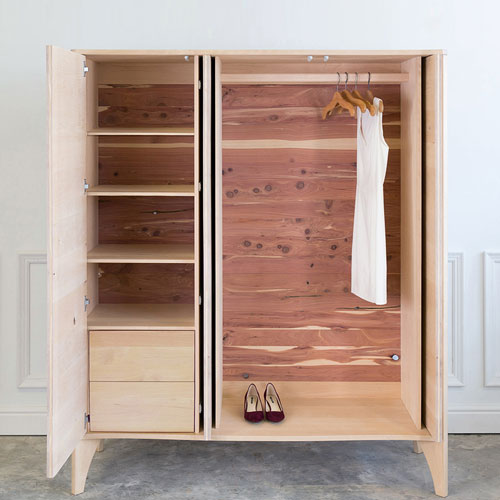
Delicious produce is grown in healthy, living soil. #Harvesttotable series brought to you by Reliance Compost.Reliance Compost

Moerkoffie Moers a Homerun at Meet the Brewers

If you’re looking for the best food and beer pairing event in South Africa then look no further than Meet the Brewers at Beerhouse. The idea is simple: five breweries, five different beers, and each beer is paired with a dish created by the immensely talented Chef, Roy “The Tasty One” MacAskill. It’s a great way to get to know your local breweries, learn about pairing, and it’s a helluva lot of fun.

We’ve been to many of the past events but last Wednesday was the first time we’ve actually had a beer on stage. Our Moerkoffie stout collab with Fraser’s Folly made its Beerhouse debut and to say we were nervous is an understatement.

We’re usually on the consumer side of the craft beer fence and it’s a very different experience to be on the other side. Putting a beer out into the public realm for comment and criticism is a quite a thing. I tip my hat to the brewers who do it on a daily basis.

Meet the brew Beer house

Nerves aside the evening kicked off with a full house. The banter started flowing even before the first beers did, and we knew we were in for a great night. Homebrewer Liam Mc Elhinney of Mac Brewing got things going with his Silly Saison. It’s the best homebrew saison we’ve ever tasted and it was paired with mushroom ceviche with avo and goat cheese mousse. Many of our table later agreed that it was one of the best pairings of the night.
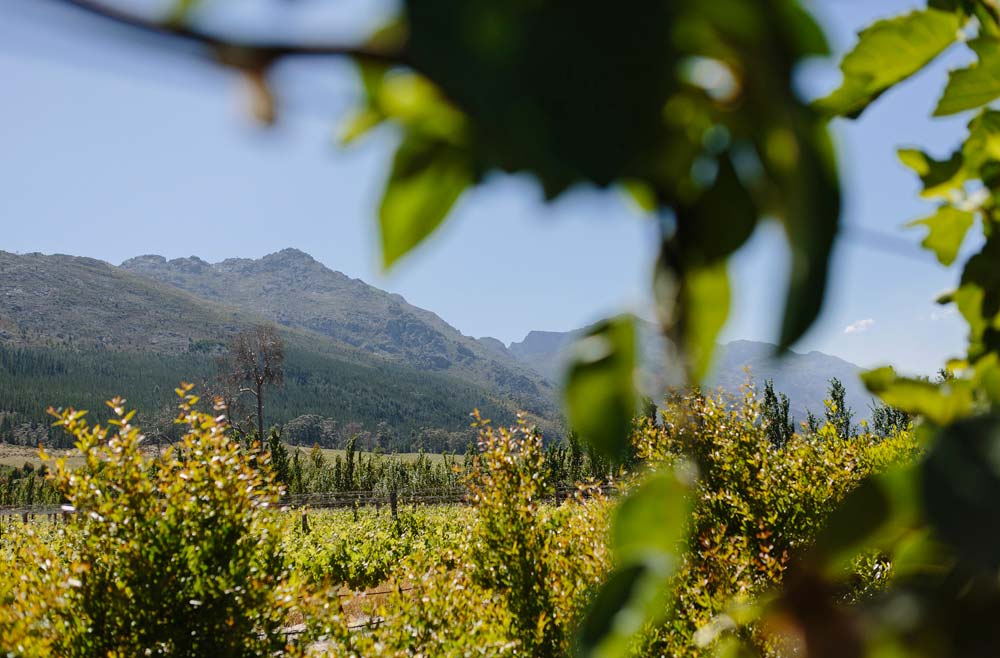
From there we hit a mango beer from Big Trees Brewery paired with an equally fruity watermelon curry and coconut basmati rice. It’s the first time we’ve ever seen or tasted a watermelon curry and it was delicious. The sauce gave the impression of a hearty curry yet the watermelon melted in the mouth with a subtle sweetness. Next up was Aegir’s Red Rye ale paired with another very interesting dish, a ‘beet bourguignon’ (sans meat). The dish was packed with spicy and earthy beetroot flavours that perfectly complemented the peppery fruitiness of the brew.

The fourth pairing of the night took a sweet turn as we were treated to Tuk Tuk’s weiss paired with a smoked bacon baklava. Bacon and weiss are good mates and as you can guess the pairing was ridiculously tasty. The weiss is made with local and international hops and its funky, fruity notes complemented the sweet yet savoury baklava.
As we came to the final pairing of the evening it was time for Moerkoffie to shine. Roy had chosen to pair the rich and roasty brew with a chocolate tiramisu cupcake. In short the coffee on coffee action was incredible. The cupcake was soft and spongy with a crown of tiramisu that had been injected into the cupcake. I know we are slightly biased but the pairing is one of the best we’ve had. It took top honours of the night and it will be available on the Beerhouse menu soon. From us and Fraser’s Folly, we’d like to thank Beerhouse for having us at Meet the Brewers. We can’t wait for the next installment. Cheers!

beerhouse.co.za