Our Medicinal Mountain in the Cape Floral Kingdom

Over the past month, I have been on an extraordinary adventure. I have discovered how the indigenous plants that flourish on and around Table Mountain­­­­ (part of the uniquely bio-diverse Cape Floral Kingdom) hold an array of preventative and curative properties geared exclusively at human physiology.

I have had herbs inserted into my ears and aromatherapy oils massaged into my feet, I have watched the extraction process that derives potent oils from fynbos, seen powerful tonics made from dried twigs and leaves. I have learnt that plants have personalities as distinct as humans and live in communities with as much social cohesion or disruption as a human society does. Now, a month later, I no longer see Table Mountain simply as the picturesque wonder that it is. Rather, I see a mountain flourishing in natural and miraculous plant medicine filled with transformative remedies.

Did you know? The Cape Floral Kingdom is one of South Africa’s Eight World Heritage Sites.

THE BUSH DOCTOR – CARLO RANDALL

Carlo Randall is a local bush doctor who has been studying and practising plant medicine for over 15 years. As a young adult, he embarked on an 8 year pilgrimage across the Western Cape, seeking to learn everything he could about plant medicine from his forbearers. Following his apprenticeship, Carlo took a position at the Botany Department at Stellenbosch University, before setting up his own practice in Cape Town.
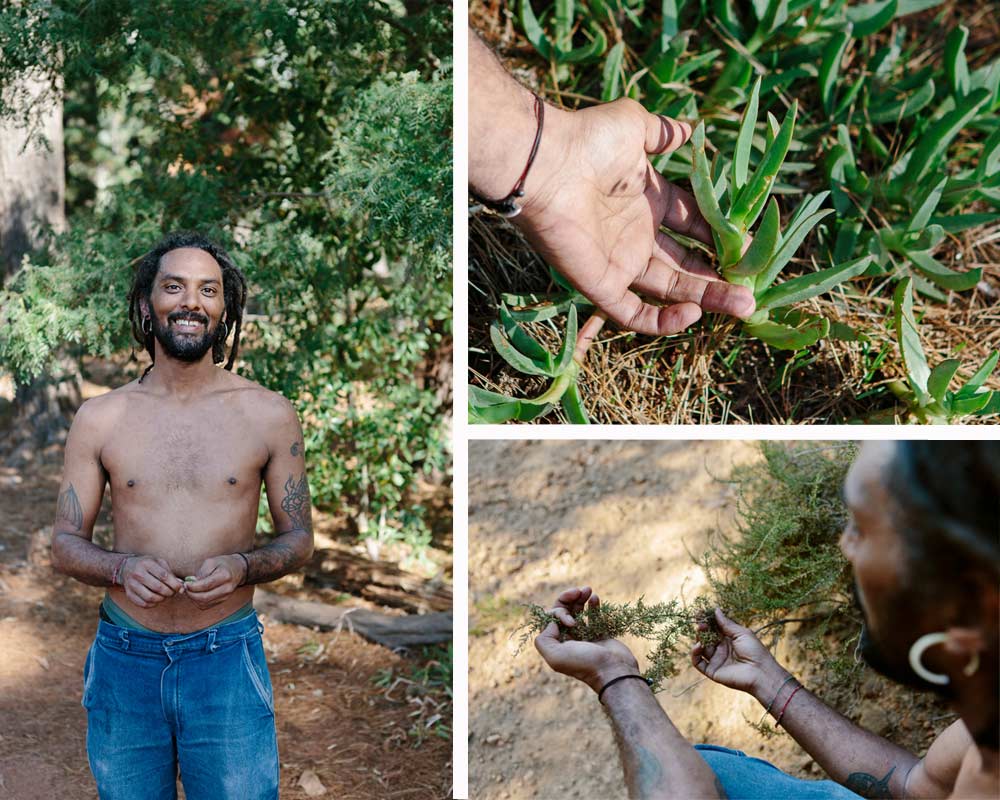
Cape Floral Kingdom Carlo-RandallI meet Carlo at The Castle on a Saturday morning, where he holds lectures on topics ranging from botany through to post-colonial identity. He carries with him a sack cloth filled with dried bushels. For every plant he shows me (and there are hundreds of them), he can recite the Latin name, the indigenous name and the most commonly used name. He can also rattle off the chemical and healing properties, and how each can be used to prevent or amend an ailment.

Carlo’s gentle demeanour and soft-spoken wisdom belie the arduous journey he has endured. It was no easy feat walking the wilderness for almost a decade, seeking sangomas, bushmen and hidden sages who live alone in the mountains, and then persuading them to share their knowledge with him. What developed from that time was a deep respect for both the fynbos kingdom and his personal ancestry.Cape Floral Kingdom Carlo-RandallCape Floral Kingdom - Carlo-Randall
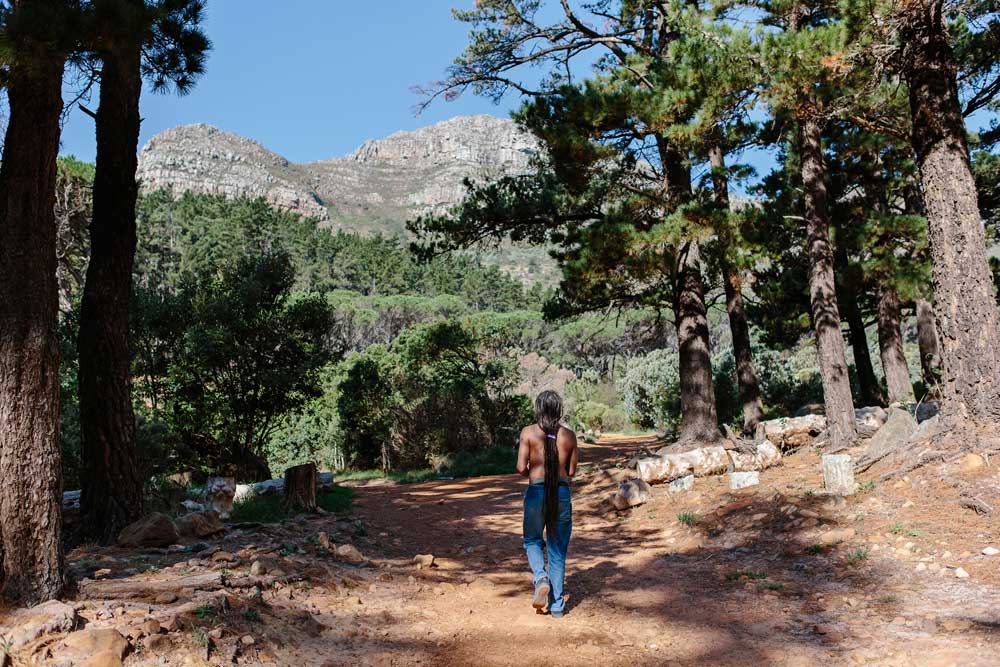
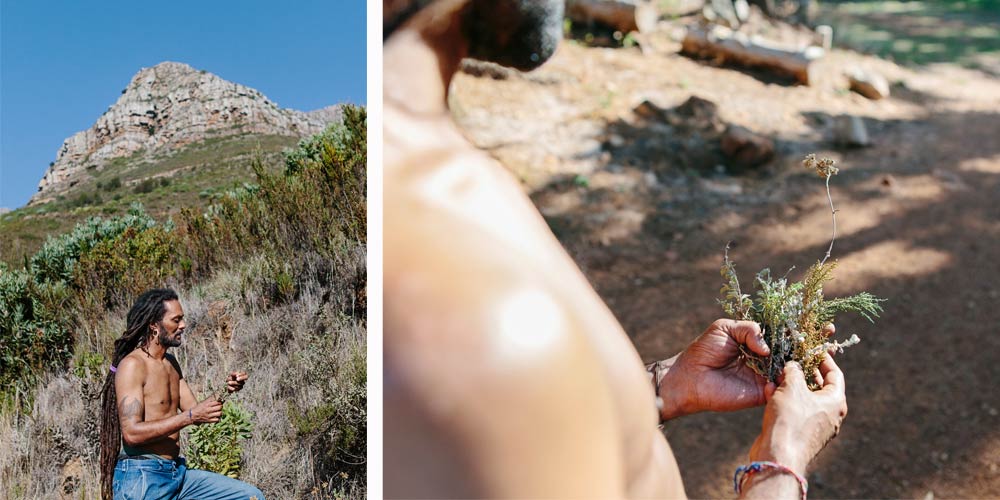
“Fynbos is one of the 6 floral kingdoms of the world, but none of the other kingdoms have as much diversity – there are 9000 species alone and 80% of them are endemic to the Western Cape – so they are hugely reliant on each other. These eco-systems are so delicate, and modern day scientists are still learning about them. But most of this knowledge was already established by my ancestors. It’s that knowledge that I hope to pass on.”
Cape Floral Kingdom Carlo-Randall


THE INDIGENOUS PLANT EXPERT – ROUSHANNA GRAY

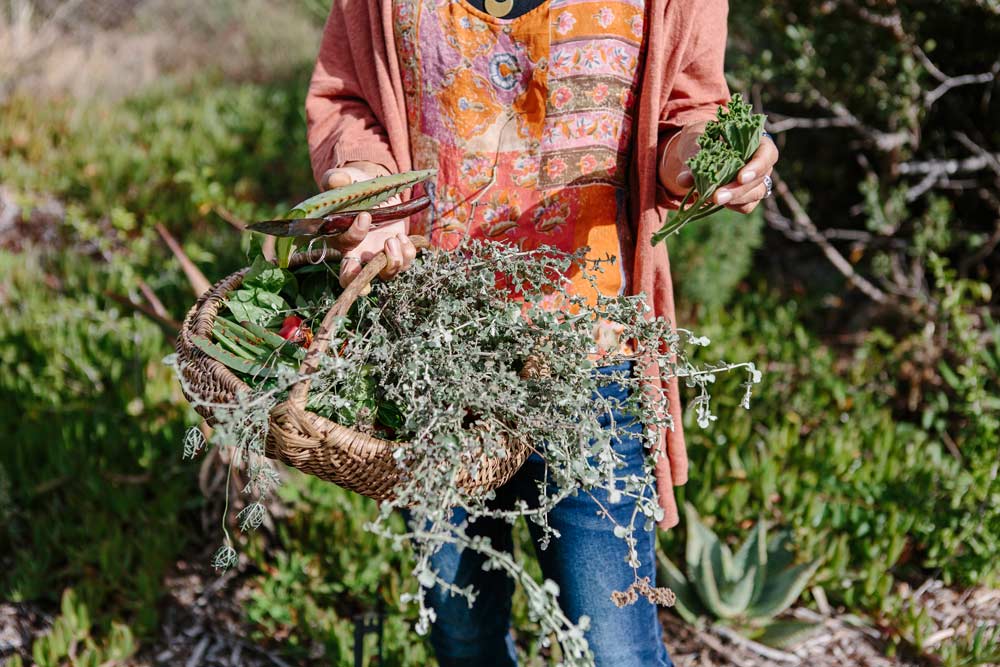
Roushanna Gray is a legend amongst indigenous plant experts in the Western Cape. She lives on a rugged and remote plot of land near Cape Point, in the heart of the Cape Floral Kingdom, where she runs the well-renowned Good Hope Nursery. She is the picture of radiance and good health – spritely and bright-eyed with an unabated enthusiasm for her work.
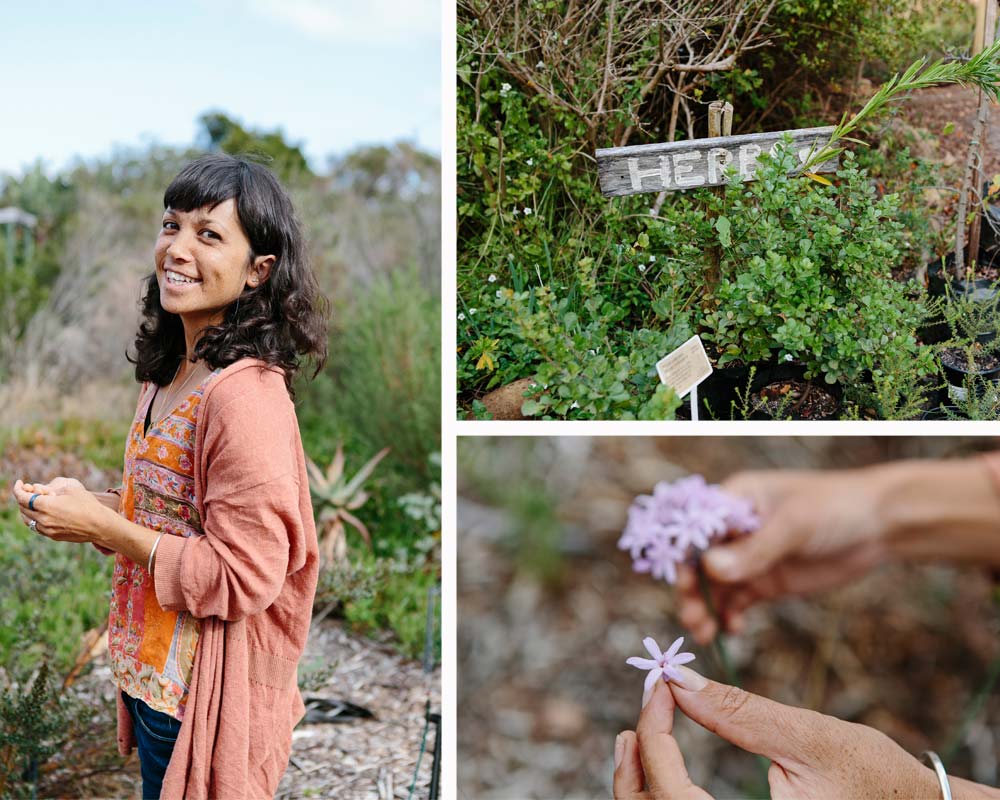
Cape Floral Kingdom - Roushanna Gray

“We’re all surfers in my family,” she says, walking me through her sprawling garden on a sunny afternoon. “So swimmer’s ear and earache are common ailments in my home. African wormwood is my cure-all for this – by inserting a plug of fresh leaves gently into the ear it draws out the liquids and provides immense relief. It’s also great for relieving blocked sinuses.”
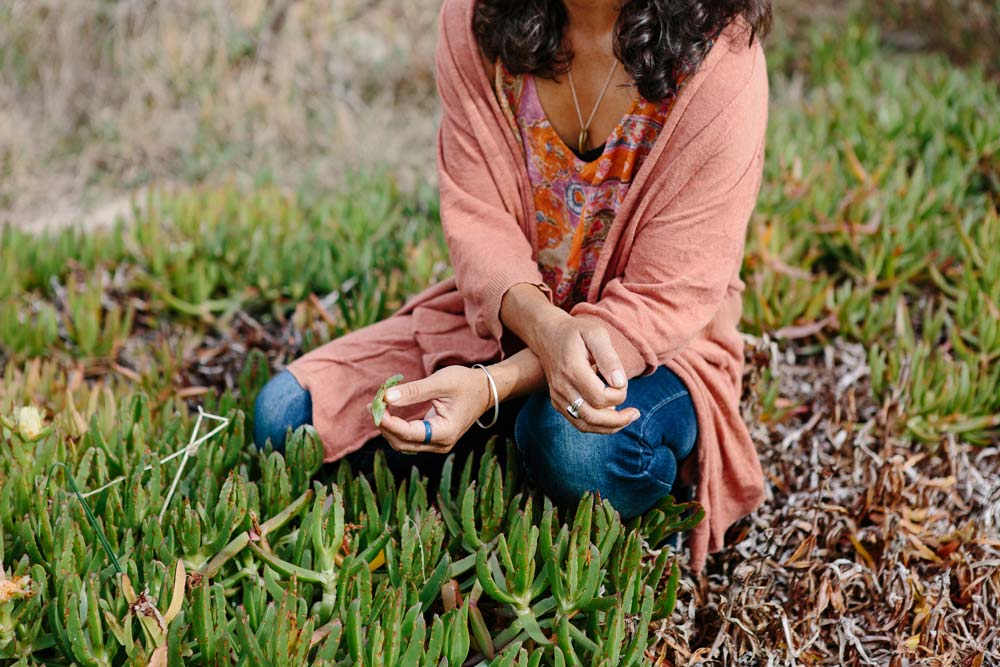
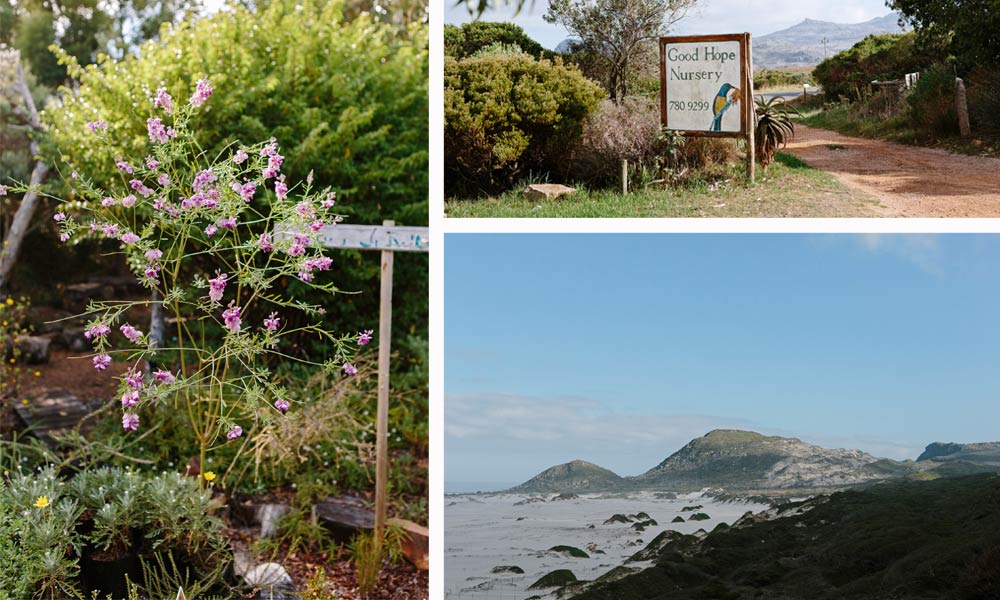
Cape Floral Kingdom - Roushanna Gray
Cape Floral Kingdom - Roushanna GrayRoushanna makes an effort to feed her family from their abundant garden: nasturtiums for their salads, sour figs and num nums to boost their Vitamin C levels, fermented honeybush tea to keep their immune systems strong. She cooks with wild garlic because it is ‘packed with phytonutrients and more potent than the garlic you would buy from the shops’. Even the weeds in her garden fail to go amiss.

“Portulacaria afra contains plenty of Vitamin C,” she explains, tearing a bunch from the ground and handing it to me to chew on. “And purslane is high in omegas.”

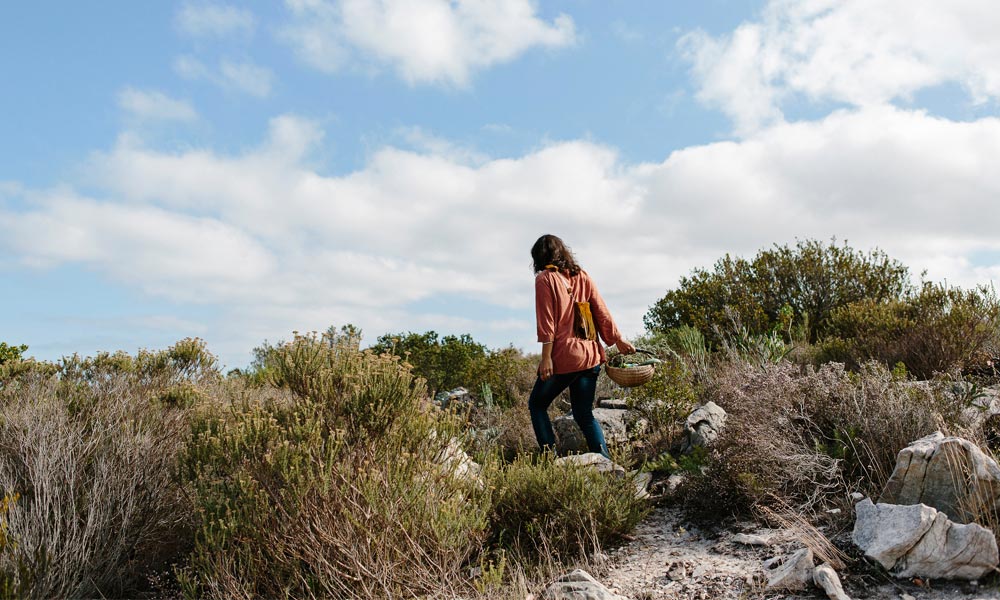
Cape Floral Kingdom - Roushanna GrayCape Floral Kingdom - Roushanna GrayCape Floral Kingdom Roushanna Gray
Roushanna Gray runs seasonal foraging courses that demonstrate the various uses of indigenous plants to both adults and children.

“The more you begin to eat from your garden and harvest herbs to heal common ailments,” she says, “The crazier it seems that one would rush off to a pharmacy to buy a pill.”

goodhopegardensnursery.wordpress.com

Did you know? There are only 6 floral kingdoms in the whole world and fynbos (unique to The Cape Floral Kingdom) is the smallest and the only one found entirely within a single country.


THE ESSENTIAL OIL EXPERT – SUE PUGH

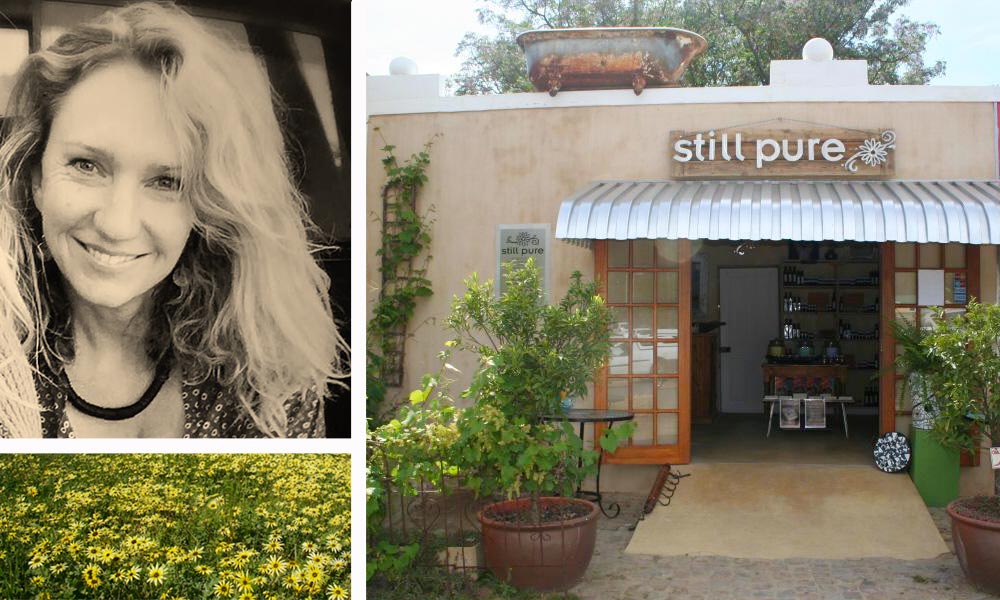
“I have no doubt that the plant life in our habitat holds the prevention, and perhaps even the cure, to most illnesses,” says Sue Pugh of Still Pure Essential Oils. “The key, of course, is in the generations of knowledge that precede us, most of which has been passed down verbally amongst indigenous communities.”

Cape Floral Kingdom Simply-Pure

Sue began growing and extracting oils on a small farm outside Riebeek Kasteel in 2005. Her business has grown exponentially over the years based on a simple philosophy: creating, pure, clean essential oils without any additives or nasties.

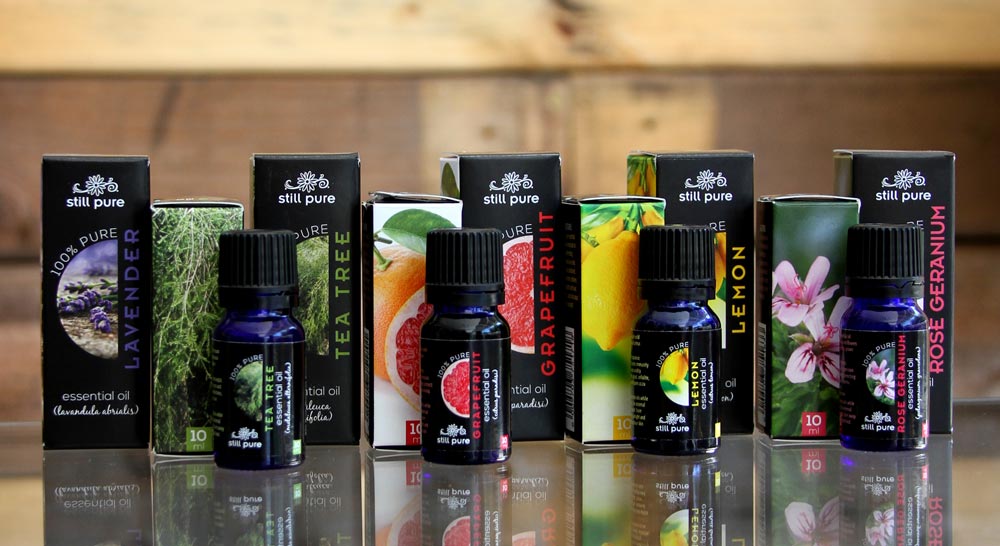
Essential oils are effectively the product of extracting the oil yield from a plant in its most potent form. This practise can be traced back thousands of years – as early as the Ancient Egyptians, who extracted oils and flower essences for medicinal and cosmetic purposes, embalming mummies, effecting a change of mood or simply for the pleasure of the plant’s perfume. Today, oils are most often used in hot or cold compresses for toothaches or sprains, steamed and inhaled to ease congestion, added to baths to aid stiff muscles or diluted into carrier oils for massage. But don’t be fooled by their pleasant scent and delicate bottles: essential oils are potent.
Cape Floral Kingdom - Simply-Pure

“If you rub a clove of garlic on the sole of someone’s foot, the oil from that garlic will immediately enter their bloodstream and within minutes you will be able to smell garlic on that person’s breath,” explains Sue. “That’s why essential oils are so effective – the molecules are tiny. They penetrate the skin immediately and go straight into your blood stream.”

The trick, however, is to go local. Although overseas buyers are going loco for our fynbos oils, the general rule is that what grows indigenously tends to conform to what our bodies need. Local is always best. Local and seasonal is even better. Which makes those of us living in the Western Cape some of the luckiest people alive: we live in amongst the Cape Floral Kingdom, one of the most diverse and extraordinary floral kingdoms on the planet.
Cape Floral Kingdom

Did you know? The Cape Floral Kingdom represents less than 0.5% of the area of Africa, but is home to nearly 20% of the continent’s flora.
stillpure.co.za | Facebook

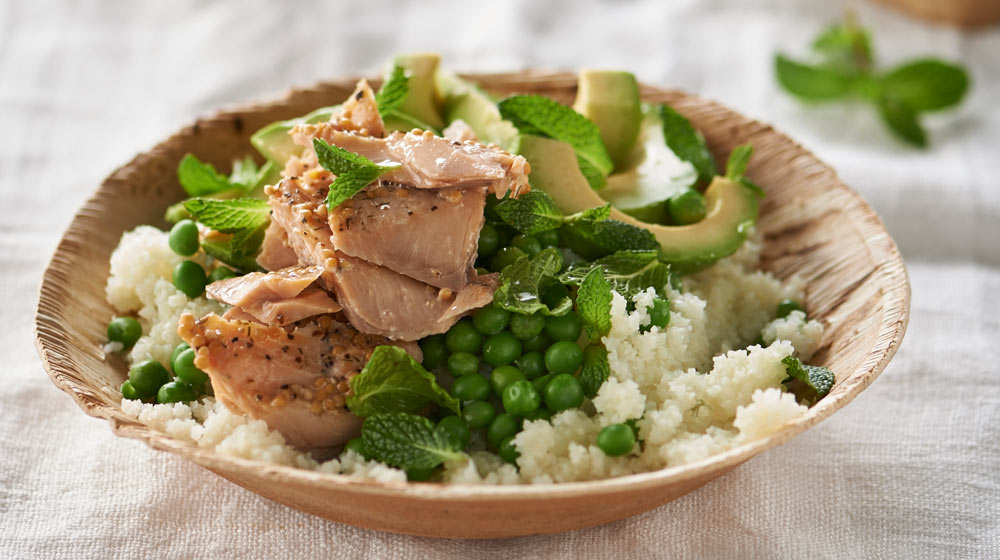
Sarah Graham’s Quick & Easy Cauliflower ‘Couscous’ Salad Bowl

If you’re trying to cut carbs and are looking for a healthy way to enjoy a salad but are tired of just eating leaves – then this recipe is your answer! Instead of the grain couscous, Sarah has created a cauliflower version, using a food processor to give the cauliflower a couscous-like texture. This is then lightly boiled, drained and topped with avo and smoked trout, both of which are packed with healthy fats. Top with some fresh peas and mint and you have yourself one tasty lunch. We love this Cauliflower Couscous Salad Bowl.

Make Sarah Graham’s Smoked Trout & Cauliflower Couscous Salad

Serves: 2
Difficulty: easy
Prep Time: 10 minutes
trout cauliflower saladCooking Time: 15 minutes

FOR THE CAULIFLOWER COUSCOUS SALAD BOWL

1 small to medium-sized head cauliflower
250 g smoked trout fillet
small handful frozen peas, thawed
1 ripe avocado, roughly sliced
a few fresh mint leaves, for garnishing
salt and freshly ground black pepper

FOR THE HORSERADISH DIP

¼ cup olive oil
2 Tbsp lemon juice
1–2 tsp creamed horseradish
pinch of salt
a little healthy natural sweetener

WHAT TO DO

Roughly chop the cauliflower and add to a food processor. Blitz for 1–2 minutes, or until the cauliflower has a grain-like consistency, similar to couscous.

Prepare the dressing by mixing all the ingredients together. Check for seasoning.

Add the cauliflower to a large saucepan of lightly salted boiling water and cook for 2–3 minutes. Drain well and divide between two serving bowls.

Top the ‘couscous’ with flaked smoked trout, sprinkle over the peas, and add the avocado slices and mint leaves. Season to taste with salt and pepper and dress generously with the horseradish dressing. Eat as soon as possible.

Notes: Add a handful of home-grown mung bean sprouts for a dose of extra goodness.

To make your own trout at home, preheat the oven to 190 °C, place the raw trout fillet in a shallow baking dish, drizzle with olive oil and a sprinkling of whole yellow mustard seeds and a little chopped fresh dill, season, and then bake for about 8 minutes, or until just cooked through.

Check out Sarah’s Lentil and Lamb Bobotie Recipe and her Maple Pecan Pie.

miele.co.za

Sarah loves Miele Leaderboard banner

Warida Cornelius – A Street Food Story of Samosas and Smiles

Although we should be celebrating the special ladies in our lives every day, there are moments that make us stop what we are doing and actually acknowledge these women as they deserve. Women who are strong, vibrant and who have overcome great odds to succeed. One such lady is Warida Cornelius, a Bo Kaap fixture who sets up her food stall on the corner of Helliger Lane and Rose Street daily and has done so for the past 14 years. What on the outside may just look like another casual street vendor, is, in fact, an incredible story of one woman’s strength and determination to take a negative situation and turn it into a story that writers want to tell and people want to hear.

How Warida Cornelius Got Started

It was about 14-years ago that Warida was diagnosed with cancer and was retrenched from her job as a rep due to her illness. With a family of three children that needed to be fed and schooled she realised that sitting around was not simply not an option. Instead of allowing her illness to keep her down, she looked at what she was good at and what ‘God-given’ talent she could employ to earn a living. Having been raised by parents who cooked for a living, she figured that following in their footsteps made logical sense. So at possibly one of the most difficult crossroads anyone can face in life, she took a leap of faith and got to work doing something humble, but something that she knew she would be good at – cooking and baking.

Hot and Crispy Samosas

At the time she lived in Bo Kaap so cooking up Malay favourites seemed a good place to start. Today her samosas are some of the finest to be found in Bo Kaap, and she has made them the same way since day dot. We’re not sure what her secret is, but we believe it has something to do with the fact that she cooks them onsite, so they are as fresh as they possibly can be – hot and crispy, straight out of the oil. She sells out of everything that she makes, so you have to be early to ensure that you get what you’re after. Every single item is freshly handmade by Warida Cornelius on a daily basis; that has always been her mantra and it’s what makes what she sells so darn tempting.

Warida Cornelius
Warida Cornelius
Warida Cornelius

What’s also so appealing about Warida’s stall is that in the 14 years that she’s has been doing it, she has stuck to the original set up, from the shaded gazebo to the plastic covered boxes that hold all the goods. It’s bona fide street food that is rooted in genuineness, made with love and served with a smile. And that has immeasurable appeal.

Things are not always Rosy

Warida Cornelius has become part of the fabric of Bo Kaap and her authenticity is the kind that only comes from sheer hard work and sticking to what you do best. A simple formula, but one that has reaped great rewards. She tells us that it hasn’t always been plain sailing; she has come up against opposition from members of the community, often eateries that have come and gone over the years that have opposed to the business that she attracts. She originally traded on the corner of Wale and Rose Streets but was forced to move when the building changed. A local barber was kind enough to allow her to set up her stand on his doorstep and that is where she has remained, despite intermittent challenges to have her cease trading. She also hasn’t always done the roaring trade she does now, back when she started, a full day’s trade may have earned her a

A local barber was kind enough to allow her to set up her stand on his doorstep and that is where she has remained, despite intermittent challenges to have her cease trading. She also hasn’t always done the roaring trade she does now, back when she started, a full day’s trade may have earned her a meagre R50. But she had faith in what she was doing, stuck with it and put in long, hard hours to build her business to what it is today.

A Sense of Community

The fact of the matter is, that this kind of food and service is like a national treasure; a small slice of the community of a place like Bo Kaap and the greater city of Cape Town, that we should feel privileged to support every day. Her prices are so reasonable – R4 for savouries, R5 for sweets and R12 for a seriously generous curry vetkoek – where else can you get prices like that? Warida’s endeavours have helped her put three children through varsity. She tells us of their successes as an advocate, psychologist and human resources manager, something she has every right to be proud of.

If you pass by Warida’s stand you are sure to hear exchanges of “As-Salaam-Alaikum” and friendly returns of “Wa-Alaium-Salaam” as locals pass by daily, as they have done so for years.

For some of us that are newer to the area, we feel that we’ve been let in on one of the city’s best-kept secrets – something that plenty of visiting foreign tourists and bo-kaapers have been privy to for years. Talk about getting to the party late.

All the Classics

Warida is always immaculately turned out despite the fact that she has been getting up at 03h30 to cook and bake for the past 14 years. That takes some doing. She not only sells those famous samosas, but also does apple cakes, vetkoek, snowballs, wraps, roti, akhni (breyani) and good-old sprinkle-covered cupcakes (that have saved us mid-deadline more than a few times). She also not only bakes what you see on her stand, she also takes daily phoned in orders and does catering as well. She even has a gentleman from Dubai who comes by whenever he’s in town, orders her coconut dusted koesisters, freezes them and takes them back with him to enjoy until his next trip.

Warida CorneliusWarida CorneliusWarida Cornelius

This affirmation of her talent, plus many celebrities that have visited her stand, the tourists that crowd around every day and of course the locals that have always supported her are what keep her doing what she does. She tells us it’s now done simply for the love of it and that the satisfied faces and bellies are the real feather in her cap. Those days where she has felt tired and like she just can’t anymore, it’s her faithful supporters that push her to keep going.

Keeping Things Casual

I asked Warida Cornelius if she’s ever thought of formalising her business, and she laughed and said she would love to ‘formalise her informal settlement’ but I think that the way it’s done – the way it’s always been done, is really an integral part of the magic and success of it. Rose Street just wouldn’t be the same without the smell of freshly frying samosas and Warida’s smile.

No matter who you are, being struck with a life threatening illness is terrifying. Having this happen as a breadwinner and mother, possibly even more so. Even if doesn’t feel like we can cope with whatever we are dealing with at the time, there are people, such as Warida Cornelius, who’s stories inspire us and each of us takes a different piece of that story away with us. Warida’s determination as a woman and a mother make me what to jump out of bed in the morning and do better at being me. And if feeding people with a belly full of love is first prize, then having that kind of effect on people must run a close second best.

Find Warida Cornelius and her tasty treats trading on Rose Street in Bo Kaap. Let your nose help guide to the aromas of sizzling samosas!

Hungry for more? Subscribe to our newsletter

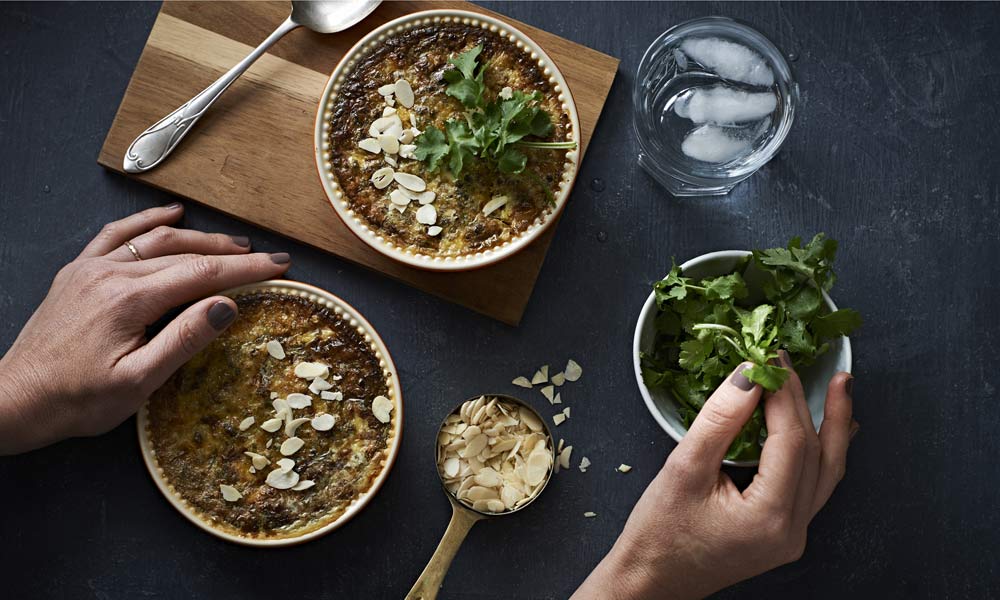
Celebrate Heritage Month With Sarah Graham’s Lamb & Lentil Bobotie Recipe

This September Miele and Sarah Graham celebrate South African heritage in the best way possible – through food of course. Sarah makes the South African classic, bobotie, with her own twist. This recipe uses lamb mince and lentils, which go wonderfully with the sweet and spicy flavours of this traditional Cape Malay dish.

Make Sarah Graham’s Lamb & Lentil Bobotie

Serves: 4-6
Difficulty: easy
Prep Time: 30 minutes
Cooking Time: 35 minutes
Lamb and Lentil bobotie

For The Spiced Minced Meat

1–2 Tbsp olive oil
500 g lamb mince
2 medium-sized onions, chopped
1 clove garlic, minced
1 apple, peeled, cored and grated
1 tsp grated fresh ginger
2 tsp medium curry powder
1 tsp ground coriander
1 tsp turmeric
½ tsp ground cinnamon
½ tsp dried chilli flakes
½ tsp each of dried mixed herbs
1 Tbsp chutney ½ tsp salt pinch of freshly
ground black pepper ½ cup seedless raisins
1 Tbsp lemon juice 21/2 cup cooked quinoa (for gluten free) OR 2 slices wholewheat bread, soaked in water, lightly squeezed and mashed with a fork
1 x 400 g can lentils, drained
2 Tbsp flaked almonds
2 bay leaves

For the Baked Egg Topping

1 cup milk
½ tsp salt pinch of freshly ground black pepper
2 eggs

What to do

Preheat the oven to 190 °C and grease an ovenproof dish well. I prefer a slightly smaller dish that makes a deeper, moister bobotie.

Heat the oil and butter in a pan on medium-high heat and fry the mince, stirring often until loose and crumbly. Add the onions and fry until soft and translucent.

Add the garlic, apple, ginger, spices, herbs and chutney and continue cooking for another minute. Season with salt, pepper and lemon juice then add the mashed quinoa or bread, raisins, lentils and almonds.

Spread the mixture in the ovenproof dish and insert the bay leaves.5. Beat all the ingredients for the topping with a fork and pour over the top.

Bake uncovered for 30–35 minutes, or until the custard topping is firm and golden brown.

Note: Recipe can easily be doubled and works just as well with beef instead of lamb

miele.co.za

Hungry for more? Subscribe to our newsletter

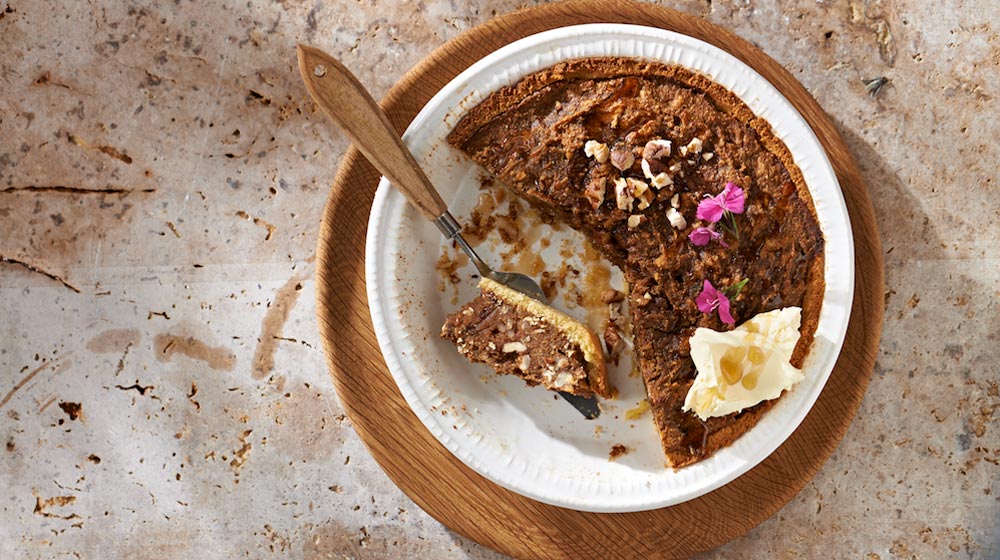
Sarah Graham’s Healthier Take on Maple Pecan Pie

We love a good pie and pecan pie is one of the most decadent – it’s a southern classic for a reason. This Maple Pecan Pie recipe is made by Sarah Graham; the base is made from a combination of coconut and almond flours and contains no gluten. The filling uses maple syrup and dates for natural sweetness and contains no refined sugars, so it’s a much better for you and less guilty version – we love! Serve with a dollop of fresh cream.

Make Sarah Graham’s Maple Pecan Pie

Serves: 4-6
Difficulty: Easy
Prep time: 15 minutes
Cooking time: 30 minutes

Sarah-Graham-Maple-Pecan-Pie

What you’ll need

Pastry
100 g almond flour
50 g coconut flour
100 g cold butter or chilled coconut oil
1 egg
1 Tbsp coconut sugar
pinch of salt

Filling
½ cup pitted dates, soaked in 1 cup hot water for about 10 minutes
¼ cup nut butter (I use macadamia or cashew)
¼ cup coconut flour
¼ cup maple syrup (or rice malt syrup)
¼ cup ground almonds
1 tsp vanilla paste
1 tsp ground cinnamon
2 eggs
1 cup pecan nuts, roughly chopped

What to do

Preheat the oven to 180 °C. Lightly grease a 15 cm tart tin.To make the pastry, blitz the ingredients together in a food processor until the mixture forms a dough. Press into the prepared tart tin, using the back of a tablespoon to smooth out the dough if necessary. Prick the base a few times with a fork and blind bake for 15 minutes, or until lightly golden. Remove and allow to cool for about 10 minutes before adding the filling.

To make the filling, drain the dates (reserve the liquid), then add all of the ingredients, except the pecan nuts, to a food processor. Add 2 Tbsp date liquid and blitz for about 2 minutes until fairly smooth. Add the pecans and mix gently using a spoon until all of the nuts are well coated.

Pour the mixture into the slightly cooled tart shell and bake at 180 °C for 30 minutes, or until the pastry is golden and the filling is fragrant and cooked through.

Hungry for more? Subscribe to our newsletter.

miele.co.za

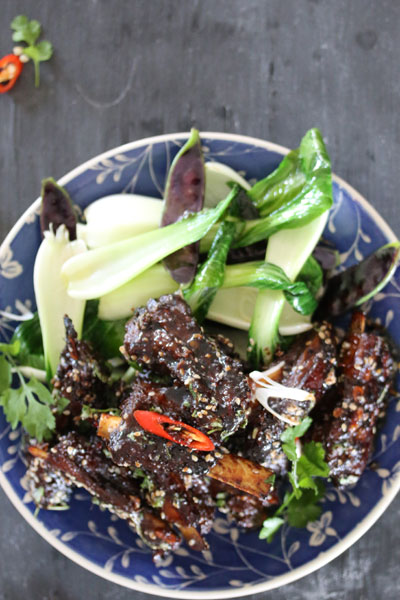
Asian Beef Short Rib Tacos with Stir Fried Vegetables

Asian Beef Short Rib Tacos with Stir Fried VegetablesRib and Stir-fried Vegetables

We love the fusion flavours of this dish – Asian meets Latin American in a burst of delicious flavour and texture.

Serves: 4
Difficulty: easy
Preparation time: 25 minutes
Cooking time: 3 hours 20 minutes

Short Rib

⅓ C (80 ml) hoisin sauce
¼ C (60 ml) oyster sauce
½ (100g) onion, chopped
3 Tbsp (45 ml) soy sauce
1 Tbsp (15 ml) brown sugar
4 tsp (20 ml) Chinese 5-spice
1 (4 g) Thai green chilli
3 garlic cloves
5 cm (15 g) piece ginger, peeled and chopped
4 C (1L) beef stock, warm
1 cinnamon stick
3 star anise
1 Tbsp (15 ml) olive oil
1,2 kg beef short rib

Vegetables

1 tsp (5 ml) sesame oil
1 x 500 g Findus Wok Chinese
2 Tbsp (30 ml) sweet chilli sauce
1 tsp (5 ml) black sesame seeds

Tacos

8 medium-sized tortilla wraps

To Serve

1 C (250 ml) sour cream
2 tsp (10 ml) miso paste
2 Tbsp (30 ml) coriander, finely chopped
2 (500g) avocados, chopped

Method

Asian Beef Short Rib Tacos

Preheat the oven to 180 °C. Combine the hoisin sauce, oyster sauce, onion, soy sauce, sugar, Chinese 5-spice, chilli, garlic and ginger in a food processor. Blend until fine. Stir in the stock, cinnamon stick and star anise and set aside.

Heat an ovenproof casserole pot over medium heat. Add the olive oil and brown the meat for 4 minutes on each side. Pour in the prepared sauce mixture and cover with a lid. Braise in the oven for 2½ -3 hours until fork tender. Once cooked, remove the star anise and cinnamon stick. Flake the meat into bite-size pieces and mix it in with the sauce that it was cooked in. Add a bit of boiling water to thin out the sauce if needed.

Vegetables

Heat a large pan or wok over high heat. Add the oil and vegetables and fry for 3 minutes. Stir in the sweet chilli sauce and sesame seeds and fry for 1 minute.

Tacos

Heat a griddle pan over high heat until smoking hot. Char each wrap for 15 seconds on each side.

To Serve

Combine the sour cream with the miso paste and coriander and whisk until smooth.
To assemble the tacos, layer the shredded meat, vegetables, avocado and sour cream sauce in the grilled tortillas and serve with lime wedges.
Tip: The soft tacos can also be replaced with hard shell corn tacos that can be found in the Mexican aisle of most supermarkets.

Recipe, Photography and styling by Illanique van Aswegen

Thai Green Chicken Curry

Thai Green Chicken Curry

A light coconut-based curry made with a fresh Thai green curry paste. This isa the kind of recipe you save and make over and over again.

Serves: 4
Difficulty: easy
Preparation time: 15 minutes
Cooking time: 35 minutes

Curry Paste

½ (100 g) large onion, chopped
½ C (125 ml / 20 g) fresh coriander + extra to serve
5 cm (15 g) piece ginger, peeled and chopped
2 (7 g) small Thai green chillies + extra to serve
1½ (40 g) lemongrass stalks, chopped
1 Tbsp (15 ml) olive oil
1 Tbsp (15 ml) lime juice + the zest of 1 lime*
1 Tbsp (15 ml) coriander seeds
2 tsp (10 ml) fish sauce
1 tsp (5 ml) brown sugar
1 tsp (5 ml) ground cumin
½ tsp (2.5 ml) ground turmeric
3 cloves garlic

Curry

4 (650 g) deboned and skinned chicken breasts, sliced*
1½ C (375 ml) chicken stock, warm
1 x 400 g tin coconut milk
1 x 500 g Findus Wok Thai

Rice

3 C (750 ml) water
salt
1 C (250 ml / 200 g) Jasmine rice
8 lime wedges, to serve
Curry Paste
Place all of the ingredients in a food processor and blend until fine.

Method

Curry Paste

Place all of the ingredients in a food processor and blend until fine.

Curry

Heat a saucepan over medium heat. Add the prepared paste and cook for 4 minutes. Stir in the chicken and fry for 4 minutes. Pour in the stock and coconut milk and simmer for a further 8 minutes. Add the vegetables and cook for 4 minutes.

For the rice, bring the water and a pinch of salt up to the boil in a saucepan over medium heat. Add the rice and simmer for 15 minutes and then strain.

Scatter extra chopped fresh coriander over the curry and top with extra sliced chillies, if preferred. Serve the rice alongside the curry with lime wedges.

* Traditionally kaffir lime leaves are used instead of lime juice and zest. If available replace the suggested juice and zest with 4 kaffir lime leaves.

TIP 1: The easiest way to remove the skin from fresh ginger is to scrape it off with a teaspoon.

TIP 2: The chicken breasts can be replaced with sliced chicken thighs if preferred. Simply cook the curry 5 minutes longer as the darker thigh meat needs a bit more cooking time than the breasts.

Recipe, Photography and styling by Illanique van Aswegen

Different Asian Vegetables and How Best To Cook Them

Even if you’re the most adventurous of eaters and find joy in seeking out every edible thing in the world, there are still going to be vegetables that you haven’t heard about. There are certainly many vegetables that we’re still learning about. If you’re a fan of a good stir-fry (and honestly, who isn’t?) and want to mix it up with something a little more authentic, but don’t know where to start, then this list of different Asian vegetables and how best cook them is going to be your new best friend.

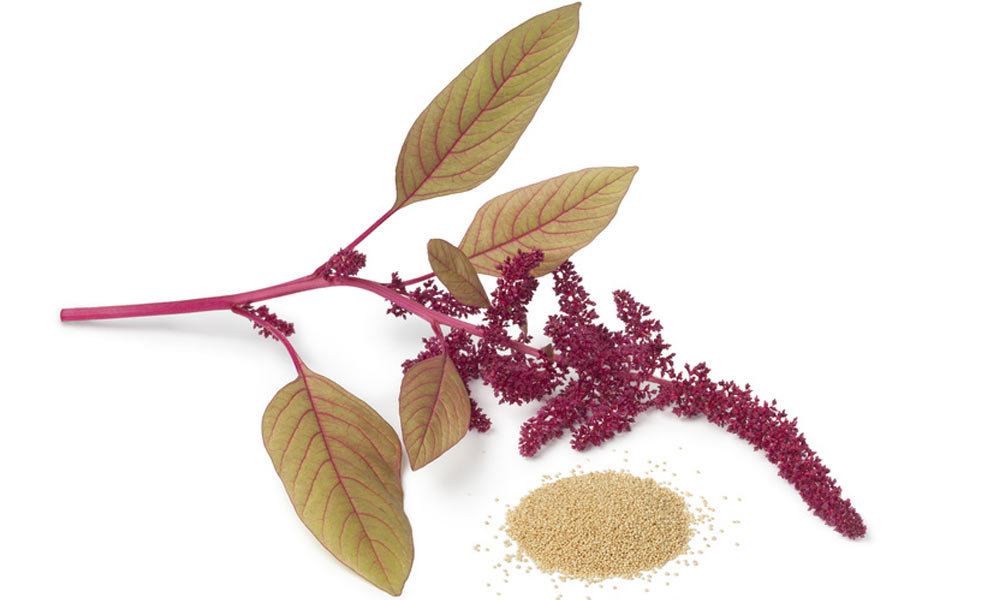
Amaranth

Amaranth is instantly recognisable with its purple-flecked leaves and is as tasty as it is pretty. People are generally familiar with the grain, but the greens are very popular in Asian cookery. Younger greens can be eaten raw, but as they get older they can be quite bitter and astringent, so if you’re unsure, simply flash them into a stir-fry to mellow out their flavour.


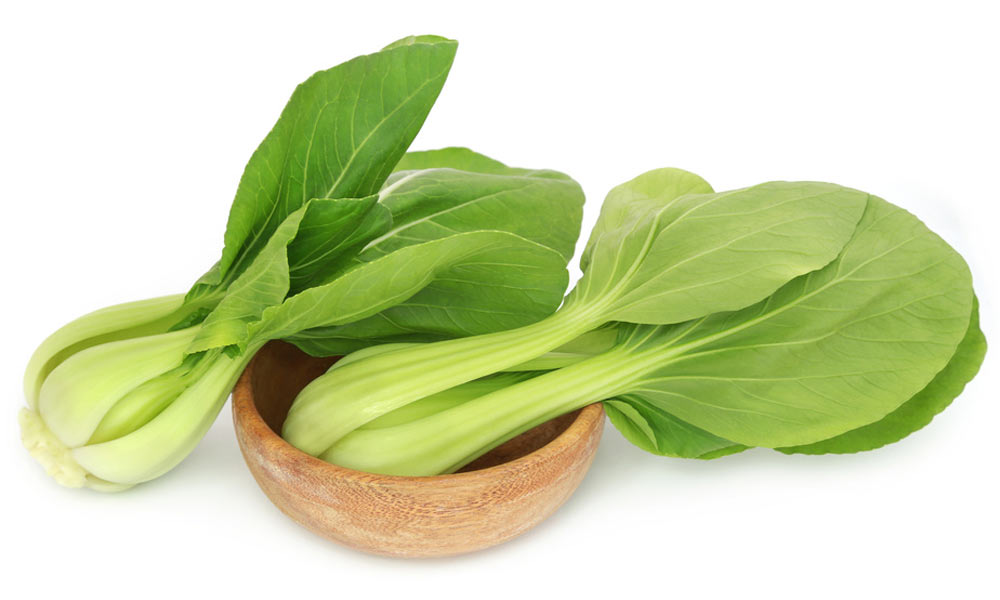
Bok Choy

Bok choy is a type of Chinese cabbage and can also be known as Pak Choi. The entire part of the veggie is edible and can be thrown raw into a salad but we like it when tossed in a punchy dressing and stir-fried. However you would enjoy cabbage, you can do the same to Bok choy.


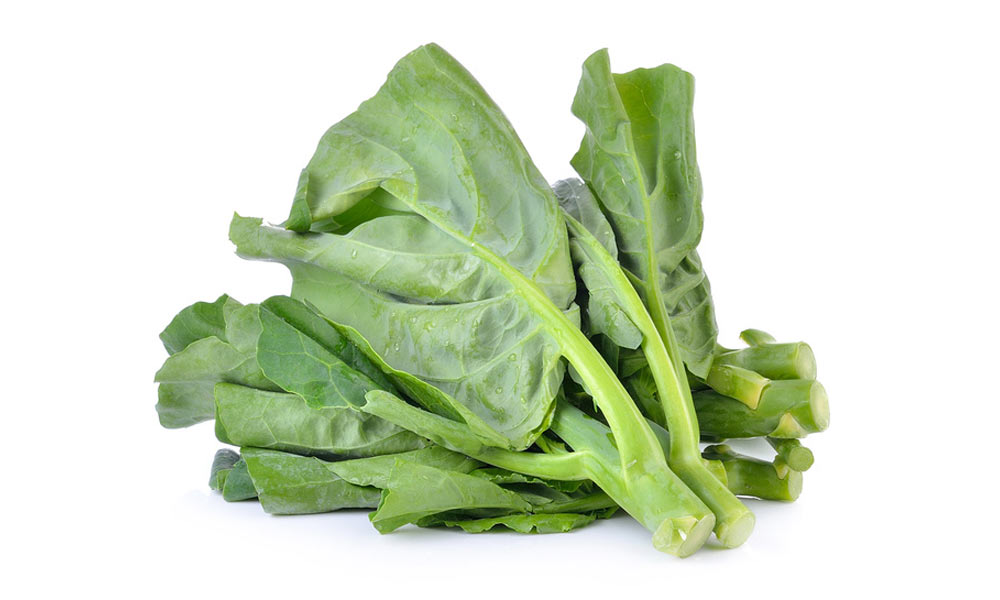
Chinese Broccoli

Chinese broccoli, which is also known as, gai-lan or Chinese kale, is a leafy green vegetable that is closely related to the broccoli we are familiar with. It has flat leaves, thick stems, and tiny florets. Chinese broccoli has a slightly bitter and earthy taste, and is best suited to a steam or sauté, or in a stir-fry.


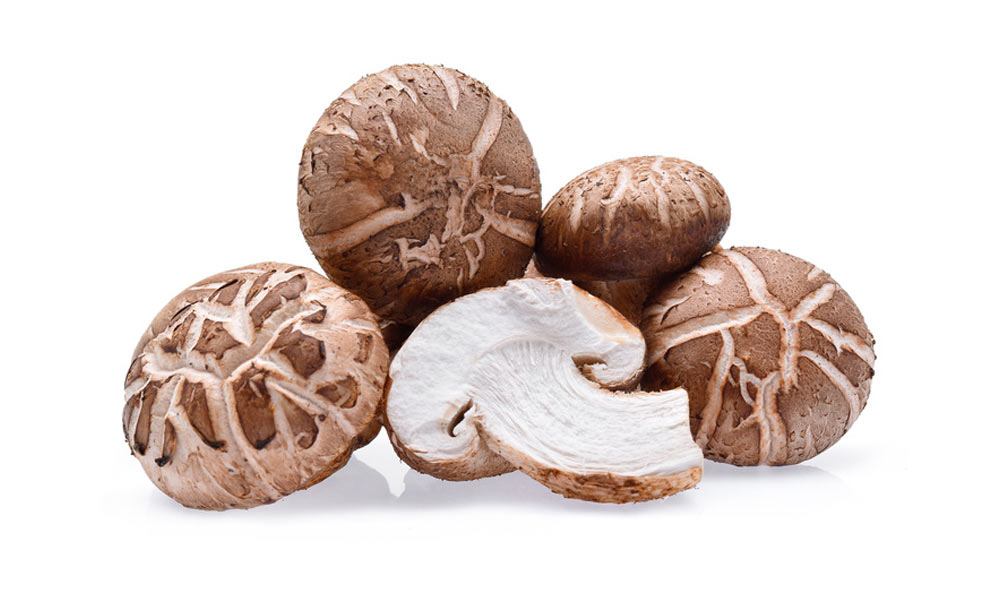
Chinese Mushroom or Shiitake

Shiitake mushrooms (or Chinese mushrooms) form an important part of Asian cuisine, with the dried stems regularly used to boost umami in broths, stocks, soups and sauces. They shouldn’t be eaten raw, as they can cause rashes, so they’re best cooked in a stir-fry to tap into their earthy, rich flavour.


Daikon

Similar to a radish, a daikon is crunchy and packs a mild peppery taste. In Asian cuisine, it is mostly pickled or served raw, but it’s delicious when steamed or quickly tossed into a stir-fry.


Lotus Root

As the name suggests, this is the literal root of the lotus flower. These are best eaten cooked, as the flavour can be quite tannic when raw. You can do nearly anything to lotus root and it will handle it. It’s best tossed into a stir-fry, but can be steamed, battered and fried or roasted.


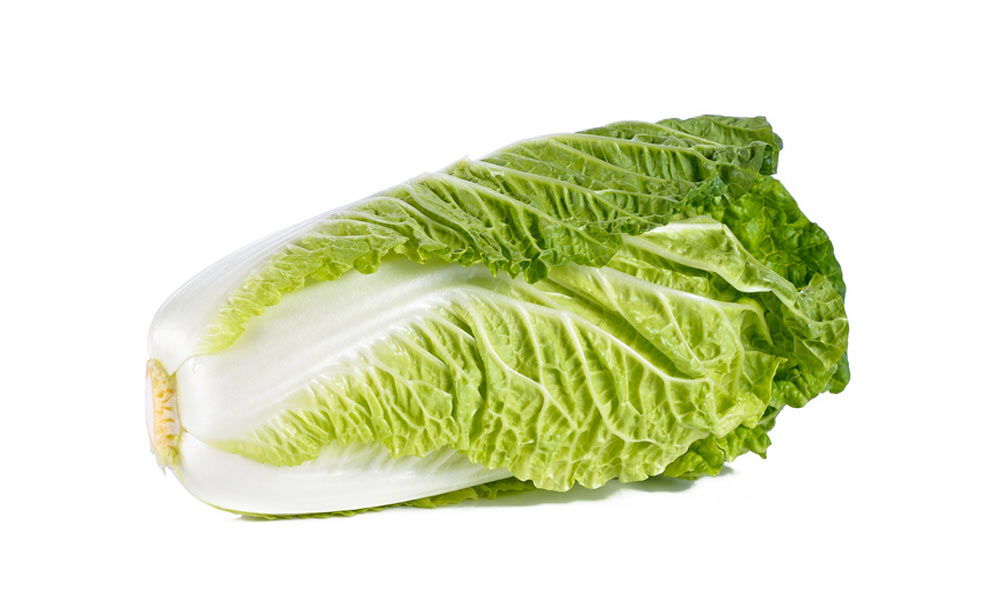
Napa Cabbage

If you’re a kimchi fan, then you’ve definitely eaten Napa cabbage. Otherwise known as Chinese cabbage, it can be used as you would any other type of cabbage. It can be eaten raw in salads or shredded and quickly sauteed for a stir-fry, as well as fermented in a classic kimchi.


Thai Basil

Not to be confused with it’s European cousin, Thai basil is a much spicier, zingy and aniseed-y flavour than Italian basil. As with most herbs, you can eat it raw, or it can added to soups, stews and curries, and can add freshness to stir-fries.


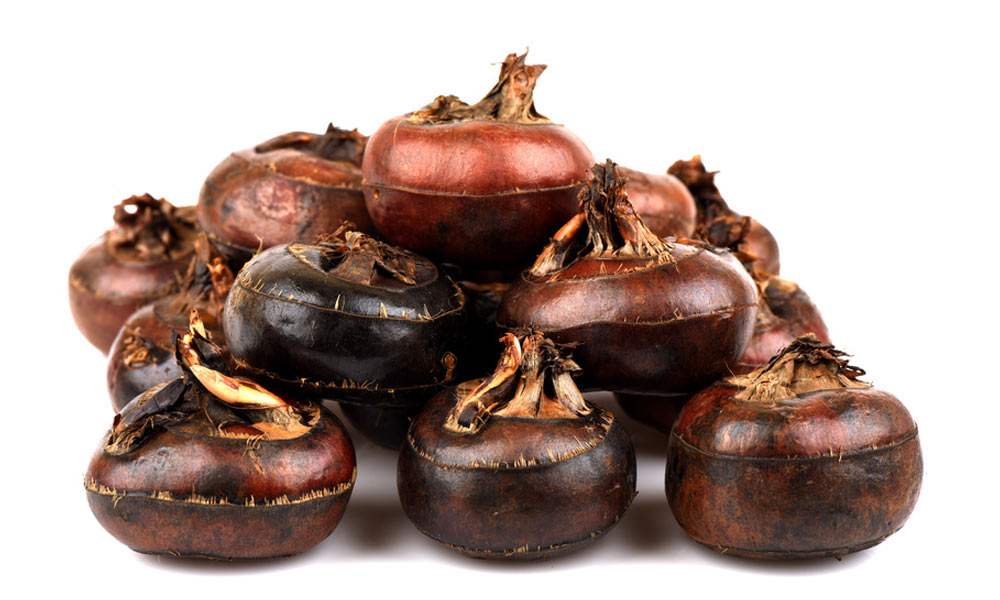
Water Chestnuts

Spoiler alert: the water chestnut is not a nut at all, but is actually a vegetable that grows under water or in the mud on the water’s edge. Once peeled, the edible flesh is crisp, with a delicate sweetness. They can be eaten raw, grilled or boiled, and are often found pickled.

For more delicious recipe inspiration subscribe to the Findus newsletter.

We Chat to Downhill Mountain Biking Pro Greg Minnaar

If you think careening down the side of a mountain at breakneck speed sounds like a manic thing to do, you’re not alone. But, for Greg Minnaar, it’s a way of life and it’s the sport that he loves and excels at.

Greg is a professional downhill mountain biker and races for the Santa Cruz Syndicate; his list of achievements is staggering, having won gold, silver and bronze medals at World Champs for the past fifteen years. He’s achieved to date, 75 Downhill World Cup podiums and does not look set to stop anytime soon. This is just the tip of the iceberg for this sportsman who competes in one of the most dangerous and hair raising sports out there.

Greg takes time off his bike to tell us a bit more about the sport and himself.

Can you explain what downhill mountain biking is?

Downhill mountain biking is a time trial – one rider at a time starts at the top of the mountain, negotiating rocks, routes and corners down to the bottom. The fastest time wins.

How did you get into the sport?

I got into the sport when my parents bought a bike shop in Pietermaritzburg. I was racing Motocross at the time. My sister took to mountain biking and I used to watch the events. I hate watching sports, I’d rather compete. I kind of enjoyed it and made the switch in my mid teens.

At what point does a sport like this become a full-time career? Was this always the path for you?

I think once I joined Honda in 2004 things became quite serious. I won the World Cup in 2001 and I was having a good time, but when I had a bad season in 2002, I realised that I would need to put a lot more effort into training and into working on my weaknesses, so it was actually in 2003 that it started to become like a full time career. It’s really become more of a career than it was because of social media.

Greg Minnaar

It seems like a sport in which the participants would be very injury prone with lots of opportunities to fall; does this ever scare you, or is it part of the adrenaline?

I’ve had quite a few injuries – shoulders, legs and knees – but that doesn’t really phase or scare me and it doesn’t turn me away. I grew up racing Motocross, where you have massive crashes and you’ve got to get up, keep going and do the obstacle or whatever it was that caused the crash, again.

I think growing up with that has helped me to deal with the injuries – the hardest thing about injury is coming back from it. I see rehabbing properly and getting full movement and range regardless of the injury, as a challenge.

Speaking of falling, can you tell us about your gnarliest bail?

I’ve had a lot of big crashes but the most recent one happened when I was in testing in Val de Sol, Italy after the World Champs. The track was really blown out and rough and we were getting pretty tired towards the end of testing. Mid way around the course I came into a rock section which had a right-hand turn. I was coming in pretty hot and as I took the corner on the right hander I kind of hit a rock quite square.

My hands slipped off and I ended up riding the handlebars. I managed to avoid hitting a tree with my shoulder but hit a tree with my hip and while I was slumped over the bars I spun out and had this massive crash. I laughed as I got up with absolutely no injury –I couldn’t believe it, as I should’ve walked away with something.

Who was your sporting hero when growing up?

Greg Albertein – the South African Motocross rider – I used to love watching him and following his racing.

Greg-Minnaar-

How does the downhill mountain biking experience differ in SA to those in Europe and North America?

Mountain biking in South Africa is really based around marathon and it’s more about how far or how long you ride, as opposed to what you’ve ridden. I find riding abroad is more about the quality of the ride and how good the trail is and not necessarily about how many miles you’ve clocked up, so it’s a very different experience.

You finished the last Fort William World Cup in a time of 4,40 minutes. Can you explain to us what goes through your head during a race like this?

My Fort William this year was super tough. It started to rain, so I had to think of where on track I’d be able to pull a tear (the clear film over my goggles) off. So, I was trying to plan the run in and to understand and figure out a safe place, not knowing what the trail would be like in the rain and not knowing how bad my vision was going to be.

I was planning to pull a tear off just before I got into in the rockier section. During the race run, I decided to push onto the next position because I was going to lose about a second at least pulling the tear off. My next area to take a tear off was before I went into the woods, which is a super tricky, and I wanted clear vision.

The section was a little rougher than I thought but I think it made me push super hard down to the bottom to regain the time I had lost. It was a really tough race for me, trying to catch up the time that I had lost pulling a tear off and riding the top with not super good vision.

Can you give us a bit of insight into training for an event like this; what your regime is, how you prepare mentally etc?

My usual pre season training day starts quite early. I meet up with a group of mates at 5 am, go for a 7-8 kilometre run and then have a coffee and a laugh afterwards. I then head home for breakfast and normally get out on the cross country or road bike at about 07h30 and ride for two to three hours. I gym in the afternoon three times a week and I ride Motocross once a week, so it’s a busy schedule.

Being a professional sportsperson means that you have a lot of discipline and determination. What would your advice be to someone who is less sporty but wants to be more active?

There is a lot of discipline and determination involved. I would say more determination on my side – I enjoy a good time, so my determination suits the discipline I have. When you are determined and you want to reach your goals or succeed at something, you are going to be naturally disciplined and will put all your attention into what it takes to get there.

In my opinion, I’m not the most talented rider ability wise on the circuit and because of this, I pay a lot more attention to the technical stuff and try to ride it faster than the other guys – I find it more challenging.

I challenge myself to hang with the guys where it is more technical or where the track is not supposed to suit me – that’s just the way I am. I’m not a very positive person but I find that not being so positive makes me put more into my racing training and everything else.

Quickfire Questions

Actor to play you in a biopic? Harrison Ford.
Favourite way to relax? Surfing.
Guilty food pleasure? Burgers.
Last book you read? I don’t read.
Mountain bike trail still on your bucket list? There isn’t one really.

gregminnaar.com

For more delicious recipe inspiration subscribe to the Findus newsletter.
Greg Minnaar

3 Basic Stir Fry Sauces You Can Master in Under 20 Minutes

Stir fries are the ultimate anytime meal and are a great way to use up bits and bobs of leftover veggies in the fridge. Simply because you’re repurposing leftovers doesn’t mean that you can’t throw together a stellar meal. Below are three basic Asian condiments that you’ll find any (well-stocked) pantry; take your next wok creation up a notch with one of these 3 basic stir fry sauces that you can master in under 20 minutes.

Soy Sauce

What was once an exotic ingredient, is now a basic everyday staple in every well-stocked kitchen. Soy sauce is a by-product of fermented soybeans and wheat that have been mixed with brine. Moulds are then added and left to grow for three days after which it’s combined with salt water in vats where another bacteria, that breaks down sugars into lactic acids, is added. The resulting mixture is then left to ferment for a further six months, at least, before being strained, pasteurised and bottled to be sold as the delicious salty condiment we know and love. If you’re au fait with Soy sauce, comfortably adding it to anything, then upgrade to ponzu sauce. Ponzu is essentially a citrus flavoured Soy, with the main punch coming from the elusive Yuzu, a Japanese citrus with flavours similar to a marriage of grapefruit, lemon and orange. If you’re a ponzu fan, it’s surprisingly easy to make your own.

Basic Stir Fry sauce using Soy Sauce:
Ponzu Sauce Recipe

In a saucepan, mix ½ cup (125 ml) of Soy sauce, with a ¼ cup (60 ml) of bonito flakes (dried, fermented and smoked tuna flakes, readily available at any Asian food store), 2 tablespoons (30 ml) of lemon juice, 1 tablespoon (15 ml) of lime juice, 2 tablespoons each of mirin (30 ml) and rice vinegar (30 ml) (also both available at Asian food store), a small piece of kombu (edible and flavour-packed kelp, available from Asian goods store) and a teaspoon (5 ml) of red pepper flakes. Bring to the boil, then remove from the heat and allow to sit for 30 minutes in the pan. Strain, with a fine mesh strainer into an airtight container and cool completely before storing in the fridge. Ponzu will last for about a week and can be used as a zingy addition to stir fries, simply pour over once everything is cooked.


Fish Sauce

‘Fishiness’ is a dividing matter. Some people love ‘fishy’ things such as anchovies, sardines and, well, fish paste, whereas others are not as enamoured. Both sides are vocal about their love too. When it comes to fishy fish, you either love it or hate it. Fish sauce however, transcends these boundaries and manages to sneak its way into your shopping basket and comfortably finds a spot in your cupboard, if only to be used two drops at a time when the Thai curry craving hits, even in the homes of fishy-haters. Ironically enough, fish sauce, or nam pla, is simply made up of anchovies and salt, which is then fermented. That’s it. But the result is something truly savoury and surprisingly un-fishy. It adds a saltiness to dishes that differs from Soy and is also a good base to use to develop flavours. We especially love making a fish sauce caramel out of it, which can either coat sticky chicken wings or be used a stir fry sauce.

Basic Stir Fry sauce using Fish Sauce:
Fish Sauce Caramel Recipe

In a medium sized saucepan, mix together 2 cups (500 ml) of sugar, ¾ cup (180 ml) of water and the juice of ½ a lemon and heat gently, stirring until the sugar is dissolved. Once the sugar has dissolved, increase the heat to bring the syrup to a rapid boil and allow to turn a deep, rich caramel. Remove from the heat, add 1 ¼ cup (310 ml) fish sauce (watch out for splatters) and whisk until smooth. Set aside to cool and transfer to a glass jar and store in the fridge.


Mirin

If you’re serious about your Japanese cuisine then mirin deserves a place in your kitchen. It’s a rice wine, very similar to sake, but with a much lower alcohol content and higher sugar level. That alcohol also evaporates during the cooking process, leaving no trace behind. Due to the high sugar content, it has a slightly sweeter taste, making it a perfect partner for Soy in other sauces. It’s used to finish miso soups, make dips and glaze and most famously, it’s used in a teriyaki sauce.

Basic Stir Fry Sauce using Mirin:
Teriyaki Sauce Recipe

Combine ¼ cup (60 ml) each of soy sauce, mirin, sake and 2 tablespoons (30 ml) sugar in a saucepan. Bring to a boil over a medium-high heat. In a small bowl, mix together 2 teaspoons (10 ml) of Maizena and 2 tablespoons (30 ml) of water to make a slurry. Whisk this into the sauce, reduce the heat and reduce to a thick consistency. Taste and adjust with soy sauce and sugar if necessary.

Inspired? Try these tasty Asian recipes:

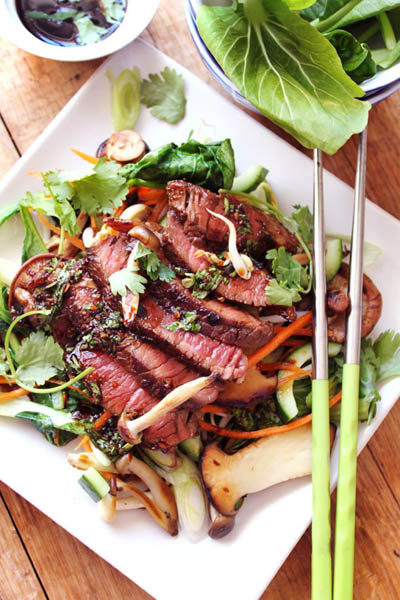
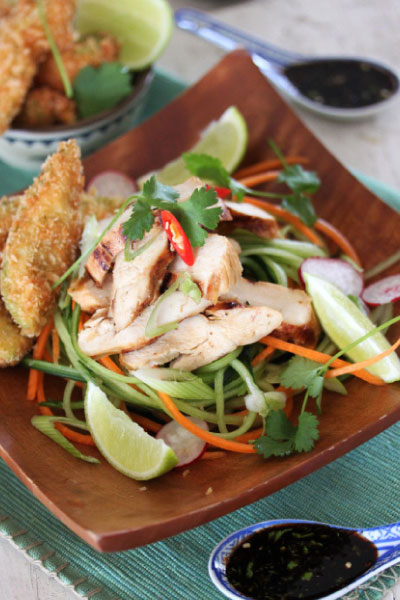
Basic Stir Fry Sauces - asian-steak-salad
Basic Stir Fry Sauces - sticky-asian-lamb-riblets-wilted-greens
 
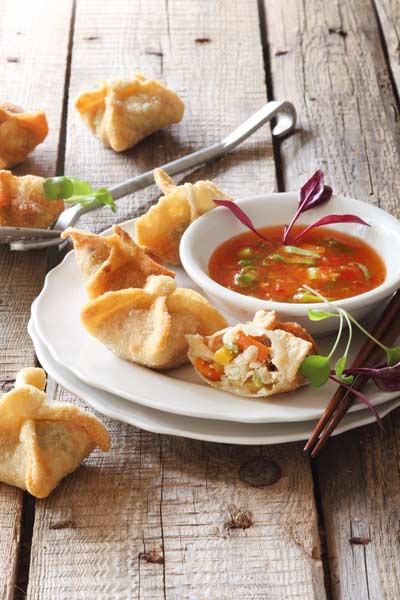
Basic Stir Fry Sauces - deep-fried-vegetable-wontons-sweet-chilli-dipping-sauce recipe
Basic Stir Fry Sauces - teriyaki-chicken-tempura-avocado-on-cucumber-carrot-noodles

Ready to get cooking? See this article on how to stock your Asian pantry and then get cooking!

Hungry for more? Subscribe to our newsletter

Meet the Meat: Prime Rib with Smashed Baby Potatoes

Greetings my fellow meatheads! In Meet the Meat posts I will be your guide as we traverse the world of meat. Each post will focus on a different cut and I’ll whip up something delicious. We’ll laugh, we’ll learn and if you play along, you’ll get to stuff your face full of meaty goodness.

In this post I’ll be featuring beef prime rib roast. I first learned of this glorious cut when I was working in America as a waiter in a fancy country club. Once a week they’d have Prime Rib Night. It was my favourite night to work because it meant that I could wangle a slice of this carnivorous gold. Prime rib is a big thing over there, but funny enough you rarely see it here. 

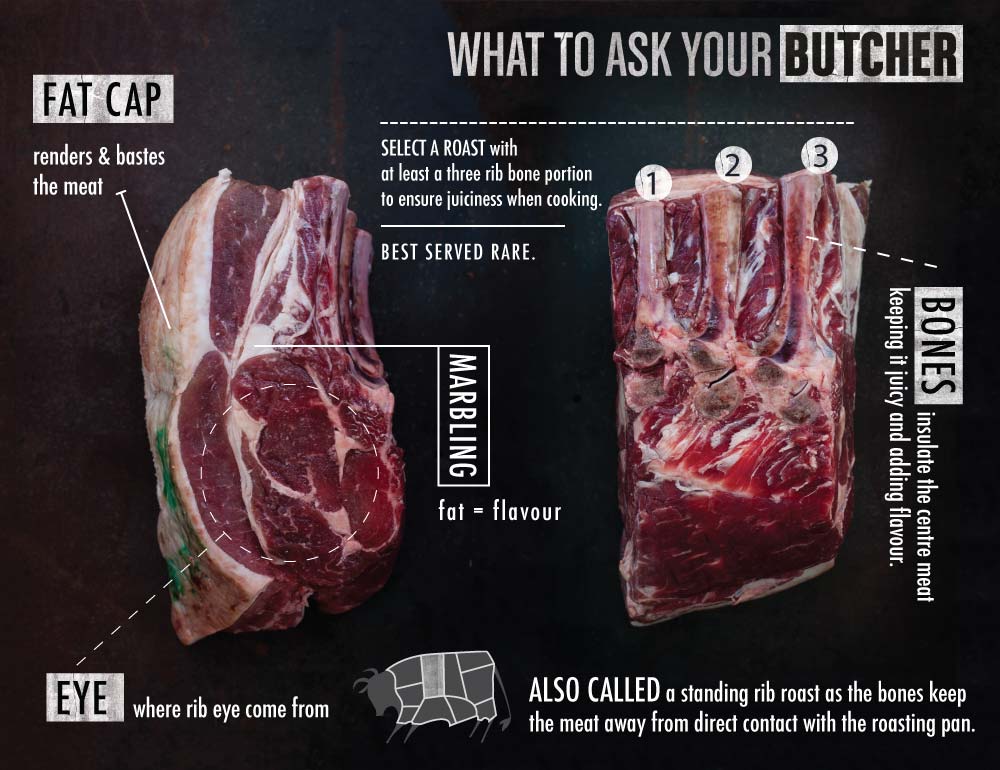
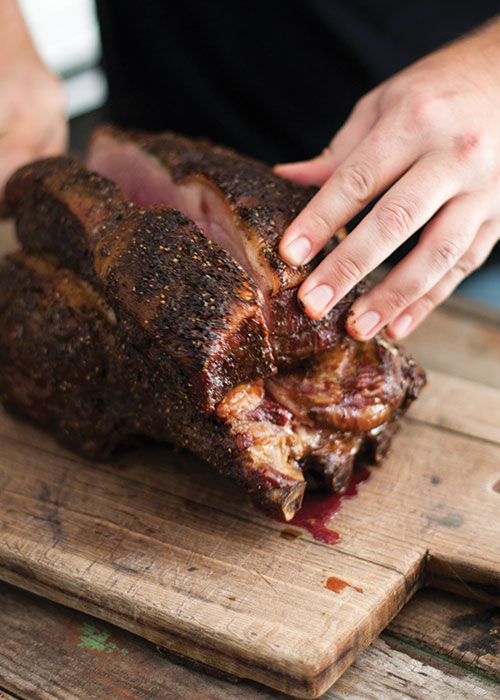
When a cow is butchered it’s divided into the primal cuts. From here these cuts are broken down into the subprimal cuts. The prime rib comes from the top part of the centre cut of the animal, and it consists of seven ribs – ribs six to twelve. The ribs have a large eye of meat running down the back side and they’re surrounded by a thick fat cap. The eye meat is packed with marbling and is super tender. If you had to cut the eye off the bone you’d be left with possibly my favourite steak – the ribeye.

So now you know the cut, but how to cook this beefy behemoth? If you guessed ‘in the oven’, then you’re on the road to success. The only difference is the method. Some time ago, some clever sausage figured out that by reversing the traditional roasting method of, high-heat-first-low-heat-to-finish, you got a juicier and more tender result with little to no over cooking.

This method is known as the reverse sear technique. Our prime rib is going to roast for three and a bit hours at low temperature. Then just before it’s served, it’s blasted briefly at the hottest temperature your oven will go to. This blast gives the beef a beautifully crusty exterior.

Purists would argue that you should only season with salt and pepper, but I prefer something a little bolder. My dry rub is a Texas inspired mix that’s packed with flavour and kick.

The thing to keep in mind is that a rib roast is a big hunk of meat. So even though it may seem like you’re being heavy-handed with the rub, remember it’s only on the outside. To help the rub stick we’re going to use another gift from the cow – butter. I like to brown my butter beforehand to add a nutty dimension to the flavour pool.

So, we’ve got our beef and we’ve got our rub, all we need now is some kick ass sides. In my opinion, a roast isn’t a roast without crispy taters. They’re a staple in my house, partly because we love them, and partly because my wife will beat me to death with the roast if I don’t make them. I love doing a smashed baby potato cooked at high heat to get the extra crispy crunch. For a sauce, I’ve gone with a double cream horseradish cream to send this dish into the realm of decadence. It’s rich, creamy and has that distinctive, tart hum that pairs so well with beef.

Before I sign off, I’d like to share probably the most valuable tip when it comes to meat – know your butcher.

It really pays to find a great butcher that you can develop a relationship with. A cut like a beef rib roast is not an everyday cut, but if you have the right butcher, you’ll never be without. My butcher is Dave jnr. at Bill Riley Meat in Cape Town. If you’re in the area I highly recommend you check them out. Till next we meat again, cheers!       

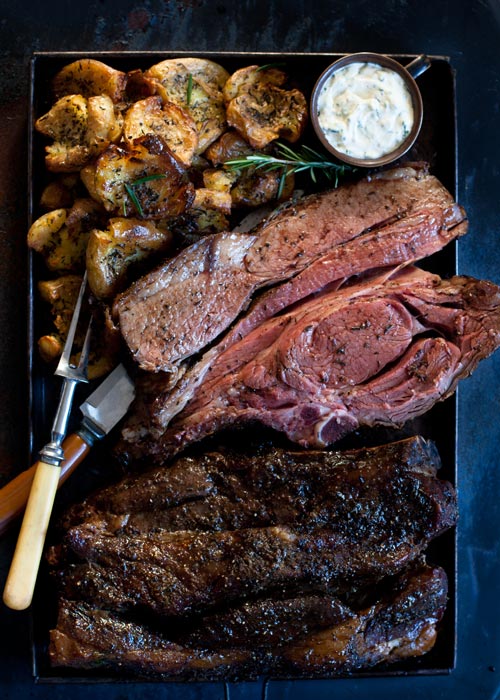
Prime Rib Roast with Smashed Potatoes & Horseradish Cream

Roast

4 kg rib roast (3 bones)
sea salt

Dry Rub

2 Tbsp (30 ml) freshly ground black pepper
2 Tbsp (30 ml) freshly ground sea salt
1 Tbsp (15 ml) dried thyme
2 tsp (10 ml) paprika
1 tsp (5 ml) chilli powder
1 tsp (5 ml) ground garlic
1 tsp (5 ml) mustard powder

Browned Butter

150 g butter

Horseradish Double Cream Sauce

½ C (125 ml) crème fraîche
145 g bottle of creamed horseradish
2 Tbsp (30 ml) chives, chopped
2 tsp (10 ml) Dijon mustard
½ tsp (5 ml) fresh garlic
salt and pepper to taste

Smashed Baby Potatoes

1 kg baby potatoes, unpeeled
olive oil
fresh thyme, chopped
fresh rosemary, chopped
salt and pepper to taste

Preparing the Roast

Season the roast generously with freshly ground sea salt at least an hour before cooking. The salt will draw out moisture and then dissolve in it. Over time the moisture will be absorbed back into the meat. This process helps to get more flavour into the meat. For best results season the meat a day in advance and let the roast rest in the fridge uncovered.

Dry Rub

Mix all of the ingredients together until combined.

Browned Butter

Melt the butter in a frying pan over medium heat while stirring occasionally. When the butter starts to foam, use a spatula to move it around the pan to prevent sticking. As it foams it will give off a nutty aroma. When it turns light brown remove it from the pan to prevent burning. Pour the butter into a bowl and allow to cool slightly. Add the spice rub mix, stir to combine and then refrigerate to firm.

The Roast Part 1

Preheat the oven to 100 °C.

Generously slather the roast with the buttery spice mix. Roast on a roasting rack in the oven for 3 ½ hours. At the 3 ½ hour mark insert a meat thermometer into the centre of the roast to give an indication of internal temperature. For rare beef, it needs to be around 52 °C to 55 °C. For medium rare, 55 °C to 60 °C. When the meat has reached the desired internal temperature remove from the oven. Cover loosely with foil and rest for 30-40 minutes (continue with cooking the potatoes while the meat rests).

Smashed Baby Potatoes

Turn the oven up to 240 °C or its highest setting and use the convection setting if you have one.

Boil the potatoes in a saucepan of salted water over high heat. Once cooked, remove from heat and drain. Oil a large baking tray with olive oil and then place the hot potatoes onto the tray. Use the back of a large spoon to gently crush the potatoes, while still keeping them intact. Season with salt and pepper and top with rosemary and thyme. Give each potato another generous glug of olive oil and then roast at 230 °C for 30-40 minutes until golden brown.

Horseradish Double Cream Sauce

Whisk all of the ingredients together and refrigerate ready to serve.

The Roast Part 2

Once the potatoes are done, roast the beef at 240 °C for 6-8 minutes until it has a browned, crusty exterior. Remove from the oven, carve* and serve. The beef can be rested, but for this cut it’s not necessary.

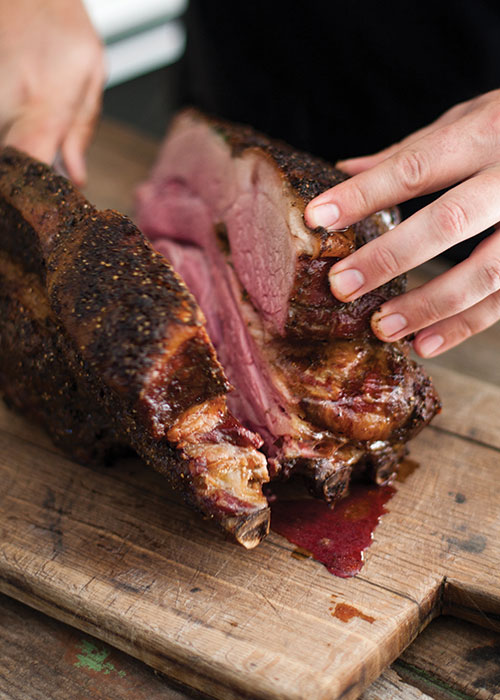
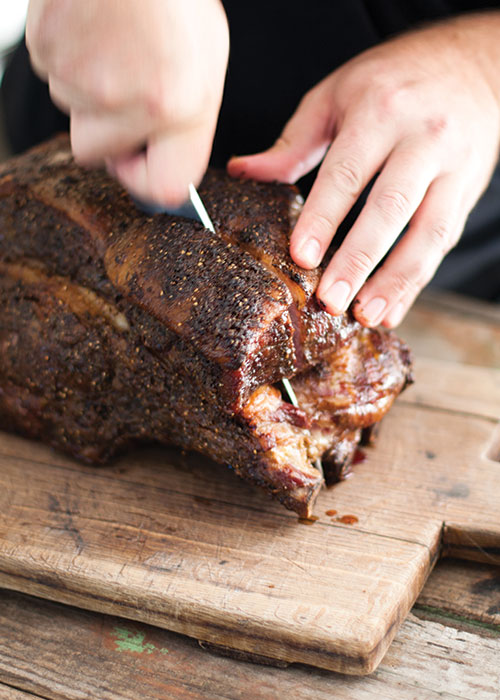
*To carve a cut of prime rib, use a long, sharp chef’s knife and run the blade along the contour of the bones, cutting the meat from the ribs in one piece. The roast can then be sliced and served.

See other recipes in the Meet the Meat series.

Hungry for more? Subscribe to our newsletter

We’ve got Mush Love for Wild Forager Justin Williams

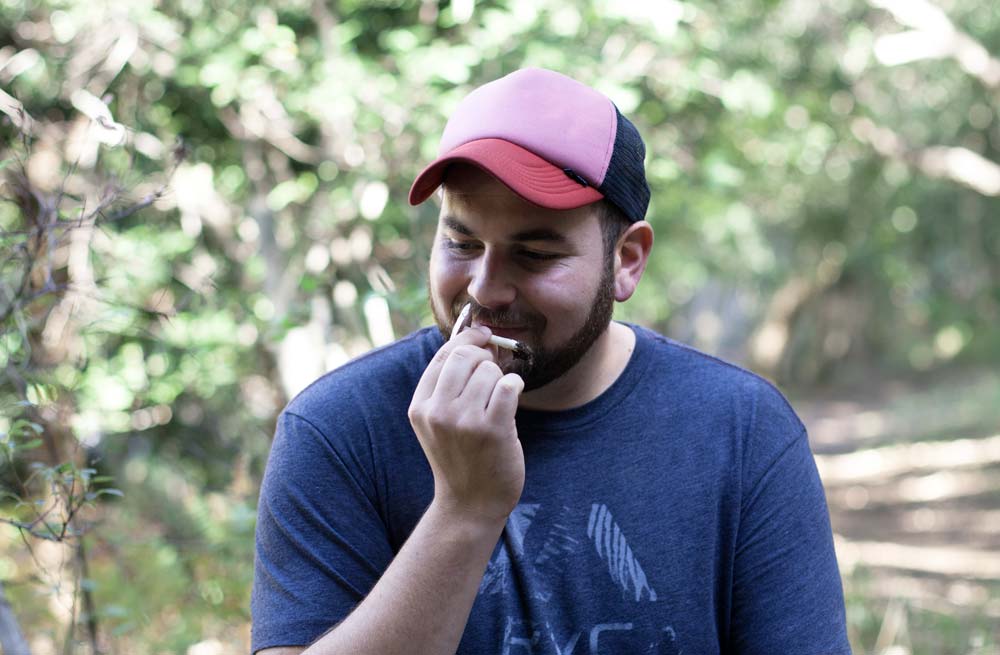
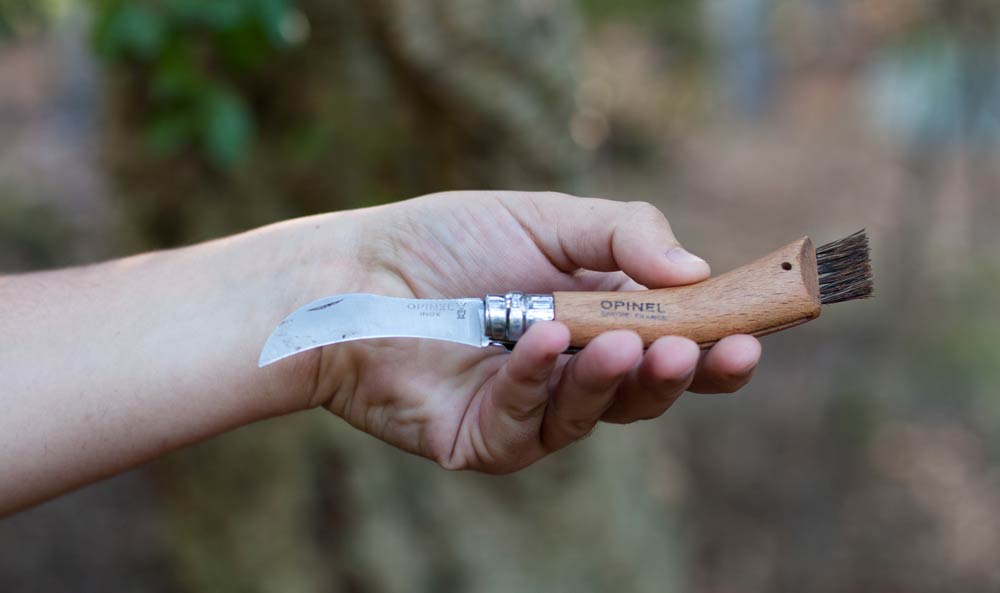
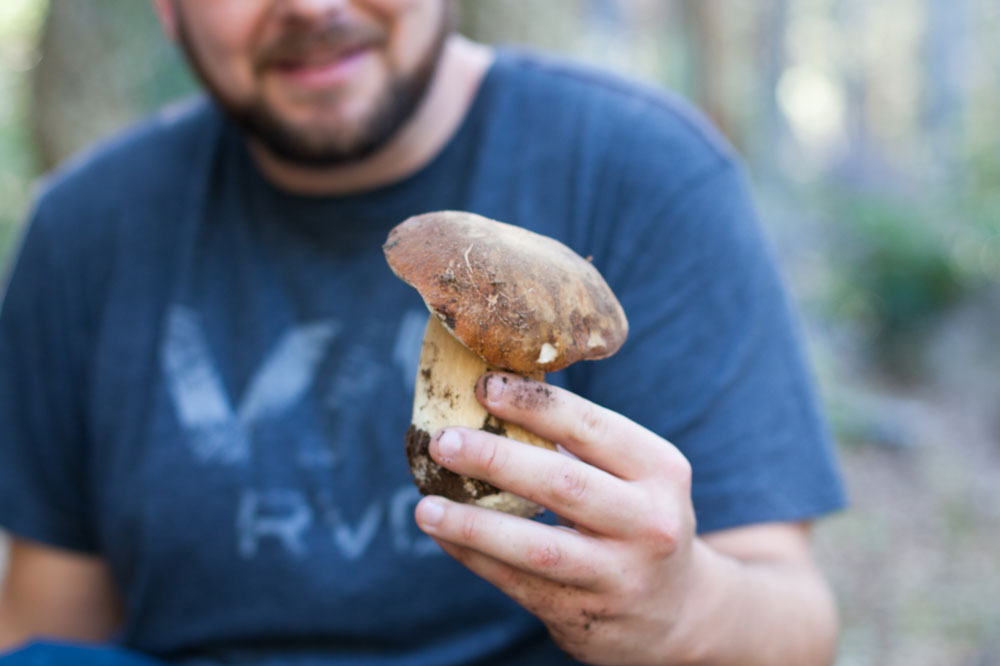
Passion is a very funny thing. It can wake you up before sunrise and have you walking through a forest, rustling through damp leaves looking for mushrooms before most people have even left the house. Justin Williams personifies passion, specifically about foraging for mushrooms. And while he’s not trained in a ‘went-to-university-and-got-a-degree-in-mycology’ sort of way, he has grown up in the forests and natural spaces in Cape Town. Justin has a love and a cultivated knowledge of mushrooms and he spent a couple of hours with us in Cecilia Forest, imparting some of that wisdom while hunting for prized porcini mushrooms.


Foraging for food has never been more popular than it is right now, but when it comes to mushrooms, you do really need to know what you’re talking about. Of the roughly 800 known species of mushrooms, there are about ten that are toxic and four that could potentially kill you. Those few harmful ones are wildly abundant in Cape Town and their appearances could be misleading if you don’t know what you’re looking out for. Justin has been foraging for a long time; when he was younger he would spend time with his dad who was an avid coastal forager and a love of being amongst nature was nurtured. Justin and his father one day ended up foraging for mushrooms, with no real knowledge of mushrooms and filled a basket with the fungi before finding out that everyone single mushroom was inedible. The excursion wasn’t a complete bust however because this was the moment that ignited Justin’s passion for mushroom foraging and for the last 15 years or so, he’s become something of an expert on the matter.

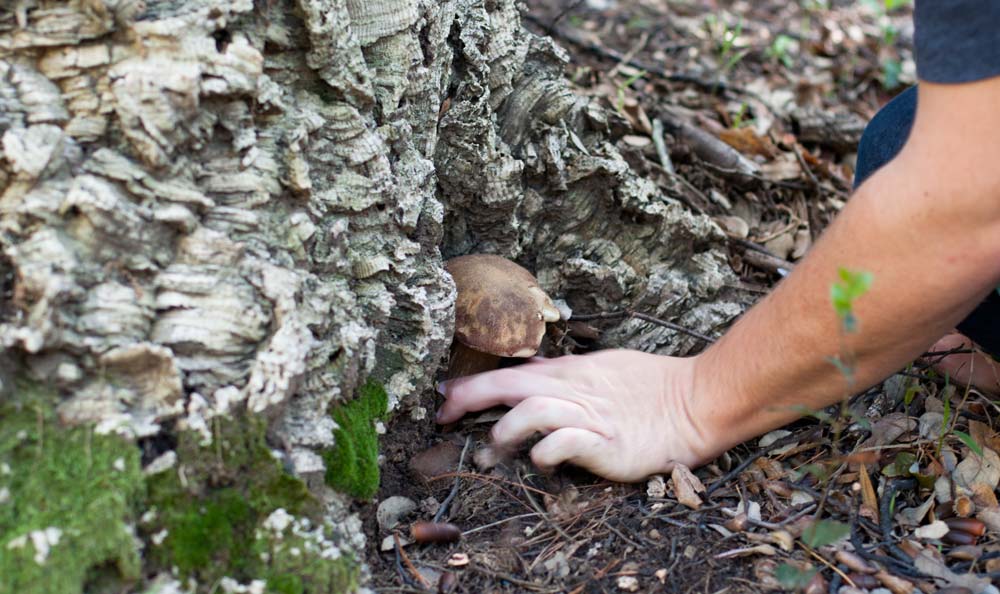
While we met him in Cecilia, Justin has a number of spots all over Cape Town that he frequents. He explained that the cork oaks in Cecilia, planted over 100 years ago by Cecil John Rhodes, are the ideal growing partner for porcini as the two have a symbiotic relationship. There’s also an underground network of mycelium, which stretches all along the length of the forest floor and is where the mushrooms pop up from.

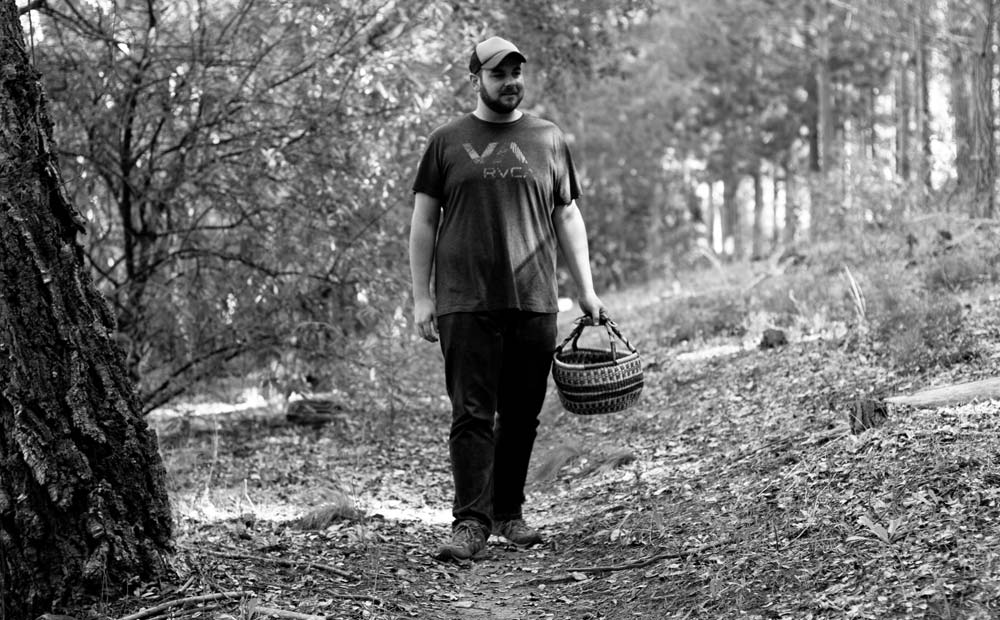
It’s clear that Justin not only has immense knowledge of mushrooms, but he has respect for the process too. He carries a woven basket, not just for effect he says, but so as to allow microscopic mushroom spores to fall through the tiny holes in the basket on to the forest floor to propagate. It’s a generous and mindful way of conducting himself, and really sums up who he is as a person.

While Justin been foraging mushrooms for years, it’s only been within the last six months that he’s realised that it’s a passion that he’s happy to juggle with a full-time job. He’s been supplying a few restaurants in Cape Town with his findings, as well as taking a few tours out through the forest. He has also just joined Roushanna Gray under her Veld and Sea umbrella and will be hosting a number of joint forages with her. He’s excited to be working with her and it’s a collaboration that makes sense as they’re both formidable authorities on wild food and foraging.

If foraging for your own food is something that you’re interested in, get hold of Justin as he often takes tours out into the forest where he imparts all his knowledge about foraging.

He’s a wealth of knowledge and his love for mushrooms is infectious, so much so that even if you leave empty-handed you’ve still had an insightful and informative morning’s walk through the trees.

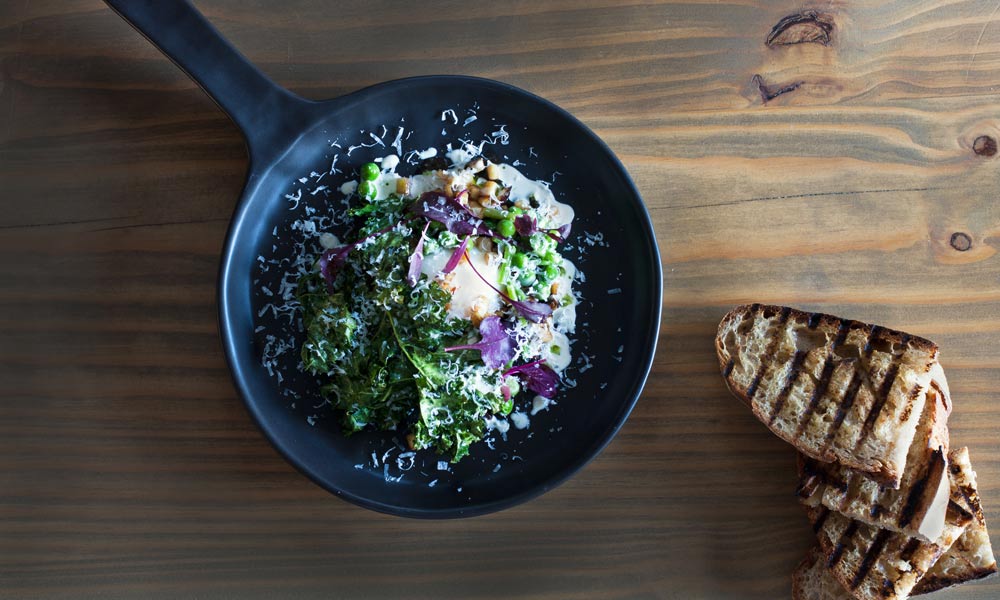
So, learning about mushroom foraging was the first reason we met up with Justin, the second, of course, was to forage for mushrooms to cook with. We hooked up with chef Ash Heeger who prepared this beautiful dish ‘Eggs in a Pan‘ which highlight the porcini mushrooms we foraged.

Find Justin, and his fiancé Bev, at the Oranjezicht City Farm Market in Granger Bay every week. Their stand, First Light Foods, located in the deli section, is where you can purchase their range of wild and foraged products. 

themushroomforager.co.za | Facebook | Twitter | Instagram

Hungry for more? Subscribe to our newsletter.

Understanding Calorie Counting

Calories. Potentially one of the most dreaded words in the English language. The mere sound of it makes you feel heavier. But, how many of us actually understand the concept of calories and how to count them? We know that too many calories will make us gain weight, but that’s where most of the knowledge ends. We’re here to demystify the scary world of calories, so that you know exactly what you’re dealing with.

First things first, what is a calorie? Well, in nerd terms, a calorie is technically defined as a unit of energy, which doesn’t really clarify much. Essentially, the calorie content in an item of food determines how much energy your body will obtain from it. We need calories in our bodies to function, without them we have no energy. Reading the nutrition label on the food item’s packaging will tell you exactly what the components of the food are, as well as how many grams of carbohydrates, protein and fat it contains. Interestingly, in a gram of carbohydrates there are four calories, in protein, four calories and nine calories in a gram of fat. This means that you can roughly work out where the calories are coming from in your food by using the weight of each component as a guide.

Calorie Counting

So now that we understand what a calorie is, how does the body use them?

As you now know, a calorie is a measure of energy. Technically, a food calorie (otherwise known as a kilocalorie) refers to how many kilograms of water would increase to a temperature by 1 ºC. For example, if the total calories of a packet of crisps is 180, it means that if we were set the crisps on fire and allowed them to burn entirely (which is actually pretty hard to achieve), the reaction would produce 180 kilocalories. These kilocalories then create enough energy to raise the temperature of 180 kilograms of water by  1 ºC. So, our bodies burn the calories through a metabolic process, whereby enzymes break the carbohydrates into glucose and other sugars, the fats into glycerol and fatty acids and the proteins into amino acids. These molecules are then transported through the bloodstream to the cells, where they are either absorbed for immediate use or sent on to the final stage of metabolism in which they are reacted with oxygen to release their stored energy. This stored energy is where things get tricky. In short, if you don’t use the calories up, this stored energy turns to fat. So, even if you’re not counting calories, you need to be aware of how many calories you’re putting into your body.

Calorie Counting

Everything in Moderation

We all know the saying ‘everything in moderation… even moderation’, and that’s a good motto to live by when it comes to your food intake. It’s widely understood that the average person can’t live off fast food and expect not to put on weight.

While you don’t need to burn off every single calorie in your body, you certainly need to make sure that you aren’t taking in too many calories and then not exercising at all.

On average, women need between 2000 – 2500 calories a day, while men need between 2500 – 2700, depending on their activity level. This means that if you need 2000 calories daily, but if you’re not that active and take in more than that on a regular basis then you’re at risk of gaining weight.

It can be confusing to figure out exactly how much exercise you need to do to burn off those extra calories. Unfortunately, it’s a very specific science and has a lot to do with weight and fitness level, so these are just estimates to give you a rough idea.

For a woman in her 30s…

A packet of crisps will require you to spend 30 minutes boxing.

That much-needed glass of red wine? You’ll need to embark on a brisk 40 minute walk.

A Big Mac burger from McDonald’s is around 560 calories and it’ll take you around 2 hours of brisk walking to burn off those calories.

A Bar One chocolate (55 g) contains 288 calories, you’d need to do about an hour of brisk walking to burn it.

A Cadbury’s Dairy Milk Bar (45 g) will take 30 mins of good cardio to burn off the around 237 calories contained.

A large pizza could be up to 2000 calories and you’d have to run for around 4 hours to burn that.

For a guy in his 30s…

A pint of beer will take around 20 minutes of cardio.

3 pieces of fried chicken about an hour of vigorous cardio.

A large portion of McDonalds French fries (510 calories) 40-60 minutes of cardio.

A  Big Mac burger from McDonald’s is around 560 calories and it’ll take you around an hour and a bit of vigorous cardio.

We aren’t here to scare you, we’re just here to make you aware. That one naughty slice of cake isn’t going to send your weight into overdrive but if you don’t keep an eye on your intake (or your daily exercise – you should ideally be doing some form of cardio based exercise for at least 20 minutes a day) then you will, unfortunately, put on weight. Now that you know that little bit more about what your bodies do with all these calories, you should know how to better manage them.

Want to know more? Subscribe to the Findus newsletter.

Carrot Cake Smoothie Bowl

A healthy, delicious and filling breakfast with all the flavours of a traditional carrot cake. Made with Findus Baby Carrots.

Serves: 4
Difficulty: easy
Preparation time: 15 minutes
Cooking time: 15 minutes
Carrot Cake Smoothie Bowl
500 g (1 bag) Findus Baby Carrots, cooked
4 (240 g) carrot muffins, diced
zest and juice of 2 oranges
1 ½ C (375 ml) plain yoghurt
12 dates, pitted
½ tsp (2.5 ml) ground cinnamon
½ tsp (2.5 ml) ground ginger
2 tsp (10 ml) vanilla essence
2 (300 g) medium bananas
1 can (400 ml) coconut milk
honey, to sweeten (optional)

To Serve
2 dragon fruits or kiwis
100 g walnuts, toasted and chopped
½ C (125 ml / 100 g) raspberries
½ C (125 ml / 100 g) coconut flakes, toasted
2 Tbsp (30 ml) chia seeds
fresh mint leaves, to garnish (optional)

Carrot Cake Smoothie Bowl
Place the cooked Findus Baby Carrots, half of the muffins, the orange zest, orange juice, yoghurt, dates, cinnamon, ginger, vanilla, bananas and coconut milk in a food processor and blend until smooth. Sweeten with honey (optional).

To Serve
Divide the mixture between 4 serving bowls. Use a melon baller to make dragon fruit or kiwi balls. Scatter over the smoothie bowls. Arrange the remaining diced muffins, walnuts, raspberries, coconut flakes and chia seeds on top. Garnish with mint (optional).

Tip: To toast walnuts easily, bake in a preheated oven at 170 °C for 8-10 minutes, until lightly toasted.

For more delicious recipe inspiration subscribe to the Findus newsletter.


Baked Carrot Cake Doughnuts

Quick and easy cake bites made from puréed Findus Baby Carrots garnished with traditional carrot cake toppings.

Makes: 12
Difficulty: easy
Preparation time: 30 minutes + cooling time
Cooking time: 25 minutes

Carrot Cake Doughnuts
250g (½ bag) Findus Baby Carrots, cooked
2 large eggs
½ C (125 ml) olive oil
80 ml (⅓ C) golden syrup
⅔ C (160 ml / 130 g) brown sugar
1 tsp (5 ml) vanilla essence
½ C (125 ml) sour cream
1¼ C (310 ml / 155 g) self-raising flour
zest of 1 orange

Icing
¼ C (60 ml / 30 g) icing sugar
¼ C (60 ml / 60 g) plain cream cheese, at room temperature
4 tsp (20 ml) warm water
½ tsp (2.5 ml) vanilla essence

To Serve
100 g walnuts, toasted and finely chopped
80 g white chocolate, made into curls
fresh mint leaves, to garnish (optional)

Carrot Cake Doughnuts
Preheat the oven to 160 °C.
Grease a doughnut pan with non-stick cooking spray.
Place the cooked Findus Baby Carrots, eggs, olive oil, syrup, sugar and vanilla in a food processor and blend for 1 minute until puréed and smooth.
Whisk in the sour cream, flour and zest until smooth.
Place the mixture in a measuring jug and pour into the doughnut pans.

Bake for 12-15 minutes until firm and cooked through. Leave the cake doughnuts in the tins for 5 minutes before transferring to a cooling rack. Leave to cool.
Icing
Whisk all of the ingredients for the icing together until smooth.

To Serve
Dip the top of each cooled doughnut into the icing and allow the excess to drip back into the bowl. Place on a cooling rack that has been set over a tray and scatter the chopped walnuts and chocolate curls on top. Garnish with mint (optional).

Tip: To make white chocolate curls, use a vegetable peeler to peel off chocolate curls from the sides of a bar of white chocolate. Warm the sides of the bar up with the palm of your hand to make peeling the curls off easier. Refrigerate the curls until needed.

For more delicious recipe inspiration subscribe to the Findus newsletter.

Skyrunner Extraordinaire
Lucky Miya

So, you’ve heard of trail running, long distance, endurance and track running but have you heard of sky running? Admittedly, we hadn’t and it was quite surprising to discover that the discipline has been around for about 25 years already. So, what exactly is skyrunning? It sounds like something out of a fantasy novel that would require special powers, and, while it definitely does require a special level of athlete, it is, in fact, an earthbound competitive sport.

In technical terms, it is described by the International Skyrunning Federation, as “running in the mountains above 2,000m altitude where the climbing difficulty does not exceed II° grade and the incline is over 30%”.

Loosely translated in layman’s terms, it means running at extremely high altitudes across seriously tough terrain where most of us wouldn’t dare to tread, usually in really tough climatic conditions.

Lucky Miya is one of the athletes leading the way in sky running in South Africa, having competed internationally in the sport. We chat to Lucky about the sport and his career…

Lucky Miya

Photo courtesy of Jacques Marais

Age: 36
Born: In Warden, Free State
Day job: Administrator
Started running: 20 years ago
Lives in: Boksburg, JHB
Family: Married to wife Mokgadi, father to three active boys

Can you tell us a little about your childhood where you grew up and what sports you did at school?

I grew up in Qwaqwa in the Free State, and, like most children in rural areas children, I was exposed mostly to soccer.  I only used to run during athletics season at school and when I failed to go on the next level I continued playing soccer. Soccer was my first priority but I wasn’t that good at it. I would attend the training full time but, come game time, I was always on the bench. In 1997, during athletics season, I was approached by a guy who told me that I could be a good runner and that I should stop playing soccer and focus on running.

I joined the SAPS club in Phuthaditjhaba which was about 12km away from where I lived. It was quite a challenge as I was supposed to go and train there after school but sometimes I would not have the taxi money to get there. My first race was the Surrender Hill 21km in 1997; I was 16 years old and I did it in 1hr:19min.  Since then I haven’t stopped.

So how did you become a professional trail runner?

Since that first race in 1997 I  have done road, cross country and track running. I dominated across all three disciplines and qualified to represent my province at national championships all over the country. Unfortunately, my dreams of representing South Africa didn’t come true due to the stiff/tough competition. From 2009 I decided to switch to trail running and from the word go I was dominating as one of the top trail runners in SA.

Can you tell us the difference between trail running and sky running?

Trail running is any off road running consisting of jeep track, single track, rocky section, some twist and turns in the forest, steep uphill and downhill and river crossing which is tough. Sky running will also consist of all the above but the trails are in mountainous areas of high altitudes (above 2000 m sea level). The routes are extremely technical with 1800m elevation gain or higher.
You were part of the SA team that took part in the World Championship Sky running. Can you tell us about that experience?

It was in Barruera, Spain; the weather conditions were perfect for a sky running marathon – partly cloudy but sunny. The course was extremely tough, very technical and steep, more so than I expected. With over 2000m altitude and over 3000m of vertical gain made it one of the most difficult races that I have ever run.

My legs felt heavy from the start but I tried to put that out of my mind. I thought after about an hour of running that I would be good but wasn’t to be. It became harder to move forward after 15 km. Fortunately I didn’t have a problem with altitude but that may be is because I wasn’t pushing at my best!

The last climb, which was between 23 km and 28 km of the race, was the most difficult for me – it was very steep with some zigzag and my legs were tired already. I adjusted my strategy from running hard to going comfortably so I would be able to complete the race.

Being able to cross the finish line under those tough circumstances and knowing thousands of South Africans were following and were fully behind me for the entire race, made me a proud South African!

lucky Miya Skyrunner

What has been the most challenging moment in your life and how did you overcome it?

Being responsible for myself and my younger brother from the age of 15. My parents had to work far away from home and left me to take care of my young brother –  it was the only way to get the food on the table. It was hard but I survived. By believing, hoping and being strong I managed to overcome all the frustrations of that youthful age. I believe I managed to get through by understanding the difference between right and wrong and by consistently doing the right thing. It was only the option for me and the eagerness to be successful in order to change my family situation was my priority.

Globally when children grow up in communities that are historically disenfranchised often the most likely outcome is illegal activity in adulthood. From your own experience, how can kids, parents and communities combat this through sport?

Support for parents and children is very lacking in these communities. There needs to be greater involvement in children’s education and especially in encouraging sports activities. Parents need to be more present while kids are practising sports, encouraging and motivating them to boost their morale. It will make them hungry to achieve, which will push them to reach their goals leaving less time to think about the illegal activities going on around them.

As a trail runner is there a particular diet you stick to, to aid in your running?

I don’t have any specific diet that I stick to but I do always try to eat as healthily as I can – veggies and fruits will always be in my daily meals.

Trail routes still on your bucket list?
Zegama Aizkorri in Spain, it’s a Sky Marathon (42 km) which is always run in extremely harsh conditions (raining, muddy, competitive – very tough!)  and The Western State 100-mile in California.

When you not running you are…? Spending time with my family – I always try to give them enough time as my daily schedule is busy.

The person you would love to meet…? Kilian Jornet, World Best Skyrunning Champ. I saw him at a distance in 2014 but I would still love to meet and have a chat with this remarkable person.

You wouldn’t be here without … in your life? My mother, a strong woman who has been supportive no matter how tough things were.

Quickfire Questions

Songs on your running playlist… Damn, when comes to music, anything with great beat keeps me going…!
Favourite home cooked meal... Roasted chicken with rice and veggies
Most memorable dining experience… Dinner with Team SA at the world champs in Switzerland.
Favourite place to run in South African… Cape Town, spectacular views & the beauty of the Mother City.
Favourite international running spot… Chamonix, France, stunning and beautiful mountains.

Follow Lucky on Twitter

Want to know more? Subscribe to the Findus newsletter.


4 Seriously Good Burger Recipes

Miele leaderboard-banner

The origin of the humble hamburger is a long, twisted tale that is neither conclusive nor universally agreed upon. Some say that it is based on the Hamburg steak, a minced beef steak created in Germany that found its way to American shores with the influx of immigrants in the 19th century. The original concept was almost tartare-esque, as it was often served raw and with a raw egg. However, as with all great food stories, it evolved over time. The raw version became a cooked version and eventually, some bright spark sandwiched the patty between two pieces of bread to make it easier for people to eat. However it happened, it doesn’t really matter, we’re just glad that it did.

Over time the hamburger has become the quintessential concept of fast food, with cheap and nasty versions of it being lauded as the benchmark. Fortunately, though, all of that is changing – we’re living in a time where the pursuit of the perfect hamburger has become a sport. From how you prepare your patty to your choice of bun and of course toppings, every step is considered.

To celebrate the hamburger in all its glory, we’ve created four incredible versions that bring all those elements together. We give the burger in the spotlight it deserves.

Funky Lamb and Mushroom Sliders

Sliders! The ultimate way to eat more than one burger and not feel guilty. For this little quartet of goodness we’ve rounded up a few of our favourite things – lamb, goat’s cheese and mushrooms. The combo is a funky, earthy mix of flavours that cuts through the richness of the meat. These sliders are simple to make but they’ll impress the pants off whoever you’re cooking for. GET THE RECIPE

Beef and mushroom burger


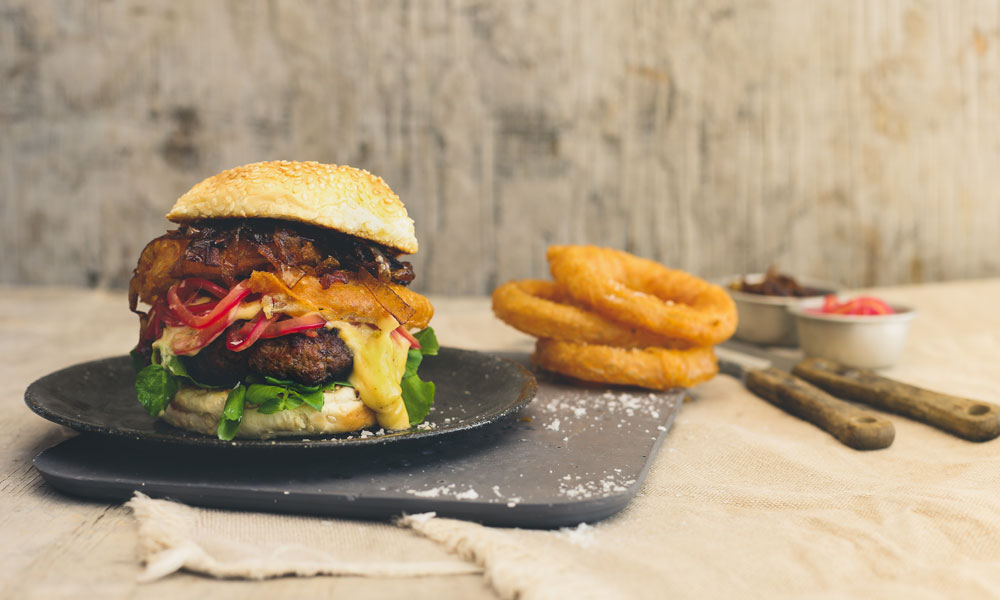
Onion Overload Beef Burger

Onions are without a doubt one of the best burger toppings. They can be sweet, soft, tart, fresh, crispy or crunchy. This burger is our ode to the humble onion and we’ve taken the pairing to the next level with onions done three ways. The result is an orchestral onion apocalypse that will leave you wondering why every burger is not made with this much onion. GET THE RECIPE

Hamburgers-Pickled-Onion-1-x-6


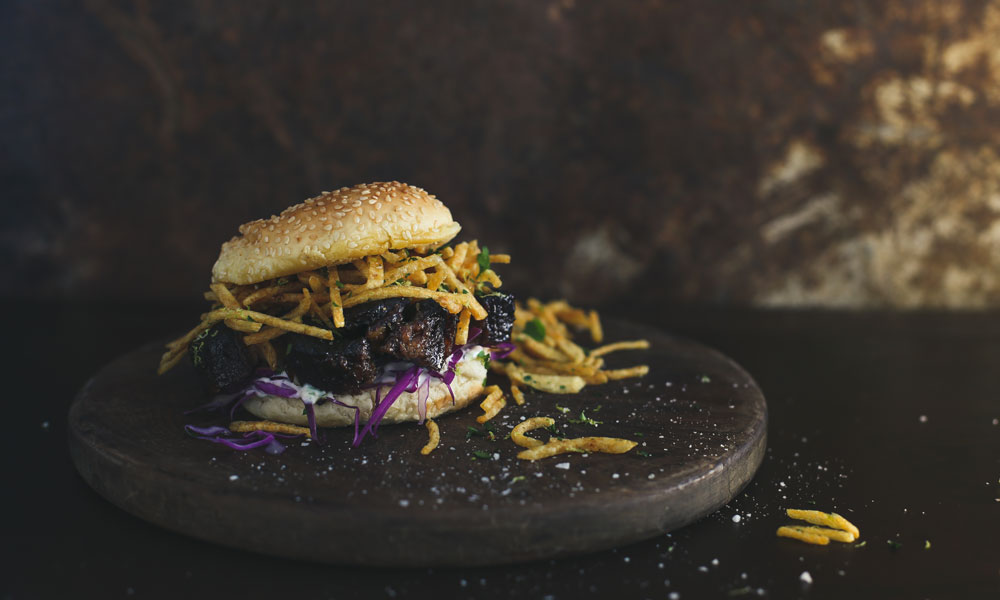
Crunchy Asian Short Rib Burger

I can already hear the burger purists moaning that this is technically not a burger to which I say, it’s on a burger roll isn’t it? Yes we’ve taken a little creative license here but believe me after just one bite all your purist notions will fall away. This is one monster hunka hunka rib burger complete with crispy chips that send it into another realm of tasty. GET THE RECIPE

Hamburgers-Shoestring-OnionA-1-x-6


Spanish-ish Chicken Burger

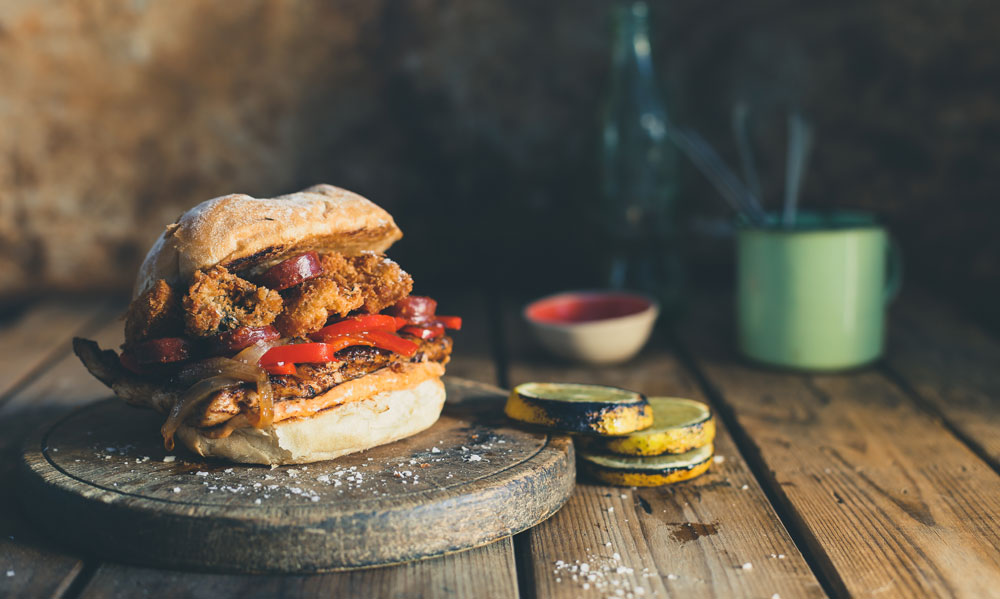
Olé? Oh yeah! Say hello to our Frank-chooken-stein burger that’s somewhere between a burger and a paella. Why you may ask? Why not? That’s the beauty of the burger, it’s a blank canvas just waiting for tasty ideas. We love this combination of smoky chicken and the panko pops of fresh ocean mussels. GET THE RECIPE

Hamburgers-Southern-Chicken-1-x-6

Hungry for more? Subscribe to our newsletter

miele-logo-banner

Imiso Ceramics: Telling a Story of African Culture and Heritage

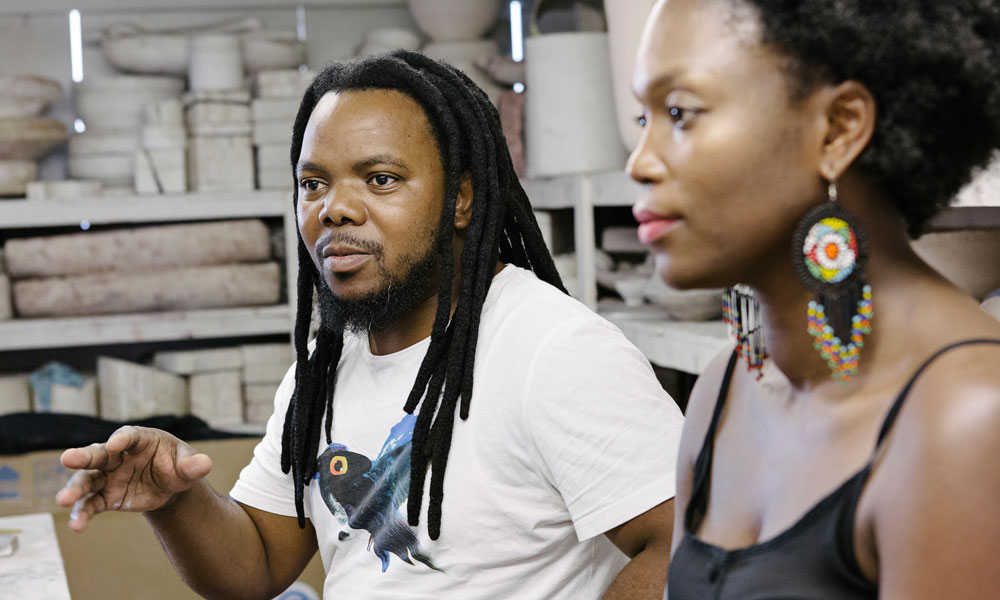
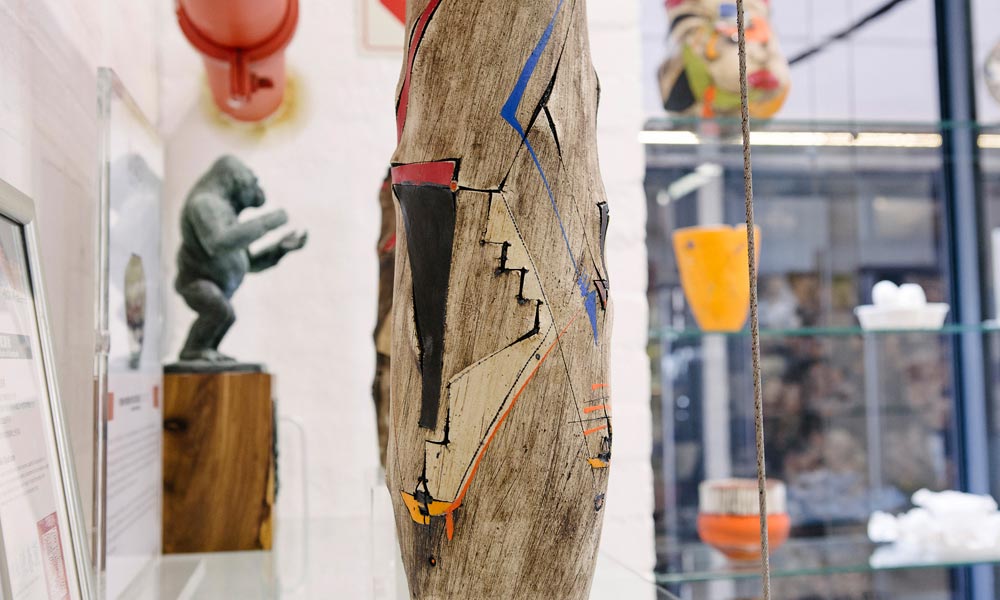
miele-logo-bannerImiso Ceramics is not an unknown name in the Cape Town creatives scene, having been a successful brand for 11 years now. From their space in the iconic Old Biscuit Mill in Woodstock, Imiso, owned by Zizi Poswa and Andile Dyalvane, have quietly and consistently created South African-inspired artworks.

Zizi and Andile have a long history of friendship that started when they were both working in the Eastern Cape. Having originally met at Nelson Mandela University, the pair crafted their skills separately. Zizi was working in a textile design studio and Andile was working for a ceramics studio, but always spoke of their collective dream to open their own ceramic company. After enough dreaming, Zizi and Andile teamed up with three friends to open Imiso in 2006. But even once the company had been started, there was uphill battle to find a work space, materials and a market. It wasn’t long before they were offered a space at the Old Biscuit Mill, as at the time it was undergoing a renaissance. Though a little wary of this somewhat new and unfamiliar territory in Woodstock, they decided to make it Imiso’s home and have been there ever since.

Despite their uncertainty in their new home – remember this was not the Old Biscuit Mill we know today – they got right down to it and started doing their thing. They started small, by getting together a few materials and by making a few pieces. Having managed to secure gigs at the Cape Craft and Design Institute trade show and Decorex, whether they were ready or not, people were loving Imiso. They sold out what they had nearly overnight. From there, they threw themselves into everything from exhibitions at the New York Design Fair to stints on Top Billing. And customers just kept coming through that door, rightfully so.

It’s no mean feat to craft tasteful pieces inspired by African heritage without it coming off as cheesy and tacky. What Imiso, meaning tomorrow, does is so much richer and more complex. It tells a story, their story but also their culture’s story.

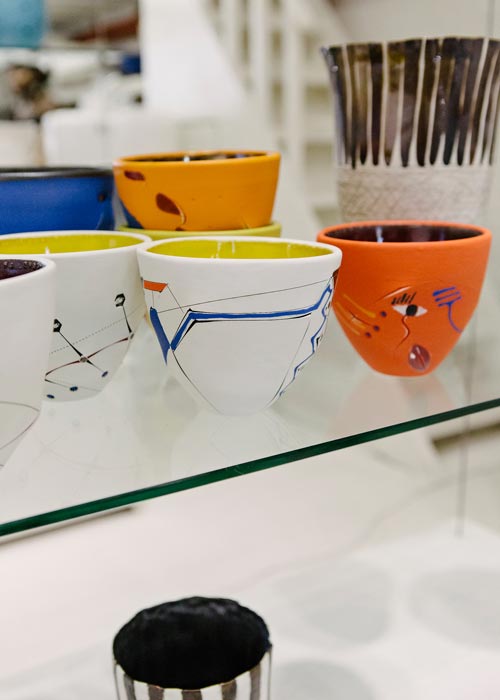
Their style is firmly rooted in Africa, but even more so in the Xhosa culture. None more so than the Scarified range, which represents a deeply traditional practice of scarring the body in the Xhosa culture. This form of body modification is used to symbolise many milestones in a person’s life such as puberty, marriage, childbirth etc. And markings will vary from tribe to tribe as if almost a clan identification. It can be quite a bloody process of cutting the skin, but there is no denying that the finished product is something quite remarkable. And Zizi and Andile’s ode to this on their ceramics truly does scarification justice.

If ever there was an accurate and emotional representation of a deeply traditional practice, this would be it.

There are grooves, etchings, nodes and curves in all the right places, in a mix of colours and textures. If you can imagine how intricate these marking must look on the flesh, they seem to be even more visceral on the ceramics. There is also a quirky range inspired by Picasso – cleverly named Africasso – as well as their Pinched range, featuring fine clay and flecks of gold.

And while Zizi and Andile have their eyes focused on keeping their business powering on, they haven’t forgotten their roots and where they started as a fledgling studio. They now look to help as many young artists as they can with advice and guidance, so as to ensure the local art scene in Cape Town continues to thrive.

Whether you’re South African, a Cape Town resident or a foreigner from some remote country, Imiso will have something that will speak to you. Especially, if you’re after something unique, exceptionally striking and expertly made. Their pieces are original and special, while being subtle and cool. It’s no wonder that Imiso has casually made become something of a household name in the Cape Town design scene.

imisoceramics.co.za | Facebook | Twitter | Instagram

Hungry for more? Subscribe to our newsletter

miele-logo-banner