Hiking Safety: Tips for Minimising Risk When Trail Running and Walking

Findus Banner AdAs Cape Town is surrounded by a large, majestic mountain range, it’s only natural that there are incredible hiking ranges. It’s not advisable to simply run out onto the mountains with careless abandon, though, and you do need to know what you’re doing. Here are our best hiking tips and hiking trails in Cape Town.

hiking safety

HIKING SAFETY: WHAT YOU NEED TO KNOW

KNOW YOUR ROUTE

It’s always a good idea to know exactly what you’re getting yourself into, so make sure you do some research before embarking on the hike. Look at the route, see how long it is, as well as how challenging. Make sure that you know exactly where to start and end and how to get back to your car safely. Don’t deviate from the path and make sure you save emergency numbers in at least 2 people’s phones.

HIKE IN GROUPS

It’s advisable to hike in groups no smaller than 4. While most of the people you come across on hikes will be other hikers, there’s a small chance opportunistic thieves may be hanging around and you don’t want to be caught in small numbers. Four people are also advisable because if someone falls and is unable to walk, spreading the load between three is reasonably doable.

PACK WISELY

Even for what you think is going to be a quick hike, pack a smart backpack. Make sure you have sufficient water and sunscreen, as well as a small first aid kit and a lightweight warm item of clothing. It’s also advisable to bring high energy nutritious snacks, like bananas, nuts and dried fruit. A battery pack for your phone would also be a very smart idea, as well as some light source like a small torch or headlamp.

hiking safety

LET SOMEONE ON THE GROUND KNOW YOUR PLANS

Make sure you tell someone exactly what your plans are, what time you’re starting and what time you’re expecting to finish. This means that if something happens, someone on the ground knows to alert officials. We love this app Shake2Alert, which is activated by a shake of your phone and lets someone on the ground know that you are in trouble, as well as providing your location. It even works when there’s no signal available. There are also wearable panic buttons, that are sweat and rain resistant. Well worth investigating.

PICK THE TIME CORRECTLY

One of the most important things for hiking safety – this should be pretty obvious, but don’t hike at night unless in a very large and well-organised group. Stick to times where you’re likely to see other people, such as early in the morning or in the late afternoon.

MAKE SURE YOU HAVE THE RIGHT KIT

There is nothing worse than being unprepared and having the right shoes, clothing and accessories will make your hike more pleasant. A good pair of trail trainers or hiking shoes is recommended, plus good quality, breathable socks, sunscreen and a hat. A backpack that is comfortable to carry for a couple of hours is also key.

CHECK THE WEATHER

Again, this may sound obvious, but weather can change at the drop of a hat (especially in Cape Town). Make sure you check the weather for the whole time you estimate to be walking.

LASTLY…CONCENTRATE!

Trails are generally uneven, rocky and can be dangerous, so make sure you are paying attention, especially to how you land your feet, you don’t want to twist and ankle! Watch where you are going but do pause to take in the amazing surroundings, that’s why you’re there after all!


Now you know how to safely navigate trails, get out there into the fresh air. These are some of our favourite hikes around Cape Town:

Lion’s Head

A stunning walk that affords climbers the most amazing views once you reach the summit. Some parts are challenging and will involve some creative climbing but the end result is worth it. No real shade to speak of, so make sure you wear a hat and sunscreen. Trail shoes are definitely recommended.

Starting point: Signal Hill Road
Difficulty level: medium. Depending on your fitness levels, you might find some of the inclines challenging.

Pipe Track

An easy walk that winds its way alongside Table Mountain. It is just as the name says, a path that was built to service a pipeline that runs along the Twelve Apostles. It isn’t fully shaded and can get quite hot so bear this in mind. It is relatively easy going though with a few ups and downs, nothing someone of average fitness won’t manage. Also amazing views over Camps Bay and beyond.

Starting point: where Kloof Nek road meets Tafelberg Road
Difficulty: easy

Platteklip

This is for the more experienced climber as it is a pretty relentless upward climb. Be prepared and don’t attempt if you haven’t completed an easier walk previously. Also requires sunscreen, proper walking shoes and being prepared ahead. The views are definitely worth the effort and the burn in your thighs will be too.

Starting point: Tafelberg Road
Difficulty: challenging

Newlands Ravine

Also not the easiest climb and better suited to the more experienced hiker. The route goes from Newlands forest up to the saddle. You need proper trail shoes, it is quite well shaded but a hat is always recommended for any outdoor activity.

Starting point: Rhodes Memorial parking lot
Difficulty: medium

Silvermine – Noordhoek Peak / Blackburn Ravine

Begin at the pristine, Silvermine reservoir. Take the jeep track trail up through some of the most well-preserved and diverse fynbos on the Table Mountain Reserve. As you reach the higher altitudes you will be rewarded with breathtaking views of Hout Bay initially, keep climbing to see the vast, coastal expanse of Noordhoek beach stretching all the way to Kommetjie and finally False Bay will come into view. This is a hike that rewards you with 360-degree views of the peninsula and is well worth the moderate effort.

Starting point: Silvermine
Difficulty: easy

Try these recipe ideas for high energy healthy snacks to pack for your hiking trip. 

Findus Banner Ad

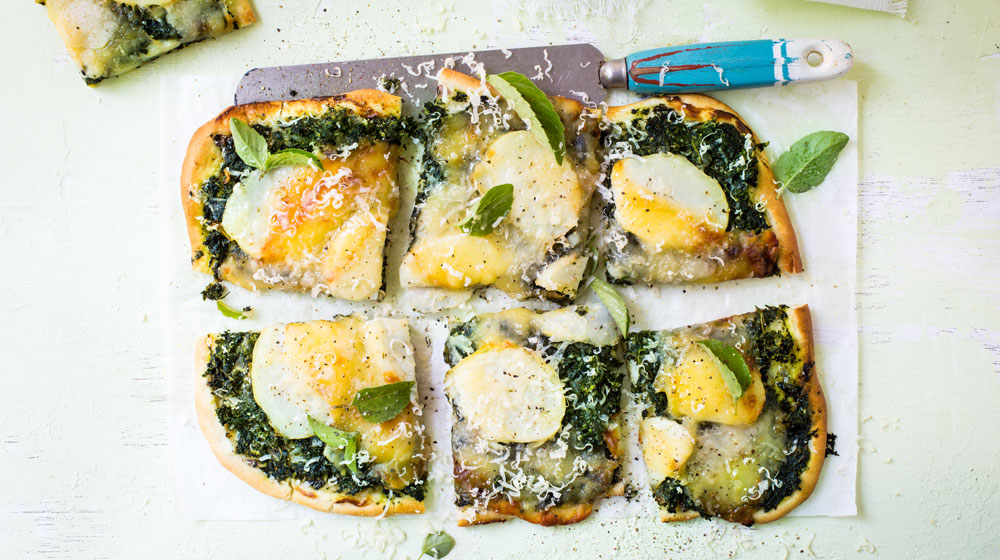
Tarte Flambée with Spinach, Potato and Smoked Mozzarella

Green vegetables like spinach often send children running for the hills but this tarte is a clever way to serve them their greens in a tasty and casual way. This tarte flambée is almost pizza-like and has plenty of delicious flavours that perfectly complement the spinach. It’s great for sharing and for entertaining a crowd.

RECIPE FOR TARTE FLAMBÉE WITH SPINACH, POTATO AND SMOKED MOZZARELLA

Serves: 4
Difficulty: moderate
Preparation time: 1 hour 15 minutes
Cooking time: 30 minutes

DOUGH

1 C (250 ml / 155 g) bread flour
1 tsp (5 ml / 4 g) instant yeast
¼ tsp (1.25 ml) salt
100 ml tepid water
1 tsp (5 ml) olive oil

TOPPING

1 Tbsp (15 ml) butter
½ red onion, finely chopped
1 (450 g) bag Findus Spinach, defrosted
1 Tbsp (15 ml) garlic, finely chopped
2 tsp (10 ml) thyme, finely chopped
½ tsp (2.5 ml) salt
pinch finely ground black pepper
2 Tbsp (30 ml) crème fraîche
1 (150 g) medium potato, boiled
150 g smoked mozzarella, thinly sliced
¼ C (18 g) Parmesan cheese, finely grated
handful basil leaves

METHOD

DOUGH

Combine the flour, yeast and salt. Pour in the water and oil and knead for 5 minutes. Using your hands, form the dough into a ball, place in a lightly oiled bowl, cover with plastic wrap and place in a warm place to rise for about 1 hour, until doubled in size.

TOPPING

Heat the butter in a large frying pan over medium heat, add the onions and sauté for 5 minutes.

Place the Findus Spinach into a fine sieve. Using the back of a wooden spoon, press the Findus spinach to squeeze out all of the excess water.

Add the Findus Spinach, garlic, thyme, salt and pepper to the onions and sauté for 2 minutes. Allow the mixture to cool for 15 minutes.

Preheat the oven to 200 °C.

Using your hands, knock the dough down to remove the air. On a clean, lightly floured surface, roll the dough out to a rectangular shape 30 cm x 20 cm. Place the dough onto a lightly greased oven tray or on a tray lined with a baking mat.

Spread the crème fraîche over the dough. Spread the spinach mixture over the crème fraiche. Peel the boiled potato and cut into thin slices. Arrange the slices of potato over the spinach and top with a layer of mozzarella.

Bake for 15-18 minutes until the cheese has melted and the crust is crispy and golden. Scatter the Parmesan cheese and basil over the top. Cut into 8 slices.

TIP: Serve the tarte flambée with an Italian caprese salad or a simple green salad with balsamic dressing.

Tarte Flambée

Learn about the amazing benefits of spinach and make this recipe for Spinach, Ricotta and Tomato-stuffed Chicken Breasts.

Recipe, Photography and styling by Illanique van Aswegen

findusfoods.co.za

Food Markets in Johannesburg You Have To Visit

Findus June 2017 Carrots LeaderboardMarkets are one of our favourite ways to do a bit of shopping or meet friends for great food. A lot of really great markets have popped up recently and in case you’re finding it hard to keep up, here are our picks of food markets in Johannesburg.

FOOD MARKETS IN JOHANNESBURG

FOURWAYS FARMER’S MARKET

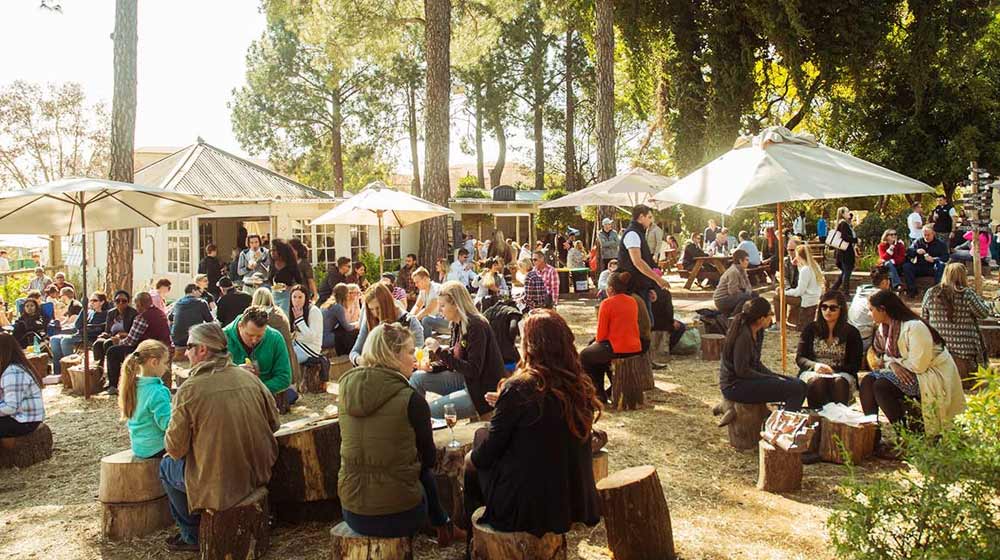
food markets in johannesburg Fourways Market

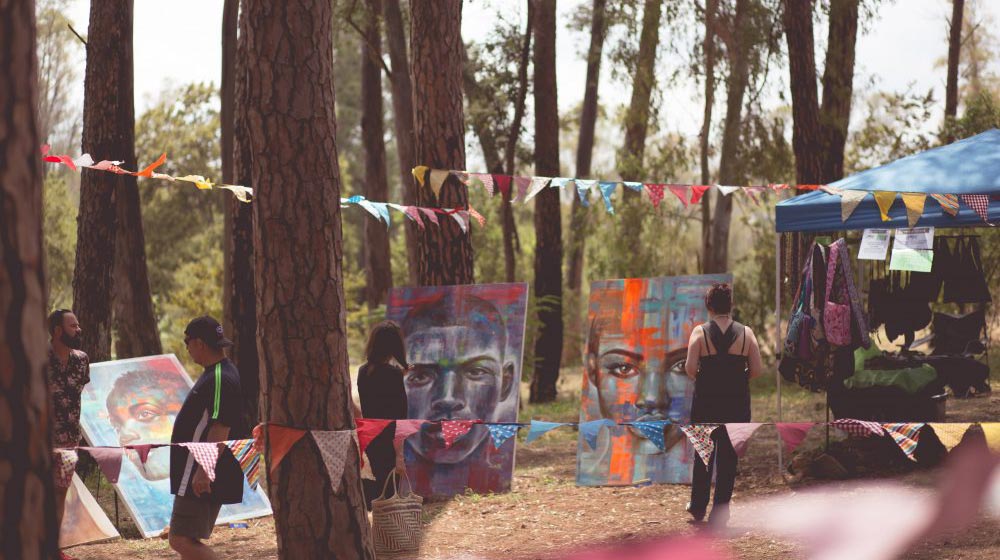
Start the weekend off by visiting the Fourways Farmers Market. With 107 vendor stores selling products that are local artisanal and delicious. There is plenty of rustic seating on tree stumps and benches it’s a great place to meet a group of friends and hang out.

Location: 1 William Nicol Dr & Montecasino Blvd, Magaliessig, Sandton
Hours: Fri 15h30-22h30 Sun 09h00-16h00

ffmarket.co.za


MARKET ON MAIN

Food Markets In Johannesburg

A food and design market that takes place every Sunday at Arts on Main. A relaxed and creative space for makers to trade, and for locals and visitors to spend their weekend leisure time

Location: Arts on Main 264 Fox Str, Johannesburg
Hours: Sun 10h00-15h00

marketonmain.co.za


1 FOX MARKET SHED

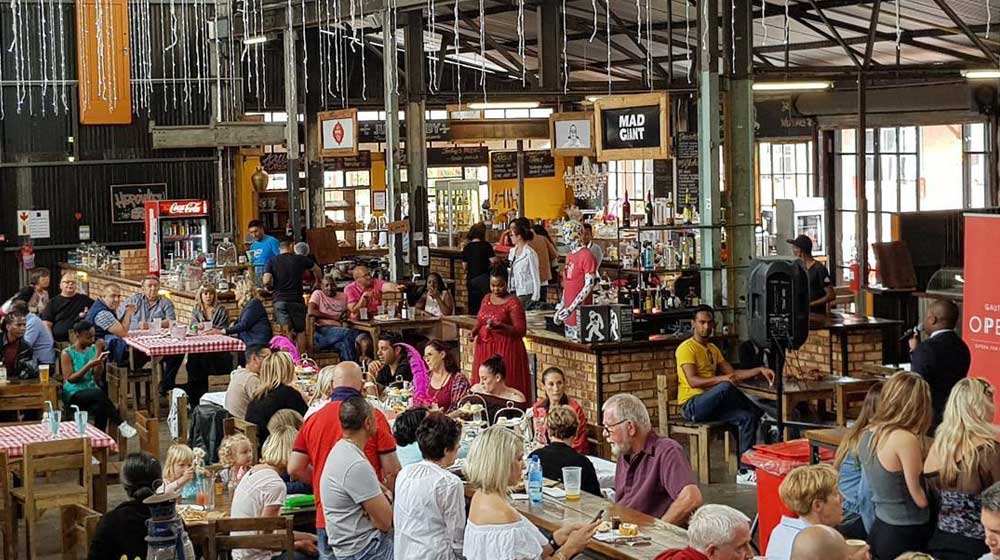
food markets in johannesburg 1 Fox

1 Fox is a creative space that is home to the market shed, which houses some of the best artisanal craft, design and food products in the city. The Market Shed shares a space with Mad Giant Brewery and a fantastic live music venue, where guests can sit back, relax and listen to some of the local talent on show.

Location: 1 Fox St, Ferreiras Dorp, Johannesburg
Hours: Fri 12h00-17h00 | Sat, Sun & Holidays 10h00-16h00

1fox.co.za


BRYANSTON ORGANIC MARKET

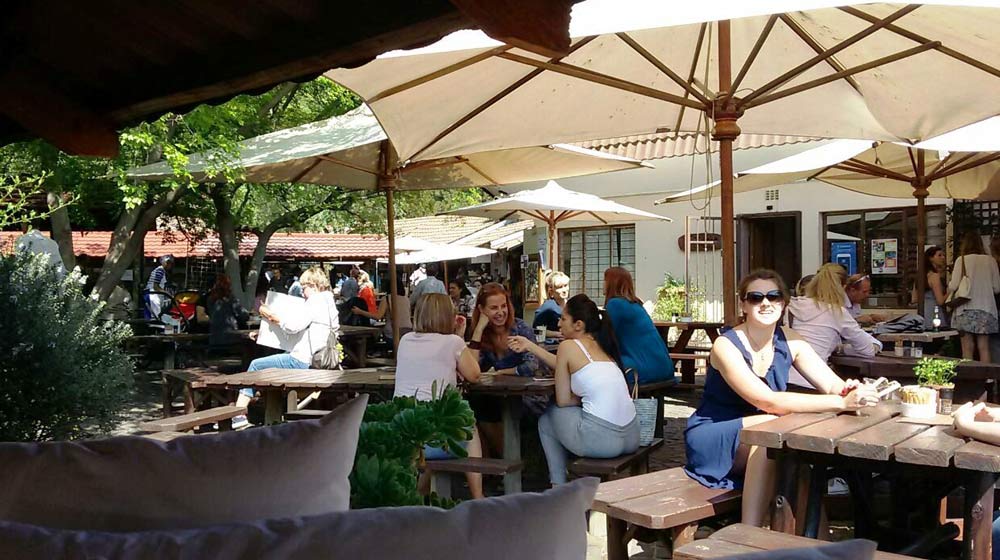
food markets in johannesburg Bryanston Organic Market

A market with an emphasis on selling fresh fruit and vegetables that haven’t been grown with artificial fertilisers and added chemicals. Pick up what you need for the week and rest assured that it’s healthy and nutritious.

Location: 40 Culross rd (off Main Rd), Bryanston, Johannesburg
Hours: Thurs & Sat 09h00-15h00

bryanstonorganicmarket.co.za


JOZI REAL FOOD MARKET

Food Markets In Johannesburg

The real food market is a lovely space to hang out with little ones and your furry friends on a Saturday morning, Stroll around in the sun with a cup of coffee in hand and enjoy the vibe as well as the amazing local produce on sale.

Location: 25 Braeside Road, Greenside, Johannesburg
Hours: Sat 08h30-13h00 | First Sun of the month 09h00-15h00

joburg.co.za


ROSEBANK SUNDAY MARKET

Food Markets In Johannesburg

While not technically a food market, it is one of the longest standing markets in Jozi. Rosebank’s Sunday Market is located on a rooftop parking lot that transforms into an amazing place where  DJ’s and live bands will provide the soundtrack to your Sunday. Another unique aspect to this market is the car boot sale side of things, as they say, one man’s junk is another man’s treasure. Find vintage and unusual pieces.

Location: 50 Bath Ave, Rosebank, Johannesburg
Hours: Sun 09h00-16h00

rosebanksundaymarket.co.za


IRENE VILLAGE MARKET

Food Markets In Johannesburg

The market is known for offering a great variety of South African top quality handmade arts and crafts. Held at the Big Red Barn, it offers visitors a wide selection of food, drinks and crafts, as well as having plenty of things to keep little ones entertained. You can also bring along your well-behaved pup!

Location: 7 Nelson Road, Olifansfontein
Hours: First & last Sat 08h00-14h30

irenemarket.co.za

For more inspiration subscribe to the Findus newsletter.Findus June 2017 Carrots Leaderboard

We talk to Dusi Canoeist Piers Cruickshanks about Beyond the River the Movie

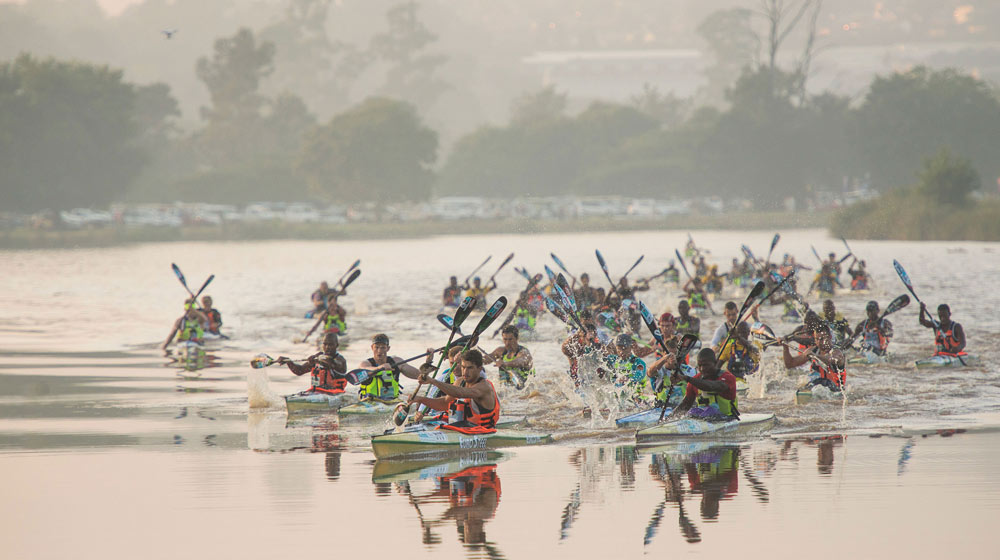
Findus June 2017 Carrots LeaderboardThe Dusi Canoe Marathon seems rather aptly named when you consider that it doozy is a colloquial term often used to describe something difficult or extraordinary. You could say that the Dusi is a doozy. And that it is. Known as one of the toughest races in the world, the 120 km race is the biggest on the African continent and sees around 1600-2000 eager paddlers battling it out each year. The story of unlikely teammates, Piers Cruickshanks and Siseko Ntondini, sparked a movie, Beyond the River, based on their relationship and their winning Gold in the 2014 race. We chat to Piers about their incredible journey.

What was life like for you before you entered the world of canoeing?

I was a runner before I was a canoeist – I trained hard, loved it, but achieved mediocre results in comparison to the effort I put in. Like canoeing, it was never a career for me, but something I did because I had a great passion for it.

Can you tell us about the journey that led you to canoeing?

I ran into trouble with knee injuries while running. Fortuitously, my dentist was a runner and a canoeist. He leant me a canoe and a paddle. I took up the sport in July when the water was freezing – so that was good motivation to learn to balance.

How did your partnership begin?

Siseko was one of the guys who came up through SCARC (the Soweto Canoe and Recreation Club) who really stuck it out. I watched him grow from a little guy who paddled with spinning arms – but went very slowly, into a competent and competitive athlete. He always had drive and determination – even from his younger years. At the end of the 2013 Dusi, after smashing my boat and walking for over 4 hours to get to the end of the race, I finished last. Most people had gone home but Siseko was there waiting – and asked me to paddle together the following year.Beyond The River Dusi Marathon

Beyond the River, the movie based on your story, has been described as being about perseverance, friendship and going beyond… do you feel that this describes your story?

The essential elements you mentioned of our story are there and I think the filmmakers did a good job of communicating the essence of what our story means to the audience. But the personal life and details of the character “Steve” are not mine at all. There’s a stubbornness to his character that my wife tells me is true!

Can you explain what the Dusi Canoe Marathon is and its significance to a competitive canoer?

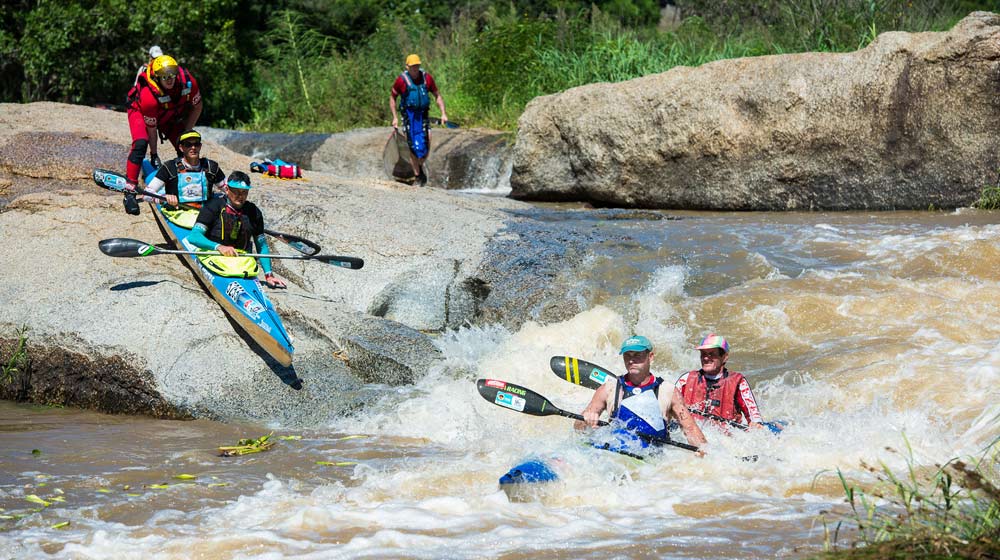
The Dusi is a 120 km race between Pietermaritzburg and Durban, held in three stages over three days. It involves paddling down treacherous rapids, through rural valleys and spectacular gorges. There are sections where you have to run with your boat in the heat and humidity of the Valley of a Thousand Hills. It’s an experience you’ll never forget.

Can you give us an idea of what it is like to take part in the biggest canoeing event in Africa?

It’s a unique challenge. The locals from the valley are hugely supportive. For many years, in my competitive career, it was the only race where the nervous anticipation could keep me from sleeping the night before!

How do you prepare for the race and what training do you do?

The training is tough and strategic. You need to train in canoeing and running. You need to train your body to be efficient at changing between the two disciplines. At the top end of the field, you could be training up to 20 hours a week.

Do you follow a special diet before and during the race?

Not really, I follow my body’s cravings – I eat and drink an enormous amount during the three days of the race. But I keep it healthy. It’s usually hot during the race so you need to drink a lot of fluids.Beyond The River Dusi Marathon

Piers, how has your relationship evolved since you first met?

Siseko has become a good mate. In the beginning it was just about paddling, but you learn a lot about a guy when you’re relying on each other in a race like that. There’s a trust that builds up. Since the movie and the book, we’ve spent so much time together, so we’ve kept the friendship.

What’s the number one life lesson you have learnt from Siseko?

Spending time with Siseko has been good for me. To get to know a guy from a completely different background broadens your mind. We all spend a lot of time with people who have similar cultural beliefs and circumstances to our own because it’s convenient. So, I feel I’ve grown through the experience.

What role do you see for yourselves, and other sportsmen of your calibre, in the future development of SA sports, with particular reference to disenfranchised communities?

The partnership between Dabulamanzi –the Northern suburbs, Johannesburg – based club and SCARC in Soweto has set an example of what can be done when a community puts its heart in the right place. When people have a similar interest – which might be a sport, a cultural activity or even a religion, there are opportunities to bridge the other differences. For example, a guy who’s the CEO of a major corporation might find it easier to mentor a young guy who’s interested in his line of business, if that young guy can help him to a personal record at the club time trials! It’s about finding common ground – the relationships and partnerships can follow more naturally from that.

Looking back what advice would you give a young you?

Don’t take yourself so seriously! Enjoy the incredible journey.

Make sure you see the inspiring story Beyond the River captured on film.

beyondtheriver.co.za

For more delicious recipe inspiration subscribe to the Findus newsletter.Findus June 2017 Carrots Leaderboard

Spinach, Ricotta and Tomato-stuffed Chicken Breasts with Crunchy Cheese Topping

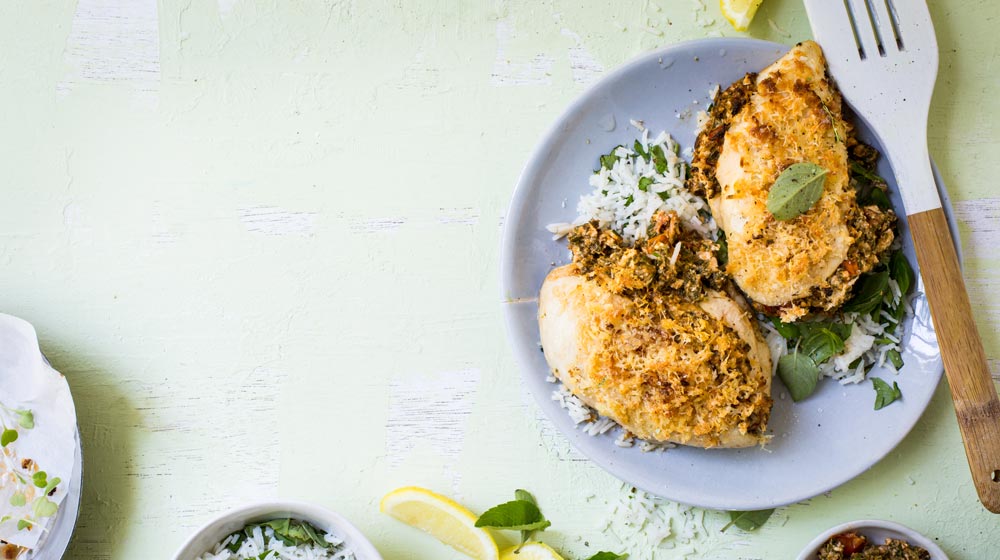
This recipe brings Mediterranean-inspired flavours together. Jazz up your mid-week chicken meal by stuffing with this tasty combo of Findus Spinach, along with the flavours of pesto and tomatoes. Serve with herbed rice – perfect for a family meal.

RECIPE FOR SPINACH, RICOTTA AND TOMATO-STUFFED CHICKEN BREASTS WITH CRUNCHY CHEESE TOPPING

Serves: 4
Difficulty: easy
Preparation time: 30 minutes
Cooking time: 35 minutes

CHICKEN BREASTS

1 (450 g) bag Findus Spinach, defrosted
1 Tbsp (15 ml) butter
1 Tbsp (15 ml) garlic, finely chopped
½ C (100 g) cocktail tomatoes, quartered
1 Tbsp (15 ml) sundried tomato pesto
½ C (170 g) ricotta, crumbled
1 tsp (5 ml) lemon juice
½ tsp (2.5 ml) salt
pinch finely ground black pepper
4 (700 g) deboned and skinless chicken breasts

TOPPING

⅓ C (25 g) bread crumbs
¼ C (18 g) Parmesan cheese, finely grated
olive oil, for drizzling

TO SERVE

2 C (300 g) Basmati rice, cooked
1 Tbsp (15 ml) parsley, finely chopped
1 Tbsp (15 ml) basil, finely chopped
salt and pepper

handful basil leaves
8 lemon wedges

METHOD

CHICKEN

Place the Findus Spinach into a fine sieve. Using the back of a wooden spoon, press the Findus Spinach to squeeze out all of the excess water.

Heat the butter in a large pan over medium heat. Add the Findus Spinach and sauté for 2 minutes. Stir in the garlic and tomatoes and sauté for 5 minutes. Remove the mixture from the heat and stir in the pesto, ricotta, lemon juice, salt and pepper.

Preheat the oven to 190 °C.

Line a baking dish or tray with baking paper. Slice a pocket into the side of each chicken breast without going all the way through. Stuff each breast with the prepared Findus Spinach filling and place on the dish or tray.

TOPPING

Combine the breadcrumbs and Parmesan cheese. Sprinkle over the chicken breasts and add a light drizzle of olive oil over the crumbs. Bake for 20-25 minutes until the chicken is cooked all the way through and the topping is crisp and golden.

TO SERVE

Combine the cooked rice, parsley and basil and season. Serve each breast with a portion of rice. Scatter basil leaves over the top. Serve with lemon wedges on the side.

TIP: The chicken can be stuffed with the filling a day in advance. Cover and refrigerate until needed. Add the breadcrumb topping just before baking.

  stuffed Chicken Breasts

Learn about the amazing benefits of spinach and make this recipe for this Spinach, Smoked Mozzarella and Potato Tarte Flambée.

Recipe, Photography and styling by Illanique van Aswegen

findusfoods.co.za

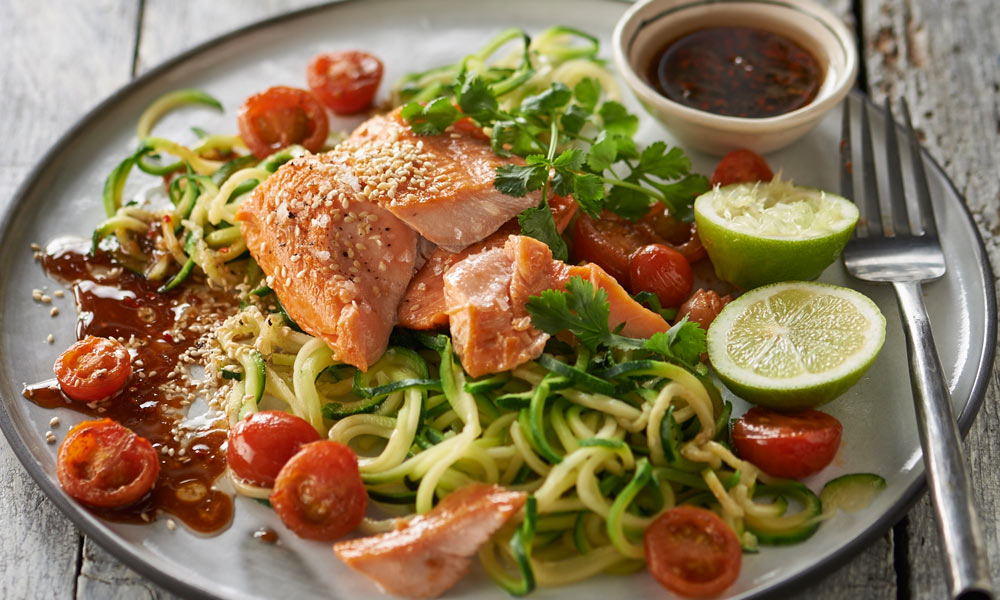
Sarah Graham’s Roasted Trout with Courgetti

With the silly season well behind us and with the beginning of a new year, many of us are attempting to turn over a new healthy eating leaf. That’s why we love Sarah Graham’s Roasted Trout with Courgetti recipe. It ticks all the dietary boxes and is an easy workday meal too. So what are you waiting for? Make this delicious meal for your next supper and make sure there’s enough for the next day too.

Make Sarah Graham’s Roasted Trout with Courgetti and Sesame-Soy Dressing

Serves: 2
Prep Time: 10 min
Cooking Time: 15 min

Roasted Trout with Courgetti Sarah Graham's Roasted Trout with Courgetti

What You’ll Need

2 x 200g trout fillets (or use salmon)
salt and freshly ground black pepper
1 cup baby tomatoes, halved
200 g courgette noodles (or use buckwheat noodles)

Dressing

3 Tbsp sesame oil
3 Tbsp soy sauce
1–2 tsp fish sauce
3 Tbsp honey
1 clove garlic, minced
1 red chilli, deseeded and finely chopped
1 Tbsp grated fresh ginger
juice of 2 limes
chopped fresh coriander (to serve)
1 Tbsp toasted sesame seeds (to serve)

What to do

Preheat the oven to 200 °C. Season the trout fillets lightly with salt and pepper and place them on a nonstick baking tray along with the tomatoes.

Mix together the dressing ingredients, pour about a third over the fish fillets and bake them for 10–12 minutes.

Meanwhile, prepare the courgette noodles. When you take the fish out of the oven, set aside to rest for a few minutes. Cook the courgette noodles in a large saucepan of salted boiling water for 2 minutes, drain and divide into serving bowls.

Top the noodles with the fish fillets and roasted tomatoes, sprinkle over the chopped coriander and sesame seeds, drizzle over extra dressing and serve immediately.

For more wholesome recipes from Sarah Graham check out the Miele local design page.

miele.co.za

Roasted Trout with Courgetti Sarah loves Miele Leaderboard banner

Good Gut Health – Essential Food to Include in Your Diet

We all know that we are what we eat and that we should endeavour to eat as well as we can, that what we eat has an effect on our energy levels, as well as our weight. But, one often overlooked part of nutrition is gut health. The gut, or the intestinal tract, has a massive role to play in your overall health and wellness. Recent studies have shown that it can even affect your psychological wellness too. If you’re doing your best to take care of yourself, exercise and eat well, then you need to ensure that you’re looking after your gut health too.

The intestine is essentially an ecosystem of bacteria and yeast and in order for your body to perform optimally, these need to be kept balanced.

If there is an imbalance, pathogens and bad bacteria can develop, which hamper your body’s ability to absorb beneficial nutrients from food, and can cause serious issues. Your body’s immunity also depends on your gut health, so when it’s unhealthy, it’s compromised and you’re more likely to fall ill or to struggle to fight off infection.

If you’re struggling with any digestive issues or something like a skin problem, you should look to your diet before anything else. Ultimately, nearly everything is affected by your gut health. Unfortunately, just eating healthily isn’t enough if you aren’t eating the right kind of healthy foods to look after your intestine.

So, how can you ensure good gut health?

Well, it all comes down to diet and one of the best ways to look after that gut is to make sure that you’re getting enough probiotics into your system. Probiotics are essential to the health and wellbeing of your intestine – they’ve been proven to introduce beneficial bacteria into your digestive system. What they do is help to balance the bacteria in your digestive system. Probiotics have also been shown to help to slow down some of the diseases that develop in your stomach, as well as improving bowel health, aiding digestion and boosting immunity.

Where do these probiotics come from?

Fermented foods mostly. Don’t be wigged out by the word fermented, they aren’t as scary as you think. (Read more about embracing fermented foods HERE)


Types of Fermented Food

Yoghurt

You probably already have yoghurt in your fridge, but to maximise your probiotic and good bacteria intake, you need to be eating plain, full cream yoghurt.

Kimchi

The spicy fermented Korean condiment, kimchi, is also a delicious and easy way to improve gut health. Simply order a side of it the next time you see it on a menu and tuck in. It’s also great when plopped on a fresh green salad – it will add some spice and funk.

Gut Health

Sauerkraut

Sauerkraut, a German side dish of fermented cabbage, is also great and can be a little easier to include in your everyday diet if kimchi seems a little scary.

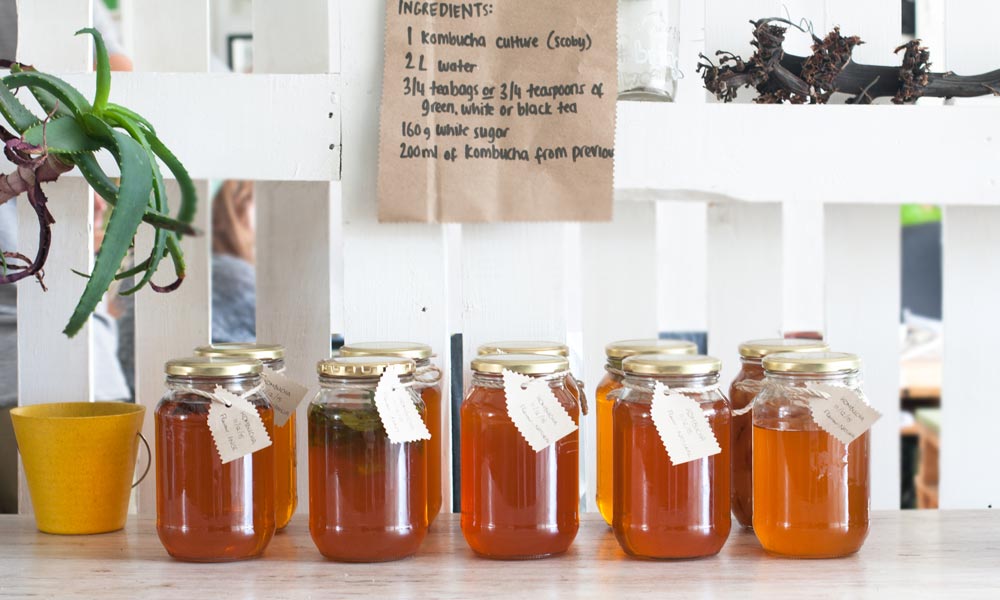
Kombucha

Lastly, if you’re more interested in sipping your way to good gut health, try drinking a glass of kombucha every morning. Kombucha is laden with healthy probiotics and is a healthy, refreshing alternative to fizzy drinks.

Gut Health

Kefir

You can also pick up a bottle of kefir, a fermented milk drink, and add a splash of it to your morning smoothie.

Including any of these in your diet is an easy way to boost probiotics in your system, as they’re all tasty and easy to eat. Also, the next time you’re at the chemist, pick up a box of probiotics and start taking one every day. They’re relatively inexpensive and really do make a world of difference. You really can’t overdo it with probiotics, the more the merrier!

Another way to boost your gut’s health is to limit your intake of starches and sugars, particularly things like white bread. If you can’t give up bread, make sure you’re eating proper fermented sourdough made with natural stone ground flour.

For more delicious recipe inspiration subscribe to the Findus newsletter.

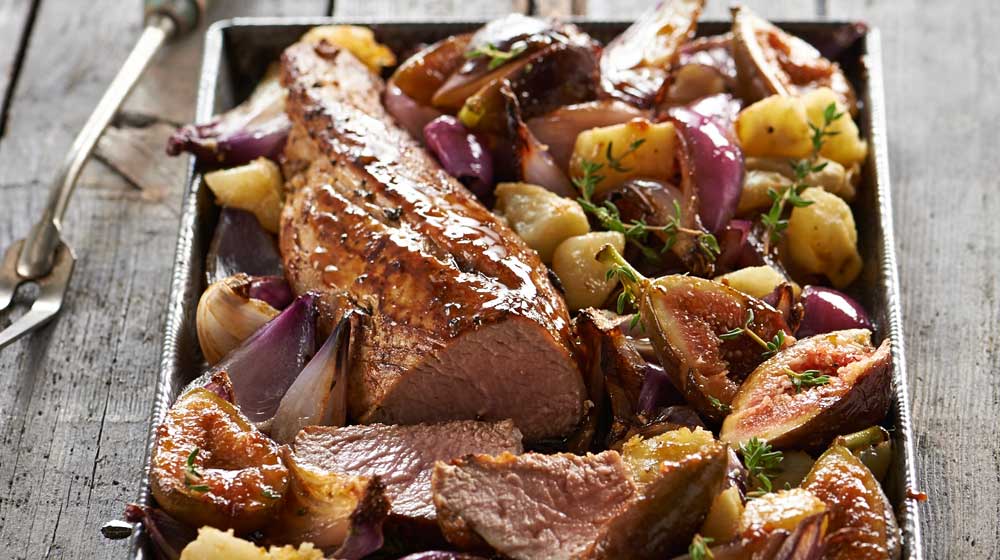
Sarah Graham’s Festive Roast Pork with Figs and Red Onions & Cider Gravy

The festive season is here and with it comes a whole lot of delicious cooking and, of course, our favourite thing – valuable time spent with family. If you’re looking for something different to try this holiday, why not give Sarah Graham’s Festive Roast Pork with Figs and Red Onions and Cider Gravy a go? It looks beautiful and tastes amazing and is a fabulous alternative to a regular ham, turkey or lamb roast. Serve with figs for sweetness and a festive inspired cider gravy.

Make Sarah Graham’s Festive Roast Pork with Figs and Red Onions & Cider Gravy

Serves: 4-6
Prep time: 10 min
Cooking Time: 30 minSarah Graham Festive Roast Pork

WHAT YOU’LL NEED

Roast Pork Fillet

2 sweet potatoes, cut into 2 cm cubes
1 x 900 g pork fillet
salt and freshly ground black pepper
1 Tbsp Dijon mustard
1 Tbsp wholegrain mustard
1 tsp dried fennel
1 tsp dried sage
1 Tbsp olive oil, plus extra for drizzling
2 red onions, cut into sixths
4 firm figs, halved (or 2 firm pears, cut into sixths lengthways; or stone fruit of your choice)
2–3 large cloves garlic, skin on but ‘smashed’
knob of butter
maple syrup or rice malt syrup, for drizzling
sprigs of fresh thyme, for garnishing

Gravy

1 Tbsp plain flour (or gluten-free if necessary)
½ cup cider
½ cup chicken or vegetable stock
¼ cup fresh cream or natural yoghurt (optional)

WHAT TO DO

Preheat the oven to 200 °C.

Parboil the sweet potatoes in a large saucepan of salted boiling water for 10–15 minutes, or until they can be easily pierced with a knife. Drain and set aside.

In the meanwhile, season the pork fillet with salt and freshly ground black pepper, and then coat with the mustards, fennel and sage.

Heat a large ovenproof frying pan over medium-high heat and add the olive oil. When the oil is hot, sear the pork fillet for 2–3 minutes on each side, or until golden. Remove the pan from the heat, add the onions, figs and garlic, drizzle with a little extra oil and then transfer to the oven (if you don’t have an ovenproof pan, just sear the fillet on the stovetop and then transfer to an ovenproof baking dish and add the remaining ingredients).

After 25 minutes, remove the pork from the pan and rest for 10–15 minutes. Add the butter to the vegetables along with a drizzle of maple syrup or rice malt syrup and return them to the oven while the meat rests so that they will be nice and caramelised.

Remove the vegetables with a slotted spoon and make a quick gravy as follows: add the flour to the pan and place over medium-high heat. Add the cider and stock and leave to simmer, stirring often, for about 5 minutes, or until the gravy is glossy and thick. To make the gravy extra creamy, add the cream or yoghurt. Season to taste and then remove from the heat and set aside.

Enjoy this festive roast pork fillet sliced and served immediately on warmed plates with the vegetables and gravy. Garnish with thyme.

miele.co.za

Sarah loves Miele Leaderboard banner

Create A Showstopping Vegetarian Roast

Findus Vegetables
So, you’ve got a vegetarian coming for dinner this festive season and you’re not sure what to serve them? You’re not alone. For years poor vegetarians have been subject to sad store bought quiches, bought last minute, or are forced to put together a plate purely made from sides. Those days are over and it’s time to give those veggies their own main, one they can get excited about that will even tempt the meat eaters at the table. This vegetarian roast is a meat-free play on the ‘vegducken’ that did the rounds on social media in years gone by, which was originally based on the nightmarish turducken that was unleashed on the world. It’s basically carrots stuffed inside a courgette, stuffed inside a butternut with lots of creamy spinach, mushroom and feta filling. If you think it’s a lot of work, it’s really not. We run through how to create your own impressive vegetarian roast!

Festive Vegetarian Roast with Brown Butter Sauce

Stuffing

50 g butter
½ onion, finely chopped
salt
250 g portabellini mushrooms, finely chopped
50 g baby spinach, washed, dried and roughly chopped
40 g feta, crumbled

Butternut

1 evenly sized butternut, washed and dried
salt
1 large courgette (one that will fit nicely inside the cavity of the butternut)
olive oil
5-6 Findus Baby Carrots
50 g pecan nuts, roasted

Brown Butter

¾ C (180 g) butter
juice of 1/2 a lemon
salt and pepper

METHOD

Stuffing

Melt the butter in a small saucepan and add the onions and a pinch of salt. Cook over a low heat until the onions are softened throughout. Add the mushrooms and cook for another couple of minutes until cooked through. Remove from the heat and add the spinach, leave to wilt for a minute or two. Check the seasoning and place in a colander or sieve to allow the excess liquid to drain off. When ready to stuff the butternut, add the feta and mix well to combine.

Butternut

Preheat the oven to 180 ºC.

First things first, get your butternut, wash it and dry it. Then carefully halve it and scoop out the seeds.

Create a showstopping vegetarian roast

Then, using a small paring knife, roughly mark the outline you’re going to scoop to – you want to leave about two fingers’ width. Then, using a spoon and a little force, scrape out the filling of the butternut ensuring you leave enough of a border to keep the roast secure.

Create a showstopping vegetarian roast
Keep scooping until you have a nice even shaped cavity. Trim the ends off your courgette and check that it fits snugly in the cavity.

Create a showstopping vegetarian roast
.Halve the courgette and very gently remove the seeds with a teaspoon.

Create a showstopping vegetarian roast

Press about a handful of the stuffing into the 2 halves of the butternut, seasoning as you go. Make sure you don’t overfill the butternut at this point, you want to leave enough space for the courgette.

Create a showstopping vegetarian roast

Then place the courgette in, pressing it down gently. Secure the gaps between the courgette and the butternut with a little extra stuffing if necessary.

Create a showstopping vegetarian roast

Place a little amount of stuffing down the canal of the courgette and then place your Findus Baby Carrots on top of that filling.

Create a showstopping vegetarian roast
Lastly, carefully sprinkle over the chopped pecans then carefully (and quickly!) place the two halves together. Secure with twine, place on a roasting tray and then oil and and season.You may need to use a couple of large stainless steel serving spoons to wedge the butternut and to keep it from rolling over on the tray.
Create a showstopping vegetarian roast
Now it’s ready for roasting. Place in the oven to roast for about 1 and a half hours to two hours, checking after 1 hour that it’s not browning too quickly (if it is, turn the oven temp down to about 170 ºC to allow it to finish cooking through). The roast is done when you can insert a skewer or toothpick right through to the centre of the butternut. Remove from the oven and leave to stand for about 10 minutes.

Brown Butter Sauce

While the roast is cooking, make the brown butter sauce.

Melt the butter in a frying pan and increase the heat, whisking as it melts. The butter will foam up, then subside and begin to caramelise and you’ll be able to smell a nutty aroma. Cook for a few more minutes to allow it to turn a deep nut brown, remove from the heat and add the lemon juice, salt and pepper. Watch out for spitting when you add the lemon juice.

To Serve

Use a serrated knife to slice the butternut and drizzle with brown butter.

Create a showstopping vegetarian roast

Love this vegetarian roast? For other vegetarian dish inspiration click HERE.

Sarah Graham Prettiest Pink Chia Pudding Pots

With summer on the way, healthy, light and fresh treats are top of mind. We love this recipe for chia pudding pots by Sarah Graham, not only do they look super pretty, but they tick the boxes in terms of healthy and light. This is a great recipe for dessert or even a cheekily indulgent breakfast.

Make Sarah Graham’s Prettiest Pink Chia Pudding Pots with Berry & Basil

Serves: 4
Prep Time: 15 min
Setting Time: 3 hours or overnight

Sarah Graham's Prettiest Pink Chia Pudding Pots

WHAT YOU’LL NEED

Quick Chia Berry Jam

2 cups frozen mixed berries (or use fresh berries, or even fresh stone fruit, roughly chopped – this is a great way to use up fruit that is really ripe)
2–3 Tbsp honey or alternative healthy natural sweetener
juice and zest of 1 orange or clementine (optional)
¼ cup chia seeds

Chia Pudding Pots

2-3 Tbsp (30-45 ml) chia seeds
1 cup double-thick Greek yoghurt (or, my preference, coconut cream)
¼ cup Quick Chia Berry Jam (recipe included)
baby basil leaves (or mint), for garnishing
fresh or frozen berries, for garnishing

WHAT TO DO

For the Jam

Simmer the berries, honey, juice and zest in a heavy-based saucepan over low heat for 20–30 minutes, or until reduced by half and starting to thicken. Remove and set aside to cool. Once the berry mixture has cooled slightly, stir through the chia seeds and then transfer to a sterilised glass jar and store in the fridge. Lasts up to two weeks.

For the Chia Pudding Pots

Mix together the chia seeds and Greek yoghurt. Then stir in the jam and mix as much or as little as you like (berry ripple or pink perfection, you choose). Divide between four small glass jars or pretty glasses and refrigerate for at least 3 hours, or preferably overnight.

Just before serving, garnish with fresh baby basil leaves (or use mint) and berries.

Tips
On the go: Make these in small glass jars with lids for breakfast on the go, adding a generous scattering of Everything Granola (see page 32) or mixed seeds and nuts once they are set.

Make them chocolate! Leave out the berry jam and instead add 2–3 tsp cacao powder, a dash of vanilla extract and 1–2 tsp maple syrup. Mix well and refrigerate until serving. Top with a little Everything Granola or a dollop of berry jam if you like.

miele.co.za

Chia pudding pots

The Essential Checklist to Spring Clean Your Life

Believe it or not, spring has finally sprung. Winter is behind us and we can finally look forward to longer, warmer days spent outside in the sun. If you’re feeling a little ho-hum, fear not, it’s entirely natural to experience some post-winter blues. So, you’re keen to refresh your outlook but you’re not sure how?  Here are our tips on how to spring clean your life.

Get Moving

It might seem obvious but becoming a little more active is key to shaking off those winter blues. As winter descends, our exercise tends to descend along with it so when the sun starts to rise slightly earlier, make sure you do too. Even if you’re just going for a 20-minute walk around the block, starting the day with some pumping blood and fresh air is only going to put you in your best mindset. To refresh things perhaps consider a new class or type of exercise that you haven’t done before to kick your muscles into gear.

spring clean your life

Get Outside

Whether you live in a coastal town or a city packed with skyscrapers, there is bound to be somewhere beautiful for you to enjoy. Getting outside and enjoying the crisp weather is a great way to remind yourself that the world out there is worth embracing. There’s nothing a walk and some fresh air won’t cure.

spring clean your life

Declutter Your Life

This is something you should try to do at the change of every season and it refers to every aspect of your life.

CLEAN OUT YOUR CAR

Clean out your car, get rid of those empty coffee cups (single-use packaging is so last season anyway!) and give your vehicle a little spruce. Maybe a valet even if you can (a waterless one if you’re in the Cape).

ORGANISE YOUR CLOSETS AND CUPBOARDS

Look at your closet and ask the question we all hate asking ourselves: “when did I last wear this?”. If the answer is longer than 9 months, it’s time to say goodbye. Donate your bag of clothes to a shelter, knowing that dress you love (but can’t fit into) is going to brighten the day of someone in need, makes it easier to let go. Tackle that Tupperware cupboard, those kitchen drawers and that linen cupboard that have been driving you nuts for months. Don’t try to be a hero and do them all at once,

Tackle that Tupperware cupboard, those kitchen drawers and that linen cupboard that have been driving you nuts for months. Don’t try to be a hero and do them all at once, the scale of it will put you off. Write down what needs to be done and schedule each one in so it doesn’t feel insurmountable. Rome wasn’t built in a day.

LOOK AT YOUR RELATIONSHIPS

Lastly, look at the relationships you have in your life. Do they need a clear out? The key to a good outlook on life is to surround yourself with people who inspire and lift you up, and it’s important to remember that you are most like the five people you spend the most time with, so choose your squad carefully. If someone brings you down or just makes you feel flat, maybe endeavor to spend less time with them.

spring clean your life

Refresh Your Diet

This doesn’t mean go on a diet, because there is nothing good about restricting yourself. After a long winter where comfort and warmth is key, your diet can become stodgy and rich. To embrace the turn of the season, start freshening up your diet with some small (healthy-ish) changes. Be it hot water and lemon before your morning coffee or adding some greens to every meal, it’s easy to bring yourself out of the winter doldrum. Check out these healthy recipes.

spring clean your life

Check Yourself Against Goals You Set At The  of The Year

New Year’s resolutions are kinda lame but are a good way to set your intentions for the year. At the turn of the season, one that sets us up for the end of the year, it’s a good idea to make sure you’re on the right track to finish up the year on a strong note.

spring clean your life

For more delicious recipe inspiration subscribe to the Findus newsletter.

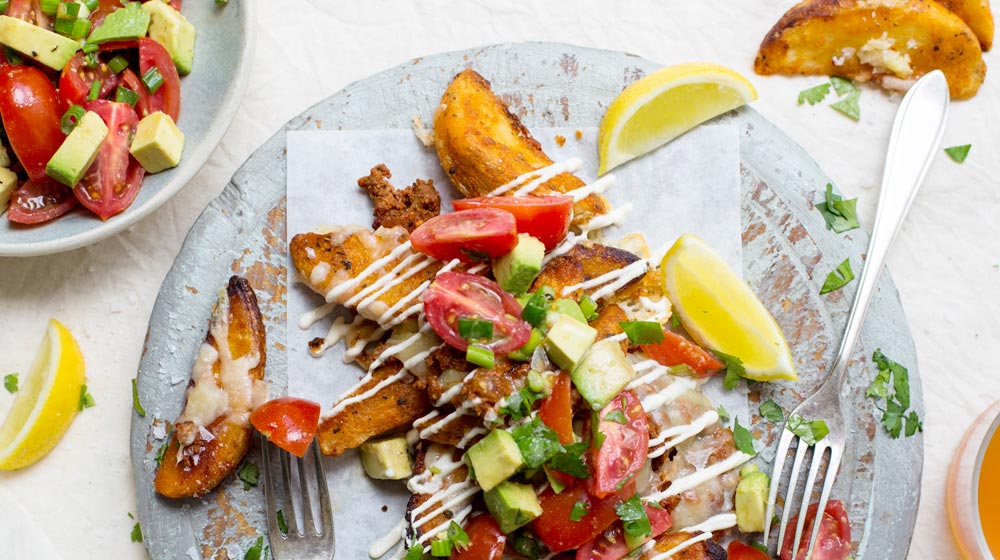
Loaded Mexican Potato Wedges

If you’re looking for a quick, easy and filling meal with a little Mexican flair, then look no further. We’ve used the latest addition to the Findus range – Paprika and Basil Potato Wedges to create this tasty recipe of Loaded Mexican Potato Wedges. It’s really simple, all you need to do is pop the wedges in the oven, while they cook, you can prepare the toppings.

Once the wedges are golden brown and crispy you can load them up with all the tasty toppings and grill to perfection. It’s the kind of dish that you can put in the centre of a table of hungry friends and everyone can just dig in. Great for sharing and really easy to put together. Oh, and did we mention, utterly delicious. Time to plan your next fiesta!

Loaded Mexican Potato Wedges

RECIPE FOR LOADED MEXICAN POTATO WEDGES

Serves: 6
Difficulty: easy
Preparation time: 25 minutes
Cooking time: 40 minutes

POTATO WEDGES

2 x 500g Findus Paprika and Basil Potato Wedges

BEEF MINCE

2 tsp (10 ml) olive oil
1 (roughly 140 g) red onion, finely chopped
450 g beef mince
2 tsp (10 ml) garlic, finely chopped
1 (4 g) green chilli, finely chopped
2 tsp (10 ml) ground coriander
1 tsp (5 ml) dried origanum
¾ C (180 ml / 240 g) tomato purée
½ tsp (2.5 ml) salt
1½ C (375 ml / 100 g) white cheddar, grated

SALSA

2 C (500 ml) cocktail tomatoes, quartered
1 C (250 ml) avocado, diced
2 (40 g) spring onions, finely chopped
2 tsp (10 ml) lemon juice
salt and pepper

TO SERVE

1 C (250 ml) sour cream, to serve
handful finely chopped coriander, to serve
3 lemons cut into wedges, to serve

METHOD FOR LOADED MEXICAN POTATO WEDGES

POTATO WEDGES

Preheat the oven to 200 °C. Arrange the wedges on a lined baking tray and bake until golden and crisp, approximately 15-20 minutes. Turn the potato wedges halfway through the cooking process. Keep the oven on.

BEEF MINCE

Heat the olive oil in a saucepan over medium heat. Add the onions and sauté for 2 minutes. Stir in the beef mince, garlic and chillies and sauté for a further 2 minutes. Add the coriander, origanum, tomato purée and salt and fry, 10 minutes.

Spoon the mince mixture over the potato wedges and sprinkle the cheese on top. Return it to the oven and allow the cheese to melt for 2-3 minutes.

SALSA

For the salsa, stir everything together and season to taste.

TO SERVE

Drizzle the sour cream over the wedges and top with some of the salsa. Garnish with chopped coriander. Serve the wedges with the remaining sour cream, salsa and lemon wedges on the side.

Tip: Pour the sour cream into a squeezy bottle to easily drizzle it over the wedges. The sour cream can also just be spooned over the wedges.

Loaded Mexican Potato Wedges

Recipe, Photography and styling by Illanique van Aswegen

findusfoods.co.za

A DIY Juicing Cleanse Detox Diet: How Two Foodies Fared

Juice cleanses are all the rage, and for good reason, if you’re looking for a great detox diet, juicing can help shift those lingering nasties in your body. Trouble is, they can be pretty pricey, as someone has made all those juices for you. We here at Crush aren’t scared of many things, but not eating is something we are truly terrified of. But, we created our own DIY juice cleanse with recipes and a shopping list. The following is what happens when food people stop eating for three days.


Our Detox Diet Guinea Pigs

EMMA – Production Assistant, 6-cups-of-coffee-a-day kinda gal, worships carbs and wine.

When we were brainstorming ideas for the next few months I was super keen on the idea of a DIY juice cleanse. It’s something that I’ve always wanted to give a go but had always thought the store bought kits were a bit out of my price range. So, I volunteered for the juice cleanse detox diet, in a Hunger Games fashion. It was only when I realised what I’d be giving up (coffee, wine, smokes, chewing!) did I start to have reservations. I like… nay, love to eat and expected that I would feel weak.

JESS – Food Writer, trained chef and lover of butter, croissants and negronis.

I’ve always wanted to do a juice cleanse, it seemed like the Cape Town thing to do but I refused to pay those ridiculous prices and still be hungry. So, when we decided on this article, I was keen but also a little worried I would be hungry and, that as a result, I would either give in really soon or just get nothing done as I wallowed in self-pity.


What You Knew About Juicing Before Going on the Challenge

Emma: Basically, I was under the impression that as long as it was a liquid, it was okay (so coffee and wine would be allowed right?) This was definitely not the case.

Jess: Nothing, except that day two would have me curled up into the foetal position, crying for my mother.


The Juicing Detox Diet Diary: Day 1

Emma: Off to a great start, instead of coffee, this morning I had hot water, unfiltered apple cider vinegar, lemon juice and a dash of cayenne pepper. Not bad.

At work, I make my two morning drinks for 09h00 and 12h00. The real challenge was when everybody in the office was making their lunch (we also had a Koeksister recipe shoot, which didn’t help).

By 16h00 I am so grumpy I want to throw my MacBook at my editor. I go for a walk instead. When I eventually get home, I am so exhausted that I fall into the couch, flip through Instagram and promptly pass out!

Jess: Yeah! So pumped! Juice cleanse! I come back from yoga (and score extra smug points for that) and make myself the hot water and lemon while I shower and get ready. When it comes times to my first breakfast drink, I wasn’t too hungry so it was actually quite pleasant.

I sit down for work and feel surprisingly full until just before midday, where I enjoy the delicious pineapple-y drink. By the time the lunch juice came around, I was feeling good and not hungry at all, so happily powered through all these drinks.

The first one that I struggled with was the beetroot late afternoon juice, where it was a little sweet for me. I had a late afternoon meeting where I had herbal tea and came home to a green juice (fine) and my dessert ‘treat’ of a homemade almond milk with cinnamon. I felt good at the end of day one and even thought that I would make the almond milk drink a thing in my nighttime routine.

Detox diet 4x6

The Juicing Detox Diet Diary: Day 2

Emma: Feeling super revitalised, I have a feeling that that has more to do with having 12 hours sleep than the juicing. But, this is short lived as lunch time approaches and I want to eat everybody’s food. Instead, again, I go for a walk. As I exit the building I am greeted by second-hand smoke, I inhale deeply.

By mid-afternoon I’m not nearly as grumpy as yesterday (still grumpy though) and consider going for a run. It’s the thought that counts.

Jess: Wake up to a headache and a grumbly tummy. My first thought is that I’m so weak I can’t possibly go to yoga, but then the promise of smugness overrides that and I make it to my class. I know the headaches are part of my body’s detox so I make sure to drink lots of water after class. I follow the same process of juices, slightly less enthused than the day before. I’ve never really been one to eat the same thing over and over, so drinking the same thing is a little dull.

Once I’ve got my two morning drinks out of the way, I found that I felt really flat and it was hard to motivate myself to work. I was also starting to feel hungry, so I chased each juice down with a mug of herbal tea (ginger and lemon were my favourites).

I somehow got through this flat day and made it to ‘dinner’, which was fine, because it’s a clean green juice, but the almond milk was not as enticing as it was previously. The appeal had definitely worn off. I slukked it back and got into bed, looking forward to the last day of this juicing hell.

Detox diet 4x6

The Juicing Detox Diet Diary: Day 3

Emma: The final day, YAY! I can do this! My tummy is so flat if I look really hard I can see the muscle beneath the fat. My body has definitely gotten used to not eating, but my mind still sees pizza walking around the office. I am also starting to have juice fatigue, the thought of cleaning that machine again is draining me, so much effort –  all for a juice.

But I power on till my last almond milk dessert at 20h00 (I will be making that again). By 20h30 I have a glass of wine (I mean technically the cleanse was done!).

Jess: I spring out of bed, purely because it’s the last day and I’m closer to being able to chew food again. My overall thoughts on the last day were ‘bleh, another juice?’. Texturally, it was so boring and I found it so hard to finish my juices, almost as if I was at saturation point. But, I managed to make it through the day, getting through all the juices until the beetroot one. I couldn’t face this a third time, so I skipped it and actually found that I wasn’t hungry at all until much later in the evening.

I had my dinner juice, nixed the almond milk (I am certainly not making that a part of my nighttime routine) and went to bed feeling surprisingly good.

Final Thoughts on Juicing as a Detox Diet

Emma: One of my main concerns about juicing was losing all the fibre in the fruit and constantly being hungry. Hunger and fatigue were a big downer but if you looking for a flatter stomach for one day then it’s definitely worth it!

Jess: I felt good and lighter by the end of it, I also lost a couple of kilos that I could have kept off if I hadn’t immediately returned to eating croissants and French fries. It was easier than I thought in terms of hunger – I definitely didn’t starve as I initially thought I would – but I just got really bored.

I enjoy cooking for myself, so not being able to do that was actually the hardest part. All in all, I reckon I would do another DIY cleanse at home if I felt I needed a push for health and wellness.

Tips for A DIY Juice Cleanse

  • On a juice cleanse you’re looking to drink a juice that measures roughly between 400 and 500 ml.
  • Start every morning with a mug of hot water and lemon.
  • Remember to stay hydrated, drink lots of water. No coffee allowed!
  • If you get to a point where you feel faint, light-headed or like you want to give up, eat one of the ingredients of your juices (for example, leave out one carrot and eat that or an apple)
  • You can switch the mid-afternoon and early evening drink, but don’t switch any of the others.
Detox diet - lemon and ginger water
Detox diet 4x6

DETOX DIET RECIPES

Morning Juice – Apple, Cucumber, Grapefruit (before 09h00)

2 x apples, cored
3 handfuls x kale/spinach
½ a cucumber
½ a grapefruit, peeled

Makes about 400ml

Mid-morning Juice – Pineapple, Apple, Mint (11h00)

½ pineapple, peeled
1 apple, cored
mint, to taste
½ C (125 ml) coconut water
½ lemon, peeled

Lunch Juice – Orange, Lemon, Ginger (between 13h00-1400)

1 orange, peeled (might need a ½ more)
½ lemon, peeled
small piece of ginger
2 tsp, turmeric
½ C (125 ml) water, if you think it’s too strong

(if you leave out the water, this one doesn’t quite make the 400 ml mark. You may just need your mid-afternoon juice slightly earlier if you feel hungry).

Mid-afternoon Juice – Beetroot, Apple, Carrot (15h00)

3 small beetroot, washed very well (no need to peel)
1 green apple, cored
3 carrots, washed very well
small piece of ginger

** This juice is pretty sweet, you could probably go down to 2 small beetroot and maybe add a good splash of water.

Evening Juice – Cucumber, Lemon, Pineapple (17h00-18h00)

½ cucumber
½ lemon
small handful of basil
1 apple, cored
½ pineapple

Late Evening Drink –  (20h00)

150 g soaked almonds (soak overnight at least)
1 C (250 ml) water
pinch of cinnamon
small splash of real vanilla extract (not essence!)
pinch of sea salt
honey, if necessary but only a drop

**strain the soaked almonds, then juice, following with the cup of water.


Recommended Teas While Juicing or doing a Detox Diet

Green tea
Peppermint
Ginger (especially if you begin to feel nauseous)


Shopping List for a Detox Diet 3 Day Juice Cleanse

15 apples
3 cucumbers
2 large bags of spinach
3 grapefruit
3 pineapples
ginger root
1 pack of mint
1 ½ c coconut water
3 lemons, plus extras for hot lemon water
3 oranges
9 small beetroot
9 carrots
1 pack of basil
450 g almonds
vanilla extract
cinnamon
honey, optional
fresh turmeric (if you can find it)

For more delicious recipe inspiration subscribe to the Findus newsletter.

Best Parks in Cape Town and What to Do When You’re There

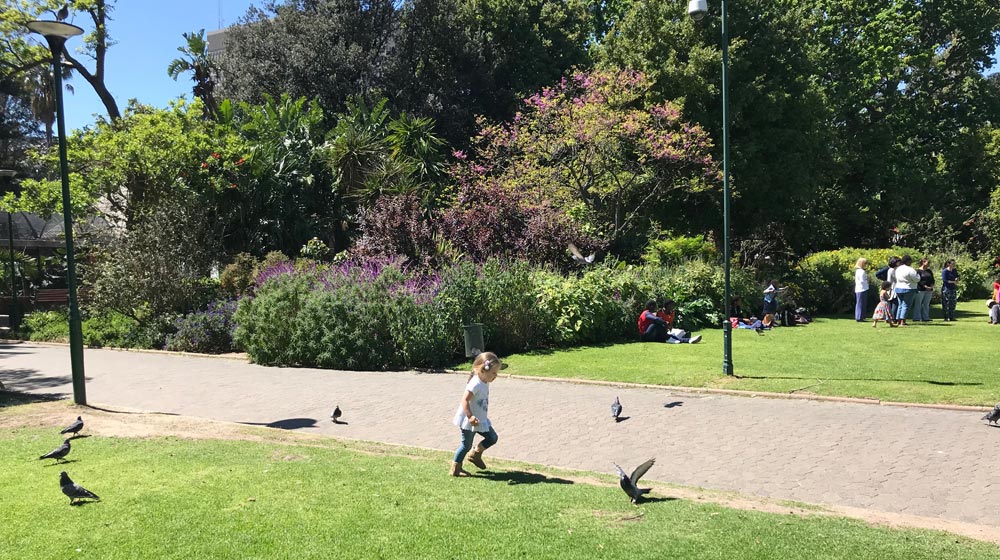
We truly are blessed in Cape Town, between the ocean, the mountain and the Winelands, there really are some breathtaking outdoors for us to enjoy. But, just in case the mountain is too far or the sea is too wild, we’re rather lucky that our parks and public spaces are quite something too. So, whether you’re looking for a spot to run, walk the dog or take the kids, here are our picks of the best parks in Cape Town.

The Best Parks in Cape Town

Arderne Gardens

Recognised as a backdrop for many a wedding photo, Arderne Gardens is one of the best parks in Cape Town and is truly beautiful. It’s also one of the oldest parks in Cape Town, along with being one of the most lovely. There’s something for everyone to enjoy too, be it the glorious flowers, the arboretum or just watching the passing parade of families and fowl.

Best for: a romantic stroll.
Good to know: often used for wedding pics.
Location: Main Street, Claremont.
Times: Monday – Sunday: 08h00 – 18h00.

Parks in Cape Town 1x5


Choo Choo Park, Claremont

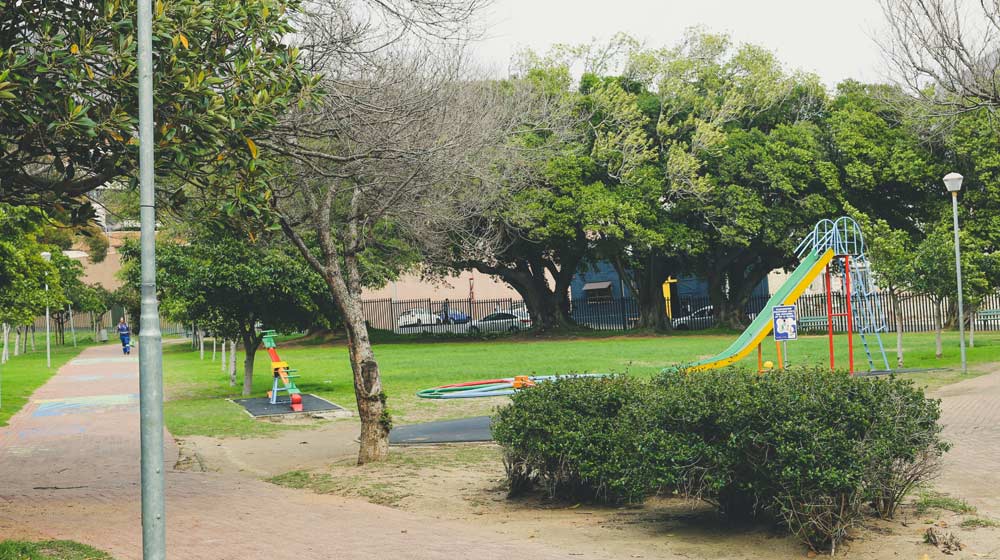
The Choo Choo Park, as the name suggests, is a safe and enclosed park for kiddies. There is a selection of well-maintained jungle gyms, swings and of course, its namesake, part of a choo-choo train that kids can play on and live out their conductor dreams.

Best for: kids to play.
Good to know: enclosed and safe
Location: Belvedere Road, Claremont
Times: 07h00-19h00 (April -Sept) 07h00-20h30 (Oct-March)

Best-Parks-in-Cape-Town


De Waal Park, Gardens

If your hound is socialised and good off the lead, then there is no better spot than De Waal Park to let him or her run wild. The park is large enough for you to stroll while your dogs run about with you. The large fountain also makes for a great way to cool off in the summer heat. If you’re also trying to tire out your human babies, there’s a jungle gym too, so everyone can play to their heart’s content. If you’re a CBD-dwelling Capetonian you’ll know this as one of the best parks in Cape Town for a stroll and a dog walk.

Location: Cnr Upper Orange and Camp Street, Oranjezicht.
Best for: dog walking.
Good to know: free concerts are offered in the park in summer.
Times: Monday – Sunday: 08h00 – 18h00.

Parks in Cape Town 1x5


Durbanville Rose Garden, Durbanville

This small park packs a punch, considering it’s home to 500 varieties of rose bushes. Best way to enjoy these roses is while enjoying a light refreshment in the Tea Room on Sundays.

Best for: the rose aficionado.
Good to know: it’s maintained by dedicated volunteers.
Location: Durban Road, Durbanville.
Times: Monday – Sunday: 08h00 – 18h00.


Green Point Urban Park, Green Point

It’s difficult to say what the best part of the Green Point Urban Park is as it offers everything from a biodiversity garden to an exercise green belt. But, if you’re looking to enjoy a long walk in the park and then a cup of something refreshing afterwards, then this is the park for you. The Tea in The Park Café is serving up some of the best cakes and sandwiches around, close enough to the action so you can fill up and keep an eye on the kids too. Truly one of the most spectacular and most educational parks in Cape Town.

Best for: pretty much everything but we love that you can get a great cuppa and a slice of cake.
Good to know: has great, enclosed play areas and gorgeous water features.
Location: 1 Fritz Sonnenburg Rd, Green Point.
Times: Monday – Sunday: 07h00 – 19h00.

Parks in Cape Town 1x5


Keurboom Park, Rondebosch

Keurboom park is a magnificent greenbelt that is looked after and maintained by the Keurboom Park Association. Part of the reason for the park is to provide an environment to protect Keurboom trees and as such you will see several of them in the park. It is a great place to walk your dog and they are allowed off leash except for in the enclosed kid’s play area.

Best for: walking your dog and safe for kids to play.
Good to know: the park is looked after by volunteers and you can donate to its upkeep.
Location Squirrels Way, Rondebosch.
Times: open 24-hours.

Best-Parks-in-Cape-Town


Maynardville Park, Wynberg

Maynardville has become known for its open-air movie screenings, so you can guarantee that it’s one part suited to picnics. Its vast healthy lawns are perfect for laying down a blanket and whiling away a couple of hours.

Best for: picnics and a bit of theatre.
Good to know: is also a venue for open-air theatre performances.
Location: Cnr Church and Wolfe Street, Wynberg.
Times: Monday – Sunday: 08h00 – 18h00.

Parks in Cape Town 1x5


Mouille Point Park

The Mouille Point ark is definitely one for the kids. It’s not enclosed but has loads for kids to do. From a few great and differing jungle gyms to a full mini racetrack to ride on – so be sure to bring toddler’s bikes along with. There are benches for parents, and if kids tire of the park there is the Blue Choo Choo train next door and Putt-Putt just a few steps up the road. The views of the sea are really lovely from the park.

Best for: entertaining kids.
Good to know: take bikes for toddlers and pack sunscreen.
Location: Beach Road, Mouille Point, right next to the lighthouse.
Times: 24-hours a day every day.

best parks in cape town - mouille point park


Rondebosch Park, Rondebosch

If you’re more suited to a flat running terrain (hey, us too!) then this is the park for you. Nestled in the leafy Rondebosch suburb, you have a generous expanse of flat, tree-lined grass to stroll, jog or sprint along.

Best for: wide open running spaces.
Good to know: has a play area for kids.
Location: Cnr Campground and Sandown Road.
Times: Monday – Sunday: 08h00 – 18h00.

Parks in Cape Town 1x5


The Company’s Gardens, CBD

The Company’s garden almost needs no introduction. It’s the oldest garden in South Africa, having been established in 1650 by the first European settlers. This garden is steeped in local culture and is frequented by people working in the area who come through to enjoy their lunch. Along with the rose garden, historical statues and an aviary, it also features many indigenous trees and plants with huge botanical importance.

Best for: immersing yourself in history and feeding tame squirrels.
Good to know: buy a bag of nuts for R5 to feed squirrels or grab a bite at the Company’s Garden Restaurant.
Location: 15 Queen Victoria Street, Cape Town.
Times: Monday – Sunday: 07h00 – 17h00.

Company-Gardens


Trafalgar Park, Woodstock

Offering respite from the Woodstock hustle. Trafalgar Park is a place where families and locals come for a breath of fresh air. Aside from the jungle gyms and well-maintained lawns, there is also the remains of a French fort dating back to the 18th century. Because of this, the park has been named a UNESCO heritage site.

Best for: pausing and refreshing and spending time with family.
Good to know: interesting heritage artefacts still exist in the park.
Location: Cnr Victoria Rd and Searle Street, Woodstock
Times: Monday – Sunday: 08h00 – 18h00.

Parks in Cape Town 1x5


Wynberg Park, Wynberg

A massive 22-ha greenbelt that runs through the heart of Wynberg. It has an amazing and well-known conifer garden where you can admire these plants in abundance. There is a kids playground and a duck pond that littlies will love – bring some bread to feed them for a little fun. This is the starting point of the Krakeelwater spring, hence the name of the nearby Springfield Convent. The park was previously known as King Edward Park, and if you take a walk up towards Trovato link you will see a plaque that commemorates the coronation of King Edward VII on the 9th August 1902. The land for Wynberg Park (previously King Edward Park), was obtained by William Horne, a Wynberg resident and William Morom, a councillor of the Wynberg Municipality way back in the 1890s.

Best for: braais and long, leisurely walks.
Good to know: there are built-in braai areas.
Location: Wynberg, Cape Town
Times: Summer: 08h00–19h00 Winter: 08h00–18h00

Best-Parks-in-Cape-Town


Zandvlei Recreational Park, Muizenberg

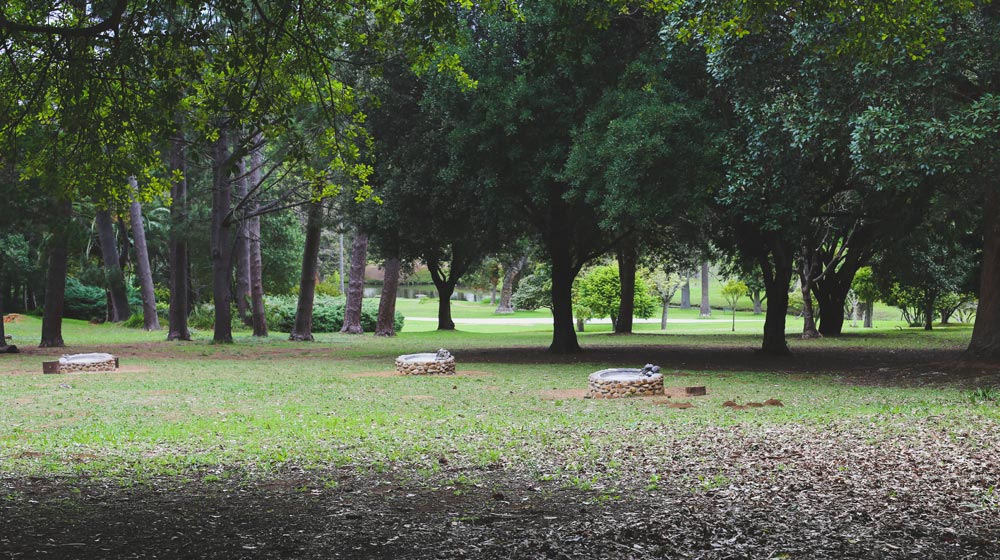
This massive park will keep everyone in the family occupied. It’s an open water wetland, river system and estuary and can host a number of recreational activities that such as canoeing, sailing and windsurfing. There are also fully equipped braai spots so you can set up for the day and keep the whole family well fed.

Best for: all of the sports
Good to know: you can braai!
Location: Promenade Road, Muizenberg
Times: Monday – Sunday: 08h00 – 18h00

Crispy Croquette Eggs Benedict

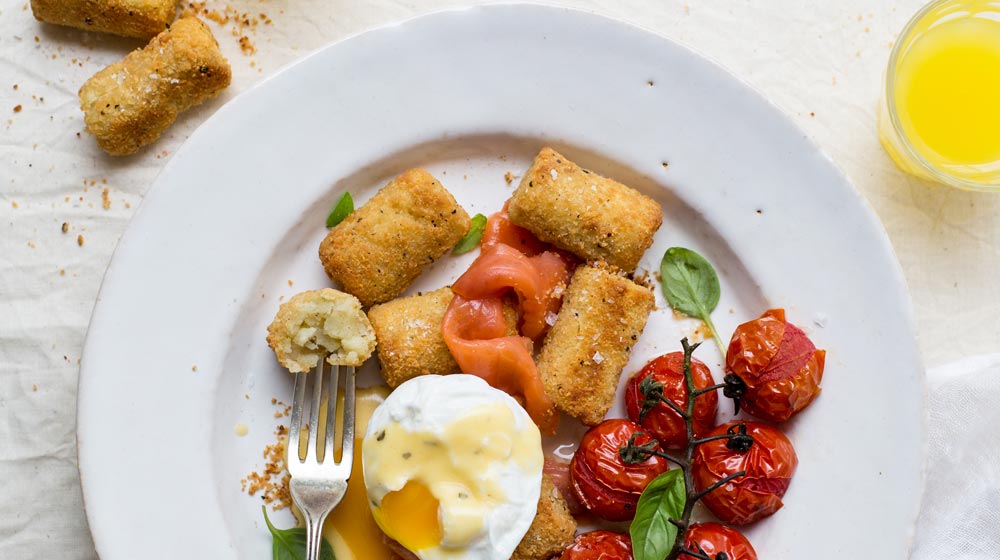
Eggs Benedict is a delicious way to start your day, and we’ve found a way to make it even tastier! These new Findus Sea Salt and Black Pepper Potato Croquettes make a wonderful base for your next eggs Benedict brekkie. In fact, they are the perfect substitute an English muffin in classic eggs Benedicts or switch out your toast in any breakfast and have croquettes instead. They’re crispy and crunchy on the outside and fluffy on the inside – delicious.

Croquette Eggs Benedict

RECIPE FOR CRISPY CROQUETTE EGGS BENEDICT

Serves: 4
Difficulty: easy
Preparation time: 20 minutes
Cooking time: 40 minutes

CROQUETTES

500 g Findus Sea Salt and Black Pepper Croquettes

VINE TOMATOES

700 g vine tomatoes
1 Tbsp (15 ml) olive oil
1 tsp (5 ml) garlic, finely chopped
salt and pepper

POACHED EGGS

4-8 large eggs
¼ C (60 ml) white spirit vinegar

HOLLANDAISE SAUCE

1 large egg yolk
1 Tbsp (15 ml) white wine vinegar
1 tsp (5 ml) Dijon mustard
200 g unsalted butter, melted
½ tsp (2.5 ml) dried tarragon

TO SERVE

160 g trout ribbons
handful basil leaves

METHOD FOR CRISPY CROQUETTE EGGS BENEDICT

CROQUETTES

Preheat the oven to 180 °C.

Arrange the Findus Sea Salt and Black Pepper Croquettes on a lined baking tray and bake until golden and crisp – 20-25 minutes. Turn the croquettes halfway through the cooking process to ensure that they are evenly golden brown and crispy.

VINE TOMATOES

Toss the tomatoes with the olive oil and chopped garlic. Place on a baking tray and roast at 180 °C for 15-20 minutes until tender. Season with salt and pepper.

POACHED EGGS

Bring a pot of water up to a gentle simmer. Stir in the spirit vinegar. Gently crack an egg individually into a teacup and then gently slide it into the simmering acidulated water. Allow it to simmer for 2-3 minutes for a soft poached egg.

Use a slotted spoon to transfer each one to a plate lined with paper towel. Repeat with the rest of the eggs. Cook 2-3 eggs at a time to prevent the pot from being overcrowded.

HOLLANDAISE SAUCE

Combine the egg yolk, white wine vinegar and mustard in a food processor and blend until smooth. Keep the motor running while pouring in the butter in a slow, steady stream. Once the sauce has thickened add the tarragon and mix to combine. Season with salt and pepper.

TO SERVE

Divide the croquettes between the serving plates. Add the tomatoes, the trout ribbons and poached eggs on top. Top the eggs with the Hollandaise sauce and serve the rest on the side. Garnish with basil leaves.

Tip: If preferred, the trout ribbons can be replaced with grilled streaky bacon for a meaty alternative or with sautéed spinach for a vegetarian alternative.

Tip: The Hollandaise sauce can also be made without a food processor. Simply whisk the egg yolk, mustard and vinegar together in a large mixing bowl. Pour the melted butter in in a slow steady stream while continually whisking in order to emulsify. Whisk in the tarragon and season to taste.

crispy croquette eggs benedict

Recipe, Photography and styling by Illanique van Aswegen

findusfoods.co.za

Extreme Open Water and Oceans Seven Swimmer Toni Enderli

For most of us, swimming is a fun past time, something we do during the holidays or down at the beach to cool off, but for extreme open water swimmer, Toni Enderli, it’s so much more. Toni is attempting to be one of only a handful of people (6 ever to be exact!) that have completed the Ocean’s Seven challenge and currently he is in training for his fourth swim out of the seven.

WHAT IS OCEAN’S SEVEN?

Ocean’s Seven is a gruelling and extreme open water swimming challenge that sees competitors swimming the following channels – the North Channel, the Cook Strait, the Molokai Channel, the English Channel, the Catalina Channel, the Tsugaru Strait and the Strait of Gibraltar. There are a multitude of challenges unique to each swim –  temperature fluctuations (from tropical temperatures to just a few degrees) to currents, curious sea creatures and more. Swimmers may not touch anything (like a boat or flotation device of any sort during the time) and, dependent on speed and conditions, swimmers can be in the water for up to 20 hours or more!

TONI ENDERLI’S SWIMS

So far, Tony Enderli has completed the Straits of Gibraltar, the English Channel and most recently the Molokai Channel (Hawaii) and he has his sights set on swimming the Cook Strait (NZ) in February next year. It’s not as simple as just training and heading off to complete the swim though, it takes an immense amount of planning (sometimes swim bookings are waitlisted for 2 years) and even then it’s largely dependent on Mother Nature. You could arrive guns blazing, ready to swim, but the conditions are not right. The window for each swim is small and most often it is a culmination of a bunch of different factors that all need to sync in order for a swim to happen.

The thought of spending more than 20 hours swimming in the open ocean is utterly staggering and beyond physical strength is a mental game of the toughest degree. We chatted to the incredibly inspiring Toni Enderli to find out exactly how he does the seemingly impossible.

Toni Enderli

WHO IS TONI ENDERLI?

I’m a normal guy from Blouberg with two gorgeous kids and a wife who supports me dearly. If it wasn’t for that I wouldn’t be able to do what I do. I still have to earn a living because I don’t have financial sponsorship – I’m my own sponsor, so I am also involved in property development.

HAVE YOU ALWAYS BEEN A SWIMMER?

I started swimming when I was in primary school but I never really swam after that. I basically started extreme swimming nine years ago. One of my friends said let’s do something to get fit – he looked at Robben Island and said let’s do the Robben Island challenge. I thought it would be impossible.

We ended up training for it and six months later we achieved our goal. We raised a bit of money for the NSRI and basically the bug bit. That’s when I really got into the swimming community and that swim led to other swims – ice swimming and further Robben islands.

CAN YOU TELL US A BIT ABOUT YOUR JOURNEY FROM YOUR FIRST SWIM AND WHAT LED YOU TO LOOK AT COMPLETING OCEAN’S SEVEN?

Each Robben Island swim was extremely difficult – the guys that helped me with my first swim are South Africa’s top open water swimmers, Ryan Stramrood and Kieron Palframan. Basically, after about two years of these local swims, the guys came up with a goal of doing an intercontinental swim from Tarifa, Spain to Morocco, Africa. At the time I said to them, “Are you nuts? I didn’t even know you could do that. You know, there are ferries for trips like that?”. It was an 18-kilometre swim that took place in September of 2010 and we trained for a year for that. We did it to raise money for a programme that teaches disadvantaged children how to swim.

Again, I said that it wasn’t possible, but we swam it and it was one of the toughest things I have ever done – it really opened up my mind. I really didn’t think that completing the Robben Island swim was possible and then there we were, swimming the Strait of Gibraltar.

That then led into the Everest of the swims, which was the English Channel – it was my next goal. Leading up to that swim were a number of other big swims – swimming around Cape Town, swimming Cape Point, double Robben Island, a double Alcatraz in San Francisco – these were all swims that led up to and were part of the training for the English Channel swim.

In 2013 I attempted but failed the English Channel swim. It was really cold – it was the beginning of the season and the conditions weren’t right. There was a famous swimmer that actually passed away on the same day as my swim. Her team just pushed her too hard. During the swim, after nine hours, I got into a dangerous place of hyperthermia and my team made the call to pull me out of the swim, which was the right decision. I learned a lot about the ocean and what can go wrong – that basically brought me back to booking again for 2015.

So, it took me another two years to train for that and it led to a lot of time in the pool, doing things differently, getting a core trainer on board and really throwing everything at it in terms of fitness.

In 2015, I attempted the English Channel swim again and eventually I completed it in just under 15 hours. After the English Channel in 2015, I needed a new goal, I was really loving the training, the community and everything that goes with it and that was when I started researching Ocean’s Seven.

Only six people have ever done Ocean’s Seven, no South African or African has done it. I thought, this is something I can do, I can train and I can link it to great causes. That was really the initiation of the Ocean’s Seven challenge.

This year I completed the Molokai swim in Hawaii. Having starting swimming nine years ago and now having reached this point is still mind-blowing. From a Robben Island swim, which I didn’t think was possible, to now having completed swimming three of the toughest oceans in the world, I am now en route to complete Ocean’s Seven. It is really surreal.

WHAT GOES THROUGH YOUR MIND BEFORE YOU GET IN THE WATER?

My mindset is crucial. It really starts with positive thoughts a week before my swim. I try and focus on why I am doing it, which for me is the really important part. It’s not something I’m doing for myself, it’s not a pat on the back, I’m doing it to raise awareness and to raise funds for good causes. The other biggest ‘why’ – is to leave a legacy for my kids and to teach them that if you’ve got a dream go for it, there are going to be some tough spots but don’t ever give up.

Leading up to the swim I make sure that I’ve only got positive thoughts in my mind. I actually put a memory map together and plan when in the swim I’m going to think about my family, when I’m going to think about work, friends, about life. I think about strategies over the next year, five years and so on and try to take my mind away from swimming.
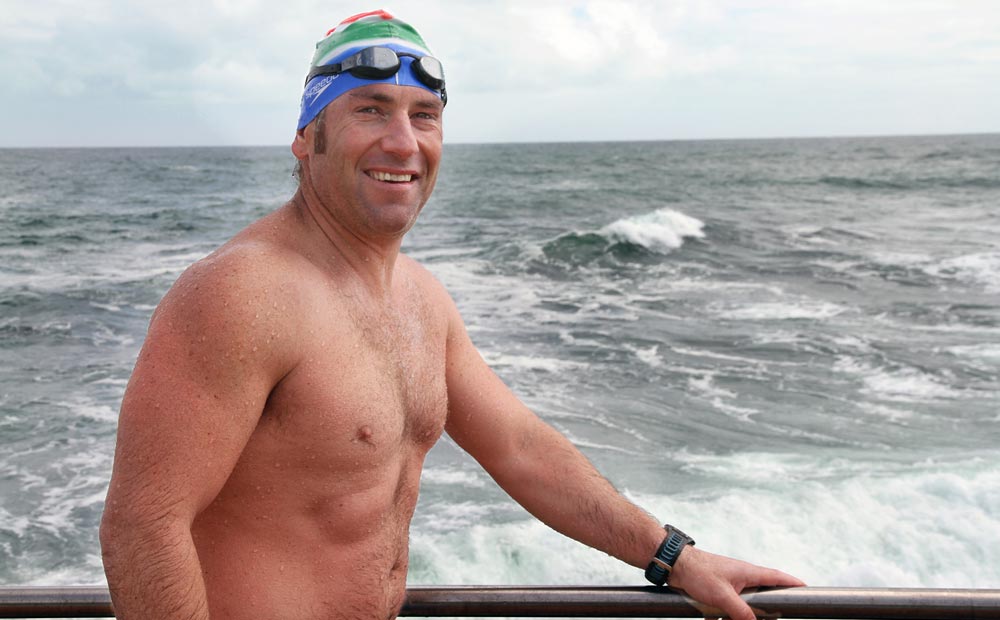
Toni Enderli

CAN YOU TELL US ABOUT YOUR MOLOKAI SWIM AND THE INFAMOUS LEDGE?

Molokai was different to swims I had done before. Generally, with the cold water swims, you push through the cold and it eats your energy up. Molokai was different because the water was amazing, it was beautiful, it was tropical, it was paradise.

In the morning my team had said we were doing really well; normally I don’t want to know how far I’ve got to go and with this one I made a mistake and asked how far I was. A paddler told me that we had 10 km to go and I that was on thirteen and a half hours. I thought, well I’ve got the ledge, I’m probably going to be there for about 2 hours, so I’ll be in at 16 hours maximum. I was already celebrating, I thought “I’ve got this in the bag,”. Little did I know how tough that ledge was going to be. I only had myself to blame though because I asked and I shouldn’t have.

Basically, that ledge is the result of two volcanic islands. I left Molokai, which is one of the volcanic islands and the water is 750 meters deep, so you’re in the deep, deep ocean. As you come to the other island the volcanic ledge starts coming up at 750, 749 meters and so on. As the water comes from the island side it shoots against that ledge and shoots up like an underwater waterfall – you’re basically swimming uphill against this water feature.

There’s this loud noise in the ocean where the volcanic rocks are rolling over and under each other. It sounded like a live monster breathing down your neck and there were huge bubbles coming up from the depths. It’s the only way I can explain it – like it was living. Hearing that noise for seven hours was one of the most distressing things I’ve ever experienced in my life.

It was an incredibly tough swim. It was hot because I was in the sun for a good 6/7 hours and we weren’t getting closer, I had no more energy left and I was at my lowest point after a few hours at that ledge.

The crew told me that I was going to have to dig deeper than I’d ever had to but that they believed in me. At that point, I decided to do ten hard strokes and then ten soft strokes. I could actually feel the blood in my chest, that’s how hard I was pushing. Eventually, we started to get got through and we got to the second ledge (there are two ledges). I just carried on pushing and thought “It’s not over until I’m on that beach”. I was frustrated and irritated –I was beside myself and was not in a good space.

It the most humbling experience; giving it an hour, moving backwards, giving it another hard hour and I still literally hadn’t moved. I had to do that over and over. It was over 20.5 hours in the end.

TONI ENDERLI’S OCEAN’S SEVEN SWIM MAP

Toni-Enderli-Oceans-Seven-Map

IS THERE EVER A POINT WHERE YOUR BODY SIMPLY WON’T COOPERATE ANYMORE?

At the 17-hour mark during Molokai I had pushed my body to it’s fullest; my shoulders were cramping, my arms felt like they were falling off. Basically, your mind says that you can’t do it because your body is sore. But you have to go stroke for stroke and you have to cut that out of your mind and get into the zone again. It’s sore but you have to keep moving forward.

I think the threshold that we sell to ourselves is less than what we can actually achieve. We think we can’t do it but we underestimate ourselves. I think we all only live on a percentage of our potential.

At that point you are what you are what your mind is telling you; if you just carry on moving forward, you can carry on pushing through.

DOES YOUR MIND WANDER WHEN YOU ARE SWIMMING? IT MUST BE VERY HARD TO FOCUS FOR THAT LENGTH OF TIME.

That’s one of the things that I love about the water – when you’re in it, you are in the zone, it’s only you and your mind. It’s not like running or cycling where you can hear traffic noise, or you can talk or stop. But yes your mind does definitely wander.

After an hour, two or three when you’re not comfortable anymore and that tropical water is not so nice anymore, your mind starts playing tricks on you. You get hit with a couple jellyfish and things feel terrible. You’re sore, your body is aching but you need to get into a positive mindset. That’s when I try to think about everything that’s positive in my life – my kids, my family, projects I’m busy with. I go back to my mind map. That’s my reboot button, then I go “Ok, you’re doing this for a better cause”. My kids are there to support me and my wife is there, my friends are there – those thoughts reboot me.

HOW DO YOU STAY MOTIVATED WHEN YOU FEEL LIKE GIVING UP?

On every swim I make sure that I have a whiteboard on the crew boat. The crew put up messages from followers on Facebook, as well as WhatsApp messages. When I’ve got nothing in the tank that whiteboard comes out and it fuels me.

For Molokai, I was on the ledge for seven hours; at sixteen hours I wanted to give up, I was done. I was stuck in the same spot for three hours and my eldest son, Tristan (9) said: “Dad don’t give up, you can do it”. I remember thinking, “What am I moaning about?” It just fuelled me. Then I had messages from my folks and my wife, from friends and swimming mates. They said “You’ve got this, stroke for stroke,” and that helped me, knowing that I’m not alone.

DO YOU GET LONELY OUT THERE?

You definitely do, especially during the low moments. It’s nerve-wracking as all hell; you know that you have this massive swim ahead of you and there are sharks and all sorts of other things. At the beginning it’s fun, it’s exciting and all those positive emotions but as it gets dark that fun stops. All of a sudden you’re in the pitch black, you’re in the middle of the ocean with the currents and waves and the “Why am I doing this?” thoughts creep in.

When your energy is low and there’s nothing left in the tank you can get delirious. I’ve actually cursed at my team – told them they were lying to me during the Molokai swim because we hadn’t got any further (when I was stuck on the ledge).

You definitely have those moments but then you have to bring yourself back to your “why?” and just focus. When I’m at my loneliest the whiteboard comes out and gets me right.

CAN YOU TELL US WHAT AND HOW YOU EAT AND DRINK OUT THERE?

In open water swimming you’re not allowed to touch the boat, paddlers are not allowed touch you either or else your swim is over. So basically, I’ve got Andrew who is my head of safety on the crew boat and he makes sure that I get all my feeds.

Different strategies apply to warm and cold water swims. In warmer water you’re going to dehydrate quicker, so you need to make sure you have 350 ml of fluid every 30-40 minutes. You also can’t just have one squeeze, you have to make sure that you complete it. For Molokai, I’d stop every forty minutes, the boat would throw a bottle linked to a string with my fluids and for the first three hours I took in a lot of fluids.

Then for the next three hours, the team would throw in a protein shake or tinned peaches, which come in a little plastic cup with a lip on and I can actually just drink it.  I keep that strategy for about 10-12 hours; there could also be some banana, an energy bar etc. Right at the end of a swim that increases to every 15 mins just to fuel me up for the last push. I then take on sugar in the form of Coke, chocolates like Bar One etc to give me a little boost at the end.

ARE YOU STOPPING AND TREADING WATER WHEN YOU DO THAT?

Correct. You tread water for 20 seconds, consume and then get going. You can’t stop for a for a few minutes because you might cramp up or you might lose focus. For me, it is stop, take the liquids in and get going again as quickly as possible. Towards the end of a big swim that does tend to lag a bit though. When I was in that current swimming Molokai if I stopped for a minute I would go backwards because of the current – it was horrific. You just want to get your feet down and get going.
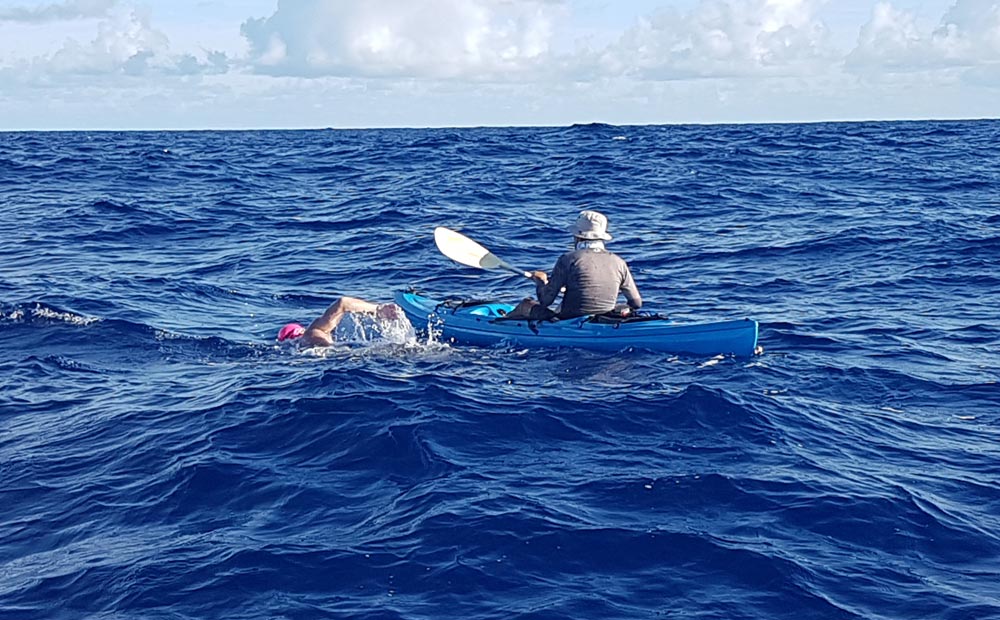
Toni Enderli

HOW ARE YOU PROTECTED FROM SHARKS AND OTHER SEA CREATURES OUT THERE?

I have the main boat on my right and a paddler on my left. The main boat has a contraption called a shark shield – it’s not 100 percent proven but it has shown great success for people that have used it. It sends out a pulse that actually attracts sharks and then when the shark comes it gives a radius of about five metres and then it sends out another pulse, which is supposed to push the sharks away.

On my left ankle, I have another contraption, also a shark shield. Because it activates in salt water though it ended up having an almost taser-like effect on my ankle every 45 minutes. It gave me a little wake-up call! But, I believe in them so that definitely helped.

During Molokai, I started swimming with dolphins as it started getting dark, which was amazing. I saw other shadows that I think were white or black tip sharks but they kept their distance, so there wasn’t anything to it. The biggest threats were actually tiger sharks, which were definitely there. But, that’s their ocean after all. Luckily nothing happened but they were definitely there that’s for sure.

Then, of course, there are jellyfish but there’s nothing you can do about that, you have to just swim through them. You actually have to rip the tentacles off, it hurts because they have little barbs. You have to just keep going though.

WHAT SORT OF TOLL DOES A SWIM LIKE THIS TAKE ON YOUR BODY? CAN YOU MOVE THE NEXT DAY?

The day after Molokai my face, throat and lips were really swollen.  That evening I was nauseous, I still had sea legs; I couldn’t eat anything because my throat was so swollen from the salt.

The next morning I couldn’t raise my left arm. I literally couldn’t hold a cup, my left arm was paralyzed.

It actually took me about four days to get a little bit of strength back in my hand and obviously my whole body was extremely stiff and it literally took me five days to recover. I think it took about 10 days to really get myself back to normal. Everything my body had I threw into that swim. I had nothing left.

DO YOU EVER GET WATER IN YOUR GOGGLES AND WHAT DO YOU DO TO REMEDY THAT?

Actually, I didn’t have any serious goggle issues which is great. Speedo has partnered up with me, so I get the best kit, which is amazing. I had two sets of goggles, one for clear vision – in the dark it’s clear and you can see everything. I had another pair of the tinted ones, and at around lunchtime, I swapped out my goggles. I didn’t have a water leak. It’s very important to make sure that you’re used to your equipment and having good reliable equipment is key.

WHAT ARE THE ELEMENTS LIKE ON THE BODY?

It’s really hard on the body. It feels like you’re in a washing machine because the ocean is pushing you left, right and centre, up and down. The sun is hitting you, the salt is hitting you… you’re getting hit from all angles and there’s not much you can do.

I do grease myself under my arms for chafe. Around the ten hour mark I had to re-grease under my arms but that’s the only thing you can do.  For everything else, you have to just take the torture.

CAN YOU TELL US WHAT YOU ARE TRAINING FOR NEXT?

The next swim is hopefully going to be the Cook Strait in February 2018, which is a swim between the north and south islands of New Zealand and is over 20 kilometres. It’s going to be in cold water –  around 13 degrees. They’ve got extreme tidal currents there, almost whirlpool-like currents, it’s really dangerous, very rough, very unpredictable and with the threat of Great White Sharks too.

If all goes well, in June-July next year I’m hoping to do Tsugaru Strait, which is a strait between Honshu and Hokkaido in northern Japan. This will also be a cold water swim with extreme currents. There you could be swimming for five hours and within 45 minutes you could be back in the harbour, that’s how extreme the currents are. They also have poisonous snakes and all sorts of other things. After that, it will be the North Irish Channel, which I think is going to be the toughest one out of all of them.

WHAT IS YOUR TRAINING REGIME FOR THE NEXT RACE?

A big part of my most recent swimming preparation was core training and flexibility. In the Molokai swim, I didn’t cramp once, which shows that my training was right, being that it is one of the longest swims. My strategy now is to become faster in the water and for that to happen I’ve got a new training programme working on my speed.

Instead of doing 40 km a week, I’m going to be doing 20 km a week but extremely hard and fast so I can actually speed up. The reason for that is that the next swim (Cook Strait) is going to be in 12-13 degree water. If you’re going to be in the water for 20 hours at that temperature, you’re going to have big problems. So, my whole strategy has changed to becoming faster in the water and just really work hard at that.

WHAT GOES INTO PLANNING A SWIM LIKE THIS?

Because of the logistics involved in organising these channel swims, you have to book two years in advance. You have to pay your deposit and book a slot.

There aren’t a lot of people that do these swims, as you can imagine, and usually only one swimming association that you can book through. Also, you have to have a qualified person to take you across the swim and, for example, in New Zealand, there is only one person that is qualified to do that because it’s so dangerous. There are also only certain times in the year that you can do it for it to be optimal.

It’s a bit of a gamble. You can pay the money, train and fly all the way there and be ready to swim and you might not even get into the water because of conditions. That has happened in the Cook Strait quite a bit, so at the moment it’s is a floating one. If I get the time right and the right conditions then I’ll do it. If not, that will move to 2019.

That’s another really challenging aspect to the whole Oceans Seven challenge, you can’t just say let’s go and do all seven and then go and do it. You’re relying on water, you’re relying on crew and other logistical people in those countries. And of course, Mother Nature.
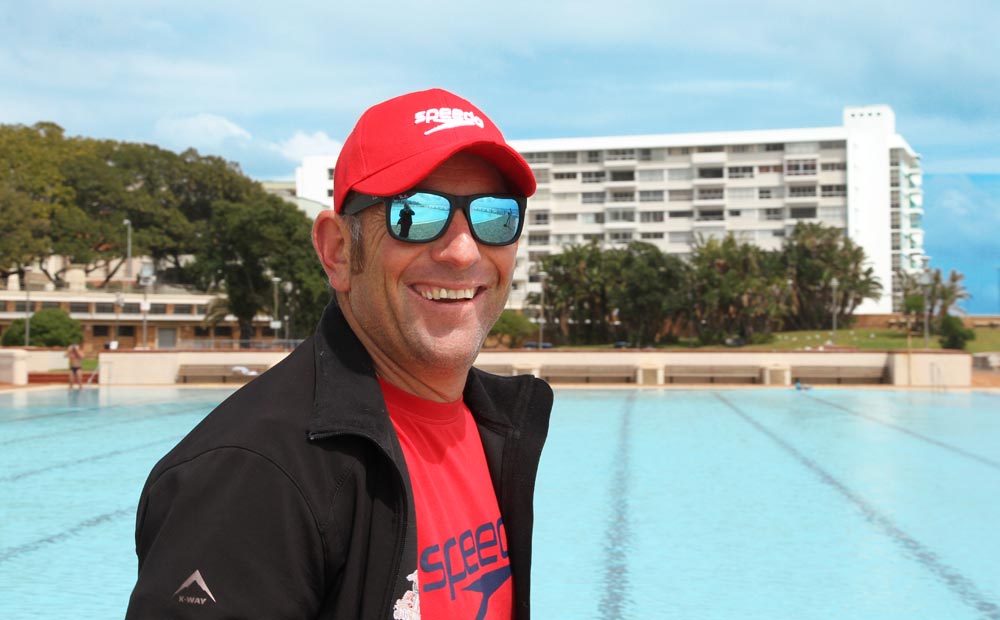
Toni Enderli

HOW CAN PEOPLE SUPPORT YOU AND THE CHARITIES YOU SWIM FOR?

It’s really simple, I’ve got a website – toni.co.za – where people can go and donate. Those donations go directly to the charities.

At the moment I’ve got incredible sponsors that look after my kit and my car, so the expensive stuff for my training is all sponsored, which is amazing. It really helps a lot. From a financial point though for the actual swims, I back myself. I pay for my own tickets and I pay for the swim.

To give you an example, the Molokai swim alone was 4500 dollars (just for the swim). There are costs for things like petrol, crew etc and you have to use knowledgeable guys that know the area, so it’s very expensive. I find that the most challenging part (aside from the actual swim obviously). It is extremely challenging without having a financial sponsor.

I would love to do all four swims next year but it’s all going to be up to my budget if I can. Financially though, I may only be able to do two. It would be amazing if there was a big corporate out there who loves the story and wants to follow through because we have an amazing media team! We’ve had amazing coverage, and at the end of the day, we’re making a difference for the charities that we’re doing it for.

DO THE CHARITIES YOU RAISE FUNDS FOR CHANGE?

Yes, I like to change it up. This last one (Molokai) I did for the NSRI’s water safety program for kids. The next one will be Habitat for Humanity. So I change it per swim, so that it doesn’t get diluted and the charities get their exposure.

WHAT HAS COMPLETING THESE SWIMS TAUGHT YOU?

I always tell my story saying that I started nine years ago as just a normal guy from Blouberg, I’m not the fastest swimmer, in fact, I’m probably one of the slowest swimmers out there. At the end of the day though, if you’ve got a goal and you have a dream, it doesn’t matter how old or young you are, or the obstacles in you way – you really can do anything you put your mind to. It’s real.

Open water swimming teaches you that you can’t give up, you need to carry on moving forward. If you constantly, consistently do what you need to do, you’ll get to the other side. Swimming has really changed my life on all levels.

QUICKFIRE QUESTIONS

Favourite junk food? Pizza.
Pre-swim food habit? Three days before I swim I carbo load with lots of pasta three times a day.
Bucket list holiday destination? Definitely Canada. Going through the glaciers and the Banff in Canada. That’s definitely on my bucket list. Swimming those beautiful crystal lakes.
Drink of choice? A good red wine.
Car would you buy if money was no object? I would definitely go for one of those pimped up RVs and take the family on holiday.

Watch this video that outlines the challenge Toni Enderli is undertaking.

toni.co.za | Facebook | Twitter

Lauren Singer Promotes a Zero-Waste Lifestyle and Makes it Cool

So, you think that you’re living a life that doesn’t impact the environment that much but actually, how clued up are you? New Yorker, Lauren Singer, promotes living a zero-waste lifestyle through her blog Trash is for Tossers and her trash for 4 years fits into a 500 ml mason jar. How about yours?

THINK ABOUT IT THIS WAY…

It’s 7h00, your alarm goes off, you hop out of bed and into the shower. Your shower gel is about to finish, so you squeeze out the last few drops and throw the plastic bottle in the bin. Next, you’re out of the shower, and after brushing your teeth, you make a note to buy more toothpaste. And deodorant. These are all products that we use daily, but where do these empty bottles, packets and tubes go once we’ve discarded them? The answer is landfill, where they sit for a minimum of 450 years until they break down. 450 years. Let that sink in.

And this excess isn’t exclusive to the bathroom. Think of the coffee cup you bought this morning’s brew in. Was it single use? Well, once it goes to a landfill, it will most likely never break down, due to the way some landfills are built. Look at picking up that takeaway sandwich for lunch, your packet of crisps, even your beer bottles – these are things that we consume extremely high levels of and they are literally sent off to a dump to pollute our earth forever.

MEET LAUREN SINGER FROM TRASH IS FOR TOSSERS

New York native, Lauren Singer, promotes awareness around environmental impact through her blog Trash is for Tossers. As a high school student she became fascinated with environmental studies and specifically became aware of the negative impact that humans have on the environment through their consumption.

She continued with these studies at college, immersing herself in complete enviro-warrior activism. She was present at protests and lobbied against oil and gas companies who are destroying the planet.

Lauren believed that she was doing all that she could for the earth until one fateful day. While in class, she watched a fellow environmental student take their lunch out of a plastic bag, eat from a plastic container, using plastic cutlery, and then simply dump everything in the bin. Lauren was horrified, plastic is a direct byproduct of the oil and gas companies that she had devoted so much time protesting against.

She couldn’t believe that someone could cause so much waste, and so carelessly. Angered, she went home to open her own fridge and saw that the state of plastics and packaging in there was not much better. Be it her fridge, her cleaning products, her makeup and clothes, everything around her contained some form of plastic packaging. It was then, that she committed not only to reducing her waste but eliminating it completely.

MAKING A CHANGE

The overhauling process was a methodical one. Like all habits, Lauren had to break her routine of relying on plastic in her life. As packaged products like toothpaste and deodorant ran out, Lauren had to find plastic-free alternatives. To her shock, there weren’t any. So she got online and found recipes to make her own. Through this journey of filtering out the single-use packaging in her home, she found it easier to move to a completely zero-waste lifestyle.

What does zero-waste actually mean? It means that every product is reused or recycled, that she never uses plastic and that nothing is sent to a landfill, and where necessary she will compost.

Trash-is-for-Tossers

WHAT DOES LAUREN’S ZERO WASTE DAY LOOK LIKE?

Well, in all honesty, not that different from yours. Except that Lauren is using homemade (and chemical-free) toothpaste, biodegradable bamboo toothbrushes, a reusable coffee cup (nothing is getting in the way of this coffee addict’s caffeine fix!) and lunches packed in glass jars or tiffin-style stainless steel lunch boxes. She says no to plastic straws, receipts and plastic shopping bags.

By committing herself to reusing and recycling, Lauren managed to fit two years of her trash into a 16 oz (nearly 500 ml) glass jar and hasn’t sent a single item of waste to a landfill since 2012.

What is really the most impressive thing about Lauren Singer and her lifestyle is that at face value it seems so challenging to live waste-free, when in fact, all it requires is awareness and consciousness. There’s also something much more civilised about eating out of glass or ceramic than from a plastic container or polystyrene.

START BY MAKING SMALL CHANGES

Being an environmentalist and someone who is concerned about protecting the environment is no easy task. There are offensive labels that you’re plastered with – treehugger, hippy, eco-nut. But Lauren Singer does away with all those preconceived ideas. She’s a young, stylish 20-something, living her best life in New York. She buys second-hand clothing, and when it comes to groceries, she buys loose ingredients in bulk and most fresh produce from farmer’s markets.

When asked what the most difficult part of this journey was, Lauren simply replied with “nothing”.

For her, it’s about how you approach the subject. She has never once felt lacking, or left wanting; there is nothing to be lost (but for excess waste) and there’s everything to gain. That’s possibly the best thing about Lauren, she’s fiery, stubborn, and will fight for what she believes in, but ultimately she’s kind and engaging.

She wants to inspire people to embark on a less-impactful journey and will take the time to help anyone who needs it. Her advice for the average person who wants to reduce their waste? Find one thing, regardless of how big or small it is, and commit to that. Be it asking for no straw in your drink, not taking a plastic lid for your coffee or even starting to recycle, just start small. Your awareness will soon begin to spread to other aspects of your life.

THE SIMPLY CO.

This concept of wanting to educate and help people make a difference turned out to inspire Lauren to open her own company, The Simply Co. The company sells handmade organic, vegan cleaning products packaged in reusable and recyclable glass, with screen printed labels. Screen printed because any glass with a regular sticker or label goes straight to landfill.

Once she embarked on zero-waste and was forgoing commercial cleaning products and detergents because of the packaging, she explored what was actually in these products that we rely on so heavily. In short, chemicals. Lots and lots of undisclosed (due to American laws that don’t enforce transparent ingredient labelling) chemicals.

Knowing that she didn’t want the plastic, or the toxins, in her life, she turned to making her own household cleaning goods through immense research. Followers of her popular blog were converts, but for various reasons, some struggled to make their own products. Working with the belief that everyone deserves safe products, she opened The Simply Co. so that she could provide people with access to these cleaning items.

YOU DON’T NEED TO BE LIVING OUT IN THE COUNTRY TO LIVE MINDFULLY

Lauren Singer is truly an inspiration. In an age where we can have anything and everything we want at any time of the day, where excess is the norm, she is an example of how simple life can be. And she aligns her beliefs with her own environment, in a city. Here she is, a hustling New Yorker who makes no impact on planet earth. If she can do it in such a large metropolis, so can we all. You don’t need to be living out in the country to live mindfully.

However, as big an impact as she makes, you won’t find her lecturing or shaming anyone into this way of life.

She believes in people trying their best to do what they can. She doesn’t want people to beat themselves up if they forget a reusable shopping bag on one of their grocery runs and have to buy plastic, they’re still doing more than most by trying to remember in the first place. Lauren has found the ultimate reward, not only by reducing her impact on the planet but by finding a way to live in line with her morals.

She’s found that it’s helped to eat better (fewer impulse purchases because nearly everything is packaged), save money (as she’s buying most items in bulk) and generally living a clutter-free, clean life. Through The Simply Co., she’s looking to inspire and help people all over the world and is eventually going to expand to international sales.

IF THERE WAS EVER A TIME TO OPEN YOUR EYES TO A DIFFERENT WAY OF LIFE, IT’S NOW

Lauren, with wisdom far beyond her years, makes this lifestyle completely achievable. You just have to change your approach. If you’re a person who recycles, eats ethically-sourced meat and organic vegetables, then you’re already something of an enlightened, conscious individual. And while going 100% waste-free may not be what you’re ready for just yet, you’re certainly in a space to consider at least recycling and reusing. Take Lauren’s advice, and find just one small change you’re going to make, implement that and see what path that takes you on. You may just surprise yourself.

Start with small changes like eliminating single-use plastics for example, then, check out Lauren’s YouTube channel for more ideas. Here’s one to get you started.

trashisfortossers.com | Facebook | Twitter | Instagram | Youtube 

Tea in the Park Café at the Green Point Park

The Green Point park really is the jewel in the green belt crown of Cape Town. Its lush green lawns offer a welcoming space within the city and it provides a wonderful area for residents to relax and enjoy the Mother City’s natural beauty.

The park, which was built in 2011, reclaimed previously unused land and turned it into a biodiverse space that showcases the Cape’s indigenous flora, including thousands of species of trees, bulbs, shrubs and plants. The space is a giant playground for children with plenty of open space to run freely, as well as dedicated enclosed play areas and edu spaces.

Being that it is such a hive for families it makes sense that there be access to refreshment, and residents and visitors will love the café – Tea in the Park.

The café has indoor seating that offers respite from the sun if needed and also has outdoor terrace seating that makes the most of the glorious views that stretch across the green expanse of the gardens, right to the waters of Table Bay. Find a shady spot under the umbrellas, recline on one of the funky reclaimed wood benches and take it all in.
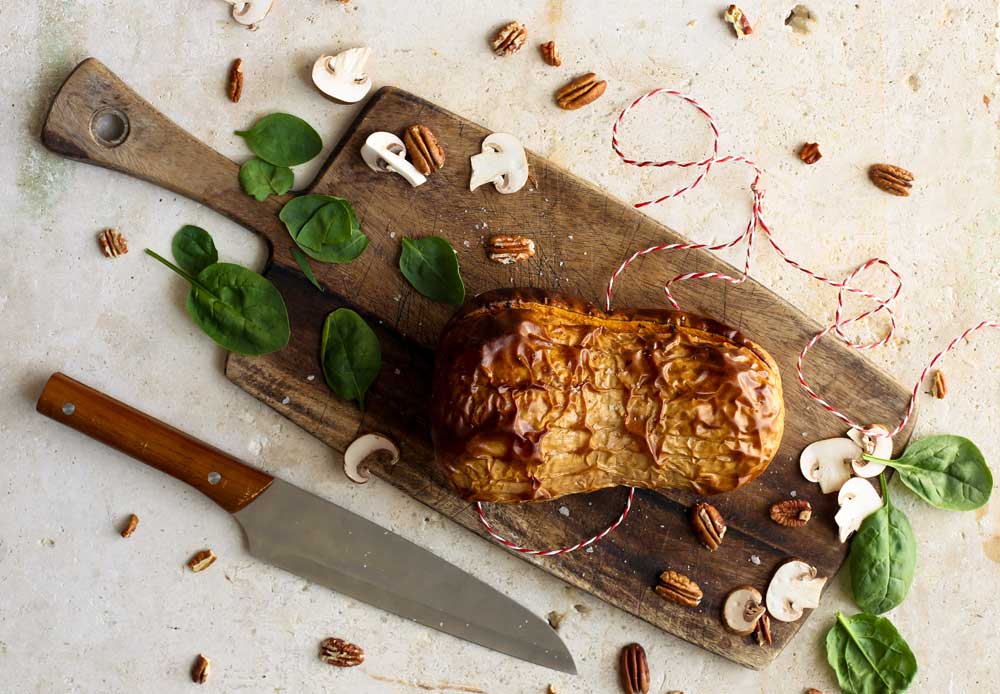
Tea in the Park
Tea in the Park Café is operated by the Western Cape’s leading compost supplier ­– Reliance. The idea was to integrate the operation of the café with the park’s vision for sustainability, and who better to partner with than the company responsible for diverting 17 million cubic meters of the City’s green garden and park waste from landfills! In fact, the garden itself is nourished with Reliance compost, so it’s very likely that green waste that leaves the park, in fact returns later and makes its way back into the beds. In total Reliance has transformed the City’s green waste into over 1 000 000 tons of organic compost – now that’s something!
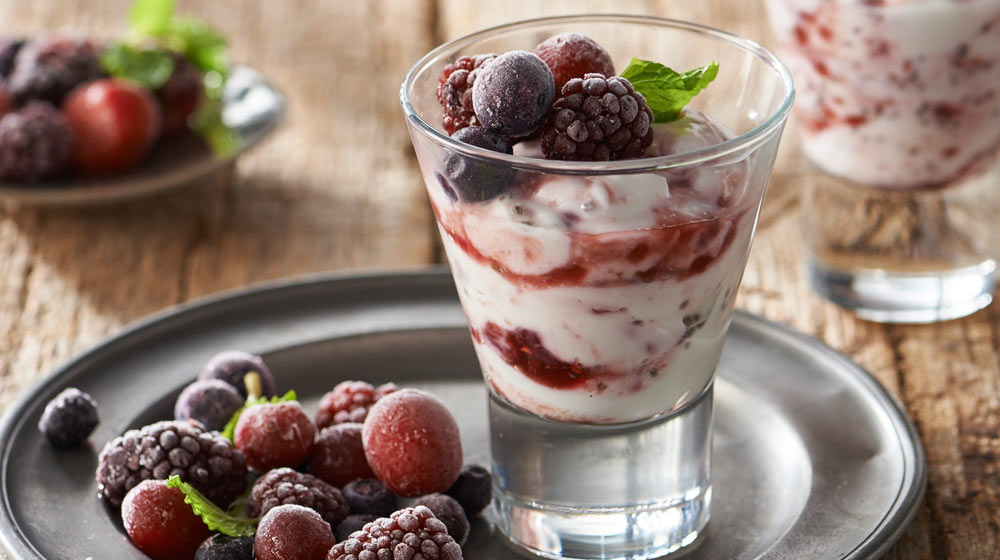
There is a variety of yummy food on offer from sandwiches, salads and wraps, to sweet treats such as cakes and tarts, baked fresh by the kitchen team (the carrot cake is an absolute must!). There is also a selection of reasonably priced treats for little ones to purchase with their pocket money.

Tea in the Park
Tea in the Park

One of the most important things about this collaboration is the combined focus on sustainability and green practices, with recycling being a central focus. Park goers are urged to do the responsible thing and recycle as much of their waste as possible, this includes items brought into the park, as well as items purchased from Tea in the Park.

Tea in the Park

There is also a plan to create a space for educating youth on environmental impacts and concerns, as well as sustainable practices (workshops are available upon request).

We are lucky as Capetonians to have many incredible spaces where we can be surrounded by natural beauty, and the Green Point Park is one of the highlights. It is not only a space for enjoyment but is also an important reminder of how critical environmental preservation is.

When you visit be mindful of the waste you are bringing into the park and don’t be the person who steps over that chip packet blowing in the breeze. Be a conscious citizen and make sure that you make use of the recycling bins to discard trash and most importantly get your kids involved so that they become conscious little citizens too. The park is a city treasure and we look forward to many afternoons enjoying the views and the food at Tea in the Park.

Tea in the Park
Tea in the Park

Tea in Park is open 7 days a week from 09h00-17h00 (weather dependent) Please call to avoid disappointment 060 997 6153 | 0861 888 784
For more information please contact Tea in the Park at tea@reliance.co.za

Love Tea in the Park? Why not visit Tea under the Trees in Paarl.

reliance.co.za | Facebook | Twitter | Instagram