A Dunker’s Delight: 28 Scrumptious Biscuit & Rusk Recipes Perfect for Dipping

When the weather is cold, our coffee and tea drinking hits an all-time high, and what’s a cuppa without something to dunk? We round up our most dunkable biscuit and rusk recipes, so get baking!

Classic Biscuit & Rusk Recipes

Some things are classics for a reason; they just never go out of style, like these tasty cookie recipes, including everyone’s favourite… choc chip!
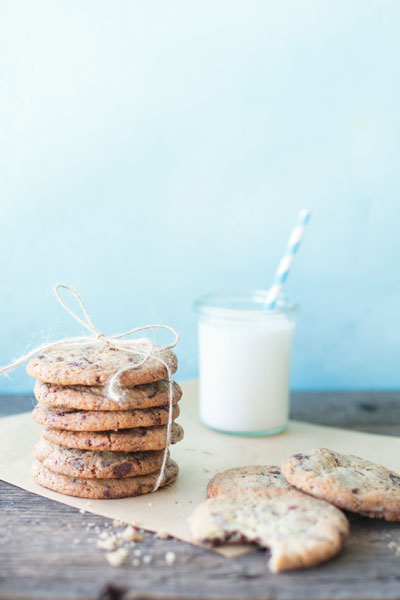
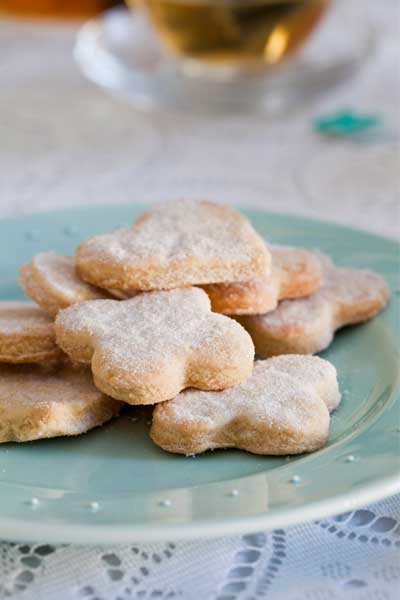
biscuit recipes Chocolate Chip Cookies
biscuit recipes Almond Shortbread Cookies

Chocolate Chip Cookies

Chewy in the centre and crisp on the edges – yum! Made with dark chocolate for extra decadence and deliciousness.

Recipe for Chocolate Chip Cookies

Italian Almond Tea Cookies

A delightful Italian-inspired cookie, infused with the delicate flavour of almond tea.

Recipe for Italian Almond Tea Cookies
biscuit recipes
biscuit recipes

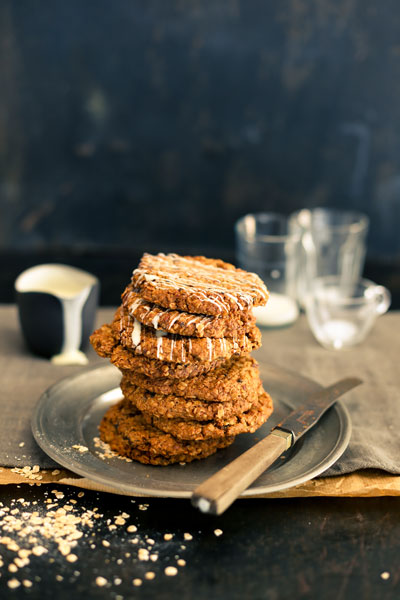
Giant Oatmeal Cookies with White Chocolate Drizzle

These cookies were made for dunking. Delicious oaty flavour baked to perfection and drizzled with melted white chocolate.

Recipe for Giant Oatmeal Cookies

Iced Brown Sugar Tea Biscuits

This is a great base recipe for any cut-out cookie, with brown sugar offering a little more caramelisation than white sugar. So, even if you don’t have a teapot cutter, you can use whatever you have to create a tasty and cute-looking treat.

Recipe for Iced Brown Sugar Tea Biscuits


Cookies with a Twist

Cookies don’t need to be boring… these beauts have a little something special to them.
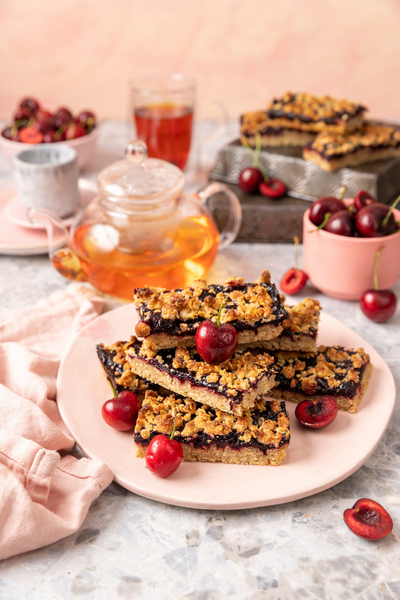
Cherry Crumble Bars

Pinkies up! The only way to enjoy these delightfully tart, jammy and crunchy bars are with a spot of tea – make that two.

Recipe for Cherry Crumble Bars

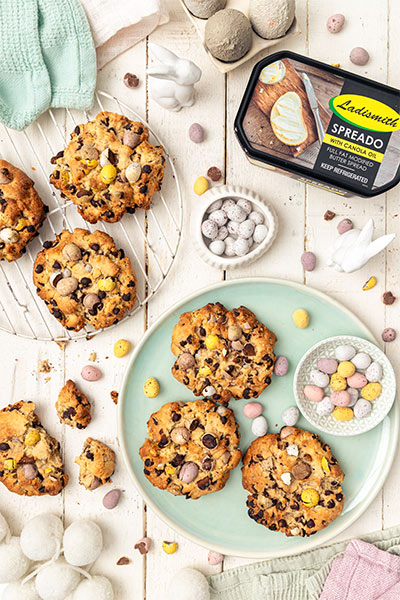
Thick & Chunky Speckled Egg Cookies

Chock-full of speckled eggs and decadent beyond, these chonky beauties are heavenly!

Recipe for Thick & Chunky Speckled Egg Cookies

biscuit recipes Vanilla-rainbow-pepper-cookies
biscuit recipes cinnamon-pansy-shells

Vanilla and Rainbow Pepper Cookies

A bit of pepper with a hint of vanilla and chocolate – a winning combo!

Recipe for Vanilla and Rainbow Pepper Cookies

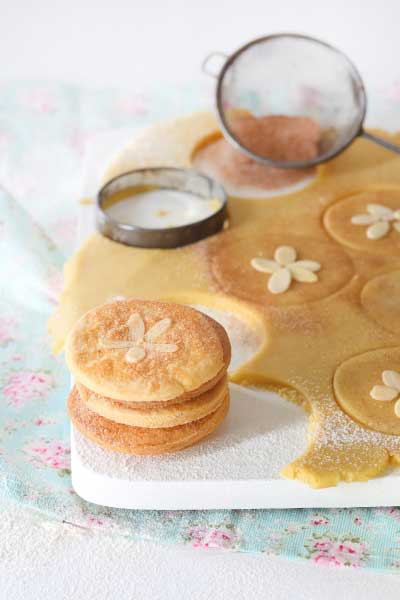
Cinnamon Pansy Shells

One of our favourite biscuit recipes – these pretty-as-a-picture pansy shells will dress up any tea table.

Recipe for Cinnamon Pansy Shells
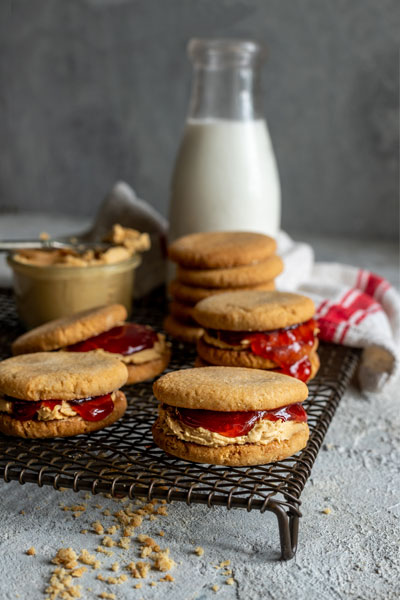
Peanut Butter & Strawberry Jam Cookie Sandwiches

Your favourite sarmie gets a cookie makeover. These cookies are positively delectable!

Recipe for Peanut Butter and Strawberry Jam Cookie Sandwiches

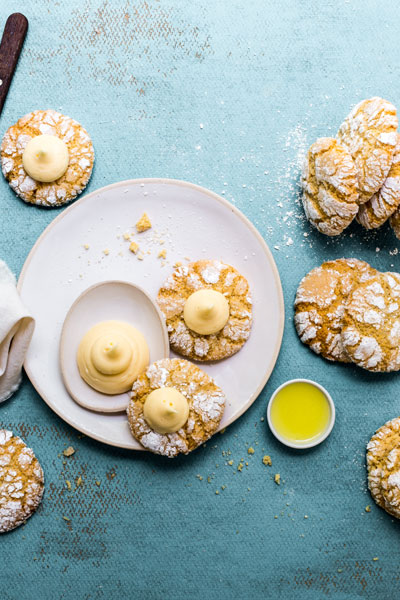
Lemon Crinkle Cookies

Sandwich these beauties together with cream cheese icing. Yum!

Recipe for Lemon Crinkle Cookies
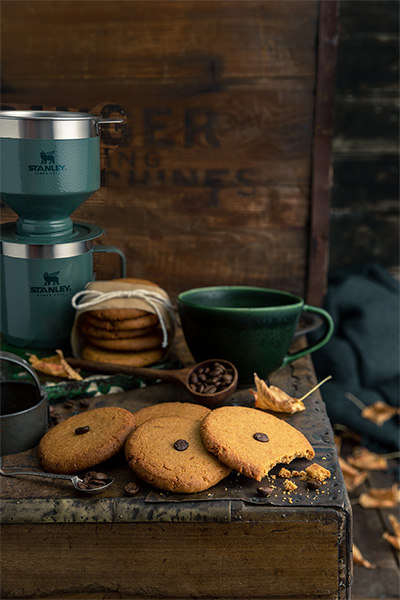
Moerkoffie Cookies

A crisp condensed milk cookie with just the right amount of espresso to match your cuppa. We promise you won’t be able to stop at just one!

Recipe for Moerkoffie Cookies

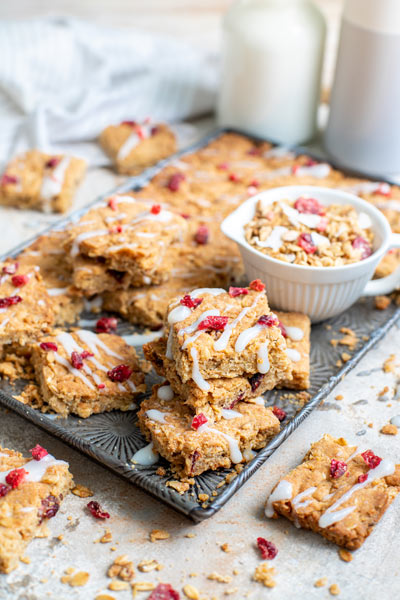
Cranberry & Coconut Muesli Squares

A delicious, crunchy square that’s full of tasty muesli, topped off with a yoghurt drizzle.

Recipe for Cranberry & Coconut Muesli Squares


Biscuits for Special Diets

Banting? Gluten-free? We’ve got you covered.
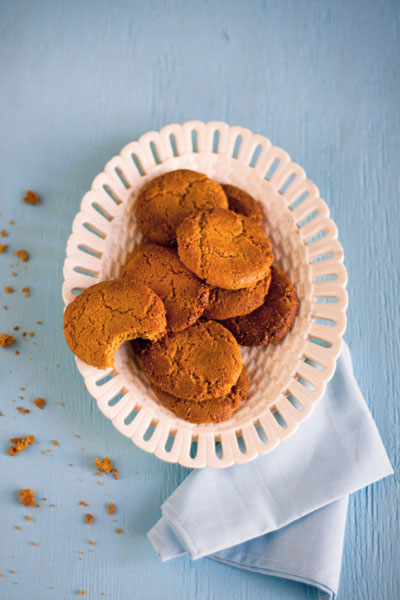
biscuit recipes Gluten Free peanut-butter-cookies
biscuit recipes LCHF buttery-pistachio-and-almond-biscuits

Easy Gluten-free Peanut Butter Cookies

Everyone loves peanut butter, and these super easy-to-make gluten-free peanut butter cookies are a tasty treat for any time.

Recipe for Gluten-free Peanut Butter Cookies

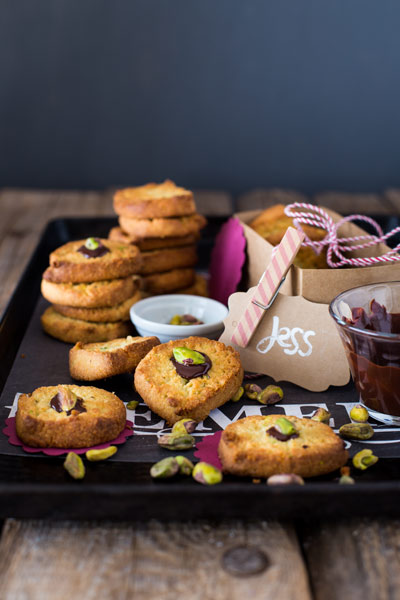
Buttery Pistachio and Almond Biscuits

This is a low-carb high-fat take on regular shortbread. It is so rich and nutty, you only need one biscuit to curb sweet cravings.

Recipe for Buttery Pistachio and Almond Biscuits


A Little Chocolate Goes a Long Way

Does it though? We double and even triple up on the fudgy, chocolaty goodness in these yummy biscuits that were made to dunk!
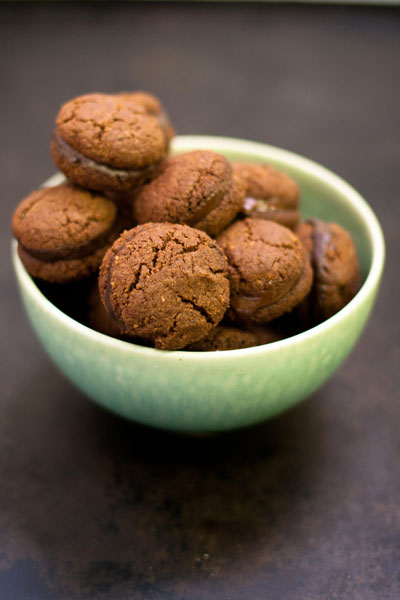
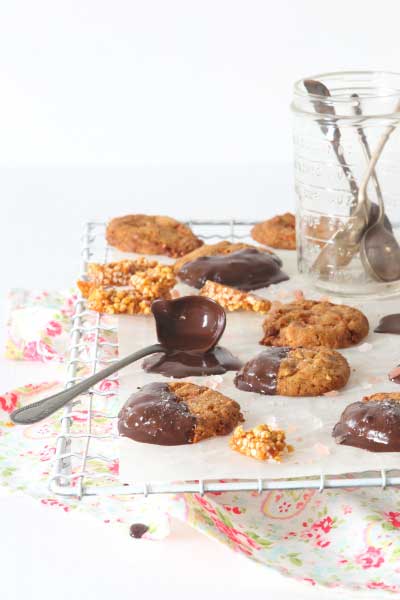
biscuit recipes romany-creams
biscuit recipes peanut-pink-salt-praline-cookies

Homemade Romany Creams

Two things you could never do without, chocolate and biscuits. Lucky for you, these are all in one! Try this biscuit recipe for your own homemade Romany Creams.

Recipe for Homemade Romany Creams

Peanut & Pink Salt Praline Cookies

These cookies combine crunchy praline and a pinch of pretty pink salt.

Recipe for Peanut & Pink Salt Praline Cookies
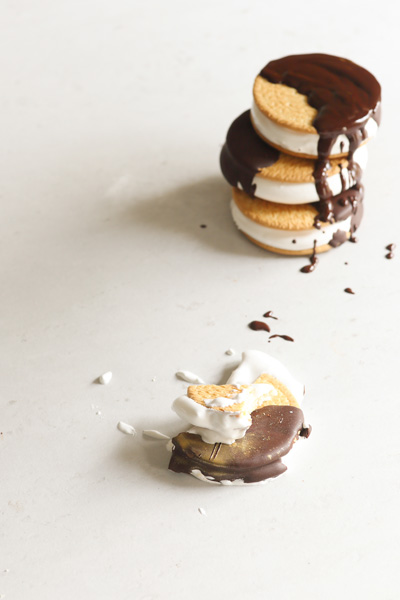
biscuit recipes smores-biscuit-marshmallow-sandwiches
biscuit recipes Choc-ganache-sandwich-cookie

S’mores Biscuit and Marshmallow Sandwiches

A campfire classic – marshmallow sandwiched between biscuits and dipped in chocolate. We love a triple-threat treat!

Recipe for S’mores

Chocolate Ganache Sandwich Cookie

Your tastebuds are in for a tasty bargain with these two-in-one cookies.

Recipe for Chocolate Ganache Sandwich Cookie
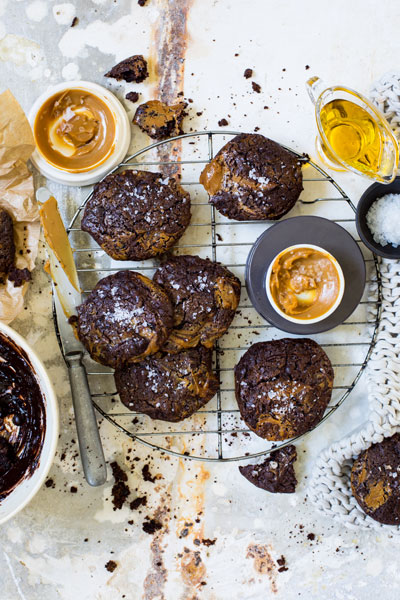
biscuit recipes
biscuit recipes

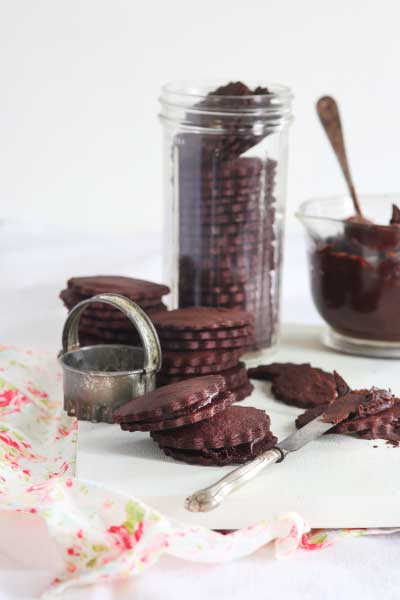
Fudgy Salted Caramel and Chocolate Biscuits

A fun and easy recipe using avocado oil. The biscuits become wonderfully crisp on the outside, while maintaining a soft fudgy texture in the centre. Delicious!

Recipe for Fudgy Salted Caramel and Chocolate Biscuits

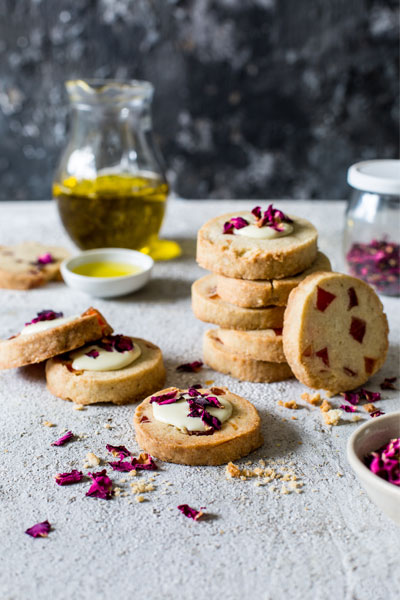
Turkish Delight Shortbread Rounds with White Choc Drizzle

When we said chocolate, we meant all kinds! We love this pretty cookie with chunks of Turkish Delight and a drizzle of white chocolate.

Recipe for Turkish Delight Shortbread Rounds with White Choc Drizzle


The Shorter the Better

These recipes are simple and also simply delicious. The amount of butter gives shortbread its name as the ‘shortness’ refers to how melt-in-the-mouth it is. We love.
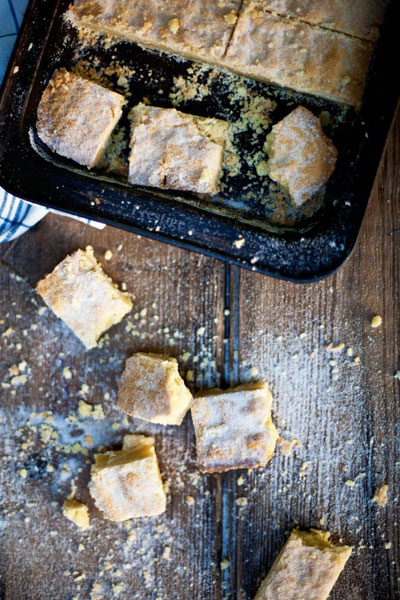
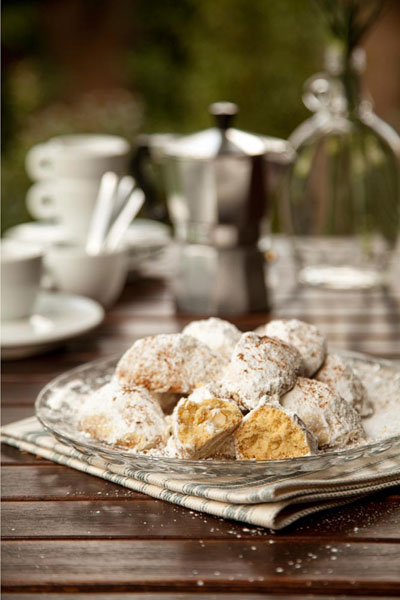
 biscuit recipes Classic Shortbread
biscuit recipes greek-almond-shortbread-biscuits

Classic Shortbread

If this shortbread doesn’t make you feel like you have died and gone to heaven, nothing will. The very best shortbread recipe!

Recipe for Classic Shortbread

Greek Almond Shortbread

These scrumptious buttery biscuits are traditionally cooked at Christmas, but why wait?

Recipe for Greek Almond Shortbread


Not Quite Cookies

Hey, we don’t judge. These fall into the dunkable-but-not-quite-a-cookie section. We love them all the same.
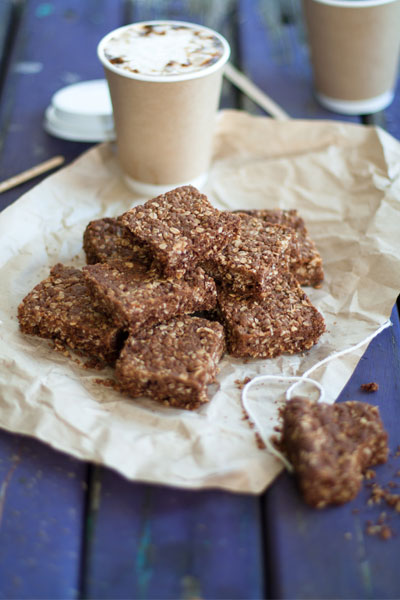
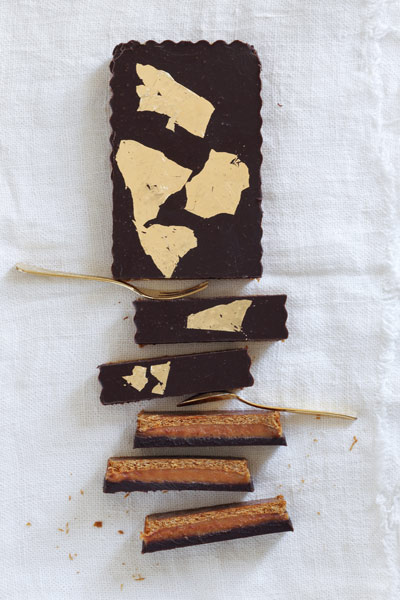
 biscuit recipes On the road-horlicks-crunchies
Millionaires-gingerbread biscuit recipes

On the Road Horlicks Cookies

An epic crunchie can save even the worst cup of garage coffee. Our version is hopped up with chocolate Horlicks for added awesomeness. The perfect early morning start to a road trip adventure.

Recipe for Horlicks Cookies

Millionaire’s Gingerbread

This Millionaire’s Gingerbread has the perfect balance of spicy ginger flavour, sweet caramel and bitter chocolate.

Recipes for Millionaire’s Gingerbread


Rusks

A South African dunkin’ staple!
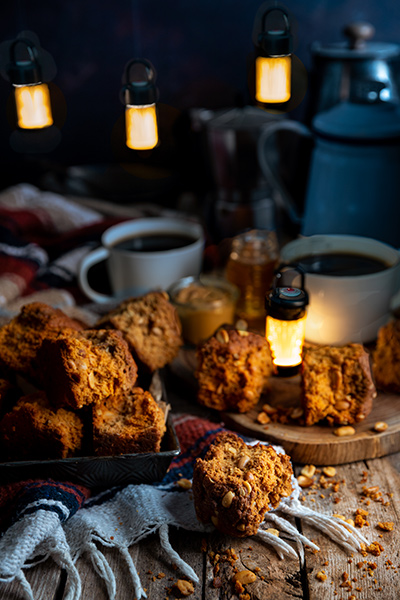
Peanut Butter & Honey Rusks

Nothing says early morning around a campfire like a hot cuppa and a rusk or two. These PB & Honey rusks have definite dunkability. Perfect for camping or equally enjoyable in your office chair!

Recipe for Peanut Butter & Honey Rusks

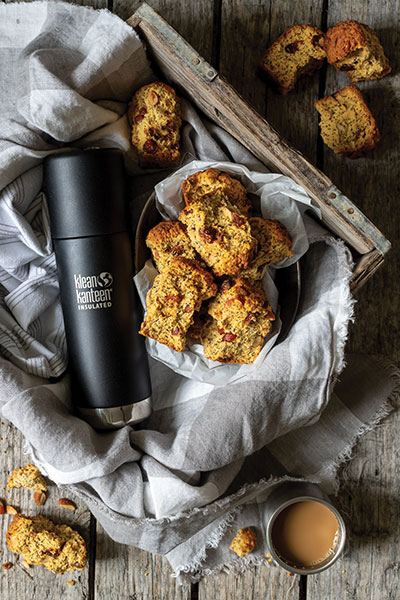
Chunky Cranberry, Almond & Poppy Seed Rusks

We promise you’ll love these rusks crammed with sweet cranberries, crunchy nuts and poppy seeds.

Recipe for Chunky Cranberry, Almond & Poppy Seed Rusks
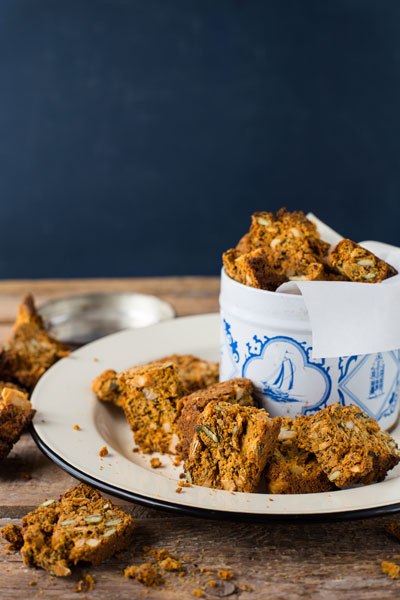
Pumpkin, Seed & Nut Rusks

These Pumpkin, Seed and Nut Rusks are crunchy and filled with goodness.

Recipe for Pumpkin, Seed & Nut Rusks

Muesli Rusks

This healthy snack will make any tea time one to look forward to!

Recipe for Muesli Rusks

Want more? Find out what your favourite cookie says about your personality.

Golden Ticket: How Chocolate Was Used As a Form of Currency in Ancient Maya

I hate to sound basic, but this one time, while travelling in Thailand, I hitch-hiked a lift to another province. With no immediate cash on my person and no ATM in sight, I only had a box of chocolates to pay for my lift. Now, I don’t normally hitch-hike or pay people in ‘candy’, but sometimes, “life is like a box of chocolates, you never know what you’re gonna get.” It then occurred to me that this wouldn’t have been such a foreign concept centuries ago…

We often use the word ‘rich’ to describe the taste of chocolate, which is pretty apt since in ancient Maya it represented opulence, as chocolate was used as a form of currency.

chocolate used as money

Had it not been for anthropologists who unearthed evidence, we might not have known this. Murals, ceramic paintings and carvings from the 8th century depict cacao beans being used as a form of currency. According to an economic anthropology study, both “cacao beans and cotton textiles were monetised during the Classic Maya period (250–900 CE).”

Chocolate, or rather cacao beans from which chocolate is made, was one of the more unique forms of edible currency.

It is believed that it was initially used as a symbol of social currency and status before it took on a more complex purpose. But before we learn about how people walked around with melting balls of Ferrero Rocher in their pockets – just kidding, pockets were only invented around 3300 B.C.E. –  let’s take a look at the mythical and religious symbolism of chocolate and cacao beans.


All Hail Chocolate

The cacao bean was not only revered for its worth in literal gold, but also worshipped as a sacred and holy fruit. Theobroma cacao, the scientific name for the cacao tree, alludes to this – theobroma, meaning ‘food of the gods’ and cacao meaning, well, ‘cacao.’

Hieroglyphics illustrate that cacao crops not only held religious value, but had a spiritual connection to maize crops too. The maize god, known as ‘God L,’ apparently descended into the ‘upsidedown’ and his body fertilised the growth of orchard trees – the cacao tree being one of them. He is also depicted as wealthy and surrounded by women in a ceramic painting; one woman is even pictured pouring ‘frothy chocolate’ near him – pretty steamy, huh?

According to Mesoamerica mythology, the same deity is also thought to be a travelling merchant who carried a bag of cacao and other valuable objects. There are varying narratives depending on the region, but these all provide compelling evidence that cacao was in fact used as a form of currency.

Apart from being prepared as a bitter beverage, cacao was famously gifted to Maya royalty and was later used for financial transactions.

The consumption of chocolate was conceptualised by the Maya and Aztec people, circa 1500 B.C. – but it tasted a lot different from the slabs we now have the luxury of buying at convenience stores and chocolatiers. Back then, the Maya used to dry, grind and mix the beans with water and drink the elixir. The Aztec word for chocolate is actually ‘xocolatl.’ If we take a look at the history of hot chocolate, chocolate was mostly consumed as a bitter beverage – thankfully, it’s a little bit sweeter today.

chocolate used as money

Apart from being prepared as a bitter beverage, cacao was famously gifted to Maya royalty and was later used for financial transactions.


Chocolate as a Currency

Around the first millennium C.E., tobacco, maize and garments were used for bartering in Mesoamerica. While food trade was historically common – salt being the most well-known one, followed by tea, bread, beer and other spices – cacao beans from which chocolate is made, was one of the more unique forms of edible currency.

chocolate used as money

Multiple artworks infer that the Maya kingdom established the trade using cacao beans. If we look at the kingdom’s ‘cacao budget,’ approximately 11 million was allotted, with only 2 million used for dietary consumption; the remaining 9 million is thought to be used as money. Additionally, cacao beans were used to compensate warriors, government elected officials, as well as merchants, before cacao was traded at the marketplace in exchange for goods and services.

Interestingly, cacao was also used for bribes and ransoms to overlords to set war captives and royal prisoners free.

It’s also believed that chocolate/cacao beans were used as currency based on the fact that the Maya harvested more than was needed. Four types of cacao beans were used – tree, rope, flower and earth cacao. The smallest cacao bean variety, earth cacao, was used for consumption, whereas the remaining varieties were used as currency.

Because cacao trees thrive in moist soil and regions with heavy rainfall and high humidity, these markets did not provide conducive growing conditions.

Murals also provide evidence of the social symbolism and monetisation of cacao. One artwork depicts people perusing a market and trading food textiles for goods, suggesting they had different social statuses based on the quality of clothing and jewellery worn. Another shows a woman offering a man a bowl used for frothing chocolate, in exchange for tamale dough. Interestingly, cacao was also used for bribes and ransoms to overlords to set war captives and royal prisoners free.


A Bitter Ending…

The ‘collapse of Maya civilisation’ is said to have occurred between 800-1000 A.D. It is important to note that there is still a thriving population in Mesoamerica, and it hasn’t been wiped off the face of the earth. Instead, they saw a decline in their political regime and not their society as implied.

chocolate used as money

While many theories debate political influences attached to the downfall of this kingdom’s sweet empire – like the possible phasing out of textiles as money – an amalgam of factors contribute to the devaluation of cacao beans.

The most notable reason being the perishability of cacao beans, meaning chocolate as a form of currency was not sustainable for long-term usage. Now, if we were talking about cheese, it would have been a different story, but the bitter truth is that raw cacao beans are not easily preserved and could only be stored for no more than a year before forming mould and rotting.

Today, Ghana and the Ivory Coast are the largest exporters of cacao beans – we encourage you to read all about the dark truth about chocolate and ensure that your chocolate is ethically and sustainably sourced.

food trend impacts

In ancient Maya, cacao beans were typically produced in the Tabasco region of southeast Mexico, along the Grijalva River. Contrastingly, the largest markets existed in the Calakmul and Tikal regions, where cacao was grown in man-made sinkholes and watered during drier periods. Because cacao trees thrive in moist soil, high humidity and regions with heavy rainfall, these markets did not provide conducive growing conditions.

Moreover, climate change and localised drought had adverse effects on cacao crops, eventually leading to a decline in cacao production and distribution. In turn, this resulted in the disruption of marketplace trade and, ultimately, the monetisation of cacao – rendering it ‘as useful as a chocolate teapot.’


Become a Chocolatier

‘Chocolate’ may have fallen as a form of currency, but it will always be rich in our opinion. To pay tribute to the Maya people, learn how to make your own chocolate with coconut oil or indulge in these decadent chocolate recipes.

CHocolate Recipe Round Up Header

My Garlic Sprouted – Is It Still Safe To Eat?

Hands up if you’re a garlic girl (or guy)! With its potent aroma, garlic instantly adds flavour to dishes. No wonder it’s been dubbed ‘Pope’ to the Holy Trinity (onion, peppers and celery). Whether it’s sautéed in olive oil for spaghetti cacio e pepe or crushed raw into a punchy sauce, garlic is indispensable in cooking. But what happens when it starts to sprout? Is sprouted garlic safe to eat, and how can you prevent it from happening?

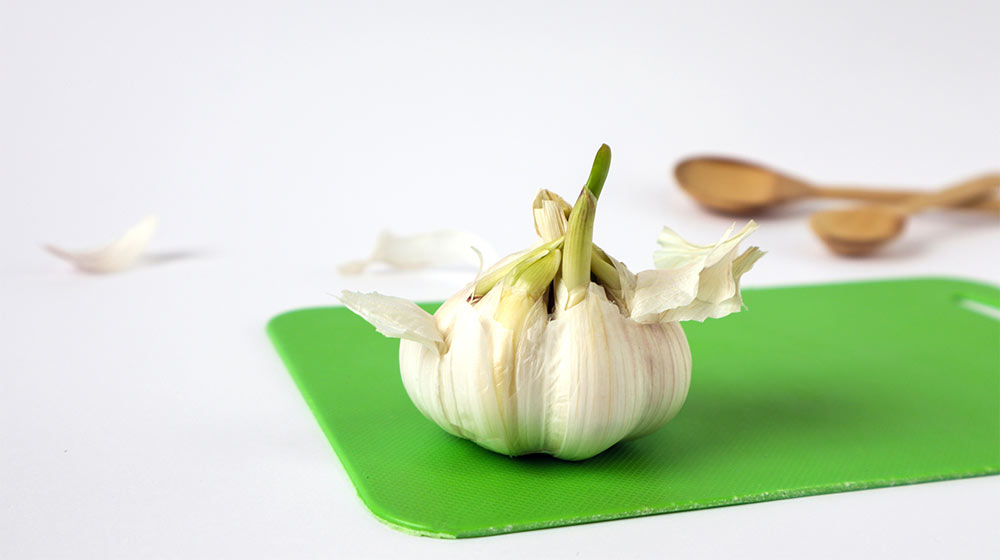
When garlic is stored for an extended period, it naturally begins to sprout. This process can be accelerated by exposure to sunlight…

Why Does Garlic Sprout?

Garlic (Allium sativum) belongs to the Allium group and is related to onions, leeks, shallots, chives and spring onions. These vegetables share a characteristic strong flavour and aroma, making them culinary essentials. Beyond this, members of the Allium group are celebrated for their health benefits, including anti-inflammatory and immune-boosting properties.

Garlic sprouts for a few reasons, primarily related to its age and storage conditions. When garlic is stored for an extended period, it naturally begins to sprout. This process can be accelerated by exposure to sunlight, warmth and moisture – all thriving conditions for garlic to grow. Essentially, sprouting is the garlic’s way of trying to propagate.


Is Sprouted Garlic Safe to Eat?

The short answer is yes, sprouted garlic is safe to eat. While the taste might be slightly different – often sharper and more bitter than ‘unsprouted’ garlic – it’s still a healthy addition to meals.

The green shoots themselves are edible, though, some people prefer to remove them due to their intense flavour. (If you love garlic but hate the pungent and lingering aroma that comes with garlic breath, remove the inner germ that connects to the sprouted bit.) However, it’s important to note that if the garlic has become soft, mushy or shows signs of mould, it should be discarded. These are signs of spoilage and indicate that the garlic is no longer safe to consume.


How to Store Garlic

Proper storage can extend the life of your garlic and prevent it from sprouting prematurely. Here are some tips to keep your garlic fresh:

  • Store garlic in a cool, dark place like a pantry or cupboard. Avoid storing it in places with direct sunlight or high humidity.
  • Garlic needs to breathe. Use a mesh bag, wire basket, or a container with ventilation holes. Avoid plastic bags or sealed containers that can trap moisture.
  • Keep garlic at room temperature rather than refrigerate it. Refrigeration can create a moist environment that encourages sprouting.

Can I Use the Sprouts to Grow Garlic?

You sure can! Sprouted garlic can be propagated and grown in your vegetable garden. When garlic begins to sprout, it’s already on its way to becoming a new plant.

For the best growth conditions, place the sprouted garlic clove in a glass of water – ensure that only the bottom of the clove (the root end) is in water, while the sprout is above the surface. After a few days, you should see roots emerging from the bottom of the cloves. Once these roots are about 3cm long, the garlic is ready to be transferred to your garden – garlic thrives in sunlight and well-drained soil.

Got green thumbs? Learn how to start your own compost garden.


Garlic Recipes

Try these garlicky and fragrant dishes.

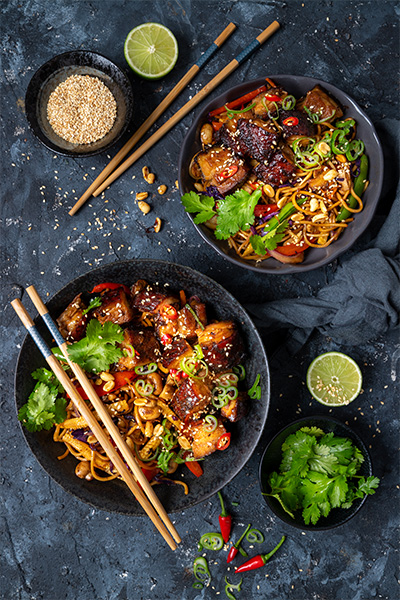
Honey Garlic Pork Noodle Bowl
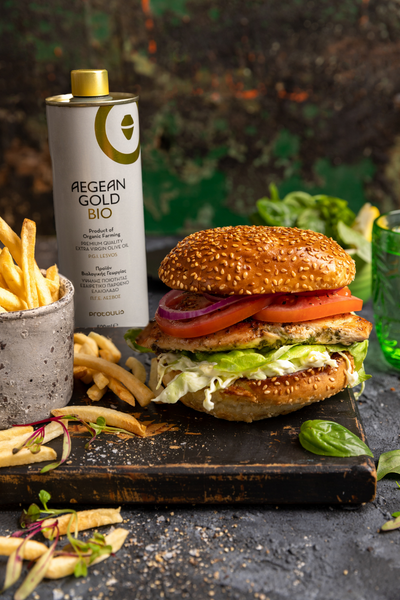
Basil, Garlic & Lemon Chicken Burgers

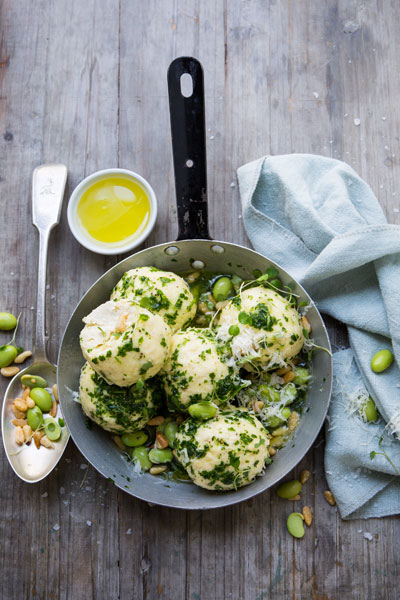
Ricotta Gnudi in a Garlic and Herb Sauce
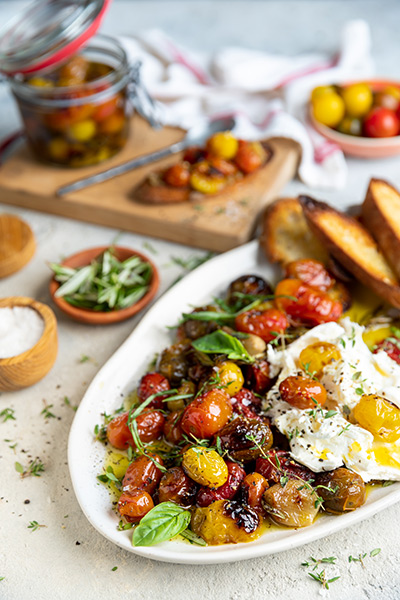
Confit Tomatoes with Whole Garlic & Thyme

Induction Cooking – Is It Worth Putting Gas On the Back Burner?

Moving house could mean having to part ways with some things you’ve become attached to. For me, it meant saying goodbye to my trusty gas hob, which had blessed me with many slow-simmering stews and perfectly pan-seared steaks. I had to forget everything I thought I knew about heat control when my new kitchen introduced me to induction cooking.

Many chefs swear by induction cooking, not only for its ease of convenience and heating efficiency, but also for its sustainable nature in conserving energy.

At first, I found induction cooking tricky to master – read ‘multiple pots of burnt pap’ and ‘unintentionally browned butter.’ But when I paid attention to how the metal instantly reacted to the heat and how my kettle would whistle seconds after placing it on the stove, my induction stove and I got on like a house on fire. This appliance I once loathed eventually became my friend. One that saved me time and energy.


How Do Induction Stoves Work?

Induction cooking has become popular in modern kitchens due to its efficiency, sleek design and safety. But how do induction stoves work?

Induction stoves use electromagnetic fields to generate heat directly in the cookware, rather than heating the cooktop itself. This is achieved through a coil of copper wire beneath the cooking surface. When an electric current passes through the coil, it creates a magnetic field that induces an electric current in the cookware. This current generates heat, which cooks the food. This method of heating is highly efficient because it minimises energy loss and provides precise temperature control.


Cons of Induction Cooking

Induction cooking has many benefits. That said, it also presents a learning curve for those who swear by traditional gas stoves…

Mastering Heat Control

Induction stoves can be finicky at first, and moderating heat is an essential part of achieving desired textures and flavours when cooking certain dishes. With induction cooking, you need to familiarise yourself with the heat settings and controls.

Dishes that require longer cooking times can be difficult to master for those new to induction cooking, but it isn’t impossible. For slow-cooked stews and soups, allow them to simmer, using the lower heat settings – this depends on the model and efficiency of your induction stove.

Compatible Cookware

Let’s get down to brass tacks… that copper or aluminium pan you’ve guarded for years – it’s no match for your induction stove. Not all cookware is suitable for induction cooking, which means you may need to invest in new cookware.

The cookware must be made of ferromagnetic material, such as cast iron or certain types of stainless steel. To check if your cookware is compatible, see if a magnet sticks to the bottom. If it does, the pot or pan will work with an induction stove.

Cost

Induction stoves and compatible cookware can be more expensive than their gas and electric counterparts when it comes to the initial purchasing costs and installation, but if your electricity bill is usually sky-high, it could save you money in the long run.


Pros of Induction Cooking

Many chefs swear by induction cooking, not only for its ease of convenience and heating efficiency, but also for its sustainable nature in conserving energy.

Energy Efficiency

Induction cooking is highly energy-efficient, as it transfers energy directly to the cookware. Approximately 90% of the energy generated by an induction cooktop is used to cook food, compared to about 74% for electric stoves and only 40% for gas stoves. This high efficiency could translate to lower energy bills.

Lower Environmental Impact

Due to their high efficiency and reduced energy consumption, induction cooktops have a lower environmental impact than gas and electric stoves. They produce no direct emissions, making them a greener choice for eco-conscious households.

Speed & Precision

Induction cooktops heat up cookware almost instantly, allowing you to reach desired temperatures much faster than gas or electric stoves. This rapid heating can significantly reduce cooking times. While it certainly takes some getting used to, induction stoves offer precise temperature control, allowing you to make adjustments easily.

Safety & Convenience

Safety is a major advantage of induction cooking, especially if your toddler likes to push buttons and turn knobs. Since the cooktop itself does not get hot (only the cookware does), the risk of burns is significantly reduced. Additionally, induction cooktops have several safety features like auto shut-off – if no cookware is detected, the stove will automatically turn off. They also have child lock settings to prevent accidental operation by children. Furthermore, induction stoves have a timer function (similar to conventional ovens), so you won’t burn your kitchen down on the off-chance you are multitasking.

Ease of Cleaning

Induction cooktops are very easy to clean. The smooth, flat surface can be wiped down quickly, and because it doesn’t get hot, spills are less likely to burn and stick. This ease of cleaning is a significant time-saver, especially after cooking elaborate meals.

Cooler Kitchens Prevail

Induction cooktops do not emit excess heat into the kitchen, keeping the cooking area cooler and more comfortable, especially in warmer climates or during hotter months. This contrasts with gas stoves, which can make the kitchen significantly hotter.


Gas vs. Induction

Those who aren’t familiar with induction, but aren’t ready to part ways with their gas stove, I don’t blame you – I’ve always preferred slow burners (not exclusively stoves). Induction cooking has many benefits – energy cost and heating efficiency are at the top of my list.

If you live in South Africa where loadshedding is a concern, then a gas stove is the ideal solution, but if your home is powered by solar energy or if power shortages are not an issue, then an induction stove is a fantastic option. Worried about paying an arm and a leg? There are a couple of single-plate induction stoves on the market that you could test out if you’re not ready to install a four-plate cooktop in your kitchen just yet.

Want more? Learn how to care for your cast iron cookware from the experts

Why People Hate Angel Hair Pasta and How to Fix It

If you’ve ever been to a dinner party where the mere mention of angel hair pasta was enough to elicit eye rolls, you’re not alone. Despite its delicate name and angelic appearance, this thin pasta variety has somehow garnered a rather devilish reputation among foodies of the internet. But why does this culinary angel get so much hate?

The disdain for angel hair pasta often centres on a few common complaints… first, its ultra-thin structure makes it notoriously difficult to cook correctly.

The Misunderstood Pasta

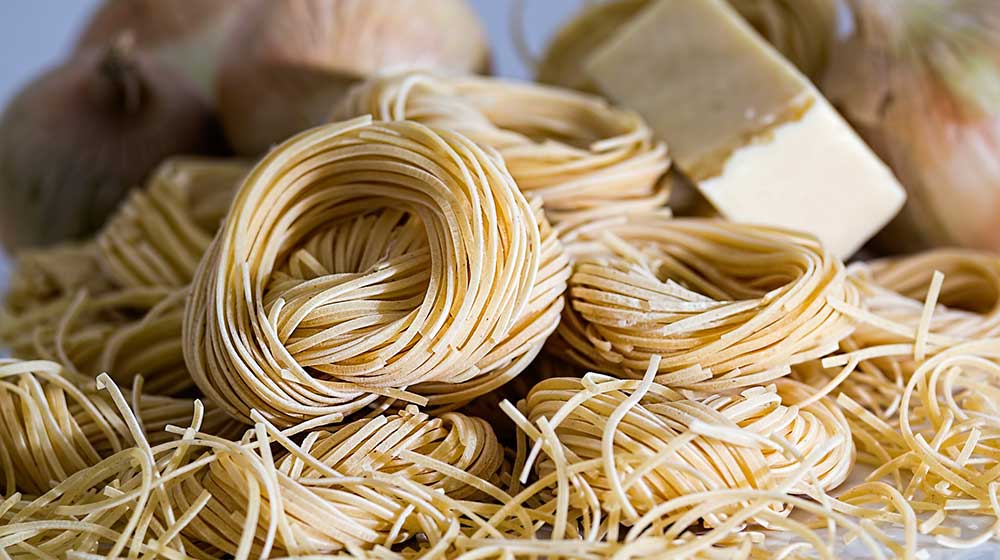
Also known as ‘capellini,’ angel hair is one of the thinnest types of pasta, with strands that are less than a millimetre in diameter. Made from the same basic ingredients as other pasta types – semolina flour and water – angel hair pasta has been around since the 14th century.

Its name, derived from the Italian ‘capelli d’angelo,’ which translates to ‘angel hair,’ evokes a sense of ethereal lightness and fragility. Despite its charming name and long-standing history, angel hair pasta has been demonised by pasta lovers worldwide.


The Culinary Sins of Capellini

The disdain for angel hair pasta often centres on a few common complaints… first, its ultra-thin structure makes it notoriously difficult to cook correctly. A few seconds too long in the pot and it becomes a mushy mess that no one wants on their plate. Overcooking is an easy mistake to make, especially given how quickly it cooks compared to its thicker pasta cousins.

Also known as ‘capellini,’ angel hair is one of the thinnest types of pasta, with strands that are less than a millimetre in diameter.

Secondly, angel hair’s fine strands can struggle to hold onto sauce. Instead of the harmonious marriage of pasta and sauce that foodies dream about, you’re often left with a pile of sad, sauce-less noodles and a pool of sauce at the bottom of the bowl. This can lead to a lacklustre flavour experience that leaves a bad taste in the mouth – literally.

Lastly, angel hair pasta is often dismissed as being too delicate for hearty dishes. It’s seen as a lightweight, suitable only for the simplest of meals, and lacks the robust texture needed to stand up to rich, meaty sauces.


The Path to Redemption

But what if the real problem with angel hair pasta isn’t the pasta itself, but the way we’re cooking it? Just like any misunderstood ingredient, it can taste great when cooked properly and not bastardised by heat. Here’s how you can bring out its best qualities and perhaps even win over a few sceptics.

Timing is Everything

Angel hair pasta cooks quickly – really quickly. We’re talking 2-3 minutes in boiling water. To avoid the mush, set a timer and taste the pasta after 2 minutes. You want it to be al dente, meaning it should be firm to the bite but not hard. The line between perfect and overcooked is thin, much like angel hair pasta itself.

Sauce it Up Right

Given its delicate nature, this type of pasta pairs best with light sauces. Think simple olive oil and garlic, a fresh tomato and basil sauce, or a light seafood sauce. These allow the pasta to shine without overwhelming it. To help the sauce cling to the pasta, try tossing the cooked pasta directly in the pan with the sauce for a minute or two. This helps the strands absorb the flavours and ensures a more cohesive dish.

Mind the Portions

Angel hair pasta is best used in smaller portions. It’s not meant to be the star of a dish, but rather a complement. Consider pairing it with delicate proteins like shrimp, scallops, or chicken piccata. Its lightness can also be a great contrast to fresh, leafy salads.


An Angel In Disguise

In the end, angel hair pasta might just be a victim of misunderstanding and misuse. Perhaps it deserves a place in our kitchens and on our plates after all…

Cook like an Italian – avoid these 6 blunders to make the perfect pasta.

The Pinnacle of Luxury at Melozhori Private Game Reserve

Luxury can mean many things to different people, yet some experiences redefine it in unparalleled ways. A recent visit to Melozhori Private Game Reserve was a masterclass in what luxury can be, and it set the standard for what exclusive getaways like this should aspire to.Melozhori-The Lodge

The Magic of Melozhori Private Game Reserve

Situated near Stormsvlei, with the majestic Langeberg mountains framing its backdrop, Melozhori is an oasis of tranquillity and refined elegance. The Lodge, which is the weekend home of the Bhorat family, is the jewel of this reserve and is available for exclusive hire, offering a fully inclusive stay for up to eight guests.

Melozhori is an oasis of tranquillity and refined elegance…

In total, Melozhori accommodates just eighteen guests at any time, eight in The Lodge, with the remaining accommodated in two secluded self-contained pods, the stunning treehouse and a two-roomed, pet-friendly cottage. This ensures a high degree of privacy for all guests at any time, with your only distraction being sightings of the reserve’s abundant wildlife. All of the accommodation offerings are the last word in luxury, every detail met and then some.

Connected to Nature

Melozhori is more than just a getaway; it’s a sanctuary for guests, as well as for the wildlife that live in this predator-free haven. The reserve, formerly a cattle and sheep farm, has been meticulously transformed into 2,300 hectares of pristine Renosterveld and fynbos. Now a vibrant ecosystem, it is home to 38 species of game, 129 species of birds, and an array of indigenous flora. A plethora of buck, as well as zebra, ostrich, bat-eared foxes, giraffes and more flourish in freedom.

Melozhori is more than just a getaway; it’s a sanctuary for guests, as well as for the wildlife that live in this predator-free haven.

Our stay at The Lodge mirrored this sense of freedom – we found ourselves in a blissful state of detachment from the outside world. The Lodge offers a comprehensive all-inclusive experience, attended to by a dedicated team that ensures every desire is met. Our hosts, Coenraad and Lientjie Nell, supported by the attentive Melissa, Gift and Chef Marthinus Erasmus, were always nearby, ready to cater to all our whims and share fascinating insights about managing such an extraordinary estate.

The African Edition

The Bhorat family are committed to continually restoring this area with their transformative conservation efforts. Coenraad and Lientjie, who have been looking after the reserve for nine years, shared stories that painted a picture of the immense effort and passion required to rejuvenate exhausted farmland into a thriving natural reserve. So compelling, that I could easily see it being a riveting reality docu-series, something like “Clarkson’s Farm” but the African edition.

One of Melozhori’s most treasured inhabitants is the Bontebok, once on the brink of extinction, with only 17 left in the early 19th century. This elegant antelope, with its distinctive white face and striking coat, adds a touch of regal beauty to the reserve.

On our game drives, we were delighted by sightings of springbok, zebra, bontebok, gemsbok, antelope, waterbuck, ostrich, the gorgeous male Masai giraffe (with his unique coat pattern) and even a plucky hare, to name just a few.

Even if you’ve grown up in Africa, encountering wildlife is still a profound experience. ‘G is for Giraffe’ in many a favoured childhood book, and it’s easy to take for granted a picture on a page. Seeing these graceful animals up close is very humbling.

Raining on our parade

We encountered a few spells of rain, which thwarted some of our plans; we quickly retreated from one game drive and had to put a pin in plans for an infinity pool boma fire and a hot tub under the stars, however, the team seamlessly adjusted things so that we barely noticed.One of the most memorable experiences was a sundowner game drive to a secluded spot within the reserve. As we arrived, the Melozhori team were putting the finishing touches on the scene – a roaring bonfire and drinks, complete with a lavish cheese and charcuterie board, featuring housemade venison droëwors.


Mother Nature favoured us, allowing for the rain clouds to dissipate and reveal a sky streaked with hues of pink and orange as the sun set. As the day gave way to dusk, we reluctantly had to leave this magical setting, however, we were enticed by the prospect of a gourmet dinner prepared by resident chef, Marthinus Erasmus, and the promise of an equally roaring fireplace at The Lodge lounge.

Mother Nature favoured us, allowing for the rain clouds to dissipate and reveal a sky streaked with hues of pink and orange as the sun set.

Melozhori Private Game Reserve

Yes, Chef!

Chef Marthinus Erasmus has been delighting guests with his cuisine at Melozhori for two years. Having a chef who accommodates every dietary preference and whim is a rare privilege, and the food that he serves is more than just sustenance, it’s an integral part of the luxury experience.Chef Marthinus navigated our diverse dietary needs with ease and served delicious food course for course.
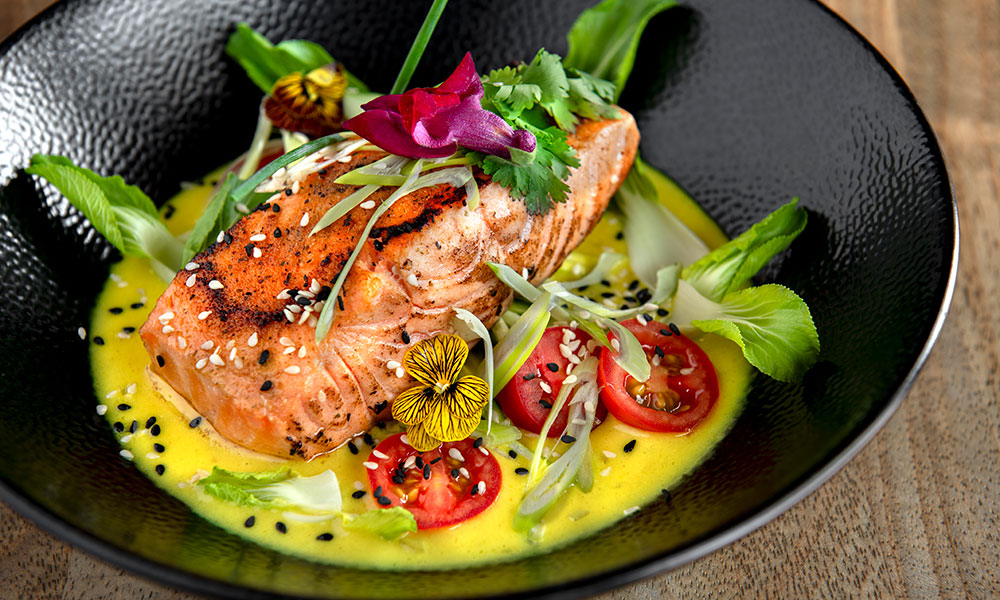
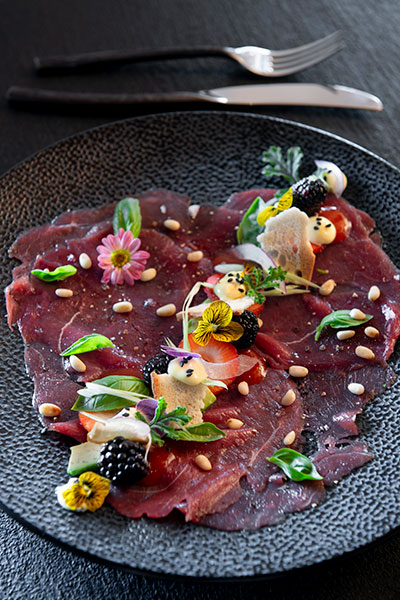
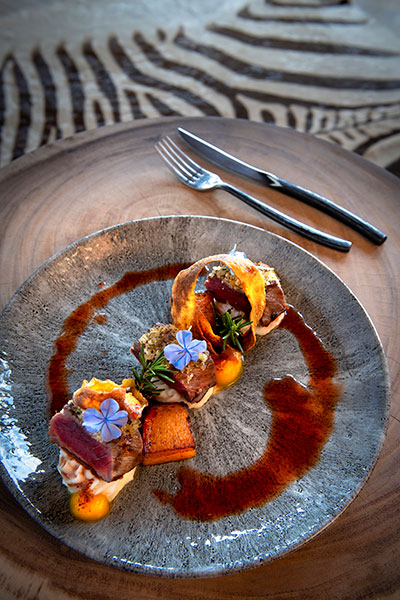
One of the standouts was a delicately prepared salmon dish, with a coconut and ginger sauce that ranks among my favourite meals of the year so far. Although equally impressive was the venison dish the evening before, as well as a lavender-infused cheesecake with honeycomb. Everything was vibrant, yet elegant and full of bold flavour.

On one of the afternoons, when the rain was being insistent, he treated us to a cooking demonstration, revealing the secrets of lightly smoking fresh salmon and crafting that aromatic ginger and coconut milk sauce. With the salmon smoking on the deck, and the view overlooking the infinity pool and the expansive hills beyond, it was hard to imagine a more idyllic setting.Melozhori-Lodge-poo

A Local Look

The design of The Lodge at Melozhori harmoniously blends with its natural surroundings, featuring earthy tones and rich textures. The tactile finishes of the walls and luxurious materials create a space that is quietly opulent yet inviting.Each of the four rooms, along with the main lounge and dining area, is positioned to offer sweeping views over the infinity pool and the vast reserve. The lofty thatched ceilings and expansive windows enhance the sense of space and light, while underfloor heating and sleek contemporary fixtures contribute to the overall sense of refined comfort.



At Home at Melozhori

Despite the undeniable luxury, Melozhori maintains a warm and homely atmosphere, which is attributed to its people; the friendly and approachable nature of the team ensured that we felt utterly at ease. We were invited to kick off our shoes, get comfortable, and feel at home in this extraordinary setting, and the exclusive use of the space allowed for a truly immersive experience.Melozhori Private Game ReserveUpon summing up our stay at Melozhori, I couldn’t help but reflect on the quiet elegance of the giraffes we encountered on our game drive – striking in their appearance and size, yet so graceful in the way in which they navigate their world. Melozhori strikes this same perfect balance – exuding grandeur yet remaining grounded and intimately inviting. A special place indeed.

+27 66 595 7823 – 8h00 – 18h00
Western Cape, Overberg (5km from the N2 turn-off to Stormsvlei)

melozhori.co.za | Facebook | Instagram | Email

The Best Ingredients To Stock an Italian Pantry

Whether you’re Italian, love Italian food or just want to keep your pantry up to date, it’s important to have the basic Italian cooking staples in your kitchen. When you cook Italian food, you cook from the heart and soul, so it’s important to not skimp on any important ingredients that a recipe may call for…

Italian Herbs & Spices

italian pantry

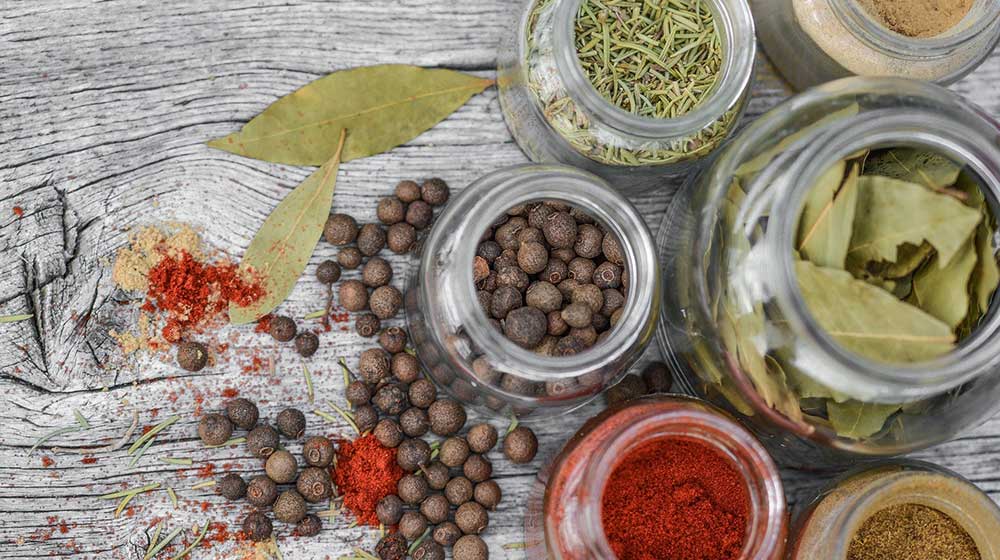
First things first, herbs! Spices and herbs are very important when it comes to cooking in general, they elevate any dish and enhance flavour. Italian dishes rely on specific herbs to distinguish their classics – think basil in a basil pesto, and crispy sage with brown butter gnocchi. Other must-have herbs and spices to include in your Italian pantry are bay leaves, parsley, oregano, hot chilli, thyme, black pepper and rosemary.

Try this recipe for Gnocchi in a Creamy Basil Pesto Sauce


Extra Virgin Olive Oil

italian pantry

Pour olive oil on everything to make any dish instantly better – think tomatoes, salads, seafood, pasta… the list goes on! You can never go wrong with buying a good quality, cold-pressed extra virgin olive oil; it’s the most natural and highest quality oil. Remember to always keep it stored in a cool spot, away from the sun, in order for it to keep its fresh flavour. We cannot stress enough how important olive oil is for a classic Italian pantry, and South Africa has so many incredible and globally award-winning local extra virgin olive oils to choose from.

Want to know the difference between extra virgin olive oil and other olive oil types? If you’re even more curious, learn how to taste olive oil correctly.

Bonus: Here’s a recipe for an Italian classic, Aglio e Olio Linguine


Balsamic Vinegar

italian pantry

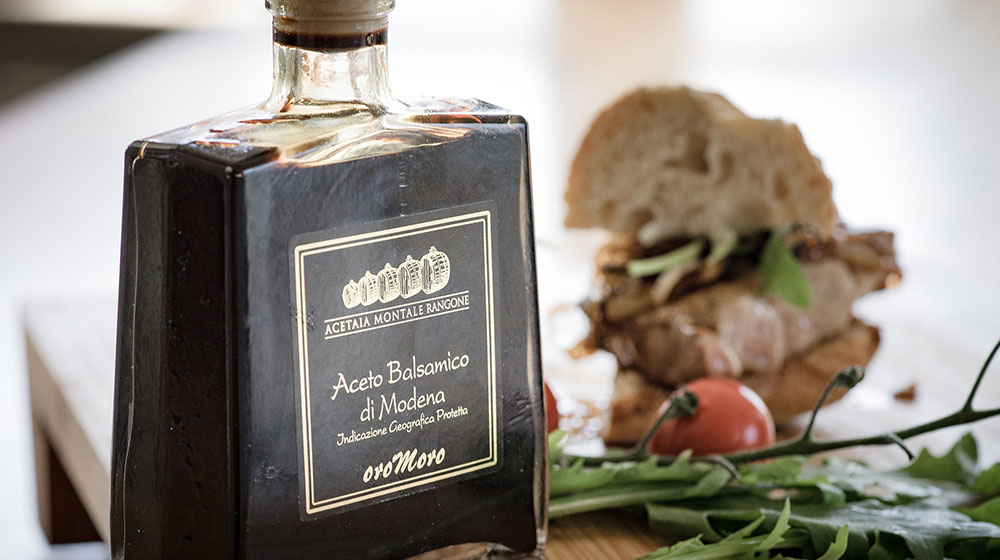
We know we went on a whole spiel about how olive oil is the ‘it’ condiment in an Italian pantry, but we are here to open your minds… balsamic vinegar is just as important. Adding this to salads – game-changer; adding to risotto – out of this world. In Venice, they even add aged balsamic vinegar to their gelato. In order to get the wonderful flavours that balsamic vinegar has to offer, make sure to buy the traditional option.

Check out this recipe for Balsamic Roasted Beetroot & Mozzarella Salad


Lemons

italian pantry

One of the most important fruits for Italians is the lemon. In some parts of Italy, they even gather to celebrate a good lemon harvest. These festivals involve barrels upon barrels of fresh lemons, and all things lemon.

This fruit is the catalyst for other ingredients in Italian dishes, as it allows you to better taste the other flavours in dishes. A grating of fresh zest or a squeeze of juice can elevate fresh seafood dishes, as well as flavour biscotti, or bring out the flavour of sautéed meats. Always keep lemons in your Italian pantry!

If you want more lemon in your life, check out this recipe for Rainbow Carrot & Pea Risotto with Lemon Dill Pesto, and check out our round-up of lovely lemon recipes.


Tinned Tomatoes

italian pantry

Italians like everything fresh! Even so, canned tomatoes serve as a base for most sauces, as well as for Italian roasts, soups and more. However, the Italians love a specific type of tinned tomatoes, so try to get concentrato di pomodoro, passata or anything with garlic in it. Passata is a bottled tomato purée, which is very common in a lot of Italian dishes; if you want to step your game up, add this to your next dish.

A great way to use tinned tomatoes is in this Parmigiana di Melanzane.


Sun-dried Tomatoes

italian pantry

The Mediterranean region pride themselves on sun-dried tomatoes, especially in southern Italy. You can keep it simple and eat it with some fresh bread, cheese and a glass of wine – how divine! They are also perfect for pasta dishes; think a basil and sun-dried tomato pasta.

Hosting a dinner party soon? Try this recipe for Sun-dried Tomato, Ricotta & Chorizo Aubergine Rollups.


Pasta

italian pantry

This is an obvious one, but we still have to mention it. Having pasta corta in your Italian pantry, which is basically all other types of pasta that isn’t spaghetti (fusilli, penne, farfalle, etc.) is essential. The shorter shaped pastas are actually designed to hold the sauce better, which gives you the best flavour profile. A good spaghetti is also essential to even remotely call your kitchen an Italian one. Check out our guide of different types of pasta; we also got you covered with a step-by-step guide to making your own pasta.

Try making this Sicilian-style Pasta or this recipe for Linguine with Mussels and Prawns.


Garlic

italian pantry

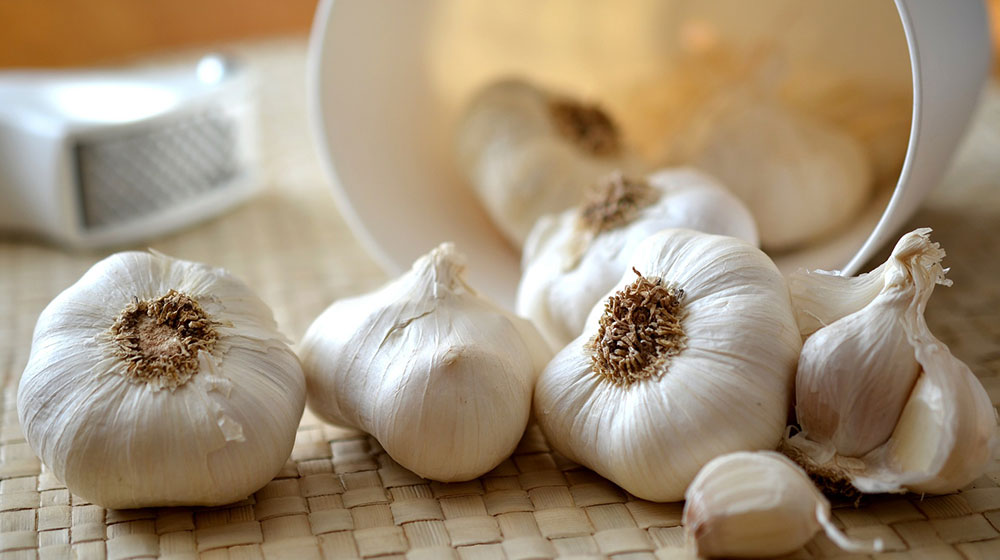
Garlic has a relatively long shelf life, so having a couple of bulbs in your kitchen at all times is 100% doable and essential. Almost all Italian recipes use some form of garlic, so if you can keep fresh bulbs, that’s first prize; if you are stuck, powdered garlic or refrigerated crushed garlic will do.

If you ever want a marinade that’s perfect for steak, check out this Anchovy, Garlic and Rosemary Marinade.


Tinned Fish

italian pantry

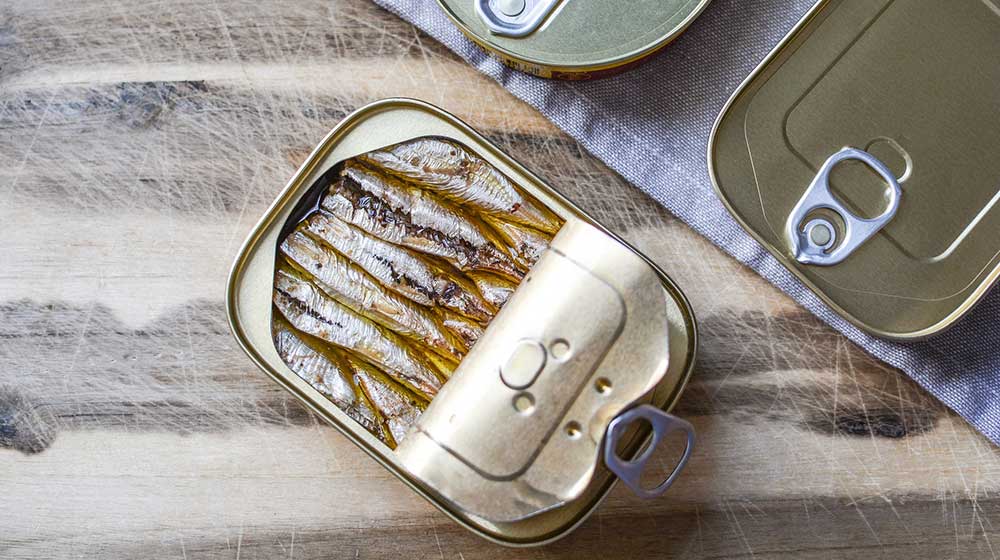
You may be thinking ‘???’ but hear us out. Italians love good quality tinned sardines and tuna packed in olive oil. Tinned fish makes for the perfect quick snack – simply scoop up with your favourite cracker or focaccia and chomp away. They are also wonderful for quick pasta dishes; throw them on top, add a pinch of salt and you’re good to go!

These Mediterranean-style Sardines are so easy to whip up.


Anchovies

italian pantry

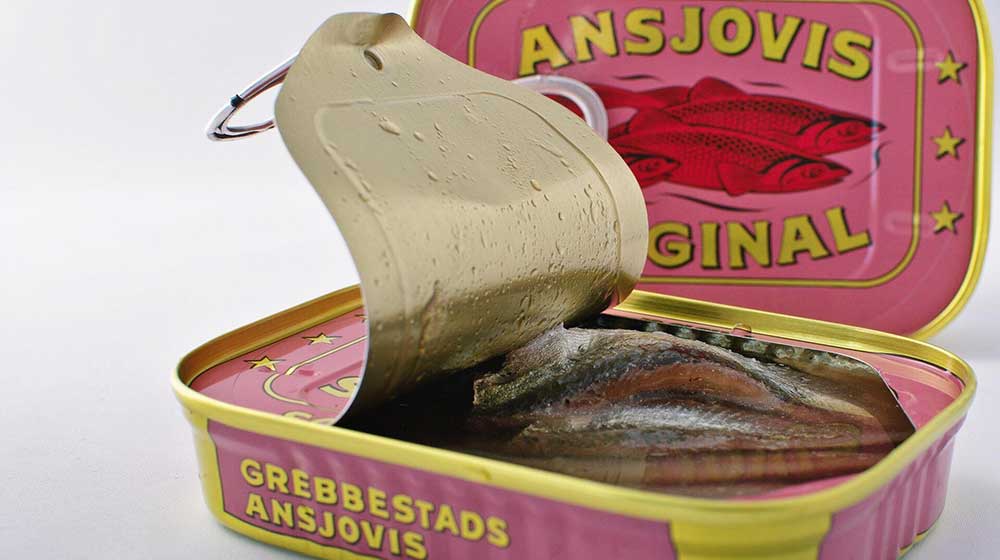
There are so many ways to enjoy anchovies – in a paste, preserved in olive oil or salt. It is easily a fan favourite among Italians. In their eyes, the best-quality anchovies are those that are packed in salt; a close second would be the olive oil-packed anchovies packaged in glass jars. If you buy anchovies packed in salt, don’t forget to rinse them well before eating.

Make butter out of anchovies for an extra kick, with this recipe for Rare Rump Steak with Anchovy Butter.


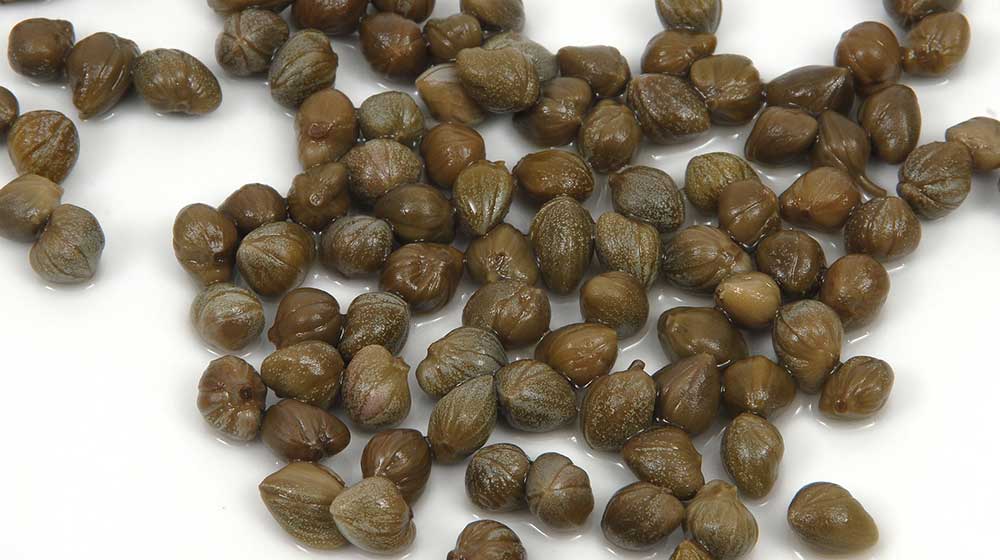
Capers

Not just on your morning bagels! Capers are an Italian kitchen staple; they are the buds of a flower that are picked, dried and then preserved in salt or in vinegar. Capers are typically served in caponata, an aubergine side dish – their acidity enhances the flavour of the aubergine. They are also used in a lot of Italian meat and seafood dishes, as well as sauces.

Try this recipe for Beef Carpaccio with Capers and Rosemary Straw Potatoes


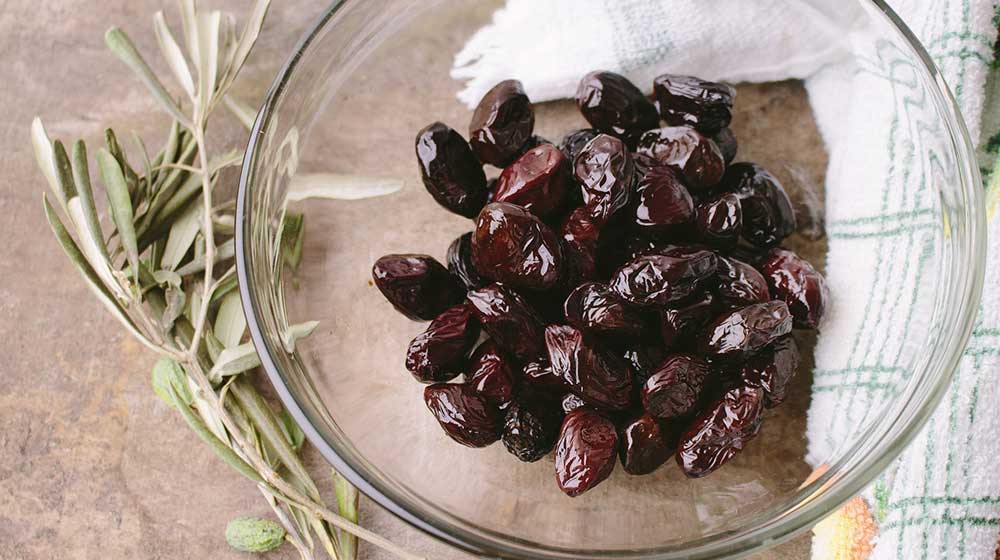
Olives

Nothing tastes quite like Italy than a perfectly marinated or cured olive. One of the most important olives to Italians is the Bella di Cerignola. Also known as ‘Cerignola olives,’ these brine-cured olives can range from green to yellow to red or black. If you’re not sure how to de-pit an olive, it’s best to use the pressure method – place the olives under the wide part of a chef’s knife and apply pressure. The force will loosen the pit and voilà! Imagine if nonna found out you didn’t have olives in your Italian pantry; don’t disappoint – always keep a jar or two in your kitchen.

Try this Mixed Herb & Olive Fussili recipe, it’s perfect for simple weeknight dinners.


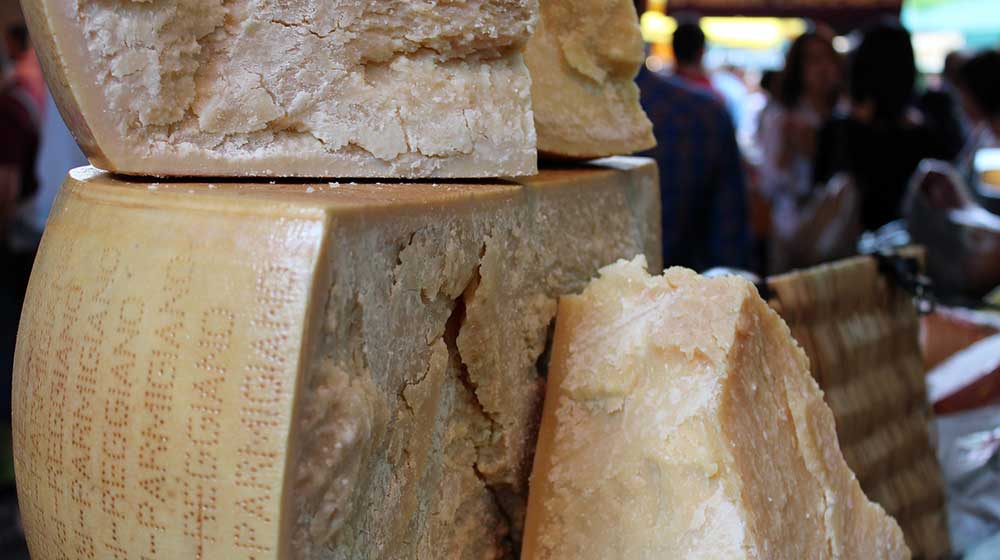
Cheese

Mozzarella and Parmigiano Reggiano are the two most important kinds of cheese to Italians. Of course, you can buy a Grana Padano, which is a cheaper option to Parmigiano Reggiano – but if you want that authentic flavour, it’s better to go with the Reggiano. The great thing about these hard cheeses is that they have a relatively long fridge-life and a little goes a long way. Fresh mozzarella spoils rather quickly, so it’s best to use it within the week.

Hot tip: keep your Parmigiano or Grana Padano rinds in the freezer; when you prepare a Bolognese or tomato-based sauce, toss in as is and see how it imparts the most amazing flavour into your sauce.

Learn how to make Pan-fried Line Fish on Parmesan Mash.


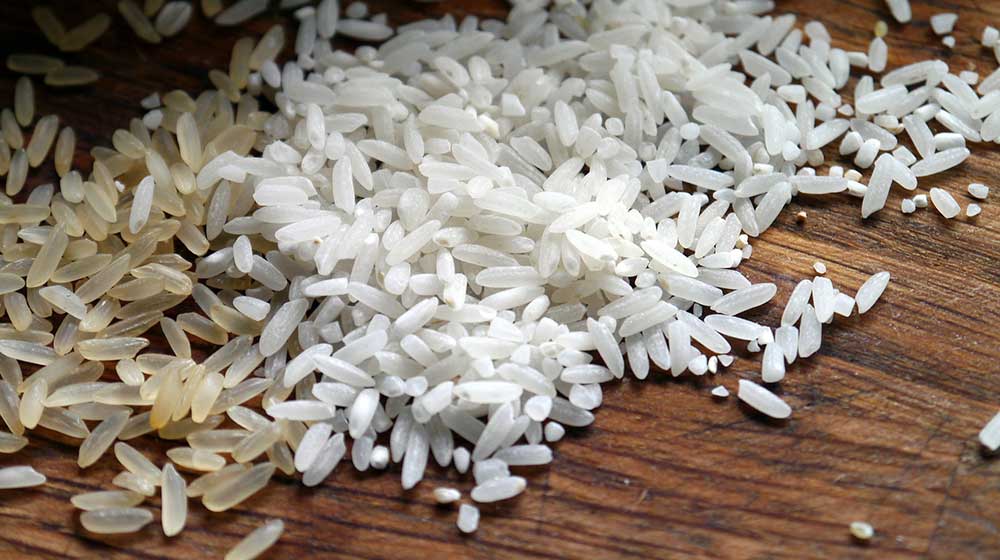
Rice

Rice is important for making the quintessential Italian dish, risotto. In Italy there are various types of rice; for risotto, the most common ones to use are arborio, carnaroli, and vialone. Some Italian soups have rice in them, the best ones to use are vialone nano, balilla, and arborio. Always keep rice in your Italian pantry – you won’t regret it!

If you’ve always wanted to make risotto, this is your chance! Check out this recipe for Roasted Butternut and Sage Risotto, or Pan-fried Salmon on Pea & Lemon Risotto.


Breadcrumbs

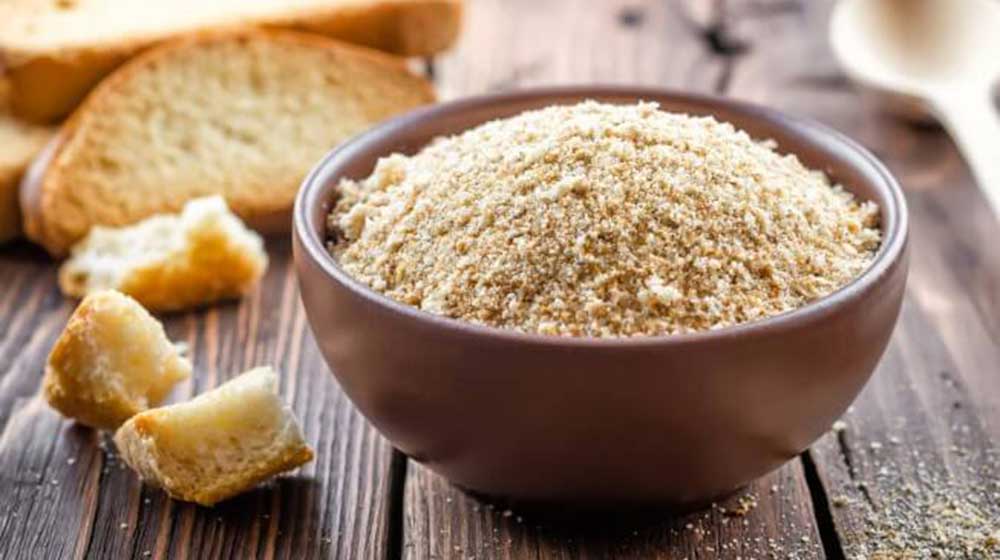
A purist would say they need to be homemade breadcrumbs, but if you need to use store-bought ones, then go for it. However, if you always have fresh bread at home, then you’ll always be able to make breadcrumbs. Breadcrumbs are perfect for crumbing foods and bring a whole other textural layer to chicken breasts, fish, pasta, veal, risotto, and even soups.

Try this recipe for Green Olive, Caper & Herb Pasta with Crunchy Pangrattato


Dried Mushrooms

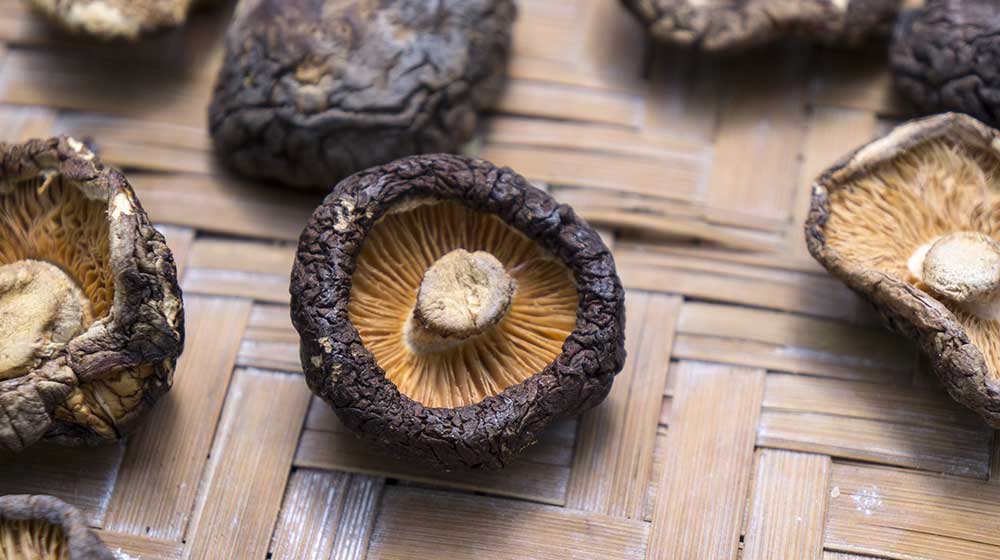
Dried porcini mushrooms can be used to make sauces, soups and pasta dishes. Their earthy flavour profile adds such a great flavour to these dishes that you’ll wonder why you haven’t used them before. They also have a long shelf life, so you don’t have to stress about using them right away, but make sure to keep this one stocked in your Italian pantry.

Learn how to cook different types of mushrooms


Flour

italian pantry

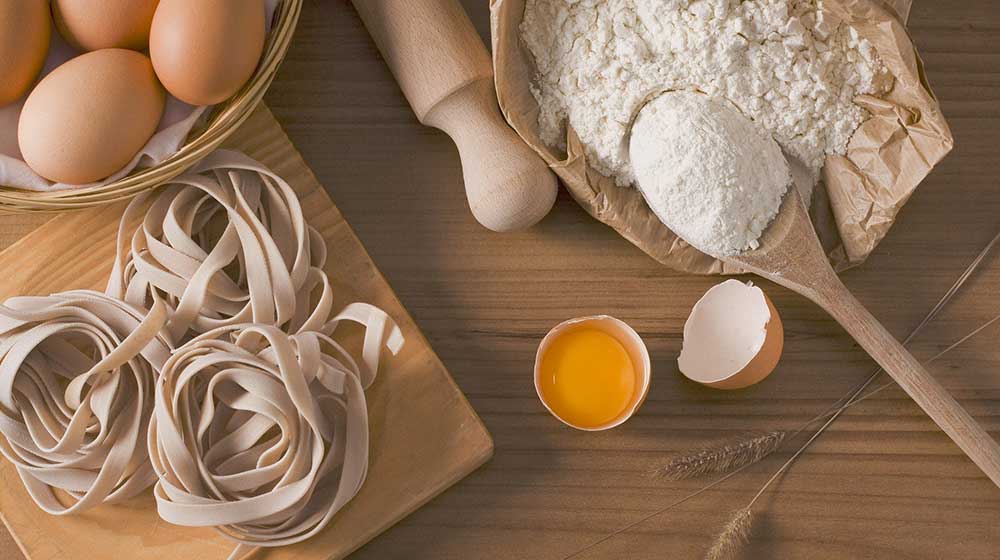
If you want to try your hand at making your own pasta or bread, then flour is essential to have in your Italian pantry. Keep an eye out for ‘hard flour’ and ‘soft flour.’ Hard flour is perfect for making pasta and some types of bread, whereas the soft flour is great for making pastries and most types of bread. Semolina flour is simply a wheat flour; it works perfectly with egg yolks, butter and Parmigiano. This flour works best for making gnocchi, and is also great for keeping pizza bases loose.

Be a master at making artisanal breads! Click here to learn five bread recipes that will make you question ever buying bread again.

Buon appetito!

The History of Pasta: Learn All About this Pantry Fave

It’s almost impossible to find someone who doesn’t like pasta. It comes in different shapes and sizes, catering to different preferences and sauce types. This integrant Italian dish has become a staple in households around the world, with some countries even having their own version of the dish. While we can agree that pasta is delicious, the roots behind pasta are not only interesting, but still up for debate.

First up – what is pasta?

Pasta is actually Italian for ‘paste,’ getting its name from the paste-like texture of the dough when it is first mixed.

pasta

Unlike noodles, pasta is made from the flour of durum wheat and water or eggs. This type of dough is high in gluten and low in moisture, which gives pasta the ability to be dried and then later become soft again after being boiled. This process of making pasta is inherently Italian, and stands out from how the rest of the world made their version of noodles.


Where Did It Really Originate?

This is a point of contention, with many food historians arguing three different stories of its origin. Some argue that there is evidence that pasta existed in pre-Roman Italy, some that argue that it was brought over from China by the Venetian traveller, Marco Polo, or that it made its way to Italy from the Mediterranean by the Arabs.

Italian historians and writers have argued that pasta equipment had been found in a tomb from the fourth century B.C., arguing that the dish was being eaten in pre-Roman Italy.

The problem with this argument is that writings and references from the 4th century don’t seem to mention pasta or anything resembling pasta. However, there is evidence suggesting the Etruscan civilisation was making a flat ‘noodle’ from durum wheat called ‘lagane,’ but this was only mentioned in the 1st century A.D.

pasta

19th-century Painting by Saverio della Gatta, portraying the ‘macaroni eaters’ of Naples. Image source: National Geographic/Christie’s Images/ Scala, Florence

The second theory is that in the 13th century, Marco Polo brought back pasta from his travels to the orient, specifically China. However, this could be boiled down to a misinterpretation of his writings, seeing as pasta was already being made in various parts of Italy, specifically by the Etruscans. In Polo’s writings, he mentions a tree in China where something ‘like pasta’ was being made. Historians believe he was referring to the sago palm, which is used to create something similar to pasta from barley flour.

It is also believed that pasta actually made its way to Italy from Arab travellers trading in the Mediterranean during the Middle Ages. However, despite all these theories, it seems that all roads lead to Asia. Archaeologists believe that noodles were most likely first produced in central Asia before making their way westward to the Arabs, who then travelled with them to the Mediterranean, where the process was refined and durum wheat began being used.


How Pasta Became the Food of the Common Man

In the 16th century Italy, pasta was actually considered a dish that only the wealthy could afford and enjoy. The famous Italian Renaissance chef, to three cardinals and two popes, Bartolomeo Scappi, actually wrote a cookbook in 1570 named Opera dell’arte del cucinare, which translates to ‘Opera, the Art of Cooking’. In this cookbook, Scappi wrote about how to make fresh egg pasta dough and how to use a ‘special’ rolling pin.

Pasta was actually considered a dish that only the wealthy could afford and enjoy.

One of the recipes he created was a banquet dish, suited for the elite of that time. The dish consisted of boiled chicken accompanied with ravioli filled with a paste made of various parts of meat, roast pork, boiled pork belly, cow udders, herbs, fresh cheese, Parmesan, spices, raisins and sugar.

Pork Ragu

It was around the 17th century that it started becoming a staple of the common man. This had to do with the deterioration in people’s standard of living, which limited the access to meat and its affordability, and how cheap the Kingdoms of Sicily and Naples were selling wheat. Another contributing factor was religion.

Italy has been a religious country for centuries, and around the 17th century is when religious restrictions started having an impact on what people were eating. In Catholicism, there are days when meat is forbidden and that’s when pasta started filling the gap.


Tomato Sauce and Pasta

Although hard to believe, Italians did not like tomatoes pre-pasta, as they were considered too sweet and ‘exotic.’

It wasn’t until the 19th century when the first recipe appeared for the most common pasta dish we all know and love today – spaghetti in tomato sauce. It only makes sense that the Italians combined the two; the warm climate of the Mediterranean is perfect for growing tomatoes, herbs and other fresh vegetables, and only meant that it was inevitable that they would start testing different ways to enjoy pasta with a variety of sauces.

Dried Pasta

There are reasons for having different types of pasta; dried pastas, in particular – especially the ones that are more intricately shaped – were designed for holding onto sauces. There are about 300 varieties and shapes of dried pasta, ranging from tubed shaped to ones that look like wheels.

When it comes to dried pasta, there is actually a law in Italy stating that it has to be made with 100% durum semolina flour and water. One thing that makes dried pasta stand out is the drying process. Of course, as with any popular food, there is the process for mass production, and then there is the old-school way.

Mass-produced pasta is typically dried in very high temperatures for a short period of time, in order to get more pasta dried in a smaller amount of time. Whereas with the traditional method, pasta is dried a lot slower and at a much lower temperature. The reason why old-school methods are still used today is that it ensures a quicker cooking time, creating a better texture and overall a better eating experience.


Fresh Pasta

Fresh pasta takes time and care to prepare, and the result is a much softer and fresher pasta. Unlike its dried counterpart, the fresh version can be made with ingredients other than durum semolina flour. Some use all-purpose flour and eggs, some use durum flour and water, but there is more wiggle room than its dried counterpart. Being served fresh, homemade pasta by someone in Italy shows a great deal of respect and shows they take a high level of pride in their cooking.

pasta

Have a hankering for pasta? Check out our round-up of mouthwatering pasta recipes.

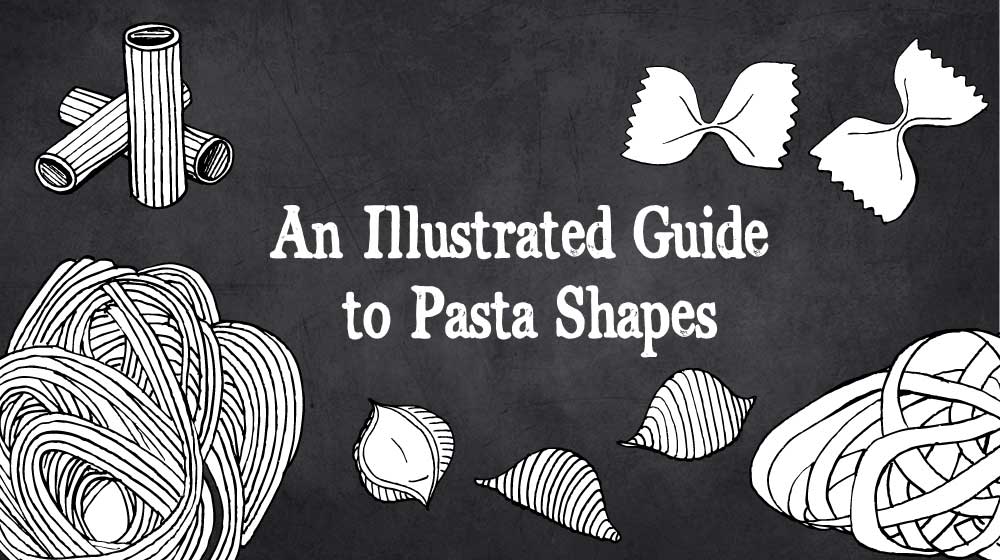
An Illustrated Guide To Pasta Shapes & Names

Pasta must be one of the most versatile and popular food items around. While it doesn’t have a whole lot of flavour on its own, it’s the perfect carrier for all manner of sauces and is the base ingredient for some of the most popular dishes enjoyed worldwide, every day. There is a theory that the Arab invasions of the 9th Century brought a dried noodle-like product, similar to pasta, to the southern parts of Italy. But as with the history of many food items, this is a popular topic for debate. It’s safe to say that the Italians have taken the idea and put their stamp on it, with hundreds of varieties and tasty dishes.

Pasta remains popular around the world because it’s easy to make, inexpensive and the store-bought version has a long shelf life. From the earliest days until now, many different pasta types have emerged, making it tricky to identify one from the other.

Pasta Types

Keep this comprehensive visual guide of pasta shapes and names handy as your personal pasta crib sheet.

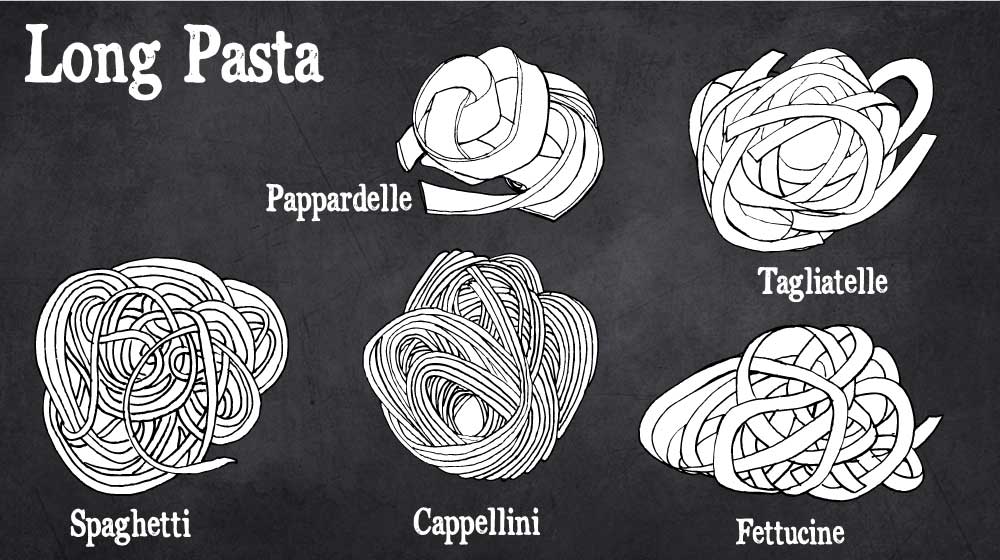
Spaghetti

Ah, spaghetti, where would we be without this pantry staple? This long, cylindrical pasta is the base item for a traditional ‘spag bol’ – probably one of the most popular pasta dishes around. Immortalised in that famous scene from Lady and the Tramp, where a shared strand leads to a romantic kiss, possibly because the average length of spaghetti is around 25-30cm. Classic first date material.

To cook the dried version, you’ll need to pop its full length into a pot of boiling water; let the submerged part cook until it’s soft enough to bend and allow the rest of it to fit into the pot. Whatever you do, don’t snap it in half. That is pasta sin! Ironically enough, spaghetti is not only a perfect match for Bolognese, but also light seafood sauces and cream or oil-based ones. We love this simple Fresh Tomato Marinara Sauce Pasta.

Cappellini

Cappellini is spaghetti’s skinnier cousin, with a diameter between 0.85mm and 0.92mm. It is possible to get confused between Cappellini and spaghetti in pre-cooked form because of their similarities, but sometimes, spaghetti can be slightly more rounded.

As if Cappellini is not skinny enough, you have another option to choose from – capelli d’angelo (angel hair). This even thinner variant of capellini has a diameter between 0.78 and 0.88mm, and is usually sold in a nest-like shape. This ethereal pasta is delicate and goes best with other delicate sauces like pestos, light creamy sauces, tomatoes and seafood.

Tagliatelle

Tagliatelle is a flat, medium width noodle, about 6.5mm to 10mm wide. It is most commonly served with Bolognese sauce. It’s slightly skinnier version is tagliolini, which has a slightly more cylindrical shape. Tagliatelle lends itself to rich meaty sauces because the strands help catch all those tasty morsels. Try this killer Ragù Recipe with your tagliatelle, it’s a winner.

Fettucine

Fettucine is a flat, relatively wide noodle, but is wider than tagliatelle. It is best known enjoyed with a classic Alfredo sauce, but actually works well with a beef or chicken ragù too. In fact, there’s very little that this hard-working pasta doesn’t go well with. If you come across a green version, it most likely includes spinach, for extra flavour. Try this Walnut and Spinach Pesto Fettuccine.

Pappardelle

Pappardelle comes from the word ‘pappare’ which means to ‘gobble up,’ which we totally get, as this wide flat pasta is perfect for big appetites. It also hails from the gorgeous Tuscan region in Italy, where fresh ingredients are key.

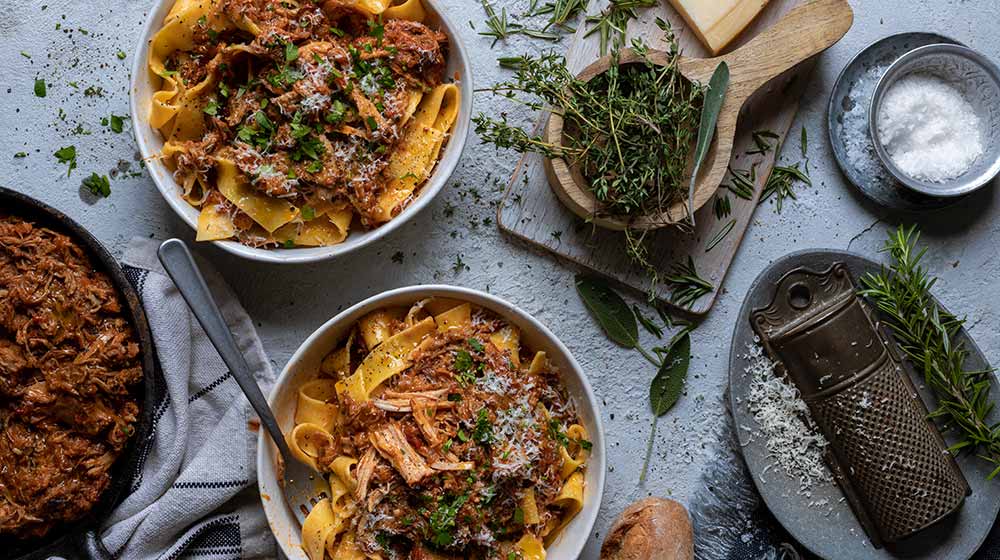
It is a very broad and flat pasta and is roughly 2 to 3 cm wide, making it best for seriously creamy and meaty sauces. It may also have fluted edges, offering further grip for all that sauciness. Try out this Mushroom Ragù, a great veggie riff on the classic meaty one. If you prefer a meatier version, this Pork Ragù with Pappardelle is just as delicious.


Pasta shapes and names

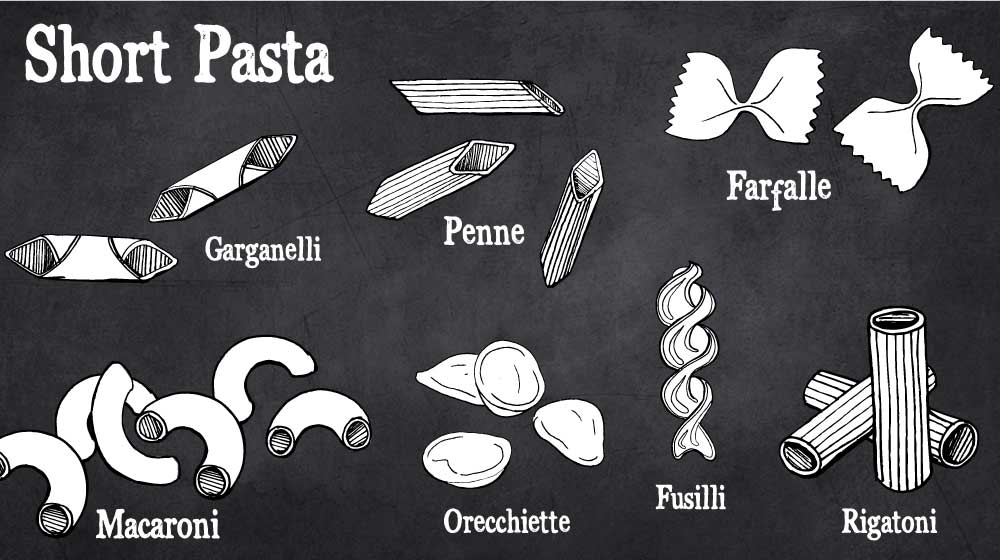
Macaroni

Who doesn’t love the old favourite, Mac and Cheese? It’s probably one of the most popular forms of pasta, and the dish has certainly become an American family classic. It is traditionally made from durum wheat, without eggs, and is shaped in short, hollow tubes cut in short lengths.

Elbow macaroni is cut in lengths with a curve, which is why it is the best with cheesy sauces because that little crook catches it all. Give this Mac and Cheese with Caramelised Leeks recipe a go, you won’t be sorry.

Farfalle

Probably one of the prettiest pastas, this butterfly or bow-shaped pasta gets its name from the Italian word ‘farfalla’ meaning ‘butterfly.’ Farfalle are formed from a rectangle or oval piece of pasta – the centre is pinched together to give it that pretty shape.

Because one version is never enough, there are also farfallone – the larger variation of farfalle and farfalline – the miniature version of farfalle. Whichever size you go with, know that you can pretty much pair farfalle with any sauce. Try this recipe for Green Olive, Caper and Herb Pasta with Crunchy Pangrattato.

Penne

Another popular shape of pasta due to its cylindrical centre that picks up and hold sauces really well. It’s great with a rich marinara or a spicy arrabbiata sauce. It’s name is derived from the Italian word, penna, which means ‘feather’ or ‘quill.’ You can choose from two variants of penne – penne lisce (smooth) and penne rigate (furrowed). You can’t go wrong with this Pea, Crispy Bacon and Feta Penne recipe.

Rigatoni

Rigatoni is a slightly shorter and stouter version of penne – sometimes with a slight curve. The name comes from the Italian word, rigato, which means ‘ridged’ or ‘lined,’ as the pasta has a ridged outer side. The ridged sides of rigatoni are great for holding cheesy sauces.

Fusilli

Fusilli is a corkscrew-shaped pasta and derives its name from the Italian for ‘little spindle.’ Fusilli are popular to use in pasta salads and the tricolour version of red, white and green represent the Italian flag. The curves and chutes it makes is best with a chunkier sauce – something like a pesto works wonderfully. This bold Herby and Olive Sauce goes wonderfully with it too.

Garganelli

Garganelli can be smooth or ridged. This egg-based pasta resembles a small, ridged, rolled tube, almost cigar-like in its shape. Garganelli resembles penne, but the difference is in the making of it. While penne is made as a hollow cylinder, garganelli is rolled from a square piece of pasta; the square folds over visibly, giving garganelli its signature look. Being quite a stable pasta, this too holds up well a hearty meat ragú. See our recipe for a hearty Garganelli Arrabiata.

Orecchiette

Orecchiette means ‘little ears’ in Italian, but don’t worry, no body parts are used in the making of these! This is an eggless pasta, and getting the right shapes takes some real skill – probably best learnt in a hands-on lesson with a real Italian nonna. The shape is almost cup-like which captures sauce really well. The shape is also perfect for scooping up small vegetables, making orecchiette an ideal partner for sautés and braises. See our recipe for Bacon and Broccoli Orecchiette.


Pasta shapes and names

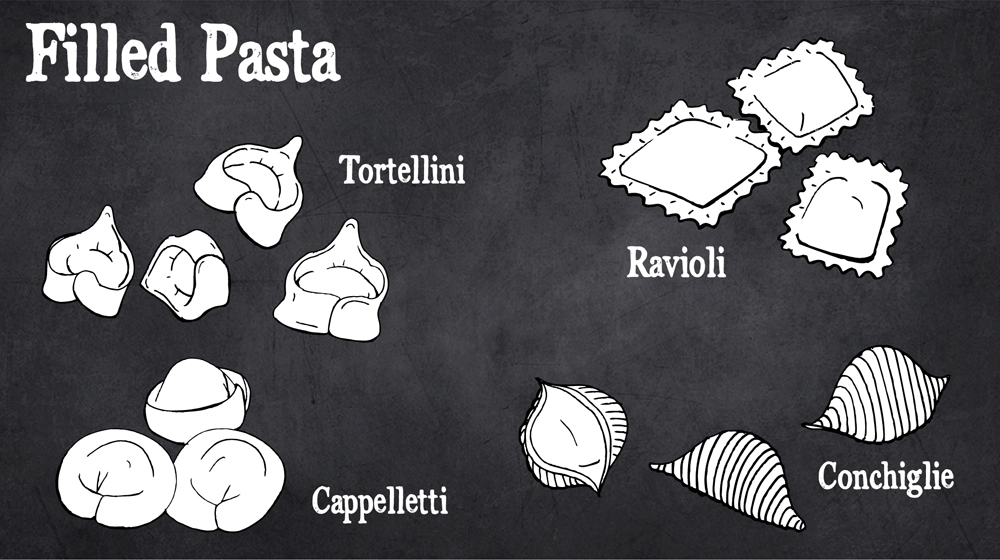
Ravioli

Ravioli are a type of ‘pasta dumpling’ with a filling sealed between two layers of thin, egg-based pasta dough. Ravioli can be served in either a broth or with a delicious sauce. Ravioli are often square or round, though other shapes are not uncommon.

The earliest known mention of ravioli is in the 14th century by Francesco Datini, a merchant of Prato, so these popular pockets of deliciousness have really stood the test of time. Try our delicious Beef Ravioli.

Conchiglie

Conchiglie is perfect for a seaside pasta salad on a hot summer’s day. It looks very similar to a conch shell and this is exactly where the inspiration for the name came from — conchiglia is Italian for ‘shell.’

The shell shape works like a little scoop, so is perfect for meat sauces or a mayo or vinaigrette-based dressing. Conchiglie come in a large size that can be stuffed or a smaller version, conchigliette, ideal for salads.

Tortellini

Tortellini are filled, ring-shaped pasta, which look a bit like a navel. They are folded over in the shape of little turnovers, and then stretched around so the ends overlap and stick together. Tortellini is normally served in a meat broth, using either beef or chicken; it can also be stuffed with a mix of meat or cheese. Try your hand at our Oxtail Tortellini.

Cappelletti

The word cappelletto means ‘little hat’ – exactly what cappelletti looks like. This egg-based pasta is pretty similar to tortellini, in that they are filled and traditionally served in a broth. The real difference comes in in the shape and the way they are folded. Try your hand at this recipe for Roast Chicken Cappelletti served with Chicken Broth.

Lasagne

If you’re familiar with Garfield, then you’ll know all about lasagna. A dish of lasagne is made up of several flat sheets of pasta, usually combined with minced beef or vegetables. It is possibly one of the oldest types of pasta in existence and is typically made of durum wheat. Dried lasagne comes in wide sheets that are used to layer alternately with a meat sauce and béchamel sauce, making for a classic hearty dinner. We love this vegetarian take on the classic dish Zucchini and Ricotta Lasagne.

Cannelloni

Cannelloni is an old Italian favourite – a large cylindrical pasta, usually filled with spinach and ricotta or minced beef, topped with a sauce and cheese, then baked in the oven. Because of the size of cannelloni, it is sometimes blanched or pre-cooked slightly to ensure that it cooks all the way through when baking. Try this Spinach, Mushroom and Ricotta Cannelloni.

Pasta shapes and names

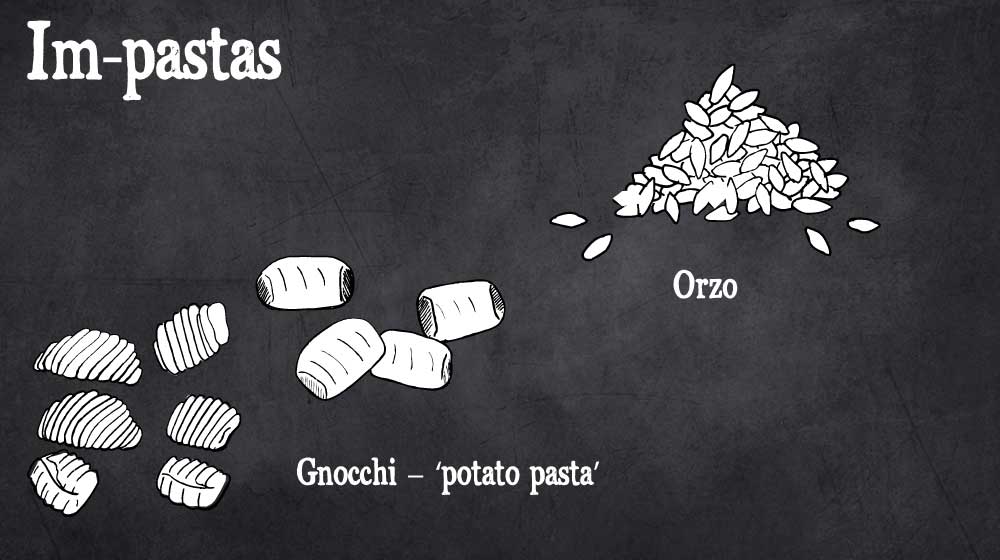
Gnocchi

While not traditionally a pasta, gnocchi are often put in the same category because of their similarity to the real deal. They are also seriously delicious, so we simply had to include. Gnocchi literally means ‘lumps’ in Italian, and while that may not sound particularly appetising right off the bat, don’t be fooled. When done right, these little dumplings – which are made from a combination of potato and flour – are heavenly, fluffy pillows.

The tastiest gnocchi are prepared with starchy potatoes, which give them a light texture. Gnocchi can be boiled, baked or sautéed and can be served in a tomato, pesto, cheese or butter-based sauce. We love this recipe for Gnocchi in a Creamy Basil Pesto Sauce.

Orzo

The word orzo actually means ‘barley.’ This pasta is a little like rice on steroids because of its similar look, but significantly bigger shape. If you don’t like rice, don’t despair, orzo is a great alternative. Serve in a soup, as part of a salad, or as a rice alternative in a dish like pilau or even risotto, like this Mushroom Orzotto. We also love this Mediterranean Orzo with Chicken Thighs.

Inspired? Check out our tips for making your own fresh pasta here. Follow us on Instagram for more delicious content.

Inside The Attic by Bo-Vine with Dale Parker

With its hidden entrance, lofty yet laid-back interiors and air of intrigue, The Attic by Bo-Vine has captured the attention of socialites and tastemakers – not only for its ocean views but also for its top-notch cocktails. Seven months into operations, we chat with Dale Parker, the creative force behind The Attic, about crafting the perfect drink and how they make their cocktails from scratch. Join the conversation.

Pictured: Dale Parker of The Attic by Bo-Vine


Conveniently located on the Camps Bay strip, the popular cocktail lounge is adorned with Banksy-style artworks, where Mia Wallace channels the Mona Lisa’s mystique and Old World emperors are decorated in graffiti. This intimate yet captivating space is an extension of the Bo-Vine Wine & Grill House, offering guests the ideal transition from dinner to cocktails.

We love the interiors and atmosphere of the lounge. What was the initial design concept?

The idea for The Attic was quite simple. Previously, the space was a venue called ‘Beach House,’ which, Gregor Bremer, the owner of the holding company, had available. We’ve known each other for years and I usually have concepts mulling through my brain.

I always wanted to open a shop called ‘The Attic’ because everyone in their life has either had their first kiss in an attic or had their first beer, sherry or whiskey that they’ve stolen from Daddy’s cupboard. Something’s always happened in an attic. So, that’s what we wanted to try and recreate, but giving people better memories of their attic [experiences].

Speakeasies and hidden bars seem more popular these days, did you want to have that hidden feel with the entrance?

Yes, that’s what we were going for. We wanted a random picture that opens up into a bar, so people don’t really know what they’re walking into.

Tell us about the interesting artwork.

Gregor Bremer owns Soda Custom, one of the best interior companies in the country. We wanted to go a little bit ‘tongue in cheek’ – intimate, swanky, almost touching kitsch but not.  Nicole Wrensch, an incredible designer at Soda Custom, showed us a few Banksy pieces. She just really took it to town and found all these images. Gregor was opposed to one or two of them; I wasn’t, I loved all of them.

In conceptualising the drinks menu, what flavours and cocktail styles did you want to highlight?

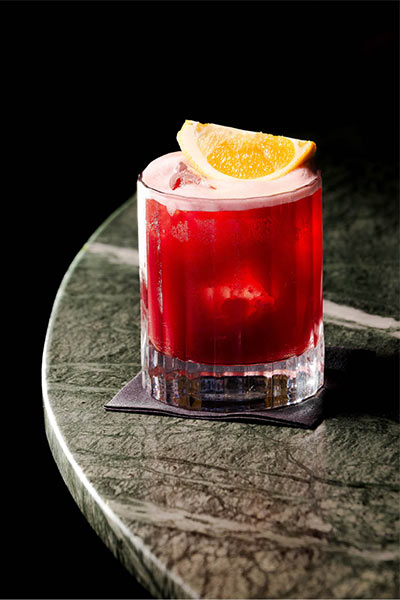
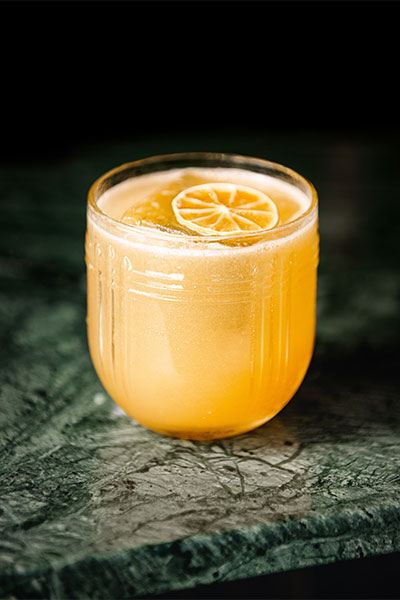
For our signature cocktails, we wanted to follow the flavours of the seasons. We’re in winter now, so we’ve gone with very tomatoey, citrusy notes. For summer, we introduced cooler fruits that were available. But mainly, it was to pay homage to the classics.

What’s your go-to cocktail?

Sheesh, I have two. Definitely, an Old Fashioned – preferably with a very high-hitting, age-statement whiskey – and then a Whiskey Sour. I’ve been drinking Whiskey Sours for as long as I can remember.

Alcohol sells itself, but you still need something that sets you apart. What gives The Attic an edge over competitors?

What we do is slightly different. We like to host people. That’s why it’s such an intimate space. We like to get to know our customers and, obviously, speak through the menu, but we also ask them what their flavour of choice is. We built off-menu drinks for them or sell them one of our drinks. Also, everything’s made from scratch [like the syrups and sodas] and with fresh ingredients. That’s what sets us apart.

Which mixology trend are you loving at the moment?

If we had about three hours, I could go on forever! But one trend I’ve always followed, and that’s close to my heart is working with fresh fruits and ingredients. Also, trying to bring out the freshness of those fruits; I can get quite technical sometimes. I like to wait for the S level (sugar content) to be as high as possible. That means I don’t have to use other sugars.

I was fortunate to do a beverage pack course, where I learned how to really work with fruit. For example, taking fruit and putting natural sugars on it, letting it seep for as long as possible, and then creating syrup, so the flavours can really pop.

I also like preserving things – always have and always will. We try to have a zero-waste policy, so any offcuts go into Consol jars. From there, we add apple cider or other kinds of vinegar and turn them into [cocktail] shrubs, which we’ll use at a later stage.

Top left: Duke Whyte, head mixologist at The Attic by Bo-Vine | Bottom: Dale Parker
One thing you can’t stand when ordering cocktails at bars?

Lazy bartenders and using store-bought syrups – it’s not difficult to make your own. I see so many bars doing this. They’ve got all the fresh fruit, but they’re throwing it away and buying syrups. You can make your own!

There’s no better pairing than food and drinks. Talk us through the delicious snacks menu and bruschetta.

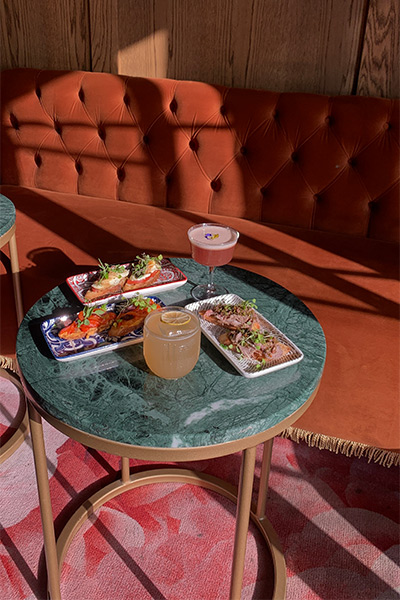
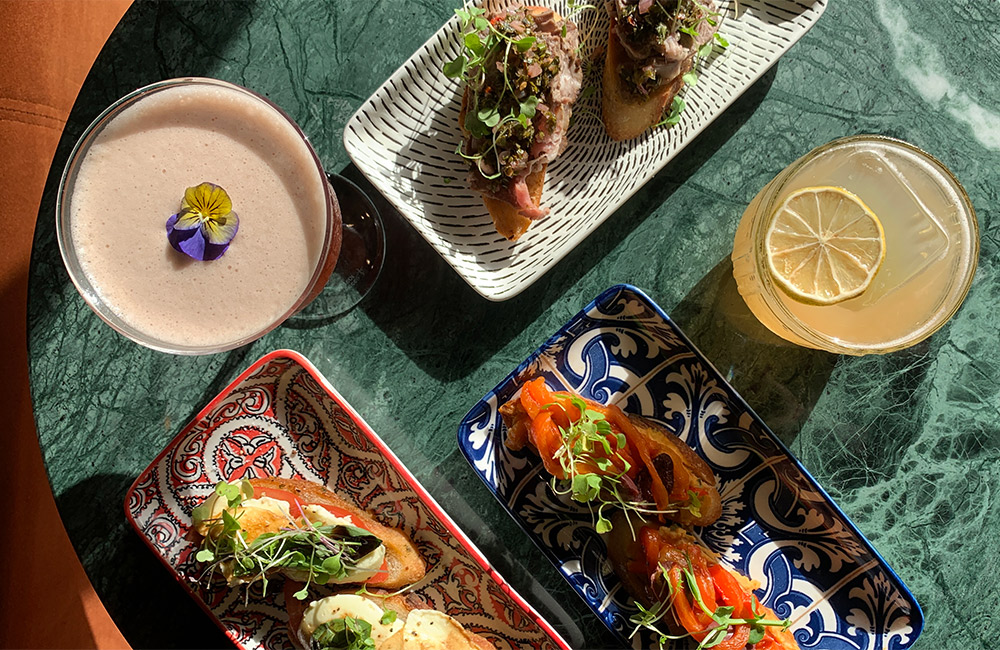
The snacks and bruschetta are from Bo-Vine Wine & Grill House (downstairs). Chase Charles is a really good chef and when we sat down, we tried to balance the flavours, so that there’s a little bit of acidity and a bit of of salt (to make customers drink more). We just wanted to make it light and tasty.

How do you keep customers coming back? What’s the key to running a fabulous cocktail lounge?

At the end of the day, it’s the service. (I think that the service industry has obviously gone down a bit since COVID happened.) But treat your guests like you’ve invited them to your home. Also, don’t rip off guests. If you’re going to make a good cocktail and deliver it, make sure that it is made with love and passion, that it’s tasty, and that they enjoy it.

Speak to your customers, get to know their names, and ask them what they want and like. Just looking after the people, that’s what the service industry is about. It’s about us hosting guests. If you do that right, you’ve got a key to success.

The Attic has been open for about seven months now. What’s been the most rewarding part of this journey?

The reactions on the customer’s faces with the cocktails. When they take that first sip and they’re like, ‘Wow!’ To me, that counts the most. That’s what makes me and my team happy. Delivering something that customers get and thoroughly enjoy.

Visit The Attic by Bo-Vine to experience the second chapter of their cocktail menu.

Location: Shop 3, The Promenade Shopping Centre, Camps Bay, Cape Town | Mon-Thurs: 16h00–23h00; *Fri-Sun: 13h00–23h00 | Friday Winter Trading: 16h00–23h00 | Call 061 528 1040 | Book via Dineplan

bovinegrillhouse.com | Instagram

Why Spinach Shrinks To the Point of No Return

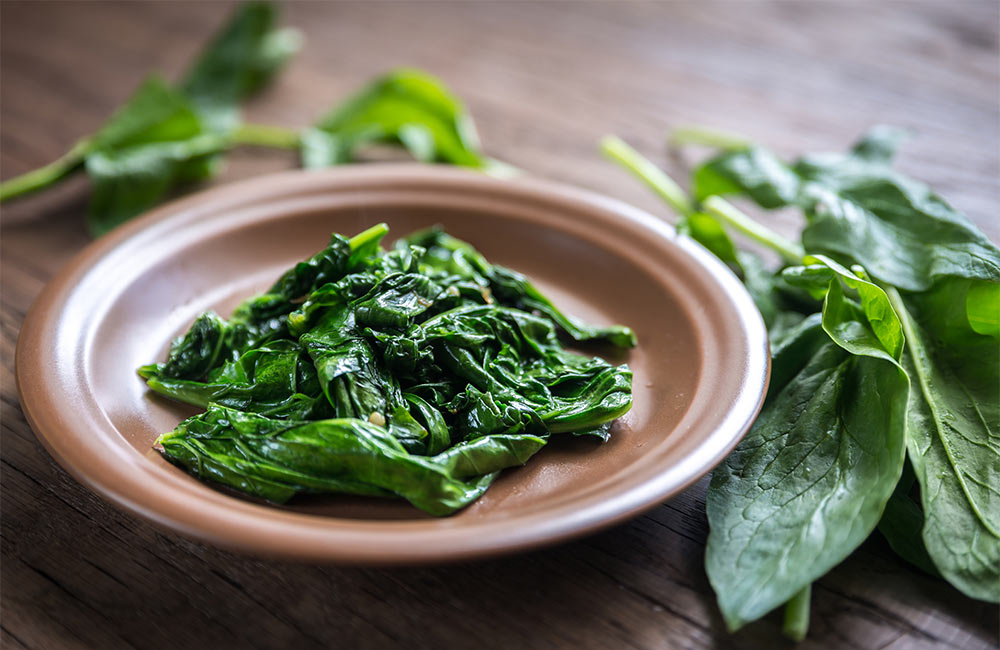
Spinach is the Houdini of vegetables – you could dump an entire bag into the pan and it would still vanish into thin air. While its diminishing return can mostly be attributed to its high water content, there’s another reason why spinach shrinks when cooked – it also boils down to the antinutrient, oxalic acid.

When sautéing spinach, make sure to keep the lid off to avoid the oxalic acid from leeching back into the spinach.

Honey, I Shrunk the Spinach!

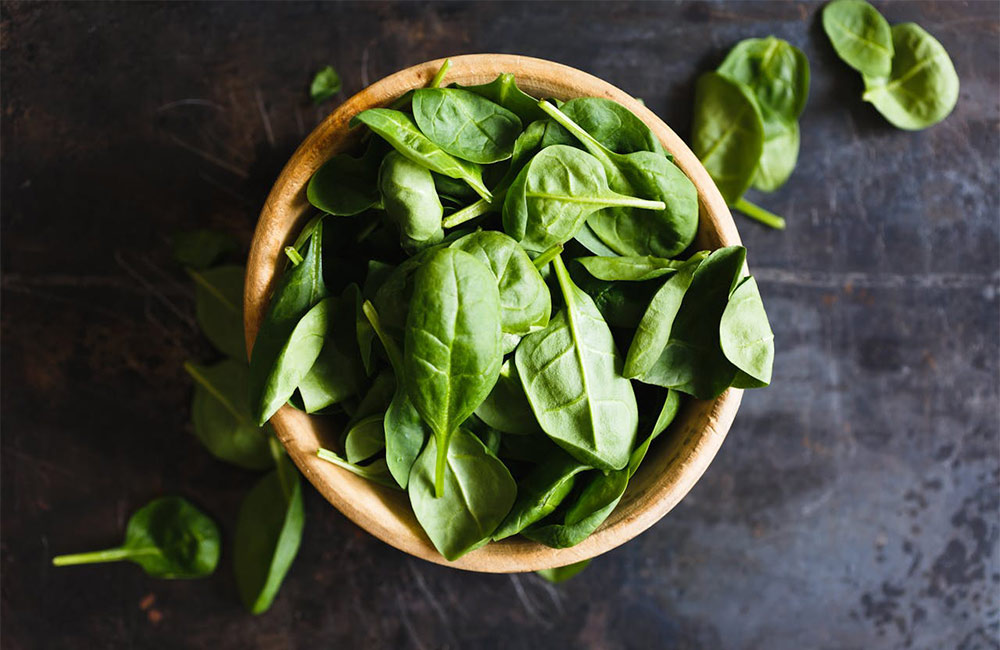
More is less when it comes to spinach. Sure, it might shrivel once it comes into contact with heat, but this impressive leafy green retains a bushel of nutrients. Part of the Amaranthaceae family, spinach is surprisingly related to beetroot and amaranth.

In most corners of the world, this leaf vegetable is referred to as ‘spinach,’ but nearly 2000 years ago, it was known as ‘Persian vegetable.’ Its culinary tour would take it around the world, from India to China, and later, Italy, England, and Northern America, earning many other names as more varieties were discovered. True to nature, ‘spinach’ stuck, much like ‘spinach teeth’ – another phenomenon caused by oxalic acid.

Consuming spinach definitely has its benefits; it’s important to note that cooking it can help reduce the oxalate content.

Besides the heaps of sand that come with it, spinach has some other gritty qualities. When cooked, spinach shrinks and decreases in volume – something most home cooks are familiar with. This is largely because spinach comprises about 91% water – just 5% less than cucumber and watermelon – but the fact that this dark green leaf also contains oxalic acid plays a role in further reducing it…


What Is Oxalic Acid?

Oxalic acid or oxalate, is a natural compound in spinach that serves as an antinutrient, meaning it can bind with minerals and reduce their bioavailability. Furthermore, during the cooking process, oxalic acid might contribute to the shrinking of spinach.

When spinach is heated, its high water content begins to evaporate, causing it to wilt and reduce in size. Concurrently, oxalic acid is released and leaches into the water formed as the spinach expels moisture. This acidic environment can weaken the pectin in the cell walls, making them more likely to collapse. Additionally, if the spinach is cooked with a lid on, the condensed water droplets can fall back into the pan, creating a soggy texture and dull appearance as the chlorophyll is impacted. The oxalic acid breaks down further in this process, exacerbating the shrinking effect.

If your spinach appears dull, squeeze lemon juice over the leaves…

The presence of oxalic acid in spinach is a double-edged sword. While it plays a role in the shrinking of spinach when cooked, it also impacts nutrient absorption. High levels of oxalates can bind with calcium and iron in the digestive tract, forming insoluble compounds that the body cannot absorb. This can reduce the nutritional benefit of spinach and other high-oxalate foods. Don’t panic spinach lovers… for most, consuming spinach in moderation as part of a balanced diet poses no significant health risks and still offers many benefits.


Spinach Is Still a Nutrient Powerhouse

Typically, vegetables that are yellow, orange, or red are high in beta-carotene, but this is also true for greens. Apart from carrots, spinach also contains a significant amount of beta-carotene – the scientific term for red-orange pigments and also the Latin word for ‘carrots.’ Once digested, the body converts beta-carotene into vitamin A – something you probably already knew if you grew up watching Popeye. You might recall the popular cartoon sailor man famously bragged, ‘I’m strong to the finich, ‘cause I eats me spinach.’

Spinach is a nutrient-dense leafy green vegetable offering a wide range of health benefits. It is also high in vitamin K, which is essential for blood clotting and bone health. As mentioned, it’s rich in vitamin A, which supports vision, immune function and skin health. Spinach is also high in folate – important for DNA synthesis and repair – and iron, which is crucial for the formation of red blood cells and prevention of anaemia.

Additionally, spinach contains significant amounts of vitamin C – which acts as an antioxidant and supports the immune system – as well as magnesium, which is vital for muscle and nerve function and blood glucose control. If you’re still worried about the presence of oxalic acid, how you cook spinach matters…


Tips for Cooking Spinach

Too much of a good thing can be bad. Consuming spinach definitely has its benefits; it’s important to note that cooking it can help reduce the oxalate content. Furthermore, sprinkling it with a tiny bit of salt just before consumption could also help improve the soggy texture, as salt causes water to be removed from the cells.

The best way to cook it? Make sure you wash it properly; this doesn’t really have anything to do with the oxalate, but mostly the fact that spinach grows in sandy soil, meaning that it usually still contains quite a bit of sand – even the pre-washed varieties at grocery stores. When sautéing spinach, make sure to keep the lid off to avoid the oxalic acid from leeching back into the spinach. This will also make the leaves soggy and dull. Instead, cook it with the lid off, allowing the heat to soften the leaves. If your spinach appears dull, squeeze lemon juice over the leaves – this will make them appear more vibrant, while adding more flavour.

Oxalic acid is a factor to consider, but the benefits of consuming spinach and other high-oxalate vegetables generally outweigh the drawbacks for most people. To mitigate the effects of oxalates, you can pair spinach with calcium-rich foods. Lastly, always consult with a healthcare professional if you have any health concerns related to oxalate consumption.


Spinach Recipes

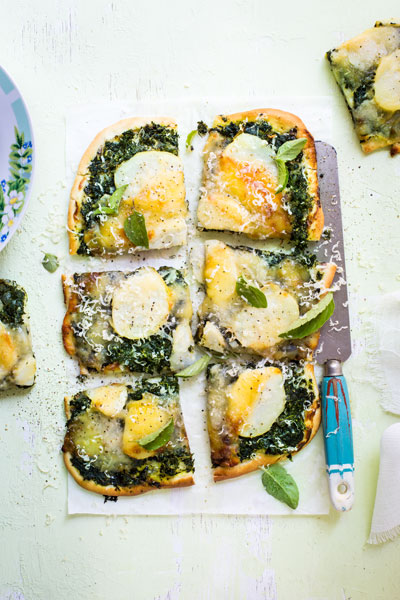
TARTE FLAMBÉE WITH SPINACH, POTATO AND SMOKED MOZZARELLA

Simple yet satisfying! We can’t imagine this crowd-pleasing flambée without spinach; it compliments the potato and smoked mozzarella.

GET THE RECIPE

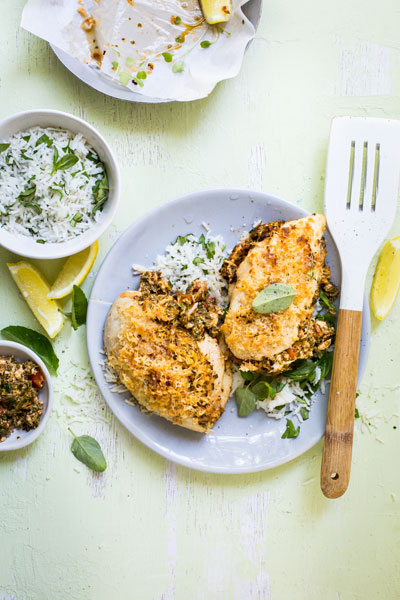
SPINACH, RICOTTA & TOMATO-STUFFED CHICKEN WITH PARMESAN CRUST

Meet your new favourite midweek dish. The Parmesan crust makes it extra tasty.

GET THE RECIPE

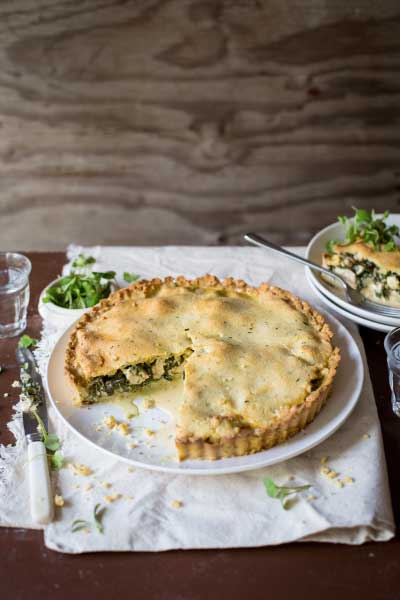
LOW-CARB CHICKEN & SPINACH PIE

A slightly less indulgent take on the regular chicken pie, yet equally comforting.

GET THE RECIPE

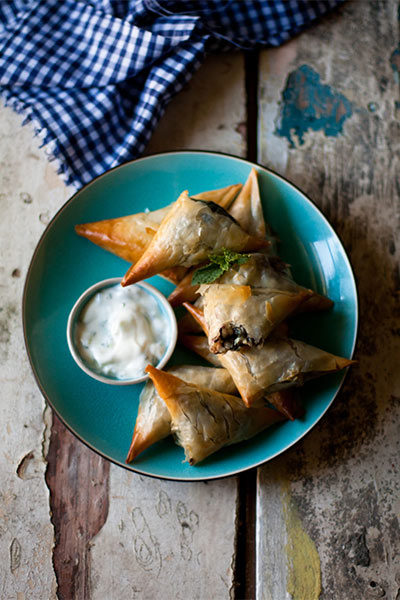
SPINACH, FETA, OLIVE & PINE NUT SPANAKOPITAS

Feta and spinach is a classic combo. The addition of pine nuts adds a lovely texture to this Greek food favourite.

GET THE RECIPE

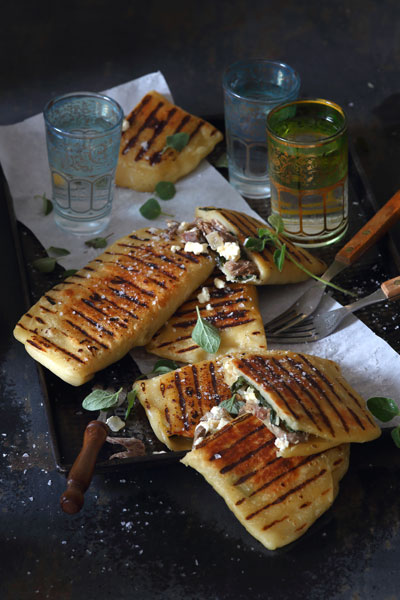
SPINACH, LAMB & FETA GÖZLEME

You’ll love this Turkish staple – we know we do!

GET THE RECIPE

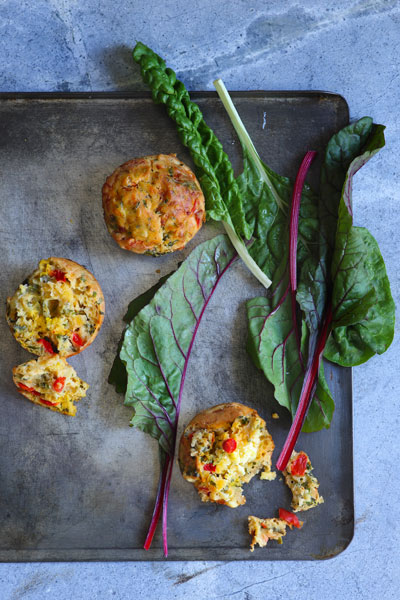
SPINACH, RED PEPPER & THREE-CHEESE MUFFINS

A tasty savoury muffin that’s great as a midday snack or quick brekkie bite.

GET THE RECIPE

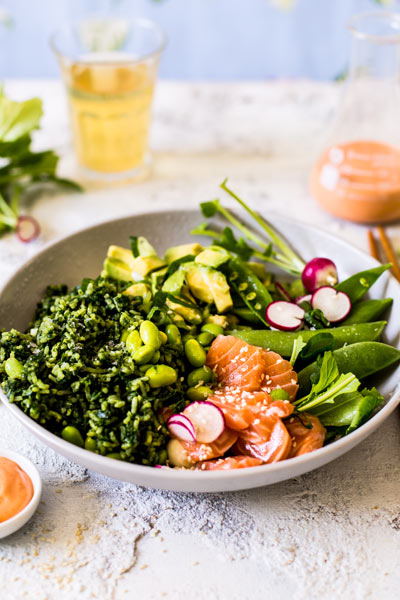
SALMON & SPINACH POKE BOWL

Adding spinach to rice is a great way to increase your nutrient intake.

GET THE RECIPE

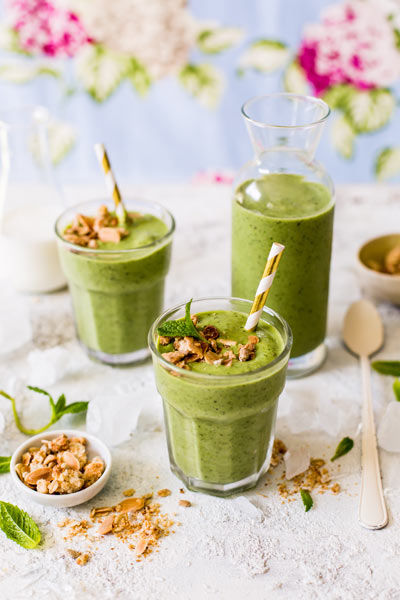
GREEN MAMBA SPINACH SMOOTHIE

Don’t like eating your greens? Drink them instead.

GET THE RECIPE

Want more? Learn all about the amazing health benefits of spinach

12 Best Craft Beer Breweries in Cape Town & Beyond

Craft beer isn’t just a drink, it’s a culture. Whether you’re a seasoned connoisseur or a casual sipper, the Mother City has a bubbling craft beer scene. Visit these 12 craft beer breweries in Cape Town and its surrounds to explore unique local brews.

Aegir Project Brewery

Make your way to Aegir to experience some of the best craft beer in Cape Town. This local brewery stands out for its experimental brews and welcoming atmosphere. The Aegir Taproom features unique beers such as the Red Rye with coffee, caramel and marzipan notes, and the refreshing Hazy Galaxy IPA. Don’t know which to pick? Go with a Tasting Tray, which offers a selection of five craft beers on tap.

Location: Aegir Project Taproom, 65 Beach Road, Noordhoek,
Hours: Mon-Sun: 09h00–23h00
Contact: 066 587 9324

aegirprojectbrewery.com | Facebook | Instagram


Afro Caribbean Brewing Company

Afro Caribbean Brewing Company brings a tropical twist to the Cape Town beer scene. For two decades, they’ve been crafting eclectic beers. Full of character and flavour, craft beer pundits will appreciate their Lagerfarian lager and their crisp Session IPAs. Pop downstairs to hang out at Banana Jam Café to have a brewski with your pals.

Location: 157 2nd Avenue, Kenilworth (Above Banana Jam Café)
Hours: Tues-Sat: 11h00–23h00 | Sun: 11h00–22h00 | *Closed Mondays
Contact: 021 674 0186

acbc.co.za  | Facebook | Instagram


Devil’s Peak Beer Company

Devil’s Peak, one of the most recognised beers in South Africa, offers an exceptional experience for beer enthusiasts. At Taproom Salt River, visitors can indulge in their premium lagers, a diverse range of Expression beers (including IPAs and Golden Ales), and fantastic food. Catering to all tastes, Devil’s Peak also serves delightful non-alcoholic brews.

Location: 150 Cecil Rd, 1st Floor PALS Building, Salt River
Hours: Mon-Fri: 08h00–22h00 | Sat: 12h00–22h00 | Closed Sundays
Contact: 021 203 0123

devilspeak.beer | taproomsaltriver.co.za | Facebook | Instagram


Hoghouse Brewing Co.

Hoghouse combines delicious beer with mouthwatering barbecue. Their craft beers, such as the Roadhog Porter, Haybale Saison and Pumba Pilsner, are brewed on-site. If you prefer your beer on the lighter side, have at their Hoglite Low-Alc Kölsch. Visit on Fridays for an unforgettable beer and barbecue experience; their Texan-style meat is sensational!

Location: 42 Morningside Str, Ndabeni
Hours: Fridays: 17h00–20h00 | *Happy Hour 16h00–17h00
Contact: 021 810 4545

hoghouse.co.za  | Facebook | Instagram


Jack Black Taproom

Jack Black crafts some of the most popular and delicious beer in Cape Town. Located in Diep River, Jack Black Taproom offers a laid-back vibe with an extensive range of craft beers. Known for its great beers like Skeleton Coast IPA and Cape Pale Ale, it’s a local institution.

Check out their weekly Quiz Nights and events, and try their tasty burgers if you’re after a good time with friends. Keep your eyes peeled on their socials for seasonal releases and their support ‘Pint for a Purpose’ movement, which heroes incredible local organisations.

Location: 10 Brigid Rd, Diep River
Hours: Mon, Tues & Sat: 10h00–18h00; Wed-Fri: 10h00–20h00 (Retail hours) | Taproom: Closes at 22h00 from Wednesdays to Fridays and at 17h00 on Saturdays.
Contact: 021 447 4151

jackblackbeer.com | Facebook | Instagram


LOCAL Brewery

Newer to the craft beer scene in Cape Town, is LOCAL. Their innovative and sustainable approach to beer makes this brewery worth the visit. With an impressively long bar table and a courtyard, there’s plenty of space to squeeze in all your mates. Try their LOCAL beer, a session lager inspired by the German Helles lager, and their recently launched Lost Horizons Black IPA – made in collaboration with Shackleton Brewing Company.

Location: 35 Sussex Street, Woodstock
Hours: Fridays: 15h00–00h00
Contact: 010 109 3149

localbrewery.co | Facebook | Instagram


Shackleton Brewing Company

Renowned for its small-batch brews and community spirit, Shackleton Brewing Company in Salt River offers an array of flavourful beers. Their lineup includes the ever-popular Kölsch Draft and Golden Ale Draft, making this Cape Town brewery a local favourite.

Committed to creating awareness about sea life, the Shackleton range includes innovative beers like The Icebreaker, produced with glacial ice from Antarctica. Try the Hoppy IPA from something equally delicious. For each can sold, R1 is donated to SANCCOB – a non-profit organisation with a mission to improve the decline of seabird populations.

Location: 23 Transvaal St, Paarden Eiland
Hours: Mon-Fri: 08h00–19h00 | Sat: 09h00–13h00 | Closed Sundays
Contact: 071 347 4089

shackletonbc.co.za  | Facebook | Instagram


Urban Brewing Company

Located in Hout Bay, Urban Brewing Company combines a picturesque setting with exceptional beer. Their range includes refreshing pilsners and robust stouts, brewed with an emphasis on local flavours, which offers a tasty craft beer drinking experience.

Location: 31 Harbour Road, Hout Bay
Hours: Wed, Thurs, Sat & Sun: 11h00–20h00 | Fri: 12h00–23h00 | Closed Mon & Tues
Contact: 082 338 9109

Facebook | Instagram


Woodstock Brewery

Nestled in the bustling heart of Woodstock, this brewery is an institution for beer lovers. Woodstock Brewery offers a diverse lineup of beers, including the popular Californicator IPA and Mr Brownstone, making it perfect for an afternoon of craft beer. Visit their Taproom in Observatory for their Pizza & Pint special.

Location: 252 Albert Rd, Woodstock (Beerhall) | 105 Lower Main Rd, Observatory (Taproom)
Hours: Mon & Tues: 15h00–22h00; Wed-Sat: 13h00–22h00; Closed Sundays (Taproom)
Contact: 021 203 3045 (Beerhall) | 082 894 4990(Taproom)

woodstockbrewery.co.za | Facebook | Instagram


More Local Breweries

Venture to these exceptional breweries in the Western Cape.

Cape Brewing Company

Cape Brewing Company, better known as ‘CBC,’ is synonymous with high-quality brews. Take a road trip to Paarl to taste their delicious CBC Lager, Amber Weiss and Pilsner. CBC also provides a diverse taste journey with experimental flavours, ranging from the spicy Harvest Larger to the zesty Mardarina Weiss and toffee malt flavours of the Dunkel.

Location: Spice Route Farm. Suid-Agter Paarl Road, Suider-Paarl
Hours: Mon-Sun: 10h00–17h00
Contact: 021 863 2270

capebrewing.co.za | Facebook | Instagram


Darling Brew

Trek to the West Coast to visit the beautiful town of Darling, which is home to Darling Brew. Visitors can explore the brewery during their beer tours and sample their fantastic range of craft beers at the Darling Brew Tasteroom. With an impressive range of craft beers, like Modern Saisons, pilsners and even gluten-free lagers, it’s definitely a ‘Darling Brew.’

Location: 48 Caledon Street, Darling, South Africa
Hours: Mon-Sat: 08h00–17h00 | Sun: 09h00–17h00 | Public holidays (hours may differ on religious holidays): 08h00–17h00
Contact: 076 092 8313

darlingbrew.co.za  | Facebook | Instagram


Newlands Brewery

Newlands Brewery is South Africa’s oldest brewery. Owned by ABInBev, this hotspot offers a historic yet contemporary beer experience. While they promote commercial beers, their tours make this gem worth the visit.

Location: 3 Main Road, Newlands
Hours: Tues-Thurs: 12h00 | Fri: 12h00 & 15h00 | Sat: 10h00 & 12h00 | *Closed Sundays, Mondays, Public Holidays & Easter Weekend
Contact: 021 658 7511

newlandsbrewery.co.za  | Facebook | Instagram

Want a burger with that beer? Get your fix at these best burger spots in Cape Town

24 Classic Cocktail Recipes with a Boozy Twist

Who doesn’t love a good cocktail? They’re easily customisable and a great way to start a party! Crush has built up quite a collection of cocktails over the years, so here is our ultimate round-up. From refreshing concoctions to rich, spicy and warming drinks, enjoy this boozy and delicious selection of cocktail recipes. Drink up!

The Classics

These are for the people who know what they want, and love it done properly.

Classic Whiskey Sour

Bourbon enthusiasts will appreciate this Classic Whiskey Sour. The smooth blend of Bourbon, tangy citrus and simple syrup makes for a sumptuous cocktail. Serve with a maraschino cherry and orange slice for touch of sophistication, and sip sweetly!

Get the recipe for Classic Whiskey Sour

Frozen JOYA Apple Martini

Prefer Martinis? This slushie-inspired, fun and fruity cocktail should be right up your alley.

Get the recipe for Frozen JOYA Apple Martini

cocktail recipes

Classic Margarita

This iconic drink needs no introduction. Boozy and tart – now, this is a real margarita!

Get the recipe for Classic Margarita

Paloma

Grapefruit cordial, soda water, tequila – what more encouragement do you need?

Get the recipe for Paloma

cocktail recipes

Dirty Martini with Stilton0-stuffed Olives

This pungent but creamy cheese cuts through the strong alcohol, and combines well with the olive brine.

Get the recipe for Dirty Martini with Stilton-stuffed Olives

Pink French 75

The classic gin cocktail gets a romantic twist.

Get the recipe for Pink French 75

cocktail recipes

Peach Bellini

A classic, peachy pleasure.

Get the recipe for Peach Bellini

Sparkling Cosmopolitan

Just the cocktail recipe to liven up the party!

Get the recipe for Sparkling Cosmopolitan


The Classics… with a Twist

Sometimes it’s okay to mix things up a bit.

cocktail recipes
poptails

Negroni Sbagliato Poptail

Boozy lollies are seriously the most fun way to enjoy your drink!

Get the recipe for Negroni Sbagliato Poptail

Moscow Mule Poptail

This makes the refreshing mule just that much more thirst quenching.

Get the recipe for Moscow Mule Poptail

cocktail recipes
cocktail recipes

Pineapple and Grapefruit Mojito

This mojito may not be entirely traditional, but it will definitely hit the spot on a sunny day.

Get the recipe for Pineapple and Grapefruit Mojito

Salted Caramel and Orange Margarita

A sinful cocktail recipe that combines the tang of citrus with the sweetness of caramel.

Get the recipe for Salted Caramel and Orange Margarita

cocktail recipes
cocktail recipes

Gin & Tonic with a Twist

Gin and jellies that’ll get you jiving!

Get the recipe for Gin & Tonic with a Twist 

Pomegranate Cosmopolitan

Swap out cranberry for pomegranate for the perfect punch.

Get the recipe for Pomegranate Cosmopolitan

cocktail recipe

Pink Lemonade Candy Floss Cocktail

Pretty-as-a-picture and totally divine, this cocktail is the ideal balance of sweet and sour.

Get the recipe for Pink Lemonade Candy Floss Cocktail 

Ruby Grapefruit Mojito

This ruby grapefruit cocktail recipe will definitely get you revved up for a night out!

Get the recipe for Ruby Grapefruit Mojito


Something Different

You can’t beat the classics, but should the occasion call for something a little different, have at these cocktail recipes…

cocktail recipes - Soju

Soju-inspired Yoghurt Cocktail with Popcorn Chicken

This sweet-sour tipple might just be your new fave cocktail recipe. Pair it with some popcorn chicken bites and a Korean dipping sauce, and you’ve got the perfect combo.

Get the recipe for Soju-inspired Yoghurt Cocktail with Popcorn Chicken

ClemenGold Gin & Tonic with Polenta Crackers

The dash of ClemenGold Gin and juice of ClemenGolds give this classic a fresh twist; throw some jalapeño slices into the mix for something different, and enjoy with some satisfyingly crunchy polenta crackers.

Get the recipe for ClemenGold Gin & Tonic with Polenta Crackers

cocktail recipe

Mango & Coconut Daiquiri

Take a tropical vacation in the comfort of your home, with this deliciously refreshing mango and coconut daiquiri.

Get the recipe for Mango & Coconut Daiquiri

Pineapple & Ginger Mojito

It’s tangy, it’s spicy, it’s the mojito you never knew you needed.

Get the recipe for Pineapple & Ginger Mojito


After Dinner Drinks

These boozy tipples double as a night-cap and dessert.

cocktail recipes - gin
irish coffee cocktails round-up

Warm Buttered Gin Cocktail

Butter, spice and all things nice, this gin cocktail will warm you up from the outside in!

Get the recipe for Warm Buttered Gin Cocktail 

Vanilla Irish Coffee Shots with Vanilla Bean Cream

This classic from the Emerald Isle has stood the test of time, this one has a vanilla twist!

Get the recipe for Vanilla Irish Coffee Shots with Vanilla Bean Cream

cocktail recipes Bourbon hot chocolate
cocktail recipes

Peanut Butter Bourbon Hot Chocolate

This mug of goodness is strictly for adults! Peanut buttery hot chocolate with a boozy dash of Bourbon – yes please!

Get the recipe for Peanut Butter Bourbon Hot Chocolate

Gin Hot Chocolate

Technically not a cocktail, but still delicious. The addition of Inverroche Coco L’Orange Gin and homemade marshmallows take this winter warmer to the next level!

Get the recipe for Gin Hot Chocolate

Check out our list of Essential Booze & Mixes for your Home Bar, and follow us on Instagram for more tasty inspiration. 

Discover the Tranquility of McGregor at Rhythm Full On

In our fast-paced urban lives, we city dwellers often seek refuge from the constant rush. We yearn for weekend breaks in small towns, which promise a slower pace and a closer connection to nature. However, this search for tranquillity comes with an interesting twist – while these idyllic towns offer the perfect antidote to city stress, we urbanites often arrive with modern expectations; craving simplicity, yet also hoping to find the comfort of our almond milk flat whites and morning yoga sessions. We can be a difficult bunch to please.

McGregor has figured out how to balance the two. Known for its open-mindedness and as a haven for wellness seekers, it offers an escape from the hustle, while ensuring all the creature comforts. During a recent visit, we stayed at Rhythm full on, a private Airbnb home, designed with tranquillity and mindfulness at its core (and conveniently within walking distance to an amazing cup of coffee).Rhythm full on

Known for its open-mindedness and as a haven for wellness seekers, it offers an escape from the hustle while ensuring all the creature comforts.

Serenity in Design

Rhythm full on creates a sense of calm with its minimalist, almost entirely white decor. This intentional choice set the tone for our stay, which was to be a peaceful girl’s weekend, away from daily stresses and worries. The absence of a TV, personal mementoes, or distractions makes the space feel like a soothing blank canvas, perfect for unwinding and chilling.

Cottage-McGregor-Lounge

The accommodation is thoughtfully divided into two separate units on either side of a courtyard, ideal for couples or friends like us, who want to hang out but also want a bit of privacy during their stay. Both have a kitchen and bathroom, so are fully contained.

The units are fitted with Sloom beds and IYKYK. Sleeping on a Sloom bed was a life-changing, or should I say ‘bed-changing’ exercise. A friend who was travelling with me woke up and exclaimed, “This bed is just glorious!’ and has since purchased one for herself. Can a restful night’s sleep be so good that it prompts you to switch your bed? In a word, yes. It made both of us realise that the aches and pains we were waking up with were bed-related, and over the 2 nights we stayed, we confirmed this.

The offering of the Sloom bed was a considered choice for Rhythm full on and is part of the wellness experience. A good night’s rest can be elusive when travelling because unfamiliar beds can disrupt sleep. At Rhythm full on it was the complete opposite experience, in the very best way.

Can a restful night’s sleep be so good that it prompts you to switch your bed? In a word, yes.

Rythym-Full-On

A Retreat with Nature

Between the units, is a pretty stone courtyard featuring an edible eco pool. When I mentioned to the friends travelling with me that it was an edible pool, they were convinced that I had read it wrong and that I must have been hungry at the time. However, a little research revealed that it is indeed an edible pool, but the idea is not to pick ingredients for your salad from it, but rather that it is a plant-powered natural filtration system.

They are indeed edible varieties, like waterblommetjie, mint and lemongrass and they are hard at work cleaning the pool naturally. This eco-friendly approach eliminates the need for harsh chemicals, creating a more conscious and aesthetic swimming experience.

Turn up the Heat

Another wellness benefit of Rhythm full on’s offering is an amazing 2-person infrared sauna on-site (another thing our group was Googling immediately to see how feasible it would be to have one at home). Surprisingly they use less electricity than you think and cost around R4.18 per hour to run (an estimate based on R2.20 per KW/hr).

I’m going to admit that I was not brave enough for a cold water dip in the eco pool, but I did hop into the sauna for 30 minutes to benefit from its detoxifying properties. Those who did cold dip and then sauna raved about its cosiness. We loved the fact that it is Bluetooth enabled – we enhanced our relaxation with a guided meditation followed by some chilled tunes.

The Perfect Escape

Rhythm full on is located a short walk from McGregor’s main road and offers easy access to the town’s quaint cafés, restaurants, and thrift shops. We took a stroll to Temenos, a well-known retreat with beautiful expansive gardens (which they kindly let us walk through); here they also host frequent wellness workshops like sound journeys, intention-setting sessions and more, making it ideal for those seeking a holistic getaway.

We browsed the small but sweet Saturday morning town market and savoured the divine rugelach pastries and freshly baked banana bread at 51 on Main. The real highlight of our stay though, was the opportunity to slow down, cosy up under soft blankets with a heater nearby, and reconnect with each other.

Rhythm full on is located a short walk from McGregor’s main road and offers easy access to the town’s quaint cafés, restaurants, and thrift shops.

The owner of Rhythm full on is vegan and kindly requests that guests respect the space as a vegetarian household. This means no animal products are to be prepared or consumed on-site. This guideline not only reflects the owner’s ethical beliefs but also promotes a clean and mindful eating experience during your stay.

There are a few small restaurants on the main road, but it’s recommended that you book – many out-of-towners, like us, travel light, intending to do as little as possible (read: not cook or wash up!).

Book Your Stay – Winter Special!

Whether you’re looking to explore the charms of McGregor or simply seeking a quiet escape, Rhythm full on is a destination that harmoniously offers both. It is well-situated and has everything you need to have a wonderfully relaxing getaway, where you can opt to do as much or as little as you like.

For June and July, receive 50% off when booking your stay!

Book | Facebook | Instagram

Essential Tools for Home Bars

Home bars are stylish and very chic. Whether a small cart or a dedicated hole in the wall, a home bar just elevates your space and makes you ready to entertain whenever someone calls. It’s also very handy to be able to whip up your favourite cocktail on any ol’ evening. So, we thought we’d help you out with a guide on how to fashion your very own home bar.

This handy guide will show you everything you need to curate the best home bar, from shakers to spoons to jiggers and even glassware.

Bar Trolley

Not essential by any means, but a bar trolley will definitely elevate your home cocktail game. Plus it makes for a lovely looking addition to your living room space. We recommend getting one with wheels, so that you can take your cocktail station right to your entertainment area.

Jigger

A jigger is your measuring tool for liquor and it’s very useful to get one that allows for easy and quick pouring, and minimal spillage. If you aren’t a professional bartender, you probably don’t have a good eye for ounce measures; we recommend getting a jigger that has ounce measures inscribed on the inside and outside of the tool, like this one from Yuppiechef.

Shakers

If you’re a fan of shaken cocktails, then you definitely need to get a good quality cocktail shaker should you want to master the art of making restaurant-style margaritas, sours cocktails or cosmopolitans, to name a few. Our two favourite types of cocktail shakers are:

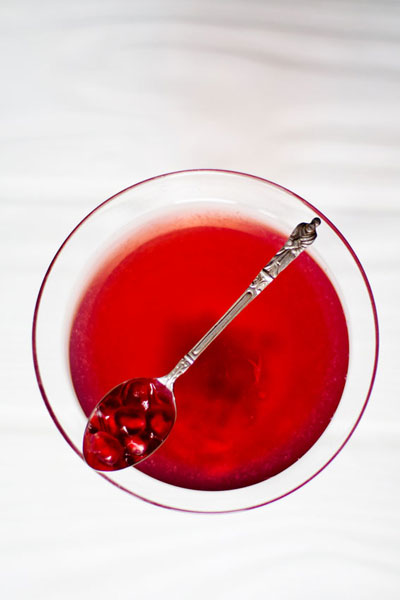

Boston Shaker

Our favourite type of shaker, and the one most bartenders use. Boston shakers are made up of two tin cups that fit into each other and form a seal when you shake. Some even come with a larger tin cup and a smaller pint glass, which works just as well, but the glass runs the risk of breaking when unsealing it from the tin – the last thing you want is broken glass in your drink!

Cobbler Shaker

The Cobbler shaker is a three-piece shaker that comes with a built-in ice strainer. It’s a bit more user-friendly for those new to shaking, as it doesn’t require you to make your own seal like the Boston shaker. One downfall, though, the seal made with the lid when you shake the cocktail can often be very tight and difficult to loosen.

Mixing Glass

If you’re a fan of classic stirred cocktails like a Negroni, Martini or Manhattan, then a mixing glass is your go-to piece of kit. Basically, it’s what you’ll mix your cocktail in before you strain it into your chosen serving glass. Mixing your cocktail, as opposed to shaking it, allows you to control the dilution of water into your drink, resulting in a more textured cocktail.

Although not a very technical piece of kit, it is useful to have one that’s tall enough to accommodate enough liquid and allows for an easier stir. You can spend a bit of money and get a crystal option or you can use a pint glass.

Strainer

A strained cocktail is the difference between a good cocktail and a terrible one. For both shaken or stirred cocktails, straining is essential! It removes any broken ice chips or pieces of fruit pulp that will make your cocktail diluted or cloudy. There are two types of strainers you should aim to have in your home bar:

Hawthorne Strainer

The Hawthorne strainer is definitely more widely used, as it is compatible with most Boston shakers and mixing glasses. It has a fine sieve that will catch any ice chips, fruit pulp or muddled herbs. Try this one from Takealot.

Julep Strainer

The Julep strainer is traditionally used with a mixing glass and has slightly larger holes. When mixing a cocktail, you won’t have to worry about tiny pieces of ice, as your ice won’t ever break down that much – but it is still important to strain your drink in case any smaller pieces break off during the stirring process.

Bar Spoon

A bar spoon is mostly used for mixing drinks, so it needs to have a long and comfortable handle that allows for an easy stir. Spiralled bar spoons look great and provide a good grip, but we recommend using the ones with a tighter twist, as it’s easier on the hands. It’s also helpful to find one that has a weighted handle, as it helps balance the spoon while stirring.

Bar spoons are also used for layering different alcohols in certain drinks, like in a Long Island Iced Tea. Try getting your hands on one that has a deep, curved bowl; you’ll be using the back of the spoon to layer the alcohol, so you need it to be nicely rounded.

Knife

A cocktail isn’t much fun without garnish, right? So make sure you have a good, sharp knife that lives on your bar trolley. A smaller paring knife works better, as it allows for more control when cutting small fruits like limes or lemons.

Juicer

Ask any bartender, freshly squeezed citrus is the only citrus that belongs in a cocktail. Buying a handheld citrus squeezer is a much easier (and less messy) way to juice your fruit, especially since you won’t be needing to juice tons for cocktails at home. This lemon squeezer from Yuppiechef is perfect.

Muddler

Some cocktails, like a Mojito or a Caipirinha, call for fruit to be muddled with sugar at the bottom of the shaker or mixing glass. You just won’t get the same result with the back of a spoon, so a muddler comes in handy. You’ll also use this for drinks like an Old Fashioned, that requires muddled sugar, orange and bitters. We recommend this one from Takealot.

Glassware 

Glassware is a very important part of how a cocktail is served. It not only influences the aesthetic of the cocktail, but also impacts the taste and how fast the ice melts. We’ve divided essential glassware into three categories:

Lowball/Rocks Glass

The lowball glass is a short tumbler with a heavy bottomed base and is typically used to serve spirit-forward cocktails served over ice, like an Old Fashioned. You’ll also use a lowball for neat pours of any spirit. They are very versatile and a must for any home bar set-up. They are sturdy and short, so aren’t knocked over easily and the thicker base allows you to muddle easily.

Highball/Collins Glass

The highball glass is skinny, tall and great for carbonated cocktails. The high sides allow the bubbles to travel up the drink. The extra space also allows for extra garnish, so these are perfect for fruity summery drinks, like a mojito or Pimms cup.

Stemmed Glassware

Stemmed glassware is a large category, as it includes wine glasses too. We’ve narrowed it down to our favourite cocktail glasses to make it simpler. The purpose of stemmed glassware is to keep cocktails chilled for as long as possible. You’re meant to hold the glass by the stem, so that the heat from your hands doesn’t heat up the bowl too quickly – genius!

Martini glasses are great for stirred, spirit-forward cocktails, such as Martinis, but also Manhattans. The Coup is also a great choice, as it looks amazing, but is a bit sturdier than the Martini glass. The Nick and Nora provides even more sturdiness, as it falls between the Coup and the Martini glass, so it’s the best of both worlds.

Feeling parched? Check out our ultimate cocktail recipes.

6 Hot Drinks to Keep You Warm & Healthy this Winter

With winter here, it’s time to start ensuring that you’re stocked up with cold and flu-fighting remedies. One of the best ways to recover from any kind of illness is rest and keeping your body full of immune-boosting goodies. When the temperature drops, all we want is something warming and comforting, so we’re looking at some of our best hot drinks that are delish and good for you.

Hot Drinks for Winter

Warm up with these healthy and soothing drinks.

Hot Water, Lemon and Ginger

Where would we be if we didn’t start with the most iconic of hot drinks for winter? As we know, hot lemon water is something we should all be drinking in the morning, regardless of the season, because of its immune-boosting qualities. The addition of ginger makes the drink that much tastier and healthier too.

hot drinks recipes

We’re big fans of ginger, and we love it for it’s immune-boosting qualities. So, put the kettle on, fill up your favourite mug and add a couple slices of lemon and ginger. If you’re suffering from a scratchy throat, a drizzle of honey will help too. Sip this magical elixir and feel instantly cured.

Classic Hot Toddy

Yes, your lush aunt was right, hot toddies are a great way to warm your bones this winter. They mix two wonderful concepts, warm drinks and booze. If your best method of fighting a cold is sleeping, a toddy will help get you there. Simply pour a shot of your favourite brown liquor (we like rum, brandy or bourbon) into a mug, top it off with boiling water, add your spice of choice (cinnamon, lemon or ginger are all great here) and then sweeten with a bit of honey. Couldn’t be an easier way to get toasty and a little tipsy.

Turmeric Latte

The turmeric latte is a go-to for many, and for good reason. Turmeric really is one of the best ingredients for you and is something you should be incorporating into your diet for winter. If you’re keen to make your own, simply infuse your favourite non-dairy milk (we like ours with coconut) with some turmeric (preferably using the root itself and not just the powder) and add a pinch of cinnamon and a touch of nutmeg. After giving that a minute to infuse, you can add maple syrup for sweetness and coconut oil for some richness.

Fresh Mint Tea

Mint tea is a wonderful digestive and can really help settle an upset stomach and nausea. A bonus is that it is also really delicious. To make your own, wash a few fresh leaves – spearmint, peppermint, or even chocolate mint (yum!) will do. Use a metal tea ball, a teapot fitted with a loose leaf holder or even a French press to brew your tea. Add boiling water and allow to steep before you get to sipping.

Chai

Chai has been a popular drink in India for centuries. It is packed with aromatic spices that help boost the immune system, have anti-inflammatory properties and can help settle the stomach. Besides all that, it is insanely delicious. Try this recipe for a non-dairy, vegan-friendly Coconut Milk Chai.

Almond Milk Hot Chocolate

If you’re feeling a little under the weather, nothing will warm you up faster or make you feel better than a hot chocolate. However, there are healthier ways to enjoy it and homemade almond milk is one of those ways. If you’re feeling flu-ish or chesty, then laying off dairy is a good idea too, so almond milk is a great alternative. You can buy almond milk, but if you’re up to it, making your own can be very rewarding and, of course, delicious. Try this recipe for a homemade Almond Milk Hot Chocolate. Almond milk is lower in calories, lactose-free and free of saturated fat.

Read more about these 10 essential oils and their benefits.

Bourbon – The Spirited Journey of America’s Liquid Gold

14th June marks National Bourbon Day in the U.S., and if there’s one thing that brings together connoisseurs and casual drinkers alike, it’s the smooth and soul-warming taste of Bourbon. This quintessentially American spirit has a rich history, fascinating origin stories, and a set of laws that protect its legacy. So, pour yourself a glass, sit back, and let’s dive into the captivating world of Bourbon.

The Legends of Bourbon’s Origins

Every great spirit has its legends, and Bourbon is no exception. The story goes that a Baptist minister named Elijah Craig, hailing from Kentucky, played a crucial role in Bourbon’s birth. Legend has it that Reverend Craig, a distiller by trade, accidentally charred the barrels he used to age his corn whiskey, resulting in a unique and delightful flavour. That being said, its exact origins are still a subject of debate among historians.


Distilling the Spirit

Bourbon starts its journey with a blend of at least 51% corn, giving it a distinct sweetness. The remaining grains typically include rye, barley, and sometimes wheat. These grains are milled, cooked and combined with water to create the mash, which is fermented. Yeast is added to the mix; this magical ingredient consumes the sugars, converting them into alcohol.

Once fermentation is complete, the liquid goes through the distillation process. Traditional pot stills or column stills separate the alcohol from the impurities, creating a high-proof spirit. Distillers skilfully manage the process, discarding the ‘heads’ and ‘tails’ of the distillation to ensure only the smoothest and most flavourful ‘heart’ of the Bourbon makes it into the final product.

Bourbon tends to have a rich and robust flavour profile with notes of caramel, vanilla, oak, and sometimes a hint of spice.

Another defining characteristic is its ageing process in charred oak barrels. These barrels, usually made of American white oak, contribute to the spirit’s flavour, colour and overall character. When the whiskey is placed in the barrels, it begins to interact with the wood, extracting compounds like vanillin, tannins and lignin. This slow dance between the whiskey and the oak gives Bourbon its deep amber hue and imparts those delicious vanilla, caramel and smoky notes we all love.


What makes Bourbon ‘Bourbon’?

To truly appreciate Bourbon, understanding the laws that govern its production is crucial. In 1964, the U.S. Congress declared Bourbon as ‘America’s Native Spirit’, paving the way for regulations that ensure its authenticity. According to these laws, Bourbon must be:

  • Made in the United States: Bourbon’s roots run deep in American soil, and the law mandates that it must be produced within the borders of the U.S.
  • Aged in new charred oak barrels to achieve its signature flavour profile. The reuse of barrels for production is permissible, but may result in a different classification.
  • Distilled to no more than 160 proof: Before entering the barrel for ageing, Bourbon cannot exceed 160 proof (80% alcohol by volume or ABV).
  • Bottled at no less than 80 proof: When it comes time to bottle, Bourbon must have a minimum alcohol content of 40% ABV (80 proof).

Whiskey vs. Bourbon – What’s the difference?

Whiskey and Bourbon may seem similar at first glance, but there are distinct characteristics that set them apart. Here’s how they differ…

Bourbon is an American creation, and proudly bears the title of ‘America’s Native Spirit’, meaning it can only be produced within the United States – whereas whiskey is a broader category encompassing various styles from different countries, including Scotland, Ireland, Canada and Japan.

The mash bill, or the blend of grains used in the production process, plays a significant role in defining the flavour profile of both spirits. While there are no strict rules regarding the mash bill for whiskey, Bourbon must contain a minimum of 51% corn. This high corn content gives this tipple its characteristic sweetness and smoothness.

In 1964, the U.S. Congress declared Bourbon as ‘America’s Native Spirit’, paving the way for regulations that ensure its authenticity.

When it comes to ageing, Bourbon has specific regulations that set it apart. By law, Bourbon must be aged in new, charred oak barrels. The ageing process adds depth and complexity to the spirit, infusing it with flavours from the wood. Whiskey, on the other hand, is aged in a variety of barrels, including used Bourbon barrels, sherry casks, or even wine barrels, allowing for a wider range of flavour profiles.

Bourbon tends to have a rich and robust flavour profile with notes of caramel, vanilla, oak, and sometimes a hint of spice. Its sweetness is a result of the high corn content in the mash bill. Whiskey, however, exhibits a broader spectrum of flavours, varying greatly depending on the style and region of production. Scotch whiskey, for example, often showcases smoky and malty characteristics.

Bourbon offers a taste that is truly a product of its time and place. So, the next time you pour yourself a glass of this liquid gold, take a moment to appreciate the craftsmanship that makes this beloved spirit.


Celebrate National Bourbon Day with this Classic Whiskey Sour Recipe

A sophisticated and classic cocktail that showcases Bourbon with a sour twist.


Serves: 2 | Prep time: 2 mins | Make time: 2 mins | Difficulty: easy

Ingredients

100 ml Bourbon
3 Tbsp (45 ml) lemon juice, freshly squeezed
1 Tbsp (15 ml) simple syrup (1:1 ratio water-sugar, boiled)*
1 egg white*
2 maraschino cherries
2 half-moon orange slices
ice cubes

Method

Combine the Bourbon, lemon juice, simple syrup and egg white in a shaker and shake vigorously for 30 seconds without ice (a dry shake), so that the egg white emulsifies. Then add the ice and shake vigorously for another 30 seconds until the drink is chilled correctly and blended.

Strain into a lowball glass filled with ice. Garnish with a maraschino cherry and a slice of orange.

* for a sugar-free version, use erythritol to make a 1:1 ratio sugar syrup.
** for a vegan version, omit the egg. Also, omit the dry shake step and simply shake with ice and serve.

Want more? Get to know these 7 different alcohol spirits.

Chef Vusi Ndlovu on Playing with Fire and Flavour

Going against the grain has always been in chef Vusi Ndlovu’s nature. It’s that quiet rebellion that’s landed him where he is today. Having worked under culinary icons, Peter Tempelhoff and David Higgs, the talented chef has won global and local accolades and continues to push the boundaries of flavour by highlighting African cuisine.

Chef Vusi Ndlovu at Wolfgat

Defying the old wives tale ‘Don’t play with fire,’ Ndlovu marries tradition with innovation, using the elementary cooking concept to create complex flavours at MLILO. Located at Time Out Market Cape Town, MLILO ‘Fires of Africa’ caters to locals and tourists with flame-grilled African dishes like shisanyama, lamb didi and more.

We chat with Vusi Ndlovu, chef and owner of EDGE Group, about his favourite ingredients, “celebrating the continent and all its bounty” through the African Culinary Library platform, and what sparks inspiration for him. Join the conversation…

Lamb Didi, served with black pepper & citrus sauce at MLILO, Time Out Market Cape Town.

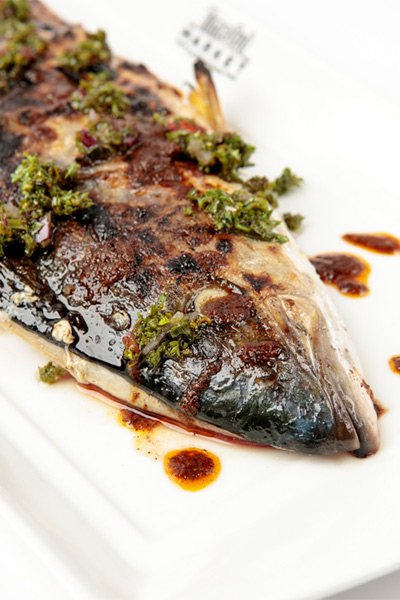
Did you always know that you wanted to be a chef?

There was no definitive plan, but the point of entry at that time was pretty straightforward.

The hospitality industry can be difficult to navigate. What inspired you to start the African Culinary Library?

The idea came about during COVID, as all great ideas did. We thought while we had time, ‘Why not dig deeper into the African narrative around food and hospitality?’

We wanted to celebrate the continent and all its bounty; we have had many iterations of what this would look like, so it was just a matter of firming it up.

EDGE is known for its creative approach to African cuisine. How do you push innovation while honouring tradition?

This is the hardest bridge to navigate. Africans are very proud of where they come from, so if you say you are going to serve, let’s say, Jollof to someone who grew up with it and to someone who doesn’t know it, the last thing you want to do is serve an idea that is not close to the original. They will come for you!

Our idea is not to ‘pimp’ any dish or fuse any ideas that are not true to that culture or concept. We identify an idea, explore it, and then find a way to package it in a way that’s familiar, interesting and true to the idea.

Left: Chef Vusi Ndlovu | Right: Grilled Fish of the Day with Shito dressing at MLILO, Time Out Market Cape Town.
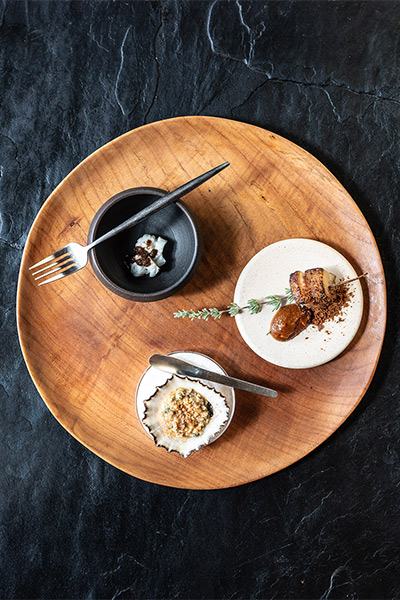
How do you source inspiration for new dishes?

This has many forms; there is no set plan. The easiest way is [to look to] the ingredients, the people, even a song sometimes. The plan is always to induce an emotion, a good one. With that fixed goal of creating an emotion, it’s easier to get to an end product.

Favourite ingredient at the moment?

Sounds silly, but we are having fun with a lot of salts from across the continent. The salt from the ‘pink lake’ [Lake Retba] in Senegal has an interesting minerality to it and you don’t need much of it. Natural salts from Limpopo have an interesting earthiness and umami [quality] to them, so that’s fun.

Overrated trend?

Ah heheehe. I am not liking the ‘superfoods movement,’ as that has been floating around. These food items have existed for a long time, but some thought to rebrand these items, so they could fly off shelves at crazy prices.

You’ve done some incredible collaborations (Wolfgat, Earthbox, etc.), what’s been your favourite to date?

What a journey! There have been some amazing ones; we love them all equally.

Wolfgat has to be up there. Kobus, the team, the location and the guests were just amazing.

Top: Chefs Vusi Ndlovu and Kobus van der Merwe serve guests at Wolfgat restaurant in Paternoster | Middle & bottom: EDGE x Wolfgat collaborative menu
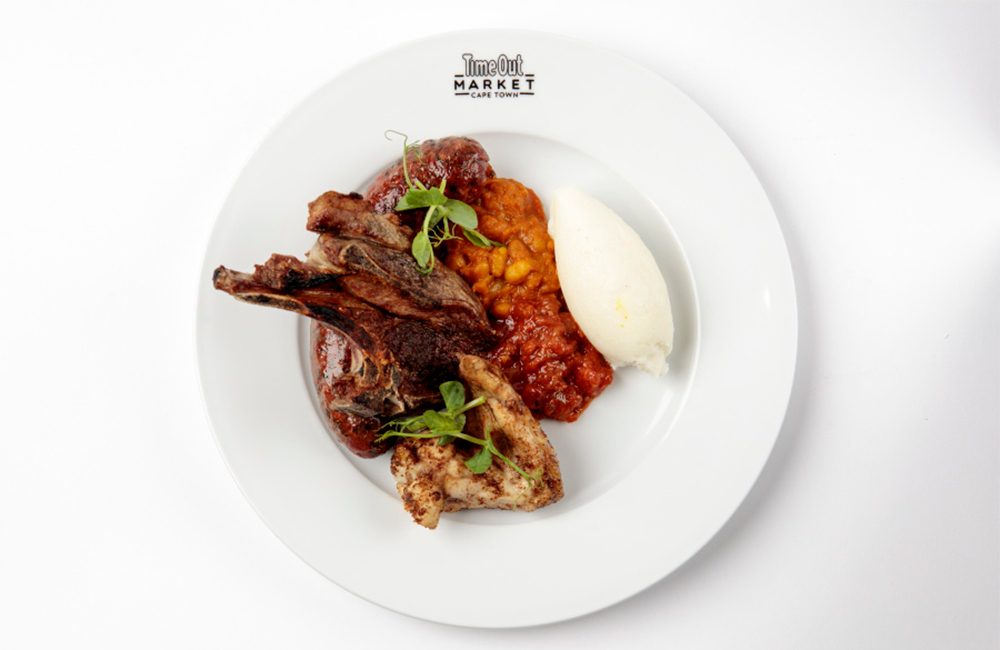
MLILO has been thriving at the Time Out Market. How has it been moving from a fine dining environment to a more casual setting?

The idea for EDGE Group was to have a fancy concept, a casual concept, and a ‘fast’ concept. Hence MLILO – it already has its own little cult following, which is nice to see.

I think it is important to be mindful of the spending habits of the guest. Not everyone is keen to spend more than a thousand rand during the week for a meal you know, so it is always cool to have something for everyone. It has its own set of challenges; you can’t be too precious about some things.

MLILO’s braai plate is exceptional, and so is the broccoli with maafe sauce. What do you enjoy about plant-based cooking?

Fire is our main source of cooking; we love fat and meat, so that is a natural thing to do. Cooking plants of all sorts over the fire is very different. [It’s] much more delicate and requires all your senses, which makes it more fun.

Top: South African Braai Plate with beef chuck, lamb chop, chicken wing & boerewors | Bottom left: Charred Broccoli with miso-pickled peanuts & maafe sauce | Bottom right: Mombasa-inspired uMbhona Classic street food at MLILO, Time Out Market CT.

You’ve racked up incredible awards (S.Pellegrino, Eat Out, Luxe). What’s been the proudest moment of your career?

Shoo! I think to date, winning the Eat Out ‘Best New Restaurant’ award was absolutely amazing in the short time we were there.

What advice would you give to young chefs in the industry?

Take your time, the journey is long. It is not always roses and glamour, but once you find your way in the chef world, it can be very rewarding. So take your time; master the craft.

Left: Chef Vusi Ndlovu | Right: Nyama Choma, thinly sliced beef with chunky kachumbari at MLILO.

Visit MLILO at the Time Out Market Cape Town at the V&A Waterfront, and explore EDGE’s page for more exciting collaborations and updates. 

edgerestaurant.africa | Instagram