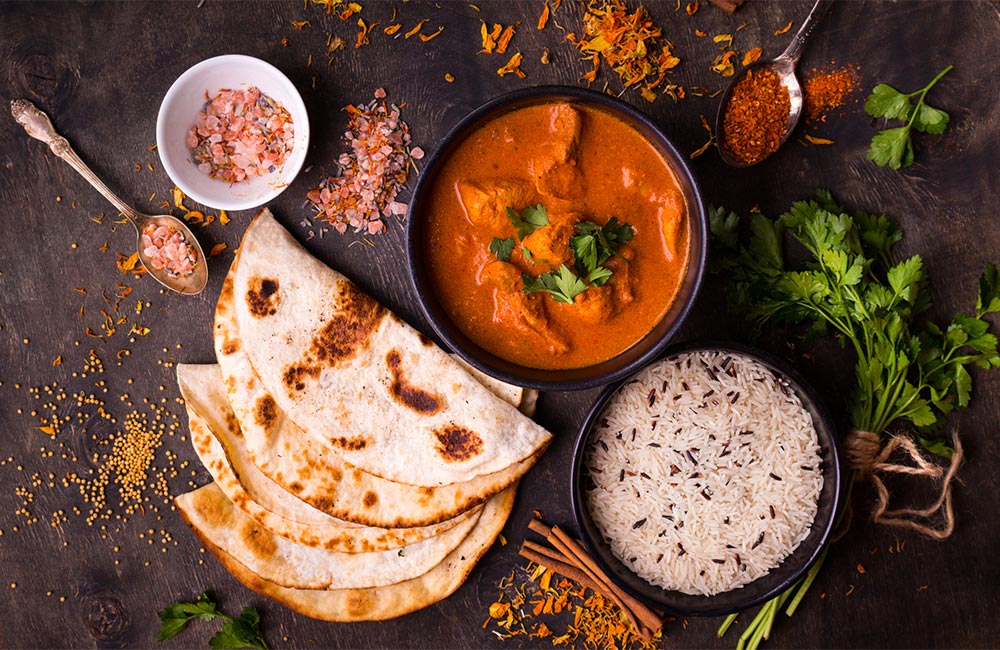
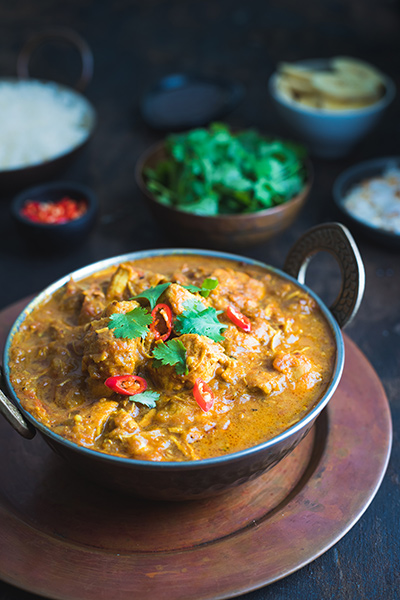
How Chicken Tikka Masala Became a UK National Dish

Fish & Chips, Bangers ‘n Mash, Shepherd’s Pie, Toad in the Hole – if you thought one of these British classics would be the UK’s national dish, think again. It’s Chicken Tikka Masala – a dish that’s been savoured time and time again, not only in India but throughout shabby London pubs and ritzy restaurants. But somewhere along the line, the origins of this smoky and comforting dish got lost in the sauce…

Like many traditional dishes and desserts, the origins of Chicken Tikka Masala are widely debated, and beyond that, one might wonder how this South Asian dish was claimed by the Brits. One of the legends suggest that it was invented in the 1970s at the Shish Mahal restaurant, located in the west end of Glasgow, Scotland. Pakistani-Scottish chef, Ali Ahmed Aslam, is largely credited for its creation…


The origins of chicken tikka masala

According to the popular legend, Ali was working at his restaurant (then owned by his father, Noor Mohammed) one evening, when a customer ordered a plate of chicken tikka and complained that it was a tad dry – many Scottish dishes are often accompanied by gravy.

Ali happened to have a tin of Campbell’s tomato soup and decided to infuse it with spices, make a creamy sauce and add the chicken tikka. The customer was pleased with the revamped version and told friends. Not long after, word spread and the dish became popular.

While the story is widely believed, food historians, Colleen and Peter Grove, disagree. Some believe that chicken tikka masala was derived from another popular North Indian dish, murgh makhani, better known as ‘butter chicken.’ To fuel the fire, a recipe for Shahi chicken masala was recorded in Balbir Singh’s 1961 cookbook, Indian Cookery.

Safe to say, when it comes to pinning down the exact origins of the dish, the crowd remains divided. Some reckon it’s proudly Glaswegian by association, while others argue that it’s essentially a mash-up between chicken tikka and murgh makhani, making it Indian/Bengali.


The Legend of Babur

If you don’t know what chicken tikka masala is, it’s a dish consisting of meat marinated in yoghurt and traditional Indian spices, which is then cooked in a clay tandoor oven, imparting a characteristically delicious, smoky flavour. As much as tikka chicken is thought to have originated in Great Britain, it’s undoubtedly native to South Asian cuisine.

To begin with, the tandoor oven dates to 2600 B.C. The history of chicken tikka masala itself is quite interesting – apparently, descendant of Genghis Khan and founding emperor of the Mughal dynasty, Babur, was a notoriously picky eater. In fear of choking on chicken bones, he instructed his Punjabi chefs to bone the chicken before cooking it in the tandoor oven, which then became a popular dish.

Today, tikka masala fans enjoy the dish all over the world – with or without sauce. Aslam even pushed for it to gain Protected Designation of Origin status, but his efforts were unsuccessful.

According to a 2009 statistic, approximately 2.5 billion pounds of chicken tikka masala is consumed per year by Brits – we imagine that number has doubled since. In 2001, British Foreign Secretary, Robin Cook, declared that chicken tikka masala is the country’s ‘true national dish.’ We may never ascertain the origins of chicken tikka masala, but we do know is that it’s delicious!

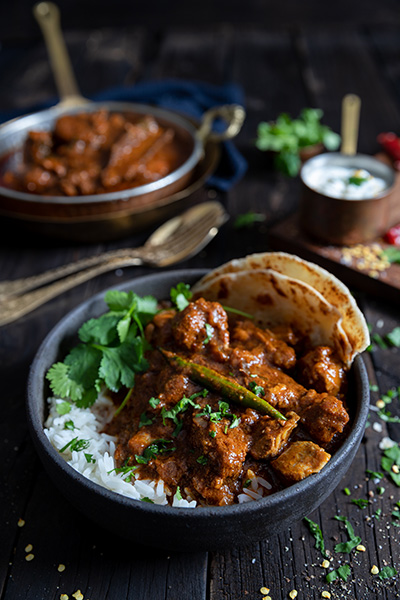
Try this Chicken Tikka Masala recipe.

Liam Tomlin’s Chefs Warehouse & Canteen Back On Bree… Same, But All Grown Up

It’s comeback time for the original Chefs Warehouse & Canteen, diagonally across the street from where it all began in 2014 – when Liam and Jan Tomlin first brought their creativity, energy and restaurant panache to a small heritage space on Bree Street.

Chefs Warehouse & Canteen is on the ground floor of 91 Bree Street, a triple-story building which has been entirely renovated by the Tomlins since its previous iteration as The Bailey.

The new version — in partnership with David Schneider, the Tomlins’ partner in Chefs Warehouse at MAISON and The Red Room by Chefs Warehouse at Mount Nelson, A Belmond Hotel — is a grown-up Chefs Warehouse & Canteen, with the same down-to-earth heart and style of food, plus more space to share the Tomlins’ passions for food, art, wine and design. “It’s nostalgic, but better,” explains Liam Tomlin, who couldn’t be more excited about the revival of the restaurant that created a following for the ‘Tapas for two’ format in Cape Town and led to a string of Chefs Warehouse restaurants throughout Cape Town.

Besides being the go-to place for beloved dishes like pea risotto, bone marrow and lemon posset, it was a jewel of an edgy urban space and a magnet for Cape Town’s creatives and food lovers of all kinds; it very much contributed to making Bree Street the restaurant street it is today.

“The original has a deeply personal and special place in our hearts,” says Tomlin. “We loved the compact size and the social vibe it created, but it also limited us in terms of seating and overall decor. In this newly imagined space, we can play more with art and lighting… we even have space for two wine cellars and a good part of my cookbook collection.”

Tomlin’s cookbook collection is more like a technicolour library visible through a large window overlooking the dining room, with hundreds of jacket-free colour-coordinated cookbooks that have inspired him throughout the years.


From Gyoza to Bouillabaisse

Sharing dishes, flavours and conversation has always been what Chefs Warehouse & Canteen was all about, and the beloved format of ‘Tapas for two’ returns with a four-course menu for R800 per person, along with the option of ordering individual plates from an à la carte menu.

Dishes like venison tataki, pork gyoza, roast pork belly with lentil ragout, duck breast with fesujin sauce, and bouillabaisse are back, amongst other old favourites, and a frequently changing Tapas for 2 format will keep the menu as fresh and full of surprises as it was ten years ago when the concept first launched. Like nearly all of Tomlin’s restaurants, the fixtures are oysters (currently served with Vietnamese dressing), risotto (currently pea with smoked pork shoulder croquettes) and lemon posset.

The wine selection is impressive, with Tomlin bringing over much of his personal collection to fill two well-stocked wine cellars, which sandwich the dining room.


New Big City Look at 91 Bree Street

Chefs Warehouse & Canteen is on the ground floor of 91 Bree Street, a triple-story building which has been entirely renovated by the Tomlins since its previous iteration as The Bailey. The new look is rustic exposed brickwork and concrete, steel, black tiling and sexy modern lighting, featuring a number of artworks by Paul du Toit, who was a close friend. This includes the large rectangular black and white graphic du Toit-inspired table with its red leather chairs, the perfect spot for sharing ‘Tapas for two.’

A variety of seating means that just like the food, there’s something for everybody. At the centre of the restaurant is a long wood table with barstools taking a cue from the original Chefs Warehouse & Canteen with its communal dining, complete with the old ‘uncomfortable’ stools! Other seating includes simple contemporary white round and rectangular wood-topped tables, with both plain and leather upholstered bench and chair seating. On the landing next to the bar are two other seating areas: the Paul du Toit family table, and several banquettes under a bank of smoky mirrors. Outside on the Bree Street pavement, there are long tables for urban dining and people-watching.

An open steel staircase with wood treads connects Chefs Warehouse & Canteen to the floor above, which will be home to Merchant Bar & Grill. The staircase has created a light-filled atrium with dramatic views of the restaurants from above and below. A highlight is the chandelier suspended from above. A series of butchery-inspired ceramic works — created by Cape Town-based Ceramic Matters — has been refashioned into a large illuminated double-volume chandelier with hanging cleaver, leg of lamb, tube of tomato paste, garlic and chicken feet, as well as comical items like a paintbrush and a rat.

The piece is indicative of the passion and respect that Tomlin and Schneider have for the culinary arts and the old trades of butchery and fishmongery. It’s also an invitation to explore the new concept loading upstairs, Merchant Bar & Grill, an old-school modern restaurant featuring the best local producers, complete with a Larder stocked with house-made charcuterie and other preserves, along with an extensive selection of cheeses. Some of these products will also be on the menu at Chefs Warehouse & Canteen.

On the second and top floor is Room 91, Chefs Warehouse’s self-contained private events space overlooking Bree Street. It is an easily adaptable multi-level, indoor-outdoor space that can be used for anything from cocktail parties to launches to meetings to wedding receptions and sit-down lunches and dinners. The key attraction, besides the vibrant CBD setting, is that it is a space for events where Chefs Warehouse food is served.

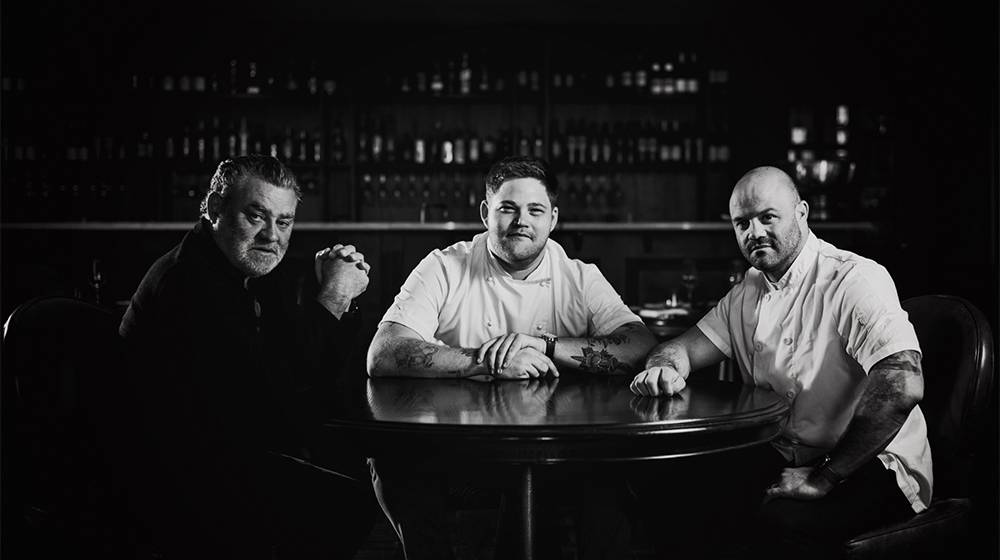
Pictured top (from left to right): Liam Tomlin, Adrian Hadlow, David Schneider. | Image credit: Claire Gunn

Chefs Warehouse & Canteen is a partnership between Liam and Jan Tomlin, and David Schneider. Head chef, Adrian Hadlow, is the youngest of the three generations of chefs steering the helm at 91 Bree Street, and together, Tomlin, Schneider and Hadlow make a formidable team.

“Chefs Warehouse & Canteen was what made us in Cape Town when we first came here,” says the Dublin-born Tomlin. “This restaurant now also feels so natural, so much an expression of our love for food and dining experiences that are high-quality, exciting, fun and unstuffy… but also, what we think diners are looking for today. It’s like the best of past, present and future.”

Chefs Warehouse & Canteen is open from Noon for lunch service — trading lunch and dinner is from Mondays to Saturdays. Merchant Bar & Grill is open from 18h00 for dinner service (the bar opens from 17h00) — trading from Tuesdays to Saturdays, exclusively dinner.

For bookings, call 021 773 0440, send an email or visit the Chefs Warehouse website below.

chefswarehouse.co.za | Instagram

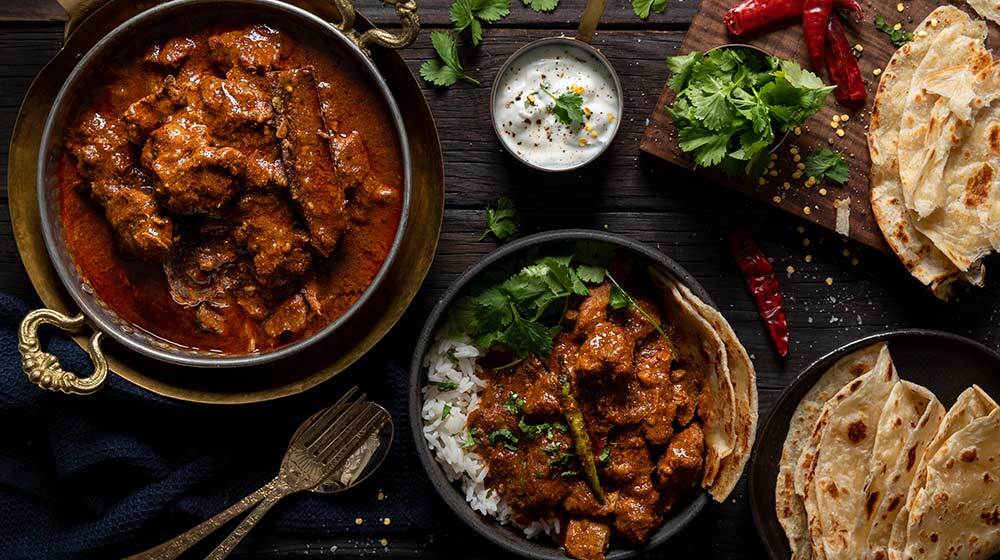
The Ultimate Guide to Indian Curry & Inspired Recipes

If there was ever a time to enjoy a cheeky curry, it’s now. There is nothing that perks you up quite like the bite and spice of a curry when the days are short and cold. We are very lucky in South Africa to be able to get hold of some pretty authentic curries. But, we’ve barely scratched the surface in terms of the variety of Indian curries out there. To help you out, we’ve put together a guide to different types of Indian curry.

comfort food recipes

Indian cuisine dates back to nearly 5,000 years, when various groups and cultures came to inhabit India. This led to a melting pot of flavours and regional cuisines, and Indian food comprises of a number these regional cuisines. The variety in soil type, climate, culture, ethnic group and occupations, ultimately, mean that these cuisines differ due to the availability of local spices, herbs, vegetables and fruits. Indian food is also influenced by religion, as well as cultural diets and traditions.

Different Types of Indian Curry

Think you know your curries? Check out our ultimate guide to different types of Indian curry and see how you fare…

Achari

Achari stems from the word ‘achar’, which as we know, is a pickle. So, achari curries are made with pickling spices. This is a traditional curry in the Punjab region of India, sort of north-westerly, lying on the border of Pakistan. Spices commonly used in achari include turmeric, fenugreek, black onion seeds and Kashmiri red chilli powder, as well as fennel, cumin and mustard seeds. Mustard seed oil is very important in a traditional achari curry.

Balti

Balti is technically a method of cooking, rather than a recipe. The word balti refers to the cast-iron dish used – it is wok shaped and has two handles on either side of it. There is much controversy around balti curry, as it’s believed to be ‘more British’ than Indian. Despite this, you can often expect a balti curry to have a thick tomato-based gravy, and the protein used would have been stir-fried in the balti before being added back into the curry sauce.

Bhuna

A bhuna curry is one in which the spices have been gently fried in a generous amount of oil, to which meat is added and then left to cook slowly in their own juices. This isn’t an overly saucy dish, but will have lots of deep, spiced flavour.

Bhindi Ghosht

Essentially the same as bhuna – bhindi ghosht is a relatively dry rather than saucy curry, which has had okra added to it.

Biryani

Possibly one of the most popular dishes out there, especially in South Africa. Biryani, or breyani, isn’t technically a curry, but is a curried aromatic dish of basmati rice, spices, meat, herbs and either curd or yoghurt. Biryani can be made with any meat, vegetables or even paneer, but is traditionally made with mutton.

Bombay

Normally made with chicken and so often called ‘Bombay chicken’ – Bombay curry is recognised by the inclusion of desiccated coconut and vinegar. Traditionally, light stock is made using a whole chicken, then the skin and bones are discarded. Following this, spices are added along with that all-important vinegar and coconut.

Ceylon

Technically a Sri Lankan dish, Ceylon curry has been adopted into Indian culture. The name Ceylon refers to a curry mix of coconut, lime and a hot curry powder. This gives the resulting curry a spicy and acidic flavour.

Chicken 65

Chicken 65 is an iconic dish which originated in Chennai, Eastern India. Essentially, it consists of deep-fried chicken pieces that are then coated in a super spicy sauce. The curry itself can vary depending on where it’s being made, but usually the sauce needs to contain Kashmiri red chillies for that certain ‘kick’. It can be eaten as a snack or as a starter.

Dahi Wala

Originating from the Punjab region, Dahi Wala requires the protein (mostly chicken) to be marinated in yoghurt for at least two hours – spices and tomatoes are then added. This is most likely the closest Indian curry to butter chicken, which is traditionally Pakistani.

Dhaba Curry

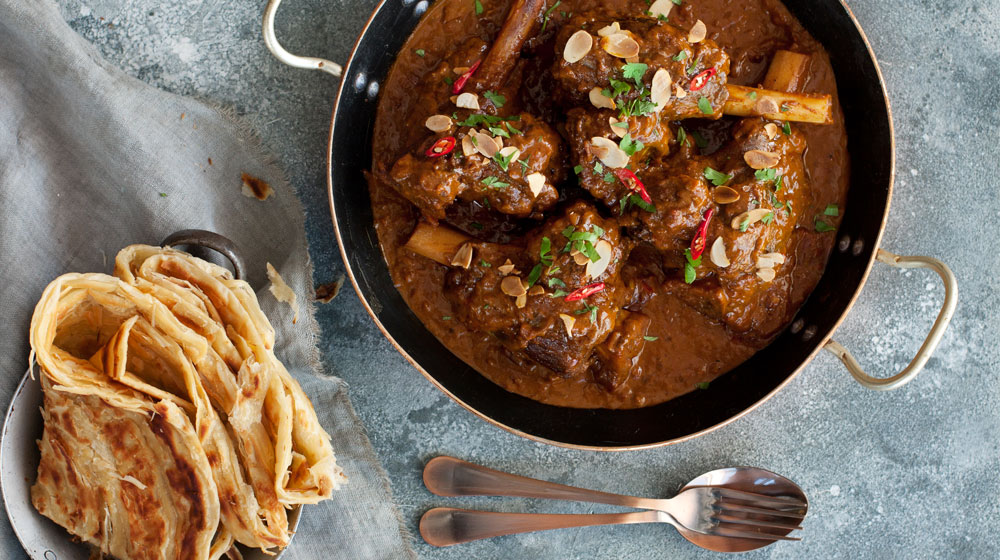
This curry comprises lamb shanks cooked in a tomato-based sauce, and is a staple in Northern India. Sucking on the shank bone is apparently encouraged, and we’re happy to oblige. This dish is most similar to Rogan Josh, but has added tomatoes.

Dhansak

This is a popular dish in India that combines Parsi (descendants of Persian natives) and Gujarati cuisine. It traditionally includes mutton or goat along with lentils (or dhal), and is served with a distinctive, caramelised brown rice. The result of slowly cooked lentils, vegetables and meat is something that is decidedly more stew-like than curry.

Do Piyaz

Do piyaz, literally translated from Hindi means ‘double onions’ – basically, you’re dealing with a lot of onions in this curry. The method calls for finely chopped onions to be added in the beginning, along with spices, which are then allowed to soften and caramelise. Fried onions are sprinkled on top when served.

Jaipur

Named for the capital of the Rajasthan region in India, Jaipur curry is identified by the addition of coconut milk and chicken.

Jalfrezi

Jalfrezi, one of India’s most loved curries, involves marinating pieces of meat, fish or vegetables, and then frying them in a spiced oil. This produces a dry, thick sauce, as opposed to a saucy one. As the dish includes green chillies, jalfrezi can range in heat from medium to very hot, and it’s also known to include peppers, onion, cabbage and tomatoes.

Jungli Maas

This red curry is native to the Rajasthan area of India. It is made with lamb, and is known for being fiery due to the generous inclusion of Kashmiri red chillies.

 Karahi

Karahi dish is similar to a balti, and so can sometimes be interchanged with balti recipes. The most well known karahi dish is made with chicken and hails from Northern India.

Kashmir

Kashmir, in the north of India, is home to the Kashmiri curry. Usually made with chicken, whole garam masala and dried fruit, this mildly spicy curry is sweet, creamy and rich.

Keema

One of the few Indian curries containing beef, keema requires mince and tomatoes.

Kodi Kura

Kodi kura is traditionally found in the Andhra Pradesh region, which is on the South-Eastern coast. Mostly made with chicken, this curry also uses coconut milk, thanks to its tropical position in India.

Kofta

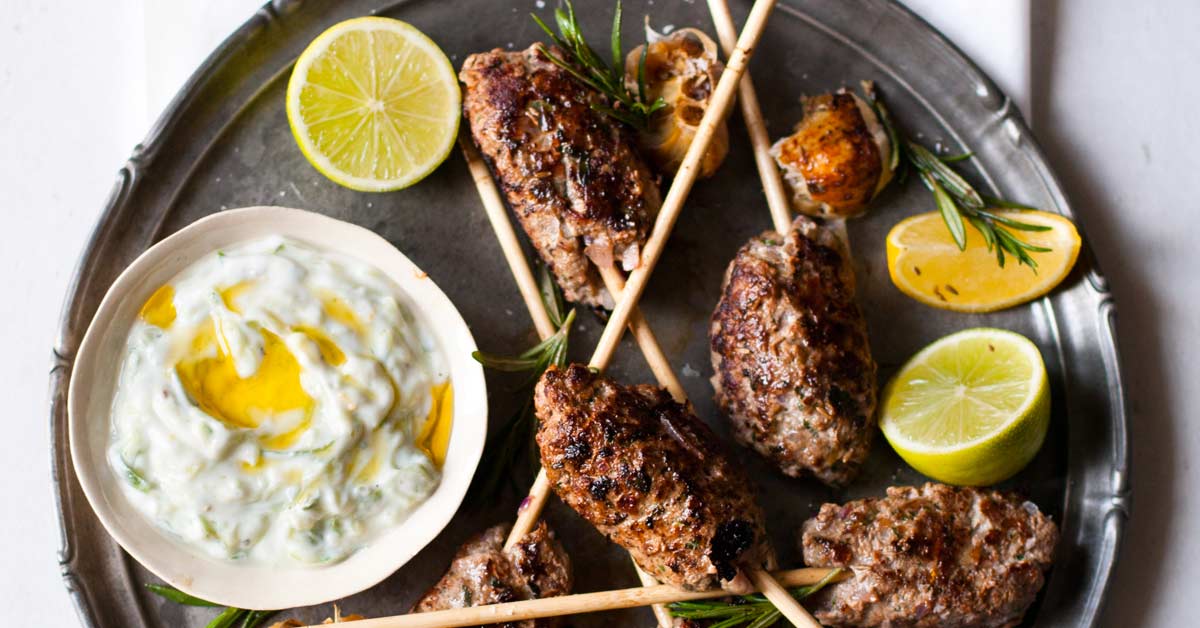
These almost need no introduction, as the spiced meatballs are hugely popular all over the world. These can either be served as is, as a snack or within a curry sauce alongside rice and flat bread.

different types of curry

Kolhapuri

Hailing from the western region of Kolhapur, this curry is very similar to a butter chicken, in that the sauce is tomato and yoghurt-based.

Korma

The ever-popular korma, is defined as a dish where meat or vegetables are braised in water or stock and then either yoghurt or cream are added. The spice combination of korma generally includes ground coriander and cumin combined with yoghurt kept below curdling temperature, which is then emulsified with the meat juices. Korma is fairly adaptable, and can be mildly spiced or fiery, and may include any kind of meat. Some kormas even combine meat and vegetables, such as spinach and turnips.

Kozi Kari

Believed to have been introduced by Jewish settlers in Cochin, a coastal town in Kerala, this curry incorporates roasted coconut into the gravy, resulting in a thick, aromatic sauce.

Kundan Kalia

Recognised by its golden hue, which comes from the generous addition of turmeric, this curry incorporates two cuts of lamb – pieces of bone-in lamb leg and boneless lamb leg. Kundan kalia is traditionally from the Uttar Pradesh region in Northern India.

Lal Maas

Lal maas is a very famous dish in India, particularly in Rajasthan, where it originated. It’s a mutton curry with a sauce made from curds and lots of red chillies.

Madras

A madras sauce can be cooked with a number of different proteins, but is usually known to be quite spicy and very red in colour (because of the quantity of red chillies used). The sauce is believed to have originated in Chennai.

Makhani

While makhani (a Hindustani word) itself may be unfamiliar, the translation is one that all South Africans will know. It is directly translated as ‘with butter’, so that means chicken makhani is – yep, you guessed it – butter chicken. It is recognised by its cream and yoghurt based sauce, and sometimes the addition of ground cashews.

Mughlai

Mughlai denotes a cuisine in Northern India, and is a classic Indian culinary tradition. It originated when ancient rulers, the Mughals, reigned over India. The cuisine incorporates the traditions of Persia, Middle East and India in its cooking style and use of spices. Mughlai curry is milder than the ‘average’ Indian curry, and features many fragrant spices such as cinnamon, nutmeg and cloves, along with rich nut pastes and cream.

Murgh Mussallam

Continuing with the Mughlai cuisine, Murgh mussallam is a traditional dish from the region. It’s essentially a whole chicken smeared with masala and roasted in a tandoor oven.

Nihari

Nihari is a slow-cooked stew, consisting of lamb on the bone (or in some rare cases, beef), including the bone marrow. The main spice used in a nihari is the Indian long pepper or ‘pipli’, which gives the dish its unique spicy flavour notes.

Pasanda

This well-known dish requires meat (usually lamb) to be marinated in yoghurt and spices, before cooking everything together to make a creamy, saucy curry.

Pathia

Pathia is an ancient Parsi curry, which is very popular in the U.K. It is hot, sweet and sour owing to the use of tamarind. To get that balance just right, pathia is based on a blend of tamarind and lime, with jaggery (unrefined cane sugar) to correct the acidity.

Phall

Originating in Bangalore, phall is a snack dish made from spiced chicken. This chicken doesn’t sit in a gravy or sauce.

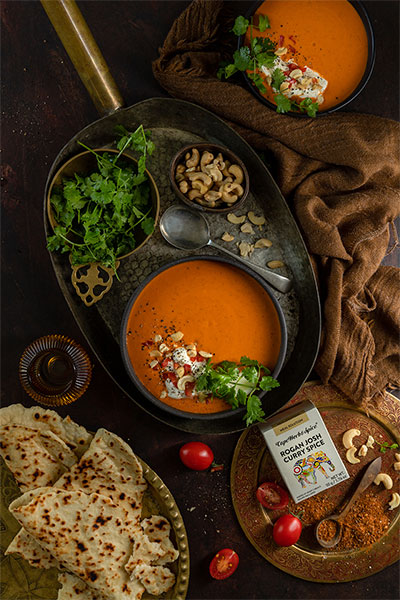
Rogan Josh

One of the signature dishes of the Kashmiri cuisine, a Rogan Josh will always be made from lamb and liberal amounts of Kashmiri chillies, which give it its iconic red hue.

rogan josh curry guide

Saag

Anything with the word ‘saag’ in it will contain spinach, kale, collard greens, chard, or any sturdy green leaf. The most well-known is the saag aloo curry, which a curried mix of potatoes and spinach.

Safed Maas

Essentially the same as a laal maas, but with a slight difference – this curry features mutton cooked in a white gravy made from ground nuts.

Sowetta Maas

This meat-based curry features the addition of fresh corn kernels.

Tikka Masala

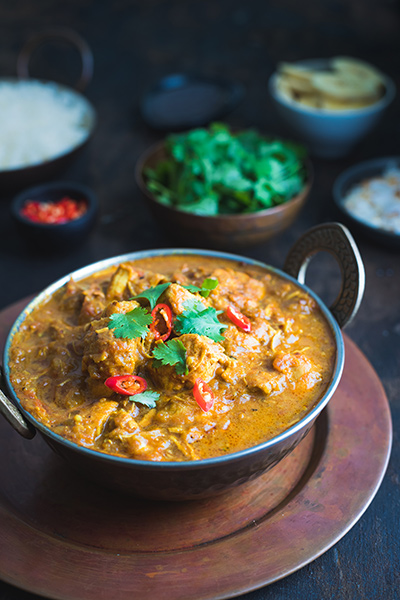
As this dish is so popular, many different versions of it exist now. What we know for sure, is that it contains roasted chunks of marinated chicken (often roasted in a tandoori oven) and is coated in a mildly spicy, orange-hued sauce. Try this Tikka Masala recipe.

Vindaloo

A vindaloo is an infamously-spicy dish that hails from the Goa region of India. It can be made with a number of different meats, but mostly features pork as a throwback to a dish brought by the Portuguese, when they arrived in India in the late 1,400s. Try this Lamb Vindaloo recipe or Pork Neck Vindaloo recipe.

curry guide

Check out our guide to making the best chicken curry ever.

Bantry Bay’s Best-Kept Secret – Botany Café at The President

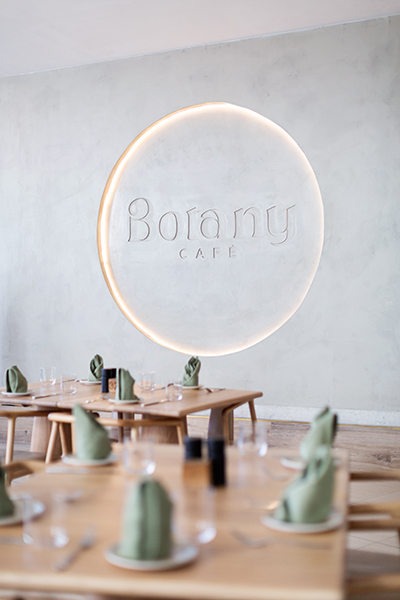
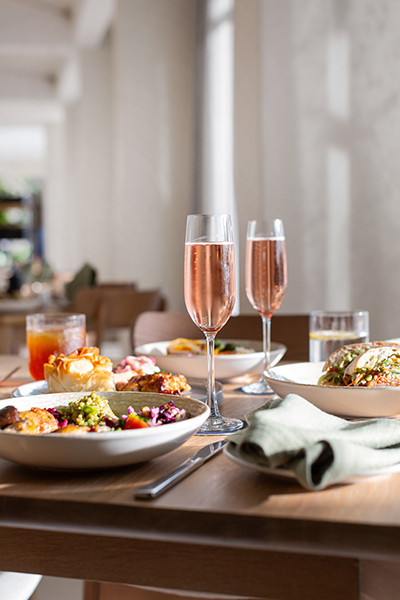
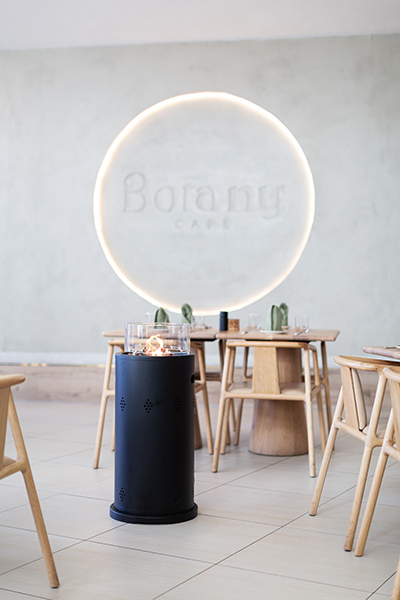
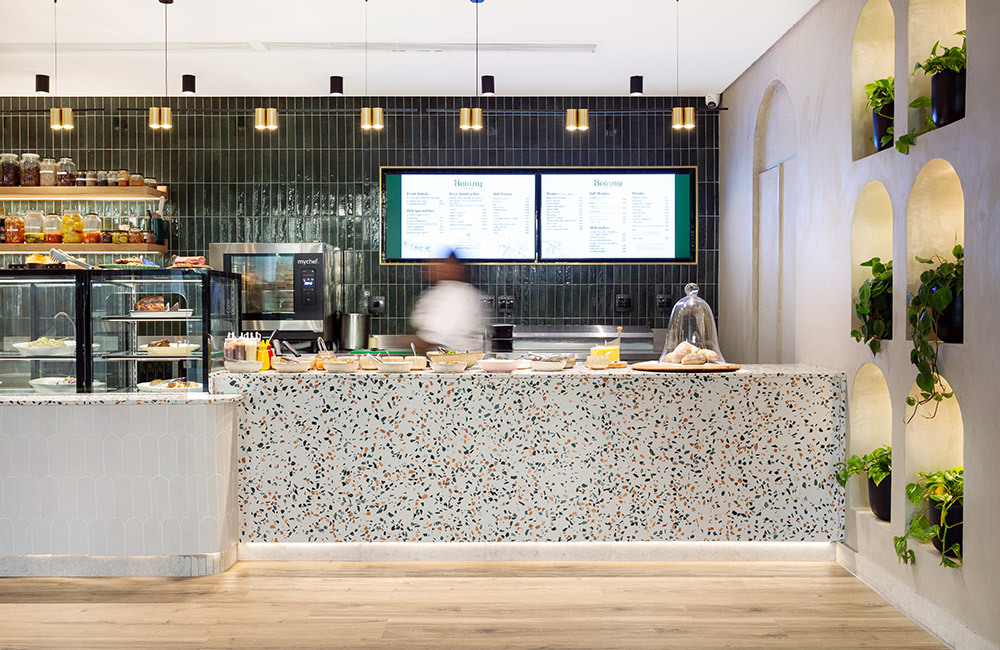
Botany Café, The President Hotel’s newly refurbished café brings a fresh and wholesome dining experience to Bantry Bay. Inspired by Karen Dudley’s The Kitchen, the deli-style eatery boasts fresh daily menus with flavour and sustainability at the forefront. The approachable cuisine, down-to-earth atmosphere and contemporary charm provide an idyllic setting for a leisurely lunch or bubbly and brunch gathering at this coastal attraction.

Beyond the food concept, the hotel’s ethos celebrates all things local, down to the interior design.

Keeping in line with the hotel’s commitment to being ‘Cape Town’s most-loved hotel’, The President is diversifying various spaces and offerings throughout the luxury establishment, including the remodelled café. Surrounded by lush greenery and earthy tones, the gorgeous interiors pay homage to the café’s namesake and the region’s rich history.

Botany Café draws its name from ‘Botany Bay’ – now known as ‘Bantry Bay’ – inspired by the botanical garden planted in this bay for medicinal plants and herbs in the early 1800s. With an average of 290 wind-free sunny days per year, it’s still the perfect micro-climate to enjoy a sunny lunch spot during winter.


A Culinary Experience Curated with Love

At the heart of Botany Café is the hotel’s head chef and curator of flavours, Sergio Adams, and his talented team. With a rich background in culinary arts and locally inspired cuisine, the team brings their passion for creating wholesome meals to Botany Café.

Inspired by culinary doyenne Karen Dudley’s The Kitchen, the menu celebrates diverse flavours and wholesome, plant-forward dishes. “We wanted to have pleasing, fresh flavours that are familiar yet different. These flavours represent how we like to eat in Cape Town – inspiration from around the world combined with local flavours. It’s all about mixing it up and combining contrasting flavours to create something unique and exciting,” says Botany’s culinary team.

The menu is never static; it evolves daily to showcase the freshest, locally sourced ingredients.

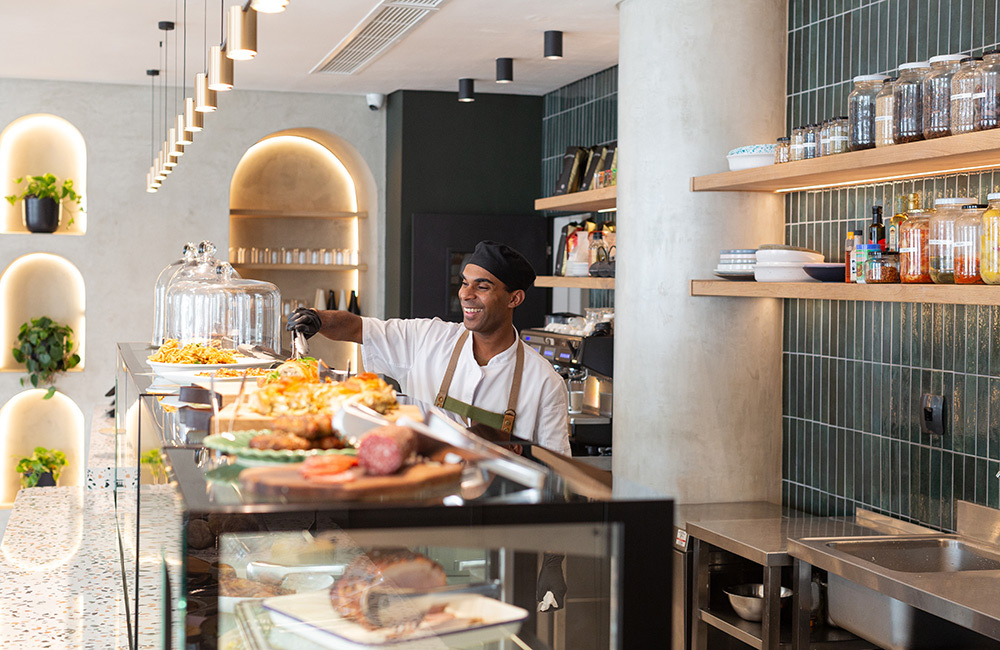
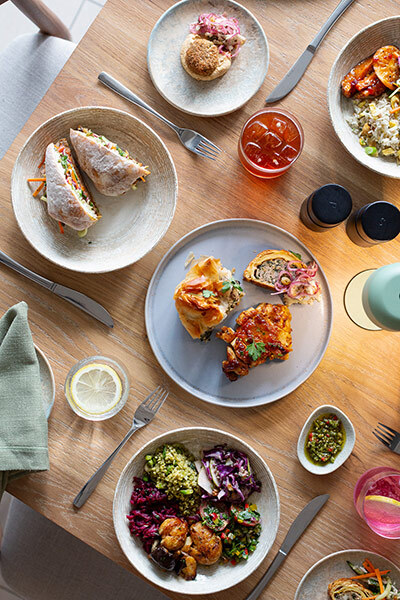
Each day, guests can enjoy a selection of five different seasonal salads, that are made with love and are perfect as a deli plate or for takeaway. The café also offers five varieties of sandwiches daily, crafted with wood-fired bread from The Woodstock Bakery. This bread is slow-fermented and hand-shaped from superior stone-ground flour, ensuring you taste the quality in each bite.

Current favourite items are the juicy Love Sandwich, all the salads (Kale Salad, Parmesan Cauliflower, Sumac Greens and Tabbouleh, and more) and, of course, the café’s famous World Peace Brownies! A popular combination is the Shared Platter, a selection of deli favourites which can be shared between friends, giving you a taste of everything on offer.

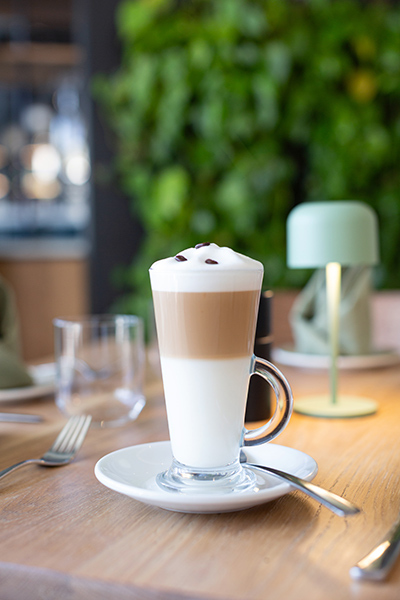
For those seeking heartier options, the menu includes a mix of favourites such as the ‘tart of the day’, terrine, honey mustard sausages, Balochi kebab, kimchi fritters, Arayes (Middle Eastern stuffed pitas) and Involtini di Melanzane (eggplant roll-ups). And if you have a sweet tooth, you can indulge in the delectable array of treats, including fudge, cheesecake, doughnuts, tarts and cakes. To complement the food, there’s a selection of freshly squeezed juices, teas and coffees, perfect for any time of the day.


Freshness & Flavour With Each Bite

The menu is never static; it evolves daily to showcase the freshest, locally sourced ingredients. This dynamic approach ensures that each visit offers a unique and delightful adventure, reflecting the hotel’s commitment to innovation and quality.

Botany Café will also launch a picnic pantry, allowing patrons to stock and savour deli favourites at home, from pickles to preserves, jams, relishes, party nuts, and delicious sandwich and salad additions like mustards and pestos. You can even order your favourite dishes to serve at home to your own guests. They will also be stocking your favourite merch – a selection of MIIR drinkware and the beloved Karen Dudley recipe books.

“Our vision is to curate a memorable culinary experience by engaging all the senses and creating a space where guests can connect with our chefs, the food, and the surroundings. A vibrant deli-style café, where the enticing aroma of Bootlegger coffee and freshly prepared dishes greet you upon arrival. A counter overflowing with a selection of sweet and savoury mouthwatering dishes to draw you in. A space where people can share a true passion for food, sustainability and wholesome eating,” says Reinard Korf, the hotel’s General Leader.


The Finishing Touches

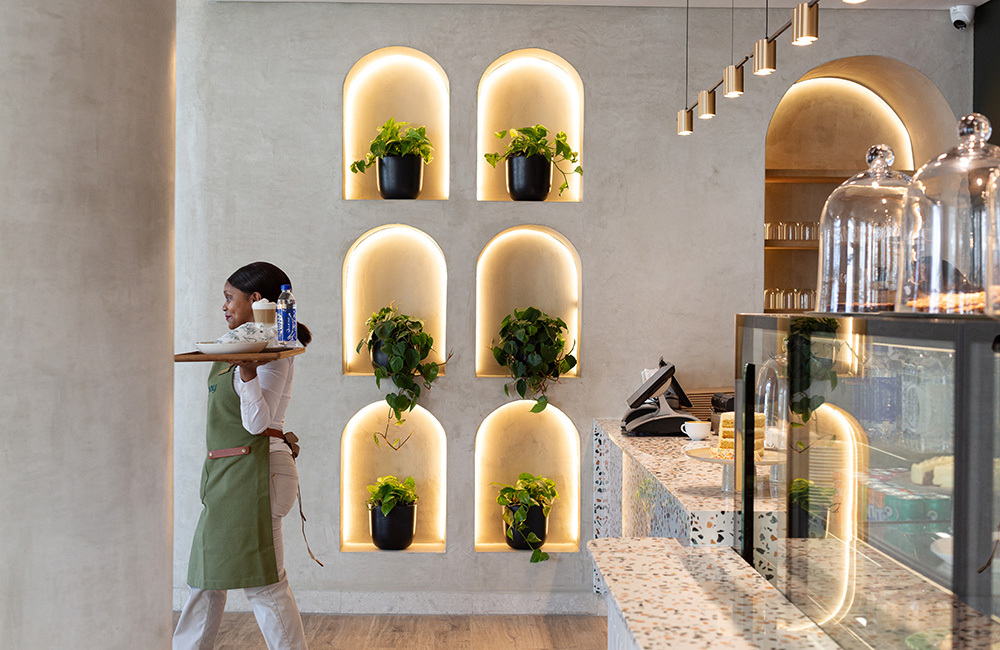
Beyond the food concept, the hotel’s ethos celebrates all things local, down to the interior design. “Building on The President’s ongoing transformation to a more resort feel, the designers, Source IBA, worked with the hotel team to transition this space into a beautiful, Instagram-worthy café and deli space. They embraced a ‘soft modern’ aesthetic, characterised by clean lines with some curvaceous elements and restrained colours with tactile finishes, ranging from hand-rendered walls, hand-glazed tiles and timber furniture,” says Mardre Meyer, the Creative Director at Source IBA.

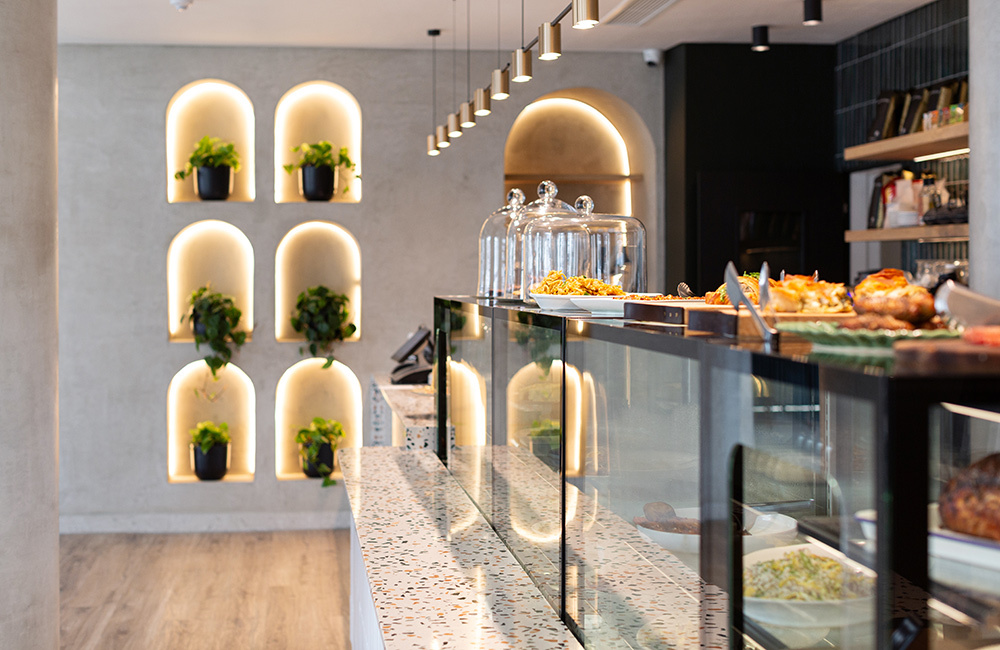
Earthy tones radiate throughout the café’s interiors, from the limewashed walls to the kombu green tiles and the Monstera plants that grace wall niches, offering a tranquil atmosphere for casual dining occasions and social gatherings. Trendy terrazzo granite stone counters and modern accents like brass pendant lights breathe life into the tranquil yet elevated atmosphere.

Surrounded by lush greenery and earthy tones, the gorgeous interiors pay homage to the café’s namesake and the region’s rich history.

With cosy heating and comfortable seating, not even winter could keep you from visiting this dining destination. During summer, patrons are invited to sit near the terrace, where poolside views and the Atlantic Ocean seascape immediately draw you in.

“We hope guests have an exceptional experience every time they visit. We want them to feel the warmth of our hospitality and the passion behind everything we offer at ‘Cape Town’s most loved hotel.’ Whether Botany Café is their go-to spot after a walk on the promenade, or their favourite spot for meetings, social gatherings or brunch, we want to create a space where they feel inspired, nourished and relaxed and keep coming back for more,” adds Korf.

Experience Botany Café at The President Hotel. Visit the website below for restaurant and accommodation bookings and follow them on social media for upcoming events.

presidenthotel.co.za | Facebook | Instagram | TikTok

Black or Green Cardamom? Is There Really a Difference?

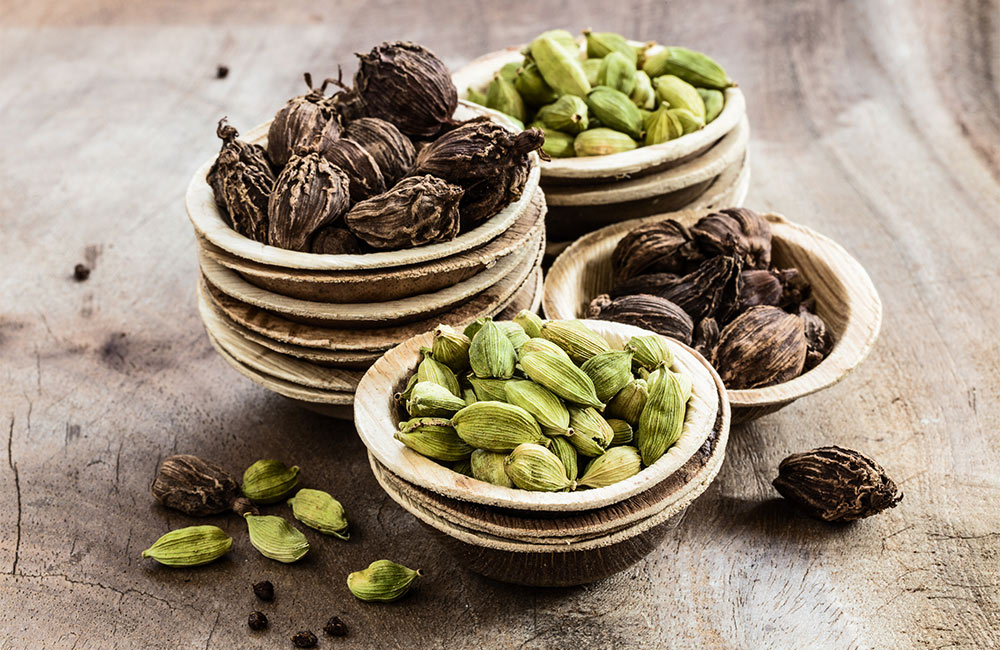
Aptly called the ‘Queen of Spices’ due to its unique flavour profile, cardamom reigns supreme in the spice world, and South Africa. But with two main varieties on shelves, knowing which type to use might pose a culinary conundrum. The real question: what’s the difference between black and green cardamom?

While both have similarities, choosing between green and black cardamom can impact the taste and aroma of certain dishes.

The Origins of Cardamom

Native to the lush rainforests of India, cardamom or ‘elachi’, has traversed continents and cuisines, and dates back at least 4000 years. This spice was once cherished by the ancient Egyptians, who used it in incense and perfumes. It later embarked on a journey along the ancient spice routes, gracing the tables of Roman emperors and Arab traders, who held it in high regard for its aromatic qualities. As time progressed, cardamom found its way to Scandinavia, where it became a key ingredient in the famous pastry, kardemummabullarhat or ‘Swedish cardamom buns’.

The complex spice is also affectionately known as ‘karamonk’ by South African locals, and is a staple ingredient in sweet and savoury delights like koe’sisters and breyani/biryani. But how do you know when to use black or green cardamom?


Green Cardamom vs. Black Cardamom

While both have similarities, choosing between green and black cardamom can impact the taste and aroma of certain dishes. These are just some examples that show how cardamom can define the essence of a dish…

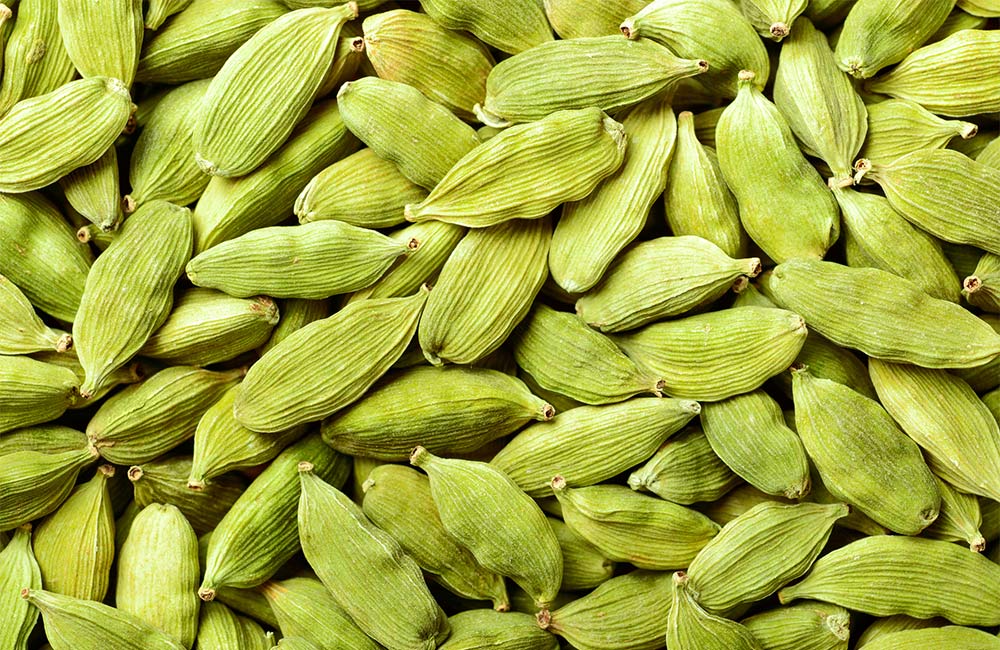
Green cardamom is the more common, widely recognised variety. It boasts a vivid green colour and a delicate, sweet and citrusy flavour profile. Its seeds, housed within small aromatic pods, are often ground into a fine powder or used whole in both sweet and savoury dishes.

In Indian cuisine, green cardamom is a star player in dishes like biryani, curry and chai. Its fragrant notes can elevate desserts like rice puddings and ice creams (kulfi). Overall, green cardamom imparts a lively essence to dishes and uplifts flavours.

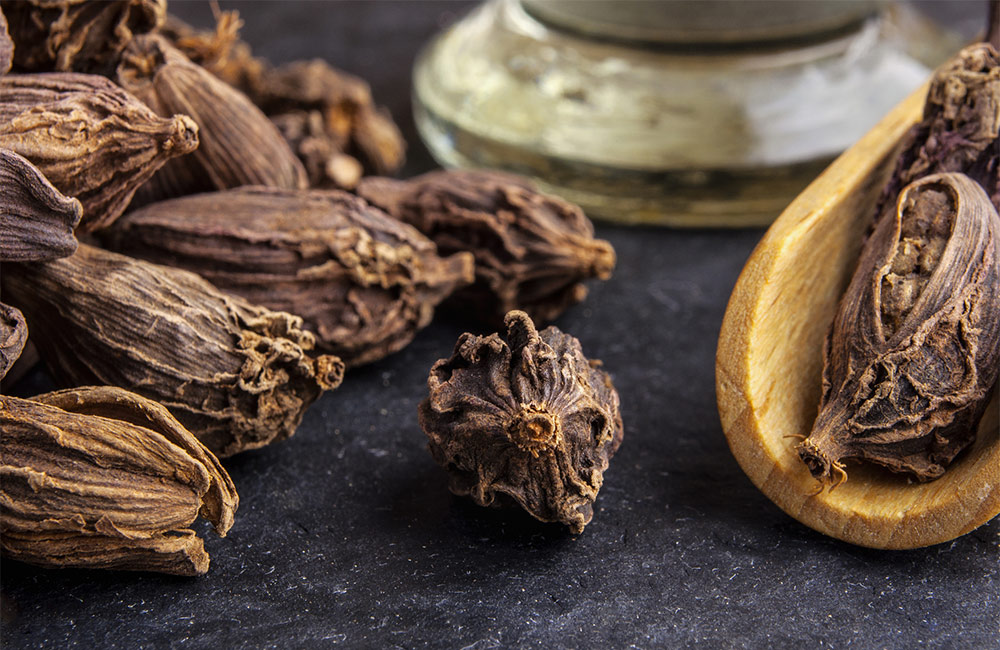
Black Cardamom on the other hand, is a smoky elixir, and the edgy counterpart to its green sibling. Unlike the vibrant green pods, black cardamom  pods are dark brown and display a distinctive wrinkled appearance. What sets black cardamom apart is its smoky, earthy flavour profile, with hints of resin and camphor.

This spice is prominently featured in the cuisine of North India, particularly in hearty dishes like biryani and various meat curries. It imparts a deep, complex undertone, making it a favourite among those who relish robust flavours.


Try these Cardamom Recipes

Pork Neck Vindaloo Curry

One of our favourite curry recipes; the spices make it deliciously fragrant.

Recipe for Pork Neck Vindaloo Curry

Instant Pot Chicken Curry

Cardamom shines in this chicken curry. A no-fuss recipe, perfect for midweek dinners.

Recipe for Instant Pot Chicken Curry

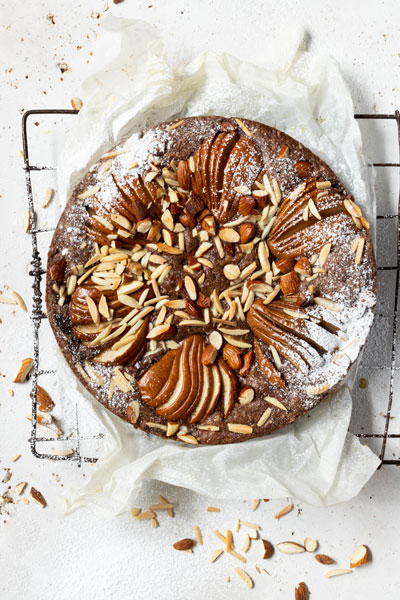
Chocolate Olive Oil Torte with Cardamom, Pears & Almonds

A decadent and fudgy teatime treat. The cardamom, pear and almond pairing is delightful.

Recipe for Chocolate Olive Oil Torte with Cardamom, Pears & Almonds

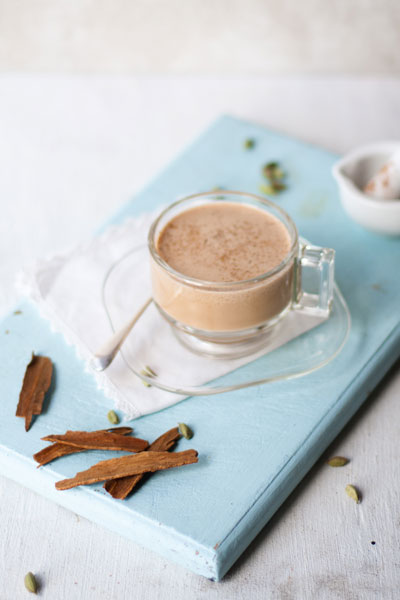
Vanilla & Coconut Chai

A warming cuppa tea, filled with the comforting flavours of coconut and cardamom.

Recipe for Vanilla & Coconut Chai

Want more? Check out this handy cook’s guide to spices.

A Zingy & Zesty Round-up of Lovely Lemon Recipes

Lemon is honestly one of the most important staple ingredients in the kitchen. This sour, sweet and simple citrus imparts bursts of zingy and tart flavours that shine in baking, and add beautiful aromas and juiciness to savoury meals. We round up our favourite recipes that hero the versatility of this gorgeous, yellow fruit.

Lemon Recipes – Breakfasts

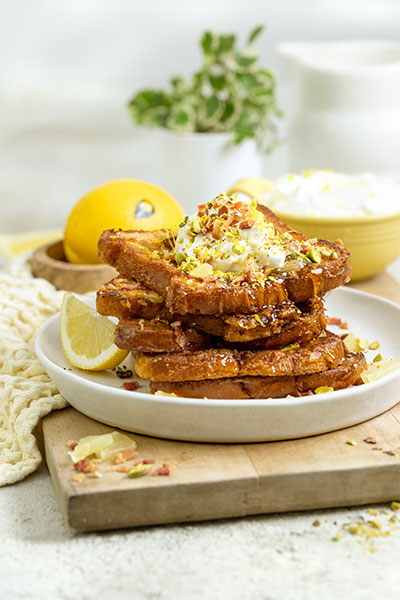
French Toast with LemonGold Labneh & Bacon Crumble

Why pick between sweet or savoury when you can have both? Topped with a zesty LemonGold labneh and bacon bits, this French toast is taken to delicious heights.

Recipe for French Toast with LemonGold Labneh & Bacon Crumble

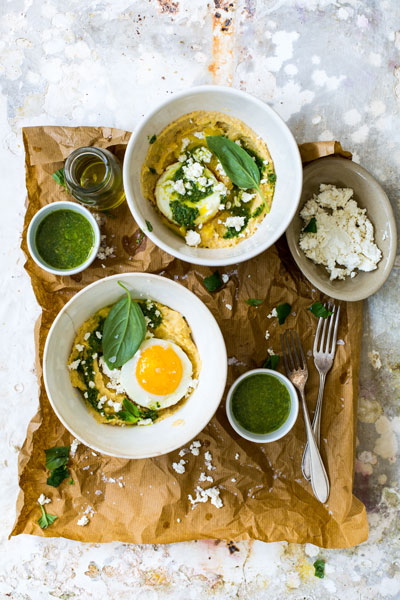
Creamy Polenta with Fried Eggs and a Lemon & Herb Sauce

A filling brekkie packed with tasty textures and flavours.

Recipe for Creamy Polenta with Fried Eggs and a Lemon & Herb Sauce

Lemon recipes

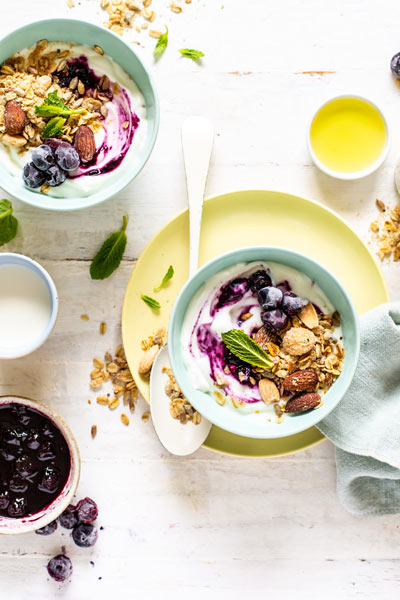
Lemon, Chia and Nut Granola

A revitalising brekkie made up of crunchy lemon-flavoured granola, served with vegan yoghurt and blueberry compote.

Recipe for Lemon, Chia and Nut Granola

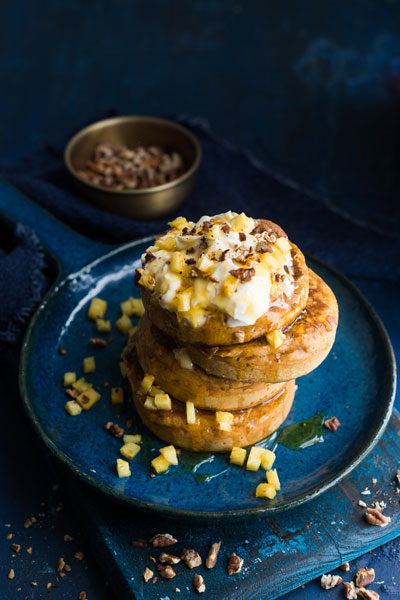
Carrot Cake Crumpets with Whipped Cream Cheese

Gorgeous, fluffy carrot cake crumpets are topped with lemon whipped cream cheese – the ultimate breakfast indulgence.

Recipe for Carrot Cake Crumpets

Lemon Meringue Cupcakes

Deliciously light, zesty cupcakes filled with a lemon curd centre and topped with meringue – you’ll be tempted to polish the whole batch, trust us!

Recipe for Lemon Meringue Cupcakes

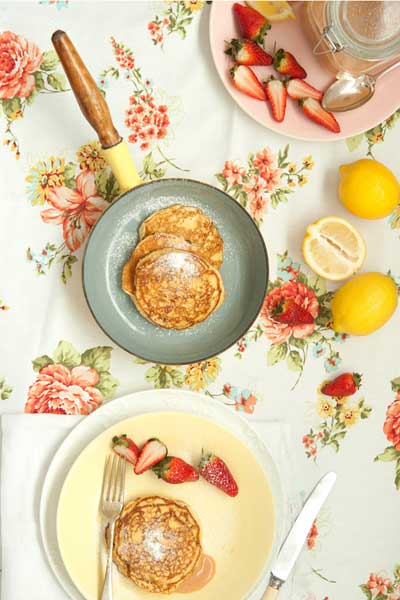
Ricotta Pancakes with Strawberry & Lemon Curd

We are crazy for lemon curd, especially when it’s combined with strawberries and spread across fluffy pancakes.

Recipe for Ricotta Pancakes with Strawberry & Lemon Curd


Savoury Lemon Recipes

lemon recipes

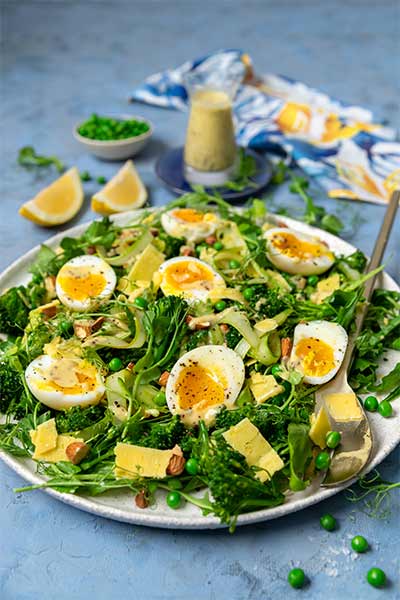
Shaved Lemon Broccoli & Wild Rocket Salad with Jammy Eggs

A wholesome salad packed with bright and zesty greens, deliciously jammy eggs and a creamy mustard vinaigrette.

Recipe for Shaved Lemon Broccoli & Wild Rocket Salad with Jammy Eggs

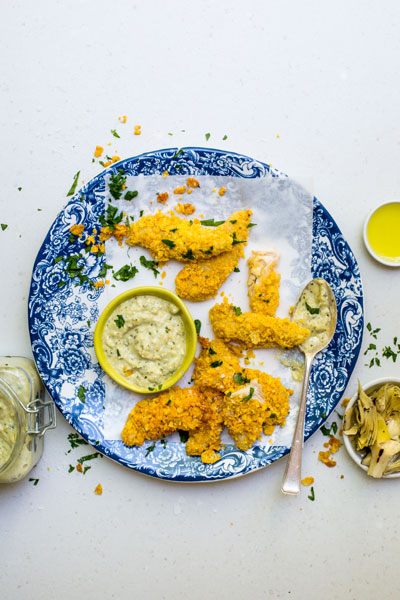
Artichoke & Lemon Mayonnaise with Chicken Dippers

The ultimate snack or light lunch – the crumbed chicken strips are perfect for dunking into the lemon mayo. Be warned: these are super addictive!

Recipe for Artichoke & Lemon Mayonnaise with Chicken Dippers

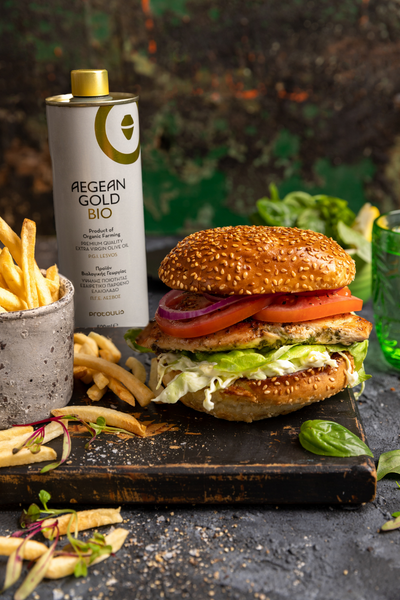
Basil, Garlic & Lemon Chicken Burgers

Everyone at the braai will love these satisfying chicken burgers. We especially love the lemon, garlic and basil combo.

Recipe for Basil, Garlic & Lemon Chicken Burgers

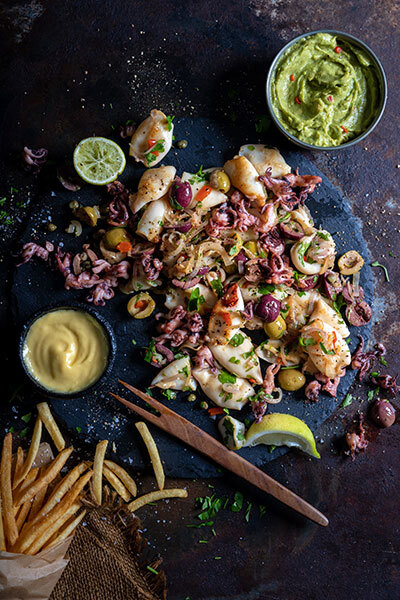
Pan-fried Calamari with Lemon Mayonnaise & Guacamole

Calamari will always be a favourite; swap out the tartar sauce for this refreshing dip.

Recipe for Pan-fried Calamari with Lemon Mayonnaise & Guacamole

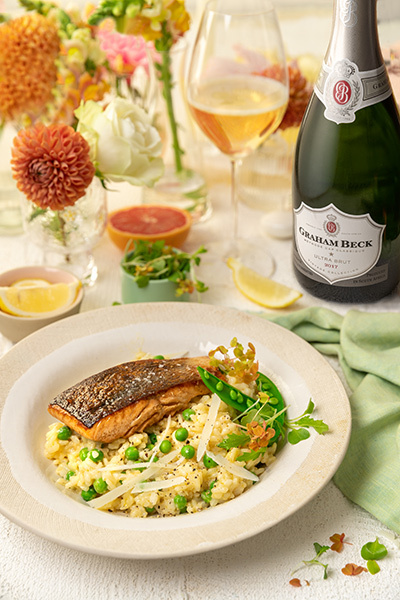
Pan-fried Salmon on Pea & Lemon Risotto

Delicately cooked salmon with crispy pan-fried skin, served on a bed of creamy and lemony risotto – absolutely divine!

Recipe for Pan-fried Salmon on Pea & Lemon Risotto

Mint, Lemon & Olive Oil Marinated Zucchini Salad

A simple salad with delicious and refreshing flavours.

Recipe for Mint, Lemon & Olive Oil Marinated Zucchini Salad

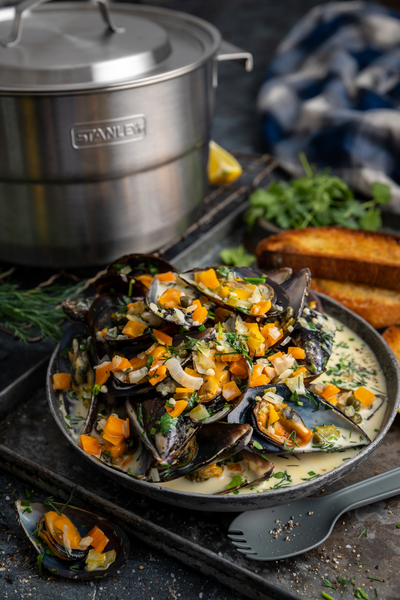
Limoncello Mussel Pot

Impress guests with this Limoncello Mussel Pot – it’s filled with zesty favour and beautifully cooked mussels. Grab a piece of toasted ciabatta and dip into that sauce.

Recipe for Limoncello Mussel Pot

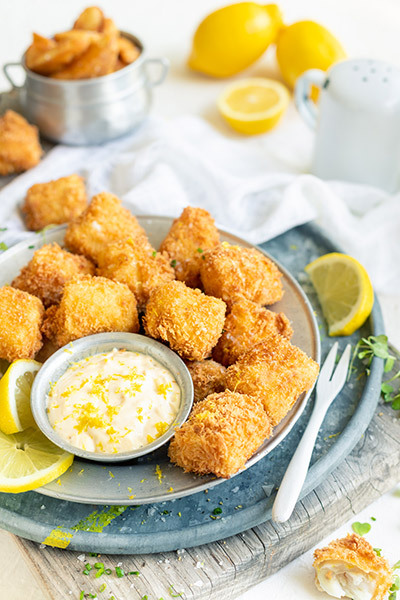
Zesty Panko Fish Bites with LemonGold Mayo

Even the kids will love these fish bites. They’re crunchy and supremely tasty!

Recipe for Zesty Panko Fish Bites with LemonGold Mayo

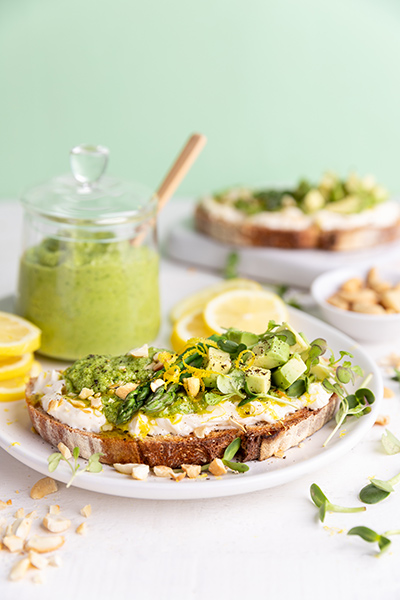
Lemon Rocket Pesto Tartines with Avocado & Asparagus

This zesty rocket pesto will make your taste buds takeoff.

Recipe for Lemon Rocket Pesto Tartines

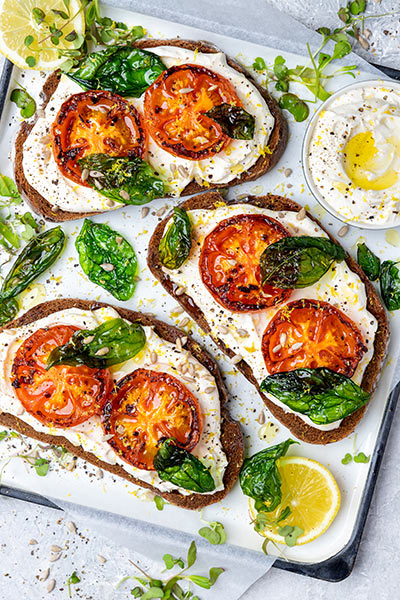
Charred Tomato & Lemon Cottage Cheese Tartines

Simple yet so good! The lemon cottage cheese addition take these tartines to the next level.

Recipe for Charred Tomato & Lemon Cottage Cheese Tartines

lemon recipes

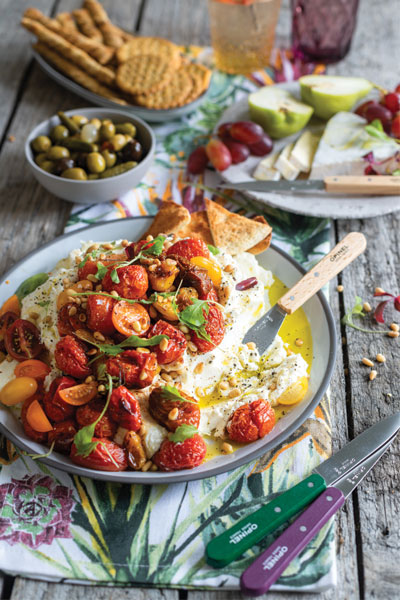
Lemon Labneh with Roasted Tomatoes, Pine Nuts & Toasted Pita

Hosting a braai? This labneh is the ultimate ‘shareable’. Pine nuts add a lovely crunch.

Recipe for Lemon Labneh with Roasted Tomatoes

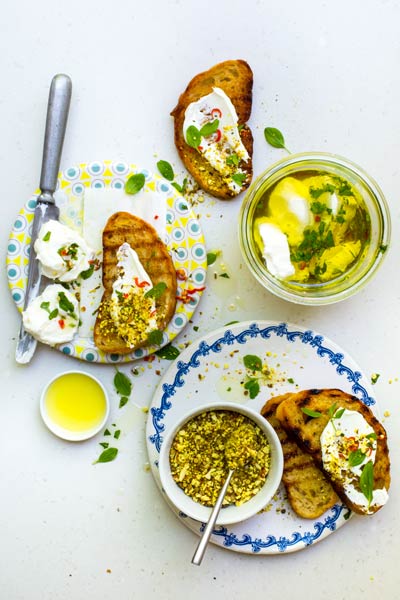
Lemon Origanum & Chilli Oil Labneh with Almond Dukkah

Name a better pairing for labneh than lemony herbs and chilli oil – we’ll wait.

Recipe for Lemon Origanum & Chilli Oil Labneh

Lemon recipes
lemon recipes

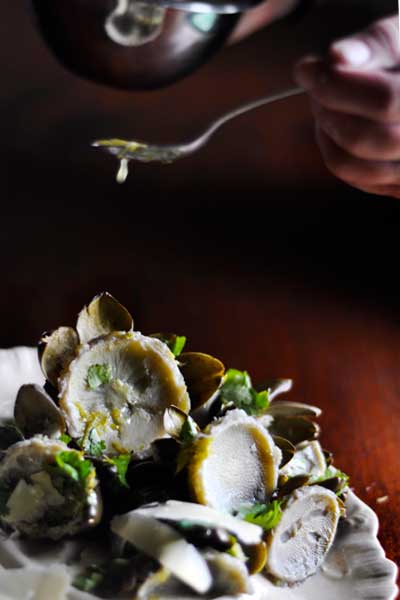
Artichoke Hearts with Lemon Vinaigrette

A delicious and simple dish, with the perfect flavour combination of lemon and coriander.

Recipe for Artichoke Hearts with Lemon Vinaigrette

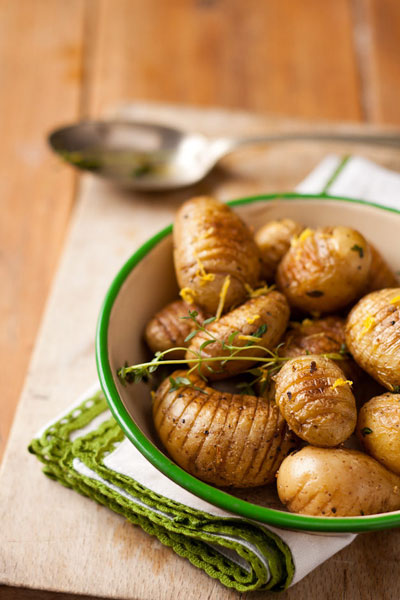
Hasselback Potatoes with Lemon and Thyme

Hasselback potatoes are for anyone who loves crispy, golden potatoes. These ones have the added flavour of lemon and thyme.

Recipe for Hasselback Potatoes

Lemon recipes

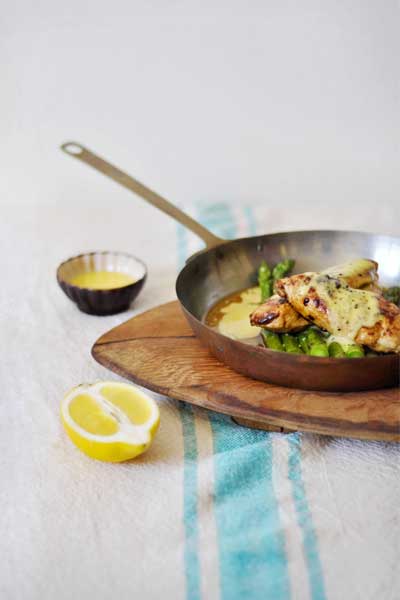
Lemon-Buttered Chicken Breasts and Dukkah Spiced Asparagus

This delicious recipe proves that chicken doesn’t need to be dry and tasteless. Buttery, lemony and delicious, all the way!

Recipe for Lemon-Buttered Chicken Breasts and Dukkah Spiced Asparagus

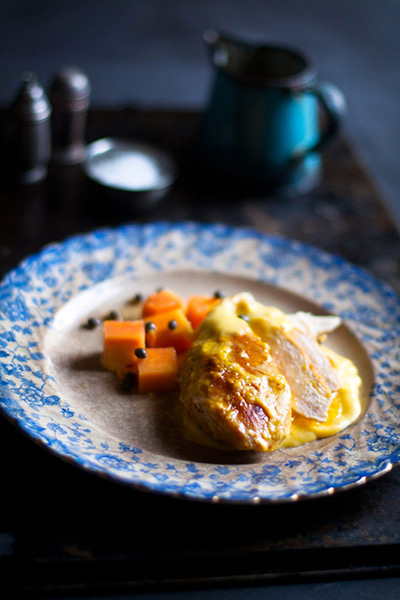
Chicken Breast with Lemon Butter and Fresh Papaya

The key to this recipe is the lemon butter, which has a lovely coating consistency.

Recipe for Chicken Breast with Lemon Butter and Fresh Papaya 

lemon recipe

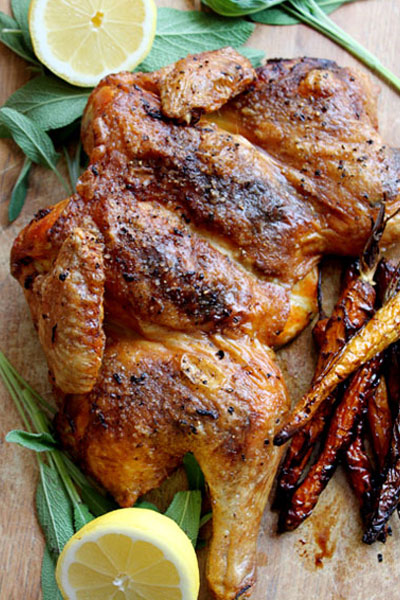
Lemon & Sage Flat Roast Chicken

A mouthwatering lemon chicken roast that’s perfect for any night of the week.

Recipe for Lemon & Sage Flat Roast Chicken

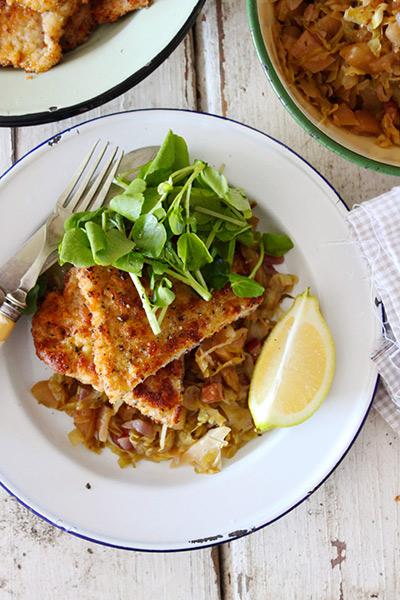
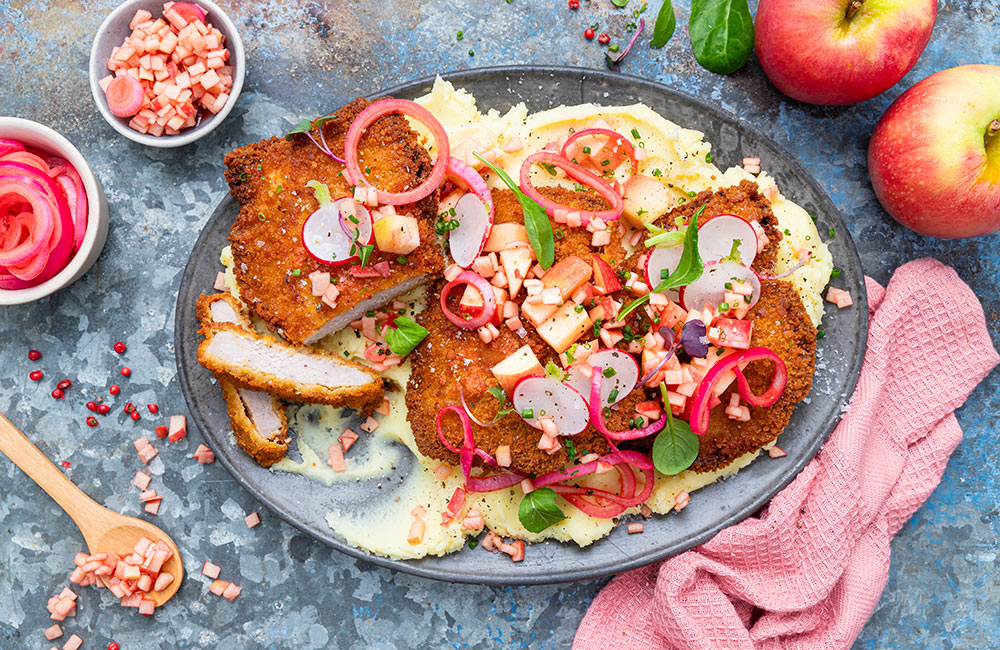
Lemon & Thyme Pork Schnitzel

A delightful, lemony spin on a simple pork schnitzel; the whole family will love this dish.

Recipe for Pork Schnitzel

braai recipes
lemon recipes

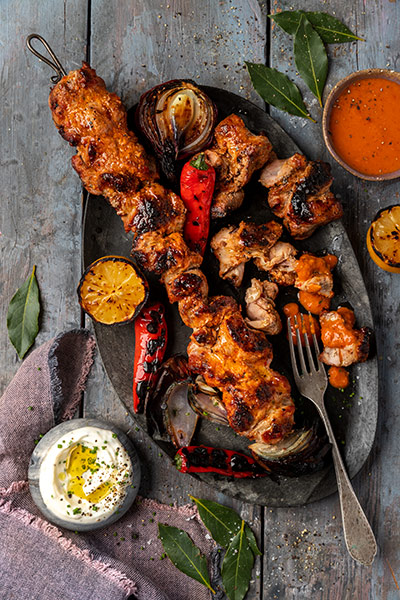
Peri- Peri Pork Neck Espetada with Lemon Dipping Sauce

These succulent and spicy pork neck skewers pair beautifully with a lemon dip.

Recipe for Peri- Peri Pork Neck Espetada

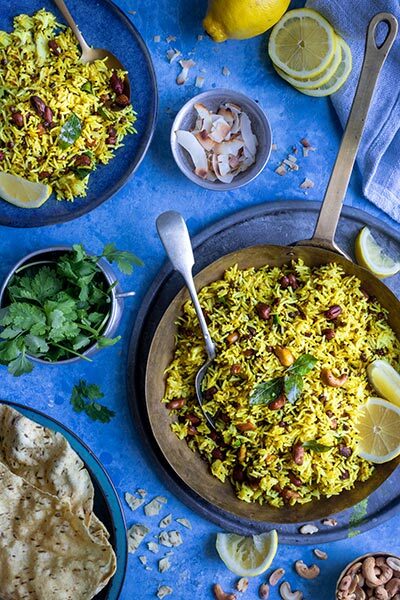
South Indian Lemon Rice

When it comes to lemon recipes, this fragrant dish belongs right up there with the meringues and cheesecakes of the world.

Recipe for South Indian Lemon Rice

Lemon recipes
lemon recipes

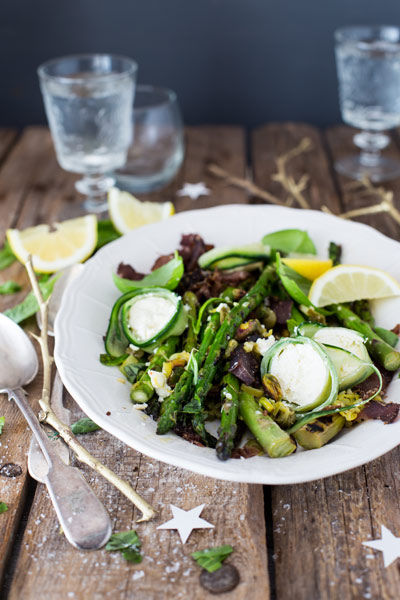
Chargrilled Asparagus in Lemon Caper and Pistachio Butter

Delicious asparagus, made even tastier with this tangy caper and pistachio butter.

Recipe for Chargrilled Asparagus in Lemon Caper and Pistachio Butter

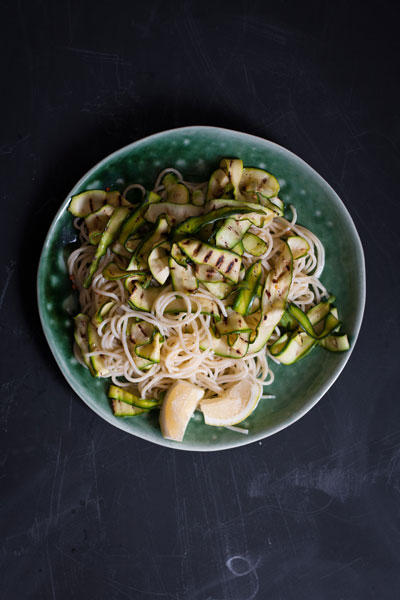
Lemony Courgette & Chilli Spaghetti

This is one of the simplest recipes to make. A beautiful dish with charred courgette, bursting with lemony flavour. All done in around 20 minutes.

Recipe for Lemony Courgette & Chilli Spaghetti

Lemon recipes
lemon recipes

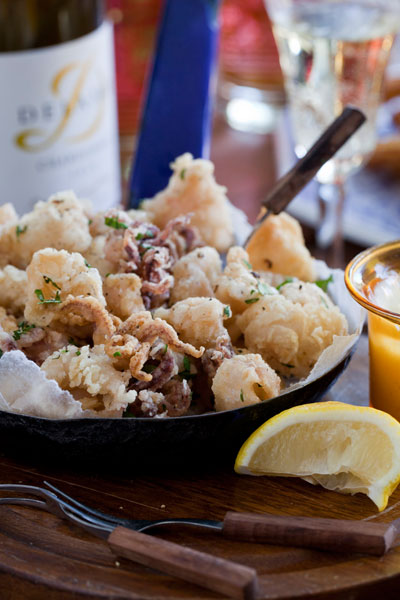
Crispy Lemon & Chilli Squid with Aioli

A tasty and lemony seafood dish, with the perfect dip.

Recipe for Crispy Lemon & Chilli Squid with Aioli

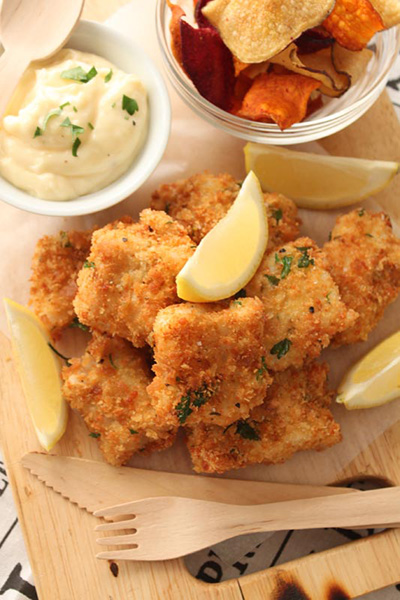
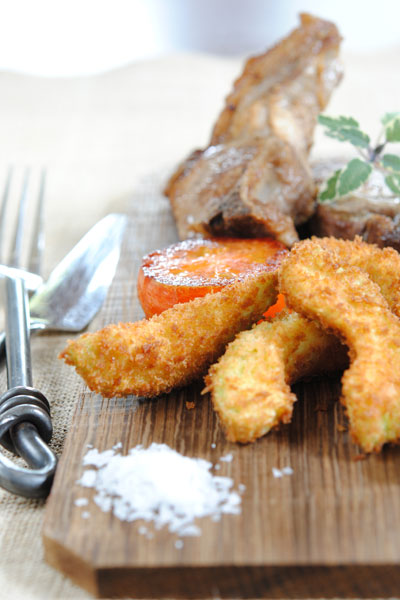
Lemon & Parmesan Crumbed Hake Goujons

These Goujons make for a yummy snack, light meal or starter. Easy to make and a lovely garlic aïoli to go with it.

Recipe for Lemon & Parmesan Crumbed Hake Goujons


Lemon Cakes, Cookies & Cupcakes

lemon recipes

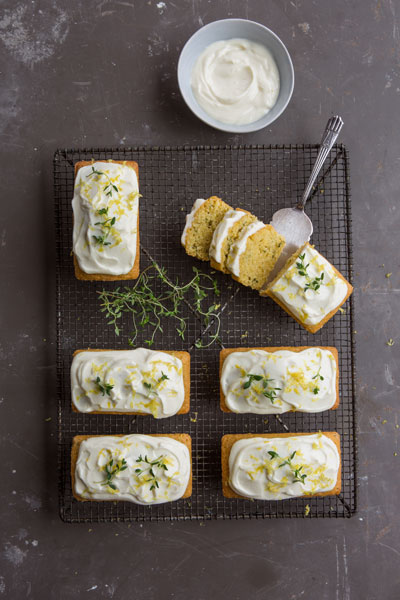
Mini Lemon Polenta Cakes with Herbs

As pretty as a picture and the perfect teatime treat! The rosemary addition really complements the zesty notes in this delightful bake.

Recipe for Mini Lemon Polenta Cakes with Herbs

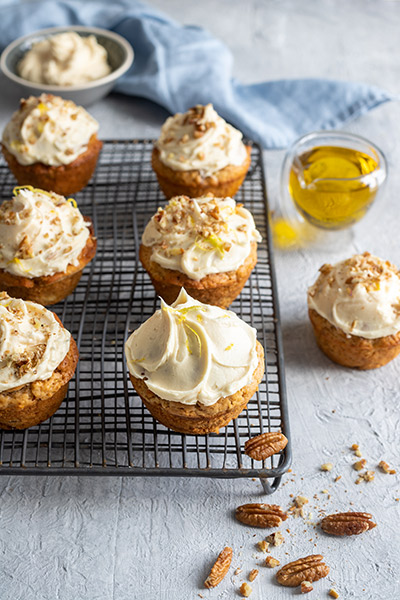
Carrot Cake Muffins with Whipped Lemon Cream Cheese Icing

The only thing that could possibly make muffins more delicious is a lemony and creamy frosting. Brew a pot of tea and enjoy!

Recipe for Carrot Cake Muffins with Whipped Lemon Cream Cheese Icing

Lemon recipe
Lemon recipe

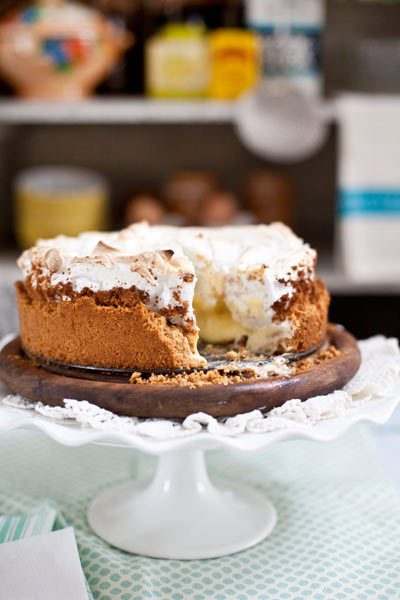
Lemon Meringue Pie

The ultimate lemony classic is lemon meringue pie, and ours is the best.

Recipe for Lemon Meringue Pie

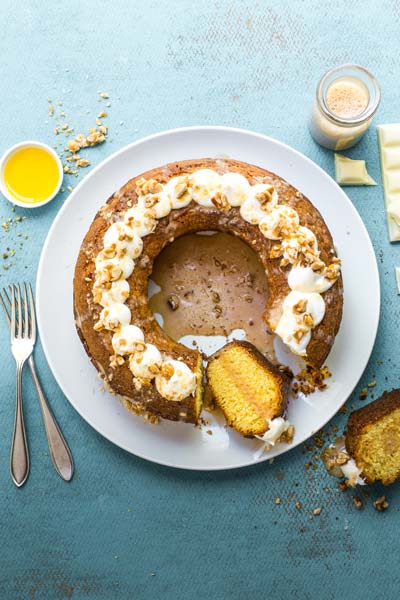
Lemon, White Choc & Ricotta Polenta Cake with Caramel Sauce

Zesty, rich and tasty flavours are packed into this gorgeous bundt cake.

Recipe for Lemon, White Choc & Ricotta Polenta Cake with Caramel Sauce

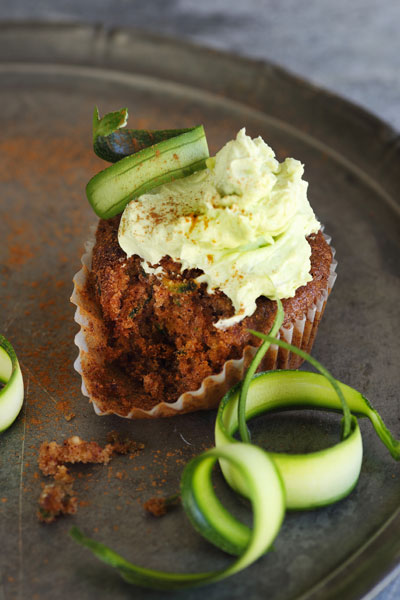
Courgette Cake with Lemon Mascarpone Icing

The courgette in this cake ensures it remains moist, while the sultanas add bursts of sweetness to each bite.

Recipe for Courgette Cake with Lemon Mascarpone Icing 

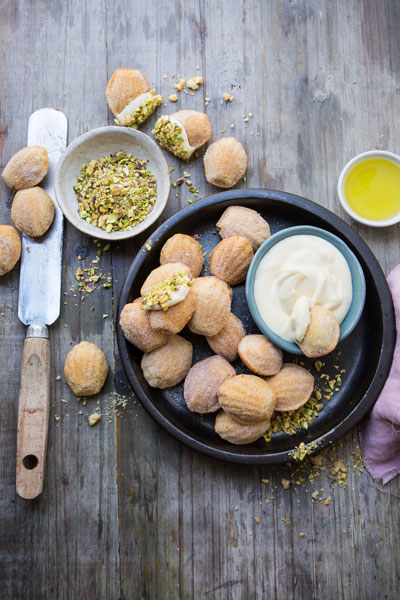
Lemon Madeleines with White Chocolate & Pistachios

Small, lemony dessert bites with a cake-like texture. Ideal for teatime.

Recipe for Lemon Madeleines with White Chocolate & Pistachios

Orange Sponge with Lemon Buttercream

A good cake is decadent at the best of times, but this look takes it to a whole different level.

Recipe for Orange Sponge with Lemon Buttercream

Chiffon Cake with Lemon Buttercream Icing

This lemon recipe is a shared family recipe that has been treasured. It works in a variety of different flavours, especially with this lemon buttercream icing.

Recipe Chiffon Cake with Buttercream Icing

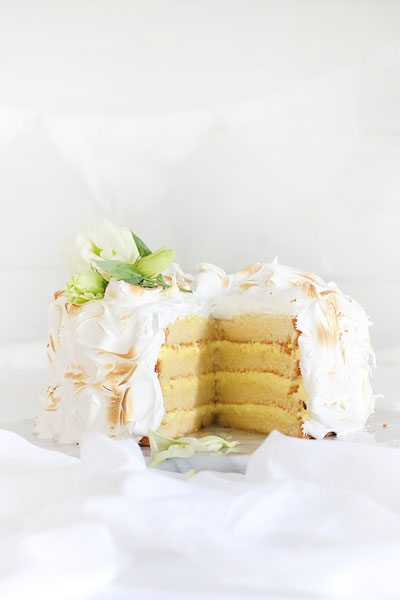
Coconut Cake with Lemon & Marshmallow

This cake is full of coconut flavour, with a lemony filling and toasted marshmallow icing.

Recipe for Coconut Cake with Lemon & Marshmallow

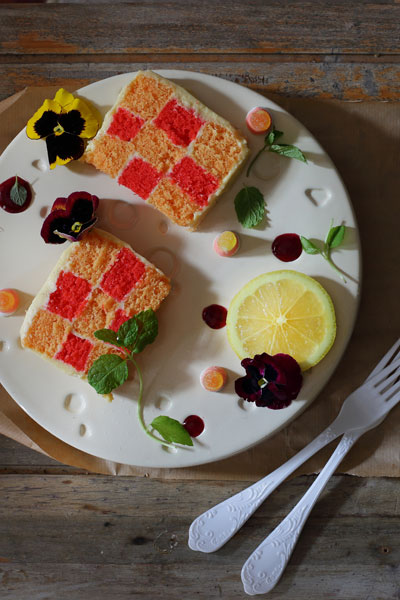
Checkerboard Cake with Lemon Curd & Cream Cheese Icing

A beautifully playful cake with a gorgeous lemon curd and cream cheese icing.

Recipe for Checkerboard Cake with Lemon Curd & Cream Cheese Icing

Lemon recipes

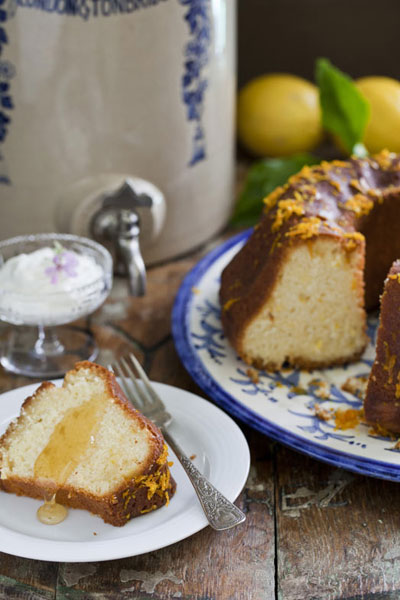
Lemon Yoghurt Cake with Orange & Cardamom Syrup

This moist yoghurt cake with sticky citrus and spiced syrup is truly irresistible!

Recipe for Lemon Yoghurt Cake with Orange & Cardamom Syrup

Blueberry Cupcake with Lemony Icing

This cupcake sports a sweet-tart combo from the blueberry cupcake and lemon tart filling. The cream cheese icing rounds this off to a pretty incredible cupcake.

Recipe for Blueberry Cupcake with Lemony Icing

lemon recipes

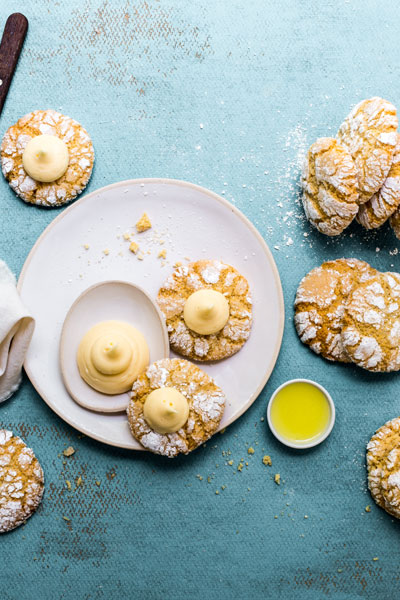
Lemon Crinkle Cookies with Cream Cheese Icing

This fun and tasty treat is super easy to whip up – perfect for baking with the kids!

Recipe for Lemon Crinkle Cookies with Cream Cheese Icing 

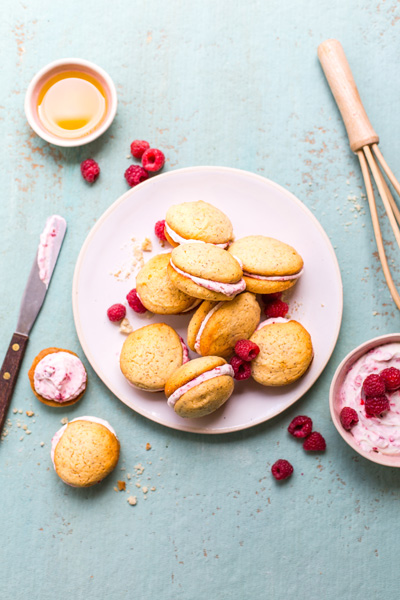
Lemon & Poppyseed Whoopie Pies with Raspberry Cream

These lemony Whoopie Pies are light, and lovely with a delish raspberry cream.

Recipe for Lemon & Poppyseed Whoopie Pies with Raspberry Cream


Delightful Lemon Desserts & Sweets

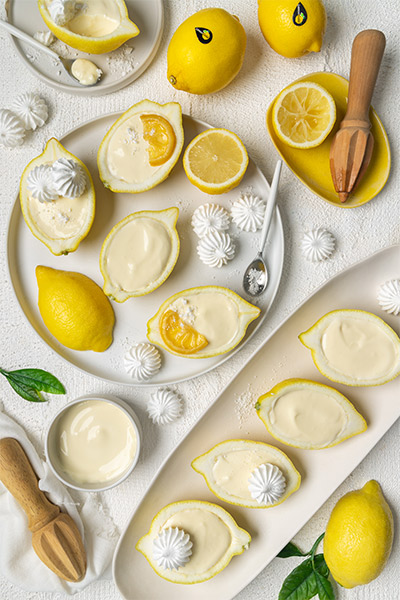
LemonGold Cups

Think of this zingy treat as a cheat’s lemon meringue; served out of LemonGold Cups for party-ready status.

Recipe for LemonGold Cups

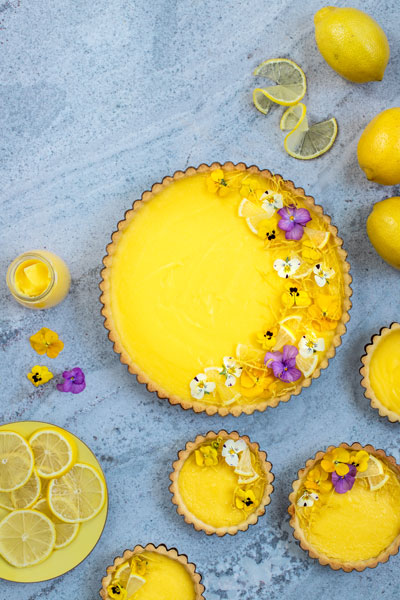
LemonGold Tart

Known for its simplicity and bold punchy flavour, this lemon tart is a teatime favourite. This one not only looks pretty but tastes divine.

Recipe for LemonGold Tart

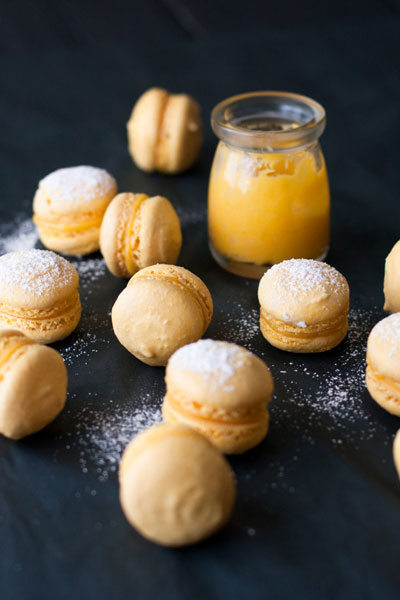
Lemon Macarons with Lemon Curd Filling

Light as a feather macarons with a delicious citrusy zing. Yum!

Recipe for Lemon Macarons with Lemon Curd Filling

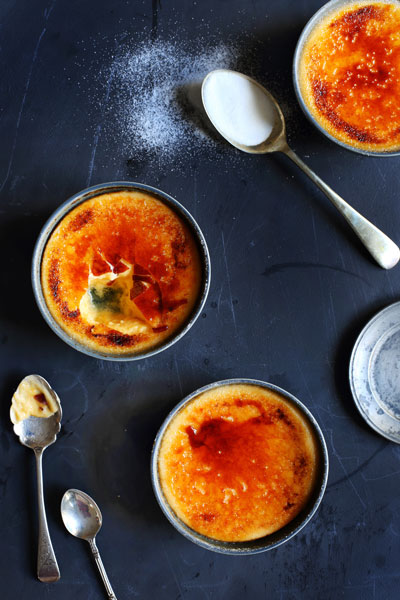
Lemon Curd Crème Brûlée

We master the art of making custard, which is used as the base for this crème brûlée.

Recipe for Lemon Curd Crème Brûlée

lemon recipes

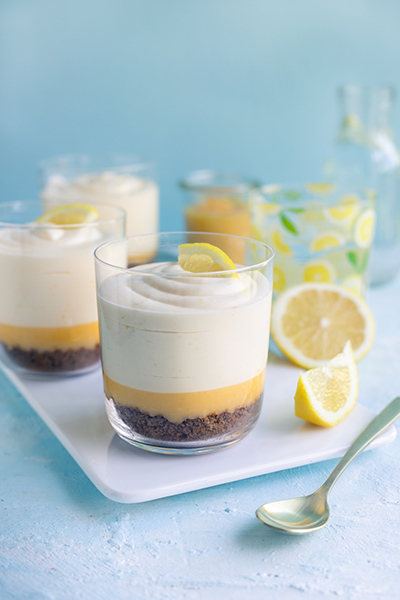
LemonGold Cheesecake Mousse Cups with Biscoff Biscuit Base

Who doesn’t love a good lemony cheesecake? The Biscoff base is equally irresistible. One of our favourite lemon recipes, for sure!

Recipe for LemonGold Cheesecake Mousse Cups

LemonGold Curd Créme Filled Donuts

This is the ultimate doughnut recipe. The lemon curd filling has the perfect amount of zing.

Recipe for LemonGold Curd Créme Filled Donuts

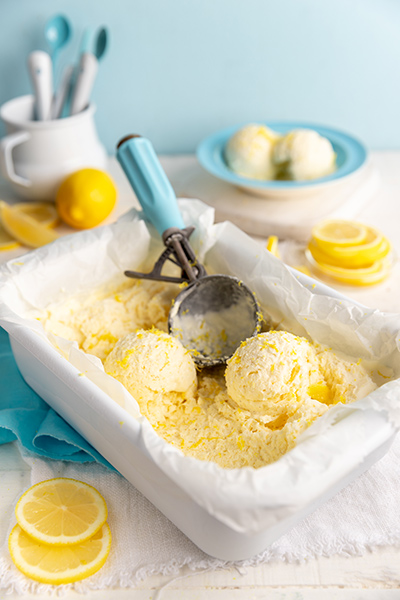
LemonGold No Churn Ice Cream

A summery treat that’s easy-peasy-lemon-squeezy!

Recipe for LemonGold No Churn Ice Cream

LemonGold Lemonade Frostie

A lemonade frostie guaranteed to give you the most delicious brain freeze.

Recipe for LemonGold Lemonade Frostie

lemon recipes
lemon recipes

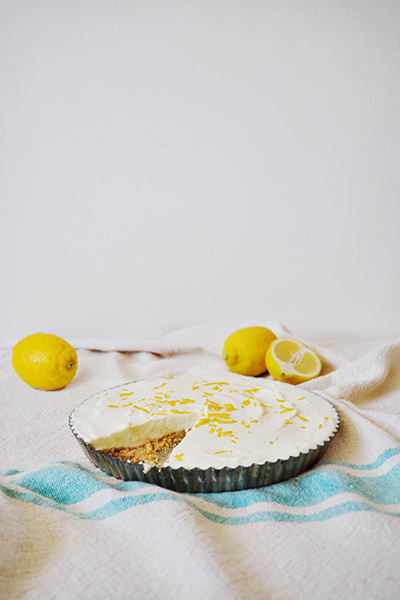
4 Step Cheats Lemon ‘Cheesecake’

This easy-to-make lemon cheesecake will blow you away with its refreshingly sweet and citrusy flavour.

Recipe for 4 Step Cheats Lemon ‘Cheesecake’

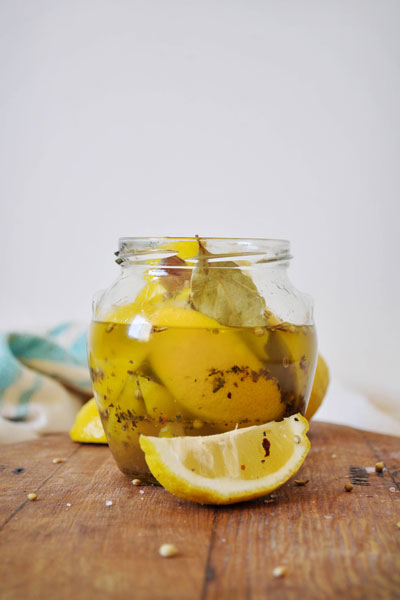
Preserved Lemons

This tasty condiment works well to add a bit of sweetness to any meal.

Recipe for Preserved Lemons

lemon recipes
lemon recipes

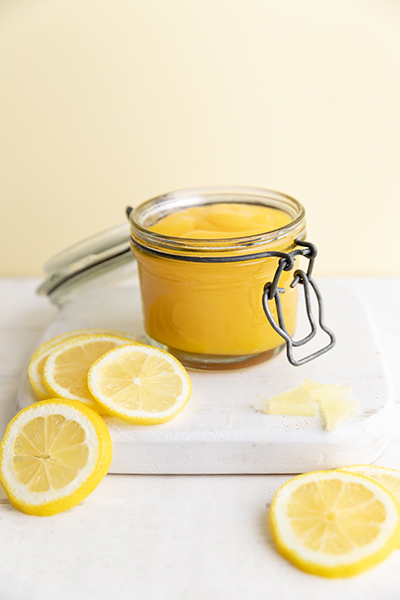
Lemon Curd

Dollop on scones, use as filling for pancakes or simply eat out of the jar with a spoon – we won’t judge.

Easy Lemon Curd Recipe

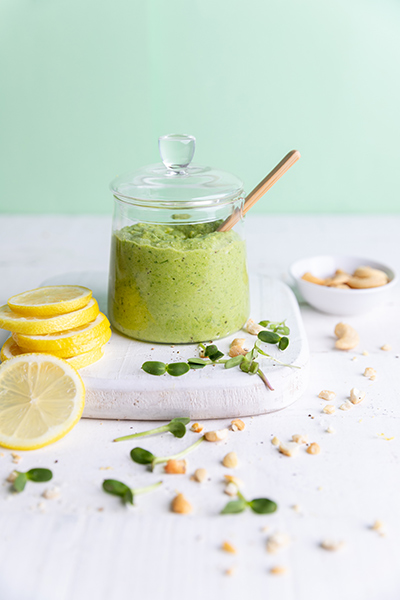
Lemon & Rocket Pesto

Another one that’s pretty delicious drizzled on just about anything – potatoes, salad, sarmies, you name it!

Lemon & Rocket Pesto

lemon recipes
Lemon recipes

Fresh Lemonade & Mint Popsicles

Sweet lemon, lime and mint make for a sublime summery snack.

Recipe for Fresh Lemonade & Mint Popsicles

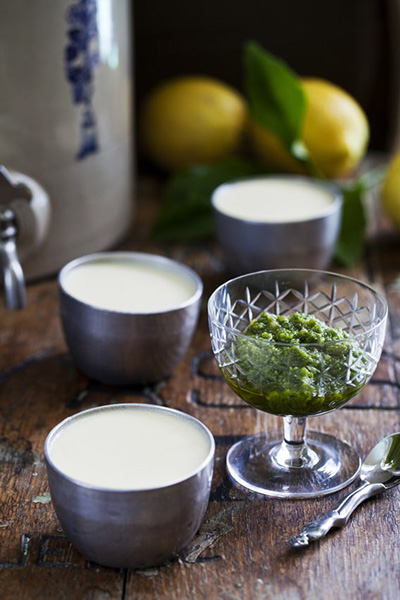
Lemon Panna Cotta on a Sweet Basil Pesto

A slightly unusual yet irresistible version of Panna Cotta, packed with lemony flavour and served with a side of sweet basil pesto.

Recipe for Lemon Panna Cotta on a Sweet Basil Pesto

Check out our Seasonal Fruit & Veg Chart for South Africa to know what’s in season.

Essential Ingredients for Stocking an Indian Pantry

Consider this your invitation to Indian cooking! If you love Indian cuisine and want to expand your repertoire beyond a standard curry, it’s worth investing in proper ingredients to ensure you perfect the flavours of any dish. The great thing about having cooking staples in your kitchen is that you don’t have to think about substituting ingredients, and cooking becomes relatively easy and straightforward. Here are some essential ingredients for stocking an Indian pantry.

Pantry Staples

The first thing you need to provide a good foundation to cook Indian food are some pantry staples. This includes tinned or dried legumes, spices and other items in between.

Indian pantry

Chickpeas

The wonderfully versatile chickpea! In fact, chickpeas are one of India’s biggest exports. Available dried and tinned, chickpeas can be tossed into almost any curry, instantly making it filling and inviting. If you don’t have chickpea flour readily available, dried chickpeas can also be ground into flour. The most iconic chickpea dish in India is chana masala, so if you ever feel like a truly authentic Indian meal, that should be your go-to.

Lentils

Significant in Indian cooking, lentils are rich in protein, filling and are relatively cheap. Brown, red or yellow lentils are a big part of an Indian pantry. If you have ever gone to an Indian restaurant, you have undoubtedly seen a dhal on the menu. All it really requires to make is a few spices, lentils and some time, and you’ve got yourself a delicious and nutritious meal. This stunning lentil dhal is a great example of how quick it is to make.

Garlic, Ginger & Onions

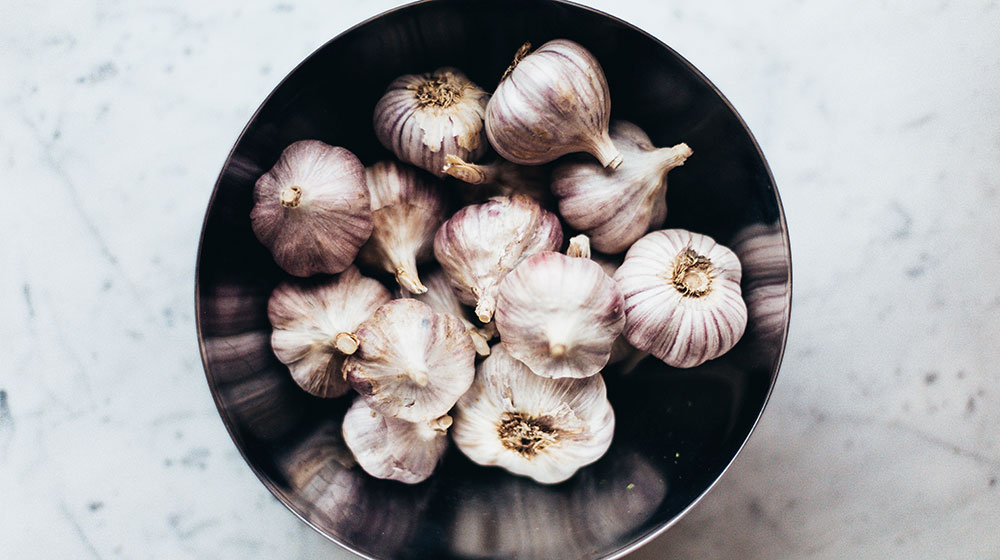
These three aromatics have a somewhat long shelf-life and can be stocked in your Indian pantry for some time. You can also opt to buy pre-minced ginger and garlic and keep that in the fridge for a while. These three ingredients are frequently used to form the base for Indian dishes and add a strong flavour, fragrance and bite to curries, dhals and other dishes.

Tinned Diced Tomatoes

You can’t have a good chicken tikka masala or a good vegan curry without it! Diced tomatoes are a quick, cheap way to make your curries thick, tasty and filling. Originally brought to India by the Portuguese in the 16th century, tomatoes provide that sourness and acidity needed to cut through the richness of certain Indian curries, as well as the rice, chapati, roti or naan often served with meals.

Coconut Oil & Coconut Milk

Traditionally, South Indian cuisine is cooked with coconut oil, and is recommended if you’re deep-frying food like onion bhajis. The flavour of coconut oil can elevate certain Indian dishes, but is not required; vegetable oil is perfectly fine to use as well. Coconut milk is mostly used in Indian coastal cuisine – think seafood and meat-based dishes. It’s also a great curry thickener and adds a whole new flavour profile to the mix.

Curry Leaves

It’s hard to find fresh curry leaves, so if you see a recipe that requires it and you only have dried curry leaves, just use double the amount. Curry leaves are important in Indian cooking; they are ground and roasted to be used in spice blends, added to chutneys, fried in oil and other spices for a tadka, which is what gives dhals that rich, aromatic flavour.

Flour

Normal all-purpose flour and chickpea flour are both good to have in your Indian pantry. Naan and roti are traditionally served with most Indian dishes, and it’s surprisingly not that difficult to make naan. Chickpea flour (chana or gram flour) is also great if you ever decide to make some lentil or chickpea fritters or some savoury pancakes. It’s also a great thickening agent.

Potatoes

Used in a lot of Indian dishes, potatoes have a long shelf-life and are so easy to use. Check out this Aloo Gobi recipe if you don’t believe us – it’s basically just a mixture of spices, potatoes and spinach. It’s a quick, traditional Indian dish that is perfect for any night of the week. Don’t be afraid of potatoes – they’ve gotten a bad wrap in recent years, but they are naturally gluten-free and are also a rich source of antioxidants and vitamin C & B.

Basmati Rice

This long-grained, fine-textured rice is used in biryanis as a side dish and other special-occasion rice dishes. When cooked with ghee, it brings out a whole new flavour in the rice, making it incredibly delicious.


Spices

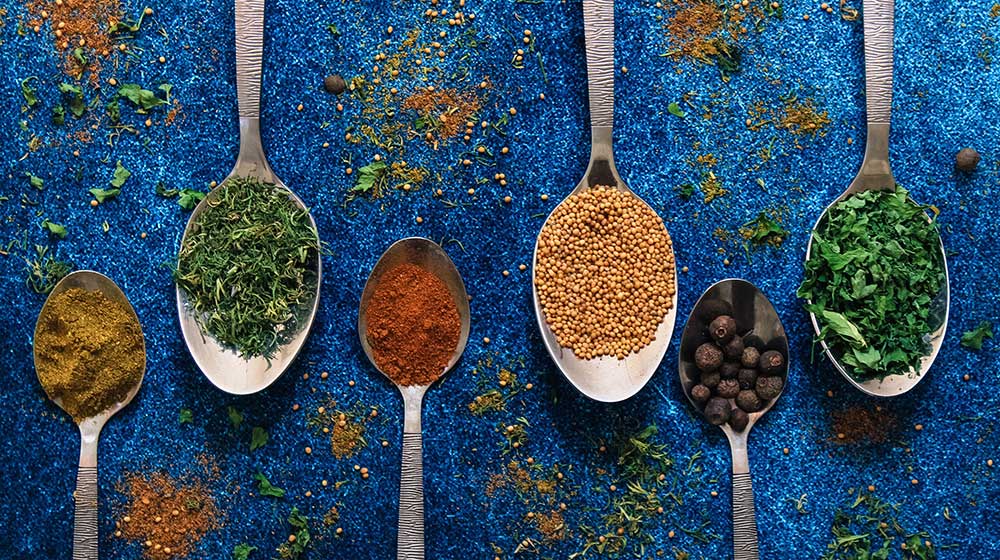
Where would Indian cooking be without spices! The spice trade lured settlers from all over the world to places like India, and became one of the most critical traded commodities, driving the world’s economy – even resulting in the establishment of Cape Town! Spices add an aromatic and flavourful profile to all dishes, and can also be the main reason people are scared to cook Indian food – just because of the sheer amount of spices that are needed in dishes. Fret not, we’ve got an extensive list that should keep you on track to having the best Indian pantry out there…

Indian pantry

Mustard Seeds

There are three different types of mustard seeds, but are all interchangeable and are used in more dishes than you would have thought. They can be used in chutneys, spice powders, pastes and even in atchars, which are basically just pickles. Not really a base flavour per se, but is considered more of a seasoning that can help liven up rice or lentil dishes. When thrown in hot oil they pop, so be careful when tossing them in.

Turmeric

Filled with antioxidants and nutritional value, turmeric is part of the ginger family and has an earthy flavour and aroma to it. Its yellow colour has been used to dye foods such as chutneys, relishes and pickles. It’s also one of the many spices used to make palak paneer, lentil/rice dishes and a lot of other curries.

Tamarind

Not totally necessary to have in your Indian pantry, but great if you have it; the reason being that limes are a perfectly acceptable substitute. Tamarind adds a slightly sour flavour to fish and lamb curries, as well as chutneys. Once opened, it will keep in the refrigerator indefinitely.

Garam Masala

The word masala simply means ‘spices’, and garam means ‘hot’ – a rather apt description of what it is. Garam masala is a mixture of toasted ground spices, and no Indian dish would be complete without it. Garam masala is usually added to vegetable dishes, stews and curries, and can even be sprinkled over the top just before serving.

Cumin/Cumin seeds

For some curry bases, you need whole cumin seeds to be toasted in oil before adding in other spices later in the process. Cumin can be described as having a strong, earthy flavour. Ground cumin is also a great addition to a lot of vegetable dishes.

Cloves

Typically used in most Indian spice blends, cloves have a strong, sweet and almost pungent flavour. The bitter flavour profile of this spice can leave a numbing sensation in the mouth, but is used in Indian cooking because of its spicy aroma and rich flavour. It’s perfect for making biryanis. Because of the numbing sensation it creates, it is also an age-old remedy for toothaches.

Cinnamon

Cinnamon has a woody and peppery flavour that adds a sweet, yet spicy taste to both sweet and savoury dishes – mostly used in meat dishes. Whole cinnamon sticks are often infused in sauces and rice as well.

Cardamom

Another spice for your Indian pantry is cardamom. It can be used in Indian cooking in both ground and whole-pod form. The flavour profile is lovely and has some wooden notes, which can be similar to ginger. It is a great addition to kofta curries.

Coriander Powder

Much like a lot of the other spices on this list, coriander powder is an integral ingredient in spice blends like garam masala. It’s also a perfect addition to curries, as its flavour can be almost citrus-like.

Chilli Powder

Dried or ground chillies are essential to Indian cooking. They add a great deal of depth and heat to your dishes.

Asafoetida

Believe it or not, asafoetida is part of the carrot family. Commonly used in its powder form, it has a similar flavour profile to garlic, onions and even meat. It’s a perfect addition to vegetable dishes and lentil dhals.

Fenugreek

Fenugreek seeds, which come whole and ground, are used to flavour spice blends, curry powders and many dishes and even tea! This spice is known for its bitter, nutty and slightly sweet flavour. It gives a sweetness and depth of flavour to saucy dishes.


Fridge Essentials

Most Indian recipes require ingredients like ghee, yoghurt and dhania. Before you get to cooking, you’ll need store these essentials in your fridge.

Indian pantryGhee

A type of clarified butter, ghee has a brown colour and rich, nutty flavour. Ghee is also lactose-free, making it a great source of fat. Because ghee has a uniquely nutty taste, it makes dishes more flavourful compared to butter. It also has benefits over whole butter, in that it has a longer shelf-life and a notably higher smoke point.

Yoghurt

Can be used in cooking as a coconut milk replacement or as a topping. Yoghurt is crucial in an Indian pantry, and is a great to tenderise meats, as well as give curries a slightly acidic flavour. It can also be used to make the popular Indian drink lassi, and a classic side dish or raita.

Paneer

Paneer is an Indian cheese made from curdled milk. It is a vegetarian cheese, meaning that no rennet (curdled cow’s milk) is added. It’s a great substitute for meat in various meat dishes, but is mostly used in the popular Indian dish, palak paneer. Mozzarella could be a good replacement if you don’t see paneer at your local grocer.

Dhania

The flavour of the leaf is distinctive and can be described as almost citrusy. Although ground coriander is used in the actual cooking process, fresh coriander or what’s called ‘dhania’to distinguish the leaves from the seeds – is a great garnish for most Indian dishes.

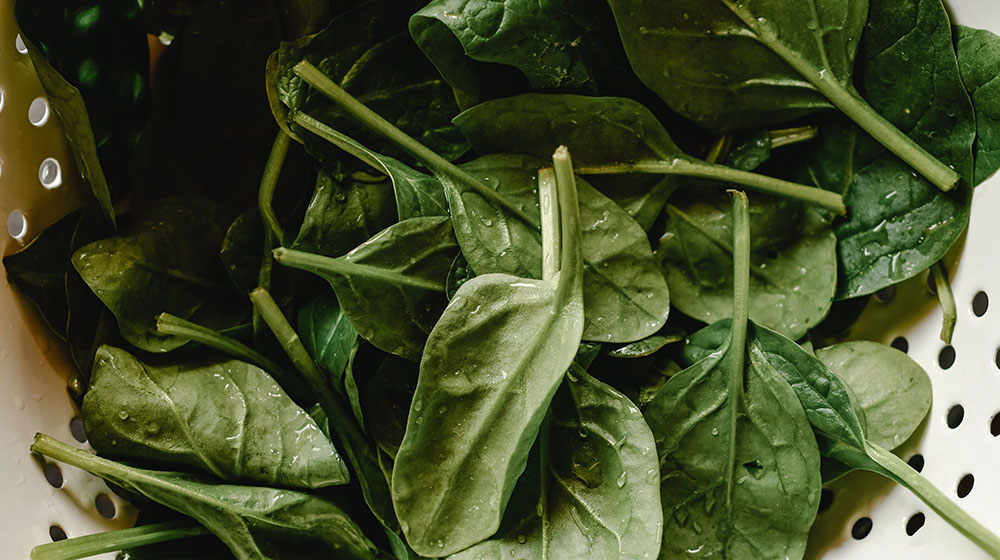
Spinach

A lot of curries, stews and other Indian dishes have spinach in them, so it’s always great to have a fresh bag in the fridge at all times. It’s also incredibly good for you, filled with manganese and is an excellent source of vitamins A, C and K.

Now that you have all your Indian pantry essentials, explore these different types of curry.

How Long Can You Keep Wine After Opening It?

Wine is one of life’s simple pleasures, whether toasting to a special occasion or unwinding at the end of a long day. But what happens when you’ve had more than your fair share and can’t finish the whole bottle? How long does wine last after you open it?

how long does wine last?

Red wines tend to have the longest shelf life once opened… The tannins and acidity in red wine act as natural preservatives.

Bad or Still Good To Glug?

You don’t need to be a sommelier to figure out when a wine has overstayed its welcome. The smell is usually the first giveaway.

If it starts to smell like vinegar or has a damp, cardboard-like aroma  – a reality for corked wines that have passed their ‘expiration date’ – it’s time to part ways. The taste will also change; oxidised wine often becomes flat and lacks the depth it once had. Certain wines can be aged for years, enhancing tasting notes and making them valuable additions to wine collections, but once the cork comes undone, that’s when you should exercise caution.


How Long Does Wine Last?

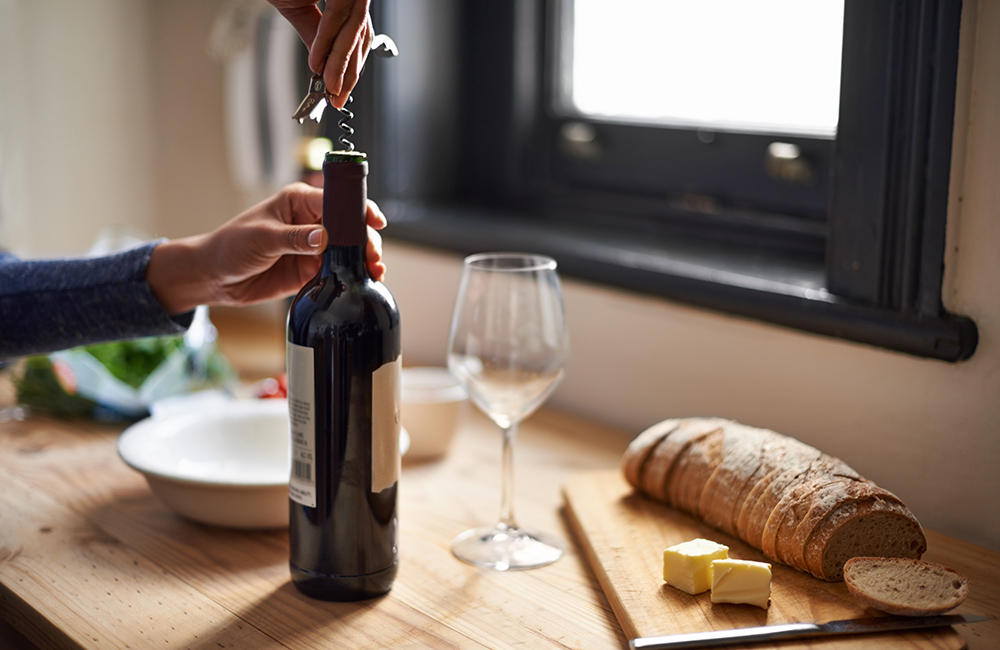
When you open a bottle of wine, you’re essentially setting a timer. The moment oxygen hits the liquid, the wine begins to oxidise. While a little bit of air can help release the wine’s flavours, too much air exposure can make the wine rancid and unpleasant to drink.

Sparkling wines are the most delicate of the bunch. Once opened, they begin to lose their effervescence, even if you’ve sealed them with a fancy stopper. The general rule of thumb is to enjoy sparkling wines within 1-3 days. For a magnum-sized bottle, you might squeeze in an extra day if stored in the fridge, but the sparkle won’t be the same.

White and Rosé wines are slightly sturdier, lasting around 3-5 days in the fridge. These wines, often lighter and crisper, benefit from the cooler temperature, which slows down oxidation. You might notice a slight loss in the wine’s original vibrancy, but they can still be quite enjoyable.

Red wines tend to have the longest shelf life once opened, often lasting 3-6 days. The tannins and acidity in red wine act as natural preservatives. However, lighter reds like Pinot Noir may start to fade sooner compared to other red wine varietals, so it’s best to keep them in a cool place – yes, even in the fridge if necessary.


Fortified and Natural Wines

Some wines are in a class of their own. Fortified wines, like port and sherry, are much more resilient thanks to their higher alcohol content and added spirits. These wines can last for weeks, even months, after being opened, as long as they’re stored in a cool, dark place.

On the other end of the spectrum, natural wines can be quite perishable. Without the stabilisers found in conventional wines, they may start to change quite quickly once opened. It’s best to drink these within a couple of days and keep an eye on any shifts in flavour.


How To Make Wine Last Longer

To get the most out of an opened bottle, consider these easy and effective storage tips.

how long does wine last?

When you open a bottle of wine, you’re essentially setting a timer. The moment oxygen hits the liquid, the wine begins to oxidise.

Ditch the rack: Re-cork the bottle tightly to ensure it’s not exposed to the air. Avoid storing it on the wine rack – place the bottle upright to minimise the wine’s exposure to oxygen.

Make an airtight seal: If you want to go the extra mile, invest in a wine vacuum pump or a wine preservation system. These gadgets can remove air from the bottle or replace it with an inert gas, both of which help slow down the oxidation process and help wine last longer.

Decant & reserve: Another handy tip is to pour the remaining wine into a smaller container. Less air in the bottle means slower oxidation, preserving the wine’s flavours a bit longer.

While it’s great to savour a bottle over a few days, there’s something to be said for sharing it in the moment. If you find yourself with leftovers, don’t fret. Besides drinking, leftover wine can be a wonderful addition to cooking, whether you’re making a sauce, stew or risotto.

Going wine tasting? Here’s how to taste wine like a connoisseur. Follow us on Instagram for more food and wine tips. 

Michelle Rust of Okracandle on Sparking Creativity

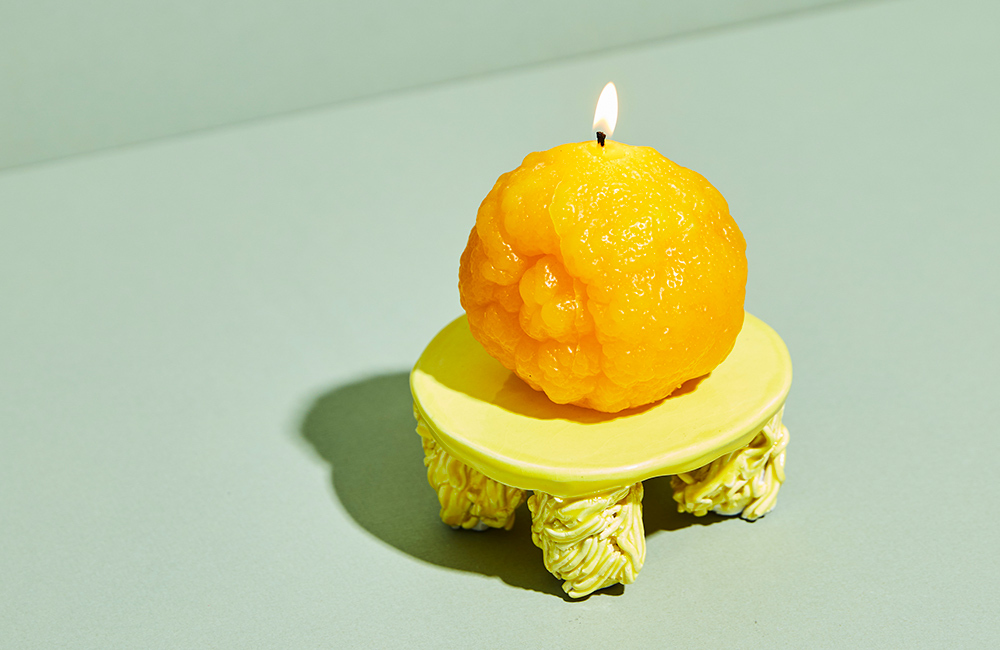
Necessity is the mother of invention. It is this philosophy that ignited creative director Michelle Rust’s imagination and led to the creation of Okracandle. Co-founded with her partner, Erik, the bespoke candle brand launched five years ago, and has lit up intimate spaces and kindled memorable occasions ever since. This Women’s Month, we chat with Michelle Rust about sparking creativity, what candles can bring to the table, and the women who inspire her in work and life. Join the conversation.

What was the inspiration behind starting Okracandle?

In 2019, I faced a challenge while preparing for a TV shoot; I needed a specific type of candle that was unavailable in South Africa. This led Erik and me to purchase our first 3D printer, birthing Okracandle. Initially, it was a personal project, but the pandemic inspired us to share our creations nationwide. Following a close friend’s suggestion to start posting our creations on Instagram resulted in us having to start a website.

How does using a 3D printer play to your advantage?

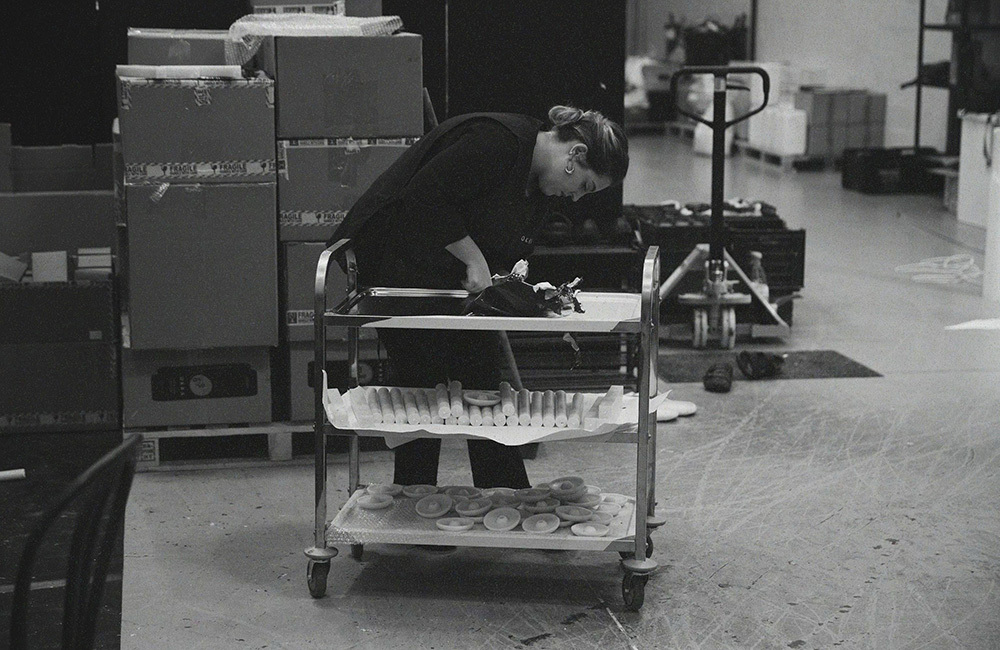
This technology allows us to experiment with unique designs and materials, pushing the boundaries of traditional candle-making and enabling us to bring our creative visions to life. The physical candle is not 3D printed; the moulding process is aided by using our printers.

Besides being a creative director, you do event styling. How can luxury candles enhance environments?

Luxury candles add a touch of elegance and sophistication. They create a sensory experience that goes beyond visual appeal. When combined with a thoughtful event or home styling, candles can transform spaces and elevate the overall atmosphere.

How do you balance functionality and artistry in your designs?

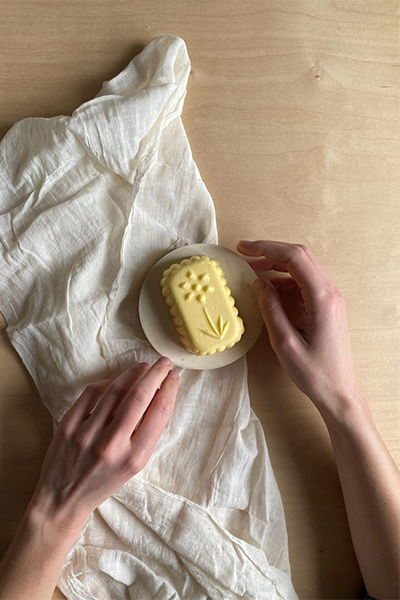
We tend to ask our clients what their end goal is – either function over form or form over function. The reality is that not every shape will burn equally as well as another. We embrace a candle that has a dramatic drip, but not everyone does. With each candle, there is meticulous planning, material selection and rigorous testing to achieve the perfect harmony between form and function.

You have done some incredible collaborations and installations. What has been your favourite project to date?

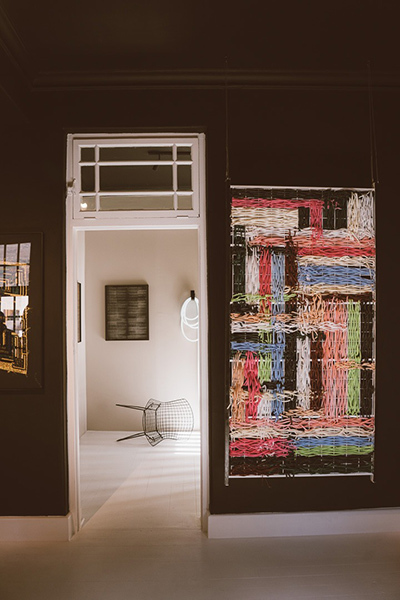
Creating an immersive candle installation alongside Lana Fredericks from MYUZU for an art gallery, The Fourth Cape Town. The project required a blend of our mediums, wax and flowers, showcasing our ability to create bespoke pieces from two different worlds. It was a testament to our creativity and problem-solving skills, and the feedback we received was incredibly rewarding.

Gallery: The Fourth | Candle: Okracandle manufacturer of That Skinny Bitch Candle (used here). Michelle Rust and Lana Fredericks (from MYŪZU) were the hands behind this creation | Visuals: Aletta Francina

How has Okracandle evolved since it launched five years ago?

Okracandle has evolved from a personal project into a business with actual employees. We’ve expanded our product range, improved our production techniques, and established an online presence. We are still learning every day.

What has been the most rewarding aspect of this journey?

The ability to connect with our customers and see how our candles enhance their lives and spaces. Knowing that our creations bring joy and elegance to others is incredibly fulfilling.

How do you spark inspiration?

Inspiration often comes from everyday experiences, travel and art. Collaborating with Erik, who brings a scientific perspective, also sparks new ideas. (He designed my wedding ring around the DNA molecule, symbolising how we have intertwined as partners.) We draw from a diverse range of influences to create products and experiences that are both unique and meaningful.

What are three things you can’t live without?

Creative freedom: Having the ability to explore new ideas and push the boundaries of conventional design is essential for my personal and professional fulfilment.

Support from my partner, Erik (and our families): We are each other’s support systems; when we have a tight deadline, it’s him and I working together at 1 AM. This support system provides the strength and motivation needed to navigate business challenges. Our families’ encouragement and belief in our vision also play a crucial role in our success.

Open communication with other small business owners: Connecting with fellow entrepreneurs allows for exchanging ideas, advice, and experiences. It creates a sense of community and provides a network of support and collaboration.

It’s Women’s Month! Who are the women that inspire you?

Several women have inspired me throughout my journey, starting with my mother, who taught me the importance of perseverance. She sparked my love for candles; most evenings, after my parents returned home from their long and hard-working days, I would light all the candles in our living room with a match. Lighting a candle with a match takes me right back to those moments. My mother taught me to stay positive and never be negative. In her words: ‘Negatiwiteit lok negatiwiteit, wees positief.’

Jackie Burger is another remarkable woman who has influenced me. I will never forget the first time I was in her presence at her Salon 58 event in Stellenbosch. I was a waiter and ended up running through the streets trying to get a pot of rhubarb cooked. My second meeting with her was on set for a KykNet production. She wore a vibrant bright red dress and complimented my homemade chicken. Not only is she knowledgeable, but she also shows kindness to everyone, from waitstaff to crew members.

Lidewij Edelkoort, the Dutch trend forecaster, left a lasting impression on me at her 2018 Design Indaba talk. She opened my eyes to the issues of fast fashion and the significant impact we have on our planet.

What advice would you give to aspiring entrepreneurs?

Running a business is not a joke; there are a lot of hidden surprises that pop up, especially when you start expanding. It’s crucial to surround yourself with supportive people who can offer guidance and encouragement.

Always remain open to learning and adapting as you navigate challenges and opportunities. Success often comes from persistence and the willingness to innovate, even in the face of setbacks. The best advice I got from my dad was to follow my gut and to remember, ‘If it was easy, everyone would be doing it.’ This mindset has helped me stay focused and determined during the toughest moments of building Okracandle.

Explore the Okracandle range at the website link below. 

okracandle.co.za | Facebook | Instagram | TikTok | Email

Female-owned Businesses That Should Be On Your Radar

Beyoncé had the right idea when she sang, ‘Who run the world… girls’ – but in this case, we’re talking womxn. We’ve come up with a list of female-owned businesses that should be on your radar, not just for Women’s Month, but all year round! You might be familiar with some of these brands, while others have just stepped onto the entrepreneurial scene – either way, they can take all of our coins.

Women in Food

Eat your heart out! These female powerhouses are shaking up South Africa’s culinary scene.

Cream of the Crop Micro Dairy

Having grown up on a biodynamic farm and selling her family’s fresh produce at weekend markets, Maria van Zyl developed a passion for farming at a young age, which eventually led to her starting her very own agricultural and artisanal business, Cream of the Crop.

The micro-dairy supplies small-batch artisanal butter, labneh, halloumi and yoghurt. They currently produce this and more from five grass-fed Jersey cows at the family’s Piket Bo-Berg farm, where they also offer cheese-making workshops. Maria is focused on creating a sustainable offering with a Committed Value Chain programme, to foster better transparency between farmers and customers.

Instagram


mondvol™
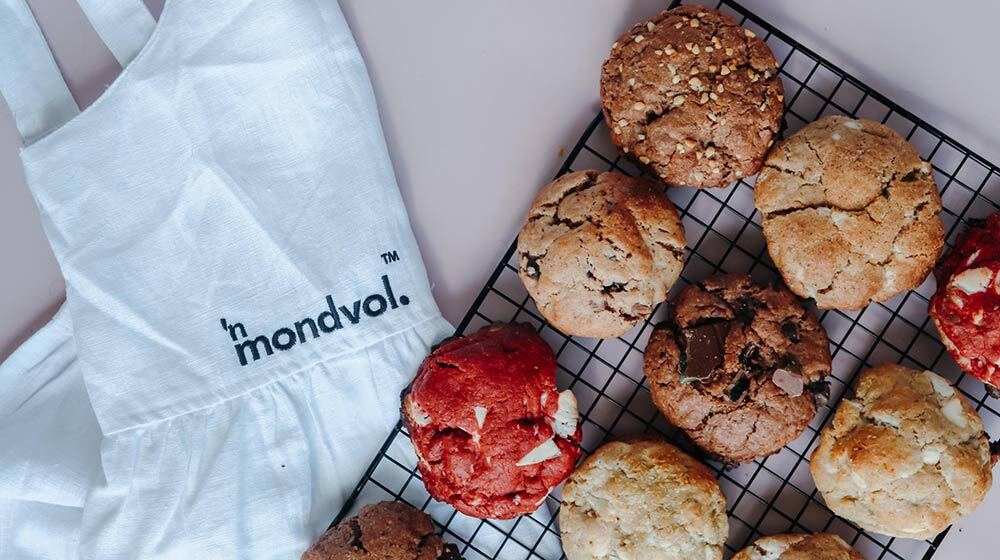
Launching a business might feel like you’re biting more than you can chew, or it could lead to a ‘mouthful’ of possibilities. At least, that was Andriette de la Harpe’s experience when she started mondvol™ with nothing but her Ouma’s Kenwood mixer and love for baking.

With her blind belief and talent, Andriette not only became a MasterChef SA runner-up contestant, but eventually created a female-owned and run business that sells the most delicious cookies and cakes nationwide. This sweet shop also runs cake workshops, a Cookie Club for biscuit lovers, and the best seasonal treats.

mondvol.co | Facebook | Instagram


Post & Pepper

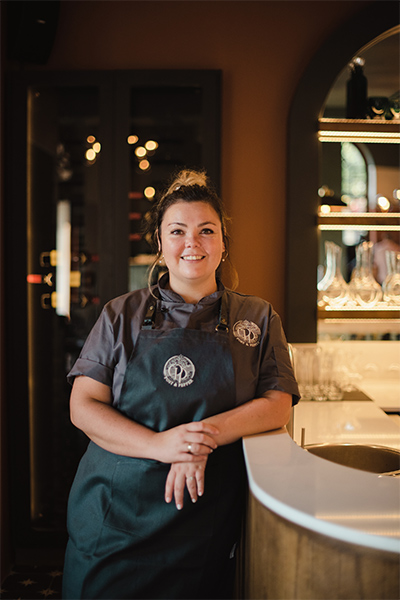
Post & Pepper is a fun-dining restaurant that’s become a favourite for many. Having worked in some of the country’s best fine dining kitchens, Jess van Dyk figured it was high time she started her own establishment. One yacht cheffing gig, food photography stint and pandemic later, her vision finally came to life.

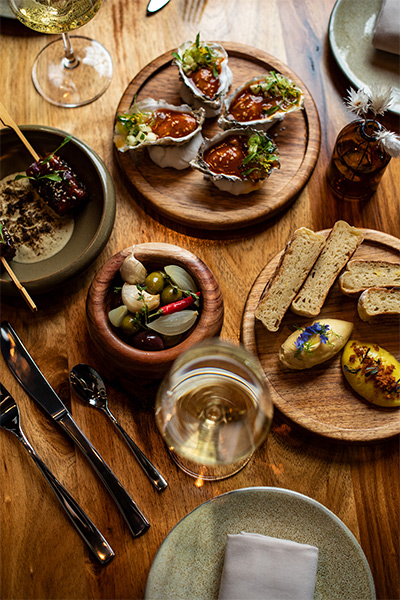
Located in the (now revamped) old Stellenbosch post office, the restaurant has a casual yet sophisticated appeal. Inspired by childhood food memories and influenced by chef Jess’ favourite dishes, the menu features approachable yet elevated cuisine. If you love fancy Mac ‘n Cheese or appreciate delicious food, Post & Pepper is where it’s at!

postandpepper.co.za | Instagram


INDIKAAP

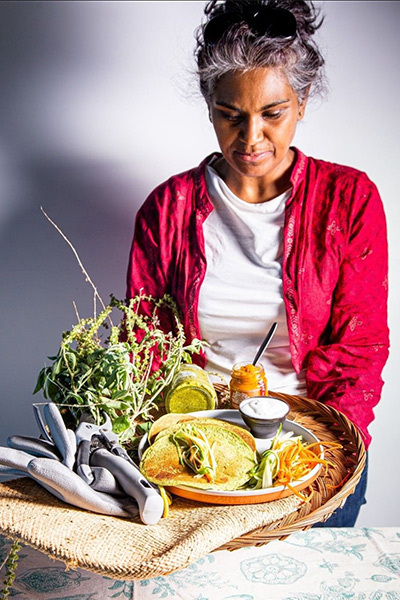
After studying in Kerala, India, and moving to the Southern Suburbs of Cape Town, INDIKAAP founder, Michelle Mistry, became homesick for the food culture she knew. Being a certified Ayurvedic Nutritionist, she bottled that knowledge in the hopes of inspiring people to incorporate nourishment and balance through everyday eating.

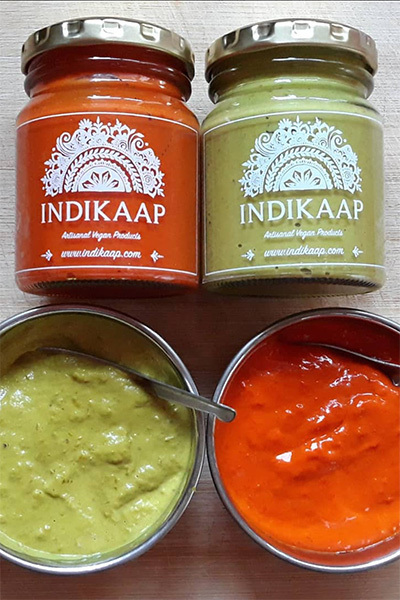
INDIKAAP has a line of delicious vegan butter, chilli and seasonal vegetable pickle products. In addition to selling great pantry products, they host Ayurvedic retreats, cleanses and workshops where you can learn all about the 6 different tastes used in Ayurveda and nutrition. Mistry even offers personal consultations, which involves food mapping. You can find INDIKAAP at the Oranjezicht City Farm Market.

indikaap.com | Facebook | Instagram


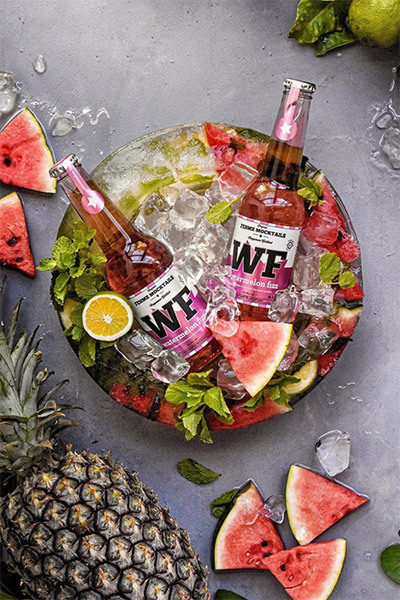
Fehmz Mocktails

Half the fun of drinking cocktails are the vibrant colours and interesting names, that often make up for what they lack in taste. As a teetotaler and foodie, Fehmida Jordaan saw a necessity for equally interesting non-alcoholic beverages on the market…

Fehmz Mocktails offers an extensive and affordable range of  flavoured non-alcoholic RTDs, ranging from Lemongrass Ginger to Watermelon, and sugar-free drinks. We just love the playful packaging and innovation of this delicious product.

fehmzmocktails.co.za | Facebook | Instagram


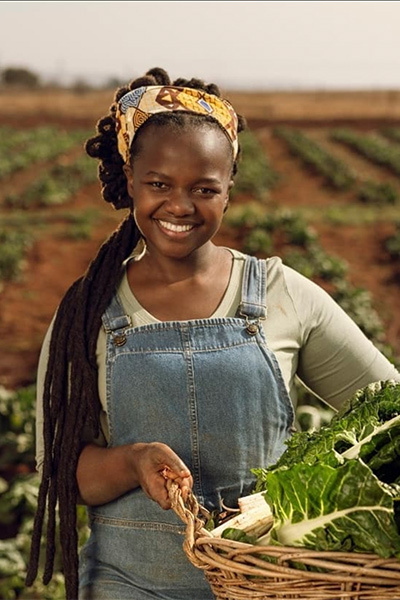
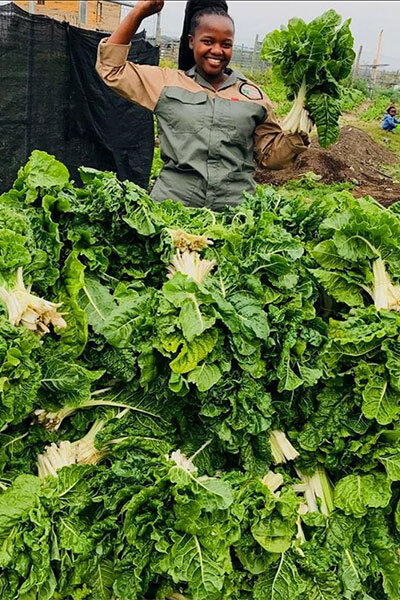
Khayelitsha Farmer, Ncumisa Mkabile

Ncumisa Mkabile, also known as ‘The Spinach Queen’, has gained national recognition after she started a small-scale farming business during lockdown. She has a small chicken farm as well, but what gained Mkabile notoriety is the spinach and cabbage she has been able to grow on unused land in between houses in Khayelitsha.

She was able to use the power of social media to get people to start buying from her and see the value of her farming. The Spar in Khayelitsha Mall noticed and stocked her spinach. Follow her farming journey on Instagram, or place an order through her Facebook group.

Instagram | Facebook


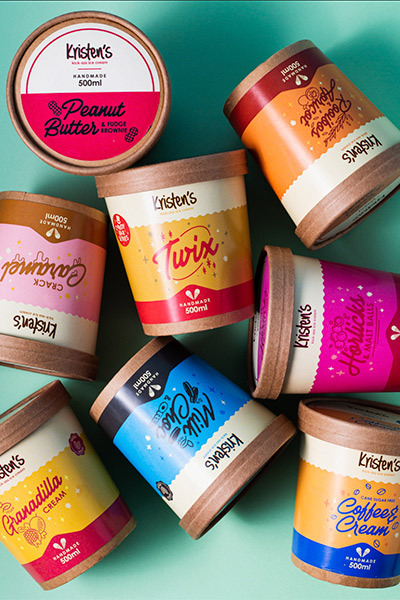
Kirsten’s Kick Ass Ice Cream

This female-owned business is run by none other than Kristen herself. She started her business with an ice cream-maker attachment that she received as a wedding gift. Ice cream made for parties quickly turned into ice cream orders for friends, and then strangers, and then an invitation to open her own Kick Ass Ice Cream shop in the Noordhoek farm village.

Today, the brand has six incredible locations in Cape Town; they even have a tropical outpost in Mauritius! Kristen’s mission is to be the little community scoop shop where everyone feels welcome. While the majority of their ice creams are made with milk, cream and sugar, they also offer dairy-free and sugar-free options.

kristenskickass.co.za | Instagram | Facebook


Lexi’s Plant-Based

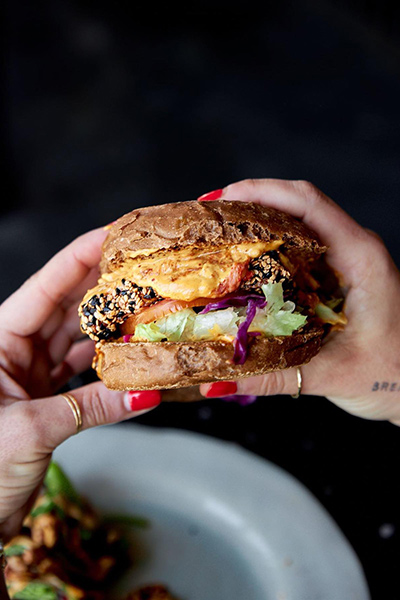
Lexi Monzeglio encourages locals to champion sustainable and plant-based eating with her range of food products. The former owner of Lexi’s Eatery continues to nurture the vegan and vegetarian community, with a tasty range of healthy and easy-to-make plant-based patties and falafels. Do your belly a favour and try their delicious products, available at Dis-Chem and Spar retail stores nationwide.

Instagram | Facebook


Sweet LionHeart

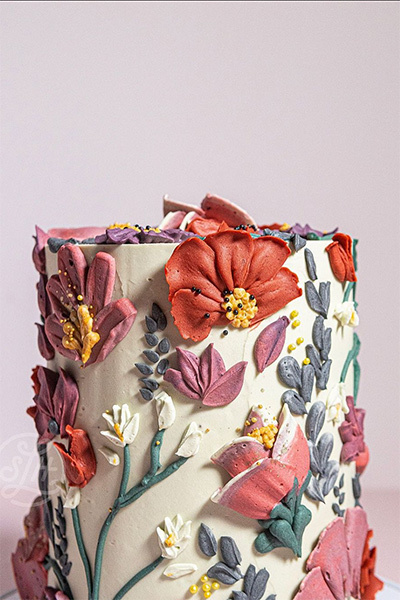
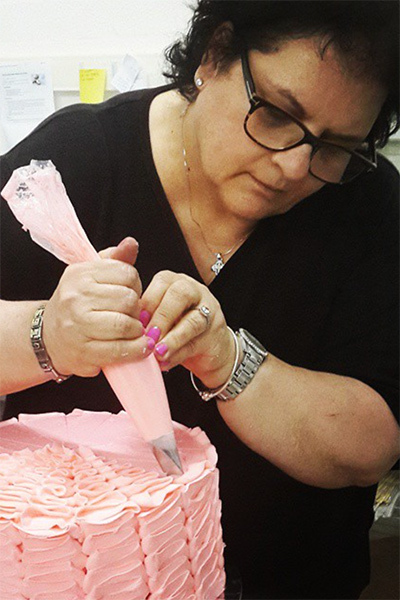
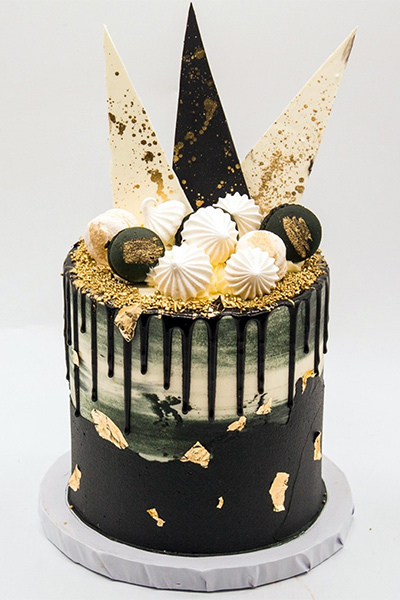
Nikki Symons is one of the OG’s when it comes to female-owned and run businesses in Cape Town. Starting out in 2015 by sharing her drool-worthy and visually stunning cake creations on Instagram, Nikki has built her online cake business into a fully-fledged sweet treat powerhouse. Her all-female Sweet LionHeart team is responsible for creating some of the most instantly recognisable cakes in the country; from cute mini cakes, pops and cookies to striking, multi-tiered celebration showstoppers. Constantly innovating and fiercely championing the female agenda, this team of ‘gurls’ are a force to be reckoned with.

If you’re looking for something beautiful and deliciously indulgent, head over to their website where you can order online or pop by their retail counter at Maker’s Landing. If you love what they do and want to upskill, check out their calendar of interactive workshops, where you can create your own sweet masterpieces under their expert tutelage.

sweetlionheart.com | Instagram


Theonista

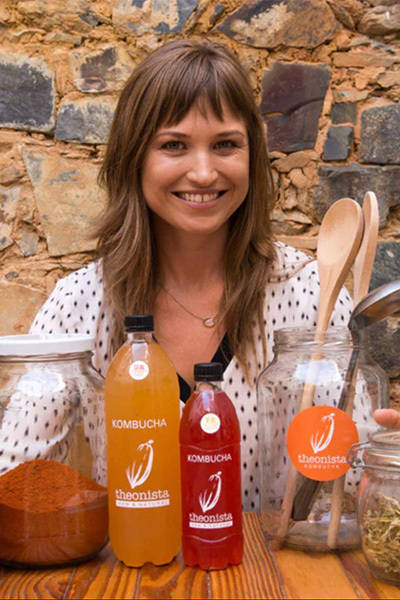
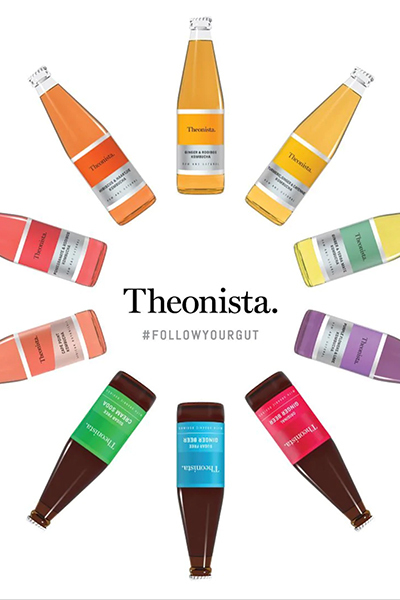
Brewmistress and Theonista founder, Meghan Werner, built Theonista around the need to heal her gut and microbiome. Now, she’s helping many others do the same with expert fermentation methods and kombucha. Meghan started Theonista back in 2011 and her first customer was Clarke’s Dining on Bree (also female-owned). Theonista became the first local brand to sell kombucha commercially and has since become a household name.

theonista.co.za | Instagram | Facebook


YIAYIA’s Table

yiayias table
Female-owned businesses

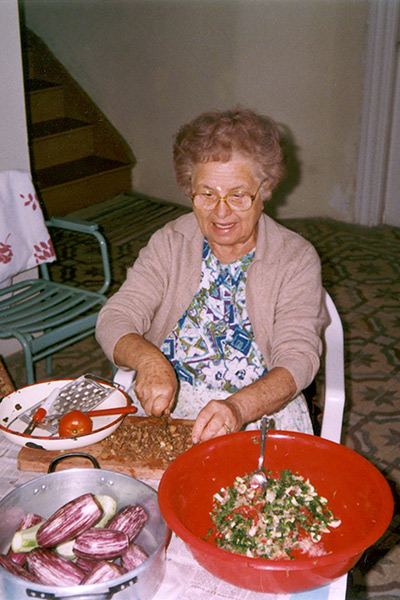
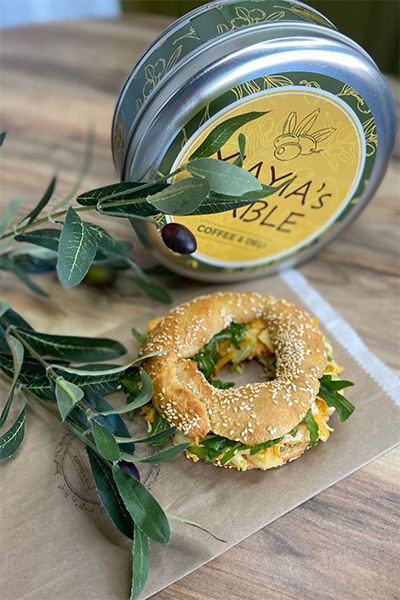
Named after Elli Parolis or ‘Yiayia’ to her family, YIAYIA’s Table is a neighbourhood bakery and coffee shop offering home-baked Greek confectionery. With a menu inspired by Elli’s own recipes of traditional Greek delicacies and vibrant Mediterranean flavours, YIAYIA’s Table is dedicated to keeping her spirit alive through wholesome, comforting foods.

yiayiastable.co.za | Facebook | Instagram


Tessa’s Bakery

Tessa Dasopatis of Tessa’s Bakery, has been passionately baking for more than 25 years, making delicious treats from home. In 2012, she decided it was time to share her baked goods with the rest of us by opening up a shop and setting up a delivery service.

Her baked goods are all made from the finest ingredients, each with a unique touch ranging from chocolate caramel cake, red velvet cake, carrot cake, cheesecake, Peppermint Crisp tarts, cupcakes and more! The perfect treat for birthdays, celebrations, tea time, and basically any time of day.

Instagram | Facebook


Women in Fashion & Lifestyle

From fitness to beauty, décor and everything in between, these local female-owned brands are changing the game!

Okracandle

Necessity is the mother of invention. It is this philosophy that ignited creative director Michelle Rust’s imagination and led to the creation of Okracandle. Co-founded with her husband, Erik, the bespoke candle brand launched five years ago.

Rust also does event styling, using her bespoke candles to curate intimate spaces and kindle memorable occasions. Their unique range of candles features beautifully designed pieces, including the Dipped Dinner Set and their popular Gear Candles, which effortlessly transform spaces and invite peace into your home.

okracandle.co.za | Facebook | Instagram


MYUZU by Lana

Flowers have always been the centrepiece of Lana Fredericks’ life; more than a decoration, flowers are the muse for her brand, MYUZU.

As a set designer and interior stylist, Fredericks uses her floral styling to elevate intimate spaces and curate meaningful moments. Since its launch, MYUZU by Lana has been featured at Decorex Cape Town and Johannesburg, and partnered with countless brands, including Okracandle, Lemkus and Nike.

Facebook | Instagram


Sixteen Tables

Dining with loved ones is a timeless tradition cherished across cultures and time zones. It is with this intention that Sixteen Tables was launched – sixteen signifying the number of chances we get to break bread with friends and family every week.

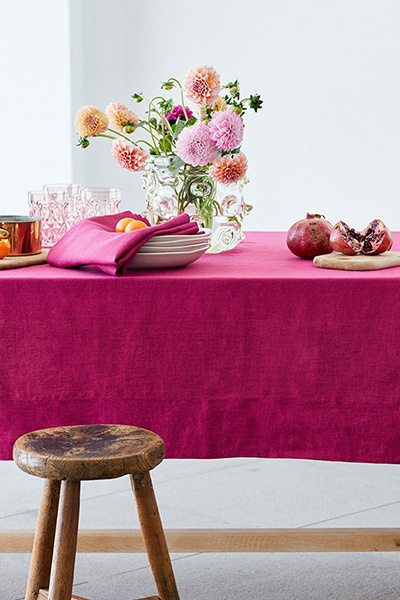
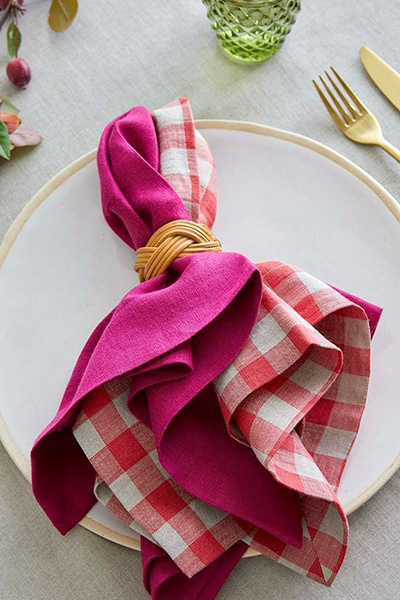
Founded by Hayley Sherman, Sixteen Tables sells beautifully crafted, minimalist tablecloths and napkins created from the finest quality imported European linen. Designed with flax linen, the breathable and resilient material has a soft finish, setting the stage for Sunday lunches, festive feasts and countless gatherings around the table.

sixteentables.co.za | Facebook | Instagram


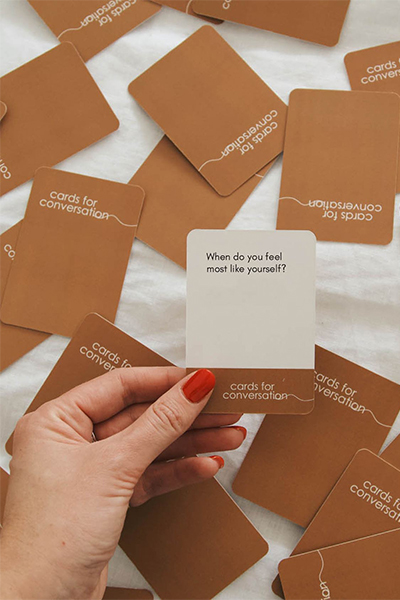
Cards for Conversation

Daily social interactions often don’t go beyond the good-intentioned yet surface-level ‘How are you?’ Founded by Meg Carrie, Cards for Conversation was created out of a need to reconnect with loved ones after grieving the death of her brother, and she figured she wasn’t alone.

Desperate to avoid small-talk, she created Cards for Conversation – a small box with big questions. Since having launched, it has helped thousands of people by taking the awkwardness out of vulnerability. Cards for Conversations can be found at Poetry stores, nationwide, and on their website.

cardsforconversation.com | Facebook | Instagram


Socially Gathering

Image source: Pexels

Founded by Sarah Waller, Socially Gathering is a female-focused platform that creates safe spaces for women, from all walks of life, to engage online and gather in person.

Whether you are looking to find your tribe, spark new friendships, nurture a hobby or expand your network, Socially Gathering facilitates it all. While the larger community is based in Cape Town, they also host events in Joburg. Visit the website and follow them on social media to join upcoming events, from dinners to industry-led conversations and paint & sip socials.

sociallygatheringstore.com | Facebook | Instagram | TikTok


Best Store

best jewellery female businesses
best jewellery

Rebecca Scher, founder of Best Jewellery, designs jewellery with the wearer in mind. Her 18ct gold-plated jewellery is designed to be functional yet fashionable. Her earrings are hollow, making them light-as-a-feather and perfect to wear from morning to evening. Rebecca believes that everyone deserves to feel the Best. She developed her brand in response to popular consumer culture that thrives off making the consumer feel ‘less than’. Instead, her brand’s ethos is to uplift and support women through jewellery.

ourbestregards.com | Facebook | Instagram


Black Betty Design

Female-owned businesses

Started in 2012 by designer Kristin Weixelbaumer, Black Betty is a jewellery and piercing studio. Aesthetically gorgeous and edgy in design, Black Betty proves that diamonds are indeed girl’s best friend. All their collections are uniquely crafted, ensuring there’s something for everyone. If you don’t see something that catches your eye, have at it and design your own bespoke piece. In collaboration with the Kolisi Foundation, Black Betty ensures that all of the proceeds from their beaded bracelet sales go back to the women at the Saartjie Baartman Centre, who are GBV survivors and are also responsible for creating the beautiful bracelets.

blackbettydesign.com | Facebook | Instagram


Julie Baby Punch Club

Nomvula ‘Julie Baby’ Mxubane, started making gorgeous punch needle cushions during lockdown. She realised she was super talented and started taking orders! Now, the Julie Baby Punch Club is a group of domestic workers who are “nannies by day and punch needle superstars by night.” We absolutely love their beautiful and colourful cushions!

Instagram


LEEBEX

Many local fashion brands miss the mark when it comes to inclusive fashion, making it difficult to not only find well-fitted but stylish garments too. LeeBex manages to do that and more. Founded by Rebecca Garande and Lesego Legobane (Thickleeyonce), LeeBex is a start-up retail shop catering to plus-size women. Initially an online retailer, LeeBex now has a store in Melville, Johannesburg. If you’re looking for beautiful clothing for functions or just want to ‘zhuzh’ up your wardrobe, we recommend checking out their online boutique.

leebex.com | Facebook | Instagram


Me&B

Female-owned businesses

Me&B is the mother-daughter fashion duo we never knew we needed! This eclectic brand’s mission is to make fashion fun, one vibrant garment at a time. Started in 2018 by Betina Swart and daughter, Kelly-Grace Gibberd, the brand uses local designers and experts to create chic yet comfortable garments. Check out their online store if your wardrobe needs a splash of colour.

meandb.shop | Instagram


Noa & Co

Female-owned businesses

Founded by Meghan Pietersen, Noa & Co is a brand built on the pillar of self-love and the name says it all – Noa means ‘my love’ in Japanese Kanji. After spending some time in Japan, Megan was particularly inspired by the dedication to wellness culture and traditional health, thus the birth of Noa & Co. We love that this brand doesn’t focus on diet culture, but rather wellness. Noa & Co sells a range of products from collagen creamer to protein powder.

noaandco.com | Facebook | Instagram


RushTush

Female-owned businesses

Rushda Moosjaee or ‘RushTush’, is a powerhouse entrepreneur, mom and all-round inspirational human. She started her career as a personal trainer and helped facilitate the opening of a functional training gym, where she saw the need for tailored workouts specifically designed for women. Fast forward a few years and she now has a fitness app, RushTushFit. This online store offers beauty products, make-up and pharmaceuticals, as well as a range of fitness e-books made to suit anyone’s needs. It is so refreshing to see a personal trainer focused on enhancing women’s health and building confidence!

rushtush.com | Facebook


swiitchbeauty®

Female-owned businesses

Rabia Ghoor started swiitchbeauty® from her bedroom when she was just 14 years old. Seeing a gap in the South African beauty market, Rabia dropped out of school at 16 to pursue her career in beauty. Her vision was to create an affordable makeup line that South African consumers would feel proud to wear. Fast forward to today, Rabia is 24 years young, and has already been awarded Forbes Woman Africa Young Achiever. Swiitchbeauty® is over 100k Instagram followers strong and is growing from strength to strength.

swiitchbeauty.com | Instagram


twyg.

Female-owned businesses

Twyg (pronounced ‘twig’) is a not-for-profit company that highlights sustainability and slow and a circular fashion. With over two decades’ experience in the media industry, founder and editor, Jackie May, launched Twyg in 2018 with the intention of promoting a more mindful society. Twyg creates events, campaigns and content to inspire people to do the same. In 2019, they launched the Twyg Sustainability Fashion Awards to garner recognition for designers who honour sustainable practices. Check out their website and social media to learn more about this great collective.

twyg.co.za | Facebook | Instagram


Women in Alcohol

It’s so refreshing to see how many female-owned businesses are taking control in a heavily male-dominated alcohol industry. We love to see it!

The Wine Shaq

Raised in Langa, Cape Town, Nomhle Zondani’s entrepreneurial spirit and thirst for knowledge have taken her from Europe to Africa. With her corporate background and extensive education, Zondani’s interest in wine led to the birth of The Wine Shaq. Her purpose? To promote and shine the proverbial spotlight on wines made by people of colour.

With an extensive portfolio featuring wines such as Asline Wines, Three Quarters, Zoetendal, HER, Mosi Wines, and more, The Wine Shaq continues to empower local wine producers by promoting them at curated and corporate events.

Instagram


Matawi Mead

Co-founded by Nokukhanya Mncwabe, Matawi produces traditional Xhosa mead, iqhilika. After being subjected to the Western Cape drought, Nokukhanya saw a need for more sustainable alcohol production, as most offerings require lots of water consumption. She pitched her product at the Startup School Africa’s Incubation Programme, and Investec supported the idea.

Matawi fosters job creation by collaborating with and offering training to black-owned mead makers. The eco-friendly brand offers Honey Liqueur and Honey Gin, fermented with Fynbos honey, yeast and water, and infused with indigenous African botanicals.

matawi.co.za | Facebook | Instagram


Aslina Wines By Ntsiki Biyela

Female-owned businesses

Aslina Wines, is a company wholly owned by Ntsiki Biyela, the first black female winemaker in South Africa. Ntsiki has built an impressive resume over the years – she was awarded a scholarship to study winemaking, she then graduated from Stellenbosch University with a BSc in Agriculture (Viticulture and Oenology), slowly thereafter joining boutique winery, Stellekaya Wines.

She has consulted and worked with winemakers in California and France, and sits on the board of directors for the Pinotage Youth Development Academy, which provides technical training and personal development for young South Africans in the Cape Winelands. She creates a wide range of wine stocked across the country and has already won many accolades and awards. You can shop Aslina Wines online at their website below.

aslinawines.co.za | Instagram


L-Gin

Female-owned businesses

L-Gin, a handcrafted gin brand, was created by three female friends who live in Elgin, and just love gin. After completing distillation courses in Johannesburg and Stellenbosch, under the guidance of master distillers, L-Gin was born. The business is female-run, and we love the fact that this gin is produced from fruit and botanicals growing in the Elgin Valley. Their gin has been favourited by gin lovers across the country, and took Gold at the SA Craft Gin Awards 2019. They truly take pride in what they do.

l-gin.net | Instagram


Trizanne Signature Wines

Female Owned Business

Trizanne Barnard, owner of Trizanne Signature Wines, graduated from Stellenbosch University with a degree in viticulture and oenology. She worked multiple vintages abroad and upon returning home in 2004, was offered the opportunity of starting Anwilka Wines in conjunction with Klein Constantia role-players and Bordeaux winemakers. In 2008, she decided to start her own brand, and Trizanne Signature Wines was born.

She focuses on two very diverse wine regions, namely Elim and the Swartland. Trizanne Signature Wines creates a wide and delicious range of wine, with stockists all across the country. Make sure to check out where you can buy her wine at their website.

trizanne.co.za | Instagram

Meet the local female winemakers behind some of SA’s favourite labels.  

Celebrate Women’s Day With an Unforgettable High Tea At The President Hotel
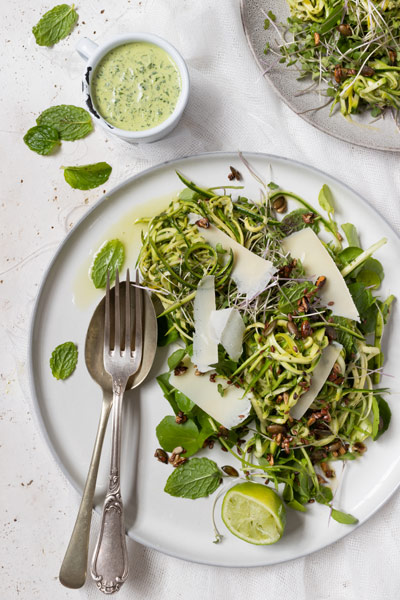
The President Hotel in Bantry Bay, Cape Town, is hosting its annual Women’s Day High Tea on 9 August 2024 from 14h00 to 16h00, and it promises to be an unforgettable experience. Indulge in an afternoon of elegance, delicious food and great entertainment, set against the stunning backdrop of the Atlantic Ocean.

Live entertainment and a cosy space, complete with portable fireplaces, ensure a comfortable and relaxing experience.

A Women’s Day Treat

For only R250 per person, guests will be welcomed with a complimentary drink and treated to a delightful tiered selection of sweet and savoury eats.

The High Tea menu features an array of yummy items, such as buttermilk scones, macarons, red velvet baked cheesecake, vol-au-vents, quiche, madeleines, and more. To top it all off, there’s a selection of Dilmah teas and freshly brewed coffee to enjoy with the treats.

For only R250 per person, guests will be welcomed with a complimentary drink and treated to a delightful tiered selection of sweet and savoury eats.

Live entertainment and a cosy space, complete with portable fireplaces, ensure a comfortable and relaxing experience.

Celebrate Women’s Day in style with an afternoon of luxury, great company and a warm, welcoming ambience.


About The President

The President is a 350-room luxury hotel nestled in Bantry Bay, Cape Town, offering breathtaking views of the Atlantic Ocean. Known for its exceptional service, fine dining experiences, and beautiful accommodation, The President Hotel is a preferred destination for travellers and locals alike.

Bookings can be made via WhatsApp at 071 368 9529 or interested persons can send an email. For more information, visit the website link below and follow them on social media for upcoming events and offerings.

presidenthotel.co.za | Facebook | Instagram

Julia Child: Culinary Icon & World War II Secret Agent

In the world of the culinary arts, few names stand as tall as Julia Child. Renowned for her prowess and undeniable charismatic presence, Julia’s career was nothing short of extraordinary. Though The French Chef stole the hearts of millions by cooking Boeuf Bourguignon on daytime television, few know that she was also a secret agent during the Second World War…

Julia Child 1978. Image: Shutterstock

Unlike the traditional espionage gadgets portrayed on screen, Julia’s tools of the trade were unconventional. Instead of using lethal weaponry, she wielded a typewriter and a cryptographic machine. Her wit and charm proved to be one of her many talents, as she decoded encrypted messages with meticulous precision.


Was Julia Child Really A Spy?

Born in 1912, in Pasadena, California, Julia Child was the eldest of three children. Though she thankfully ended up pursuing the culinary arts, Julia was first a history major at Smith College, Massachusetts, in 1930. After graduating, she actually worked as an advertising copywriter in New York City – talk about a woman of many talents!

In search of a more meaningful career, she volunteered for the Office of Strategic Services (OSS), the precursor to the CIA – as in Central Intelligence Agency, not the Culinary Institute of America – during World War II. She embarked on a covert journey as a top-secret researcher, assigned to analyse and decrypt sensitive documents for the Allies.

Julia was involved in the preparation and distribution of secret intelligence reports. Her ability to fluently speak French and German facilitated the translation of sensitive documents…

In 1942, Julia enlisted in the Women’s Army Corps (WAC), the women’s branch of the U.S. Army. Her initial assignment was in Washington, D.C., where she worked as a typist for the OSS. However, her linguistic talents and passion for adventure soon caught the attention of her superiors, leading her to more challenging assignments within the intelligence agency.


A Woman of Many Talents

With a knack for solving puzzles, Julia was soon transferred to the OSS’s research and development division. Her primary role involved deciphering encrypted communications and gathering intelligence from intercepted messages. Julia worked with a cryptographic machine called the ‘ECM Mark II’, a predecessor to modern encryption technologies.

Image: Sony Pictures Classics

One of the most intriguing aspects of Julia Child’s work as a spy was her use of her culinary passion as a cover. While stationed in Ceylon (now Sri Lanka) and Kunming, China, she posed as a typist for the OSS, ostensibly working on routine administrative tasks. Her culinary skills and friendly demeanour allowed her to move discreetly among diplomats and high-ranking officials, all while secretly gathering information.

Julia was involved in the preparation and distribution of secret intelligence reports. Her ability to fluently speak French and German facilitated the translation of sensitive documents, ensuring that critical information reached the right hands.

While exact details of the specific intelligence she uncovered remains classified, it is known that she played a significant role in decrypting and analysing vital communications. Her efforts contributed to the Allied understanding of enemy strategies and intentions, aiding in critical decision-making during the war.

Paul Cushing Child and Julia Child. Image: Rick Friedman Corbis via Getty Images

After the war, Julia remained in the U.S. Foreign Service, working for the U.S. Information Agency (USIS). It was during her assignment in France, while accompanying her husband Paul, that she fell in love with French cuisine and attended Le Cordon Bleu cooking school in Paris. This pivotal experience ignited her passion for cooking and led to the creation of her groundbreaking co-authored cookbook, Mastering the Art of French Cooking, which propelled her to culinary stardom.


From Stealing Intel to Claiming Hearts

When Julia Child’s cooking show, The French Chef, premiered on television in 1963, it became an instant hit. Her warm and approachable demeanour, combined with her expertise in French cuisine, charmed many across the nation. Through her televised demos, she brought the elegance and sophistication of French cooking into American homes, inspiring countless individuals to cook the likes of Coq Au Vin.

Though she was American, Julia Child’s deep understanding and mastery of French cooking earned her the endearing title of ‘The French Chef’. Her culinary journey exemplified how passion and dedication to a particular cuisine can transcend borders and cultures.

Julia Child’s involvement with the OSS during World War II is a fascinating chapter in her life, that remained a well-kept secret until declassified documents shed light on her covert activities. While she may not have been an action-packed, James Bond-style spy, her contributions as an undercover agent were nonetheless vital to the Allied effort.

Sarah Lancashire as Julia Child in the HBO Max series Julia (2022). Image: TV Insider

Though she sadly passed away in 2004, due to kidney failure, the culinary star still lives in the hearts and homes of many through her cookbooks, archived columns and biographies. She undoubtedly left an indelible mark on foodies old and young – her kitchen is even on display at the Smithsonian’s National Museum of American History. Famous actress Meryl Streep portrayed her in the biopic, Julia Child, and the more recently adapted comedy-drama television series, Julia (2022), based on her life, sparked the renaissance of her unforgettable legacy.

Want more? Learn about Brownie Wise – The Tupperware Party Starter

Classic Comforts with Pink Lady® Apples & SA Pork

When it comes to flavour pairings, few rival the timeless pairing of apples and pork. The sweetness of apples complements the savoury notes of pork – a combination inspiring culinary classics around the globe. From German-style dishes to Asian classics with a twist, these recipes prove that Pink Lady® apples and pork are a match made in heaven!

A Sweet & Savoury Sensation

Tangy, crunchy and bursting with flavour, Pink Lady® apples provide bliss with each bite – the heart-shaped seal of approval says it all. Not only are they handpicked with care and packaged with love, but you can also taste the quality in every sweet-tangy bite. Ideal for sweet and savoury treats, and equally delicious as is, Pink Lady® apples are nature’s snack. The tangy, sweet and fresh flavours pair perfectly with everything and more, especially pork.

Whether making pulled pork for a savoury Country Pie or meatballs cooked in a fragrant curry sauce, this protein choice is versatile and delicious beyond. Filled with selenium, niacin and complex B vitamins, pork can be an incredible source of nutrients. Craft cosy family dinners or showstopping mains for a grand gathering – the versatility of pork makes it a cut above the rest. If you really want to delight taste buds, pair it with Pink Lady® apples, and tuck into these comforting classics.

Pork Schnitzels with Pink Lady Apple® & Onion Pickle

A German classic with a tasty twist. The combination of buttery mash, crumbed pork, and apple and onion pickle makes for peak comfort food.

The whole family will love this dish!

This German-inspired dish takes a twist with an apple and red onion pickle, adding a tangy, sweet flavour. Pork cutlets are coated with breadcrumbs, cooked to crispy, golden perfection, and then served atop a bed of creamy and buttery mashed potatoes. Perfect for a marvellous midweek meal or casual dinner party, the whole family will love this dish!

Recipe for Pork Schnitzels with Pink Lady® Apple & Onion Pickle


Country Pulled Pork & Pink Lady® Apple Pie

Nothing says homestyle comfort like a hearty pie, and this Country Pulled Pork & Pink Lady® Apple Pie is just that! It’s fragrant and incredibly delicious.

Ideal for a weekend family meal or a potluck with friends…

Made with succulent pulled pork and fragrant sage, the filling is given a juicy twist with the addition of grated Pink Lady® apples. Topped with thinly sliced potatoes and apples, this casserole-style pie is both rustic and elegant. Ideal for a weekend family meal or a potluck with friends, its savoury-sweet profile and moreish appeal make it a real crowd-pleaser. Take this delish dish to the next level with a grating of Parmesan and tuck in!

Recipe for Country Pulled Pork & Pink Lady® Apple Pie


Pork & Pink Lady® Apple Meatballs in Thai Red Curry

Fragrant, spicy, sweet, savoury – this revamped Asian classic hits all the right tasting notes. Guests will slurp and savour this meaty marvel.

This vibrant dish is a fusion of tasty textures and flavours.

Thai red curry is a classic, much like apples and pork. We’ve taken this global favourite to delicious heights with this revamped recipe. Infused with grated apple and fresh herbs, the meatballs are cooked and simmered in a spicy Thai red curry sauce; the garlic, ginger and chilli flavours come together to make one fragrant dish. Served over rice noodles and topped with diced apples, sesame seeds, radishes and coriander, this vibrant dish is a fusion of tasty textures and flavours. It’s utterly delicious and perfect for a dinner with friends.

Recipe for Pork & Pink Lady® Apple Meatballs in Thai Red Curry


Pulled Pork & Pink Lady® Apple Grilled Cheese Sarmies

Transform the classic grilled cheese into a gourmet delight with this satisfying sarmie. Stuffed with pulled pork and apple-fennel salad, this sandwich is super comforting.

This is not your regular grilled cheese!

The combination of melty cheese, savoury pork and the fresh crunch of the salad ensures that every bite is a mouthwatering experience. This is not your regular grilled cheese! Slices of sourdough bread are loaded with mature cheddar, mozzarella, pulled pork and caramelised onions, and then pan-fried to perfection. For the ultimate bite, add some apple and fennel slaw to the mix. This indulgent snack is one delicious, savoury treat!

Recipe for Pulled Pork & Pink Lady® Apple Grilled Cheese Sarmies

Want more tasty inspiration? try these SA Pork recipes and Pink Lady apple recipes.

sapork.co.za | pinklady.co.za

A Culinary & Cultural Icon: The Legacy of Cape Malay Cook, Faldela Williams

Of all my cherished possessions, The Cape Malay Cookbook by Faldela Williams ranks high on the list. Inherited from my mother, this book has survived butter stains and dough imprints, tracing my earliest attempts at making rotis and Sunday koe’sisters. Even after all these years, it has somehow managed to preserve its condition. I like to think of it as a testament to Faldela’s enduring legacy.

The Cape Malay Cook

Born in Cape Town, South Africa, in 1949, Faldela Williams grew up in District Six, an area with a rich cultural landscape and history. From an early age, she was introduced to spices, herbs and the distinct flavours that define Cape Malay cuisine – barishap (fennel), karamonk (cardamom), aniseed and jeera, to name but a few.

Like many great cooks, her earliest culinary lessons were taught by her grandmother, who was also an influential member of the Bo-Kaap community.

“As a ten year old, I was allowed to help decorate the biscuits and clean the vegetables. Later on, my Saturdays were spent frying koesisters because my grandmother was also a koesister vendor,” recalls Williams in her cookbook.

Those ordinary tasks, like helping her grandmother prepare bredie, breyani and blatjang, would lay down the blueprint for her career and inspire Faldela to publish her first of three works, The Cape Malay Cookbook, published in 1988.


A Culinary & Cultural Icon

The Cape Malay Cookbook is not simply a compilation of recipes. For many, it’s considered a cultural artefact – a rich tapestry of recipes passed down from generation to generation; the same recipes that were often only shared by word of mouth and recited by heart.

Whilst gathering recipes, Faldela mentions that she “found great difficulty in obtaining the exact quantities for the ingredients, as most of the older Malay cooks estimate rather than measure the amounts required.” In fact, this is true for many traditional Cape Malay dishes.

Though the term ‘Cape Malay’ implies Malaysian origins, it actually refers to slaves from Java, Indonesia – previously known as the ‘Dutch East Indies’ – who were forcibly removed from their homeland by the Dutch East India Company (VOC). Because many of these enslaved peoples (often of Muslim faith) spoke a lingua franca known as ‘Behasa Malayu’ (Malaysian language) and were brought to the Cape of Good Hope, they were referred to as the ‘Cape Malays’. Those with culinary talents became cooks in Dutch households. Recipes like bobotie, melktert, and more, were created during this period, but few were recorded.

Faldela’s works ultimately safeguarded Cape Malay culture, while appealing to a younger generation of home cooks who didn’t have their grandmothers’ recipes archived, nor an introduction to Cape Malay cuisine. Shaykh Yusuf da Costa (1938-2018), a respected lecturer at the University of the Western Cape, said it best:

“The importance of her effort lies not only in her giving recognition to the major contribution made by different peoples of Asian origin to South African cuisine, but also in her interesting pieces of social history that are found with some of the recipes.”


Faldela Williams’ Enduring Legacy

For the Cape Malay, coloured community and beyond, Faldela’s influence was as prominent then as it is today. Then, it provided insight into religious festivals and ceremonies, such as Ramadan, Eid-ul-Fitr and Rampisny, allowing a better understanding of the cultural significance of certain recipes, and with it, the Cape Malay community.

Image credit: Gary van Wyk

Though based on traditional dishes, which were shaped by Indonesian and Indian cuisine and Dutch influence, Faldela adapted them – noting that she tested many of the recipes and consulted culinary doyens and community pillars – as many were not scribed in cookbooks. Furthermore, it wasn’t common for women to buy cookbooks at the time, as they believed it was an indication of one’s cooking skills, or lack thereof.

After the notable success of her first cookbook, Faldela wrote More Cape Malay Cooking (1991), and The Cape Malay Illustrated Cookbook (2007). Having been a wedding caterer, Faldela and her son, Saadiq, also decided to open a restaurant named after her.

Sadly, Faldela passed away six weeks after having suffered a heart attack in May 2014. She was survived by her husband of 39 years, Ebrahim Williams, and their remaining two children, Riefqah and Aisha, and her grandkids. Although no longer with us, Faldela’s legacy continues to live on in the homes and hearts of many cooks, both young and old.

Explore the life of Julia Child: Culinary Icon & World War II Secret Agent

Pier Restaurant vs ‘The Bear’

There’s an old saying that love is the secret ingredient to a great dish. After recently dining at Pier Restaurant, and having subsequently watched the third season of the FX series ‘The Bear’, which chronicles the stark contrast between the beauty of fine dining and the brutal realities of kitchen life, this seems like a radical paradox. Are love and joy the secret ingredients that make a homely bowl of pasta exceptional, and does this extend to the dishes on a fine dining menu? Is there capacity for joy in such a pressured environment, where chefs constantly pursue perfection? And ultimately, does it affect the food you eat? This juxtaposition is poignant, and having never worked in this environment, I can only surmise.

Pier-Restaurant

Giving People More Than They Expect

Pier Restaurant is part of the La Colombe group, where delivering an exceptional experience is the fabric of their being – it is their essence. Our recent dinner delivered course after course of exceptional food, seamless service, considered drinks pairings, and some theatre along the way – all the necessary ingredients for an incredibly memorable fine dining experience.

“People will forget what you do; they’ll forget what you said. But they’ll never forget how you made them feel.” William Guidara | Eleven Madison Park, NYC Author of Unreasonable Hospitality: The Remarkable Power of Giving People More Than They Expect | Co-Producer of “The Bear”

When we arrived at our table, the only adornments were a crisp white tablecloth and an elegant white shell-shaped plate, an ode to the restaurant’s waterfront location. Initially, I thought this was a starkly simple choice, but the concept revealed itself as the first course was presented.Pier-Restaurant snacks

As if by magic, an array of exquisitely crafted pure white ceramic dishes arrived at the table, each an element of the sea that played host to a snack – a pumpkin shell with a straw containing a citrusy yuzu drink, a tentacle for a sublimely crisp battered piece of octopus, a piece of coral hosting a langoustine cracker, a conch shell holding a creamy whipped sour cream mousse with caviar, and a piece of barnacled coral with two cones filled with the kitchen’s take on a trout Caesar.

Once the table was cleared, the coral, lit from within with flickering candles, remained as table decor.Pier-Restaurant snacks

Cool, Calm and Not like Carmy

Head chef John Norris Rogers certainly seemed cool, calm and collected when he added the final touch of frosty basil and coconut snow to our freshly shucked oysters in their white ceramic shells. If he felt any level of Carmy-like angst, he certainly didn’t show it.

I am continually impressed by the impeccable service at this level; it’s consistently precise and virtually faultless. While ‘The Bear’ may depict kitchen chaos, the front-of-house staff remain unflappable, much like the duck analogy – paddling furiously beneath the surface, while appearing to glide effortlessly above.

We loved the new-ish takoyaki course, presented tableside, where the chef prepared this Japanese street food staple with a local twist of a smoked snoek filling.

I just love food. It was always about making something with my hands, making something amazing that I’m proud of and having somebody else enjoy it in a fleeting moment. Like music. Rosio Sanchez | Sanchez and Hija de Sanchez in Copenhagen, Denmark | Episode 10, The Bear Season 3

Thy Daily Bread

The bread course at all the restaurants within the La Colombe portfolio is always one of my favourites, and Pier did not disappoint. A warm, freshly baked sourdough with the crispiest crust imaginable, served with curried butter, kept in its wonderfully melted state by a candle underneath. This golden butter formed a confit for succulently poached pieces of hake, elegantly garnished with saffron strands. We tore the bread and used the crust to scoop up the gorgeously toasted spices at the bottom and mopped up every last drop.

Pier Restaurant Bread Course

Hands! And Claws

The langoustine chawanmushi with Korean chicken wing course sounded intriguing and, in short, it was a masterstroke. Lusciously silky set custard, every spoonful jammed with umami flavour, adorned with intricately shaped langoustine crackers. The dish was an absolute joy to eat and one of my favourites.chawanmushi

There’s nobility in this. We get to help people celebrate some of the most important moments of their lives. We can give them the grace, if only for a few hours, to forget about their most difficult moments. Like, we can make the world a nicer place. All of us in this room. We have this opportunity, perhaps even a responsibility, to create our own little magical worlds in a world that is increasingly in need of a little more magic. Anna Posey, Elske restaurant, Chicago | Episode 10, The Bear Season

Yes Chef

One of the hallmarks of a fine dining meal is the element of surprise and theatre, and the palate cleanser course is the perfect departure for a little fun. A shot glass formed from ice held a local agave spirit, Sango Reposado, served with special salt and lime sorbet. Without giving it all away, this interactive experience was a fun break mid-meal.

The meal continued with so many highlights, too many to mention, but an incredible course of wagyu and sweetbreads, a cheese trolley and charcuterie board stacking box, and an impeccable guava dessert followed (guava, what an underrated ingredient).

I think why I wanted to be a chef was… when I was in middle school, I was in this home economics course, and I made a dessert. And when I served everyone, just the feeling of how they connected to the food, it felt just, like, super magical. Like, no one in the classroom knew who I was, but they were connected to me through the food. And that was it, I was like, I think I wanna do this for the rest of my life. Malcolm Livingston II | Former head pastry chef at Noma | Episode 10, The Bear Season 3

This Is A Delicate F***ing Ecosystem!

It occurred to me that love doesn’t have to be a wrinkly nonna adding an extra pinch of something special to her bolognese, love can look different. Love can be fiery passion, fervent determination and the most ardent devotion. Excellence requires all these things and these talented chefs find a way to channel the frenetic chaos of a kitchen into absolute clarity on a plate. And I have to assume that they continue doing it because they love it, it’s as simple as that.

‘The Bear’ highlights the intensity of kitchen life, yet the exquisite dishes at Pier Restaurant affirm that such culinary excellence can only be achieved through a genuine love for cooking, regardless of how that love may manifest. It is a delicate ecosystem and keeping it in balance must take effort.

“Do you know why cooks cook? We cook to nurture people. I know people call me a chef, but our trade is cooking, and that, to me, is such a profound profession because we get to really be part of people’s lives in significant ways. You’re nurturing the team you’re cooking for. You’re gonna be nurturing our guests. We’re even nurturing our farmers, our fishermen, our foragers, our gardeners, who are bringing us all these wonderful ingredients. Thomas Keller, French Laundry, California | Episode 10, The Bear Season 3

Our meal at Pier was a showstopper and special dining experiences like this are reverent moments for me – the chefs who create these dishes have my deepest respect and admiration.

Book Pier Restaurant’s winter lunch special – available until 31 August 2024, R995 pp.

The Pierhead, V & A Waterfront, Cape Town

pier.restaurant | Facebook | Instagram

Why Everyone Is Obsessed with Sea Moss + 7 Unique Benefits

If you’re into alternative wellness, you might have come across a peculiar name: sea moss. This unassuming seaweed has become a rising star in the health and wellness industry in recent years, captivating enthusiasts with its abundance of nutrients and potential health benefits. So, what exactly is sea moss, where does it come from and why does everyone sing its praises? Let’s dive in and explore this marine marvel once praised by Honduran herbalist, Dr. Sebi, and punted by American actor, Michael B. Jordan.

benefits of sea moss

What Is Sea Moss?

Sea moss, scientifically known as Chondrus crispus, is a type of algae that grows abundantly along the rocky coasts of the Atlantic Ocean, particularly in Ireland and other parts of Europe. Various forms exist – it could be red/purple, pale golden or green. It has a rich history of being used in traditional Irish and Jamaican cuisine, and has gained worldwide recognition for its potential health benefits.

While scientific research is still limited, many individuals claim it’s had positive effects on their overall well-being.

One of the intriguing aspects of sea moss is its impressive nutritional profile. Packed with vitamins, minerals and antioxidants, this oceanic wonder provides an array of essential nutrients for optimal well-being. Sea moss contains a significant amount of iodine, which is crucial for proper thyroid function and metabolism regulation. It also boasts a plethora of other vitamins and minerals, including vitamin C and K, magnesium, zinc and iron.

Interestingly, it has natural gelling properties. When soaked in water, it forms a gel-like substance that can be used as a thickening agent in various recipes, making it a valuable ingredient in the culinary world. This unique characteristic has led many to use sea moss as a vegan alternative to gelatine in desserts, smoothies, and even homemade beauty products.


7 Surprising Benefits of Sea Moss

Apart from its culinary versatility, it’s also touted for its potential health benefits. While scientific research is still limited, many individuals claim it’s had positive effects on their overall well-being. Here are a few of the supposed benefits of sea moss:

benefits of sea moss

1. Enhanced Digestion

Sea moss is believed to have prebiotic properties, which means it acts as a food source for beneficial gut bacteria, promoting a healthy digestive system.

2. Immune System Support

With its high vitamin C content and immune-boosting antioxidants, it’s thought to strengthen the body’s natural defence mechanisms against certain illnesses and infections.

3. Thyroid Health

Due to its iodine content, sea moss may support thyroid health, potentially aiding in hormone regulation and metabolism.

4. Skin Nourishment

The gel-like consistency of sea moss makes it a popular ingredient in skincare products. It is believed to hydrate the skin, promote a youthful complexion, and soothe dermatological conditions like eczema and psoriasis.

5. Improved Libido

Sea moss could boost energy in more ways than one. This superfood is believed to be an aphrodisiac and may boost sex drive and hormone levels, both testosterone and oestrogen; some have even reported that it could help improve erectile dysfunction.

6. Boosting Reproductive Health

If you struggle with dysmenorrhea or menopause, ingesting sea moss could help reduce unpleasant symptoms like period cramps, and help regulate hormones. It’s even said to boost fertility, but more research is needed to substantiate these claims.

7. Heart Health

Sea moss is known for maintaining heart health, diabetes, hypertension and cholesterol. Due to the high levels of potassium chloride, magnesium and calcium, it’s said to improve insulin sensitivity and reduce cholesterol and blood pressure levels, as potassium helps relax blood vessels. Some even use it as a salt substitute by sprinkling it over their food.


Why Is It So Popular?

The demand for sea moss has skyrocketed in recent years, fuelled by the growing interest in alternative wellness practices. Its popularity can be attributed to several factors… social media platforms have played a significant role in spreading awareness about its potential benefits. Influencers and wellness enthusiasts have shared their experiences and recipes, generating buzz and curiosity among their followers. The increasing preference for natural, plant-based ingredients has also created a ripe market for sea moss and other superfoods.

Real Sea Moss vs. Fake Sea Moss

Unlike many crops that require large amounts of water and land, sea moss is a renewable resource that grows naturally in the ocean. Harvesting practices have evolved to ensure the preservation of wild stocks, making sea moss a promising eco-friendly option for health-conscious consumers.

 Due to increasing popularity, some manufacturers extract sea moss from the ocean and cultivate it in aquatic tidal pools.

But with any high-demand commodity, like essential oils or other wellness products, manufacturers can sell inauthentic products promoted as being 100% organic. In the case of sea moss, the real McCoy is grown wild in the ocean; it clings to rocks and grows with the tide. Due to increasing popularity, some manufacturers extract sea moss from the ocean and cultivate it in aquatic tidal pools to replicate its natural environment, while being able to ramp up production for mass distribution. Companies likely profit from this practice, but it also serves as a sustainable cultivation method to ensure the preservation of wild stocks and protect marine ecosystems without depleting natural resources. Although ‘pool-grown’ sea moss still has benefits, it’s not nearly as potent as wild-grown, 100% organic sea moss.

fake vs. real sea moss

It’s always best to buy the dehydrated sea moss, as it’s easier to spot physical differences, which may not be as noticeable when bought in gel form. Wild sea moss should have a hardened texture when dehydrated in the sun; the strands are thin and only expand once placed in water, whereas the pool-cultivated sea moss is generally still moist and has a certain odour (slightly chlorine-like). Another distinct difference between wild-grown and pool-cultivated kind is that latter usually has salt deposits attached to the strands, whereas wild sea moss doesn’t.

As with any health trend, it’s crucial to exercise caution and listen to your body’s needs. While many individuals report positive experiences with sea moss, it may not be suitable for everyone, especially those with dietary restrictions or medical conditions. It’s always best to consult a healthcare professional before exploring the supposed benefits of sea moss.

Want more? Learn about the benefits of these 10 essential oils

Nomhle Zondani on The Wine Shaq & Food Indaba

Every sip of wine tells a story of heritage and community. Nomhle Zondani, founder of The Wine Shaq, brings these stories to life at Food Indaba 2024.

Raised in Langa, Cape Town, Zondani’s entrepreneurial spirit and thirst for knowledge have taken her from Europe to Africa. With her corporate background and extensive education, Zondani’s interest in wine led to the birth of The Wine Shaq. Her purpose? To promote and shine the proverbial spotlight on wines made by people of colour. We chat with the wine connoisseur and advocate about this year’s Food Indaba event, inclusivity in the wine industry, traditional isiXhosa brewing practices, and contemporary wines.

The theme for this year’s Food Indaba is Oikonomos, meaning ‘home management’. How does this relate to sustainability?

Food Indaba and, in particular, the theme Oikonomos, means the importance of sustainable management of food and its resources.

How does it feel to be part of this important platform?

Hosting an event at such a significant annual campaign fills me with a profound sense of honour and privilege. Having traversed this path, I am deeply grateful for the opportunity and feel immense pride to represent our heritage and culture in a meaningful way. I am truly humbled by the experience.

What are you most looking forward to on the programme?

I am looking forward to engaging in the insightful public discussion on the state of the food address, as well as the enriching experiences of Tea with the Farmers. And, of course, the culinary delights of the dinners promise to be a highlight not to be missed.

The dinner you and chef Cikizwa Galela have prepared is special. What are some themes explored in this diverse menu?

There are a number of themes explored in the menu, namely, cultural heritage, as the menu features traditional South African dishes like Vetkoek, iDombolo, Umleqwa and Umgqusho, showcasing the rich culinary heritage of South Africa.

The menu uses local ingredients and flavours, such as curried potatoes, hardbody chicken, roasted butternut and sorghum, to highlight the importance of local produce and traditional farming practices. It also refers to seasonal and sustainable eating, as the vegetables are seasonal and sustainably sourced, for instance, spinach, pumpkin and pumpkin seeds.

By pairing traditional food with modern wines, a bridging of old and new culinary trends is explored as well. Finally, the menu highlights community and sharing by enjoying dishes like beef stew and traditional desserts that are meant to be enjoyed in a communal setting, encouraging diners to share and connect over their meal.

My desired takeaway for diners is the appreciation of South African culinary heritage and a deeper understanding of the diverse culinary traditions we have, together with awareness of sustainable ingredients and, of course, the enjoyment of pairing local food with wine.

Alongside contemporary wines, traditional beverages will be featured on the menu. Can you explain their significance in isiXhosa culture?

The cultural significance of these traditional drinks is that they are more than just beverages; they are integral to the social and cultural fabric of isiXhosa heritage. They represent the ingenuity and resourcefulness of the isiXhosa people in utilising available natural resources to create nutritious and enjoyable drinks. Each drink has its place in various aspects of life, from daily consumption to significant cultural ceremonies. They underscore and embody the celebration of life and the essence of community and tradition in isiXhosa culture.

Umqombothi is a traditional African beer made from maize, maize malt, sorghum malt, and water. Known for its thick, frothy consistency and slightly sour taste. It symbolises unity and community in isiXhosa culture. Brewed for special occasions like weddings and funerals, this drink helps foster social bonds through communal brewing.

Amarhewu is a non-alcoholic fermented drink made from maize meal and sorghum, which is enjoyed cold. It has a refreshing taste and is valued for its nourishing properties, especially in hot weather or after work. Suitable for all ages, Amarhewu is used in ceremonies and gatherings, showcasing isiXhosa resourcefulness.

Amasi is fermented milk (similar to yoghurt) with a tangy flavour and creamy consistency, which is served chilled and is often enjoyed with staple foods like pap. It is an important part of the isiXhosa diet, rich in probiotics, protein and calcium. This symbol of hospitality is served to guests as a sign of respect and generosity.

Can you share more about the wine brands in your portfolio?

The wine brands showcased here are truly exceptional, embodying a blend of tradition and innovation from both seasoned and emerging winemakers. Their commitment to sustainable winemaking sets them apart, each offering a unique approach to crafting fine wines.

Originating from both South Africa and Zimbabwe, these brands not only celebrate diversity, but also highlight the remarkable contributions of female winemakers in a predominantly male-dominated industry. Among the standout brands is Aslina by Ntsiki Biyela, Praisy Dlamini, Her Wine Collection, Mahalia Kotjane of Three Quarters Wine, Mosi Wines, and Zoetendal Vineyards. Each bottle tells a story of passion, dedication and a commitment to excellence.

I don’t wish to give any more away, suffice to say guests will get to meet these remarkable winemakers, hear their stories and taste their wines.

Women have helped shape our food economy. As we approach Women’s Month, who are some women that inspire you?

My grandmother was undeniably a culinary matriarch; a self-made chef whose legacy continues to inspire me in the kitchen. Her timeless recipes have become cherished traditions that I still turn to today.

In the realm of food, figures like the esteemed sis Zola Nene have left an indelible mark on the culinary landscape. In the world of wine, luminaries such as Ntsiki Biyela of Aslina Wine, Nondumiso Pikashe of Sesfikile Wines, and Beverly Farmer of Women in Wine stand as shining examples of excellence and innovation. Their passion and expertise have not only enriched the industry, but have also paved the way for future generations of aspiring chefs and winemakers.

The Wine Shaq provides a much-needed platform for black winemakers. How has the wine industry evolved and what areas still need improvement?

In recent years, a heartening trend has emerged with an increasing number of young women and men from underprivileged backgrounds pursuing careers as sommeliers. While a promising few have begun to ascend the ranks, there remains a significant disparity in the representation of winemakers and viticulturists from diverse backgrounds. To bridge this gap, the industry must proactively provide bursaries and educational opportunities to aspiring individuals, with a particular focus on empowering communities in townships beyond the traditional Winelands. By nurturing talent and fostering inclusivity, we can cultivate a more vibrant and equitable future for the wine industry as a whole.

How do you think local wine producers could be more sustainable in their practices?

I am not a wine farmer, however, I see the need for local wine producers and estates to adopt various sustainable and ethical practices to align with the growing trend towards more natural techniques, organic and biodynamic farming, as well as incorporating water management. Soil and vineyard health is paramount and, of course, especially after the recent heavy rains, erosion control is imperative. With the amazing Fynbos the Western Cape has, there is no excuse not to plant for biodiversity and create habitats beneficial to insects and animals by planting native vegetation around vineyards.

It goes without saying that ethical and fair labour practices should be paramount on wine farms. Transparency in community and consumer engagement is important.

What excites you about the new generation of winemakers?

A new generation of bold and ambitious individuals has emerged in the wine industry. They exude youthfulness, fearlessness and confidence, as they challenge the traditional norms of winemaking. With fresh perspectives and innovative ideas, they are revolutionising the landscape by introducing unique wine styles that break away from convention.

The future of winemaking is unmistakably veering towards a departure from the old guard, embracing a dynamic shift towards the new and the innovative. Embracing change and creativity, they are paving the way for a vibrant and exciting era in the world of wine.

What advice would you give to aspiring wine entrepreneurs?

My advice would be, before embarking on a career in the wine industry it is crucial to conduct thorough research and introspection. Consider what aspects of the industry resonate with you and pinpoint where you envision yourself within the value chain. Armed with this clarity, your journey can begin with purpose and direction. Patience is a virtue essential in navigating the complexities of the wine world; without it, frustration may overshadow your passion.
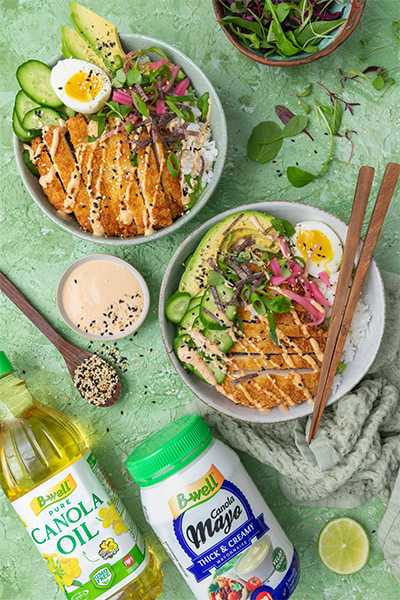
Above all, maintain unwavering self-belief and seek out a supportive network of individuals who share in your vision. By fostering self-confidence and surrounding yourself with like-minded allies, you can pave the way for success in this dynamic and rewarding field.

*Experience a six-course menu at Dialogues Through Food: The Wine Shaq with Nomhle Zondani on Sat, 3 Aug from 19h00–22h00 at Maker’s Landing, Cape Town. Tickets are R 850 per person. Book online at Quicket. You do not want to miss this Food Indaba event!
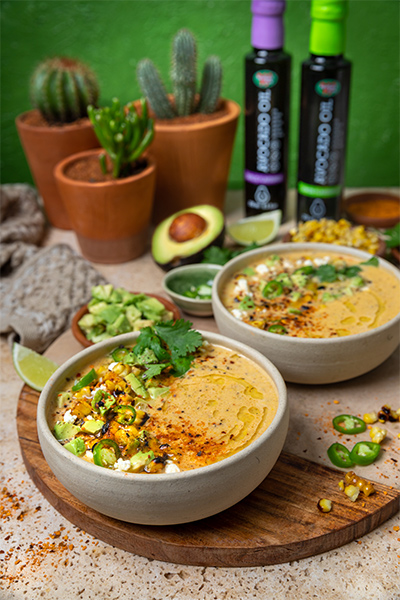
foodindaba.org | The Wine Shaq

Ripe & Ready – 58 Smashing Avocado Recipes

Gorgeous, green avos, how we love thee! This famed fruit is adored across the globe for its flavour, creaminess and nutrients. Heart-healthy properties? Check. Essential nutrients and healthy fats? Check. If you love avos as much as we do, you’ll enjoy these avocado recipes that highlight the versatility of this glorious fruit.
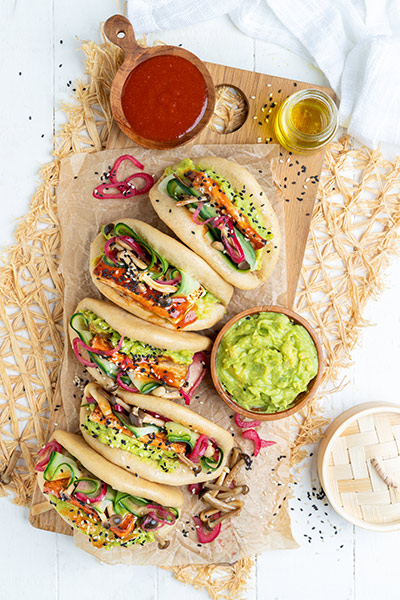
Awesome Avocado Recipes

Enjoy these delish avocado recipes, they’re filled with green goodness.

Chicken Katsu Bowl with Sticky Rice

A Japanese-inspired dish topped with creamy avo for wholesome deliciousness.

Recipe for Chicken Katsu Bowl with Sticky Rice

Pork Power Loco Omelette

Packed with protein and loaded with guac, this brekkie will help you power through the day.

Recipe for Pork Power Loco Omelette

Juicy Chicken Skewers with Gremolata Guacamole

Chicken thighs and red pepper are marinated, skewered and braaied to perfection. Top with herby guacamole and serve with snacking cucumbers for one tasty and satisfying meal.

Recipe for Juicy Chicken Skewers with Gremolata Guacamole

Pork Fillet with Rainbow Slaw & Soy-Cashew Butter Dressing

Filled with healthy fats from the avo and umami goodness from the pork and zingy dressing, this is the perfect lunch or dinner fix.

Recipe for Pork Fillet with Rainbow Slaw & Soy-Cashew Butter Dressing

Mexican Street Corn Soup with Avocado

Comforting and flavourful, this Mexican-inspired dish will warm you from the outside in.

Recipe for Mexican Street Corn Soup with Avocado

Vegan BBQ Tofu Bao with Guacamole, Mushrooms & Pickled Onion

A delish vegan bao filled with creamy avo and umami goodness.

Recipe for Vegan BBQ Tofu Bao with Guacamole, Mushrooms & Pickled Onion

Seared Tuna Burgers with Avo & Edamame Smash & Wasabi Mayo

A wholesome burger loaded with all the flavour you could ask for.

Recipe for Seared Tuna Burgers with Avo & Edamame Smash & Wasabi Mayo

Lime Coconut & Mango Ceviche Tostadas

Zesty, coconutty and refreshing, these tostadas are absolutely divine!

Recipe for Lime Coconut & Mango Ceviche Tostadas


Avocado Brekkies

Vegan Cannellini Bean Shakshuka

A simple, filling and satisfying brekkie that the whole fam will love.

Recipe for Vegan Cannellini Bean Shakshuka

Tex-Mex Campfire Breakfast

Kidney beans and avo – we have yet to meet a tastier combo.

Recipe for Tex-Mex Campfire Breakfast

Avocado Flapjacks

Sneak extra nutrients into your pancakes by adding avocado as the fat source.

Recipe for Avocado Flapjacks

Smashed Avocado Eggs Benedict

Eggs Benny is always a good idea – adding smashed avo makes it even better.

Recipe for Smashed Avocado Eggs Benedict

Chia & Chocolate Avocado Breakfast Cups

This decadent chocolate avocado chia cup may just be our favourite brekkie of all time. Delicious, filling and full of healthy fats!

Recipe for Chia & Chocolate Avocado Breakfast Cups

Fish & Avo Bagel Breakfast

A fun family breakfast of bagels, scrambled eggs, avocado and crispy fish patties.

Recipe for Fish & Avo Bagel Breakfast

Beautiful Brunch Quinoa Bowl

A colourful and wholesome quinoa and millet bowl that is ideal for brekkie, brunch or lunch. Full of protein and delicious healthy fats.

Recipe for Beautiful Brunch Quinoa Bowl

Avo Smoothie Bowl with Chia Seeds, Granola Dust & Berries

Avocados are great in smoothies, their creaminess lends well to the tasty texture.

Recipe for Avocado Smoothie Bowl with Chia Seeds, Granola Dust and Berries


Everything’s Better with Avo

avo toast

Chipotle Chicken on Herbed Quinoa with Charred Corn, Avo & Feta

Sumptuous and simple, just how we like it! The chipotle chicken and buttery avo is the perfect combination.

Recipe for Chipotle Chicken on Herbed Quinoa with Charred Corn, Avocado & Feta

Lemon & Rocket Pesto with Tartines with Avocado & Asparagus

Take your avo toast to the next level with some zesty lemon, peppery rocket and asparagus spears. Yum!

Recipe for Lemon & Rocket Pesto with Tartines with Avocado & Asparagus

avocado recipes
avo toast

Avocado Linguine with Parmesan Pangrattato

A really simple way to make a delicious and creamy pasta sauce using avocados. One of our favourite avocado recipes that showcase the versatility of this amazing fruit!

Recipe for Avo Linguine with Parmesan Pangrattato 

The Ultimate Whipped Avocado & Cream Cheese Toast

If you thought avo toast was delicious, wait until you taste it with the addition of whipped cream cheese and crunchy toppings.

Recipe for Whipped Avo & Cream Cheese Toast

avocado recipes

Asian Fish with Guacamole

Toss your regular salad for this guacamole, and pair it with Asian-style fish marinated with fresh ginger, honey, Soy sauce and lime juice.

Recipe for Asian Fish with Guacamole

Spicy Guacamole with Rustic Flatbreads

Feeling a little peckish? Prepare these easy-to-make flatbreads with spicy guac, and you’ll be munching in no time!

Recipe for Spicy Guacamole with Rustic Flatbreads

mexican cuisine
avocado recipes

Cheesy Quesadillas with Roasted Tomato Salsa & Guacamole

Toasted tortillas filled with a delicious combo of cheese, pickled jalapeños and red peppers. Serve with creamy guacamole and roasted tomato salsa.

Recipe for Cheesy Quesadillas with Roasted Tomato Salsa & Guacamole

Homemade Focaccia BLT with Avocado

Make a plain sandwich even tastier with homemade focaccia, and layer with bacon, lettuce, tomato and avo.

Recipe for Homemade Focaccia BLT with Avocado

avocado recipes

Chilli & Herb steak with Avo Sauce

This spicy, herb-infused steak is even tastier with a chunky avo sauce.

Recipe for Chilli & Herb steak with Avo Sauce

Mexican Inspired Smashed Avo on Sourdough Toast

We can’t bear to imagine Mexican cuisine without avocado, luckily, we never have to.

Recipe for Mexican Inspired Smashed Avo on Sourdough Toast


Avocado Sides & Salads

avocado recipes
avocado recipes

Avocado Creme Potato Salad with Crispy Bacon & Fried Onions

Potato salad never looked so good! Impress braai guests with our take on this classic.

Recipe for Avocado Creme Potato Salad with Crispy Bacon & Fried Onions

Green Eggs & Ham: Devilled Avocado Eggs

The ideal party or midday snack, filled with all the healthy fats you could ask for.

Recipe for Green Eggs & Ham: Devilled Avocado Eggs

avocado recipes

Smoked Trout Salad with Horseradish Cream & Avocado Crema

This smoked salmon, spicy horseradish, crunchy cucumber and avo crema salad almost looks too good to eat – almost.

Recipe for Smoked Trout Salad with Horseradish Cream & Avocado Crema

Corn & Buttermilk Waffles Topped with Avocado & Avo Cream

Fresh greens and buttermilk waffles – the best of both worlds.

Recipe for Corn & Buttermilk Waffles Topped with Avocado & Avo Cream

avocado recipes

Cape Greens with Avocado Prawn Parcel

When they said ‘you should eat your greens’, they were talking about this salad!

Recipe for Cape Greens with Avocado Prawn Parcel

Avo on Greens with Mustard Vinaigrette

Broccoli, cucumber and marrows come together in this beautiful avo salad with a delicious mustard vinaigrette.

Recipe for Avo on Greens with Mustard Vinaigrette

avocado recipes
avocado recipes

Avo & Citrus Salad with Prawn-style Pieces and Citrus Vinaigrette

A fresh and zingy vegan salad with fresh ClemenGold and creamy avo slices.

Recipe for Avo & Citrus Salad with Prawn-style Pieces and Citrus Vinaigrette

Chargrilled Asparagus and Avocado Salad with Prawns

A really easy and scrumptious salad with lots of texture and interesting flavours.

Recipe for Chargrilled Asparagus and Avocado Salad with Prawns

avocado recipes

Avocado Caprese

This avo Caprese is the ultimate salad and goes well with just about any protein.

Recipe for Avocado Caprese

Avocado & Berry Salad

Who said berries are just for dessert? Pair them with avo for a fruitful combination.

Recipe for Avocado & Berry Salad

Teriyaki Chicken with Tempura Avo on Cucumber Carrot ‘Noodles’

A fresh salad accompanied by tempura avocado. Winning!

Recipe for Teriyaki Chicken with Tempura Avocado on Cucumber Carrot ‘Noodles’

Avocado & Prawn Cocktail Salad

You can’t go wrong with a prawn and avo. This flavour combo will always be a hit.

Recipe for Avocado & Prawn Cocktail Salad

avocado recipes
avocado recipes

Avocado Ritz

The retro avo ritz is elevated to tastier heights.

Recipe for Avocado Ritz

Edamame Avo & Noodle Salad with Ginger, Soy and Chilli Dressing

This Asian-inspired salad dish is packed with gorgeous flavours and lots of avocado. Definitely one of our favourite avocado recipes.

Recipe for Edamame Avocado and Noodle Salad with Ginger, Soy & Chilli Dressing


Avocado Schnacks

avocado recipes
avocado recipes

Avocado Cream Cheese Chilli Poppers

These chilli poppers are the ultimate game day snack!

Recipe for Avocado Cream Cheese Chilli Poppers

Avocado Pastry Tartlets with Creamy Avo Filling

If you’re as obsessed with avocados as we are, try substituting butter with avo the next time you make pastry shells. While you’re at it, make some avo filling for these tasty tartlets.

Recipe for Avocado Pastry Tartlets with Creamy Avo Filling

Avocado Mayonnaise

Filled with healthy fats and all the deliciousness!

Recipe for Avocado Mayonnaise

Savoury Biscuits with Avo Herb Dip

This smooth avo dip is the perfect companion to your favourite cracker – try with our homemade savoury biccies!

Recipe for Savoury Biscuits with Avo Herb Dip

avocado recipes

Wonton Cups with Tuna Tartare, Avo & Wasabi Mayo

A really simple and pretty canapé, packed with so many delicious flavours.

Recipe for Wonton Cups with Tuna Tartare, Avo and Wasabi Mayo

Deep Fried Panko Avocado Wedges

We love anything deep-fried, especially avo wedges. These are the perfect party snack!

Recipe for Deep Fried Panko Avocado Wedges

avocado recipes

Courgette Cupcakes with Avocado Cream Cheese Icing

A twist on regular cupcakes, this savoury version with avo ‘icing’ is delish!

Recipe for Courgette Cupcakes with Avocado Cream Cheese Icing

Crispy Parmesan Baskets with Creamed Avocado & Biltong

Parmesan is packed with flavour and crisps up really well when baked, making it the perfect canapé base for our creamy avo topping.

Recipe for Crispy Parmesan Baskets with Creamed Avocado & Biltong

avocado recipes

Tomato Cucumber and Avocado Gazpacho

A delicious tomato soup with added avo goodness!

Recipe for Tomato Cucumber and Avocado Gazpacho

Asparagus & Avocado Gazpacho

A tasty, summery green gazpacho with tons of flavour and nutrients.

Recipe for Asparagus & Avocado Gazpacho


Avocado Dessert Recipes

avocado recipes
avocado recipes

Chocolate Avocado Mousse Tartlets

Earthy avo and bitter cocoa make for the perfect chocolate mousse.

Recipe for Chocolate Avocado Mousse Tartlets

Vegan Chocolate Bundt Cake with Avocado Oil

Decadence with a healthy twist; use avo oil to make your chocolate cake deliciously moist.

Recipe for Vegan Chocolate Bundt Cake with Avocado Oil

avocado recipes
avocado recipes

Marbled Choc Avocado Banana Bread

Why have regular banana bread when make a marbled chocolate avo banana bread? Give it a good schmear of your favourite nut butter for the ultimate bite.

Recipe for Marbled Choc Avocado Banana Bread

4 Ingredient Avocado & Lime No-Churn Ice Cream

Zesty, healthy and absolute perfection! We have yet to taste a creamier scoop.

Recipe for 4 Ingredient Avocado & Lime No-Churn Ice Cream

avocado recipes
avocado recipes

Chocolate Avo Smoothie

Dessert or a smoothie? We’re not sure, but it’s good enough to be either.

Recipe for Chocolate Avo Smoothie

Avocado, Almond and Cocoa Smoothie

Avocado lends creaminess to this smoothie, making it delicious and satisfying.

Recipe for Avocado, Almond and Cocoa Smoothie

avocado recipes
avocado recipes

Choc & Avo Fro-Yo with Spiced Nut Crumble & Raspberries

Who knew avos could be this versatile? They add a lovely, creamy texture to this frozen dessert – no one will even know that it’s hidden inside this sweet treat.

Recipe for Choc & Avo Frozen Yoghurt with Cinnamon Nut Crumble and Raspberries

Avo & Lime Mousse

Avocado is a great and healthy replacement for chocolate in this mousse, yum!

Recipe for Avo & Lime Mousse

Want to learn all about avos? Find out how to pick the perfect one.