Heaven on Earth – Crush visits the picturesque Hemel & Aarde Valley in Hermanus

Hemel_map_730x300

Hemel & Aarde Valley

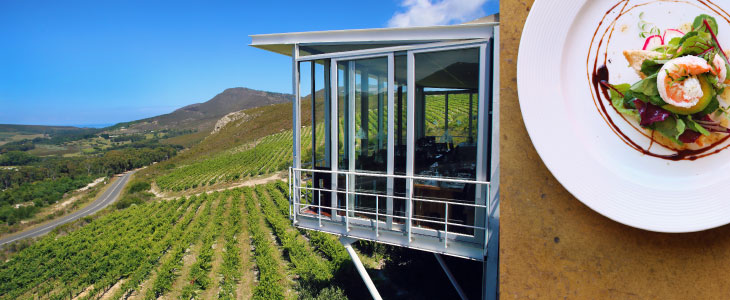
Tucked away in the most heavenly valley is a wine route that will offer you an unforgettable wine experience. The Hemel en Aarde valley near Hermanus is one of the most popular wine routes in the Western Cape and boasts wines that are unique to South Africa and similar to that of Northern France.

A fresh cool sea breeze and clay soil produce some of the most premium wines in the country. From Chardonnay to Pinot Noir, each sip is heavenly.   

Crush took a trip to this blissful corner of the Cape and we chose our favourite spots to visit and why. Here is our guide to Heaven on Earth…
Hemel&aarde_730x300

Whalehaven

A boutique winery based in the Hermanus region of Walker Bay, Whalehaven is a stunning winery renowned for it’s elegant and unique wines. The farm is situated in an area on the coastline which is not only a sanctuary for migrating whales, but also offers a cooler climate.  A modern, sleek interior with an exquisite tasting room adorned with clean wooden finishes. The cool space sets the scene for a relaxing, yet elegant, experience.

Whalehaven offer some very unique chocolates and jams to pair with their delicious wines. Flavours of rich chocolate and tart jams infused with hints of floral flavours make for a tasty pairing.  The chocolates and jams are produced specifically for Whalehaven winery by Golden Country in Greyton. The gorgeous packaging alone is enough to make your sensations tingle.

Hemel-en-Aarde Road, Hermanus, Western Cape, South Africa

www.bottegafamilywine.co.za

Monday – Friday from 09h30 to 17h00

Saturday from 10h30 to 16h00

Whalehaven_730x300

Southern Right

Just a few kilometres from the sea, in the picturesque Hemel en Aarde Valley, you may be welcomed to a charming farm called Southern Right by a troop of baboons. A welcoming and pretty ‘stoep’ leads into a large and captivating tasting room where you can unwind and sip on their great wines.

The farm is internationally known for producing the area’s best-selling Sauvignon Blanc. Southern Right’s wines are named after the rare Southern Right whales, which frequent the cool South Atlantic Walker Bay just three kilometres away from the vineyards. With each bottle sold, Southern Right makes a contribution to their conservation or to conservation in the area.

Off Hemel-en-Aarde Rd, Hermanus, Western Cape, South Africa

Monday – Friday from 09h00 to 17h00

Saturday from 09h00 to 13h00.
Southernright_730x300

Ashbourne

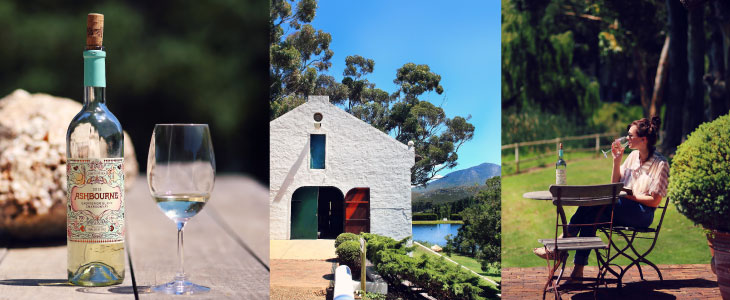
Ashbourne wine estate, Hamilton Russell’s second property, is nothing less than picturesque. There is a quiet serenity to the farm with its single building overlooking a nature lover’s paradise. Sit and have a tasting outside and enjoy the lovely, tranquil view of the lake, trees and lush green lawns. It’s simply a stunning and relaxing venue to pair with such a unique wine.

Off Hemel-en-Aarde Rd, Hermanus, Western Cape, South Africa

Monday – Friday from 09h00 to 17h00

Saturday from 09h00 to 13h00

Closed on Sundays
Ashbourne_730x300

La Vierge

Driving up to the next farm you will greeted by a happy pop of pink as you approach the gorgeous La Vierge wine farm which boasts one of the most breathtaking views in the valley. Situated 300m above sea level, the sight of the brilliant ocean is framed by the verdant, rolling vineyards, setting the scene for a stunning wine experience. Their lush, green vines are thanks to the natural climatic elements of the valley. The vines are planted, grow and ripen grapes each year, without the addition of irrigation or any alterations to the terroir.

The restaurant and tasting room décor is simultaneously rustic and modern. An eclectic space that provides a unique wine tasting experience.

La Vierge’s restaurant has a stunning 360-degree view of the vineyards and makes the perfect venue for any occasion, from weddings to a sunny, weekend lunch on the deck. Open for lunch daily, you can enjoy a wine tasting and some delicious food on any day of the week. Chef Wayne Spencer provides fresh and seasonal dishes with locally sourced ingredients. The food is comforting and the light lunches are perfect after a morning of wine tasting. Think mezze platters to share, delicious lamb burgers or for lovers of seafood; prawns and West Coast mussels. Post-lunch, take part in a fun game of Boule while you sip on some bubbles. La Vierge restaurant makes an ideal spot to celebrate a day in the winelands.

Off Hemel-en-Aarde Rd, Hermanus, Western Cape, South Africa

info@lavierge.co.za

www.lavierge.co.za

Daily 09:00 – 16:00

LaVierge_730x300

Ataraxia

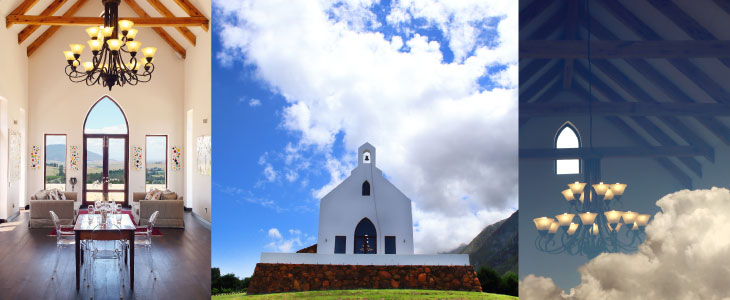
Ataraxia means an untroubled and serene state of mind that is free from worry. This is perfectly captured at the beautiful Ataraxia wine farm. A charming little white chapel sits by itself on top of the hill, amongst green vineyards with the great Babylon Toren Mountain behind it – a peaceful, yet dramatic sight.

Step inside this lone little chapel and you will find a stunning, modern interior.  White walls with pops of colour from the exquisite artwork by Tay Dall embellish Ataraxia’s tasting room – The Wine Lounge. Sit back, relax and take in the stunning views as you sip on Ataraxia’s wines made by the very talented winemaker and member of the Cape Winemakers Guild, Kevin Grant.

Off Hemel-en-Aarde Rd, Hermanus, Western Cape, South Africa

info@ataraxiawines.co.za

www.ataraxiawines.co.za

Monday – Friday 09h00 to 16h00

Saturday and public holidays 10h00 to 17h00.

Closed on Sundays
Ataraxia_730x300

Creation Wines

Hit the rustic, dusty road and find a beautiful creation awaiting your arrival. A contemporary, yet natural and earthy building fits perfectly into its surroundings. This piece of paradise is home to one of the Cape’s trendiest wine farms – Creation. A tribute to Mother Nature – its flourishing vines are the stunning centerpiece to the foothills of the Babylon Toren Mountain.  Not only are the terroir-rich wines delicious, but Creation also has a selection of exciting activities designed specifically for wine lovers. A magical destination celebrating the creation of wine.

Food and wine is a match made in heaven and at Creation you can savour the magnificent wines paired with delectable food platters. The small canapés have powerful flavours in every bite that play wonderfully with the expressive wines.

The activities on this stunning wine farm are endless. Take a tour around the land, or discover Creation’s biodiversity on foot before a magical wine tasting under the ‘Big Tree’. It doesn’t end there – you can also take part in the fine art of wine blending, from Bordeaux to Rhône blends. You will be enriched and challenged to create your very own individual blend.

Off Hemel-en-Aarde Rd, Hermanus, Western Cape, South Africa

info@creationwines.com

www.creationwines.com

Monday – Saturday 10h00 to 17h00

Sundays 10h00 to 16h00

Creation_730x300

Domaine des Dieux

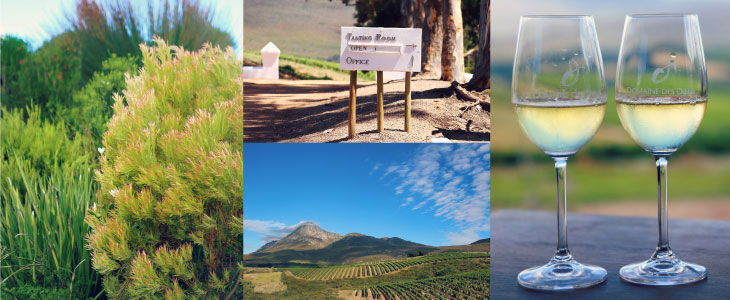
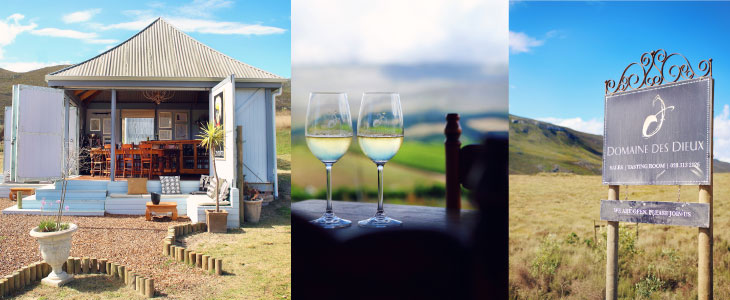
Our last stop but by no means the least,  Domain des Dieux, which means place of the Gods. Nestled at the foothills of the highest peak in the valley is a heavenly wine farm that is beautifully rustic and quaint, complete with a cottage and enclosed pavilion as a tasting room. Don’t let its size fool you, the charming farm boasts some delicious wines, including two refreshing and crisp bubblies – the first Méthode Cap Classiques to be made in this region.

Domaine des Dieux has managed to find an area of cooler temperatures and maritime breezes in this sunny region. In order to maximize the soil potential, they have planted virus-free vineyards with cultivars that have been carefully chosen to match the terroir – creating unique, award winning wines.

Off Hemel-en-Aarde Road, Hermanus, Western Cape, South Africa

info@domainedesdieux.co.za

www.domainedesdieux.com

November to February, Mondays to Sundays 11h00 – 16h30
Domaine_730x300

Wandering Willow Creek Olive Oil Estate

The sun is just peeking over the Nuy Valley as we arrive at the Willow Creek Olive estate in Worcester. It’s an unseasonably clear winter’s morning and the air has a crispness to it that one only finds when out of the city. It is a welcome change, and I enjoy a deep breathe of it upon exiting the car. We are met at the entrance by farm owners Andries and Louise Rabie, and Marketing Manager, AC Goodger. After enjoying a welcome cappuccino at the estate’s Bistro, we head off up into the groves to learn more about the art of oil production.

Wandering Willow Creek Olive Oil Estate
Willow Creek Olive Oil estate is located on the Rabie family farm, which has been in the family for over 225 years. It is set against the magnificent backdrop of the Rabie Mountain and is fed by the Keerom dam. While the farm has been in the family for many years, it has not always been in the business of olive oil; in fact this change only came about in 1999. Due to difficult economic fluctuations, and often unstable markets, the Rabie’s saw fit to diversify and added olive farming to the existing production of wine and table grapes. With fifteen harvests behind them they have determined which cultivars work best with the terroir, climate and conditions of the area. Currently Willow Creek farms approximately ten cultivars which ripen at different stages, have different flavour profiles, and cross pollenate each other. Blending various cultivars adds to the complexity of extra virgin olive oils. Trips to other olive growing areas around the world, and gleaning knowledge from countries that have produced olive oil for centuries, have helped to hone the crafting of this premium product.

South Africa produces olive oil worthy of global critical acclaim. The quality of product produced locally is extremely high and has won awards across international competitions for many years. The South African Olive Industry Association monitors production in SA and they work together with local producers to maintain this standard. One of the reasons the quality is so high, is because the industry is still relatively small. No refining of lampante or poor quality olive oils occurs. In layman’s terms this means that no processing such as de-odorising or bleaching takes place. These processes are often used to remove unwanted flavours (and in the process strips the oil of many of its anti-oxidants and phyto nutrients). Similarly, in the case of pomace processing, the last oil is extracted from the pomace using chemical solvents – which obviously impacts the health benefits of this natural product. SA oils however, remain in the top 20 percentile globally – raw and retaining all the innate goodness.

Wandering Willow Creek Olive Oil Estate
Sadly, however, the local industry is being prohibited from reaching its full potential by the continued influx of lower-grade foreign imports. There is no countervailing tax levied on these imports, and so the local industry struggles to remain competitive price-wise. South African consumers who are doggedly price conscious, may be swayed to purchasing a lower grade, and lesser quality oil labelled extra virgin, but it may not be the real deal, as labelling is also not regulated. The answer would be for South African consumers to commit to buying locally produced oils in favour of cheaper imports. Besides buying better quality oil, which retains all the health properties, by buying local you also support this determined industry, helping it to grow, supporting local communities and allowing for job creation. It’s a definite win-win all round.

Our tour of the olive oil making process took us firstly into the groves where it all begins, and then down to the factory, where we were privy to the production process – sorting, de-stemming, crushing and separation of the oil from the pulp. The liquid then goes through a further process, where the oil is separated from the water, and finally starts to resemble what will become the golden liquid we are so familiar with.

Back down at the tasting centre is where the real fun begins – learning the tricks of olive oil tasting and the age-old method of Strippaggio.

Strippaggio is Italian for sucking the oil over the tongue and at the same time sucking air, this allows for the flavour to spread. Louise demonstrates the organoleptic method, (taste test) for us, and we follow her step by step. She starts by pouring a number of the Willow Creek oils into small glasses, we are then instructed to wrap our fingers and one hand around the glass to warm it up, using the other hand on top of the glass to seal it. We swirl the oil around a few times, remove the hand and then inhale the scent of the oil. Real extra virgin olive oil should have a fruity nose, and the Willow Creek oils certainly do. We then take a sip (practising our Strippaggio) sucking in air, spreading the flavour and then swallowing. It is similar to wine tasting in that you learn to differentiate the flavour profiles across the range of oils and to pick up the subtleties in each one.

We then move on to tasting the range of flavoured oils, which include: Blood Orange, Basil, Lemon, Persian Lime, Truffle, Parmesan, Garlic, Jalapeño and Coriander. For this we do a bread tasting – mopping up the delicious flavours that are delicate, and yet surprisingly impactful. I am already thinking of a number of recipes I can conjure up using these oils. A simple summer salad could be elevated to a whole new level with the citrusy zing of lemon and blood orange oils, and I can see crispy potato wedges in my future, grilled to perfection and then drizzled with truffle flavoured olive oil.

Wandering Willow Creek Olive Oil Estate
Being an absolute table olive aficionado, I am excited to move on to tasting the range of bottled olives which the estate produces – we sample tapenades, and a variety of flavoured and infused olives, each with its own unique taste. Each tasting is peppered with anecdotes from Louise about how each one has come about and what makes it unique. At some point I know I am going to be peeled away from my position at the tasting table, so while I am there I soak up each bit of olive information she imparts, while continuing to savour the individual flavours.

Eventually it comes time for us to leave, laden of course with armloads of olive oils and tapenades to be enjoyed later with a good glass of wine and some artisanal cheeses. We bid the Willow Creek team farewell and leave not only armed with the exploits of our gift shop run, but also a genuine knowledge and appreciation for the South African olive oil industry, and this precious oil, whose merits and health benefits go beyond just the culinary. This is perhaps best demonstrated by a small, medicinal bottle Louise showed us as we are leaving. It is clearly many, many years old and was found in one of the sheds on the farm when it was cleared to make way for the change to olive production. The vintage medicine bottle is complete with an aging cork stopper and elaborate cursive script across the front label proclaiming it to be olive oil. Who knows, perhaps it was used to ease a skin irritation or to help heal a wound – whatever it’s use back then, its value was recognised. It is almost as if the forefathers knew the destiny of the Rabie farm and gave their early seal of approval. It is an assurance that the move to olive farming was the right one for this estate, and we certainly concur.

Wandering Willow Creek Olive Oil Estate

Ceramic Factory

Ceramic Factory opened in December last year with a team of five people and quickly grew to a thriving business that stocks over hundred stores nationally. If you want to experience Ceramic Factory in all its glory, you need to head to its showroom on 4th Avenue Linden.

With a new collection of designs being launched every few months, there are many eclectic products to choose from. While some items are purely for aesthetic appeal, others put the ‘fun in functional’, as their slogan suggests, to create useful, fabulous items for your kitchen and dining room.

The Citizen Collection launched a few months ago is a celebration of humanity and our need for creative expression. ‘The Fro Family’ designs within the collection include funky poodle figurines with afros, as well as a young couple with wild hairdos, depicted on a wine bottle holder, an ice bucket and coffee mugs.

The Village of Rhino designs celebrate the rhino in a light-hearted, hopeful way. You can buy Village of the Rhino plant holders, vases, napkin rings and butter dishes, to name just a few of the items available in this range.

Created by hand, using moulds designed by the Ceramic Factory team, the pieces within this collection are made from terracotta and given a white glaze which accentuates the different shapes and creations; making each piece unique.

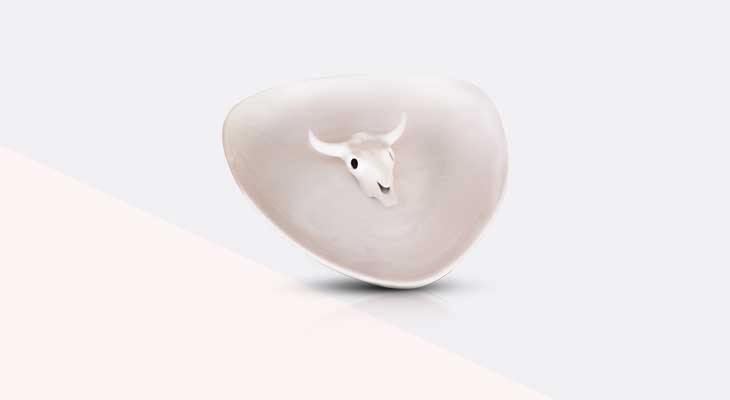
Personal favourites of mine and pieces that have become iconic of the Ceramic Factory style are the ceramic skulls that are available in lemon yellow, deep charcoal grey and white. The range of skulls is also seen on plates and platters.

New, must-have items include the binocular salt and pepper set, the cute and playful stegosaurus dinosaur platters and the robot figurines.

A truly South African product from design to production, the Ceramic Factory is stocked with great gift ideas – and when you’re visiting the showroom, pop in for coffee at The Whippet, which is just next door.


image_textbox

Ekstedt

Images by PA Jorgensen


Image_1


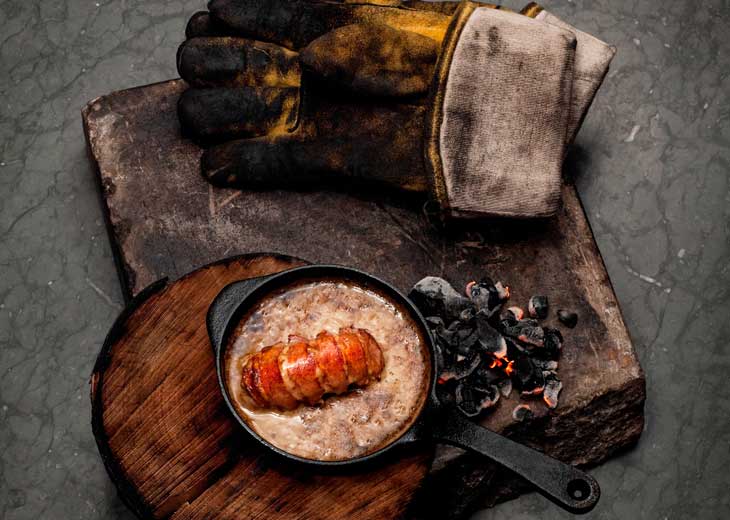
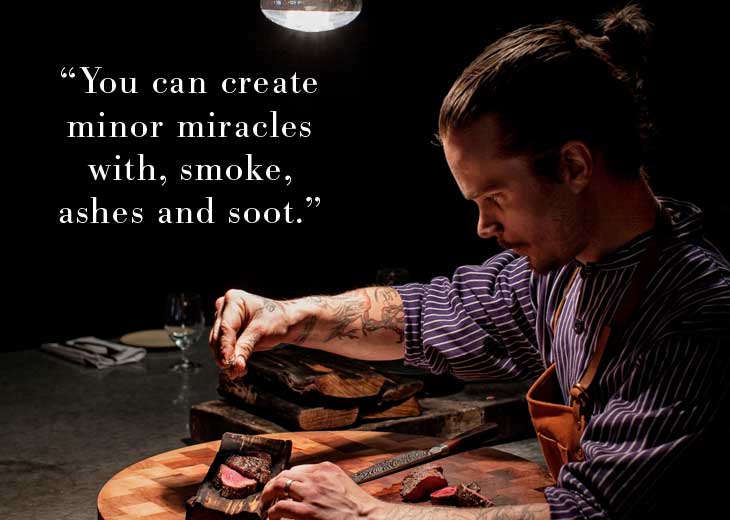
Swedish chefs Niklas Ekstedt and Gustav Otterberg show astonishing creativity as they produce elegant, yet rustic, food using long-lost cooking techniques and burning wood as their only source of heat in their extraordinary Michelin starred restaurant, EKSTEDT. Their food is precisely the opposite of molecular, modernist or futuristic gastronomy. Situated in the heart of Stockholm, the interior is Scandinavian design at its best and takes inspiration from Niklas Ekstedt’s roots in both Jämtland in northern Sweden and Skåne in the south. In the restaurant’s warm and inviting atmosphere, guests can watch the chefs at work at the magnificent fire pit where every order is prepared à la minute. Dinner at EKSTEDT is more than a meal, it’s a life experience. And it’s sizzling hot. “You can create minor miracles with fire, smoke, ashes and soot” says Niklas.


Image_2


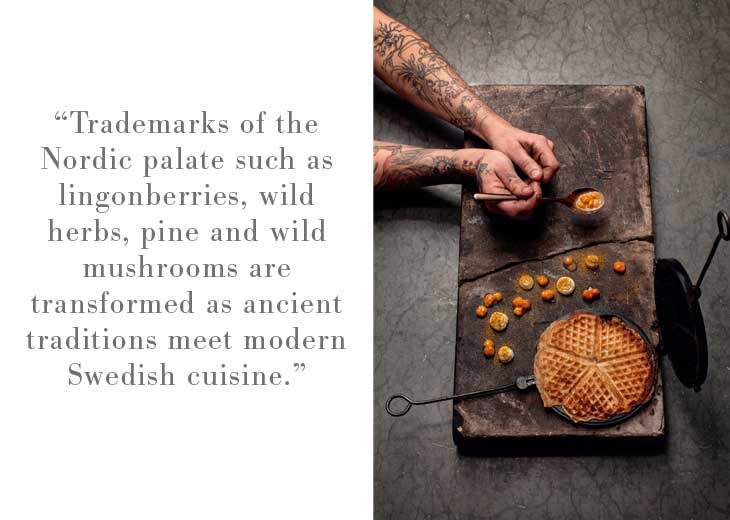
A set menu consisting of three or five courses, includes seasonal offerings of the region’s finest meat, seafood, fish, game and vegetables. Trademarks of the Nordic palate such as lingonberries, wild herbs, pine and wild mushrooms are transformed as ancient traditions meet modern Swedish cuisine. The wine list is just as ambitious – unique and as natural as possible to match the natural flavours of the food.

Since opening in November 2011, EKSTEDT has received numerous awards for its way of presenting and preparing food –  it’s not an easy task to manage the right amount of wood to maintain the perfect heat for each exquisite ingredient. Everything on the menu, from Chimney-smoked lobster tail, Reindeer baked on glowing wood to Cloudberries served with sourdough waffles, is cooked over the restaurant’s magnificent fire pit, in the wood-fired oven or on top of the wood burning stove. There are no electric or gas burning stoves. The chefs also only use Scandinavian wood in order to give the food a truly unique character – one you can’t get anywhere else in the world. Earlier this year, EKSTEDT was also named second in a ‘Ten Hottest Restaurants in the World’ list compiled by the prestigious restaurant guide, Zagat. “Chef Niklas Ekstedt’s CV is full of gigs as buzzy as his latest eatery, including stints at El Bulli, The Fat Duck and the now-shuttered Charlie Trotter’s. But for the toque’s second and newest Stockholm eatery, he’s going back to basics – cooking all of its fare over a Scandinavian open flame. The result? You can barely get into the place, natch.” Zagat, January 2013. I’ve just added EKSTEDT to my bucket list.


Image_3


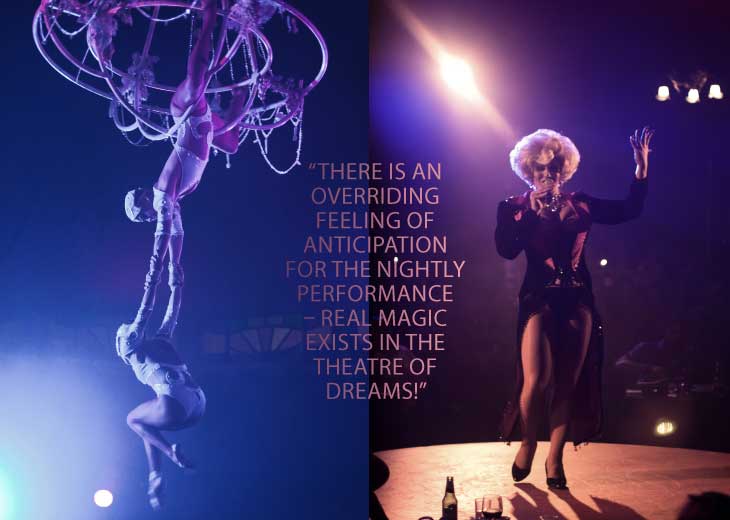
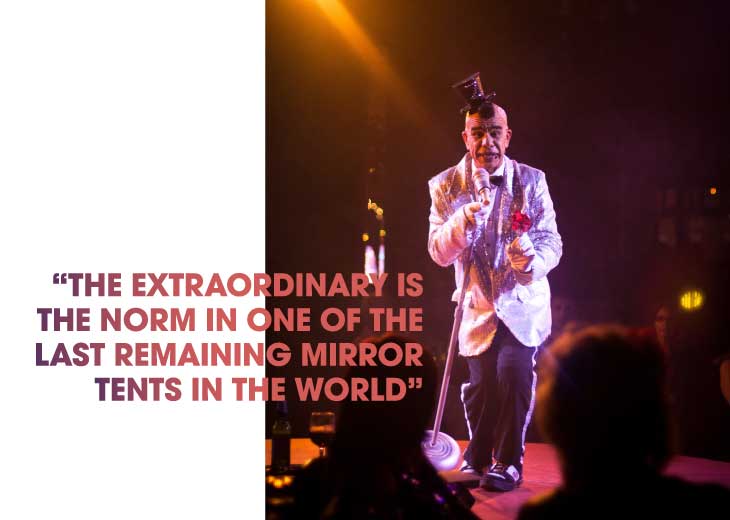
Madame Zingara the Theatre of Dreams

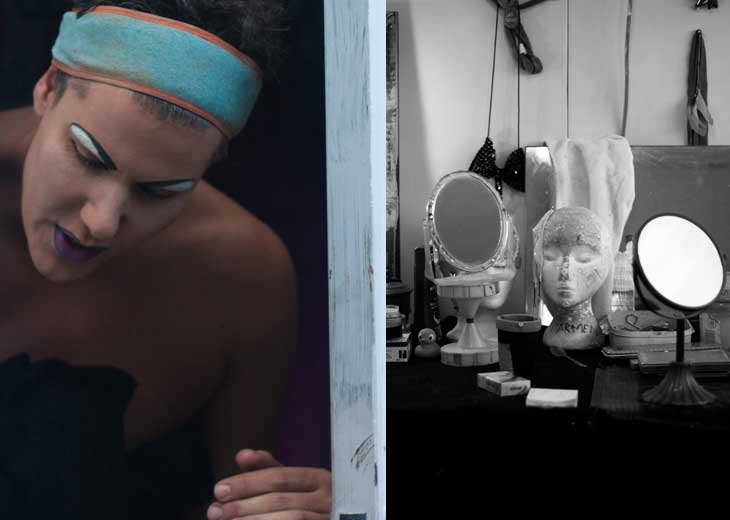
Dreams have no constraints and there are none at Madame Zingara, The Theatre of Dreams. This is a place where grey-haired businessmen dressed in expensive suits embrace the flamboyant for an evening. It is truly a giant leap out of most peoples’ worlds and to be invited to see what goes on behind the scenes is like jumping onto a magical, flying train where there are no stops – just creative souls free to explore and express their magic.

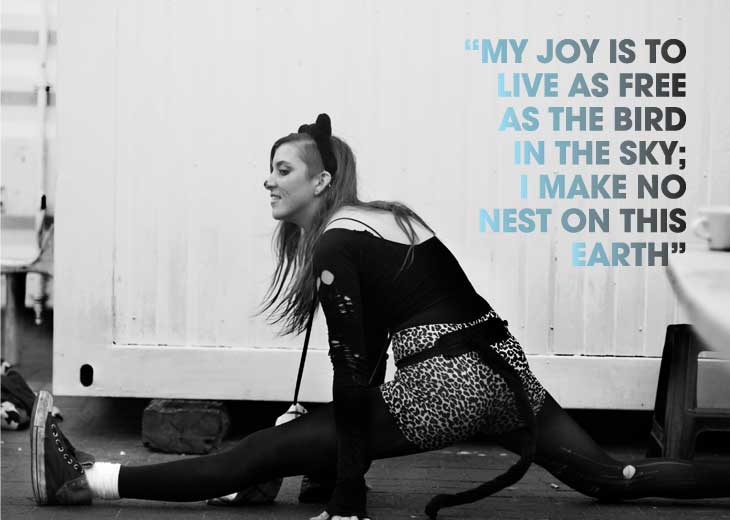
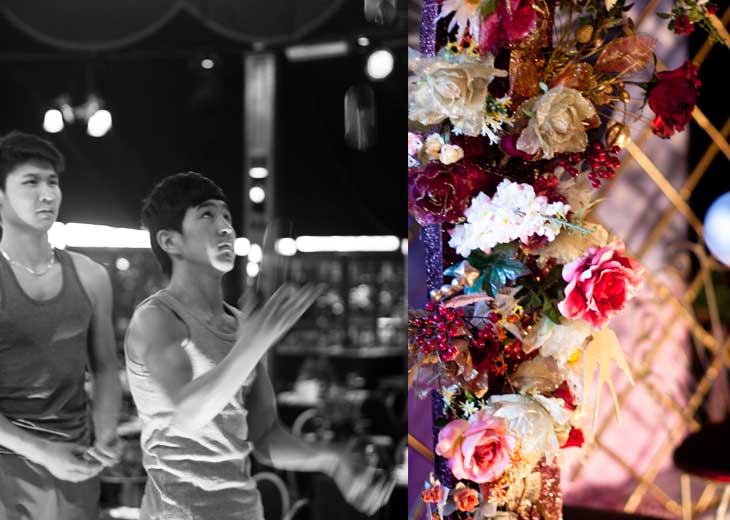
The afternoon warm up is a combination of nervous energy, one dramatic diva, a couple of Russian strong men, some Asian jugglers and two South American Gauchos readying themselves for their Bolas act.


MadameZingara_1


Jose Hernandez wrote in his 1872 epic poem, The Gaucho Martin Fierro…
“My joy is to live as free

as the bird in the sky;

I make no nest on this earth,”

These performers seem to live life just as free, travelling around the globe displaying their skills.

Every act goes through their pre-show warm up including the waitering staff as they set up their tables. Everyone is a performer in the Theatre of Dreams ­–­ whether you are in the kitchen, the admin office, the first aid table or one of the performers on stage, reflecting a million silver stars.

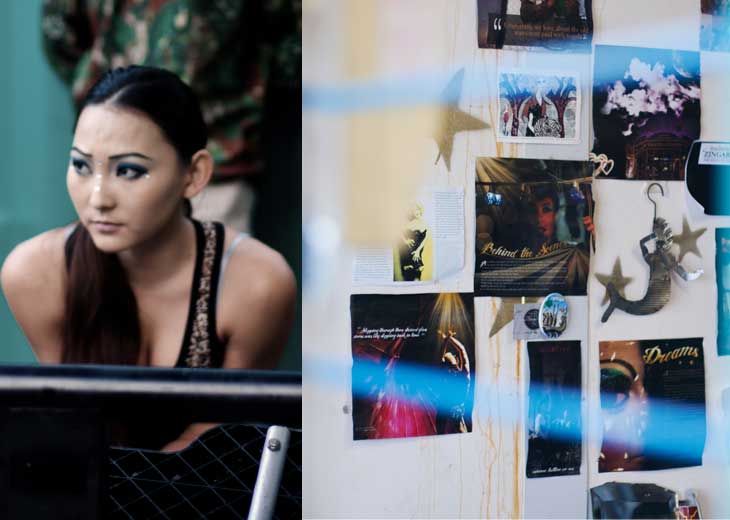
Backstage, old shipping containers have been converted into dressing rooms – painted an intoxicating turquoise blue and stacked precariously on top of one another. There is a surprisingly real atmosphere in the change rooms where there are no exotic mineral waters or swish rooms for the stars. All of the members of the Madame Zingara Company enjoy a staff meal together before the show. A family, in a sense, of like-minded performers – each one totally absorbed and focused on the perfection of their particular craft.

The only place you will find straight lines is in the kitchen at Madame Zingara. Here things are run with military precision because of the number of diners – dishes are plated at speed and delivered by a queue of speedy waiters, some with furry tails flying and others clad just in Robin Hood-style waistcoats.

The extraordinary is the norm in one of the last remaining Mirror Tents in the world; Victoria is a magnificent twenty five-meter velvet, big top that has toured the world for the last eighty years. The remaining thought from behind the curtains is to wonder at how many people, how much work and how much organization it takes to bring this fabulous theatrical and gastronomic experience together night after night.There is an overriding feeling of anticipation for the nightly performance – real magic exists in the Theatre of Dreams!

If you get a chance, go! This is a unique experience where everyone involved is living his or her dream. It is intoxicating and completely inspiring!


MadameZingara_2


MadameZingara_4


MadameZingara_3


MadameZingara_5


MadameZingara_6


MadameZingara_8


MadameZingara_7

Stark-Condé & The Postcard Cafe

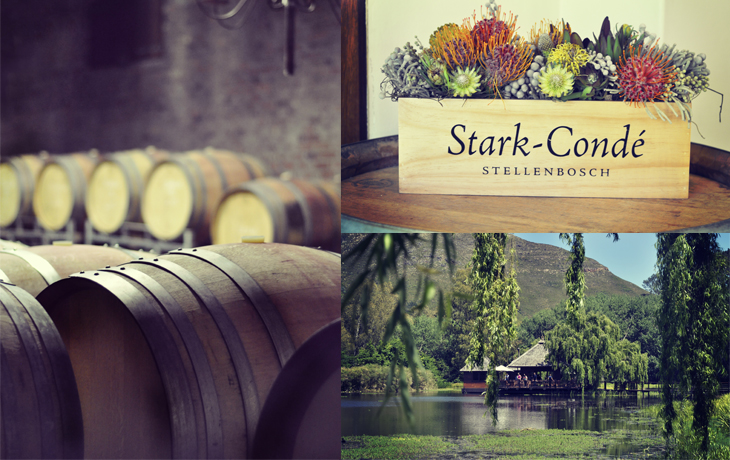
Nestled in the charming Jonkershoek Valley lies the boutique winery, Stark-Condé – a mere three kilometers outside of Stellenbosch. Stark-Condé is intensively family-run. German father Hans Schröder, Japanese-German daughter Marie, and Cuban-American husband, José Conde co-own the winery with their two daughters working in the café at weekends to help. The beautiful setting inspired the name – the Postcard Cafe. What was intended to attract more feet to the tasting room; a little café linked to the winery, has now become the winery linked to the Postcard Cafe run by the talented Marie Conde instead.

Starke-Condé is ideally located for the production of Cabernet Sauvignon and other Bordeaux varietals, thus it was only a matter of time before award-winning Cabs would emerge from the cellar. Winemaker and co-owner, José Conde handcrafted his first-ever Cabernet Sauvignon vintage in 1998 in what was a storeroom of the winery at the time. The four barrels aged gracefully and received five stars by John Platter – evidently José had been destined to be a winemaker and not a graphic designer. Adding to the talent, the farm’s higher elevations and finely textured soils (perfect for Cabernet Sauvignon), made it a painless career change.

Steep alterations in vineyard elevation make for a range of sites with distinct characteristics. Combined with the tremendous winter rainfall in Jonkershoek, (three times more rain than Stellenbosch) these qualities ensure a more than suitable terrain for growing Cabernet Sauvignon, Syrah, Merlot, Petit Verdot, Cabernet Franc, Malbec, Petit Syrah and Pinotage.

extra stark1

With so much room to play, winemaker José Conde is able to craft only the finest wines – each made with great consideration and patience. Stark-Condé has three different brands. The Three Pines range is a single-vineyard, flagship estate selection while the Stellenbosch wines are blends from different vineyard blocks on the estate. The Pepin Condé wines are non-estate premium wines from vineyards outside of the farm.

José firmly believes in traditional winemaking – handpicking, careful hand selection of the grapes, manual punch-downs, open-tank fermentation, basket pressing, and patient maturation for 22 months in French oak barrels. Because of this approach, unlike commercial wineries, only 6000 cases of wine are produced annually.

Apart from the beautiful setting and award-winning wines, a visit to their tasting room is well worth taking a drive out to the farm. The unique tasting room, housed in a small and intimate Balinese wooden structure – built on its own little island – is the perfect spot for visitors to enjoy the spectacular view of the surrounding mountains, natural vegetation and vineyards. Tastings are personal and intimate, with attention paid to the finer details of each wine.

Tasting room:

Open 10:00–16:00 Monday to Sunday

www.stark-conde.co.za

tastingroom@stark-conde.co.za

Follow on Twitter @StarkCondeWine

021 861 7701


The Postcard Cafe

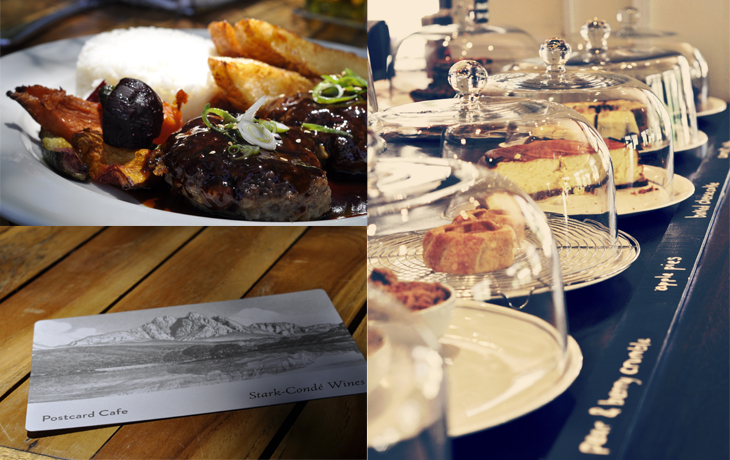
The Postcard Cafe’s menu at Stark-Condé Wines is comprised of simple and unpretentious dishes for every palate. The beautiful setting under the trees is sure to encourage any visitor to kickback and enjoy a bottle of the wine from the farm together with some delightful sourdough bread from De Oude Bank Bakkerij. Vibrant plates with the freshest ingredients emerge from the café’s kitchen. Antipasti plates of marinated mushrooms, mozzarella with roasted peppers, assorted cheeses, homemade pork terrine, salami, toasted nuts and greens are always a winner and can be shared between either 2 or 4 people. The pan-fried fish of the day with homemade tartar sauce and couscous salad comes highly recommended – especially if yellowtail is available. For the meat-lover, there is a not-so-traditional Teriyaki beef burger served with a sweet soy-ginger sauce and rice, which will certainly hit the spot, without the extra carbs. They also make their own fresh juices and sodas – expect drinks such as refreshing raspberry lemonade to quench your thirst.

Well-known for their delicious desserts, the Postcard Cafe offers an array of freshly made cakes and bakes. Each dessert is perfected to Marie’s liking. The red velvet cake recipe has been tried and tested to perfection – Marie sampled cakes from numerous restaurants and cafés to find the perfect balance of sweet and spongy, velvety amazingness.

The café offers breakfast, lunch and tea. Visitors are encouraged to make a reservation to avoid disappointment.

Open: 09:30-16:00 Tuesday to Sunday

www.postcardcafe.co.za

postcardcafe@stark-conde.co.za

021 861 7703

extra postcard

The Woodstock Exchange


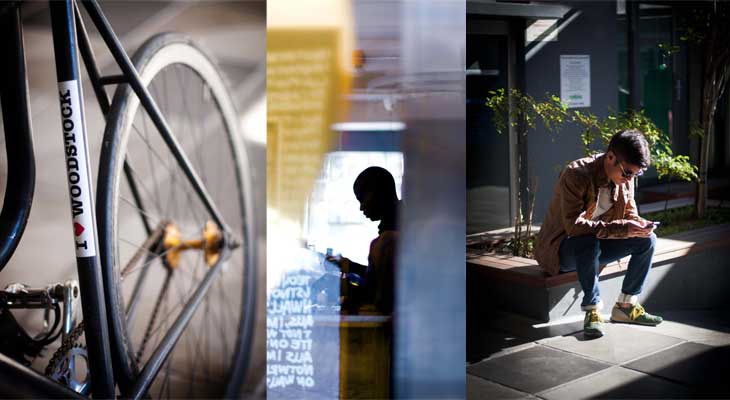
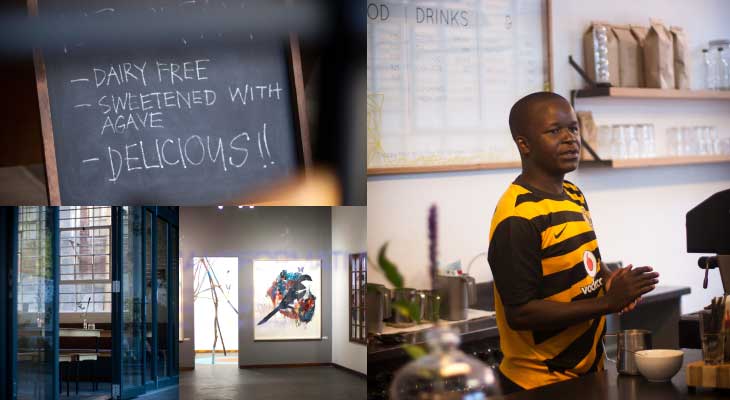
An Exchange for creativity, for life, for real coffee and simple pleasures like Eggs Benedict.  This recently completed development in the heart of Woodstock is a creative hub of people who arrive on single-speed bicycles, Italian scooters or extra long skateboards. A beautiful, industrial space inhabited by creative-minded people – perfect for a studio or just a short visit to top up the creative juices.

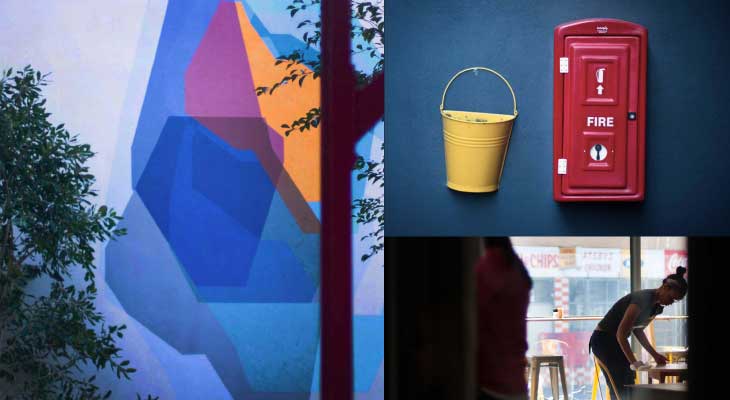
A space so hot there is a definite need for the odd fire hydrant. Restaurants like Superette and the Field Office are surrounded by murals and urban gardens https://indegenerique.be. It’s a lovely place to start your Saturday morning or to meet for an inspiring midweek meeting.


image_textbox1

A recycled-bicycle mobile hangs suspended in the high volume space at the entrance. Have a shot of wheat grass from Starling & Hero Bicycle Café or find a patch of sun to take in the day. The Woodstock Exchange is a gallery of interesting little shops, eateries and the creative people who inhabit them.

Grab a coffee from Field Office or a uniquely, brewed cup of tea from Lady Bonin’s and browse galleries full of the latest, local art and design. There is also a fishmonger, interior décor shops and a skate shop that may have you leaving on a long board rather than in your car. This space reflects an urban-arty, organic lifestyle.

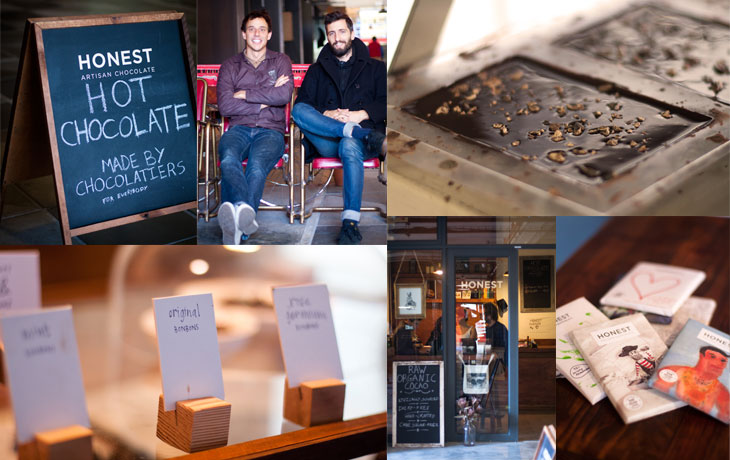
Culture is everywhere and you will find Honest Chocolate changing the culture of chocolate eating too, with their raw and natural ingredients. The chocolate is bitter, but oh, so good. The Woodstock Exchange promises to get better and better as the last few remaining units are filled. If you want the coolest office address in the city look up to the second and third floors of the WEX.

66 Albert Road,

Woodstock,
7925,
Cape Town

Stay up to date with the latest happenings at the WEX:

http://www.woodstockexchange.co.za


image_textbox3


image_textbox2


Woodstock-Exchange_1


Woodstock-Exchange_3


Woodstock-Exchange_2


Woodstock-Exchange_5

Honest Chocolate

Honest chocolate? Is there such a thing? Before meeting Anthony Gird and Michael de Klerk, owners of Honest Chocolate, you may have had quite a sinister, dark and definitely waist-enhancing, view of chocolate. It was something that was eaten in moderation or behind closed doors, alone, when you had just broken up with the love of your life or when you wanted something that would physically destroy you, but taste rather good at the same time.

Draw back the curtains – let in the sunlight and open your eyes to the natural beauty that surrounds you! Let Honest Chocolate into your life.

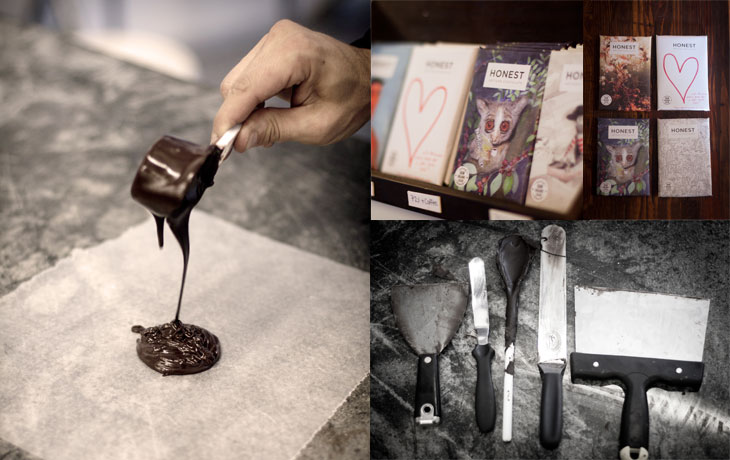
It all started in a modest room off Anthony’s home, from a desire to eat consciously and healthily, and was at first, shared only with friends. Honest Chocolate was then sold at the Biscuit Mill in Woodstock, Cape Town and from there the popularity of this bitter tasting and healthy chocolate flourished. There were challenging times – like when they could only temper the chocolate in the cool hours of the morning, between 3 and 6am, because of the lack of an air-conditioned kitchen. They now have two shops in Cape Town and struggle to keep up with the demand for their hand crafted and hand-packaged product.

Their chocolate is made from raw cacao beans ethically sourced from Ecuador and arriving at Honest Chocolate in as a dry paste. The cacao beans are stone ground which helps to preserve the flavour and the character of the bean. Raw cacao is extremely high in antioxidants. Honest Chocolate only use agave nectar to sweeten the chocolate – no cane sugar is added and it is therefore low GI. Michael told Crush that he has been conducting a personal test monitoring his weight while eating an above average amount of Honest Chocolate each month for the last two years. He reports no weight gain and in fact he can still fit into a pair of skinny jeans!

extra

They have also begun to experiment with a bean from Tanzania as they would like to make a chocolate sourced from African beans.

Honest Chocolate slabs come in wrappers decorated with local artists’ interpretations of the particular flavours of chocolate they encase. Look out for the pirate crossing the Kalahari Desert, illustrated by Toby Newsome, on their Kalahari salted chocolate. And don’t miss the Bushbaby (or nagapie) by Marsi lurking on the bar of 72% with coffee.

A mouth-wateringly delicious chocolate that is hand crafted by four passionate artisans, with added health benefits – this is similar to finding out that fried bacon will help with cholesterol! Go out and consume skyscrapers of Honest Chocolate!

Look out for them at various outlets around the country or pop in and visit them at their two shops in Cape Town.

Wale Street Shop

66 Wale Street, Cape Town, South Africa
Telephone: 021 423 8762
Opening Hours: Mon-Fri (9am-5pm), Sat (10am-2pm)

Woodstock Shop

The Woodstock Exchange, 66 Albert Road, Cape Town, South Africa
Telephone: 021 447 1438
Opening Hours: Mon-Fri (9am-5pm), Sat (10am-2pm)

extra-main

The Mysterious life of the Mushroom Hunter


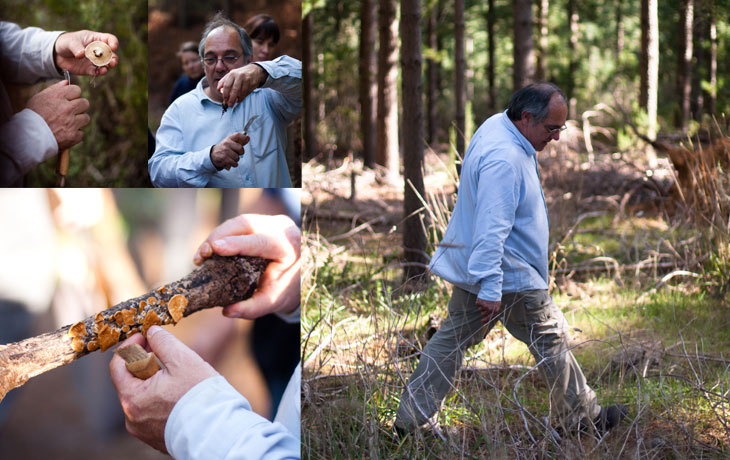
Along with urban gardens and traditional methods of cooking, the lost art of seasonal foraging is coming to the fore in the food world. People are exploring and rediscovering the old ways of doing things, in natural defiance of a world dominated by speed and mass-produced ingredients. Enter the ‘Mushroom Hunter’, Gary Goldman, and his gnome-like wisdom of finding, identifying and propagating mushrooms.

Some call it the dark art because of the lethal nature of some ‘shrooms, but as we set off on our maiden forage at Delheim Wine Estate in Stellenbosch our nervous trepidation was overtaken by the beauty of the environment and the thought of the treasures about to be unearthed.

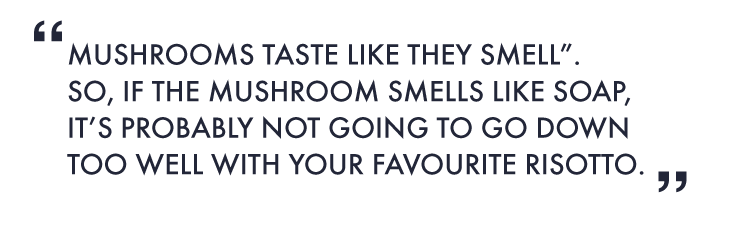
Of course it helps – and is strongly advised – to go with someone with Gary’s experience. He very quickly pointed out the more common, bitter-flavoured, copper-top mushrooms that seemed to be in much abundance amongst the pines and were not worth a second glance. “In the Western Cape, all mushrooms with a spongy underbelly rather than fins are edible,” was a helpful bit of advice from Gary.  Don’t mistake that last statement for them being tasty – as Gary also said, “mushrooms taste like they smell”. So, if the mushroom smells like soap, it’s probably not going to go down too well with your favourite risotto.

pullq

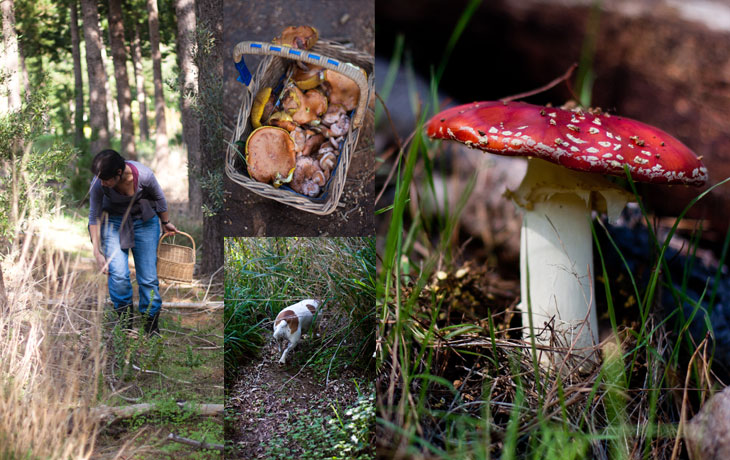
We headed deeper and deeper into the private pine forest on the Delheim Estate in search of turkey tails and shiitake. The first edible ‘shrooms we found were pine rings.  The top of the cap of this mushroom has concentric orange rings that replicate the rings of a tree trunk. You can squeeze out orange-red milk if you cut this mushroom when it’s fresh. You will also notice that it has a hollow stem. At this stage, if that Bear Grylls feeling of lone survivor foraging for rations fills your being, that’s perfectly acceptable!

extra-main

We cooked our collection of pine rings that evening in the comfort of our own kitchen and not out in the mountains, having been advised by the chef at Delheim to eat them by themselves or on toast, simply fried in some butter or olive oil. The flavour was delicate but delicious. Their delicate flavour would be overwhelmed by adding them in to another dish such as risotto. Mushrooms are best eaten fresh ­– preferably on the day you picked them.

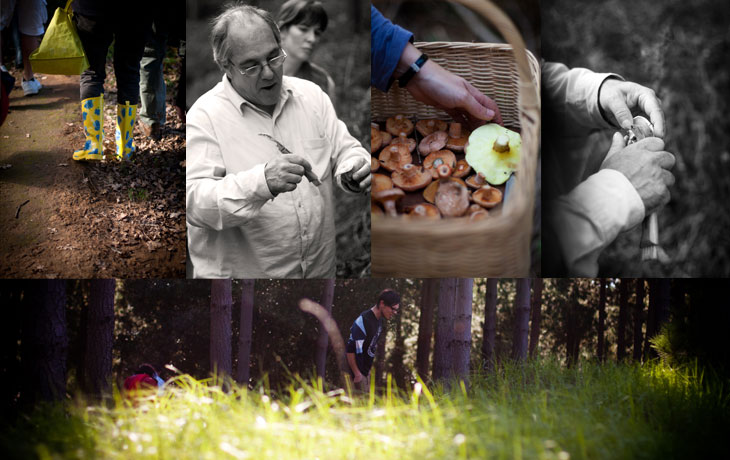
A mushroom hunter must be well equipped to survive the hunt. A folding knife is apparently indispensible, along with a well-ventilated basket and a good pair of shoes strong enough to take on the mountains. Mushrooms are found off the beaten track and several days after a good rain, you will find them buried amongst the pine needles or stuck on the side of an old tree trunk. The magic of a mushroom hunt is the journey and the exploration of the hidden world of the fungi. Any mushroom hunter worth his (or her) weight in porcini, has their own secret spot where they hunts repeatedly, alone and never revealing its location to anyone else.

Once you have spotted a mushroom, the best way to pick it is by giving it a gentle twist. Be sure to cover the spot with soil once you have very gently placed your prize in your basket.

extra-2

Don’t be tempted as you excitedly find the red and white spotted mushrooms that look like the comfy stools of the common garden gnome. Amanita Muscaria is not lethal, but will cause severe discomfort to adults along with nausea, confusion and delirium, if eaten.

After our forage, we were treated to a number of delicious mushroom dishes – sublime mushroom soup, mushroom paté, risotto and mushroom salad at the restaurant at Delheim. The hunt may be you against the mushrooms, but once back at the table, the experience must be shared over a good glass of wine with fellow foragers.

pullq2

There’s an old, mushroom hunting quote that the Mushroom Hunter shared with us; “There are old mushroom hunters and there are bold mushroom hunters. There are no bold, old mushroom hunters”. Always double check, and check again, that you are absolutely certain that the mushrooms you have collected are edible and not poisonous.

Start in your local forest or join a guided tour such as the one we went on at Delheim. The cost of the Delheim tour and mushroom-inspired lunch is R250 per person. Look out for the next hosted event.

Any questions for Gary aka ‘The Mushroom Hunter’ visit his website at http://www.mushroomguru.co.za.

To find out about future mushroom hunts at Delheim please mail info@delheim.com

extra3

Oranjezicht City Farm


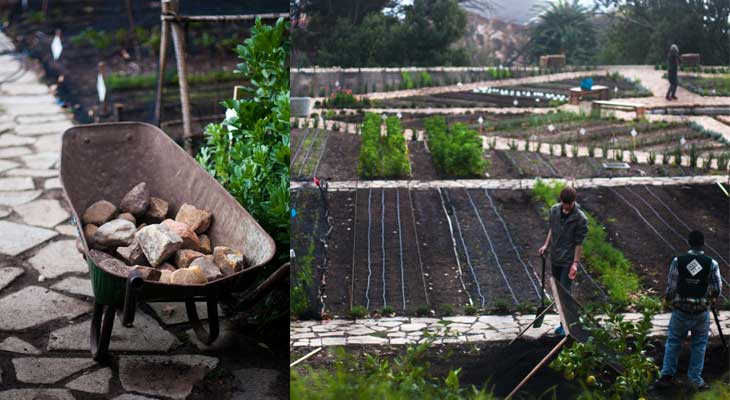
How to take one derelict, drug-dealing, bad-ass bowling green, restore it and turn it in to something that gives back to so many in so many different ways – the astounding power of an active community with a vision for a sustainable vision future.

Not always a flat, bowling green, this land was once Oranjezicht farmstead – the lifeline of the newly established Cape colony in 1652. The farmstead flourished under Pieter van Breda and later, his son, and became the biggest farm in the area.

Three hundred years later, due to a series of losses of access to water by the municipality and to suburban area taxes, Oranjezicht was eventually left with one, forgotten, bowling green.

By introducing some innovative thinking and through neighbourhood activation, the farmstead has become alive once again with activity and fresh produce. This time, it’s very much a community farm relying on donations of time, expertise and money from a multitude of keen volunteers.

Even an urban farm needs someone to permanently tend to its needs, so there are a handful of permanent workers guided by the expertise of farmer, Mario. More volunteers are welcome even if they just want to get their hands dirty for half an hour.


image_textbox1


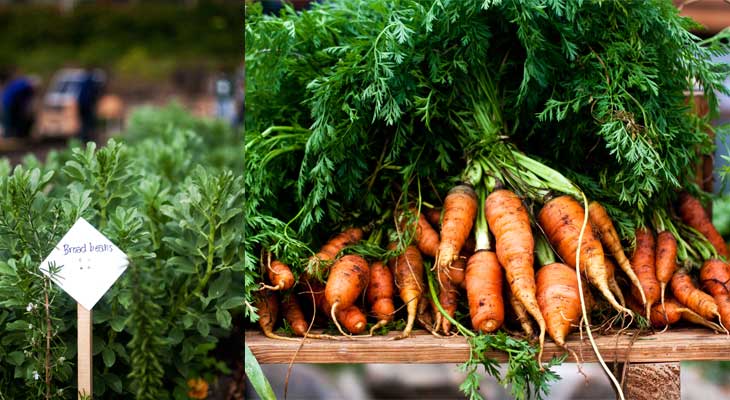
The urban farm is all about sustainable and reusable resources. Part of the neighbourhood’s fresh, kitchen waste will be eaten by an earthworm farm and then, in return, will help to feed the soil in which the vegetables and fruit will grow. Eventually being bought and eaten by many of the neighbours that supplied the waste. A sustainable circle that will provide people with nourishing, organic veg.

The soil has been badly depleted by years of neglect under the derelict bowling green so the earthworm farm will help to enrich the soil naturally and to get the nutrients to the right level to allow extra delicious, organic veggies to thrive.

Once OZCF reaches full capacity with their worm farm, the worms will be able to churn through 100 kg of kitchen waste a day!

There are foreign ‘friends’ who make the prospects of idyllic, natural farming quite a challenge. Squirrels, a pair of Egyptian Geese and lingering weeds, give the members of the farm’s headaches trying to come up with natural ways to keep them at bay. An owl house has been erected in one of the line of old oaks in the hope that it will become a natural deterrent, along with lines of indigenous shrubs which are not as tasty as a crisp lettuce leaf to the predators in the garden.


image_textbox2


The farm is right next to the ‘field of springs’ – Cape Town’s secret, underground fountain of natural abundance. Before South Africa hosted the Soccer World Cup in 2010, 500 million litres of water per day ran down from Table Mountain, under the city and straight into the ocean – whether it was raining or the sun was shining. Thankfully, a large portion of that water has been channelled to another reclaimed, indigenous haven in the city – Green Point Park. OZCF is hoping to tap into some of the water which nourished the farmstead two hundred years ago.

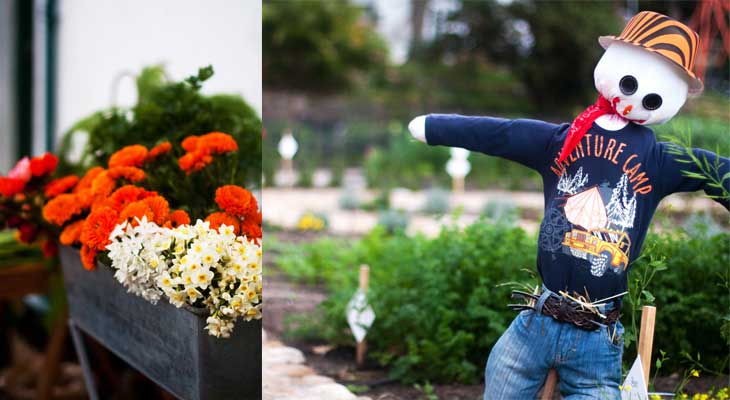
More than a farm, it is place for people to come and participate in, for kids to learn, for the tired to take a snooze on one of the memorial benches (donated and designed by Liam Mooney) or for the energetic to turn some manure. The garden has been laid out with its heritage in mind. The stone pathways match those that remain from the farmstead, passing by the bell which used to toll telling the ships that the fresh produce was ready for sale.

The old barn from the original farmstead has been turned into a thriving market on Saturday mornings. People can come and buy delicious fresh produce and other goodies. There are activities for kids too, along with fascinating, guided tours of the farm – giving lessons from our past and showing a sustainable path for the future.

This conversion of a used bowling green seems to be working for this neighbourhood. These innovative ideas need to be transferred to other areas where the needs could be different but the expertise from this farm could help. Amazing what life a garden can bring to an area, its people and the natural creatures that inhabit.

Modern life can’t be lived in a straight line rather than a circle, where as much as possible, our daily by products are transformed, reused and come back to life by being the food that feeds the next generation.


image_textbox3


The House of Machines

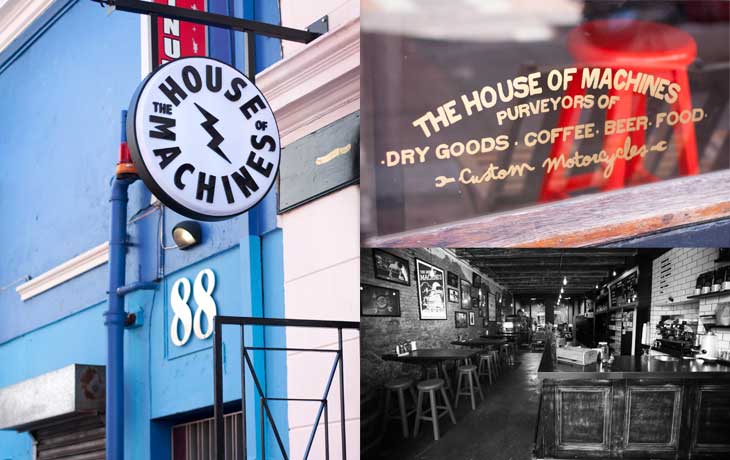
In what was once an historic workhouse, tucked away in Shortmarket Street, you will find Cape Town’s newest gem – The House of Machines. Men all over Cape Town are excitedly stroking their perfectly groomed beards and moustaches at the mere thought.

‘Coffee, Bikes, Apparel, Bar’ – a slogan that is steaming with testosterone… but fear not ladies, this is not your ordinary biker bar. The interior is stylishly put together to look like a dive bar, albeit with a modern edge. Throw this together with excellent coffee, an amazing menu and the men’s apparel for sale (that will make both man and his girlfriend happy) and you have a winner.

“The House of Machines vision was to create an environment to honour both manand machine.” Three very smart men have come up with this one of a kind project. Vida é Caffeand Brewers & Union co-Founder Brad Armitage, fashion designer Paul van derSpuy and custom bike builder, Drew Madacsi, have put their passions together to create something that reflects their lifestyles and something that they themselves have been looking for. With the simple philosophy: “we’ve combined things we really dig and think others would like too”.


extra-main1


The Coffee

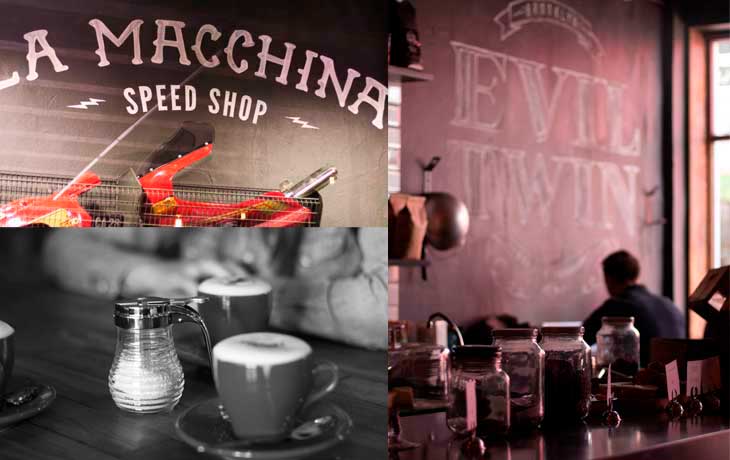
Their devilishly good coffee is the exclusive espresso brand, Evil Twin. The 100% organicArabica bean is grown in the rich fertile soils of Honduras, sourced from a singleestate, where the coffee is shade-grown, free from any of the pesticides. Did we mention how good it is?

The café also offers a range of super healthy, locally-sourced meals. Pop in for a cashew granola for breakfast. Lunch hour? Try their delicious avo on toast or our personal favourite – the roasted aubergine on rye, both for R45.

The Bikes

La Macchina Speed Shop is the core of the space. A glass-enclosed bike workshop which offers custom-made racers, street trackers and bobbers. “A US based, custom motorbike shop that will build everything and anything”.


extra-coffee1


The Apparel

The trendy men’s apparel and accessories label,THoM Workwear, is an interpretation of‘modern-traditional’ which alsostocks wallets, jewellery, gifts and shaving goods. Sourcing the finest essentials they could get their hands on, it’s simply a man’s heaven.

The Bar

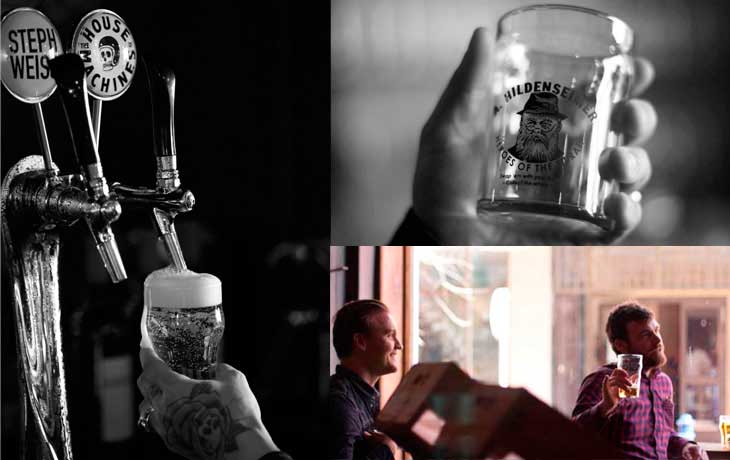
On Thursday and Friday nights, The House of Machines, transforms into the Prohibition Bar where you can truly let off some steam.Offering a hand-selected range of small batch spirits and craft beers, sourcedfrom the US, there is no better way to end off your week.

“A setting where man, woman and machine could live and co-exist.”The House of Machines is a best-kept secret that’s worth sharing. This multifaceted shop is bringing something new to the table and we’re certainly not complaining.


HOM-extra-bar1


Ethereal Elgin

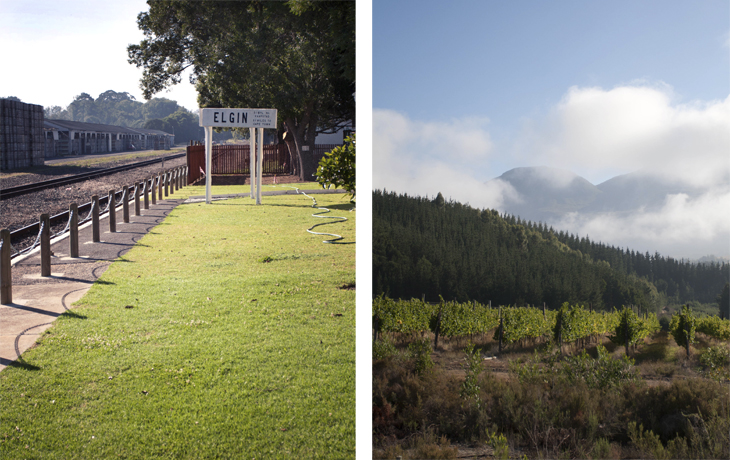
A mere 45 minutes from Cape Town is the gorgeous, flourishing countryside that is the Elgin Valley. Known for its abundance of fresh produce, in particular apples and pears, this valley is also host to some of South Africa’s top cool climate wines. The peaceful valley is a serene stop for those looking to get out of the bustle of town life, so grab those sunnies and take a trip to the winelands with our guide to the elegant Elgin valley.

extra image

Highlands Road

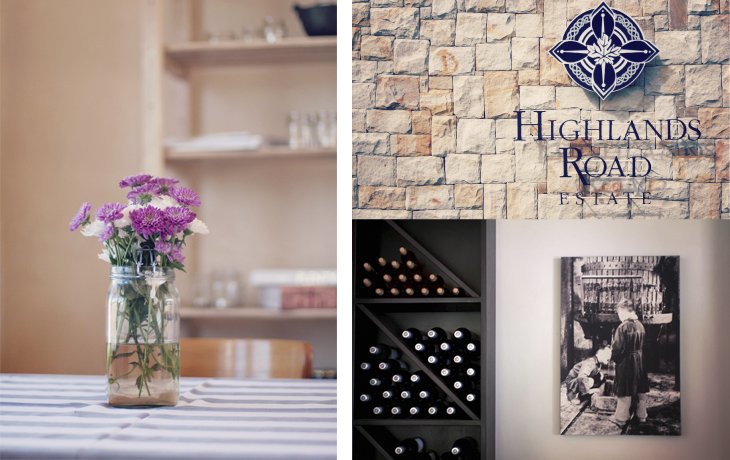
Started in 2004, the fairly young Highlands Road Estate was the dream of Michael White, who identified the Elgin area as one of the top Sauvignon Blanc and Pinot Noir producing areas. The picturesque estate is a tranquil spot to taste wines, sit back and take in the peaceful surroundings while the trees rustle around you.

With a host of award-winning Sauvignon Blancs, this young winery is just getting better with age. You will be spoilt for choice by the collection of wines including elegant white blends, MCC, Rosé, Pinot Noir and a full-bodied red blend called ‘Ruadh’.

A cool and modern tasting room offers a chic environment to taste these fantastic wines. This winery sets out to give you a memorable experience of what the Elgin Valley has to offer from the wines themselves to the deck overlooking the dam and the delicious food to pair with it.

Eat

The Highlands Road Café is a charming little restaurant that overlooks the sunlit lake. Serving simple, bistro-style dishes including thin crust, cheesy pizzas from the wood-fired pizza that will satisfy the strongest pizza craving and light antipasto platters. Sit waterside and enjoy the views with scrumptious, home-style food and great wines. Be sure to enquire about their picnics and any other events that may be coming up.

www.highlandsroadestate.co.za

highlands extra

Oak Valley

The beautiful Oak Valley Estate, situated in the heart of the gorgeous Elgin Valley, was founded all the way back in 1898 by Sir Antonie Viljoen. This large, mixed farming operation is set on 1786 hectares of thriving land and is renowned for its production of apples and pears. It is also home to a greenhouse cut flower production making Oak Valley Flowers the largest supplier of fresh cut flowers in the Western Cape and supplier of choice to Woolworths. Naturally reared, acorn-fed pigs and free-range beef cattle are also farmed on this majestic piece of land.

30 hectares of the farm are dedicated to the vineyards with plantings of Sauvignon Blanc, Semillon, Chardonnay, Merlot, Cabernet Sauvignon, Cabernet Franc, Shiraz and Pinot Noir.
This farm is rich in history and its beautiful produce certainly pays homage to that.

Eat

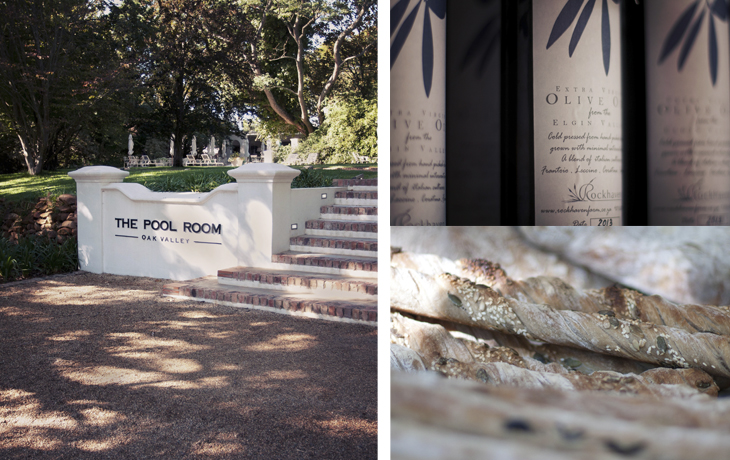
Draped in dappled light from the oak trees is The Pool Room Restaurant, Deli and Tasting Room. The country-chic restaurant overlooks an inviting, sparkling pool and terrace, with views of the tree-shaded gardens and impressive mountains. This is an idyllic setting for a relaxed day in the winelands.

The Pool Room offers delicious, country-inspired food with a twist of the Mediterranean. Sourced mainly from the farm, the ingredients are fresh and of the finest quality – from the free-range grass-fed beef and acorn-fed pork, seasonal vegetables and herbs from the garden, to artisanal breads baked fresh in the wood-fired oven. Delicious charcuterie and jars of spreads, jams and olive oils are also available from the deli and tasting counter.

Ride

For the wine drinker who is also a cycling enthusiast, you can enjoy the experience of the Oak Valley Mountain Bike trails. Consisting of three marked routes: 14 km Blue Route for a more relaxed family ride; 24 km Red Route for those looking for a bit more speed; and the 32 km Black Route for even more advanced and braver riders. This trail has even been described as a five-star mountain bike experience.

www.oakvalley.co.za

oakvalley1

Paul Cluver

Paul Cluver, a family run business and known as the pioneers of wine production in the Elgin Valley, is situated on the picturesque De Rust estate, a conservation area that is beautifully flush with wildlife and plant life. This calm and peaceful 2000-hectare estate forms part of the UNESCO world heritage site, the Kogelberg Biosphere, making it the world’s first wine and biodiversity route. Located in the cool-climate valley, the elegant wines are true to the specific terroir of Elgin.

Sip your way through their delicious wines in the handsome tasting room adorned with rich, wooden finishes. Or lap up the sun in the lush garden dotted with vibrant flowers and enjoy the scrumptious food served up by restaurant, Fresh at Paul Cluver.

Eat

Fresh at Paul Cluver is a farm-to-plate restaurant where all of the fresh produce is sourced straight from the farm’s overflowing vegetable garden. The menu – a blackboard affair – changes frequently and focuses on what is fresh, seasonal and locally available.

Think Roast Chicken, Ham and Mushroom Pie or Red Pepper and Almond Curry. Satisfy your sweet tooth with Caramelized Fresh Figs with vanilla, cream, honey and Thyme served over Vanilla Ice-Cream with Chunks of Peanut Brittle.

Fresh offers a fuss-free, yet unforgettable, dining experience. On lazy summer days, you can sit under the trees on the green lawns and in the colder months, you sit next to a roaring fire in the cosy interior overlooking the vineyards.

Do

Fancy some the theatre? The Hope @ Paul Cluver Amphitheatre is something out of a fairytale. This unique and awe-inspiring setting for performances is only a 45 minutes drive from Cape Town International. Towering Eucalyptus forest circles enclose the intimate open-air arena – all constructed out of timber. A dream-like setting which hosts some of the best local and international performances.

Alternatively, you can get those helmets on and enjoy the The Thandi – Paul Cluver MTB Trails. The Trail starts and finishes at the Paul Cluver Wine Tasting Room and consists of two routes. The Red Route – a 30 km ride, or the Black Route a 35 km ride.
www.cluver.com


Paul extra


South Hill

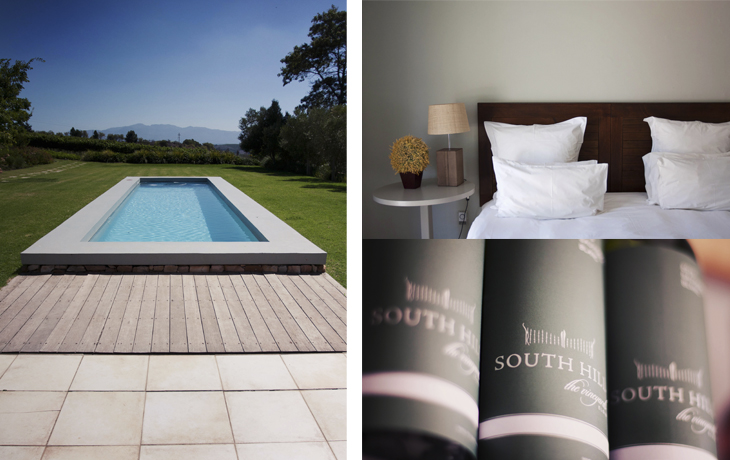
A stunning farm situated on the slopes of the Elgin Valley and nestled amongst apple orchards, is the modern and elegant, South Hill wine farm. Previously known as South Hall, this farm is home to honest, refreshing wines that that are expressive of the cold winters, cool summers and rich fertile soils. Blushing with protea bushes and with hills covered in a blanket of lush vines, this eclectic estate truly captures the essence of South Africa.

Aside from delicious wines, guests can also enjoy a restful nights stay in the plush villa or enjoy a bite to eat and gaze at South African art in The Gallery Restaurant and Sculpture Garden. The farm also boasts a tranquil celebration venue, The Venue, fitting for any celebratory occasion.

Eat

The Gallery and Sculpture Garden at South Hill, forming part of The Venue, has collaborated with Art Event to showcase a diverse collection of Contemporary South African Art and to represent talented and thriving artists.

Surrounded by indigenous, verdant gardens, The Gallery and Sculpture Garden offer an array of fantastic pieces of art. From paintings and sculptures to photography and ceramics the collection of artworks showcases South Africa’s gifted artists.

Pair the art with food and enjoy artisanal lunches in The Gallery Restaurant where Chef Damian Dearlove serves up a mouthwatering, bistro-style menu using locally sourced produce. Or step into the tasting room and enjoy peruse the art or take in the breathtaking views of the vineyards while sipping on the superb South Hill wines.

The Venue plays host to any celebratory affair and makes for an exquisite space to host a wedding, birthday or any other special occasion.

Stay

Stay in the beautiful guesthouse or Pumphouse honeymoon cottage. Be it for a wedding, weekend or weekday stopover, this luxurious four-star accommodation is a restful retreat from busy town life.

The South Hill Guesthouse is a five bedroom, all en-suite, luxuriously elegant villa equipped with full guest facilities.

A modern open plan kitchen/dining and lounge area overlooks the garden and splash pool as well as the gorgeous vineyards, making it the perfect spot to entertain a large group. The villa can be shared with a large group of close friends or on a self-catering bed and breakfast basis. Each en-suite room opens out on to a private patio for privacy.

There is also a large loft area upstairs where guests can watch all DStv channels, use the library or play cards. This room is also great for young kids as it has its own en suite and can sleep 5 in total.

The Pumphouse, is the very special and romantic honeymoon cottage. Situated in a secluded indigenous garden of fragrant fynbos and on the banks of the dam surrounded by Shiraz vineyards, this cottage is sure to get the romance going.

www.southhill.co.za


southhill extra


Winters Drift

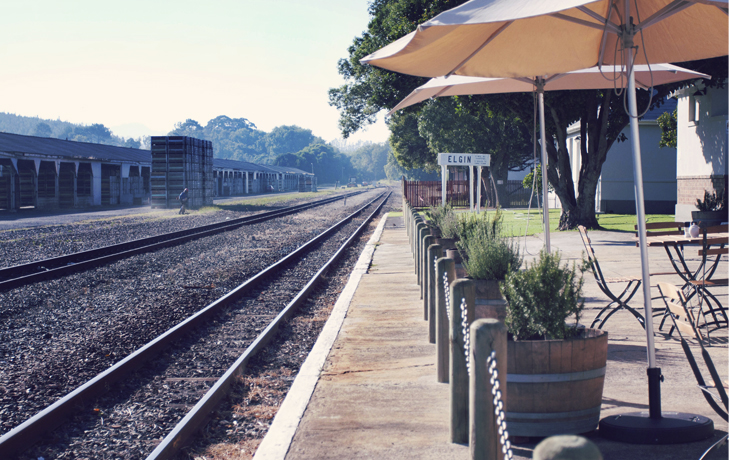
Winters Drift winery might be mistaken for an old train platform but on entering the delightful and quaint 120 year old building, you will be welcomed by delicious wines located in a most unique setting. The Winters Drift Tasting Station is in fact part of the original, and fully operational, railway line that runs through Glen Elgin farm.

The Molteno Brothers, Edward and Harry came to Elgin in 1903 and settled on the farm Glen Elgin with its bountiful apple and pear orchards. Over time, cultivation extended to include flowers and more recently, 54 hectares of rolling vineyards. This led to the creation of Winters Drift Wines in 2010.

Eat

Platform 1 Eatery is a quaint little café that lends itself to the delightful Victorian setting of the Winters Drift Tasting Station. The eatery makes for a great stop where you can sit on the station platform, sip wine and tuck in to the seasonal, farm-fresh dishes on offer.

Stop off for a hearty breakfast before the wine tasting begins and grab a cup of Bean There Coffee, or sip on your Winters Drift wine of choice and chomp on the popular Home-made Beef burger with caramelized onions and potato wedges. The blackboard menu changes daily and each dish is made with delicious, local and sustainable ingredients.

www.wintersdrift.com


winter d


From Woodies to Obs

Woodstock has seen a massive revival over the past few years, the heaving industrial area has seen a massive influx of development and regeneration; once grimy street corners are being revamped and now house quirky food stops, quaint stores repurposing unloved antiques and hideaway artisan workshops. Obs, has always had a cool, naughty-kid-in-the class kind of aura, but went through a phase where repetitive petty crimes were giving the streets a bad name. However residents and business owners have persevered and the area is home to vibey restaurants, laid back cafes and cool brands.

We take a trawl through the streets and stop in to visit some of the awesome tenants of these areas.

Sorbetière

Berenne Christini who has fond childhood memories of homemade strawberry sorbet, ten years experience in the kitchens of various restaurants in France, a South African husband and a small daughter, opened Sorbetière in Woodstock in 2013.

This quaint shop specialises in sorbet made from the best local fruit. The farm-to-scoop sorbet has perfect balance and delicious, intense flavours with a luxurious, creamy texture.


sorbetiere_slider

Bedouin Café & Deli

Bedouin Café & Deli is the newest resident putting the cool into Cape Town’s up-and-coming suburb of Woodstock with its offering of bold flavours from the Middle-East, delicately balanced with a twist of Cape Town.

Serving a range of uber-fresh and tasty Middle-Eastern inspired meals, Bedouin’s relaxed atmosphere and unpretentious menu is quickly making a name for itself amongst those who appreciate great food and laid-back style.

b_image_textbox

Deer Hunter

“We hunt so you don’t have to…”

A place that hunts for fun, quirky and unusual bits and bobs and then packs them into a space for you to browse and buy. This is Deer Hunter – a true treasure capturing the eccentric essence of Woodstock. Grab a coffee and meander through the collection of vinyl’s, toys, clothes, art, books, and more, in this awesome and off-the-wall store.

deer_image_textbox

Saucisse Boutique Deli

Saucisse Boutique Deli offers a selection of specialised meats and cheeses from all over South Africa, focusing on, and promoting the small producer. Inspired by the best of France and Italy, this charming deli hits the spot with quality and a passion for artisanal food. Create your own scrumptious lunch by chosing the meats, cheeses and toppings to go onto your choice of bread. They also do salads, wraps and charcuterie platters.

Keep an eye out for their monthly Canapé and Quiz evenings.

saucisse_image_textbox

Ma Mère

Set in the heart of the buzzing Old Biscuit Mill is Cape Town’s own French style confectioner – Ma Mère. Owned and run by the talented Lexi Bechet, this beautiful little confectioner boasts an assortment of delightful, and unusual, handcrafted treats. The mouthwatering treats are all made on site where visitors are encouraged, and often rewarded with, tastes of their latest experimental delicacy.

mamere_image_textbox

Wallflower – Urban Garden & Home

Prepare to be inspired by a small space filled to the brim with gorgeous, innovative and practical homeware, outdoor plants and décor. Choose from a wide range of beautiful gifts to spoil someone or even yourself. They also supply practical greening solutions for small spaces, verandahs, balconies and courtyards.

wallflower_image_textbox

Beerguervara

This gem, opened by Anthony Cawood and Andrew Cook, is an all grain, home brewing supply shop in trendsetting Salt Circle. Beerguervara sell hops, grain, yeast and brewing equipment. They supply all the goodies and all the know-how to make beer. It’s fun, cheap and tastes damn good.

beer_image_textbox

Crush at Cellarbake at Nitida

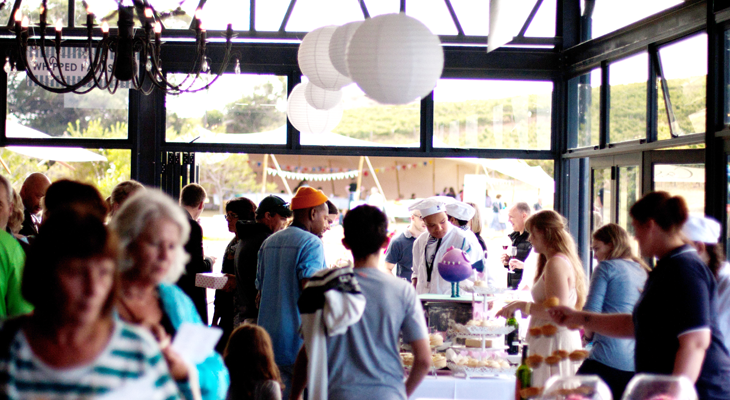
Taste buds stood testimony to decadence as SA’s first-ever bake and wine pairing festival -Cellarbake at Nitida – launched its culinary wings at Nitida Wine Farm in Durbanville wine valley on Sunday, 23 March 2014. We were there to take part in all the fun.

image_textbox2

Top artisanal bakers gathered from around the Cape to showcase their signature dishes paired perfectly by culinary connoisseur and Cellarbake Wine Consultant Michael Olivier, with Nitida and Môreson wines.

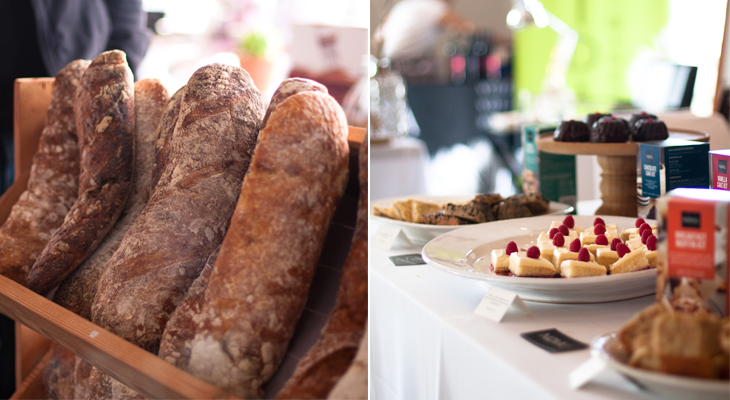
Amalgamations of original bold, rich flavours were prevalent, present in the Porcini Macaroons by Top Nosh which Michael married with the Nitida Calligraphy 2012, Coronata Integration 2012 was interestingly accompanied by The Ginger Girl Bakery’s Chocolate Peanut Butter Pies and more traditional offerings such as Whipped Patisserie’s Baked Cheesecake was available with the Nitida Sauvignon Blanc 2013.

Adding bubbles to the mix The Smiling Oven’s Traditional Baked Milk Tart was offered with Miss Molly Bubbly NV, Bacon of the Month Club did a Choc Chip Bacon Cookie balanced beautifully with the Miss Molly Petit Rosé Bubbly NV and Miss Muffet’s delectable Rosewater Red Velvet Cupcake with Ganache and Chocolate Fudge Frosting was coupled with Nitida Matriarch in Red 2012.

Cassia Restaurant and The Tea Merchant organized a fabulous high-tea, with an exquisite mix of delicacies including savoury scones with Shiraz poached pear and gorgonzola, brioche with Strawberries and Chocolate Truffles, and Tuille cones with Modjaji ganache and so much more, all accompanied by a mix of refreshing and aromatic teas to slice through all the sweetness of the day.

Cellarbake@Nitida is set to run as an annual Cape Town festival, and those who missed out this time round can look forward to their slice of the cake next year. We  are so proud to be media partners with such a fabulous event.

image_textbox3

image_textbox

Food From Afar

Words by Georgia Schumann

Images by Matthew Ibbotson


A group of foreigners bringing their tastes and cultures to the mother city through unique restaurants.

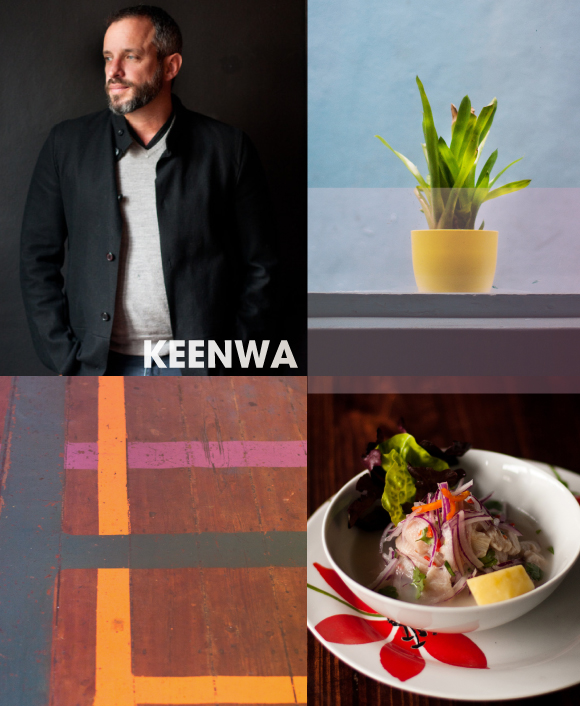
Keenwa

hertiageportraits_1

German de la Melena’s love for food extends back to his childhood in Peru. Weekends were spent watching his father make peanut butter from scratch, or fig preserve from the fig tree in the garden. Three years ago, after travelling the world as a model, he decided to settle in Cape Town and turn his passion for cuisine into a restaurant. Keenwa (the phonetic spelling of quinoa – a staple food in Peru) serves a smorgasbord of authentic, home-style Peruvian dishes such as Ceviche (fresh, raw fish marinated in lime) and Aji de Gallina (spicy creamed chicken).

“Modern Peruvian cuisine is a fusion of the various regions,” he explains, “At Keenwa we remain true to the original recipes by making no changes to the ingredients.” Except, that is, for reducing the original spiciness of the dishes to suit the less robust South African palate. “When Peruvians come to my restaurant they often request more chilli,” he laughs, “In Peru, the chillies are so hot you cry when you eat them.”

German’s passion for food extends to South African cuisine. “South Africa has the best meat in the world,” he says, marvelling at our ability to braai the perfect filet.

Keenwa also serves as a meeting place for local Latin Americans, whom German describes as genuinely open-armed and sincere. Every second Friday is Latin night at his bar upstairs: “You can always spot the Latino’s,” he smiles, “They can’t help but dance through the door and all the way up the stairs.”

Keenwa
50 Waterkant St, Cape Town
Tel: 021 419 2633


San Julian

hertiageportraits_2

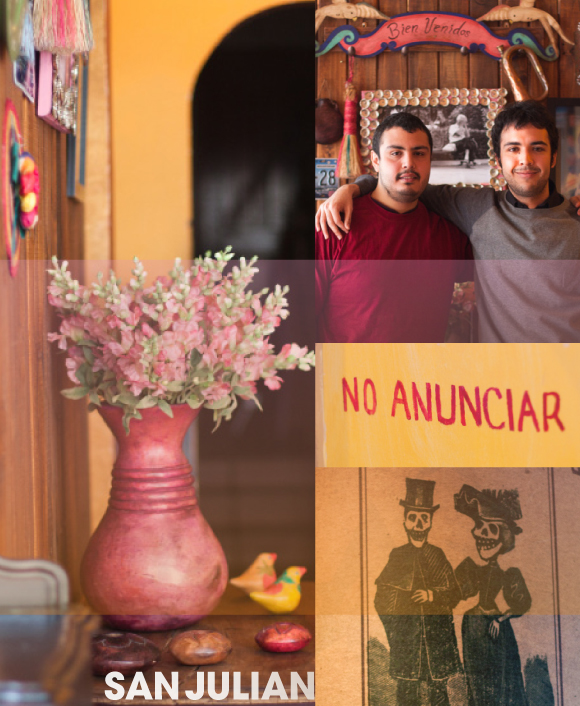
This unique, little gem is run by Patricia Garcia Aispuro and her two sons, Arturo and Ricardo. Ricardo studied and worked as a chef in Mexico before moving to South Africa with his family in 2010. He now heads up the kitchen of Cape Town’s first truly authentic Mexican restaurant. “Ricardo was a food critic from 5 years old,” laughs his mother, reminiscing about his vociferous critiques of her refried beans.

San Julian is an extraordinary establishment – not only because of the obvious passion with which this trio runs their business, but also because of the remarkable amount of care, time and respect for tradition that goes into making their food. The corn flour or ‘nixtamal’ which forms the basis of so many of their dishes is made from scratch on the premises, using the arduous 7000 year old process of the ancient Mayans. Their chorizo is handmade using their great aunt’s recipe, limes are freshly squeezed daily to recreate their grandfather’s famous margaritas and their exquisitely refreshing Jamaica (Mexican iced tea) is lovingly concocted from fresh fruit and hibiscus flowers.

Ricardo and Arturo are vocal about their distaste for preservatives and fast foods. Their philosophy is to respect and support local produce and to stick to organic, preservative-free ingredients. The menu focuses on simple, classic Mexican dishes and they urge their guests to eat the Mexican way –with unashamed gusto and joy.

“Cooking is about connecting and communicating,” says Ricardo. “I cook slowly, respectfully. I cook with love.”

San Julian
Statehouse Building
3 Rose St
Greenpoint
Tel: 021 419 4233


Little Ethiopia

hertiageportraits_3

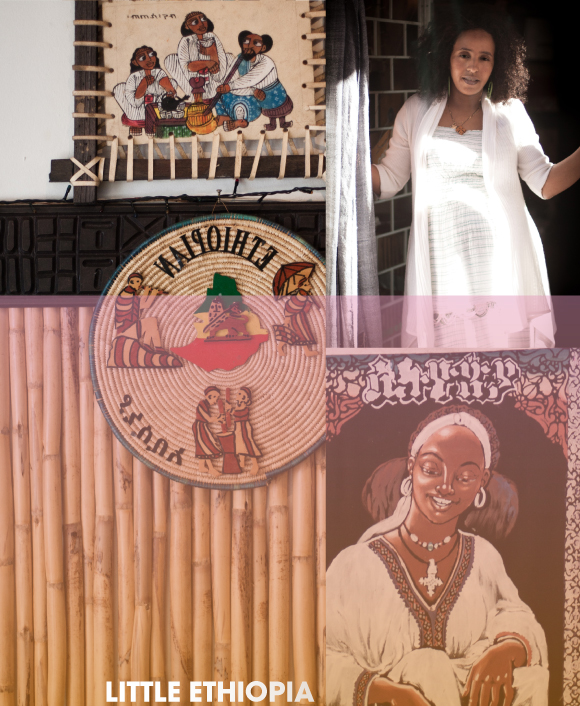
Yeshi Mekonnen is a remarkable woman. When she moved to Cape Town ten years ago to study, she was met with great interest in both her country and her culture. This led her to believe that there was a market for introducing foreigners to the exotic allure of her national cuisine. And so – three years ago – she made the brave decision to stay in South Africa and to open her own Ethiopian restaurant.

Little Ethiopia stands true to its name – the restaurant, hailed by Mail & Guardian as ‘one of the best finds in Cape Town’, is a tiny room bordered by a handful of small tables. Ethiopian music blares out of the TV and traditional paraphernalia lines the walls. The food is spicy, wholesome and unpretentious, served without cutlery. Rare spices are brought in from Ethiopia, as well as the coffee that is their national pride. The intimacy of the space gives you the feeling that you are visiting Yeshi at her home, and she treats each guest accordingly. From lunch until dinner, this cosy room is a bustling hive of regulars, tourists and local Ethiopians looking for some home-cooked fare.

Hospitality and food are central to Yehsi’s culture and upbringing. She speaks fondly of her mother as an outstanding cook and hostess. “The value my family placed on hospitality is how I learnt my trade,” she says, “I make food from the bottom of my heart. Seeing my customers enjoying themselves is my greatest happiness.”

 
Little Ethiopia Restaurant
76 Shortmarket Street, Cape Town
Tel: 021 424 8254


The Butcher Man

Take a step into a meat lover’s heaven. The Butcher Man is certainly not your ordinary butchery. Gerald and Mimi Winkler make up the passionate husband and wife team who opened this impressive boutique butchery in July 2013. Situated on the bustling Green Point strip, it’s striking and trendy exterior fits in perfectly. The branding is spot-on with a simple, yet bold, logo and a slogan that reads ‘The Butcher Man – a cut above the rest’.

butcher-2

Inside, is a whole world dedicated to meat – chic and beautifully laid out with such attention to detail. The aromas will instantly make your stomach grumble and the gleaming-glass, deli counter displays an abundance of juicy meats awaiting your choice. The Butcher man only uses the finest primal cuts of meat, ensuring the very best quality and taste.  Select your meat and watch them carve, mince or ‘French’ it in front of you.

In a hurry? Find lamb chops, spatchcock chickens and schnitzels on the shelves, pre-packed for convenience. You can also ask them to cook your chosen piece of meat to your liking and your dinner will be sorted.  They even have a range of speciality meats for the more adventurous carnivores – rabbit, quail, and even, crocodile are available.

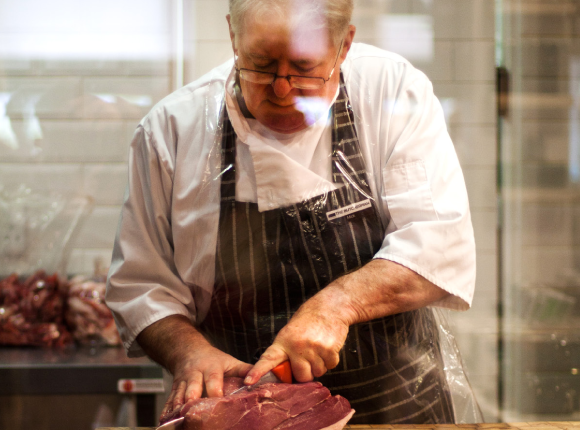
The Butcher Man prides itself in being the best butchery that Cape Town has to offer. With superb quality meat, what would this top-class butchery be without expert butchers? We were lucky enough to see one of The Butcher Man’s master butchers in action, meticulously cutting a piece of meat. Mick and Peter, who are originally from the United Kingdom, have mastered the art of butchery and with over 50 years experience, you know you’ll be getting excellent quality cuts of meat with them behind the cleaver.

butcher-1

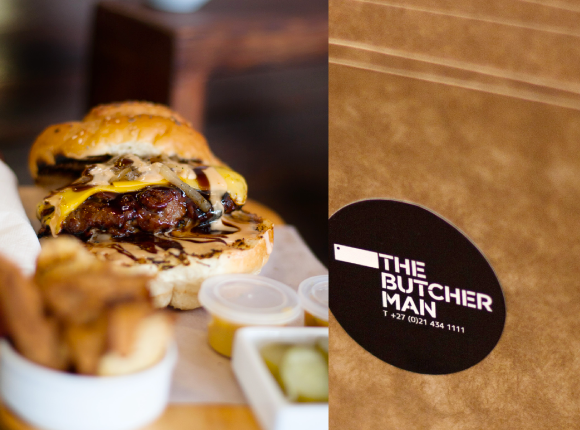
Superior meats aside, you can find many meat related products from braai aprons, butcher clogs and ‘The Butcher Man’ branded t-shirts, to artisanal spices and marinades plus a biltong bar packed with unusual and exciting flavours like kudu droëwors and chicken chutney. Take a load off in the in-store eating area where you can tuck into their ‘now famous’ 100% pure beef burger (R42) or a hot beef on rye (R58) both of which are stylishly served on a wooden board with homemade pickled cucumbers and mustard.

butcher-3

With National Braai Day coming up, you’ll want to stock up with the best and The Butcher Man is exactly that. But be warned, you may never want to leave!

Open 7 days a week – Monday to Saturday 9am – 7pm; Sunday 9am – 6pm.

105 Main Road, Green Point, Cape Town

Tel. 021 434 1111

Email: realmeat@thebutcherman.co.za

Website: www.thebutcherman.co.za

The Test Kitchen: Behind the Scenes

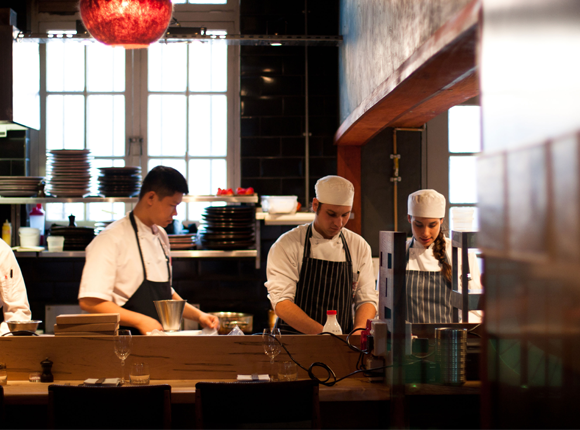
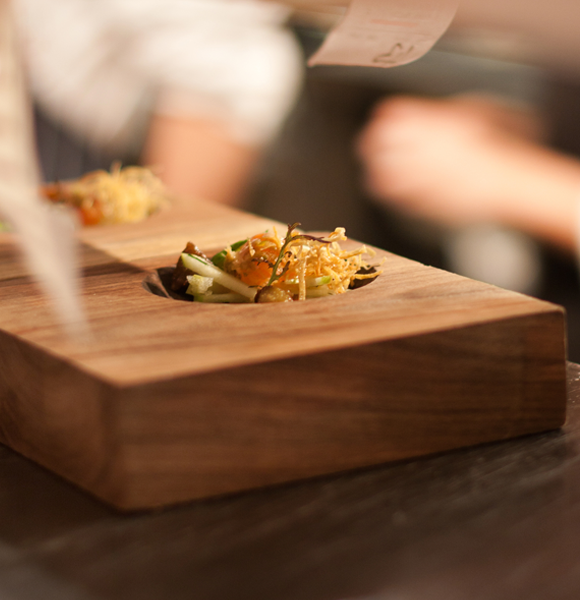
Crush gets an intimate, behind-the-counter look at The Test Kitchen – arguably the best kitchen in South Africa.

Want to completely understand the sensation of eating a chocolate fondant? You crack it open and explore the inside. Everyone is a personal expert when it comes to knowing what tastes make you close your eyes and melt away in the moment.

Like art, the taste of a dish is to some extent subjective to each individual’s palate but, as with most masterpieces, there seems to be a magical ease or flamboyance about what is presented in front of you. Look a little further, and this art is about precision, with exact measurements and procedures. Orchestrated by one master chef and carried out daily by a passionate team with varying levels of experience, to present sublime flavours and visual fantasies.

In the quest to explore the inside, Crush was lucky enough to gain a backstage pass to capture behind-the-scenes, on camera, how genius, Luke Dale-Roberts, manages a relatively young team to reach the heights that have made The Test Kitchen worthy of being awarded the Cacao Barry One to Watch Award at the World’s 50 Best Restaurants.

The Test Kitchen

5:00pm

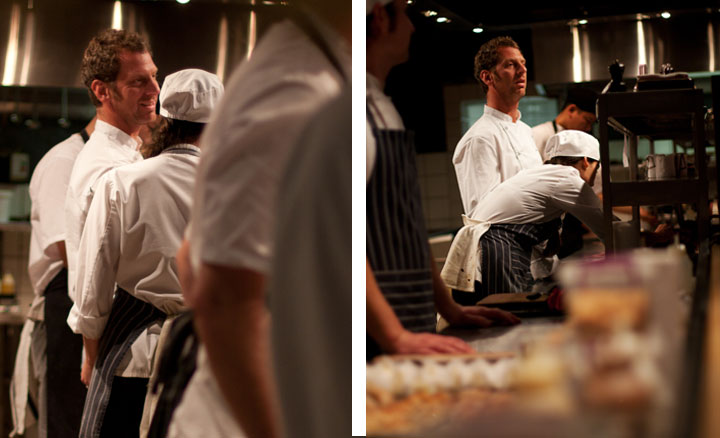
The music is loud, the energy is strong and the chefs are beginning their well practiced, two and half hour, ritual preparation. Front-of-house team fold, chat, check stock, balance accounts and plan for the night ahead.

This is no normal job – it’s similar to the life of a stage actor or even an athlete – preparation is everything and everything comes down to a moment, or in this case, a dish.

5:15pm

Lined up, shoulder to shoulder or passing one another at break-neck speed, each chef has their own station and their dedicated role. There is no doubt which element they are responsible for. The way a professional kitchen works is the antithesis of an African government – it is fantastically transparent – one mistake and it is so easy to identify where it came from.

test-2

5:30pm

Wherever you look, someone is doing something that will result in a guest having one of the most extraordinary dining experiences of their lives.

5:45pm

Sauce, grill, sweet, baking and plating stations – in the Test Kitchen, there is one member of staff for every two guests. Each chef spends at least six months on any one station.

The test Kitchen test-kitchen_4(6pm)

6:00pm

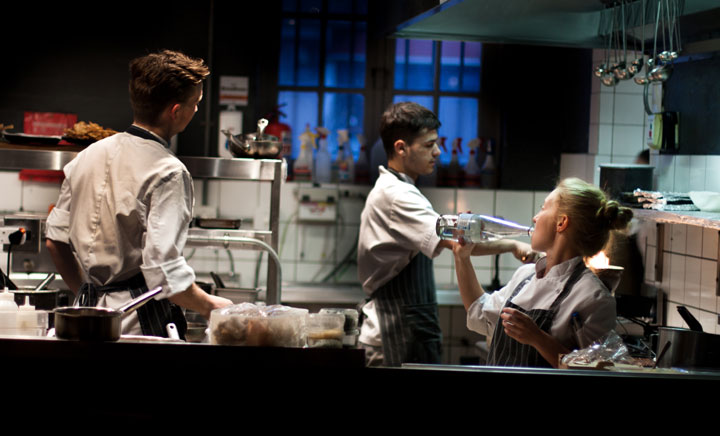
At times, chefs in the kitchen seem to work alone, solely focused on their station but in-between times, they come together to guide, share and to take a sip of water. There are noticeable levels that differentiate the chefs’ experience and these levels are given great respect amongst the kitchen team.

6:30pm

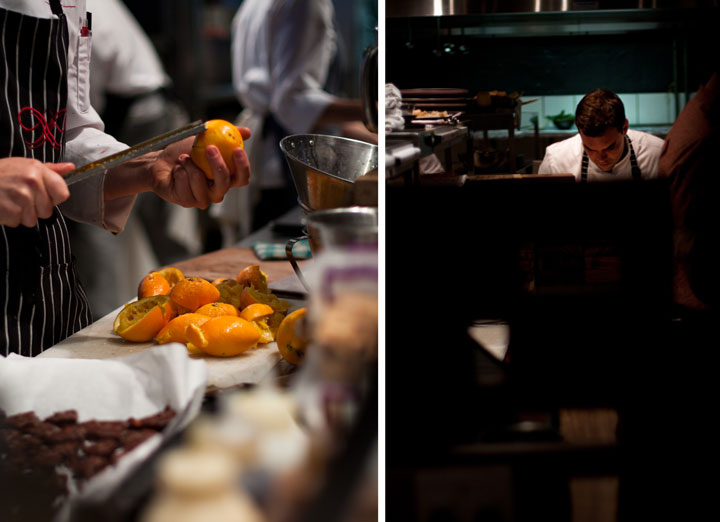
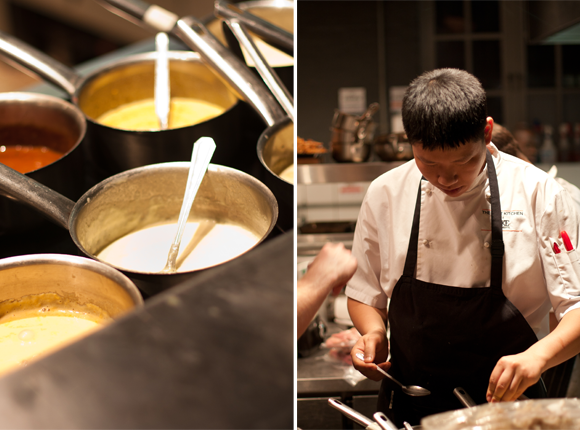
Each sauce is tasted and considered by the head chef. There are quick discussions as to why one sauce is too salty, or the consistency of another, slightly too light. “Good, good, good… do that sauce again”. And without hesitation, a sauce that doesn’t quite hit the mark is remade from scratch.

test-6

6:45pm

A whole pig’s head lies on one counter as an apparent nod to African produce and customs. Luke likes diners to have seen the cooked head before eating the exquisitely plated, pork cheek. It is reintroducing the idea of knowing what you are eating, and later, celebrating its flavour and the wonder of its transformation to the final dish on your plate.

Front-of-house staff is briefed on all of the guests for that evening. They, too, continue to look for any details that they can improve and prepare for, before the first diner arrives.

7:00pm

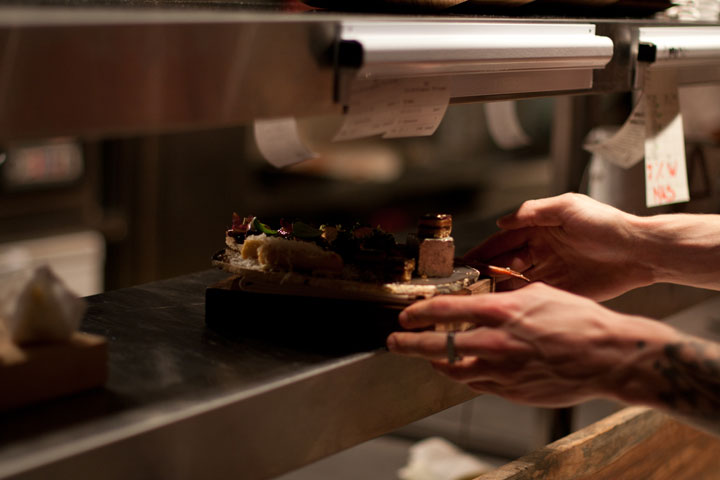
Starters are checked and plated, ready for a fluid transfer to the front-of-house team.

test-3

7:15pm

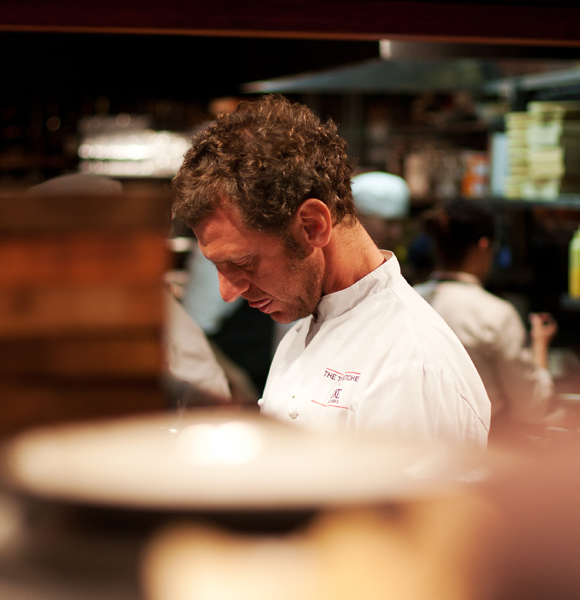
Chef, Luke Dale-Roberts, arrives confident that his team is perfectly producing their piece of the gastronomic puzzle. A quiet couple of checks, catch up conversations, tastes and he disappears up to his office.

“Chef wants the duck to test.” There is some nervousness (which is to be expected when you are cooking for Luke Dale-Roberts), but you get the feeling that most dishes are checked as though they were always serving Luke himself.

The Test Kitchen

7:30 pm

Luke Dale-Roberts stands and conducts – his attention often being drawn to many parts of the restaurant but he always has an eye on his stations and the details of the dishes going out. A chef whose intensity and desire for perfection are wrapped up in a relaxed, friendly demeanour. A tense smile reminds one that this is a chef not ready to rest on his laurels.

test-5

7:45pm

Dishes roll out that are so full of deliciousness that we dare not even begin to describe them. The kitchen seems to have settled into the groove and, surprisingly, seems slightly more relaxed than in the two hour preparation time which most diners would never even know exists. That’s the magic.

The Test Kitchen

test-4